Electric Cars
Electric Vehicles 2026

EV Savings Calculator


Upcoming Electric Cars in India

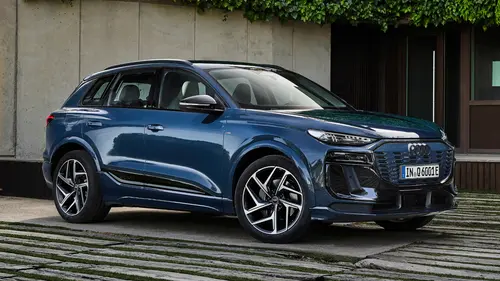
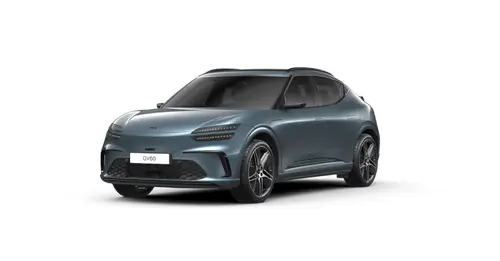
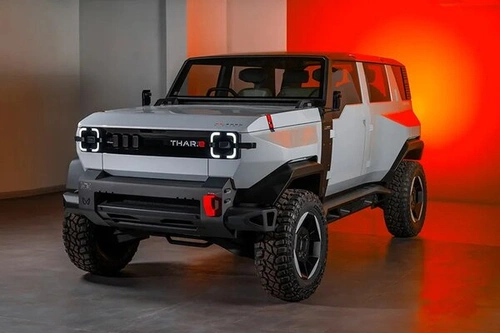
Electric Cars Comparison
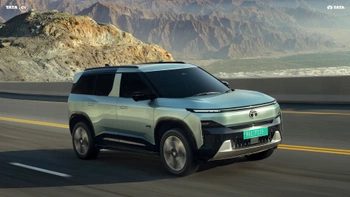
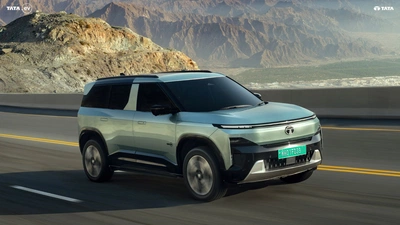
Tata Sierra EV
₹18.79 - 26.48 Lakh
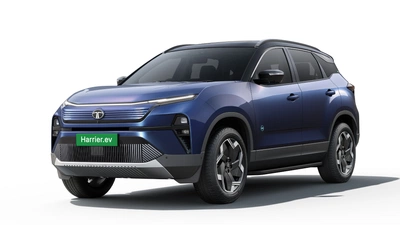
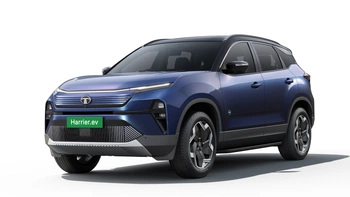
Tata Harrier EV
₹21.79 - 30.54 Lakh

Tata Curvv EV
₹17.19 - 19.69 Lakh
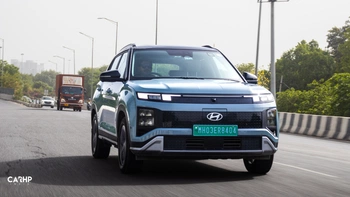
Hyundai Creta Electric
₹18.03 - 25.22 Lakh
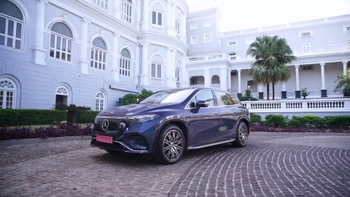
Mercedes-Benz EQS SUV
₹1.33 - 1.48 Cr
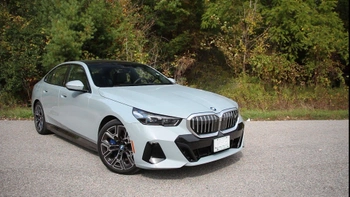
BMW i5
₹1.20 Cr
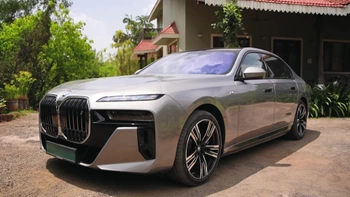
BMW i7
₹1.95 - 2.65 Cr
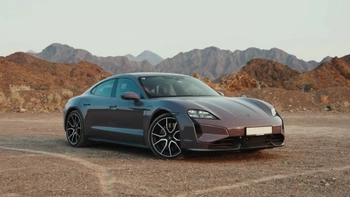
Porsche Taycan
₹1.70 - 2.70 Cr
BMW i7
₹1.95 - 2.65 Cr
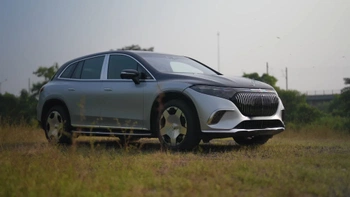
Mercedes-Benz Maybach EQS SUV
₹2.40 - 2.65 Cr
BMW i7
₹1.95 - 2.65 Cr
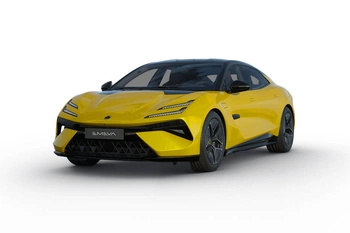
Lotus Emeya
₹2.34 Cr
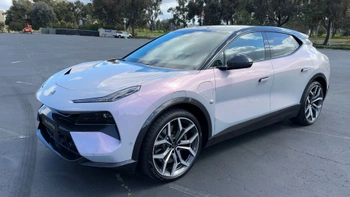
BMW i7
₹1.95 - 2.65 Cr
Lotus Eletre
₹2.55 - 2.99 Cr
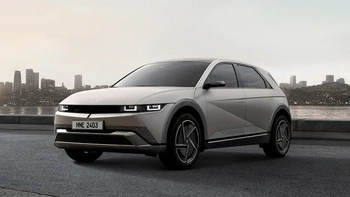
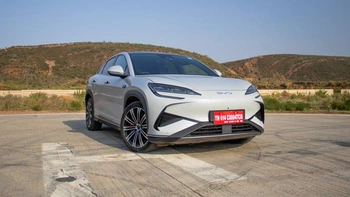
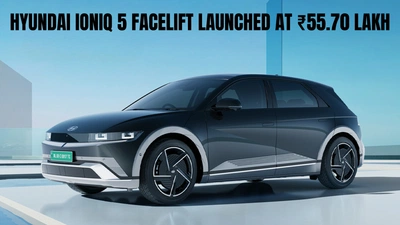
Hyundai IONIQ 5
₹55.70 Lakh
BYD Sealion 7
₹41.90 - 50.60 lakh

Hyundai IONIQ 5
₹55.70 Lakh
Mini Countryman Electric
₹54.90 - 60.70 Lakh
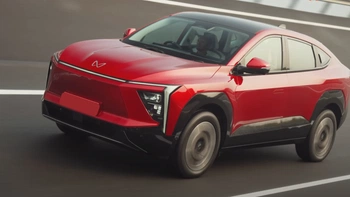
Mahindra XEV 9e
₹21.90 - 31.25 Lakh
Tata Curvv EV
₹17.19 - 19.69 Lakh
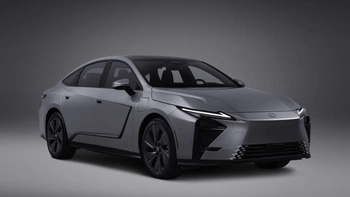
Lexus ES Electric
₹89.99 Lakh
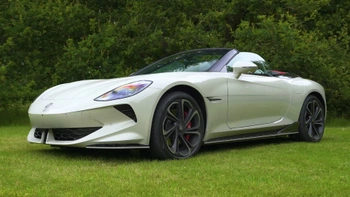
MG Cyberster
₹82.50 - 91.94 Lakh
Lexus ES Electric
₹89.99 Lakh
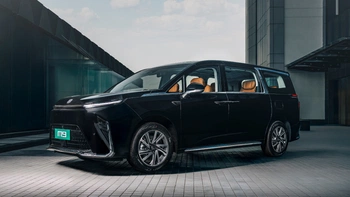
MG M9
₹79.95 - 89.27 Lakh
Lexus ES Electric
₹89.99 Lakh
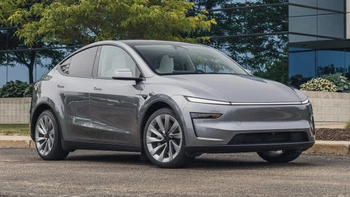
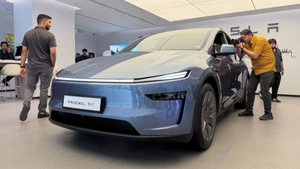
Tesla Model Y
₹50.89 - 61.99 Lakh
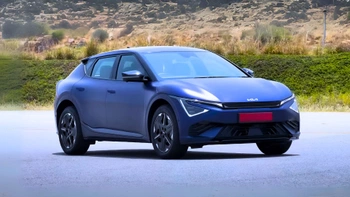
Lexus ES Electric
₹89.99 Lakh
Kia EV6
₹65.97 Lakh
Find The Cars Of Your Choice


Expert Review
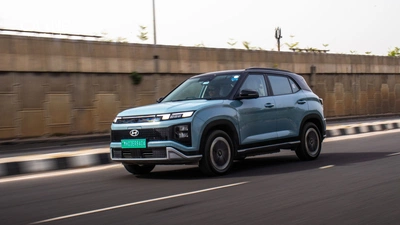
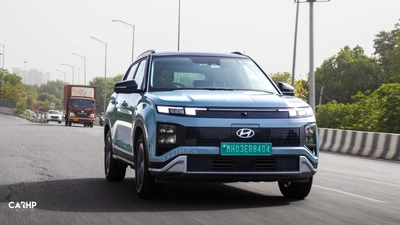
Hyundai Creta Electric 3,000km Review: The EV I Didn't Expect to Like
In this comprehensive review, I'll take you through every aspect of the Hyundai Creta Electric, starting from its design, cabin quality, features, and driving dynamics to charging experience, ownership costs, and real-world practicality, to help you decide whether it's the right electric SUV for your garage.
Vatsal Agrawal
July 20, 2026
Latest EV news articles
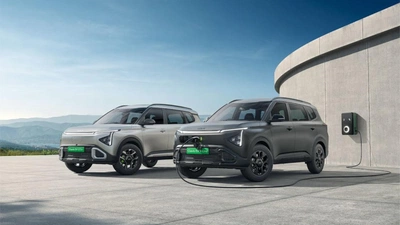
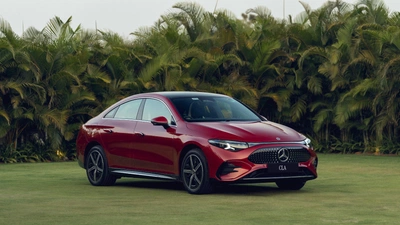
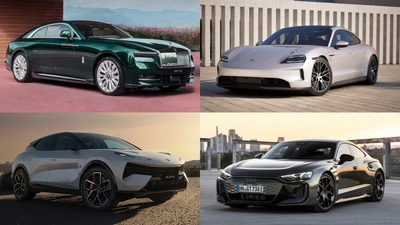
Electric Images


Electric Cars Key Highlights
EV Cars by Budget






























Expert Review
Hyundai Creta Electric 3,000km Review: The EV I Didn't Expect to Like
In this comprehensive review, I'll take you through every aspect of the Hyundai Creta Electric, starting from its design, cabin quality, features, and driving dynamics to charging experience, ownership costs, and real-world practicality, to help you decide whether it's the right electric SUV for your garage.
Vatsal Agrawal
July 20, 2026
Latest EV news articles
Electric Images
Electric Cars Key Highlights
EV FAQs
How many electric cars are available in India?
−There are currently 51 electric cars available in India across different body styles and price ranges.
Which is the most affordable electric car in India?
+The most affordable electric car in India is the Tata Tiago EV, priced from 6.99 Lakh.
Which electric car offers the longest range in India?
+The Mercedes-Benz EQS SUV offers a claimed driving range of up to 820 km on a full charge.
Which electric car brands are available in India?
+Popular electric car brands in India include Tata, MG and Citroen.
Which electric SUVs are available in India?
+India currently offers 31 electric SUVs, including models like Tata Punch EV, Tata Nexon EV and Kia Syros EV.
Which electric cars are available under ₹10 lakh in India?
+There are currently 3 electric cars under ₹10 lakh, including Tata Tiago EV, MG Comet EV and Tata Punch EV.
Which electric cars are launching soon in India?
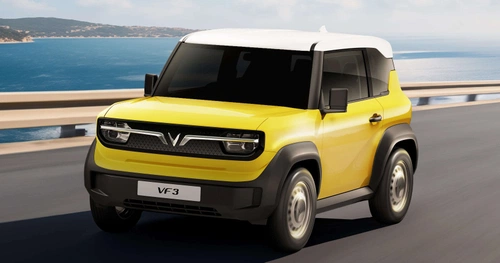
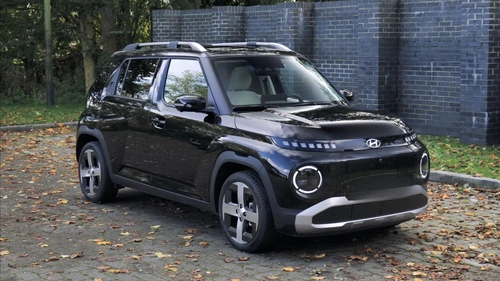
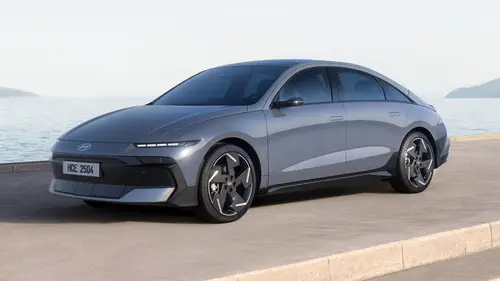
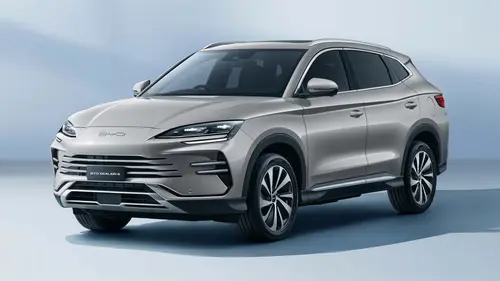
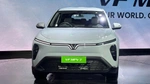
+Upcoming electric cars in India include VinFast VF3, Hyundai Inster, Tata Safari EV, Hyundai IONIQ 6 and BYD Sealion 6.
Which is the next upcoming electric car in India?
+VinFast VF3 is among the next upcoming electric cars in India.
How long does it take to charge an electric car?
+Charging times vary from around 30 minutes using DC fast chargers to 6–10 hours with home charging solutions.
Do electric cars require less maintenance than petrol or diesel cars?
+Yes, electric cars generally require less maintenance because they have fewer moving parts and no engine oil changes.
What are the biggest challenges of owning an electric car in India?
+Charging infrastructure availability and higher upfront costs remain the primary challenges for EV buyers.
How many electric cars does Tata sell in India?
+Tata currently offers 7 electric cars in India.
Which is the most affordable Tata electric car?
+The most affordable Tata EV is the Tata Tiago EV, starting at 6.99 Lakh.
Which is the most expensive Tata electric car?
+The most expensive Tata EV is the Tata Harrier EV, priced up to 30.54 Lakh.
Which Tata electric car offers the highest range?
+The Tata Sierra EV delivers a claimed range of up to 665 km on a full charge.