Mahindra XEV 9e vs Tata Curvv EV - Which One Should You Buy
Mahindra XEV 9e vs Tata Curvv EV Comparison at CarHP India. Compare Mahindra XEV 9e and Tata Curvv EV Prices, Mileage, Features, Specs, Colours and much more.
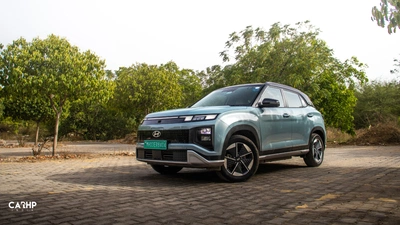
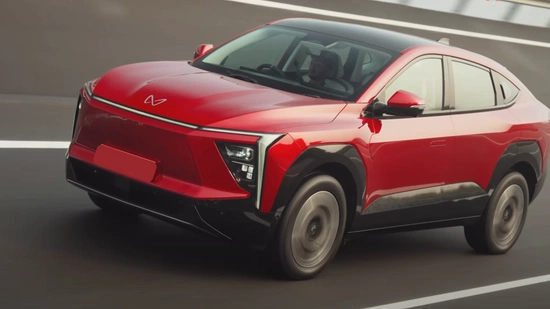
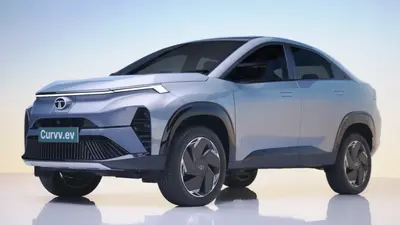
The Mahindra XEV 9e is available in 15 variants, while the Tata Curvv EV comes in 8 variants. The Mahindra model is priced from ₹21.90 Lakh to ₹31.25 Lakh. The Tata Curvv EV is more budget-friendly, ranging from ₹17.49 Lakh to ₹22.24 Lakh. Performance is a big differentiator between the two. The XEV 9e delivers 282bhp and 380Nm of torque through a rear-wheel-drive system. The Curvv EV produces 165bhp and 215Nm using a front-wheel-drive setup. Both cars use automatic transmissions, which make driving in heavy metro traffic very smooth. The XEV 9e has a tested range of 656 km, while the Curvv EV offers 502 km on a single charge. Both cars seat five people and offer modern cabins with digital clusters and wireless smartphone connectivity. The Mahindra XEV 9e is much larger and features a massive 663-litre boot. The Tata Curvv EV provides a 500-litre boot. Standard features like automatic climate control, cruise control, and keyless entry are present in both SUVs. On the outside, both have sharp LED headlamps and DRLs for a premium look. Safety is excellent, as both have 5-star safety ratings and 6 airbags. They include ABS, ESC, and hill assist. The Curvv EV also comes with lane keep assist and emergency braking for extra protection. The Mahindra interior feels slightly more upmarket with its leather-wrapped steering wheel. For daily driving in busy cities, the Tata Curvv EV is a practical and easy-to-handle choice. It is more compact for tight parking and costs less. The Mahindra XEV 9e is better for those who want luxury, top-tier power, and a lot of luggage space for family trips. If the budget allows for it, the Mahindra XEV 9e is the better overall vehicle. Book a test drive through this portal before making a final decision to get exclusive benefits, special discounts, and the best available offers by booking here.
₹ 21.90 Lakh
₹ 17.19 Lakh



Compare Minimum 2 Cars At Once — Tap To Activate / Deactivate
Smart Summary for Car Selection
 Why Choose Mahindra XEV 9e?
Why choose the Mahindra XEV 9e
- Its 79kWh battery claims 656km and returned around 6.18km per kWh on the highway in testing, so a run from Delhi to Jaipur and back fits between charges where the Curvv EV would need a stop.
- DC charging at up to 180kW takes the battery from 20 to 80 percent in around 20 minutes, so a highway charging break is half the length of the Curvv EV's 40 minutes.
- Its 663-litre boot is 163 litres bigger than the Curvv EV's 500 litres, and a 150-litre front storage compartment adds space, so holiday luggage and the charging cable both travel easily.
- Semi-active dampers adjust in 15 milliseconds and gave a plush ride over broken surfaces in testing while holding body roll in check, so passengers stay settled on bad roads and through fast corners.
- Rear-wheel drive with up to 286hp and 380Nm reached 100kph in 7.45 seconds in testing, so clearing a slow truck on a two-lane ghat road takes a moment.
- Ground clearance of 207mm is 21mm more than the Curvv EV's 186mm, so a loaded car clears tall speed breakers and deep monsoon potholes with a bigger margin.
Why not choose the Mahindra XEV 9e
- The sloping roofline limits rear headroom and under-thigh support feels short for tall people, so adults over six feet get tired in the back on long journeys.
- The infotainment layout was found cluttered and confusing in testing, so finding a basic setting while driving takes longer than it should.
- The passenger screen has no privacy filter, so a film playing on it pulls the driver's eye away from the road on a night drive.
- A high loading lip works against the large boot, so lifting a heavy suitcase in and out takes more effort than the space suggests.
- At 4,789mm long and 1,907mm wide it is 479mm longer and 97mm wider than the Curvv EV, so older basements and narrow market lanes are far harder to negotiate.
Why Choose Tata Curvv EV?Why choose the Tata Curvv EV
- At 1,810mm wide and 4,310mm long it takes far less shuffling to place in a tight society parking slot or a narrow gali than the considerably larger XEV 9e.
- It holds a 5-star Bharat NCAP rating, so a family gets a tested top crash score under the current Indian protocol.
- A single 55kWh battery claiming 502km is fitted to every version, so there is no short-range version a buyer can end up with by mistake.
- Its 500-litre boot with an 11.6-litre front storage compartment means a family of four's luggage for a week away goes in without a roof carrier.
- The suspension soaks up broken roads calmly, so potholes and patched highway stretches are absorbed rather than passed through to passengers.
Why not choose the Tata Curvv EV
- Its 167hp motor took around 11 seconds to reach 100kph in testing, so it is far slower than the XEV 9e when overtaking with a full cabin.
- DC charging peaks at 70kW and takes 40 minutes to go from 10 to 80 percent, so highway charging stops last roughly twice as long as the XEV 9e's.
- Real-world range of around 365km is well short of the XEV 9e's, so long intercity trips need more planning around charging points.
- The coupe roofline cramps rear headroom and under-thigh support, so tall passengers in the back tire on long drives.
- Only one battery size is offered, so a buyer who regularly drives long distances has no larger pack to step up to.
- The glovebox cupholders are not usable and there is no proper spot for a phone or wallet, so everyday items end up loose in the cabin.
 Our Recommendation For Most Buyers
Who should buy the Mahindra XEV 9e
Long-distance EV buyers who want space and performance should head for the XEV 9e. Its 79kWh battery claims 656km, charging from 20 to 80 percent takes around 20 minutes, and the 663-litre boot with a 150-litre front compartment swallows family luggage. Semi-active dampers deliver a plush ride while controlling body roll, and rear-wheel drive with 286hp makes it quick.
Higher ground clearance adds everyday margin on bad roads. The compromises are rear comfort, usability and size. The sloping roof limits rear headroom, the infotainment is cluttered, and the passenger screen distracts the driver at night. A high loading lip makes the boot awkward, and the large body is hard to park. For a family that drives between cities often and values range, space and pace, the XEV 9e is the more capable EV.
Who should buy the Tata Curvv EV
The Curvv EV suits city-based families who want an electric SUV that fits Indian streets. Its narrower, shorter body parks far more easily than the XEV 9e, a 5-star Bharat NCAP rating adds reassurance, and the single 55kWh battery keeps the buying decision simple. The 500-litre boot handles a family's luggage, the suspension absorbs broken roads, and blind spot monitoring with auto hold eases dense traffic.
What it gives up is pace, range and charging speed. It is far slower than the XEV 9e, fast charging takes twice as long, and real-world range falls well short. Rear headroom is cramped by the roofline, there is no larger battery, and cabin storage is poorly thought out. For a buyer who charges at home and drives mostly in town, the Curvv EV is the more practical pick.
Engine and Performance
Performance Specifications
Fuel Specifications
Dimensions and Design
Interior Specifications
Wheels & Tires
Suspension, Brakes & Steering
Safety Features
Interior Features
Comfort & Convenience
Infotainment Features
Exterior Features
Brochure

EMI Cost Comparison
Assuming 20% down payment, 9.5% interest, 60-month tenure
 Loan Amount
 Interest: 9.5%
 Down Payment (20%)
 Loan TenureLoan AmountInterest: 9.5%Down Payment (20%)Loan Tenure
Pros & Cons Comparison
Things We Like in Mahindra XEV 9e
- 20-minute DC fast charge (20–80%) across all variants.
- 663-litre boot plus a 150-litre frunk for segment-leading storage.
Things We Like in Tata Curvv EV
- Lifetime high-voltage battery warranty (15 years or unlimited km) for the first owner.
- IP67-rated motor and battery pack for dust and water resistance.
Things We Don't Like in Mahindra XEV 9e
- The 79 kWh long-range battery is exclusive to the top variant.
- Ventilated front seats are absent on the two lower variants.
Things We Don't Like in Tata Curvv EV
- Knee airbags are absent across all variants.
- Acceleration is modest for an EV, reaching 0–100 km/h in 8.6 to 8.8 seconds.
Mahindra XEV 9e Comparisons
Mahindra XEV 9e
₹21.90 - 31.25 Lakh
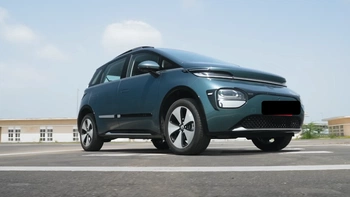
MG Windsor EV
₹14.85 - 19.15 Lakh
Mahindra XEV 9e
₹21.90 - 31.25 Lakh
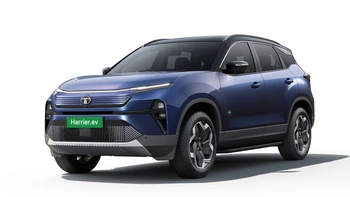
Tata Harrier EV
₹21.79 - 30.54 Lakh
Mahindra XEV 9e
₹21.90 - 31.25 Lakh
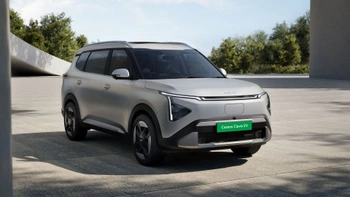
Kia Carens Clavis EV
₹18.04 - 25 Lakh
Mahindra XEV 9e
₹21.90 - 31.25 Lakh
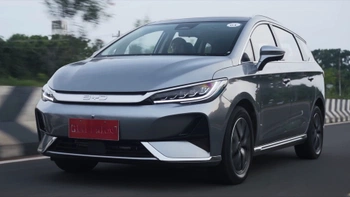
BYD eMAX 7
₹26.90 - 29.90 Lakh
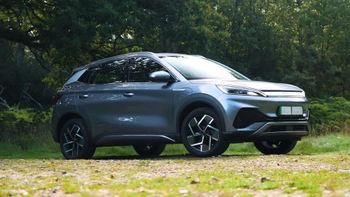
Mahindra XEV 9e
₹21.90 - 31.25 Lakh
BYD Atto 3
₹24.99 - 34.49 Lakh
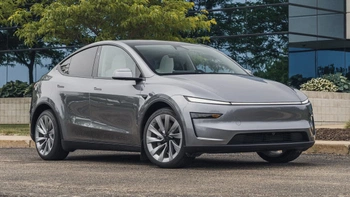
Mahindra XEV 9e
₹21.90 - 31.25 Lakh
Tesla Model Y
₹50.89 - 61.99 Lakh
Tata Curvv EV Comparisons

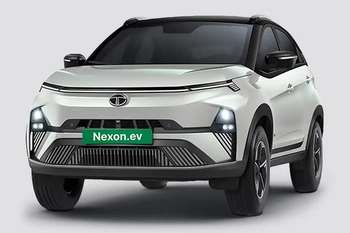
Tata Curvv EV
₹17.19 - 19.69 Lakh
Tata Nexon EV
₹12.49 - 17.89 Lakh
Tata Curvv EV
₹17.19 - 19.69 Lakh
MG Windsor EV
₹14.85 - 19.15 Lakh
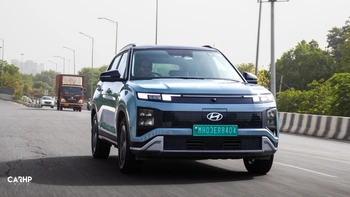
Tata Curvv EV
₹17.19 - 19.69 Lakh
Hyundai Creta Electric
₹18.03 - 25.22 Lakh
Tata Curvv EV
₹17.19 - 19.69 Lakh
BYD Atto 3
₹24.99 - 34.49 Lakh
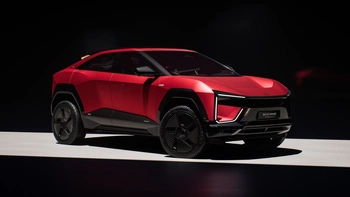
Tata Curvv EV
₹17.19 - 19.69 Lakh
Mahindra BE 6 SPORTEQ
₹19.45 - 26.95 Lakh
Car News
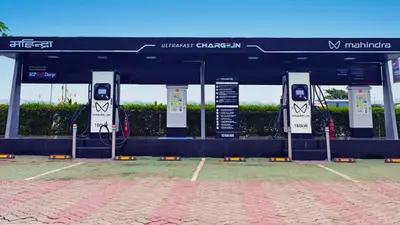
Mahindra Charge_iN Expands to 50 Stations, Targets 250 Sites by 2027
Mahindra's public EV charging network Charge_iN has crossed 50 live stations across India, with its first HPCL-partnered site now active on the Mumbai-Pune Expressway. The network has also crossed 200 live charging points nationally.
Anmol Kumar
September 24, 2026

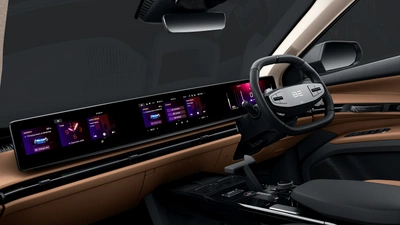
Mahindra to Push SPORTEQ Features to Existing BE 6, XEV 9e and XEV 9S Owners via OTA From January 2027
Mahindra has confirmed that several software features from the new BE 6 SPORTEQ will reach existing BE 6, XEV 9e, and XEV 9S owners via OTA updates, rolling out in phases from January 2027.
Anmol Kumar
August 24, 2026