
Hyundai IONIQ 6
Overall Rating

Hyundai IONIQ 6 Key Specifications
Hyundai IONIQ 6 Variants & Prices
Filter By Fuel type & Transmission type| Variant Details | Expected Price | |
|---|---|---|
IONIQ 6 IONIQ 6 Base Model Upcoming | ₹ 65 Lakh* |
IONIQ 6 IONIQ 6
Hyundai IONIQ 6 Overview

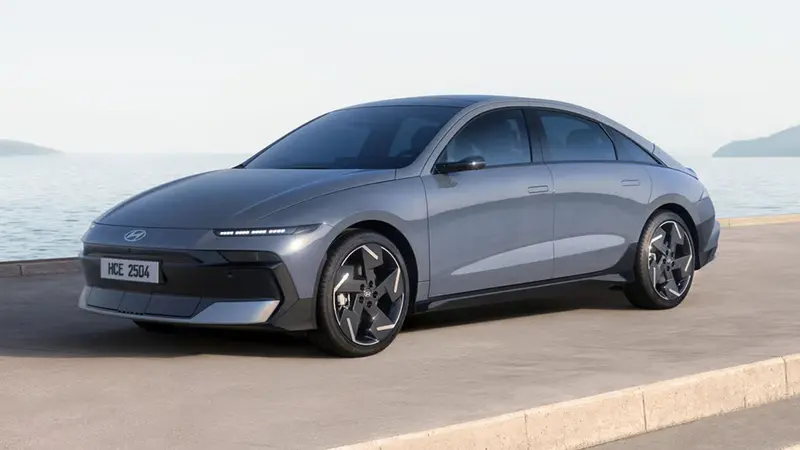
The Hyundai IONIQ 6 represents the second major chapter in Hyundai’s dedicated electric vehicle journey in India, following the success of the IONIQ 5. Unlike its predecessor which is a crossover, the IONIQ 6 is a low-slung, executive fastback sedan designed specifically for efficiency and long-distance travel. It is built on the Electric Global Modular Platform (E-GMP), which allows for a completely flat floor and a very long wheelbase of 2,950mm, ensuring cabin space that rivals much larger luxury cars. The car is expected to be positioned as a premium alternative for buyers who want a more aerodynamic and sportier alternative to traditional electric SUVs. In the Indian market, this car will serve as a technology demonstrator for Hyundai, showcasing features like 800V ultra-fast charging and advanced vehicle-to-load (V2L) capabilities. It fits into the growing segment of luxury electric sedans where buyers prioritize range and high-speed stability. The IONIQ 6 is likely to arrive via the CKD (Completely Knocked Down) route to keep pricing competitive, though initial units could be brought in as CBUs. Its arrival will strengthen Hyundai’s position in the EV space, moving the brand beyond the mass-market Kona or the mid-range IONIQ 5 into a more sophisticated, design-focused territory.
Battery and Motor
The Hyundai IONIQ 6 is expected to offer two main battery configurations in India. The entry-level variant may feature a 53kWh battery pack paired with a single rear-mounted motor producing around 151hp and 350Nm of torque. However, the more popular choice for the Indian market is likely to be the 77.4kWh long-range battery. This larger pack can be paired with either a Rear-Wheel Drive (RWD) setup producing 225hp and 350Nm, or an All-Wheel Drive (AWD) dual-motor setup that delivers a combined 325hp and 605Nm of torque. The AWD version is capable of accelerating from 0 to 100kmph in just 5.1 seconds. The car’s 800V battery system is its biggest technical advantage, allowing it to charge from 10% to 80% in approximately 18 minutes when using a 350kW DC fast charger. For home charging, an 11kW AC wall box is expected to take around 7 to 8 hours for a full charge. The estimated ARAI range for the long-range RWD version could be upwards of 600km, while the AWD version may offer around 520-550km on a single charge. The car also features i-Pedal 2.0, which allows for one-pedal driving, and a smart regenerative braking system that adjusts the level of energy recovery based on the traffic flow detected by the front radar.
interior
Inside the IONIQ 6, the focus is on a "Living Space" concept that emphasizes comfort and sustainability. The 2,950mm wheelbase allows for exceptional legroom in both the front and rear rows. The dashboard is dominated by a dual-screen setup, consisting of a 12.3-inch digital instrument cluster and a 12.3-inch infotainment touchscreen housed under a single piece of glass. The interior utilizes several eco-friendly materials, such as eco-processed leather, recycled PET fabric for the seats, and bio-TPO skin for the dashboard. The cabin also features 64-color ambient lighting with six pre-selected dual-color themes that can change based on the vehicle's speed. The center console is a bridge-type design, providing significant storage space underneath for bags or electronics. For the Indian market, the car is expected to feature "Relaxation Comfort Seats" in the front, which can recline to a flat position for resting while the car is charging. The flat floor design ensures that the middle passenger in the rear has ample foot room. Additional features likely include a premium Bose 8-speaker sound system, a head-up display, and a panoramic sunroof. The removal of buttons from the doors creates a thinner door profile, increasing the sense of width and openness inside the car.
exterior
The exterior of the Hyundai IONIQ 6 is defined by its "streamliner" silhouette, which is engineered to reduce air resistance. It measures approximately 4,855mm in length, 1,880mm in width, and 1,495mm in height. The front of the car features a very low hood and active air flaps that open or close based on cooling requirements to optimize airflow. One of the most distinct design elements is the use of over 700 Parametric Pixels, which are found in the LED headlights, rear combination lamps, and even the air vent garnishes. The side profile is characterized by flush-fitting door handles that pop out when the car is unlocked and a sloping roofline that merges into a dual-spoiler setup at the rear. These spoilers include a wing-inspired rear spoiler with a glass-like high-mount stop lamp. The car is likely to come with 18-inch or 20-inch alloy wheels featuring a turbine-style design to further reduce turbulence. The rear end is highlighted by a full-width LED light bar and a clean bumper design. The overall shape is not just for looks; the 0.21 drag coefficient makes it one of the most aerodynamic production cars in the world, which directly contributes to its high energy efficiency and quiet cabin at highway speeds.
competition
In the Indian market, the Hyundai IONIQ 6 will face competition from a mix of performance EVs and luxury electric sedans. Its most direct competitor is the BYD Seal, which offers a similar low-slung sedan body style, high performance, and competitive pricing. The Seal currently attracts buyers who want a sportier EV, and the IONIQ 6 will need to match its value proposition. Another significant rival is the BMW i4, which sits at a slightly higher price point but offers the brand prestige of a German luxury manufacturer. While the BMW i4 focuses on driving dynamics, the IONIQ 6 will counter with more cabin space and faster 800V charging speeds. The Kia EV6, though a crossover, remains a rival as it shares the same E-GMP platform and powertrain options. Potential buyers might also compare the IONIQ 6 to the Volvo XC40 Recharge or the upcoming Maruti Suzuki eVX top-end variants, although the latter belongs to a lower segment. Compared to these rivals, the IONIQ 6's primary selling points will be its unique aerodynamic styling, the spaciousness of its interior, and its superior efficiency which translates to a higher real-world driving range per kilowatt-hour of battery capacity.