Delhi EV Policy 2.0: Push for Scrappage, Get up to ₹1 Lakh Incentives
By Anmol Kumar
Updated March 26, 2026
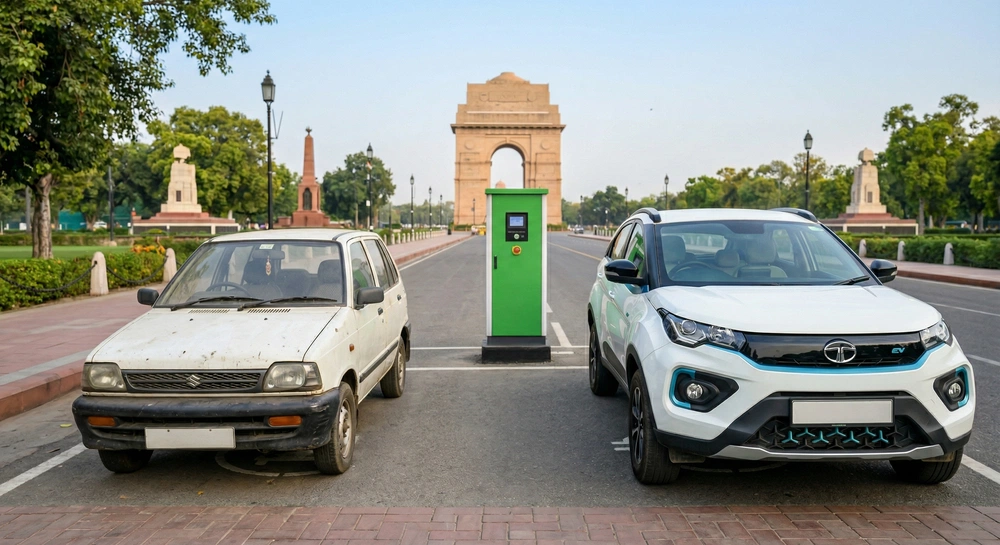
The Delhi Government has launched EV Policy 2.0 to give a fresh boost to electric vehicles in the capital.
The new policy shifts the focus to scrapping old, polluting vehicles while offering strong incentives and tax benefits. It comes with a Rs 200 crore allocation in the 2026 budget to speed up the switch to cleaner transport.
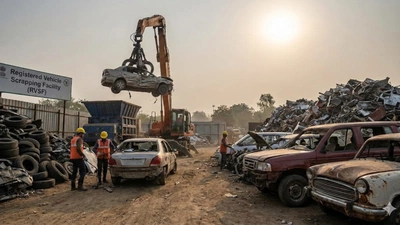
Under the updated rules, buyers can claim the highest benefits only after they scrap an old Delhi-registered BS-IV or earlier petrol or diesel vehicle. They will have to submit a scrappage certificate to qualify for the top incentives. This approach aims to remove high-emission vehicles from the roads faster.
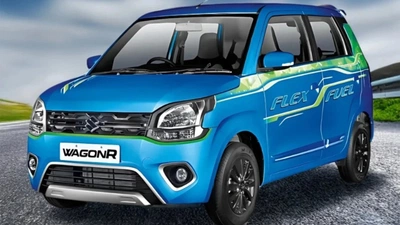
Also Read – A Complete Guide On Scrapping Your Vehicle in 2026
Simple Incentives for different EV Types
For the first year, the policy offers clear and easy-to-understand support across segments:
- Private electric cars priced below Rs 15 lakh can get up to Rs 1 lakh subsidy, but this is limited to the first 1 lakh applicants.
- Electric two-wheelers will receive a flat Rs 10,000 incentive.
- Electric three-wheelers (L5M category) will get Rs 25,000 per vehicle.
The government has also added support for retrofitting. Owners who convert their existing petrol or diesel cars into electric vehicles using approved kits can claim a Rs 50,000 grant.
Delhi will continue to give a 100 percent waiver on road tax and registration fees for all electric vehicles until March 2030. However, there is now a price cap:
- Electric vehicles priced up to Rs 30 lakh will remain fully exempt.
- Cars costing more than Rs 30 lakh will have to pay the usual charges.
To make daily use easier, every vehicle dealership in Delhi must set up at least one public charging station. The city has set a target of 18,000 charging points by the end of 2026.
The Delhi Pollution Control Committee will manage the safe reuse and disposal of lithium-ion batteries to reduce environmental impact. In addition, Rs 320 crore has been set aside for electrifying bus depots, and Rs 50 crore will help build five new Automated Testing Stations at DTC depots.
Also Read – Every Electric Car You Can Buy Under ₹20 Lakh
Faster Payments through DBT
To make things simpler for buyers, the policy will use Direct Benefit Transfer linked with Aadhaar-based e-KYC. This change is expected to reduce the waiting time for subsidies from more than 40 days to less than a week.
Delhi EV Policy 2.0 marks a practical step towards cleaner air and smoother mobility. By linking rewards to scrappage, expanding charging points and supporting public transport, the government hopes to make electric vehicles the natural choice for residents. Details on how to apply will be shared soon through the official transport department channels.
Table of Contents
- Simple Incentives for different EV Types
- Faster Payments through DBT
Join the Conversation
Trending
Everything You Need To Know About BS7 Emission Norms
India is gearing up for the next major leap in vehicle emission standards with Bharat Stage 7.
Arjun Nair
July 23, 2026
Which EV Charging Companies in India Have the Most Chargers?
EV adoption in any country is largely dependant on the availability of charging infrastructure.
Arjun Nair
July 21, 2026
Essential Features Every Car Should Have as Standard
Essential Features Every Car Should Have as Standard
Arjun Nair
July 13, 2026
Featured
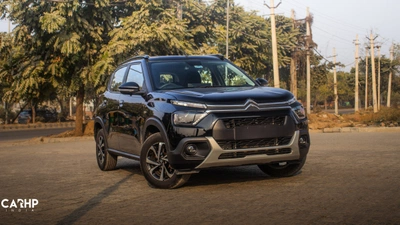
Citroen C3 Review: Who Should Consider This Car?
A few days ago, I took the Citroen C3X out for a spin in the city and on the highways. I travelled long distances and checked its fuel efficiency, features, comfort, and other factors. Today, I’ll briefly share my overall experience with the C3X and will tell you whether you should consider it or not and which is the most value-for-money variant of the lot.
Vatsal Agrawal
May 19, 2026
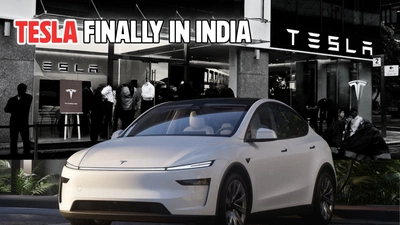
Tesla Finally In India Officially. Why Now And What Does It Mean For EVs?
The much-anticipated 2025 Tesla Model Y has officially arrived in India, marking a pivotal moment for the nation's burgeoning electric vehicle market. Launched on July 15, 2025, the Model Y Juniper facelift offers cutting-edge technology, impressive range, and signature Tesla performance. Positioned as a premium electric SUV, its entry will intensify competition and reshape consumer expectations for EVs across the subcontinent.
Charan Narain
July 17, 2025
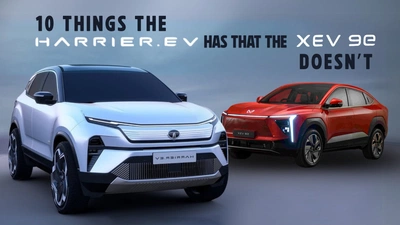
Here Are 10 Things The Harrier.EV Offers That The Mahindra XEV 9E Doesn't
The Harrier.EV is an incredible new offer from Tata. Its most popular competitor would be the Mahindra XEV 9E, priced similarly. With these two incredible offerings from home grown brands available, here is a list of everything the Harrier.EV offers that the XEV 9E doesn't.
Charan Narain
June 13, 2025
Write a comment
Comments
1BINOD KUMAR SINGH
June 2, 2026please send me scrappage claim form for Ev 0.2. where to deposit the form .who all are authorized .
Team CARHP
Hello Binod, to scrap your EV, you need to register on the official V-Scrap portal: https://vscrap.parivahan.gov.in/vehiclescrap/vahan/welcome.xhtml. The process is mostly online and no physical office visit is required. After entering your address and vehicle details on the portal, you will be able to view the list of authorised vehicle scrapping facilities available in your area and proceed with the application.