Mahindra XEV 9e vs MG Windsor EV - Which One Should You Buy
Mahindra XEV 9e vs MG Windsor EV Comparison at CarHP India. Compare Mahindra XEV 9e and MG Windsor EV Prices, Mileage, Features, Specs, Colours and much more.
Mahindra XEV 9e is available in 15 variants, while MG Windsor EV comes in 6 variants. The price for the Mahindra XEV 9e starts at ₹21.90 Lakh and goes up to ₹31.25 Lakh, while the MG Windsor EV is more budget-friendly with a price range between ₹12.65 Lakh and ₹18.39 Lakh. The Mahindra model is quite powerful with a Rear Wheel Drive system producing 282bhp and 380Nm of torque for a fast driving experience. In comparison, the MG uses a Front Wheel Drive setup with 134bhp and 200Nm for a very smooth and easy ride. Both electric cars come with a single-speed automatic gearbox, making them very simple to handle in city traffic. Both models are comfortable 5-seater vehicles with plenty of space for daily city travel and feature stylish LED headlamps, projector lamps, and DRLs. The Mahindra XEV 9e offers a large 663-litre boot space for luggage, while the MG Windsor EV provides 579 litres of storage. Inside, there are digital instrument clusters, leather-wrapped steering wheels, and wireless connectivity for Android Auto and Apple CarPlay. Comfort is a priority with automatic climate control and cruise control in both, and the MG also includes rear AC vents to keep passengers cool. Safety is strong with 6 airbags in both; the Mahindra has a 5-star safety rating and hill assist, while the MG features smart technology like Lane Keep Assist and Autonomous Emergency Braking. Please book a test drive through this platform before making a final decision to receive exclusive benefits, special discounts, and the best available offers.
₹ 21.90 Lakh
₹ 14.85 Lakh


Compare Minimum 2 Cars At Once — Tap To Activate / Deactivate
Smart Summary for Car Selection
 Why Choose Mahindra XEV 9e?
Why choose the Mahindra XEV 9e
- Its 79kWh battery claims 656km and returned 6.18km per kWh on the highway in testing, so an intercity run of around 480km is realistic on one charge.
- Charging at up to 180kW takes the pack from 20 to 80 percent in around 20 minutes, so a highway stop is less than half the Windsor EV's.
- Its 663-litre boot with a 150-litre front compartment carries at least 59 litres more than even the Windsor EV's roomiest version, so a family holiday's bags go in without a roof carrier.
- Semi-active dampers adjust in 15 milliseconds, so broken surfaces are smoothed while body roll stays in check through a fast corner.
- Rear drive with up to 286hp took it to 100kph in 7.45 seconds in testing, so a slow truck on a two-lane highway is cleared in one move.
Why not choose the Mahindra XEV 9e
- Its sloping roofline limits rear headroom and under-thigh support is short for tall people, so an adult over six feet tires in the back.
- Testers found the menu structure crowded and hard to follow, so hunting for a single setting on the move pulls attention from the road.
- The passenger screen has no privacy filter, so a film playing on it pulls the driver's eye away on a night drive.
- The boot floor sits behind a tall lip, so a heavy case has to be hoisted over it rather than slid straight in.
- At 4,789mm long and 1,907mm wide it is 494mm longer than the Windsor EV, so an older basement ramp is a real obstacle.
Why Choose MG Windsor EV?Why choose the MG Windsor EV
- Its rear seats are sofa-like and let two six-footers stretch out, so a passenger being driven for hours arrives without the stiffness the XEV 9e's roofline causes.
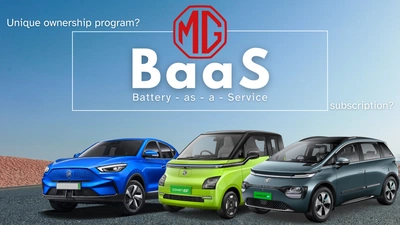
- A battery subscription scheme is offered, so the pack is paid for per kilometre rather than upfront, which cuts the initial outlay sharply.
- At 4,295mm long it is 494mm shorter than the XEV 9e, so city parking and U-turns on a narrow road take far less shuffling.
- It offers two battery sizes claiming 332km and 449km, so a buyer whose driving stays inside the city can take the cheaper pack instead of funding range they never use.
- Hill descent control, four-wheel disc brakes, auto hold, rain-sensing wipers and an ADAS suite are standard, so nothing safety-related is reserved for costlier versions.
- Its powered tailgate opens with full hands and a glass roof with a 15.6-inch touchscreen keeps the cabin airy, so loading and long drives are both less of a chore.
Why not choose the MG Windsor EV
- Its 136hp motor is under half the XEV 9e's peak output, so a loaded car merging onto a fast expressway has far less in reserve.
- Claimed range stops at 449km against the XEV 9e's 656km, so long intercity drives need noticeably more charging planning.
- Charging from 0 to 80 percent takes about 50 minutes, so a highway top-up runs more than twice as long as the Mahindra's.
- Climate and fan settings live inside touchscreen menus, so a change once made by feel costs a look away from the road.
- Poor surfaces unsettle its suspension, so a patched highway stretch sends more movement into the cabin than passengers expect.
- Its 186mm ground clearance trails the XEV 9e's 207mm, so a loaded car has less margin over a tall speed breaker or a flooded dip.
 Our Recommendation For Most Buyers
Who should buy the Mahindra XEV 9e
The XEV 9e is the pick for a buyer who covers real distance and wants space with it. Its 79kWh battery claims 656km with a tested highway figure supporting roughly 480km, charging from 20 to 80 percent takes around 20 minutes, and the 663-litre boot with a 150-litre front compartment beats the Windsor EV outright. Semi-active dampers deliver comfort with controlled body roll, 286hp makes it quick, and a 5-star Bharat NCAP rating comes with a thorough ADAS suite.
The compromises are rear comfort and size. The sloping roof limits headroom and thigh support, the infotainment is cluttered, and the passenger screen distracts at night. A high loading lip and a body 494mm longer both complicate daily use. For a household driving between cities regularly, the XEV 9e is the more capable electric SUV, provided the parking at both ends can take it.
Who should buy the MG Windsor EV
The Windsor EV makes more sense for a household whose driving stays close to home. Two six-footers stretch out on its sofa-like rear seats, the battery subscription cuts what you pay upfront, and the 4,295mm body parks where the XEV 9e cannot. Two battery sizes let a city buyer take the cheaper pack, the standard safety list runs to ADAS and four-wheel disc brakes, and a powered tailgate with a glass roof eases daily use.
Range and pace are where it concedes heavily. Its motor makes under half the Mahindra's peak output, claimed range falls more than 200km short, and charging takes over twice as long. Climate settings sit in menus and poor surfaces unsettle the ride. For city comfort over distance, it fits better. For a family driving within a city and valuing rear comfort over range, it is the better daily EV.
Engine and Performance
Performance Specifications
Fuel Specifications
Dimensions and Design
Interior Specifications
Wheels & Tires
Suspension, Brakes & Steering
Safety Features
Interior Features
Comfort & Convenience
Infotainment Features
Exterior Features
Brochure

EMI Cost Comparison
Assuming 20% down payment, 9.5% interest, 60-month tenure
 Loan Amount
 Interest: 9.5%
 Down Payment (20%)
 Loan TenureLoan AmountInterest: 9.5%Down Payment (20%)Loan Tenure
Pros & Cons Comparison
Things We Like in Mahindra XEV 9e
- 20-minute DC fast charge (20–80%) across all variants.
- 663-litre boot plus a 150-litre frunk for segment-leading storage.
Things We Like in MG Windsor EV
- Large 52.9 kWh battery option delivers a class-competitive 449 km MIDC range.
- Infinity View glass roof adds a premium, airy cabin feel.
Things We Don't Like in Mahindra XEV 9e
- The 79 kWh long-range battery is exclusive to the top variant.
- Ventilated front seats are absent on the two lower variants.
Things We Don't Like in MG Windsor EV
- V2L and V2V capabilities are locked exclusively to the top variant.
- Level-2 ADAS suite is locked exclusively to the top variant.
Mahindra XEV 9e Comparisons

Mahindra XEV 9e
₹21.90 - 31.25 Lakh
Tata Curvv EV
₹17.19 - 19.69 Lakh
Mahindra XEV 9e
₹21.90 - 31.25 Lakh
Tata Harrier EV
₹21.79 - 30.54 Lakh
Mahindra XEV 9e
₹21.90 - 31.25 Lakh
Kia Carens Clavis EV
₹18.04 - 25 Lakh
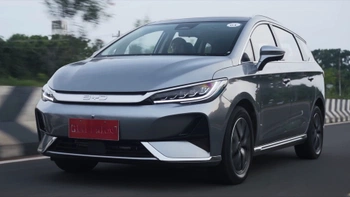
Mahindra XEV 9e
₹21.90 - 31.25 Lakh
BYD eMAX 7
₹26.90 - 29.90 Lakh
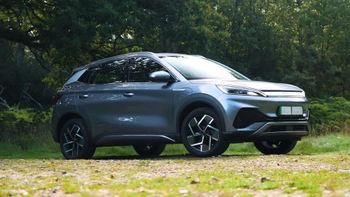
Mahindra XEV 9e
₹21.90 - 31.25 Lakh
BYD Atto 3
₹24.99 - 34.49 Lakh
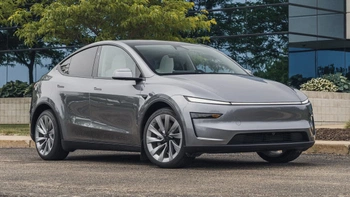
Mahindra XEV 9e
₹21.90 - 31.25 Lakh
Tesla Model Y
₹50.89 - 61.99 Lakh
MG Windsor EV Comparisons
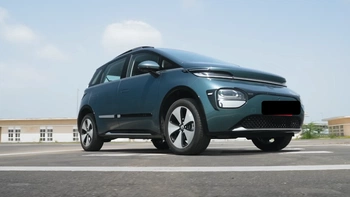
MG Windsor EV
₹14.85 - 19.15 Lakh
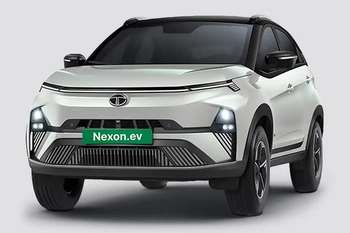
Tata Nexon EV
₹12.49 - 17.89 Lakh
MG Windsor EV
₹14.85 - 19.15 Lakh
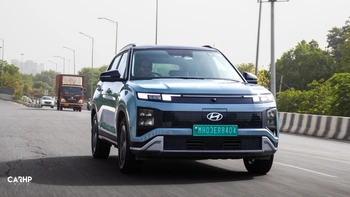
Hyundai Creta Electric
₹18.03 - 25.22 Lakh
MG Windsor EV
₹14.85 - 19.15 Lakh
Tata Curvv EV
₹17.19 - 19.69 Lakh
MG Windsor EV
₹14.85 - 19.15 Lakh
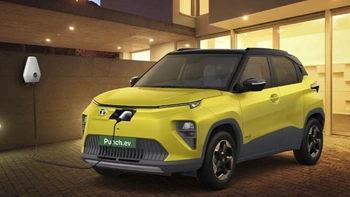
Tata Punch EV
₹9.79 - 12.99 Lakh
MG Windsor EV
₹14.85 - 19.15 Lakh
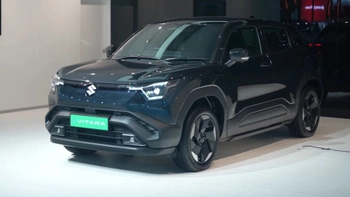
Maruti Suzuki e Vitara
₹16.19 - 20.21 Lakh
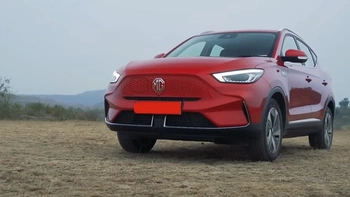
MG Windsor EV
₹14.85 - 19.15 Lakh
MG ZS EV
₹17.99 - 20.75 Lakh

MG Windsor EV
₹14.85 - 19.15 Lakh
VinFast VF6
₹17.29 - 19.19 Lakh
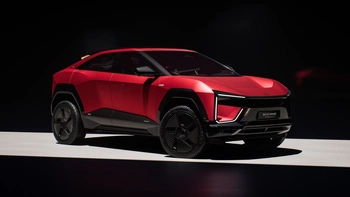
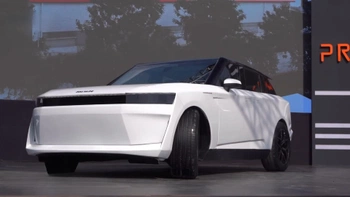
MG Windsor EV
₹14.85 - 19.15 Lakh
Mahindra BE 6 SPORTEQ
₹19.45 - 26.95 Lakh
Car News
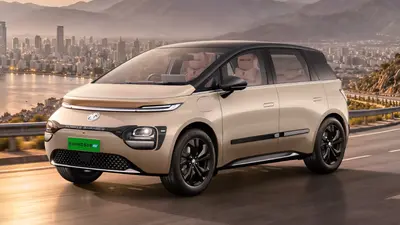
MG Windsor EV Indulge Edition Launched at Rs. 17.99 Lakh
The MG Windsor EV Indulge Edition brings a new exterior finish, a rear entertainment screen and additional cabin accessories to India's electric car market. Priced at Rs. 17.89 lakh, it uses a 38 kWh battery pack with a claimed range of 332 km.
Anmol Kumar
October 13, 2026
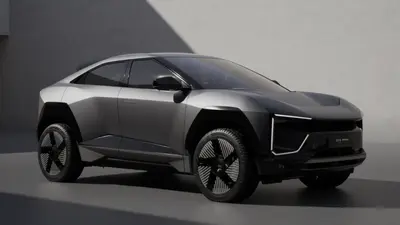
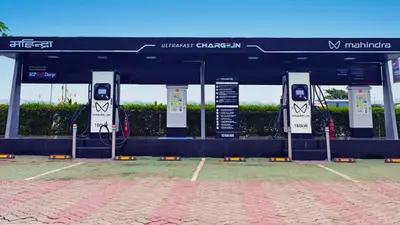
Mahindra Charge_iN Expands to 50 Stations, Targets 250 Sites by 2027
Mahindra's public EV charging network Charge_iN has crossed 50 live stations across India, with its first HPCL-partnered site now active on the Mumbai-Pune Expressway. The network has also crossed 200 live charging points nationally.
Anmol Kumar
September 24, 2026
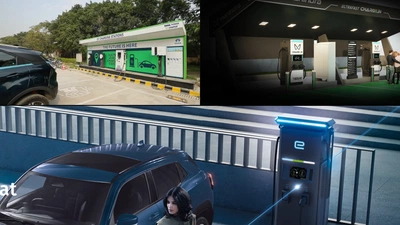
Top 5 EV Makers With Most Charging Stations
Our EV ecosystem is expanding fast, and these five automakers are leading the charge with the widest and most accessible charging networks. Here’s a look at the charging infrastructure from Tata Motors, Maruti Suzuki, Mahindra, Hyundai and MG Motor India.
Salil Kumar
September 24, 2026

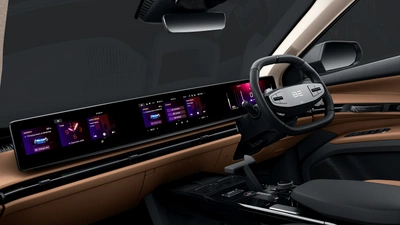
Mahindra to Push SPORTEQ Features to Existing BE 6, XEV 9e and XEV 9S Owners via OTA From January 2027
Mahindra has confirmed that several software features from the new BE 6 SPORTEQ will reach existing BE 6, XEV 9e, and XEV 9S owners via OTA updates, rolling out in phases from January 2027.
Anmol Kumar
August 24, 2026