Nissan Tekton
Overall Rating

Nissan Tekton
Overall Rating
EMI Loading
Nissan Tekton Key Specifications
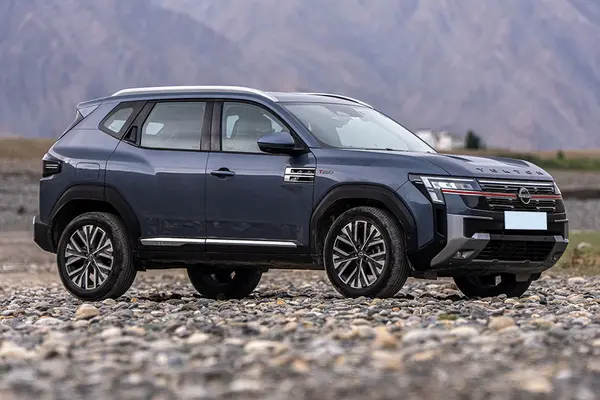
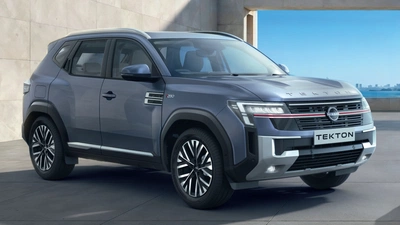
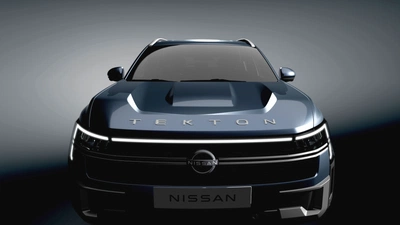
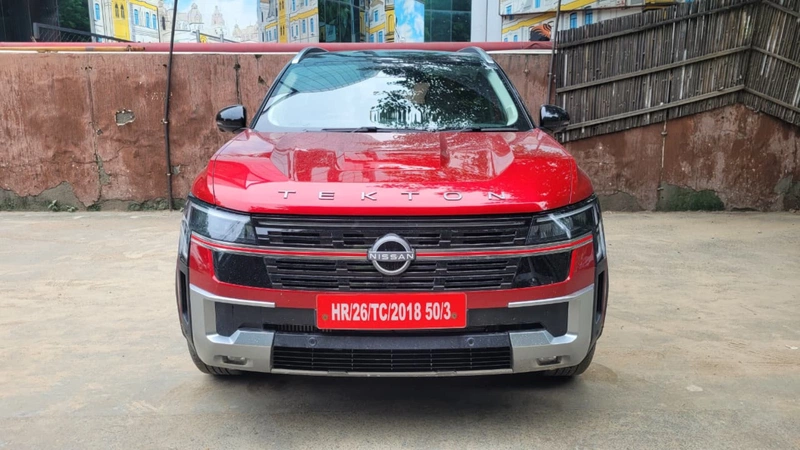
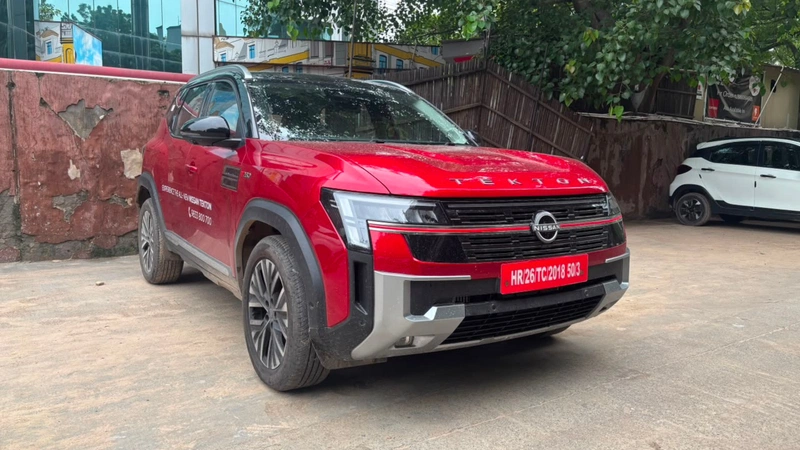
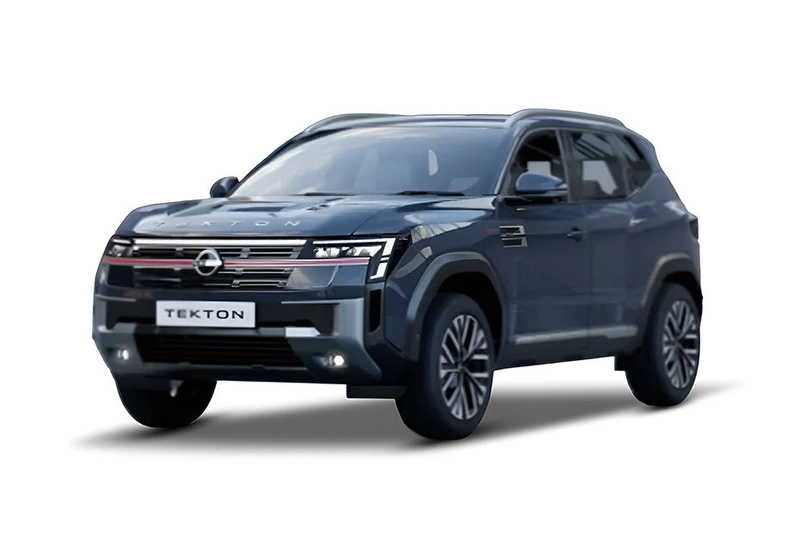
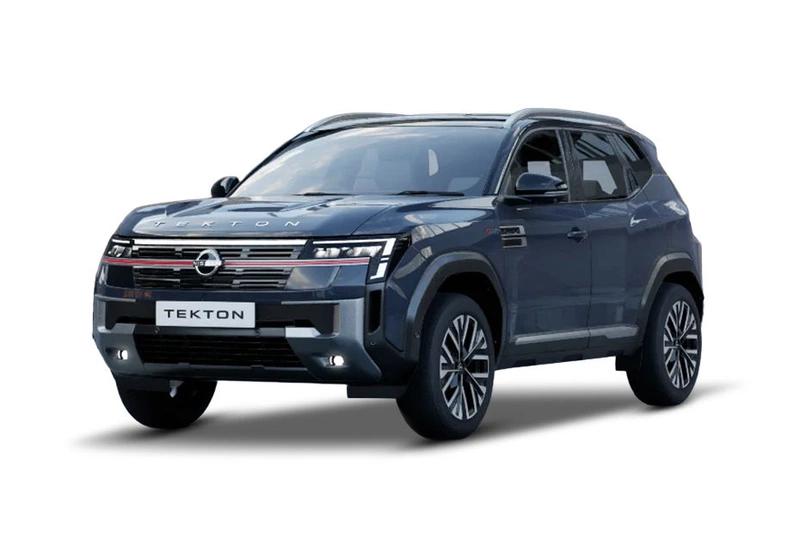
The Nissan Tekton features a sleek and modern LED light bar at the front.
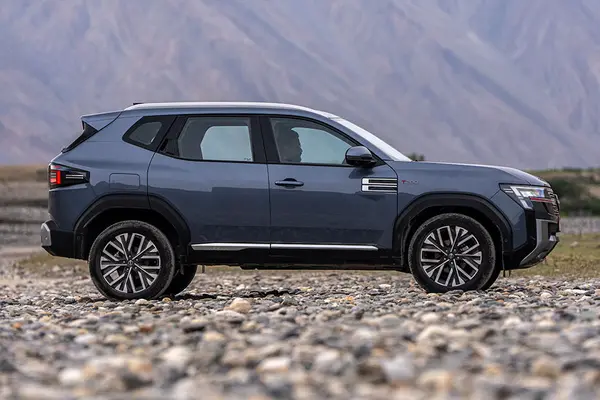
The Tekton scored five stars in the Bharat NCAP crash safety tests.
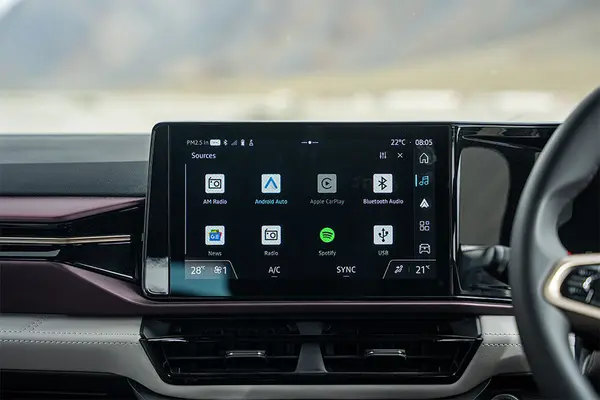
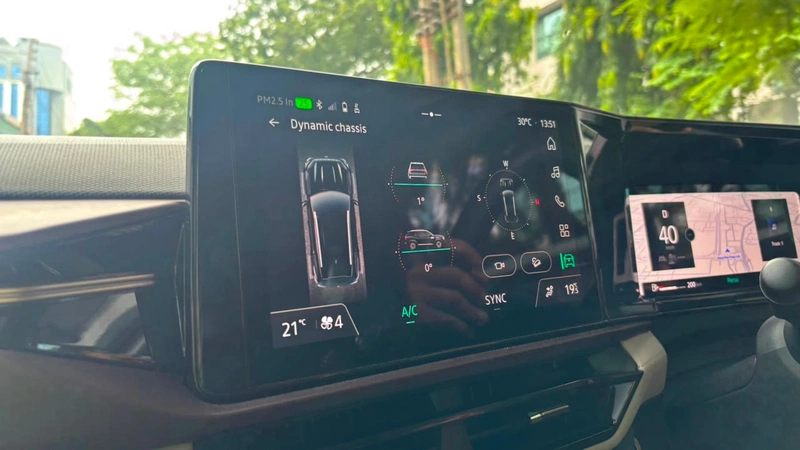
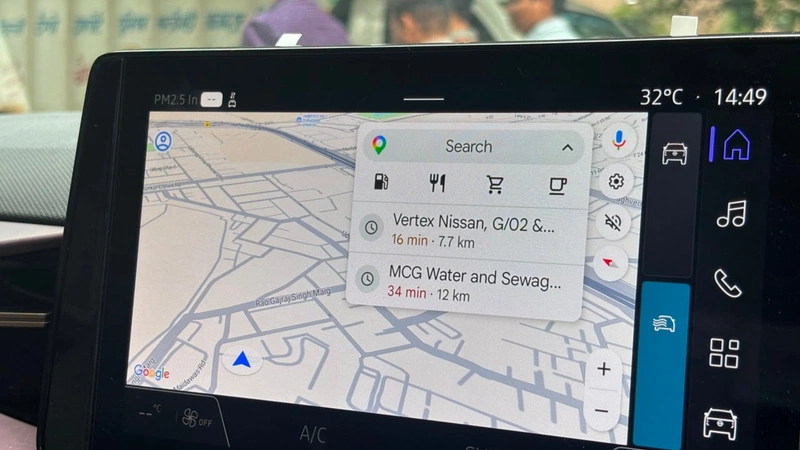
The built-in Google can be loaded with 200+ Android apps alongside maps, voice assistant and RSA support.
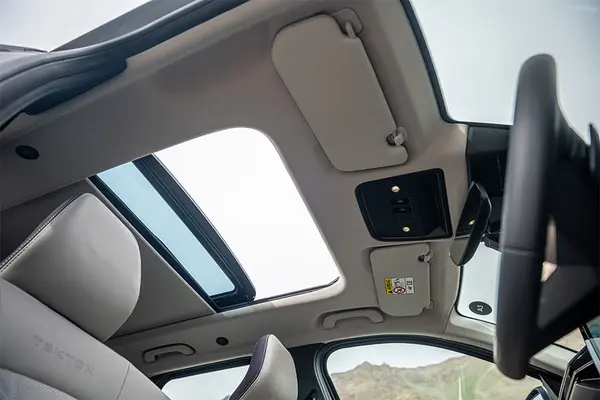
The big two-pane panoramic sunroof is designed to make the cabin feel roomier.
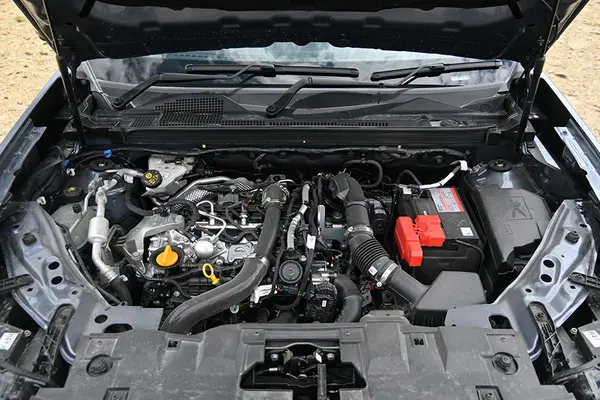
Engine options include a 1.0-litre turbo-petrol and a 1.3-litre turbo-petrol mill.
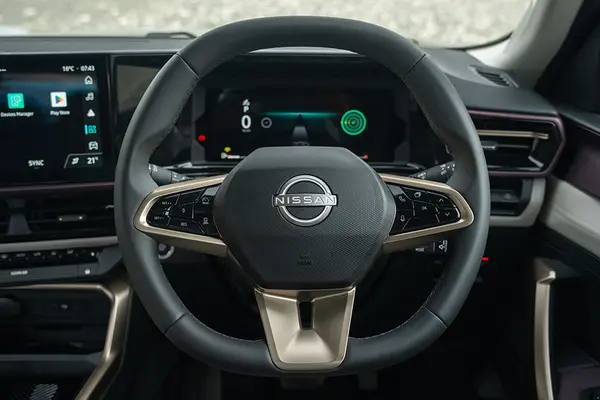
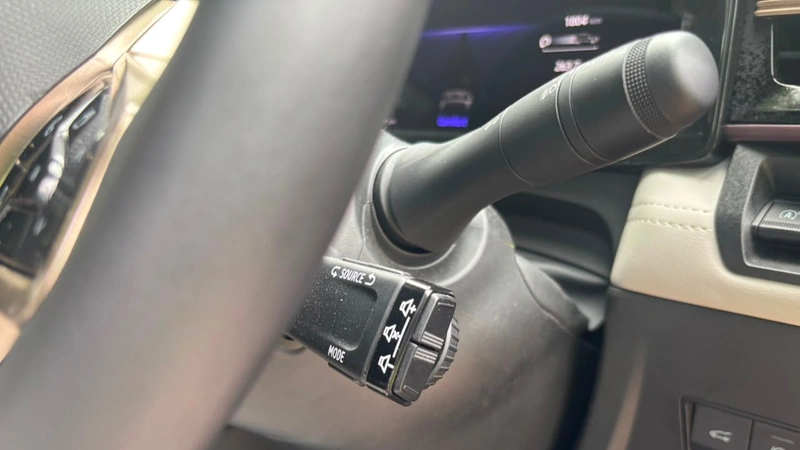
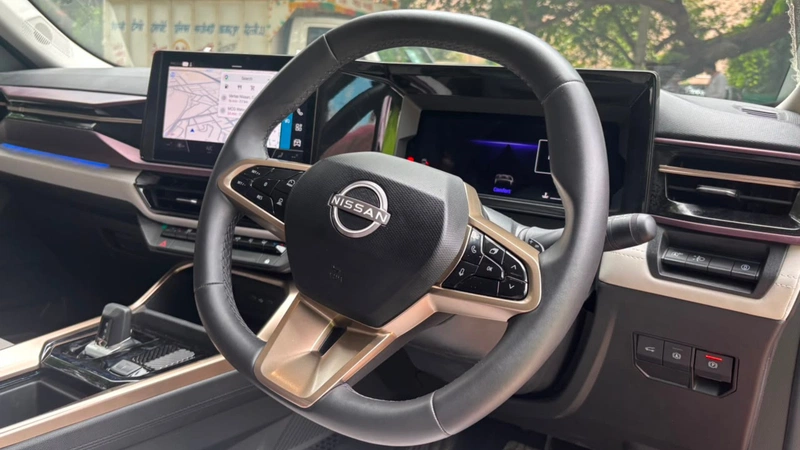
The Tekton gets a three-spoke dual-tone steering wheel with mounted controls.
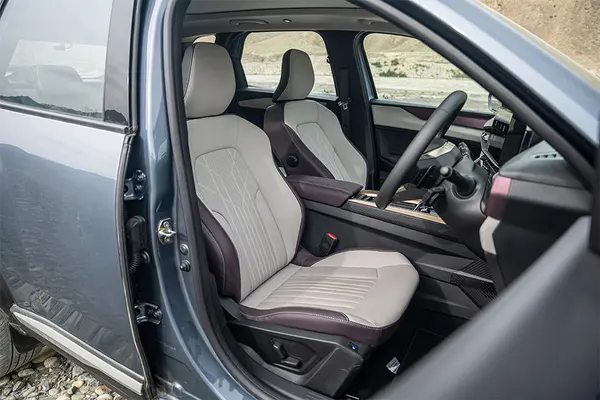
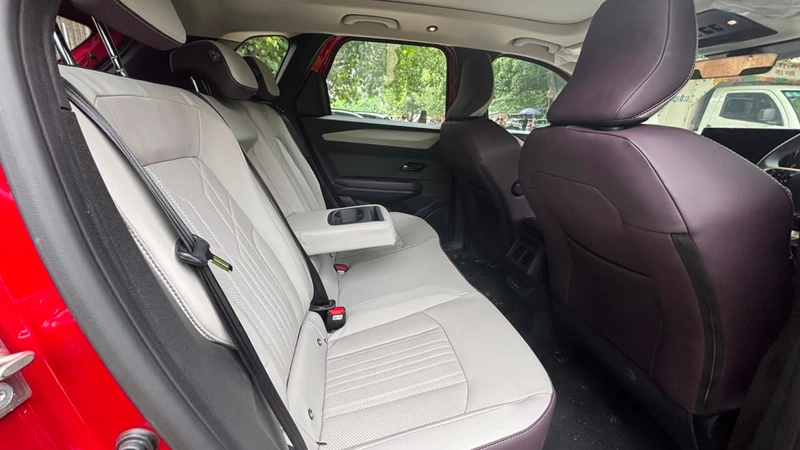
The tri-tone beige, burgundy, rose gold upholstery gives it an upmarket feel.
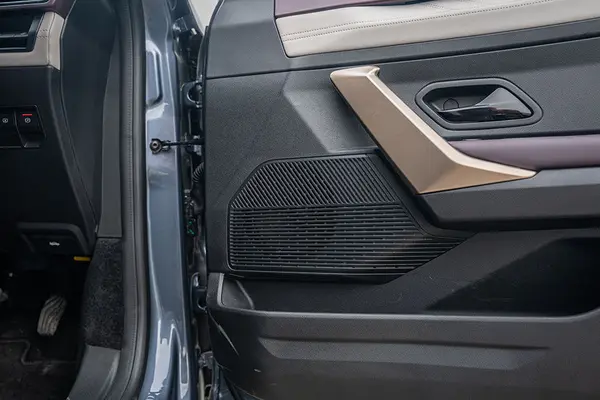
It gets a six-speaker Arkamys surround sound system.
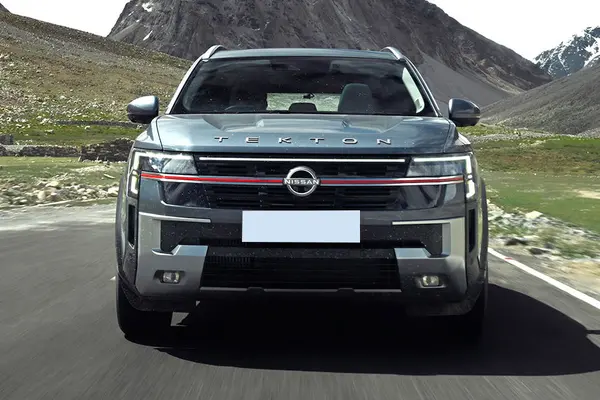
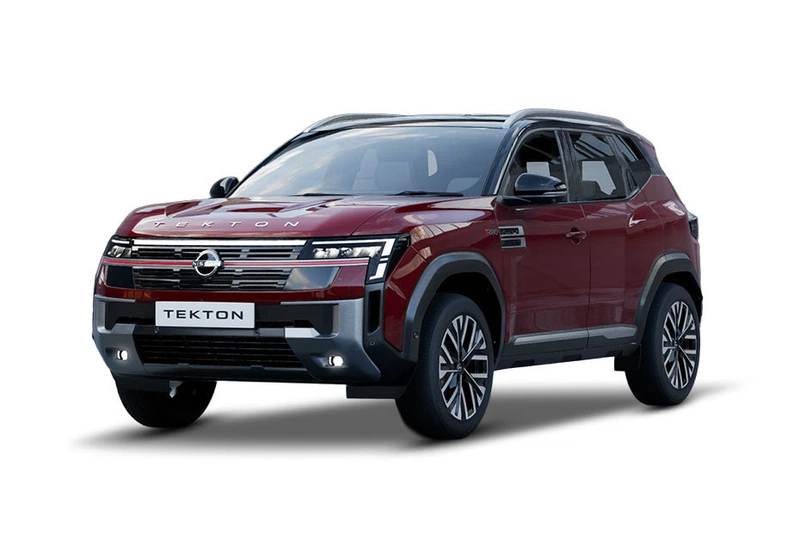
The Tekton borrows its front styling cues from the internationally renowned Nissan Patrol SUV.
Nissan Tekton Overview

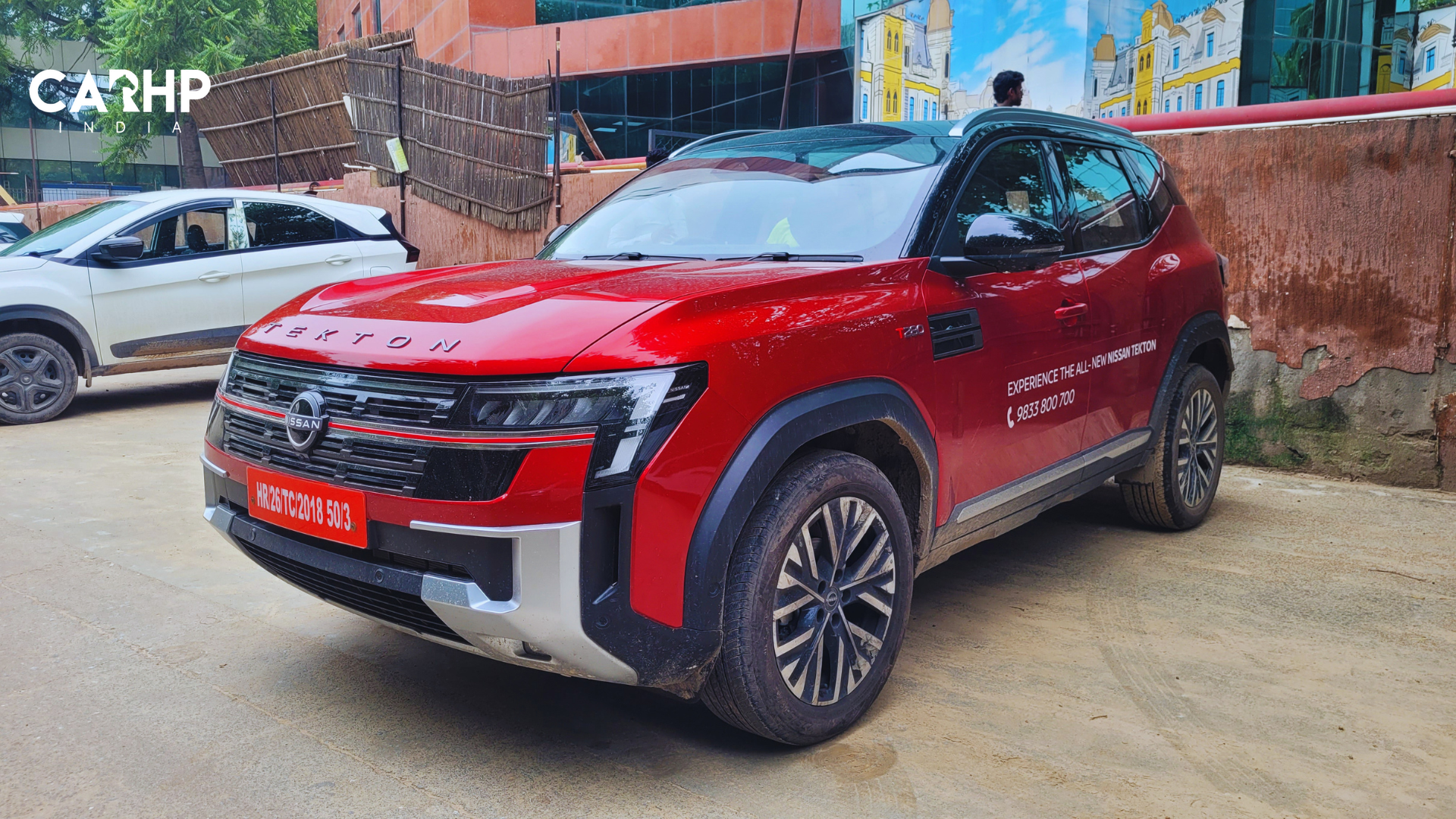
The Nissan Tekton is Nissan’s serious return to the midsize SUV segment in India. Launched in July 2026, it is essentially a reworked Renault Duster with its own styling, cabin treatment and feature packaging. Built on the same platform at the same Chennai plant, it aims to give Nissan a proper volume player against the Creta, Seltos, Grand Vitara, Elevate and others.
Prices start at Rs 10.49 lakh and go up to Rs 18.59 lakh (ex-showroom). There are two turbo-petrol engines and six trim levels: Visia, Visia+, Acenta, N-Connecta, Tekna and Tekna+. The 1.0-litre turbo is available only with a six-speed manual and covers most of the lower and mid range. The 1.3-litre turbo is offered with both manual and dual-clutch automatic from the Acenta level upwards.
This is a car for families who want strong road presence, a large boot, good ground clearance, enjoyable driving manners, and solid safety without stretching too far into premium pricing. It also suits buyers who value a proper SUV stance and long-distance comfort over the last word in rear-seat space or brand service network density.
Engine and Performance
Engine and Performance
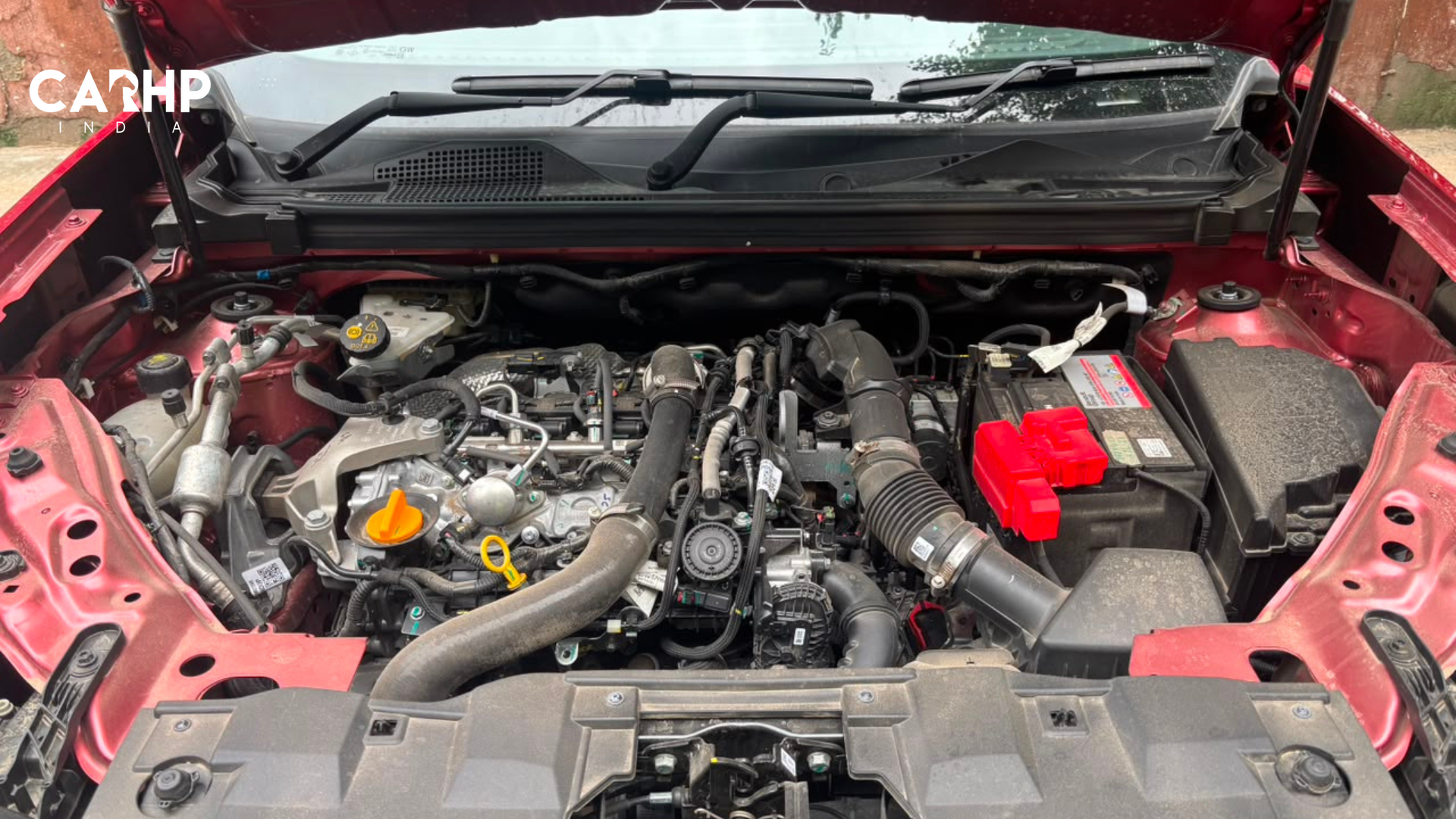
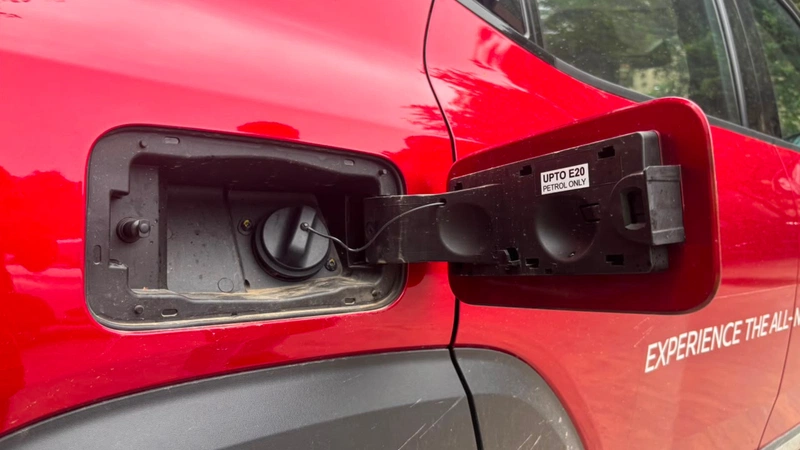
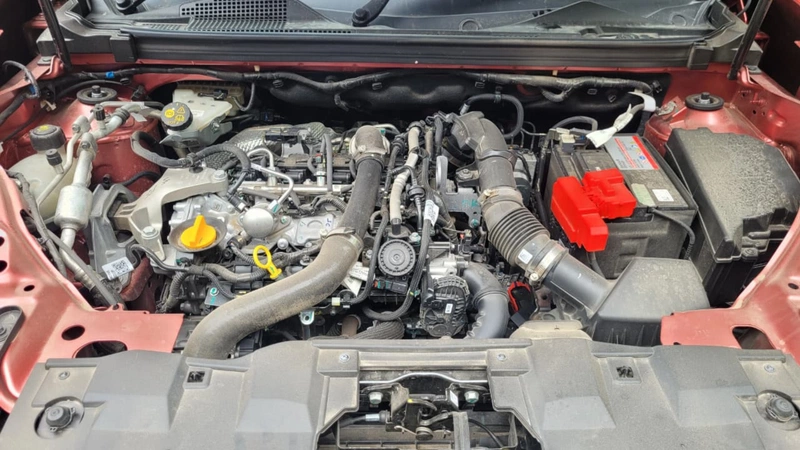
Two turbo-petrol engines are on offer, both familiar from its Renault sibling.
The 1.0-litre three-cylinder unit produces nearly 100 bhp and 166 Nm, and is paired only with a six-speed manual. Around town it is adequate once on the move, but turbo lag is noticeable and the engine needs to be kept spinning for decent response.
While the gearing is short, it still demands frequent shifts, especially on steep climbs or while running with heavy loads. This engine feels more at home on highways, where it performs better than its city and hills-friendly 1.5-litre naturally aspirated rivals.
It is surprising that this engine option is targeted primarily at city users, but misses out on an automatic gearbox. Considering Nissan offers a CVT with the Magnite 1.0-litre turbo, they could have done the same here with the Tekton.
Though, previous reports have suggested Renault is considering pairing the 1.0-litre Duster with an automatic, but it is unlikely to be an AMT or CVT. If this comes to fruition, it is safe to assume that the Tekton would get the same setup.
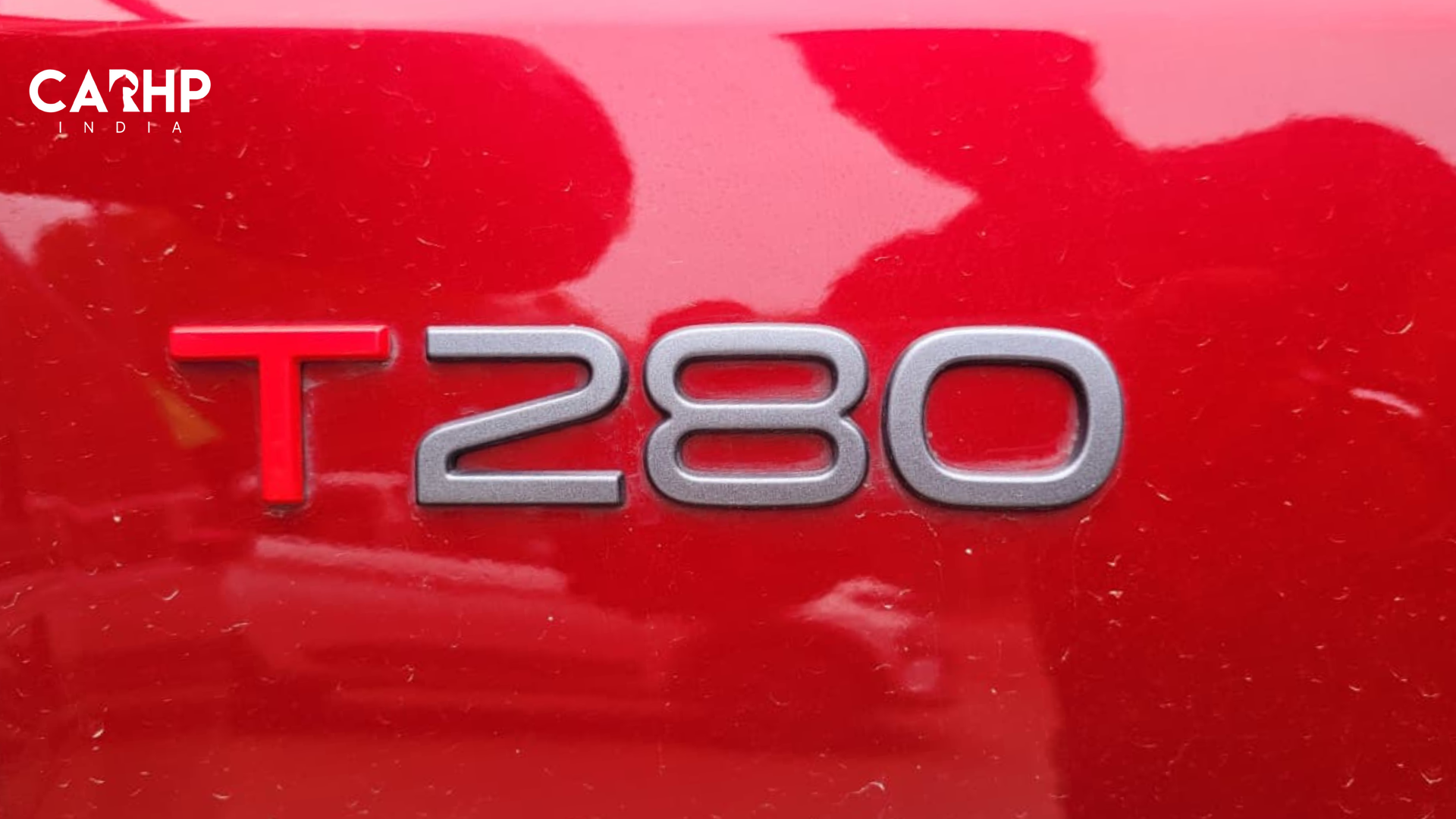
The 1.3-litre four-cylinder turbo is the one most buyers should consider. It makes 160 bhp and a strong 280 Nm, figures that beat several larger-capacity rivals. Turbo lag is still present at very low revs, but once past roughly 2,500 rpm, the engine pulls cleanly and with enthusiasm.
Triple digit speeds come effortlessly, and during my drive, I found myself having to slow down to stay within the speed limits. Overtakes (both in the city and on highways/expressways) and high-altitude climbs are effortless.
The engine remains refined when driven smoothly, but produces an audible turbo whoosh when revved to the top-end which surely elevates the driving experience.
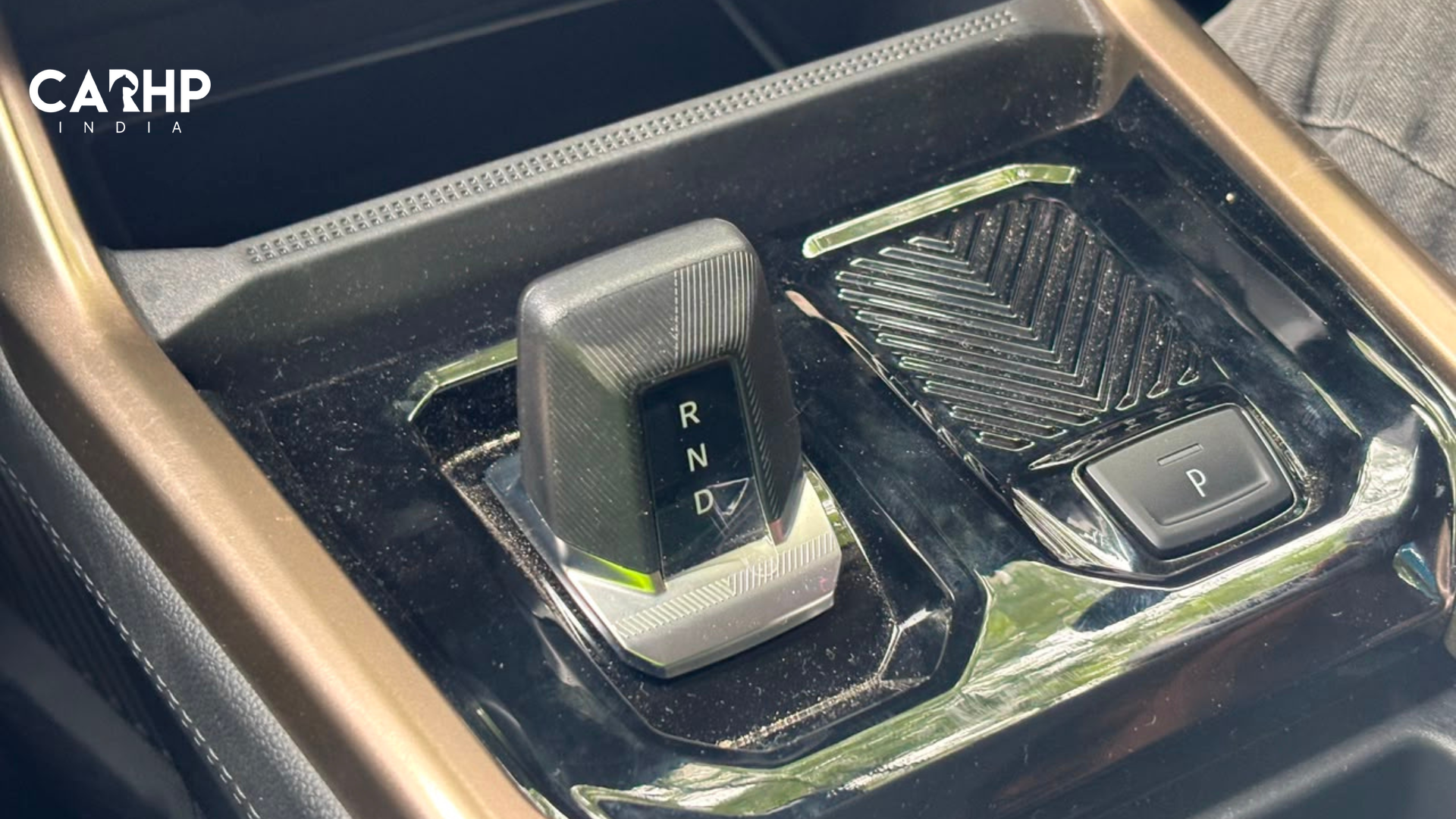
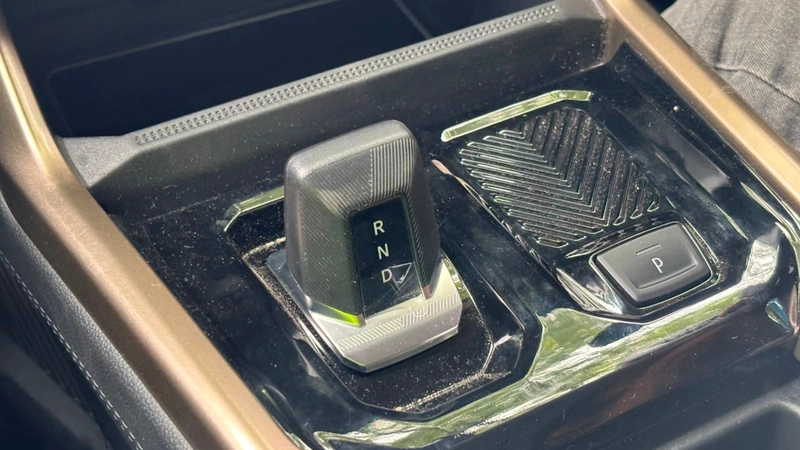
The six-speed wet dual-clutch automatic is smooth in most conditions and works well in traffic, even masking the turbo lag to a great extent. The paddle shifters deliver quick responses, and the gearbox is generally well behaved.
The six-speed manual is engaging and slightly more efficient.
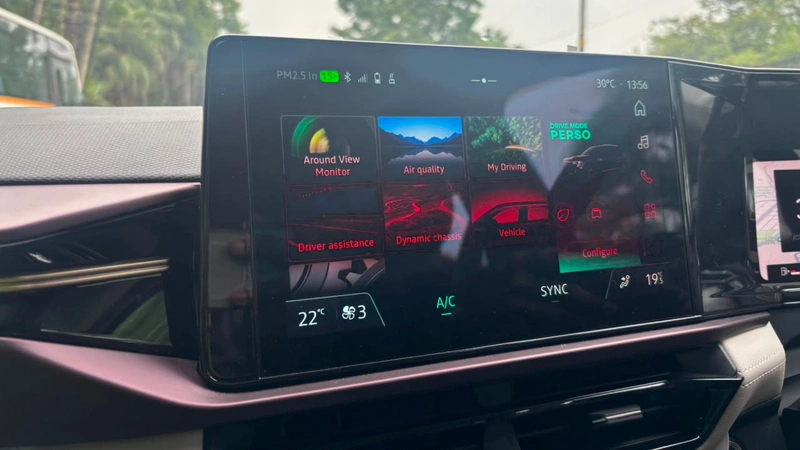
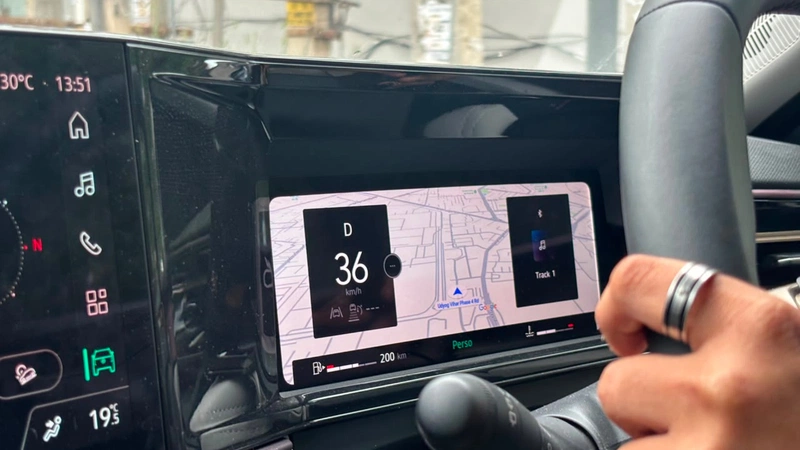
Drive modes are limited to Comfort and Eco, with a noticeable difference between the two in terms of performance. Even in Eco, performance feels more than adequate for city use. A third Perso mode lets you mix and match engine response and steering effort.
While a Sport mode is missing on paper, I did not feel the need for it during my drive, as the engine feels engaging enough in Comfort mode.
There is no diesel option planned, and the hybrid will remain exclusive to the Duster, at least for now.
Ride and Handling
This is one of the Tekton’s strongest areas.
The suspension setup, carried over from the Duster, is well judged for Indian roads. Low-speed ride is absorbent, and broken surfaces, potholes, and rough mountain stretches are dealt with ease, and the cabin stays composed. Larger impacts can be felt to some extent and produce some noise, but the car recovers quickly.
At higher speeds the Tekton feels stable and planted. Body control through corners is impressive for an SUV of this height, and combined with the precise steering makes it a delight to drive on winding roads. You can choose between low and high effort settings for the steering wheel depending on the driving conditions.
Brakes are progressive and confidence inspiring even while braking from highway speeds.
The overall balance of ride comfort and handling confidence is among the best in the segment.
fuel economy
fuel economy
Claimed figures are 19.4 km/l for the 1.0-litre manual, 17.8 km/l for the 1.3-litre manual and 18.5 km/l for the 1.3-litre DCT.
Real-world numbers are more modest. Expect roughly 11-13 km/l in mixed city driving and 14-16 km/l on highways depending on load, driving style and terrain.
During our test drive of the 1.3-litre DCT, we were getting 7-8 km/l. Though it is worth mentioning that we were pushing the car and taking the engine to its top-end at every available opportunity, and more sedate driving inputs will see drivers getting much better figures.
Eco mode and idle stop-start help a bit. High-mileage users looking for outstanding efficiency may want to opt for hybrids or diesels from rivals.
interior
interior
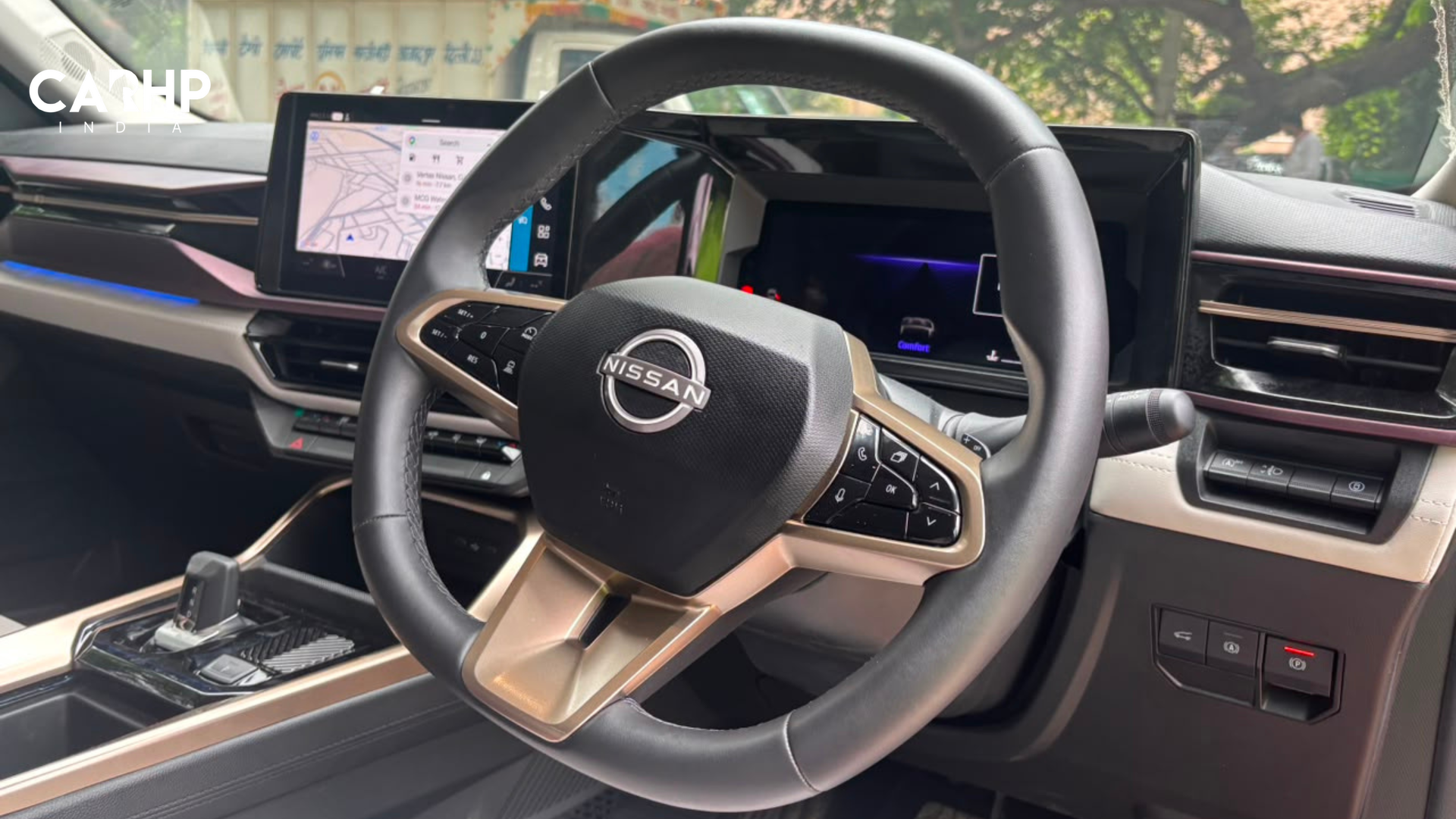
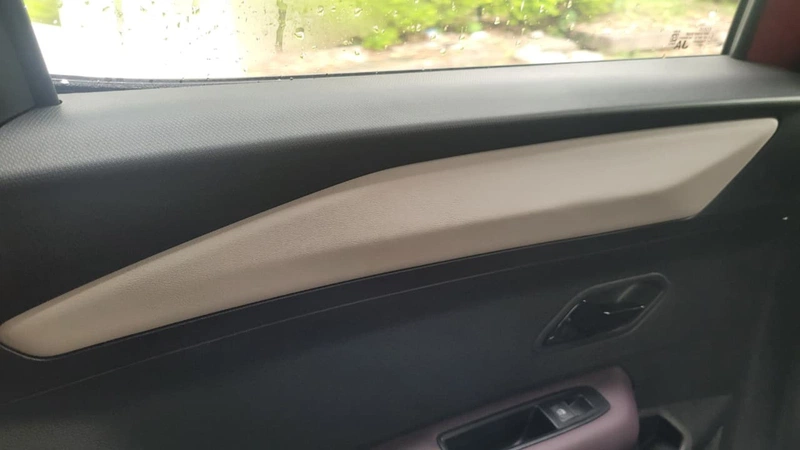
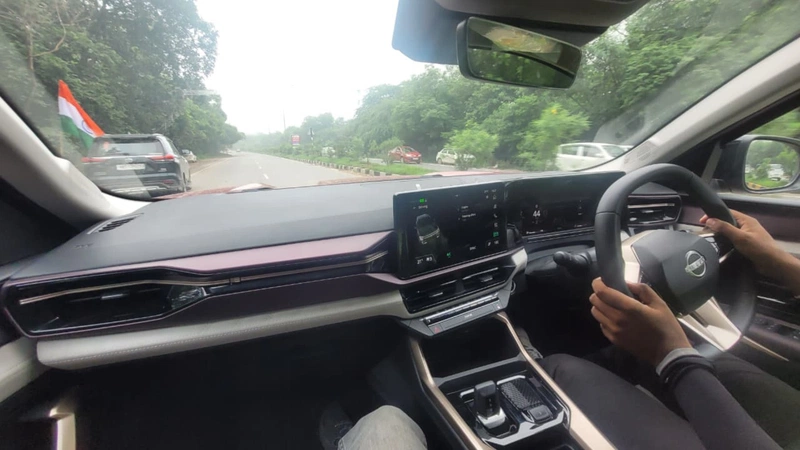
Step inside and the cabin feels noticeably different from the Duster thanks to colour and material choices. Higher variants use a light cream, burgundy and rose-gold theme that makes the space look airier and more premium.
Soft-touch materials appear on the dashboard and door pads, and the dual digital screens (10.1-inch touchscreen and 10.25-inch instrument cluster) sit cleanly in the driver’s line of sight. Physical buttons for climate control and key functions are retained, which is welcome.
The driving position is excellent, with good support from the front seats, and the D-cut steering wheel looks and feels sporty to hold. Higher trims get powered and ventilated front seats that work well on long drives. Ergonomics are largely intuitive, though some storage spots (especially front door bins) are not ideal for larger bottles.
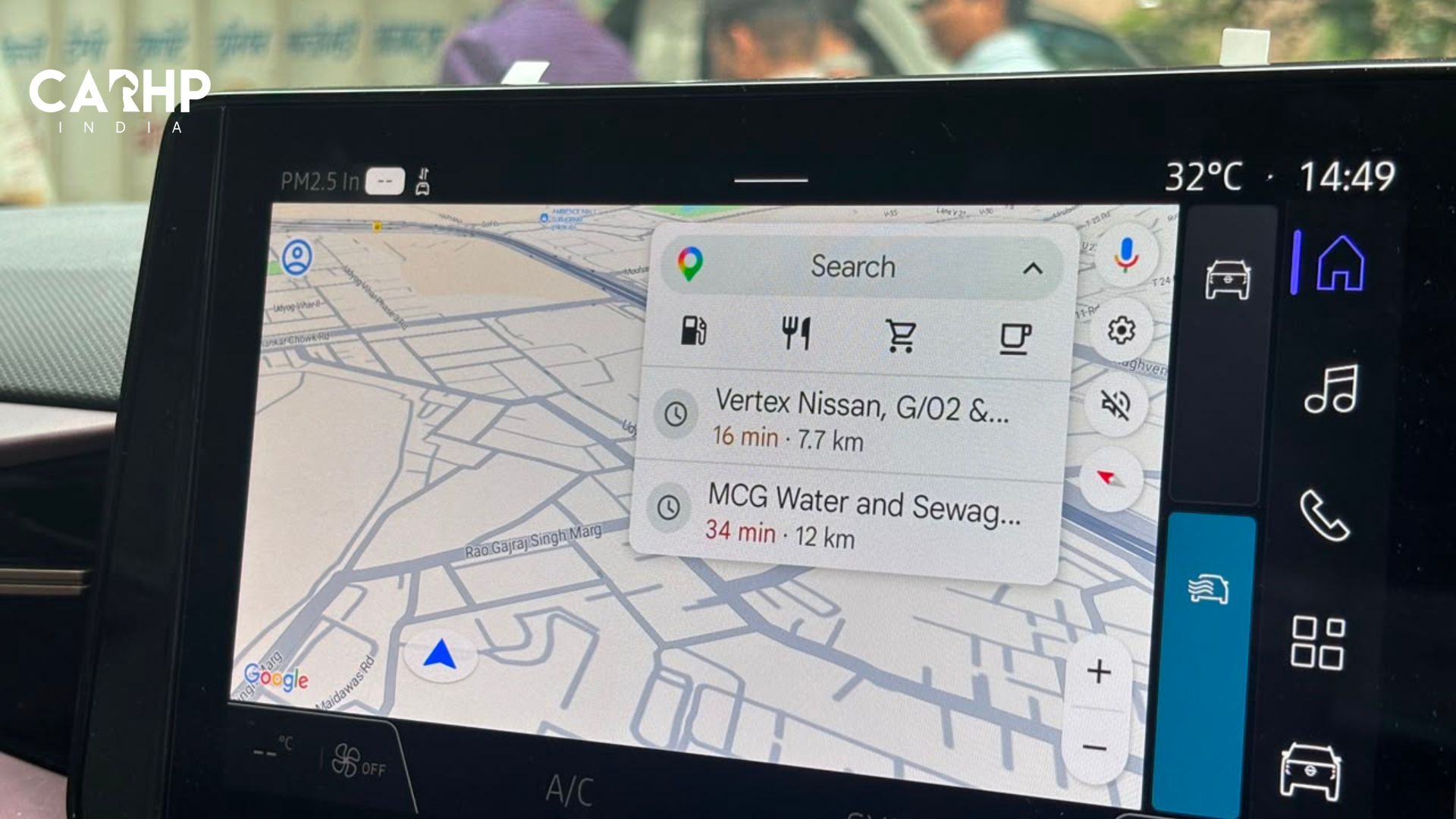
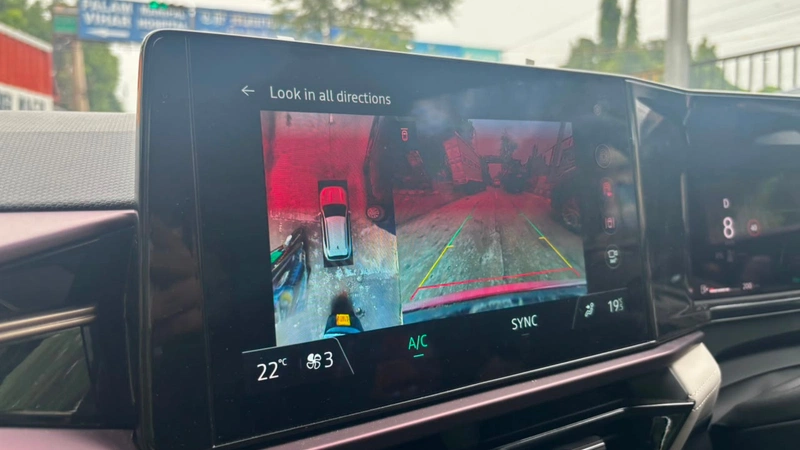
Features on higher trims are generous, including panoramic sunroof, dual-zone climate control, wireless charging, Google built-in (native Maps, Assistant, Play Store and Gemini), ambient lighting and a 360-degree camera.
The Google integration is particularly useful as it works without constant phone pairing. The 360-degree camera quality is only average, and some buyers may miss rear sunshades or a boss mode for the front passenger seat. Material quality is improved over older Nissans but still sits mid-pack against the Korean rivals.
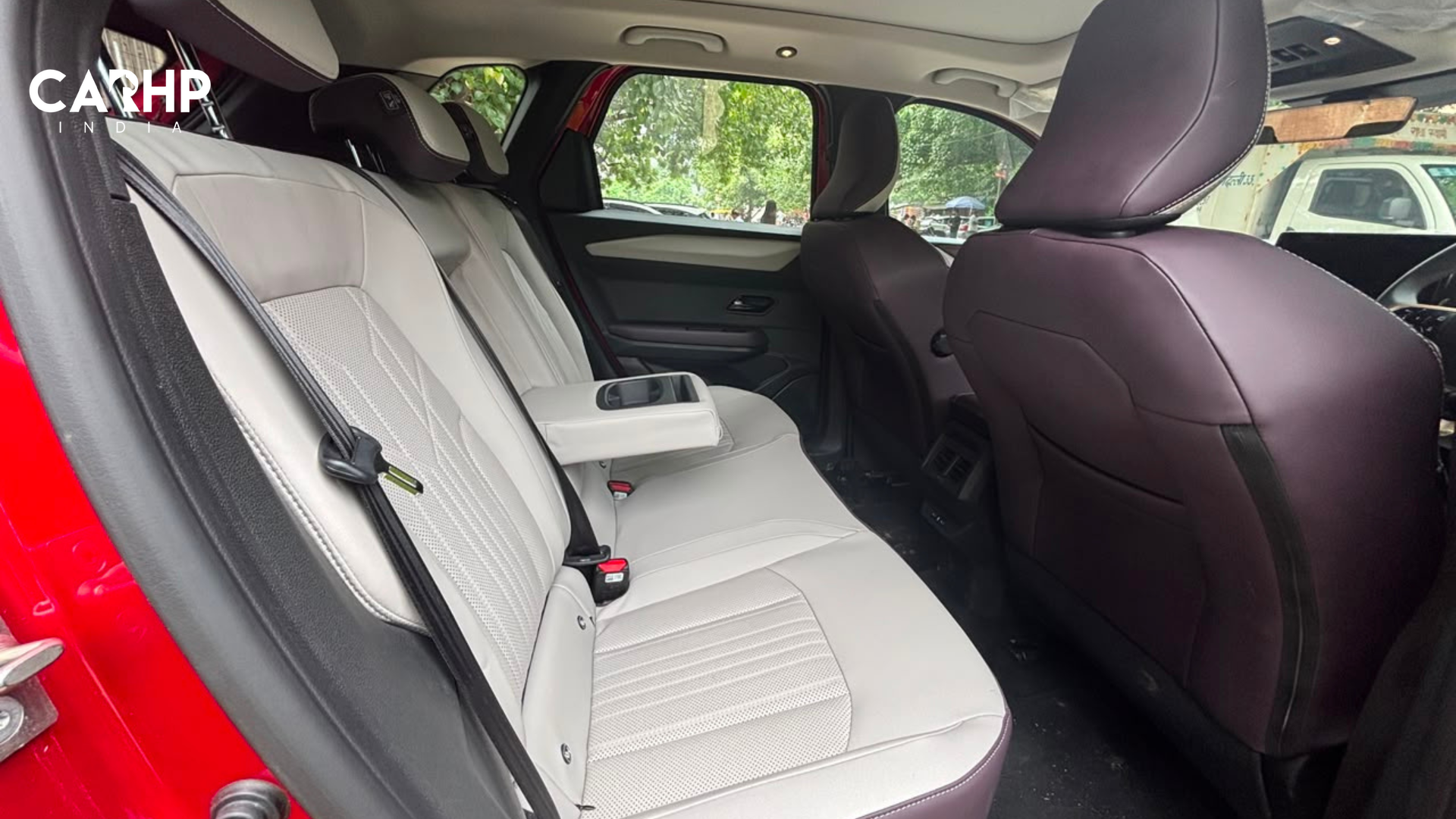
Rear space is adequate rather than class-leading, comfortable enough for two adults and a child over long journeys.
Knee room and under-thigh support are decent, headroom is fine, and there are rear AC vents, a centre armrest, USB ports and individual headrests. The high step-in and relatively narrow door openings make entry a little more effortful for older passengers.
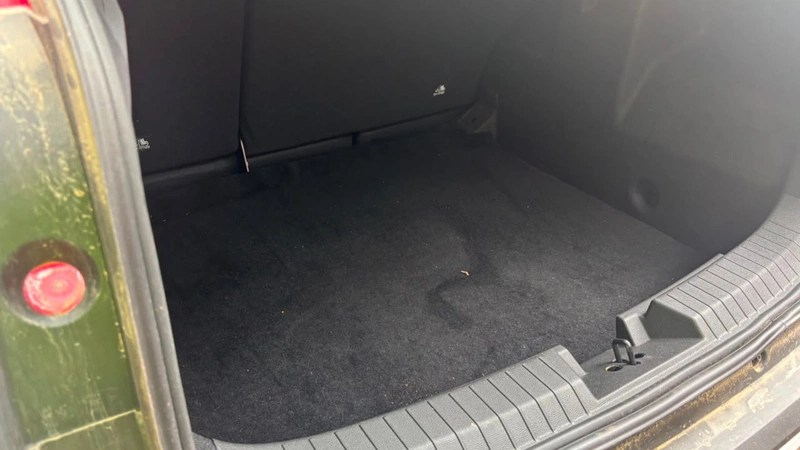
Boot space is a clear strength at 518 litres with the parcel shelf, and 700 litres up to the roof. Folding the rear seats opens up 1,789 litres of total space. It easily swallows luggage for a family holiday.
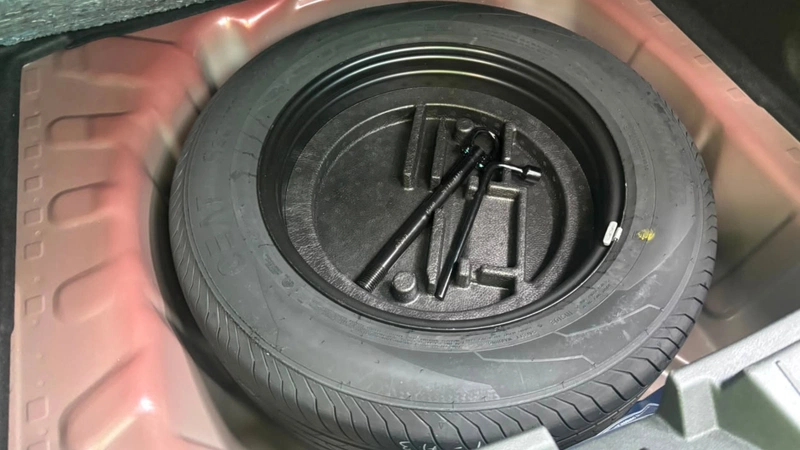
Top variants get an electronic tailgate and a 17-inch spare wheel is standard across the range which feels like a luxury today when certain manufacturers are skipping one for a puncture repair kit.
exterior
exterior
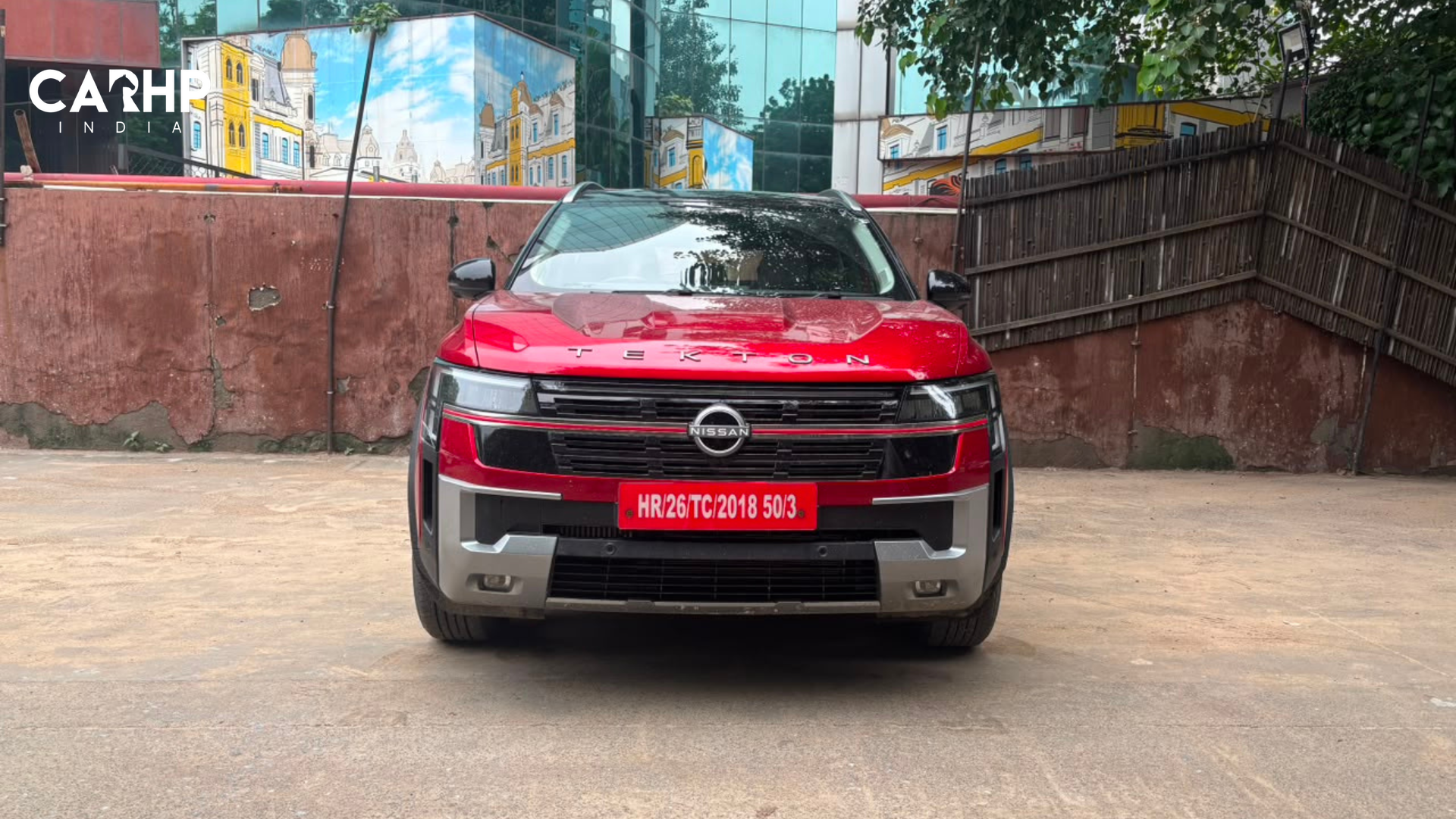
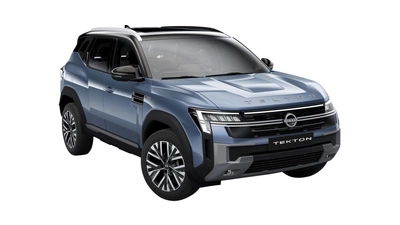
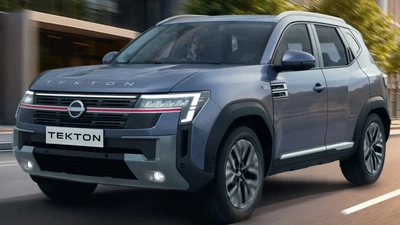
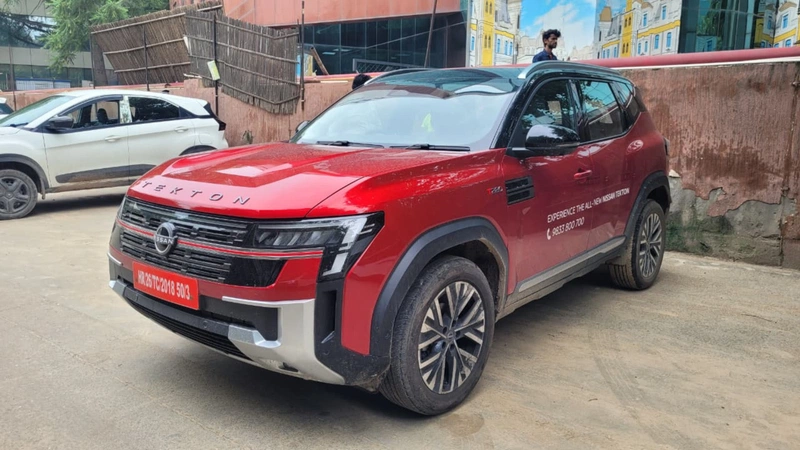
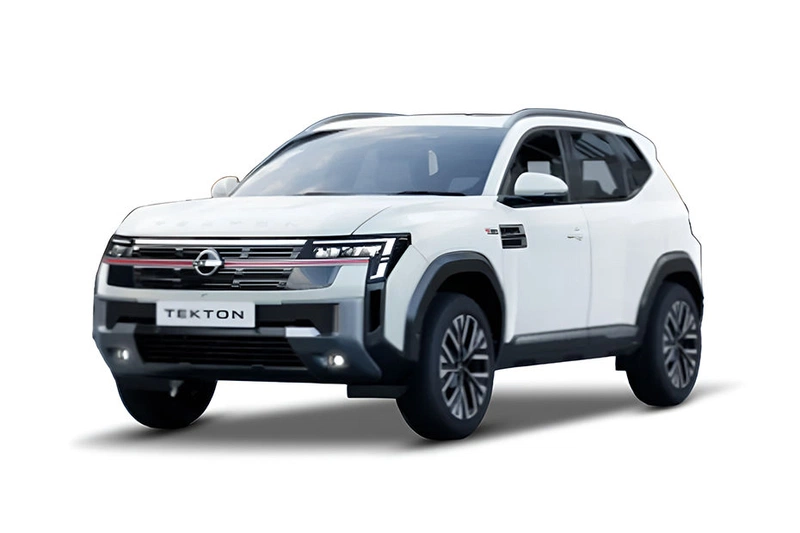
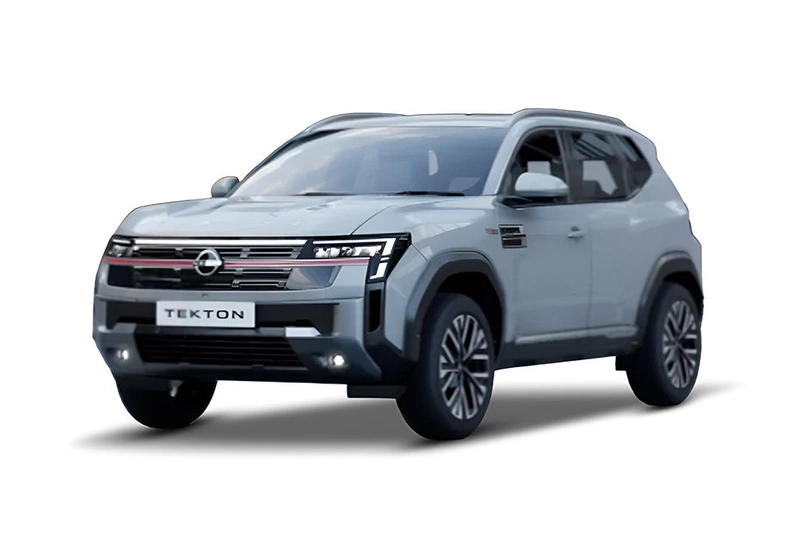
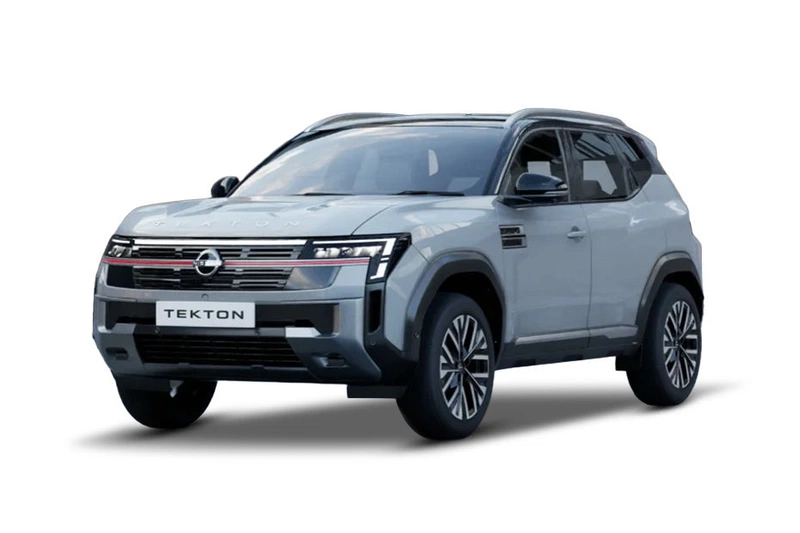
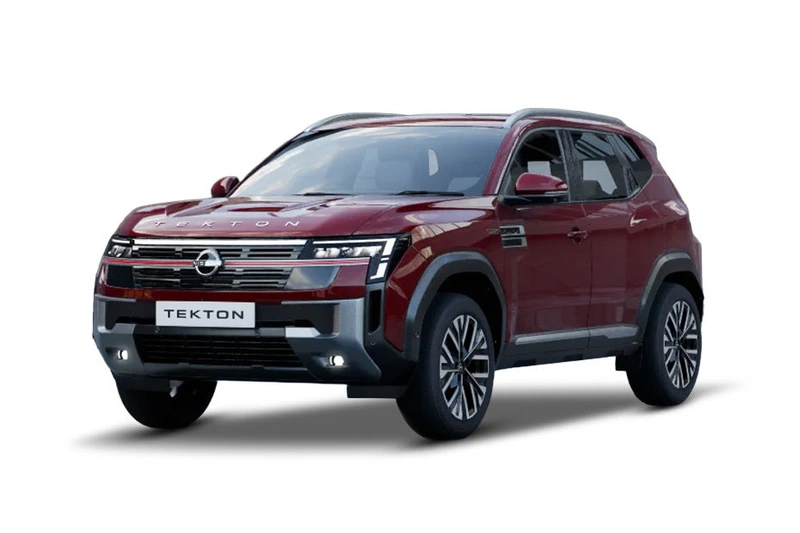
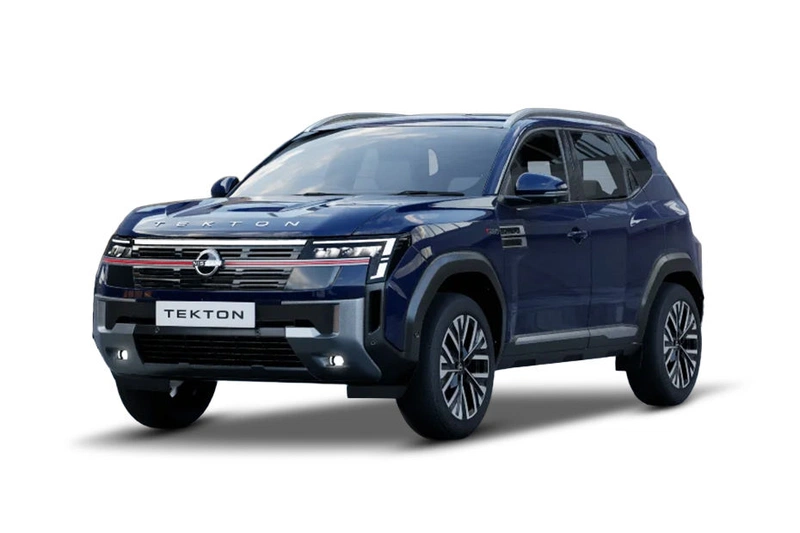
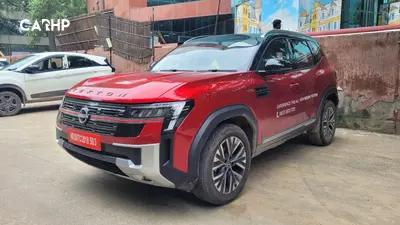
Nissan has given the Tekton a distinct face inspired by the larger Patrol, even officially calling it the Baby Patrol.
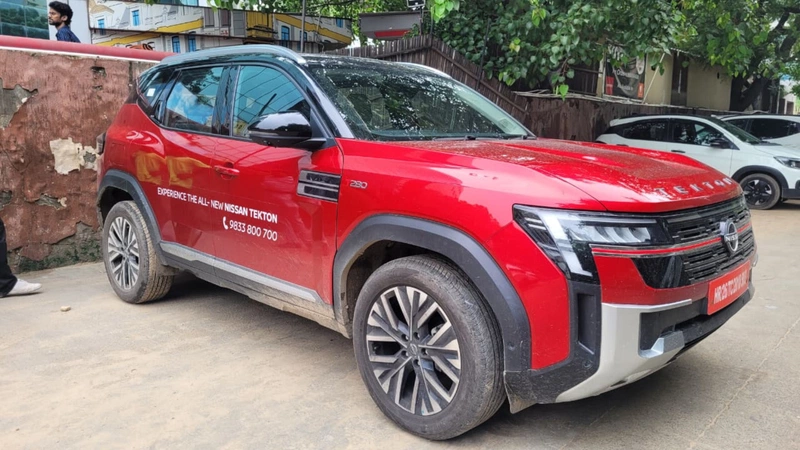
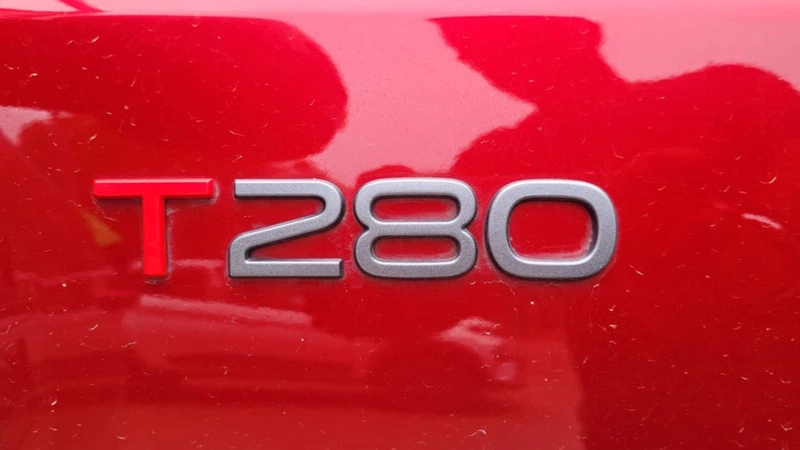
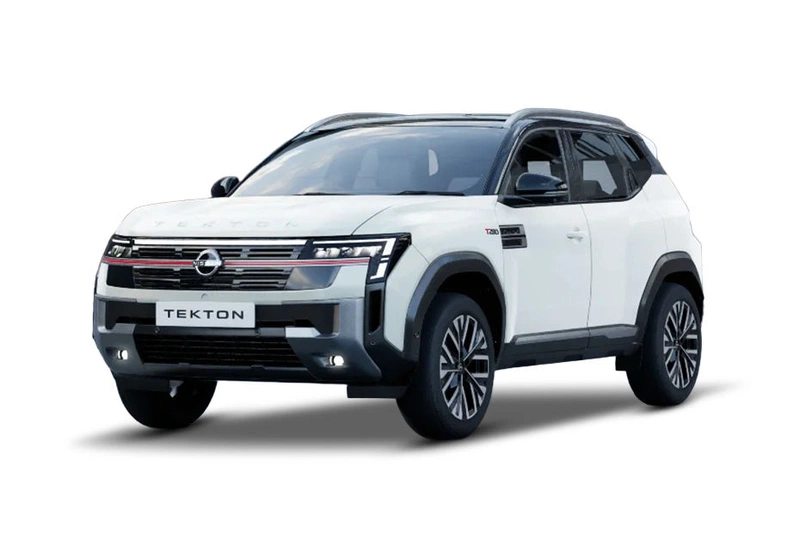
The front gets a wide horizontal-slat grille, connected C-shaped LED DRLs, a more upright nose and a chunky lower bumper with fog lamps. The 1.3-litre variants carry a red accent strip and T280 badge. To me, it looks more mature than the Duster while sharing the same overall proportions, but looks can be subjective.
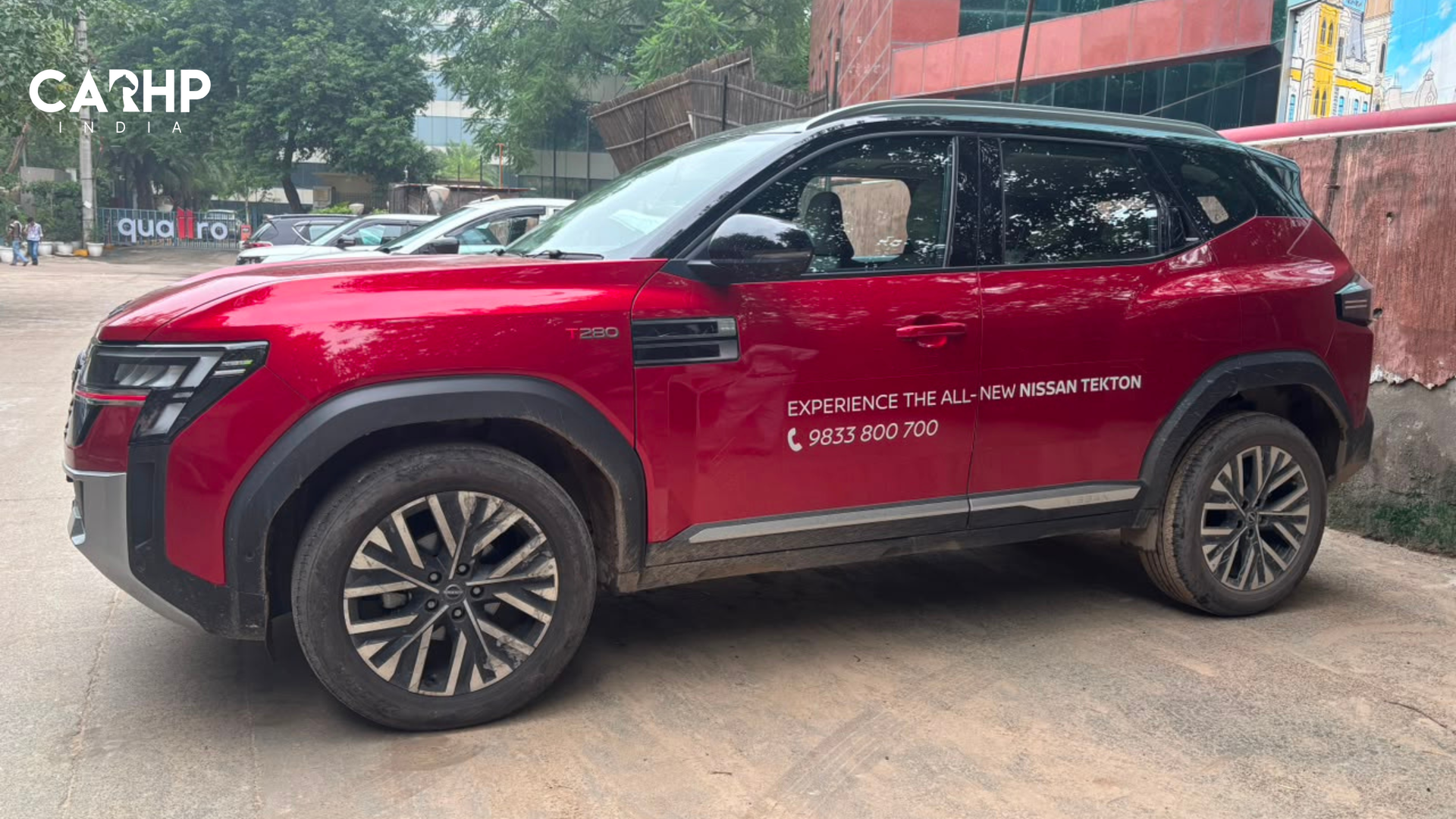
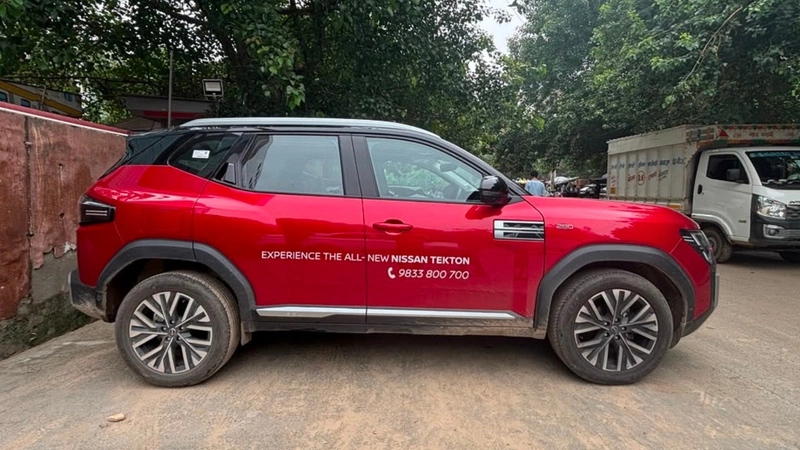
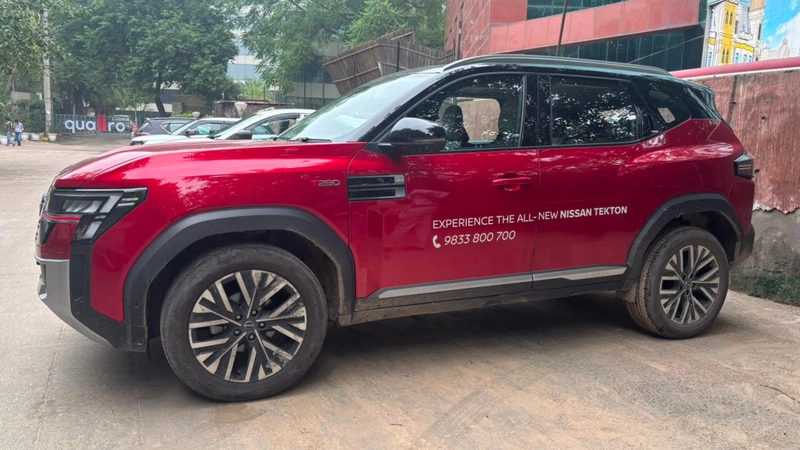
From the side, the similarities to the Duster are apparent.
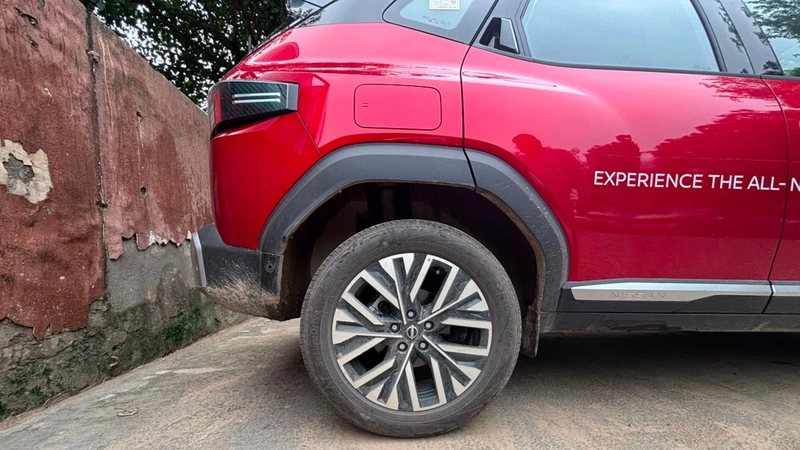
The body panels and silhouette remain familiar, but the Tekton gets different alloy designs (up to 18-inch), silver roof rails and pillar-mounted rear door handles that recall older Nissan SUVs.
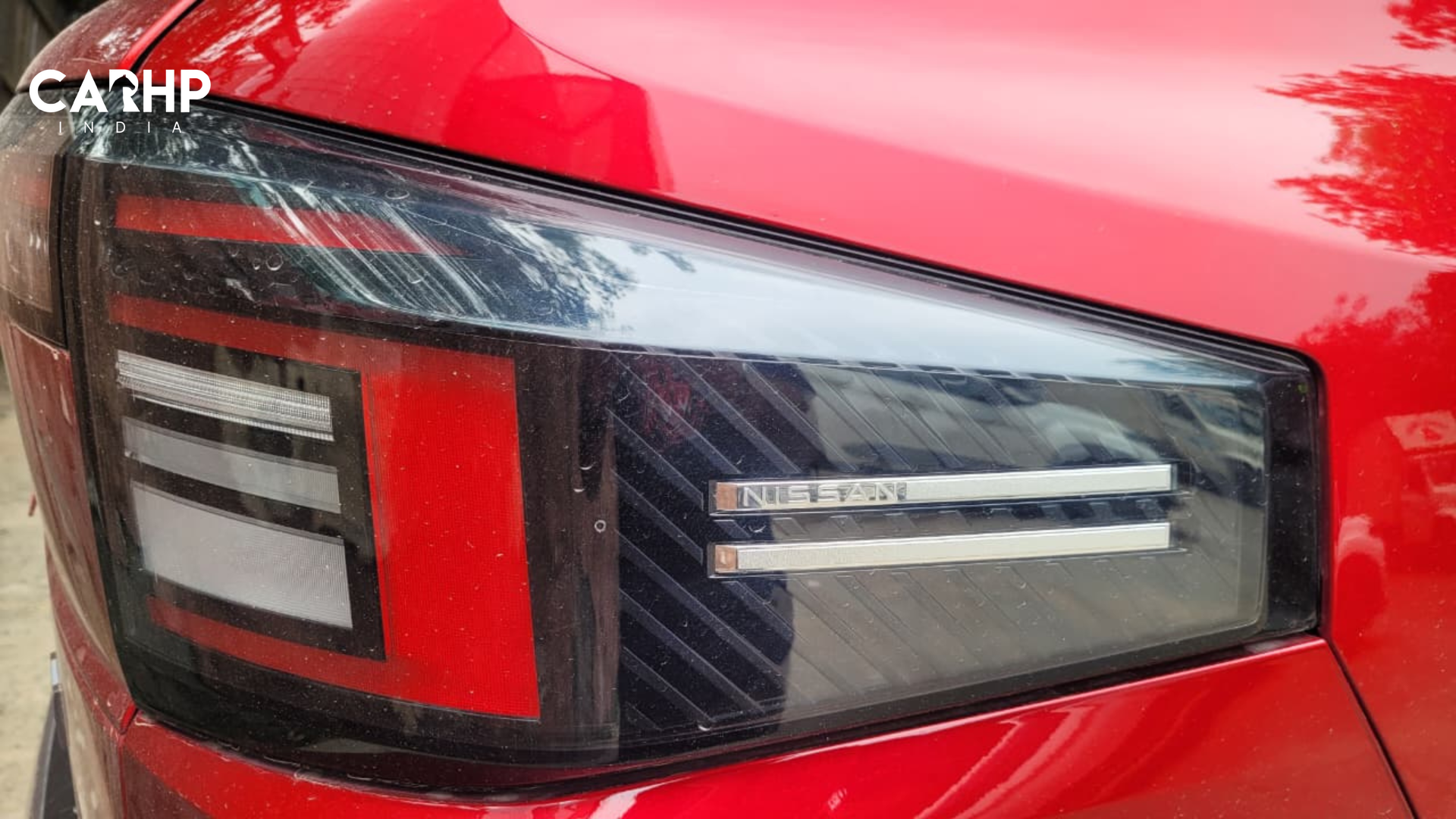
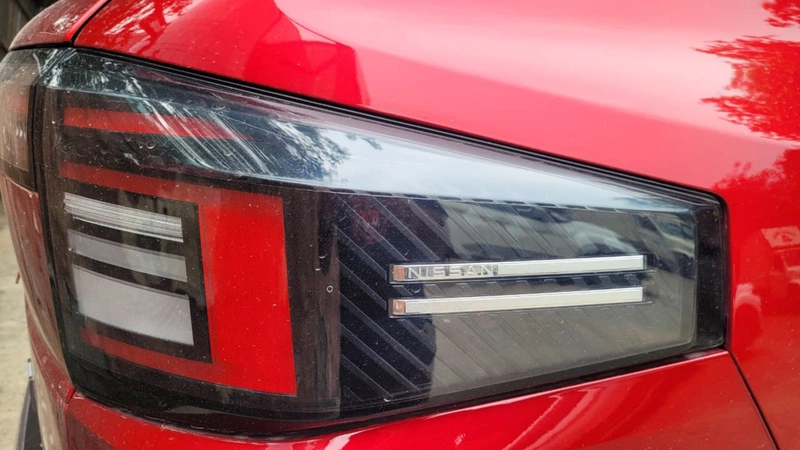
At the rear the tail-lamps have been redesigned with a more distinctive signature, and the lower bumper is refreshed. The overall effect is classy without looking completely different from its Renault sibling.
Ground clearance is a strong 212 mm, among the best in the segment. The car sits with a proper SUV stance and clears broken roads, speed breakers and rough approaches with ease. Its compact-to-midsize footprint still makes city parking manageable.
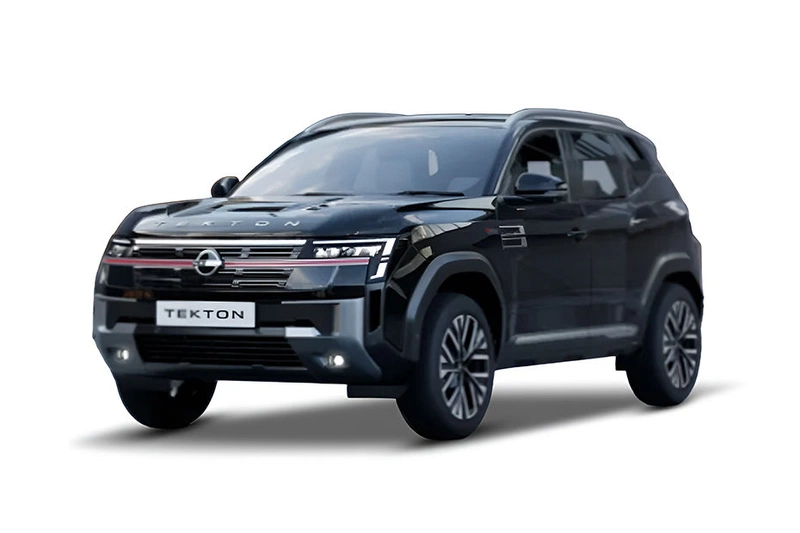
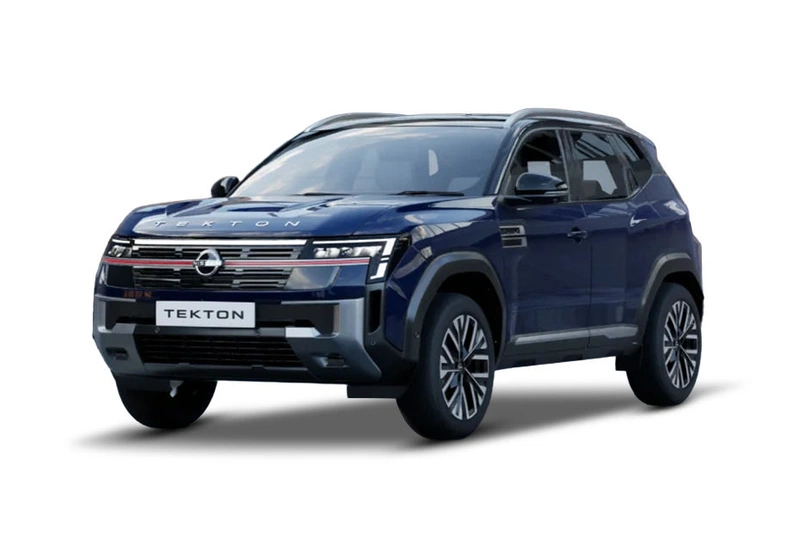
The black cladding and silver accents add visual bulk but will need regular cleaning, especially on lighter colours. The Tekton is available in six monotone colours and five dual-tone colour options.
Overall the design succeeds in giving this SUV its own identity while keeping the practical, upright SUV look intact.
safety
safety
The Tekton carries a five-star Bharat NCAP rating, scoring 30.49 out of 32 for Adult Occupant Protection and 45 out of 49 for Child Occupant Protection, matching its Renault sibling.
Six airbags, electronic stability control, ABS with EBD, hill-hold and ISOFIX mounts are available, with comprehensive Level 2 ADAS features (adaptive cruise with stop-and-go, autonomous emergency braking, lane-keep assist, blind-spot monitoring and more) on higher variants. The 360-degree camera and parking sensors add practical safety in daily use.
Some ADAS functions (lane-keep in particular) feel intrusive in real-world conditions, but the overall package is strong for the price. Structural integrity benefits from high-strength steel usage. For family buyers who prioritise crash protection and modern driver aids, the Tekton scores well.
competition
competition
The Hyundai Creta and Kia Seltos remain the volume benchmarks with three engine options, stronger brand pull, premiu interiors, more rear space in some configurations and proven resale. The availability of a diesel engine gives them a major advantage, and their naturally aspirated petrol engines are significantly more refined and city friendly than the Tekton's 1.0-litre turbo. However, they cannot match the Tekton’s chassis balance or boot size.
The Maruti Grand Vitara, Victoris, and Toyota Hyryder bring hybrid efficiency and strong reliability, plus a much wider service network, but they are softer to drive and lack the Tekton’s outright turbo punch.
The Skoda Kushaq and Volkswagen Taigun are the closest rivals dynamically and offer strong safety and driving manners. Their 1.0-litre TSI engines produce more power and torque than the Tekton's. However, their 1.5-litre TSI engines lose out to the Tekton's 1.3-litre turbo on paper. Additionally, their boot space, ride quality over uneven surfaces, and ground clearance trail the Nissan.
The Renault Duster is the Tekton's mechanical twin. Choose between them largely on styling preference, feature packaging, dealer/after-sales service experience and the small price difference. Though, the Duster is about to get a hybrid advantage that the Nissan will miss out on.
The Tata Sierra offers one of the best rear seats in this class, seating three comfortably, and a softer suspension providing superior ride quality over bad roads. While Tata's service network is wider, experiences have always been mixed. The Tekton wins out in terms of driving dynamics and high speed stability.
The Honda Elevate is a no-nonsense pick, though not the most feature loaded. Its 1.5-litre VTEC naturally aspirated petrol engine is better than its fellow Japanese and Korean rivals, and much smoother than the Tekton's 1.0-litre turbo. The Tekton offers better rough-road ability and a more commanding stance.
In short, if you want to have some fun while also hauling a lot of luggage on long road trips, put the Tekton high on the shortlist. But if maximum rear space, fuel efficiency or a wide service service network is non-negotiable, look at the established volume leaders first.
final verdict
final verdict
The Nissan Tekton is a well-rounded midsize SUV that prioritises driving pleasure, ride comfort, boot space and road presence.
It benefits from the same proven mechanical base of the Duster. The 1.3-litre turbo with the DCT is the sweet spot, delivering strong performance and long-distance capability. Features such as Google built-in, a panoramic sunroof and a large boot add everyday appeal.
It has its own set of drawbacks. Rear-seat space is only adequate rather than class-leading, the 1.0-litre engine feels laggy for an SUV of this size, real-world efficiency is average, and Nissan’s service network remains thinner than Maruti, Hyundai or Kia, which matters for long-term ownership peace of mind.
With the Hybrid being exclusive to the Duster, buyers looking for efficiency will have to opt for the Renault.
For buyers who want an enjoyable-to-drive SUV with good practicality and a distinctive look in the Rs 11-18 lakh range, the Tekton deserves a proper test drive. It will not dominate the segment on paper like some Korean rivals, but it offers a more engaging character than many family SUVs manage.
Nissan Tekton Expert Reviews
Nissan Tekton News
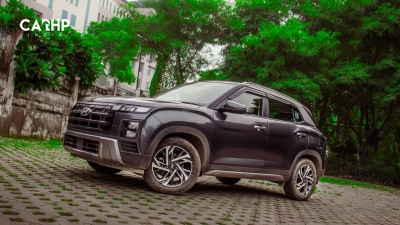
Mid-Size SUVs Overtake Compact SUVs in India for the First Time
Mid-size SUVs have quietly eaten into compact SUVs' slice of the Indian passenger vehicle market, climbing to 18.2% share in Q1 FY27 from 12.4% two years ago, as buyers prioritise cabin space and features over size-driven tax savings.
Anmol Kumar
August 24, 2026