Key Changes In 2026 That Will Define Automotive Industry
By Salil Kumar
Updated July 13, 2026
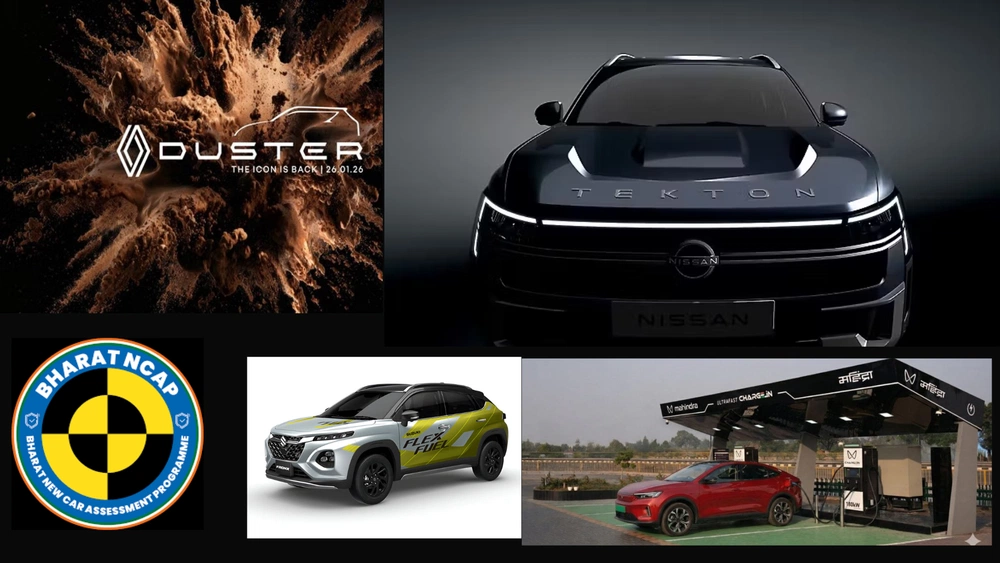
- Renault Duster and Nissan Tekton Will Be the biggest launches in 2026
- Expect more superfast chargers, EV adoptions and premium features in budget segment
- Stricter CAFE 3 and mandatory ABS will make vehicles cleaner and safer
Last week was perhaps the busiest so far thanks to two of the biggest car launches ever. The new Tata Sierra and the Mahindra XEV9s. Both have the potential to change the game as mass market everyday SUVs and set a rather important precedent for 2026.
Here are some of the biggest upcoming changes I think will define the automotive trajectory of our country next year
Flex-Fuel Vehicles Become More Common
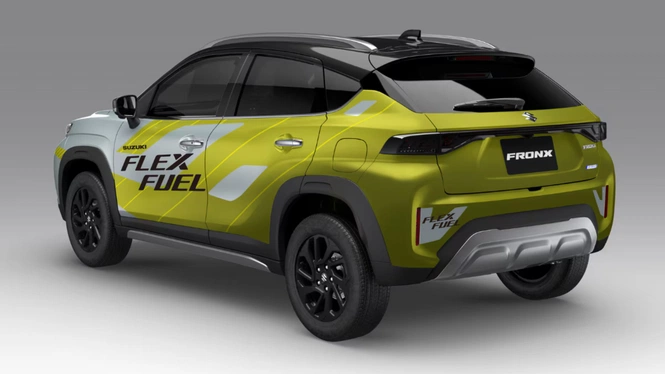
Thanks to the Ethanol hue and cry this year FFVs are something that every car buyer will witness next year.
Since government is not gonna back down form its ethanol mixing targets (E30 by 2030) and buyers want something that will last them 10-15 years, Flex fuel vehicles seem to be the only solution forward
Flex-fuel vehicles can run on regular petrol or higher ethanol blends like up to E85. This helps reduce oil imports and supports new emission rules. Maruti Suzuki plans to launch its first flex-fuel model in India by March 2026, likely on models such as the Brezza or Fronx.
Other companies like Toyota, Hyundai and Tata are testing the same technology and may introduce their versions soon.
Under the updated Bharat Stage VI Phase 2 rules starting in 2026, flex-fuel vehicles will earn credits toward fuel efficiency targets. They could make up 5 to 10 percent of new car sales by the end of the year.
Expected pricing should start around ₹10 to 12 lakh, which fits the budget for many buyers dealing with rising fuel costs.
EVs And Charging Station Will Se a Major Boom
Some people will argue that hybrids will be a lot more commonplace, I don’t think so. The current so called “HYBRIDS” we have are a 20 lakh plus version of Grand Vitara and Hyryder with an embarrassing 1KM of all electric range and no plug-in capability.
How can you expect these carmakers to add a usable 50 km of range with plug-in setup under 15 lakhs in just 1 year?
Not to mention the gigantic bulk these components add along with a ton of complexity. All that to solve in a market where a mere 10K difference in price can be a make-or-break deal.
2025 was the bestselling years for cars and EVs in particular ever, and same will be the case for 2026 too with Mahindra, Tata along with MG leading this all-electric charge
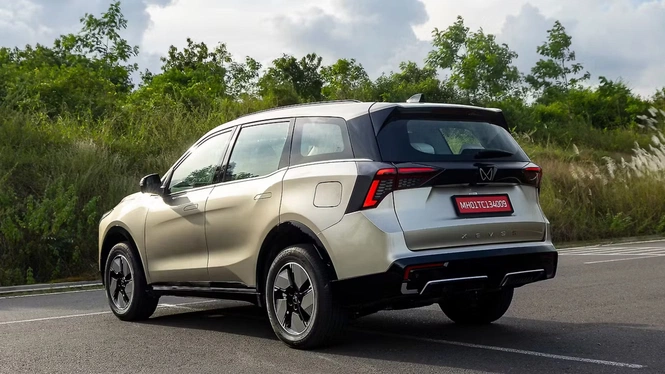
The XEV 9s mentioned earlier brings this exclusive fancy looking zero emission toys to the masses with more to follow.
Each more affordable than the next. Both upcoming e-Vitara and Sierra EV will further push buyers to lean towards BEV thanks to massive fuel savings and zero maintenance cost, relatively.
MG Windsor managed 50,000 units so far and their hyper exclusive Cyberster has got a 5-month waiting period indicating a strong interest from both premium and everyday consumers.
EV sales in India doubled to more than 91,000 units in the first half of 2025. Experts expect them to reach 1 million units for the full year, supported by a 45 percent annual growth rate through 2026. Government plans now require carmakers to sell 20 percent EVs or plug-in hybrids by 2026, increasing to 60 percent in the future.
Subsidies under FAME II end for smaller vehicles in March 2026, but support continues for passenger cars. New launches from Tata, Mahindra and others will offer ranges above 400 km with prices under ₹15 lakh.
The only problem is our unreliable charging infrastructure which could see improvement as Mahindra has fast tracked its deployment of 180 kw stations. Tata is doing something similar and plans about 400,000 stations by 2027. Consider yourself lucky if they manage even half that.
ABS For Every Two Wheeler
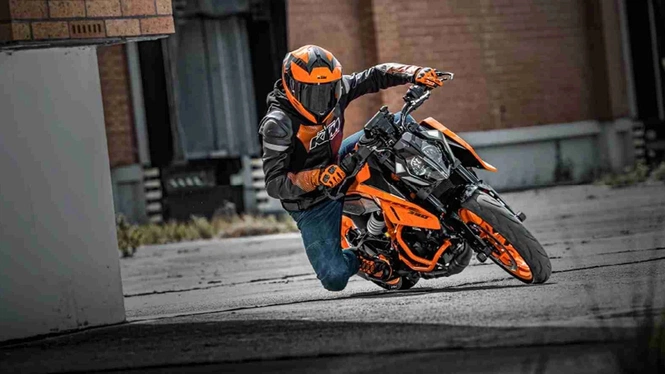
In a country with the highest number of two-wheeler fatalities, adding more mandatory safety features is nothing but a welcome move. Also, BNCAP has decided to impose even more stringent measures with its 2.0 revisions.
From January 2026, all new two-wheelers will require anti-lock braking systems, regardless of engine size. For cars, the rules will make six airbags standard and introduce updated crash test requirements for better protection.
Electric cars will need sound alerts to warn pedestrians. These updates build on Global NCAP guidelines and aim to reduce accident severity. Older vehicles will face scrappage rules after 15 years, with rebates of up to 5 percent on new purchases.
Cafe III Rules Make Cars Even More Cleaner
The Bureau of Energy Efficiency issued revised CAFE III norms in September 2025. These define targets for the average fuel efficiency of a company’s entire lineup.
Smaller cars receive some relaxation based on weight, while larger ones face stricter limits. Hybrids and flex-fuel models earn multipliers up to 2.5 times for strong hybrids, helping manufacturers meet the targets.
Petrol cars running on E20 to E30 blends get an 8 percent emission discount, while CNG vehicles receive up to 5 percent. We don't expect Diesel cars to go anywhere but their market share will likely dwindle slightly as consumers favor equally powerful petrol and or all electric variants
Scrappage incentives will support sales growth by 5 to 7 percent, and state specific EV rules such as those in Delhi add further savings of up to ₹1 lakh per car.
Word Of The Year Will Be ‘Premium’
Ever wondered how the Creta still manages to appear in the list of the top 5 selling cars, even though its price is nearly three times higher than models like the Wagon R or Punch that usually dominate the charts?
It's because even the cheapest variant of King Creta packs that premiumness and presence that every buyer is craving for. From its dual touchscreens to segment best engines, it has convinced the buyer to shell out more to stand out from the crowd.
Buyers are done with greyed out plastics, cheap fabric seats, 0 star cars and small hatchbacks. Everyone wants wants to feel like the King of the road. Just look at all those modded Thars and blacked out Scorpios that are selling like samosas on a rainy day.
This is something that Tata realised as it revealed the Sierra prompting other car makers to follow with their own take on Creta killers.
Renault is planning to launch the Duster next January while Nissan is planning the brand new Tekton next quarter. Each will have the same premiumness that made Creta a bestseller and will likely be priced between 10-12 lakhs.
Similarly, expect more and more premium features like ventilated seats, Sunroof, ADAS, 5G infotainment setups to become commonplace in mid and lowered tired car segments.
Pick-Up Trucks Will Turn A Lot More Eyebrows
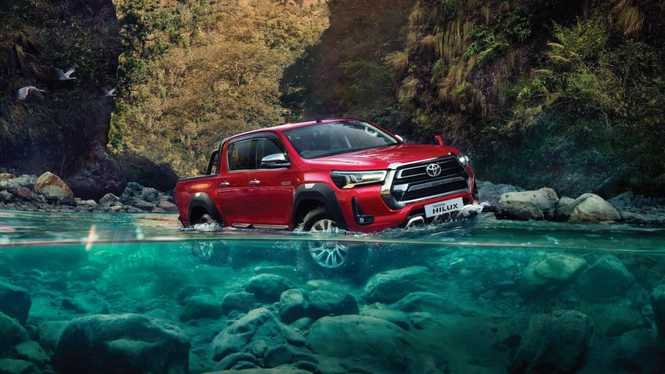
Ever since that spyshot of Mahindra pick up leaked, a wave of excitement came over us enthusiasts.
No, trucks don't make sense here in India but neither did a 50 Lakhs SUV called Fortuner, which since then has become one of the most desired cars ever here.
These trucks AKA Pick-Ups are pretty common in countries like the USA but here your options are limited to expensive Hilux, Isuzu and lacklustre Bolero (commercial only).
Since Mahindra has got a lot of know-how when it comes to heavy duty vehicles, they have got a pretty strong chance to create a new segment, capable of killing SUVs altogether.
Provided it ticks all the boxes like practicality, mileage and most important, affordability.
Table of Contents
- Flex-Fuel Vehicles Become More Common
- EVs And Charging Station Will Se a Major Boom
- ABS For Every Two Wheeler
- Cafe III Rules Make Cars Even More Cleaner
- Word Of The Year Will Be ‘Premium’
- Pick-Up Trucks Will Turn A Lot More Eyebrows
Join the Conversation
Trending
Best Diwali Offers On Most Popular Cars
Carmakers and dealers are rolling out festive deals. We pick the best Diwali 2026 offers on India's most popular cars and keep this list updated as new deals arrive.
Arjun Nair
October 3, 2026
Hyundai Navratri and Diwali Season Offers in October 2026
Hyundai India's October 2026 offers cover 11 models, with the Creta getting up to Rs. 1.15 lakh and the Alcazar up to Rs. 90,000. A Navratri Booking Bonus is new, while the Venue stays at Rs. 5,000.
Anmol Kumar
October 3, 2026
BYD Confirms Denza India Entry, Z9 GT and D9 Expected as First Models
Denza has confirmed its India entry, with the Z9 GT and D9 MPV expected as its first models. Prices could range from around Rs 90 lakh to Rs 1.5 crore, with no launch date announced yet.
Anmol Kumar
October 3, 2026
Featured
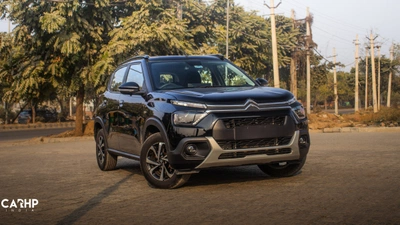
Citroen C3 Review: Who Should Consider This Car?
A few days ago, I took the Citroen C3X out for a spin in the city and on the highways. I travelled long distances and checked its fuel efficiency, features, comfort, and other factors. Today, I’ll briefly share my overall experience with the C3X and will tell you whether you should consider it or not and which is the most value-for-money variant of the lot.
Vatsal Agrawal
May 19, 2026
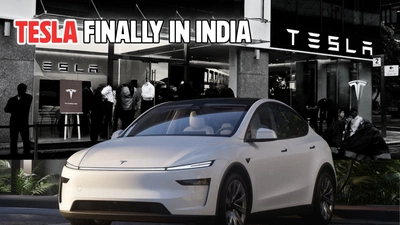
Tesla Finally In India Officially. Why Now And What Does It Mean For EVs?
The much-anticipated 2025 Tesla Model Y has officially arrived in India, marking a pivotal moment for the nation's burgeoning electric vehicle market. Launched on July 15, 2025, the Model Y Juniper facelift offers cutting-edge technology, impressive range, and signature Tesla performance. Positioned as a premium electric SUV, its entry will intensify competition and reshape consumer expectations for EVs across the subcontinent.
Charan Narain
July 17, 2025
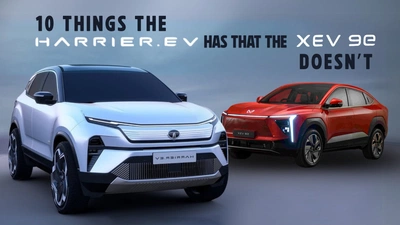
Here Are 10 Things The Harrier.EV Offers That The Mahindra XEV 9E Doesn't
The Harrier.EV is an incredible new offer from Tata. Its most popular competitor would be the Mahindra XEV 9E, priced similarly. With these two incredible offerings from home grown brands available, here is a list of everything the Harrier.EV offers that the XEV 9E doesn't.
Charan Narain
June 13, 2025
Write a comment
Comments
No comments yet. Be the first to comment!