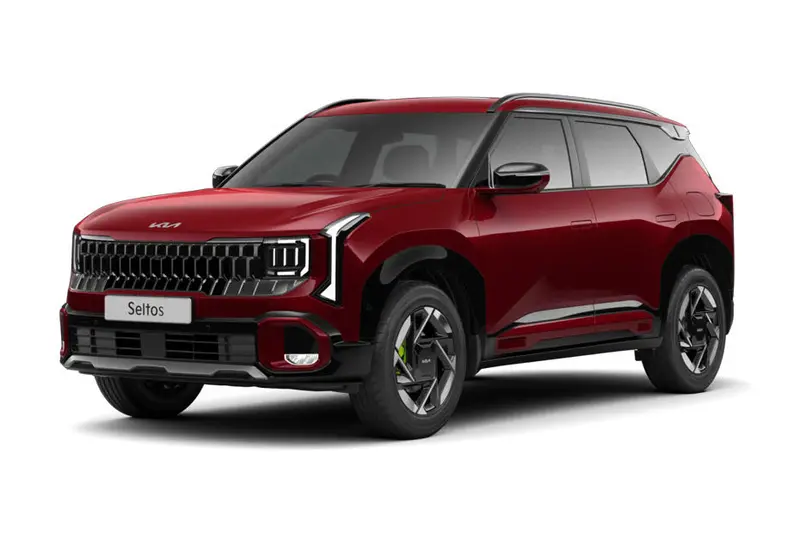
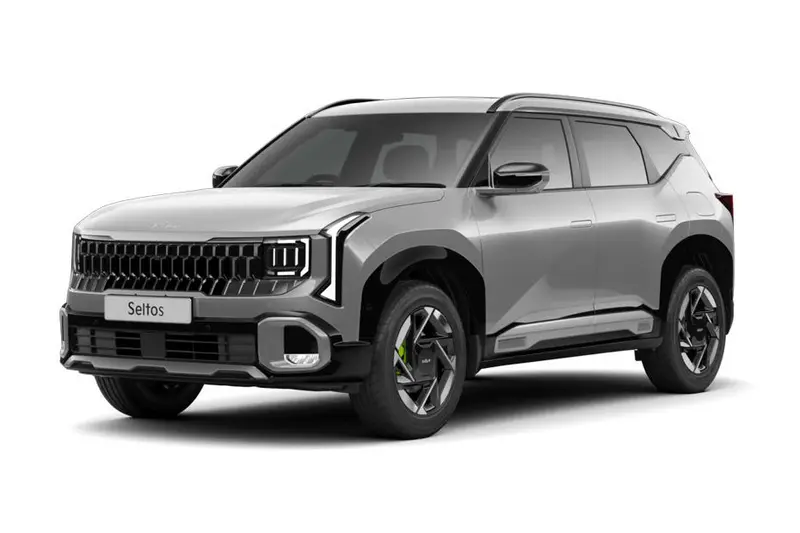

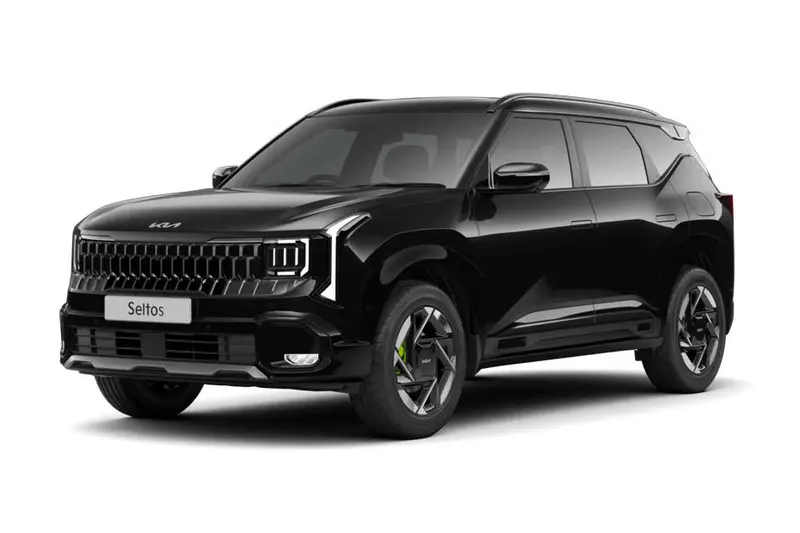
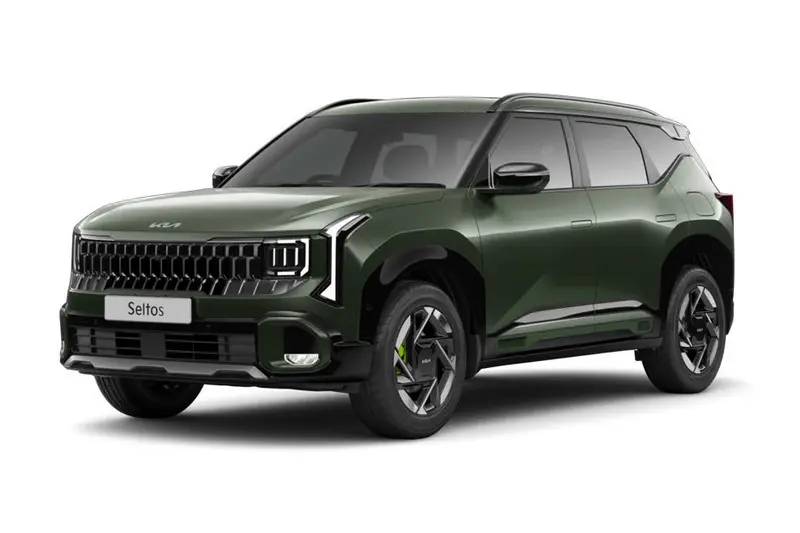

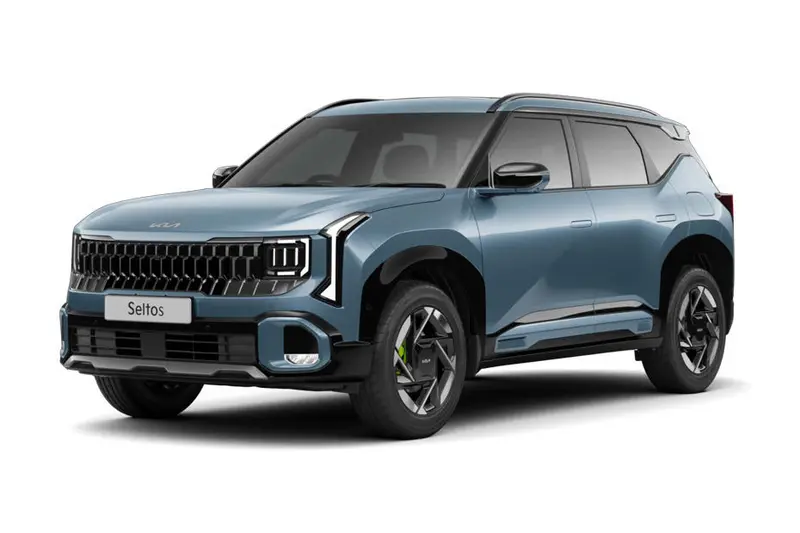
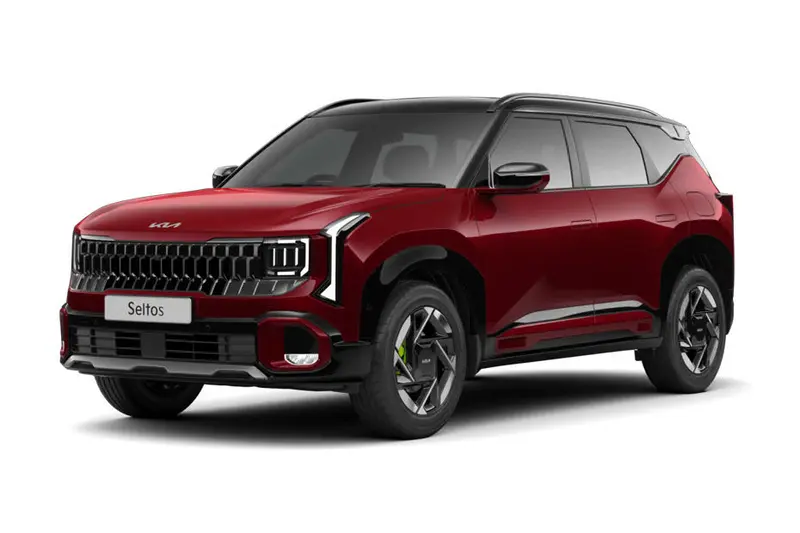
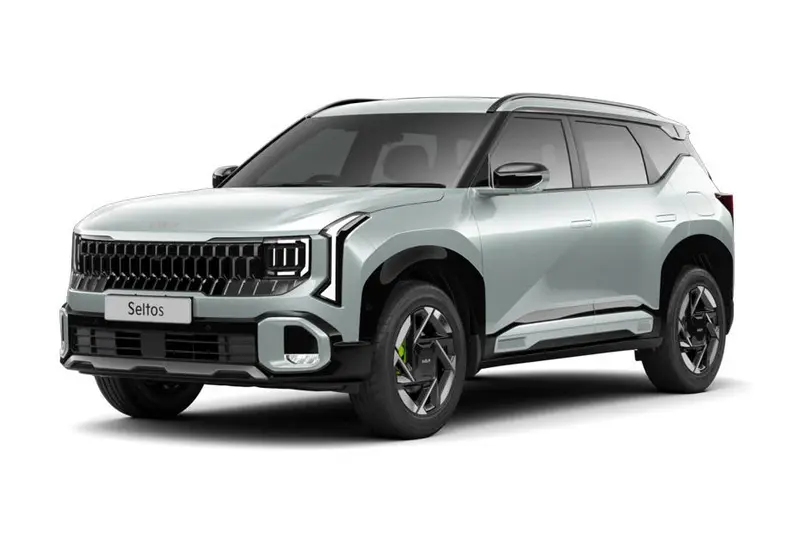
Kia Seltos
Overall Rating

Kia Seltos
Overall Rating
EMI Loading
Kia Seltos Key Specifications
Kia Seltos Highlights

12.3-inch touchscreen infotainment with wireless smartphone support and OTA updates for new features

Front ventilated seats with three intensity levels for better comfort in hot weather

64-colour ambient lighting that gives the cabin a premium feel at night

India-tuned Level 2 ADAS adding an extra layer of safety in daily driving
Kia Seltos Overview


When the first-generation Kia Seltos arrived in India in August 2019, it did something few new nameplates manage to do, immediately becoming a reference point for the entire segment. Segment-leading features, strong diesel performance, a sharp design that stood apart from the Hyundai Creta it shared a platform with, and a premium cabin feel that buyers at this price had not seen before. Within months, it was selling over 10,000 units a month and forcing every rival to raise their game.
Seven years on, the second-generation Seltos does not need to prove itself in the same way. The nameplate carries genuine equity, and Kia's task with this update was to build on what worked while addressing areas where the competition had begun to catch up.
The SUV is now underpinned by the K3 platform and grows noticeably in size, adopts a dramatically different interior layout with more tech, gains a dual-pane panoramic sunroof, boasts the most comprehensive ADAS suite the segment has seen, and finally gets a good crash safety rating.
What remains unchanged is the powertrain lineup. The same trio of 1.5-litre naturally aspirated (NA) petrol, turbo petrol, and diesel engines from the first generation carries over, recalibrated but mechanically identical. This is not something worth complaining about, since the engines, especially the NA petrol and the diesel, have aged reasonably well. Moreover, Kia India has confirmed that a strong hybrid is in the works, possibly debuting in 2027.
On the K3 platform, the ride quality has taken a meaningful step forward. The previous Seltos had a reputation for a slightly firm, reactive ride. The new model has been tuned toward comfort without giving up the high-speed composure that made it a credible highway choice.
With a five-star Bharat NCAP rating, 24 standard safety features, and the most sophisticated cabin tech at its price, the second-generation Seltos makes a case that is hard to argue with for buyers who want maximum feature content, solid safety credentials, and a confident, well-resolved package in this segment.
Engine and Performance
Engine and Performance

| Specification | NA Petrol | Turbo Petrol | Turbo Diesel |
|---|---|---|---|
| Engine | 1.5L naturally aspirated | 1.5L turbocharged petrol | 1.5L CRDi turbocharged diesel |
| Displacement | 1497 cc | 1497 cc | 1493 cc |
| Power | 113 bhp at 6300 rpm | 158 bhp at 5500 rpm | 114 bhp at 4000 rpm |
| Torque | 144 Nm at 4500 rpm | 253 Nm at 1500-3500 rpm | 250 Nm at 1500-2750 rpm |
| Transmission | 6-speed MT / iVT | 6-speed iMT / 7-speed DCT | 6-speed MT / 6-speed AT |
| Suspension (F) | MacPherson struts | MacPherson struts | MacPherson struts |
| Suspension (R) | Torsion beam | Torsion beam | Torsion beam |
| Brakes | All-wheel disc | All-wheel disc | All-wheel disc |
The second-generation Seltos carries forward the same three-engine lineup from its predecessor, all 1.5-litre four-cylinder units but covering three very distinct use cases.
Some may find the unchanged engine options underwhelming considering major updates in other areas, but these engines continue to be competitive in the segment and perform well in their respective roles.
The 1.5-litre naturally aspirated petrol is the entry point and the least exciting of the three to drive, but it is far from bad. It produces 113 bhp and 144 Nm, which is adequate for city use and relaxed highway cruising. The iVT (Kia's name for a conventional CVT) is the more comfortable pairing in urban traffic, keeping the engine at low revs and delivering smooth, linear progress without the step-change response of the manual. The engine is refined and quiet at low and moderate loads. Under hard acceleration, it gets vocal and the iVT holds revs longer than ideal, but in the daily rhythm of city driving and highway cruising, neither characteristic is frequently encountered.
The 1.5-litre TGDI petrol is where the Seltos finds real personality. At 158 bhp and 253 Nm arriving from just 1500 rpm, it transforms the character of the car. The 7-speed DCT is the better pairing for most buyers: it delivers crisp, confident gearchanges, responds quickly to throttle inputs, and makes the Seltos feel considerably more athletic than its segment-standard suspension and tyres would suggest. Overtaking on two-lane highways is brisk, city driving is effortless, and at sustained highway speeds the engine sits comfortably without strain. The DCT's occasional hesitation in slow crawling traffic is a known trait and is most noticeable in bumper-to-bumper conditions. The 6-speed iMT (intelligent manual transmission, which automates the clutch but requires manual gear selection) is a lower-cost alternative but is most suitable for buyers who genuinely want manual-style gear control without a traditional clutch pedal.
The 1.5-litre turbo diesel continues to be the segment benchmark for fuel economy and long-distance refinement. At 114 bhp and 250 Nm, it is not significantly more powerful than the turbo petrol on paper, but its torque arrives lower in the rev range and holds across a wider band.
While a 6-speed manual is available, the 6-speed torque-converter automatic is the recommended pairing for most diesel buyers. It is smooth, well-matched to the diesel's delivery, and makes the combination feel unhurried and easy in all conditions. On the highway, it is the most relaxing powertrain in the Seltos range.
Fuel costs for high-mileage users represent a meaningful advantage, and the diesel's refinement in the second-generation model is a step up from the predecessor, with less clatter and better isolation at idle.
Ride and Handling
| Specification | NA Petrol | Turbo Petrol | Turbo Diesel |
|---|---|---|---|
| Suspension (F) | MacPherson struts | MacPherson struts | MacPherson struts |
| Suspension (R) | Torsion beam | Torsion beam | Torsion beam |
| Brakes | All-wheel disc | All-wheel disc | All-wheel disc |
On the road, the K3 platform makes the most significant impression in the ride.
Frequency-selective dampers better isolate sharp-edged irregularities, and the overall tune is noticeably more comfort-biased than the first-generation model.
The suspension absorbs broken surfaces well, does not produce the secondary bounce some rivals with a soft suspension exhibit over repeated undulations, and settles quickly after larger impacts. High-speed stability is confident, with the Seltos staying flat and composed even over undulations and surfaces that are not perfectly smooth. Wind noise is well-managed up to typical highway speeds.
Body roll in fast direction changes is present and noticeable, as is typical of most five-seat crossovers, but it is well-controlled and never feels unsettling.
The steering is light in normal driving, which makes urban manoeuvring easy, and weights up progressively in Sport and Sport+ modes, though the weighting change is more cosmetic than transformative in terms of precision and feedback.
The 200 mm ground clearance is sufficient for the vast majority of Indian road scenarios, and the Seltos handles speed breakers, minor flooded roads, and rough village roads without drama.
fuel economy
fuel economy
Fuel efficiency on the Seltos varies depending on the powertrain chosen. All variants use a 50-litre fuel tank, which gives a generous real-world range between fills for all three engine options.
The naturally aspirated petrol promises 16.5 km/l under ARAI conditions with both the manual and iVT. In real-world Indian driving, 11 to 15 km/l is the practical range, with city use at the lower end and disciplined highway cruising pushing close to the claimed figures. The iVT does not return better figures than the manual in city use, but is more consistent across mixed conditions.
The turbo petrol iMT's 15.6 km/l ARAI figure is the lowest in the range, a counter-intuitive result that reflects the iMT's tendency to dwell in lower gears more than the DCT, which manages torque delivery more efficiently. Buyers choosing the turbo petrol primarily for highway use will find the DCT's 17.5 km/l claim more relevant. In real city use, the turbo petrol is the thirstiest option, particularly when the engine is frequently in its power band, where the efficiency advantage of careful driving disappears quickly.
The diesel remains the standout on running costs. The manual's ARAI figure of 19.4 km/l is the best in the range, and real-world returns of 14 to 18 km/l are achievable for buyers who split their driving between urban and highway use. On long highway runs with a relaxed cruising style, figures of up to or even over 20 km/l are achievable.
For buyers covering 2,000 km or more per month, the diesel's lower per-kilometre fuel cost offsets its higher purchase price within a reasonable timeframe.
interior
interior

The second-generation Seltos cabin is defined by the Trinity Panoramic Display, and the effect is immediate and impressive.
In the HTX(A) and above, the single curved glass panel sweeps across the full width of the dashboard, housing the 12.3-inch digital cluster on the driver's side, the 12.3-inch infotainment touchscreen in the centre, and a 5-inch dedicated climate control touchscreen at the bottom right.
The arrangement is visually striking and practically sound, climate adjustments no longer require navigating the main infotainment menu, and the overall dashboard layout feels cleaner and more modern than anything at this price point.
The infotainment interface itself is well-designed, with sharp graphics, smooth animations, and a menu structure that is intuitive from the first use. Wireless Android Auto and Apple CarPlay work without lag in the units fitted to the HTX variants and above. The 8-speaker Bose audio system available from the GTX variant is among the best audio setups in this segment, with good separation, bass response, and clarity at moderate volumes.
Below the HTX(A), the experience is more conventional. The HTX uses a single 12.3-inch touchscreen without the full Trinity setup, and the base HTE to HTK trims use a 10.25-inch unit. Even the HTE comes with a reasonably equipped digital display and manual AC with rear vents, making the entry point into the Seltos range more usable than many competitors' base trims.
Interestingly, the second-generation Seltos uses more hard plastic trim than its predecessor, and the smooth, gloss-finished surfaces on the centre console and door panels attract fingerprints and hairline scratches quickly.
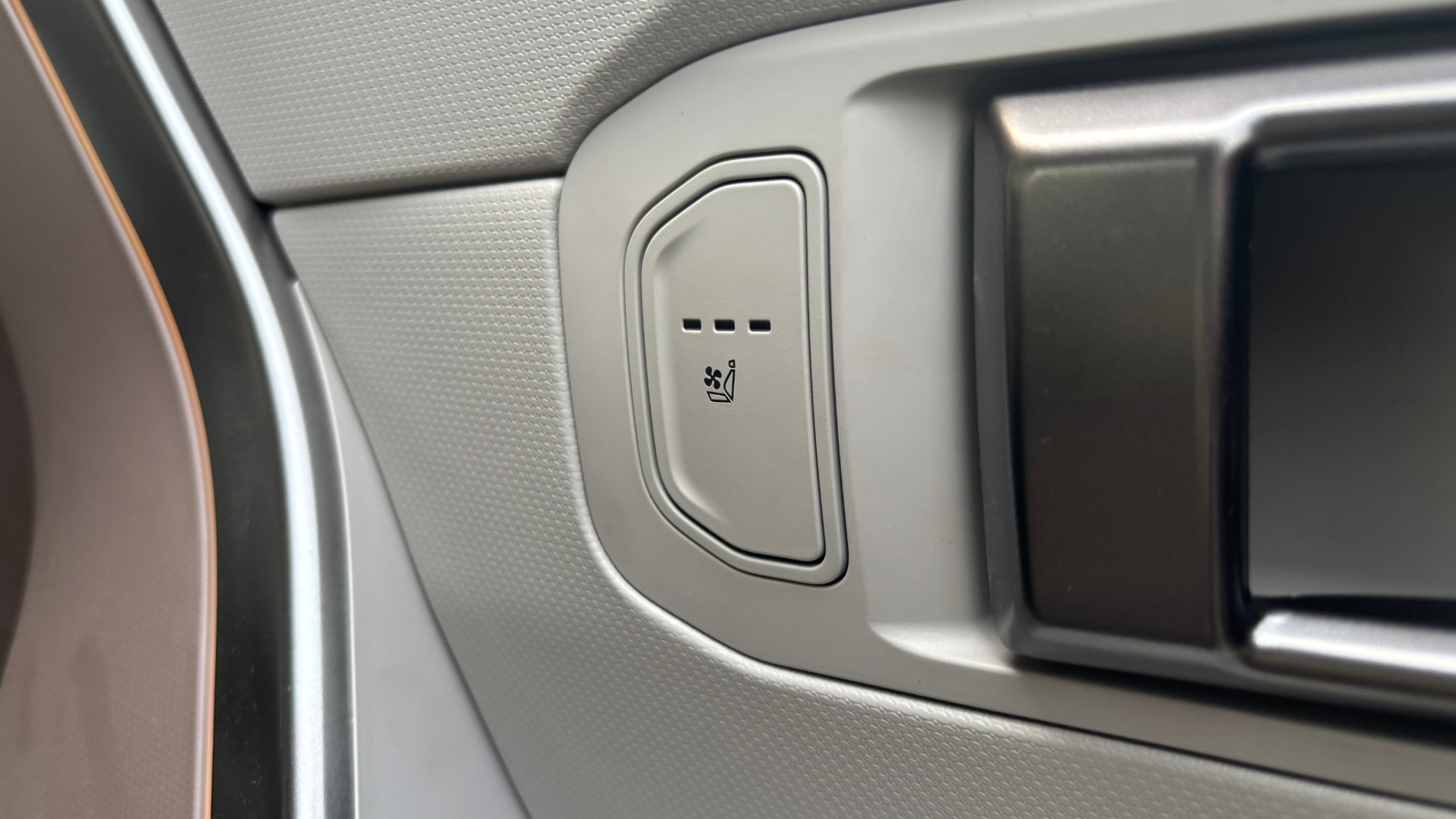
Front seat comfort is good. The cushioning strikes the right balance between support and softness for daily use, and the side bolstering is well-shaped for average body sizes. Those with broader frames may find the bolstering to be restrictive. The HTK (O) variant introduces ventilated front seats.
The 10-way powered driver's seat in the GTX and above, with lumbar adjustment and memory function, is one of the more significant feature additions in the new generation and adds genuine everyday value for buyers who share the car with family members of different heights. The sculpted headrests with their mesh side sections are a design element that divides opinion but cause no practical discomfort.
The rear bench is wide and well-cushioned, with enough knee room behind an average-sized driver and good headroom under the panoramic roof.
Three adults fit across the bench without excessive discomfort, aided by the wider body over the predecessor. The floor-mounted rear AC vents and a 27W USB-C port in each front seat back are practical additions for rear occupants. Rear window sunshades are standard on higher trims.
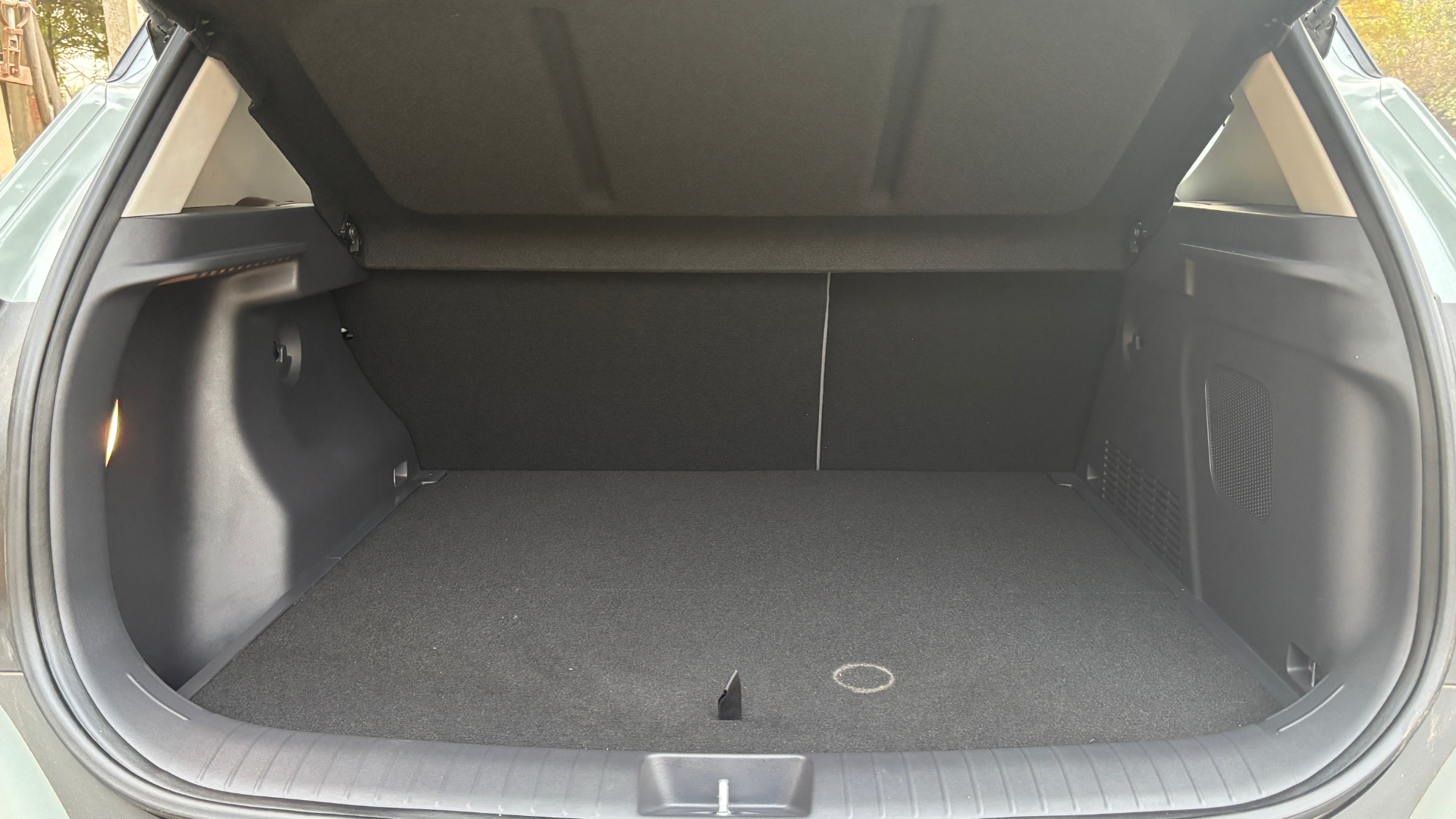
Storage is a highlight, with deep door pockets at the front and rear, a large centre armrest bin, a tray beneath the dashboard, and a front centre console with dedicated spaces to keep your phone and car key. The boot at 447 litres, though not segment best, is a step up from the previous model's 433 litres and adequate for a family SUV.
The overall build quality of the cabin is solid and everything feels well-assembled.
exterior
exterior

The second-generation Seltos is a substantially bigger vehicle than its predecessor, and that size is immediately apparent in person.
| Specification | Details |
|---|---|
| Length | 4460 mm |
| Width | 1830 mm |
| Height | 1635 mm |
| Wheelbase | 2690 mm |
| Ground Clearance | 200 mm |
| Turning Radius | Approximately 5.3 m |
| Tyres and Wheels | 205/65 R16 Steel (HTE) / 215/60 R17 Alloys (HTK to HTX) / 215/55 R18 Alloys (GTX and above) |
| Fuel Tank | 50 litres |
At 4460 mm in length, 1830 mm in width, and a 2690 mm wheelbase, it is now the longest and widest compact SUV in its core competitive set. The added length and width translate directly into the wider rear bench and increased shoulder room, and the longer wheelbase contributes to the improved ride quality and high speed stability on the new platform.
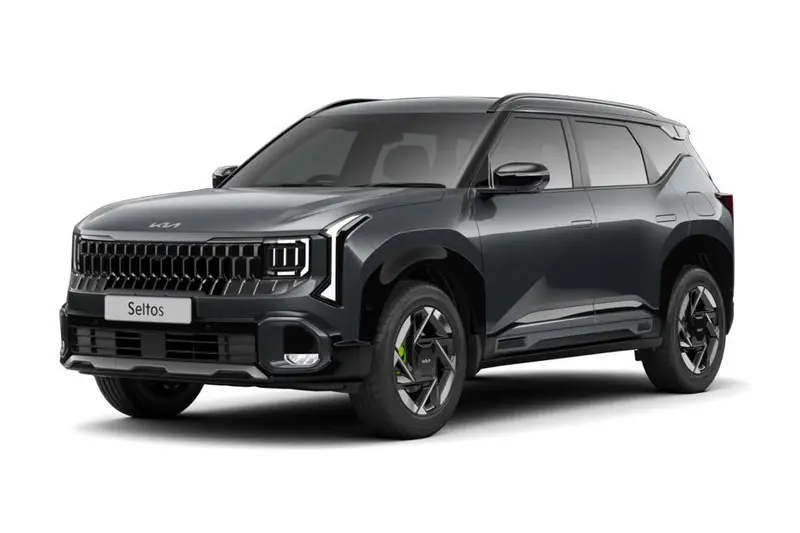
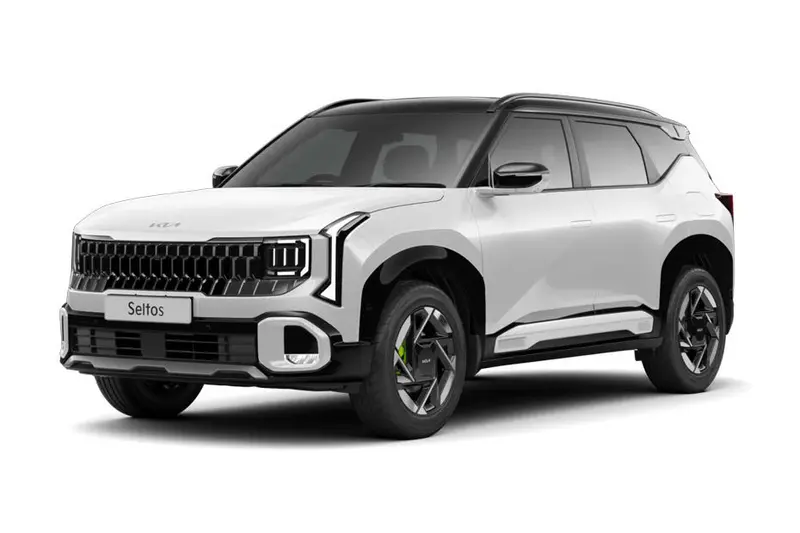
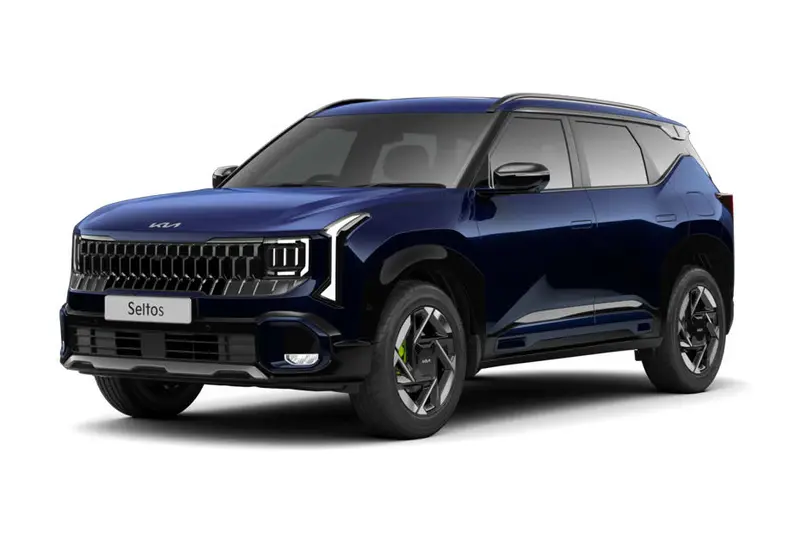
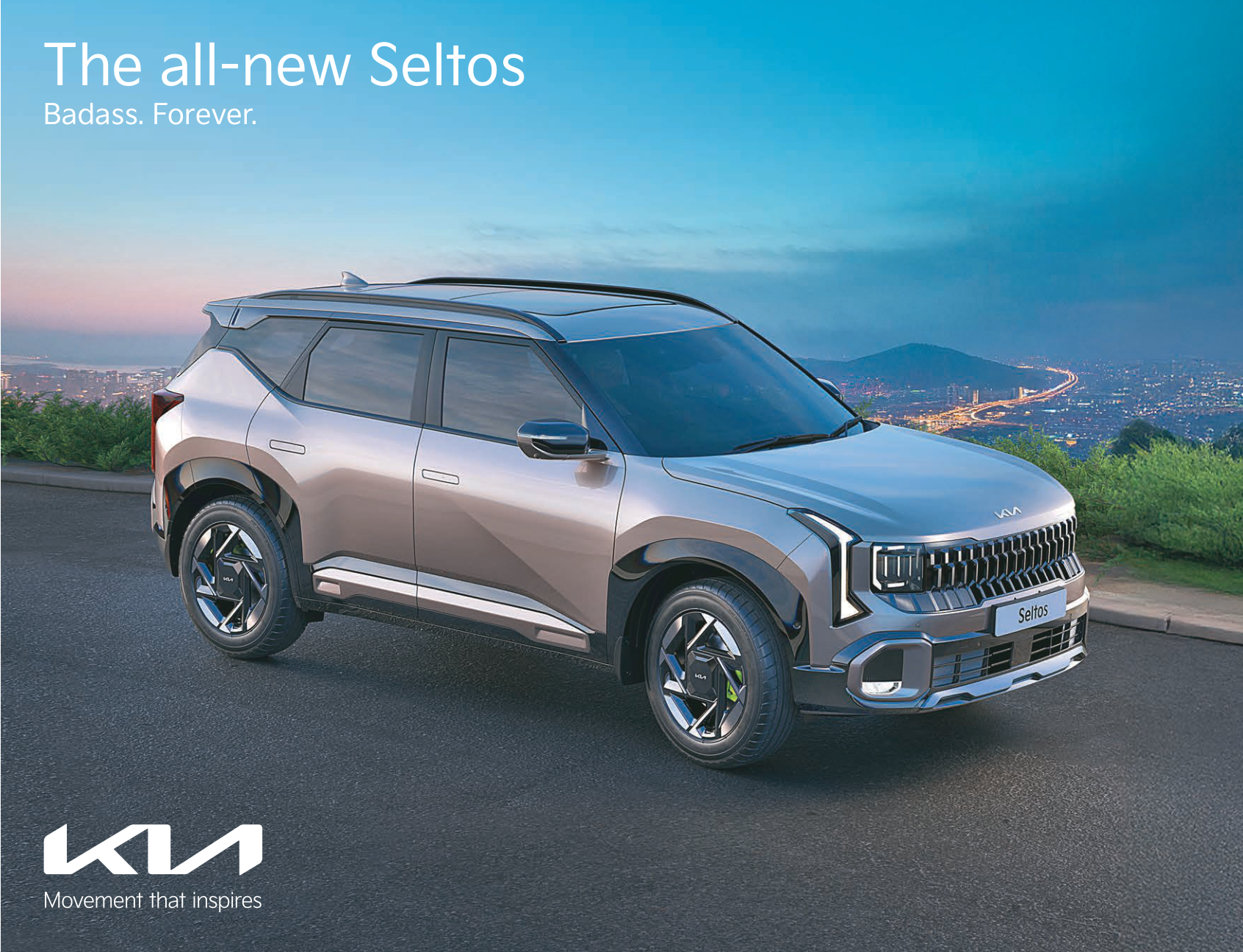
The design direction, called Digital Tiger Face by Kia, is a significant departure from the previous generation's softer crossover lines. The front is taller, more upright, and more angular, sporting a wide Star Map LED grille with a distinctive dotted pattern, sharply raked split LED headlamps, and a bumper with larger air intakes, giving the Seltos a more assertive, SUV-like presence.
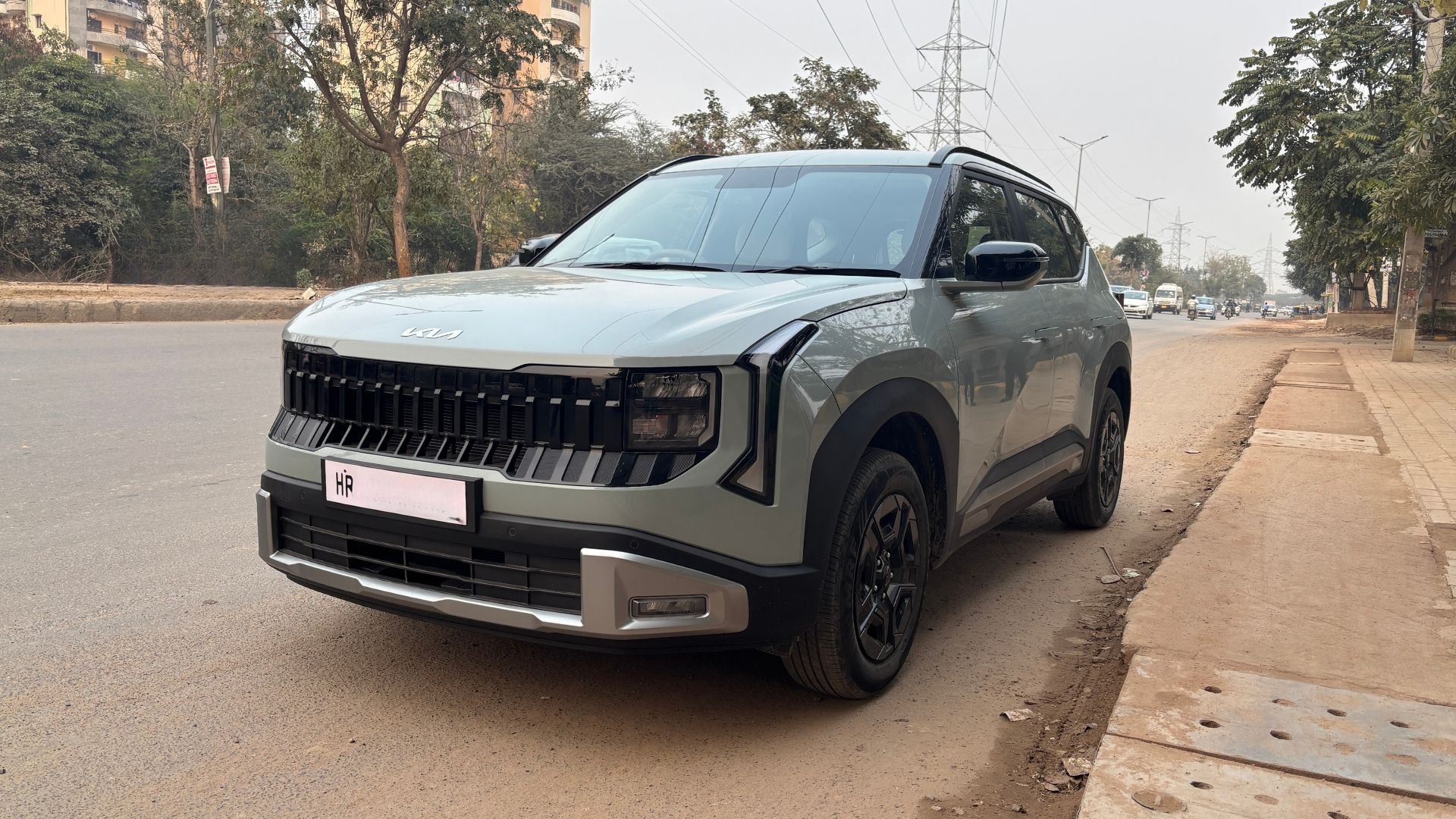
It is a look that is deliberately bolder and less universally appealing than its predecessor's friendlier proportions, and early buyer response suggests that opinion is genuinely divided between those who love the aggression and those who preferred the older design's approachability.
The side profile gains flush door handles, the roofline is relatively flat for a compact crossover, contributing to consistent headroom front to back, and the body stands taller and squarer than the predecessor.
The 18-inch alloy wheels in the GTX and above fill the wider arches proportionally and give the top-spec Seltos a planted, confident stance.
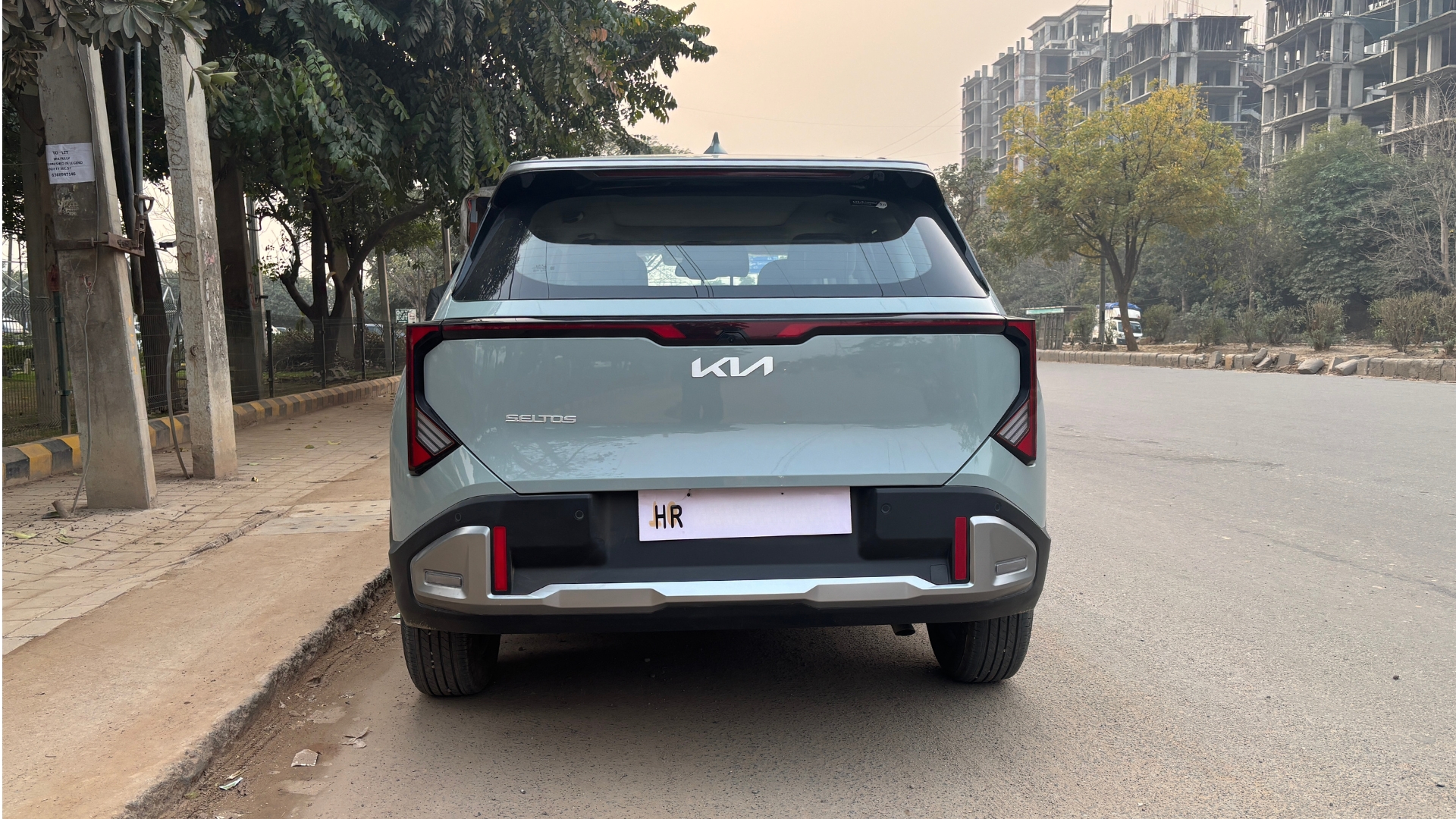
The sleek LED tail lamps provide a recognisable identity point and look striking at night, and the overall rear styling is cleaner and more resolved than the previous generation.
Ground clearance of 200 mm is a step up from the 190 mm of the predecessor and handles typical Indian road conditions, speed breakers, and mild rough terrain without requiring particular care.
safety
safety

The second-generation Seltos is one of the most comprehensively safe vehicle Kia has offered in India, and the five-star Bharat NCAP result in March 2026 provides independent confirmation of what the K3 platform's structural improvements were designed to deliver.
Six airbags, ESC, hill hold, downhill brake control, and all-wheel disc brakes are standard on every variant, making the Seltos one of the most safety-equipped vehicles at its entry price.
The Level 2+ ADAS suite in the HTX(A) and above is the most feature-rich in the segment. The 360-degree surround view camera also starts from this trim.
The 21-function package includes safe-exit warning, which alerts occupants before opening a door if a bicycle or vehicle is approaching from behind, and blind-spot view monitor, which displays a camera feed on the instrument cluster when an indicator is activated.
Adaptive cruise control with stop-and-go functionality works effectively in moving traffic, maintaining the set gap to the vehicle ahead even through complete stops and restarts without requiring the driver to touch the throttle.
The lane keep assist can feel intrusive on India's less uniformly marked roads, and most owners end up using the ADAS features selectively rather than enabling the full suite at all times.
The GTX and above add an electronic parking brake with auto-hold and a built-in front and rear dashcam, the latter being a first-time addition for the Seltos and a practically useful feature for insurance and incident documentation purposes.
competition
competition
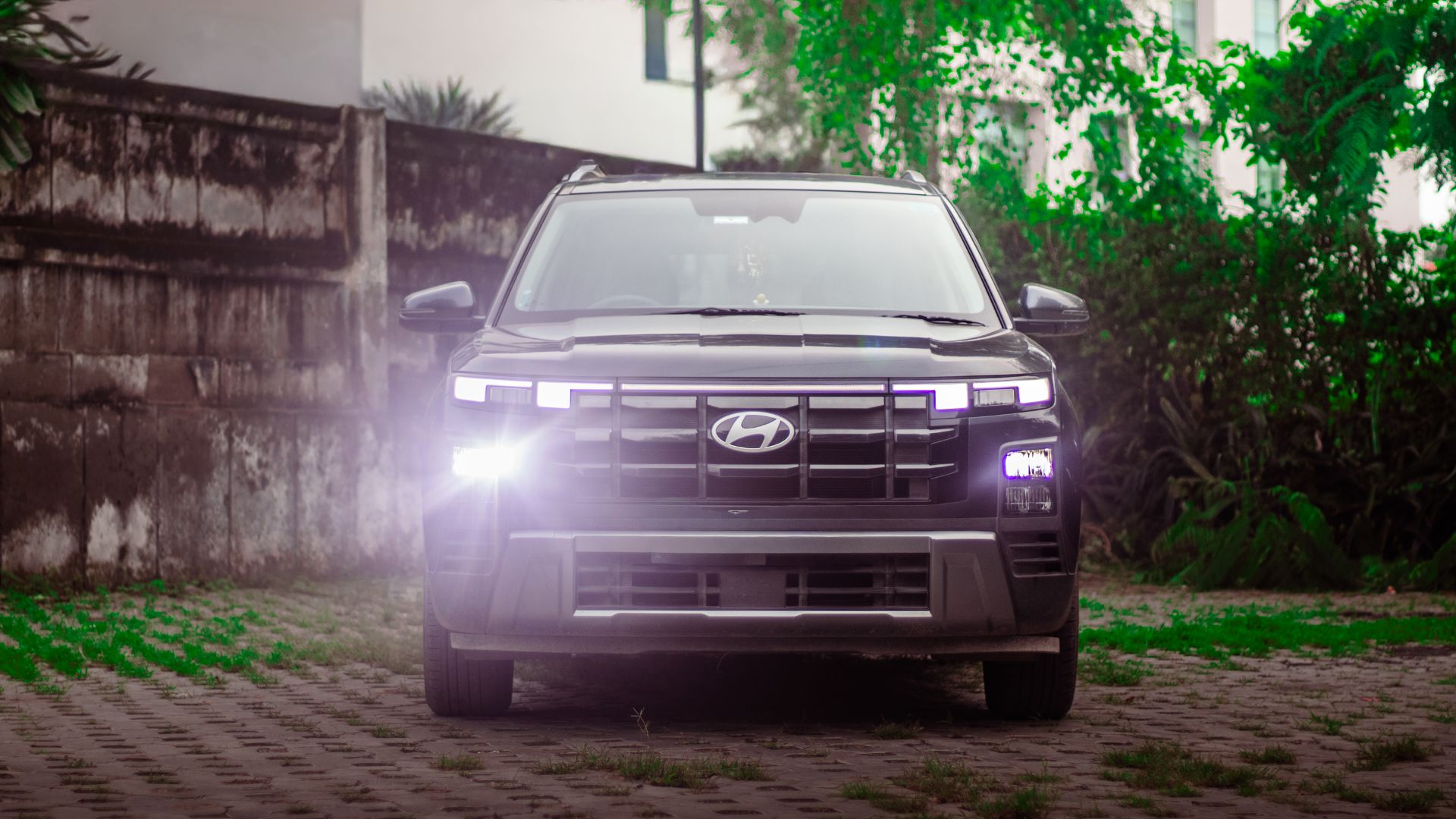
The Hyundai Creta is the Seltos's closest relation and most direct rival. Both share Hyundai-Kia Group underpinnings, though the Creta uses the older platform while the Seltos moves to the new K3.
The Creta sports a more conservative and broadly appealing design, benefits from Hyundai’s wider dealership and service network, and a stronger resale value.
The Seltos counters with a more assertive visual identity, the Trinity Panoramic Display, a more comprehensive ADAS suite, and the newer K3 platform.
For buyers who want the most technology at this price, the Seltos is the stronger case. For buyers who prioritise maximum resale value or prefer a design with wider appeal, the Creta remains highly competitive.
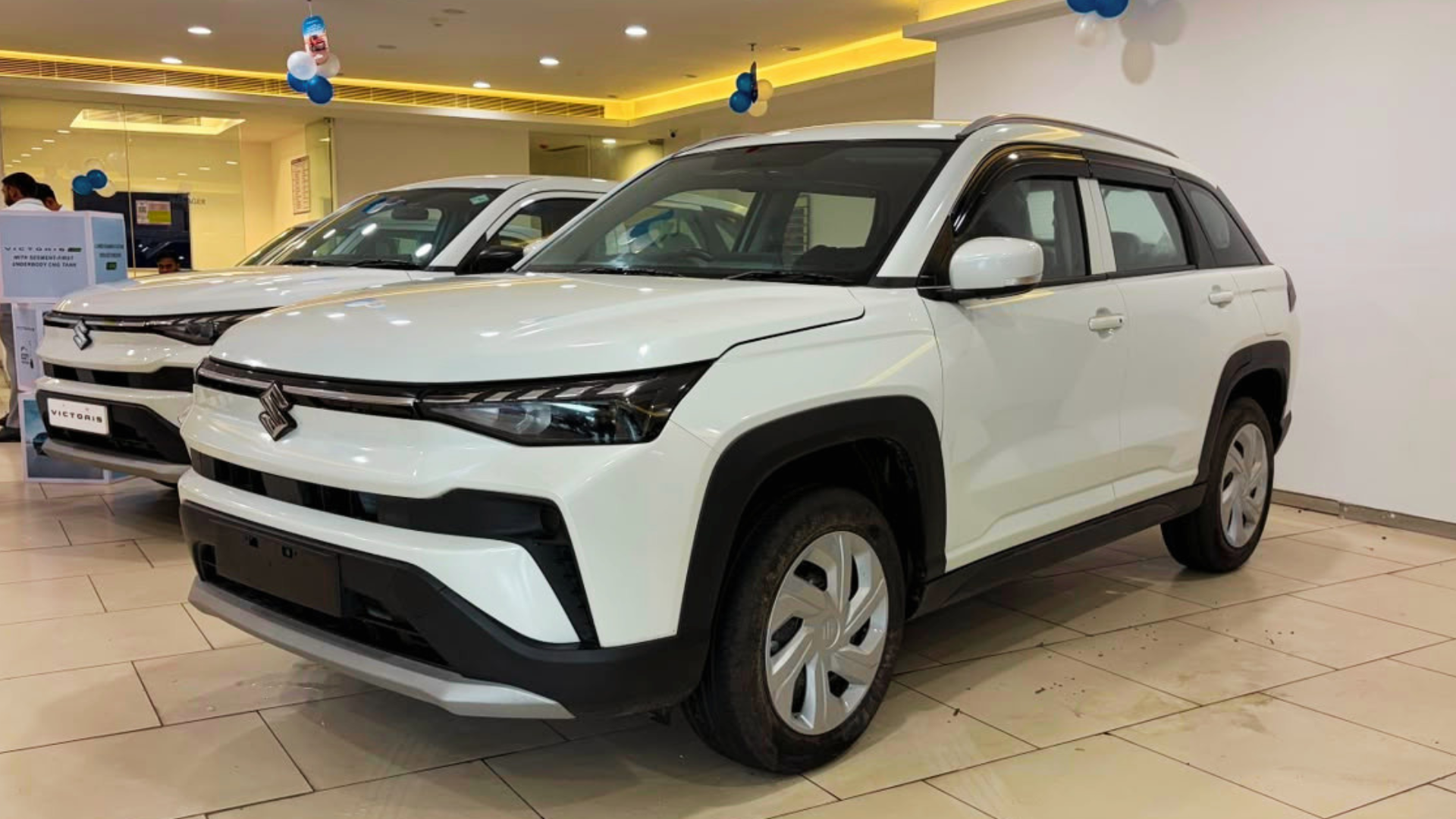
The Maruti Suzuki Victoris, Grand Vitara and Toyota Urban Cruiser Hyryder offer a strong hybrid option that the Seltos currently lacks.
The strong-hybrid variants of these SUVs return up to 25 km/l in real world conditions, which gives them a significant running-cost advantage for urban high-mileage users.
Their feature list and safety specs do not match the Seltos, but the powertrains serve a use case the Seltos cannot currently address. For efficiency-first buyers, these are worth considering until the Seltos petrol-hybrid arrives.
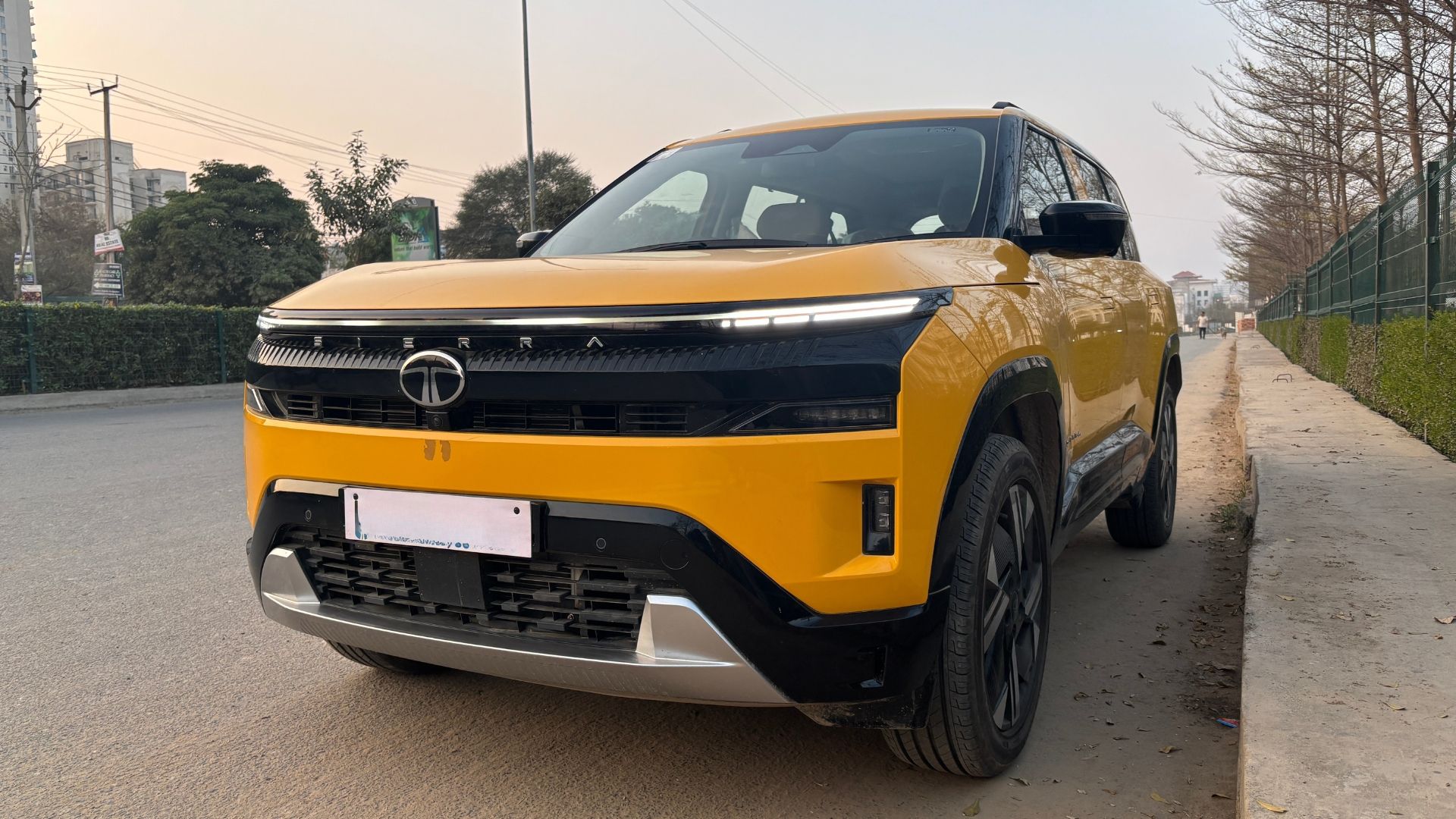
The Tata Sierra challenges the Seltos with a longer wheelbase, a distinctive three-door design reference from the original Sierra, and Tata's growing reputation for cabin quality and safety. It offers segment best boot space (622 litres) and rear seat space, seating three adults comfortably.
The Seltos counters with more refined engines, better quality of materials, an affordable entry point for the turbo petrol engine, marginally better BNCAP scores, and Kia’s better aftersales reputation.
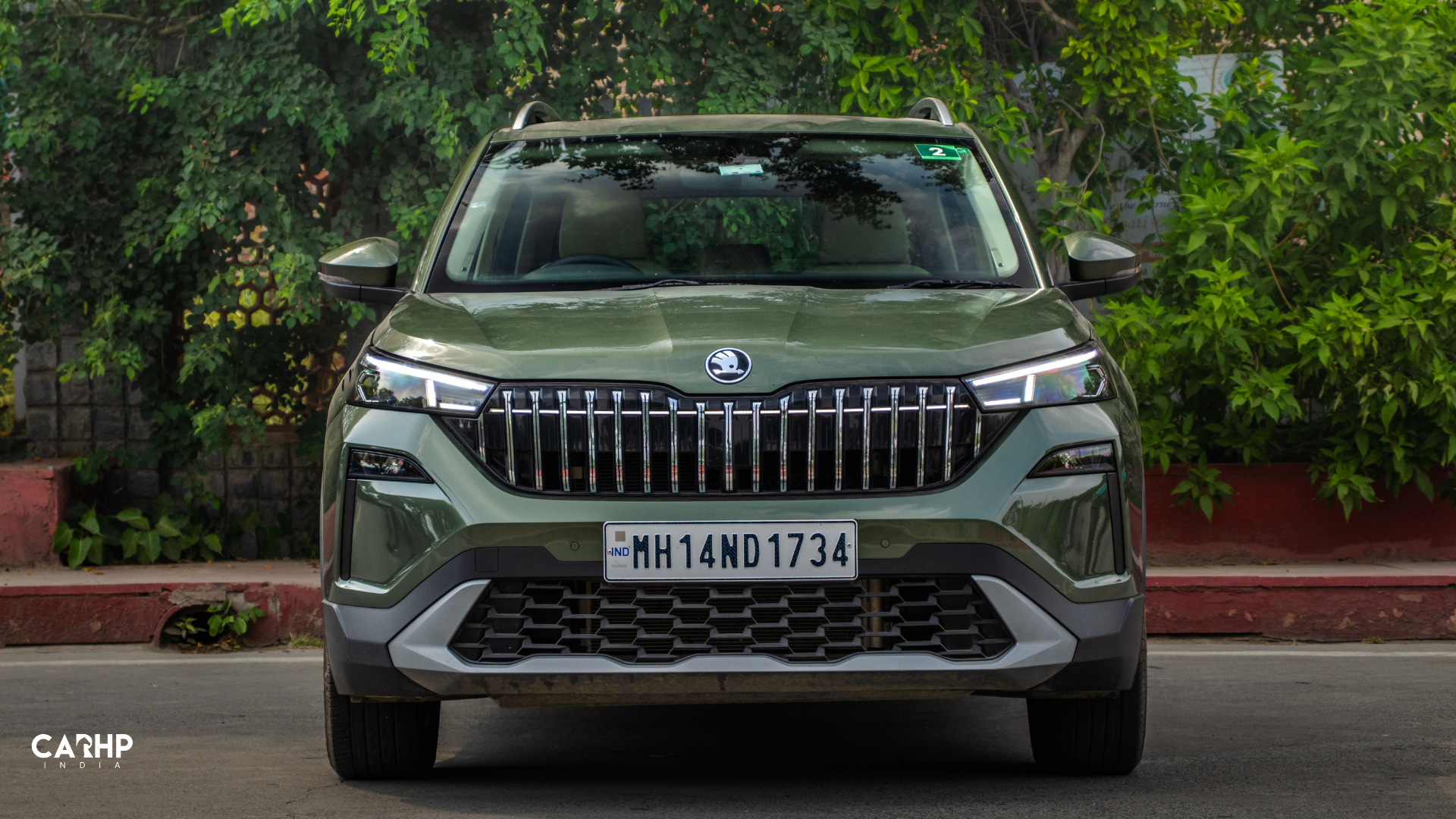
The Skoda Kushaq and Volkswagen Taigun share the MQB-A0-IN platform and appeal to buyers who want the most engaging driving experience in the segment. The 1.5-litre TSI with 7-speed DSG delivers the sharpest performance in this price bracket, the driving dynamics are the best in the class, and the overall build quality both inside and out is excellent.
They fall short when it comes to overall dimensions and miss out on a long feature list.
For enthusiasts who value chassis dynamics over cabin tech, these two are compelling alternatives. For buyers who want a more complete, family-oriented package, the Seltos makes more sense.
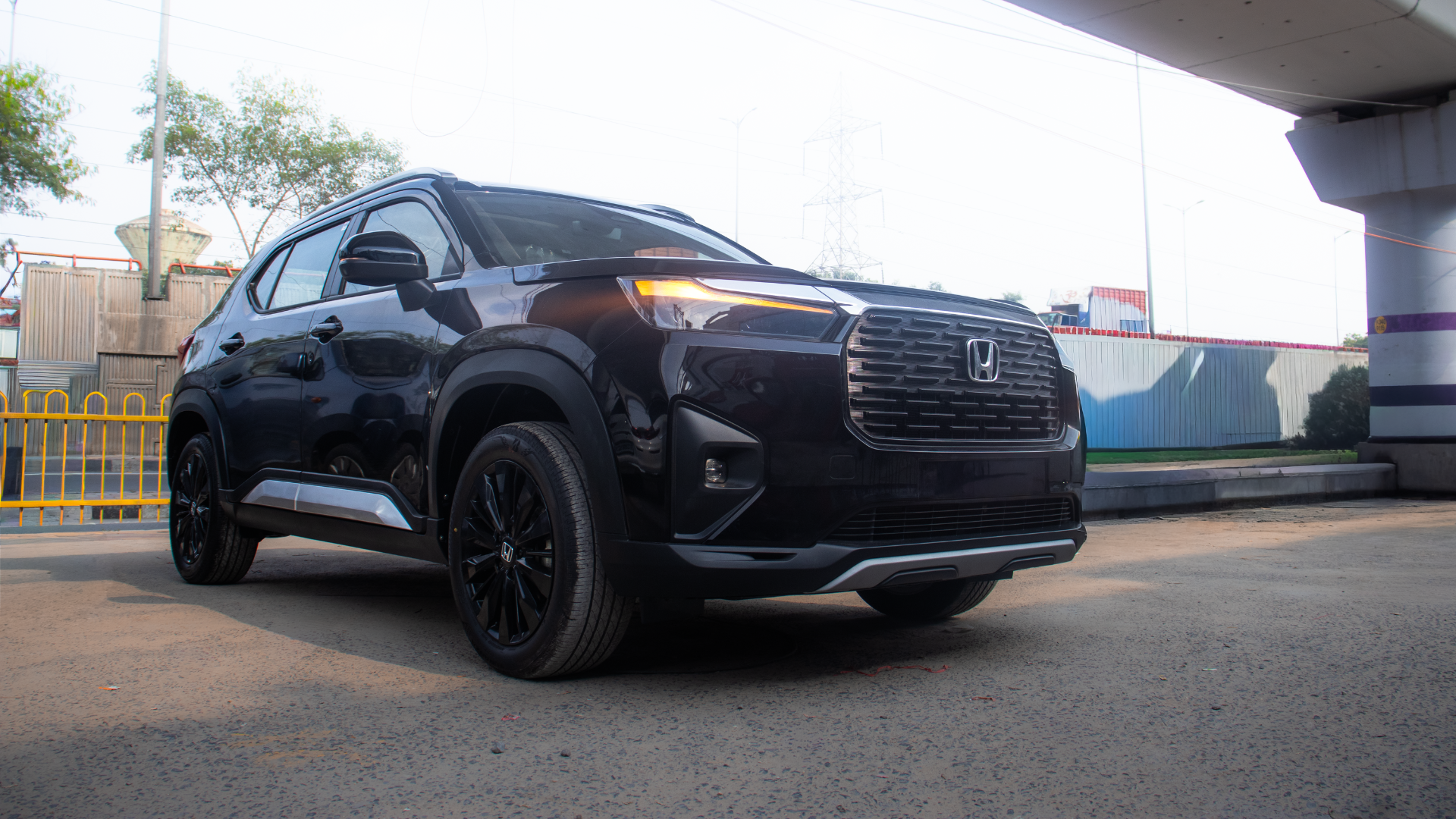
The Honda Elevate sits at the more refined, less aggressive end of the segment. It offers the best naturally aspirated petrol engine in its segment, Honda's reliability reputation, a comfortable ride, and impressive ergonomics.
It does not match the Seltos on outright features, ADAS sophistication, or engine variety, but it competes on ownership experience and day-to-day refinement.
final verdict
final verdict
The second-generation Kia Seltos is the most complete execution of the nameplate to date, and in several specific areas it leads the entire compact SUV segment by a meaningful margin.
The Trinity Panoramic Display (HTX A and above trims) is genuinely class-defining, the 21-function ADAS suite is the most comprehensive available in this price bracket, and the five-star Bharat NCAP rating backs up the structural safety claims.
The larger body delivers noticeably improved interior space, the comfort-biased suspension tuning on the K3 platform is the most significant improvement over the predecessor in daily driving terms.
As for the drawbacks, there is no hybrid option yet, the higher use of hard plastics as compared to its predecessor is a let down, and some feature omissions feel like missed opportunities. The bolder design is a deliberate creative choice that works strongly for some buyers and less so for others.
None of these are reasons to overlook the Seltos.
If the HTX(A) variant in diesel or turbo petrol DCT is within budget, it is arguably the best-value compact SUV in India right now in terms of feature content, safety, ride quality, and cabin technology.
The GTX and X-Line variants add aesthetic and convenience upgrades that are desirable but not essential.
Buy the turbo petrol DCT for the most enjoyable all-round driving experience, or the diesel manual or automatic for the lowest running cost over a high-mileage ownership period.
If budget is the primary driver and/or the use case will be majorly within the city with occasional long trips, pick the naturally aspirated petrol IVT.
In any configuration from the HTX upwards, the Seltos is difficult to look past.
Kia Seltos Expert Reviews

2020 Kia Seltos Long Term Ownership Review
The first-gen Kia Seltos has now been around for almost 6 years, being a fantastic success in the Indian Automotive market. Although the Seltos has solidified its reputation in our eyes, how has it fared against the demands of the average Indian driver? A long-term review of the first-gen Seltos at nearly 1 Lakh kilometers on the odometer will answer just that question.
8
May 18, 2026
Kia Seltos News








Kia Seltos FAQs
What engines does the Kia Seltos offer?
−The Kia Seltos comes with Three 1.5-litre options: naturally aspirated petrol (113 bhp / 144 Nm), turbo-petrol (158 bhp / 253 Nm), and diesel (114 bhp / 250 Nm), all with manual and automatic transmission choices.
Which automatic options does the Kia Seltos offer?
+The naturally aspirated petrol comes paired to a CVT, the turbo petrol offers a 6-speed IMT (clutch-less manual) or a 7-speed DCT, and the diesel comes with a 6-speed torque converter.
What is the fuel efficiency of the Kia Seltos?
+ARAI-certified figures are 16.5 km/l for the NA petrol (both gearboxes), 15.6 km/l for the turbo petrol iMT, 17.5 km/l for the turbo petrol DCT, 19.4 km/l for the diesel manual, and 17.8 km/l for the diesel automatic. Real-world returns are typically 2 to 4 km/l lower depending on driving conditions.
What is the Bharat NCAP safety rating of the 2026 Seltos?
+The second generation Kia Seltos received a 5 star safety rating from Bharat NCAP, scoring 31.70 out of 32.00 points for AOP and 45.00 out of 49.00 points for COP.
What is the Trinity Panoramic Display in Kia Seltos?
+The Trinity Panoramic Display is a single curved glass panel that integrates a 12.3-inch digital instrument cluster, a 12.3-inch infotainment touchscreen, and a 5-inch dedicated climate control screen. It is available from the HTX(A) variant upwards.
Does the Kia Seltos have ADAS?
+Yes. Level 2+ ADAS with 21 functions is available from the HTX(A) variant.
Will the Kia Seltos get a hybrid engine?
+Yes, Kia India has confirmed a petrol-hybrid powertrain for the Seltos. While the timeline remains uncomfirmed, it is expected to be introduced sometime in 2027.
What is the boot space of the Kia Seltos?
+Boot space is 447 litres with all seats up, expandable further with the 60:40 split-folding rear bench.
What is the ground clearance of the Kia Seltos?
+The second generation Seltos gets a ground clearance of 200 mm, up from 190 mm in the previous generation.
Does the Kia Seltos get a sunroof?
+Yes, the HTK (O) and higher variants come with a dual pane panoramic sunroof.