
EMI Loading
Honda Elevate Key Specifications
What's new in Honda Elevate
- The Honda Elevate facelift gets a bolder exterior with a new grille, Tri-Bar LED position lights and connected LED tail lamp, along with a more premium cabin. It also adds ventilated front and rear seats, power-adjustable front seats, a 10.25-inch touchscreen, 360-degree camera, Low Speed Follow and a new Nordic Forest Pearl colour, while retaining the same 1.5-litre petrol engine.
Honda Elevate Overview

The Honda Elevate has been a quiet, steady performer in India's mid-size SUV segment since its launch. This facelift doesn't reinvent it. Honda has instead sharpened what already worked, added features the original was missing, and given it a considerably more expressive face.
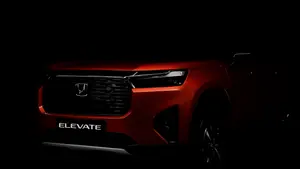
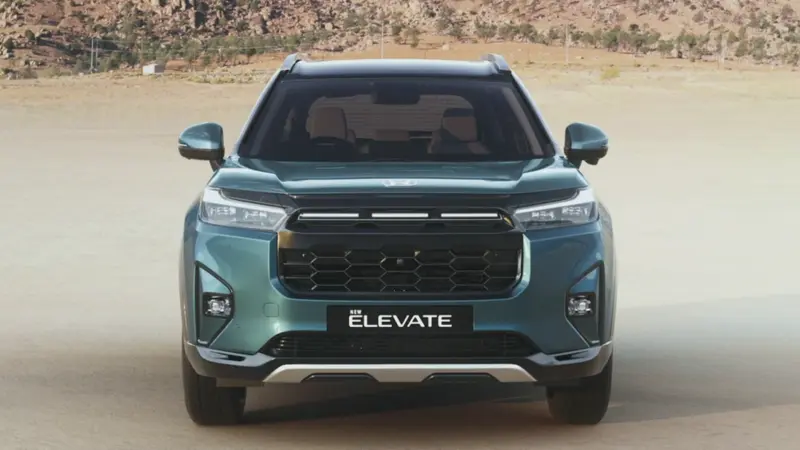
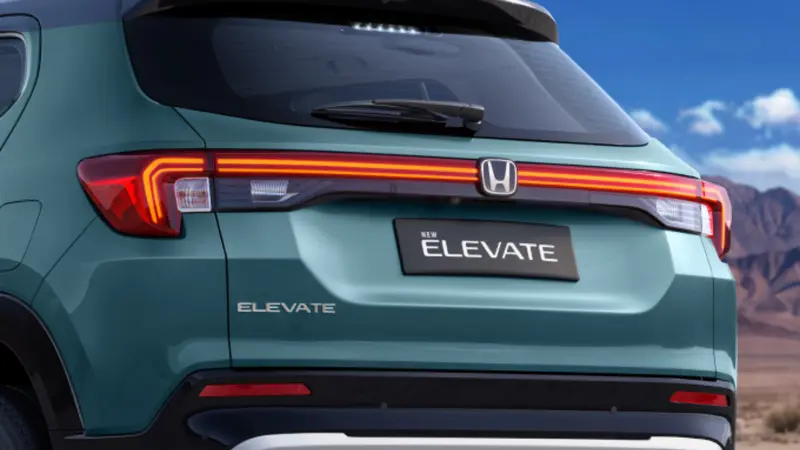
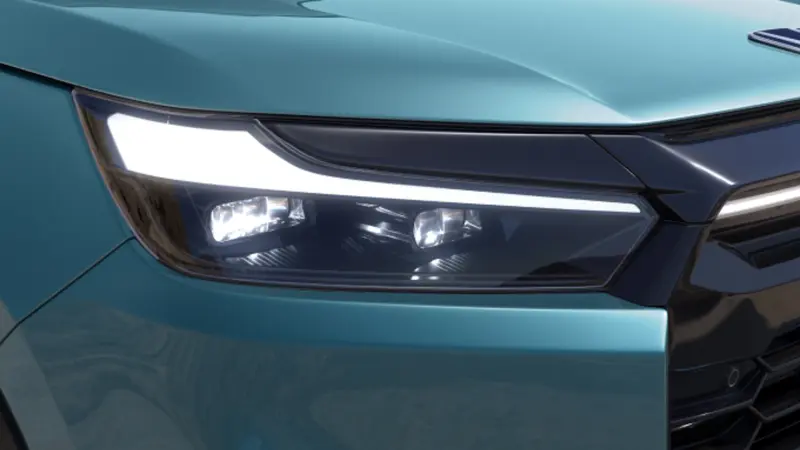
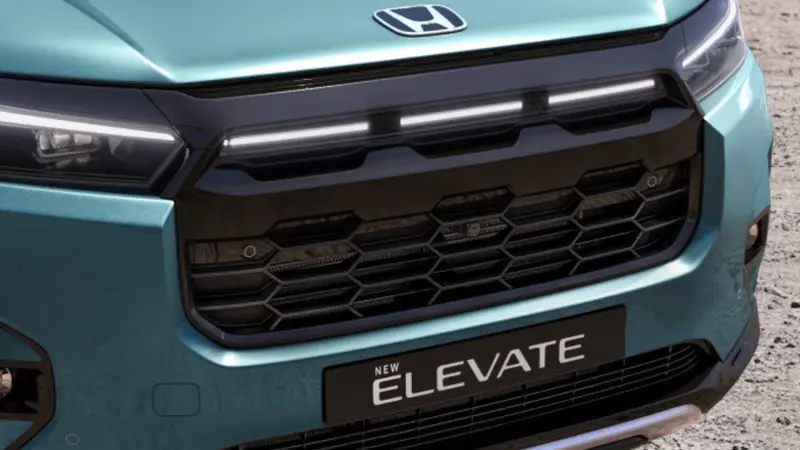
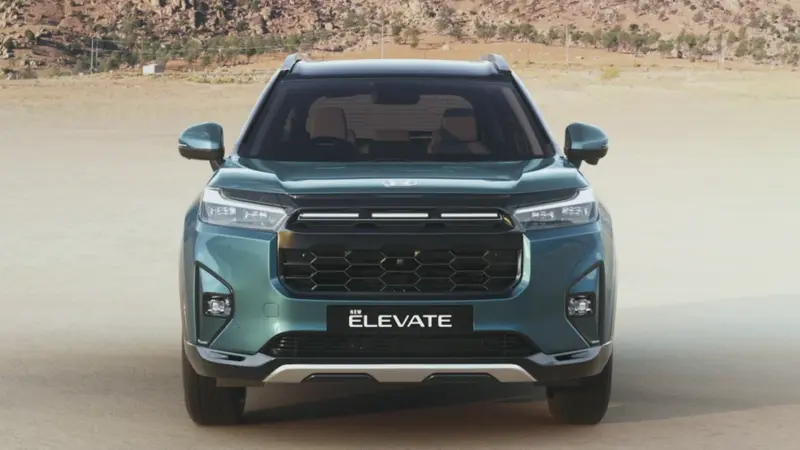
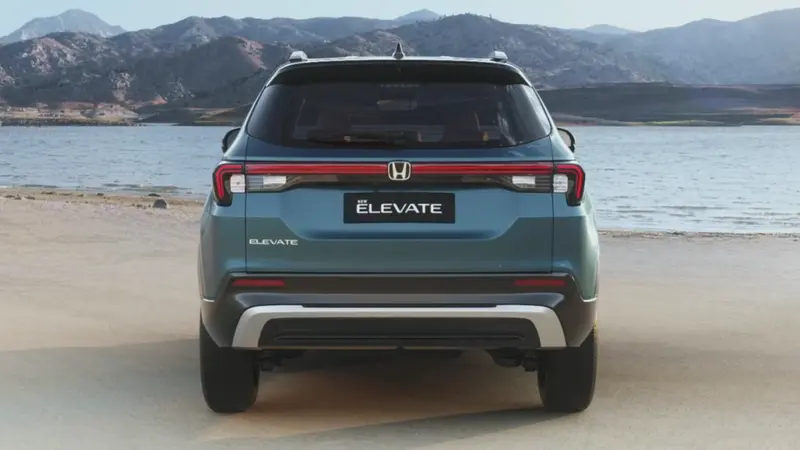
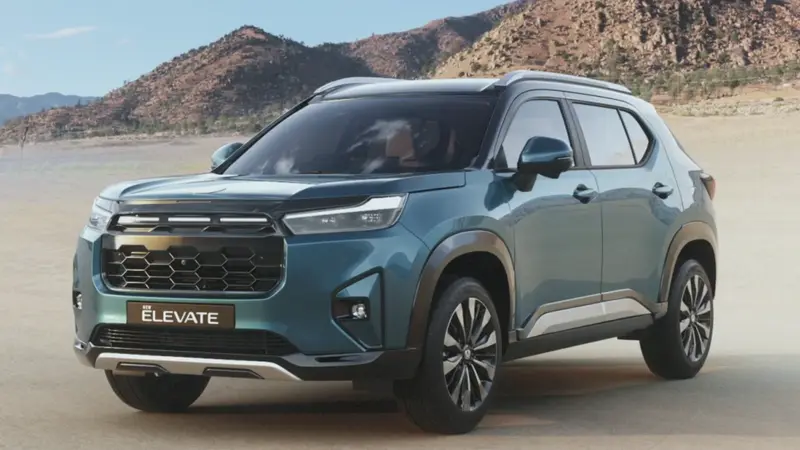
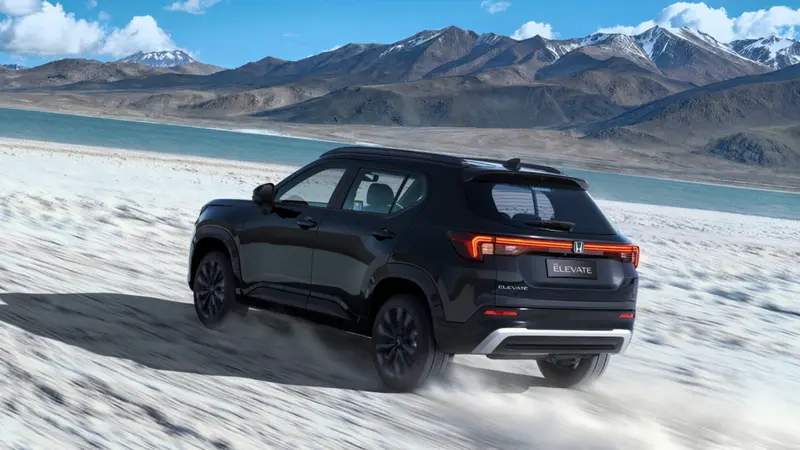
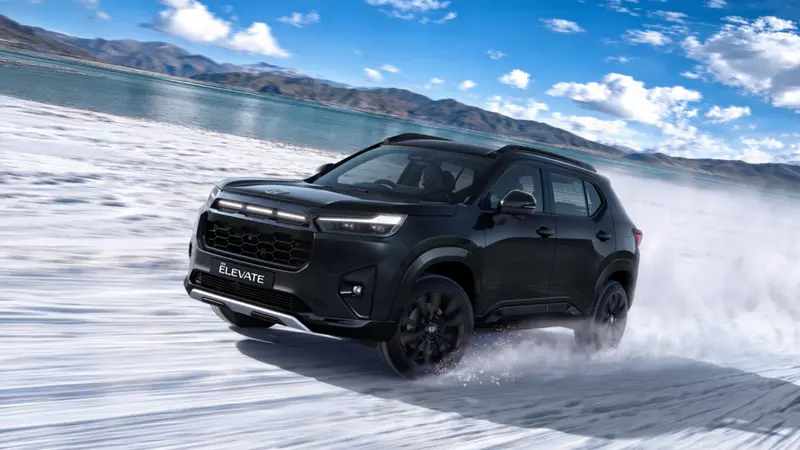
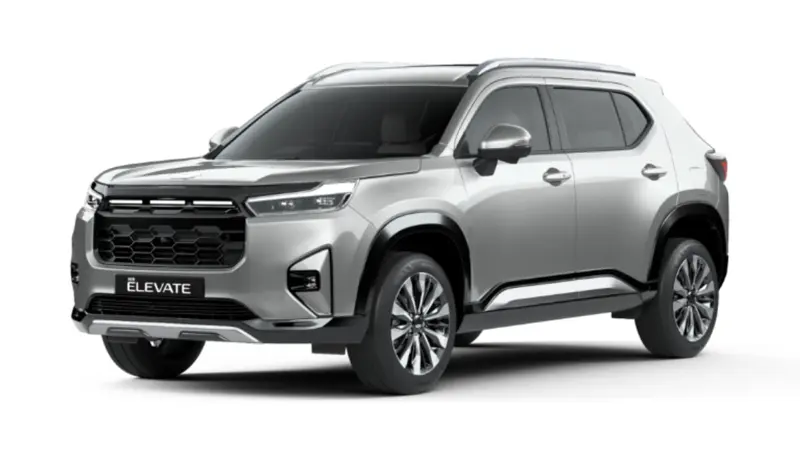
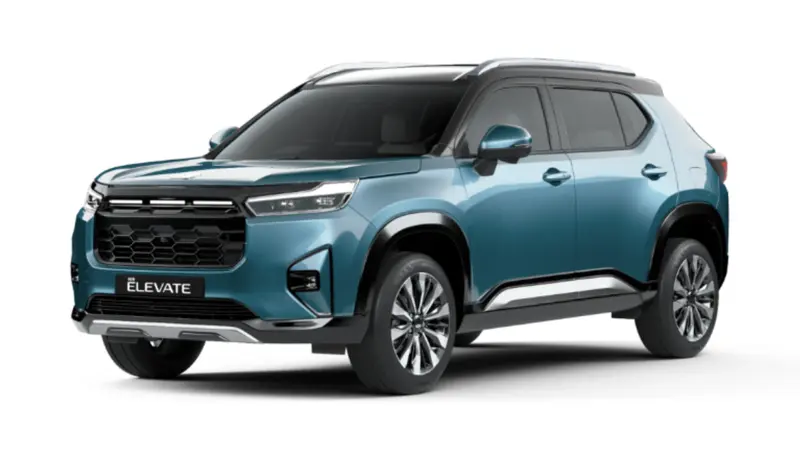
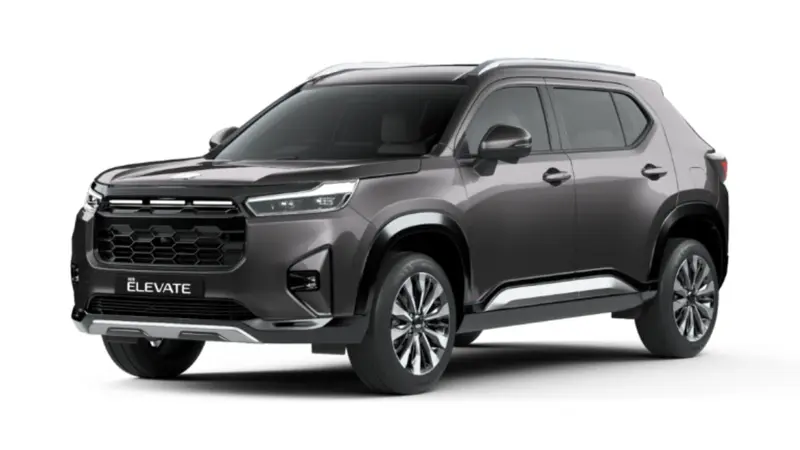
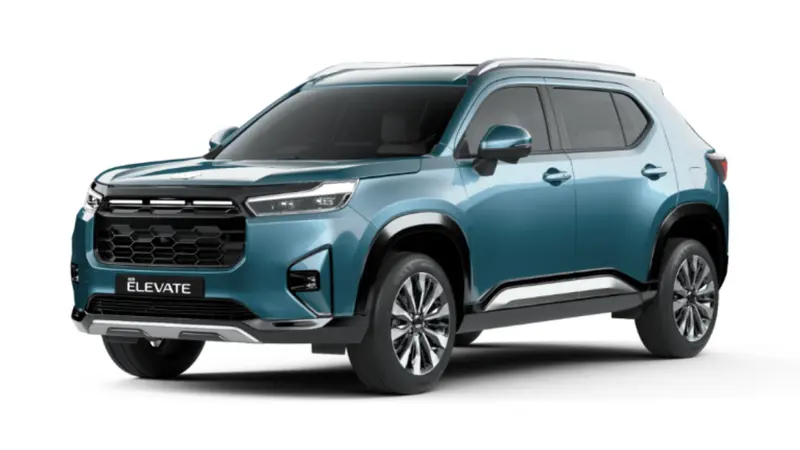
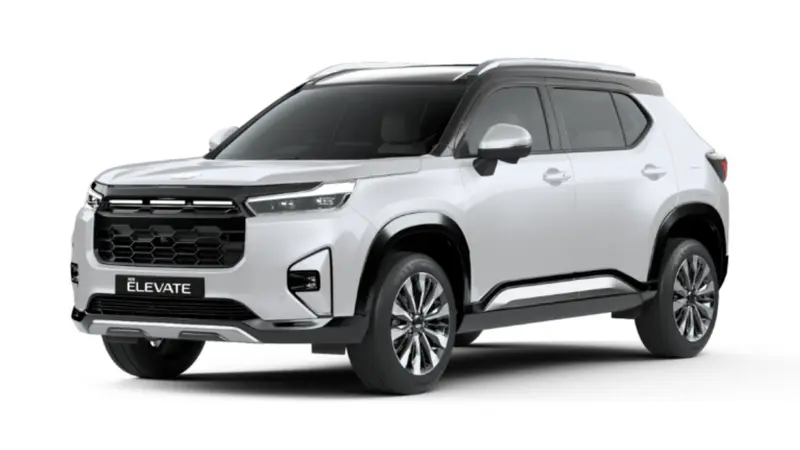
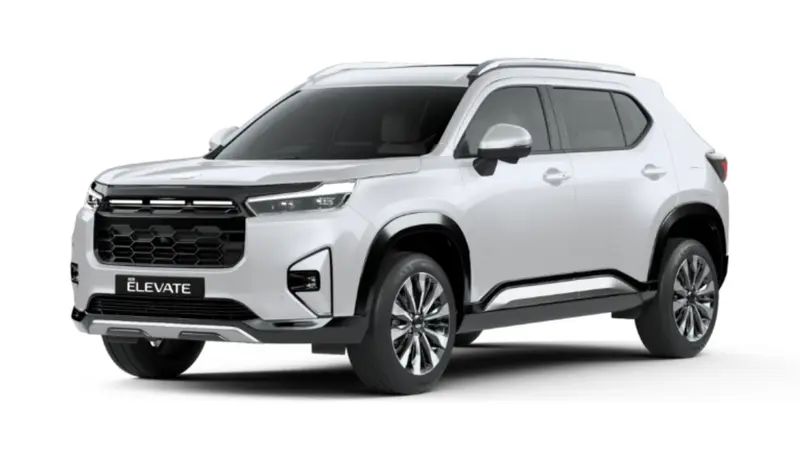
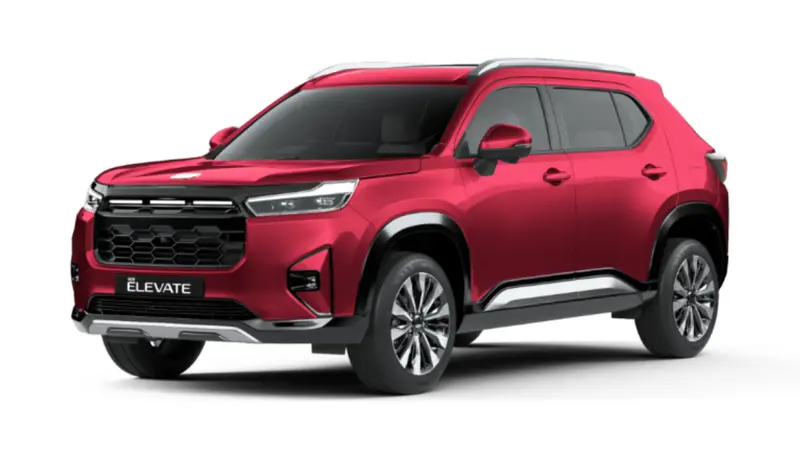
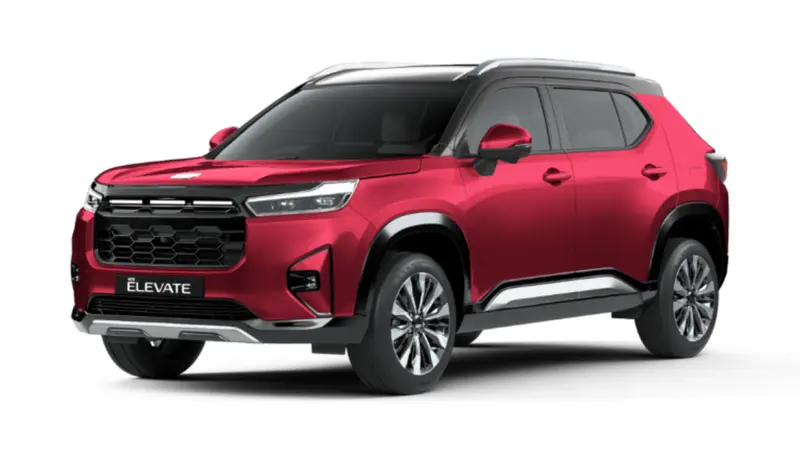
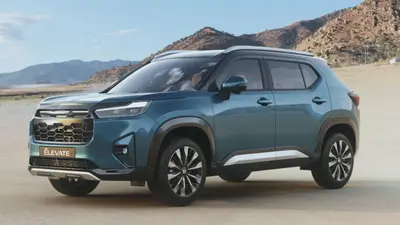
The most visible change is upfront. An all-new Bold Mesh Grille with gloss black treatment, Rugged Tri-Bar Signature LED position lights, and a repositioned Honda H Mark make the Elevate look noticeably more assertive than before. At the rear, a new full-width connected LED tail lamp completes the transformation and gives the car a wider, more modern impression from behind.
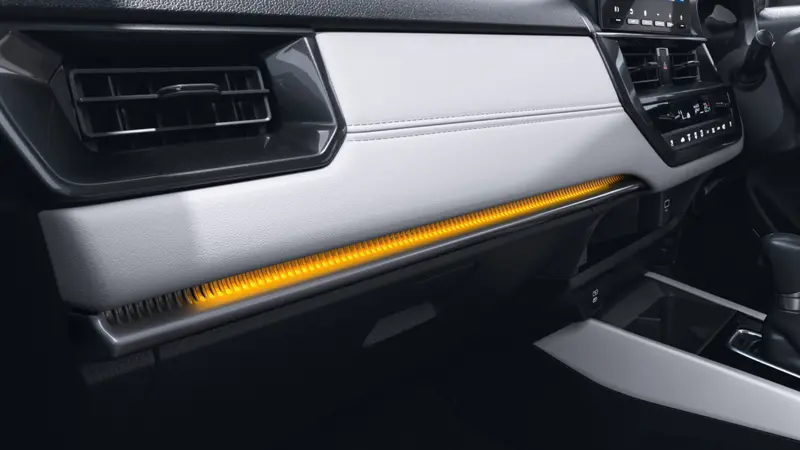
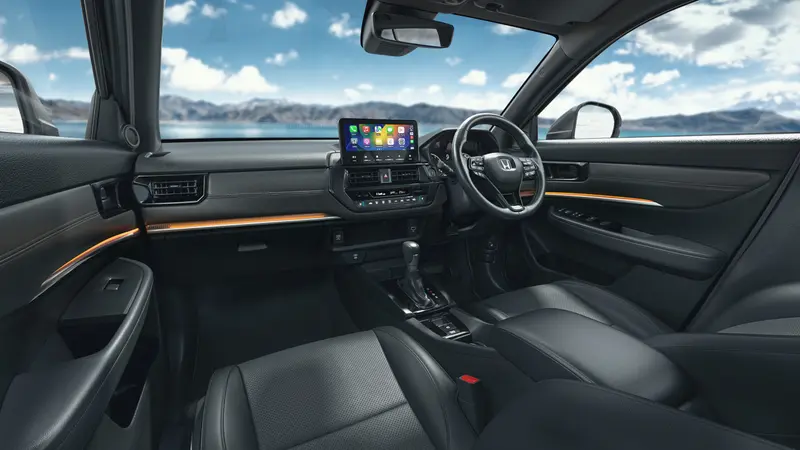
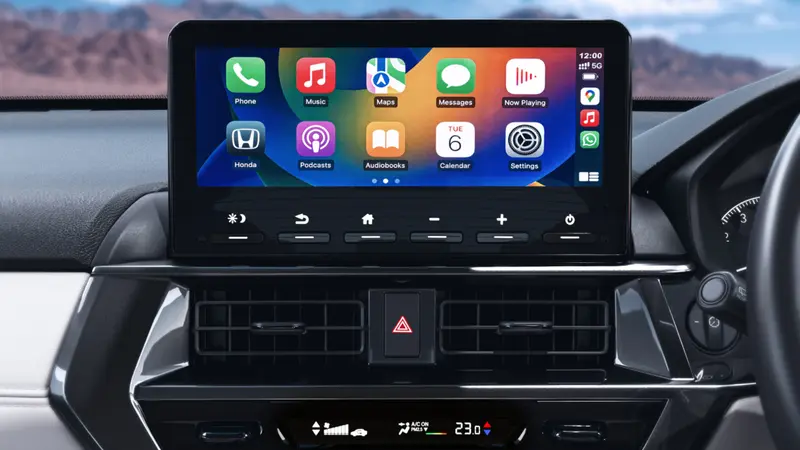
Inside, the cabin finally catches up with where the segment has moved. Leather upholstery, front and rear ventilated seats, power-adjustable front seats, wrap-around Active Orange ambient lighting, and a larger 10.25-inch floating touchscreen on upper trims bring the Elevate much closer to what buyers now expect in this price band.
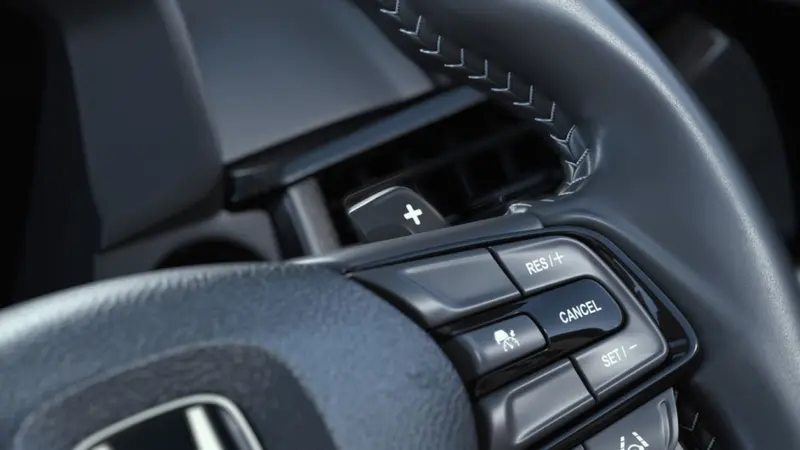
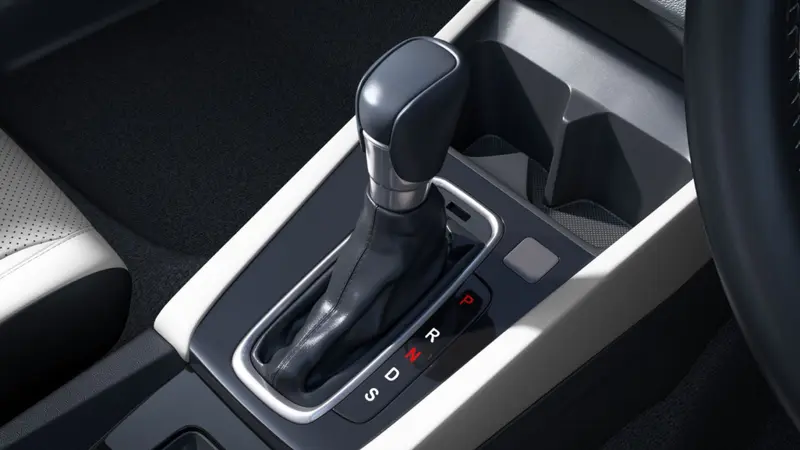
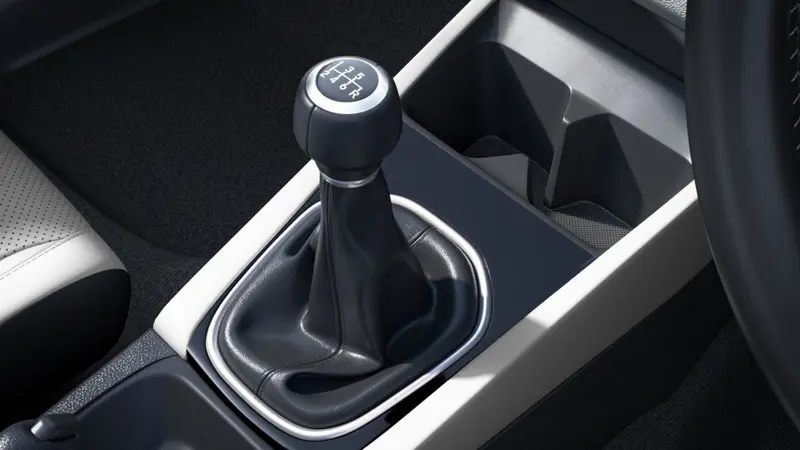
The powertrain carries over unchanged. It is still the same proven 1.5-litre petrol producing 121 PS, with a 6-speed MT or 7-speed CVT with paddle shifters. Honda has no turbo, diesel, or hybrid on offer, and that remains the biggest structural gap in an increasingly diverse segment.
Honda SENSING, already one of the better ADAS suites in its segment, gains Low Speed Follow for CVT models, which handles the car in slow-moving traffic without needing constant throttle and brake inputs from the driver.
India gets this facelift first, before any other market globally, across six grades and seven colour options.
Engine and Performance
Engine and Performance
The Elevate facelift uses the same 1.5-litre four-cylinder petrol engine. It produces 121 PS and 145 Nm, paired with either a 6-speed manual or a CVT with 7-speed paddle shift mode.
No turbo-petrol, diesel, hybrid, or CNG powertrain is available in the lineup.
fuel economy
fuel economy
ARAI-certified fuel efficiency is 15.31 km/l for the 6-speed MT and 16.61 km/l for the CVT. With a 40-litre tank, the theoretical range is around 612 km for the MT and 664 km for the CVT. Real-world range will vary with traffic, load and driving style.
interior
interior
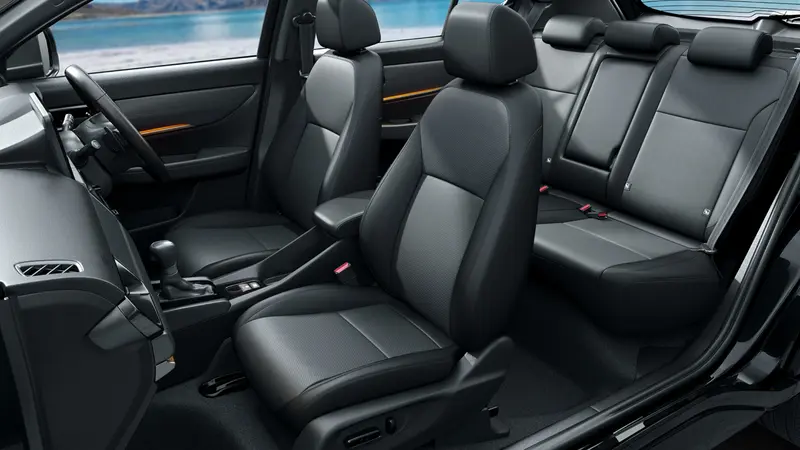
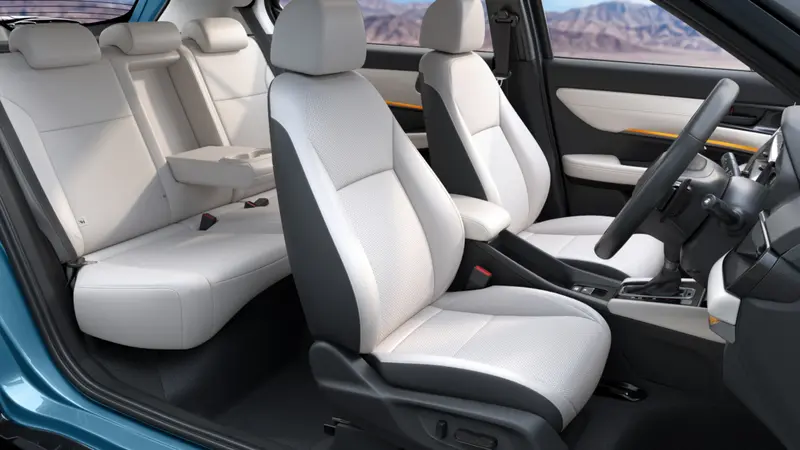
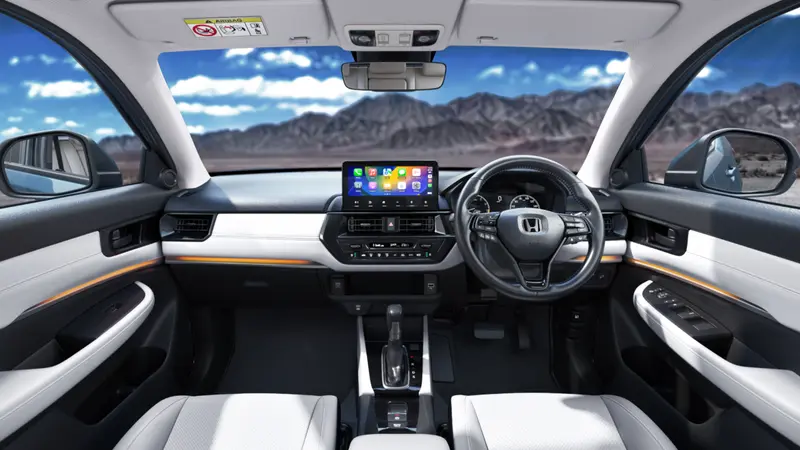
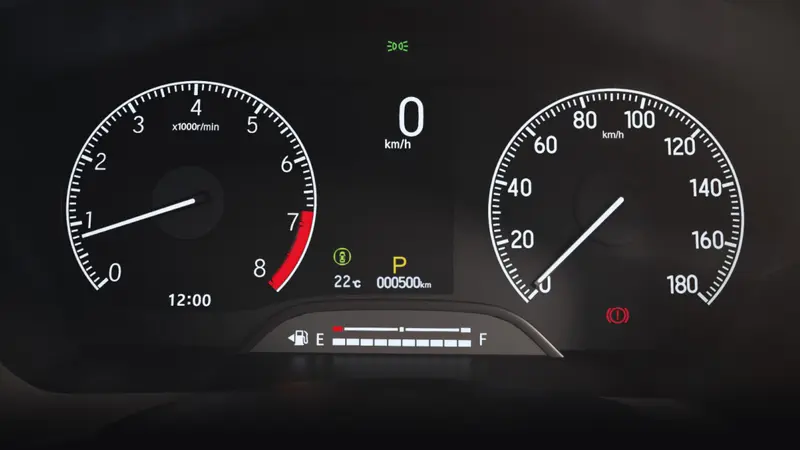
The facelift brings a noticeably more upmarket feel to the cabin. A dual-tone Ivory-Black theme runs through most of the lineup, finished with soft-touch material on the dashboard and door lining on upper trims, with leatherette door armrest pads adding a step up in tactile quality. Exclusive leather upholstery comes in on upper grades.
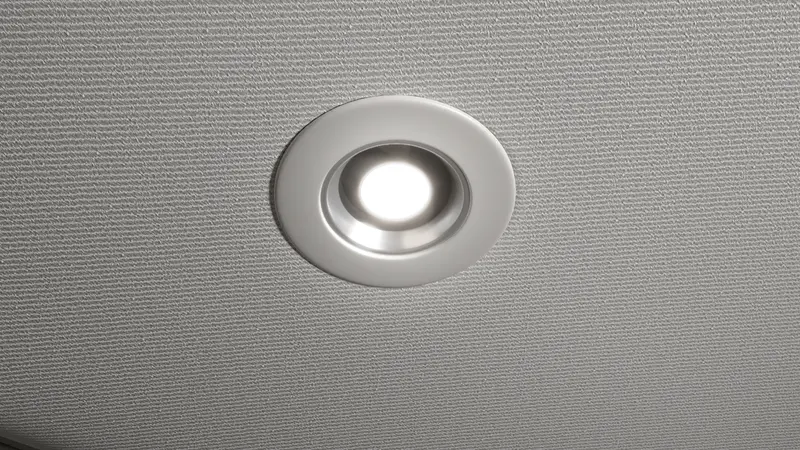
Wrap-around Active Orange ambient lighting covers the instrument panel, all four door linings, the front footwell, and the centre console pocket, and the effect is cohesive without being overdone.
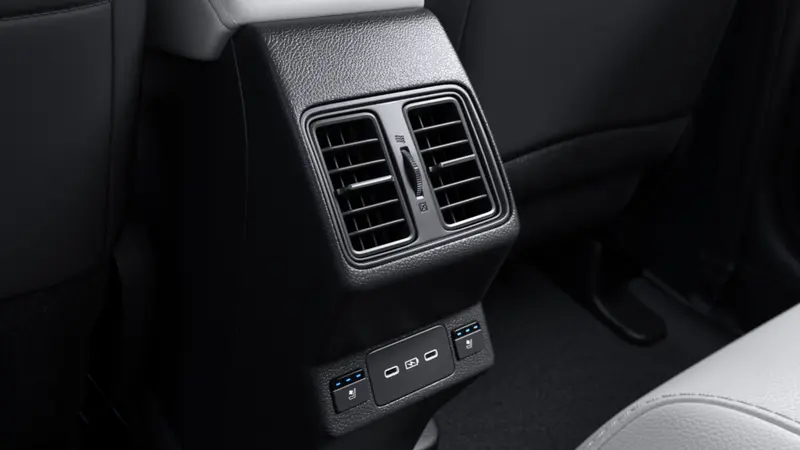
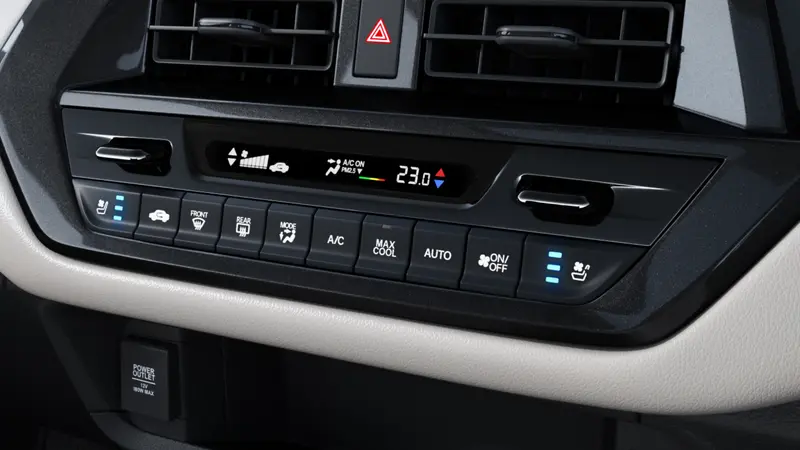
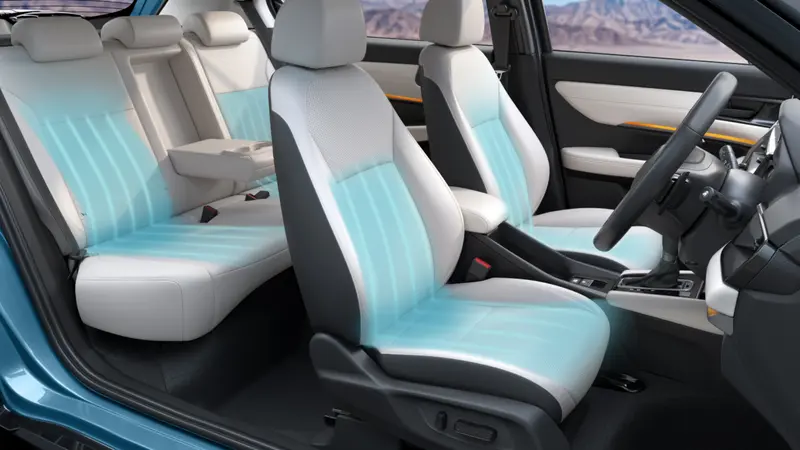
Two of the more meaningful new additions are front and rear ventilated seats. Rear seat ventilation is uncommon in this segment at this price, and its inclusion on the top grades addresses a genuine comfort gap the original Elevate had.
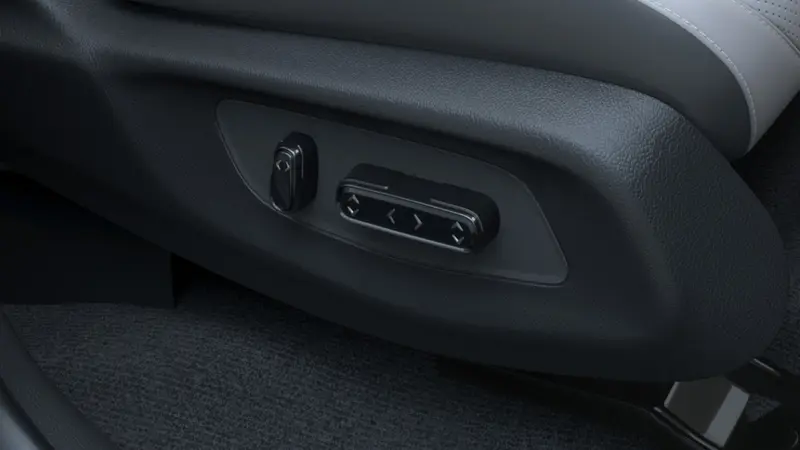
Power-adjustable front seats, with 8-way adjustment for the driver and 4-way for the front passenger, round out what is now a considerably more comfortable front row.
The upper trim infotainment setup centres on a 10.25-inch floating IPS touchscreen with wireless Apple CarPlay and Android Auto, an exclusive sub-display area with clock, calendar, and compass, and an 8-speaker surround sound system with four tweeters.
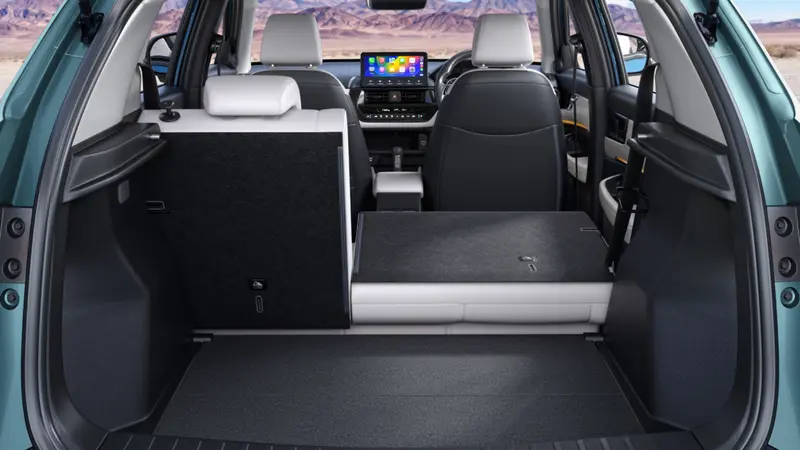
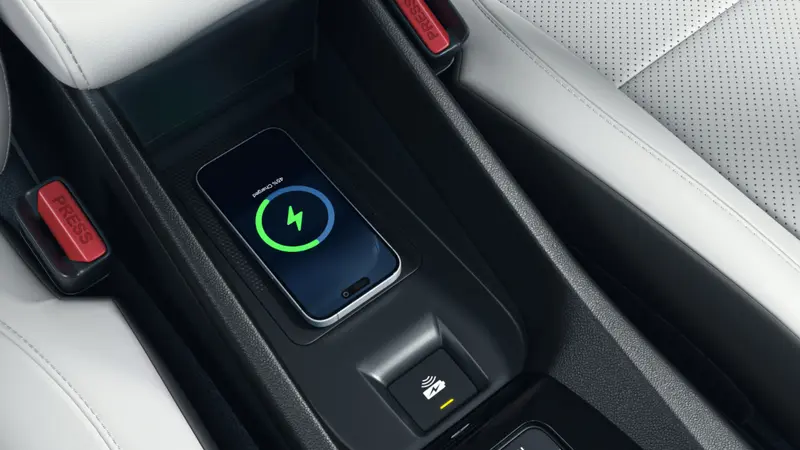
Honda Connect telematics with Alexa and smartwatch compatibility, wireless phone charging, USB-C ports front and rear, and a PM2.5 AQI display with auto clean air function are also part of the package on mid and upper grades. Boot space is 458 litres.
exterior
exterior
The New Elevate's dimensions are unchanged at 4,312 mm long, 1,790 mm wide, and 1,650 mm tall, on a 2,650 mm wheelbase. Ground clearance remains at 220 mm, which continues to lead the mid-size SUV segment. Turning circle radius is 5.2 metres.
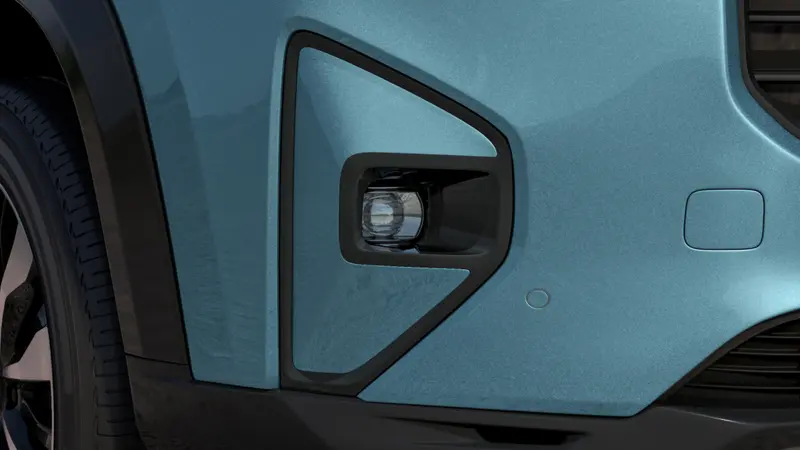
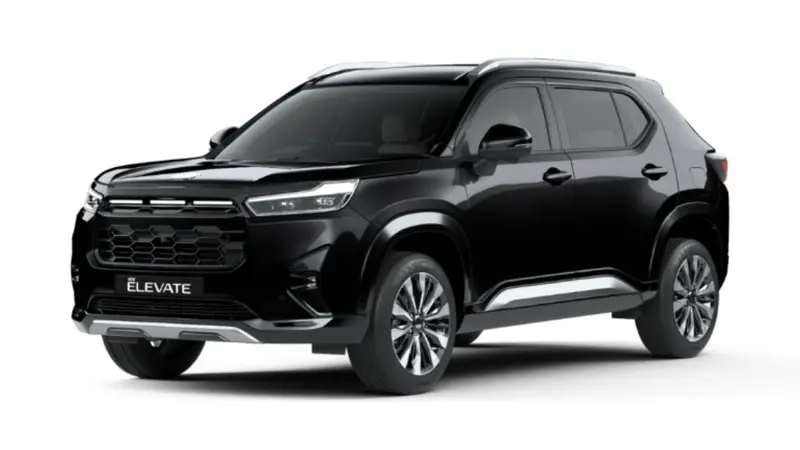
The front gets the biggest visual rework. The Bold Mesh Grille with gloss black upper moulding is wider and more textured than the outgoing piece, and the Rugged Tri-Bar Signature LED position lights give the car a distinctive and recognisable face that the original never really had. LED projector headlamps are standard across the range, and LED projector fog lamps come in on upper trims.
Gloss black treatment extends across the lower front garnish, side garnish, fender garnish, and rear lower bumper on higher grades, reinforcing the rugged SUV stance.
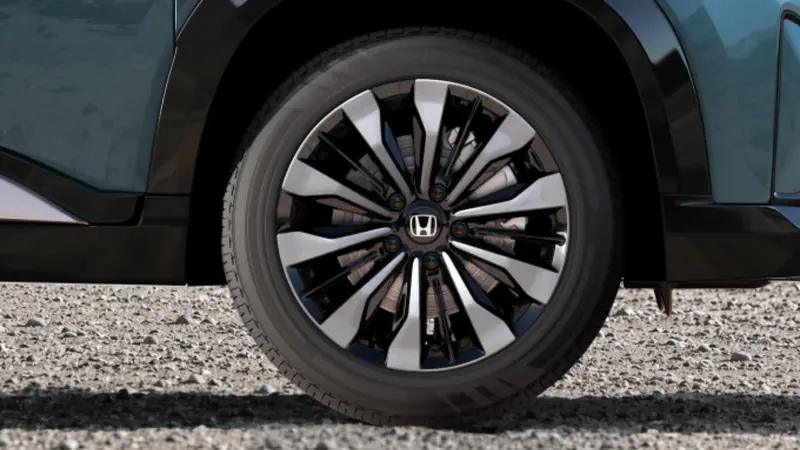
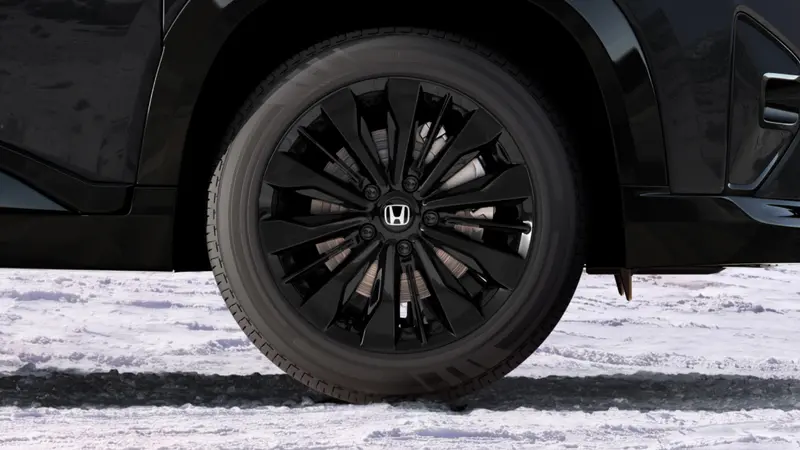
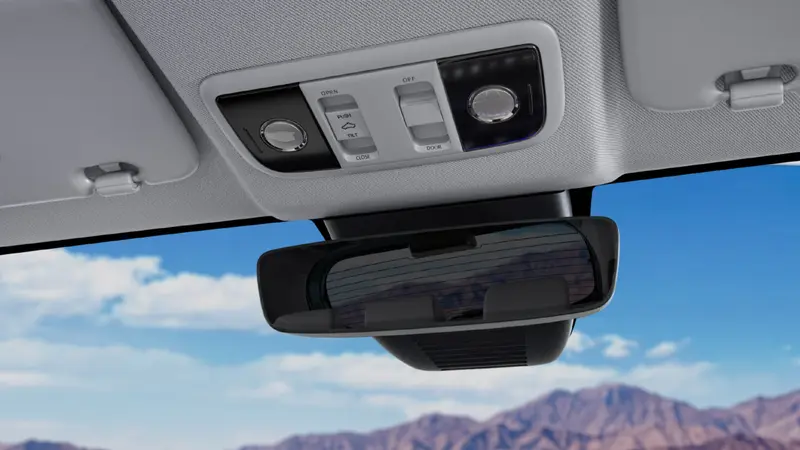
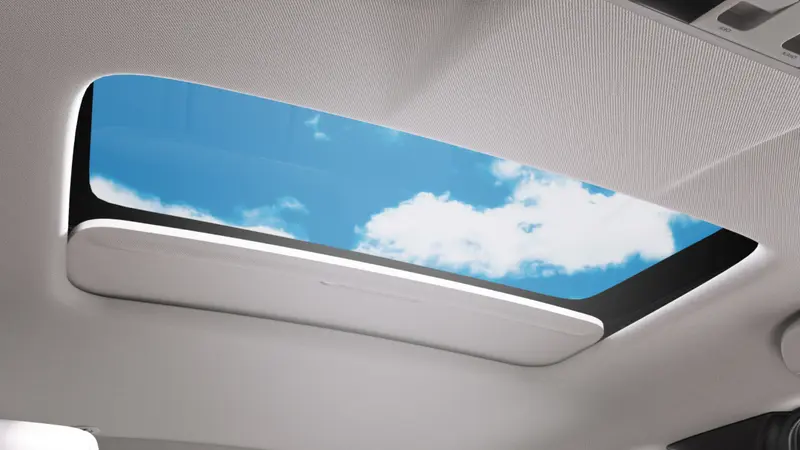
Along the sides, 17-inch diamond-cut alloy wheels in Berlina Black and dark clear finish feature on mid and upper grades, with gloss black painted multi-spoke units exclusive to the Black Edition. An electric sunroof with slide-tilt and pinch guard, automatic folding ORVMs with a welcome animation, and roof rails come in on mid-to-upper grades.
At the rear, the new full-width Connected Signature LED tail lamp is the headline change. It runs across the full width of the tailgate to give the car a considerably wider and more modern impression from behind. Lower trims carry a different LED tail lamp without the connected treatment.
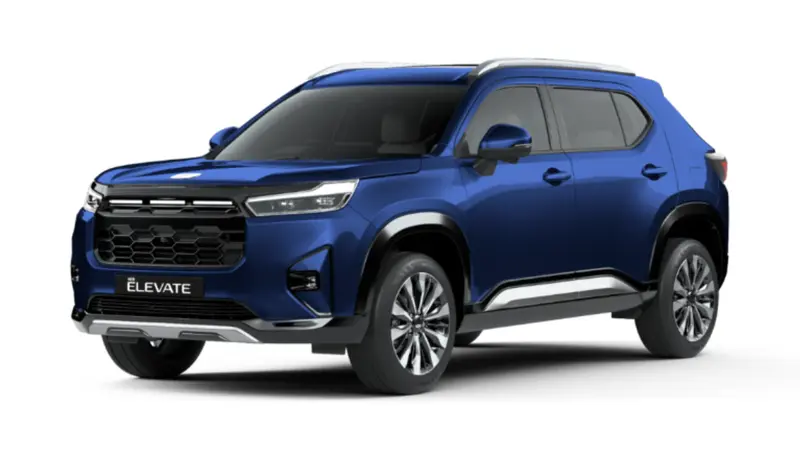
Seven colours are offered: Nordic Forest Pearl (new), Obsidian Blue Pearl, Radiant Red Metallic, Lunar Silver Metallic, Platinum White Pearl, Meteoroid Grey Metallic, and Crystal Black Pearl. Nordic Forest Pearl, Radiant Red Metallic, and Platinum White Pearl are available in dual-tone options with a Crystal Black Pearl roof.
safety
safety
The original Honda Elevate earned a 5-star Global NCAP rating, and the facelift carries over Honda's Advanced Compatibility Engineering body structure, designed to disperse front collision forces across a wider area.
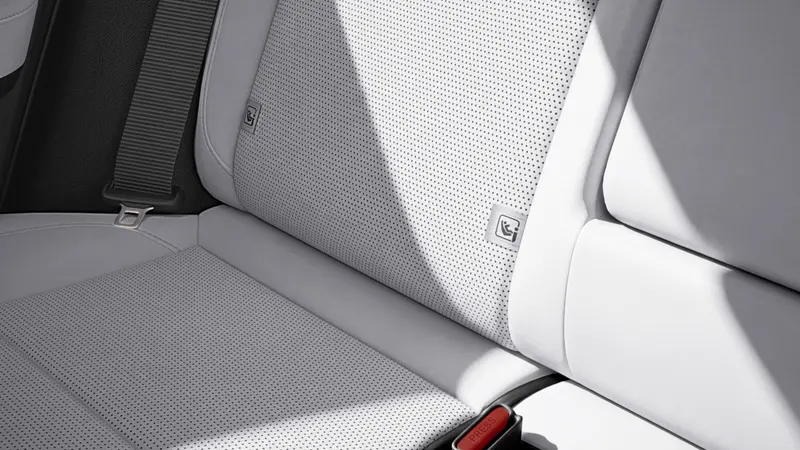
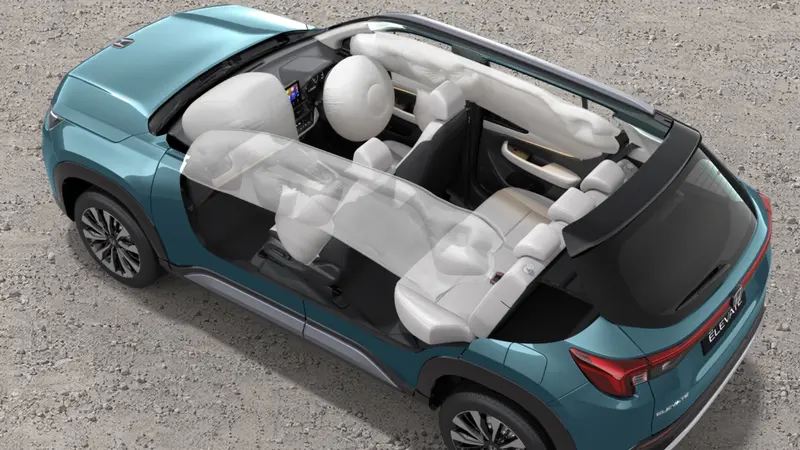
Six airbags covering dual front, front side, and curtain positions are standard across the entire lineup, with all five seats getting adjustable head restraints and three-point ELR seatbelts. Energy-absorbing pretensioner front seatbelts with load limiters and ISOFIX-compatible rear side seats are also standard throughout.
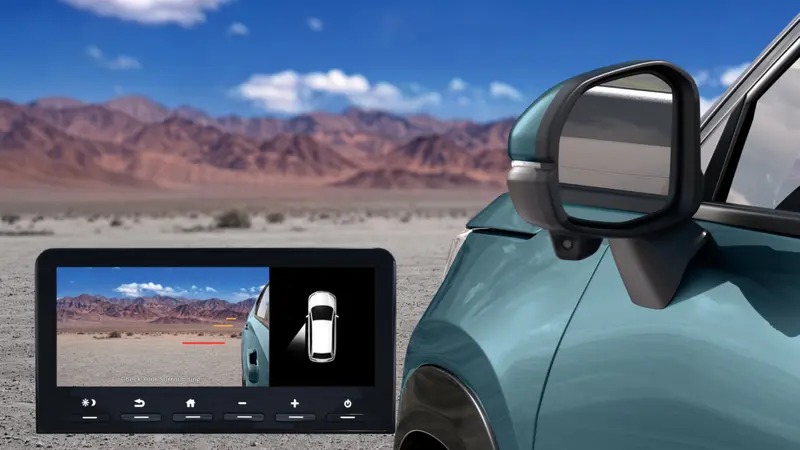
Active safety across the range includes ABS with EBD and Brake Assist, Vehicle Stability Assist with Agile Handling Assist, Hill Start Assist, Brake Override System, and an Emergency Stop Signal. A rear camera with multiple view modes, automatic headlamps, headlight integration with wipers, and a rear wiper come in on mid-range grades.
Honda SENSING covers Collision Mitigation Braking System, Adaptive Cruise Control, Road Departure Mitigation, Lane Keeping Assist, Lead Car Departure Notification, and Auto High-Beam.
New to this facelift is Low Speed Follow on CVT models, which maintains a set distance from the vehicle ahead in slow traffic without requiring constant driver intervention.
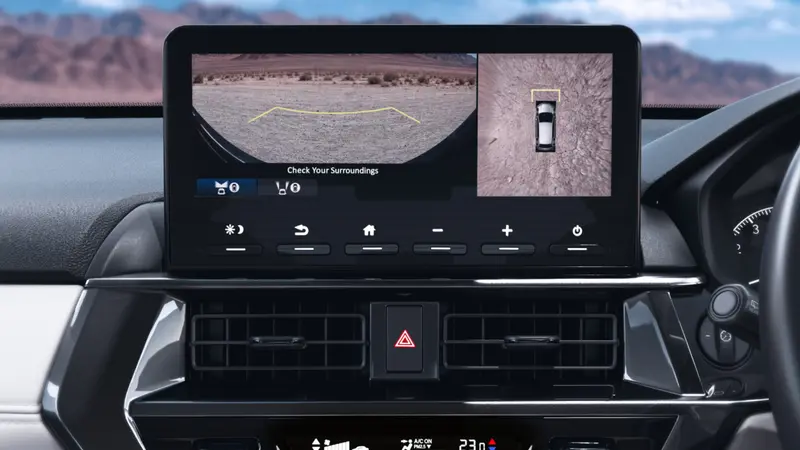
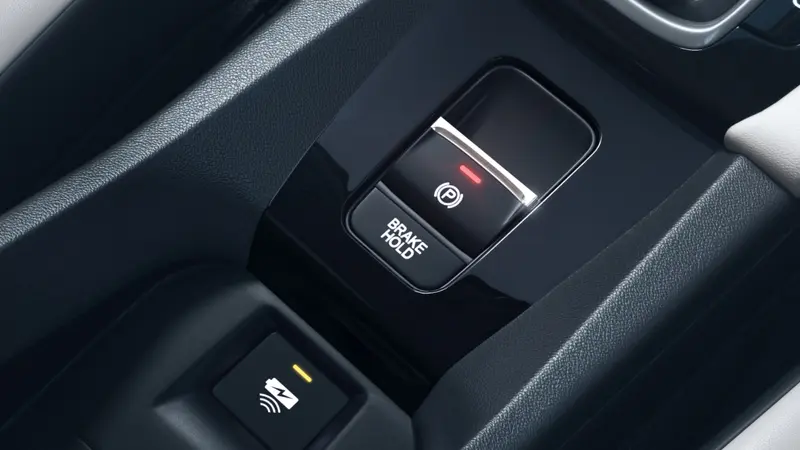
The top ZX variant adds a 360-degree Surround Vision Camera with multi-view and front parking sensors. Electric Parking Brake with Auto Brake Hold is available on CVT models.
competition
competition
The Elevate facelift's three closest rivals are the Hyundai Creta, the Kia Seltos, and the Maruti Grand Vitara.
The Hyundai Creta and Kia Seltos both offer turbo-petrol, diesel, and electric powertrain options that the Elevate cannot match with its single naturally aspirated petrol. For buyers whose usage pattern includes long highway runs or those in households with high monthly mileage, both rivals offer more choice.
The Elevate counters with Honda SENSING's Low Speed Follow on CVT as a segment-first addition, rear ventilated seats unavailable on either the Creta or Seltos at comparable prices, and a proven reliability track record on the 1.5-litre petrol platform.
The Maruti Grand Vitara makes the strongest efficiency argument in the segment through its strong-hybrid variant, which returns over 27 km/l in ARAI testing. It also offers CNG and an AWD option, none of which the Elevate provides.
The Elevate's 220 mm ground clearance, however, leads the segment and exceeds the Grand Vitara. Honda's 3-year unlimited-kilometre warranty extendable to 10 years is also a longer baseline ownership promise.
Honda Elevate News
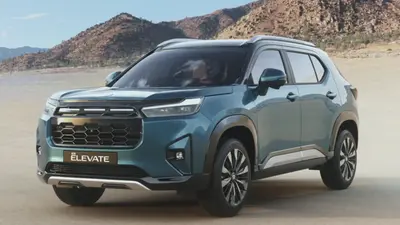
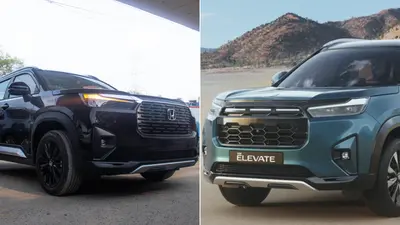
Old Honda Elevate vs New Honda Elevate: What Has Changed?
The Honda Elevate facelift brings new styling, more features and additional safety technology while retaining the same 1.5-litre petrol engine. Here is how the old and new Elevate compare on design, features, prices, powertrains and safety.
Anmol Kumar
October 7, 2026
All You Need To Know About Honda-Horse Powertrain's 1.2-Litre Engine
Honda's upcoming compact SUV could use Horse Powertrain's 1.2-litre turbo-petrol engine. Here's what we know about Horse, the engine's likely specifications, technology and Honda's expected 2028 launch timeline.
Salil Kumar
October 7, 2026
Honda Elevate FAQs
What is the Honda Elevate facelift?
−The Honda Elevate facelift is an updated version of Honda's mid-size SUV with revised exterior styling, additional comfort and technology features, and updated Honda SENSING functionality. The engine and dimensions remain unchanged.
What engine does the Honda Elevate use?
+It uses a 1.5-litre naturally aspirated four-cylinder petrol engine producing 121 PS and 145 Nm. It is available with a 6-speed manual or CVT.
What is the Honda Elevate's fuel efficiency?
+ARAI-certified fuel efficiency is 15.31 km/l with the manual and 16.61 km/l with the CVT.
Does the Honda Elevate have ADAS?
+Yes. Honda SENSING includes features such as Collision Mitigation Braking System, Adaptive Cruise Control, Road Departure Mitigation, Lane Keeping Assist, Lead Car Departure Notification and Auto High-Beam. Low Speed Follow is also available on CVT variants.
What is Low Speed Follow in the Honda Elevate?
+Low Speed Follow works with Adaptive Cruise Control to maintain a set distance from the vehicle ahead in slow-moving traffic, reducing the need for frequent throttle and brake inputs.
Does the Honda Elevate have ventilated seats?
+Yes. Front ventilated seats are available on upper variants, while rear ventilated seats are offered on the highest variants.
Does the Honda Elevate have a 360-degree camera?
+Yes. A 360-degree Surround Vision Camera is available on the top variants. Other variants use a multi-angle rear camera.
What are the Honda Elevate's dimensions?
+The Elevate is 4,312 mm long, 1,790 mm wide and 1,650 mm tall, with a 2,650 mm wheelbase. Ground clearance is 220 mm.
How much boot space does the Honda Elevate have?
+The Honda Elevate offers 458 litres of boot space and seating for five passengers.
Does the Honda Elevate have a sunroof?
+Yes. An electric sunroof with slide and tilt functions is available on upper variants.
What are the main new features of the Honda Elevate facelift?
+Key updates include the revised front design, connected LED tail lamp, ventilated seats, power-adjustable front seats, a larger touchscreen on upper variants and Low Speed Follow as part of Honda SENSING on CVT variants.