Why Buying a Petrol or Diesel Car Feels Risky Right Now
By Arjun Nair
Updated July 7, 2026
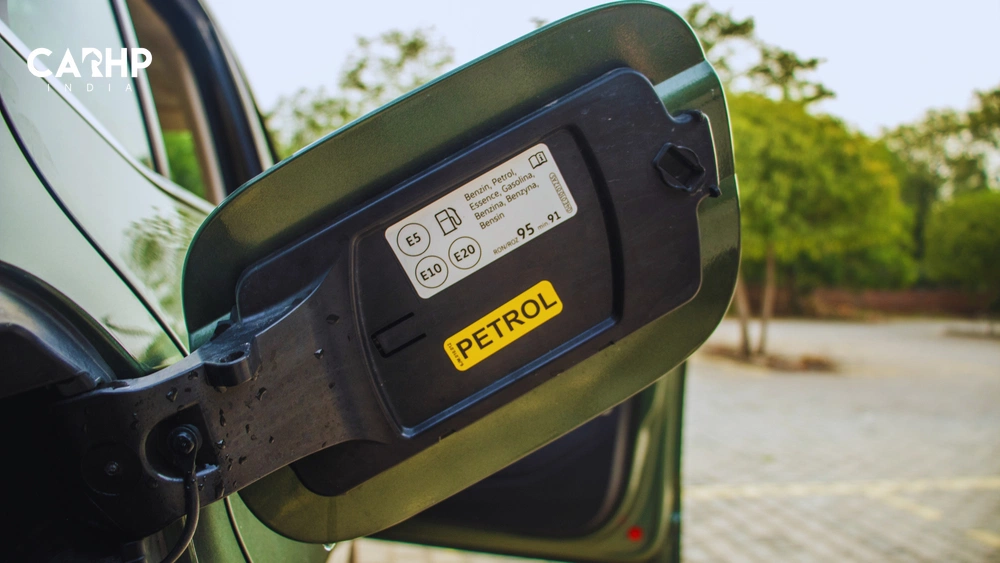
In recent years, India's push for cleaner fuels has moved at a surprisingly fast pace. The country achieved E20 petrol blending five years ahead of its original schedule, and even E85 has been rolled out as an option, already available at some pumps.
Plans for 15% isobutanol blending in diesel are also set to begin soon. While these steps aim to reduce oil imports and support farmers, I believe it is fair to say, the lack of clear, long-term communication from the government has left all of us with uncertainty and confusion.
Uncertainty for New Car Buyers
Even if you purchase a new, E20 compatible car today, there is no firm assurance that E20 will remain widely available even for the next five years, let alone the 10 to 15 years many people keep their vehicles for.
Soon enough, those of you who own a diesel car may have to face this same unpredictability. If isobutanol blended diesel is mandated without pure diesel offered as an option, cars, especially pre-BS6 diesels may face unexpected challenges. These could include a noticeable drop in mileage, and possible damage to the engine and other components like the fuel tank, fuel lines, and fuel injectors among others.
This uncertainty makes buying any pure ICE car feel risky.
Also Read - Govt Plans Up To 15% Isobutanol Blending in Diesel to Cut Oil Imports
Alternatives and their Limitations
While there are other powertrain options, most of them come with their own drawbacks.
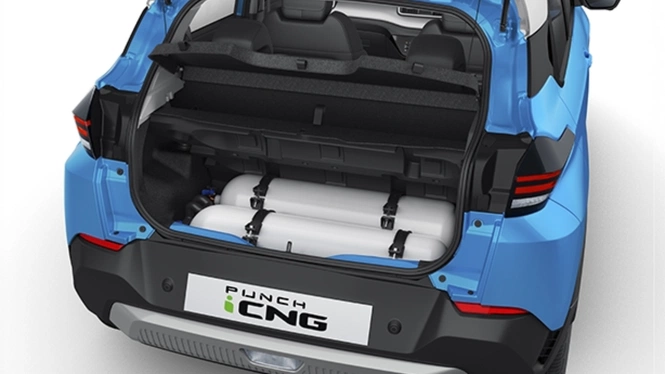
CNG vehicles provide some savings on running costs, yet many hesitate because long queues at filling stations, reduced boot space due to the cylinder, and general safety concerns.
Electric vehicles appeal to many for their zero tailpipe emissions, but range anxiety persists. Even models with good claimed range require careful planning for long drives. Charging stations are not as widespread or dependable as fuel pumps.
Often, some chargers are faulty while others are occupied by fully charged cars whose owners have not returned, wasting valuable spots and forcing drivers to adjust plans on the go.
Ultimately, it all depends on your use case. If you can live with the drawbacks of CNG or Electric cars, surely go ahead with any of them. However, if those drawbacks are a dealbreaker for you, hybrids might be worth your consideration.
Hybrids: A Balanced and Sensible Choice
In this scenario, hybrid cars stand out as a very practical option. They still use petrol but consume significantly less than regular petrol cars, and their fuel efficiency comes close to diesel cars.
Importantly, hybrids do not force the compromises seen with CNG, such as waiting in long lines or losing storage space.
Moreover, they don't have to be charged manually like pure EVs either, with regeneration under coasting and braking doing the job.
Additionally, several reports suggest that upcoming hybrid versions of the new Renault Duster and Nissan Tekton are expected to be E85 to E100 fuel compatible. This readiness should remove long-term worries about fuel compatibility while promising strong mileage.
Also Read - Kia India Teases New EV and Hybrid
More Affordable Hybrids on the Way

One major roadblock to higher adoption of hybrid cars is their prices. Most hybrid models carry a hefty premium over their petrol counterparts, often priced close to or over Rs 20 lakh on-road, keeping them out of reach for many middle-class buyers.
For instance, Maruti Suzuki Victoris's VXI strong hybrid (its most affordable strong hybrid variant), costs over Rs 3 lakh more than than the VXI petrol mild hybrid variant.
However, positive changes are on the way.
Maruti Suzuki has been testing the Fronx with a strong hybrid system in places like Gurgaon. The company’s new Z12 petrol engine, used in the Swift and Dzire, is ready for both mild and strong hybrid setups. These models could launch with hybrid options in the more accessible Rs 10-15 lakh range.
Such affordable offerings would open the technology to us mass-market buyers and likely push rival manufacturers to introduce their own budget hybrids, increasing choices and bringing down prices.
Also Read - Maruti Victoris Prices Slashed By Rs 38,900
The Need for Clearer Government Communication
Beyond specific models, the situation points to a larger need for better clarity regarding policies.
The government deserves credit for advancing biofuel goals and cutting import dependence, but we, as buyers and taxpayers deserve clarity, including predictable timelines on fuel availability, options for unblended fuels, and transparent information on vehicle compatibility. Incentives for compatible vehicles and honest discussions about mileage impacts would also build greater trust.
I am myself in a position where I might have to upgrade from my old diesel car in 2027, but until there is no concrete plan or statement from the government regarding the fuels that will be available at least for 10-15 years from now, I would not feel confident buying any new car.
For now, it is best to take a wait-and-watch approach, as you don't want to spend your hard earned money only to live in uncertainty about the future. You want to choose a car that balances cost, convenience, and long-term usability without future regrets.
Image Source: Tata Motors
Table of Contents
- Uncertainty for New Car Buyers
- Alternatives and their Limitations
- Hybrids: A Balanced and Sensible Choice
- More Affordable Hybrids on the Way
- The Need for Clearer Government Communication
Join the Conversation
Trending
MG Windsor EV Indulge Limited Edition Teased, Here’s What to Expect
MG has teased a limited edition Windsor EV called Indulge. Expect cosmetic updates to the exterior and cabin, though power figures are likely to stay put on both battery options.
Anmol Kumar
October 8, 2026
Renault Duster Strong Hybrid to Launch on October 17
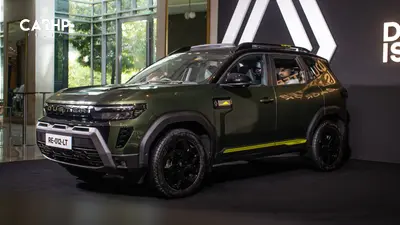
Renault has locked 17 October at Fairmont Mumbai for the Duster strong hybrid, a 160hp E-Tech setup that answers the missing diesel. Prices are still under wraps, though early expectations point well above the current range.
Arjun Nair
October 8, 2026
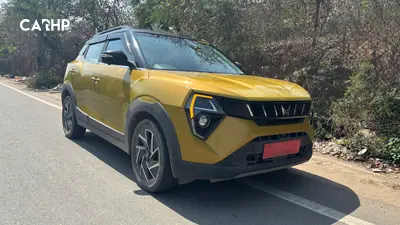
Mahindra XUV 3XO CNG Set For 15 October Debut As Its Fourth Powertrain
Mahindra has teased a CNG version of the XUV 3XO ahead of a 15 October debut. It adds a fourth powertrain to the brand's most affordable SUV and enters a segment where CNG options remain rare.
Anmol Kumar
October 8, 2026
Featured
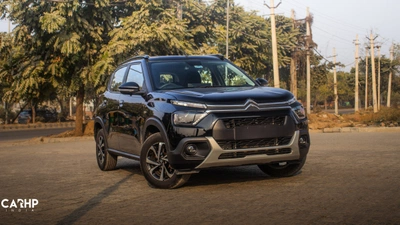
Citroen C3 Review: Who Should Consider This Car?
A few days ago, I took the Citroen C3X out for a spin in the city and on the highways. I travelled long distances and checked its fuel efficiency, features, comfort, and other factors. Today, I’ll briefly share my overall experience with the C3X and will tell you whether you should consider it or not and which is the most value-for-money variant of the lot.
Vatsal Agrawal
May 19, 2026
Tesla Finally In India Officially. Why Now And What Does It Mean For EVs?
The much-anticipated 2025 Tesla Model Y has officially arrived in India, marking a pivotal moment for the nation's burgeoning electric vehicle market. Launched on July 15, 2025, the Model Y Juniper facelift offers cutting-edge technology, impressive range, and signature Tesla performance. Positioned as a premium electric SUV, its entry will intensify competition and reshape consumer expectations for EVs across the subcontinent.
Author
July 17, 2025
Here Are 10 Things The Harrier.EV Offers That The Mahindra XEV 9E Doesn't
The Harrier.EV is an incredible new offer from Tata. Its most popular competitor would be the Mahindra XEV 9E, priced similarly. With these two incredible offerings from home grown brands available, here is a list of everything the Harrier.EV offers that the XEV 9E doesn't.
Author
June 13, 2025
Write a comment
Comments
No comments yet. Be the first to comment!