
EMI Loading
Volkswagen Taigun Key Specifications
Volkswagen Taigun Overview
"The much-improved Taigun sequel remains the last true definition of attainable performance, rivalled only by its equally famous Czech brother."
– Sayan Paul
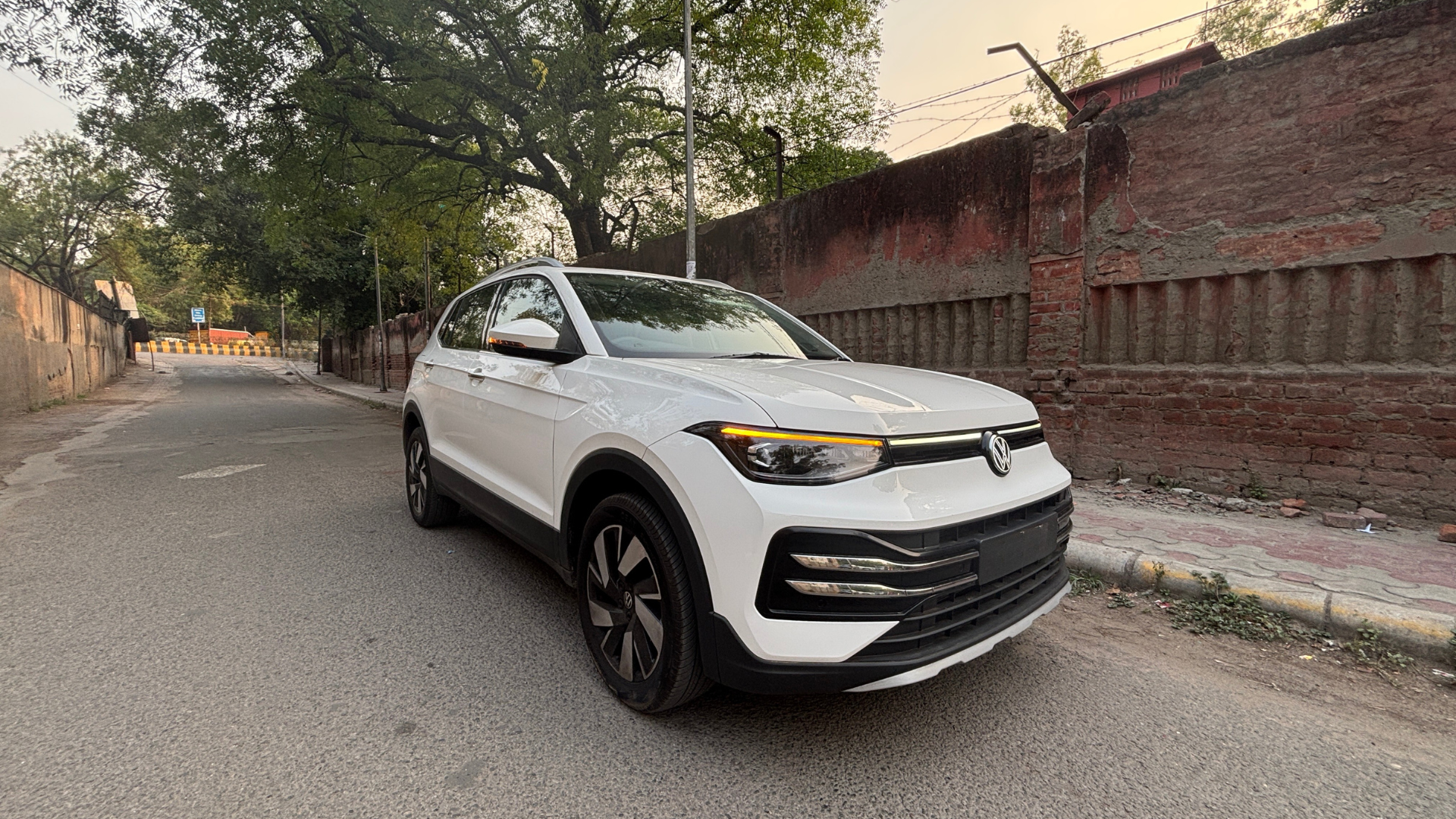
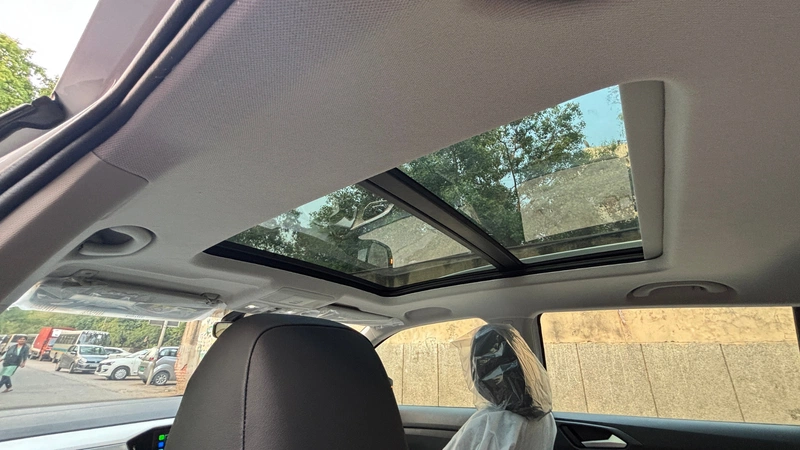
The Taigun facelift is built on the MQB-A0-IN platform, shared with the Skoda Kushaq, and has been in the Indian market since 2021. This midlife update does not reinvent the car. It sharpens the design, upgrades the interior, adds features the original was missing like a panoramic sunroof and ventilated seats, and gives the 1.0 TSI a new automatic gearbox option.
The 6-speed manual on the 1.0 TSI is unchanged and remains available across Comfortline, Highline, and GT Line variants.
What has changed is that rivals like the Hyundai Creta and Kia Seltos now come with ADAS, 360-degree cameras, and segment-first features that the Taigun still does not offer across the range.
VW has narrowed the gap with this facelift, but it has not closed it.
Engine and Performance
Engine and Performance
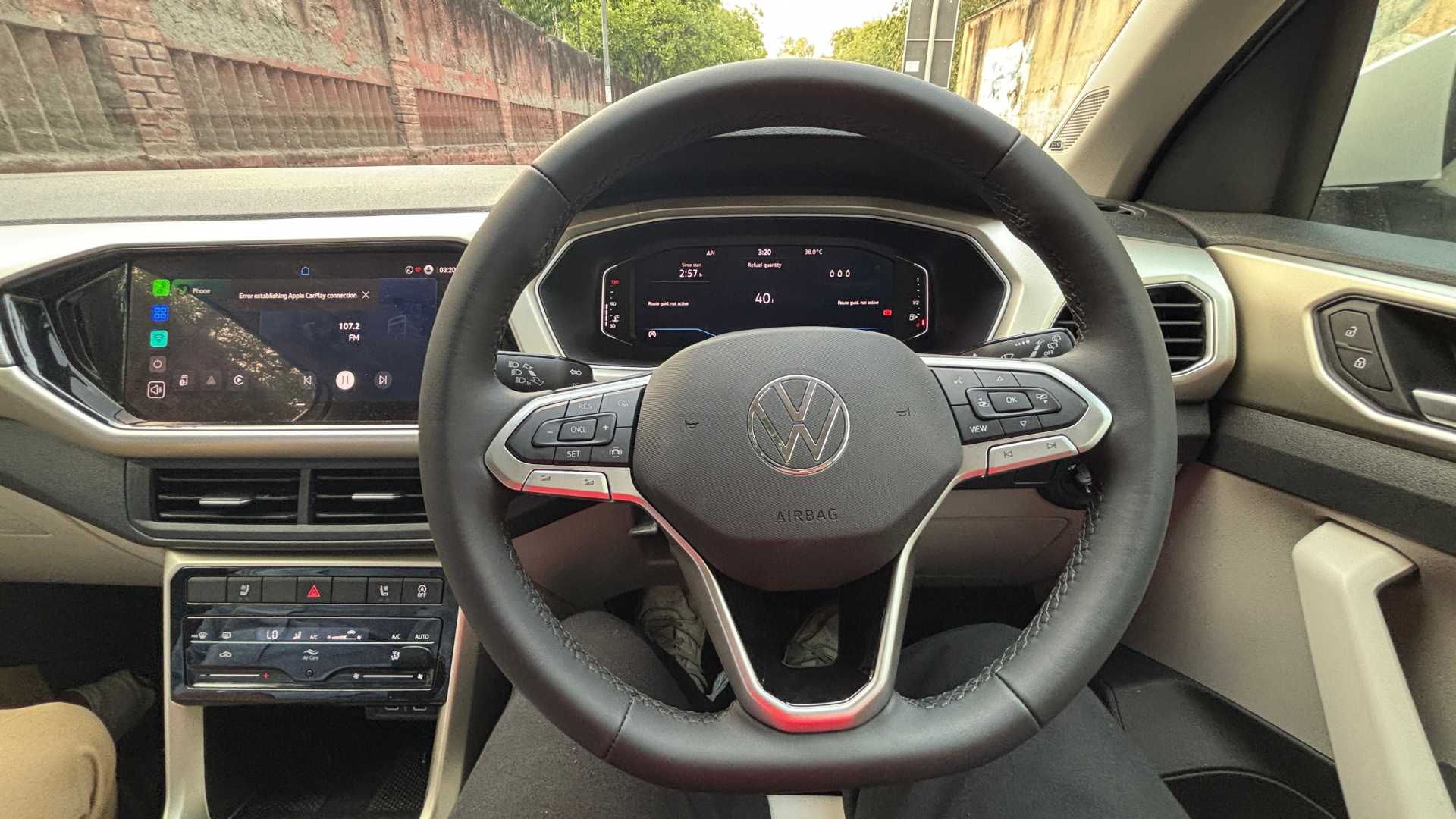
The Volkswagen Taigun's 1.0-litre TSI continues to be one of the strongest engines in its class. The 999cc three-cylinder turbocharged petrol engine produces 115 PS and 178 Nm of torque, and our test car came paired with the 6-speed manual gearbox.
My test drive was fairly short, covering around 10 to 12 km, and was limited almost entirely to city traffic as the salesperson was reluctant to let the car venture too far from the dealership. Because of that, I cannot comment on its highway manners or high-speed stability based on this drive alone. However, the updated Taigun feels mechanically very similar to the outgoing model, so there isn't much new to report in terms of how it drives.
In city conditions, the engine feels exceptionally responsive. The low-end torque is impressive, and the way it builds speed makes it feel noticeably more powerful than the official output figures suggest. Performance has never been a concern with the Taigun, and this facelift certainly doesn't change that.
Like most small turbocharged petrol engines, there is a slight pause below 1,800 rpm before the turbo comes alive. Once it does, the engine pulls strongly through the mid-range and remains eager to rev. The familiar three-cylinder character is still present, but vibrations are well controlled and the engine feels refined during normal driving.
The manual gearbox remains slick and easy to operate. Volkswagen has made the clutch noticeably lighter, which is welcome in stop-and-go traffic. Even so, it still isn't as smooth or progressive as the clutch pedal in the Hyundai Creta. Since my entire drive was spent crawling through traffic, my left leg definitely got a decent workout despite the lighter clutch.
Unfortunately, I wasn't able to sample the new 8-speed automatic because the dealership only had the manual available for testing. Another disappointment is that Volkswagen has discontinued the manual transmission on the 1.5-litre TSI variants. Enthusiasts now have only the 7-speed DSG to choose from. While it is a dry-clutch transmission, it continues to be one of the quickest and most enjoyable automatic gearboxes in the segment.
One aspect that feels difficult to justify is the braking setup. The top-spec 1.0-litre variant still uses rear drum brakes instead of discs. The brakes perform adequately for everyday driving, but seeing drum brakes on a flagship variant at this price point feels underwhelming. That said, Volkswagen has clearly had to cut costs somewhere, and this appears to be one of those compromises.
Overall, the Taigun drives, handles and feels largely identical to the pre-facelift model, which is no bad thing given that it was already among the better driver's SUVs in the segment.
fuel economy
fuel economy
My test drive was limited to around 10 to 12 km and almost all of it was spent crawling through city traffic. Even then, the Taigun's trip computer was showing around 11 to 12 kmpl, which I found quite respectable given the conditions. Had I been driving the new 8-speed automatic instead, I suspect the figure would have been closer to 8 to 9 kmpl in the same traffic.
Based on my previous experience with the Taigun and what owners generally report, I would expect the 1.0 TSI manual to comfortably average around 15 kmpl with a healthy mix of city and highway driving. Drive it gently on open roads and it can reward you with even better numbers. Like any turbo-petrol, though, fuel economy depends largely on how often you dip into that addictive mid-range punch.
Now comes the difficult part. As someone who genuinely enjoys driving manuals, I never thought I would say this, but if I were buying the 1.0-litre Taigun today, I would happily pick the automatic.
The purist in me is probably screaming while I write this, but it is what it is.
The Taigun is a genuinely sporty compact SUV. The chassis is excellent, the engine is eager, and the steering encourages you to drive with enthusiasm. In that context, the automatic simply complements the car better. It lets you focus on enjoying the engine and the chassis instead of constantly working the clutch in traffic. From what I know of Volkswagen's new 8-speed torque converter, it also promises to be a far more relaxed companion for everyday driving while still delivering respectable fuel economy.
That doesn't mean the manual is a bad choice. Far from it. The gearbox is slick, the clutch is lighter than before, and enthusiasts will still appreciate the added involvement. Just be prepared for the usual left-leg workout if your daily commute involves heavy traffic. Buyers choosing the manual certainly won't regret it, but if it were my money, the 1.0 TSI automatic would be the version I'd bring home. It feels like the more complete package.
interior
interior
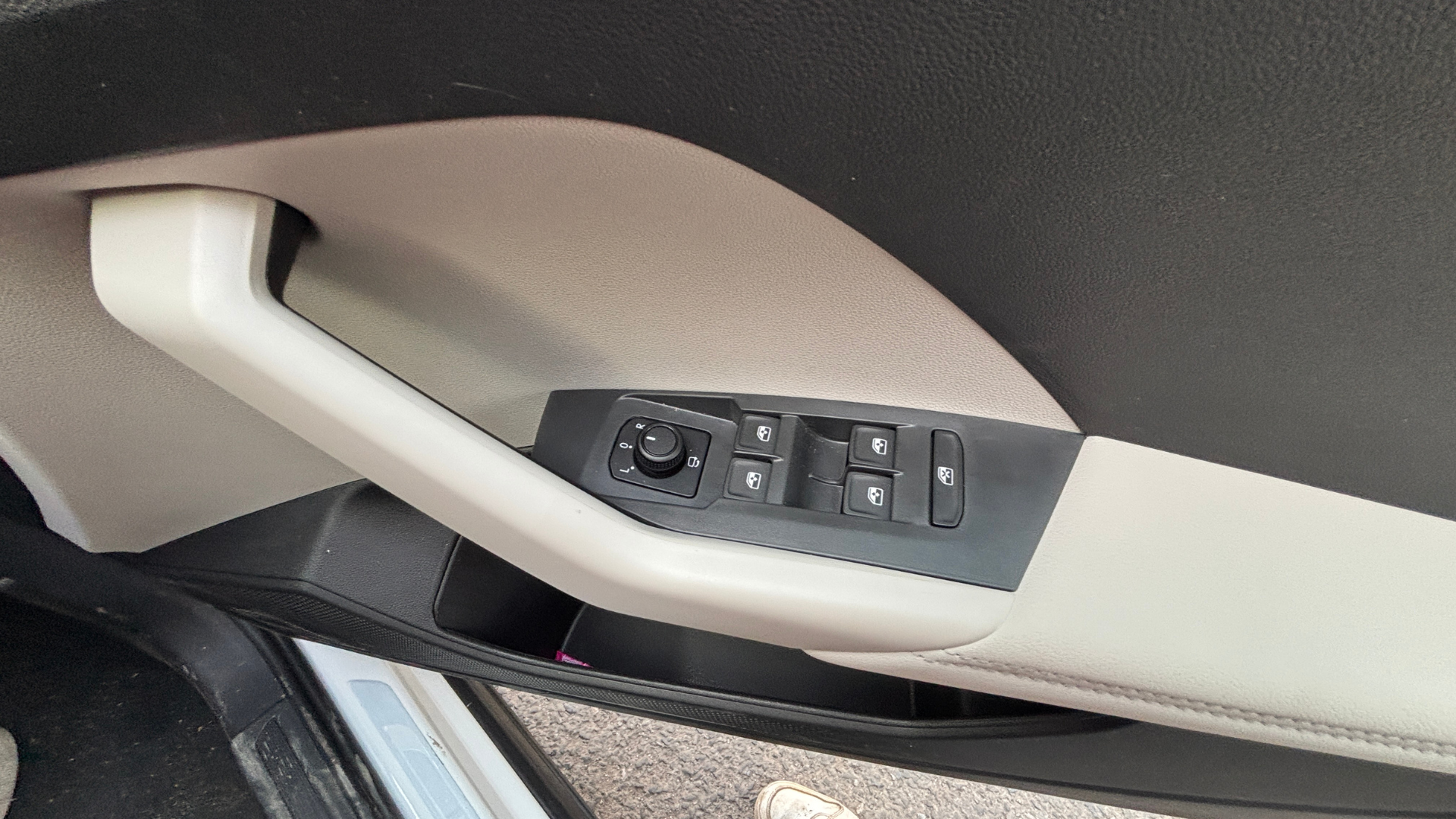
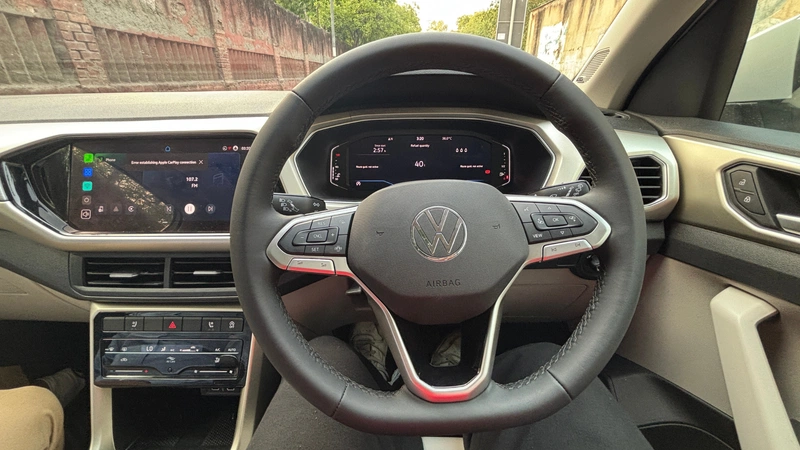
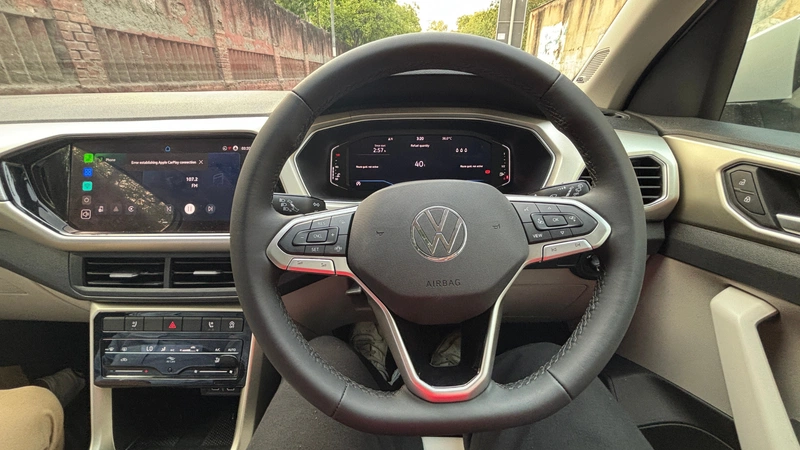
Step inside the facelifted Taigun and you'll immediately notice that Volkswagen hasn't tried to reinvent the cabin. Instead, it has refined what was already a clean, functional interior. The updated touchscreen and digital instrument cluster bring it up to date, while the dual-tone black and beige theme in my Candy White test car makes the cabin feel brighter and more welcoming than before.
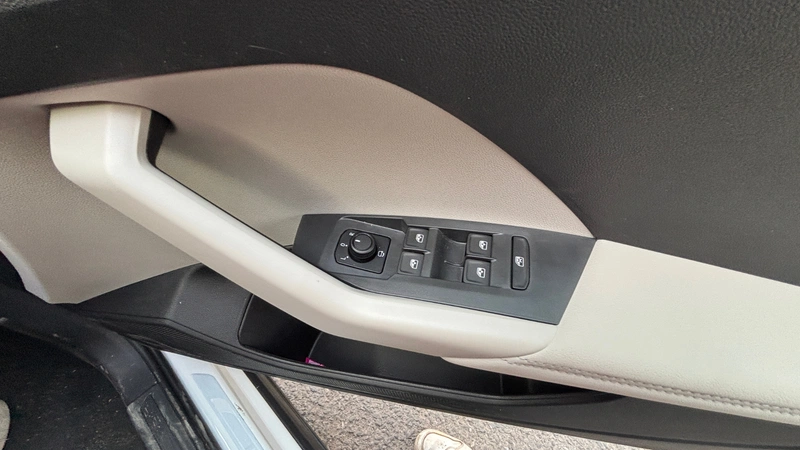
Material quality is exactly what I'd expect from a Volkswagen at this price. The doors use a combination of soft-touch fabric inserts where your arms naturally rest, along with hard black plastics lower down. The dashboard follows a similar approach. Sure, you'll find hard plastics if you go looking for them, but the areas you touch the most feel pleasant enough. More importantly, everything feels tightly screwed together with no obvious rattles or loose trim.
Storage is another area Volkswagen has got right. The door pockets are generously sized, there are plenty of cubby holes around the centre console, useful cup holders, and enough places to throw your phone, wallet and other everyday bits and bobs without the cabin feeling cluttered.
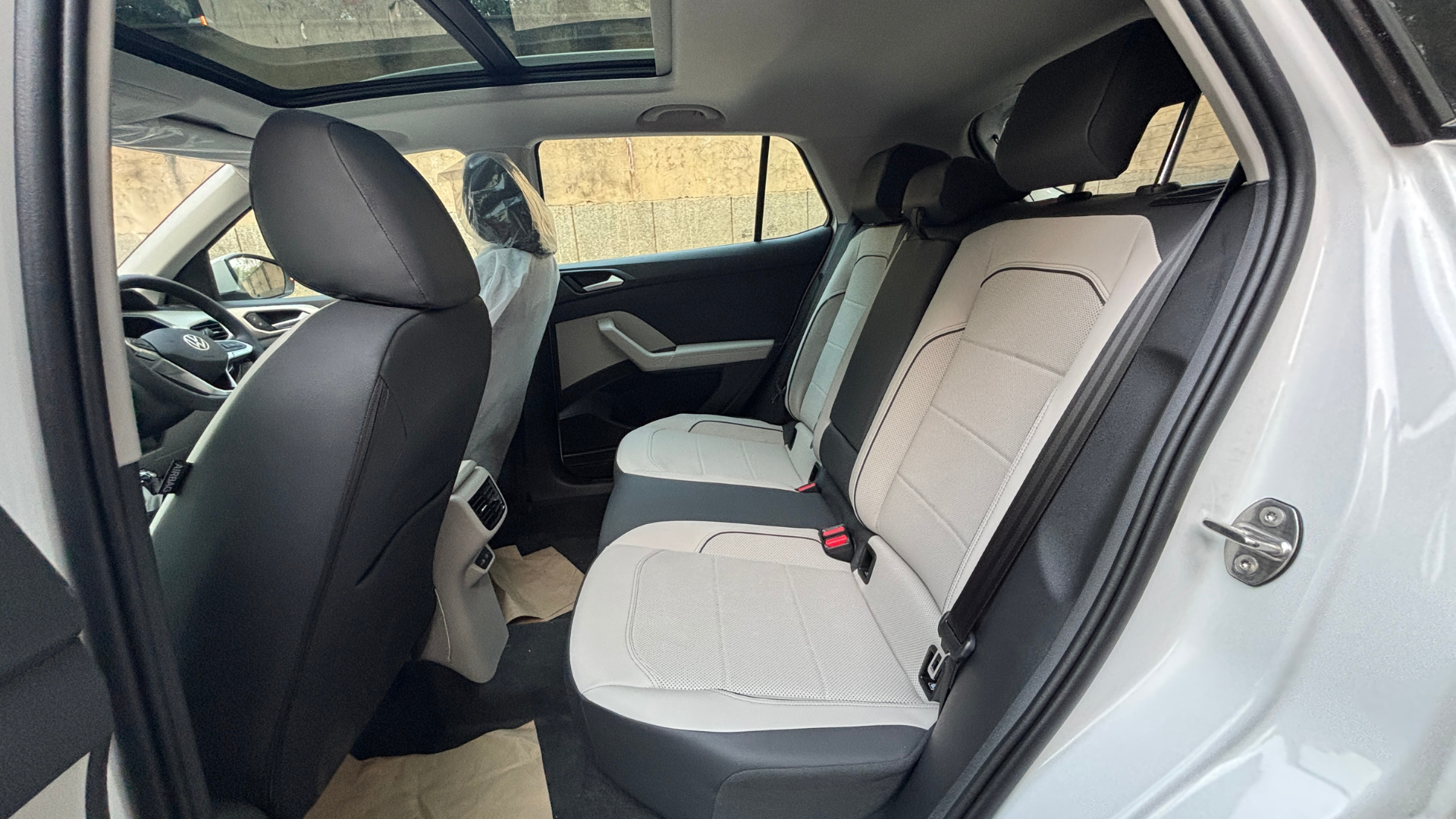
The seats deserve a special mention. They're well cushioned and offer excellent support, which has always been one of Volkswagen's strengths. You don't get lumbar adjustment, but to be fair, almost nobody in this segment offers it either. The seats make up for it with plenty of manual adjustment, so finding a comfortable driving position isn't difficult.
At 5 feet 8 inches with an average build, I found the seating position almost perfect. Everything fell naturally to hand, visibility was good and I never felt cramped. Taller drivers will probably have to spend a little more time adjusting the seat and steering wheel to find their sweet spot, but there's enough adjustability available to make it work.
Another small detail I really appreciated was the pair of illuminated USB Type-C ports up front. It sounds insignificant until you find yourself trying to plug in your phone at night. Anyone carrying multiple gadgets these days will appreciate that thoughtful touch.
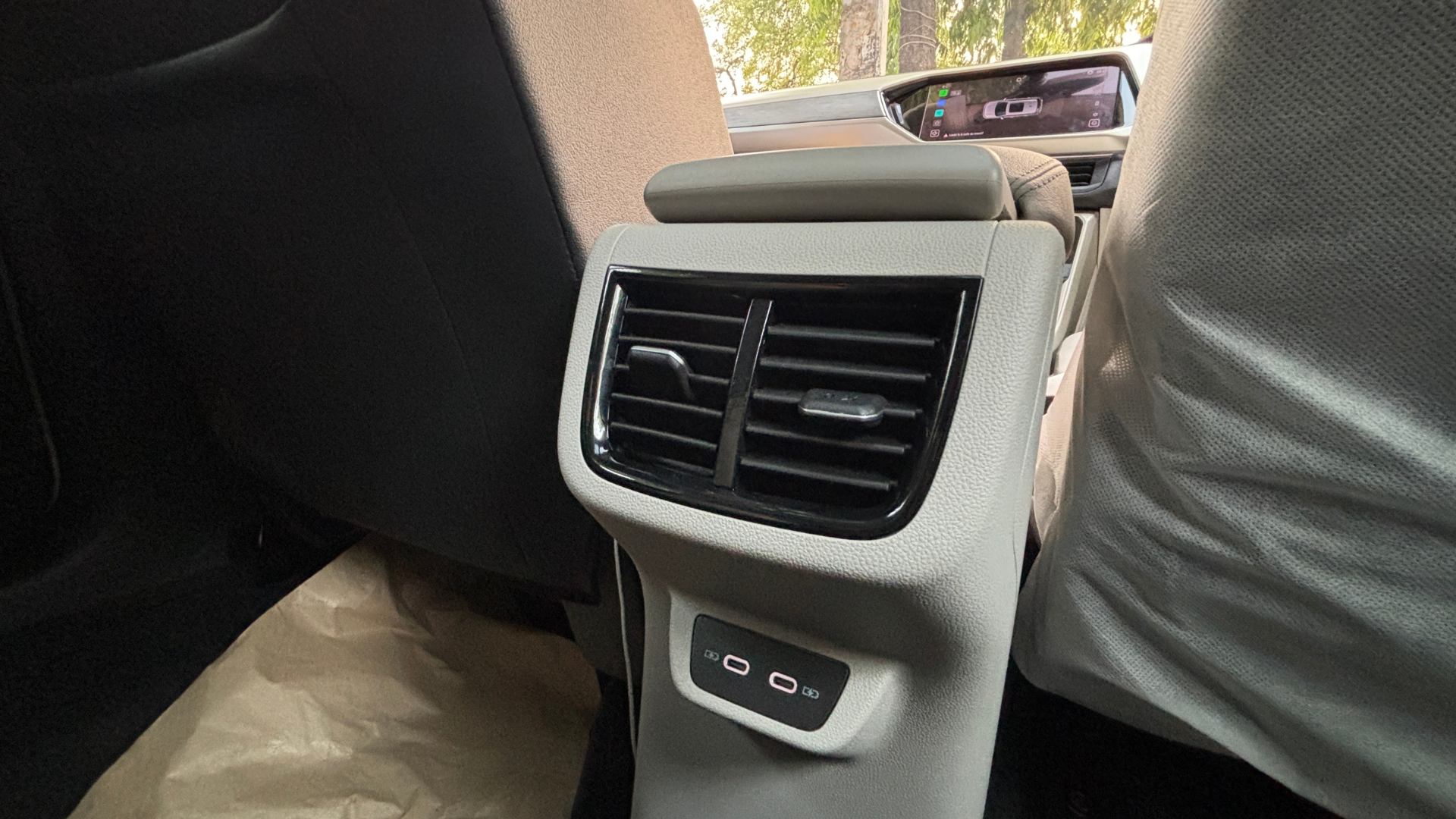
Volkswagen also says it has fitted a new variable-compressor air-conditioning system. Unlike a conventional fixed-displacement compressor that cycles on and off, a variable-compressor AC continuously adjusts its cooling output based on cabin temperature. In simple terms, it doesn't have to keep switching itself on and off, which helps maintain more consistent cooling, improves efficiency and places less load on the engine.
I actually noticed the difference almost immediately. The front seats cool down much quicker than before and the AC feels considerably stronger than the one in the previous Taigun, which many owners jokingly referred to as a heater rather than an air conditioner. During my drive through slow-moving traffic, the front half of the cabin became comfortable within a few minutes, although the rear still took a little longer to cool down. In fairness, that was in crawling traffic on a hot day. Once you're out on the highway with proper airflow, I expect the system to perform even better. Either way, this is a meaningful improvement over the old car.
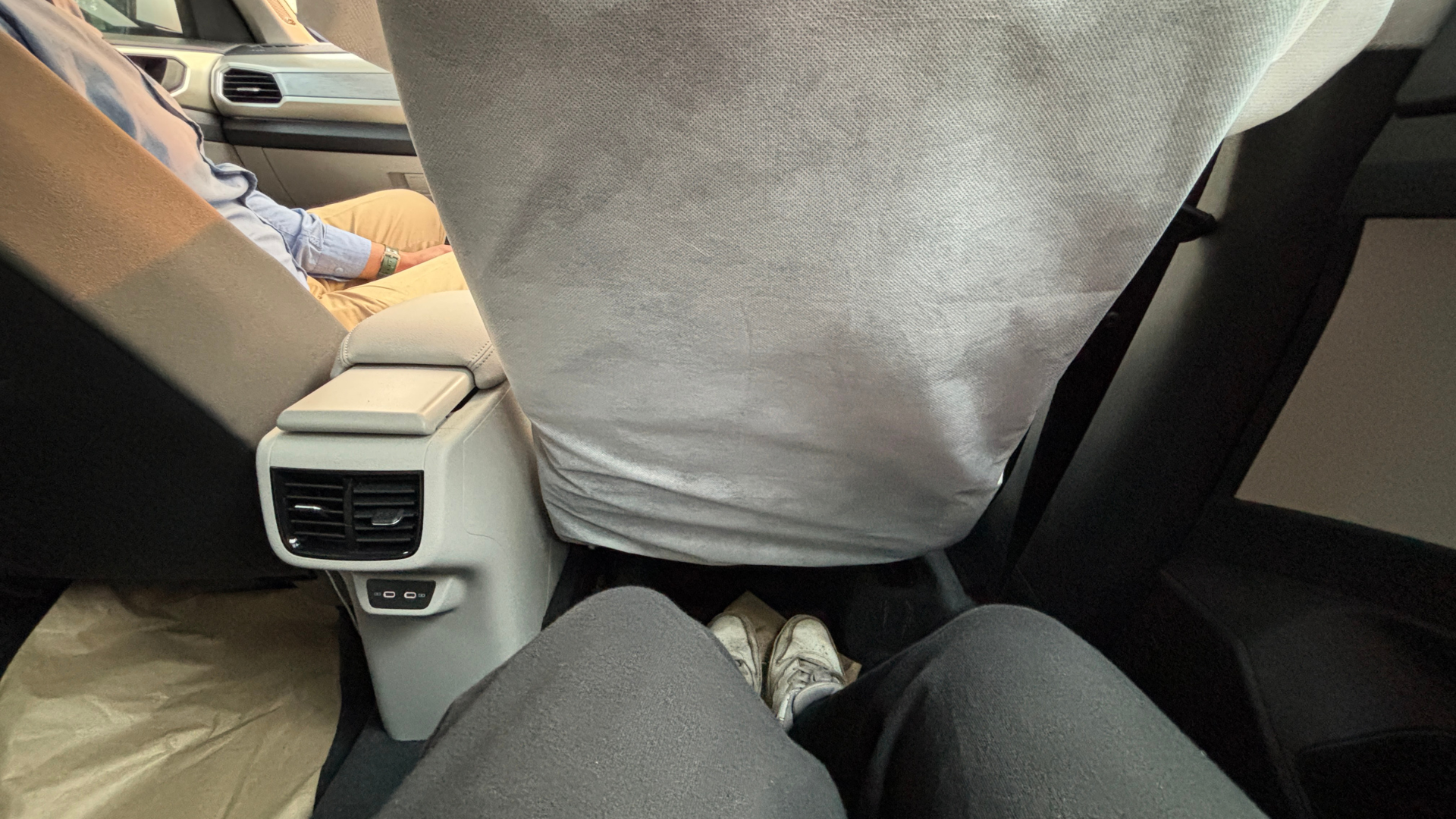
Now for the elephant in the room, space.
The old Taigun was never a spacious SUV, and this facelift hasn't changed that.
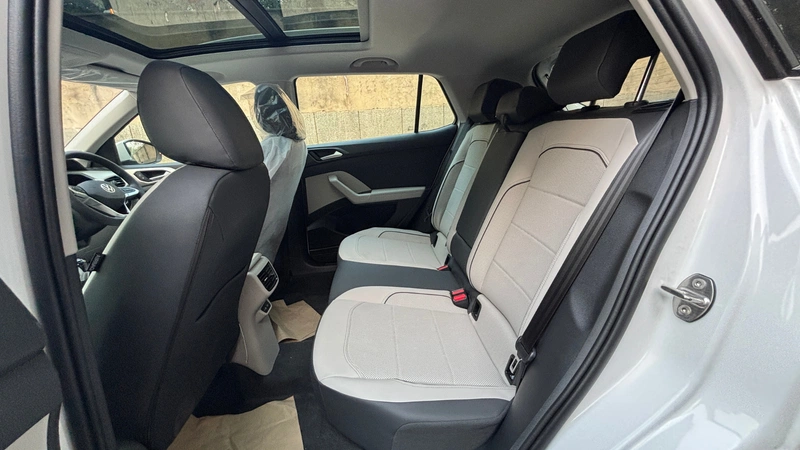
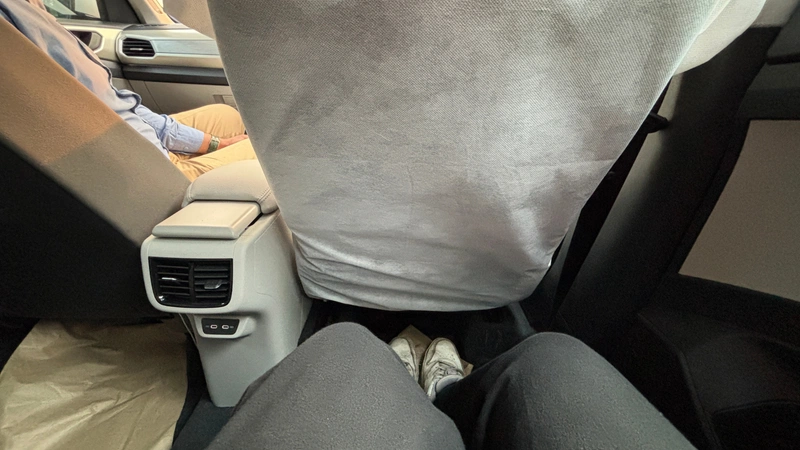
The front seats are excellent. Both occupants have loads of room and can travel in complete comfort. But the moment you slide either front seat back by even a few inches, the person sitting behind can pretty much wave goodbye to their legroom. That's simply how this car is packaged.
The MQB-A0-IN platform was designed to prioritise driving dynamics. A shorter wheelbase and compact overall dimensions make the Taigun feel agile and eager through corners, but they also leave less room for passengers. You can't have both.
For two adults and a couple of kids who haven't yet had their growth spurt, the Taigun works perfectly well. If your rear seat regularly carries full-sized adults, though, you'll start wishing for something larger. Rivals like the Hyundai Creta, Maruti Suzuki Grand Vitara and Toyota Hyryder simply offer more cabin space because they're physically bigger vehicles.
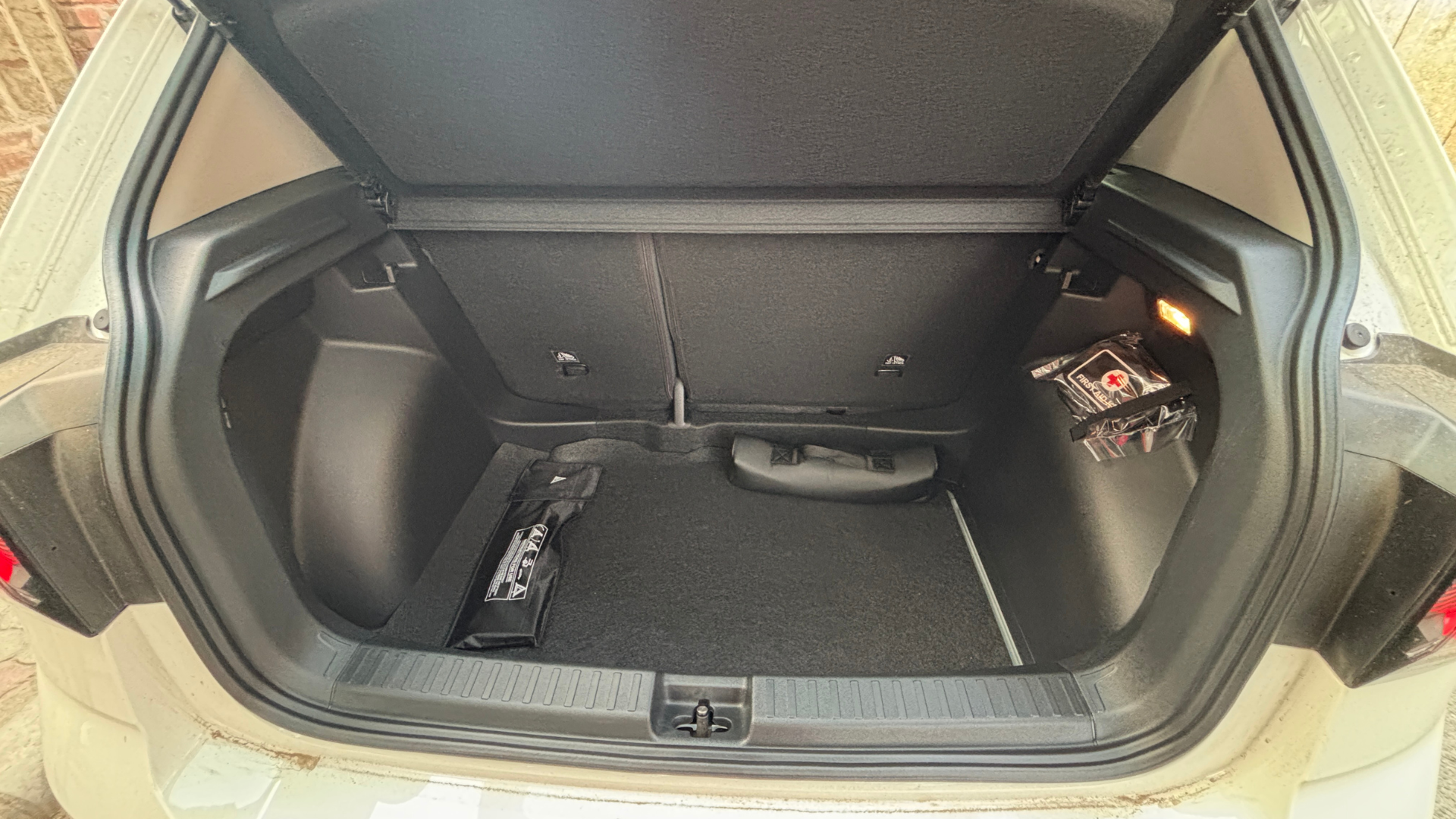
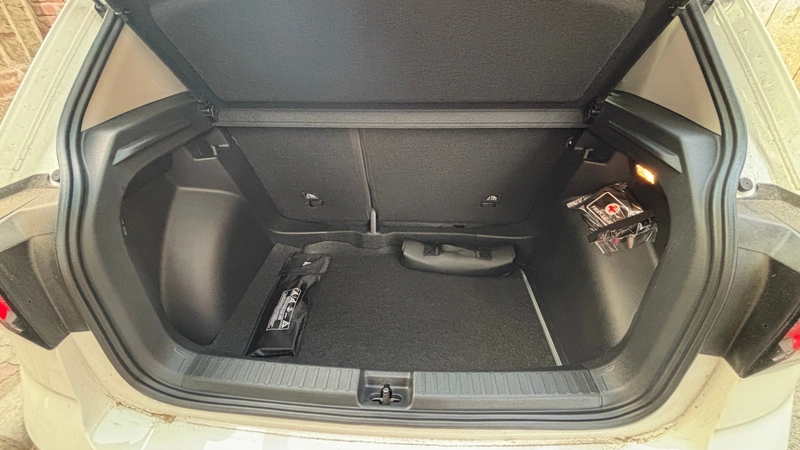
The story is much the same with the boot. It's perfectly usable for everyday life, but it doesn't have the cavernous luggage area you'll find in some of its rivals. That's the compromise you make for a compact SUV that's more focused on driving than outright practicality.
exterior
exterior
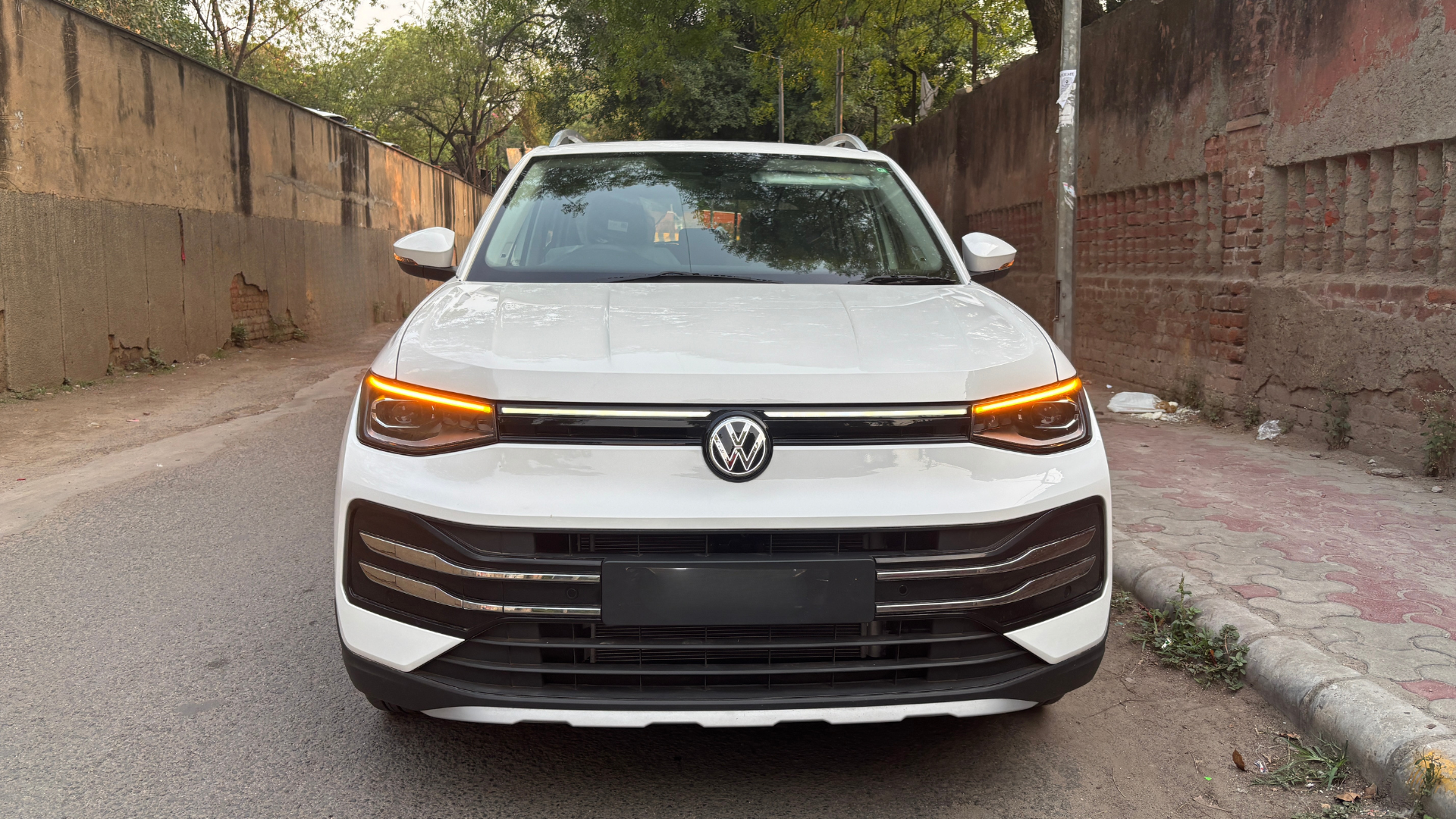 I've had this argument with quite a few people at work, and I still haven't changed my mind.
I get why carmakers do facelifts. You need to keep the product fresh, give buyers something new to look at and have a reason to put out another round of advertisements. But does that always mean messing with a design that was already near perfect?
I don't think so.
The original Taigun was one of the most timeless compact SUV designs out there. It didn't need fake vents, oversized grilles or twenty different character lines to stand out. It was clean, simple and unmistakably Volkswagen.
If it were up to me, Volkswagen could've easily freshened things up with a couple of new paint options, a new set of alloy wheels or maybe an optional aero kit. Job done. Instead, they decided to redesign the front bumper, and that's the one part of this facelift I simply don't understand.
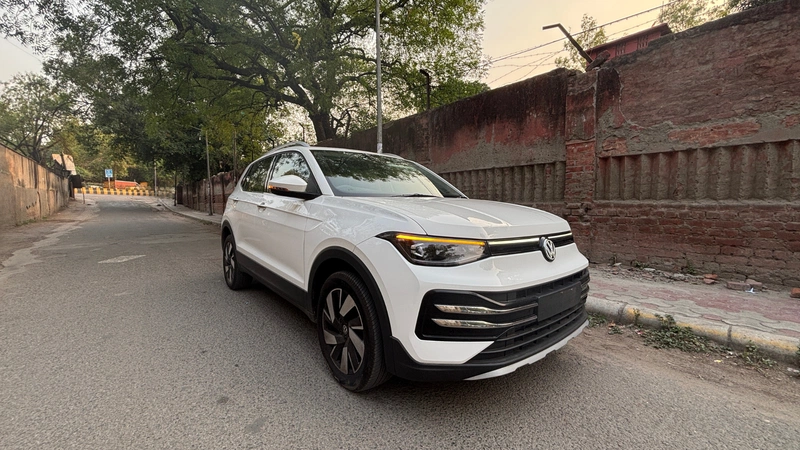
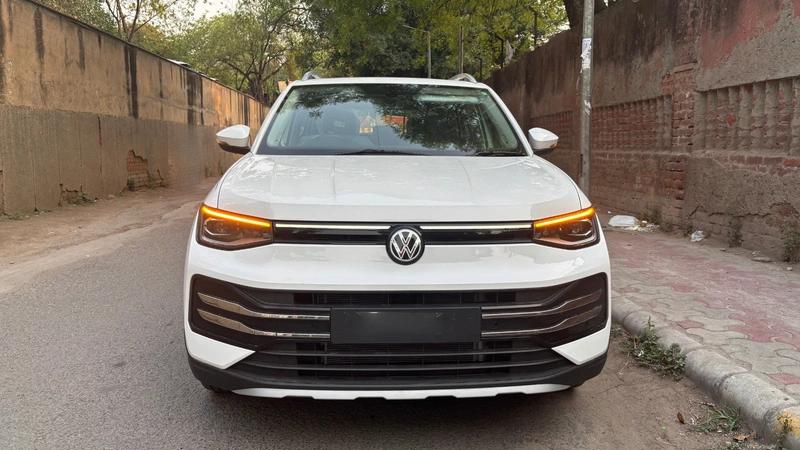
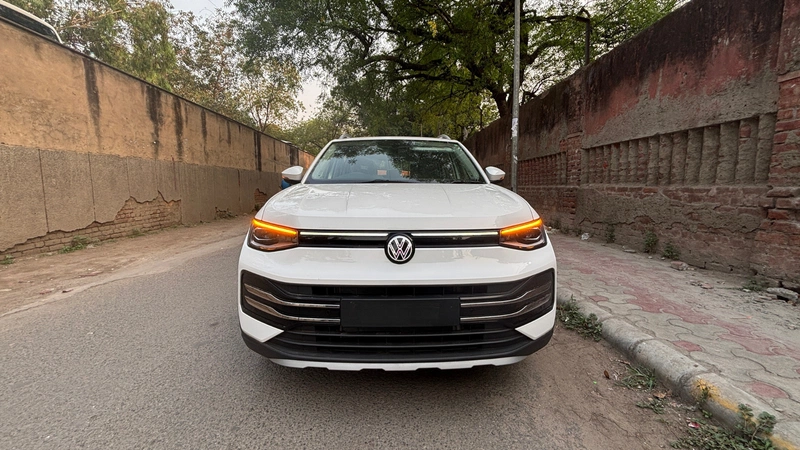
The lower half of the front bumper is one of those things that photographs really well. Even the photos I clicked made it look pretty cool. Walk up to the car, though, and you realise it's basically one massive gloss black plastic panel.
And that's where my problem starts.
How long is that glossy finish realistically going to stay glossy? Ten minutes in NCR traffic? A couple of highway runs? Between stone chips, dust, scratches and someone brushing past it in a parking lot, I can already imagine it looking nowhere near as good as it does today.
It also made me wonder if this is just another way of reducing painted surfaces and metal to save manufacturing costs. Maybe I'm overthinking it, maybe I'm not, but that's genuinely the first thought that crossed my mind.
Thankfully, Volkswagen hasn't messed with the rest of the car.
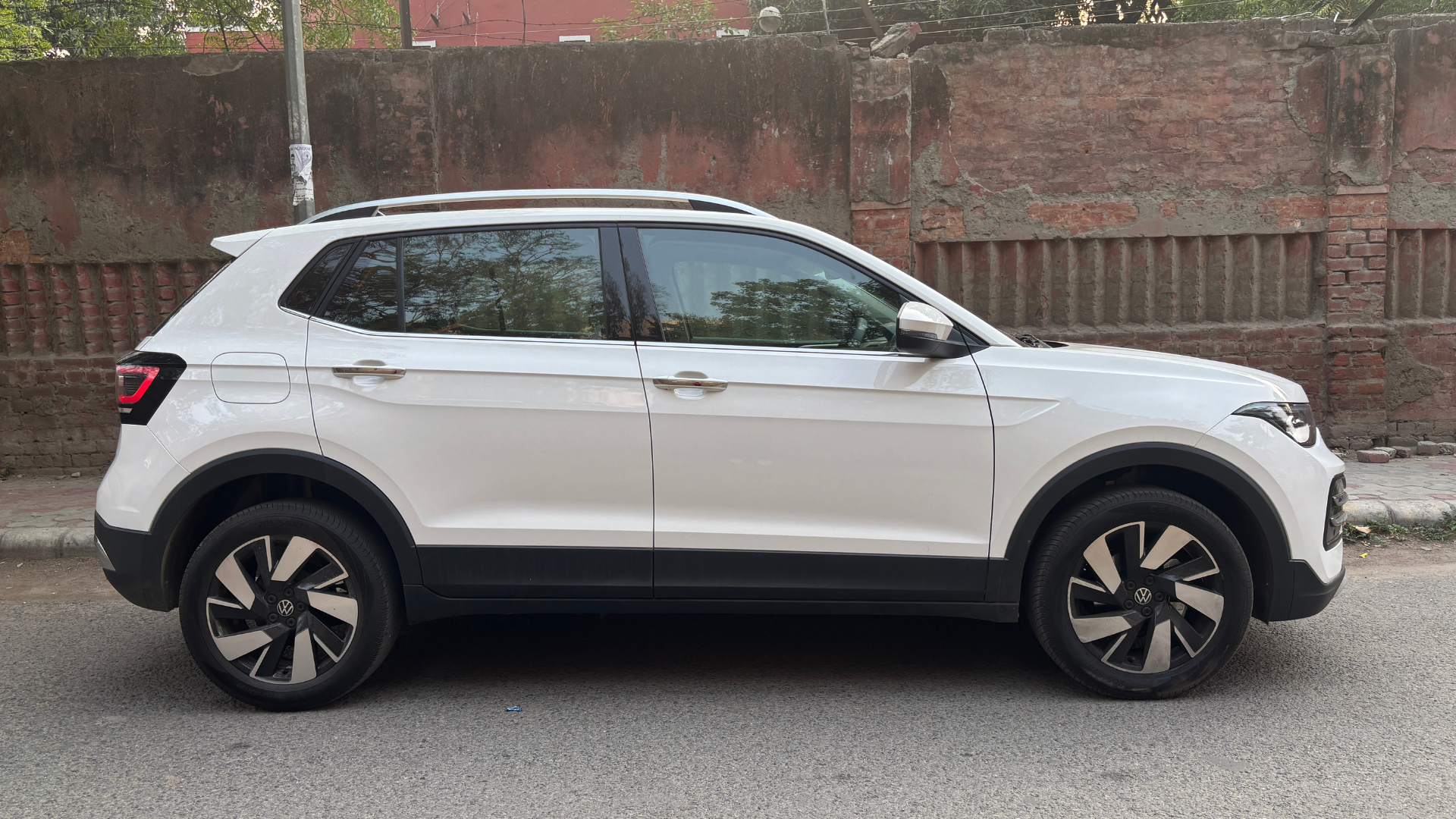
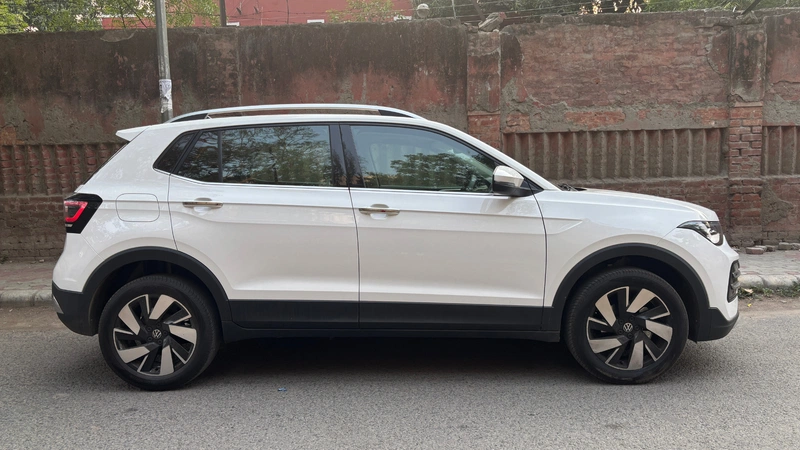
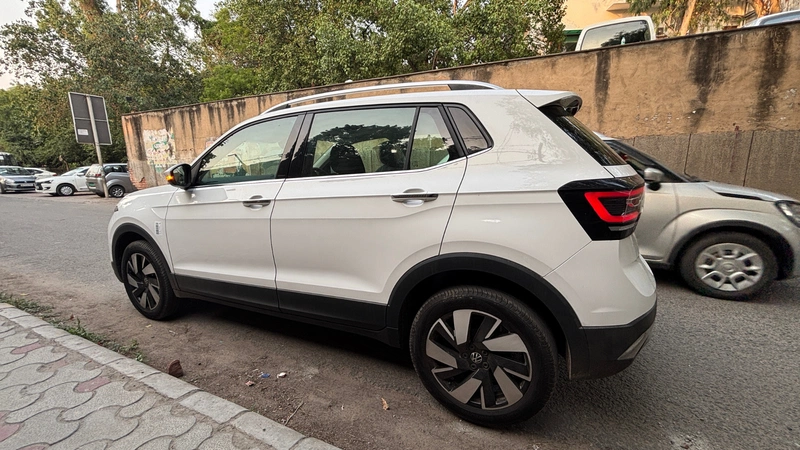
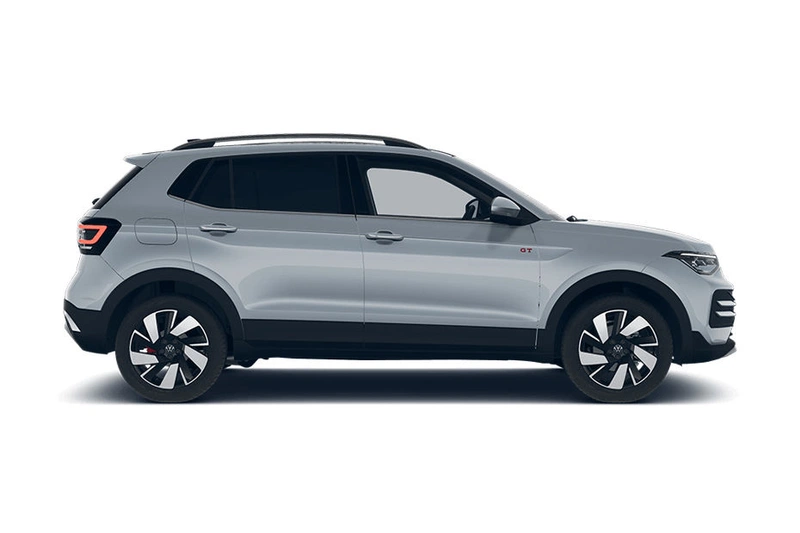
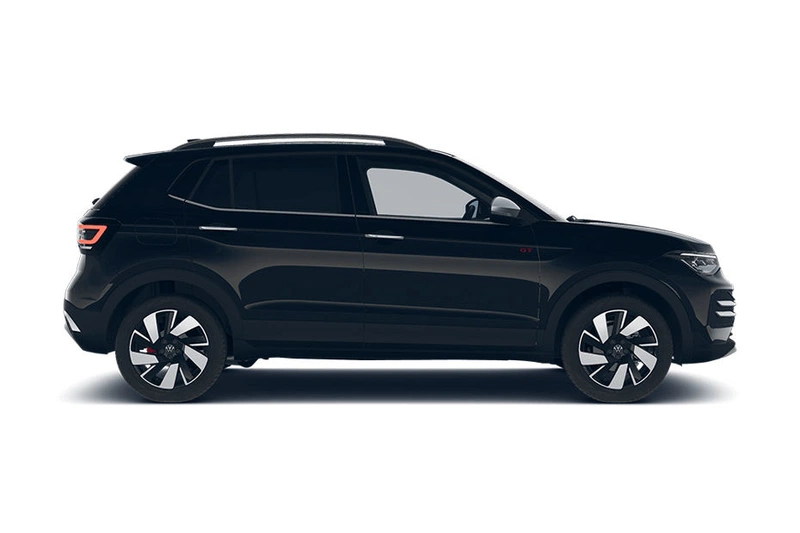
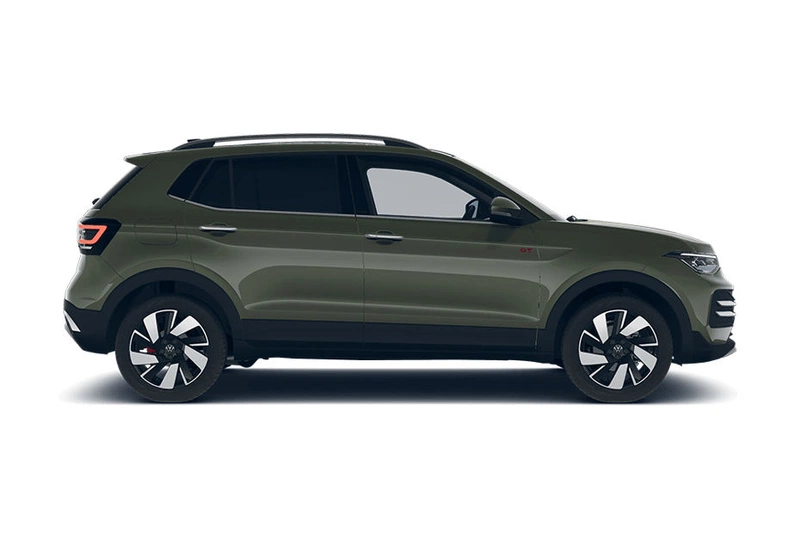
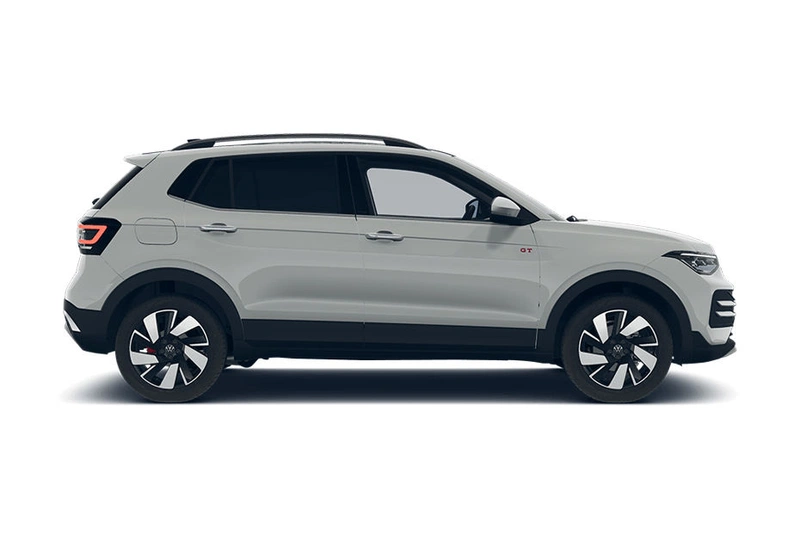
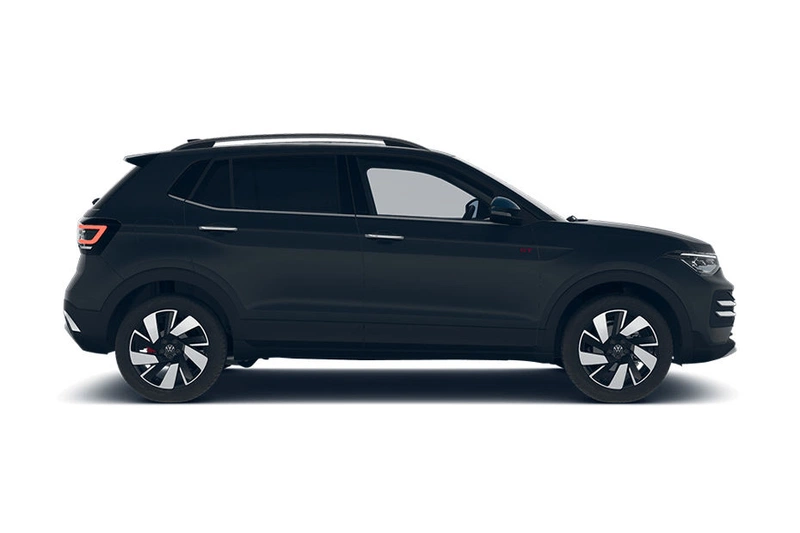
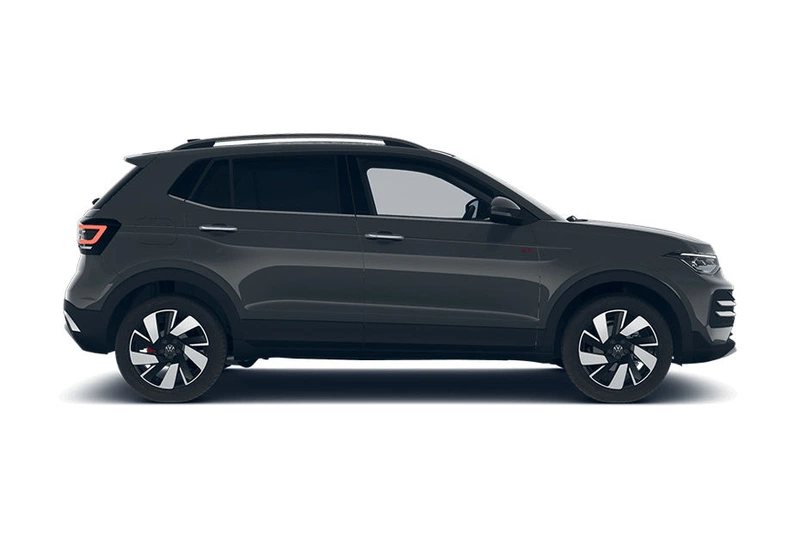
The side profile is exactly as I remember it, and I'm glad they left it alone. The proportions are still spot on, the shoulder line remains clean and there isn't a single unnecessary crease trying too hard to grab attention. It still looks every bit like a Volkswagen from the side, and that's a compliment.
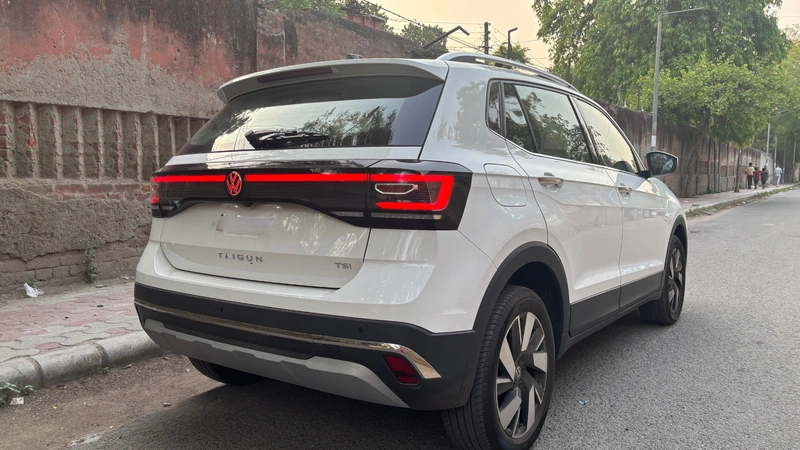
The connected LED DRLs and illuminated Volkswagen badge bring the front in line with the brand's latest design language without looking tacky. On the Candy White car I drove, the lighting elements looked particularly smart at dusk.
The new alloy wheels are a welcome change too and come with VW nut caps as standard.
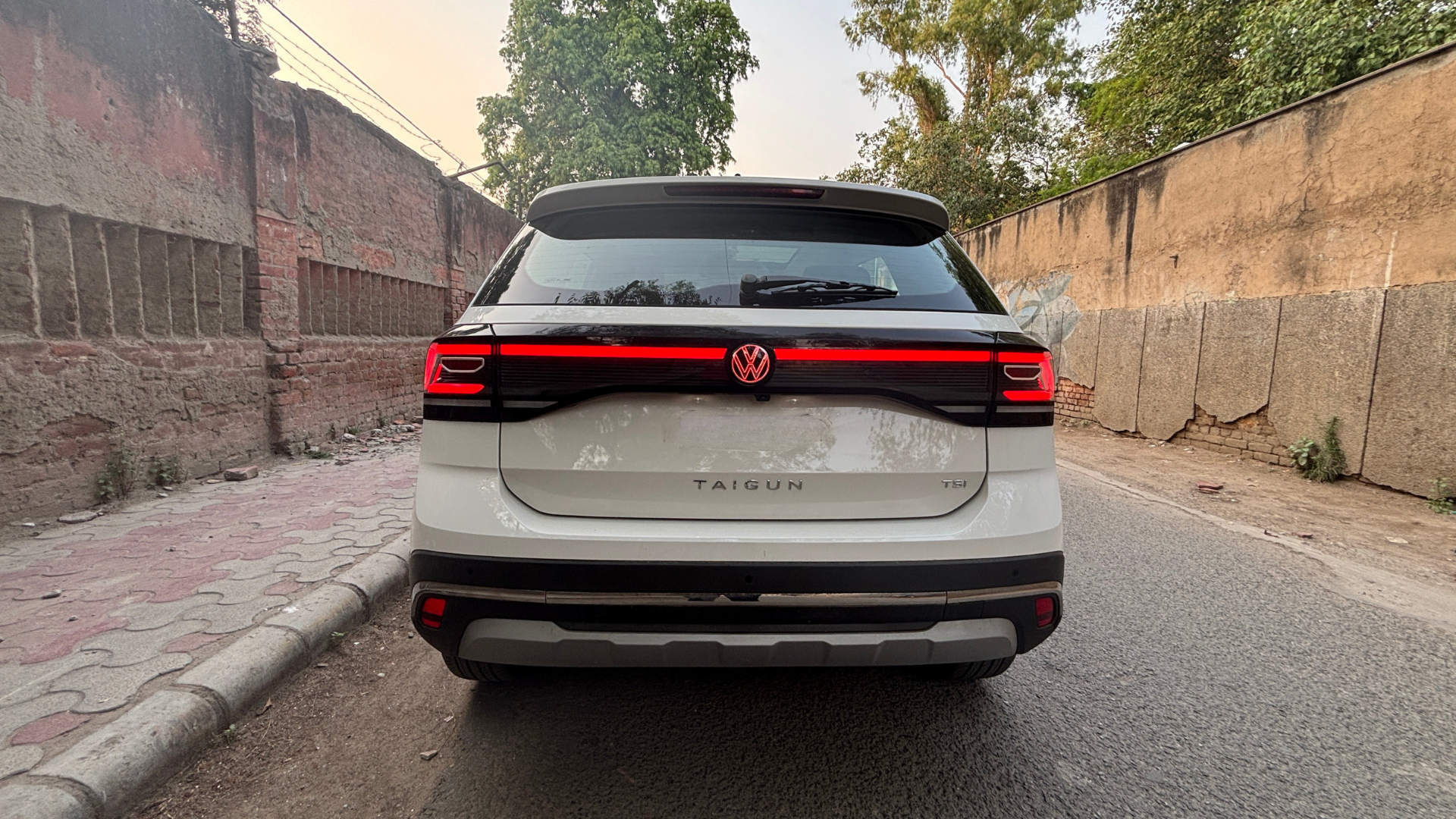
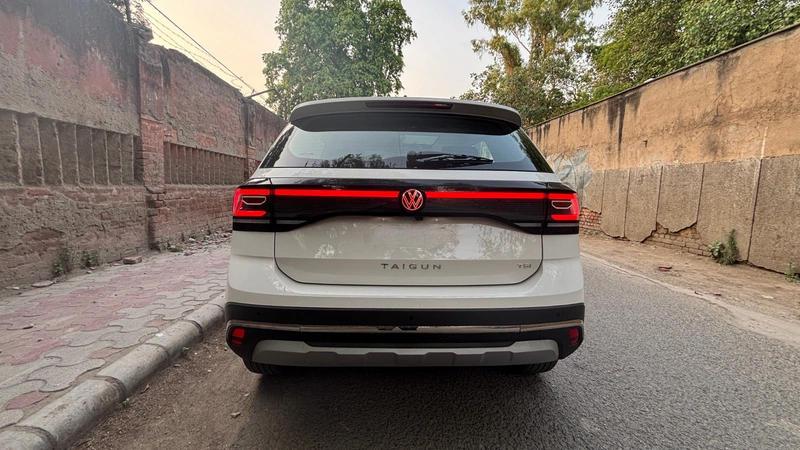
Around the back, there's very little to complain about. The connected LED tail lamps look clean, the rear retains that squared-off Volkswagen look and it still manages to stand out without trying too hard.
Looks are subjective, and I'm sure plenty of people will prefer this facelift over the old one.
Me?
I'm still picking the pre-facelift.
Maybe that's the long-time VW fan in me talking, but I genuinely think the original Taigun was one of the cleanest designs Volkswagen has produced in years. The facelift hasn't ruined it by any means, but I can't shake the feeling that they changed something that never really needed changing in the first place.
safety
safety
The Taigun facelift carries forward the same safety foundation that earned the car a 5-star Global NCAP rating. 6 airbags are standard on every single variant, including the base Comfortline 1.0 TSI manual.
You may also check out our safest cars list here.
What the 1.0 TSI manual does not get is rear disc brakes, which the 1.5 TSI variants receive in the facelift. Level 2 ADAS including automatic emergency braking, lane keep assist, and adaptive cruise control is available on the Topline 1.5 TSI DSG only.
If advanced driver assistance is a priority, it requires moving to the top of the variant ladder.
For buyers choosing the 1.0 TSI, the structural safety and 6-airbag standard fitment remain strong, but the electronic driver aids are not in the picture.
competition
competition
 This is one section I'm deliberately going to keep short.
The compact SUV segment has become ridiculously crowded. Every SUV around the ₹10 to ₹20 lakh mark seems to have at least ten direct rivals, and if I started comparing the Taigun with every single one of them, we'd be here all day. So, I'm sticking to the ones I'd actually cross-shop if I were spending my own money, most of them coming from Korea, as you'd probably expect.
The first name that comes to mind is the Hyundai Creta. If your priorities are rear seat space, features and overall family comfort, it's still the benchmark. It offers a much roomier cabin, a bigger boot and features the Taigun simply doesn't get, like a 360-degree camera, dual-zone climate control and ADAS on higher variants. It's easy to see why it sells in such massive numbers.
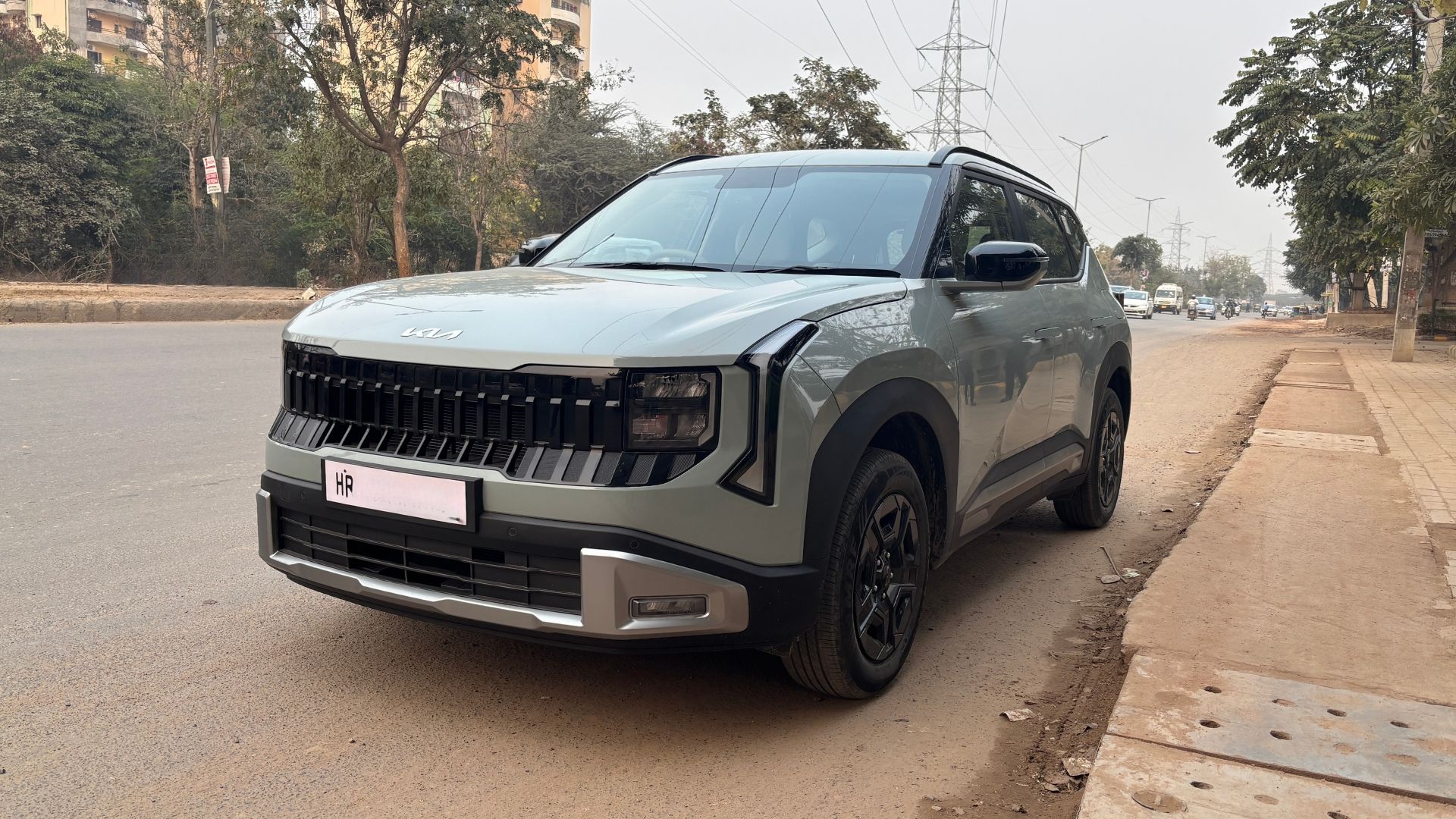
Then there's the Kia Seltos, which is essentially the Creta's sportier sibling. It follows the same formula of packing in features while offering a wider choice of engines and transmissions. If gadgets are your thing, both Korean SUVs make a very strong case for themselves.
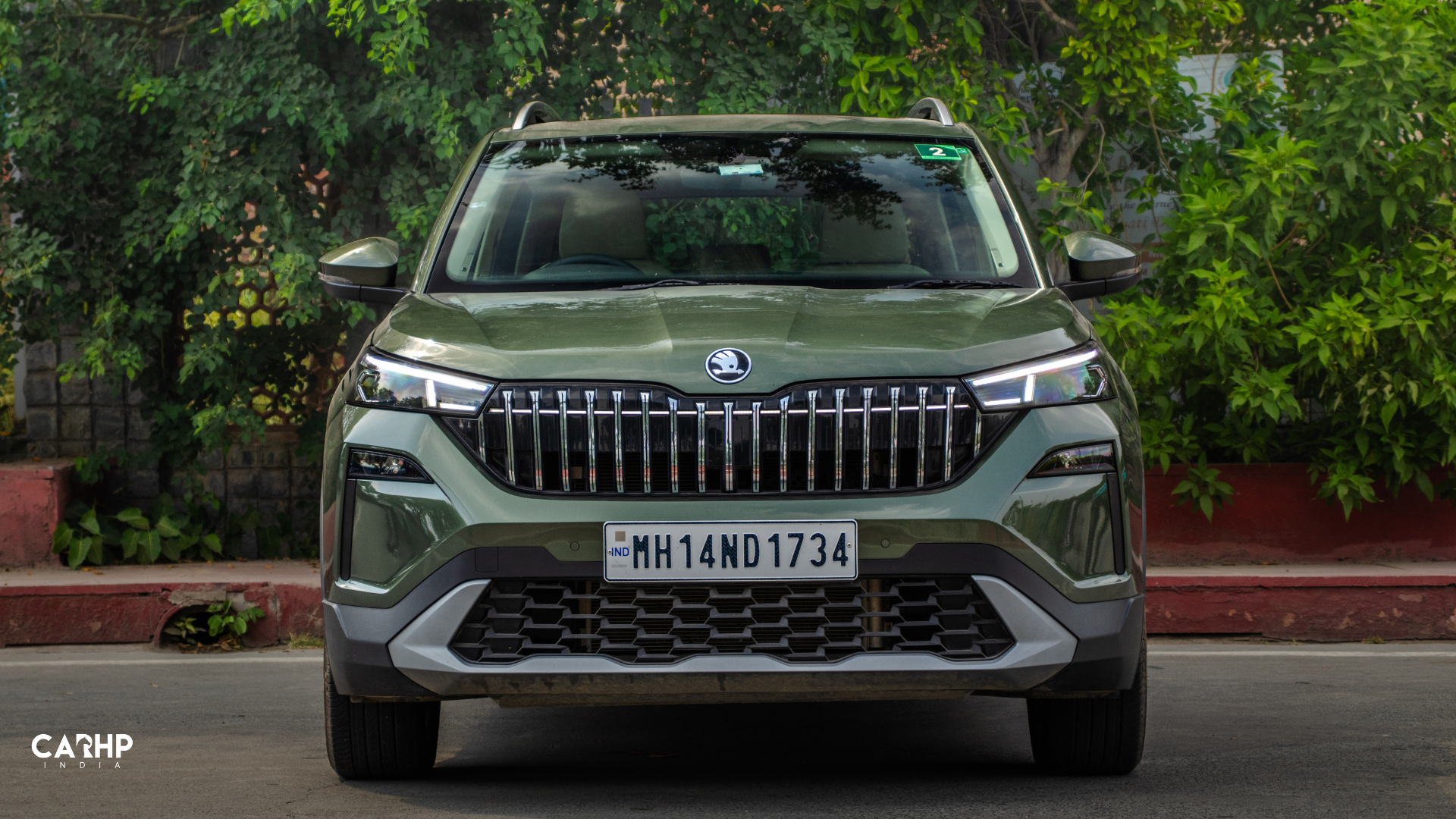
The Skoda Kushaq is an obvious alternative because, underneath the skin, it's basically the same car. It shares the same platform, the same engines and almost the same driving experience. At that point, your decision really comes down to which design you prefer and which dealership is offering the better deal.
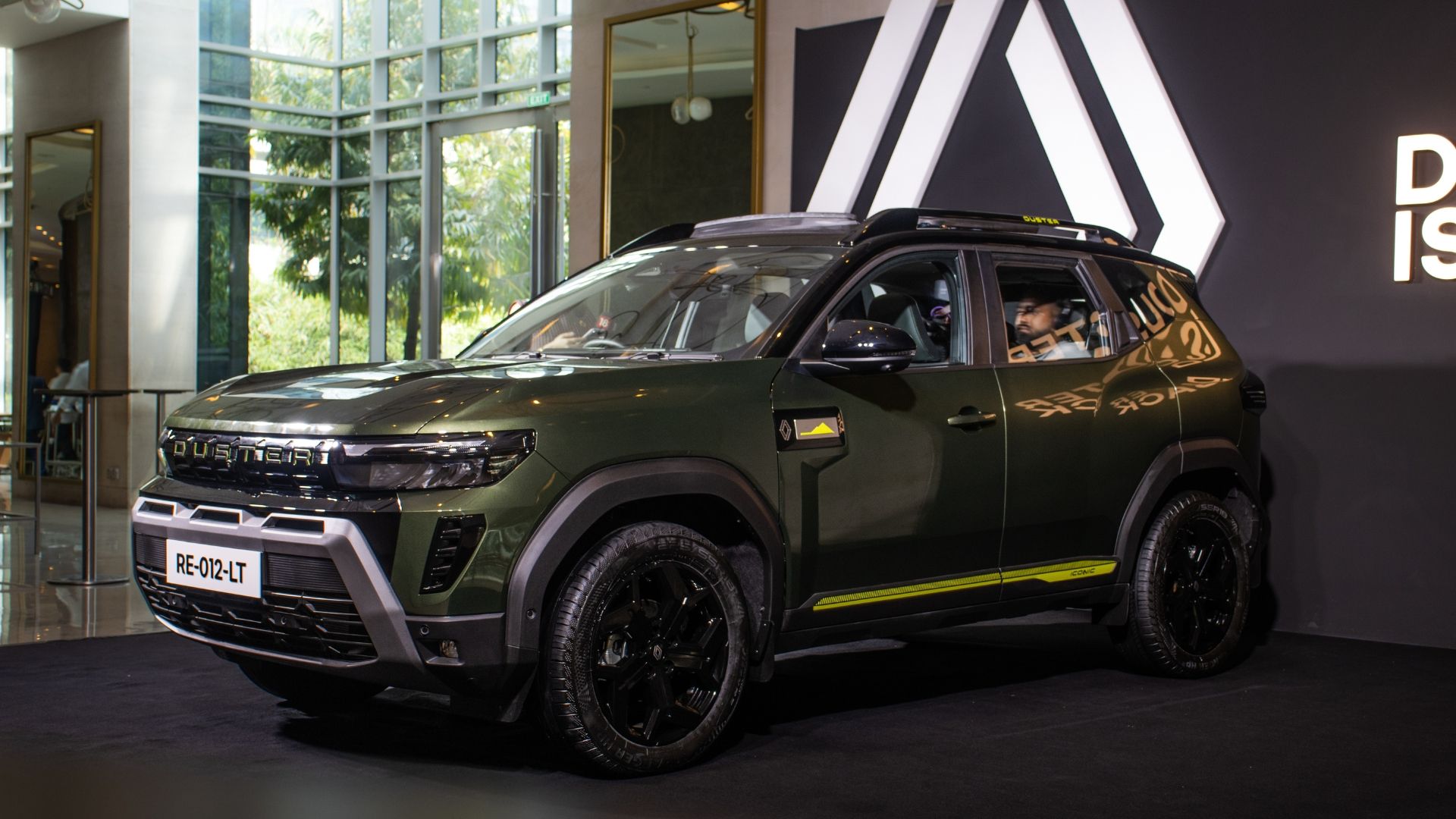
The Renault Duster is another one worth looking at if ride comfort is your top priority. It has always been known for soaking up bad roads better than most, although it has a very different character compared to the Taigun.
Where does that leave the Volkswagen?
For me, it's still the driver's choice.
The steering, the chassis and that eager little TSI engine come together to make a package that's simply more engaging than most of its rivals. It also feels reassuringly solid, and six airbags are standard across the range.
final verdict
final verdict
The Taigun facelift is a better car than the one it replaces, but it is not a transformed one. VW has addressed real omissions: the panoramic sunroof, the ventilated seats, the bigger screens, and the improved AC compressor that finally makes the cabin cooling genuinely good.
The car now looks sharper and feels more complete to live with every day.
What has not changed is the fundamental trade-off. The Taigun asks you to accept fewer features and less rear seat room than Korean rivals in exchange for a noticeably better driving experience, stronger build quality, and a safety foundation that is hard to match at the price. Whether that trade-off is worth it depends entirely on what you use the car for and how much the driving experience actually matters to you.
If I had a family of five and rear seat comfort was at the top of my priority list, I'd probably walk into a Hyundai dealership first. If I wanted every feature imaginable for my money, the Kia Seltos would be hard to ignore.
But if driving enjoyment mattered just as much as practicality, I'd still find myself coming back to the Taigun. It isn't the roomiest, it isn't the most feature-loaded and it certainly isn't perfect, but every time you get behind the wheel, it reminds you why people still buy Volkswagens.
buying advice
buying advice
If you are buying the Taigun facelift 1.0 TSI manual, the Comfortline is the base entry and gets the fundamentals right: 6 airbags, ESC, a 10.1-inch touchscreen, and the solid MQB structure, all at Rs 11 lakh ex-showroom. It does without alloys, a rear wiper, and automatic climate control. For most buyers who are choosing this car on budget, it is a fair starting point.
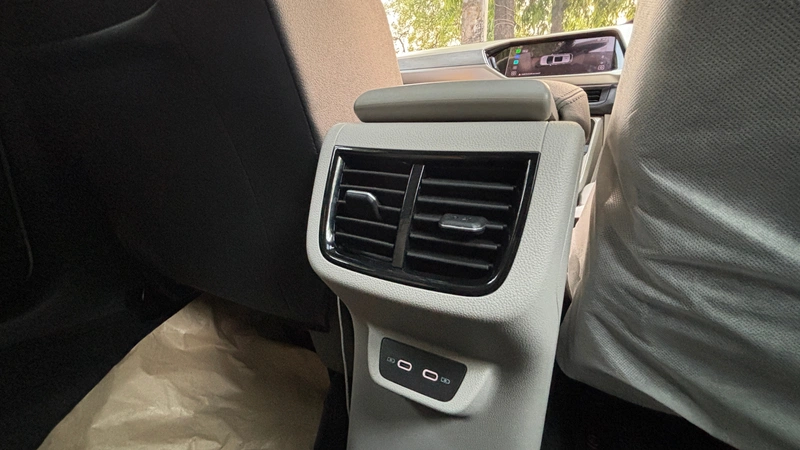
The Highline 1.0 TSI manual sits mid-range and is the variant we would spend more time with if driving the car to a dealer. It adds automatic climate control, rear AC vents, 17-inch alloys, and a better equipment package without jumping to the cost of the GT or Topline variants. For a daily driver used across city and occasional highway, it is a more complete car than the Comfortline without a dramatic price difference.
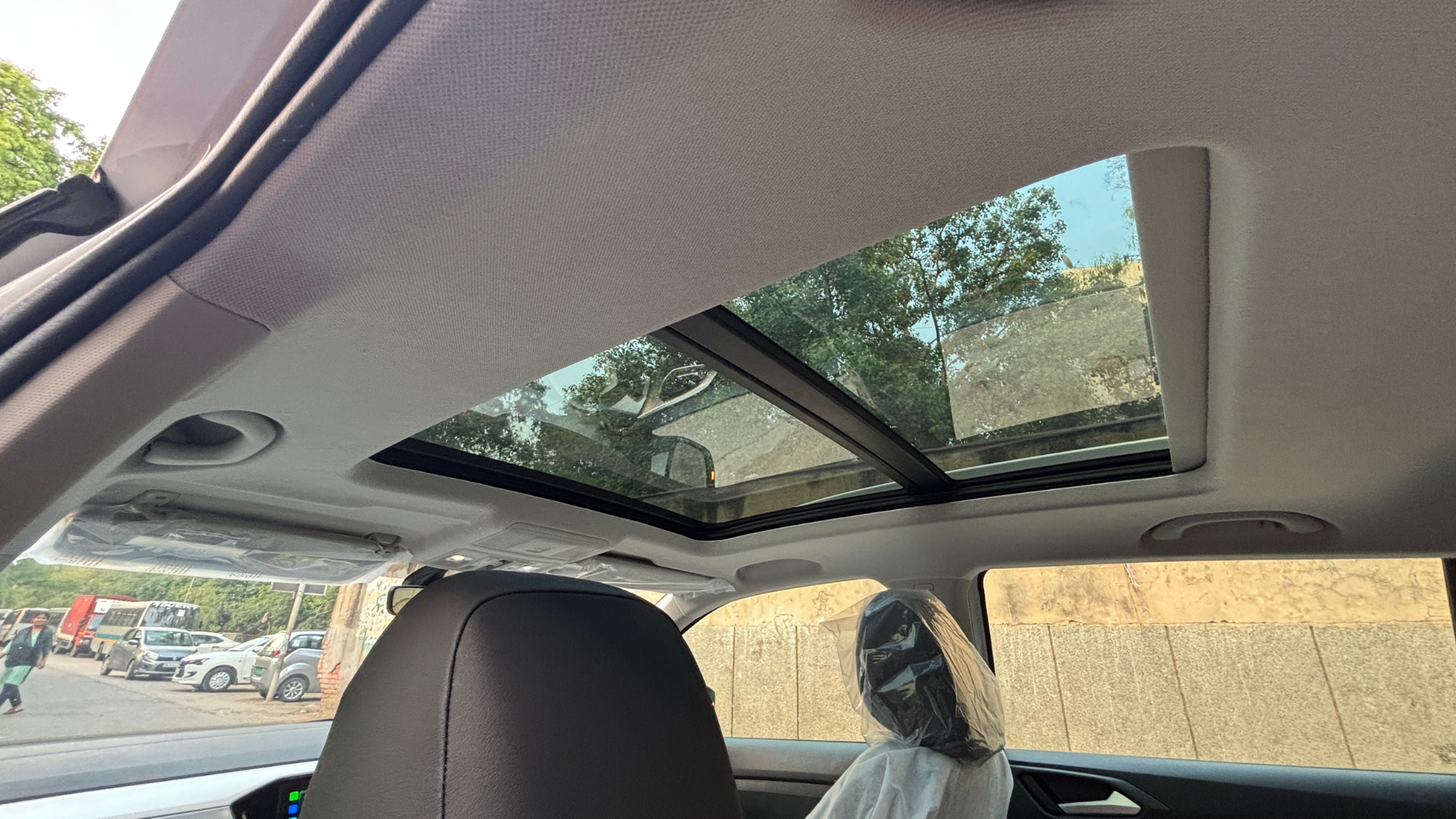
If the panoramic sunroof and ventilated seats matter to you, they live on the Topline variants and above, which means stepping to the 1.5 TSI DSG territory. The 1.0 TSI manual tops out before those features arrive in the lineup. That is the honest ceiling of the manual range, and buyers should be clear on it before they go to a showroom.
One thing worth being clear about before buying any 2026 Taigun: this car does not have a 360-degree camera below the Topline, it does not have ADAS below the Topline 1.5 DSG, and it does not have dual-zone climate control anywhere. If those features are non-negotiable, the Creta or Seltos at equivalent prices offer them. The Taigun is the right car if you are buying it for what it does well, not for what it matches the competition on.
latest offers
latest offers
The 2026 Taigun facelift, being a recently launched car, carries modest official benefits this month. On MY2026 facelift stock, VW is offering exchange and loyalty benefits of up to Rs 50,000 in total, with no significant cash discount on the new model. The exchange benefit runs at Rs 30,000 and the loyalty reward at Rs 20,000, and the 2 cannot be combined since only 1 applies per purchase. Existing VW, Skoda, Audi, or Porsche owners qualify for the loyalty bonus.
If pre-facelift Taigun stock is still available at your dealer, the situation is very different. MY2025 pre-facelift units carry up to Rs 50,000 cash liquidation support on top of the exchange and loyalty benefits, with the Topline MT variant previously attracting total benefits over Rs 3 lakh. The gap between the pre-facelift discount and the facelift price can sometimes close to a point where the older car makes financial sense, so it is worth asking your dealer directly what pre-facelift VINs they still hold.
Corporate benefits of Rs 30,000 to Rs 40,000 are also available for buyers with employer tie-ups with VW, and these can be stacked with either the exchange or loyalty benefit. All amounts vary by city, dealership, and stock VIN, so the only way to get a confirmed number is to visit your dealer with an idea of which variant you want.
Volkswagen Taigun News
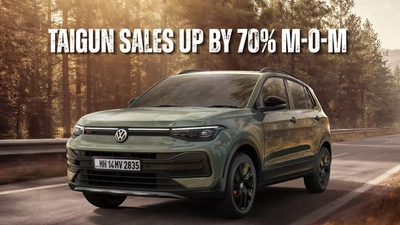
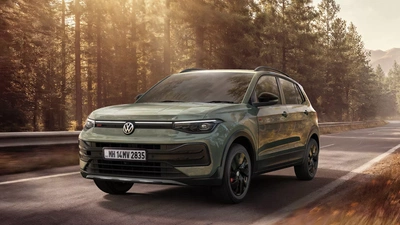
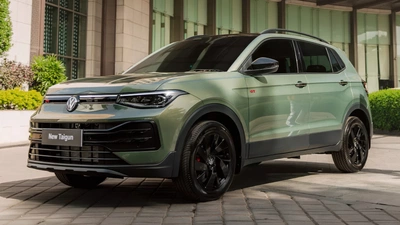
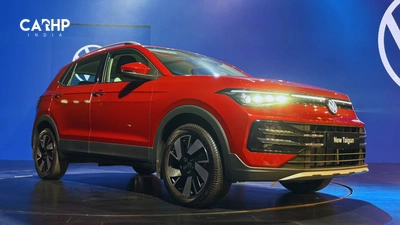
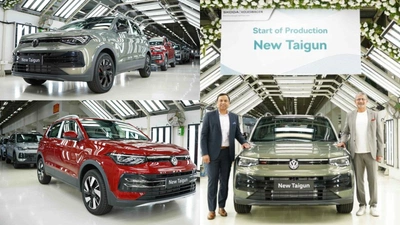
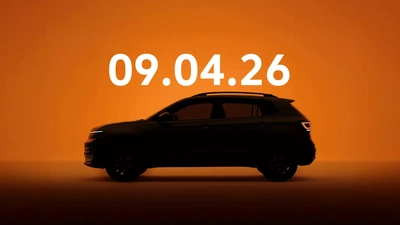
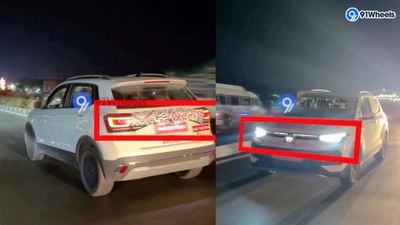
Volkswagen Taigun Facelift To Launch On April 9 - What To Expect?
Volkswagen India is gearing up to launch the facelift version of its compact SUV, Taigun, for the Indian market. The upcoming Taigun facelift will feature exterior design changes and may also include a new gearbox.
Vatsal Agrawal
March 27, 2026
Volkswagen Taigun FAQs
What changed with the new Taigun compared to the old one?
−The 3 things that actually matter in the facelift are the new 8-speed automatic for the 1.0 TSI, the panoramic sunroof, and the bigger screens. Everything else is refinement. The exterior gets the connected LED lighting treatment and new alloys. Inside, ventilated seats and ambient lighting arrive, and the AC compressor has been upgraded to address one of the pre-facelift car's most consistent complaints. The 1.5 TSI gets rear disc brakes for the first time. What has not changed is the engine lineup, the wheelbase, the boot space, the core safety equipment, and the fundamental character of the car.
Should I buy the old Taigun or the new facelift?
+If the pre-facelift car is available at your dealer with significant MY2025 stock discounts, and if you are buying the 1.0 TSI automatic, that conversation is worth having. The old 6-speed automatic is the weaker transmission and the facelift's 8-speed is a real improvement, so on the automatic, the new car is better enough to justify the premium. On the 1.0 TSI manual, the engine and gearbox are identical between old and new, so if an outgoing manual is available at a meaningful discount the case for the pre-facelift is stronger. On the 1.5 TSI DSG, the facelift adds rear disc brakes, a panoramic sunroof, bigger screens, and the updated interior, which adds up to a car that is noticeably better to live with daily. Most buyers at that price point will find the facelift the right choice.
What were the old complaints about the Taigun, and has VW solved them?
+The pre-facelift Taigun had 4 complaints that came up consistently. First, the air conditioning was weak and struggled in peak summer heat, particularly in traffic. VW has addressed this directly with a new variable geometry compressor in the facelift, and early drive reports confirm the cabin cooling is genuinely improved. Second, the 1.0 TSI's 6-speed automatic was not particularly refined at low speeds and its efficiency was mediocre at 15.78 kmpl ARAI. The new 8-speed torque converter is a significant upgrade on both counts. Third, there was no panoramic sunroof, which buyers at this price point increasingly expect. That is now resolved. Fourth, the infotainment screen at 7 inches felt behind the segment, and the cluster was underwhelming. Both are now addressed with the 10.1-inch and 10.25-inch units. What has not been fixed is the absence of a 360-degree camera below the top trim, the lack of ADAS on anything but the Topline 1.5 DSG, and the absence of dual-zone climate control. Buyers coming from a Creta or Seltos shortlist will still notice these gaps. The NVH on the 1.5 DSG at low speeds remains a characteristic of the DQ200 gearbox rather than a build quality failure, and some owners still mention dashboard and door seal noises on the 1.5. The platform has not changed, so these remain.
What is the ethanol compatibility of the Taigun?
+Both TSI engines in the Taigun facelift are E20 compliant, which means they are certified to run on petrol blended with up to 20 percent ethanol. This is the current government-mandated standard for all new vehicles sold in India. The Taigun is not a flex-fuel vehicle and cannot run on higher ethanol blends like E85. In practical terms, E20 compliance means you can fill up at any pump selling blended petrol without any concern for engine health.
Is the Taigun still a 5-star car?
+Yes. The Taigun's 5-star Global NCAP rating carries over into the facelift. The structural platform is unchanged, and 6 airbags remain standard across every variant. The MQB-A0-IN architecture was engineered with crash safety as a core priority, not as an afterthought. The standard safety equipment on every Taigun includes ABS with EBD, electronic stability control, traction control, electronic differential lock, hill hold assist, ISOFIX anchors, and front and rear parking sensors. The rating is not trim-dependent, which means even the base Comfortline 1.0 TSI manual sits on the same crash-tested structure as the top-spec variant.
What are the premium and standout features of the Taigun facelift?
+The features that actually distinguish the Taigun from the competition rather than just matching it are the panoramic sunroof with summer function on higher trims, the 6-airbag standard fitment across all variants, the 10.25-inch digital instrument cluster with a high degree of customisability, the new 8-speed torque converter automatic on the 1.0 TSI, ventilated front seats from mid variants, and the overall cabin material quality which is a step above Korean and Maruti rivals at equivalent prices. The illuminated VW logos front and rear are a small but genuinely good-looking detail. Level 2 ADAS including automatic emergency braking, adaptive cruise control, lane keep assist, and blind spot monitoring is available on the Topline 1.5 DSG. The GT Plus variants also get a sports instrument cluster skin and a more distinctive exterior look with GT badging.
What is the difference between the Taigun and the Skoda Kushaq?
+Mechanically they are the same car. Both sit on the MQB-A0-IN platform with the same 1.0 and 1.5 TSI engines, the same gearbox options, the same wheelbase of 2,651 mm, and the same 5-star Global NCAP foundation. The differences are cosmetic, brand, feature packaging, and price. The Kushaq starts at Rs 10.69 lakh versus the Taigun's Rs 11 lakh, and the Kushaq's base variant includes a single-pane sunroof and alloy wheels as standard, while the Taigun Comfortline does not. The Taigun's interior has a slightly different design language that many buyers find more premium-feeling. The Taigun also carries the VW badge, which for some buyers holds more aspirational value than Skoda, and for others does not matter at all. In engineering terms, you are buying the same product from 2 different showrooms with slightly different packaging at each price point.
What is the mileage of the Taigun facelift?
+ARAI figures are 19.98 kmpl for the 1.0 TSI manual, 19.54 kmpl for the 1.0 TSI 8-speed AT, and 18.85 kmpl for the 1.5 TSI DSG. Real-world numbers are considerably lower and vary by driving style more than almost any other factor, because the TSI engine's turbo makes it very sensitive to throttle input. In heavy city traffic with AC, 1.0 TSI manual owners typically see 13 to 15 kmpl. On free-flowing roads at 70 to 80 kmph, the same car has returned 20 to 23 kmpl. Mixed driving across a tank usually settles between 15 and 18 kmpl for the manual. The 1.0 TSI AT delivers slightly lower real-world numbers than the manual, particularly on the highway, because the 8-speed's shorter gearing keeps the engine spinning slightly higher at cruise speeds. The 1.5 TSI DSG in city driving returns around 12 to 14 kmpl. The turbo does not like traffic and frequent short throttle inputs, so economy figures drop sharply in stop-go conditions compared to open road use.
Does the 1.5 TSI come with a manual gearbox?
+No. The 1.5 TSI manual was available on the pre-facelift Taigun but has been discontinued with the 2026 update due to low demand. The 1.5 TSI is now offered exclusively with the 7-speed DSG dual-clutch automatic. If you want a manual gearbox in the Taigun facelift, the only option is the 1.0 TSI with the 6-speed manual.
Is the Taigun's DSG a dry clutch or wet clutch, and what are the issues?
+The 1.5 TSI uses the DQ200 7-speed DSG, which is a dry dual-clutch transmission. A dry DCT does not use fluid to cool the clutch packs the way a wet DCT does. In spirited highway driving and steady speeds, the DQ200 is quick-shifting and genuinely excellent. The issues arise at low speeds and in traffic. Because there is no fluid bath cooling the clutch, the DQ200 generates more heat in stop-go conditions. This causes the characteristic jerky, hesitant behavior that Taigun and Kushaq 1.5 owners describe, particularly when crawling in traffic, making U-turns at low throttle, or when the engine is warm and the clutch pack temperature rises. The gearbox can feel clunky pulling away from rest in bumper-to-bumper conditions, and some owners report a slight lurch when switching between drive and reverse. These are inherent traits of the DQ200 design that VW has not eliminated in the facelift. On the highway, none of this is relevant since the transmission is at its best above 40 kmph. Buyers who spend a significant portion of their driving time in dense city traffic should factor this in before choosing the 1.5 DSG over the 1.0 TSI.
What type of sunroof does the Taigun have?
+The Taigun facelift gets a panoramic sunroof form Topline onwards, which is the dual-pane version that spans further back into the roof compared to a standard single-pane unit. It comes with a summer function that allows the glass to tilt up slightly for ventilation without fully opening. Anything below than Topline gets the old single pane sunroof.
What is the Taigun's handling like?
+The MQB-A0-IN platform has a level of chassis stiffness and dynamic composure that the Korean alternatives at similar prices do not match. At highway speeds, the car feels planted, predictable, and genuinely confidence-inspiring. There is very little body roll through corners for a car of this type, and the steering weight builds progressively as speed increases. The trade-off is urban ride quality. The suspension is firm by Indian standards, particularly at lower speeds on broken surfaces. Sharp bumps and bad patches filter through to the cabin more than a Creta or the Renault Duster would allow.