ARAI Mileage Claims: Why They Disappoint, and How WLTP Could Fix It
By Arjun Nair
Updated July 4, 2026
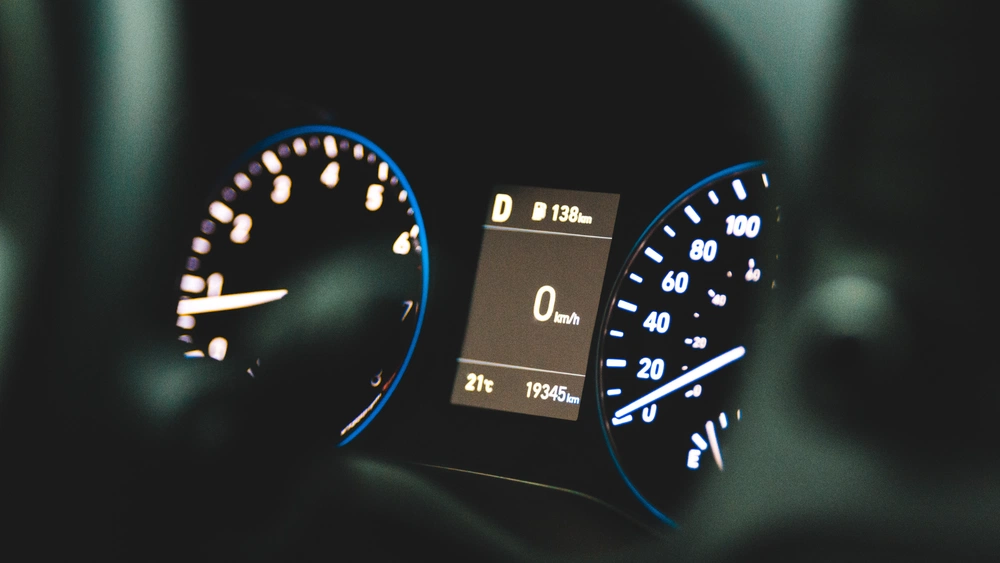
If you have ever checked out car and bike advertisements, you must have noticed those ARAI mileage figures mentioned. A small hatchback promising 25 km/l or a scooter claiming over 50 km/l.
They sound impressive, but we never get those figures in real world conditions.
So, what exactly is ARAI, and why are its claimed mileage figures so far off from reality?
What is ARAI?
The Automotive Research Association of India, or ARAI, is a premier research and development organisation based in Pune. It works closely with the government and the automotive industry.
ARAI handles vehicle certification, testing for safety, emissions, and performance standards. ARAI does not directly test fuel efficiency as its main goal - the mileage figures are obtained as a by-product of emission testing. Manufacturers submit vehicles, and ARAI certifies the results after running standardised lab tests.
This system helps maintain uniformity across the industry. You see the same ARAI-certified numbers whether you buy from Maruti, Hyundai, or Tata. It gives us a common benchmark, even though they are not the most accurate.
Also Read - Different Segments of Cars in India Explained
How Does ARAI Test Mileage?
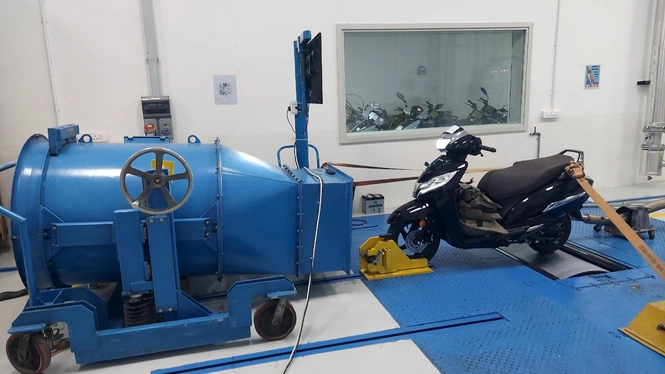
ARAI primarily uses the Modified Indian Driving Cycle, or MIDC, for testing. This is a lab-based procedure conducted on a chassis dynamometer, basically a treadmill for cars. The vehicle runs on rollers while sensors measure emissions and calculate fuel consumption through carbon mass balance calculation methods from exhaust gases.
The MIDC cycle lasts about 19 minutes and covers roughly 10-11 km. It includes phases of idling, acceleration, steady speeds, and deceleration to simulate a mix of city and highway driving. The maximum speed is capped at around 90 km/h, with gentle accelerations and plenty of cruising.
Air conditioning is switched off, there is no extra load from passengers or luggage, and the test happens in perfectly controlled lab conditions with ideal temperatures.
Why ARAI (MIDC) Mileage Figures are Unrealistic
In my opinion, this is where the problem lies, as real Indian roads are nothing like this controlled environment.
We have to deal with heavy traffic with sudden stops and accelerations, aggressive drivers, potholes, frequent idling at signals, and AC running at full blast in our scorching summers. Moreover, mileage can also vary across different regions and seasons.
Overall, the MIDC test is too smooth and short, failing to capture the chaos of our average daily commutes, and thus reflecting unrealistic mileage figures which auto manufacturers then advertise.
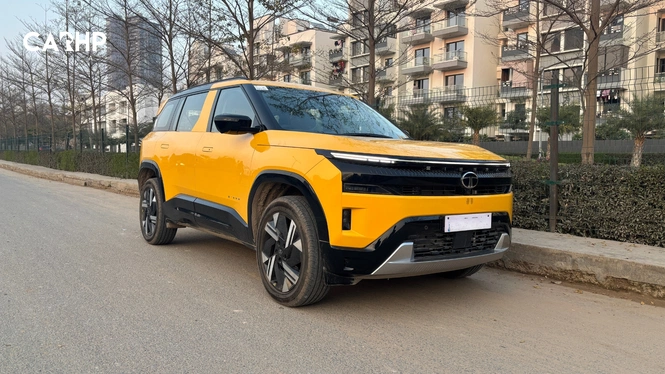
A recent example that highlights this difference is the Tata Sierra. Tata, after an independent track test in controlled conditions claimed impressive controlled track figures of up to 29.9 km/l for its 1.5 TGDi petrol variant in ideal conditions. However, the ARAI-certified figure came in much lower at around 13.5 to 15 km/l.
Real-world ownership reports and road tests on forums like Team-BHP show even lower numbers. Owners have reported averages of 11 to 15 km/l in mixed driving, with highway runs sometimes dropping to 11.8 km/l on longer trips combining ghats, highways, and city traffic.
These big gaps frustrate buyers who expect the advertised efficiency but get significantly lower returns after a few tanks of fuel.
Also Read - Tata Sierra ARAI Mileage Revealed - Check Figures
WLTP Replacing MIDC in 2027
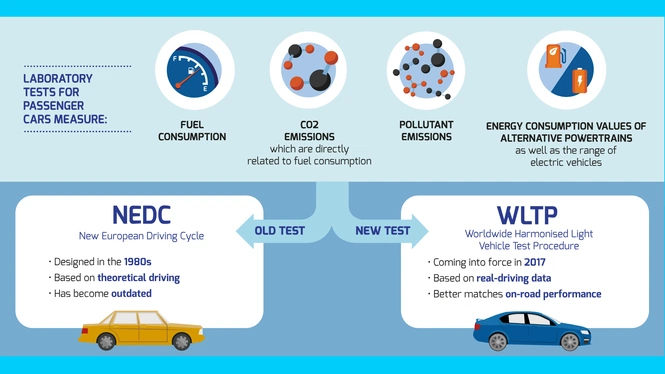
Fortunately, things could change for the better, as India is planning to adopt the Worldwide Harmonised Light Vehicles Test Procedure (WLTP) from April 2027. This will replace the MIDC cycle for emissions and fuel efficiency testing.
WLTP is a much more dynamic and demanding cycle. It features higher speeds, more aggressive accelerations and braking, longer test duration, and different phases that better mimic actual driving patterns across various conditions. It accounts for a wider range of real-world scenarios, making the results far more representative.
For electric vehicles, it will also give a more honest picture of range.
With WLTP, the claimed mileage and range figures may look lower on paper compared to current MIDC numbers, but they will be closer to what we actually experience on the road. This is a welcome step, as buyers will get more realistic expectations, and manufacturers will have stronger incentives to improve real efficiency rather than just optimising for lab tests.
India aims to follow the footsteps of the European Union, which moved from NEDC (New European Driving Cycle) to WLTP in 2017.
Also Read - India’s Adoption of WLTP Emission Testing Cycle from 2027
Other Mileage Testing Methods
Besides the main MIDC (and soon WLTP) lab tests, automakers use other methods too. Constant Speed Fuel Consumption (CSFC) tests are common, especially for two-wheelers and some other vehicles. These measure efficiency at steady speeds on test tracks or in labs as per relevant Indian standards.
Highway and city fuel consumption tests are also conducted separately in some cases. For commercial or heavy vehicles, different procedures apply. Manufacturers often run their own internal tests on prototypes before submitting to ARAI or other agencies like ICAT and VRDE for final certification.
Final Thoughts
ARAI has played a crucial role in standardising vehicle testing in India and ensuring emission compliance. But the MIDC method, while consistent, has its limitations in reflecting our daily driving reality.
Next time you see an high ARAI mileage figure, take it with a pinch of salt. Drive responsibly, maintain your vehicle well, ensure ideal tyre pressures, and you may get somewhere close to the promised efficiency.
The shift to WLTP is a positive move that should bridge the gap between claimed and actual figures.
Image Source: ARAI, WLTPFacts.eu
Table of Contents
- What is ARAI?
- How Does ARAI Test Mileage?
- Why ARAI (MIDC) Mileage Figures are Unrealistic
- WLTP Replacing MIDC in 2027
- Other Mileage Testing Methods
- Final Thoughts
Join the Conversation
Trending
Everything You Need To Know About BS7 Emission Norms
India is gearing up for the next major leap in vehicle emission standards with Bharat Stage 7.
Arjun Nair
July 23, 2026
Which EV Charging Companies in India Have the Most Chargers?
EV adoption in any country is largely dependant on the availability of charging infrastructure.
Arjun Nair
July 21, 2026
Essential Features Every Car Should Have as Standard
Essential Features Every Car Should Have as Standard
Arjun Nair
July 13, 2026
Featured
Citroen C3 Review: Who Should Consider This Car?
A few days ago, I took the Citroen C3X out for a spin in the city and on the highways. I travelled long distances and checked its fuel efficiency, features, comfort, and other factors. Today, I’ll briefly share my overall experience with the C3X and will tell you whether you should consider it or not and which is the most value-for-money variant of the lot.
Vatsal Agrawal
May 19, 2026

Tesla Finally In India Officially. Why Now And What Does It Mean For EVs?
The much-anticipated 2025 Tesla Model Y has officially arrived in India, marking a pivotal moment for the nation's burgeoning electric vehicle market. Launched on July 15, 2025, the Model Y Juniper facelift offers cutting-edge technology, impressive range, and signature Tesla performance. Positioned as a premium electric SUV, its entry will intensify competition and reshape consumer expectations for EVs across the subcontinent.
Author
July 17, 2025

Here Are 10 Things The Harrier.EV Offers That The Mahindra XEV 9E Doesn't
The Harrier.EV is an incredible new offer from Tata. Its most popular competitor would be the Mahindra XEV 9E, priced similarly. With these two incredible offerings from home grown brands available, here is a list of everything the Harrier.EV offers that the XEV 9E doesn't.
Author
June 13, 2025

Write a comment
Comments
No comments yet. Be the first to comment!