

Maruti Suzuki Victoris
Overall Rating

Maruti Suzuki Victoris
Overall Rating
EMI Loading
Maruti Suzuki Victoris Key Specifications
Maruti Suzuki Victoris Highlights

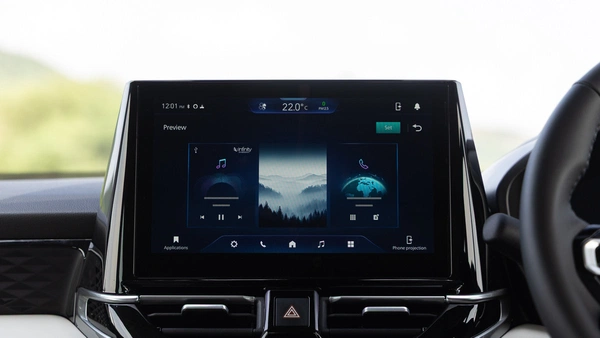
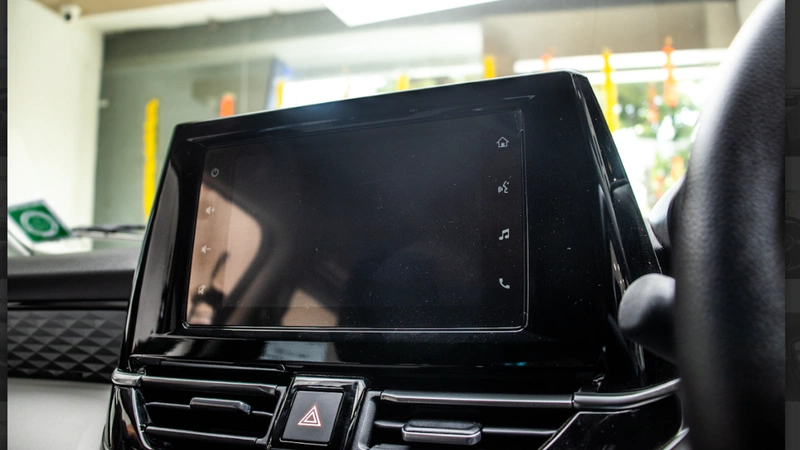
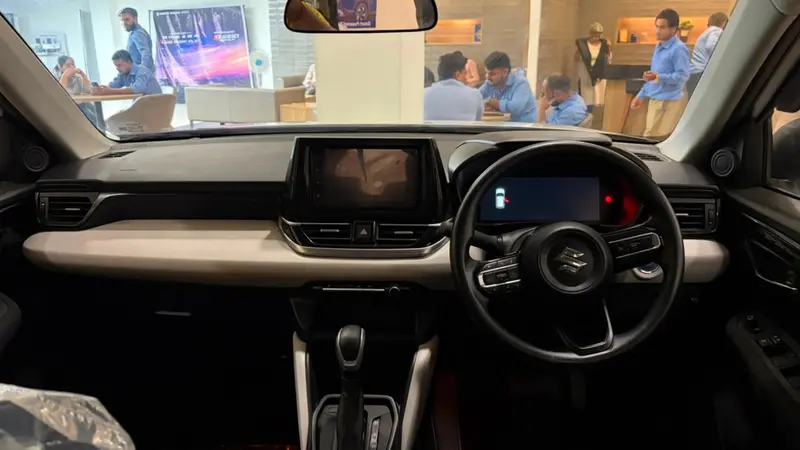
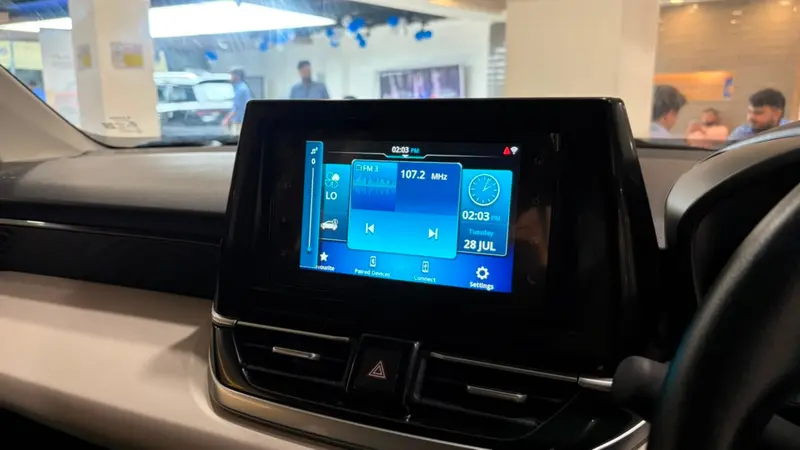
10.1-inch touchscreen is quick and displays sharp graphics.
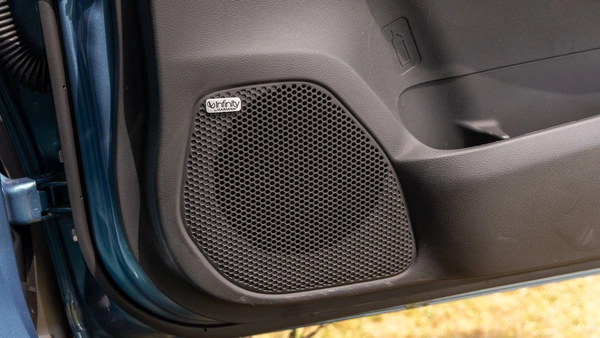
8-speaker Infinity sound system delivers a rich, premium listening experience.
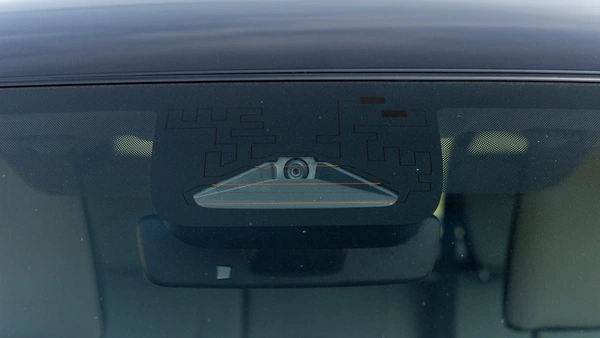
Level 2 ADAS adds meaningful safety and ease, especially on highways.
Maruti Suzuki Victoris Overview

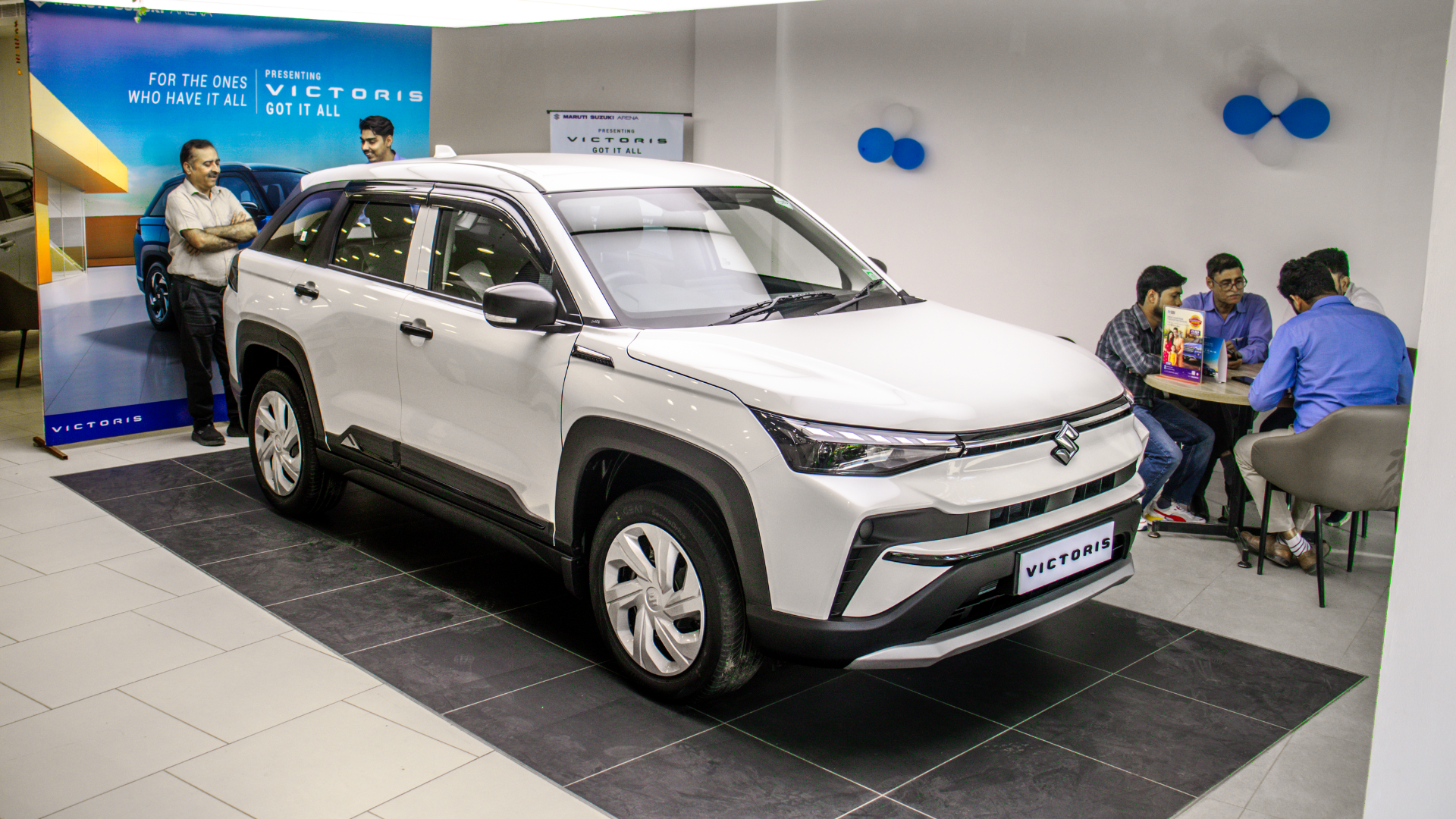
The Victoris has been on sale for close to a year now, and it has already crossed a lakh units, which is fast even by Maruti's standards, yet unsurprising given its value for money price tag and a rather large variety of engine choices spread across the entire range, which starts around 10 lakhs and tops out around 20 lakhs or so.
Underneath, this is the same car as the Grand Vitara. Same platform, same engines, same gearboxes, sold through Arena instead of Nexa.
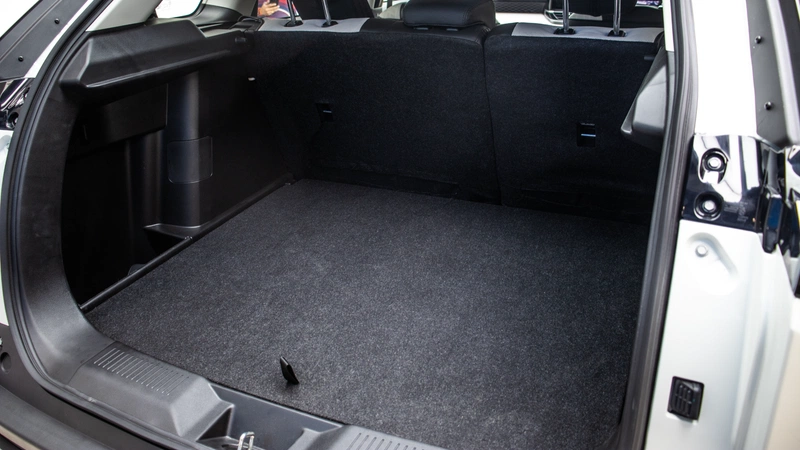
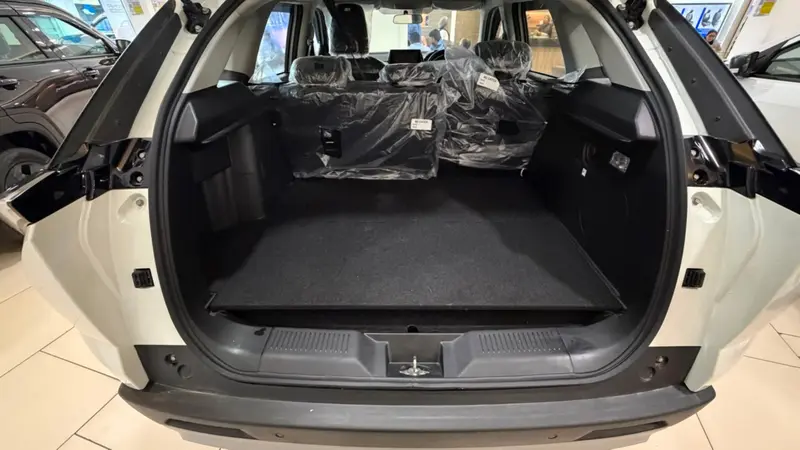
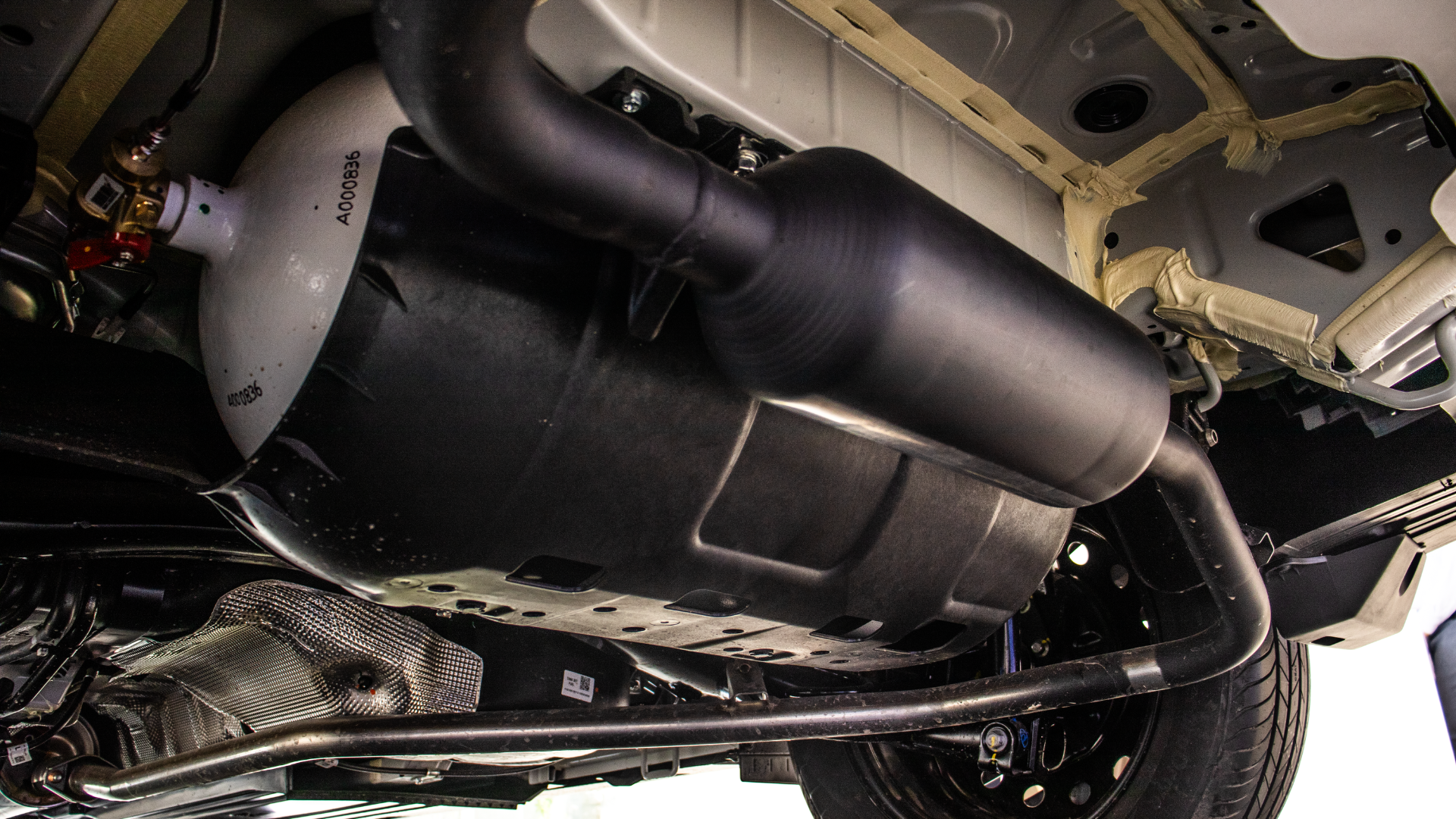
The one new piece of engineering is the CNG tank, which sits under the floor here instead of taking over the boot space, and that single change could be the reason for its impressive CNG model sales, which account for nearly 50 percent of its 1 lakh bookings so far.
Let's find out how the Victoris looks, drives, and which variant is best for all the different kinds of drivers it is catered to.
Engine and Performance
Engine and Performance
1.5-Litre Petrol Mild Hybrid
The petrol is a naturally aspirated 1.5 with a shade over 100 horsepower and a starter-generator that smooths the stop-start and helps you off the line.
It starts near-silently, pulls away cleanly, and for the first few seconds feels genuinely brisk, then it tapers into a steady, linear pull that never surges again.
The steering is light, the gearbox slips up through its ratios early without you noticing, and closing gaps in traffic is effortless.
On the highway it is a cruiser rather than a performer. At a steady 100, the engine is turning barely 1,900 rpm and the cabin is calm, but the top two gears are so tall that flooring it in sixth does almost nothing, so any overtake means dropping a gear or two and planning ahead, more so with a full car on an incline.
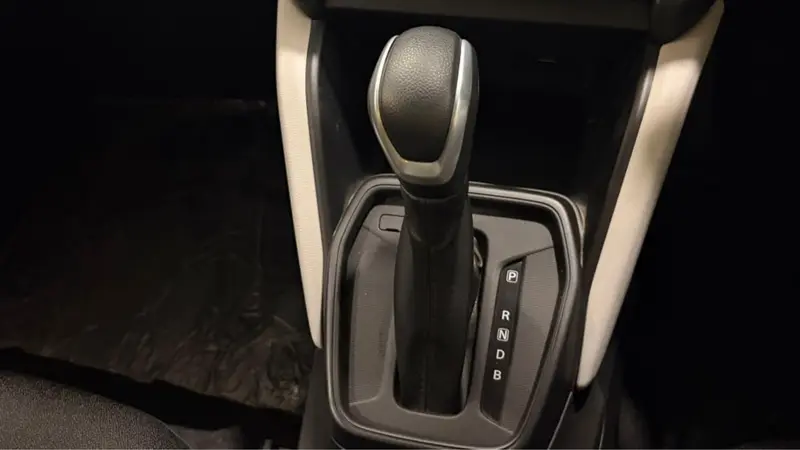
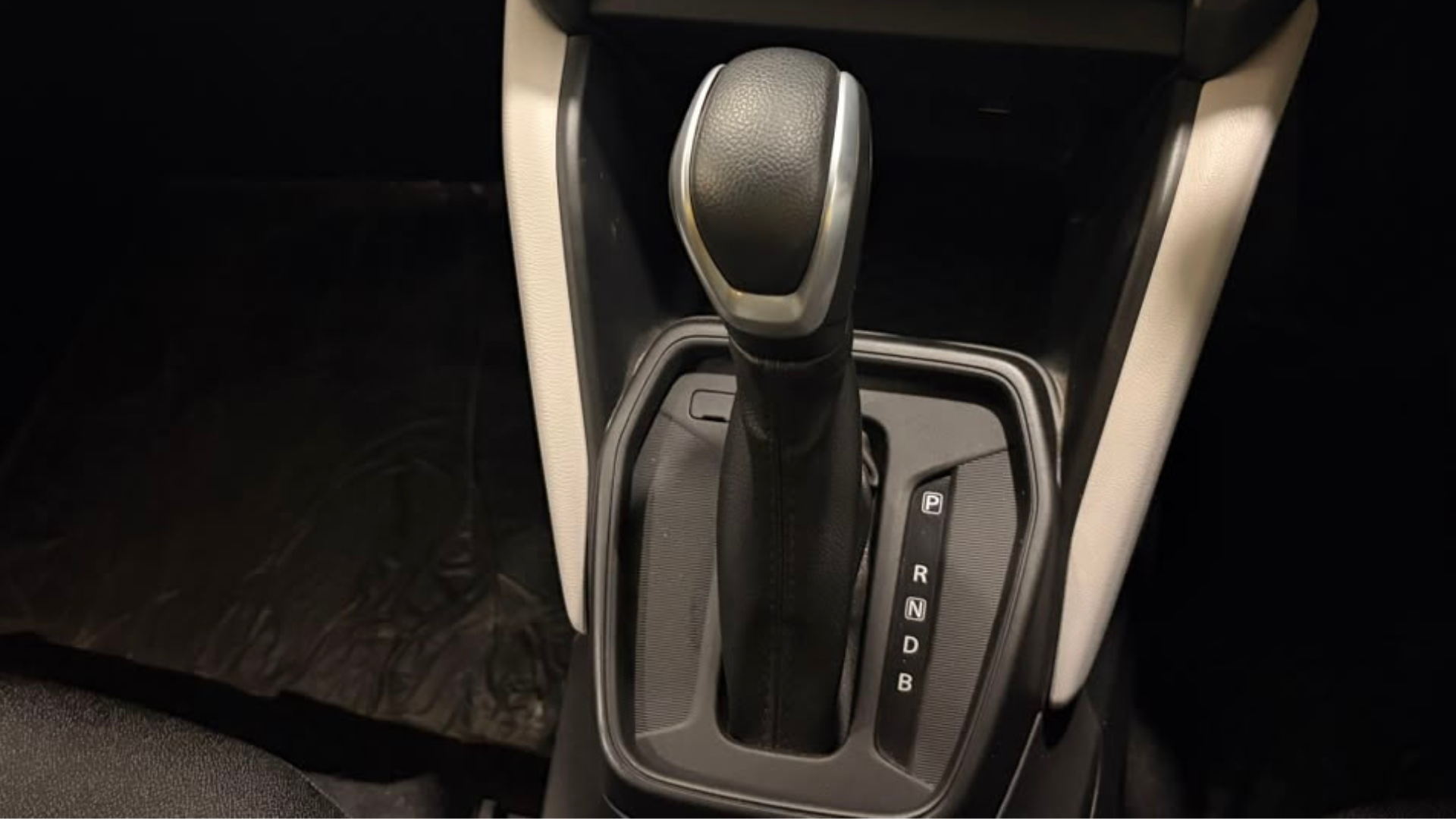
The automatic is worth singling out because it's a proper six-speed torque converter, not a jerky AMT, and it creeps through jams smoothly with paddles and a manual mode when you want them.
It's also the route to all-wheel drive, which brings Sport, Snow and Lock modes. Sport holds gears and stops the car coasting when you lift off, which is the most useful preparation for an overtake.
Snow and Lock shuffle power between the axles on slippery ground, and the system will walk the car over broken, rocky terrain on brake control alone.
It costs a couple of kilometres per litre and nobody needs it in town, but for people who regularly drive hills or bad monsoon roads, the AWD Victoris makes for a great option.
CNG
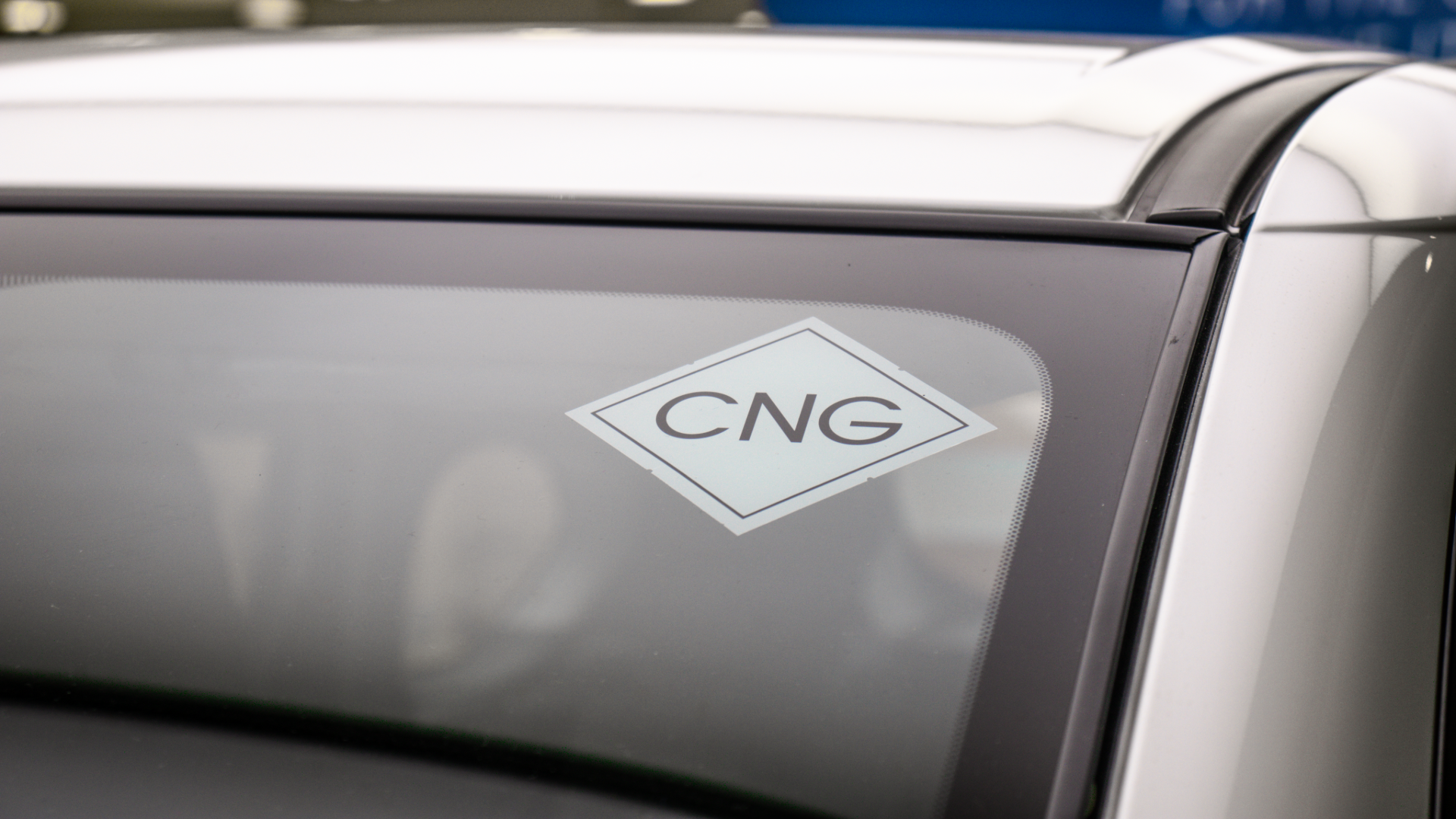
Now as for the 1.5 L CNG it has barely adequate ninety horsepower and is sold with the manual only.
It starts on petrol and switches over once warm, and alone in city traffic you honestly won't feel the difference.
Loaded up a flyover you will find yourseld holding third where the petrol pulls in fourth, and dropping to second where it would have carried on.
The trade used to be the boot, and that's the part Maruti has fixed: the tank sits under the floor instead of in the luggage bay, so the boot stays flat and fully usable, which no other CNG in the class manages.
Two honest caveats. The tank is visible under the body near the exhaust, and however thoroughly it's certified, the sight unsettles some first-time buyers. Also, the CNG doesn't get the driver-assistance suite, so no adaptive cruise, collision warning or blind-spot monitoring at any price.
Petrol Strong Hybrid Engine
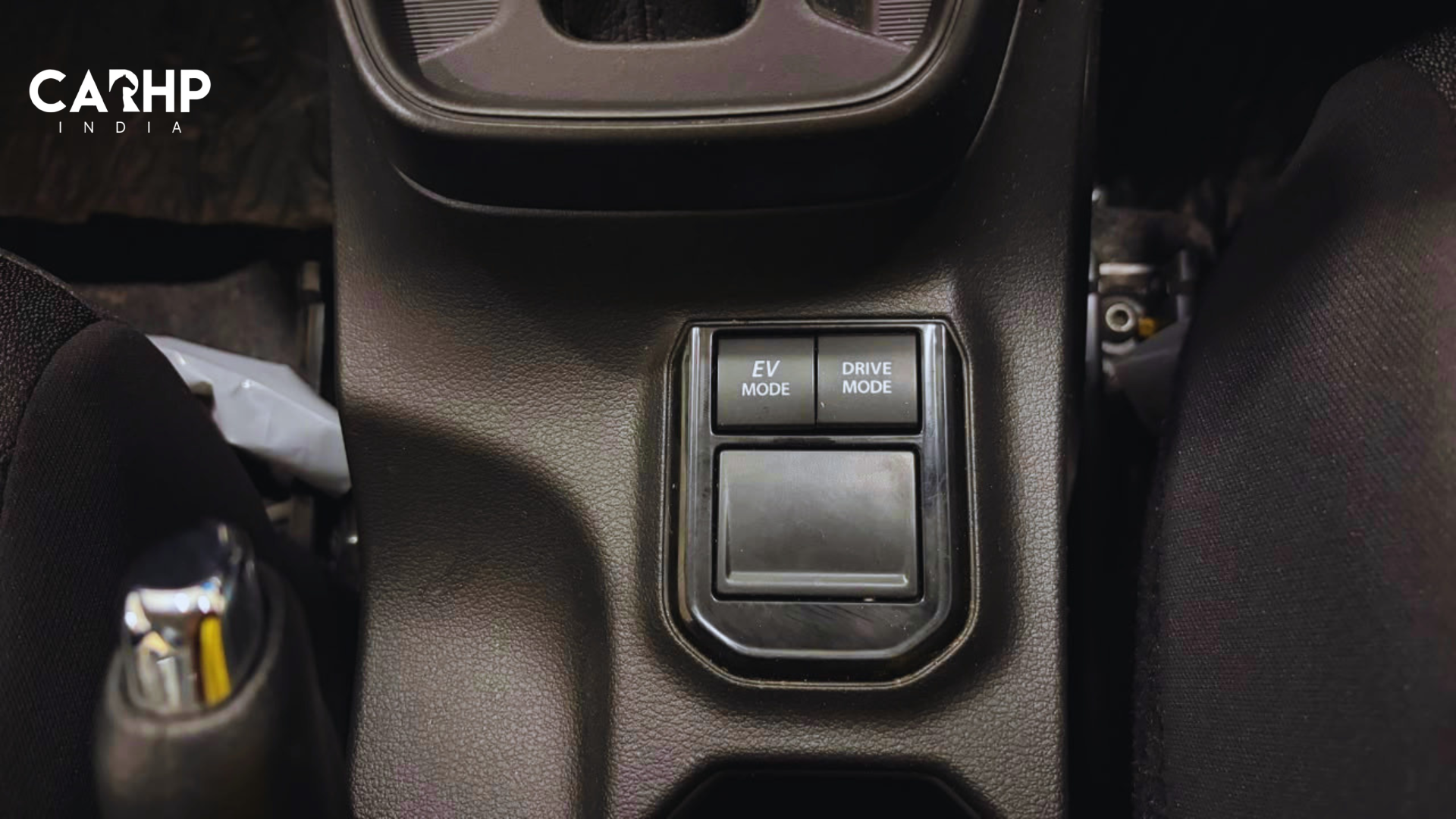
The strong hybrid is a different machine altogether, a three-cylinder petrol working with an electric motor through an e-CVT for around 115 horsepower combined.
It pulls away in silence on the motor, stays electric through slow traffic as long as you're gentle and the battery has charge, and in a crawl it's quieter than cars costing twice as much. The motor's instant torque actually makes overtaking easier than in the plain petrol.
The one habit you must make peace with shows up under full throttle, when the engine climbs to a single sustained note and holds it while the speed catches up, disconnected from what your foot is doing. This is the e-CVT's rubber band effect. Some drivers stop noticing it in a week, others walk away over it, so take a proper test drive with the family aboard before deciding.
The payoff is economy no rival touches: above twenty in the city, low-to-mid twenties in mixed running, high twenties cruising gently, and over a thousand kilometres between fills. The costs are practical.
The battery under the boot floor shrinks luggage space, there's no spare wheel at all, and the extra weight firms the ride slightly.
Despite being the priciest powertrain, it skips the electronic parking brake, paddle shifters and ADAS suite the petrol gets.
None of the three powertrains is exciting, but the Victoris does not pretend otherwise.
Ride Quality and Handling
Ride quality is the thing that will keep you happy long after the novelty of the features has worn off. The suspension is set up soft without feeling wallowy, and does its work quietly too.
Broken tarmac and small potholes come through as movement rather than as noise thudding up through the floor. Really bad craters still get through, and nothing here disguises a proper pothole, but the Victoris deals with the average road better than most of the rivals like Taigun, and Seltos which are tuned a bit more stiffly to better complement their sporty nature.
On the highway, it feels planted, with a gentle vertical float over undulations that nobody in the car will ever complain about. The brakes stay composed even when you use them hard.
The Victoris is not the most engaging car to drive: the steering tells you very little about what the front wheels are doing, the body leans early in corners, and the whole car is quite clearly tuned for people who value comfort and steady cruising over anything else.
If you are someone who is finding the meaning of usual sports car jargon like handling, cornering, acceleration, etc., stay away from the Victoris and better take a look at its German and Korean rivals which offer sporty, turbocharged powertrains.
There is also all-wheel drive, which no direct rival offers, though it is restricted to the top two petrol automatics.
If you deal with monsoon slush regularly or spend weekends on unpaved surfaces, it is worth the money and there is nothing else in the segment to compare it against. Though, will not turn the car into a proper off-roader, and the tyres will give up long before the electronics do.
fuel economy
fuel economy
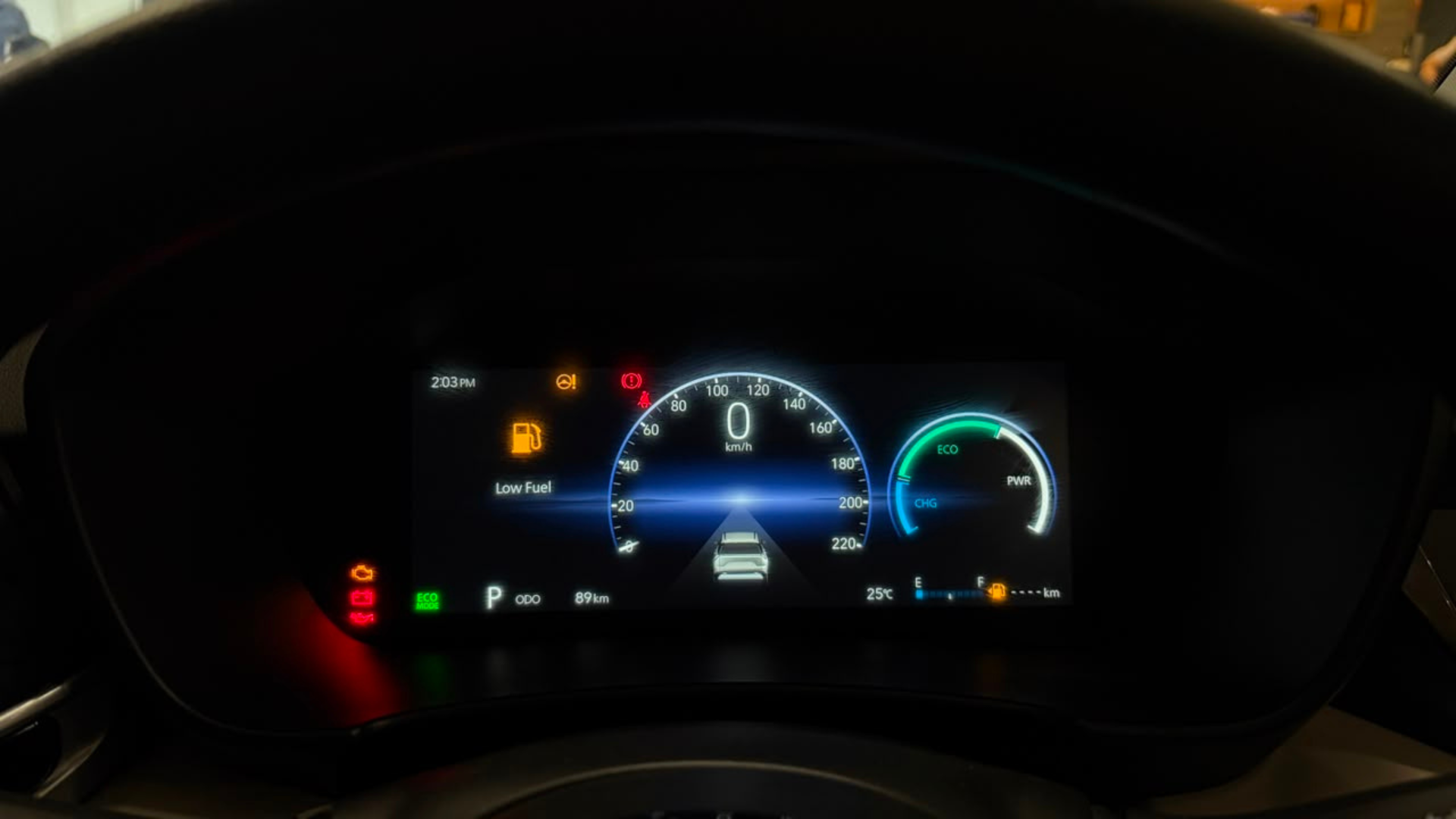
Official ARAI numbers for the Victoris are 21 kmpl for the petrol, 28.65 kmpl for the strong hybrid, and 27 km/kg for the CNG. Maruti is, in my opinion, the only brand which gets closest to these numbers in real-world scenarios too.
After talking to a couple of Victoris owners, the general consensus is that the petrol version delivers around 13 to 15 kmpl in the city and 18 to 20 kmpl on the highway, depending on traffic, driving style, and whether you choose the manual or automatic.
CNG owners seem to be the happiest bunch, with most reporting around 18 to 20 km/kg in the city and 24 to 26 km/kg on the highway. When the car switches to petrol, expect fuel economy to drop to around 14 to 16 kmpl.
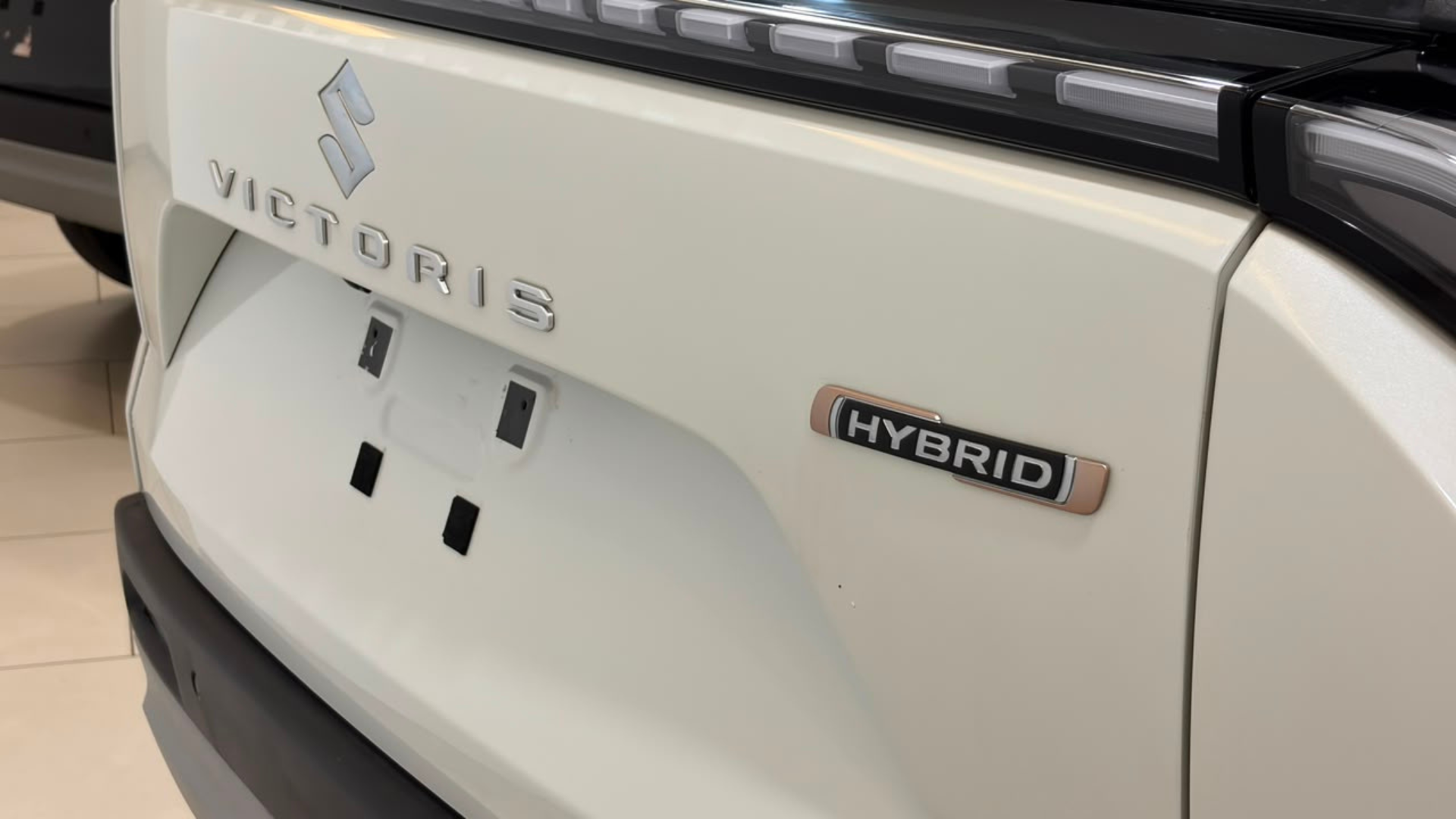
The strong hybrid is the most dependent on how and where you drive. Owners who spend most of their time in city traffic usually see around 22 to 25 kmpl, while those who primarily drive on highways often report 18 to 20 kmpl. If your daily routine is dominated by urban traffic, the hybrid makes a lot of sense. But if your driving mostly involves long highway trips, the regular CNG version offers similar real-world efficiency for a much lower purchase price.
The maths for CNG is what makes it the sensible pick for high-running buyers. CNG works out to roughly half the cost per kilometre of petrol once you account for the mileage difference, and the CNG variant costs about a lakh more than the equivalent petrol manual.
On mostly city running you recover somewhere around the 35,000 to 45,000 km mark, which at 1,500 km a month means you are ahead within about two and a half years, and everything after that is money in your pocket.
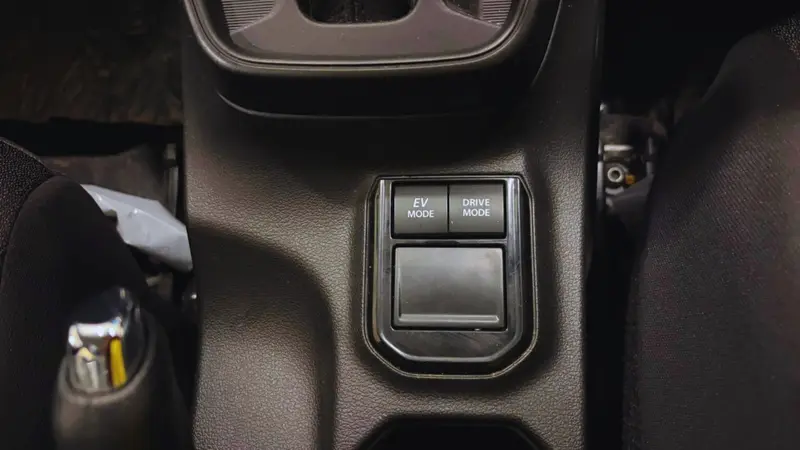
As far as the strong hybrid is concerned, I personally find it just a technological exercise from Maruti showcasing the flexibility of their platform. The EV-only range is around 800 metres to 1 km, and it cannot be externally charged.
The strong hybrid shines in city traffic with fuel economy in the mid-20s, delivering up to 1,000 km of real-world range on a full tank. If you want higher mileage than the standard petrol, but don't want the CNG either, this is the powertrain option to go for.
interior
interior
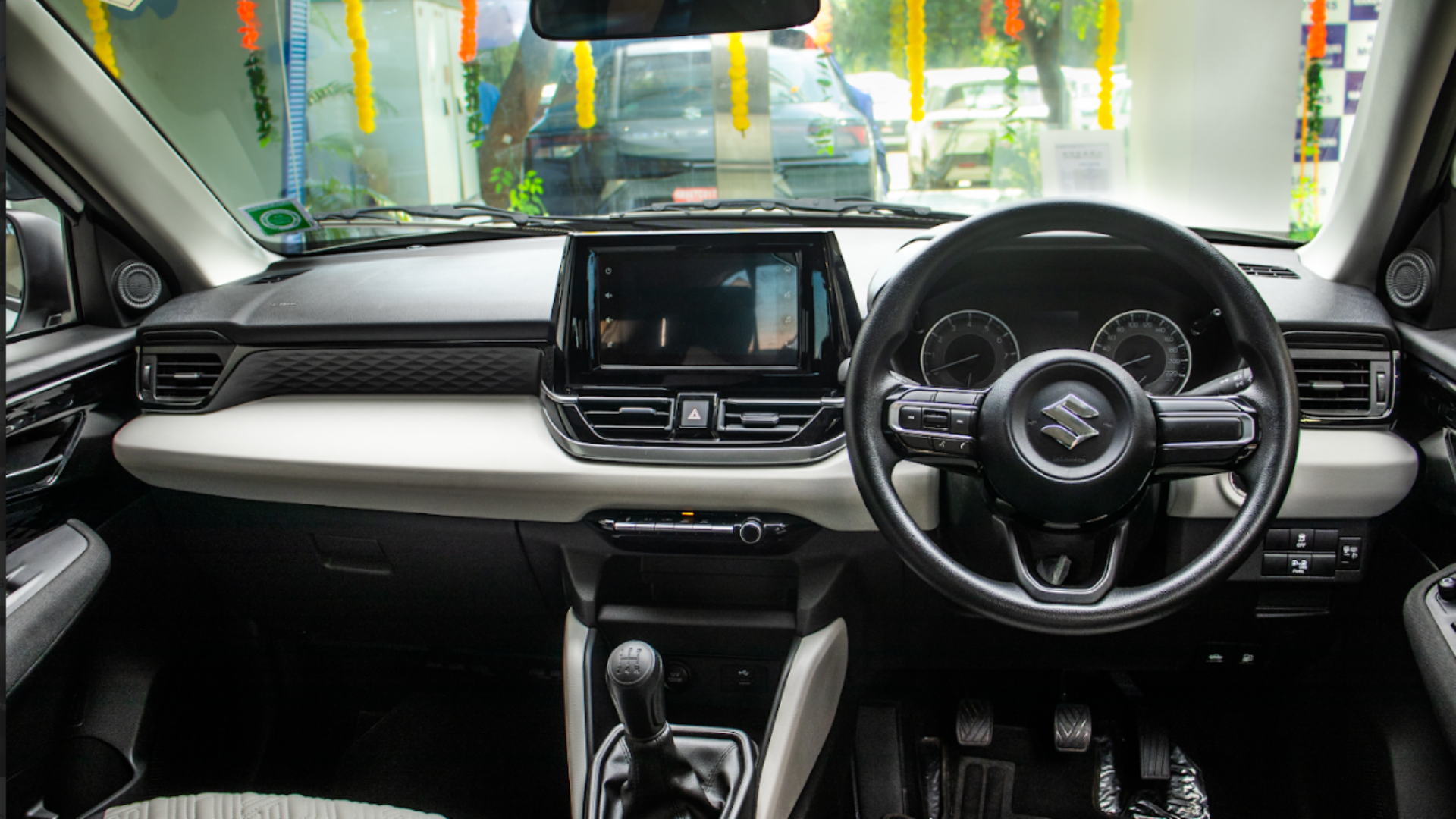
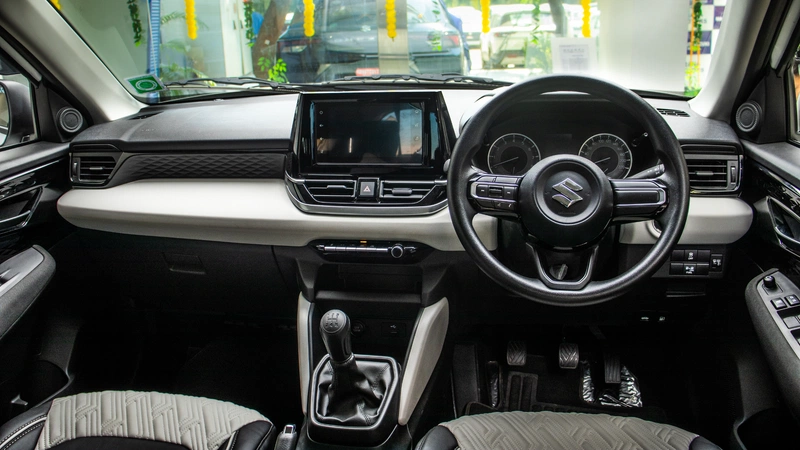
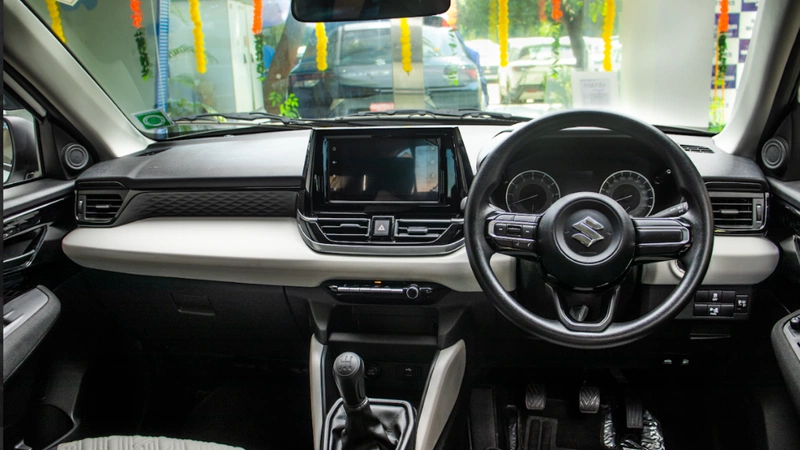
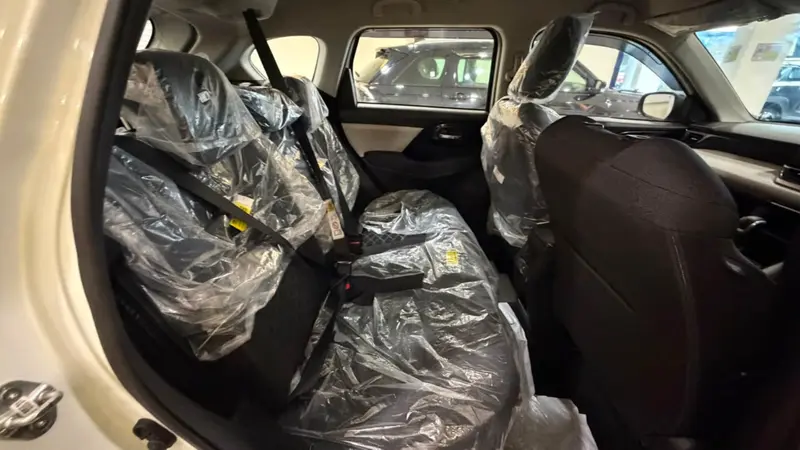
The nicest surprise inside is that the dual-tone white and black cabin theme starts right from the base LXi rather than being held back for the expensive trims. Sit in a base Victoris and it genuinely does not feel like one, which is not something you can say for most of its rivals.
The lighter colour brightens the whole cabin, makes it feel wider than it actually is, and it is something you notice pleasantly every single time you open the door.
The obvious objection is that white will get dirty, and it will. In practice, though, most owners in this country are going to have seat covers fitted after taking delivery. If you plan to do the same, make sure the seat covers are airbag compatible.
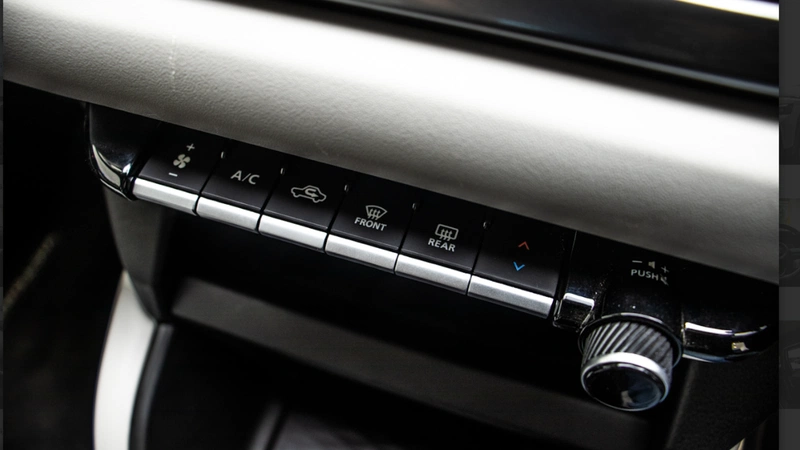
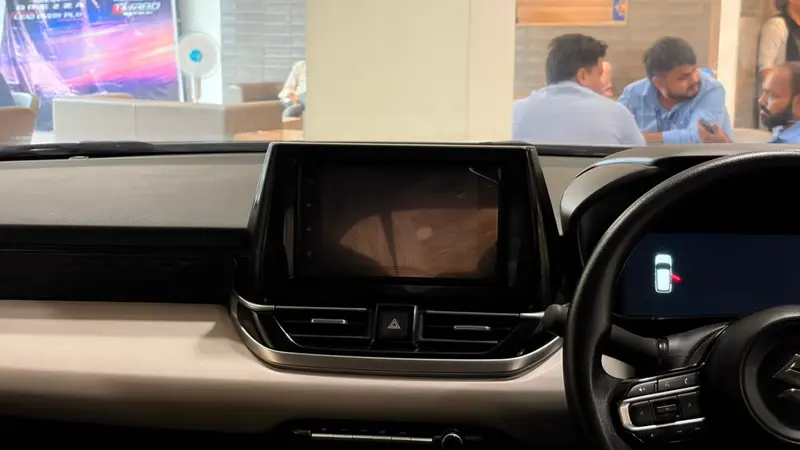
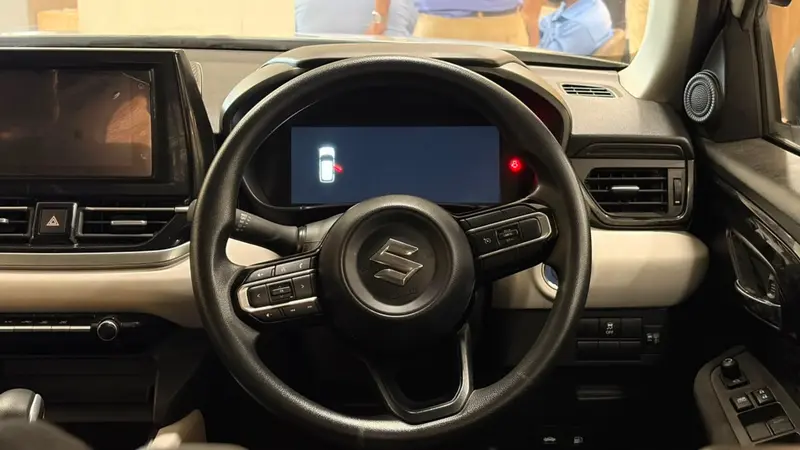
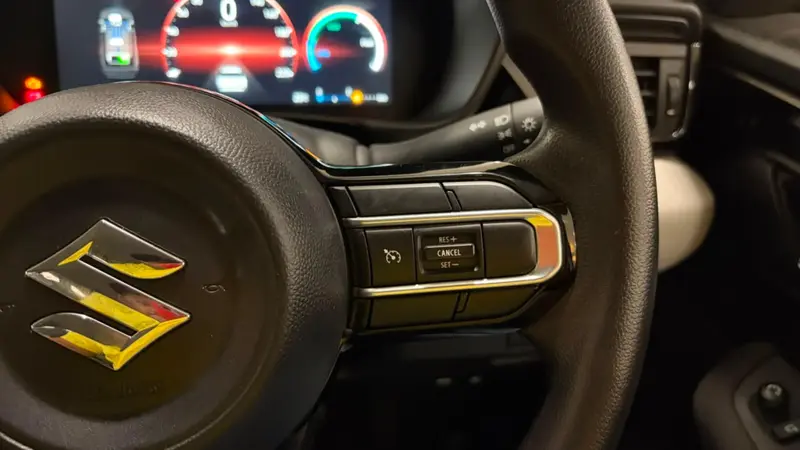
The rest of the cabin gives you a more mixed report. The layout is modern and easy to use, the screens on the higher trims look current rather than an afterthought, and the round steering wheel is a nicer thing to hold than the flat-bottomed unit Maruti fits almost everywhere else.
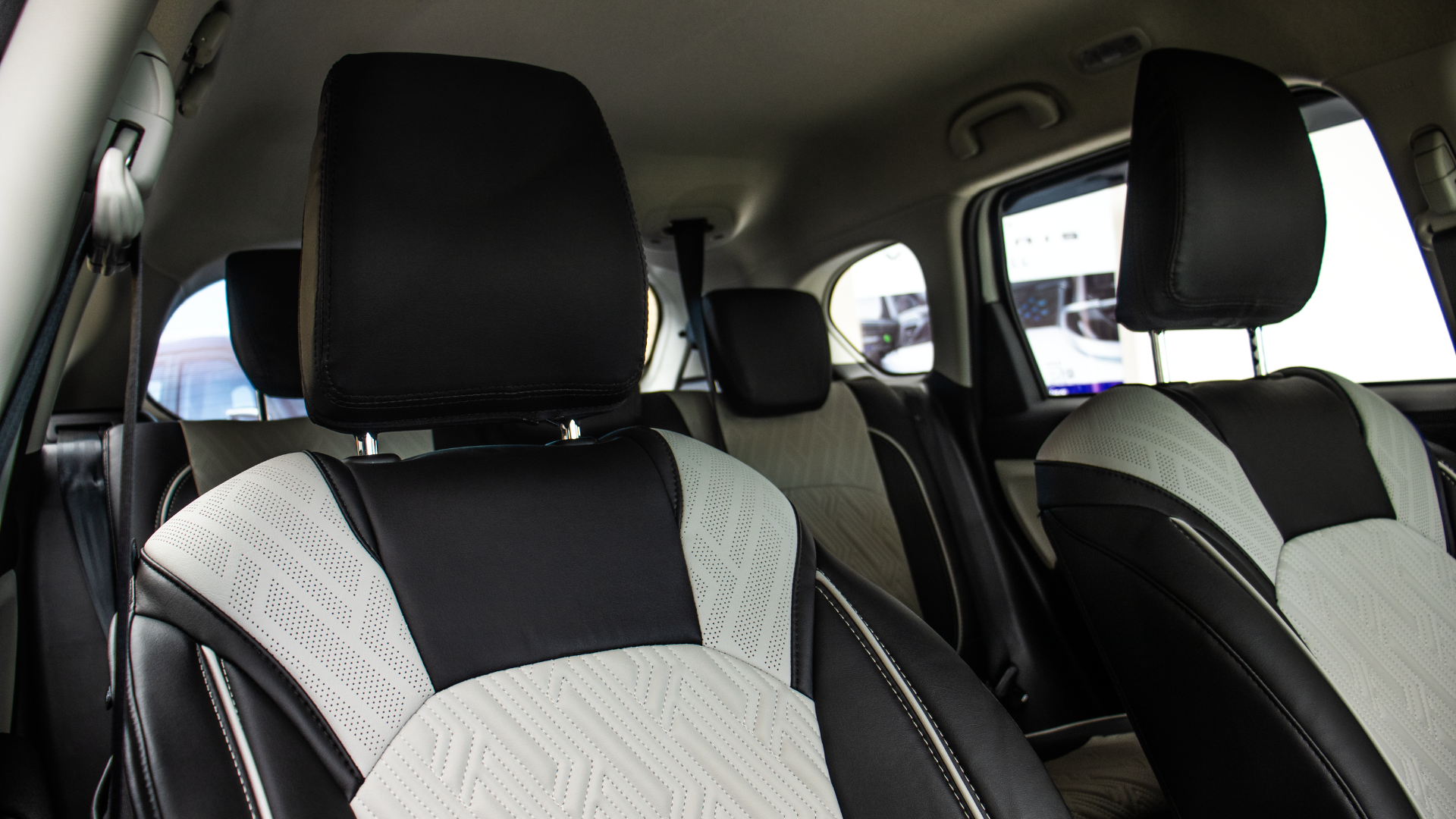
The front seats are comfortable across a long drive and the ventilation function actually cools rather than just moving warm air around.
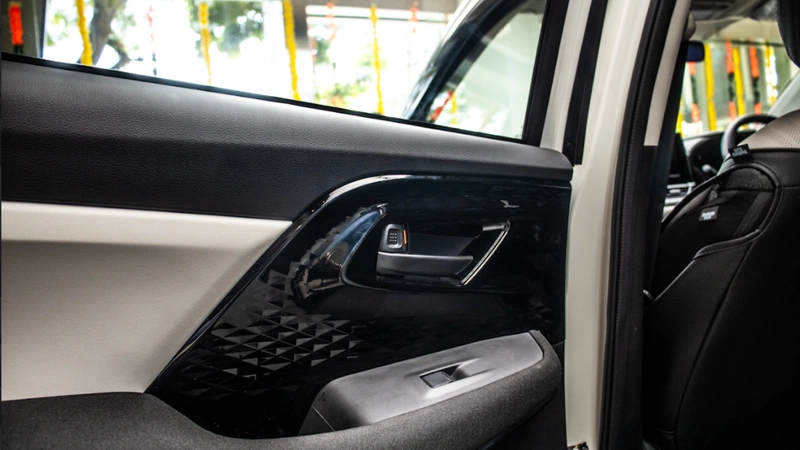
Then you touch the lower door plastics, or use the power window switches that have been carried over from cars a decade older, and you can see exactly where the money was saved.
A Creta feels considerably richer inside, and that gap is real and not going away.
The rear bench comfortably seats two adults and squeezes in a third with complaints. The floor hump, the cabin width and the high seat base are the limitations, and headroom gets tight for anyone approaching six feet because the panoramic sunroof housing eats into the roofline.
This is the one part of the car you should physically test with your own family rather than take anyone's word for.
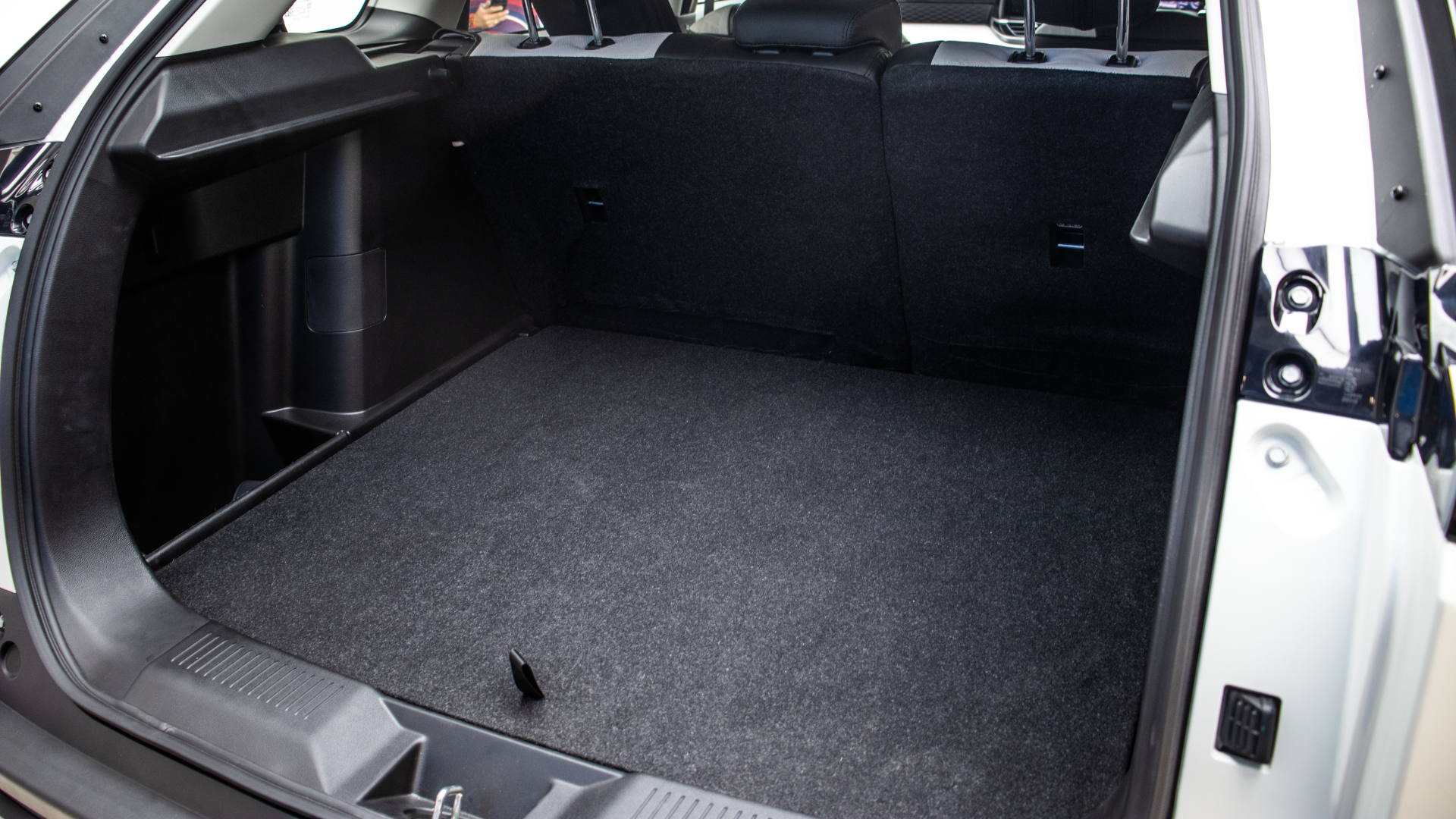
The boot is where the Victoris earns forgiveness for a lot of that. There is roughly 439 litres of it with a flat floor and a wide opening, enough for four people to pack for a week without folding a single seat down, and the CNG version keeps every litre of it.
The strong hybrid is the exception, because its battery pack sits under the boot floor and takes a serious bite out of the space.
Maruti has not offered a spare wheel on any variant, giving just a puncture repair kit instead. This is not ideal in case of any tyre blowouts, and at least the mild hybrid variants should have been offered with a spare wheel.
Infotainment
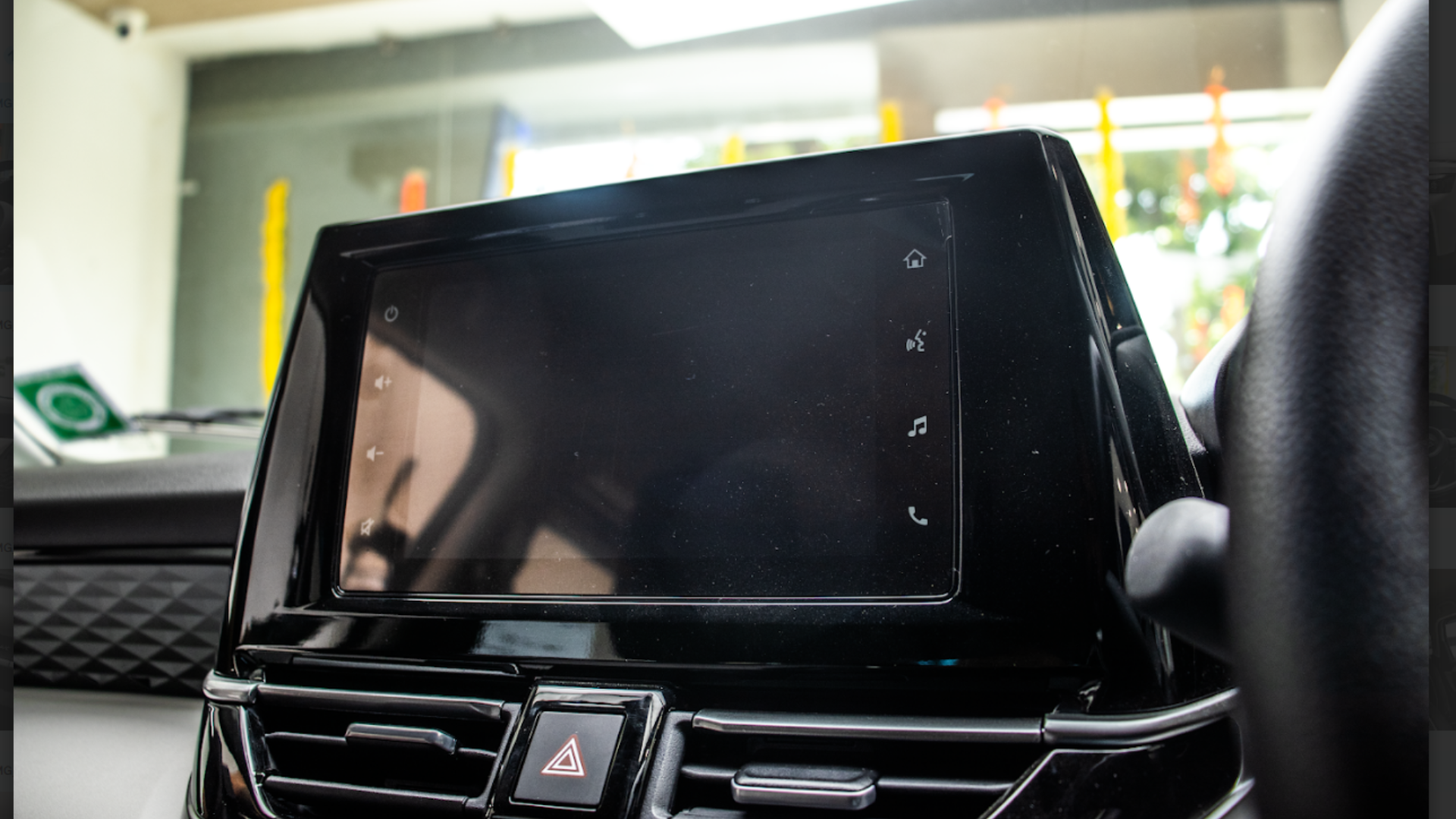
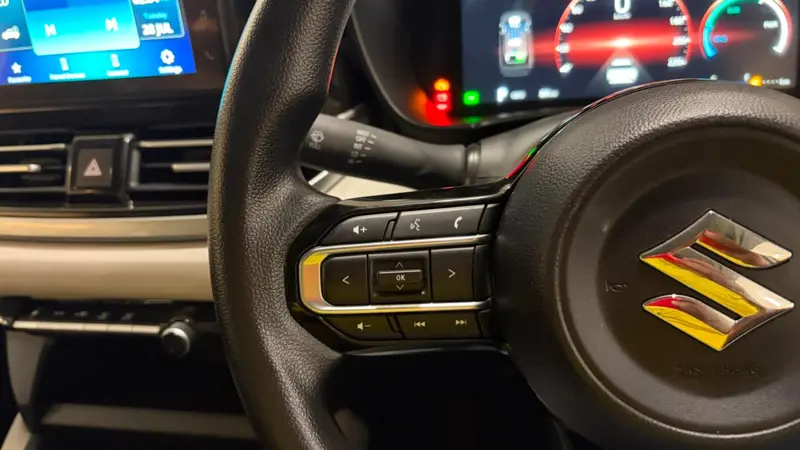
The Victoris gets a well-laid-out cabin with features spread sensibly across the range. Even the lower variants come with a touchscreen, steering-mounted controls, six airbags, and all the essentials for daily use.
The VXI feels like the sweet spot, adding wireless Android Auto and Apple CarPlay, automatic climate control, rear AC vents, and connected car features.
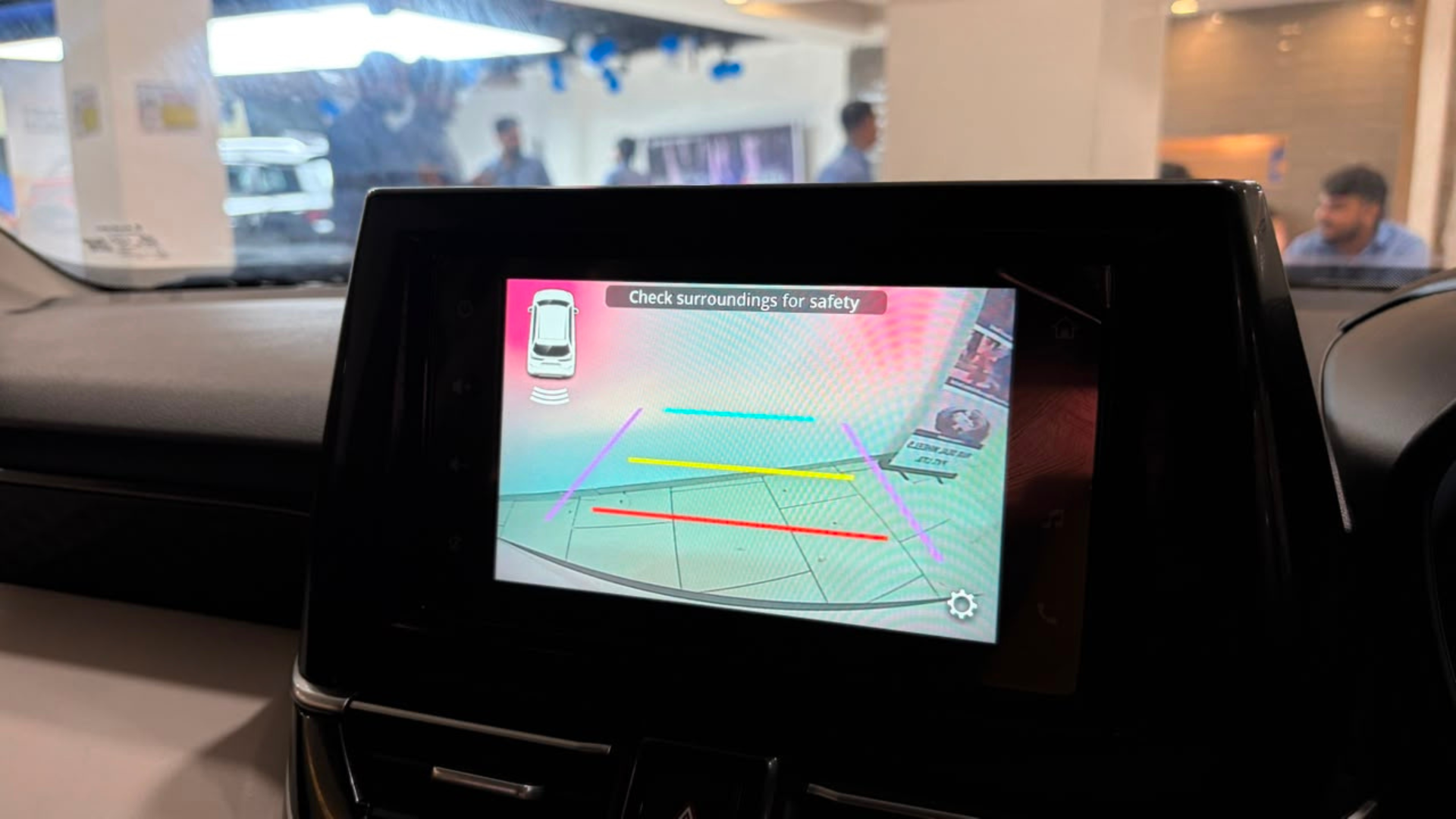
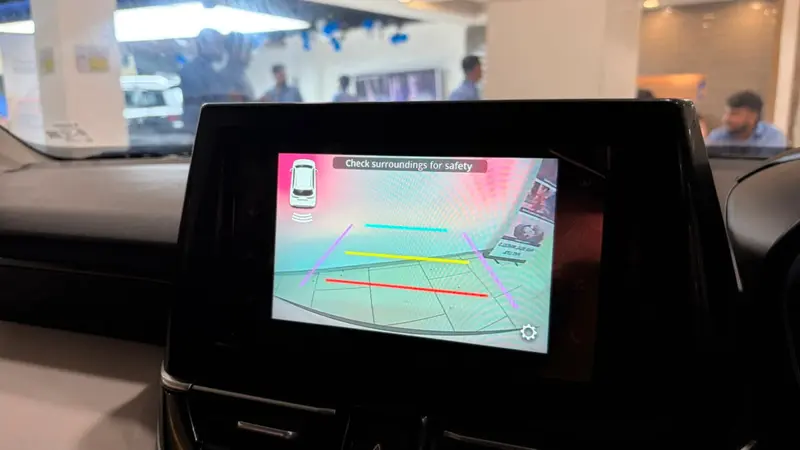
Move to the ZXI and ZXI+, and you get a much richer experience with a panoramic sunroof, ventilated front seats, a 360-degree camera, head-up display, powered driver's seat, premium sound system, wireless charger, and Level 2 ADAS.
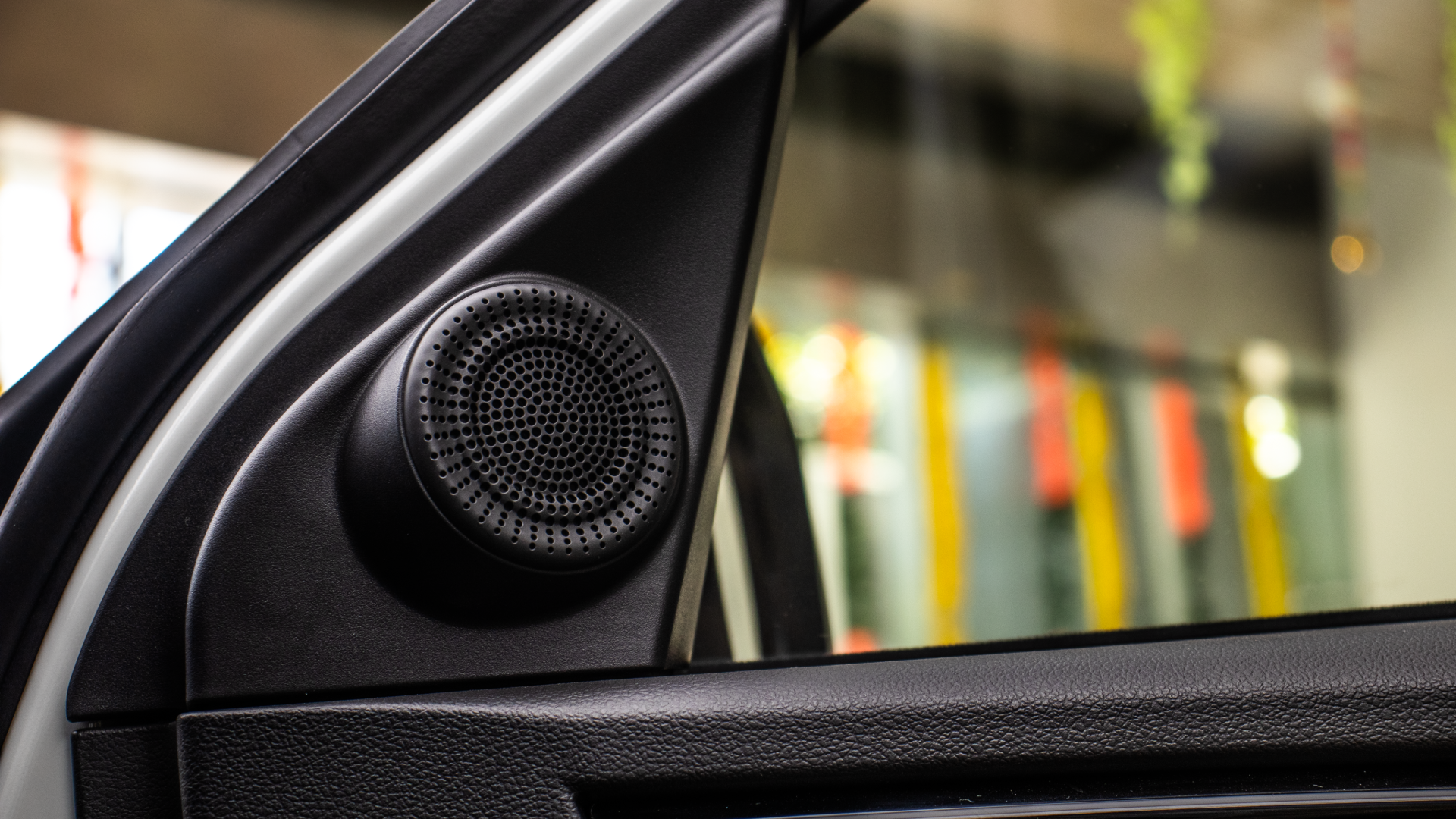
The infotainment system is quick to respond, easy to navigate, and supports wireless smartphone connectivity without much fuss. While the cabin does use hard plastics in places, the fit and finish are solid, storage spaces are practical, and overall comfort is among the best in the segment, especially for families.
exterior
exterior
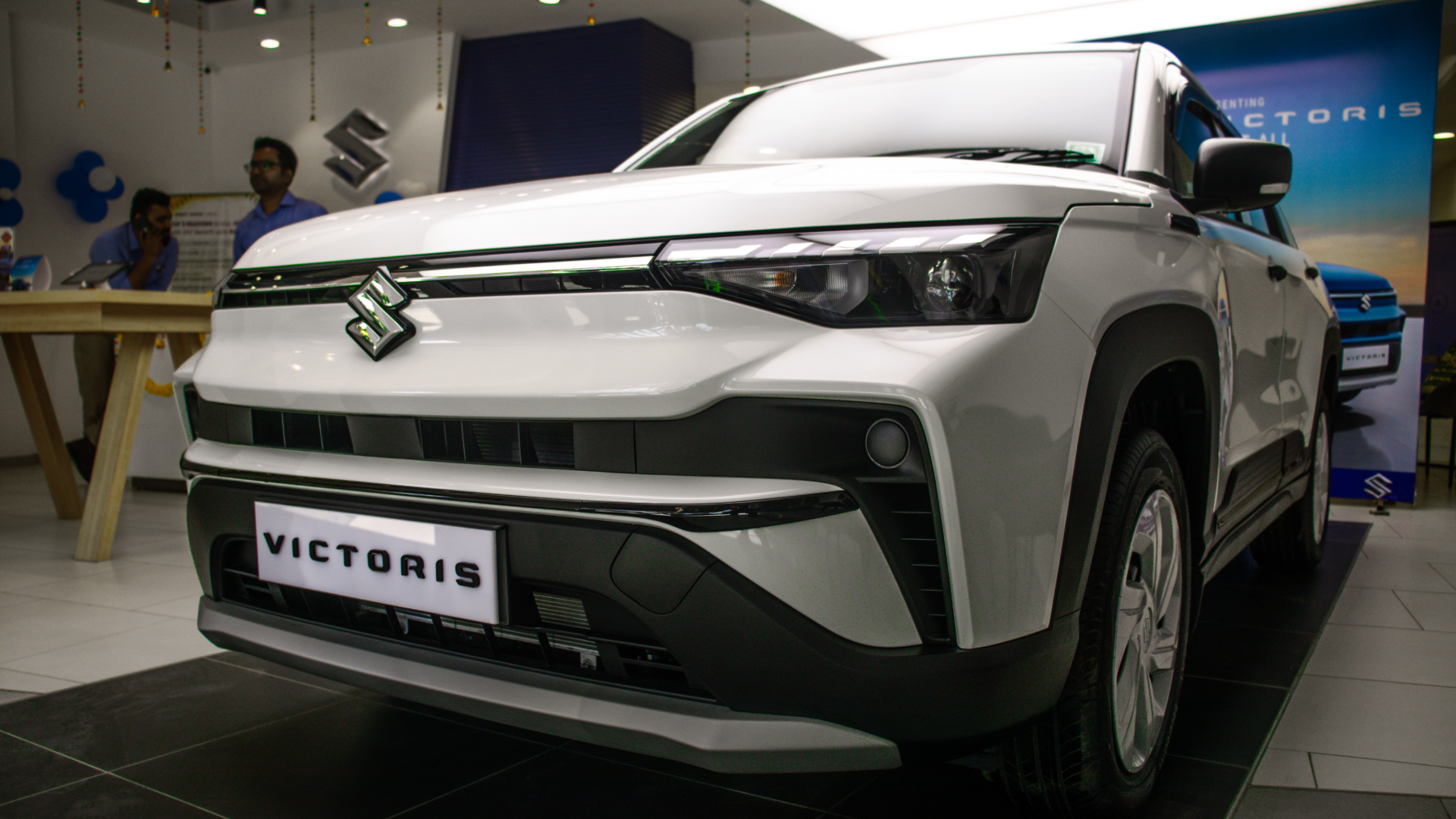
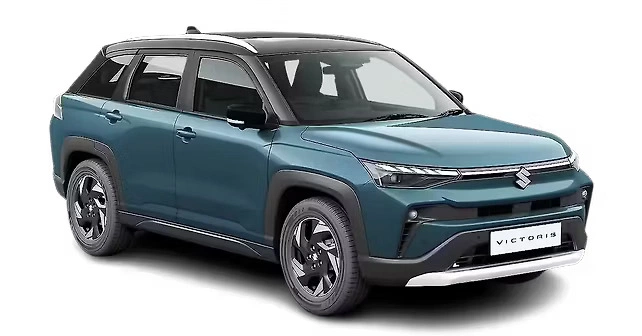
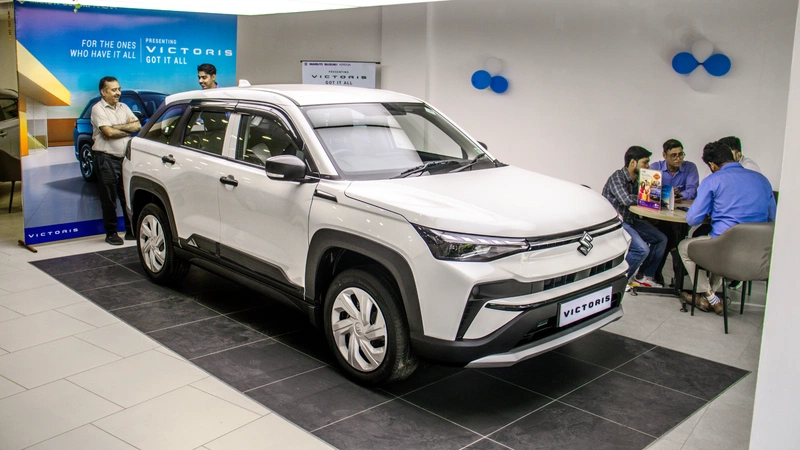
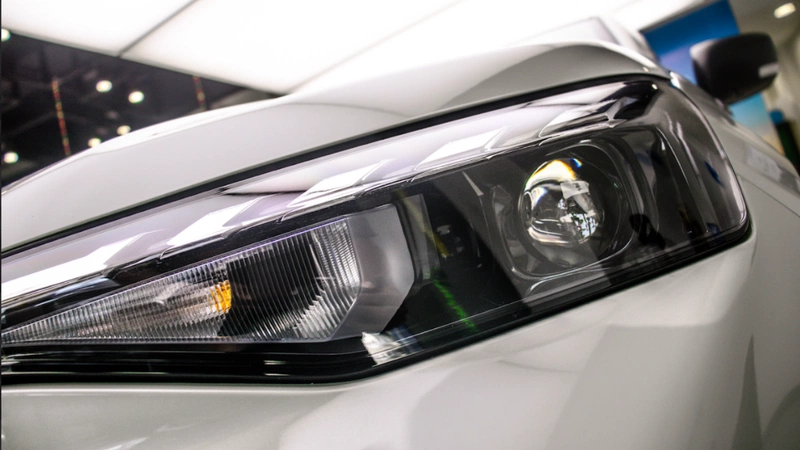
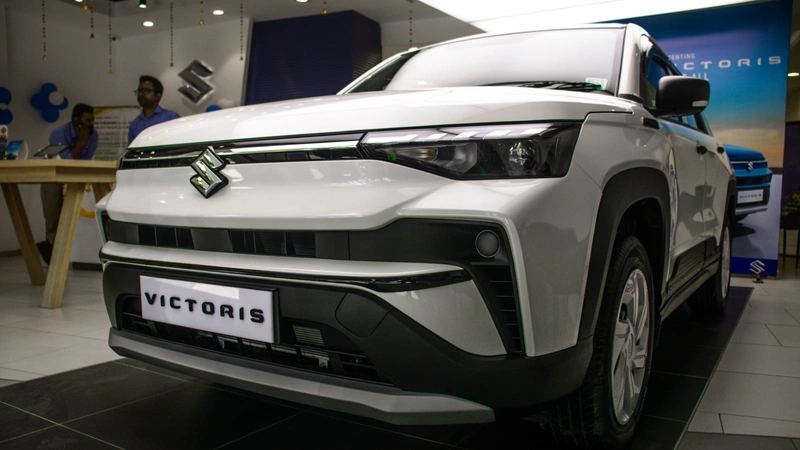
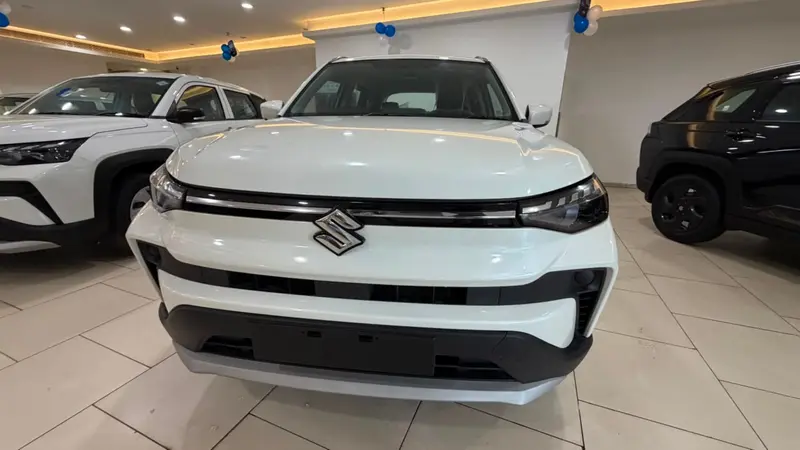
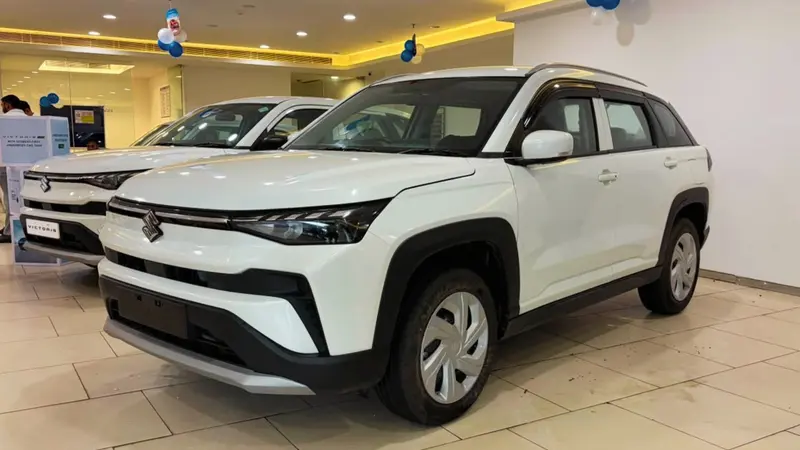
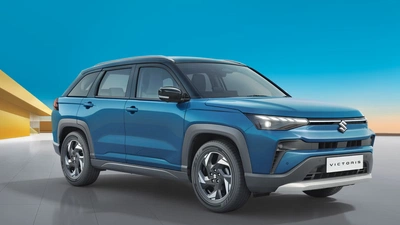
The front end is clean and modern, with slim lamps set low in the bumper and the connected daytime running light running across the nose, and it manages to look expensive without trying too hard to be aggressive.
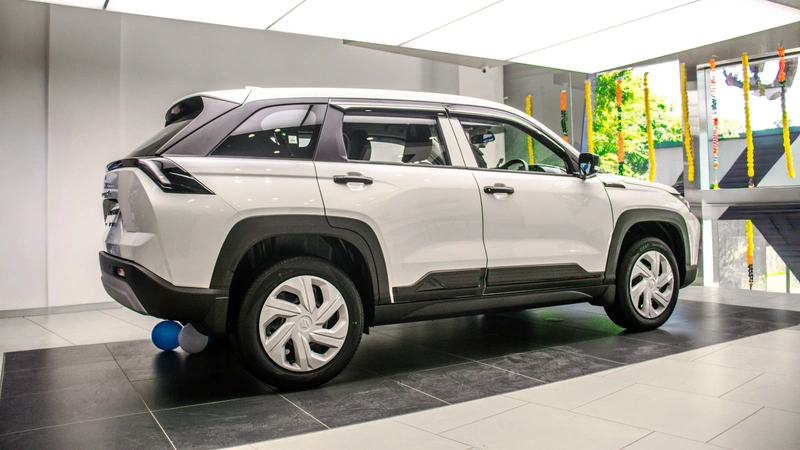
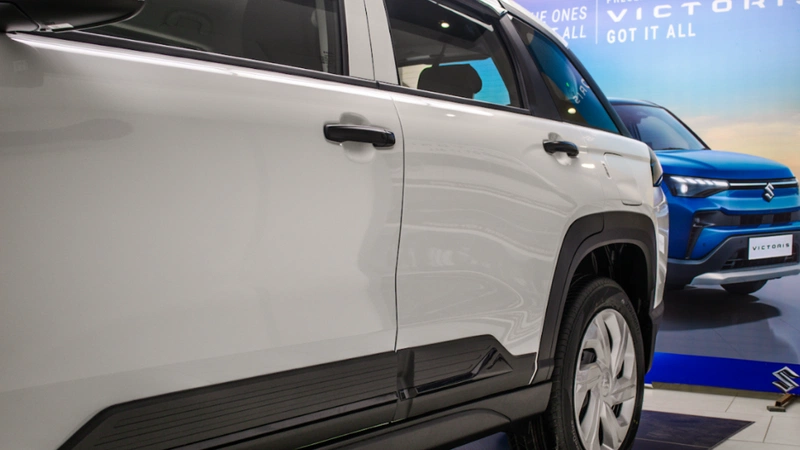
The sides are just plain and look quite slim, low, and elongated, giving it a substantial road presence.
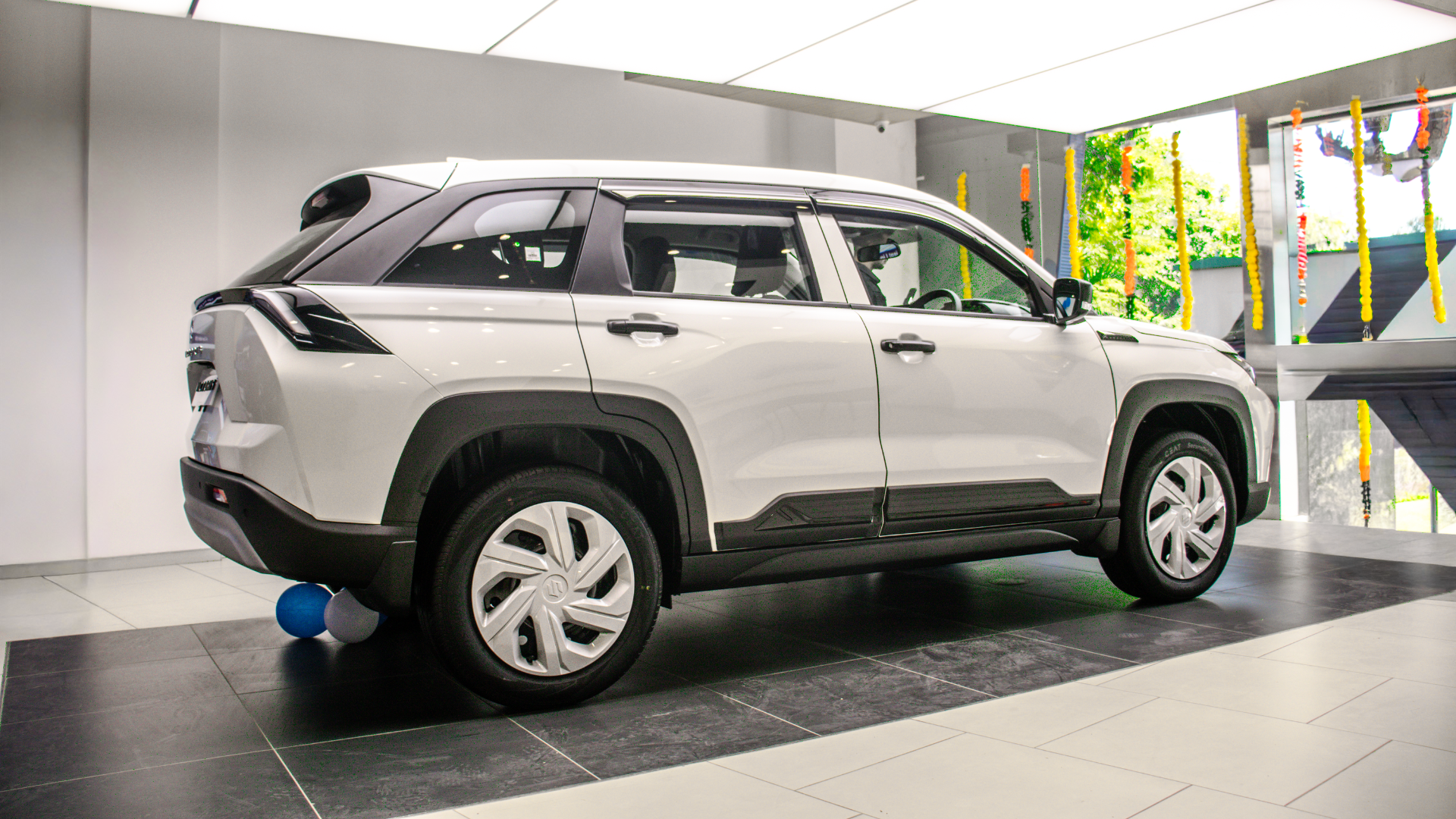
There is a small rear quarter window on either side, which makes things a bit more airy for taller passengers and also gives you decent enough visibility when you are reversing the car out of a parking space.
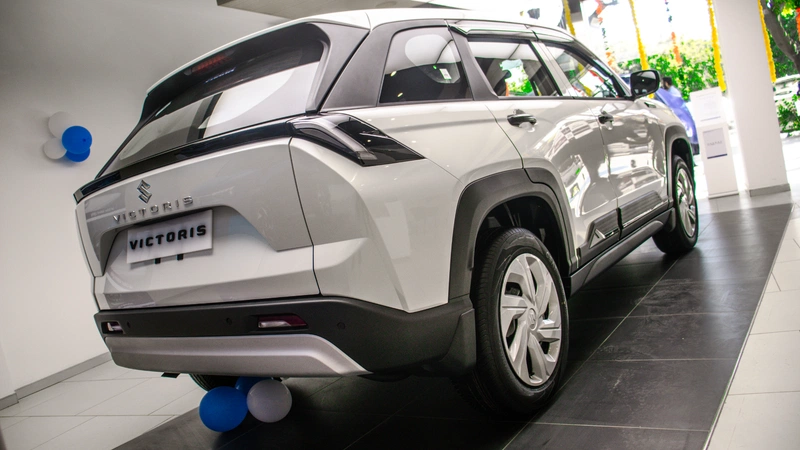
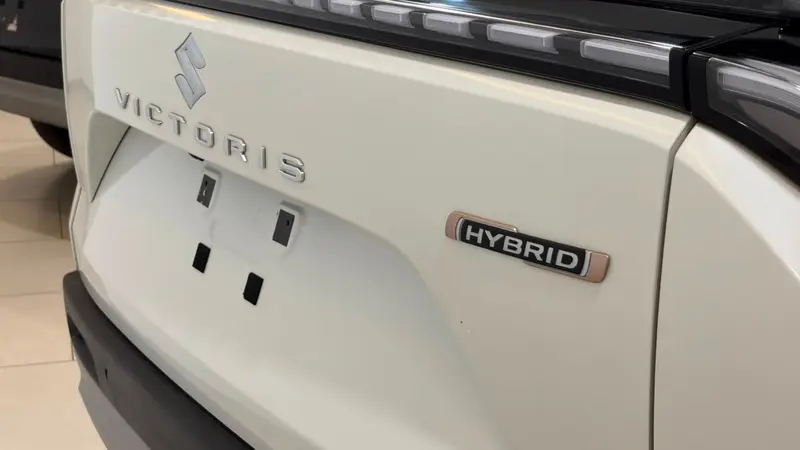
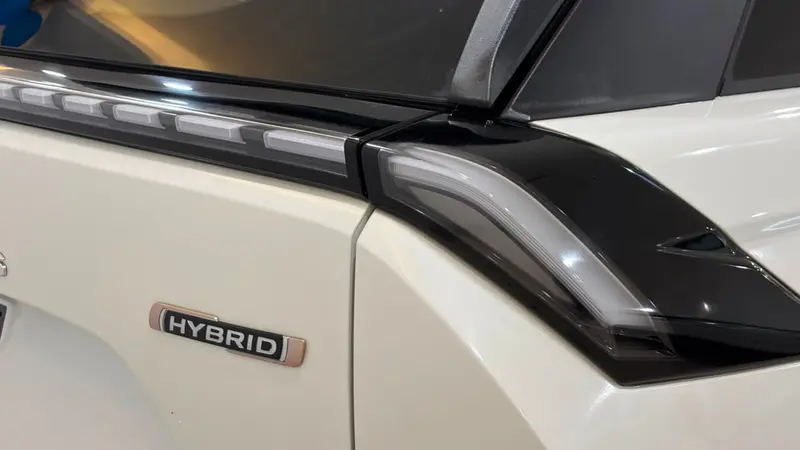
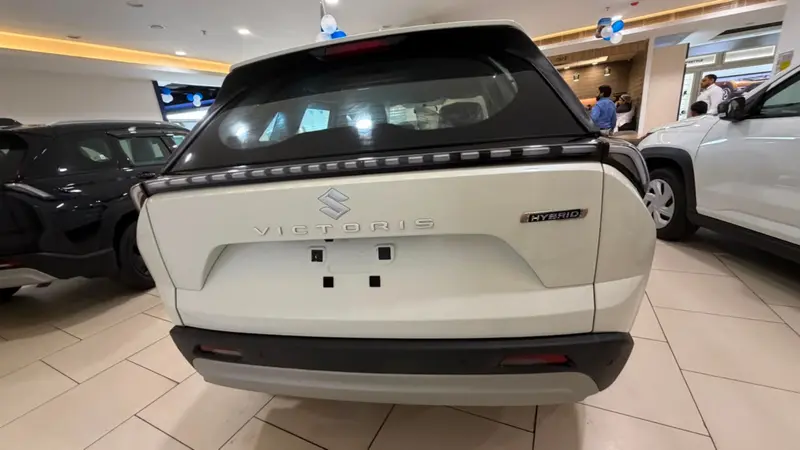
The rear has a sort of ducktail like shape which looks very unique and something that makes Victoris recognisable from very far away.
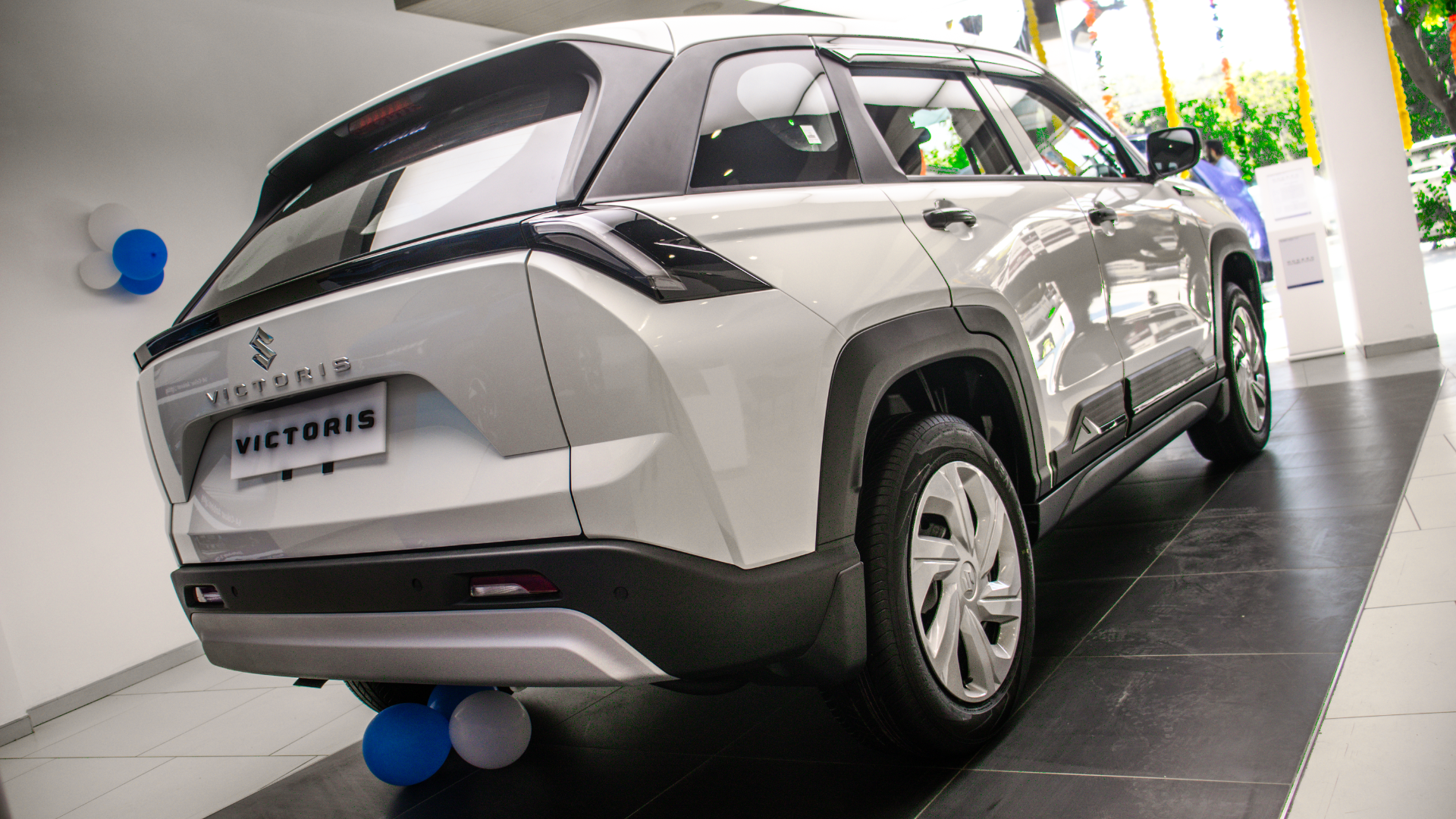
The upper section of the tailgate has been sculpted, which visually stretches the car and makes it appear longer than Victoris actually is.
There happened to be a Grand Vitara and a Victoris parked within about thirty metres of each other on my street. The Grand Vitara looks rugged, boxy and hunkered down, exactly the shape people picture when they hear the word SUV.
The Victoris, supposedly the lesser car because it sells through Arena rather than Nexa, looks longer, softer and noticeably posher, sitting somewhere between a sedan and a crossover rather than being a full-blooded SUV.
Which of the two you prefer comes down entirely to taste, but the assumption that the Nexa car must be the more upmarket-looking one does not survive thirty seconds of looking at them side by side.
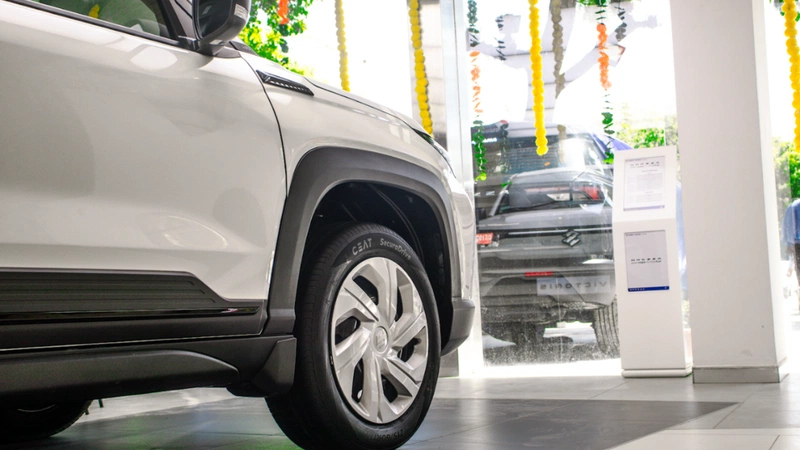
The weak point is the wheels, which are 17 inches across the entire range and look a size too small inside the arches.
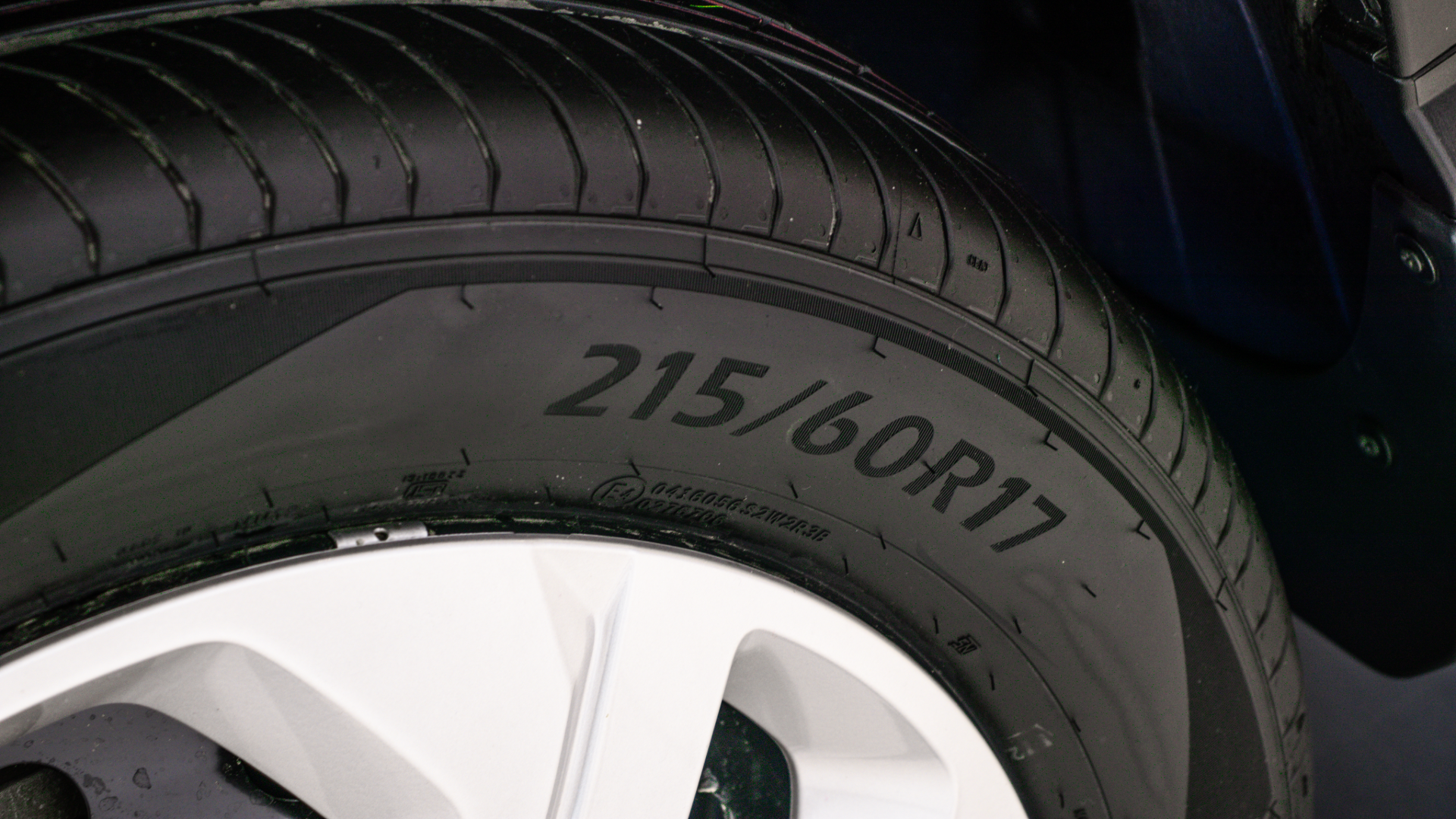
Also, the plastic cladding over the arches is not painted. It is simply plastic that will ruin the whole look of the car after the first couple of weeks out of the showroom.
safety
safety
This is the strongest single argument for the car and it is not a close contest. Bharat NCAP gave it 5 stars with 31.66 out of 32 for adult protection and 43 out of 49 for children, and Global NCAP, testing under its stricter new protocol, also gave it five stars with 33.72 out of 34 for adults, which was the highest adult score any car tested in India had achieved at that point.
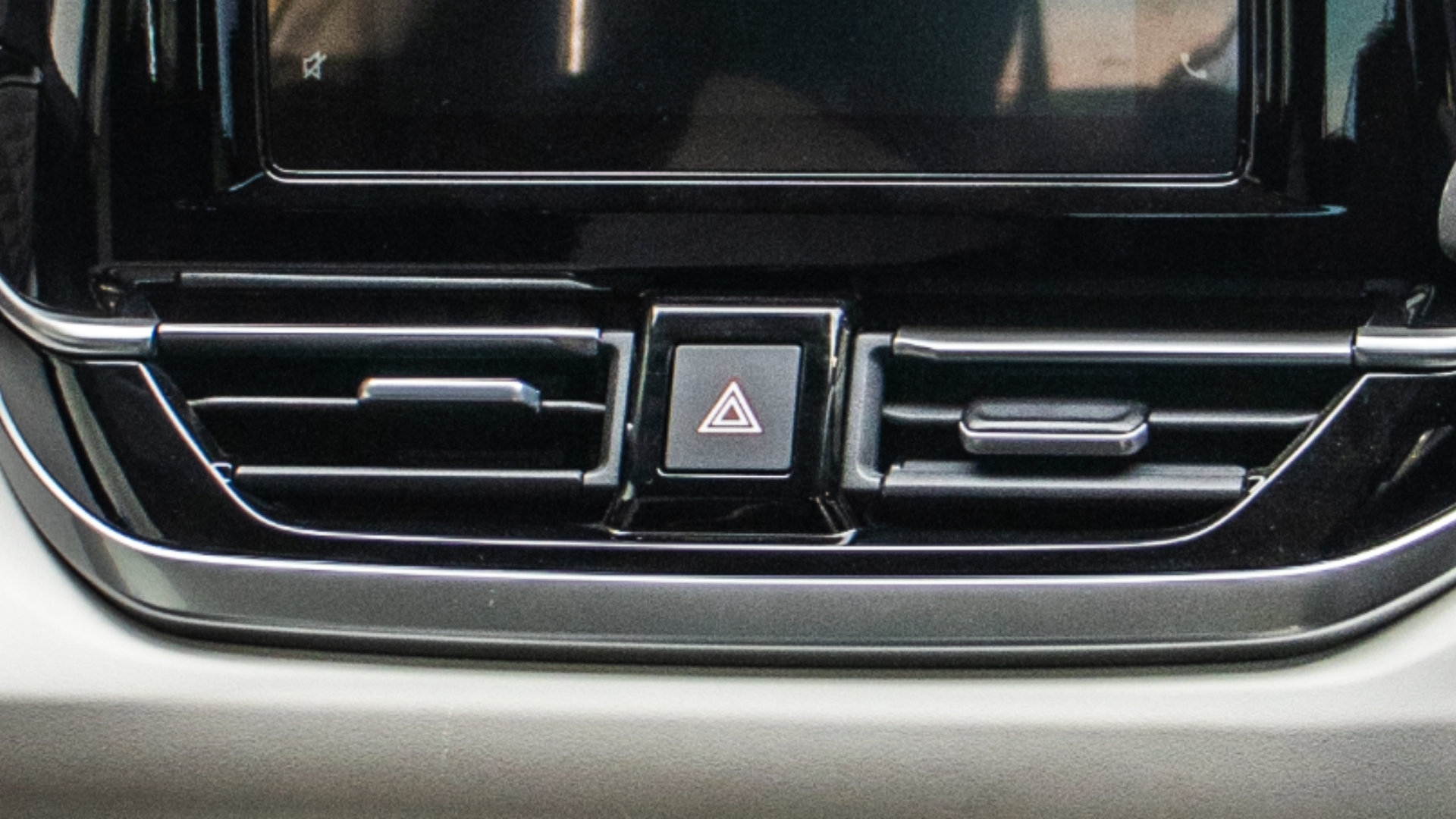
More important than the headline number is what comes as standard. Six airbags, electronic stability control, hill hold assist, ISOFIX child seat anchors and three-point seatbelts for all five occupants are available from the base LXi, which means the most affordable Victoris on the road protects the people inside it just as well as the most expensive one.
The Level 2 ADAS package is comprehensive on paper, covering adaptive cruise control, lane keep assist, autonomous emergency braking, blind spot monitoring, rear cross traffic alert and high beam assist.
A notable issue is availability, because it is restricted to the top two petrol automatics, which means every manual buyer, every CNG buyer and the entire strong hybrid range go without it. Given the hybrid is the most expensive version Maruti sells, that is a difficult decision to defend.
competition
competition
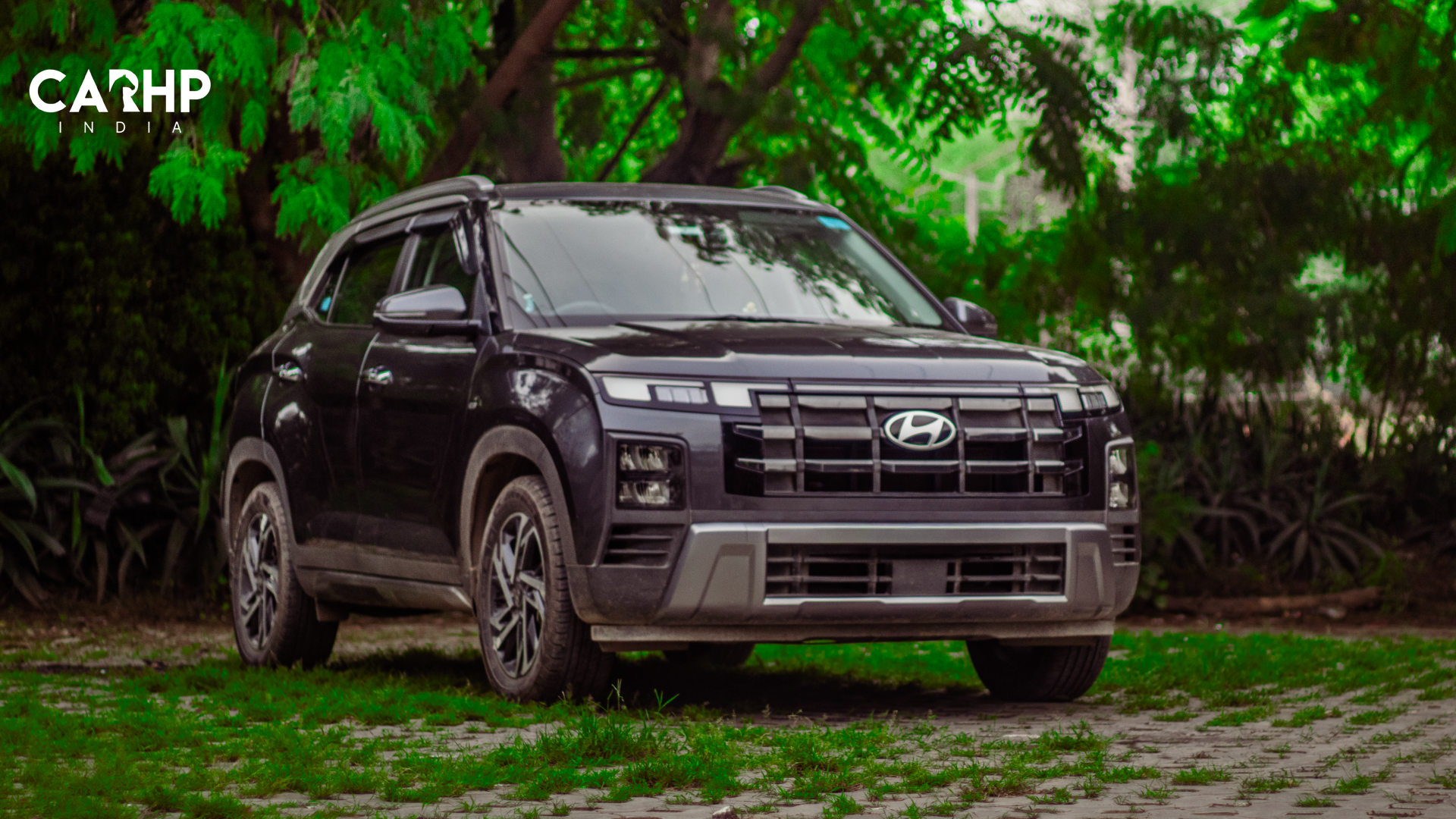
The Hyundai Creta is the car to measure this against, and it wins on the things you see and feel rather than the things you calculate. Better cabin materials, a turbo petrol and a diesel for anybody who wants actual pace, and a more polished showroom and ownership experience.
What it does not have is a factory CNG option of any kind, so if gas is your reason for shopping, the comparison ends before it begins.
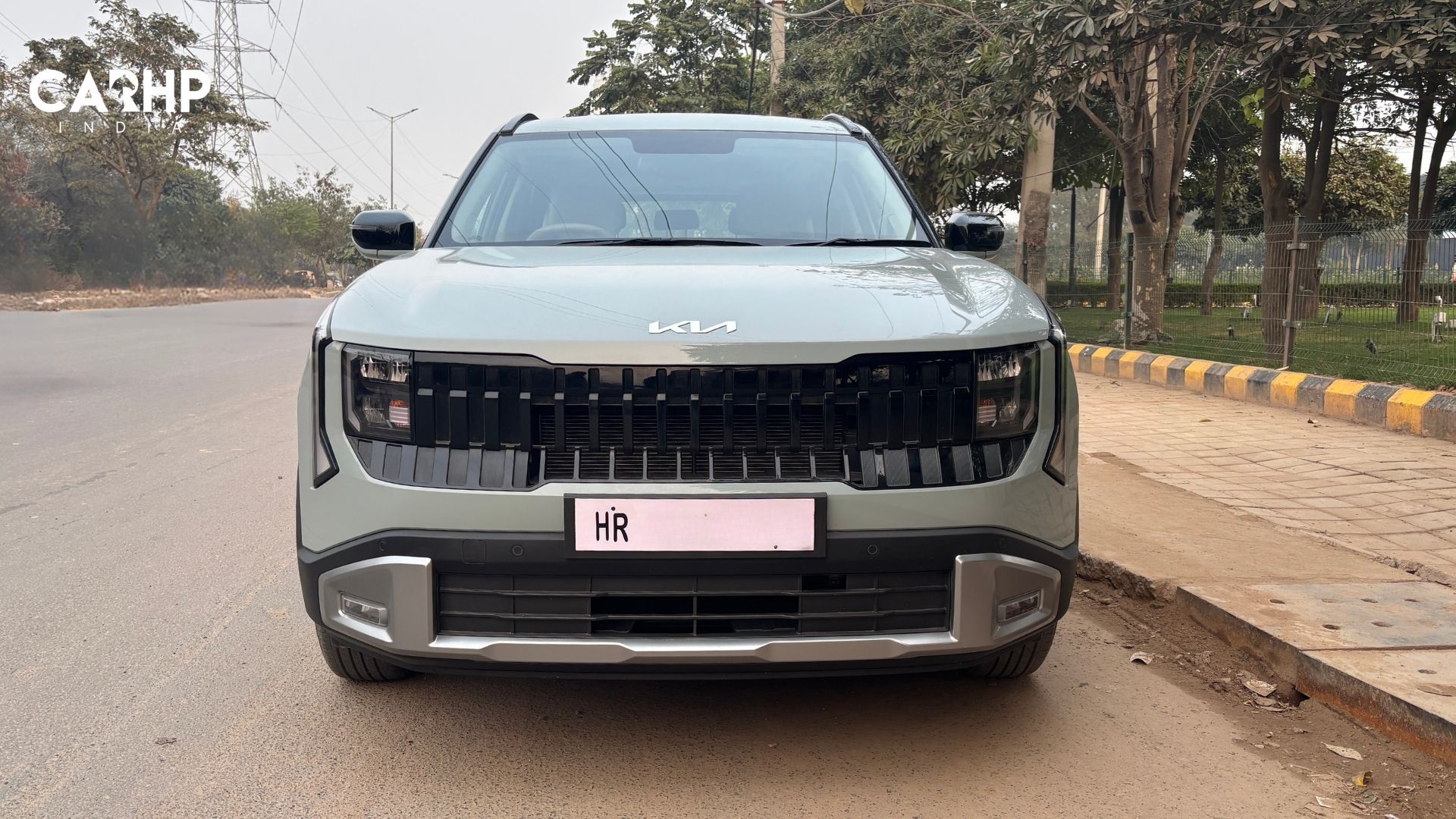
The Kia Seltos is the driver's pick of the mainstream three and the one to buy if you actually enjoy a good road, and it also offers a diesel. It shares the Creta's blind spot on CNG.
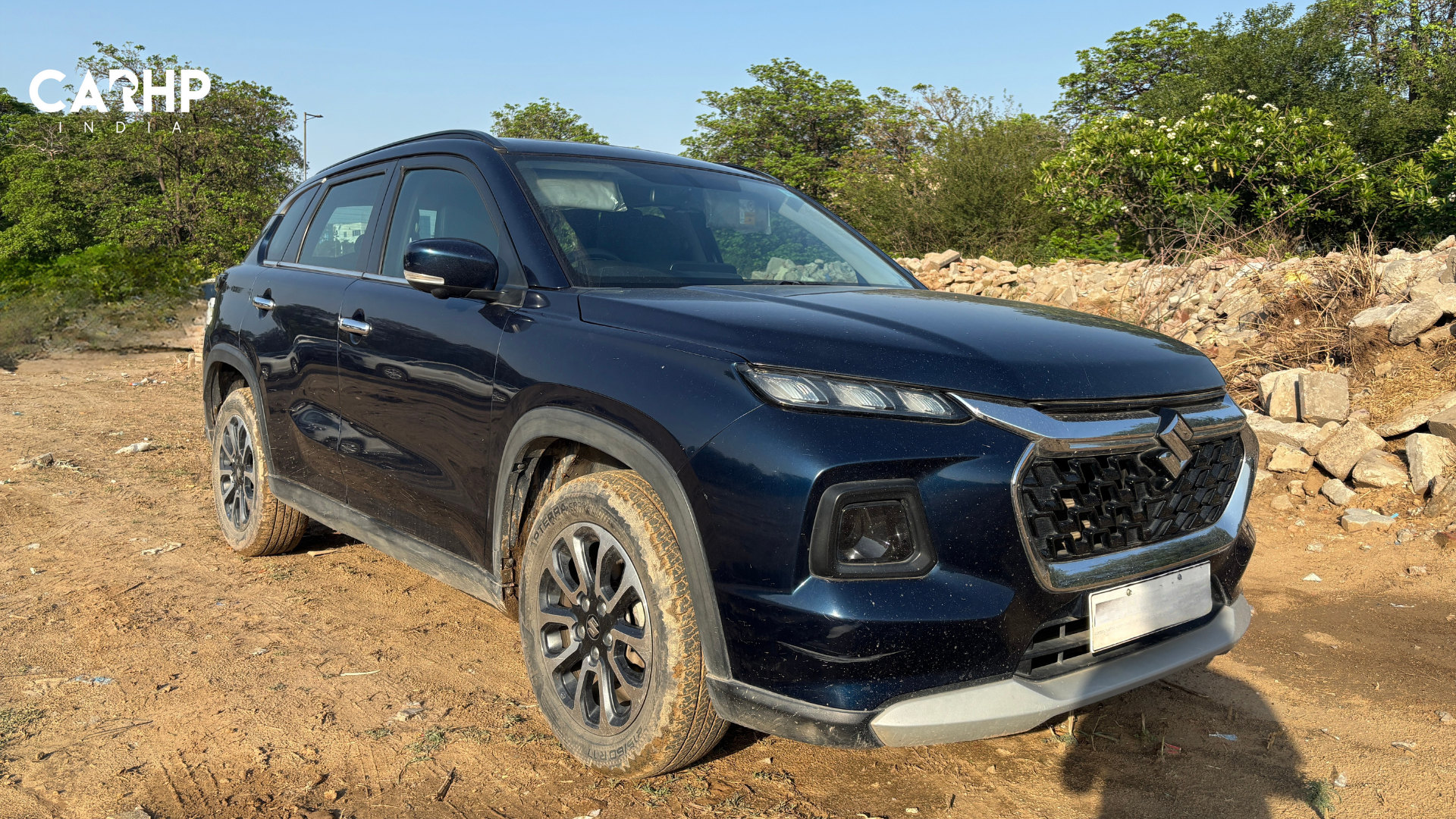
The Grand Vitara and the Toyota Urban Cruiser Hyryder are the same car wearing different badges, and the Grand Vitara's CNG still puts the cylinder in the boot, which means the Victoris beats its own sibling on the one point that matters most to gas buyers.
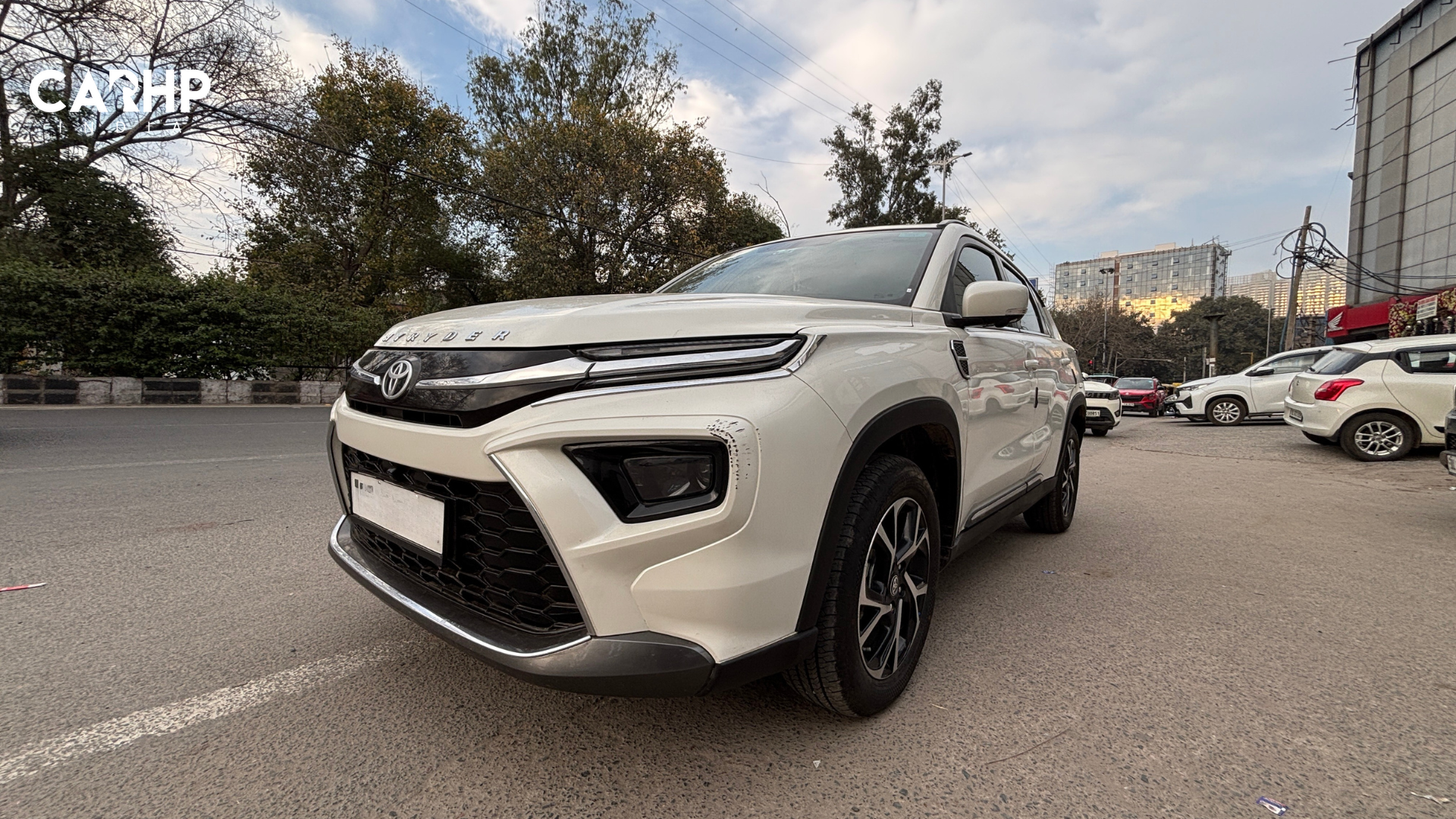
Choose between them on the deal you get and the dealer you trust rather than on the engineering, because there is no meaningful difference there.
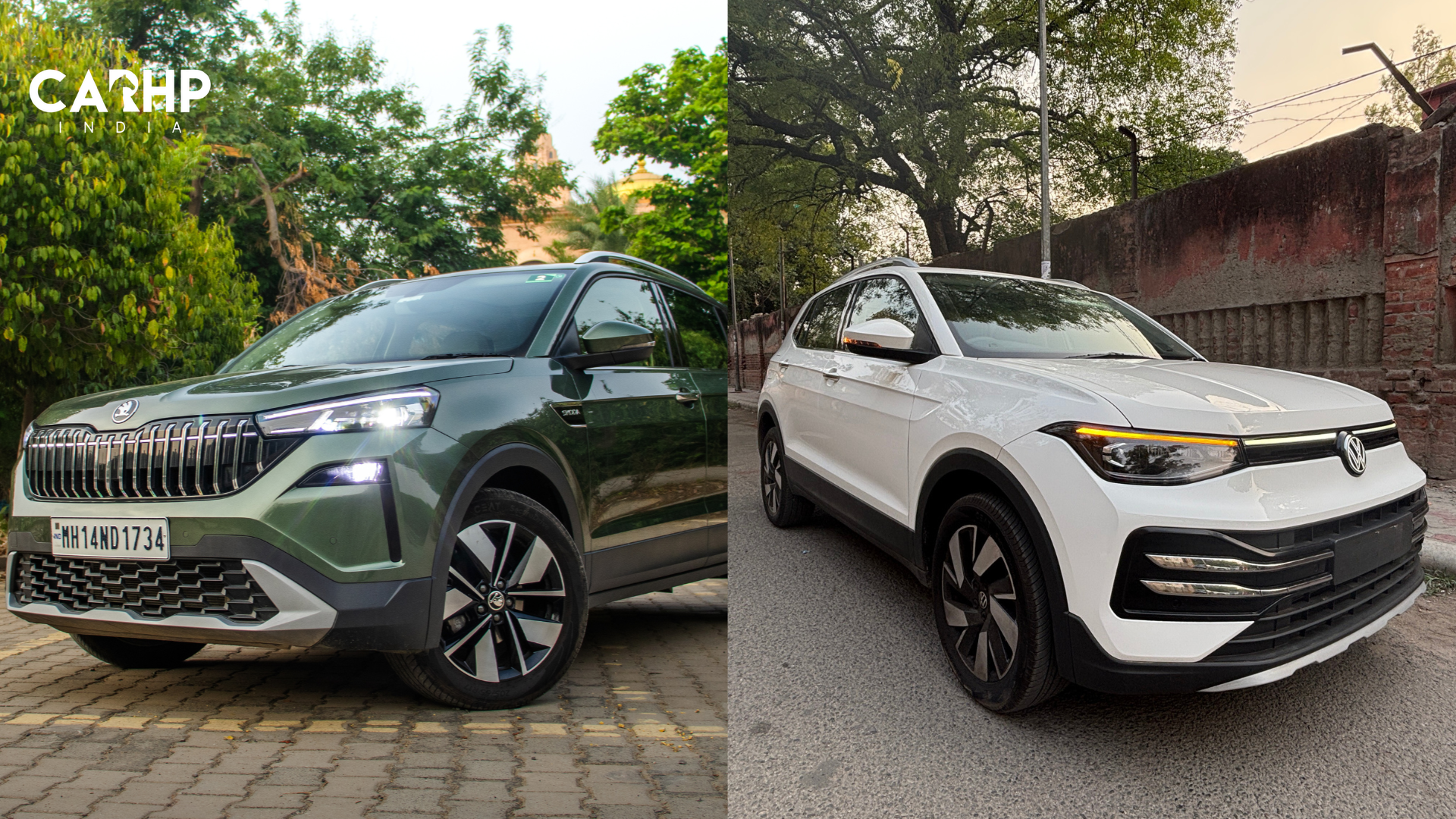
The Skoda Kushaq and the Volkswagen Taigun are far more enjoyable to drive but also harder to service outside the bigger cities, and neither will come close to the Maruti's running costs.
Tata's Curvv and Sierra bring more design ambition and a diesel option.
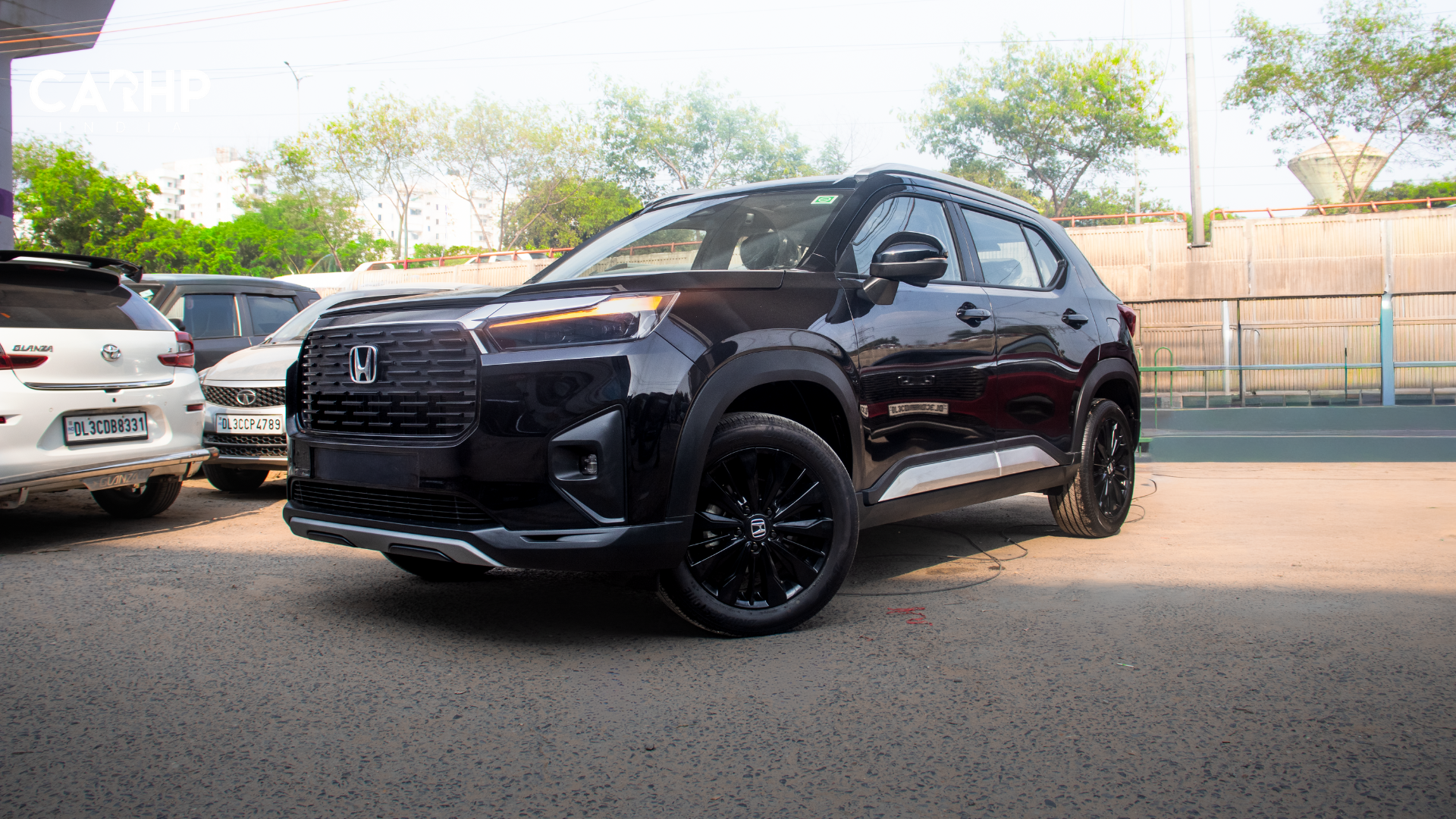
The Honda Elevate is solidly built and light on equipment for what it asks. The Renault Duster and the Nissan Tekton are competing hard on space and pricing.
None of them offers what this car does in combination, which is a CNG that does not cost you your luggage space, a hybrid this efficient, all-wheel drive availability (except the Hyryder and Grand Vitara), and crash scores this high, with Maruti's service reach behind all of it.
What you give up in return is outright performance, any diesel option, cabin richness, and rear seat space.
buying advice
buying advice
Buy the CNG. That is the honest one-line summary of this car, and roughly half the market has already arrived at the same answer without any help. A mid-spec Victoris CNG gives you the lowest running cost in the segment, the best crash protection currently on sale here, a boot that stays completely usable, and a service network that reaches everywhere, and it does all of that for less than a mid-spec Creta costs.
The petrol makes perfect sense if gas is impractical where you live or your monthly running is modest. The strong hybrid is mainly for early adopters and those who are willing to spend about 20 lakhs or so for something unique in terms of driving experience with surprisingly good city only mileage.
The compromises are real and you should go in knowing them. The engine will never excite you, the cabin looks better than it feels to the touch, and three adults at the back for a four-hour drive will not be a happy arrangement.
For the family this car was designed for, though, those are precisely the right things to have traded away, and it is difficult to argue with a hundred thousand buyers.
Maruti Suzuki Victoris mileage
The Maruti Suzuki Victoris mileage ranges from 21.18 to 28.65 kmpl and 27.02 km/kg. The Manual Petrol variant has an ARAI mileage of 21.18 kmpl. The Automatic Petrol variant has an ARAI mileage of 28.65 kmpl. The Manual CNG variant has an ARAI mileage of 27.02 km/kg.
| Fuel Type | Transmission | ARAI Mileage | * City Mileage | * Highway Mileage |
|---|---|---|---|---|
| Petrol | Manual | 21.18 kmpl | - | - |
| Petrol | Automatic | 28.65 kmpl | - | - |
| CNG | Manual | 27.02 km/kg | - | - |
Maruti Suzuki Victoris Expert Reviews
Maruti Suzuki Victoris News

Maruti Suzuki Offering Up to Rs. 1.35 Lakh Benefits in September 2026
Maruti Suzuki's September 2026 Arena offers cover seven models, with the Victoris strong hybrid getting the highest benefits at Rs. 1.35 lakh. Here is the full breakdown, including fuel-type differences on the Wagon R, Alto K10, Swift, and Eeco.
Anmol Kumar
September 11, 2026


Maruti Suzuki To Hike Prices By Up To ₹30,000 From August 2026
Maruti Suzuki has announced a price hike of up to Rs 30,000 across its passenger vehicle range, effective from August 2026. The automaker cited rising inflationary pressures and higher input costs as the primary reasons behind the latest revision.
Arjun Nair
July 31, 2026
Maruti Suzuki Victoris FAQs
Does the LXi CNG have the same safety as higher variants?
−The 6 airbags, ESP, hill hold, ABS, and the TECT platform structure are identical across all Victoris variants. The LXi misses electronic driver aids like ADAS and the 360-degree camera, which arrive from ZXi and above.
Is the underbody CNG tank safe?
+Maruti has certified and tested it with a protective shield. The proximity to the exhaust looks alarming at first but has not produced any documented safety incidents since launch.
Is there a spare wheel?
+No. Every Victoris variant uses a puncture repair kit. This is 1 of the more polarising decisions Maruti has made with this car.
How is the Victoris different from the Grand Vitara?
+Same platform, same engines, same wheelbase. The Victoris is sold through Arena dealerships and the Grand Vitara through Nexa. The Victoris is marginally longer (15 mm) and newer in design, gets a more aggressive exterior, a redesigned interior with 64-colour ambient lighting, and a larger touchscreen on equivalent trims. The biggest practical difference: on CNG variants, the Victoris hides the tank underneath the car, leaving the boot fully usable. The Grand Vitara's CNG setup eats into boot space. The Victoris also gets Level 2 ADAS and AWD, which the Grand Vitara does not offer. Pricing starts around Rs 1 lakh lower than the Grand Vitara.
What is the warranty on the Victoris?
+Standard warranty is 3 years or 1,00,000 km, whichever comes first. This covers the engine, transmission, electrical systems, air conditioning, and mechanical components. Wear-and-tear items are excluded. Extended warranty is available up to 6 years or 1,60,000 km under the Solitaire plan, or up to 5 years and 4 years under the Royal Platinum and Platinum plans respectively. Repairs under warranty can be claimed at any authorised Maruti Arena service centre across India.
What colours does the Victoris come in?
+7 monotone options: Pearl Arctic White, Eternal Blue, Sizzling Red, Mystic Green, Bluish Black, Splendid Silver, and Magma Grey. 3 dual-tone options, each pairing one of the body colours with a Bluish Black roof. The LXi base trim is limited to 3 monotone colours: Pearl Arctic White, Splendid Silver, and Magma Grey. Dual-tone options are available from ZXi and above.
What is the real-world mileage across variants?
+The petrol manual (FWD) is ARAI-rated at 21.18 kmpl and returns around 14 to 15 kmpl in city traffic and 18 to 19 kmpl on the highway. The petrol automatic (FWD) is rated 21.06 kmpl with similar real-world numbers. The AWD petrol automatic drops to 19.07 kmpl claimed and is the thirstiest of the lot in actual use, returning roughly 11 to 12 kmpl in the city. The CNG manual is rated 27.02 km/kg and delivers around 17 to 18 km/kg in the city and 25 to 26 km/kg on the highway. The strong hybrid eCVT tops the range at 28.65 kmpl claimed, with real-world city figures of 22 to 25 kmpl. If running cost is the priority, the CNG and strong hybrid are the only 2 variants worth seriously considering.
Is the Victoris comfortable?
+For Indian roads, yes. The 2,600 mm wheelbase is among the longest in the segment, which helps absorb broken stretches without transmitting sharp impacts to the cabin. The suspension is tuned towards comfort rather than handling. Rear passenger space is genuinely generous. The headrests across all rows are on the thinner side, which starts to matter on longer drives. Higher trims get ventilated front seats. The panoramic sunroof on ZXi+ adds to the sense of openness significantly.
Does the Victoris have premium features like a sunroof, 360-degree camera, and so on?
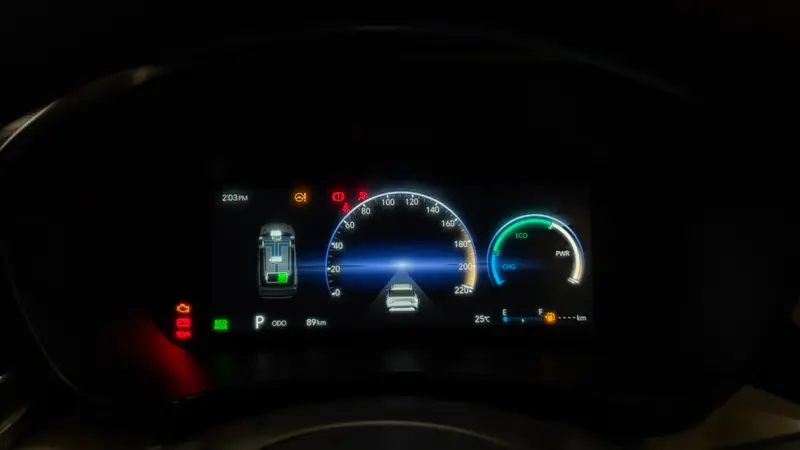
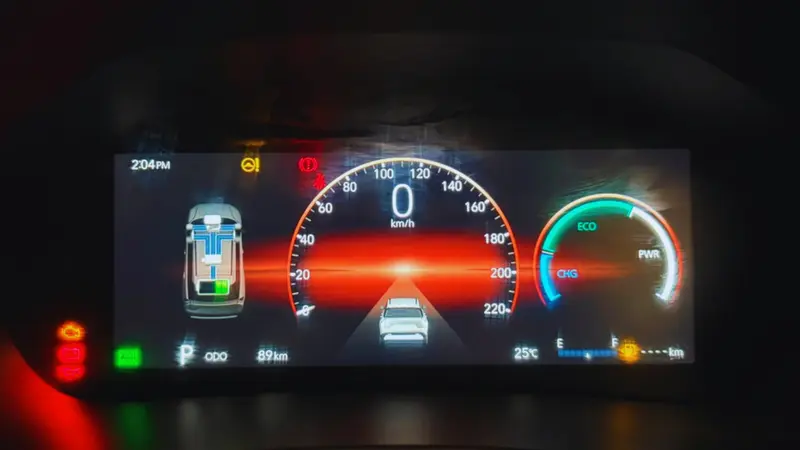
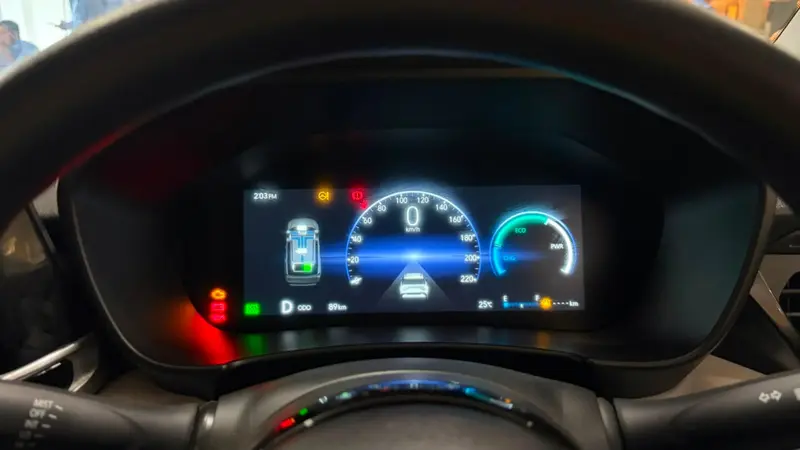
+Yes, but spread across the variant ladder. The digital instrument cluster and wireless charging arrive from VXi. The 360-degree camera comes in at ZXi (O). The panoramic sunroof, ventilated seats, Level 2 ADAS, 10.1-inch touchscreen, Dolby Atmos 8-speaker system, 64-colour ambient lighting, electronic parking brake with auto-hold, and the powered tailgate with gesture control are all ZXi+ features. AWD is available on ZXi AT AWD variants and above. The LXi and VXi cover safety and daily usability. ZXi+ is where the car becomes genuinely premium.
Is the Victoris ethanol compatible?
+Yes. The Victoris launched E20-compliant, meaning the petrol engine and fuel system are designed to run on petrol blended with up to 20% ethanol. This is the standard government-mandated spec for all new vehicles sold in India. The Victoris does not currently offer a flex-fuel variant capable of running on higher ethanol blends like E85 — that technology is being introduced on the WagonR first. The CNG variant is unaffected by ethanol blending in petrol.
What is the waiting period on the Victoris?
+At launch, waiting periods stretched to 10 weeks for high-demand variants like the CNG and strong hybrid, with dealer lead times of 2 to 3 months. Petrol-only variants were more readily available. As of mid-2026, with the car having crossed 1 lakh units and production at the Kharkhoda plant stabilised, waiting periods have eased. Petrol variants at many Arena outlets are available with minimal or no wait. CNG and hybrid variants may still carry a 4 to 6 week lead time depending on city and trim. Confirm current availability directly with your local Arena dealer.
What does the base model (LXi) get?
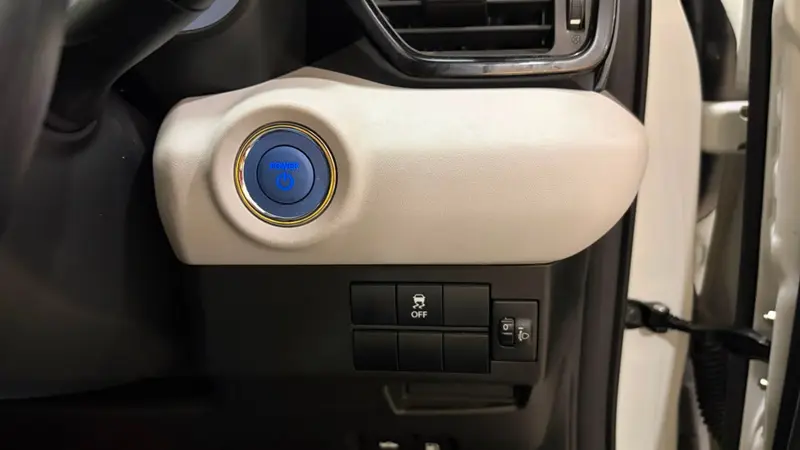
+The LXi runs the 1.5-litre K15C petrol engine with a 5-speed manual, available in both petrol and CNG. Safety is genuinely strong for the price: 6 airbags, ABS with EBD, electronic stability control, hill hold assist, ISOFIX anchors, and rear parking sensors. On the convenience side you get halogen projector headlamps with LED DRLs, a 7-inch touchscreen with Android Auto and Apple CarPlay, dual front tweeters, and push-button start. The interior is black and white dual-tone fabric, which is better than most base trim cabins. The CNG option uses the underbody tank setup so the boot is completely uncompromised. What it misses: no digital cluster, no auto climate control, no alloy wheels (steel covers instead), no rear wiper, and no Suzuki Connect. 3 monotone colour options only.
What does the top model (ZXi+) get?
+The ZXi+ is a meaningfully different car from the base. You get a 10.1-inch free-standing touchscreen, a 10.25-inch digital TFT instrument cluster, Level 2 ADAS (automatic emergency braking, adaptive cruise control, lane keep assist, blind spot monitor, rear cross traffic alert), a 360-degree HD camera, panoramic sunroof, ventilated front seats, leather upholstery, an 8-speaker Infinity system with Dolby Atmos Spatial Sound, 64-colour ambient lighting, electronic parking brake with auto-hold, and a smart powered tailgate with gesture control. LED projector headlamps with pixelated DRLs, wireless charging, and body-coloured ORVMs and door handles round it out. The ZXi+ (O) variant on AWD also gets AllGrip Select, and the strong hybrid eCVT is available at this level with a claimed 28.65 kmpl. Dual-tone colour options open up here too. Top-spec ZXi+ (O) is priced up to Rs 19.99 lakh ex-showroom.
Upcoming Cars

Maruti Suzuki Grand Vitara 3-row
₹14 Lakh - 14 Lakh Estimated
Oct 2026 Expected Launch

Maruti Suzuki WagonR Electric
₹8.50 Lakh - 8.50 Lakh Estimated
Dec 2027 Expected Launch
Maruti Suzuki Fronx EV
₹12 Lakh - 12 Lakh Estimated
Dec 2027 Expected Launch
Maruti Suzuki Jimny EV
₹18 Lakh - 18 Lakh Estimated
Dec 2027 Expected Launch