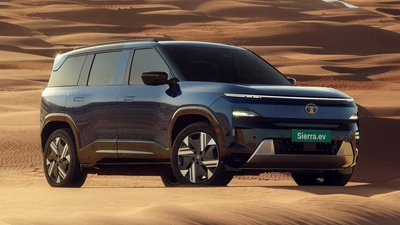
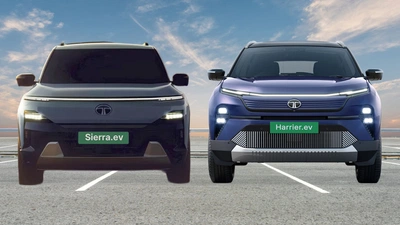
Tata Sierra EV vs Mahindra XEV 9S - Which One Should You Buy
Tata Sierra EV vs Mahindra XEV 9S Comparison at CarHP India. Compare Tata Sierra EV and Mahindra XEV 9S Prices, Mileage, Features, Specs, Colours and much more.
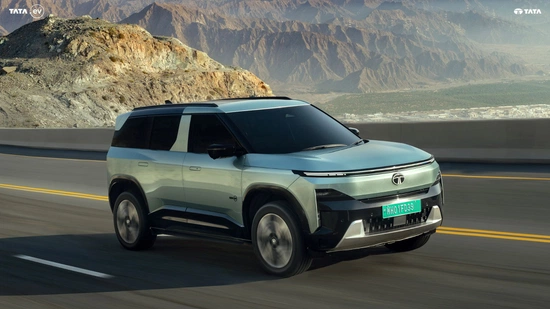
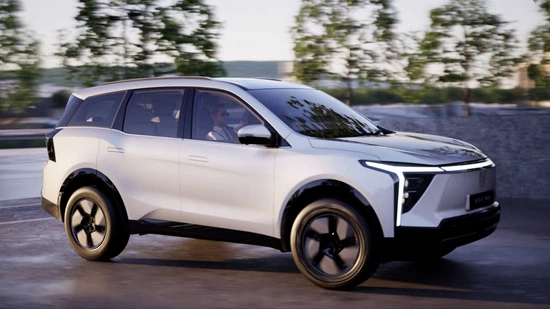
The Tata Sierra EV comes in 16 variants. The selected variant is priced at ₹18.79 Lakh. The cheapest variant, Pure 63 RWD, costs ₹18.79 Lakh, while the top-end variant, Empowered A 75 AWD, is priced at ₹25.99 Lakh. The Mahindra XEV 9S comes in 10 variants. The selected variant is priced at ₹20.65 Lakh. The cheapest variant, Pack One Above 59kWh, costs ₹20.65 Lakh, while the top-end variant, Pack Three Above 79kWh, is priced at ₹29.95 Lakh.
₹ 18.79 Lakh
₹ 20.65 Lakh

Compare Minimum 2 Cars At Once — Tap To Activate / Deactivate
Smart Summary for Car Selection
 Why Choose Tata Sierra EV?
Why choose
- Offered with 63kWh and 75kWh battery options, with the 75kWh RWD claiming 665km MIDC-certified range, which is among the highest in this price band
- Level 2+ ADAS with 22 functions, including auto-park, adaptive cruise and autonomous emergency braking, is available on the top variant alongside a dual-motor AWD setup
- The AWD version produces 504Nm of combined torque and covers 0-100kmph in 5.8 seconds, making it the performance option in this comparison
- Six terrain response modes, hill descent, and 205mm of ground clearance on the AWD version make it the more credible rough-road choice
- 120kW DC fast charging capability allows 20-80 percent in approximately 26 minutes
Why not choose
- Level 2+ ADAS is locked to the range-topping Empowered A variant alone; buyers on mid-range versions get no ADAS at all, which is a significant gap given the car's premium positioning
- Only five seats, where the XEV 9S fits seven, making it a less practical answer for larger families or those who occasionally need third-row space
- A much newer nameplate means there is limited long-term ownership data available, and early user reviews mention persistent software bugs that OTA updates have not fully resolved
- The entry-level variant comes with the smaller 63kWh battery and no Level 2 ADAS, which means buyers have to spend considerably more to access the car's headline features
- Tata's service network for EV-specific diagnosis varies significantly by city; owners outside major metros report longer turnaround times
Why Choose Mahindra XEV 9S?Why choose
- Seats seven people, with a properly usable third row that has 50:50 split folding, making it the answer for buyers who need genuine family capacity
- Three battery options of 59kWh, 70kWh and 79kWh give a wider range of entry points, with the 79kWh variant claiming over 600km of MIDC range
- Level 2+ ADAS with five radars, twelve sensors and a forward camera is part of the technology suite across higher variants
- Up to 180kW DC fast charging is among the fastest charging speeds available in this segment, reducing long-distance stop times substantially
- 150-litre frunk in addition to 527-litre boot gives meaningful storage for families travelling with luggage
Why not choose
- The XEV 9S is based on the same bodystyle as the ICE XUV 7XO, which means it does not carry the architectural novelty of purpose-built electric rivals
- ADAS is not available on the entry-level Pack One variant; buyers need to move up to access the full driver assistance suite, which adds cost
- Mahindra's after-sales experience for Born Electric vehicles is still developing, and availability of trained technicians outside Tier-1 cities remains inconsistent
- At its upper variants the XEV 9S commands pricing that puts it close to far more premium international products, which buyers at that budget tend to cross-shop
- Third-row legroom is adequate for children but constraining for adults on journeys beyond 90 minutes
 Our Recommendation For Most Buyers
Tata Sierra EV
For buyers who want a focused five-seat electric SUV with a high performance ceiling, the Sierra EV makes a strong case at the top of its range. The Empowered A is where the full package comes together: ADAS, AWD, the larger battery, and the higher-resolution camera suite. Spending less than this leaves notable gaps, particularly the absence of any driver assistance features on the mid-range versions, which is difficult to justify in a car at this price.
Buyers who need the AWD should know that it is only available at the top variant with the 75kWh battery, so the drivetrain decision and the feature decision are the same decision. Range anxiety is well addressed by the 75kWh RWD option at 665km MIDC, though real-world figures will run meaningfully below that. The Sierra EV suits the buyer who prioritises driving engagement, AWD capability, and fast charging over passenger capacity.
Mahindra XEV 9S
Seven seats inside a purpose-built electric platform is the XEV 9S's defining argument, and it is a real one for families who need that capacity. The sweet spot sits in the middle of the range, where the 79kWh battery and Level 2+ ADAS come together without reaching the pricing of the fully loaded variant. The 180kW charging rate is the fastest in this comparison and practically changes how long-distance travel works on a planned journey.
The constraint to plan around is that the entry pack does not carry ADAS, so buyers who want the technology should budget past it. Third-row occupants on long trips will find the space tight, and the XEV 9S works better as a seven-seat car for shorter runs and as a five-seat car with extra boot room for longer ones. For families where the seven-seat occasional need is real, the XEV 9S is the more practical answer.
Engine and Performance
Performance Specifications
Fuel Specifications
Dimensions and Design
Interior Specifications
Wheels & Tires
Suspension, Brakes & Steering
Safety Features
Interior Features
Comfort & Convenience
Infotainment Features
Exterior Features
Brochure

EMI Cost Comparison
Assuming 20% down payment, 9.5% interest, 60-month tenure
 Loan Amount
 Interest: 9.5%
 Down Payment (20%)
 Loan TenureLoan AmountInterest: 9.5%Down Payment (20%)Loan Tenure
Pros & Cons Comparison
Things We Like in Tata Sierra EV
- Impressive specifications overall, with better claimed range and quicker acceleration than the Harrier EV.
- The sub-6-second 0 to 100 km/h sprint is seriously quick.
Things We Like in Mahindra XEV 9S
- Traditional styling makes it looks an electrified version of XUV700
- Rear Seat features are unmatched with tablet holders, reclining seats
Things We Don't Like in Tata Sierra EV
- No proper EV charging infrastructure. Good luck finding 120 kW chargers.
- 18 lakh starting is too expensive should have been around 16
Things We Don't Like in Mahindra XEV 9S
- Styling is an understated shocker considering how fancy the BE.6 and XEV9e look
- No free fast charger, you have to pay extra 70,000!!!
Tata Sierra EV Comparisons
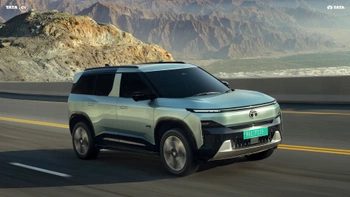
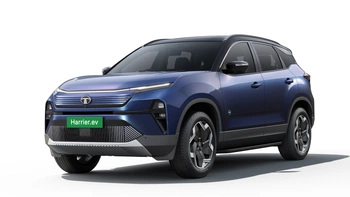
Tata Sierra EV
₹18.79 - 26.48 Lakh
Tata Harrier EV
₹21.69 - 30.43 Lakh
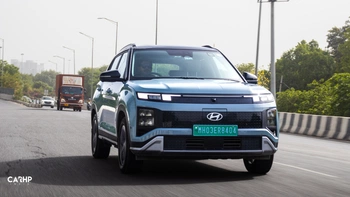
Tata Sierra EV
₹18.79 - 26.48 Lakh
Hyundai Creta Electric
₹18.03 - 25.22 Lakh
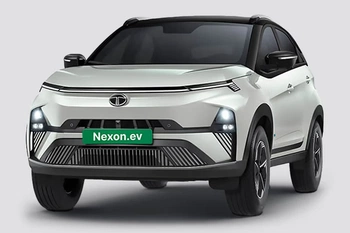
Tata Sierra EV
₹18.79 - 26.48 Lakh
Tata Nexon EV
₹12.49 - 17.69 Lakh

Tata Sierra EV
₹18.79 - 26.48 Lakh
Tata Curvv EV
₹16.99 - 19.49 Lakh
Tata Sierra EV
₹18.79 - 26.48 Lakh
MG ZS EV
₹17.99 - 20.75 Lakh
Tata Sierra EV
₹18.79 - 26.48 Lakh
MG Windsor EV
₹14.10 - 18.60 Lakh
Tata Sierra EV
₹18.79 - 26.48 Lakh
Maruti Suzuki e Vitara
₹15.99 - 20.01 Lakh
Mahindra XEV 9S Comparisons
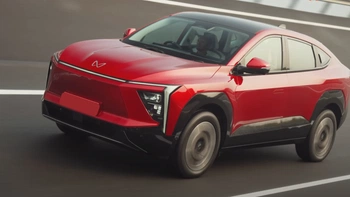
Mahindra XEV 9S
₹20.65 - 29.95 Lakh
Mahindra XEV 9e
₹21.90 - 31.25 Lakh
Mahindra XEV 9S
₹20.65 - 29.95 Lakh
Tata Harrier EV
₹21.69 - 30.43 Lakh
Mahindra XEV 9S
₹20.65 - 29.95 Lakh
Maruti Suzuki e Vitara
₹15.99 - 20.01 Lakh
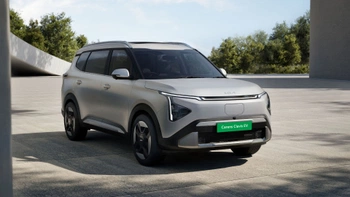
Mahindra XEV 9S
₹20.65 - 29.95 Lakh
Kia Carens Clavis EV
₹18 - 25 Lakh
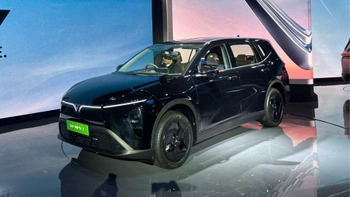
Mahindra XEV 9S
₹20.65 - 29.95 Lakh
Vinfast VF MPV 7
₹24.49 Lakh
Mahindra XEV 9S
₹20.65 - 29.95 Lakh
Hyundai Creta Electric
₹18.03 - 25.22 Lakh
Car News
Mahindra Charge_iN Expands to 50 Stations, Targets 250 Sites by 2027
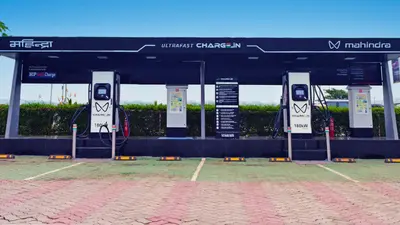
Mahindra's public EV charging network Charge_iN has crossed 50 live stations across India, with its first HPCL-partnered site now active on the Mumbai-Pune Expressway. The network has also crossed 200 live charging points nationally.
Anmol Kumar
September 24, 2026
Mahindra to Push SPORTEQ Features to Existing BE 6, XEV 9e and XEV 9S Owners via OTA From January 2027
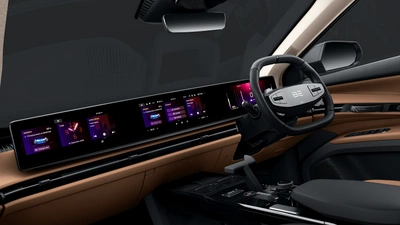
Mahindra has confirmed that several software features from the new BE 6 SPORTEQ will reach existing BE 6, XEV 9e, and XEV 9S owners via OTA updates, rolling out in phases from January 2027.
Anmol Kumar
August 24, 2026
Mahindra XEV 9S 6-Seater Launched With Captain Seats, Starting at Rs 25.25 Lakh
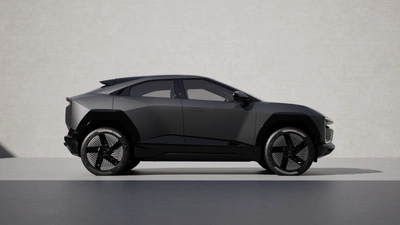
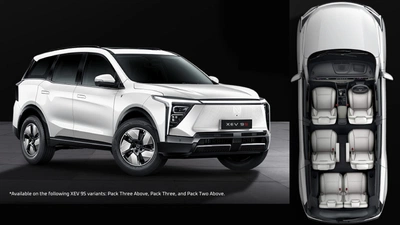
Mahindra has introduced a 6-seater configuration for the XEV 9S with individual captain seats replacing the second-row bench. Prices start at Rs 25.25 lakh ex-showroom, available on three of the four trim levels.
Anmol Kumar
August 19, 2026
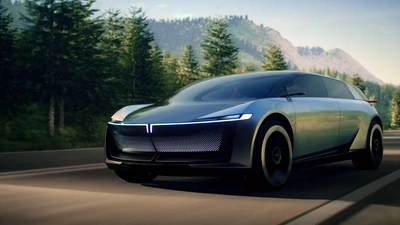
Tata CJLR AND Mahindra INGLO Architecture Explained
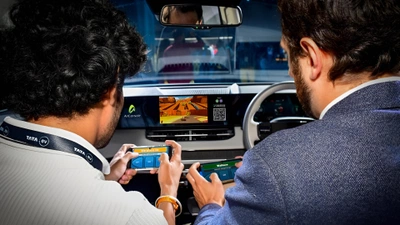
Tata and Mahindra are building dedicated EV platforms from the ground up: Avinya with 800V fast charging and Chery-JLR underpinnings, INGLO with VW-sourced components and SUV-first design. Here's what each brings to the table.
Salil Kumar
July 21, 2026