Best EVs Under ₹30 Lakh With 400 Km Real World Range
By Anmol Kumar
Updated August 22, 2026
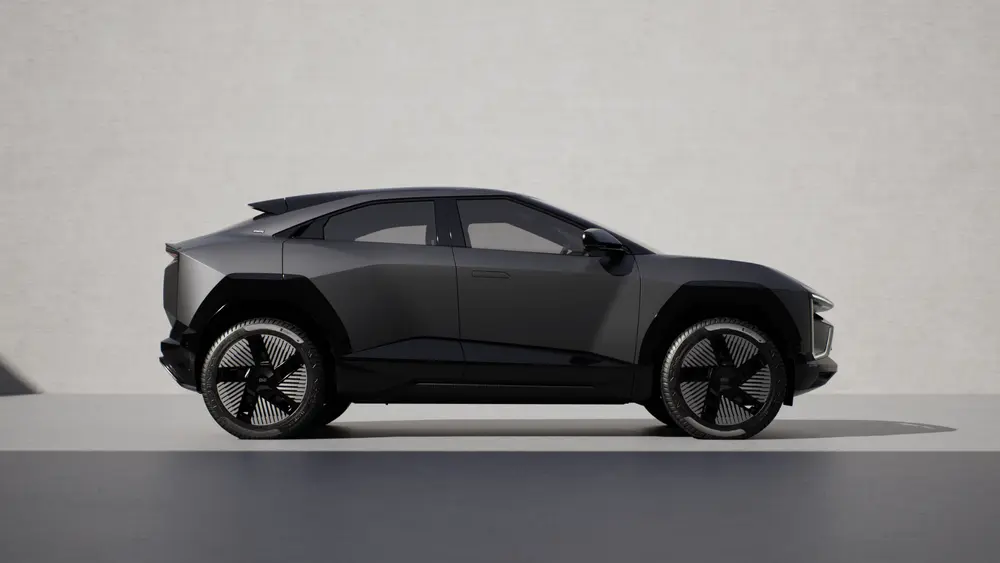
Every electric car sold in India comes with an ARAI range figure. Almost none of them deliver it. The ARAI test runs on a fixed low-speed loop with no air conditioning, no highway stints and no real traffic. In everyday driving AC on highways, on weekends, four adults aboard the number you see in the brochure shrinks by 25 to 40 percent.
We have compiled a list of EVs under 30 lakhs which can cross 400 km on a single charge in normal use. To make it even more accurate we have verified the real world range against testing done by sites like Teambhp/Autocar etc.
| Car | Battery | ARAI Range | Real World | Power / Torque | AC Charging | DC Charging (20-80%) | Price (ex-showroom) |
|---|---|---|---|---|---|---|---|
| Mahindra BE 6 SportEQ Four | 79 kWh | 683 km (MIDC) | 440–500 (Autocar) | 286 PS / 380 Nm | 8.7 h (7.2 kW) / 5.8 h (11.2 kW) | ~20 min (180kW) | Rs 26.95 lakh |
| Mahindra XEV 9S Pack Three Above | 79 kWh | 679 km | 430–477 km | 282 bhp / 380 Nm | 8.7 h (7.2 kW) / 5.8 h (11.2 kW) | ~20 min (175 kW) | Rs 29.45 lakh |
| Mahindra XEV 9e Pack Three | 79 kWh | 656 km | 430–450 | 282 bhp / 380 Nm | 8.7 h (7.2 kW) / 5.8 h (11.2 kW) | ~20 min (175 kW) | Rs 30.50 lakh |
| Tata Harrier EV Empowered+ QWD 75 | 75 kWh | 622 km | 410–430 (Carwale) | 313 bhp / 504 Nm | 10.7 h (7.2 kW) | ~25 min (120 kW) | Rs 28.99 lakh |
| VinFast VF7 Sky Infinity AWD | 70.8 kWh | 510 km (AWD) | 400 km | 349 bhp / 500 Nm | 7.2 kW supported* | ~28 min (110 kW) | Rs 26.79 lakh |
| Maruti e Vitara Alpha 61 kWh | 61 kWh | 543 km | 400–410 (Motorscribes) | 172 bhp / 193 Nm | ~8.5 h (7.4 kW) | ~60 min (70 kW) | Rs 17.26 lakh |
Mahindra BE 6 SportEQ
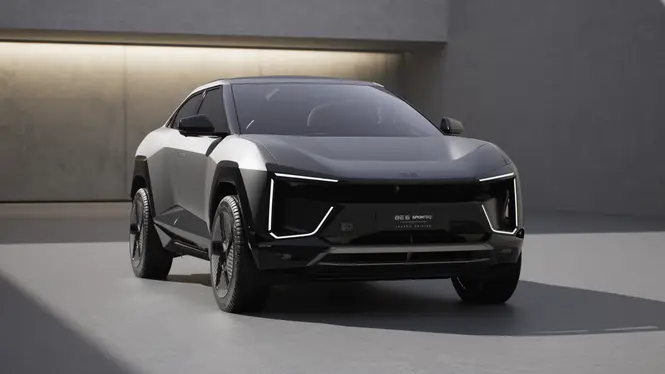
The BE 6 SportEQ Four is the benchmark for real-world range among EVs under Rs 40 lakh today. Mahindra updated the BE 6 as the Sporteq and reworked the variant line-up.
On a combined city-plus-highway test with AC running, it consistently returns approximately an efficiency of 5.5 to 6 km/kwh or 440-500 km on the 79 kWh pack making it the only car in this segment that can genuinely cover most intercity routes without any pre-trip range calculation required.
The reason it stretches its battery so far is structural. A coupe-SUV silhouette means a lower drag coefficient compared to a conventional upright SUV body. The single rear motor drives only the rear wheels, which reduces drivetrain friction versus a dual-motor AWD setup.
And at 282 bhp, the motor is powerful enough for spirited driving but not so overpowered that it burns through energy the moment you press past 80 kmph on the highway. These three factors working together explain the gap between its ARAI claim of 683 km and the consistent real-world number that is well above any rival.
Mahindra has also added a 70 kWh pack between the existing 59 kWh and 79 kWh units. It makes 245 hp and carries a claimed 651 km.
Also Read – All The Upcoming Electric SUVs From Mahindra
Mahindra XEV 9S
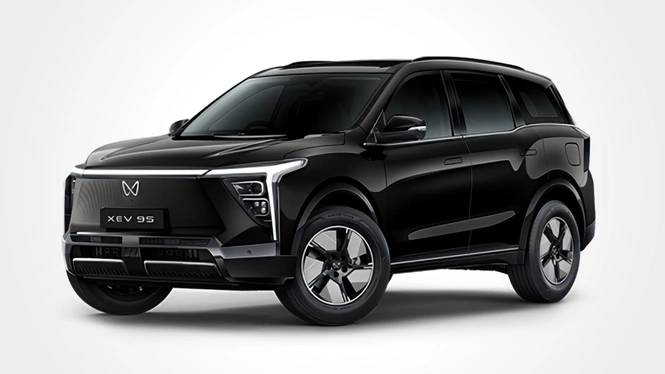
The XEV 9S is the most practically useful car on this list. It puts the INGLO platform's range credentials into a proper three-row seven-seat body, and the tested highway range of 430-477km as per Autocar on the 79 kWh pack is the highest highway figure among any car in this list slightly ahead of even the XEV 9e, which shares the same motor and battery.
For buyers who want to do Delhi-to-Agra or Pune-to-Nashik trips with a family of six without any charging stop, this is the most straightforward answer. The 175 kW DC charging speed means that on longer runs, a planned lunch stop of 25–30 minutes adds enough charge to complete most return legs.
The three-screen dashboard, panoramic sunroof and 16-speaker audio carry over from the XEV 9e, so the feature list does not thin out simply because there is a third row.
Mahindra added a 6-seat option across the Pack Two Above, Pack Three and Pack Three Above trims. It costs ₹20,000 to ₹25,000 more than the 7-seat equivalent and swaps the middle bench for captain seats.
Mahindra XEV 9e
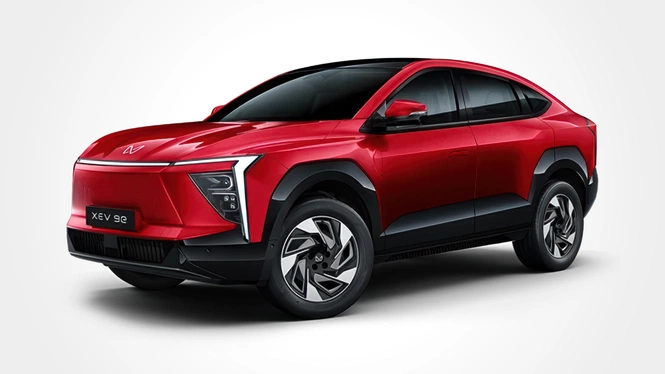
The XEV 9e sits between the BE 6 and XEV 9S in almost every respect more practical than the coupe, more composed on the highway than the three-row. Its tested combined range of 456 km on the 79 kWh pack is thoroughly consistent, and the highway figure of 488 km is the second-highest on this list, behind only the XEV 9S. The 55 km real-world gap against the BE 6 is explained by the taller, heavier body the XEV 9e is an upright five-seat SUV-coupe, not an aerodynamically optimised low-slung coupe.
What the XEV 9e offers that nothing else on this list does is a triple-screen interior: driver display, central infotainment and a dedicated passenger screen that enables OTT streaming, gaming console connectivity and video calls. At a mid-level Pack Two price of around Rs 27 lakh, it is a feature density that rivals cars costing Rs 10–15 lakh more. The 5-star Bharat NCAP rating and Level 2 ADAS suite round out a package that is genuinely difficult to fault at the price.
The firm suspension that helps its highway composure can feel unsettled on badly broken urban roads at low speed. This is a minor note, but buyers who primarily drive on poor city surfaces should be aware.
Also Read – Delhi's New EV 2.0 Draft Explained In Detail
Tata Harrier EV
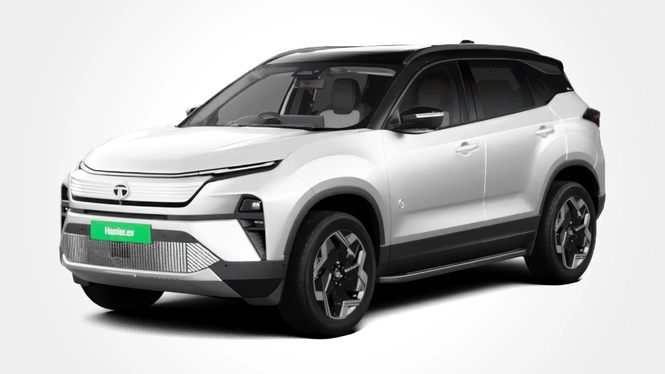
The Harrier EV's position on this list requires context. The tested combined range of 430 km was recorded on the AWD Empowered+ QWD variant the most powerful, most drag-inducing configuration, with a 2,300 kg kerb weight and two motors.
Also unlike Mahindra EVs, which are built on bespoke platforms, Tata's are in essence just EV conversions, which can also explain the range hit. This could change soon though, as Tata's Avinya-based cars start arriving by the end of this year.
The RWD 75 kWh variant, which is lighter and uses a single motor, is expected to add 30–50 km on top of that figure in real-world conditions, comfortably crossing 430 km.
For buyers who do not specifically need AWD, the Empowered 75 RWD is the range-optimised choice within the Harrier EV lineup.
What the Harrier EV uniquely brings to this list is trust infrastructure. Tata Motors has the most mature EV service network in India, with a charging ecosystem, app integration and 8-year battery warranty that no rival can match on breadth.
The Harrier EV's principal weakness is DC charging speed. At 120 kW maximum and 25 minutes for 20–80 percent on the 75 kWh pack, it is noticeably slower than the Mahindra trio's 175 kW capability. On a long highway run with multiple charging stops, this adds up.
The 7.2 kW AC charger also costs an additional Rs 49,000 above the base car price something buyers should factor into the on-road total.
VinFast VF7
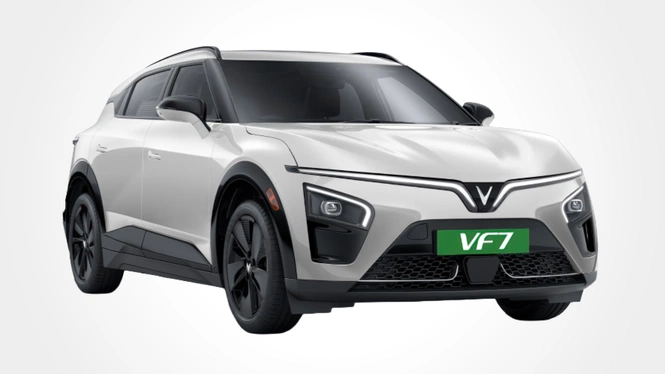
“Now we are stepping into the territory of, if driven with utmost care in Eco mode, it can do 400 km.”
The VF7 is the most powerful of the lot with 350 hp on tap. Sky Infinity sits on the edge of this list, and that needs stating plainly. In independent real-world testing, the dual-motor AWD version returned 391 km combined, but it can easily cross 400 km.
The after-sales network is the honest concern. VinFast's India footprint is still building, and buyers outside metro cities should verify service centre proximity before committing to a purchase.
Also Read – Top 5 EV Makers With Most Charging Stations
Maruti e Vitara 61 kWh
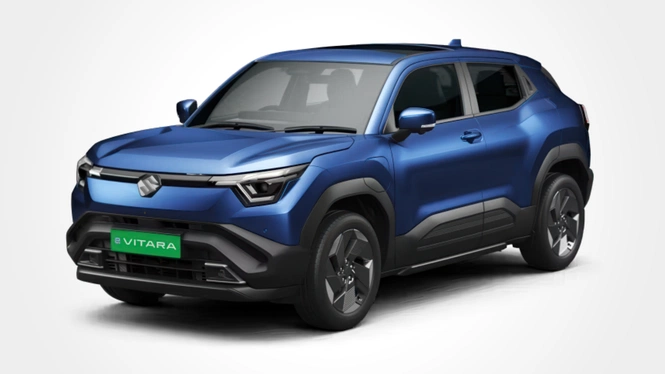
The e Vitara Alpha occupies a completely different position from the rest of this list. At Rs 17.26 lakh, it is Rs 9.64 lakh cheaper than the next entry. The 61 kWh pack carries an ARAI claim of 543 km, which is higher than both Mahindra's 59 kWh variants and squarely in the range that produces 400 km-plus real-world results.
The case for the e Vitara is not purely range. The electric Vitara comes with a LFP battery lithium iron phosphate chemistry, which degrades more slowly over years and charging cycles, handles India's summer heat better than NMC chemistry and can be safely charged to 100 percent regularly without accelerating degradation.
Also Read- Maruti Suzuki E-Vitara BaaS Explained
Maruti backs this with an 8-year battery warranty transferable to the second owner a detail that matters more than most buyers realise at the time of purchase.
The service network is Maruti's, the largest in India, which means a workshop within 20 km for virtually any buyer in any city or town.
Also Read- Upcoming Maruti Cars
The trade-offs are equally clear. At 172 bhp, it is the least powerful car on this list by a margin. But I think that low-end motor power actually helps it beat other rivals on the list with 250-plus hp. Plus, Maruti's BMS (battery management system) is quite reliable and efficient compared to rivals, and a big reason behind its huge export numbers of 13,000 annually.
Honorable Mentions
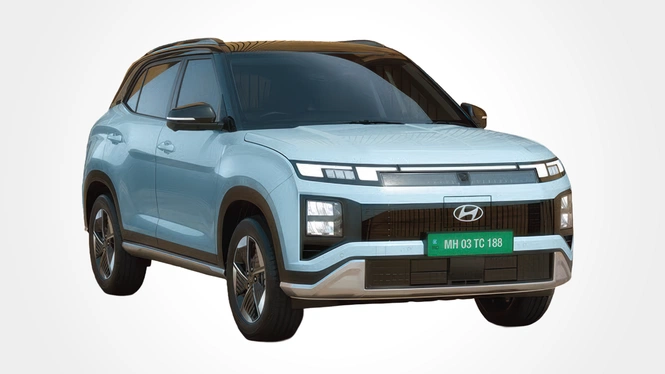
Hyundai's Creta Electric Excellence LR (51.4 kWh) at around Rs 24.70 lakh offers a tested real-world combined range of 432 km, making this a genuine 400 km car in optimal conditions. City driving consistently returns 380-420 km, while highway range falls to 320-360 km meaning a combined result just clears the threshold but a pure highway trip does not.
Also Read – Best EVs Under ₹20 Lakh in India With 300 KM Of Real World Range
Image Source: Respective brand websites
Info source- Autocar, Carwale, Motorscribes
Table of Contents
- Mahindra BE 6 SportEQ
- Mahindra XEV 9S
- Mahindra XEV 9e
- Tata Harrier EV
- VinFast VF7
- Maruti e Vitara 61 kWh
Join the Conversation
Trending
Every CNG Automatic Car Available in the Market
These options offer the convenience of an automatic without compromising on mileage.
Salil Kumar
September 29, 2026
Most Affordable Cars With 360 Degree Camera Under 10 Lakhs
The 360 cam is one of the most in demand features that helps to increase your situational awareness when parking or while driving. Here is the full list of cars that offer a 360-degree camera under ₹10 lakh with variant names, prices, and what else you get alongside the camera.
Salil Kumar
September 29, 2026

Delhi Announces Stricter Winter Anti-Pollution Measures
Delhi has announced winter anti-pollution measures that directly affect vehicle owners. Non-BS6 vehicles from outside Delhi will be barred from entering the city, parking charges will double, and the No PUC No Fuel rule will be enforced more strictly.
Salil Kumar
September 29, 2026
Featured
Citroen C3 Review: Who Should Consider This Car?
A few days ago, I took the Citroen C3X out for a spin in the city and on the highways. I travelled long distances and checked its fuel efficiency, features, comfort, and other factors. Today, I’ll briefly share my overall experience with the C3X and will tell you whether you should consider it or not and which is the most value-for-money variant of the lot.
Vatsal Agrawal
May 19, 2026
Tesla Finally In India Officially. Why Now And What Does It Mean For EVs?
The much-anticipated 2025 Tesla Model Y has officially arrived in India, marking a pivotal moment for the nation's burgeoning electric vehicle market. Launched on July 15, 2025, the Model Y Juniper facelift offers cutting-edge technology, impressive range, and signature Tesla performance. Positioned as a premium electric SUV, its entry will intensify competition and reshape consumer expectations for EVs across the subcontinent.
Charan Narain
July 17, 2025
Here Are 10 Things The Harrier.EV Offers That The Mahindra XEV 9E Doesn't
The Harrier.EV is an incredible new offer from Tata. Its most popular competitor would be the Mahindra XEV 9E, priced similarly. With these two incredible offerings from home grown brands available, here is a list of everything the Harrier.EV offers that the XEV 9E doesn't.
Charan Narain
June 13, 2025
Write a comment
Comments
No comments yet. Be the first to comment!