MG Hector Tomahawk EV vs Mahindra XEV 9S - Which One Should You Buy
MG Hector Tomahawk EV vs Mahindra XEV 9S Comparison at CarHP India. Compare MG Hector Tomahawk EV and Mahindra XEV 9S Prices, Mileage, Features, Specs, Colours and much more.
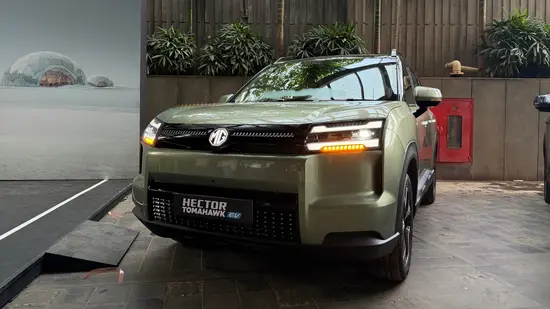
The MG Hector Tomahawk EV comes in 4 variants. The selected variant is priced at ₹19.50 Lakh. The cheapest variant, Excite 7-Seater, costs ₹19.50 Lakh, while the top-end variant, Essence 7-Seater, is priced at ₹23.50 Lakh. The Mahindra XEV 9S comes in 10 variants. The selected variant is priced at ₹20.65 Lakh. The cheapest variant, Pack One Above 59kWh, costs ₹20.65 Lakh, while the top-end variant, Pack Three Above 79kWh, is priced at ₹30.90 Lakh.
₹ 19.50 Lakh
₹ 20.65 Lakh
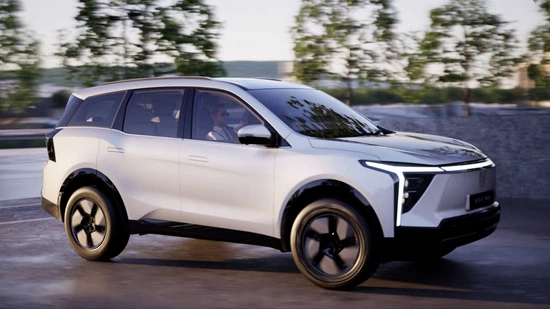


Compare Minimum 2 Cars At Once — Tap To Activate / Deactivate
Smart Summary for Car Selection
 Why Choose MG Hector Tomahawk EV?
Why choose
- Vehicle-to-Home technology the first in any Indian car allows the battery to power household appliances during a grid outage, going beyond the Vehicle-to-Load feature that a handful of rivals already offer
- 69.2kWh battery with a certified range of 517km makes it one of the higher-range electric SUVs available at this price point
- Available in both 5-seat and 7-seat configurations, giving buyers layout flexibility that the XEV 9S does not offer within a single model
- 90kW DC fast charging reaches 30-80 percent in approximately 35 minutes, which is a competitive fast-charging capability for this battery size
- Battery-as-a-Service pricing drops the entry cost substantially for buyers who want to defer the battery spend
Why not choose
- No crash test rating from Bharat NCAP or Global NCAP published at launch; the XEV 9S has verified safety credentials the Tomahawk EV cannot currently match
- MG's service network for EV-specific diagnosis is narrower than Mahindra's in tier-2 cities; buyers outside major metros should check the nearest MG EV service point before committing
- A very new nameplate with limited real-world ownership data; long-term software reliability, OTA update quality and after-sales quality have not been established by owner experience yet
Why Choose Mahindra XEV 9S?Why choose
- Three battery options of 59kWh, 70kWh and 79kWh give more entry-point flexibility than the Tomahawk EV's single battery size
- Level 2+ ADAS with five radars, twelve sensors and a forward camera is part of the technology suite on higher variants
- 180kW DC fast charging is among the fastest in this price band meaningfully faster than the Tomahawk EV's 90kW which shortens stops on longer-distance journeys considerably
- Seven seats with a 50:50 folding third row, a 150-litre frunk, and 527-litre boot make it the more thoroughly packaged family EV in this comparison
- Mahindra's Born Electric after-sales network, while still developing, has more established infrastructure than MG's EV support in most cities
Why not choose
- Entry-level 59kWh variant's range is more constrained; buyers who want the headline range figures need to spend to the 79kWh pack
- Third-row legroom is adequate for children but noticeably tight for adults on journeys beyond an hour, which limits the seven-seat claim in practice
- ADAS is not available on the entry-level variant; buyers need to move up to access driver assistance, adding cost
 Our Recommendation For Most Buyers
MG Hector Tomahawk EV
The Tomahawk EV's most distinctive argument is V2H technology and a 517km certified range in a body that seats both five and seven people a flexibility the XEV 9S does not offer. The BaaS pricing route makes it meaningfully accessible for buyers who want to defer the battery cost. The honest caveat at this stage is that the car is brand-new: no crash test result, limited ownership data, and an MG EV service network that is still thinner than Mahindra's in most non-metro cities.
Buyers who are comfortable being early adopters and who live in cities with accessible MG EV support will find the Tomahawk EV's technology package genuinely impressive. Those who want verified safety credentials and a more established EV ownership ecosystem should look at the XEV 9S first.
Mahindra XEV 9S
The XEV 9S makes its strongest case on charging speed and powertrain breadth. At 180kW DC fast charging, highway stop time is meaningfully shorter than the Tomahawk EV allows, and three battery sizes give buyers genuine price-point flexibility. The seven-seat layout with frunk storage is the more comprehensively packaged family configuration between these two. ADAS on higher variants and Mahindra's wider EV service footprint add ownership-cycle confidence.
The limitation is that the third row works better as occasional seating than daily use, and the entry variant does not carry the full technology suite. For buyers who want the faster charger, more powertrain choice, and a better-developed after-sales structure, the XEV 9S is the more mature answer.
Engine and Performance
Performance Specifications
Fuel Specifications
Dimensions and Design
Interior Specifications
Wheels & Tires
Suspension, Brakes & Steering
Safety Features
Interior Features
Comfort & Convenience
Infotainment Features
Exterior Features
Brochure

EMI Cost Comparison
Assuming 20% down payment, 9.5% interest, 60-month tenure
 Loan Amount
 Interest: 9.5%
 Down Payment (20%)
 Loan TenureLoan AmountInterest: 9.5%Down Payment (20%)Loan Tenure
Pros & Cons Comparison
Things We Like in MG Hector Tomahawk EV
- Vehicle-to-Home, V2L, and V2V support, which no rival offers all three
- 15.6-inch infotainment display is the largest in segment at launch
Things We Like in Mahindra XEV 9S
- Traditional styling makes it looks an electrified version of XUV700
- Rear Seat features are unmatched with tablet holders, reclining seats
Things We Don't Like in MG Hector Tomahawk EV
- Front-wheel drive only
- LFP battery chemistry means slower DC charging ceiling at 90 kW versus NMC rivals
Things We Don't Like in Mahindra XEV 9S
- Styling is an understated shocker considering how fancy the BE.6 and XEV9e look
- No free fast charger, you have to pay extra 70,000!!!
MG Hector Tomahawk EV Comparisons
Mahindra XEV 9S Comparisons
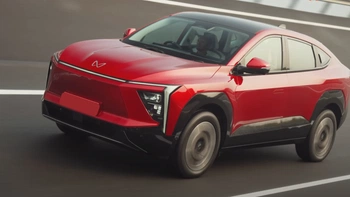
Mahindra XEV 9S
₹20.65 - 29.95 Lakh
Mahindra XEV 9e
₹21.90 - 31.25 Lakh
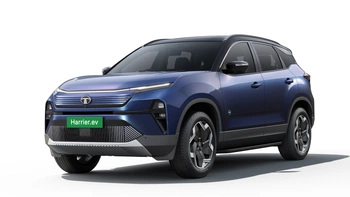
Mahindra XEV 9S
₹20.65 - 29.95 Lakh
Tata Harrier EV
₹21.79 - 30.54 Lakh
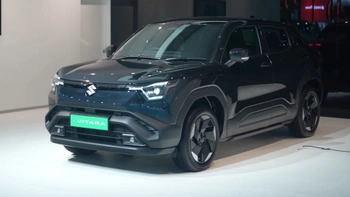
Mahindra XEV 9S
₹20.65 - 29.95 Lakh
Maruti Suzuki e Vitara
₹16.19 - 20.21 Lakh
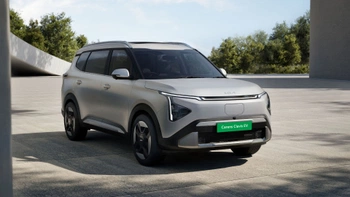
Mahindra XEV 9S
₹20.65 - 29.95 Lakh
Kia Carens Clavis EV
₹18.04 - 25 Lakh
Mahindra XEV 9S
₹20.65 - 29.95 Lakh
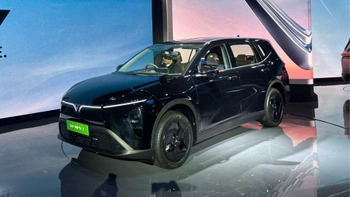
Vinfast VF MPV 7
₹24.49 Lakh
Mahindra XEV 9S
₹20.65 - 29.95 Lakh
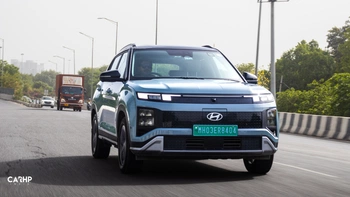
Hyundai Creta Electric
₹18.03 - 25.22 Lakh
Car News
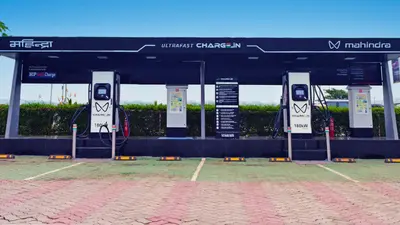
Mahindra Charge_iN Expands to 50 Stations, Targets 250 Sites by 2027
Mahindra's public EV charging network Charge_iN has crossed 50 live stations across India, with its first HPCL-partnered site now active on the Mumbai-Pune Expressway. The network has also crossed 200 live charging points nationally.
Anmol Kumar
September 24, 2026
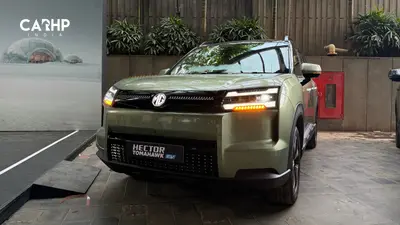
MG Hector Tomahawk EV: First Impressions
MG has launched the Hector Tomahawk EV in India starting at ₹19.49 lakh. Built on the new ADAPT architecture, the electric SUV offers a claimed 517 km range, five and seven-seat layouts, a strong feature list and a BaaS option that brings the entry price down to ₹13.99 lakh.
Arjun Nair
August 31, 2026
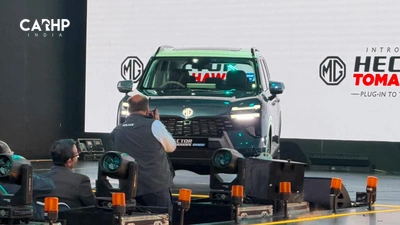
MG Hector Tomahawk Launched in India from Rs 13.99 Lakh BaaS with a 517 km EV and a 1,100 km Plug-in Hybrid
MG has launched the Hector Tomahawk in India in two forms, a 69.2 kWh electric SUV with a claimed 517 km range and a plug-in hybrid claiming over 1,100 km on a full tank and a full charge. Battery as a Service prices start at Rs 13.99 lakh for the EV and Rs 21.79 lakh for the PHEV.
Anmol Kumar
August 27, 2026
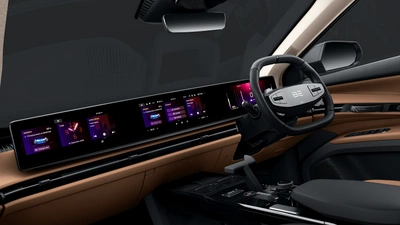
Mahindra to Push SPORTEQ Features to Existing BE 6, XEV 9e and XEV 9S Owners via OTA From January 2027
Mahindra has confirmed that several software features from the new BE 6 SPORTEQ will reach existing BE 6, XEV 9e, and XEV 9S owners via OTA updates, rolling out in phases from January 2027.
Anmol Kumar
August 24, 2026
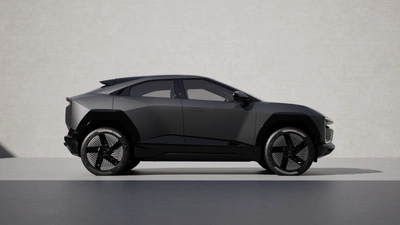
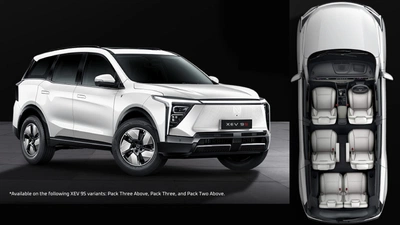
Mahindra XEV 9S 6-Seater Launched With Captain Seats, Starting at Rs 25.25 Lakh
Mahindra has introduced a 6-seater configuration for the XEV 9S with individual captain seats replacing the second-row bench. Prices start at Rs 25.25 lakh ex-showroom, available on three of the four trim levels.
Anmol Kumar
August 19, 2026
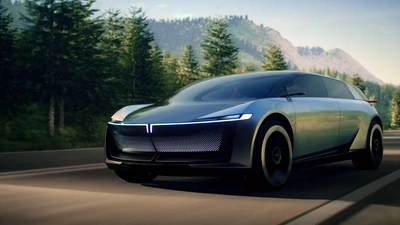
Tata CJLR AND Mahindra INGLO Architecture Explained
Tata and Mahindra are building dedicated EV platforms from the ground up: Avinya with 800V fast charging and Chery-JLR underpinnings, INGLO with VW-sourced components and SUV-first design. Here's what each brings to the table.
Salil Kumar
July 21, 2026