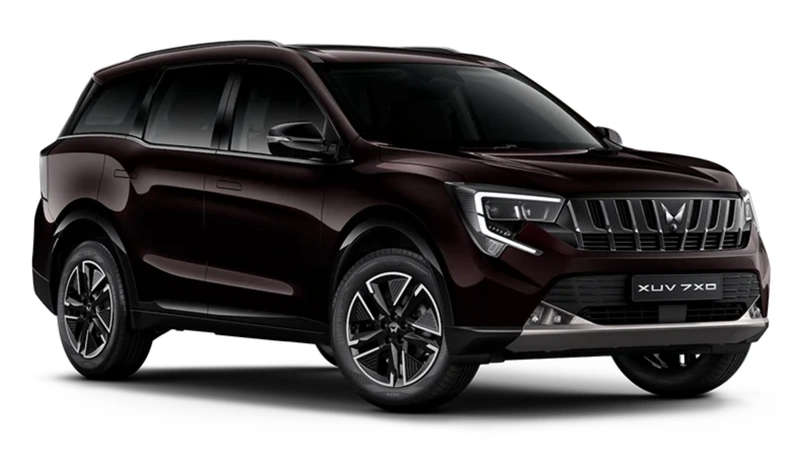
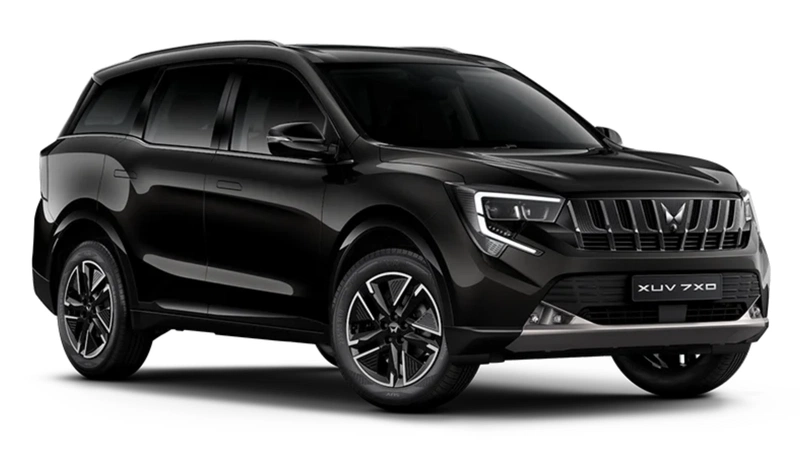
Mahindra XUV 7XO
Overall Rating

Mahindra XUV 7XO
Overall Rating
EMI Loading
Mahindra XUV 7XO Key Specifications
Mahindra XUV 7XO Highlights
Triple screen display with Dolby Vision and Dolby Atmos
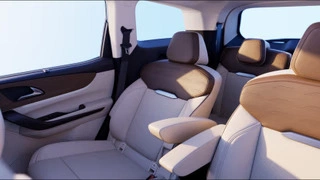
Comfort features include Boss Mode, 4 Seat Ventilation, Solar Glass, Dual Zone FATC
Mahindra XUV 7XO Overview

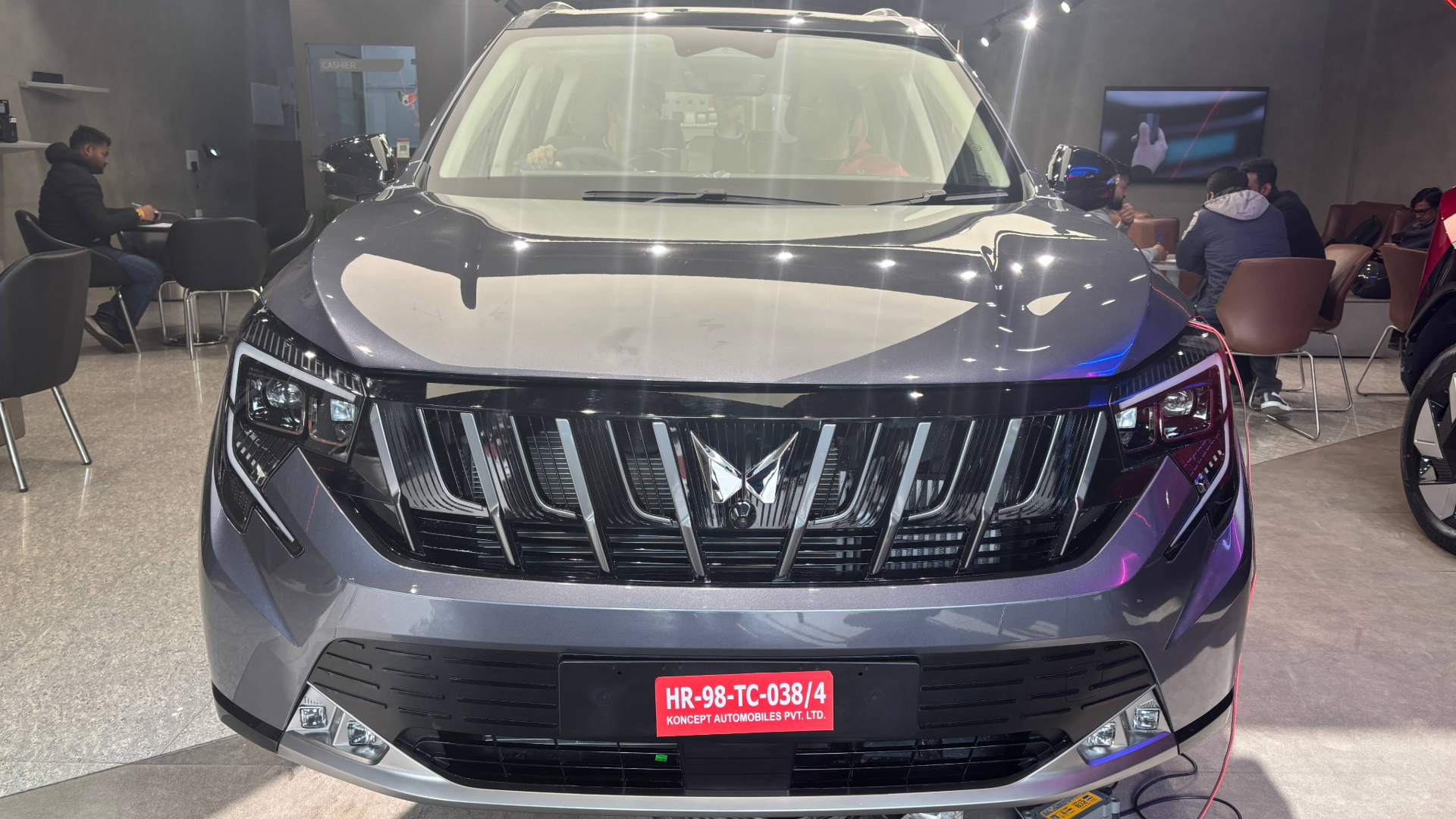
The XUV 7XO follows the same naming logic the XUV300 followed when it became the 3XO, and the result is a mid-life update that runs deeper than most facelifts in this price band.
Anyone who assumed this was a bumper-and-badge job will be surprised by what has changed underneath.
The positioning has not moved. This is still a three-row, large family SUV that starts around Rs 14 lakh and climbs to about Rs 26 lakh ex-showroom and comes witrh two of themost powerful engines on sale
The 2.0-litre turbo-petrol makes around 200bhp and 380Nm, the 2.2-litre diesel around 183bhp and 450Nm, and both work with a six-speed manual or a six-speed torque converter automatic. All-wheel drive stays exclusive to the diesel in the two highest trims, and it remains the only such option in this class.
Engine and Performance
Engine and Performance
The diesel automatic is the powertrain most buyers will end up in, and it is the one that best explains this car.
The large 2.2-litre mHawk makes the clatter you expect from a large-capacity diesel engine and then settles within a few minutes into a hum that is barely present at idle and unobtrusive at cruise.
Moving off is undramatic in the best way. Lift off the brake and the car creeps forward smoothly, and light throttle openings are enough to keep pace with city traffic because there is torque everywhere.
The turbo spools early, the automatic disguises what little lag remains, and the delivery is linear enough that driving smoothly requires no thought.
What is not immediately obvious is that this is a fast SUV. Bury the accelerator on an open road and it gathers triple-digit speed quickly, with a mid-range strong enough to make an overtake a breeze.
It is quick without ever feeling frantic, which suits the character of the car.
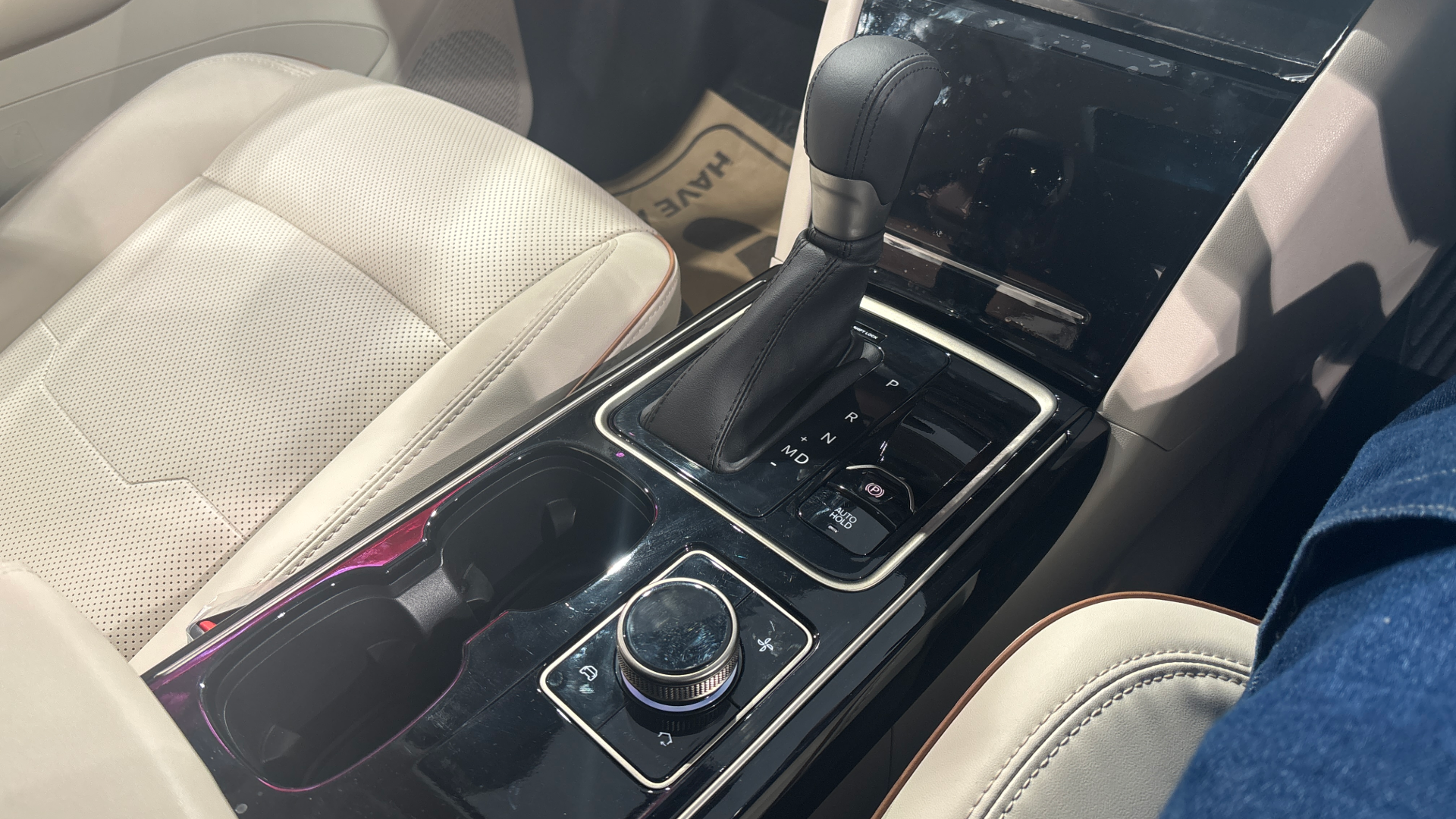
The Aisin-sourced six-speed automatic is one of the quieter heroes here. Left to itself in normal driving it slurs through ratios almost imperceptibly.
Compared with the outgoing car, the new gearbox now hangs onto ratios marginally longer, most noticeably in second, where it holds and holds before dropping into third with a satisfying shove.
Being a diesel it never asks to be revved, upshifting around 4,000rpm, and it settles at roughly 1,800rpm at 100kmph and 2,000rpm at 120kmph, which is exactly the sort of long-legged gearing that makes 600km days painless.
Three drive modes are on offer under the Zip, Zap and Zoom names, altering throttle mapping, steering weight and engine tune. Zip dulls responses for economy and is the natural city choice, Zap is the everyday default, and Zoom sharpens things without transforming them.
On the diesel the gap between the top two modes is small, and the steering does not gain as much weight in the sportiest setting as a keen driver would want, so the modes are a convenience feature rather than a personality switch.
The petrol makes sense for a narrower group. With around 200bhp and 380Nm, it is smoother and quieter than the diesel, revs with more enthusiasm, and suits buyers with low annual running or long parked spells where a modern diesel's particulate filter becomes a nuisance.
Buyers doing only short trips should understand that the diesel's regeneration cycle will interrupt them periodically and needs a decent run to complete, so the petrol is the smarter buy for that use pattern.
Braking is handled by discs at all four corners across the entire range, and the pedal is progressive with a bite point that arrives early enough to inspire confidence, hauling the car down from speed without wander or drama.
fuel economy
fuel economy
Owner reports suggest the 7XO petrol typically returns around 9 to 11 kmpl in mixed driving, while the diesel averages 11 to 13 kmpl in the city and 15 to 17 kmpl on highways with a light throttle
The 2.0L turbo-petrol is a thirsty drinker, especially with an automatic and a fully loaded cabin. Don't expect anything over single digit figures in city traffic.
This is not too surprising, considering that the engine manages to cruise at 100-120 kmph at 1600-2000 rpm.
The XUV 7XO features a 60-litre fuel tank in all variants. It translates to something close to around 500-600 km between fills on a highway trip, which is a real-world advantage for people who cover long distances.
interior
interior
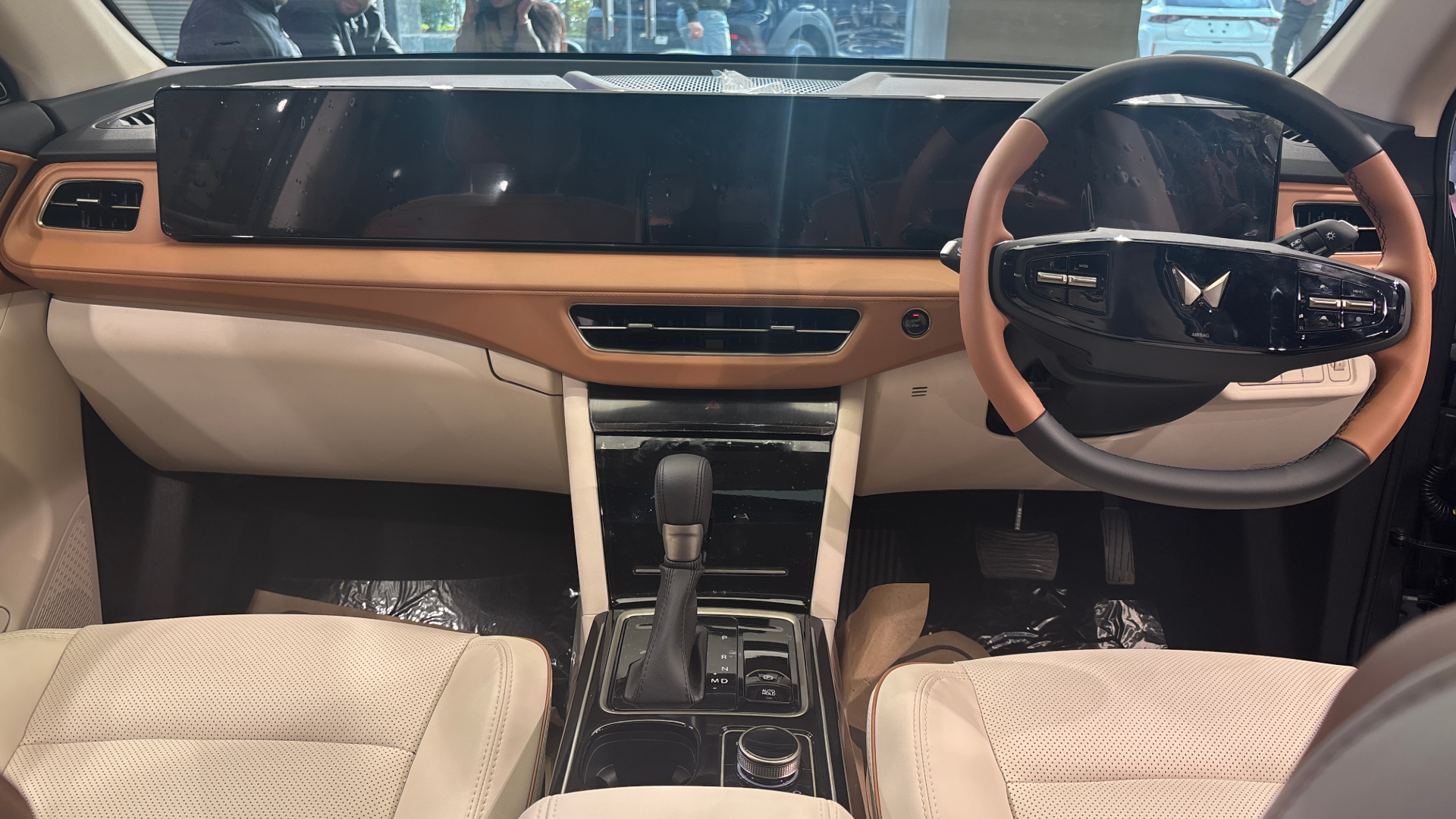
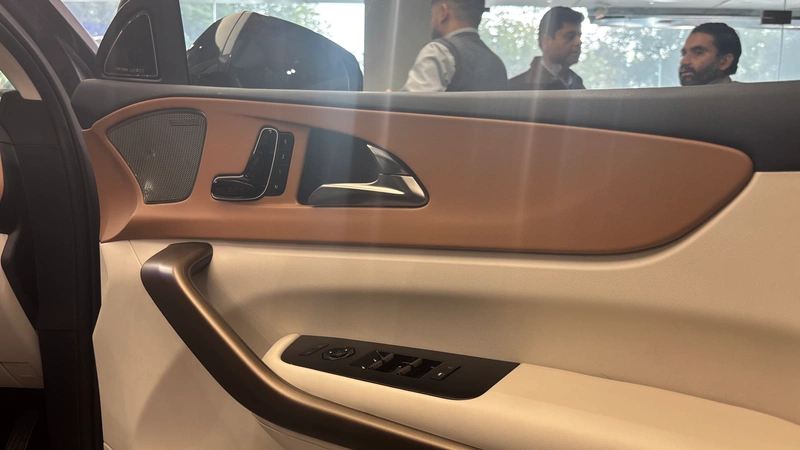
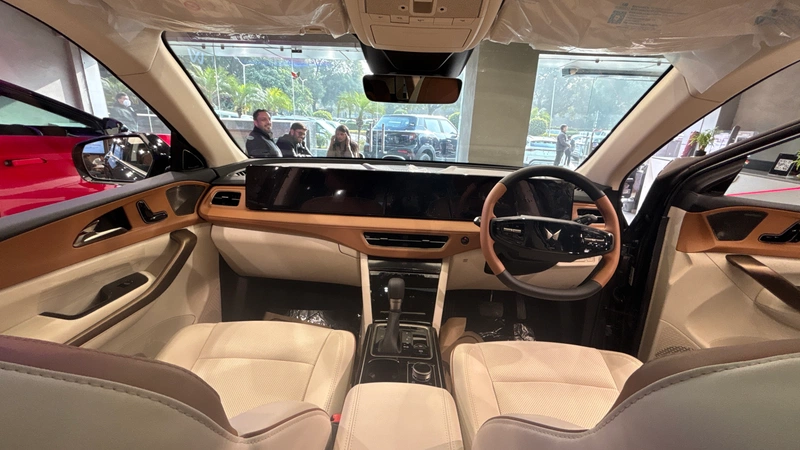
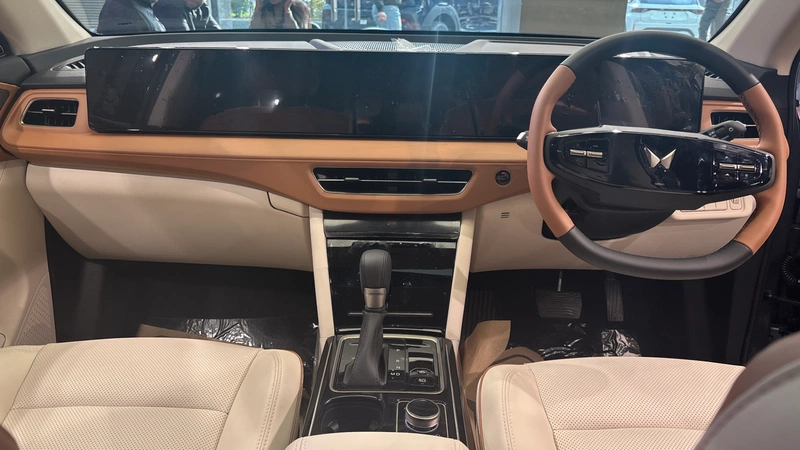
You will be surprised at the amount of luxury-like materials and colors Mahindra has chosen for 7XO's interior.
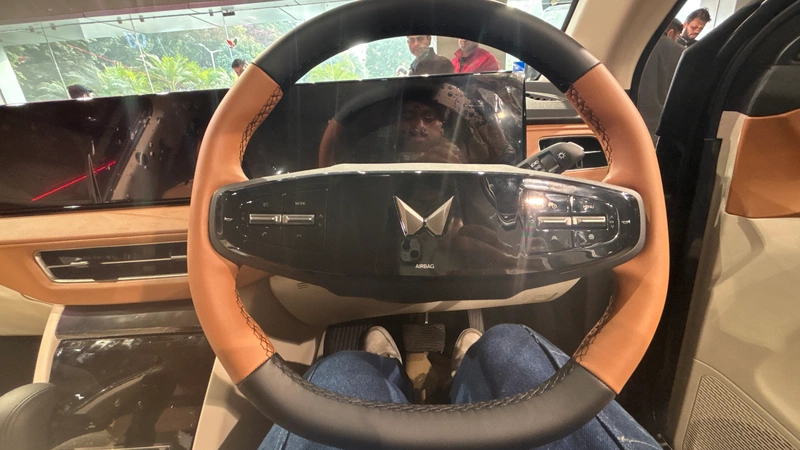
The dashboard now runs a coast-to-coast triple display layout, standard from the base variant upward, which is unusual honesty from a manufacturer given how often such things are reserved for the top trim.
The driver display, the central touchscreen and the passenger screen sit under one continuous panel, and the passenger unit streams video from the usual apps at a quality that holds up on the move, with a privacy filter that stops the driver catching it in the corner of an eye. Children take about four minutes to work out how to run cartoons on it, and long drives change character as a result.
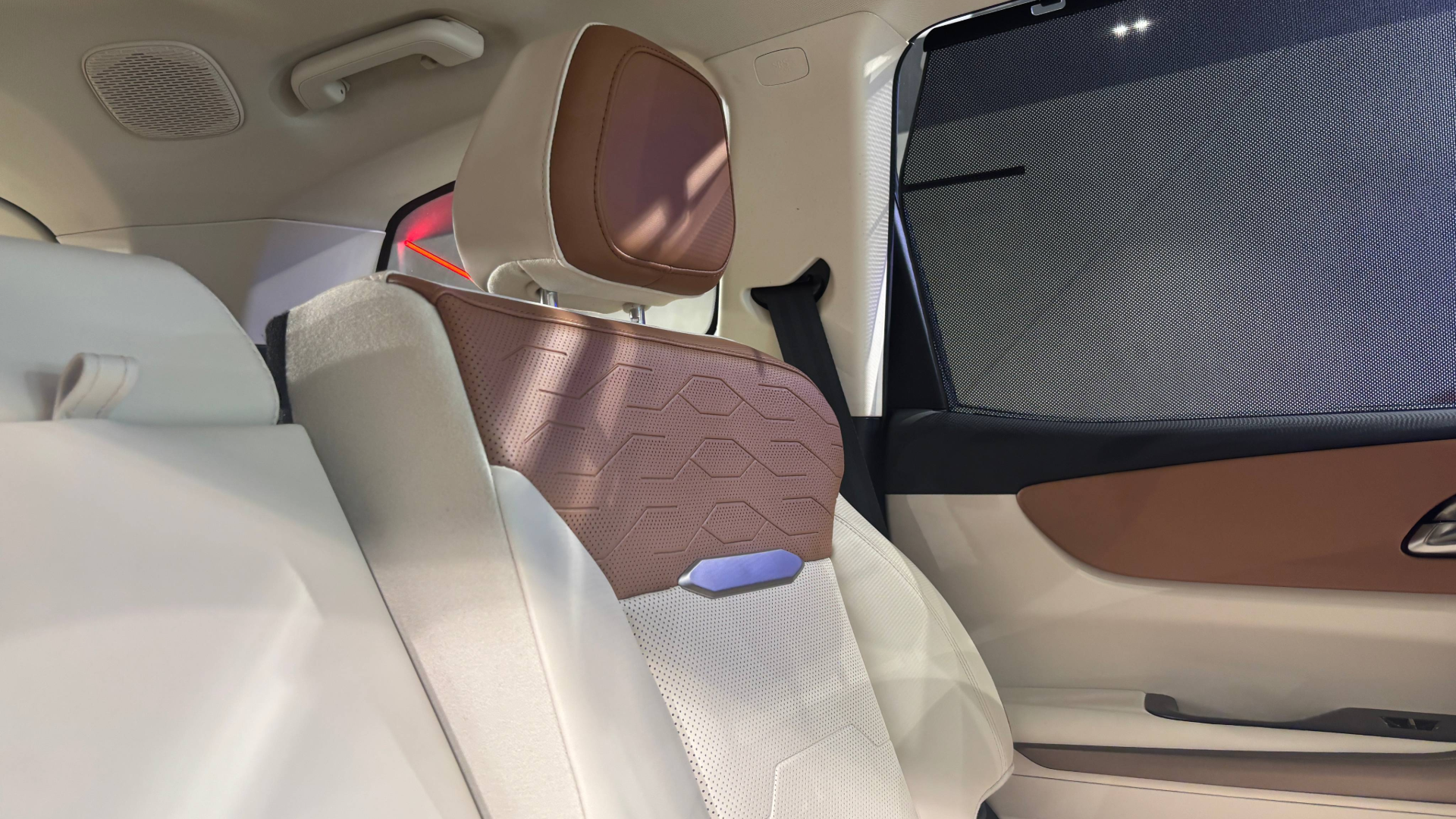
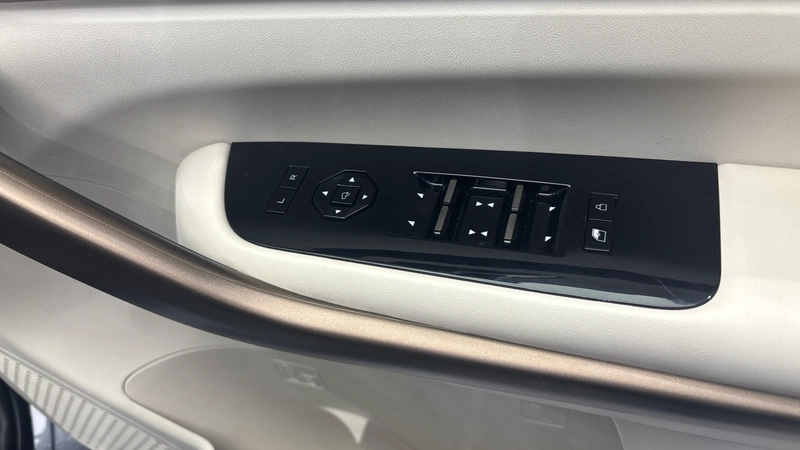
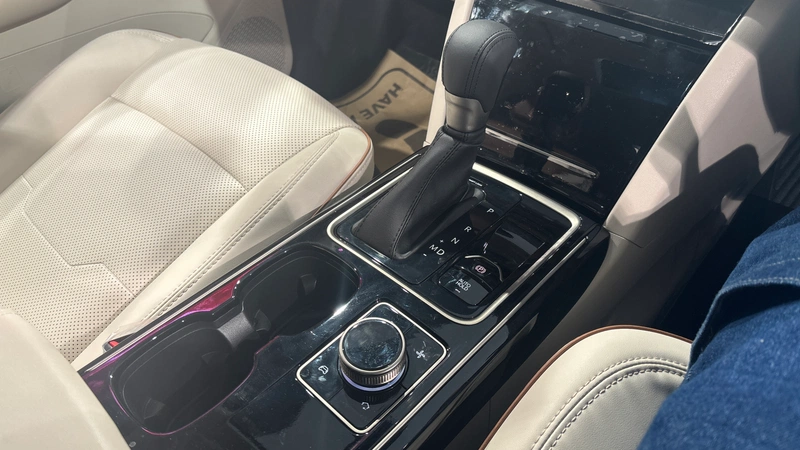
The material story is mixed in an interesting way. The seats, the door inserts and the upper dash feel a class above what the badge used to deliver, with the upper door pads and leatherette looking and smelling expensive. The tan and white theme photographs beautifully but soils rapidly too.
Piano black appears in too many high-traffic places and scratches exactly where fingers land. Fit and finish is good rather than flawless, with the occasional inconsistency in trim alignment that a Hyundai or Kia would not allow.
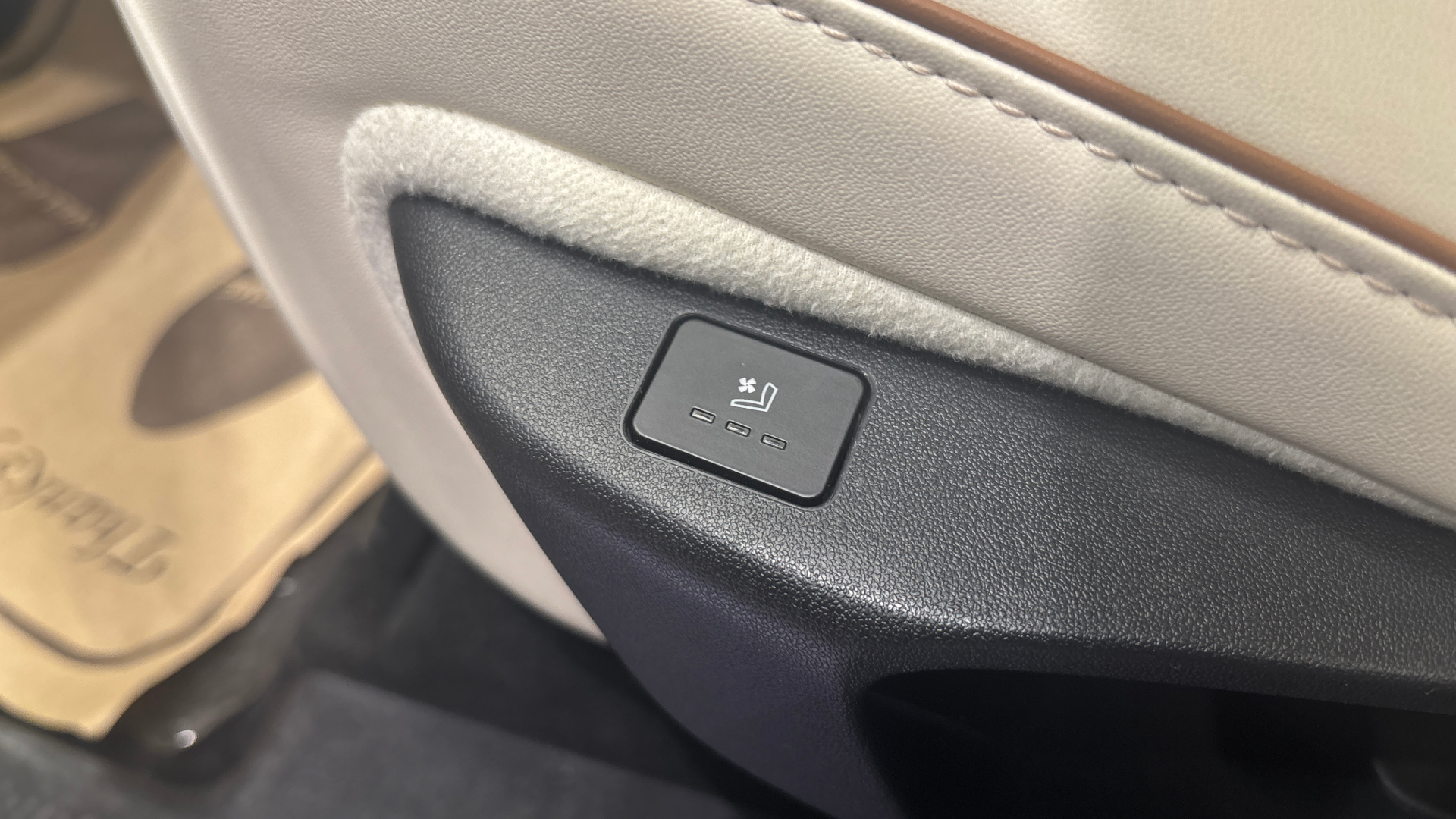
The two most significant cabin changes are one triumph and one that oculd have been easily avoided.
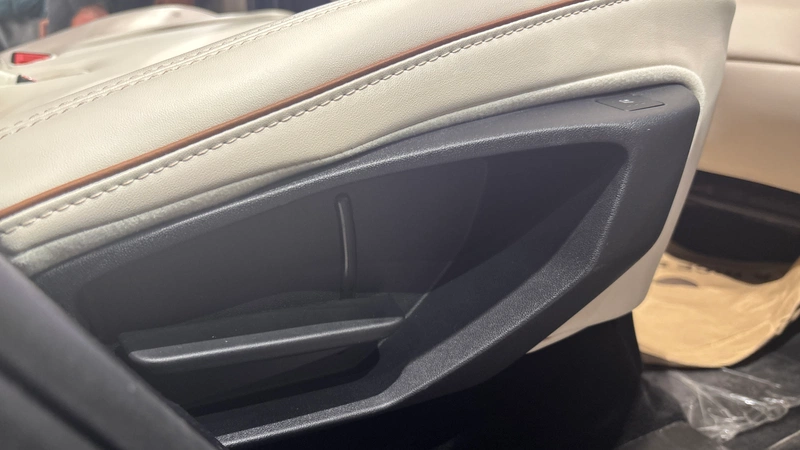
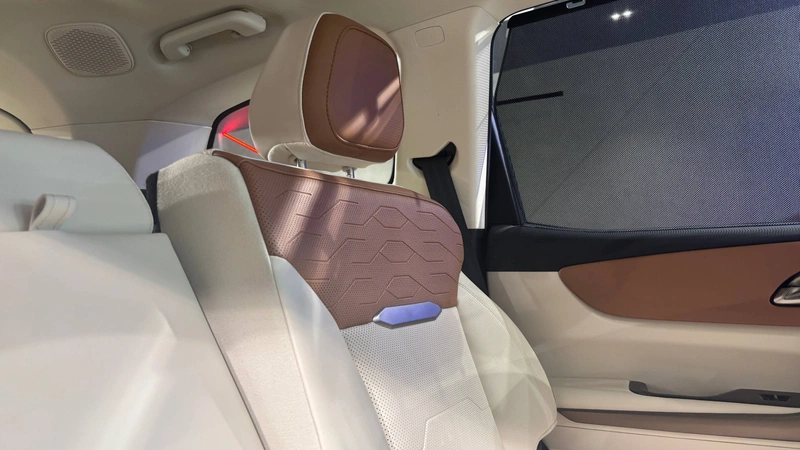
The triumph is the front seats, lifted from the electric flagship, which are large, deeply cushioned, properly bolstered and blessed with the under-thigh support that so many rivals miss.
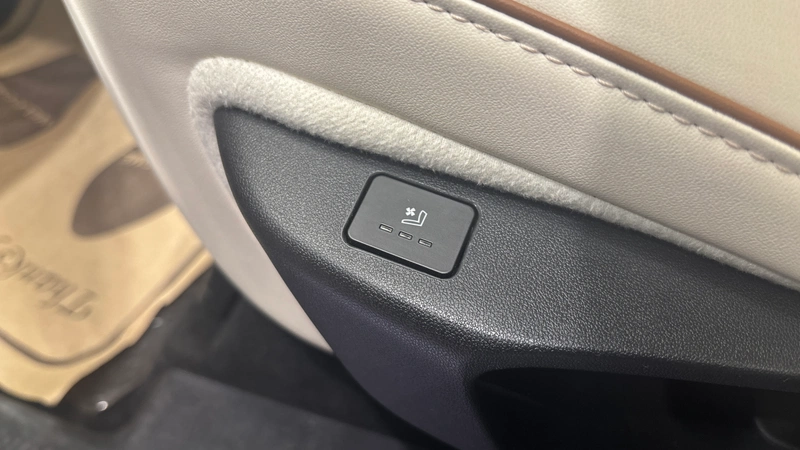
They are the single strongest reason to consider this car for long-distance duty, and ventilation on both rows makes them work in an Indian summer, though the cooling is more gentle breeze than blast.
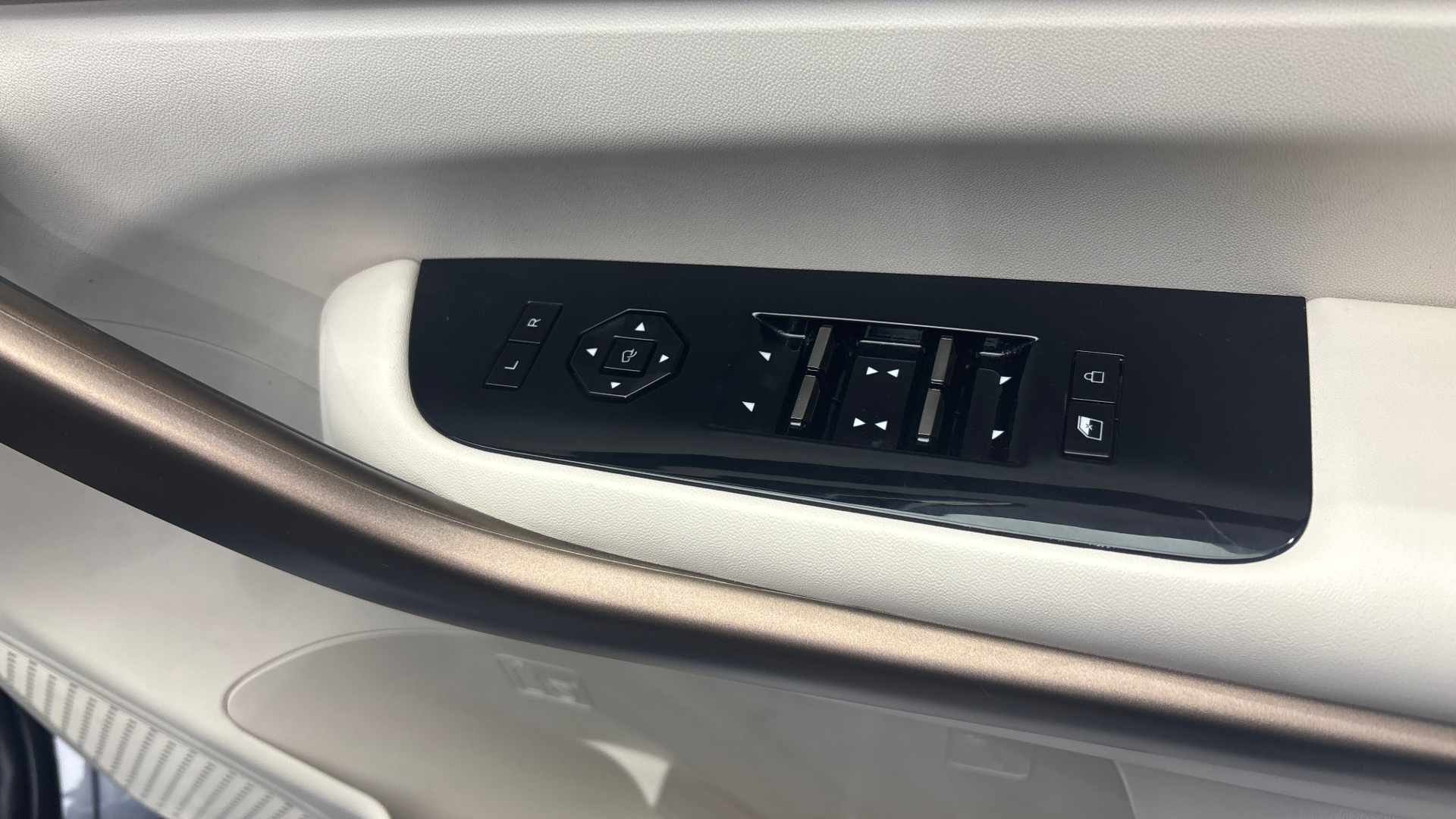
The most annoying thing was the touch-based controls and the piano black plastic, which, in my opinion, is the single worst thing the car industry has adopted en masse. Somehow, cheap, shiny plastic has become mistaken for a luxurious finish.
Mahindra has taken the physical air-conditioning buttons out and buried the functions in the touchscreen, and the panel that survives below is a set of press buttons that do not always register the first time.
Adjusting fan speed while driving now needs eyes off the road, and the fact that the system tends to switch itself on at every start makes the annoyance a daily one rather than an occasional one.
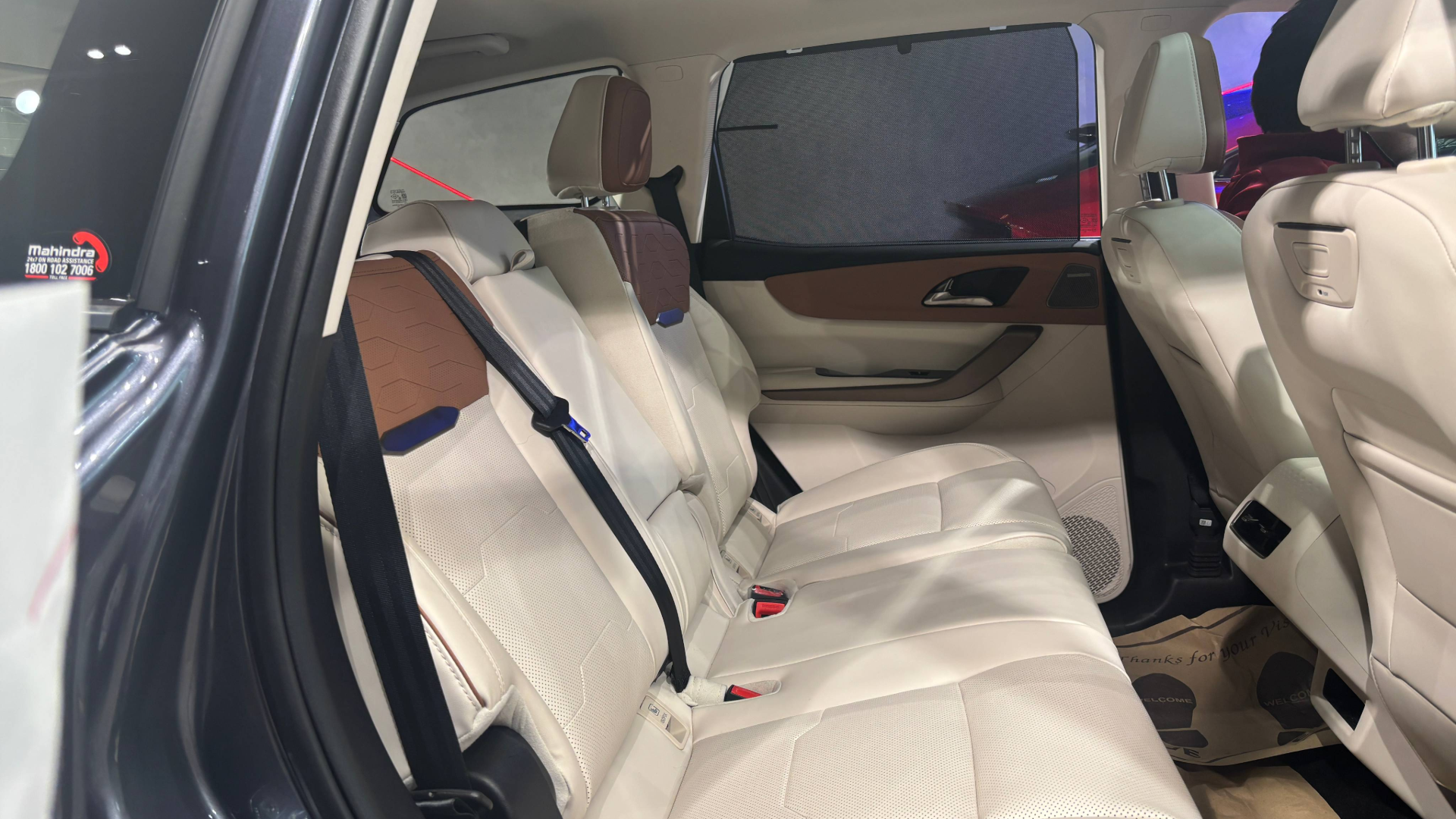
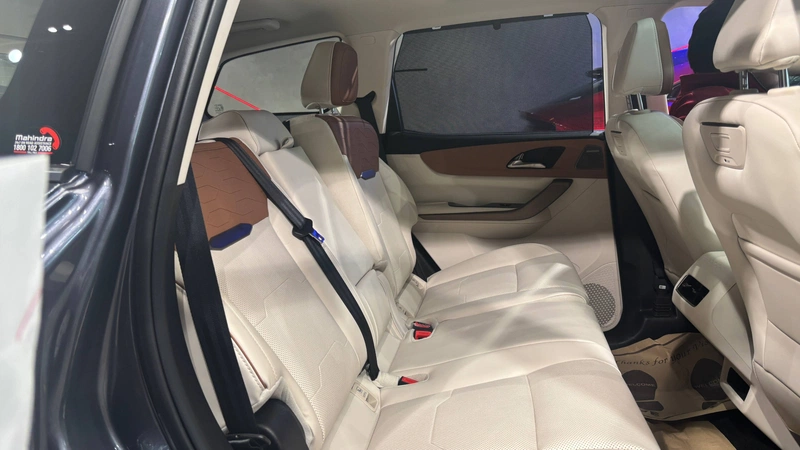
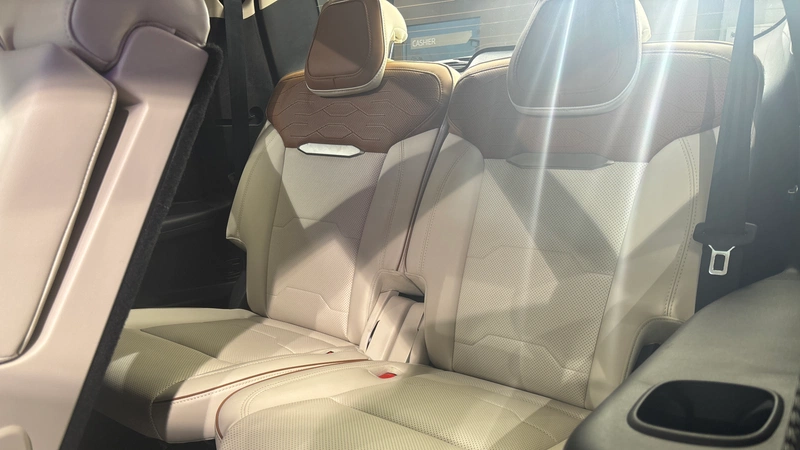
The 7XO’s middle row is impressive.
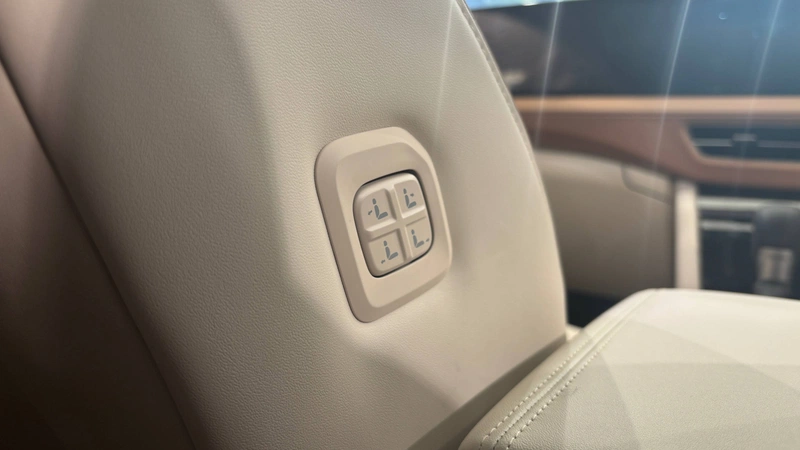
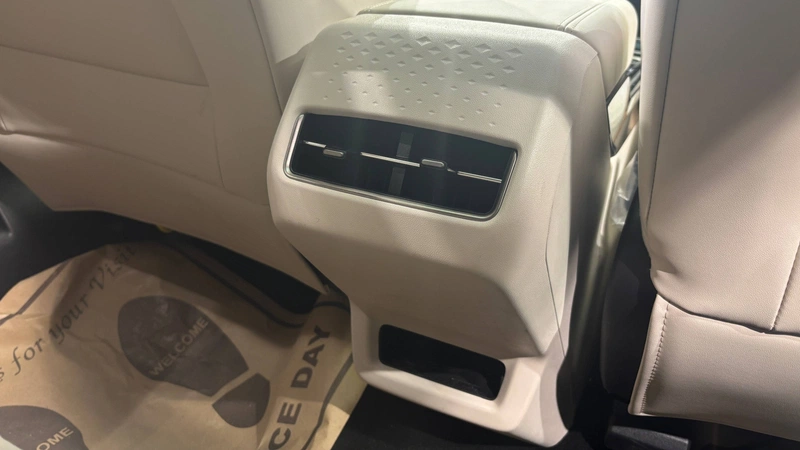
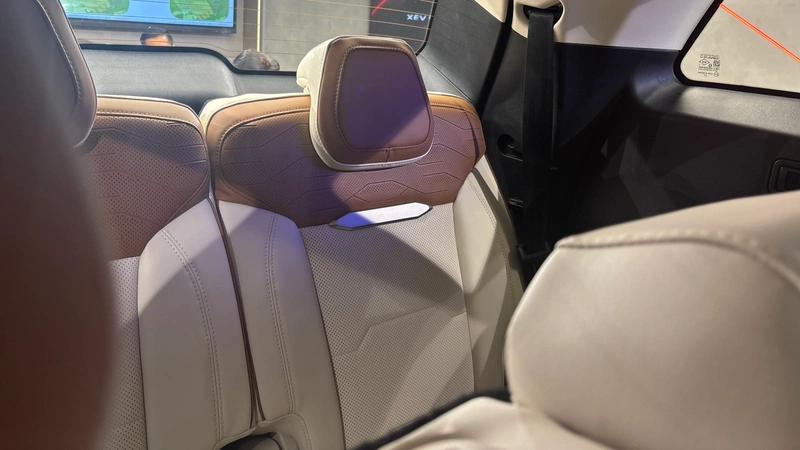
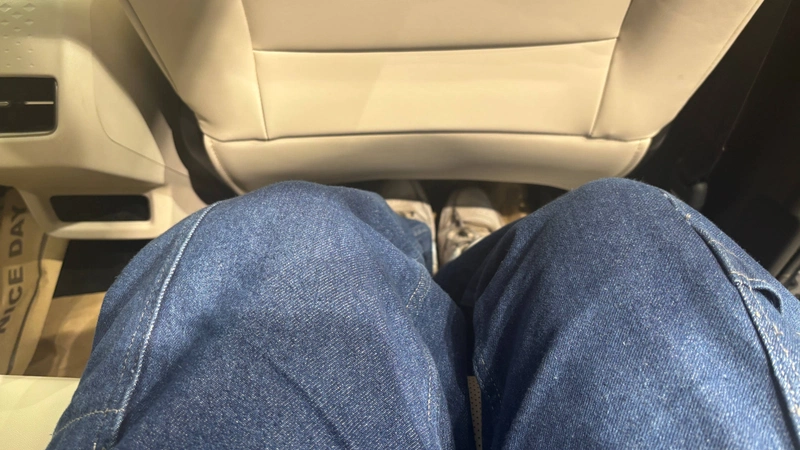
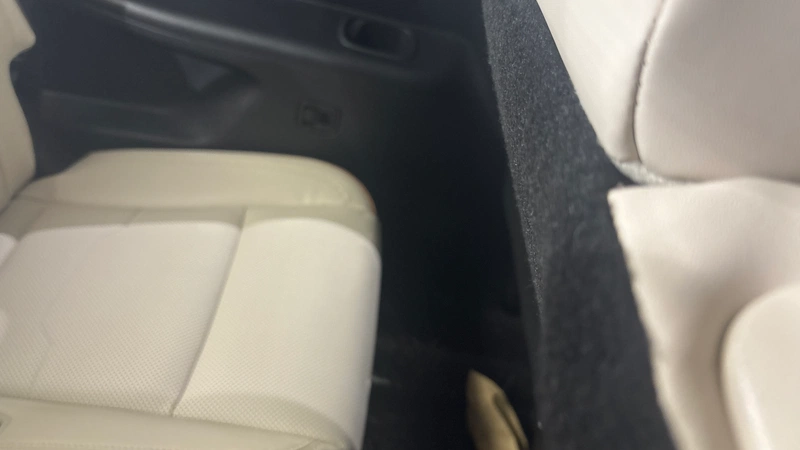
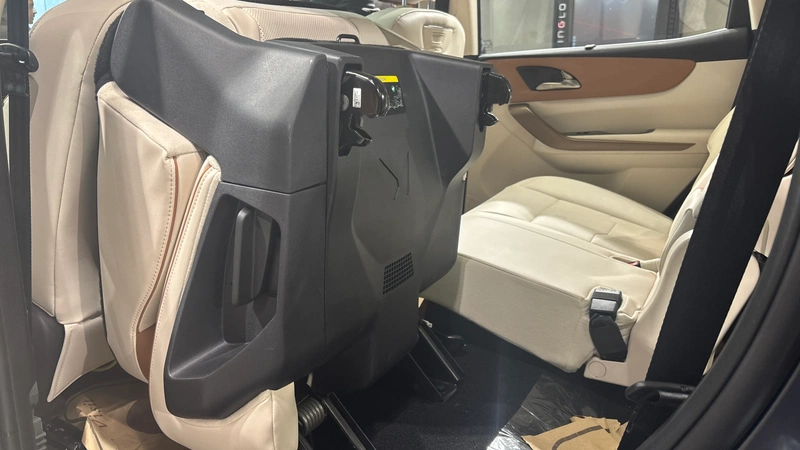
Legroom behind a six-foot driving position is plentiful, the backrest reclines, all three passengers get proper headrests, sunblinds keep the afternoon out, ventilation and wireless charging are available, and the front passenger seat can be shifted electrically from the back.
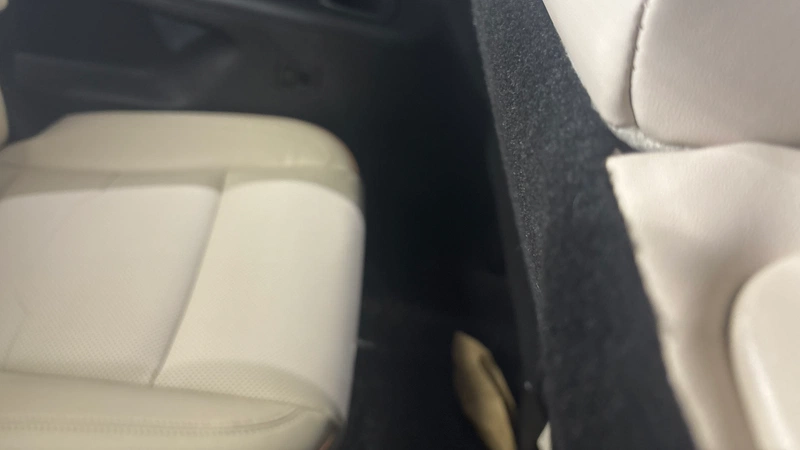
What the bench still cannot do is slide fore and aft, which is the single biggest packaging limitation and the reason the third row remains what it is.
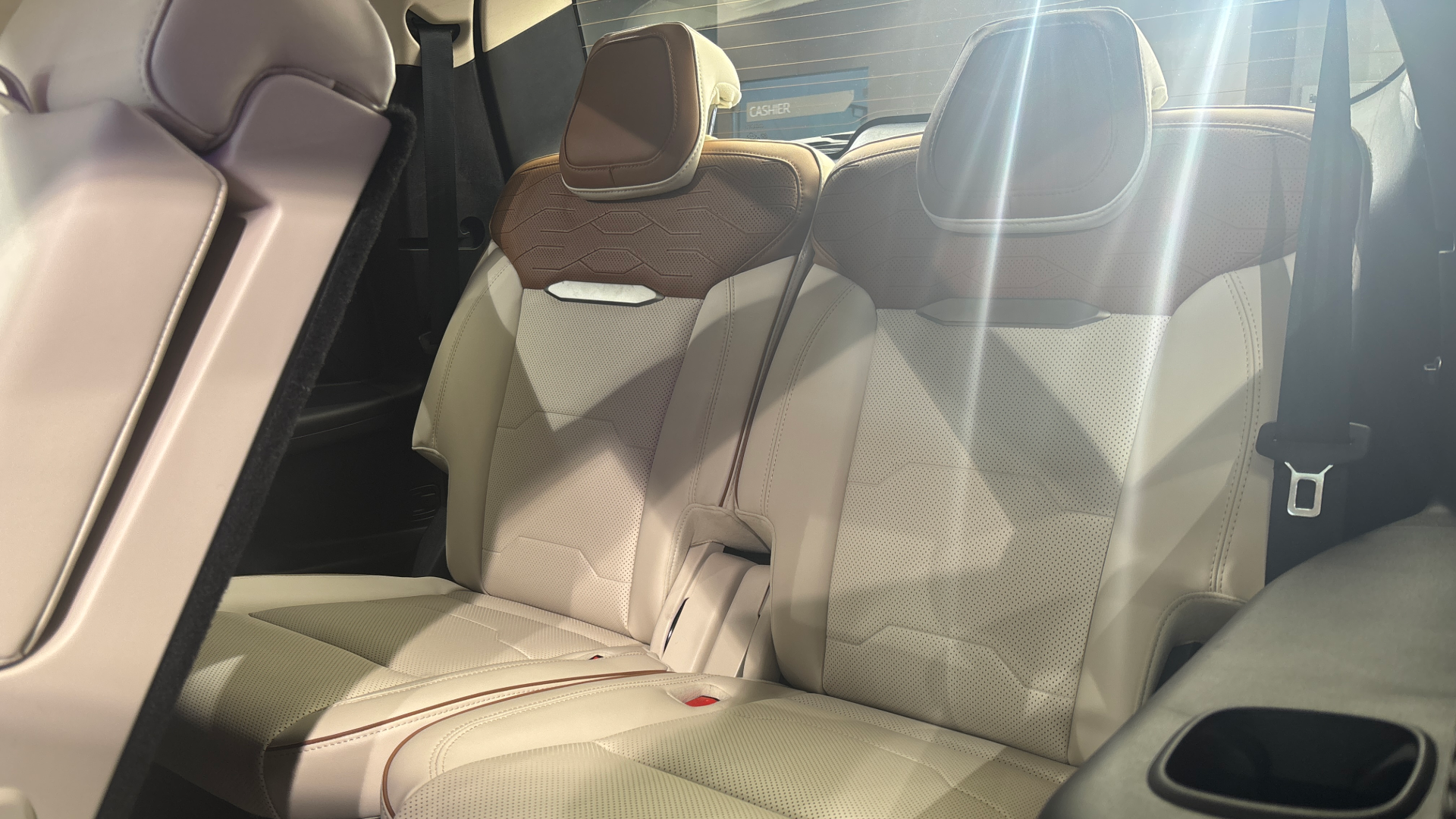
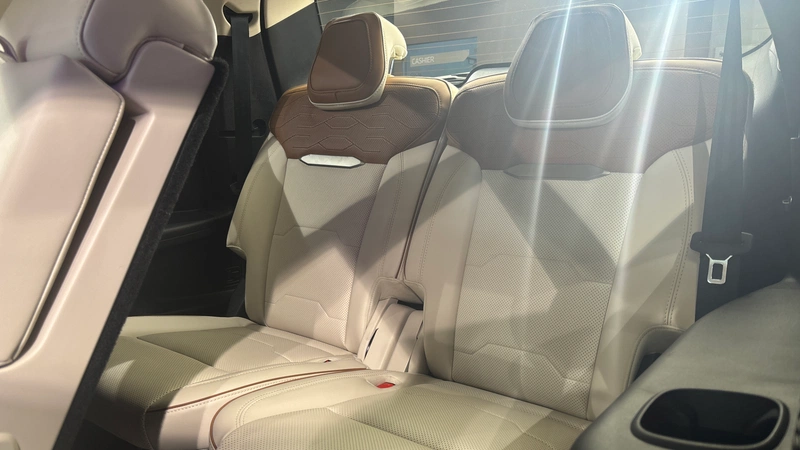
The third row works for children, and for adults on short hops only, though the seat fittings are honest with three-point belts, adjustable headrests, cupholders and blower controls.
The backrest reclines only from the boot, which is an odd inconvenience for the people actually sitting in it.
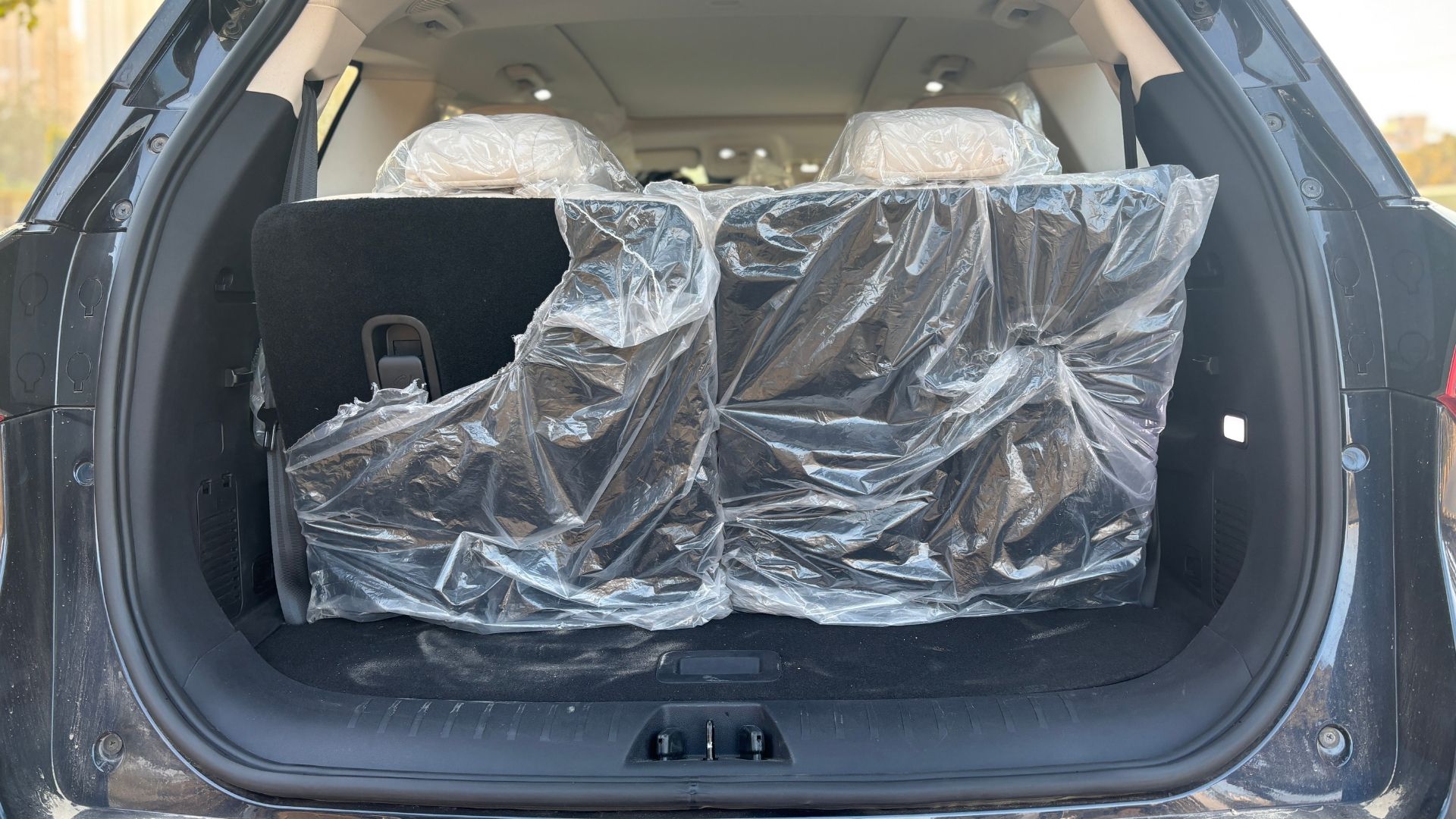
Boot space is the classic three-row compromise, sharply limited with all seven seats occupied, but cavernous once the last row drops into a flat floor.
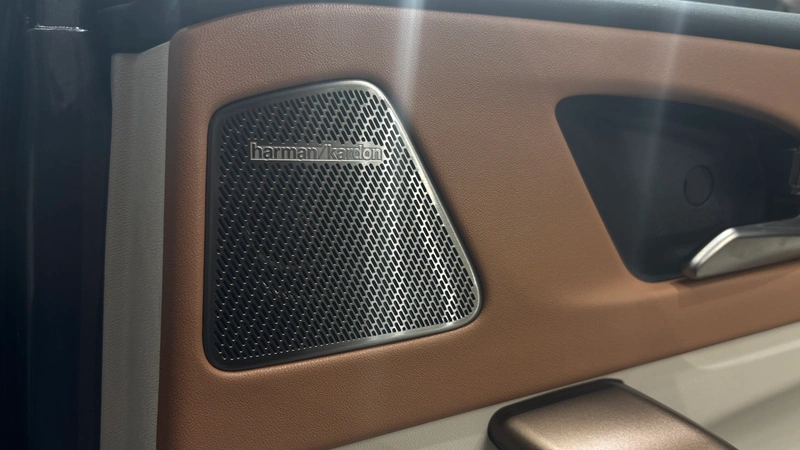
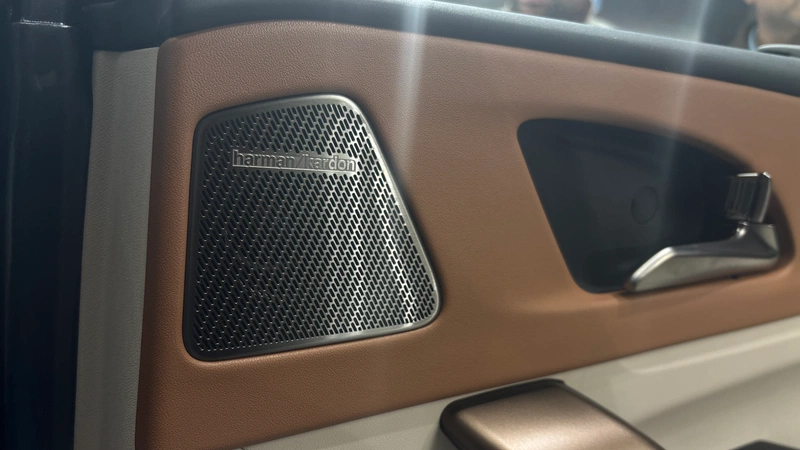
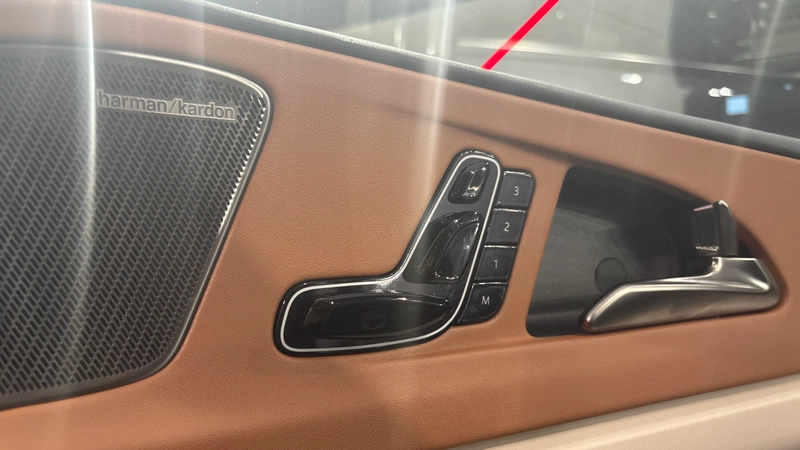
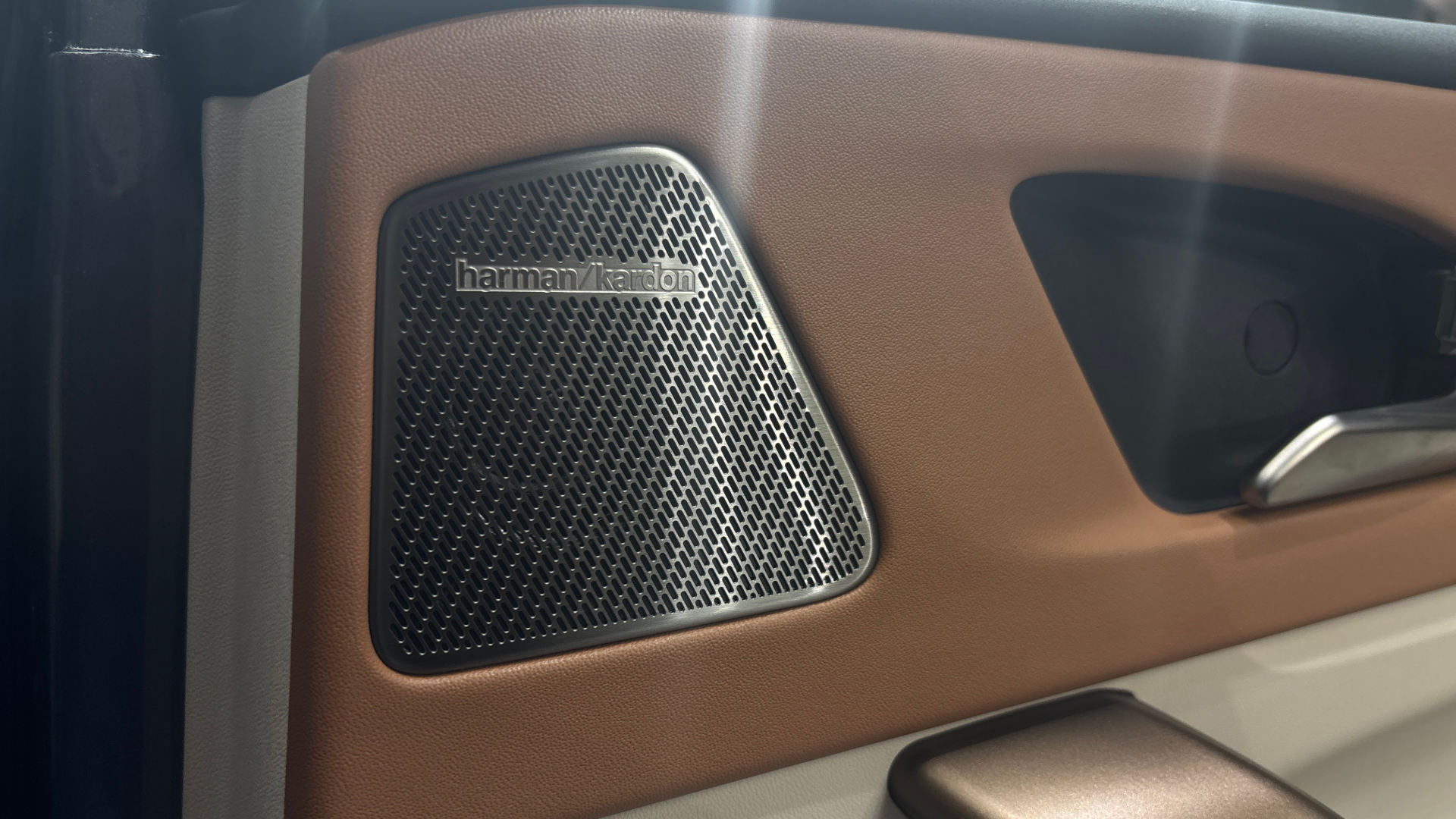
Storage around the cabin is well judged, with a cooled wireless charging pad, a 65W USB-C outlet up front, tablet holders on the front seatbacks and fast charging for the middle row. The 16-speaker Harman Kardon system on the higher trims is genuinely enjoyable and more than most owners will ever need.
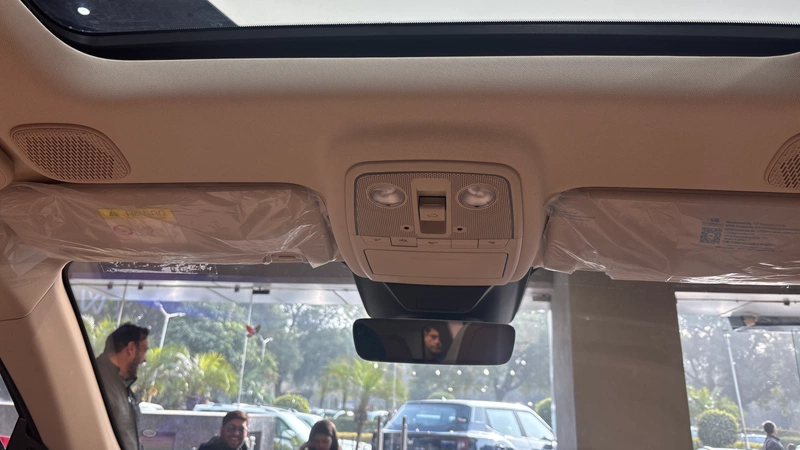
Refinement inside is a highlight, helped by acoustic glass that cuts a surprising amount of the outside world, and the cabin stays hushed enough at highway speed for normal conversation between rows.
The one thing prospective owners must know before signing is that the electronics are still finding their feet. Early cars have shown random head unit restarts on the move, seat memory that recalls its position only sometimes, auto-dipping mirrors with a mind of their own, moody approach unlock, volume control that lags and then acts on every input at once, and voice assistance that occasionally wakes up uninvited.
exterior
exterior
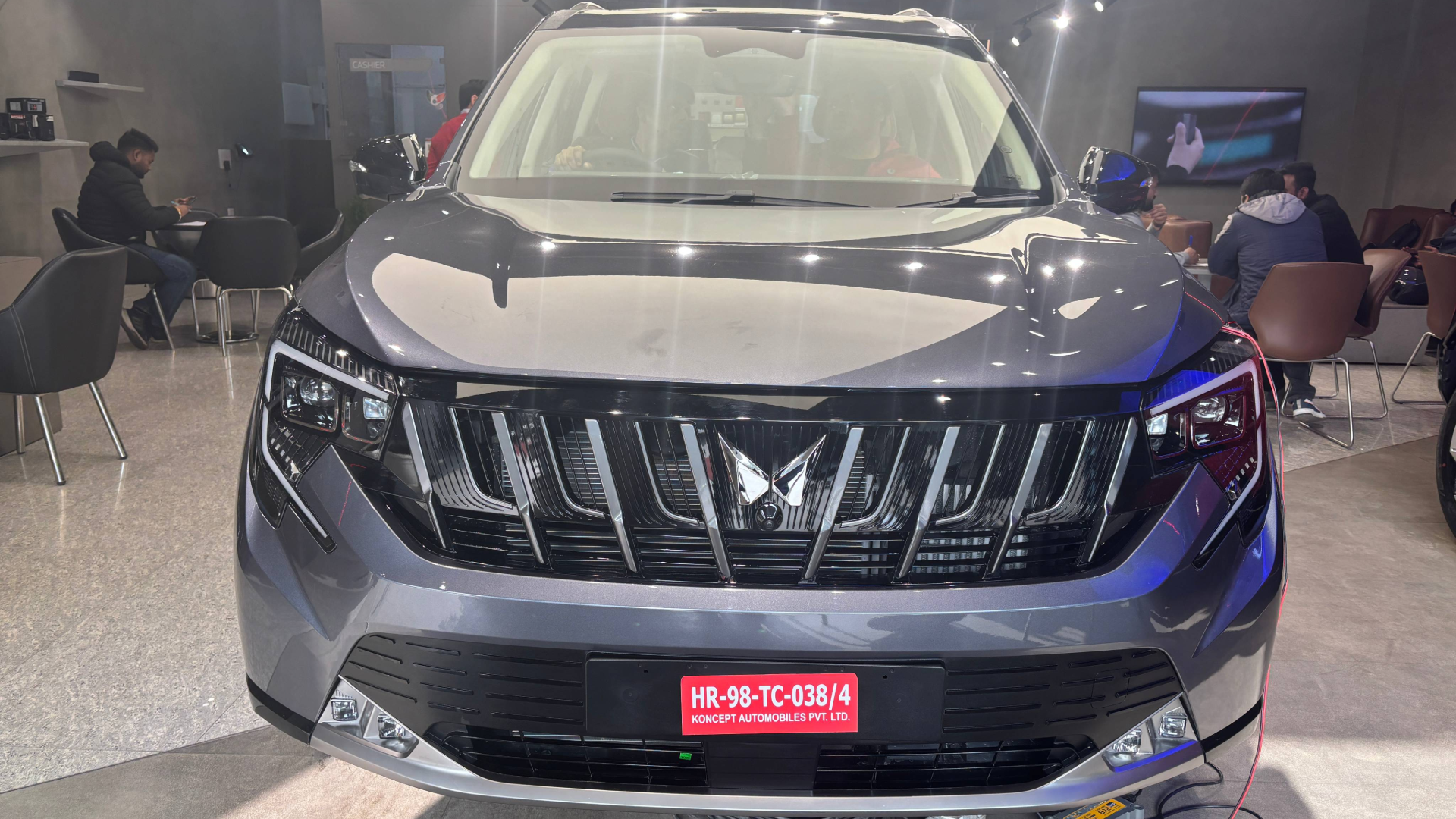
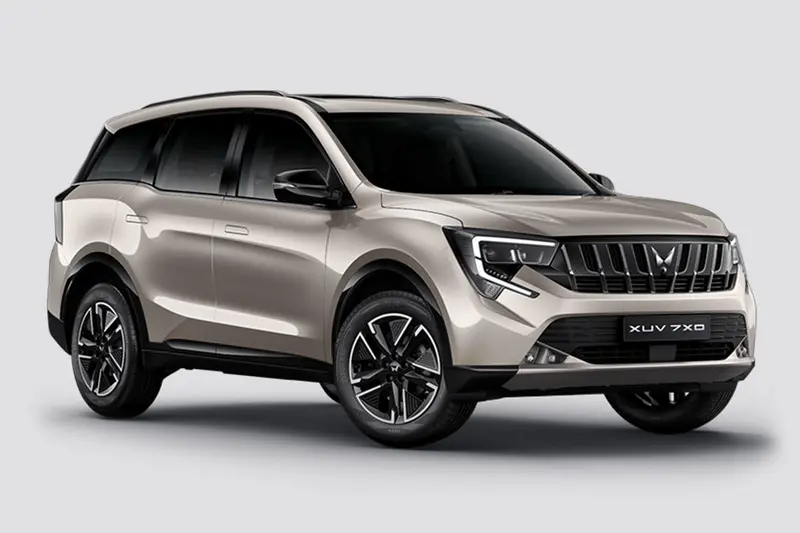
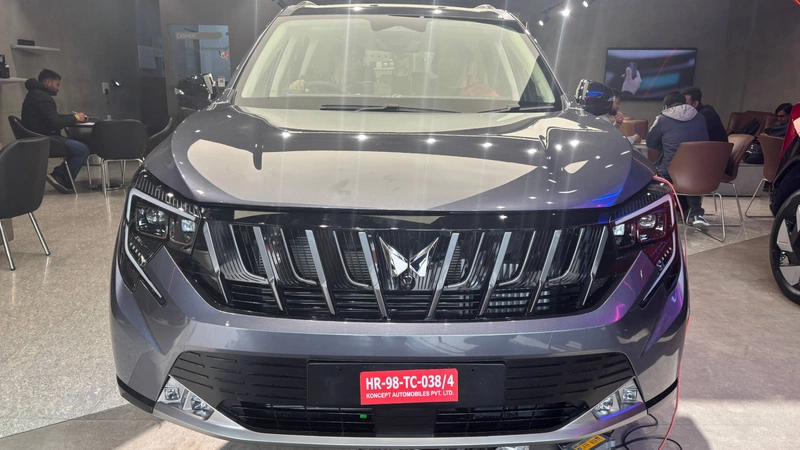
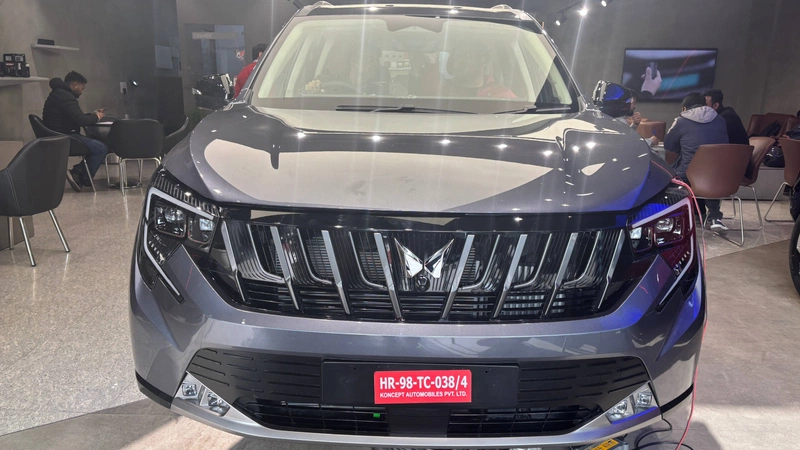
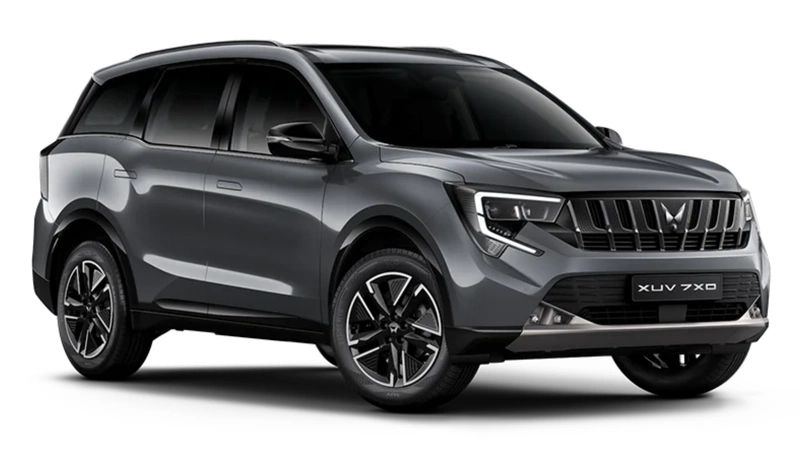
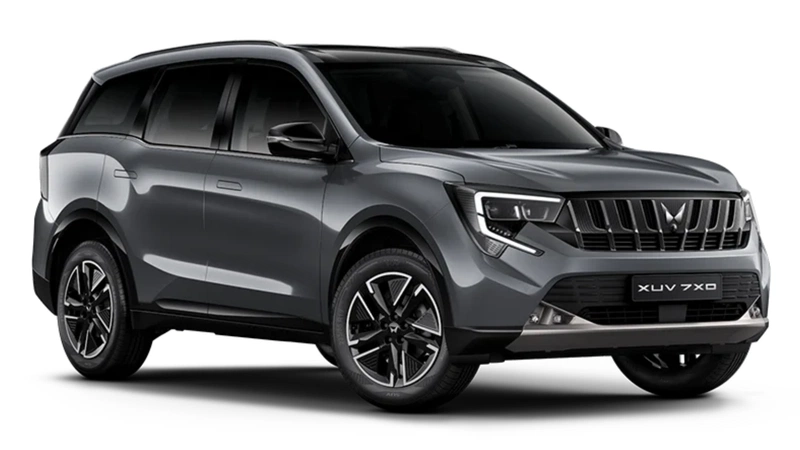
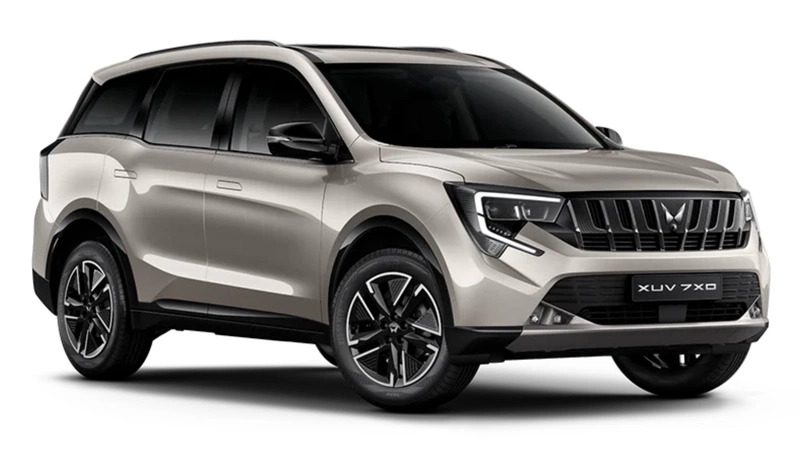
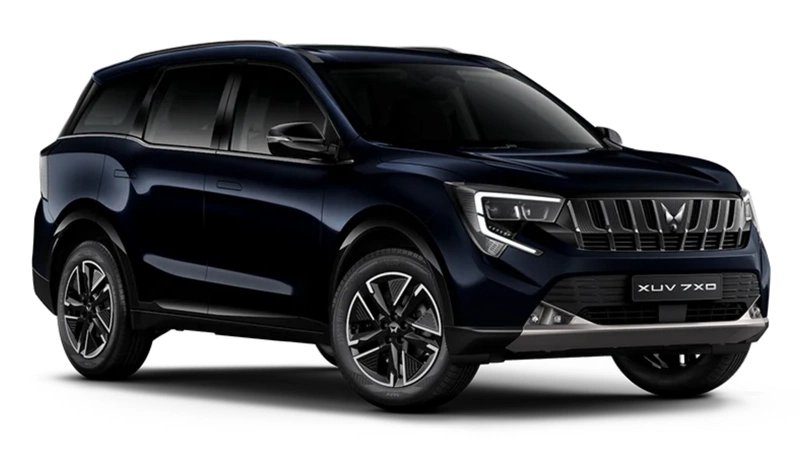
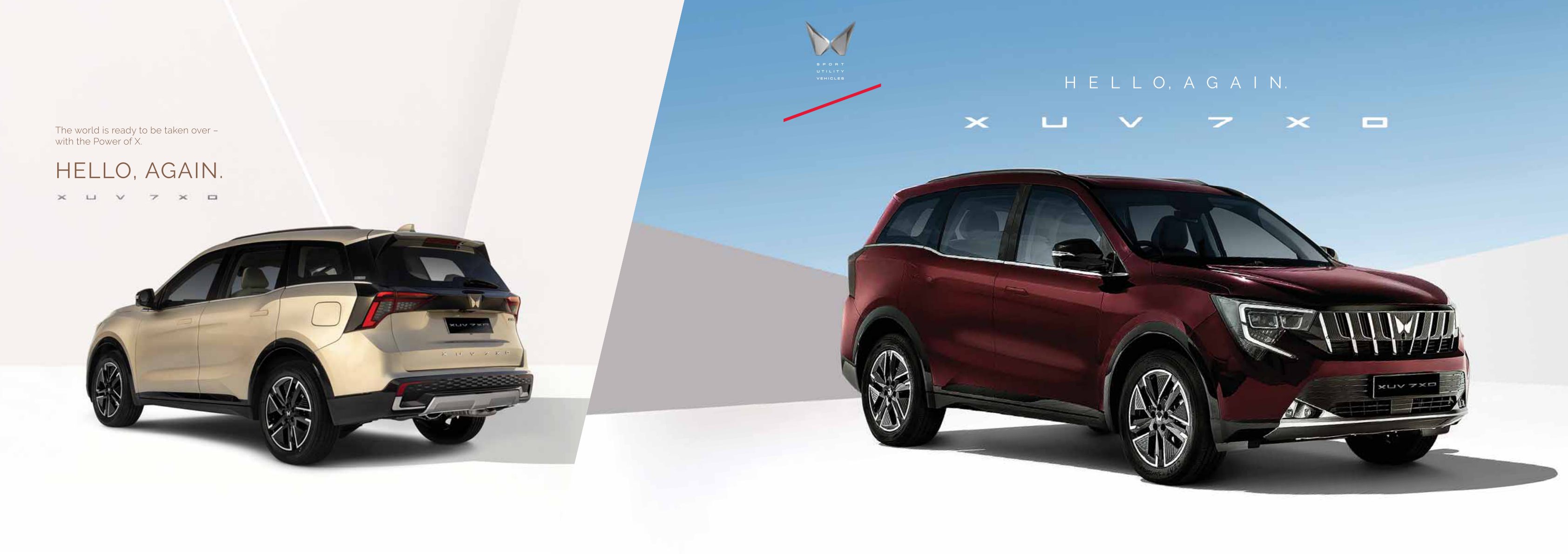
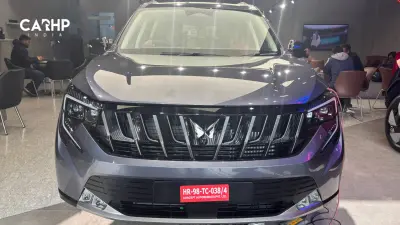
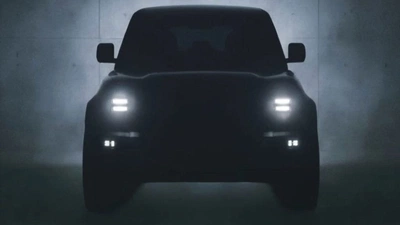
The front end is where this facelift will win or lose people, and early reactions split almost down the middle.
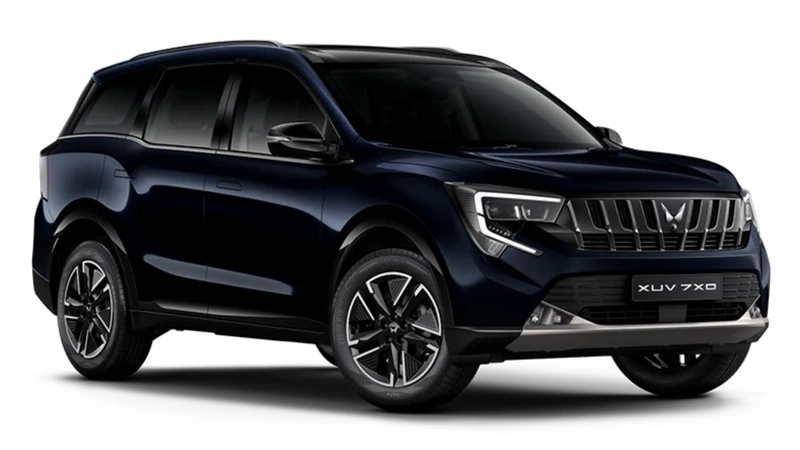
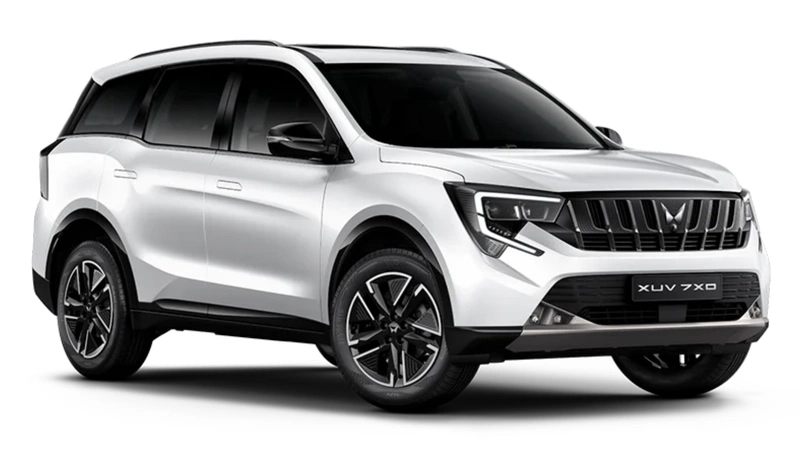
Mahindra has gone wide and busy up front, with a full-width grille carrying several layers of detail, a set of C-shaped daytime running lamps that droop at the outer edges in the manner of the smaller XUV 3XO, and Bi-LED projectors flanked by metallic inserts borrowed in spirit from the Scorpio-N.
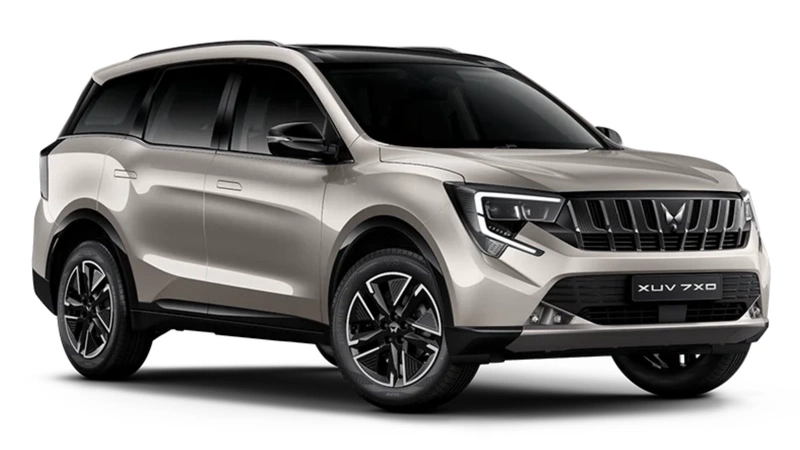
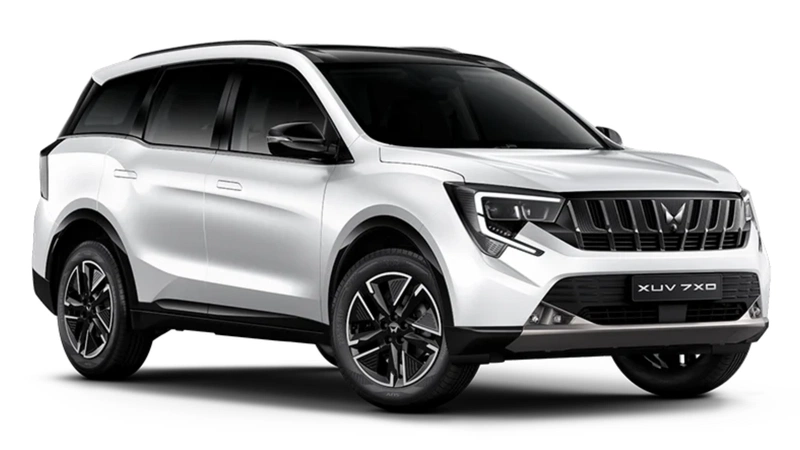
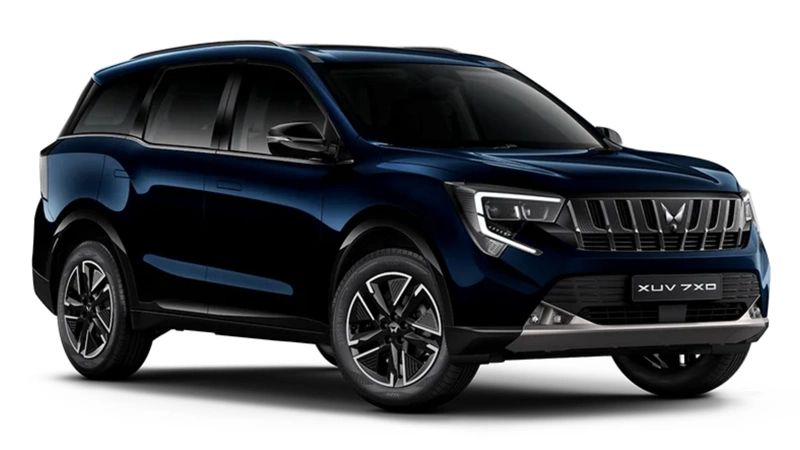
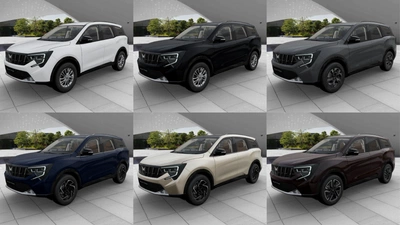
Individually each element has logic. Together they crowd each other, and the face reads more cluttered than the clean, confident nose it replaced. Darker paints hide this better than light ones, which is why Midnight Black and Stealth Black flatter the car far more than lighter shades like Everest White and Desert Myst do.
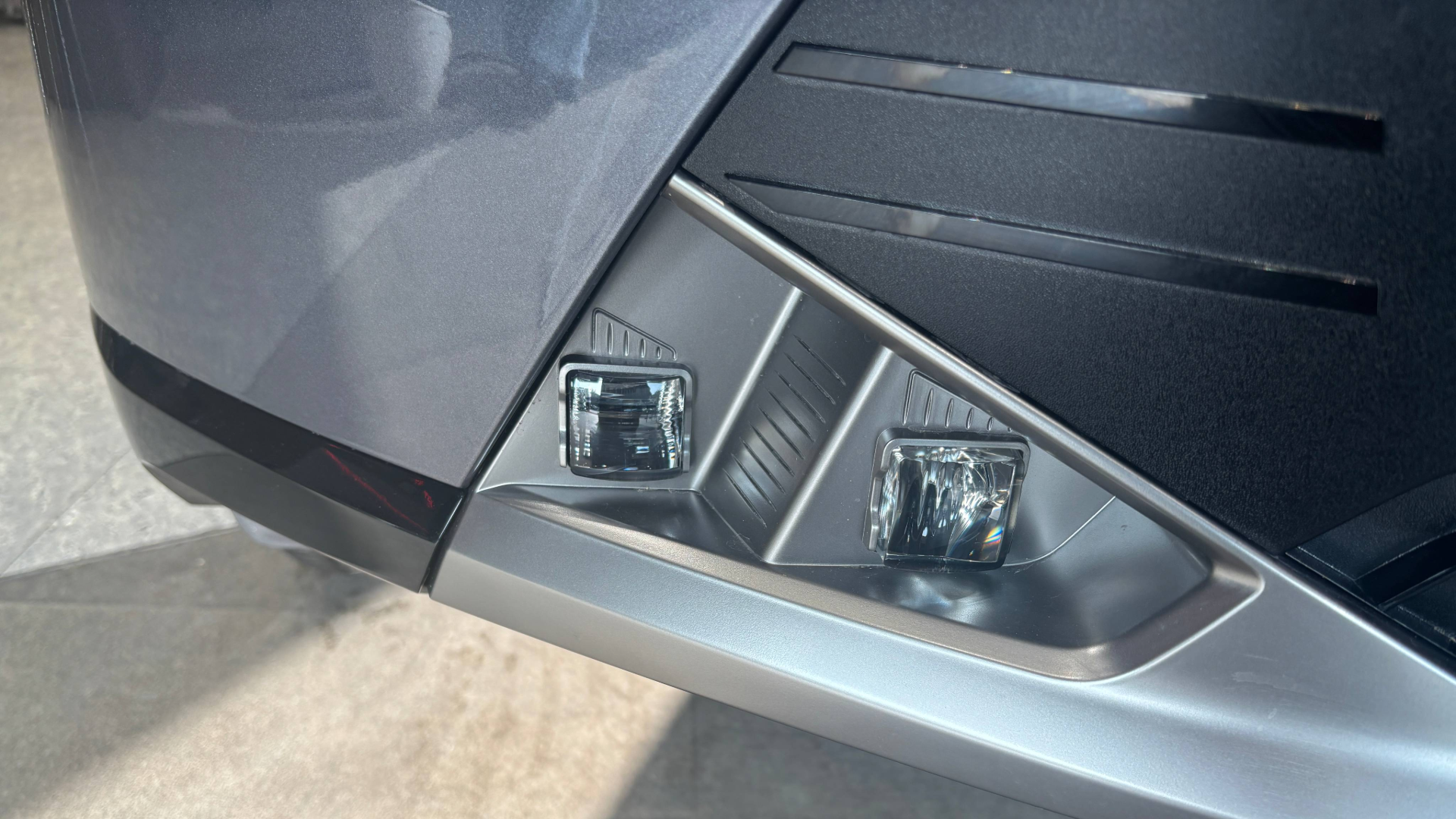
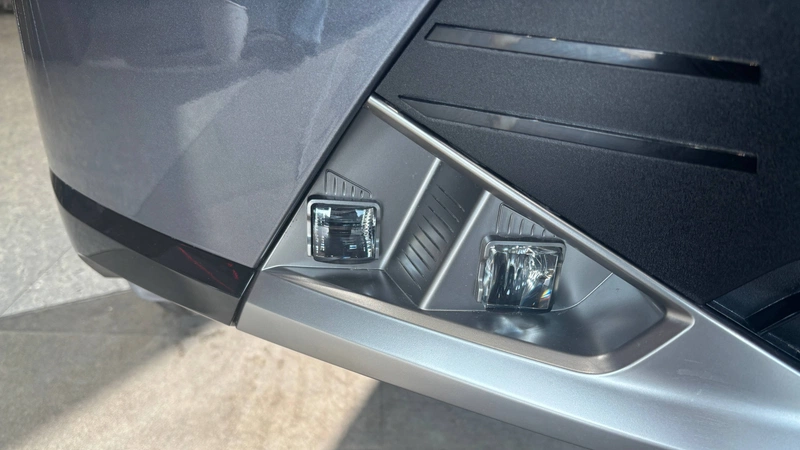
The fog lamp treatment deserves its own paragraph, because it illustrates how the design and the variant strategy tangle.
On the trims that have them, the lamps sit low in the bumper in a small triangular housing that looks tacked on rather than integrated, and their position makes them vulnerable in the sort of low-speed scrape that Indian parking conditions often produce.
On the AX7, they are absent entirely, replaced by a blanked-off panel, which is a strange omission on a car that costs upwards of Rs 20 lakh when hatchbacks three segments below include them.
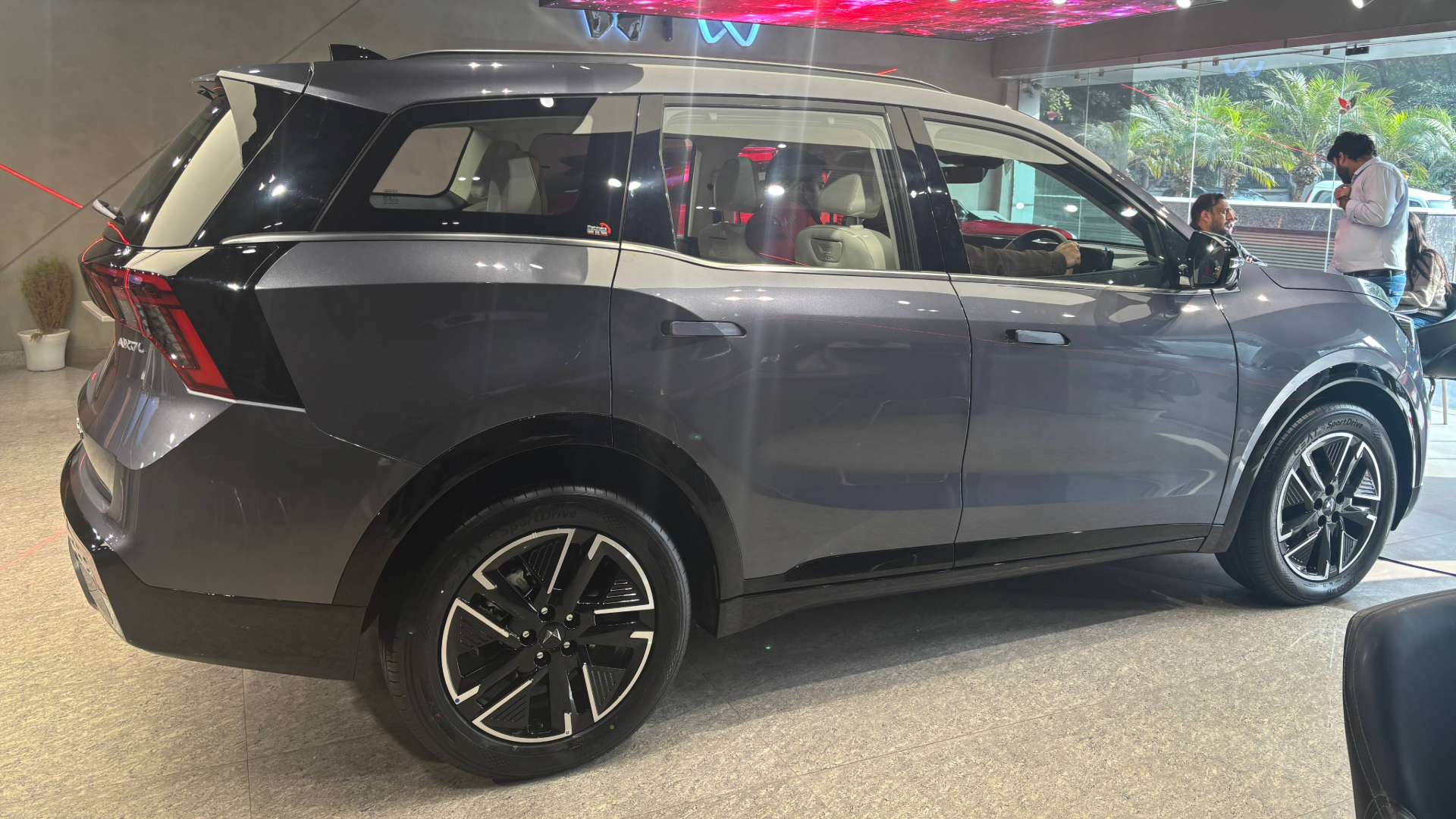
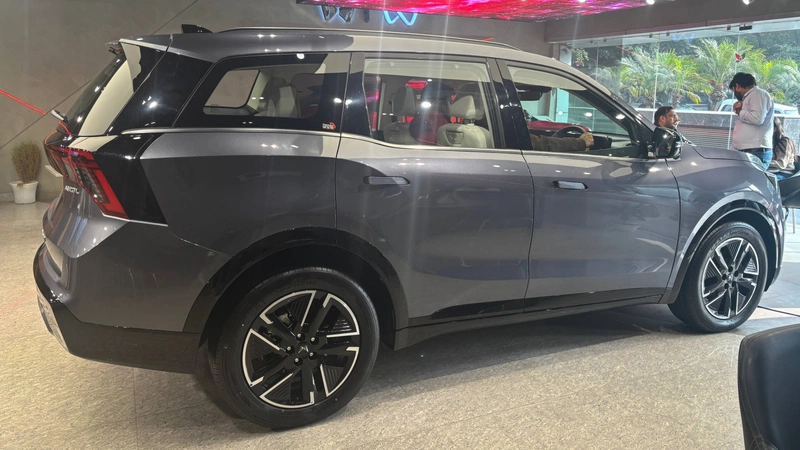
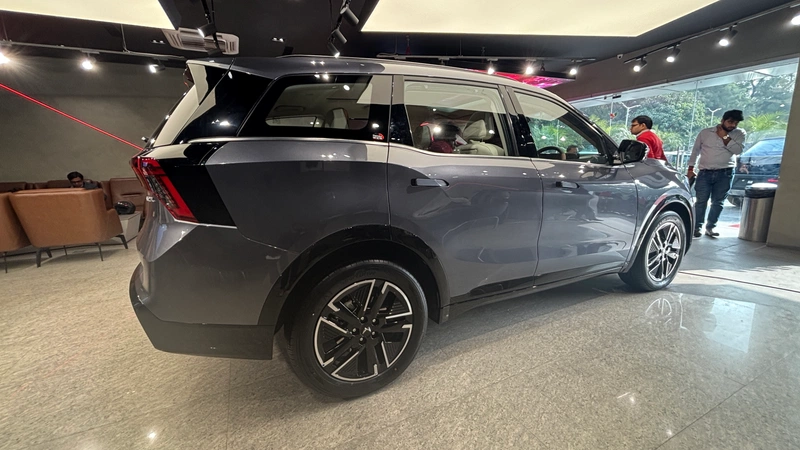
Everything from the A-pillar back is familiar and stronger for it. The profile is untouched, so the long bonnet, the high shoulder and the flush door handles carry over, and the proportions still work because they were right in 2021.
Wheels climb from 17-inch steel with covers on the base car to alloys from the AX5 upward, 18-inch diamond-cut items on the AX7, and 19-inch five-spoke rims on the Luxury trim that fill the arches properly without wrecking the ride.
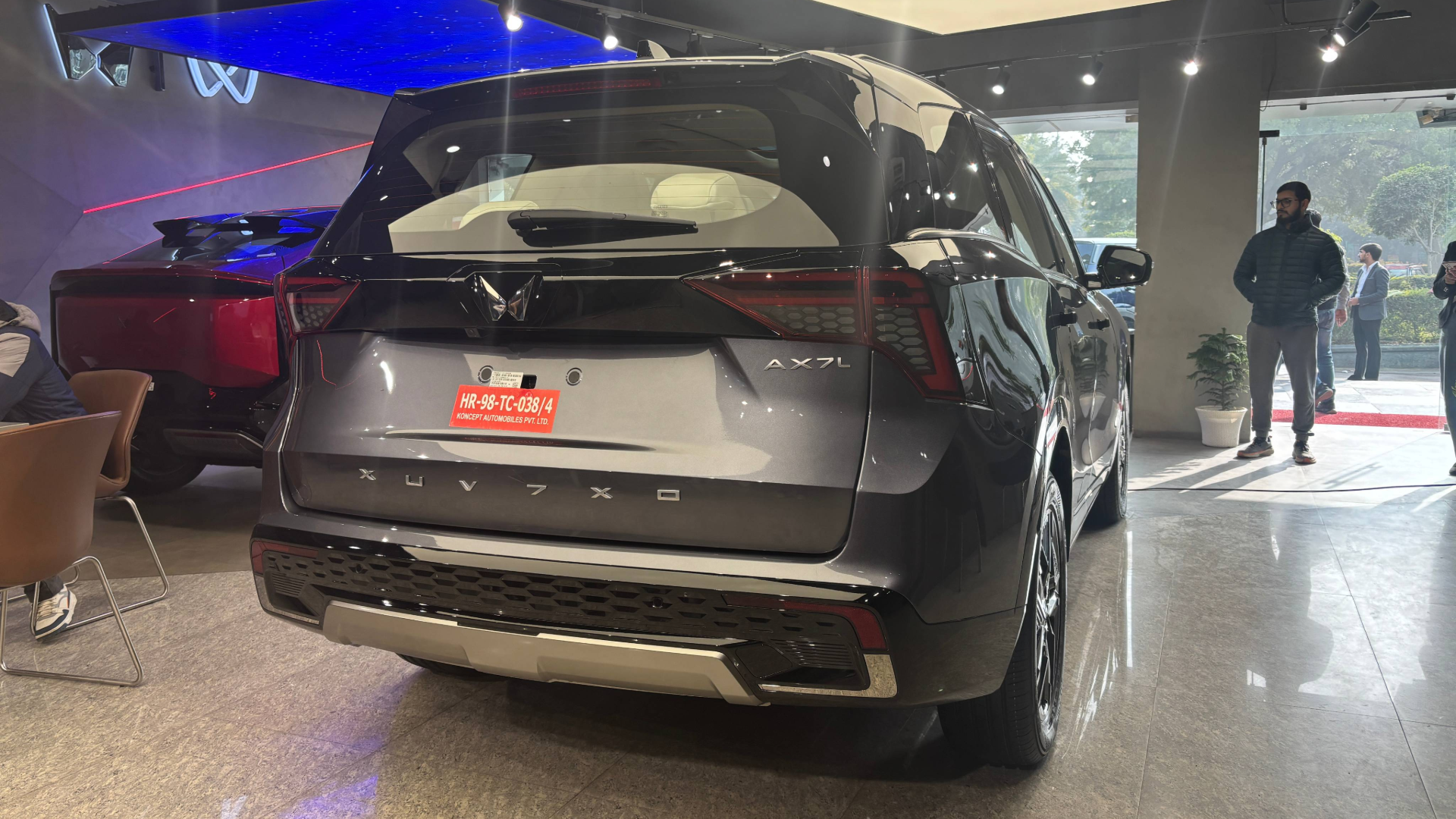
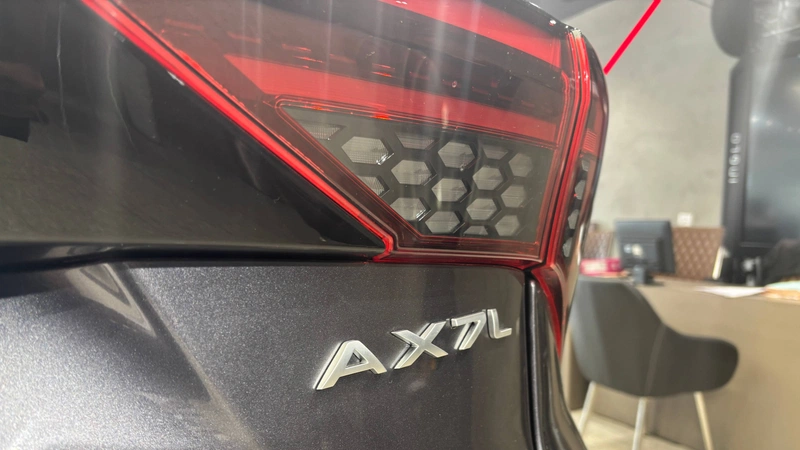
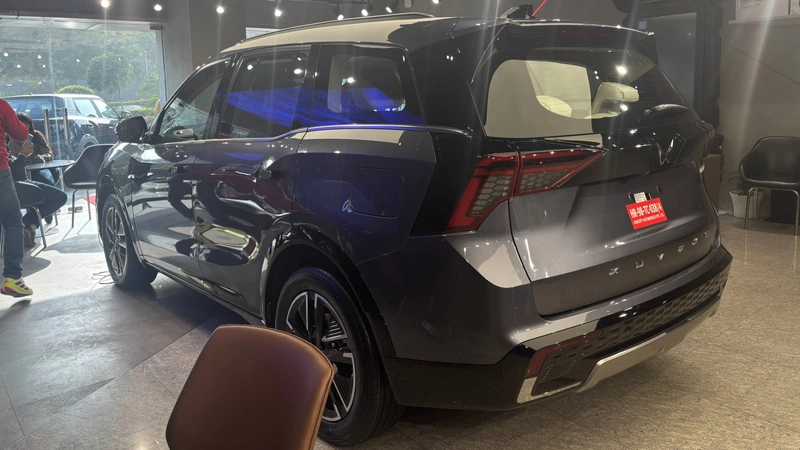
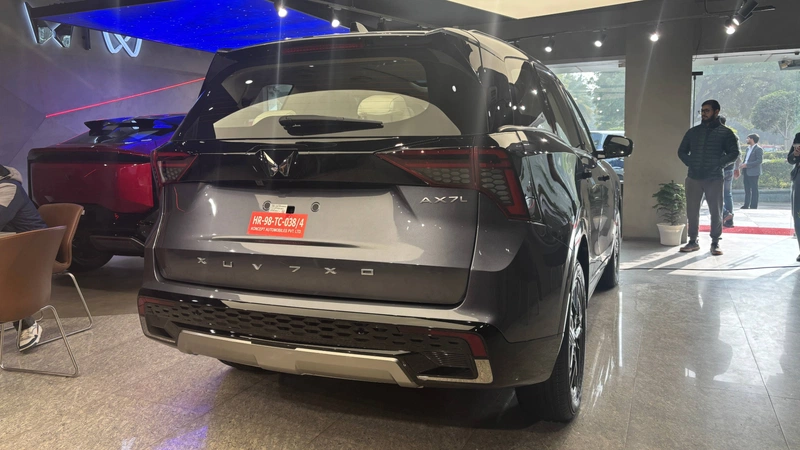
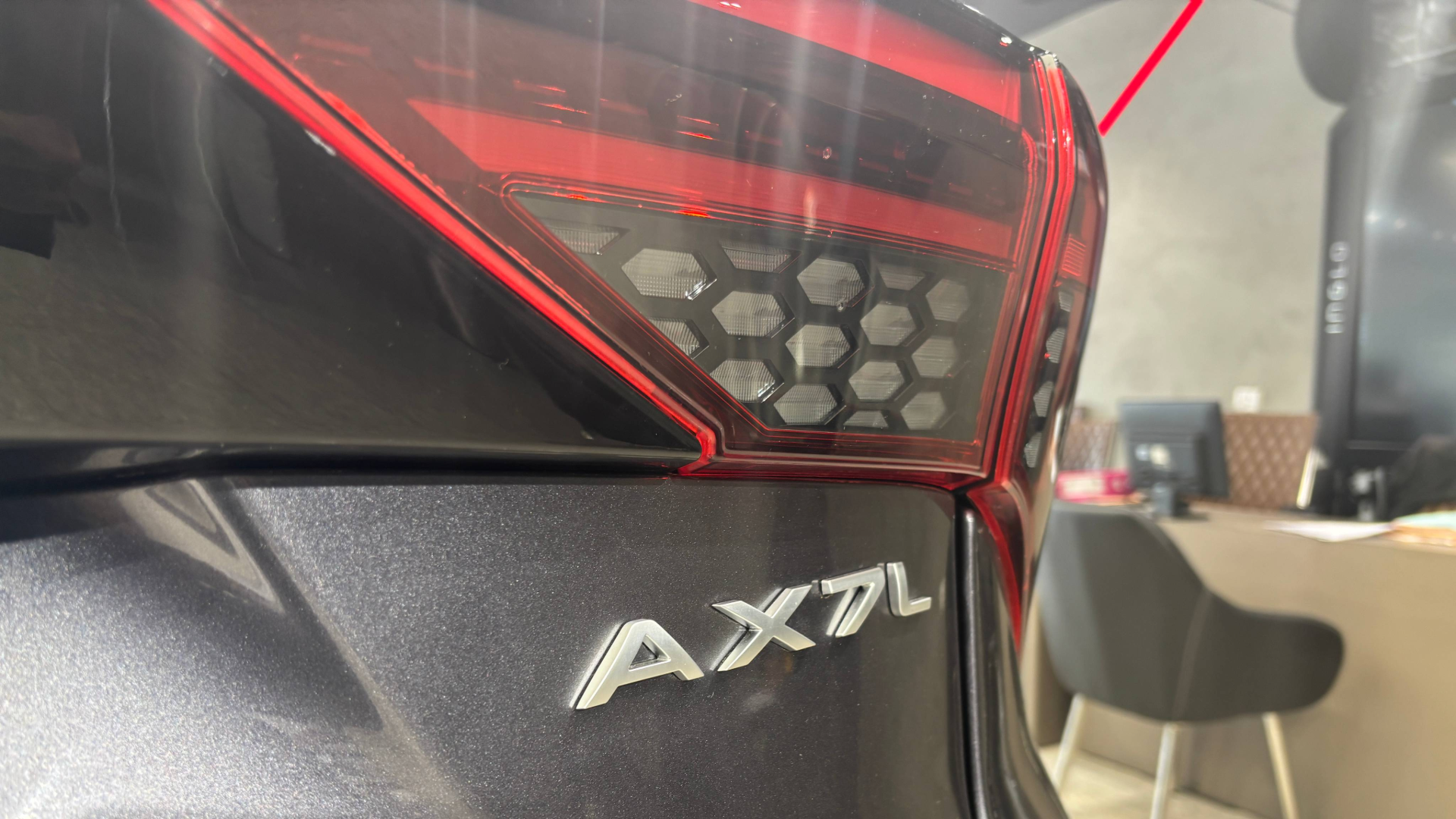
The rear is close to unchanged apart from new internal detailing in the tail lamps and a neatly sized model badge, and it now looks near identical to its electric sibling, which is either clever family resemblance or lost individuality depending on your view.
Practically, the exterior design serves the car well and stumbles in two places. Ingress is easy for a vehicle this tall because the sills are narrow and the doors open wide, the glass area is generous so forward and side visibility is genuinely good, and the LED headlamps throw a long, wide, clean beam that makes unlit highway driving relaxed rather than tense.
Against that, the piano black lower bumper sections collect dust and swirl marks within a week, there is still no powered tailgate on a flagship that competes with cars that have one, and the spare wheel under the boot floor is a skinny space-saver on a two-tonne SUV that families will load and drive across state lines.
Panel gaps and paint quality on the cars reaching customers are consistent and shut lines are tight, so the fundamentals of build are sound even where the styling divides opinion.
Every angle reflects a careful balance between sportiness and elegance, while the overall silhouette remains muscular and commanding, perfect for a premium three-row SUV.
safety
safety
The 7XO comes with a 5 star BNCAP safty rating as its predecessor, XUV700.
The equipment case is strong and, more importantly, it starts at the bottom of the range. Six airbags, electronic stability control with a wide suite of interventions, hill hold and hill descent assistance, ISOFIX mounts, a tyre pressure monitor and disc brakes at all four corners come on every variant including the base car, which is unusual candour in a market where safety kit is routinely used to push buyers up the ladder.
The top trims add a seventh airbag with curtain coverage extending to the third row, which matters in a seven-seater far more than the feature list suggests.
The ADAS package on the AX7 Tech and AX7 Luxury is a Level 2 system that has been meaningfully upgraded rather than carried over. The forward camera sees roughly a fifth wider than before and the radar's detection distance has been stretched considerably, which shows up as steadier lane-keeping and earlier, less panicky reactions to vehicles cutting in.
Owners consistently report that lane centring is one of the better calibrations available in India, holding a lane confidently on marked highways instead of ping-ponging between lines.
As always in Indian conditions, adaptive cruise needs supervision around two-wheelers and unlit obstacles, and the system is best treated as a fatigue reducer on long highway stints rather than something to lean on in traffic.
Vision aids do a lot of work here because rearward visibility is the car's weakest point. The redesigned rear headrests obstruct the quarter glass, and with three passengers in the middle row the inside mirror shows almost nothing, so reversing depends on the cameras. Fortunately the 540-degree system is excellent, combining a surround view with dedicated kerb-side angles, and image clarity at night is good enough to be useful rather than decorative.
Blind-view monitoring through the mirror-mounted cameras displays the adjacent lane on the instrument cluster when indicating, which is a genuine help in dense traffic. Curiously, front parking sensors are restricted to a mid variant on the assumption that cameras replace them higher up, which they do not in a tight basement with a pillar you cannot see.
competition
competition
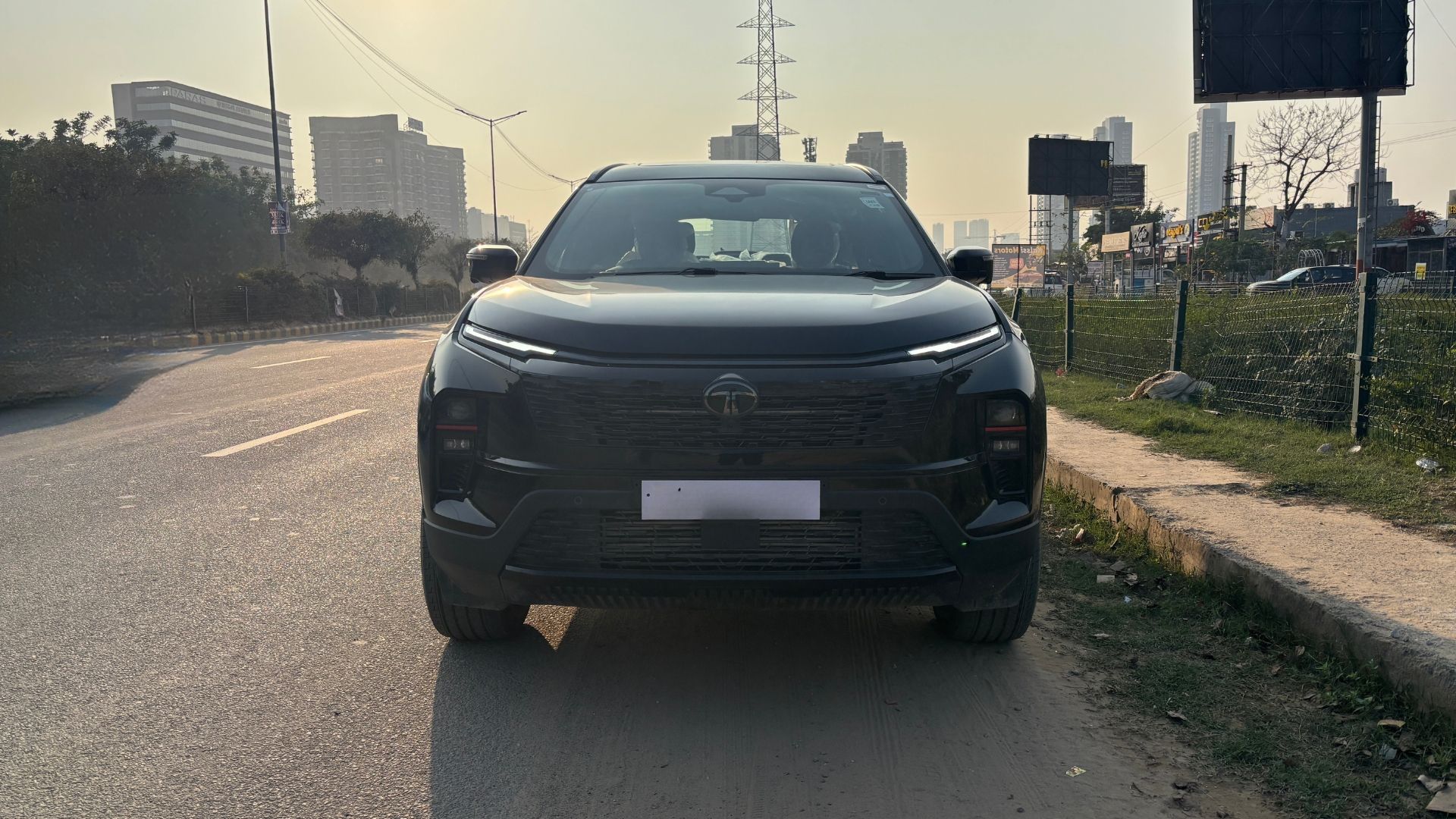
The Tata Safari is the direct answer to this car and the comparison is close enough to be decided by priorities rather than points.
Tata undercuts at the entry point and now sells both a 2.0-litre diesel and a newer 1.5-litre turbo-petrol, each making around 167bhp, which leaves it clearly down on both power and torque against the Mahindra and noticeably slower in the diesel automatics that dominate both order books.
The Safari answers with a considerably larger boot with all three rows in place, a cabin many find richer in ambience and screen quality, an interior design that has aged well, and a published BNCAP five-star crash result that the 7XO does not have yet.
Ride quality between the two is now genuinely close, where the Tata used to win comfortably. Choose the Safari if boot space, cabin plushness and a proven crash rating lead your list, choose the Mahindra if you want the stronger engine, the sharper drive and the all-wheel-drive option, and reckon Tata's service network being the weaker of the two in smaller towns.
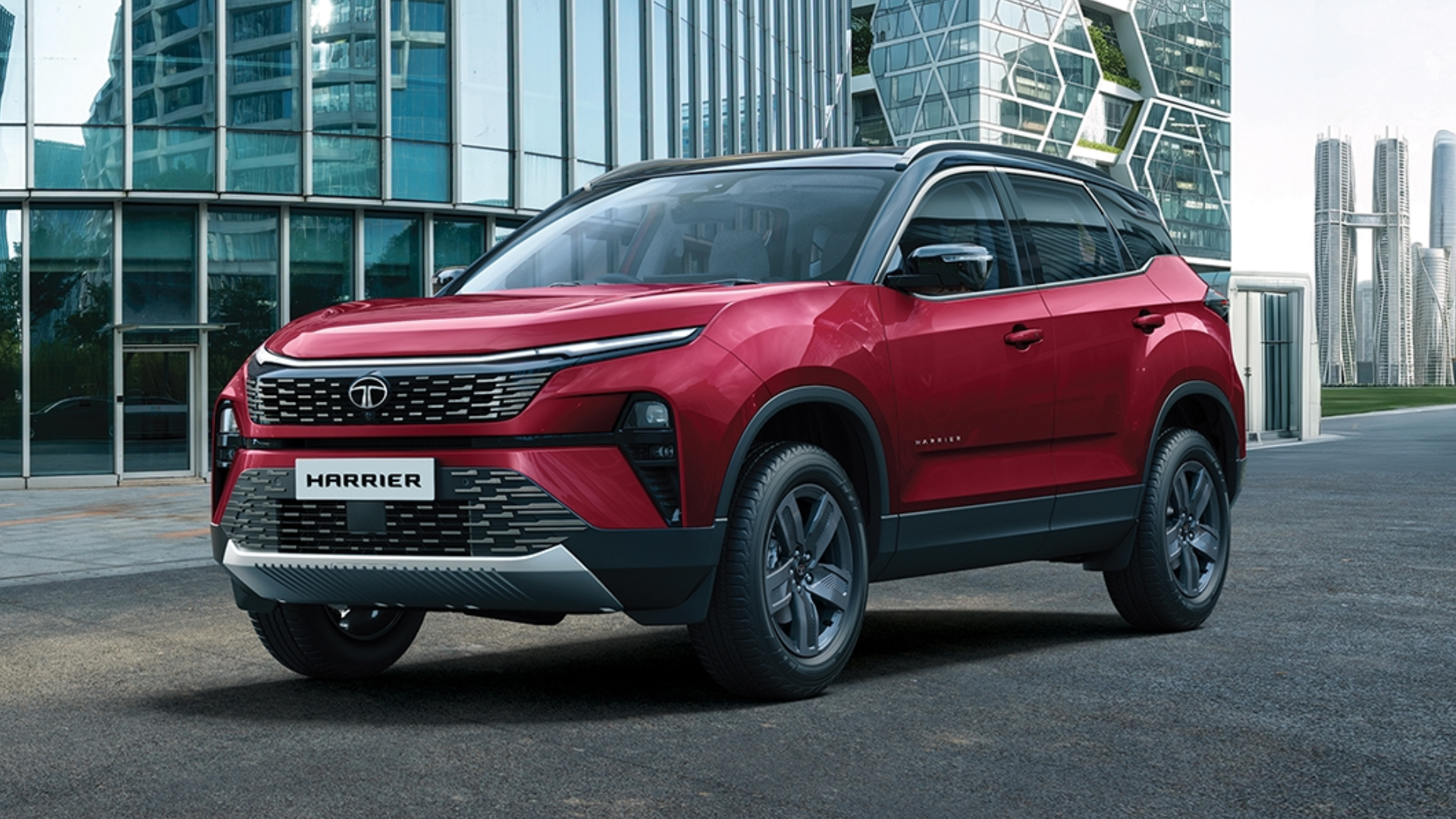
The Tata Harrier is worth a look for buyers who have quietly realised they never use the third row. It gives the same platform, the same diesel, similar equipment and a far more usable boot for less money, and the five-seat layout means a properly reclining rear bench rather than one designed around a row behind it. Buyers who want the seven-seat option purely for resale reassurance should be honest with themselves before paying for it.
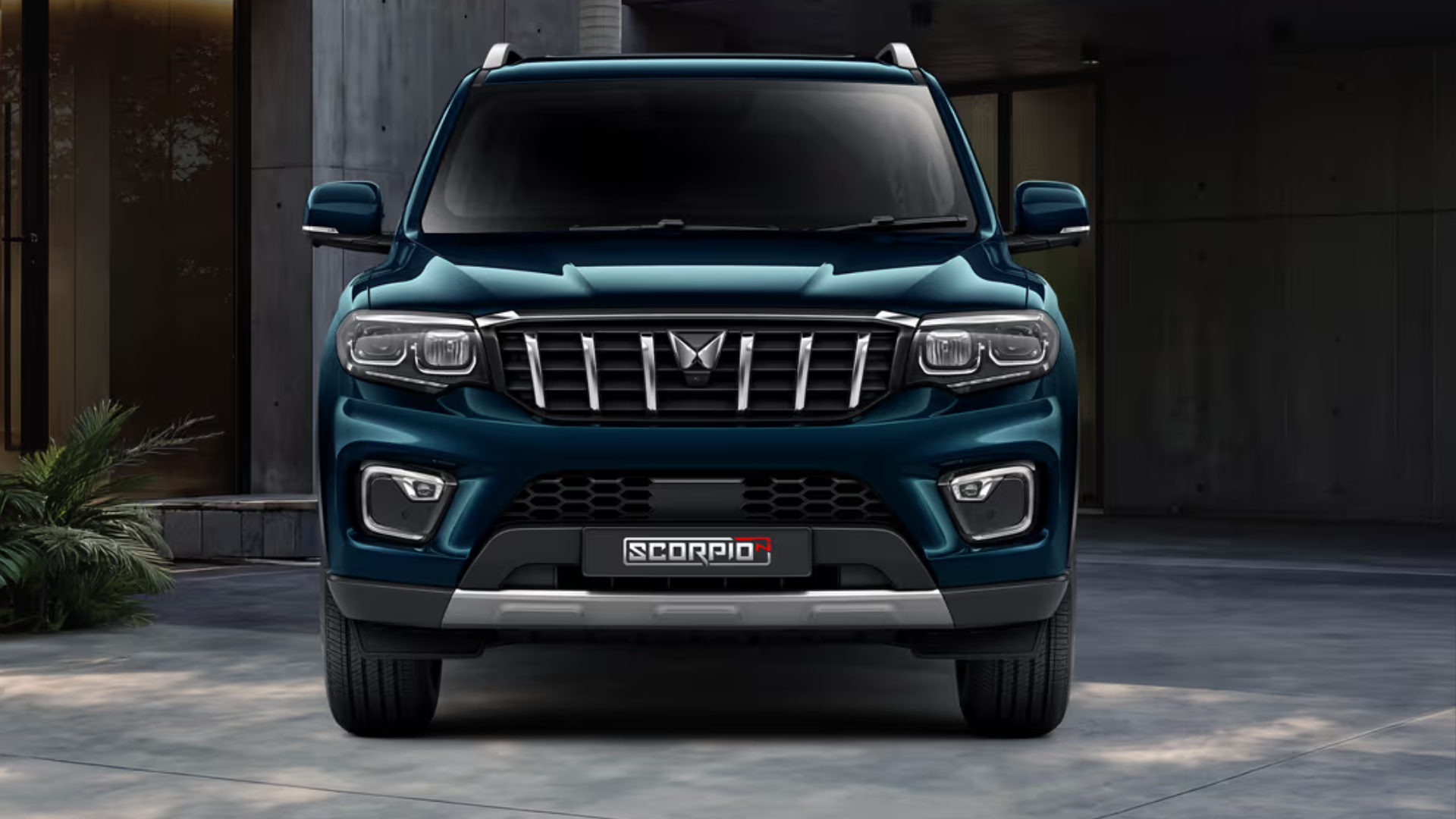
Within Mahindra's own showroom, the Scorpio-N pulls a different customer. A ladder-frame construction, rear-wheel drive and a low-range transfer case make it the choice for rough roads, towing and buyers who want the SUV to feel like an SUV, and it costs less for comparable equipment. It gives up ride comfort, cabin refinement and on-road composure to the 7XO by a wide margin, so the split is essentially between capability and civility. With a recent update though, it has become more desirable.
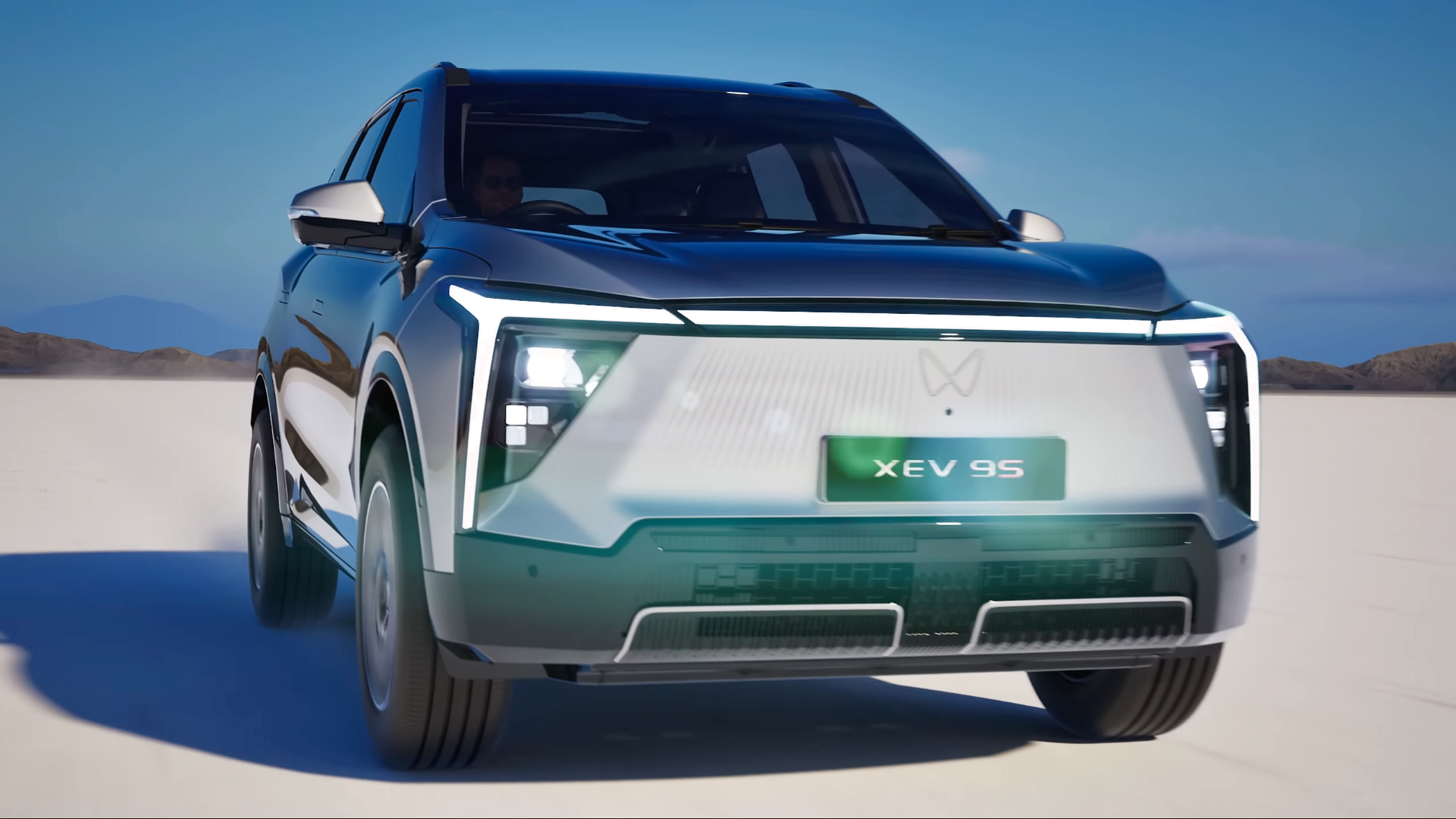
The electric XEV 9S sits above as the same car reimagined, quicker still and cheaper to run, and it becomes the smarter buy for anyone with home charging and predominantly urban usage, while remaining a difficult recommendation where charging infrastructure is thin and the values of used EVs depreciate fast.
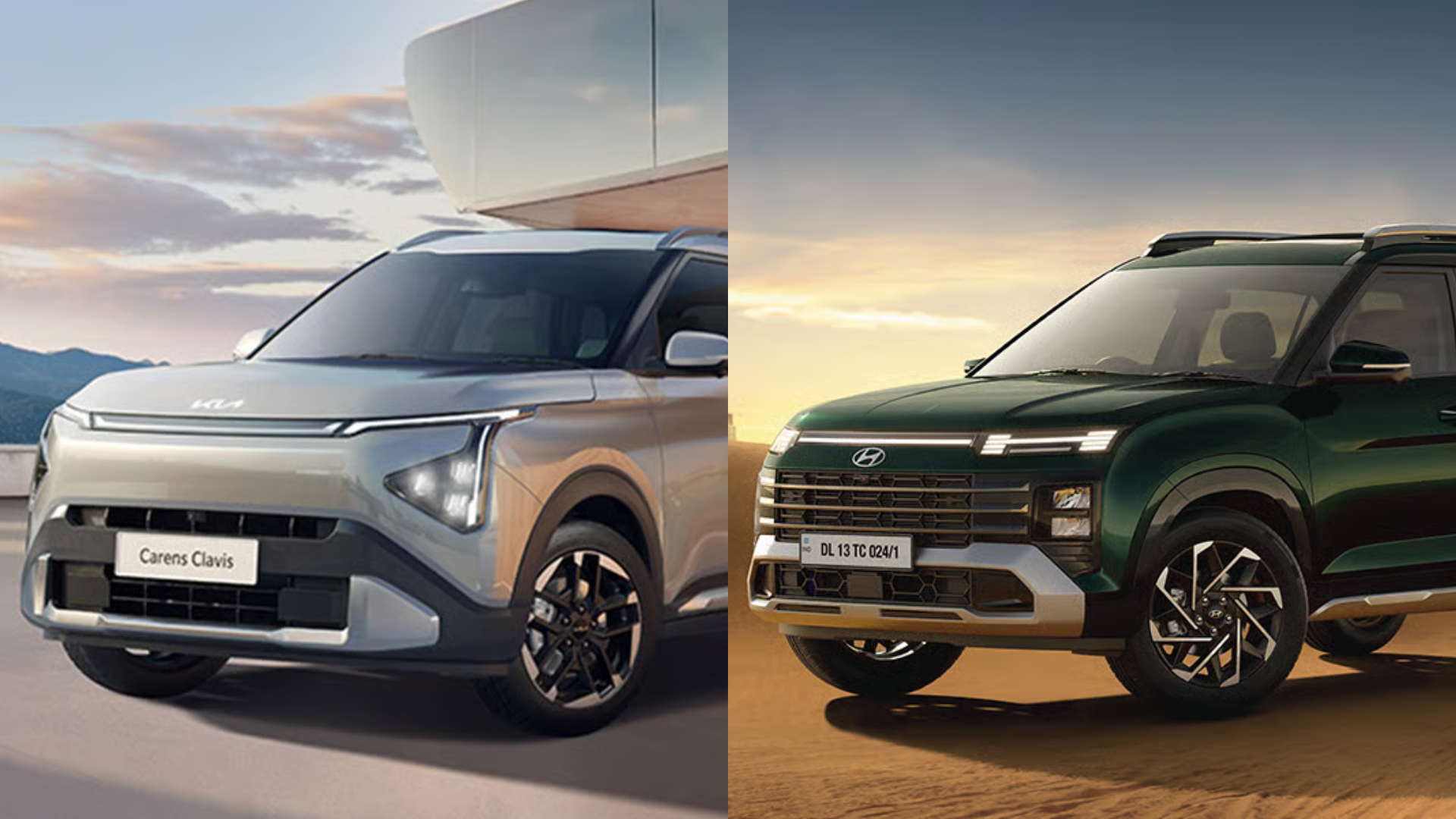
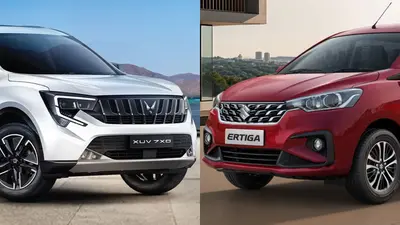
Further afield, the Hyundai Alcazar and the Kia Carens Clavis undercut the Mahindra substantially and beat it on fit, finish and dealer polish, but both are smaller, softer and far less powerful, and they feel like a size down rather than a direct alternative.
The MG Hector Plus offers enormous interior space and a six-seat layout with captain's chairs, at the cost of dated dynamics and a weaker resale story. It also misses out on a diesel engine as of now.
The Jeep Meridian is the premium option with genuine all-wheel-drive credentials and a plush ride, priced above the Mahindra and hampered by a thin service network.
At the top of the consideration set sits the Toyota Innova Hycross, which costs meaningfully more and is an MPV rather than an SUV, but delivers a third row adults can actually use, hybrid efficiency city buyers will feel every month, and the ownership peace of mind and resale strength that remain Toyota's unmatched advantages. If your seven seats are used seven days a week, this is the car to drive before signing anywhere else. If they are used seven times a year, the XUV 7XO gives you more car for the money in every other respect.
final verdict
final verdict
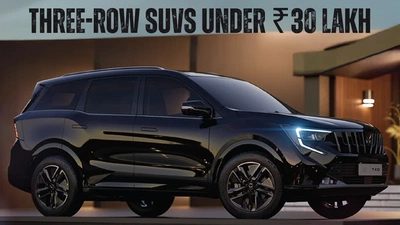
The XUV 7XO is a better car than the XUV700 in exactly the ways that matter to the people who buy cars like this. The ride quality transformation alone justifies the update, turning a competent but firm SUV into one of the more comfortable SUVs you can buy under Rs 30 lakh.
Add engines that are both quick and relaxed, seats that make three hundred kilometres feel like one hundred, middle-row space that embarrasses more expensive cars, a feature list that starts generous and ends indulgent, and the only all-wheel-drive option in its class, and the case largely writes itself.
Mahindra XUV 7XO News

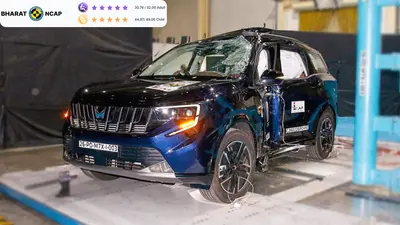
Mahindra XUV 7XO Scores 5 Stars in Bharat NCAP, Gets Near-Perfect Adult Safety Score
The Mahindra XUV 7XO has been awarded a 5-star Bharat NCAP rating, scoring 30.76 out of 32 for adult occupant protection and 44.97 out of 49 for child safety. The rating covers the full variant range, petrol and diesel both.
Arjun Nair
September 15, 2026
Mahindra XUV 7XO Crosses 70,000 Units in 7 Months, Outsells XUV700's Best Annual Pace
Mahindra announced on August 29 that the XUV 7XO crossed 70,000 units in seven months, averaging roughly 9,285 units a month, well above the XUV700's best-ever annual monthly average of 7,561 units.
Anmol Kumar
September 2, 2026

Mahindra XUV 7XO FAQs
What is the delivery time of the Mahindra XUV 7XO?
−Delivery timelines for the Mahindra XUV 7XO depend on the variant. Higher trims like AX7, AX7 T and AX7 L have deliveries starting from January, especially for early bookings. Base and mid variants such as AX, AX3 and AX5 are scheduled for deliveries from April onwards. Waiting periods may range from a few weeks to a couple of months depending on location, colour and demand.
How much is the new Mahindra XUV 7XO?
+The Mahindra XUV 7XO is priced from around ₹13.6 lakh ex showroom for the base petrol variant. Prices go up to roughly ₹24–25 lakh ex showroom for the top-end diesel automatic AWD variant. On-road prices vary by city and typically start around ₹16 lakh.
Will the XUV 700 be discontinued?
+Yes, the XUV 7XO replaces the XUV 700. Mahindra is phasing out the XUV 700 as the 7XO is positioned as its updated successor with refreshed design, more features and enhanced technology.
hat is the mileage of the new XUV 7XO?
+The petrol variants of the XUV 7XO are expected to deliver around 13–15 kmpl, while the diesel variants offer approximately 16–17 kmpl under standard driving conditions. Real-world mileage will depend on driving style and traffic.
Is the Mahindra XUV 7XO E20 compatible?
+Yes, the petrol engines of the Mahindra XUV 7XO are E20 fuel compatible, making them compliant with India’s ethanol-blended petrol norms.
What are the colour options available?
+The XUV 7XO is offered in multiple colour options including white, black, grey, blue and red shades. Exact colour availability may vary depending on the variant and dealership.
How many variants of the XUV 7XO are there?
+The Mahindra XUV 7XO is available in six main variants: AX, AX3, AX5, AX7, AX7 T and AX7 L. These are further offered with petrol and diesel engines, manual and automatic gearboxes, and AWD on select diesel variants.
What is the cheapest XUV 7XO variant and its specs?
+The most affordable variant is the AX petrol manual. It comes with a 2.0-litre turbo-petrol engine producing around 197 bhp, a 6-speed manual gearbox, seven-seat layout, triple screens, and 6 airbags
What is the top XUV 7XO variant and its specs?
+The top variant is the AX7 L diesel automatic AWD. It uses a 2.2-litre diesel engine producing around 182 hp and 450 Nm, paired with a 6-speed automatic gearbox. It offers all-wheel drive, L2 ADAS< Wireless charger, 9 airbags etc