

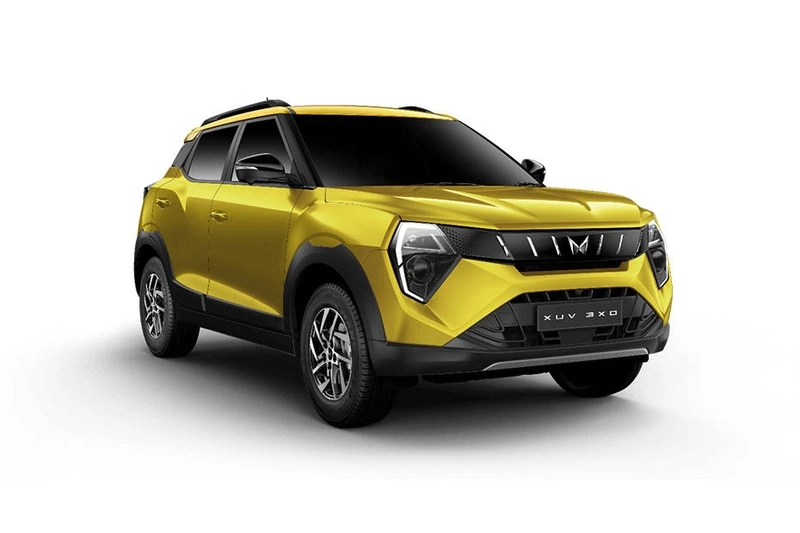
Mahindra XUV 3XO
Overall Rating

Mahindra XUV 3XO
Overall Rating
EMI Loading
Mahindra XUV 3XO Key Specifications
Mahindra XUV 3XO Highlights
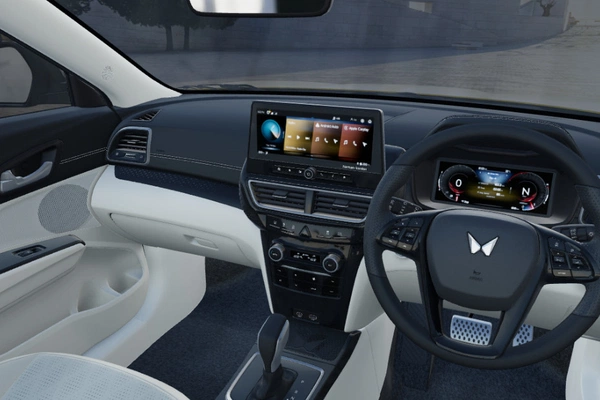
Soft-touch dashboard materials.
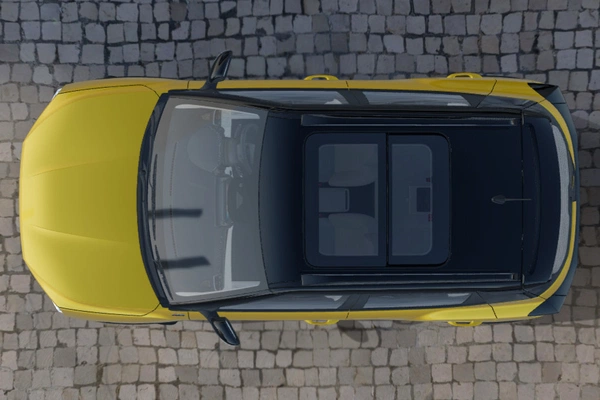
Largest-in-segment panoramic sunroof.
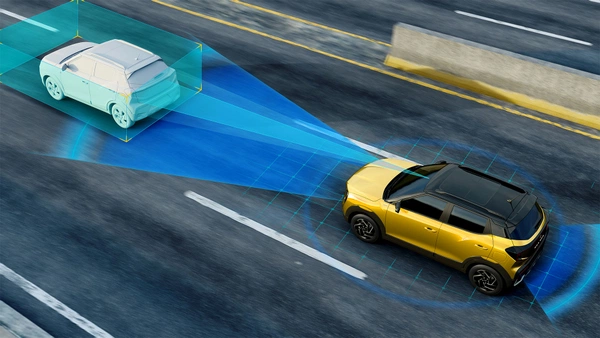
Level 2 ADAS with forward collision warning & adaptive cruise.
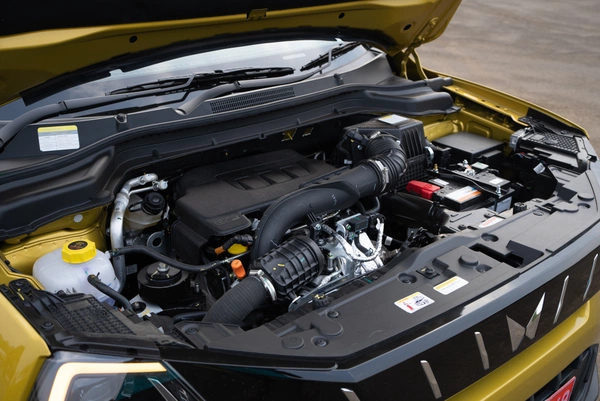
1.2-litre turbo petrol – 130 PS, most powerful in class.
Mahindra XUV 3XO Overview

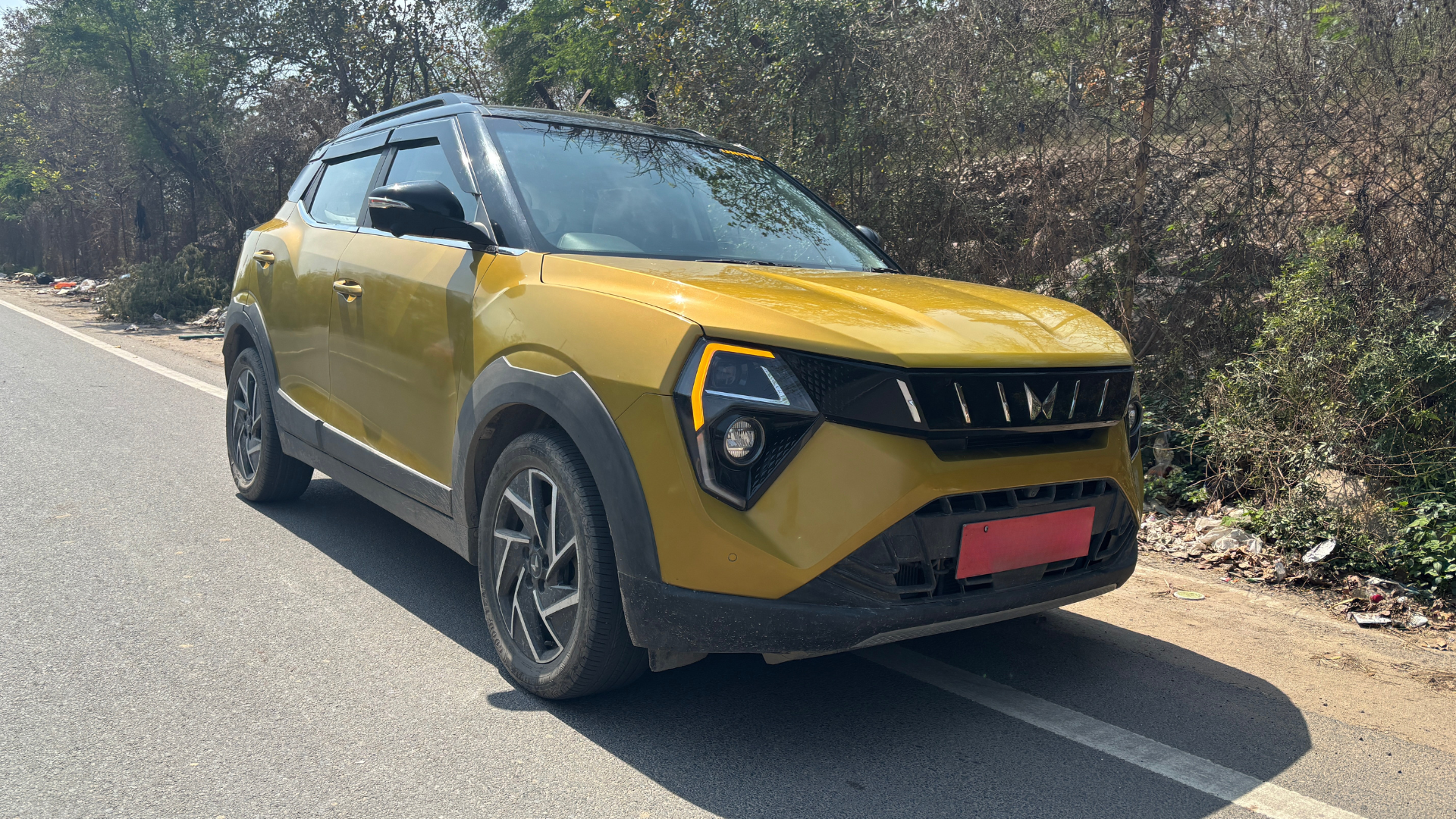
The XUV300 was one of the best-engineered sub-compact SUVs India has produced and one of the least-sold. It was safe, wide, well-tuned and desperately short on the things that move metal in this segment, namely screens, sunroofs and boot space.
The XUV 3XO is Mahindra's correction of that mistake, and the correction was aggressive. It kept the structure and the chassis that made the original good, then buried the car in equipment until nothing in the class could match its specification sheet at the price.
It worked. The 3XO became Mahindra's fastest vehicle to a lakh sales, and it continues to move in serious numbers every month. Prices now run from roughly Rs 7.8 lakh to Rs 15 lakh ex-showroom after a small increase earlier this year, following the substantial cuts that came with the GST revision.
Three engines cover the range, which is more choice than any rival offers. A 1.2-litre three-cylinder turbo-petrol, a more powerful 1.2-litre direct-injection turbo-petrol and a 1.5-litre four-cylinder diesel, with torque figures surpassing even cars from a segment above.
Manual, AMT, and torque converter automatic gearboxes are on offer across the range depending on engine.
An EV counterpart joined the lineup at the start of this year, which broadens the choice further and is worth knowing about before committing to the petrol.
The buyer here is someone who wants the longest feature list their money can buy with a spacious cabin that can seat five comfortably, backed by a five-star crash rating and a genuine choice of engines, and who is willing to accept a small boot.
Here is a deep dive into design, cabin, engines, chassis, safety, value and the rivals.
Engine and Performance
Engine and Performance
| Specification | 1.2L mStallion Turbo Petrol | 1.2L mStallion Turbo-CNG | 1.2L mStallion TGDi Turbo Petrol | 1.5L mHawk Diesel |
|---|---|---|---|---|
| Displacement | 1198 cc | 1198 cc | 1198 cc | 1497 cc |
| Max Power | 109 bhp | 109 bhp | 129 bhp | 115 bhp |
| Max Torque | 200 Nm | 200 Nm | 230 Nm | 300 Nm |
| Transmission | 6-speed MT / 6-speed TC AT | 6-speed MT | 6-speed MT / 6-speed TC AT | 6-speed MT / 6-speed AMT |
| Variants | MX and lower REVX/AX | MX Edge, RevX Edge (O), AX5, RevX A | AX5L, AX7, AX7L | MX2 through AX7L |
The choice of three engines is this car's most underrated advantage, because it means the 3XO can be the right car for genuinely different buyers rather than a compromise for all of them.
The direct-injection turbo-petrol is the headline engine and the most powerful thing in the segment. With around 130 bhp and 230 Nm available from 1,500 rpm through to 3,750 rpm, it gives the car real urgency, and the eagerness is obvious from the first stretch of open road. Throttle responses are sharp, the mid-range is strong enough to make highway overtaking a single decisive movement, and the car feels genuinely quick.
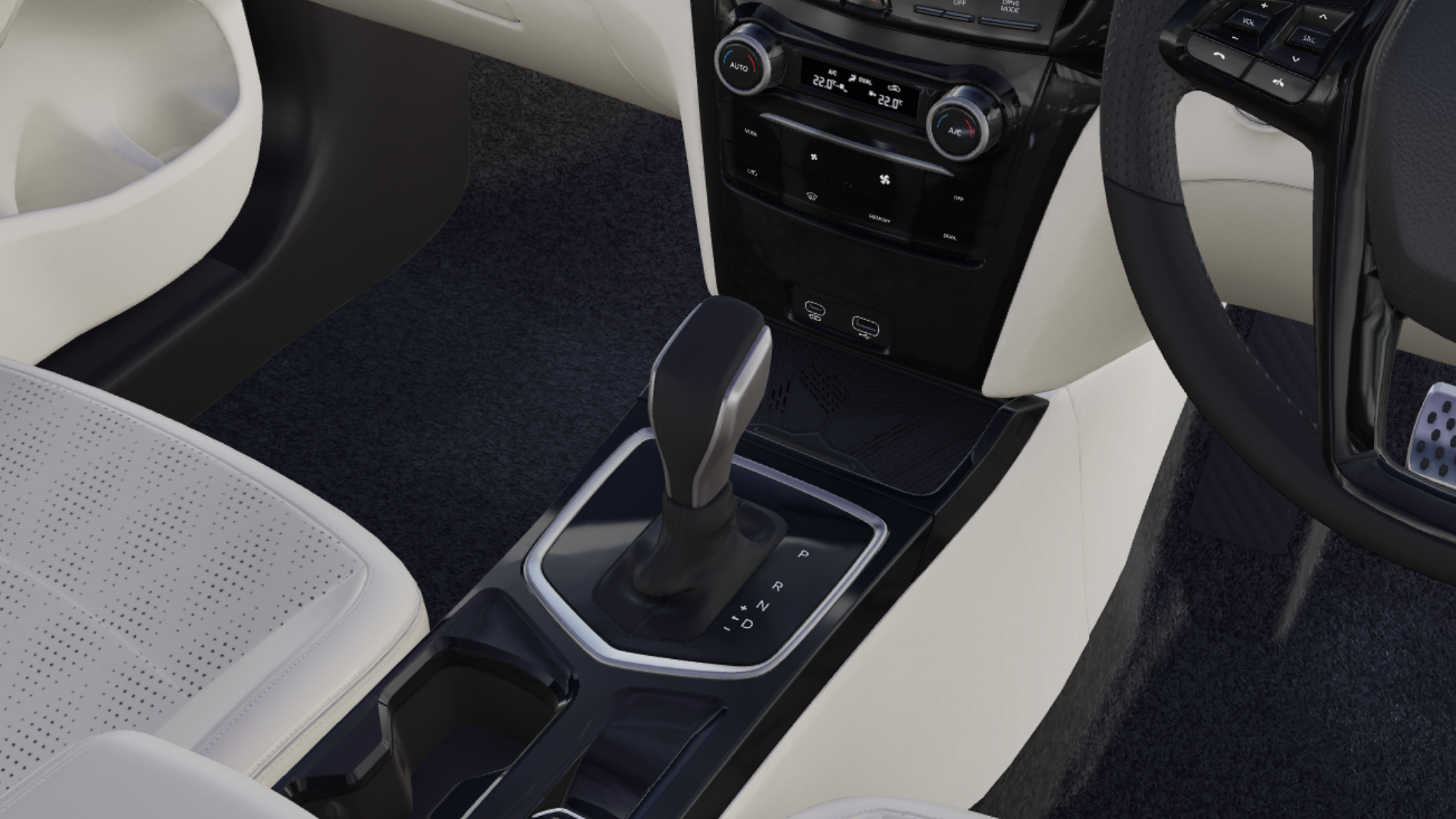
Paired with the six-speed torque converter automatic, it offers a smooth driving experience, staying relaxed during slow-paced city driving and turns responsive the moment you demand more performance.
The caveat is refinement. The three-cylinder engines transmit light vibrations into the footwell, the steering wheel and even the seats, particularly during a cold start. While these almost disappear as the engine warms, they are present, and anyone coming from a four-cylinder car will feel the difference.
The lower-output turbo-petrol is the volume engine and the more sensible one. Producing 110 bhp and 200 Nm of torque, it is smoother in character, more than adequate for city driving and capable of relaxed cruising at triple digit speeds on highways and expressways. Being an MPFI (Multi-Point Fuel Injection) engine, it costs meaningfully less, both to buy and to run. Most buyers who choose it are perfectly happy, and it is available across far more variants than the more powerful TGDI unit, which forces anyone wanting the extra performance to also buy the expensive equipment they may not want.
The new CNG powertrain deserves specific attention. Mahindra's use of 10-bar injector pressure, which is significantly higher than the 4–6 bar used by its CNG rivals means the engine barely loses power when switching to CNG mode. At 109 bhp and 200 Nm in CNG operation, it matches the standard manual turbo-petrol exactly. This is, on paper, one of the most meaningful technical differentiators this new powertrain brings.
The 1.5-litre diesel producing 115 bhp and 300 Nm of torque is the real standout and the reason a section of buyers choose this car over everything else in the class. Four cylinders make it smoother than either petrol at low speeds, the torque surge is strong and comes in very low in the rev range, and the driveability in both city traffic and on the highway is excellent.
Claimed efficiency for the diesel is the best in the range, and in real-world high-mileage use, it is by a wide margin the cheapest engine here to run. In a segment where many rivals have dropped diesel entirely, having one available at all is a genuine competitive advantage, and for anyone covering more than fifteen hundred kilometres a month, it is the obvious choice.
The gearbox spread deserves its own note because it is unusually generous. Every engine except the petrol-CNG can be had with two pedals, which is rare at this price. The six-speed torque converter paired to the petrols is the smoothest of them and the one worth paying for if traffic dominates your week, shifting cleanly and never drawing attention to itself.
The AMT offered with the diesel saves money and delivers the characteristic pause between shifts, which rewards drivers who lift slightly as the change happens but can frustrate those who do not. The manuals across all three engines are light and precise with well-judged clutch weight, though shorter drivers may find the clutch travel long.
Ride and Handling
The chassis is the part of this car that owes nothing to the feature war, and it is the part that has been quietly excellent since the XUV300 launched.
The suspension is conventional in layout with struts at the front and a twist beam at the rear, but the detail engineering is not. A rebound stopper in the top strut mount reduces the impact forces that reach the cabin over sharp bumps. The span between the rear springs is the widest in the segment, which improves roll stability directly. The dampers use a multi-tune valve arrangement that varies damping force by controlling fluid flow through the piston valves, which is a considerably more sophisticated solution than the price point normally allows.
The result is a ride that is compliant and mature at low speeds, absorbing broken city roads without transmitting much into the cabin and dealing with potholes and expansion joints quietly. It is not the softest setup in the class, and sharp-edged impacts do register, but the recovery is immediate and there is no secondary movement.
At highway speeds, the car improves further, staying stable with very little vertical movement, dealing with undulations and joints without becoming unsettled, and keeping rear passengers comfortable in a way that many small SUVs do not manage.
Handling is where the wide track and the roll stability pay off. The 3XO stays composed through both slow and fast corners, changes direction cleanly without the body lurching, and remains predictable enough that a driver can carry real speed into a corner without feeling nervous. There are no unpleasant surprises at the limit, the tyres provide dependable grip, and the whole package is more capable than anyone shopping this segment on specifications would expect.
The steering is the weakest element of an otherwise strong dynamic package, offering inconsistent weighting and very little genuine feedback about what the front tyres are doing. Though, it is quite accurate, self-centres well, and the car goes where it is pointed. The three steering modes (Comfort, Normal, and Sport) alter its weight significantly but do not improve feel and feedback. You can push it hard around twisty, as the chassis genuinely behaves well, but the steering does not provide the required confidence.
Mahindra has adjusted the calibration over time without fixing the fundamental character, and it remains the single change that would most improve this car.
The braking deserves a special mention. The XUV 3XO gets disc brakes on all four wheels across the range, and was carried over from the XUV300. The pedal is progressive, stopping power is more than adequate, and repeated hard stops do not produce fade.
Noise levels are acceptable, with road and wind noise well controlled and the engine being the main intrusion. The turning circle is reasonable and the car is easy to place in traffic despite its width.
fuel economy
fuel economy
The Mahindra XUV 3XO's mileage varies quite a bit depending on the engine, driving style and conditions.
Owners of the petrol variants (both the regular turbo and the stronger TGDi) have reported that city running often returns only 8.5 to 12 km/l, sometimes dipping lower in heavy traffic, while highways can give 15 to 18 km/l if you cruise at around 80-100 km/h with light throttle. Mixed drives usually settle around 12 to 14 km/l for most owners.
The diesel does noticeably better overall, with city figures commonly in the 12 to 15 km/l range and highway returns of 17 to 20 km/l or more under steady cruising, leading to mixed averages of about 15 to 17 km/l.
Automatic gearboxes tend to be a little thirstier than manuals across both fuels, and factors like aggressive driving, full loads or frequent short trips pull the numbers down further.
The ZNG CNG's 24.7 km/kg ARAI figure is the most compelling number in the lineup, and it remains to be seen how close the real-world figures get to the claims.
interior
interior
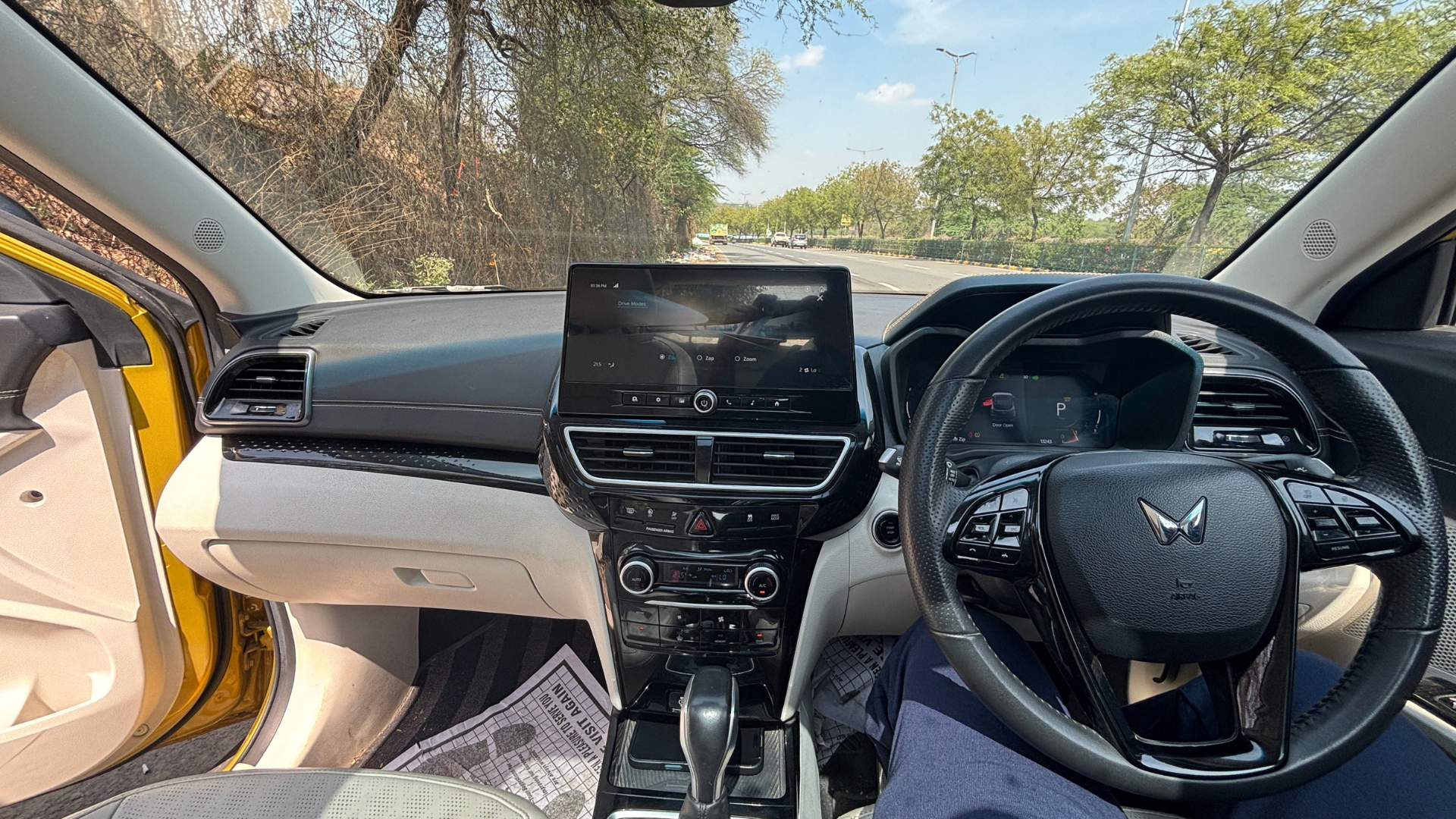
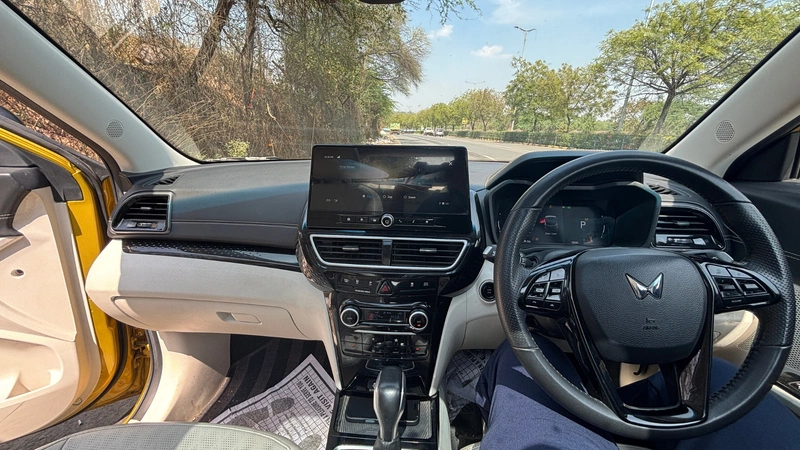
This is the section that sells the car.
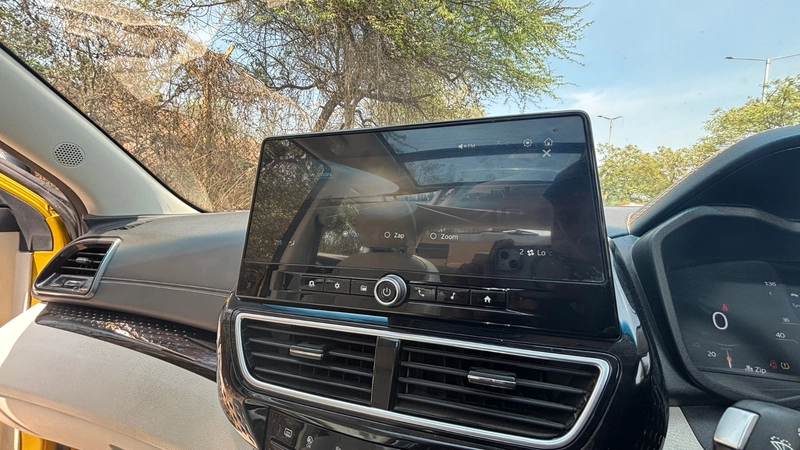
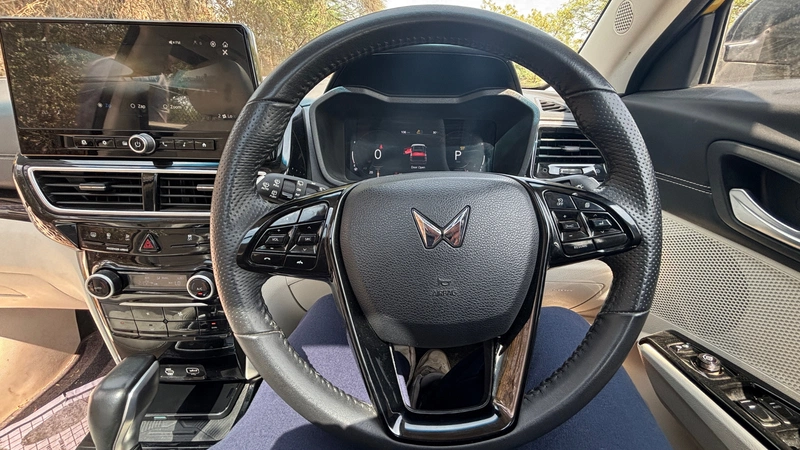
The cabin is built around a pair of 10.25-inch displays, one for instrumentation and one for infotainment, both crisp and both fitted from the mid variants upward rather than being reserved for the top of the range.
The dashboard design is clean and horizontal with a dual-tone treatment, and the overall impression on first sitting is of a car costing considerably more.
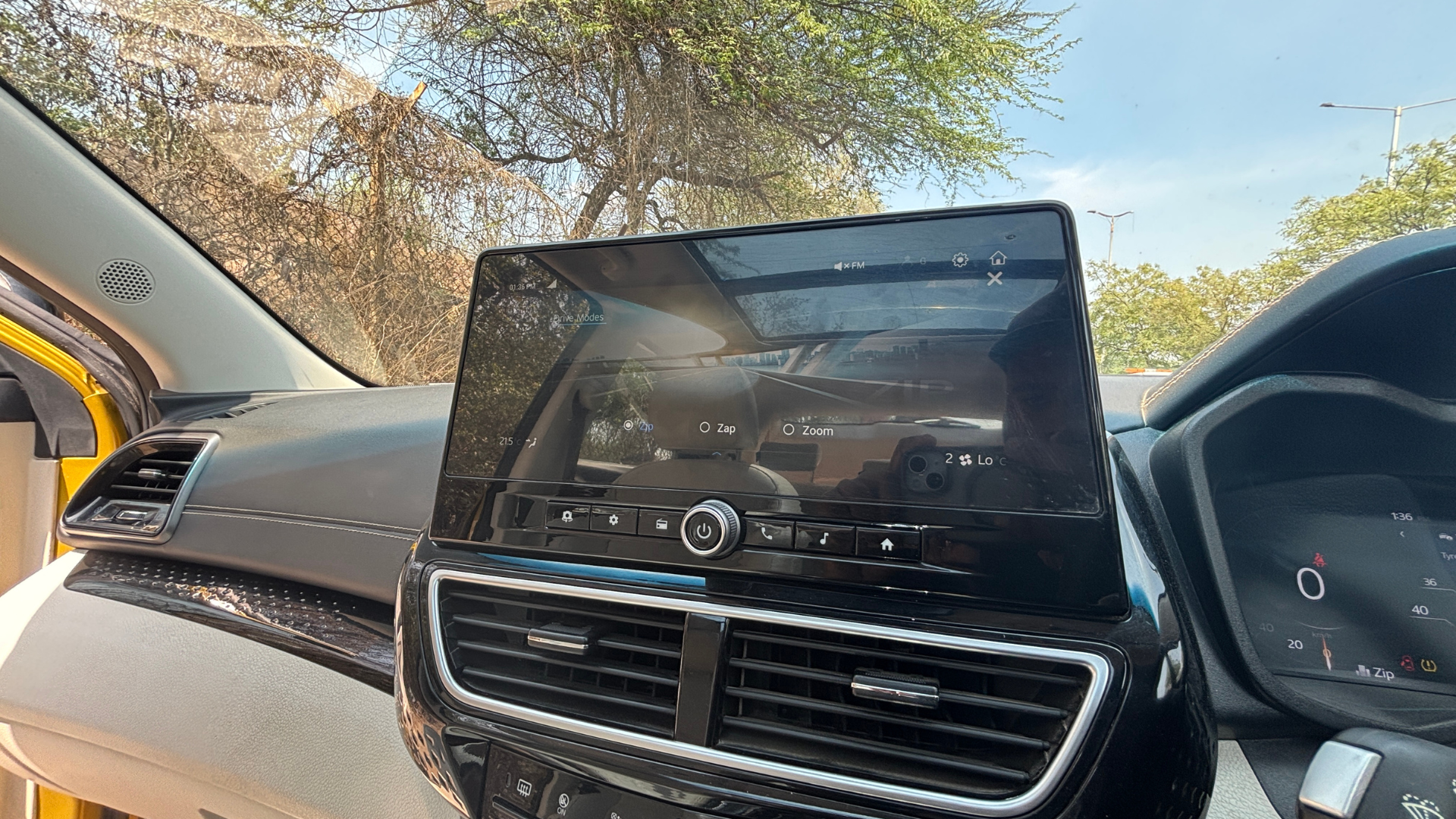
The equipment list is where Mahindra simply outspent the segment.
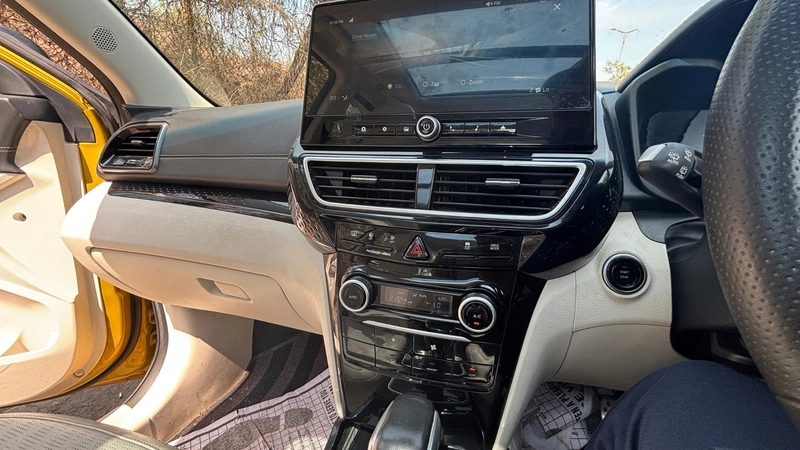
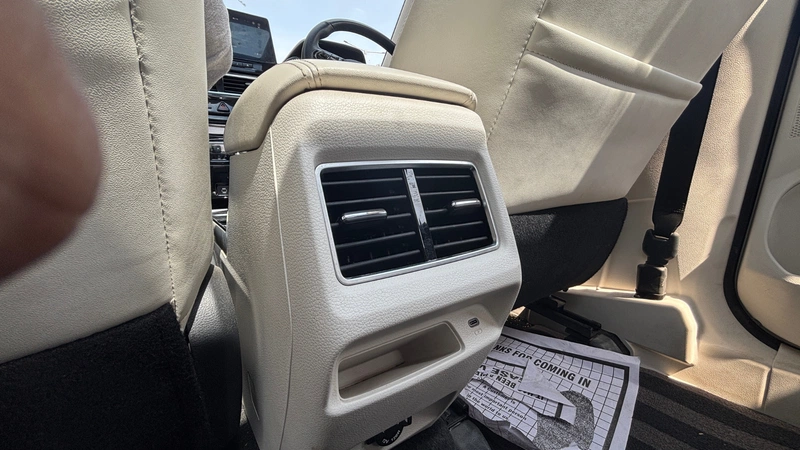
Adrenox Connect with 80+ connected features, built-in Amazon Alexa, dual-zone climate control with rear vents, a wireless charger, 65-watt fast charging, connected car functions, push-button start, a 360-degree camera, an auto-dimming mirror, leatherette upholstery and a seven-speaker Harman Kardon audio system with Dolby Atmos processing.
Higher trims get a panoramic sunroof, which was a segment first when it arrived and remains a genuine differentiator.
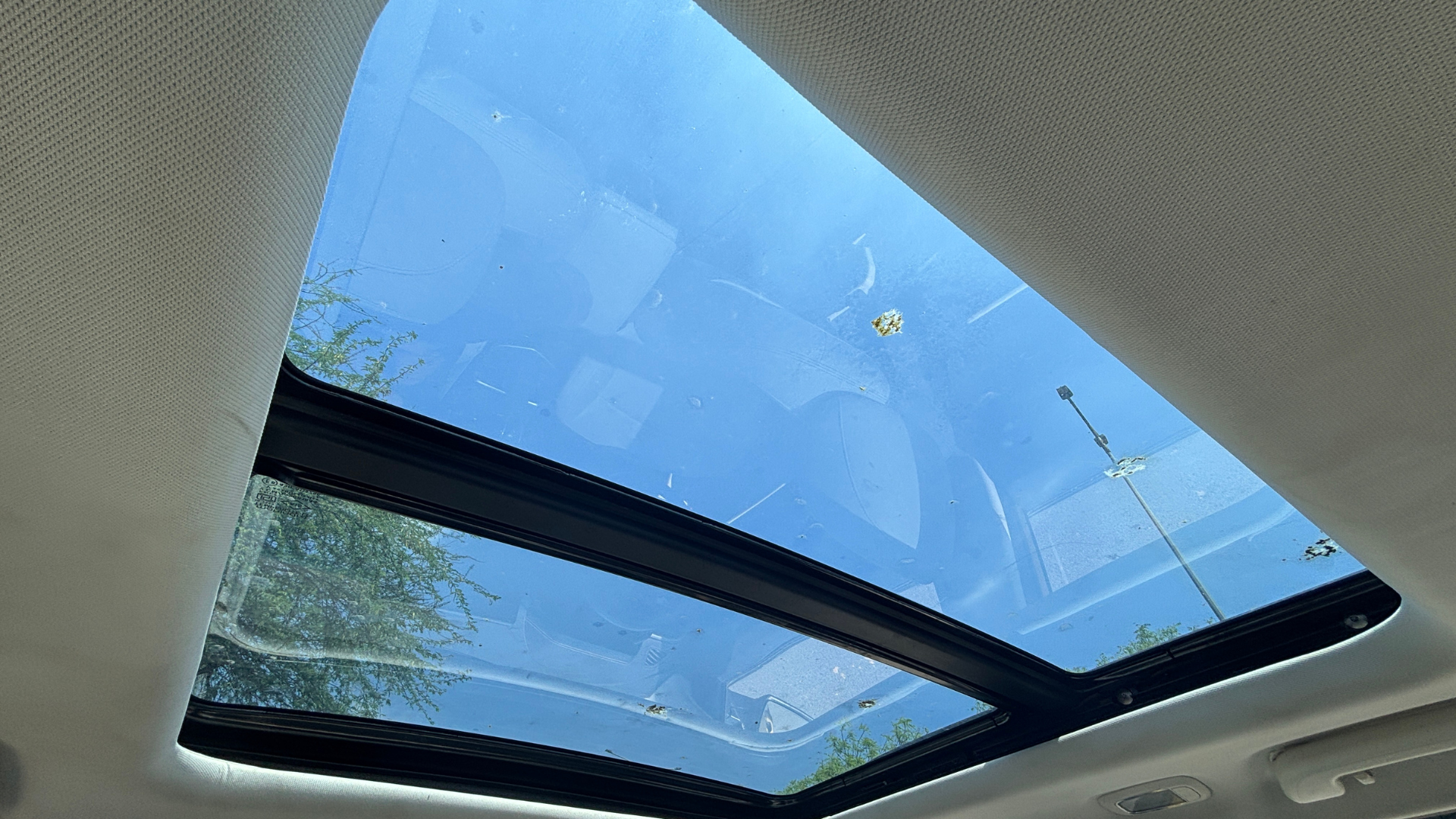
The XUV 3XO is the most affordable car in the world to offer Dolby Atmos, which is exactly the kind of headline this segment is fought over. The system genuinely sounds good rather than being merely loud, something that cannot be said for most branded setups at this price.
The ergonomics are sound. Controls feel good to operate and fall where instinct expects them, the physical climate switches survive alongside the screens, the driving position suits a range of builds, and nothing needs learning. The front seats are supportive and comfortable for long journeys.
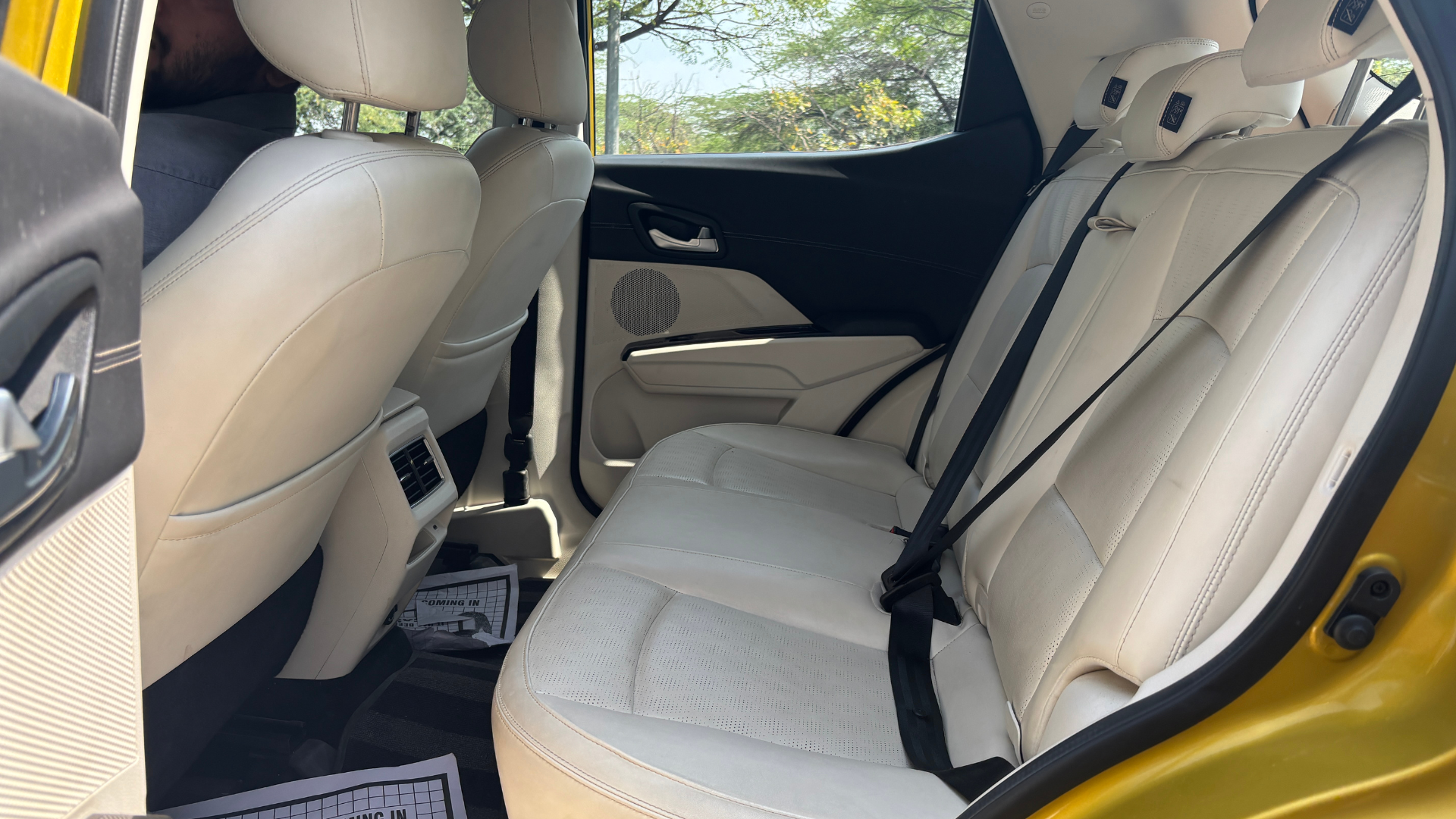
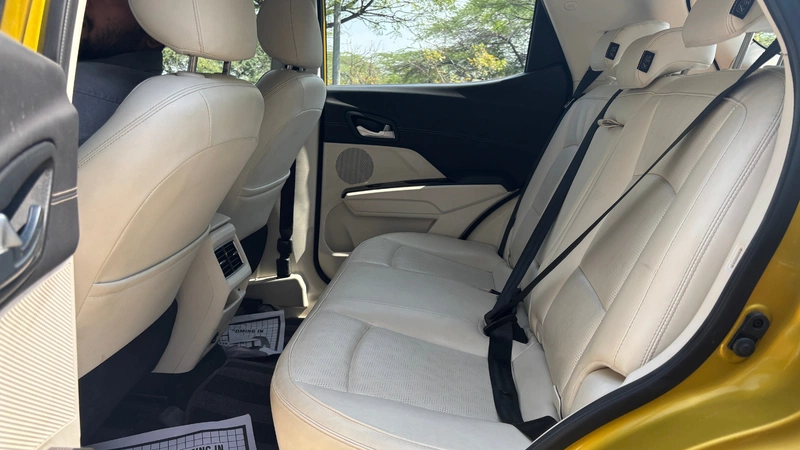
The 3XO is the widest car in its class at 1,821 mm and also has the longest wheelbase at 2,600 mm, and that translates to impressive rear seat space. Three adults can sit rather comfortably, and knee room even with tall passengers at the front is plenty. Headroom is sufficient.
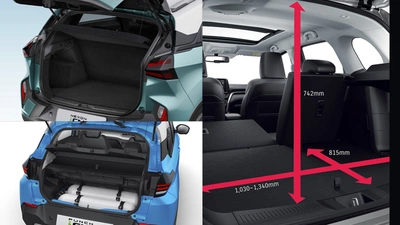
The boot, which was the XUV300's most damaging weakness, has grown to 295 litres up to the parcel shelf, and 364 litres if measured up to its roof. It is a significant improvement over its predecessor, but still behind most segment rivals. CNG variants get 270 litres.
Two criticisms recur among owners. The light-coloured interior in the top variants looks superb and premium in the showroom, but shows every mark within a month, so families with young children should think hard before choosing it. Second, material quality, while good in the places you touch most, drops off in the lower half of the cabin in a way that becomes noticeable once the novelty of the screens wears off.
exterior
exterior
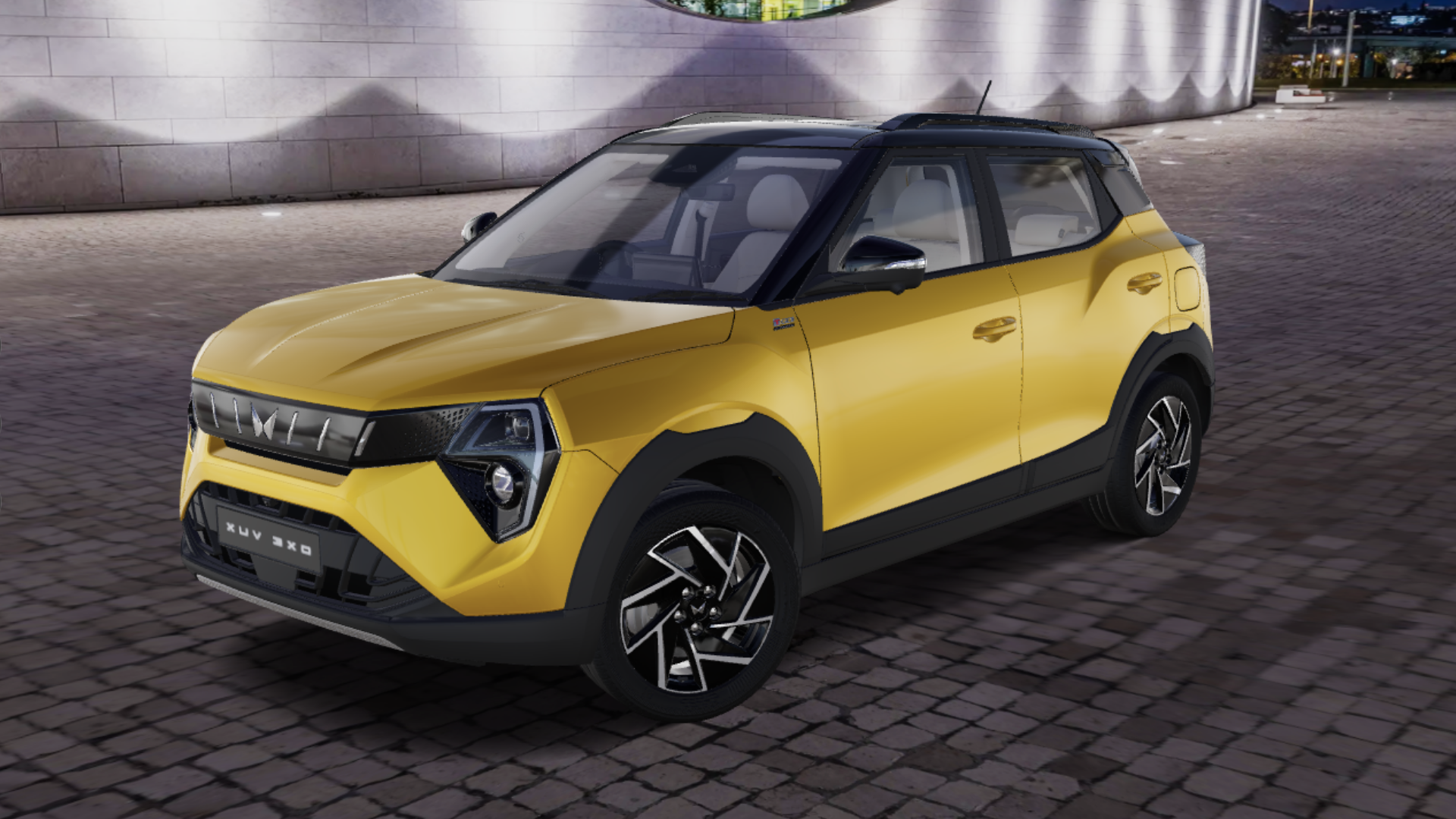
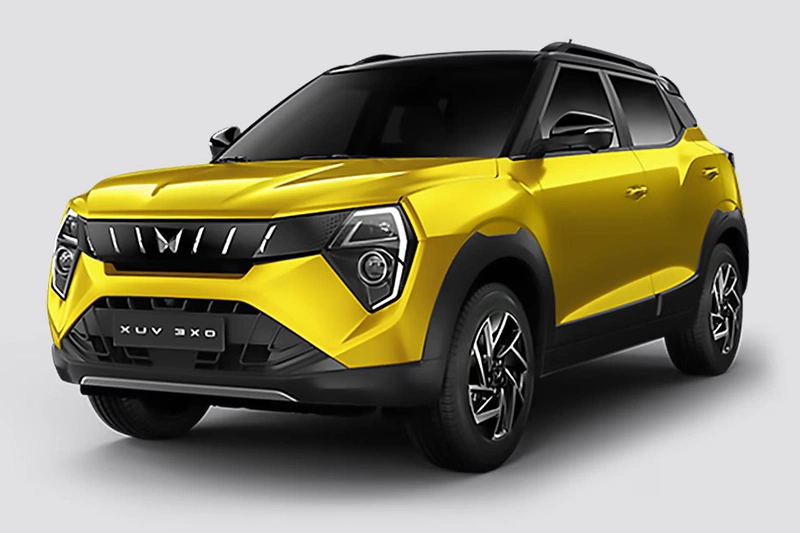
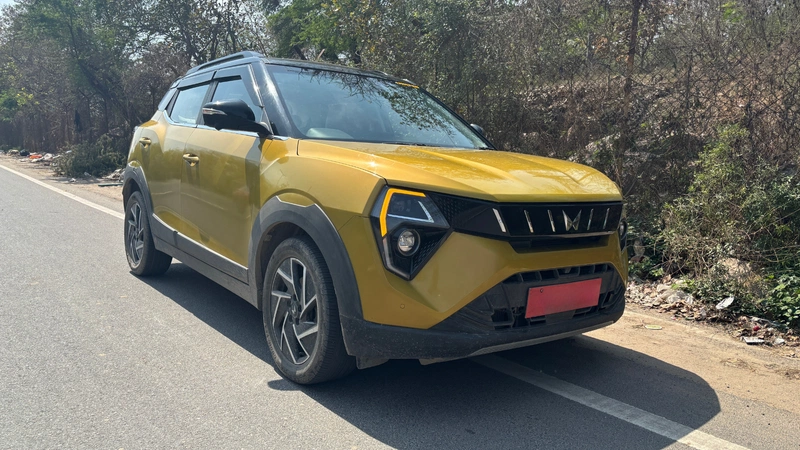
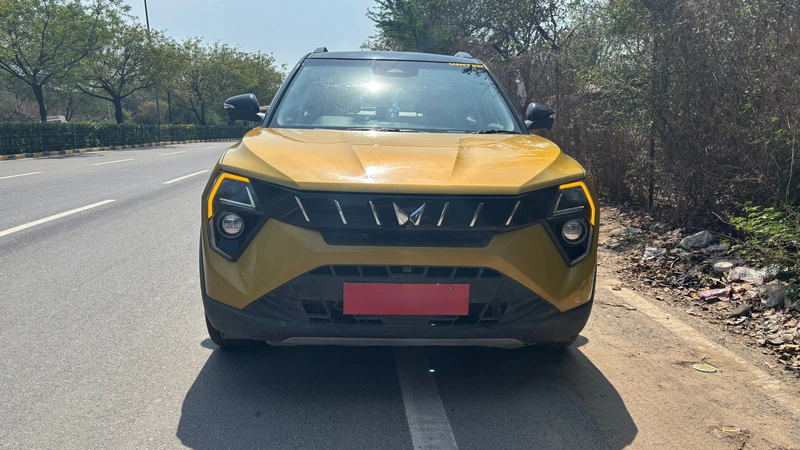
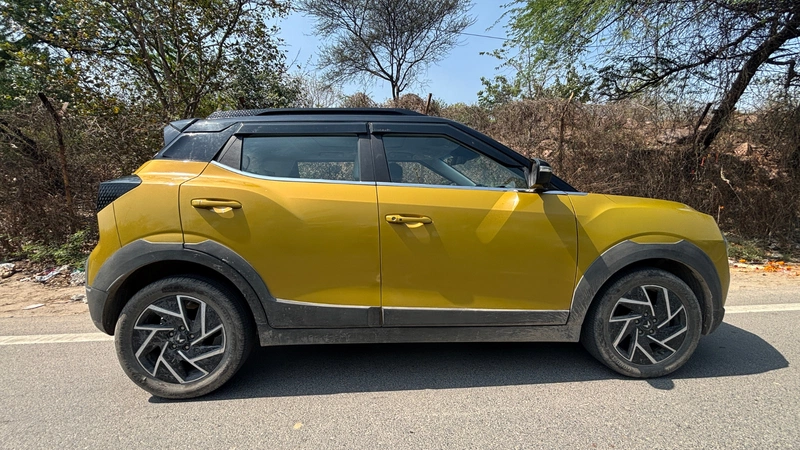
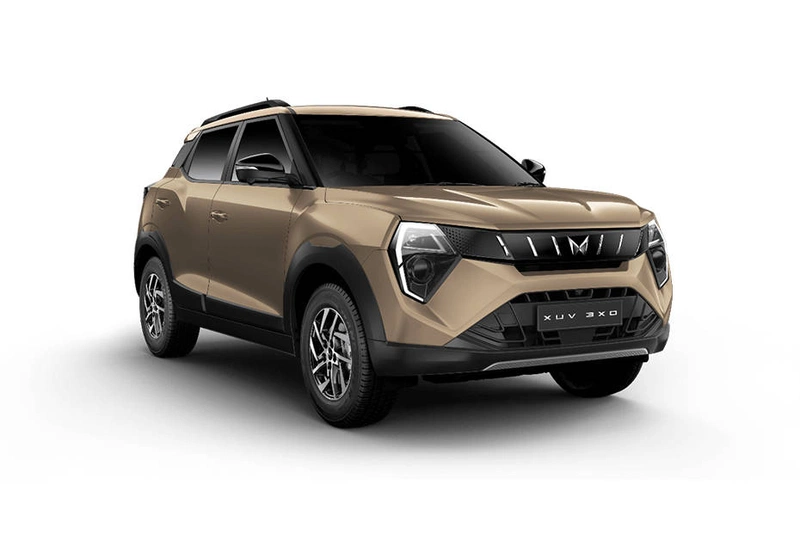
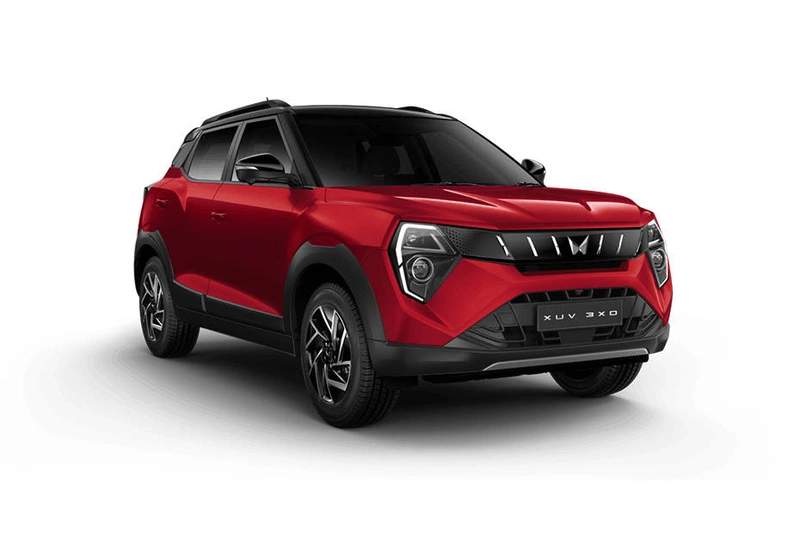
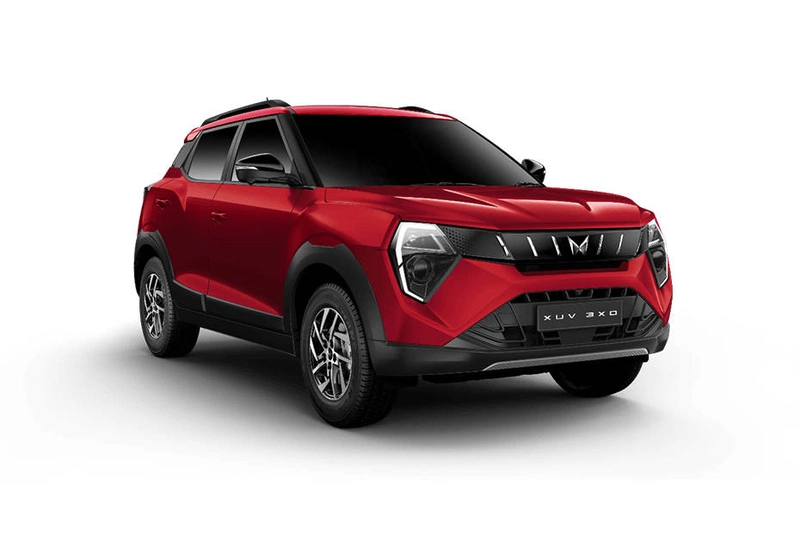
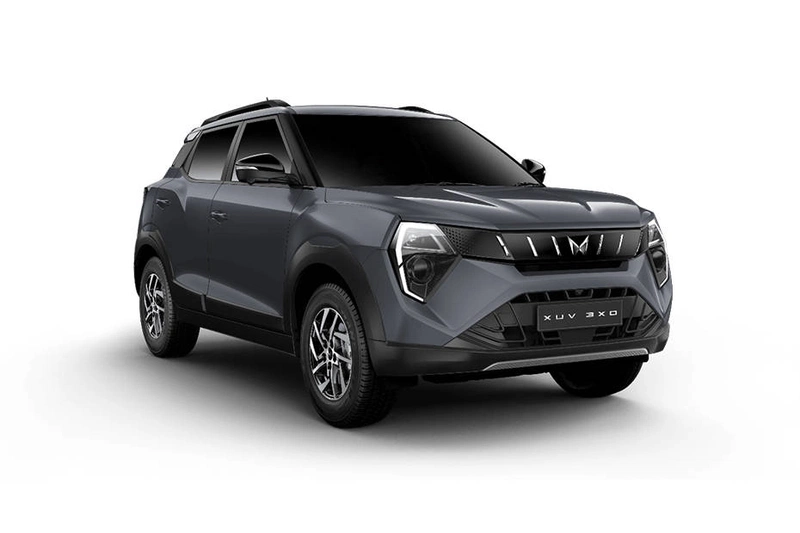
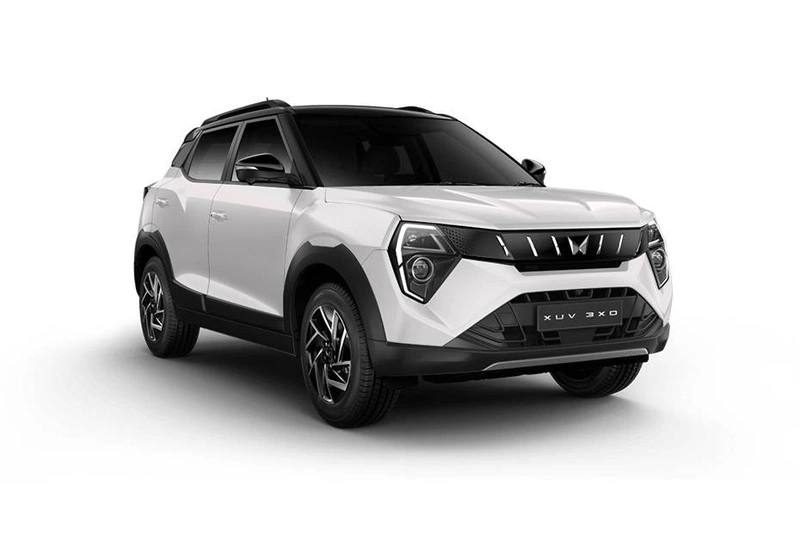
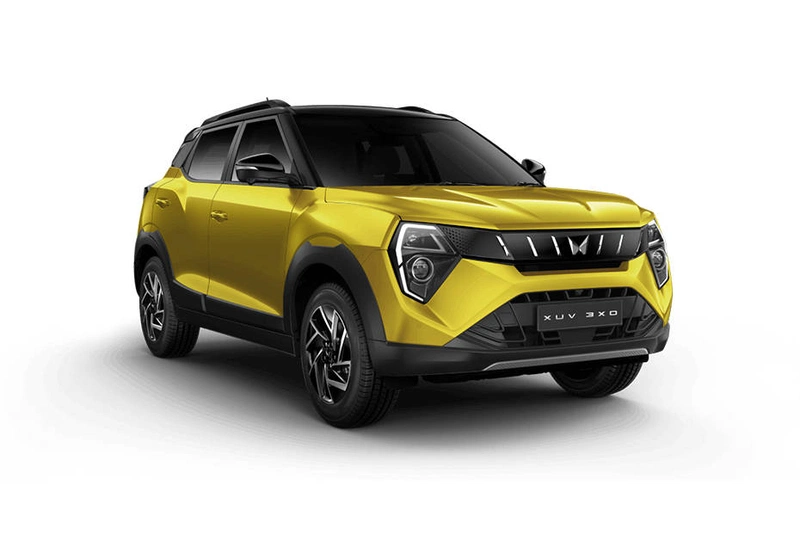
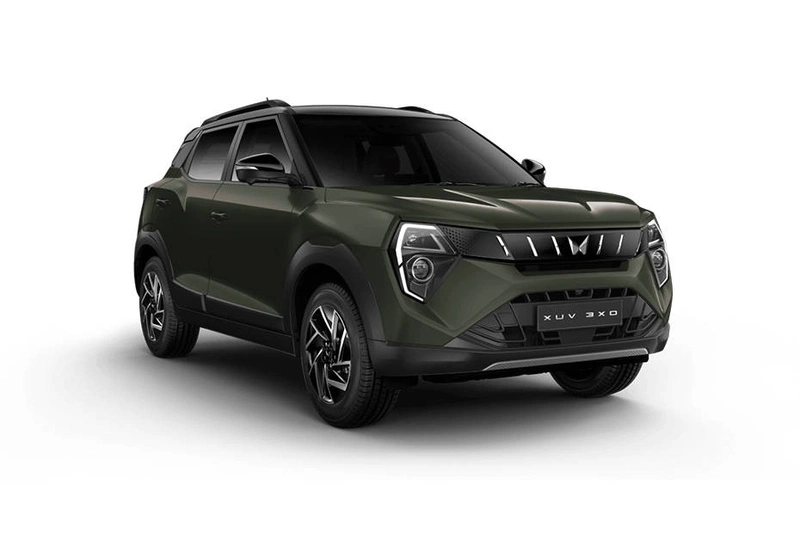
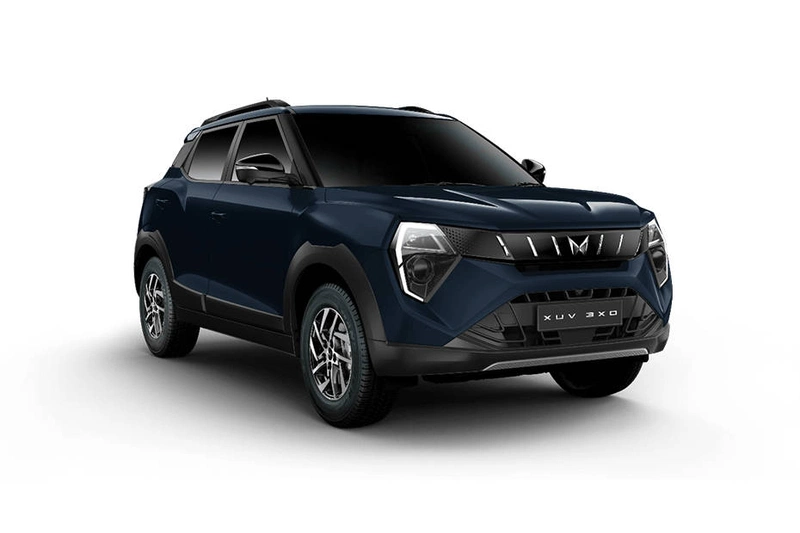
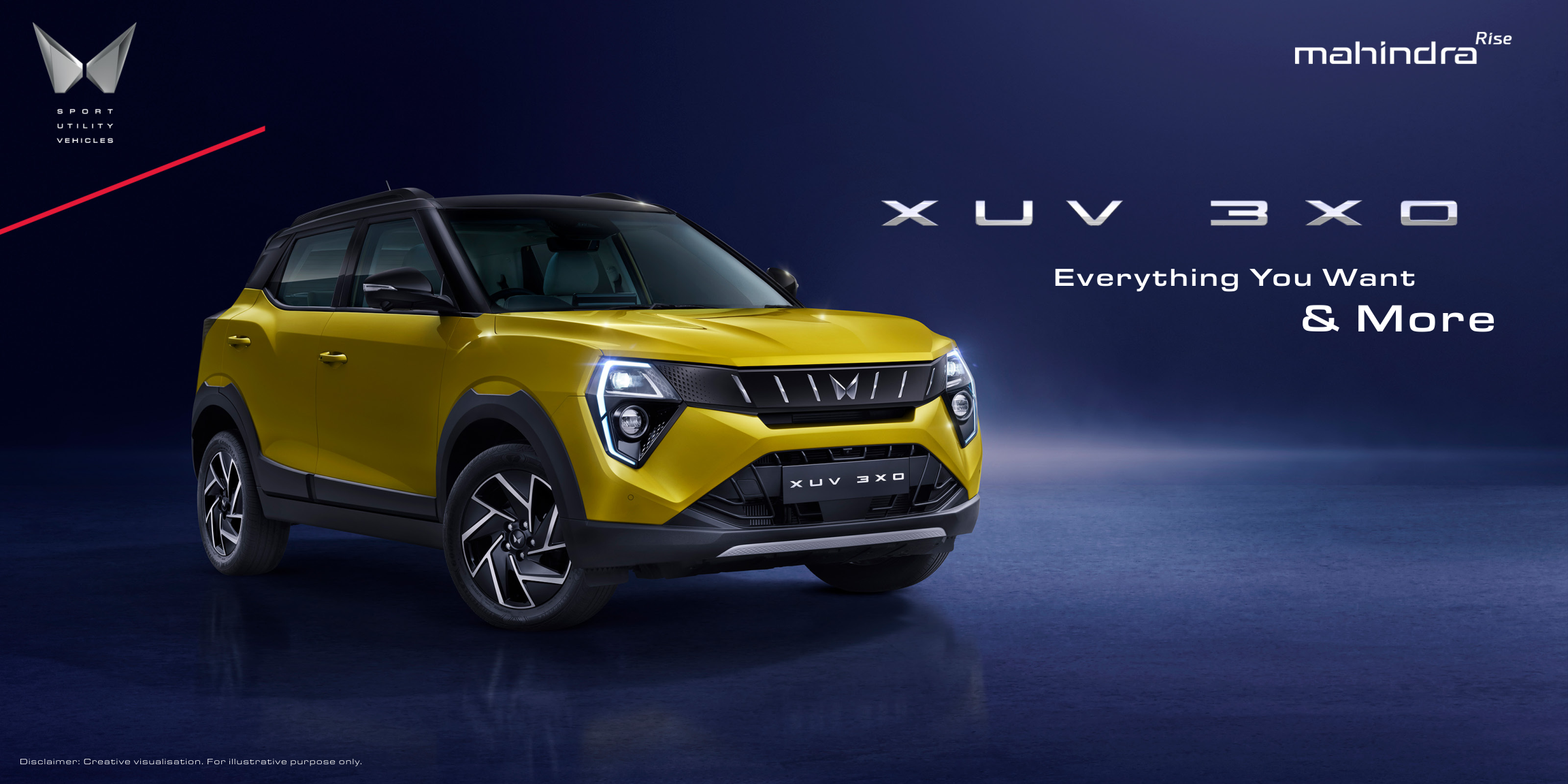
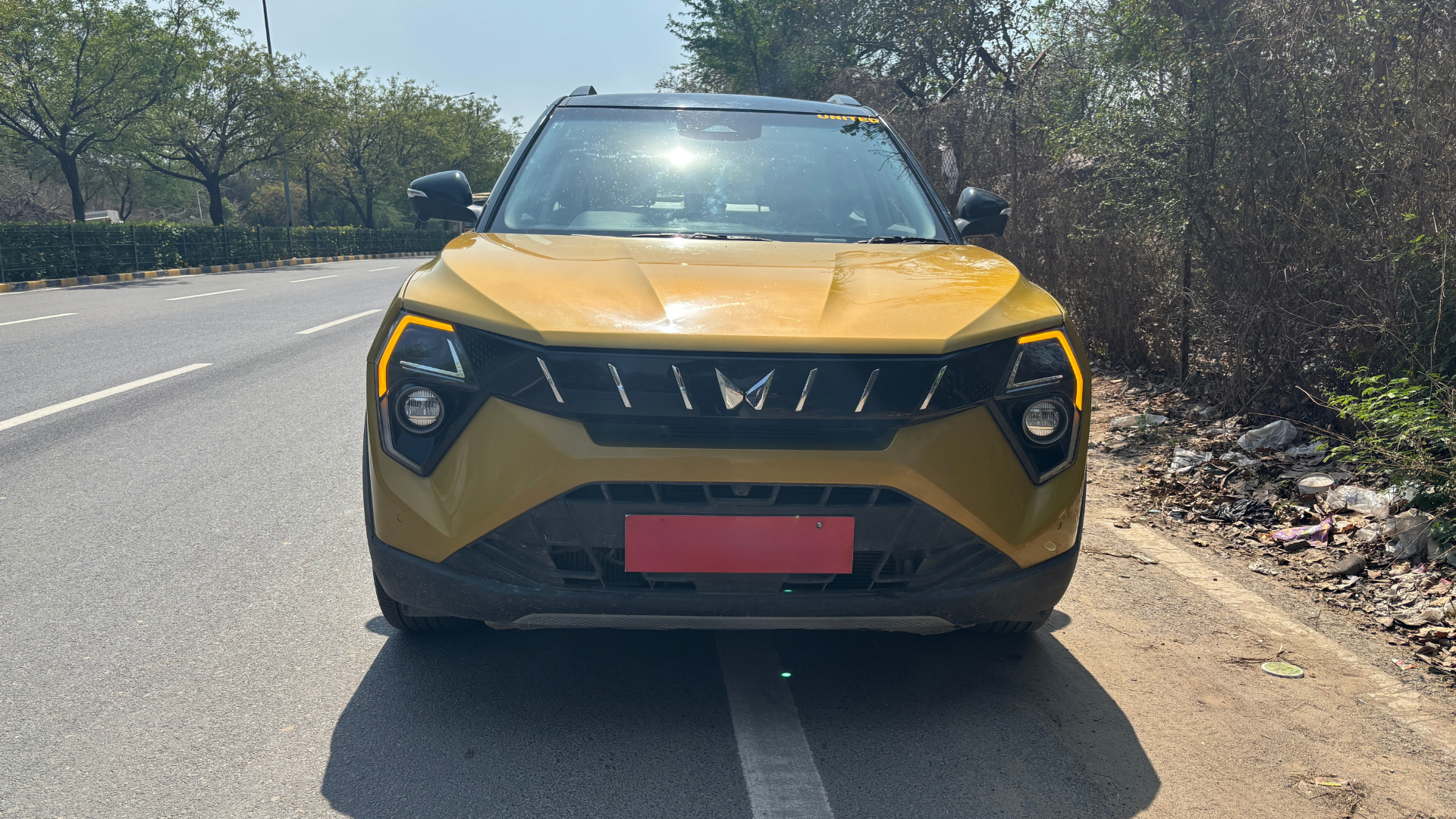
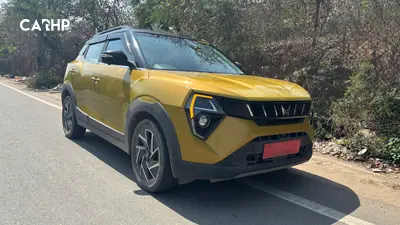
Mahindra took the XUV 300's slightly awkward, top-heavy shape and gave it a face that finally matches its intent. The nose is built around C-shaped LED daytime running lamps that drop at the outer edges, flanking a body-coloured grille section with Bi-LED projector headlamps on the higher trims.
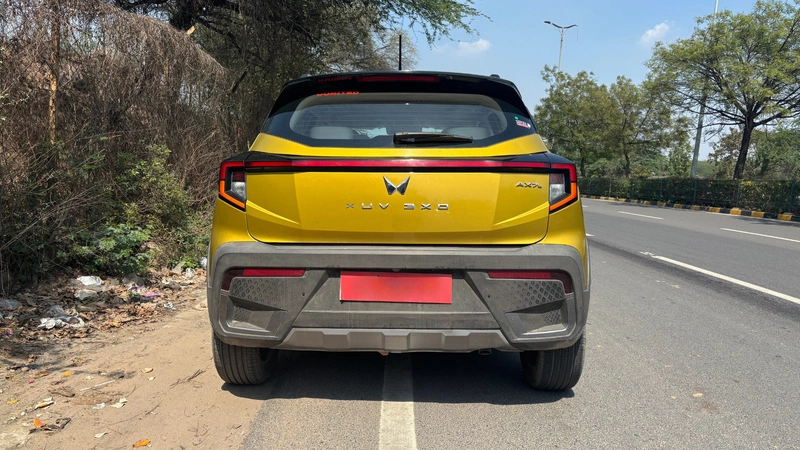
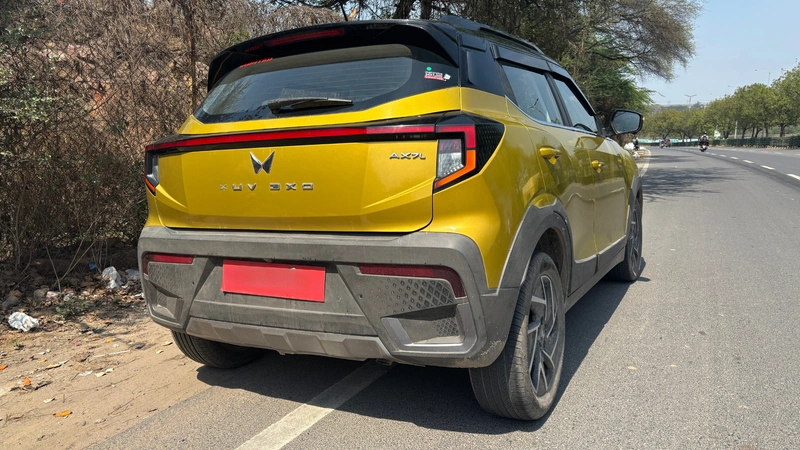
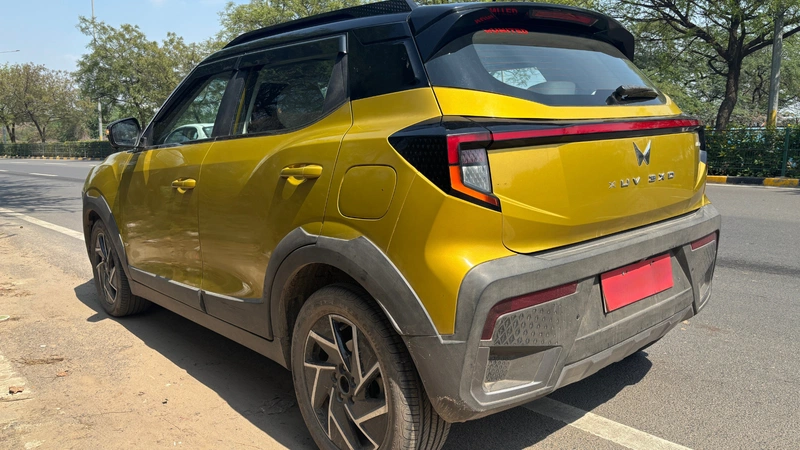
It is a modern, coherent design that reads clearly at night and looks considerably more expensive than the price band suggests. At the rear, connected LED tail lamps joined by a light bar bring the car in line with current segment fashion and fix the plain, stubby tail that the original carried.
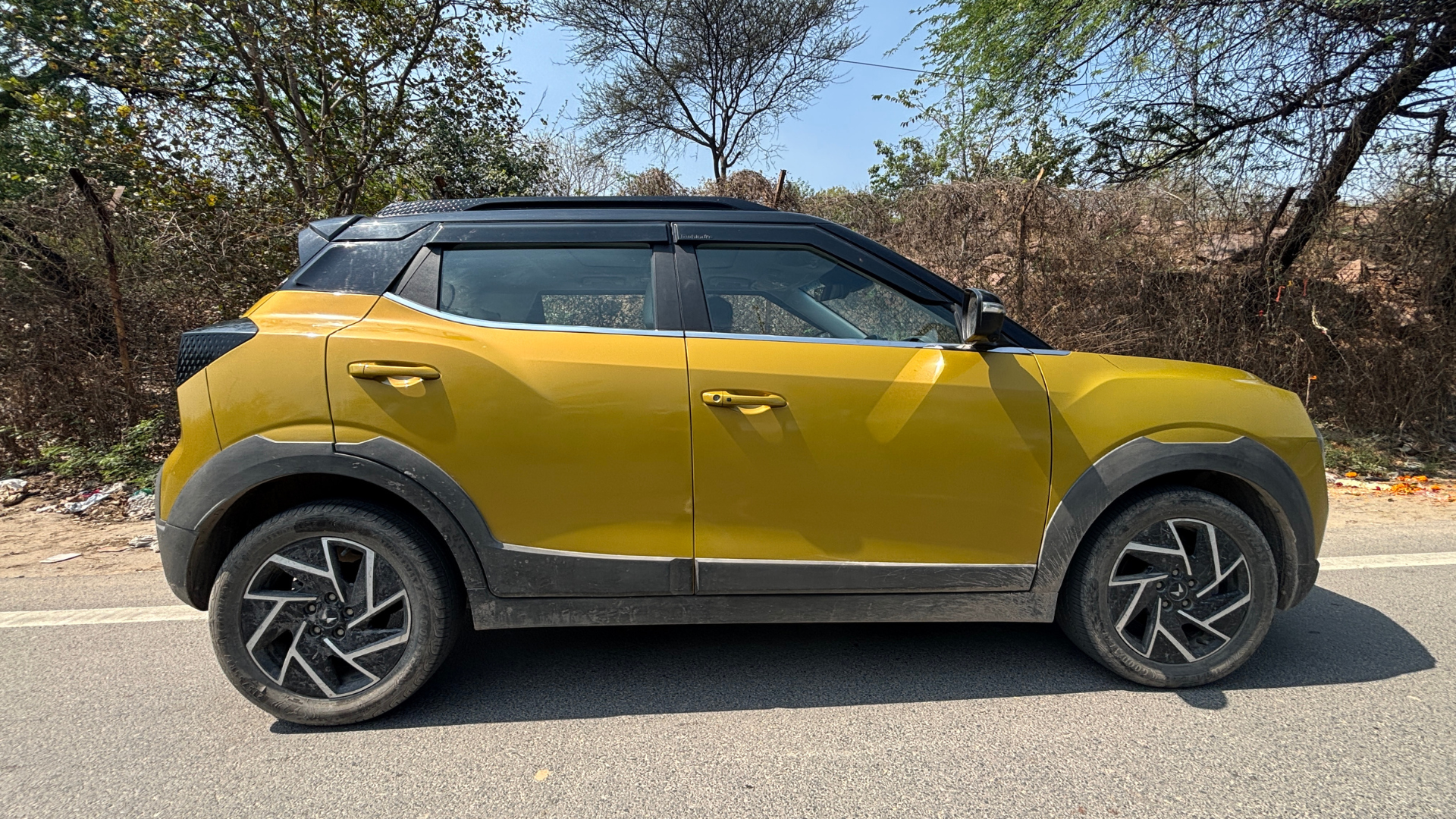
The proportions are the interesting part. At just under four metres long, this car is unusually wide for its class, and that width is visible from every angle.
It sits squat and planted rather than tall and narrow, which is the opposite of what most sub-four-metre SUVs manage, and it gives the 3XO a stance that reads as substantial rather than compromised. Seventeen-inch diamond-cut alloys on the top variants fill the arches properly, and the sixteen-inch wheels lower down are adequately sized rather than lost.
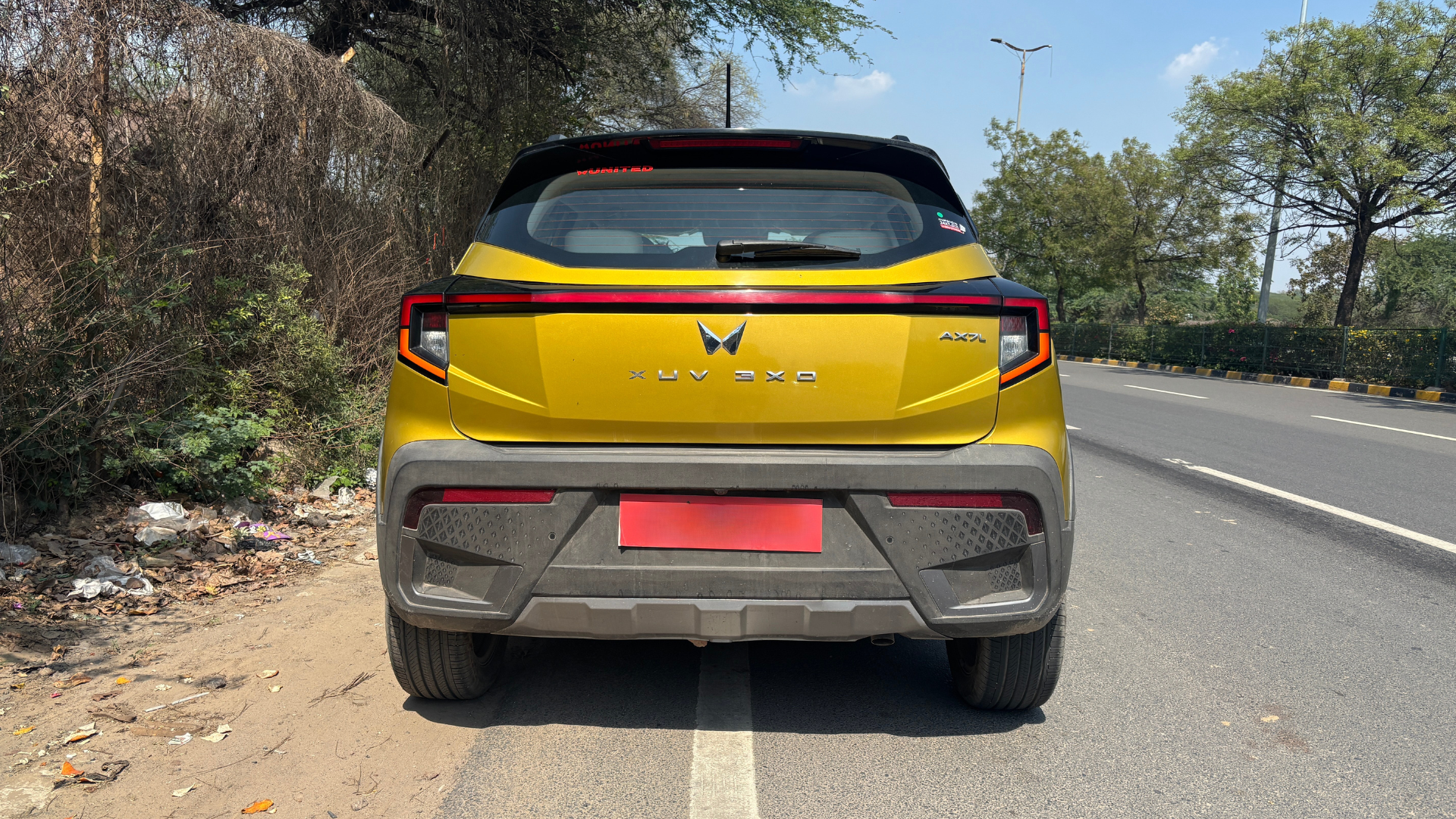
Build quality is solid, with a dense feel to the doors and consistent panel gaps, though the paint finish and the detailing around the lower cladding do not have the precision of the Korean alternatives.
Ground clearance is sufficient for city and mild rural work, the doors open wide, and the driving position gives a good view forward. Rearward visibility is more restricted by the thick rear pillars and the high tail, so the surround-view camera fitted higher up the range earns its place.
The variant politics are visible from the outside and they irritate owners.
The base variant is available in only three colours. Dual-tone paint is restricted to a specific trim. Halogen projector headlamps persist on some mid variants while others get the full LED treatment.
None of this affects how the car drives, but it means two 3XOs parked side by side can look like quite different products, and buyers should check what their chosen variant actually includes rather than assuming the brochure photograph applies.
safety
safety

The XUV300 was the one that started Mahindra’s trend of achieving 5 stars in Global NCAP, and the 3XO continues its legacy.
It holds a five-star Bharat NCAP rating, scoring 29.36 out of 32 for adult occupant protection and 43 out of 49 for child occupant protection, with testing conducted on both a top variant and a lower one so the result applies across the range rather than to a single specification.
In the side impact and side pole tests it performed particularly well, achieving a maximum score in the side movable barrier assessment.
Six airbags, ESP, ABS with EBD, ISOFIX child seat mounts, seatbelt pre-tensioners with load limiters, seatbelt reminders and all wheel disc brakes are standard across the range. A buyer choosing the base 3XO is not buying a less protected car, which matters more in this segment than any feature comparison.
The higher trims add a Level 2 ADAS suite covering adaptive cruise control, lane departure warning, lane keeping assistance and autonomous emergency braking, along with the 360-degree camera. The assistance package works well on marked highways and, as with every such system in India, requires supervision in dense traffic where two-wheelers and pedestrians behave unpredictably.
The crash test report did note a couple of specifics worth knowing. Protection to the driver's chest was rated adequate rather than good, and the driver's left leg scored marginally, likely due to contact with the centre console area during the frontal impact. Neither prevents the five-star result and both are the kind of detail that only appears when a manufacturer submits to full testing, which is itself worth something.
competition
competition
The Tata Nexon is the closest rival and the comparison is genuinely tight. It offers a five-star crash rating of its own with scores almost identical to the Mahindra's, a diesel and a CNG option, a larger boot, more road presence and a bolder design. Its interior quality is comparable and its equipment list is close. Where the 3XO pulls ahead is on outright feature count at a given price, on the audio system, on brake specification and on chassis composure, and where the Nexon answers is on space and on a design that draws more attention. Tata's software niggles and dealer inconsistency are the standing reservation, and Mahindra's are not dramatically better, so this decision usually comes down to which showroom treated the buyer better.
The Maruti Suzuki Brezza, recently updated and now carrying a five-star rating of its own, is the choice for buyers who want ownership to be uneventful. It offers the largest service network in the country, the strongest resale values, a more upright and spacious cabin and an underbody factory CNG option with a bigger boot. It cannot match the 3XO in performance, equipment or driver assistance, and its naturally aspirated engine is built for economy rather than enjoyment. For a buyer who values running costs and dealer reach above everything, the Brezza should be the pick. For a buyer who wants the most car for the money, the 3XO fits the bill.
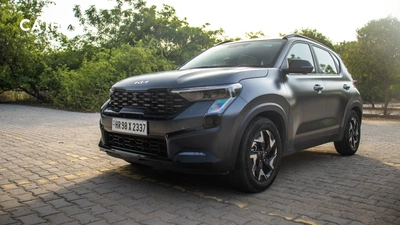
The Hyundai Venue and the Kia Sonet, both recently renewed, bring better cabin materials, more polished infotainment, more consistent dealer experiences and dual-clutch automatic options. Both are more refined than the 3XO and both charge for it. Neither matches its engine spread or its brake specification.
The Skoda Kylaq is the enthusiast's alternative and the one that exposes the 3XO's steering the most. It rides and handles with a maturity the Mahindra cannot match, carries an outstanding crash score and feels more solidly built. What it gives up is equipment, a diesel engine, a CNG option, and service network reach. Anyone who enjoys driving should try both back to back to decide what they truly want, as the 3XO’s TGDI petrol is the noticeably more powerful one, but the Kylaq handles a lot better.
Finally, the XUV 3XO EV deserves consideration from anyone shopping for the top trims. It brings the same packaging and equipment philosophy with dramatically lower running costs, and for an urban buyer with home charging, it changes the ownership arithmetic entirely. Anyone about to spend fifteen lakh rupees on a fully loaded petrol 3XO should at least find out what its EV counterpart costs to run before signing.
final verdict
final verdict
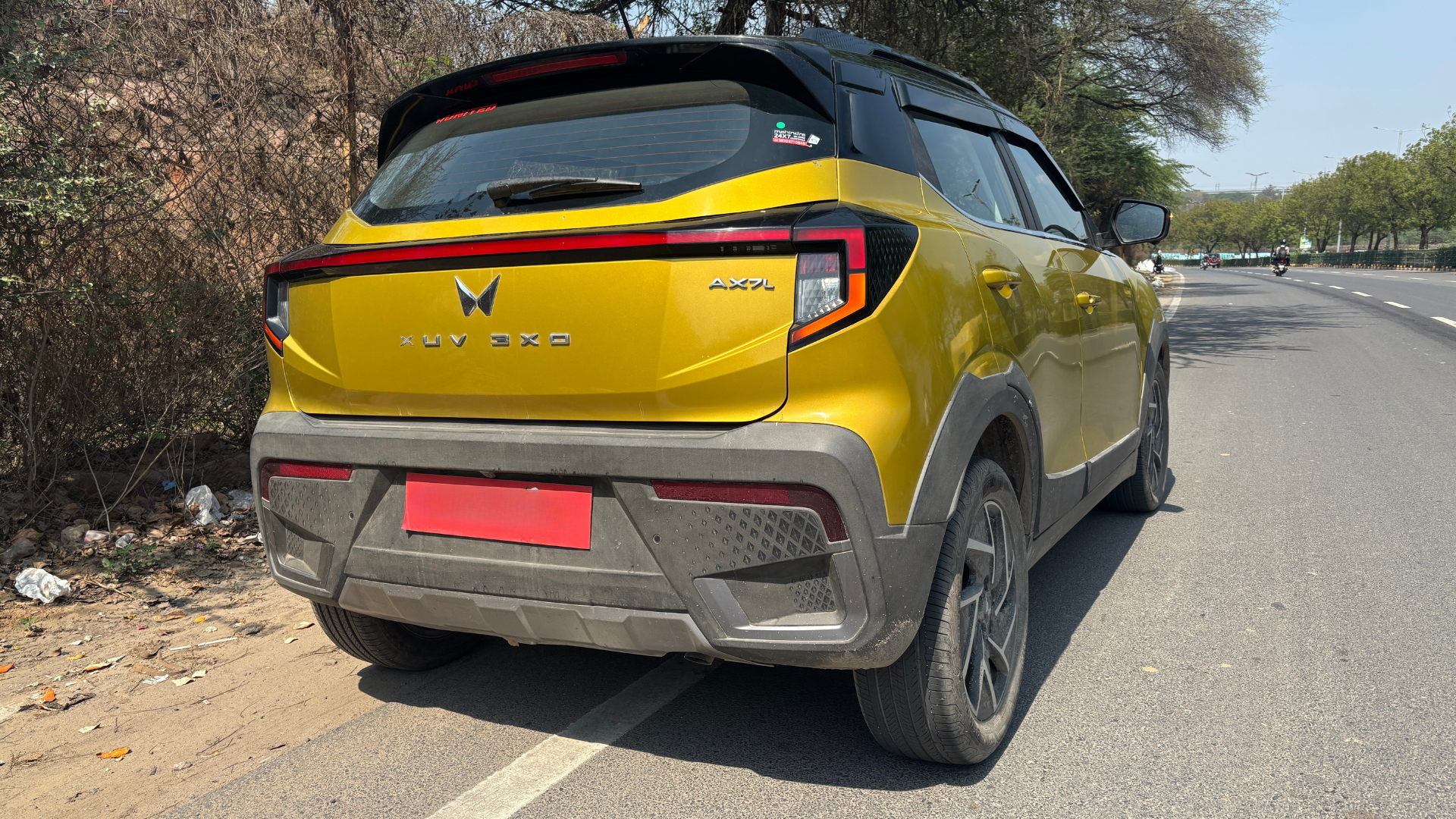
The 3XO wins the argument that most buyers in this segment are actually having, which is about how much car a given sum of money buys.
Nothing else at this price offers two turbo petrol engines, a diesel engine that SUVs even from a segment higher cannot match, a rear seat that can accommodate three with ease, a panoramic sunroof, twin large displays, a Harman Kardon system with Dolby Atmos, and disc brakes on all four wheels.
What most buyers realise after purchasing the car is that its chassis is genuinely well engineered, with ride quality and cornering composure that embarrass several larger cars.
With the new CNG powertrain Mahindra has filled a major gap the XUV 3XO had to some of its rivals.
The weaknesses are specific rather than structural. The steering is the clearest one, missing the sharp and precise feedback in a car whose chassis deserves much better. Three-cylinder refinement is behind the segment's smoothest options, with vibration reaching the cabin during cold starts.
The boot, while much improved, still trails most rivals, material quality towards the bottom half of the interior does not match the impression the screens create, the light interior is a dirt and dust magnet. Moreover, the variant structure can get genuinely confusing, with the most powerful engine locked to the expensive trims and cosmetic features scattered across the ladder in ways that make direct comparison difficult.
Mahindra's ownership record also needs stating plainly. Its service network is wide and improving, but the consistency of the experience varies considerably by region, and the brand's electronics and software have historically taken a year or two to settle. Neither concern is specific to this model, and neither should be dismissed.
For the very large number of buyers who shop this segment with a feature list in hand, it remains extremely difficult to beat, and the fact that it also rides and handles well is the bonus nobody was expecting.
Mahindra XUV 3XO Expert Reviews
Mahindra XUV 3XO News

What Is CBG? Know About Its Production, Engine Performance, Prices and Future in India
Compressed biogas (CBG) is gaining attention in India as a renewable alternative to CNG. Here's how it is produced, its impact on engine performance and mileage, current pricing factors, and its future in India's automotive sector.
Salil Kumar
October 21, 2026



Delhi Announces Stricter Winter Anti-Pollution Measures
Delhi has announced winter anti-pollution measures that directly affect vehicle owners. Non-BS6 vehicles from outside Delhi will be barred from entering the city, parking charges will double, and the No PUC No Fuel rule will be enforced more strictly.
Salil Kumar
September 29, 2026
Mahindra XUV 3XO FAQs
What engine options does the Mahindra XUV 3XO offer?
−The XUV 3XO is available with a 1.2-litre MPFI turbo petrol engine (109 bhp, 200 Nm), a factory CNG option paired to the same engine with the same outputs, a more powerful 1.2-litre TGDI petrol engine (129 bhp, 230 Nm), and a 1.5-litre turbo-diesel engine (115 bhp 300 Nm).
Which XUV 3XO variants get Level 2 ADAS?
+ADAS is available only on Luxury pack variants, that is the AX5 L and AX7 L. It includes Adaptive Cruise Control, Autonomous Emergency Braking, Lane Keep Assist, Forward Collision Warning, Traffic Sign Recognition, and Smart Pilot Assist, among others. Note that Smart Pilot Assist and Adaptive Cruise Control are further limited to Luxury pack petrol automatic variants.
Is the Skyroof panoramic sunroof available from the base variant?
+No. The Skyroof is available from the AX7 variant upward. Lower variants from MX2 Pro and MX3 get a single-pane sunroof instead. The base MX1 and MX2 do not get any sunroof.
What is the boot space, and is the rear seat foldable?
+Boot space is 364 litres in petrol and diesel variants, measured to the roof. The rear seats get a 60:40 split folding option as standard. The CNG variants offer 270 litres of boot space.
Is wireless Apple CarPlay and Android Auto available, or only wired?
+Wireless Apple CarPlay becomes available from the AX5 variant onwards, alongside the twin-screen setup. Lower MX3 variants get a wired setup.
What connected features does the Adrenox system offer?
+The Adrenox Connect platform offers 80+ features across categories including remote start/stop, remote climate control, live vehicle tracking, geo-fencing alerts, SOS and emergency calling, door and tyre pressure status checks, and trip history, among others. It also supports built-in Amazon Alexa voice control on select variants.
What are the drive modes available?
+Petrol automatic variants come with three selectable drive modes, namely Zip, Zap, and Zoom to alter throttle response, alongside Smart Steering Modes (Comfort, Normal, and Sport) that allow the driver to adjust the steering weight.
What are the key safety features in the XUV 3XO ?
+The XUV 3XO comes equipped with several safety features including Anti-lock Braking System (ABS), Central Locking, Electronic Brakeforce Distribution (EBD), Electronic Stability Control (ESC) and Speed Alert.
Is the Mahindra XUV 3XO available in petrol, CNG, electric or diesel engines?
+The XUV 3XO is currently available with Petrol, CNG and Diesel engines.
What are the key safety features in the XUV 3XO ?
+The XUV 3XO comes equipped with several safety features including Anti-lock Braking System (ABS), Central Locking, Electronic Brakeforce Distribution (EBD), Electronic Stability Control (ESC) and Speed Alert.
What are the boot space and dimensions of the Mahindra XUV 3XO?
+The XUV 3XO offers 364 Litres of boot space. Its dimensions are 3990 mm in length, 1821 mm in width, and it has a wheelbase of 2600 mm.
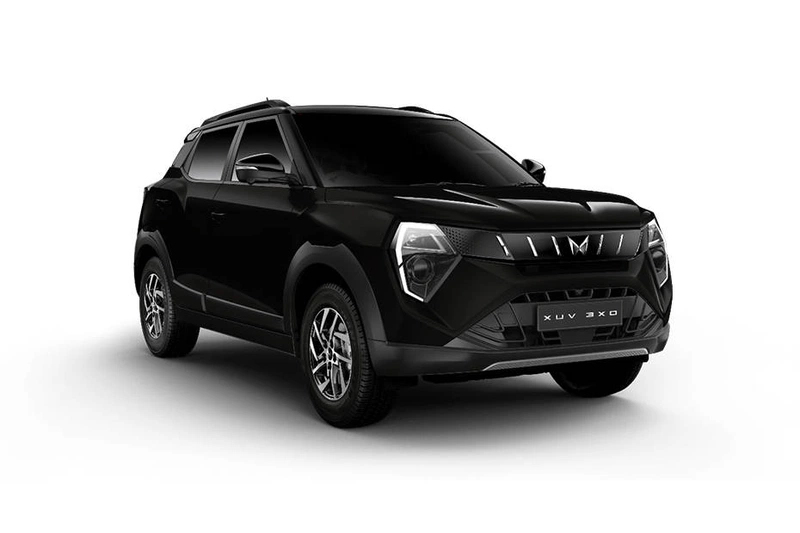
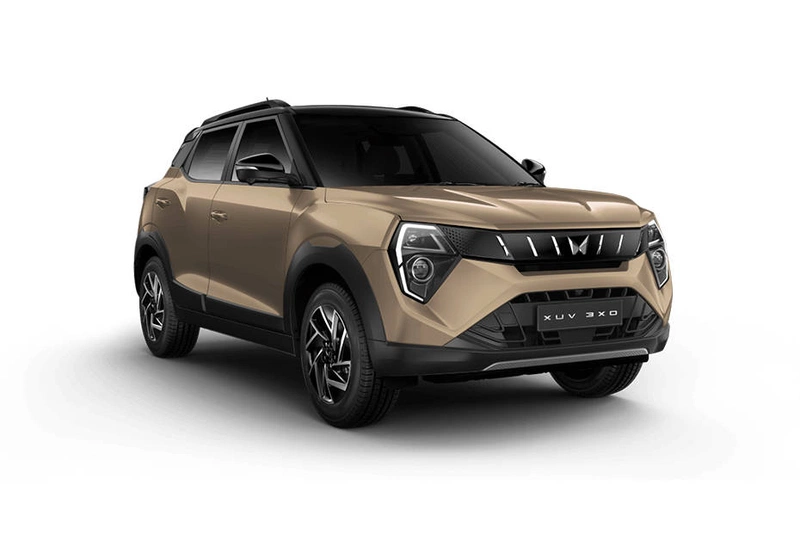
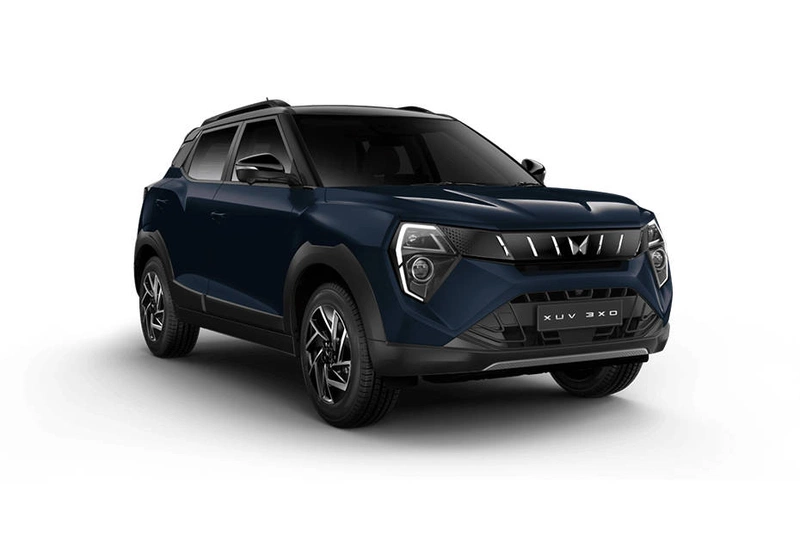
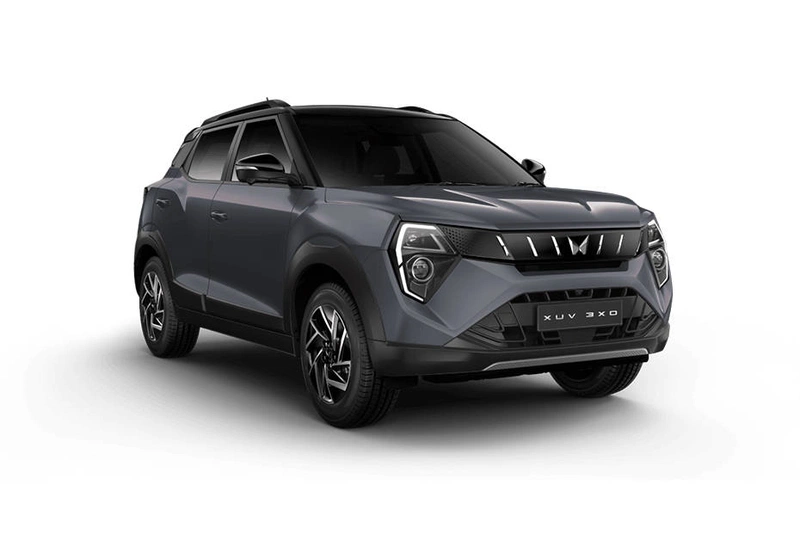
What colours does the Mahindra XUV 3XO come in?
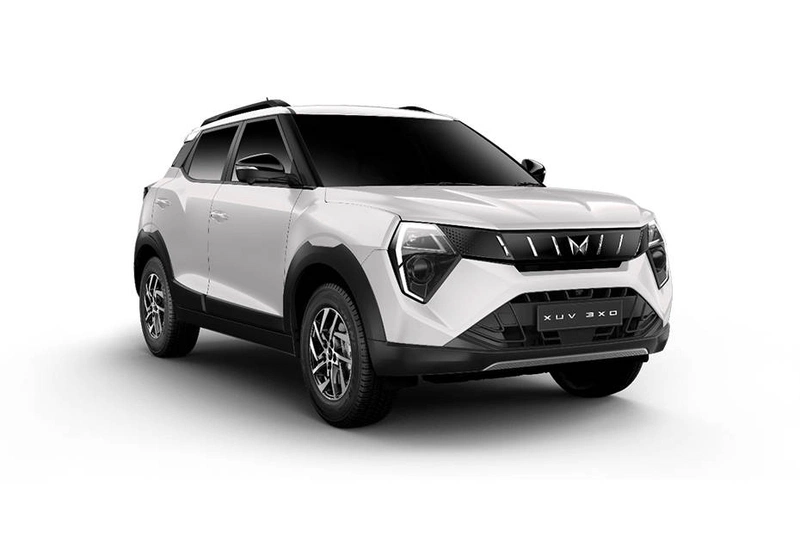
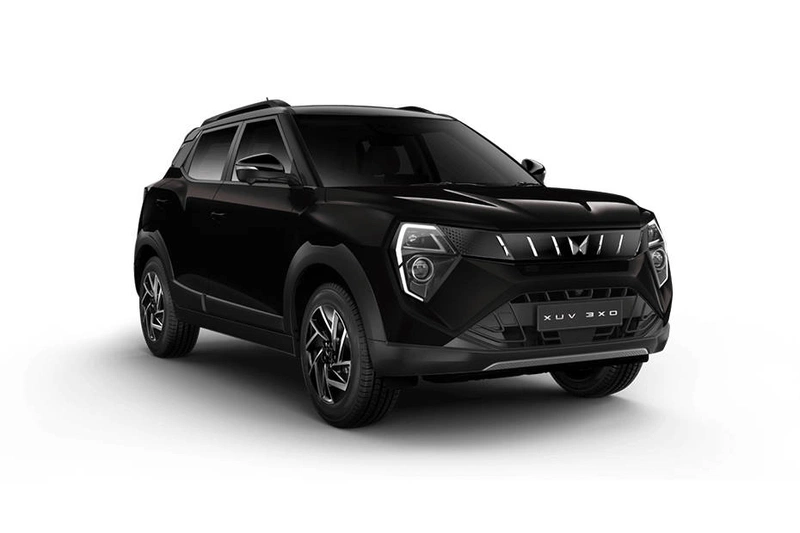
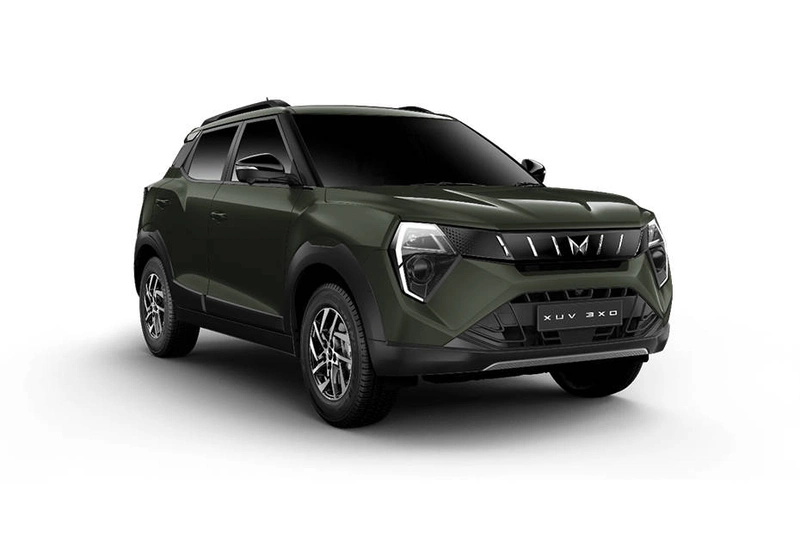
+The Mahindra XUV 3XO is available in the following colours: Dune Beige, Everest White, Stealth Black Plus Galvano Grey, Stealth Black, Dune Beige Plus Stealth Black, Nebula Blue Plus Galvano Grey, Galaxy Grey Plus Stealth Black, Tango Red Plus Stealth Black, Red, Galaxy Grey, Everest White Plus Stealth Black, Citrine Yellow Plus Stealth Black, Deep Forest Plus Galvano Grey, Nebula Blue, Deep Forest and Citrine Yellow.