Tata Harrier EV vs Mahindra XEV 9e - Which One Should You Buy
Tata Harrier EV vs Mahindra XEV 9e Comparison at CarHP India. Compare Tata Harrier EV and Mahindra XEV 9e Prices, Mileage, Features, Specs, Colours and much more.
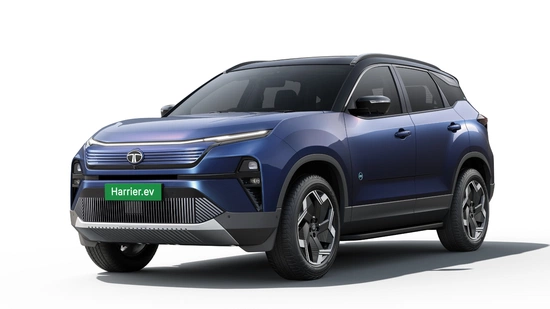
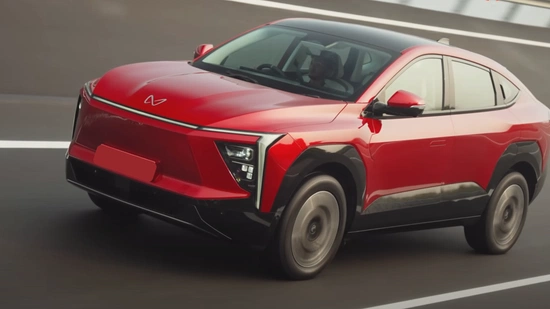
The Tata Harrier EV comes in 18 variants. The selected variant is priced at ₹21.69 Lakh. The cheapest variant, Adventure 65, costs ₹21.69 Lakh, while the top-end variant, Empowered QWD 75 Stealth ACFC, is priced at ₹30.43 Lakh. The Mahindra XEV 9e comes in 16 variants. The selected variant is priced at ₹21.90 Lakh. The cheapest variant, Pack One, costs ₹21.90 Lakh, while the top-end variant, Pack Three 11.2kw Charger, is priced at ₹31.25 Lakh.
₹ 21.69 Lakh
₹ 21.90 Lakh

Compare Minimum 2 Cars At Once — Tap To Activate / Deactivate
Smart Summary for Car Selection
 Why Choose Tata Harrier EV?
Why choose
- A dual-motor all-wheel-drive version is offered, which the XEV 9e cannot match in any configuration
- The all-wheel-drive setup produces around 390bhp and 504Nm, which is well beyond the XEV 9e's output
- A perfect adult occupant score in Bharat NCAP testing, alongside a five-star overall result
- A 540-degree camera, Level 2 ADAS, vehicle-to-load and vehicle-to-vehicle power output
- Two battery packs, so buyers who do not need maximum range are not forced to fund it
Why not choose
- Peak charging is slower than the XEV 9e's, which shows on a long drive with a public fast charger
- Claimed range trails the XEV 9e's larger pack
- Boot space is smaller than the XEV 9e's, and there is no equivalent front storage compartment
- Kerb weight is high even by electric SUV standards, which affects efficiency in stop-start use
Why Choose Mahindra XEV 9e?Why choose
- A claimed 656km on the larger pack, ahead of anything the Harrier EV offers
- 663 litres of boot space plus a front storage compartment, which is the most practical luggage arrangement of the two
- Peak DC charging is substantially quicker, which shortens stops on a long journey
- Triple 12.3-inch screens, a panoramic glass roof and Level 2 ADAS fitted across the range rather than reserved for upper versions
Why not choose
- Rear-wheel drive only, so there is no all-wheel-drive option at any price and buyers who want traction on loose or wet surfaces have to look at the Harrier EV
- The centre touchscreen layout is cluttered and takes longer to learn than it should
- The front passenger screen has no privacy filter, so its content is visible to the driver while moving
- Five seats only, with no six or seven-seat layout
- Kerb weight is over two tonnes, which is felt in tight urban manoeuvring
- Ground clearance varies by version, so the figure quoted on one car does not apply to the whole range
 Our Recommendation For Most Buyers
Tata Harrier EV
All-wheel drive decides this pair for a particular buyer, because the Harrier EV offers a dual-motor version and the XEV 9e does not offer one at all. If you drive on wet hill roads, loose surfaces or anywhere traction matters, that ends the comparison. The constraint attached is that all-wheel drive comes only with the larger battery, so the capability and the higher outlay arrive together.
A perfect adult occupant score in Bharat NCAP testing strengthens the case further. What you accept in exchange is a slower peak charging rate and less boot space than the XEV 9e, both of which are felt on long trips. Buyers who never leave good tarmac should weigh whether the extra motor is being paid for and never used.
Mahindra XEV 9e
Range and charging speed are where the XEV 9e pulls ahead, and the pair works together well. A claimed 656km on the larger pack combined with a much higher peak charging rate means shorter and less frequent stops than the Harrier EV needs on the same journey. The 663-litre boot and the front storage compartment add real practicality. The hard limit is drivetrain.
Every XEV 9e drives the rear wheels only, so all-wheel drive is not available at any price, and buyers who want that capability have to look at the Harrier EV instead. Five seats is the second fixed constraint. Spend time with the centre screen before committing, since its layout is dense and takes longer to learn than the hardware deserves.
Engine and Performance
Performance Specifications
Fuel Specifications
Dimensions and Design
Interior Specifications
Wheels & Tires
Suspension, Brakes & Steering
Safety Features
Interior Features
Comfort & Convenience
Infotainment Features
Exterior Features
Brochure

EMI Cost Comparison
Assuming 20% down payment, 9.5% interest, 60-month tenure
 Loan Amount
 Interest: 9.5%
 Down Payment (20%)
 Loan TenureLoan AmountInterest: 9.5%Down Payment (20%)Loan Tenure
Pros & Cons Comparison
Things We Like in Tata Harrier EV
- Lifetime HV battery warranty with unlimited kilometres for first owners.
- DC fast charging from 20-80% takes just 25 minutes.
Things We Like in Mahindra XEV 9e
- 20-minute DC fast charge (20–80%) across all variants.
- 663-litre boot plus a 150-litre frunk for segment-leading storage.
Things We Don't Like in Tata Harrier EV
- AWD and ADAS Level 2 locked behind the top variant.
- Frunk shrinks from 67 litres to 35 litres on the top variant.
Things We Don't Like in Mahindra XEV 9e
- The 79 kWh long-range battery is exclusive to the top variant.
- Ventilated front seats are absent on the two lower variants.
Tata Harrier EV Comparisons
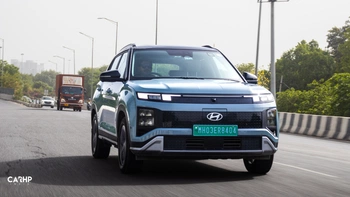
Tata Harrier EV
₹21.49 - 30.23 Lakh
Hyundai Creta Electric
₹18.03 - 24.70 Lakh
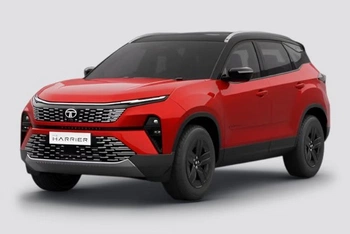
Tata Harrier EV
₹21.49 - 30.23 Lakh
Tata Harrier
₹12.89 - 25.95 Lakh
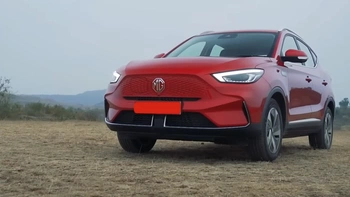
Tata Harrier EV
₹21.49 - 30.23 Lakh
MG ZS EV
₹17.99 - 20.75 Lakh
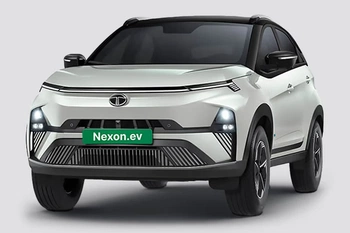
Tata Harrier EV
₹21.49 - 30.23 Lakh
Tata Nexon EV
₹12.49 - 17.69 Lakh
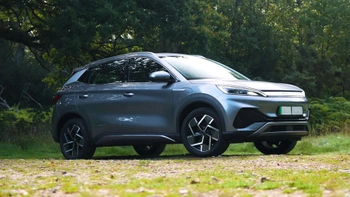
Tata Harrier EV
₹21.49 - 30.23 Lakh
BYD Atto 3
₹24.99 - 34.49 Lakh
Mahindra XEV 9e Comparisons
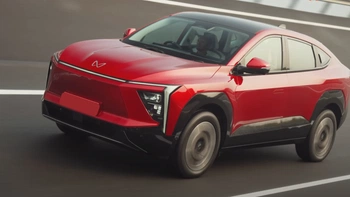

Mahindra XEV 9e
₹21.90 - 31.25 Lakh
Tata Curvv EV
₹16.99 - 19.49 Lakh
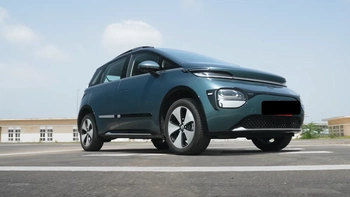
Mahindra XEV 9e
₹21.90 - 31.25 Lakh
MG Windsor EV
₹14.10 - 18.60 Lakh
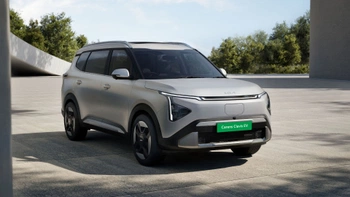
Mahindra XEV 9e
₹21.90 - 31.25 Lakh
Kia Carens Clavis EV
₹18 - 25 Lakh
Mahindra XEV 9e
₹21.90 - 31.25 Lakh
BYD eMAX 7
₹26.90 - 29.90 Lakh
Mahindra XEV 9e
₹21.90 - 31.25 Lakh
BYD Atto 3
₹24.99 - 34.49 Lakh
Mahindra XEV 9e
₹21.90 - 31.25 Lakh
Tesla Model Y
₹50.89 - 61.99 Lakh
Car News

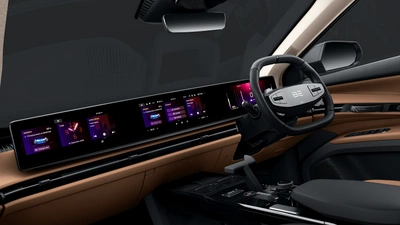
Mahindra to Push SPORTEQ Features to Existing BE 6, XEV 9e and XEV 9S Owners via OTA From January 2027
Mahindra has confirmed that several software features from the new BE 6 SPORTEQ will reach existing BE 6, XEV 9e, and XEV 9S owners via OTA updates, rolling out in phases from January 2027.
Anmol Kumar
August 24, 2026
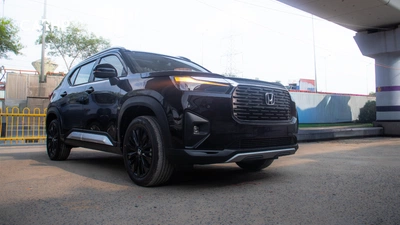
Independence Day Car Offers August 2026: Up to Rs 1.79 Lakh Off on Honda, Maruti, Hyundai and Tata
Independence Day 2026 car offers bring top benefits of Rs 1.79 lakh from Honda, Rs 1.55 lakh from Maruti, Rs 1 lakh from Hyundai and Rs 3.35 lakh from Tata. Check the full list here before visiting a dealership.
Salil Kumar
August 12, 2026