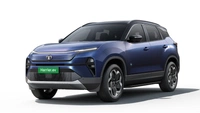
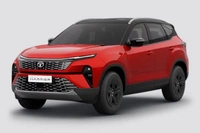
Tata Harrier EV vs Harrier: Electric or Diesel?
Tata Harrier EV vs Tata Harrier Comparison at CarHP India. Compare Tata Harrier EV and Tata Harrier Prices, Mileage, Features, Specs, Colours and much more.
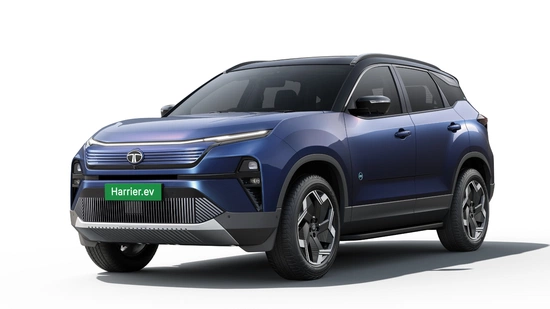
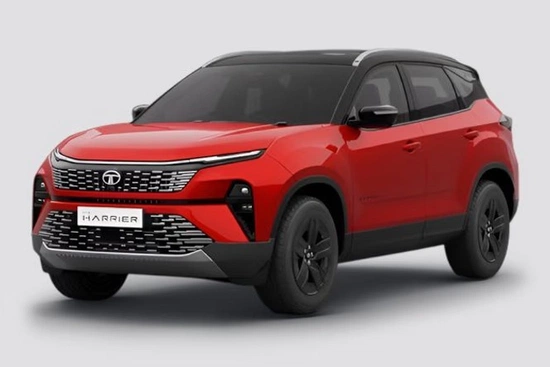
The Tata Harrier EV comes in 18 variants. The selected variant is priced at ₹21.69 Lakh. The cheapest variant, Adventure 65, costs ₹21.69 Lakh, while the top-end variant, Empowered QWD 75 Stealth ACFC, is priced at ₹30.43 Lakh. The Tata Harrier comes in 52 variants. Engine options include Petrol and Diesel as per the selected variant, paired with manual, auto, or automatic transmissions. The selected variant is priced at ₹12.89 Lakh. The cheapest variant, Petrol Smart, costs ₹12.89 Lakh, while the top-end variant, Fearless Ultra Red Dark AT, is priced at ₹25.95 Lakh.
₹ 21.69 Lakh
₹ 12.89 Lakh
Compare Minimum 2 Cars At Once — Tap To Activate / Deactivate
Smart Summary for Car Selection
 Why Choose Tata Harrier EV?
Why choose
- Real-world range lands around 400 to 450km from the larger battery, which is enough for genuine family road trips
- The dual-motor version produces a combined 313PS and 504Nm and reaches 100kmph in 6.3 seconds, which is startling for an SUV this size
- All-wheel drive at this price is rare among electric SUVs and makes it properly capable in poor conditions
- Fast charging can add serious range in a short stop, and home charging makes running costs a fraction of diesel
- The larger touchscreen, digital mirror with dashcam and vehicle-to-load functionality are genuinely useful rather than gimmicks
- Configurable drive and terrain modes with adjustable regeneration let you tailor how it drives
- A frunk adds storage that most rivals lack
Why not choose
- The floor-mounted battery compromises rear-seat comfort, and the driver's seat fore and aft travel is restricted
- Boot space is smaller than the diesel Harrier's, and rivals offer more
- All-wheel drive is confined to a single loaded version, so capability costs a lot
- Owners and reviewers report spongy brakes with little feel, plus touchscreen lag and software hiccups
- Missing a head-up display, rear AC vents and an adjustable rear backrest
- The sheer volume of electronics on a newer platform raises the odds of niggles
Why Choose Tata Harrier?Why choose
- The 2.0 diesel delivers 170PS and 350Nm, and it is a proven, well-understood engine that suits highway cruising
- Refuelling takes minutes anywhere in the country, which removes all planning from long journeys
- Costs substantially less to buy than the electric version
- A bigger boot than the EV, since there is no battery packaging to work around
- The same 5-star Bharat NCAP rating, Level 2 ADAS, large touchscreen, JBL audio and ventilated seats
- Choice of manual or automatic, which the EV cannot offer
Why not choose
- Running costs are far higher than the EV's if you can charge at home
- Nothing like the EV's acceleration, and no all-wheel-drive option
- Diesel refinement, however good, cannot match electric silence
- Tata's after-sales consistency remains a gamble by owner accounts
 Our Recommendation For Most Buyers
Tata Harrier EV
The electric Harrier justifies itself on running costs, and the maths only works properly if you can charge at home. Assuming you can, the larger battery is the sensible choice for anyone who leaves the city, since the smaller pack is fine for commuting but leaves less margin on longer runs.
The dual-motor all-wheel-drive version is the exciting one and genuinely useful in bad weather or on loose surfaces, but it sits at the very top of the range and most buyers will be well served without it. Be realistic about the compromises before committing: the rear seat is less comfortable than the diesel car's because of the battery under the floor, and the brakes take acclimatising to.
Tata Harrier
The diesel Harrier remains the pragmatic choice, and there is no shame in that. If you cannot charge at home, or if your driving involves unpredictable long trips through areas where charging is thin, the diesel removes every one of those worries for a lower purchase price. Choose the automatic for comfort in traffic and the manual if you want the lowest running cost and enjoy driving.
You also keep a usable boot and a better rear seat, both of which the EV gives up to packaging.
Engine and Performance
Performance Specifications
Fuel Specifications
Dimensions and Design
Interior Specifications
Wheels & Tires
Suspension, Brakes & Steering
Safety Features
Interior Features
Comfort & Convenience
Infotainment Features
Exterior Features
Brochure

EMI Cost Comparison
Assuming 20% down payment, 9.5% interest, 60-month tenure
 Loan Amount
 Interest: 9.5%
 Down Payment (20%)
 Loan TenureLoan AmountInterest: 9.5%Down Payment (20%)Loan Tenure
Pros & Cons Comparison
Things We Like in Tata Harrier EV
- Lifetime HV battery warranty with unlimited kilometres for first owners.
- DC fast charging from 20-80% takes just 25 minutes.
Things We Like in Tata Harrier
- Land Rover–derived architecture and styling
- Massive occupant and boot space
Things We Don't Like in Tata Harrier EV
- AWD and ADAS Level 2 locked behind the top variant.
- Frunk shrinks from 67 litres to 35 litres on the top variant.
Things We Don't Like in Tata Harrier
- Feature distribution across variants is erratic
- No central locking, parcel tray, or armrest on the base Smart model, which costs around ₹17 lakh on-road
Tata Harrier EV Comparisons
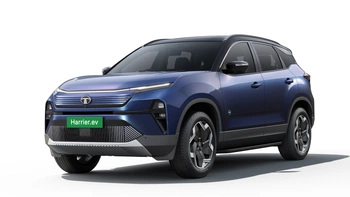
Tata Harrier EV
₹21.69 - 30.43 Lakh
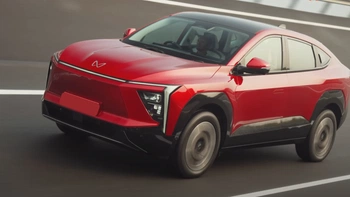
Mahindra XEV 9e
₹21.90 - 31.25 Lakh
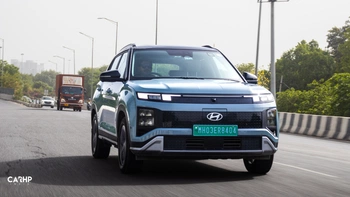
Tata Harrier EV
₹21.69 - 30.43 Lakh
Hyundai Creta Electric
₹18.03 - 25.22 Lakh
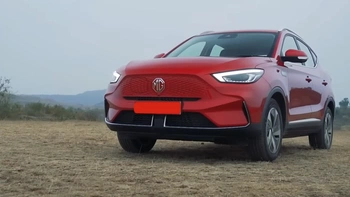
Tata Harrier EV
₹21.69 - 30.43 Lakh
MG ZS EV
₹17.99 - 20.75 Lakh
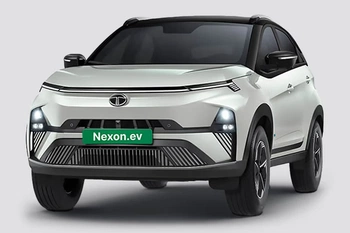
Tata Harrier EV
₹21.69 - 30.43 Lakh
Tata Nexon EV
₹12.49 - 17.69 Lakh
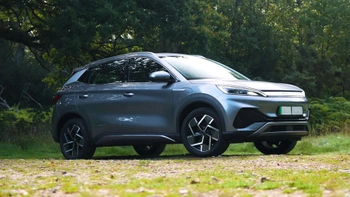
Tata Harrier EV
₹21.69 - 30.43 Lakh
BYD Atto 3
₹24.99 - 34.49 Lakh
Tata Harrier Comparisons
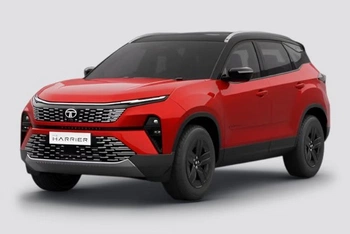
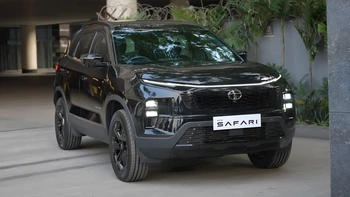
Tata Harrier
₹12.89 - 25.95 Lakh
Tata Safari
₹13.40 - 26.76 Lakh
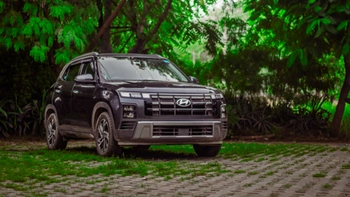
Tata Harrier
₹12.89 - 25.95 Lakh
Hyundai Creta
₹10.91 - 20.46 Lakh
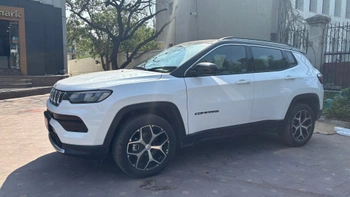
Tata Harrier
₹12.89 - 25.95 Lakh
Jeep Compass
₹17.99 - 30.70 Lakh
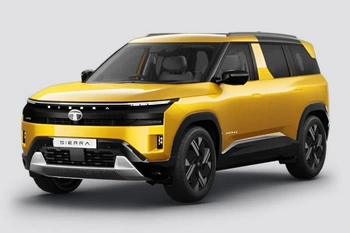
Tata Harrier
₹12.89 - 25.95 Lakh
Tata Sierra
₹11.49 - 21.59 Lakh
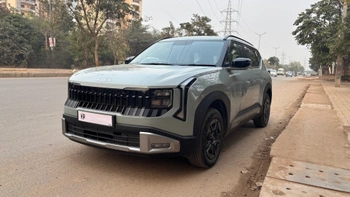
Tata Harrier
₹12.89 - 25.95 Lakh
Kia Seltos
₹11 - 21.82 Lakh
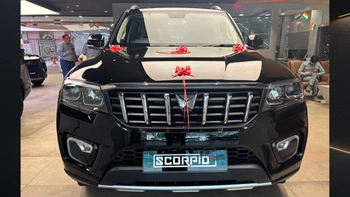
Tata Harrier
₹12.89 - 25.95 Lakh
Mahindra Scorpio N
₹13.50 - 25.49 Lakh
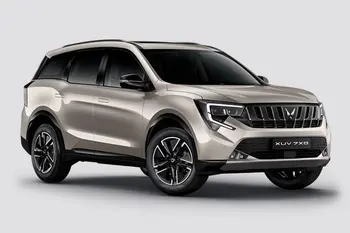
Tata Harrier
₹12.89 - 25.95 Lakh
Mahindra XUV 7XO
₹13.99 - 25.79 Lakh
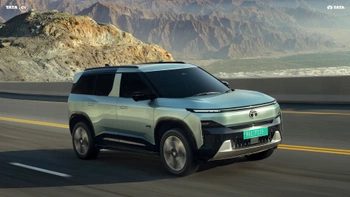
Car News
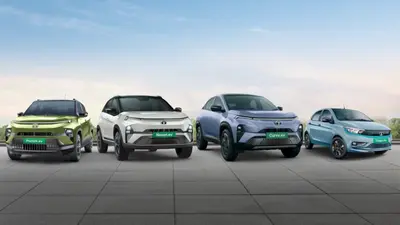
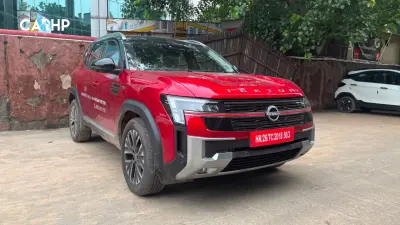
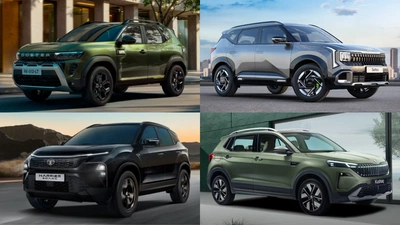
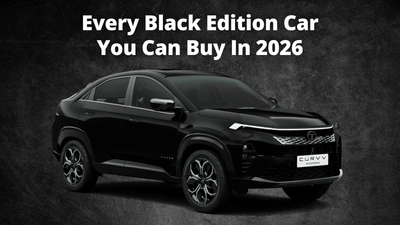
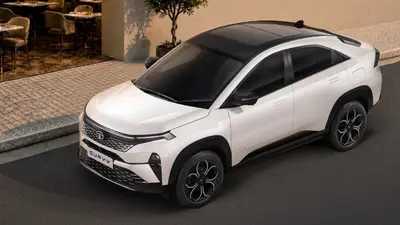
Tata Motors Offering Up to Rs. 1.25 Lakh Benefits in September 2026
Tata Motors September 2026 offers cover seven models, with the Curvv getting up to Rs. 1.25 lakh and the Nexon up to Rs. 75,000. The Punch and 2026 Tiago carry no offers, and petrol Harrier and Safari variants are also excluded.
Anmol Kumar
September 9, 2026
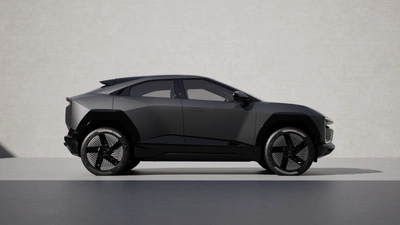
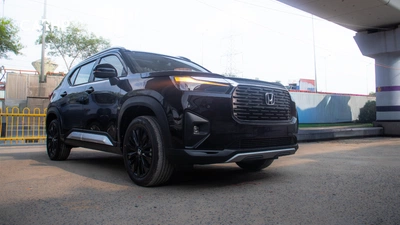
Independence Day Car Offers August 2026: Up to Rs 1.79 Lakh Off on Honda, Maruti, Hyundai and Tata
Independence Day 2026 car offers bring top benefits of Rs 1.79 lakh from Honda, Rs 1.55 lakh from Maruti, Rs 1 lakh from Hyundai and Rs 3.35 lakh from Tata. Check the full list here before visiting a dealership.
Salil Kumar
August 12, 2026