Maruti Suzuki Grand Vitara vs Tata Nexon - Which One Should You Buy
Maruti Suzuki Grand Vitara vs Tata Nexon Comparison at CarHP India. Compare Maruti Suzuki Grand Vitara and Tata Nexon Prices, Mileage, Features, Specs, Colours and much more.
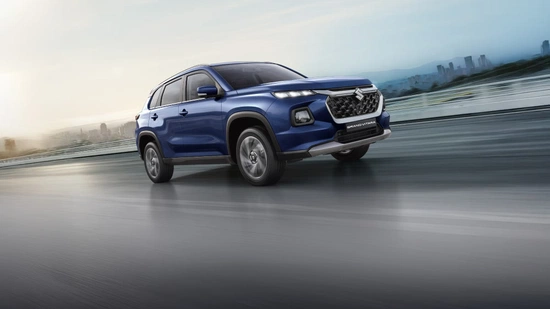
The Maruti Suzuki Grand Vitara comes in 35 variants. Engine options include Petrol and CNG as per the selected variant, paired with manual or automatic transmissions. The selected variant is priced at ₹10.77 Lakh. The cheapest variant, Sigma, costs ₹10.77 Lakh, while the top-end variant, Alpha Plus Opt Hybrid CVT DT, is priced at ₹19.72 Lakh. The Tata Nexon comes in 83 variants. Engine options include Petrol, CNG and Diesel as per the selected variant, paired with manual or automatic transmissions. The selected variant is priced at ₹7.40 Lakh. The cheapest variant, Smart, costs ₹7.40 Lakh, while the top-end variant, Fearless Plus PS Dark Diesel AMT, is priced at ₹14.30 Lakh.
₹ 10.77 Lakh
₹ 7.40 Lakh
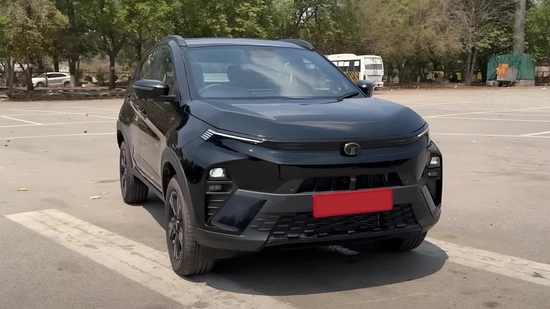

Compare Minimum 2 Cars At Once — Tap To Activate / Deactivate
Smart Summary for Car Selection
 Why Choose Maruti Suzuki Grand Vitara?
Why choose the Maruti Suzuki Grand Vitara
- The strong hybrid is rated at 27.97kpl and can run in a pure electric mode, so a buyer who crawls through city traffic every day spends far less on fuel.
- All-wheel drive is available with the petrol automatic, so a buyer heading to hill stations in the monsoon or across slippery unpaved tracks gets extra traction.
- Ground clearance of 210mm gives a large margin over flooded underpasses and broken rural roads, so a loaded car clears obstacles without scraping.
- At 4,345mm long with a 2,600mm wheelbase it is a size bigger than the sub-four-metre Nexon, which translates into more cabin room for four adults on long trips.
- The suspension settles potholes at highway speed, so a sudden broken patch on an expressway does not unsettle the car or its passengers.
- A powered driver's seat and ventilated front seats are available, which make it easier to find a comfortable position on long drives and keep your back cool in summer.
Why not choose the Maruti Suzuki Grand Vitara
- The hybrid battery eats into the boot and the CNG tank sits inside the boot too, so the two most economical versions are also the least practical for luggage.
- The strong hybrid is automatic only, the CNG is manual only, and all-wheel drive comes only with the regular petrol automatic, so gas running costs, an automatic and all-wheel drive cannot be combined.
- The non-hybrid petrol feels slow on highways, so the version that keeps the full boot is also the one that struggles with fast overtakes.
- It has not been crash-tested by any NCAP body, so a safety-first buyer has no tested rating to set against the Nexon's five stars.
- There is no diesel, so a buyer covering big highway distances has no engine built for that kind of use.
Why Choose Tata Nexon?Why choose the Tata Nexon
- It holds 5-star ratings from both Global NCAP and Bharat NCAP, with six airbags and stability control standard on every version, so even the base car carries the core safety kit.
- The diesel is rated at 23.23kpl with the manual and 24.08kpl with the AMT, so a high-mileage highway buyer gets diesel economy that the Grand Vitara has no engine for.
- The turbo petrol can be had with a manual, an AMT or a 7-speed dual-clutch, so city commuters can choose the smoother dual-clutch while budget buyers still get an automatic through the AMT.
- The CNG version uses two slim tanks and keeps just over 300 litres of boot, so gas running costs do not wipe out luggage space the way an in-boot tank does.
- Its 208mm ground clearance leads its segment, so broken roads and tall speed breakers are handled without slowing to a crawl.
Why not choose the Tata Nexon
- It is a sub-four-metre SUV with a 2,498mm wheelbase, so rear-seat space for three adults is tighter than in the longer Grand Vitara.
- There is no hybrid and no all-wheel drive, so a buyer who wants the lowest city fuel use or extra traction on slippery hill roads has no option here.
- The turbo petrol's rated economy is 17.44kpl with the manual and around 17kpl with the automatics, so the most popular automatic choice costs more to run in the city than the Grand Vitara hybrid.
- Cup holders are missing from the cabin and storage spaces are limited, so bottles and phones end up rolling around on long drives.
- Fit and finish on some carried-over interior parts is inconsistent, which shows up as uneven panel fit you notice every day.
- The 7-speed dual-clutch is offered only on higher versions while lower versions get the AMT, so a buyer on a tighter budget who wants the smoother automatic has to move up the range to get it.
 Our Recommendation For Most Buyers
Who should buy the Maruti Suzuki Grand Vitara
Go for the Grand Vitara if low city running costs or all-wheel drive top your list. The strong hybrid returns outstanding economy in traffic and offers a pure electric driving mode, while the all-wheel-drive petrol automatic suits drives into the hills. Its longer body gives more cabin room than the Nexon, and it rides well at highway speeds. The problem is that its best features do not combine.
The hybrid is automatic only, all-wheel drive comes only with the regular petrol automatic, and the CNG is manual only with its tank in the boot. Picking the hybrid or CNG also shrinks luggage space. There is no diesel, no ADAS and no crash-test rating to reassure a safety-first buyer. City families chasing fuel savings and cabin room, and buyers who need extra traction, are the ones it serves best.
Who should buy the Tata Nexon
The Nexon earns its place through tested safety and powertrain choice. It holds five stars from both Global NCAP and Bharat NCAP, carries six airbags on every version, and offers petrol, diesel and CNG with a wide spread of gearboxes. The diesel suits heavy highway mileage, the dual-clutch petrol handles traffic well, and the twin-tank CNG keeps a usable boot. Its ground clearance leads the segment too.
Size and city efficiency are where it gives ground. Being a sub-four-metre SUV, it has a tighter rear seat than the Grand Vitara, and there is neither a hybrid for low-cost traffic driving nor all-wheel drive. The smoother dual-clutch sits only on higher versions, and cabin storage is limited. A family that wants the safest tested option along with a diesel or CNG choice will find the Nexon the more versatile SUV.
Engine and Performance
Performance Specifications
Fuel Specifications
Dimensions and Design
Interior Specifications
Wheels & Tires
Suspension, Brakes & Steering
Safety Features
Interior Features
Comfort & Convenience
Infotainment Features
Exterior Features
Brochure

EMI Cost Comparison
Assuming 20% down payment, 9.5% interest, 60-month tenure
 Loan Amount
 Interest: 9.5%
 Down Payment (20%)
 Loan TenureLoan AmountInterest: 9.5%Down Payment (20%)Loan Tenure
Pros & Cons Comparison
Things We Like in Maruti Suzuki Grand Vitara
- The Strong Hybrid delivers real world mileage figures of over 25 km/l.
- Six airbags are standard on every variant, including the base.
Things We Like in Tata Nexon
- Holds 5-star ratings from both Bharat NCAP (2024) and Global NCAP (2024), scoring 29.41/32 and 32.22/34 respectively for adult occupant protection.
- The 7-speed dual-clutch automatic (DCA) is a notably sophisticated transmission for this price band, featuring wet clutch technology with active cooling, machine learning adaptation, and a self-healing mechanism.
Things We Don't Like in Maruti Suzuki Grand Vitara
- The Grand Vitara does not offer any diesel engine option.
- No ADAS features are offered on any variant.
Things We Don't Like in Tata Nexon
- Knee airbags are not available on any variant, a gap that is flagged in the Bharat NCAP safety equipment listing.
- The CNG variant is available only with a 6-speed manual transmission system. No automatic option exists for buyers who want both CNG running costs and a gearbox-free driving experience.
Maruti Suzuki Grand Vitara Comparisons
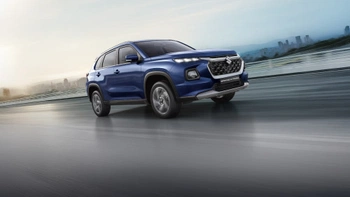
Maruti Suzuki Grand Vitara
₹10.77 - 19.72 Lakh
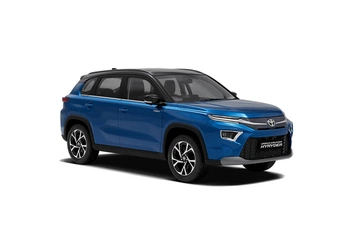
Toyota Urban Cruiser Hyryder
₹11.31 - 20.19 Lakh
Maruti Suzuki Grand Vitara
₹10.77 - 19.72 Lakh
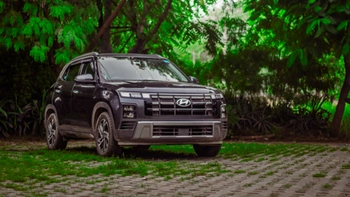
Hyundai Creta
₹10.91 - 20.46 Lakh
Maruti Suzuki Grand Vitara
₹10.77 - 19.72 Lakh
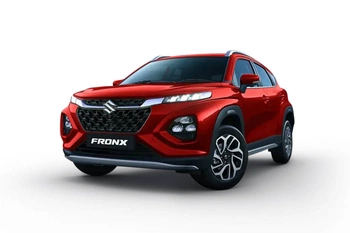
Maruti Suzuki Fronx
₹6.85 - 11.98 Lakh
Maruti Suzuki Grand Vitara
₹10.77 - 19.72 Lakh
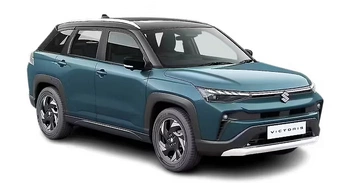
Maruti Suzuki Victoris
₹10.50 - 19.99 Lakh
Maruti Suzuki Grand Vitara
₹10.77 - 19.72 Lakh
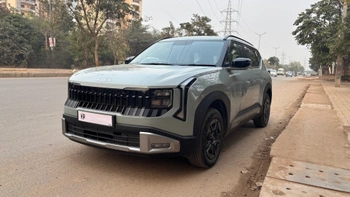
Kia Seltos
₹11 - 21.82 Lakh
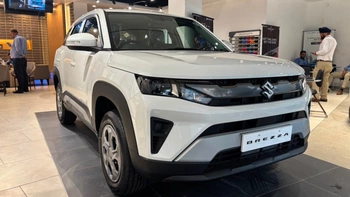
Maruti Suzuki Grand Vitara
₹10.77 - 19.72 Lakh
Maruti Suzuki Brezza
₹7.40 - 15.88 Lakh
Tata Nexon Comparisons
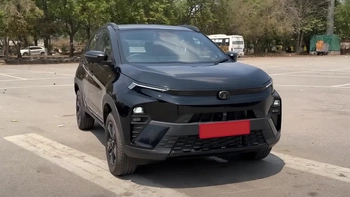
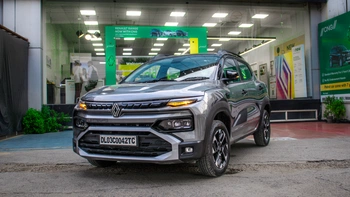
Tata Nexon
₹7.40 - 16.15 Lakh
Renault Kiger
₹5.81 - 10.35 Lakh
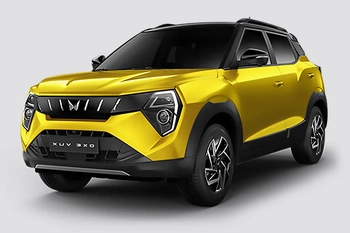
Tata Nexon
₹7.40 - 16.15 Lakh
Mahindra XUV 3XO
₹7.79 - 15.04 Lakh
Tata Nexon
₹7.40 - 16.15 Lakh
Hyundai Creta
₹10.91 - 20.46 Lakh
Tata Nexon
₹7.40 - 16.15 Lakh
Maruti Suzuki Fronx
₹6.85 - 11.98 Lakh
Tata Nexon
₹7.40 - 16.15 Lakh
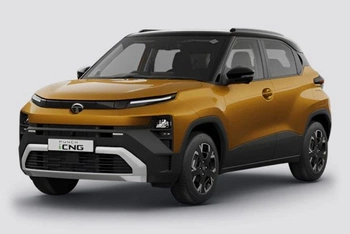
Tata Punch
₹5.70 - 10.67 Lakh
Tata Nexon
₹7.40 - 16.15 Lakh
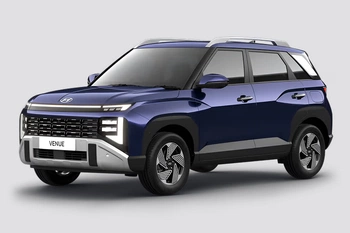
Hyundai Venue
₹8 - 15.83 Lakh
Tata Nexon
₹7.40 - 16.15 Lakh
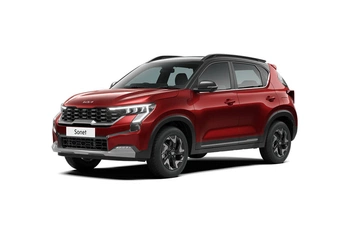
Kia Sonet
₹7.41 - 14.09 Lakh
Tata Nexon
₹7.40 - 16.15 Lakh
Maruti Suzuki Brezza
₹7.40 - 15.88 Lakh
SUV Comparisons
Maruti Suzuki Grand Vitara
₹10.77 - 19.72 Lakh
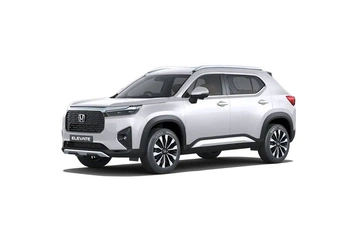
Honda Elevate
₹11.60 - 16.67 Lakh
Maruti Suzuki Grand Vitara
₹10.77 - 19.72 Lakh
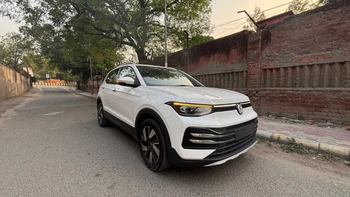
Volkswagen Taigun
₹11 - 19.30 Lakh
Maruti Suzuki Grand Vitara
₹10.77 - 19.72 Lakh
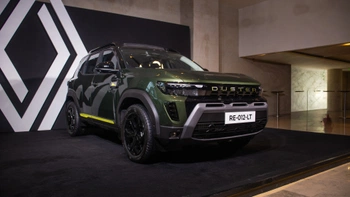
Renault Duster
₹10.49 - 18.69 Lakh
Maruti Suzuki Grand Vitara
₹10.77 - 19.72 Lakh
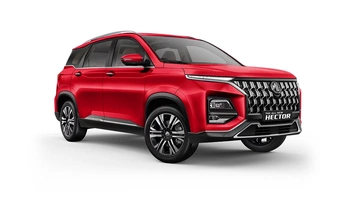
MG Hector
₹11.99 - 19.19 Lakh
Maruti Suzuki Grand Vitara
₹10.77 - 19.72 Lakh
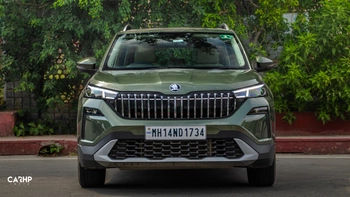
Skoda Kushaq
₹10.69 - 18.99 Lakh
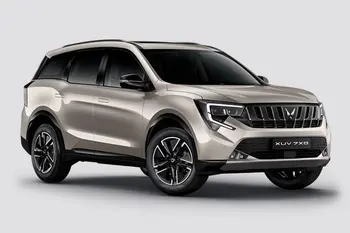
Maruti Suzuki Grand Vitara
₹10.77 - 19.72 Lakh
Mahindra XUV 7XO
₹13.99 - 25.79 Lakh
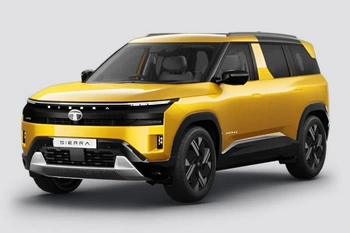
Maruti Suzuki Grand Vitara
₹10.77 - 19.72 Lakh
Tata Sierra
₹11.49 - 21.29 Lakh
Car News

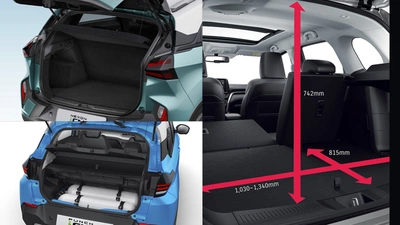
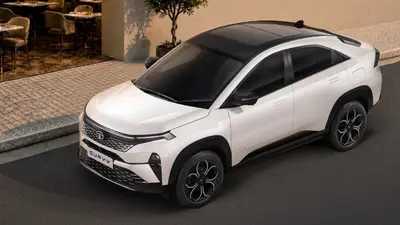
Tata Motors Offering Up to Rs. 1.25 Lakh Benefits in September 2026
Tata Motors September 2026 offers cover seven models, with the Curvv getting up to Rs. 1.25 lakh and the Nexon up to Rs. 75,000. The Punch and 2026 Tiago carry no offers, and petrol Harrier and Safari variants are also excluded.
Anmol Kumar
September 9, 2026
BS7 Emission Norms Draft Expected in Two Months, Says MoRTH
The BS7 draft is expected within two months, MoRTH confirmed at SIAM's annual convention. Timelines remain the industry's biggest concern, but unlike the BS4-to-BS6 jump, this transition should be considerably less disruptive for carmakers and buyers.
Anmol Kumar
September 4, 2026
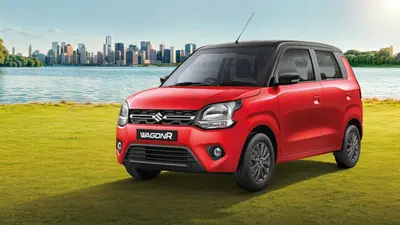
Maruti Suzuki Says Its Cars Have Been E20 Compatible Since 2008
Maruti Suzuki MD and CEO Hisashi Takeuchi confirmed at the 45th AGM that all Maruti cars made from 2008 onwards are E20 compatible. That covers 18 years of production and should answer the E20 worries of most current Maruti owners.
Anmol Kumar
September 1, 2026
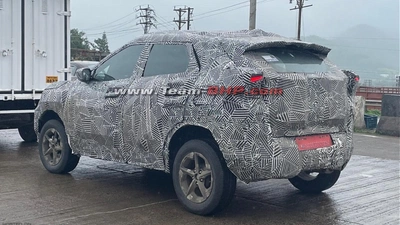
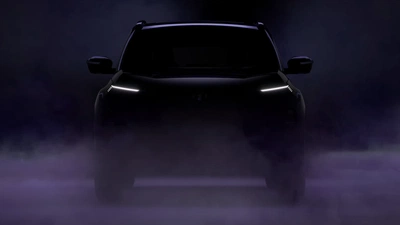
All We Know About Next Generation Nexon AKA Tata Project Garud
Slated for a 2027 launch, the next-generation Tata Nexon, internally codenamed Project Garud, represents a major generational shift rather than a simple facelift. The comprehensive redesign will introduce a heavily updated platform, a modernized exterior, a premium tech-focused cabin featuring Level 2 ADAS, and continued petrol and CNG powertrains.
Salil Kumar
August 26, 2026