MoRTH Proposes Mandatory Automatic Emergency Braking in All Cars From October 2030
By Anmol Kumar
Published October 28, 2026
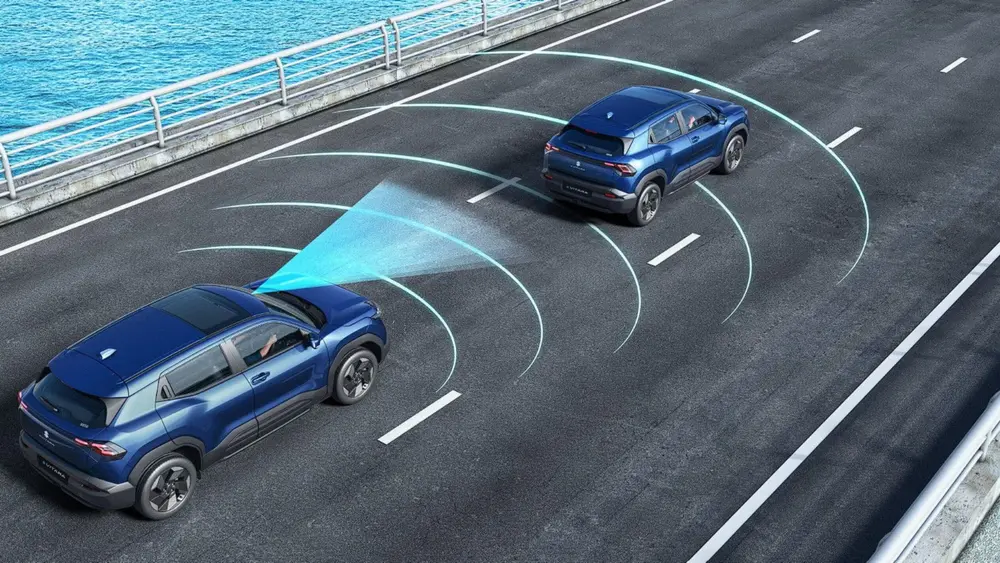
Quick Read - MoRTH has proposed requiring automatic emergency braking on new car models manufactured from October 2030, with all existing models to comply by October 2032. The draft also sets earlier deadlines for steering, lane-keeping and driver-alert systems.
The Ministry of Road Transport and Highways (MoRTH) has proposed a phased expansion of vehicle safety requirements in India, including the mandatory fitment of Advanced Emergency Braking Systems (AEBS) on passenger cars.
The proposal forms part of a draft amendment to the Central Motor Vehicles Rules, 1989. If approved, it would make automatic emergency braking compulsory on new M1-category models manufactured from October 1, 2030, before extending the requirement to all models from October 1, 2032.
The M1 category covers passenger vehicles with up to eight seats, excluding the driver, and includes most cars and SUVs sold in India. The draft is still open to public consultation, so the proposed requirements and deadlines could change before the rules are finalised.
Also Read - Suzuki Developing Low-Cost ADAS Technology for India, Targets Affordable Maruti Suzuki Cars
When Will Automatic Emergency Braking Become Mandatory?
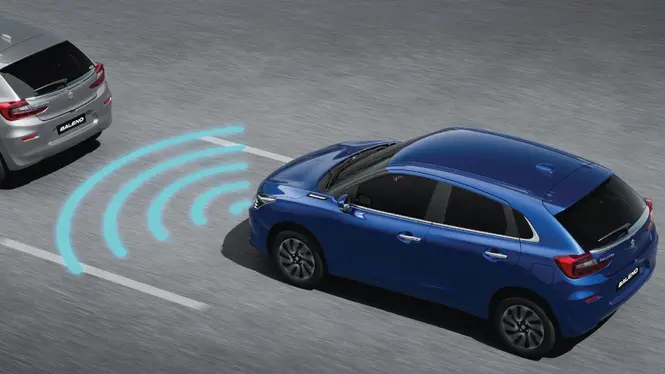
AEBS is an advanced driver assistance system (ADAS) that can apply the brakes when the driver fails to respond to an impending collision. Depending on the situation, it can help avoid an impact or reduce its severity.
The proposed rollout has three key dates.
| Proposed deadline | What changes |
|---|---|
| October 1, 2028 | M1 passenger vehicles and N1 light goods vehicles already equipped with AEBS must comply with AIS-185, the relevant automotive industry standard. |
| October 1, 2030 | AEBS becomes mandatory on newly manufactured M1 models from this date. |
| October 1, 2032 | The requirement extends to all M1 models, including those already in production. |
The earlier 2028 deadline is about standardising systems that are already offered, rather than making AEBS compulsory on every vehicle at that point. The N1 category covers goods vehicles with a gross vehicle weight of up to 3.5 tonnes.
For carmakers, the phased schedule provides time to bring their vehicles in line with the applicable standard. For buyers, it means the requirement would be introduced gradually rather than across the entire new-car market at once.
Steering and Lane-Keeping Rules Could Change Earlier
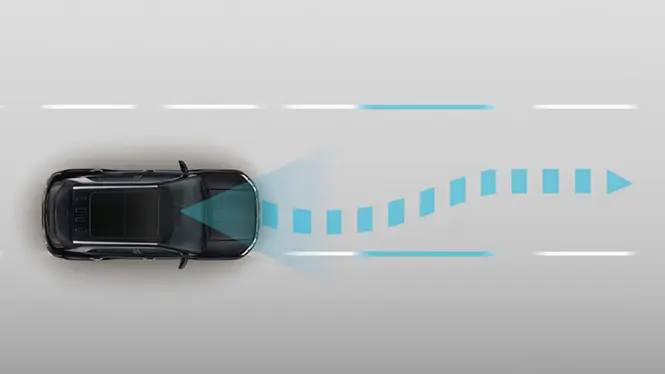
The draft also covers technologies that can influence a vehicle’s direction, alongside conventional steering requirements.
From October 1, 2027, steering effort on most motor vehicles would need to comply with AIS-193. Motorcycles, invalid carriages and three-wheelers without a steering wheel are exempt under the proposal.
Cars equipped with Automatic Command Steering Functionalities (ACSF) would also have to meet the applicable steering standard from that date. Vehicles fitted with an Emergency Lane Keeping System (ELKS) would need to comply with AIS-191 Part 1.
Also Read - How 2027 Traffic Rule Changes Will Affect Drivers in India
The steering-effort requirement would apply to covered motor vehicles, while the ACSF and ELKS provisions initially set compliance standards for vehicles equipped with those systems. These provisions should not be interpreted as requiring every private car to receive automatic steering or lane-keeping assistance from October 2027.
New Requirements Proposed for Taxis
A further deadline applies to M1 vehicles to be registered as transport vehicles, including taxis.
From October 1, 2029, the draft proposes making Automatic Command Steering Functionalities (ACSF) and Emergency Lane Keeping Systems (ELKS) mandatory on M1 vehicles registered as transport vehicles. The draft also proposes mandatory Driver Drowsiness and Attention Warning Systems for M1 transport vehicles manufactured from October 1, 2029.
These provisions concern specified transport vehicles, rather than every privately registered car.
Other Safety Changes in the Draft
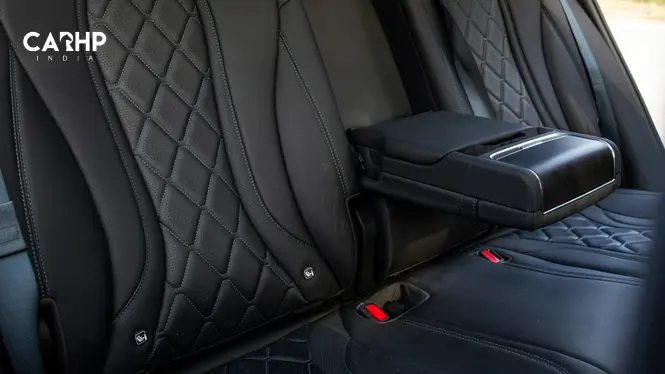
The draft also proposes additional requirements for child-restraint anchorages and luggage retention. On vehicles equipped with ISOFIX anchorages, ISOFIX top-tether anchorages and i-Size seating positions, compliance with AIS-182 would be required from October 2027 for new models and October 2028 for all models.
Luggage-retention requirements under IS 15546:2005 would apply from April 2028 to new M1 models and from October 2028 to all M1 models.
Separately, revised braking requirements and electronic stability control for trucks are scheduled for October 2027 under other vehicle-safety measures. These are distinct from the proposed passenger-car AEBS rollout.
Also Read - What Is V2V Communication Technology?
What Happens Next?
MoRTH is inviting objections and suggestions on the draft rules for 30 days before considering the feedback and finalising the amendments.
Until then, the dates remain proposed deadlines, not a completed mandate. The key change is the direction of travel: India is preparing to introduce more standardised braking assistance and requirements for steering, lane-keeping and driver-alert technologies over several years.
Image Source: Nexa Experience
Table of Contents
- When Will Automatic Emergency Braking Become Mandatory?
- Steering and Lane-Keeping Rules Could Change Earlier
- New Requirements Proposed for Taxis
- Other Safety Changes in the Draft
- What Happens Next?
Join the Conversation
Trending
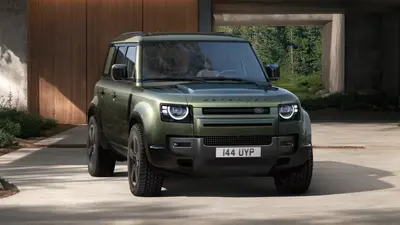
Land Rover Defender Gets Cheaper by Up to Rs 34 Lakh After Local Assembly
The Land Rover Defender 110 is now locally assembled in India, with prices starting at Rs 99 lakh. Here are the revised variant prices, engine options and key changes.
Anmol Kumar
October 28, 2026
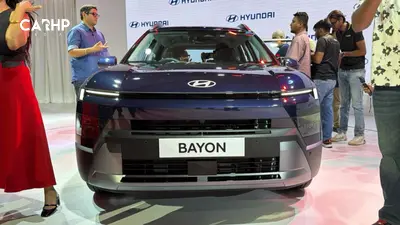
Hyundai Bayon CNG Launch Confirmed for January 2027
Hyundai Bayon CNG will launch in January 2027. Here's what to expect from its engine, gearbox, price and CNG tank setup.
Salil Kumar
October 27, 2026
Centre Approves E100 Fuel for Flex-Fuel Vehicles in India
India has approved E100 fuel for certified flex-fuel vehicles. Here is what the new rules mean for petrol car owners, mileage, fuel availability and upcoming flex-fuel cars.
Salil Kumar
October 27, 2026
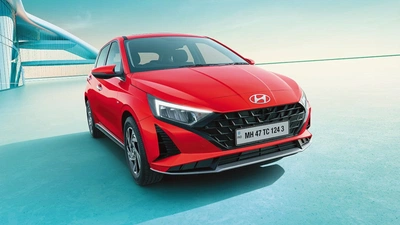
Every Car With a Sunroof Under ₹15 Lakh
This list includes a variety of models, from premium hatchbacks to compact SUVs.
Arjun Nair
October 27, 2026
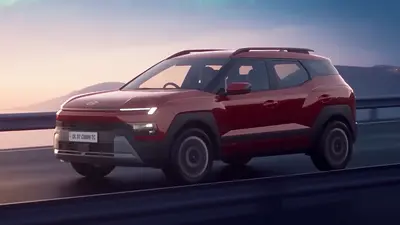
2026 Hyundai Bayon Every Variant Explained
The Hyundai Bayon gets seven variants priced from ₹9.99 lakh to ₹18 lakh. The HX5 offers the best balance, while the HX8 adds ventilated seats and the HX10 gets dual 12.3-inch displays and ADAS. Here’s what each variant offers and whether it’s worth the price.
Anmol Kumar
October 27, 2026
Featured
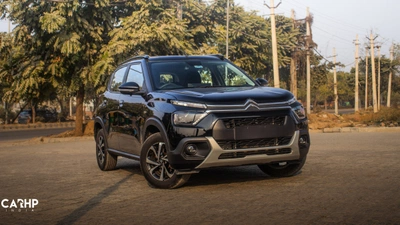
Citroen C3 Review: Who Should Consider This Car?
A few days ago, I took the Citroen C3X out for a spin in the city and on the highways. I travelled long distances and checked its fuel efficiency, features, comfort, and other factors. Today, I’ll briefly share my overall experience with the C3X and will tell you whether you should consider it or not and which is the most value-for-money variant of the lot.
Vatsal Agrawal
May 19, 2026
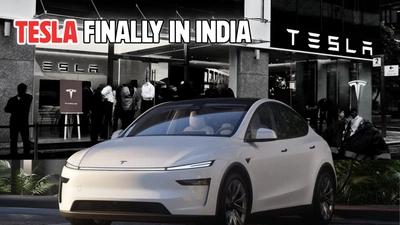
Tesla Finally In India Officially. Why Now And What Does It Mean For EVs?
The much-anticipated 2025 Tesla Model Y has officially arrived in India, marking a pivotal moment for the nation's burgeoning electric vehicle market. Launched on July 15, 2025, the Model Y Juniper facelift offers cutting-edge technology, impressive range, and signature Tesla performance. Positioned as a premium electric SUV, its entry will intensify competition and reshape consumer expectations for EVs across the subcontinent.
Author
July 17, 2025
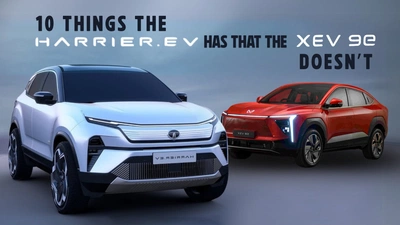
Here Are 10 Things The Harrier.EV Offers That The Mahindra XEV 9E Doesn't
The Harrier.EV is an incredible new offer from Tata. Its most popular competitor would be the Mahindra XEV 9E, priced similarly. With these two incredible offerings from home grown brands available, here is a list of everything the Harrier.EV offers that the XEV 9E doesn't.
Author
June 13, 2025
Write a comment
Comments
No comments yet. Be the first to comment!