Maruti Suzuki Swift
Overall Rating

Maruti Suzuki Swift
Overall Rating
EMI Loading
Maruti Suzuki Swift Key Specifications
Maruti Suzuki Swift Highlights

The 9-inch touchscreen is fast, fluid and has excellent resolution.

Wireless Android Auto and Apple CarPlay are extremely practical for daily commuting.

Cruise control significantly reduces fatigue on long highway runs.

Six airbags as standard provide strong occupant protection.
Maruti Suzuki Swift Overview

The Maruti Suzuki Swift has been one of India's most consistently best-selling cars since 2005, and it has held that position owing to its compact dimensions, a peppy engine with engaging driving dynamics, low running costs, and Maruti's unmatched service network.
The fourth generation, launched in 2024, is the most complete version of the formula yet. The design is the most overtly styled of any Swift yet, with a rounder, Mini-inspired face and a cleaner silhouette. The Z12E three-cylinder engine replaced the previous K12 four-cylinder unit and brings meaningfully better fuel efficiency. The September 2026 launch of CNG AMT variants completes a powertrain matrix that now spans petrol manual, petrol AMT, CNG manual, and CNG AMT. Six airbags are now standard across every variant, a commitment the third-generation Swift never made.
As for the trade-offs, the new three-cylinder engine is less punchy and noisier at higher revs than its predecessor, the 265-litre boot is the smallest in the segment, there is no sunroof on any variant, and the India-specific fourth-generation car has not yet been formally crash-tested by Bharat NCAP or Global NCAP, leaving its structural safety credentials without independent verification despite the strong standard safety equipment.
For buyers who need more overall space, a sunroof, or a published crash rating, the Baleno or Grand i10 Nios are worth a direct comparison. For everyone else, the Swift remains an enjoyable, efficiently engineered, and a very practically rounded hatchback in its class.
Engine and Performance
Engine and Performance
| Specification | Petrol | CNG |
|---|---|---|
| Engine | 1.2L Z12E 3-cyl Petrol | 1.2L Z12E 3-cyl (S-CNG) |
| Power | 82 bhp @ 5700 rpm | 69 bhp @ 5700 rpm |
| Torque | 111.7-112 Nm @ 4300 rpm | 102 Nm @ 2900 rpm |
| Transmission | 5-speed Manual / 5-speed AMT | 5-speed Manual / 5-speed AMT |
| Fuel Tank Capacity | 37 litres | 37 litres, (55 litres CNG tank) |
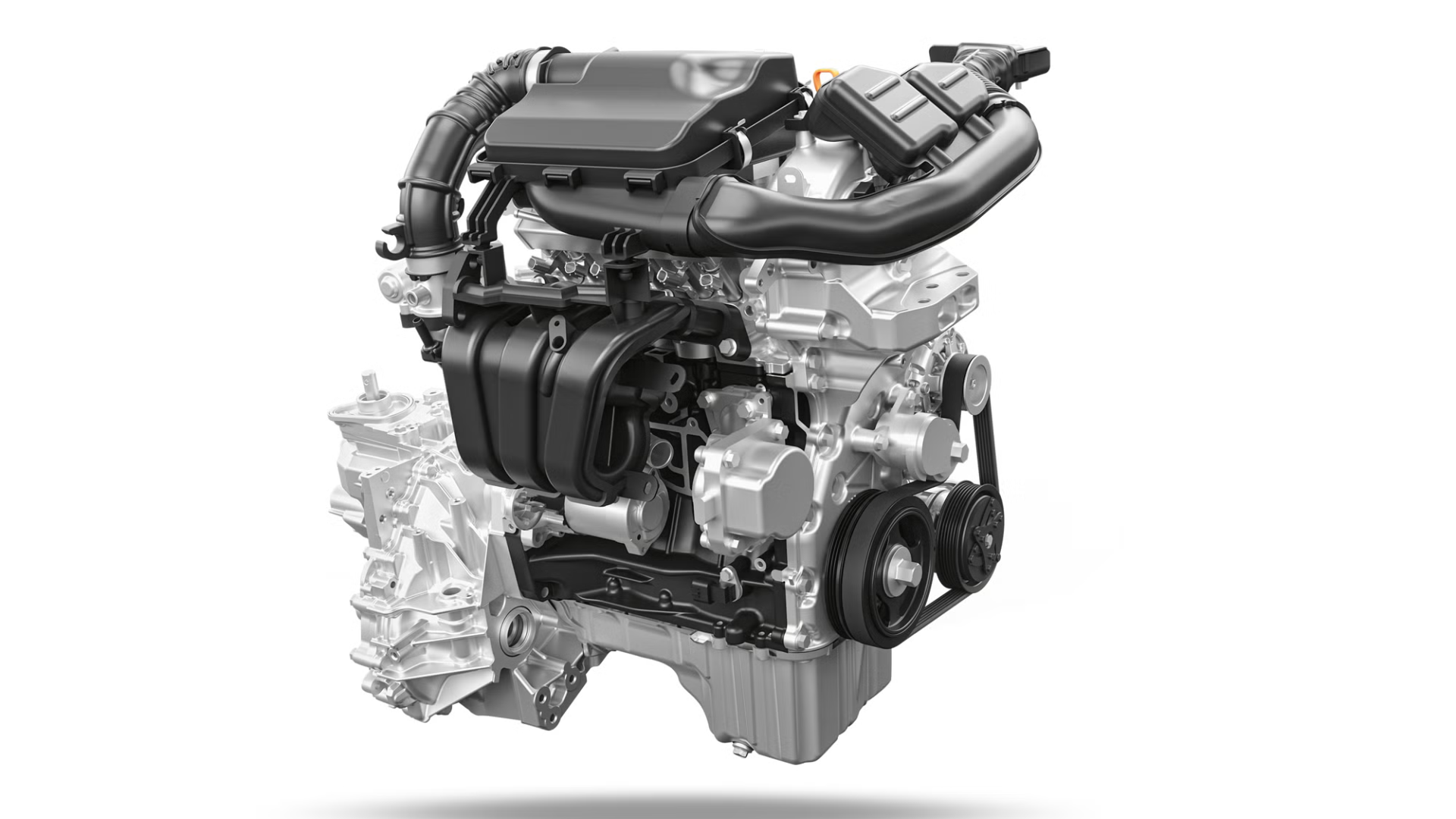
The Z12E engine represents a substantive powertrain change from the previous generation's K12N four-cylinder unit, and the difference is immediately noticeable right from when the ignition is turned on.
The three-cylinder fires up with a light vibration at idle that the four-cylinder did not produce.
Producing 82 bhp and 112 Nm of torque, it comes paired with a 5-speed manual or a 5-speed AMT.
The Z12 is down on power as compared to the K12N that made 90 bhp and 113 Nm in its final India specification. While the difference is not major on paper, it reflects in the real-world, especially on highways and expressways at triple digit speeds. While the K12 pulled eagerly in such conditions with an engine sound that sounded more enthusiastic, the Z12 starts to feel breathless and sounds strained as well.
These traits are inherent to the three-cylinder configuration and are more noticeable than in the Dzire using the same engine, because the Swift's shorter body and lighter insulation allow more of the engine's character to reach the cabin.
The engine's torque arrives early in the rev range, making city driving relaxed and requiring fewer gear changes in traffic than its power output might suggest.
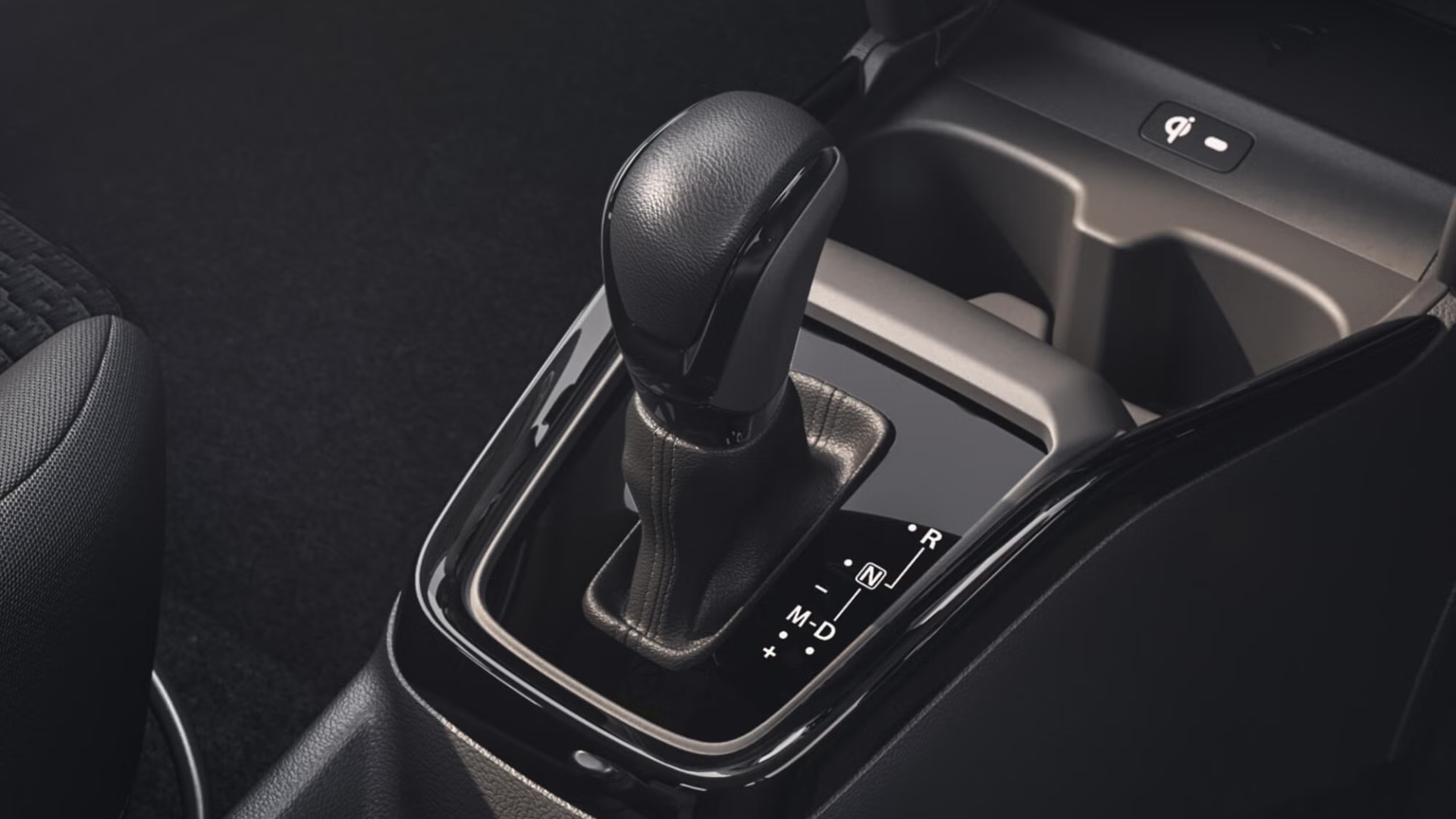
Other powertrain options include a CNG paired to the same engine, and now available with a 5-speed AMT as well alongside the existing 5-speed manual. It makes 69 bhp and 102 Nm of torque.
The 5-speed manual gearbox is one of the better manual units in the segment, with short and precise gear throws. The clutch is light and easy to modulate, and the shift action has a quality feel that belies the car's price.
The AMT has the same first-to-second gear hesitation that characterises all AMTs in slow traffic, but does well at steady city and highway speeds. It is one of the better-calibrated among Maruti's current lineup, with less hunting between gears at steady speeds than some rivals.
Ride and Handling
The suspension is tuned with a bias toward comfort, and it handles the majority of Indian road conditions with composure. Potholes and broken surfaces are absorbed without drama at city speeds, and the car does not produce the nervous secondary bounce over repeated undulations.
At highway speeds, the Swift feels stable and planted, with the light body making it responsive to minor steering inputs without feeling unsettled. Crosswinds at higher speeds require slightly more steering attention than heavier vehicles, but this is consistent with the car's weight and size rather than a handling deficiency.
Body roll around fast corners is modest for a front-wheel-drive hatchback with a comfort-oriented suspension. The steering is light and accurate in city conditions, weighting up slightly at higher speeds. The Swift remains the most enjoyable to drive among its direct rivals.
The rear drums are adequate for normal driving conditions and consistent with expectations for a car of this weight class.
fuel economy
fuel economy
The Swift's ARAI figures place it among the most fuel-efficient hatchbacks in India.
The Z12E engine claims 24.8 km/l in manual trim and 25.75 km/l for the AMT. In real-world driving, owner-reported figures of 14 to 17 km/l in city use and up to 19 to 20 km/l on open highways are consistent across reviews and long-term ownership accounts.
The AMT performs similarly or marginally better at steady cruise speeds due to its optimal shift points. Enthusiastic use of the engine's upper rev range will pull city figures toward the lower end of the range.
The CNG manual's 32.85 km/kg ARAI figure translates to nearly 24 km/kg in the city, and up to 35 km/kg during steady highway cruising in the real world. The CNG AMT variants claim an even higher 35.34 km/kg, and are expected to perform similarly in real world driving. This makes the Swift CNG's running cost per kilometre significantly lower than even the most efficient petrol hatchback in the segment.
The 37-litre petrol tank is modest, giving the Swift a real-world range of approximately 600-700 km per fill depending on driving conditions. The CNG cylinder holds 55 litres water equivalent, providing a reasonable range buffer on gas, after which the car seamlessly switches to petrol.
interior
interior
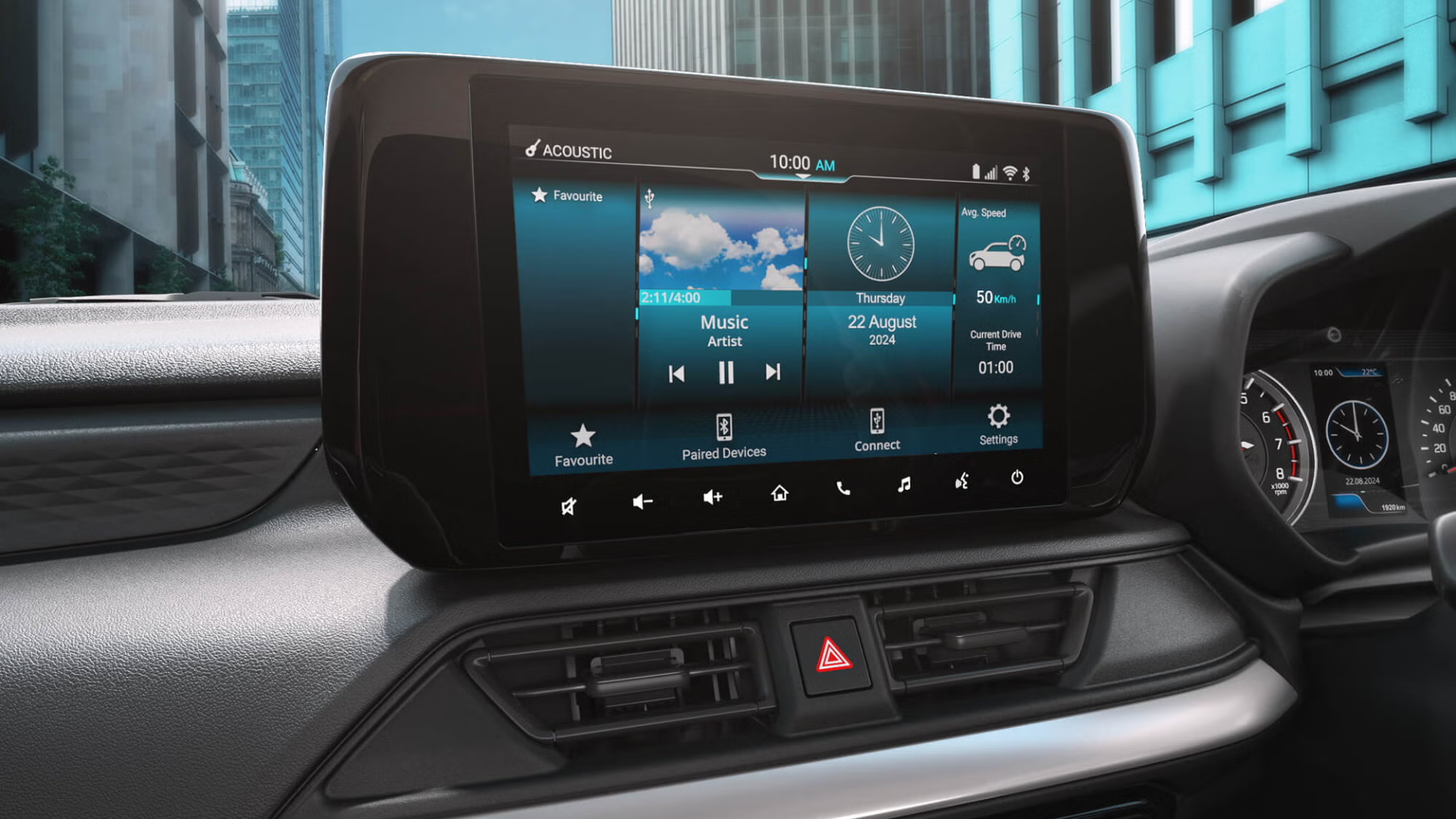
The fourth-generation Swift's interior is a meaningful step up from the car it replaces.
The new dashboard uses Piano Black trim with Satin Matte Silver inserts on a two-tone grey colour scheme, giving the cabin a more contemporary, less utilitarian feel than the third generation's all-black interior. The asymmetric instrument dials and the updated steering wheel design are details that reviewers and owners note as improvements that make the cabin feel less like a budget vehicle and more like a considered interior design effort.
The 9-inch floating touchscreen in the ZXi and ZXi+ is the cabin's visual anchor. It supports wireless Android Auto and Apple CarPlay, which in practice is the primary interface for navigation, music, and calls for most owners. The Arkamys-tuned audio system, even in the four-speaker configuration available from the VXi, is one of the better factory setups in its class, with reasonable clarity and adequate bass response. The 7-inch screen in the VXi and VXi (O) also gets wireless connectivity.
The base LXi does not include an infotainment system, a deliberate cost reduction that keeps the entry point as accessible as possible.
Front seat comfort is good for daily use, with seat cushioning that has been updated over the third generation. The Swift's front seats do not offer lumbar support or side bolstering adequate for spirited driving, but they are comfortable over extended city use. The height-adjustable driver's seat in the ZXi and above helps shorter drivers find a more natural driving position.
The rear seat is where the Swift's compact dimensions become most apparent. Legroom for average-height adults behind a similarly sized driver is adequate but not generous, taller passengers above six feet will find the rear bench noticeably tight, and headroom is the segment's lowest. Three adults across the rear bench is possible for short urban trips but genuinely uncomfortable over longer distances. This is the Swift's most significant practical limitation compared to slightly larger rivals like the Hyundai i20 and the Maruti Baleno.
Storage inside the cabin is practical for the car's size. Deep door pockets front and rear, a centre console with a phone tray and USB ports, and a reasonable dashboard shelf space cover everyday requirements. The glovebox, while adequate in size, is not cooled on any variant.
The boot at 265 litres is functional for grocery shopping or a weekend overnight bag but is not family-trip luggage-friendly for more than two adults. Buyers who regularly travel with family and need big boot space may opt for the Baleno or Dzire instead in a similar price range.
NVH has improved significantly over the previous generation.
Maruti made deliberate improvements to noise insulation, and the result is a cabin that is noticeably quieter at highway speeds. The three-cylinder engine's idle vibration is suppressed adequately through the rubber mounts, though it is present if the driver actively searches for it. Though, at higher engine loads and revs, more engine character enters the cabin than in comparable four-cylinder rivals.
exterior
exterior
| Dimension / Spec | Value |
|---|---|
| Length | 3860 mm |
| Width | 1735 mm |
| Height | 1520 mm |
| Wheelbase | 2450 mm |
| Ground Clearance | 163 mm |
| Turning Radius | 4.8 m |
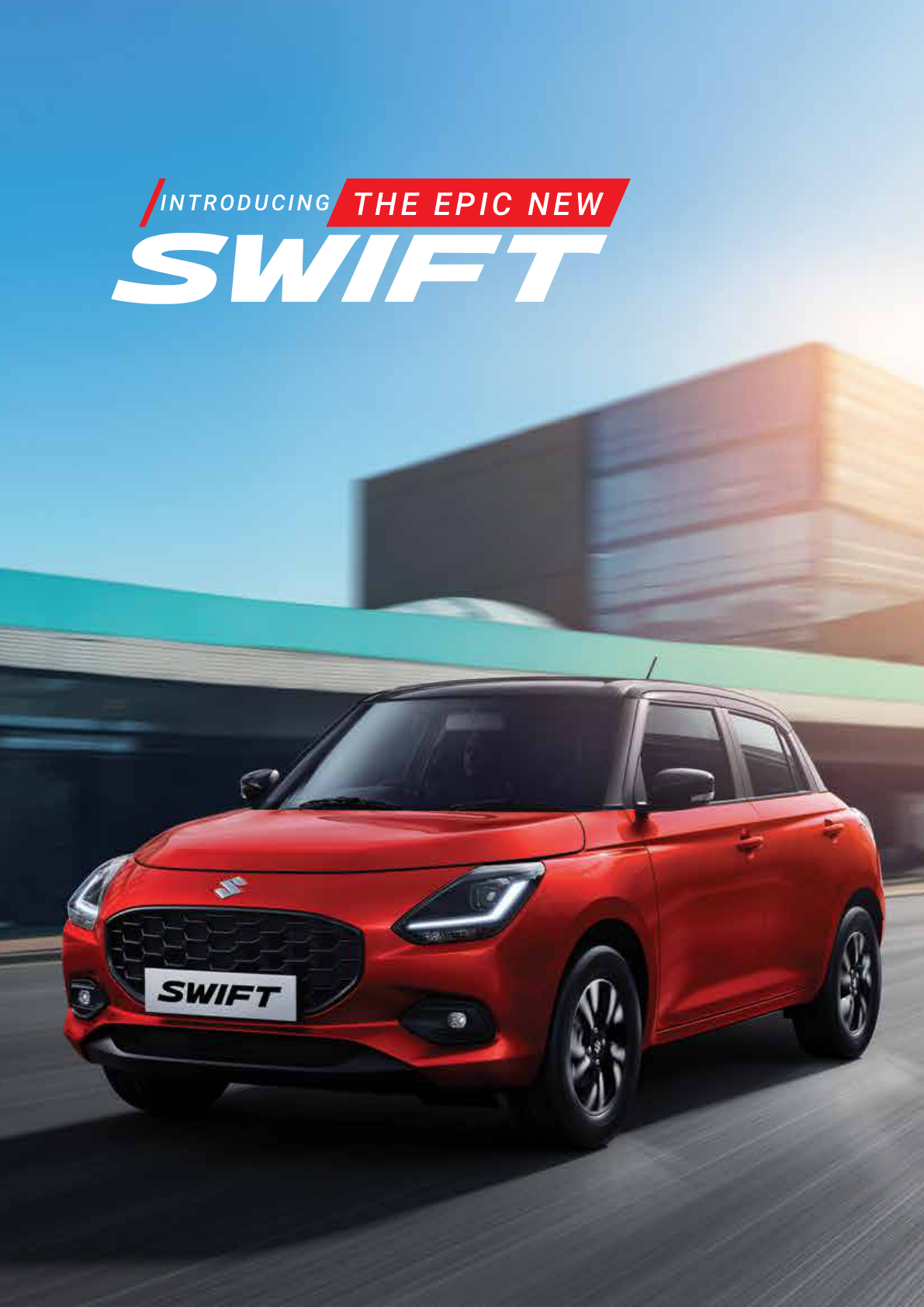
Where earlier Swifts were described as sporty or sculpted, the fourth-generation car is rounder, softer, and more character-driven, with a deliberately playful quality to its proportions and subtle Mini design inspirations.
The oval-ish gloss black grille with the Suzuki emblem, sharper LED projector headlamps, L-shaped LED DRLs, clamshell bonnet, and wraparound LED tail lamps give the front and rear a coherent design language that is more unified than the outgoing model.
The 15-inch diamond-cut dual-tone alloy wheels on the ZXi+ are the visual highlight of the range and fill the arches well, while the 14-inch steel wheels with plastic covers on lower variants are functional but noticeably plain by comparison.
At 3860 mm in length, the Swift is among the shorter hatchbacks in the premium segment, and this compactness is one of its practical advantages in dense urban conditions. Threading through tight traffic lanes, fitting into parking spaces that larger cars cannot reach, and making tight U-turns are all easier in the Swift than in rivals with longer footprints.
The 163 mm ground clearance requires the same degree of care on steep speed breakers and rough roads that the Dzire demands, though for a hatchback with its lighter weight and higher probability of urban use, this is a less frequent concern in practice.
safety
safety
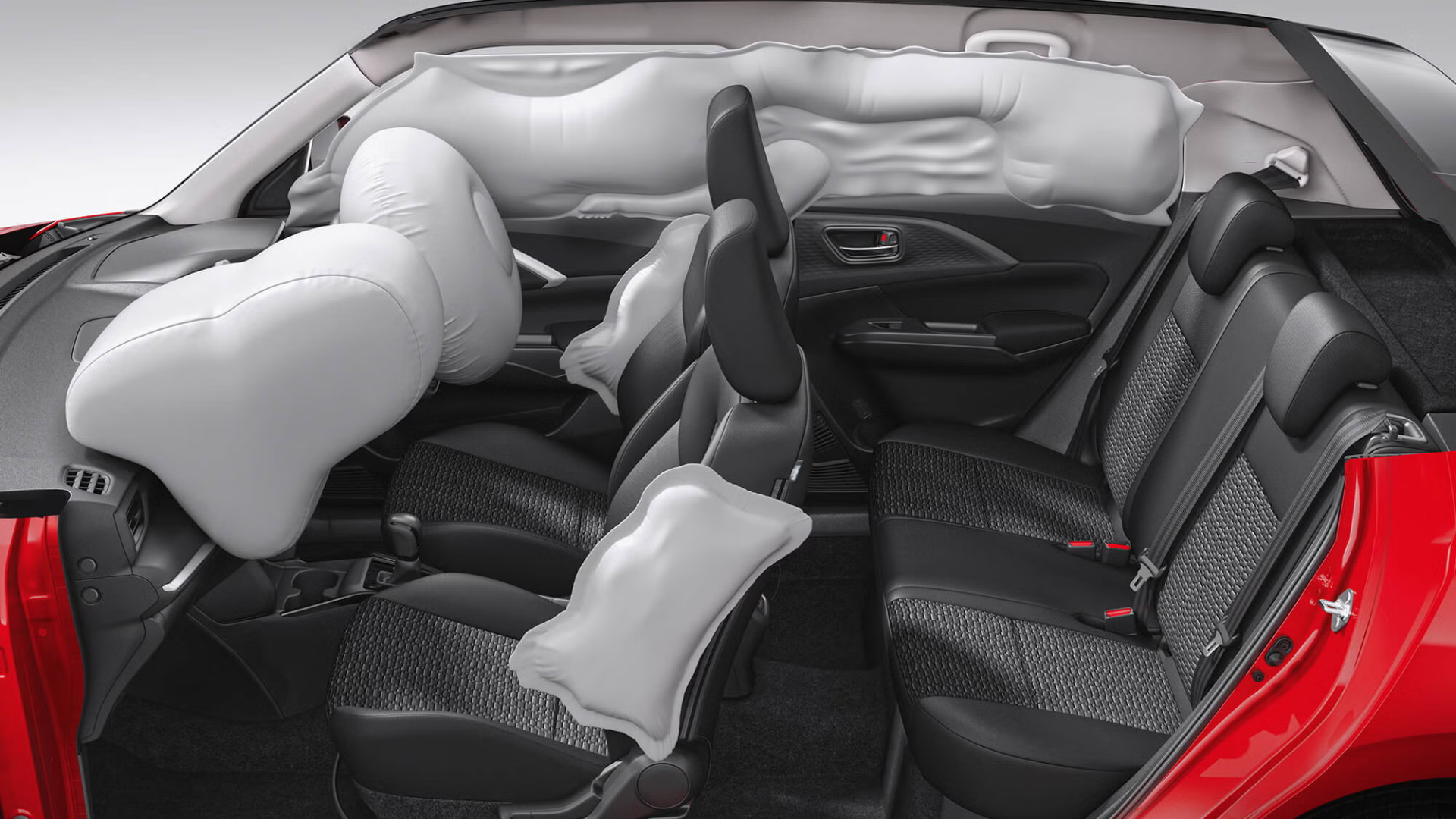
The Swift gets six airbags, ESC, hill hold assist, ABS with EBD, ISOFIX mounts, and rear parking sensors as standard across all variants.
The India-specific fourth-generation Swift has not been submitted to Bharat NCAP or Global NCAP for crash testing as of September 2026. The Japan-specification 2024 Swift received 4 stars from JNCAP, and the Australasian-specification 2024 Swift received 1 star from ANCAP, but both of these test different market specifications and are not directly applicable to the India-market car.
Notably, the Heartect platform that underpins this Swift is structurally the same as the one used by the fourth-generation Dzire, which achieved a five-star Global NCAP rating in 2024. This provides reasonable circumstantial confidence in the Swift's structural safety, but circumstantial confidence is not a published crash rating.
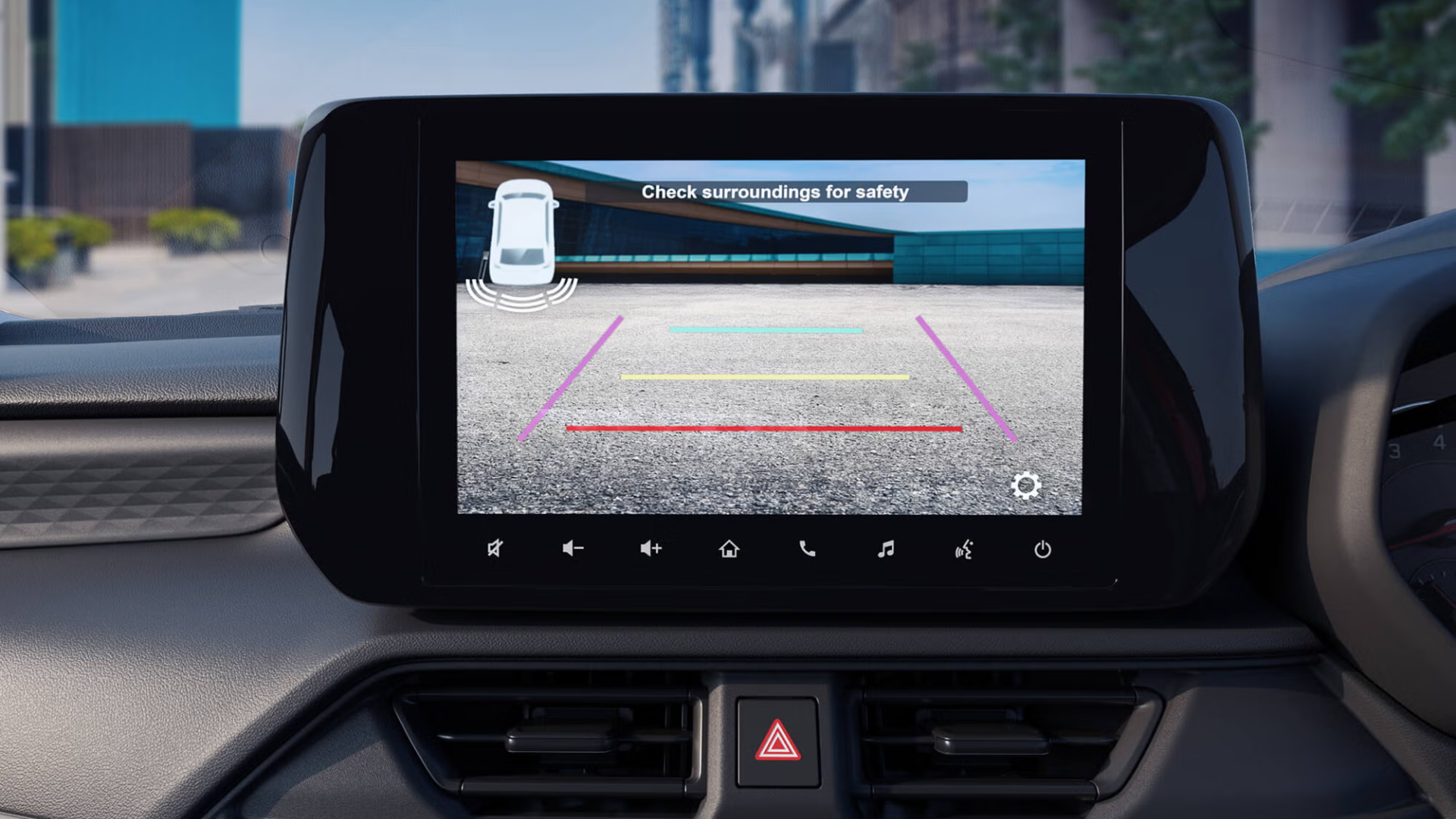
None of the variants get TPMS, and a rear parking camera is exclusive to the top-end ZXi+. These feel like odd omissions, especially considering that the Dzire comes with a TPMS and a 360-degree camera from the ZXi.
competition
competition
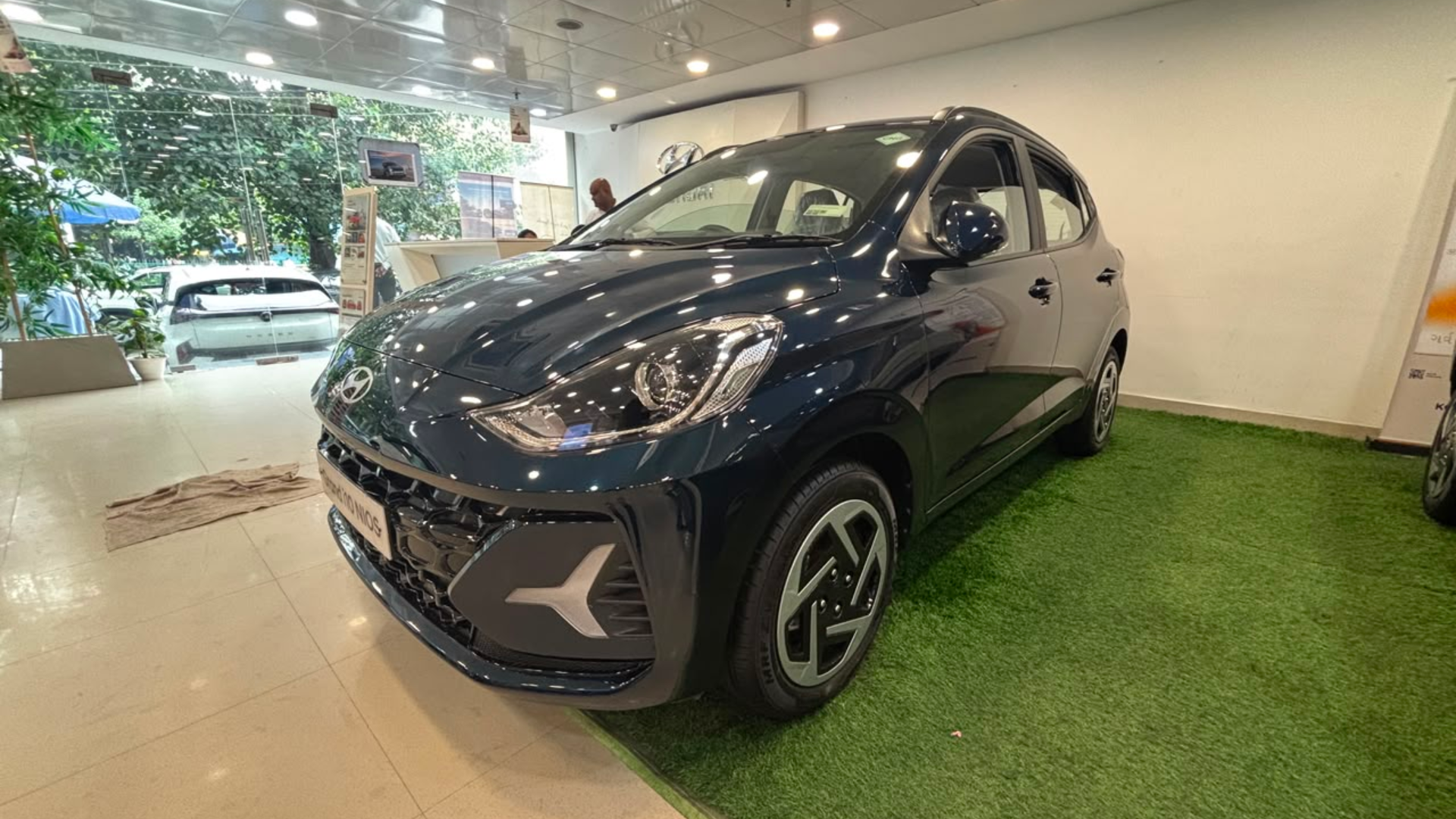
The Hyundai Grand i10 Nios is the Swift's most direct price and size competitor. It offers a smoother and more refined 1.2-litre four-cylinder petrol engine, a more premium feeling interior, and a more spacious rear seat.
The Swift counters with more engaging driving dynamics, more powertrain variety, a more modern cabin design, and higher mileage.
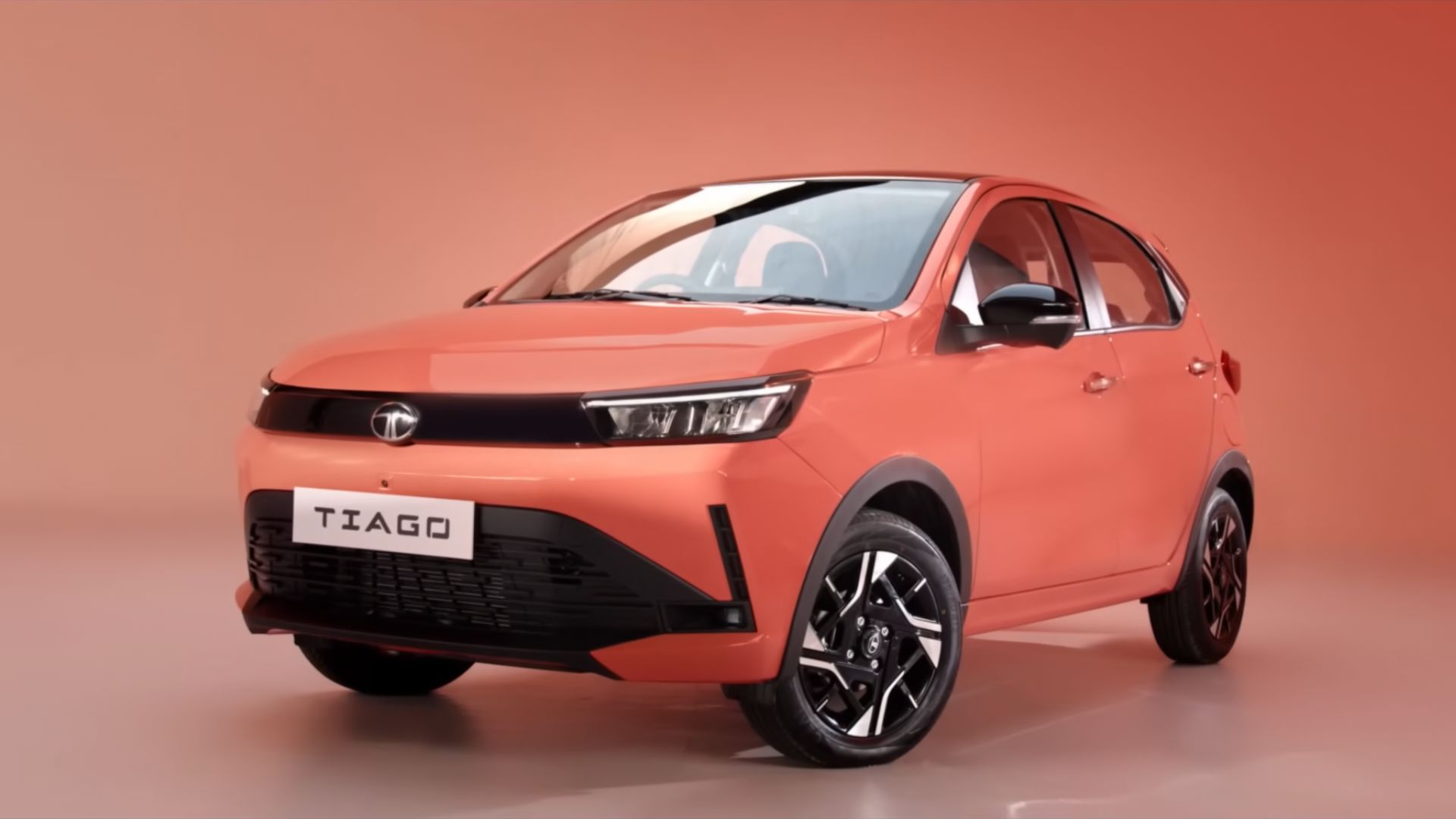
Tata Tiago overlaps with the Swift's mid-range pricing and boasts a similar variety of powertrain combinations and a four-star Global NCAP rating.
The Swift leads on cabin quality, driving character, engine refinement and performance, Maruti's brand trust and wide service network.
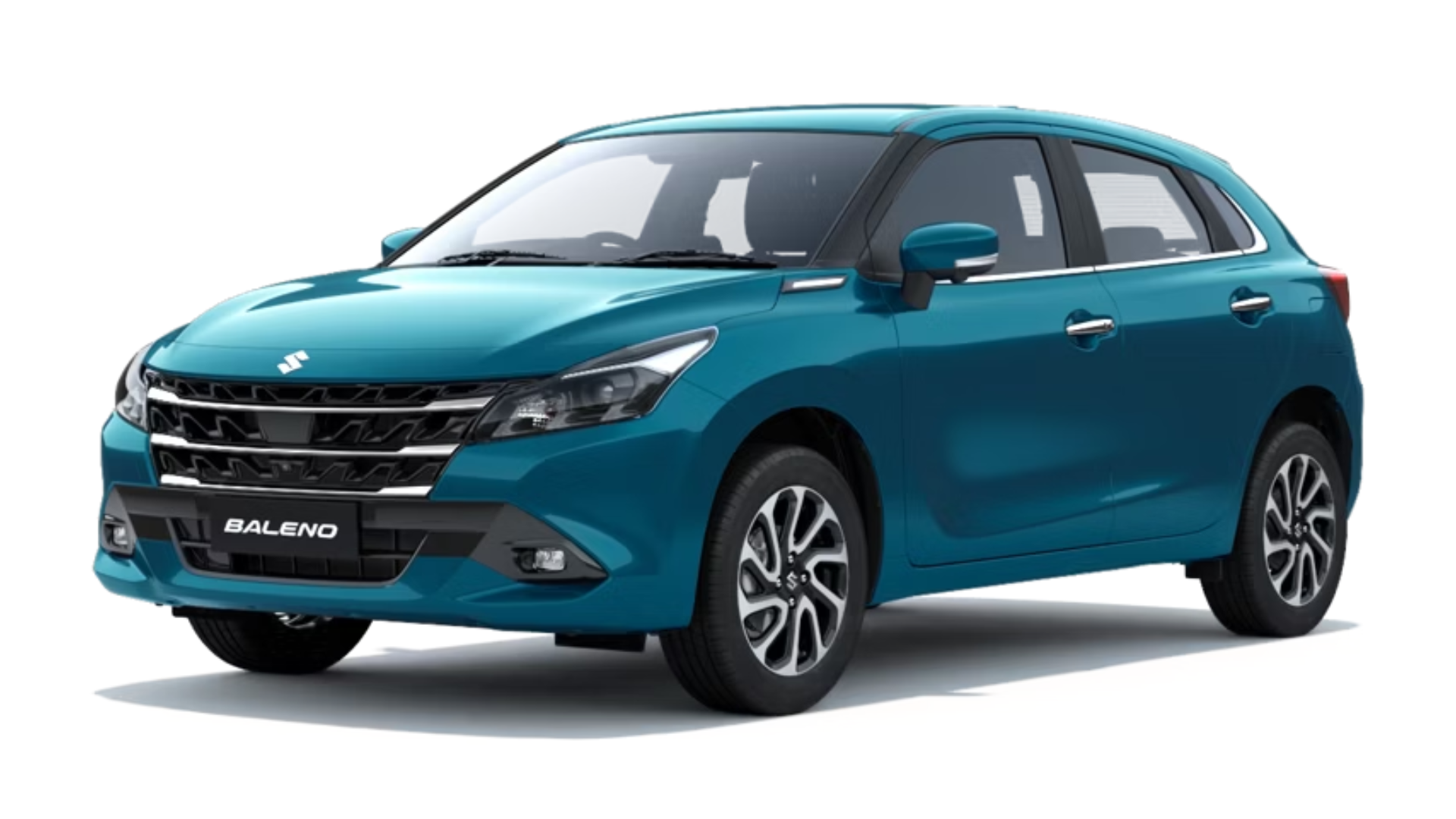
Maruti's Baleno is the most natural internal step-up from the Swift, sharing the same platform and powertrains. The Baleno is slightly longer and wider, offers a larger 318-litre boot, has a more premium cabin feel, more features, and carries a 4-star Bharat NCAP rating.
The Swift has a more affordable entry point, but prices of its mid and top variants overlap with the Baleno.
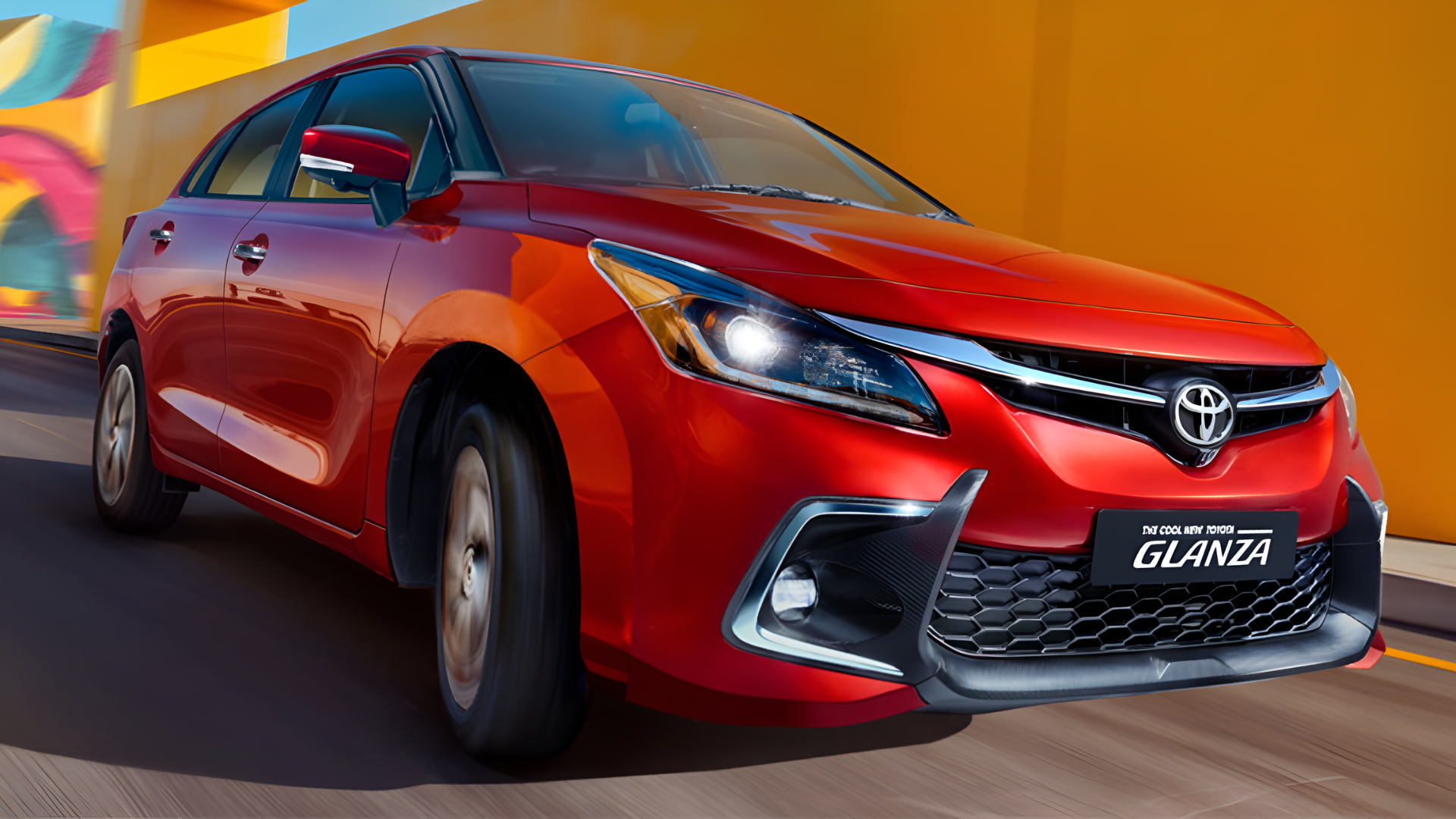
The Toyota Glanza is the Baleno's badge-engineered cousin and the Swift's closest relative outside of Maruti, sharing the same Heartect platform.
Unlike the Baleno which has transitioned to the Z12 engine, the Glanza still offers the peppier and more refined K12. The Glanza is positioned slightly above the Swift in price, offers the assurance of Toyota's service standards, and benefits from Toyota's own solid warranty and ownership experience.
For buyers in regions where Toyota's dealership presence is comparable to Maruti's, the Glanza is worth considering alongside the Swift.
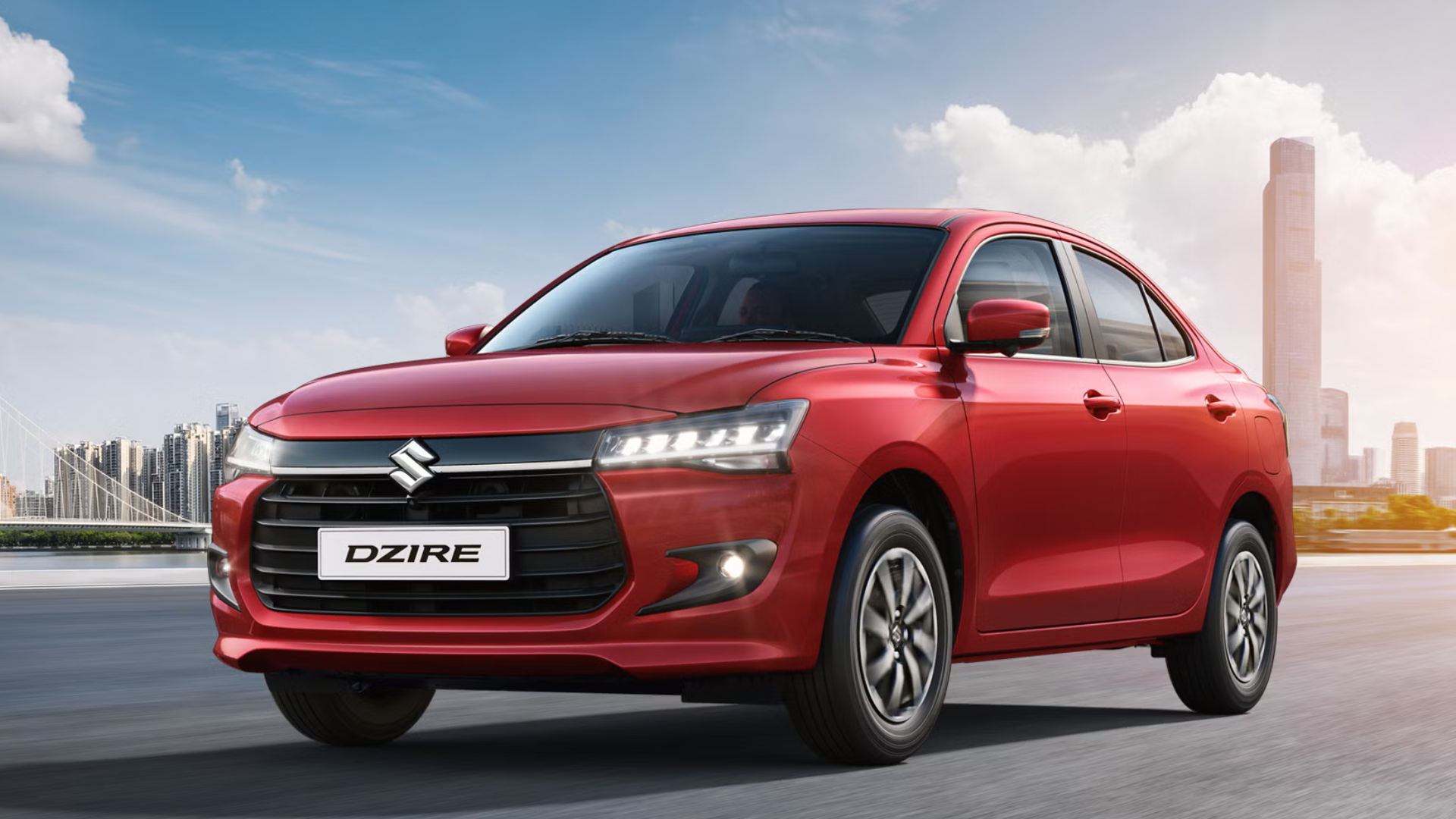
The Swift's compact sedan sibling, the Dzire, remains a sensible alternative.
Sharing the same plaform and powertrains as the Swift, it offers a more spacious interior, a significantly larger 382-litre boot, and proven 5-star BNCAP and GNCAP safety ratings.
While the Swift is more fun to drive thanks to its stiffer suspension and lighter weight, the Dzire is the better package for families who travel with luggage regularly and want the safety assurance.
final verdict
final verdict
The fourth-generation Maruti Suzuki Swift is arguably the best version of the car in its 19-year history in India, and it earns that description in the areas that matter most to its buyers.
The new Z12E engine is more efficient, the car still retains much of the enthusiastic character with good driving dynamics that has always made the Swift enjoyable to drive, and the latest CNG AMT variant adds a powertrain combination that buyers have been requesting for years, addressing the one area where the Swift's lineup lagged behind Tata's equivalent offerings.
Standard safety is more comprehensive than ever with six airbags, ABS-EBD, ESP, and hill-hold, among a few other features.
The Swift has its fair share of limitations. The three-cylinder Z12E engine, though highly efficient, is down on NVH and peak performance than the K12 that it replaced, rear seat space can feel cramped when compared to premium hatchbacks and compact sedans in its price range, and the omission of TPMS and limiting the parking camera to the flagship ZXI+ variant is tough to understand.
Additionally, the India-specific fourth-generation Swift awaits its formal crash test, leaving the structural safety of the current car without independent verification despite the strong safety equipment list and the confidence provided by the Dzire's five-star result on the same platform.
For the buyer who wants a fun, efficient, and practically rounded hatchback in the segment, the Swift remains the default answer.
The ZXi AMT is the best everyday combination of features and convenience for most buyers, and the ZXi+ is the most complete configuration at the top of the range.
For high-mileage urban buyers, the CNG AMT variants stand out with their low running costs, automatic convenience, and the Swift's inherent driveability in a single package.
Maruti Suzuki Swift News
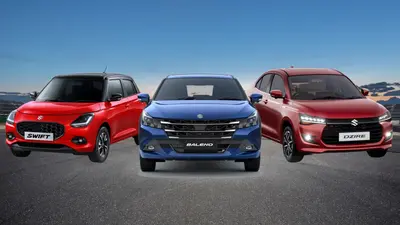
Maruti Suzuki Brings CNG-AMT Options To The Swift, Baleno and Dzire
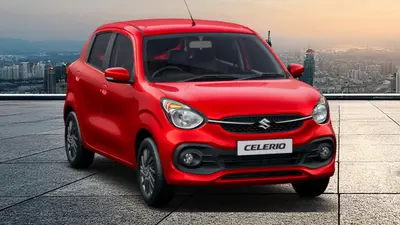
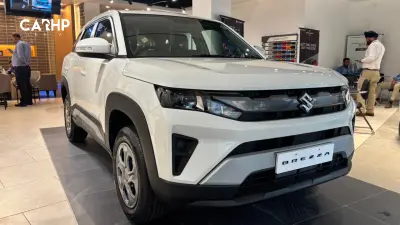
Maruti has finally paired CNG with an automatic gearbox on the Swift, Dzire and Baleno, priced from Rs 7.92 lakh. The AMT trims share a 1.2 litre engine, a 55 litre boot-mounted tank and cost around Rs 35,000 more than the manual versions.
Anmol Kumar
October 1, 2026

BS7 Emission Norms Draft Expected in Two Months, Says MoRTH
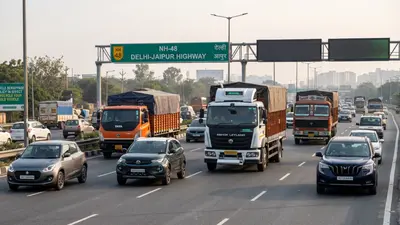
The BS7 draft is expected within two months, MoRTH confirmed at SIAM's annual convention. Timelines remain the industry's biggest concern, but unlike the BS4-to-BS6 jump, this transition should be considerably less disruptive for carmakers and buyers.
Anmol Kumar
September 4, 2026
Maruti Suzuki Swift FAQs
What engine options does the Maruti Suzuki Swift come with?
−The 4th generation Swift is powered by a 1.2-litre three-cylinder naturally aspirated Z12E petrol engine producing 82 bhp and 112 Nm. It is also offered with a factory-fitted CNG option making 68 bhp and 102 Nm of torque in CNG mode. Both come paired with 5-speed manual and AMT gearbox.
What is the mileage of the Maruti Suzuki Swift?
+The Maruti Swift petrol delivers an ARAI claimed 24.8 km/l with the manual, and 25.7 km/l with the AMT. CNG variants deliver 32.85 km/kg with the manual and 35 km/kg with the AMT. Real world figures may vary depending on driving conditions.
What is the boot space of the 2024 Maruti Swift?
+265 litres.
What are the standard safety features in the Maruti Swift?
+The Maruti Swift gets 6 airbags, ABS with EBD, ESP/ESC, hill-hold, ISOFIX mounts, and rear parking sensors from the base LXi trim.
Does the Maruti Suzuki Swift have a crash test safety rating?
+The current, fourth generation Maruti Swift does not have a Global NCAP or Bharat NCAP safety rating.
Does the Maruti Swift have a sunroof?
+No. A sunroof is not offered on any Swift variant. Buyers for whom a sunroof is important should consider the Maruti Dzire, which offers one on its top-spec ZXI+ variant.
What is the ground clearance of the Maruti Suzuki Swift?
+163 mm.
Is the Maruti Suzuki Swift available in petrol, CNG, electric or diesel engines?
+The Swift is currently available with Petrol and CNG engines.
What are the key safety features in the Swift ?
+The Swift comes equipped with several safety features including Anti-lock Braking System (ABS), Central Locking, Electronic Brakeforce Distribution (EBD), Electronic Stability Control (ESC), Speed Alert and Hill Assist.
What are the boot space and dimensions of the Maruti Suzuki Swift?
+The Swift offers 265 Litres of boot space. Its dimensions are 3860 mm in length, 1735 mm in width, and it has a wheelbase of 2450 mm.
What colours does the Maruti Suzuki Swift come in?
+The Maruti Suzuki Swift is available in the following colours: Pearl Arctic White, Sizzling Red With Bluish Black Roof, Magma Grey, Pearl Arctic White With Bluish Black Roof, Luster Blue With Bluish Black Roof, Bluish Black, Sizzling Red, Splendid Silver, Luster Blue and Novel Orange.