

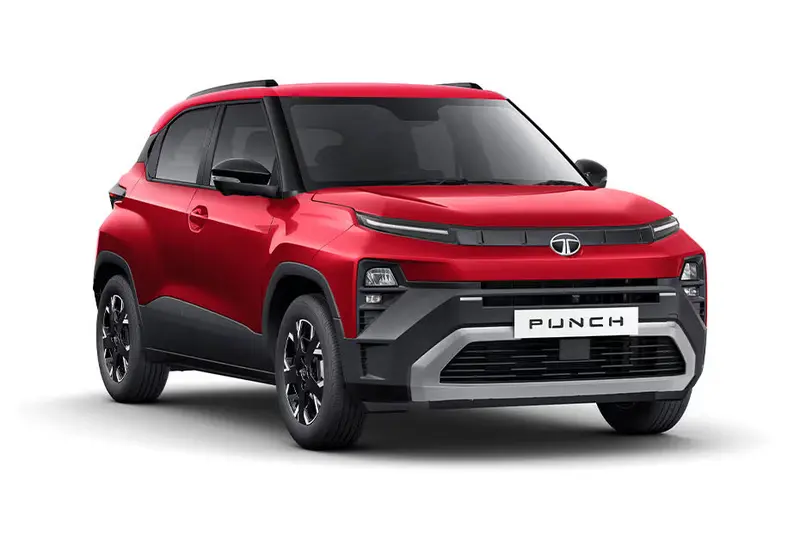
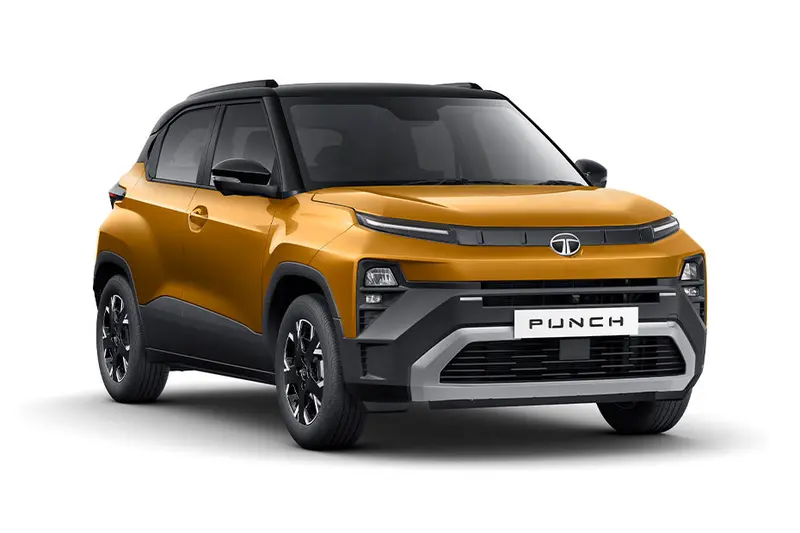
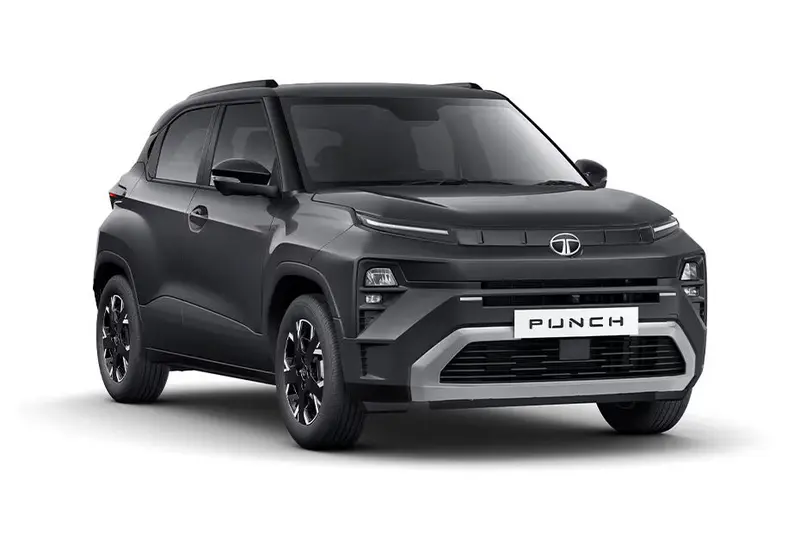
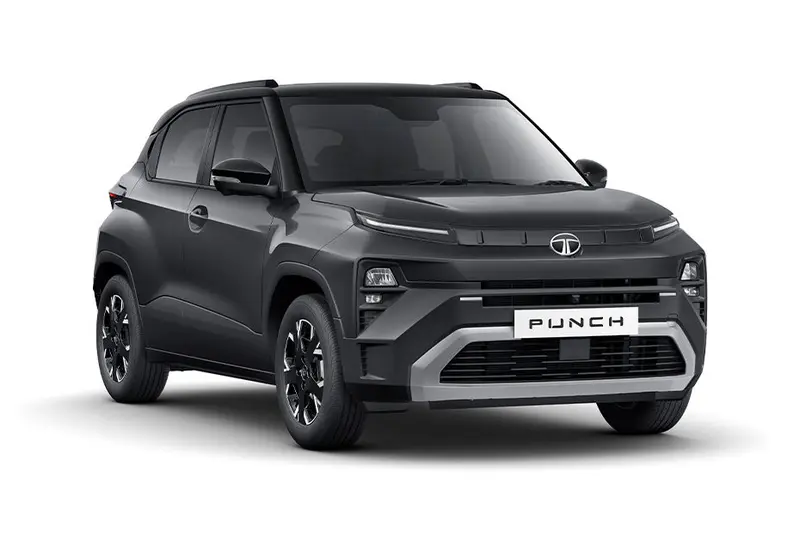
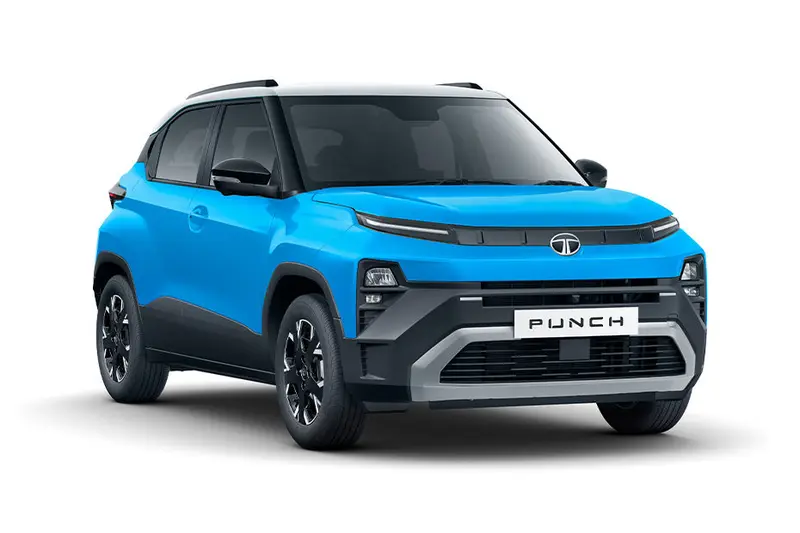
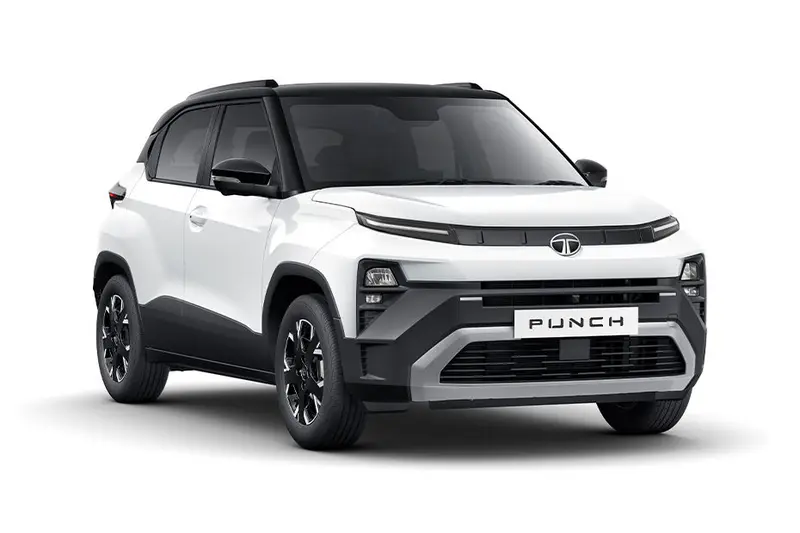
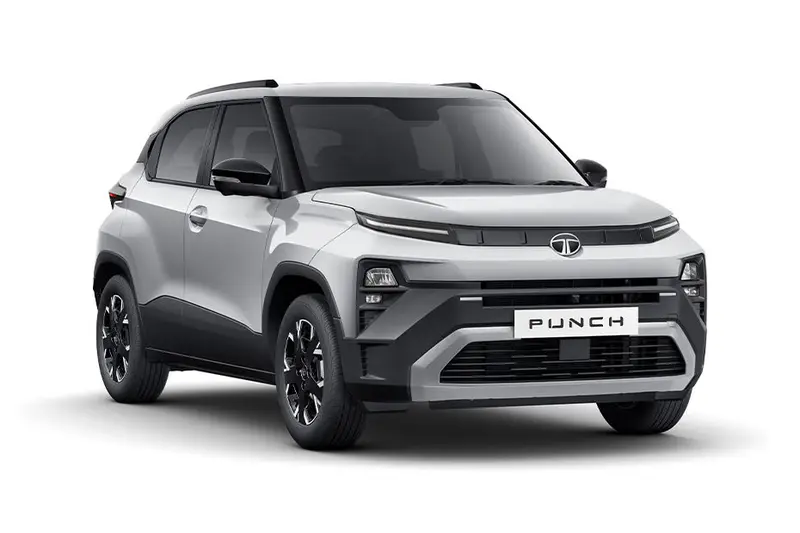
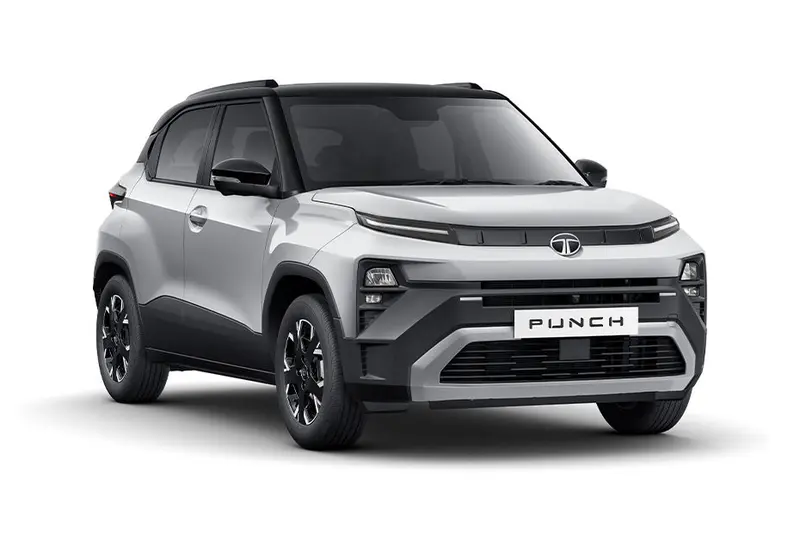
Tata Punch
Overall Rating

Tata Punch
Overall Rating
EMI Loading
Tata Punch Key Specifications
Tata Punch Highlights
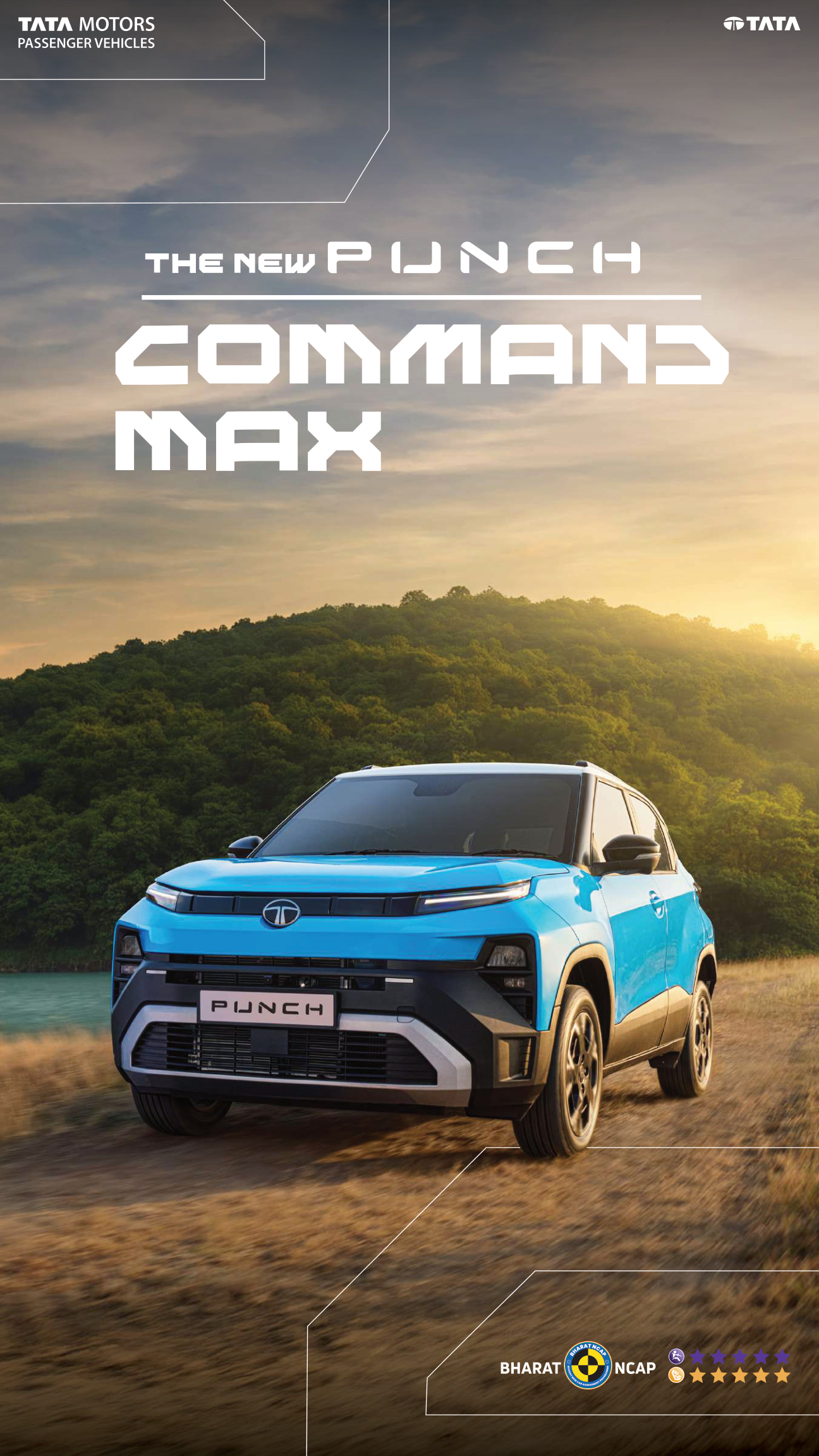
Largest-in-segment 10.25-inch touchscreen with a smooth and modern user interface
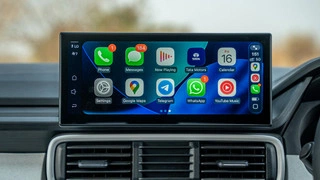
7-inch fully digital driver display that clearly shows all essential driving information
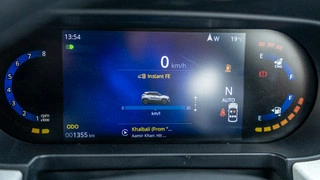
360-degree camera with clear visuals that makes tight parking and city driving easier
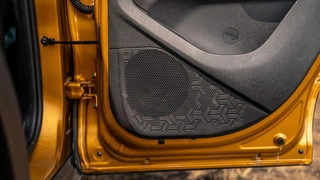
8-speaker audio system tuned for punchy sound and an immersive listening experience
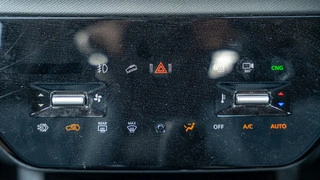
Hill descent control helps maintain steady speed on steep slopes without throttle input
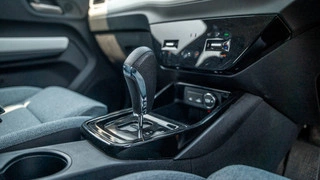
CNG with AMT setup reduces running costs while adding everyday driving convenience
What's new in Tata Punch
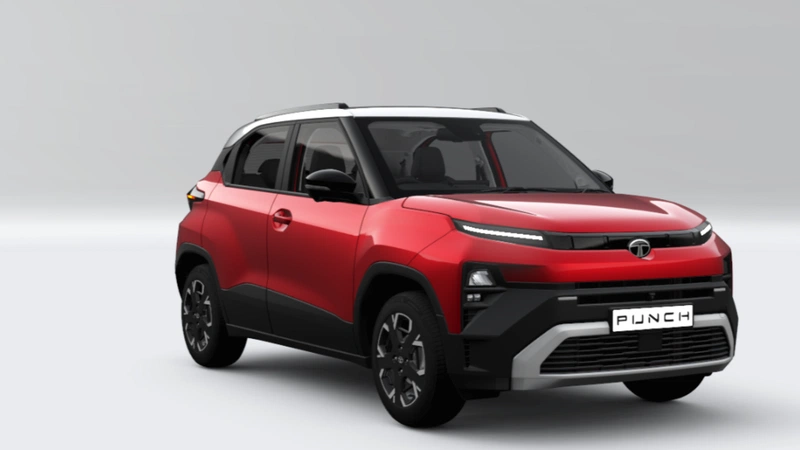
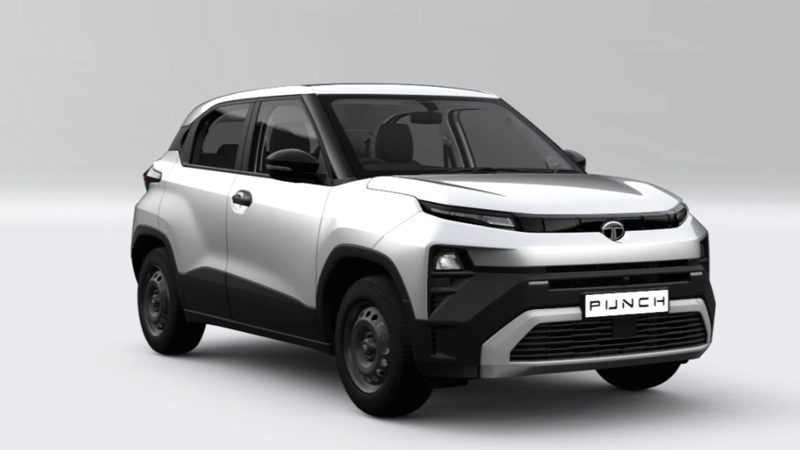
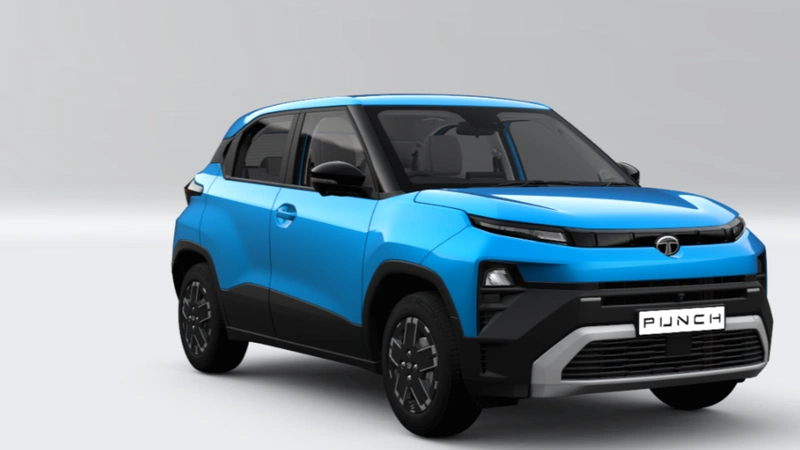
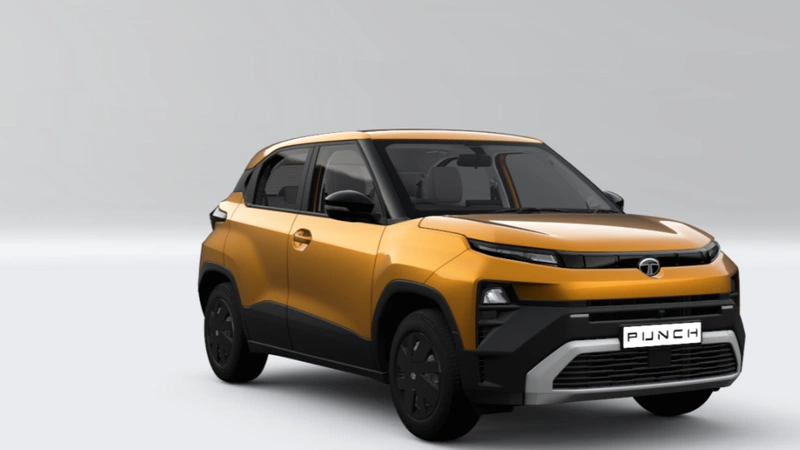
- Sharper exterior styling, new 118 bhp 1.2-litre turbo petrol with 6 speed manual, 4 new colours, dual interior screens, new interior theme and layout.
Tata Punch Overview

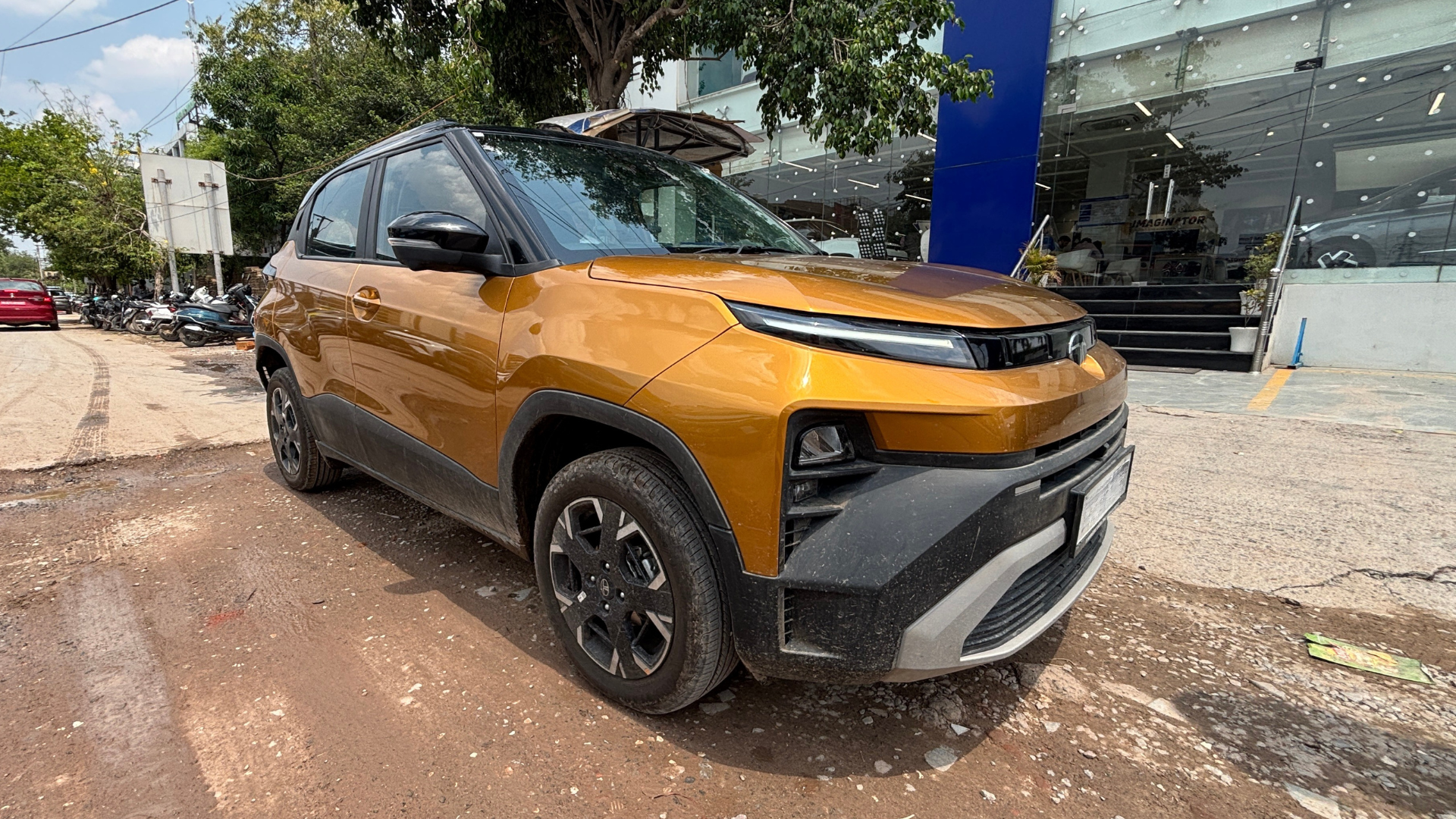
The Punch has been an unusual success story.
Launched as India's first proper micro-SUV, it sold more than six lakh units in its first form, crossed seven lakh soon after the update arrived, and has spent stretches of this year as the single best-selling car in the country. It managed that while carrying an engine that nobody particularly liked, which tells you how much the rest of the package was doing.
With its 2026 facelift, Tata attempted to fix the one weakness everyone agreed on, and it is a considerably more thorough update than the word facelift usually implies.
It is available across eight trim levels and spread over twenty-six variant combinations. The top variants now overlap with the lower variants of the Nexon, complicating the buying decision in a way that did not exist before.
Three powertrains cover the range and the newest one is the highlight.
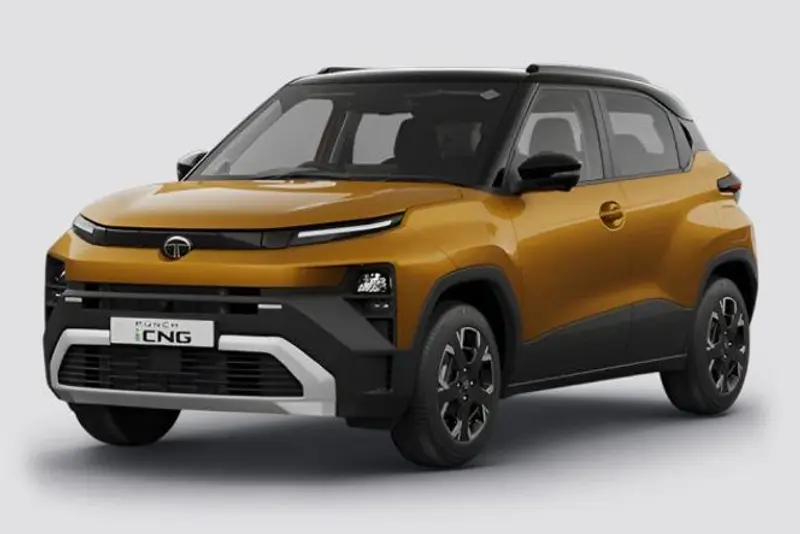
The familiar 1.2-litre three-cylinder naturally aspirated petrol makes 87 bhp and 115 Nm with a five-speed manual or a five-speed automatic (AMT). A bi-fuel CNG version of the same engine produces 72 bhp and 103 Nm in CNG mode and, for the first time, is available with the AMT as well.
The new addition is a 1.2-litre turbo-petrol borrowed from the Nexon, making 118 bhp and 170 Nm. It is offered only with a six-speed manual and only in two trims.
The facelift also brought design tweaks, a substantially upgraded cabin, a much longer feature list and a fresh five-star Bharat NCAP result.
First-time car owners, families upgrading from a hatchback, urban commuters who want ground clearance without a large footprint, and enthusiasts who want something small and quick are the kind of buyers the Punch targets.
Engine and Performance
Engine and Performance
| Engine | 1.2L NA Petrol | 1.2L Turbo-Petrol | 1.2L CNG |
|---|---|---|---|
| Power | 87-88 bhp | 118-120 bhp | 72-73 bhp (CNG mode) |
| Torque | 115 Nm | 170 Nm | 103 Nm (CNG mode) |
| Transmission | 5MT / 5AMT | 6MT | 5MT / 5AMT |
Three engines, three completely different characters, and the choice between them matters more than the choice of trim.
The naturally aspirated (NA) petrol is the one most Punch units are sold with (and will continue to do so) and it remains the weakest part of the package. Making 88 bhp and 115 Nm, it is smooth enough at town speeds and perfectly adequate for pottering around a city, pulling cleanly from low revs and requiring few gear changes in traffic.
What it cannot do is deliver any real urgency. Loaded with four adults on an incline, or asked for a decisive overtake on a two-lane highway, it runs out of breath and asks for revs it does not reward. The manual gearbox is precise but the clutch is heavier than it needs to be in city traffic, and the AMT shifts with a head-nod, requiring planning before an overtake rather than allowing one on impulse. The paddle shifters give some control back and help on descents.
The turbo-petrol engine changes the car completely and is the single best reason to look at the facelift. Borrowed from the Nexon, its 118 bhp and 170 Nm outputs in a vehicle this small and light produces genuinely enjoyable performance, comfortably the most powerful in its segment. Turbo lag is well controlled, so closing a gap in traffic is easy, and city driveability is excellent with minimal gear changes needed.
Past roughly 1,750 rpm, the boost arrives properly and there is a clear surge that transforms the way the car covers ground. Highway overtakes stop being a calculation. The six-speed manual it comes with is well matched, and the absence of an automatic option for this engine is the most obvious gap in the range, because a large share of the buyers who would want the performance with convenience.
The CNG version is the running-cost champion and now finally offers an automated gearbox, which broadens its appeal considerably. Power in CNG mode is modest at 73 bhp and 103 Nm, and the combination of a low-output engine with an AMT rewards a calm driving style. In return, it delivers mileage figures that nothing else in its segment matches, and the twin-cylinder layout means the boot remains usable as well.
Ride and Handling
This has always been the Punch's underrated strength. Its suspension is conventional, with struts at the front and a twist beam with coil springs at the rear, and the tuning strikes a balance that even many larger and more expensive cars fail to find.
The low-speed ride is mature with a hint of firmness underneath it. Broken city roads, patched tarmac and general surface roughness are dealt with capably, and the car absorbs road irregularities on a par with vehicles from a segment above, which is the most common observation owners make.
Sharp-edged bumps do make themselves felt in the cabin, partly because the top variants run 195/60 profile tyres on 16-inch wheels, and a buyer who prioritises absolute plushness might find the lower variants on taller rubber slightly more compliant.
The ride improves as speed builds, which is the correct direction. Straight-line stability at highway speeds is excellent and genuinely surprising for a car with this footprint. Undulations are absorbed in a single controlled movement, and the car stays settled where lighter rivals would be moving around.
Handling is better than the category demands. The chassis was always capable of handling more power than the naturally aspirated engine provided, which is exactly why the turbo version works so well rather than exposing a weakness.
Quick direction changes are handled with composure, body roll is present but well controlled for the height, and the car holds its line predictably through corners. The steering is light, which suits city work, and accurate enough to place the car confidently, though it offers limited feedback about what the front wheels are doing.
The Punch uses disc brakes at the front and drums at the rear. The pedal is progressive and stopping power is adequate for everyday driving, though a sharper initial bite would inspire more confidence. Under hard braking from higher speeds the car stops well without drama.
The combination of a small footprint, a tight turning circle, light controls, good forward visibility and a commanding driving position makes this one of the least stressful vehicles in India to drive in dense traffic or park in a crowded lane.
fuel economy
fuel economy
Real-world efficiency from the two petrol engines is respectable rather than exceptional.
The 1.2-litre naturally aspirated petrol variants return up to 15 km/l in city driving and 18-20 km/l on the highway. Figures drop slightly for the AMT.
The 1.2-litre turbo is even less pocket friendly in the city, returning just between 10-12 km/l. The numbers improve significantly on highways, with over 17 km/l.
It is worth noting that the fuel efficiency readout on the turbo variants has been programmed to not show figures below 8 km/l, so expect the displayed readings to be flattering rather than accurate.
The CNG is in a different economic category altogether, returning around 22 km/kg in the city and up to 28 km/l on the highway, making it the default powertrain if high fuel savings is a priority.
interior
interior
The Punch gets 90-degree opening doors, which combined with the high seating position and low sill makes getting in and out easier than most of the cars it competes against. Forward and side visibility is very good thanks to a large glasshouse.
The cabin is where the facelift makes its biggest leap, and Tata has spent the money in places owners will notice.
| Feature | Details |
|---|---|
| Infotainment | 10.25-inch touchscreen + 7-inch digital instrument cluster, 8-speaker audio |
| Seats | Dual-tone upholstery; extendable thigh support (front & rear) |
| Climate Control | Automatic with rear vents (higher trims); touch controls |
| Convenience | Wireless charger, 65W Type-C, ambient lighting, sunroof, |
| Other | Front & rear armrests, auto-dimming IRVM, cruise control |
| Boot Space | 366 L (petrol) / 210 L (CNG) |
Dual-tone upholstery, a white insert running across the dashboard and door panels, and a new textured dash finish make the cabin feel considerably airy and more expensive than the pre-facelift model’s darker, plainer treatment.
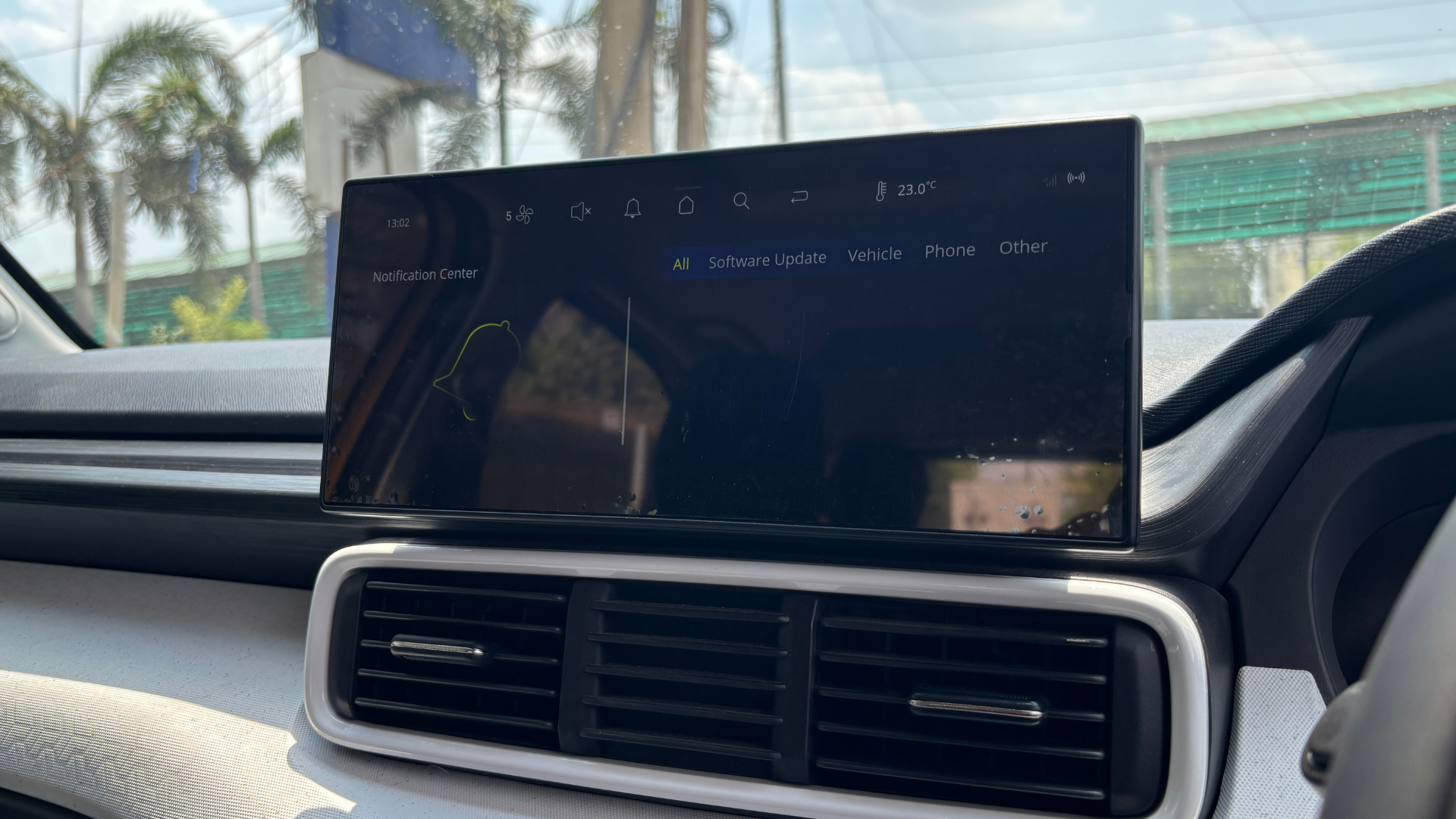
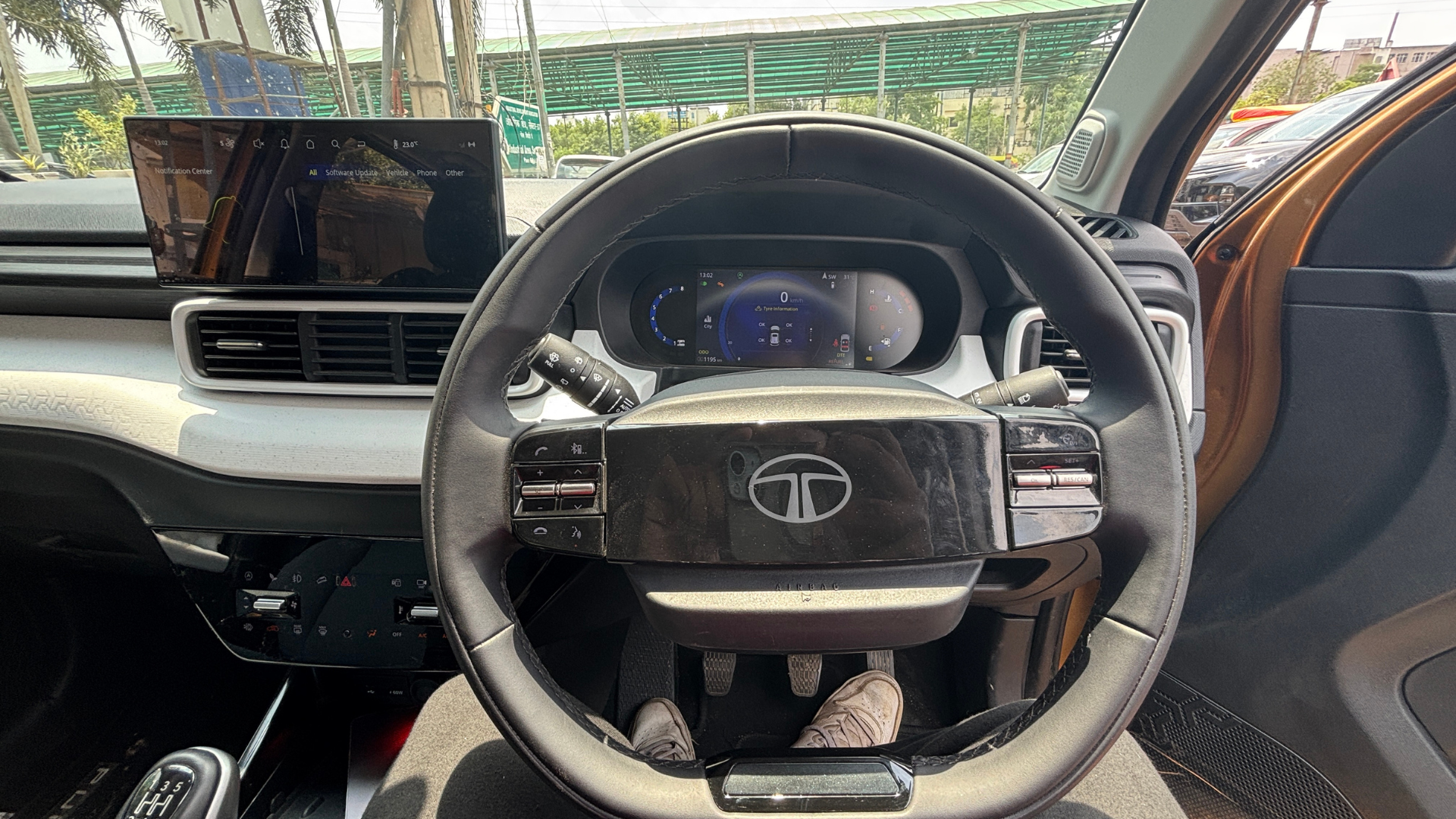
The centrepiece is a freestanding 10.25-inch touchscreen with slimmer bezels, joined by a seven-inch digital instrument cluster and a new two-spoke illuminated steering wheel.
Both front seats gain extendable thigh support, which is a genuine rarity at this price and transforms comfort for taller occupants on long drives, and the rear bench gets the same extended cushioning treatment.
Front and rear centre armrests are now fitted, with the rear one folding down from the bench and the front one covering a small storage bin. Anyone who has driven the original Punch extensively will understand how much difference these changes make.
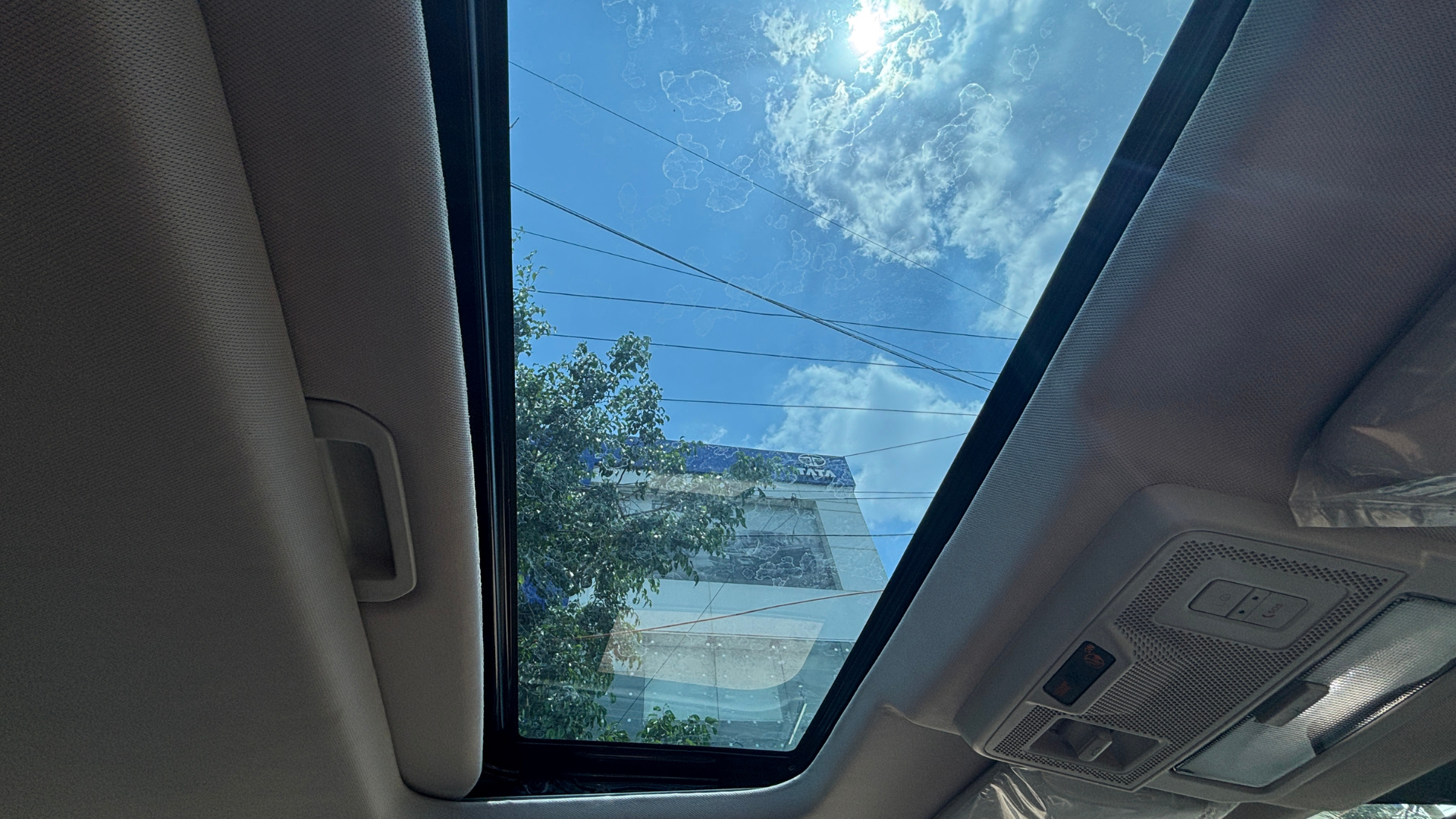
The equipment list is now among the longest in the class.
The top trim carries a single-pane voice-operated electric sunroof, automatic climate control, wireless smartphone mirroring, connected car technology, ambient lighting, a wireless charger, a 65-watt fast-charging port, automatic headlamps, rain-sensing wipers, an auto-dimming interior mirror, cruise control, a blind view monitor, a crisp 360-degree camera and an eight-speaker audio setup using four speakers and four tweeters.
Rear visibility is limited, thanks to a small rear window, thick C-pillars and the rear headrests, which makes the 360-degree camera almost a need rather than a luxury.
Rear air vents appear from the second trim upward, and rear passengers get their own charging port.
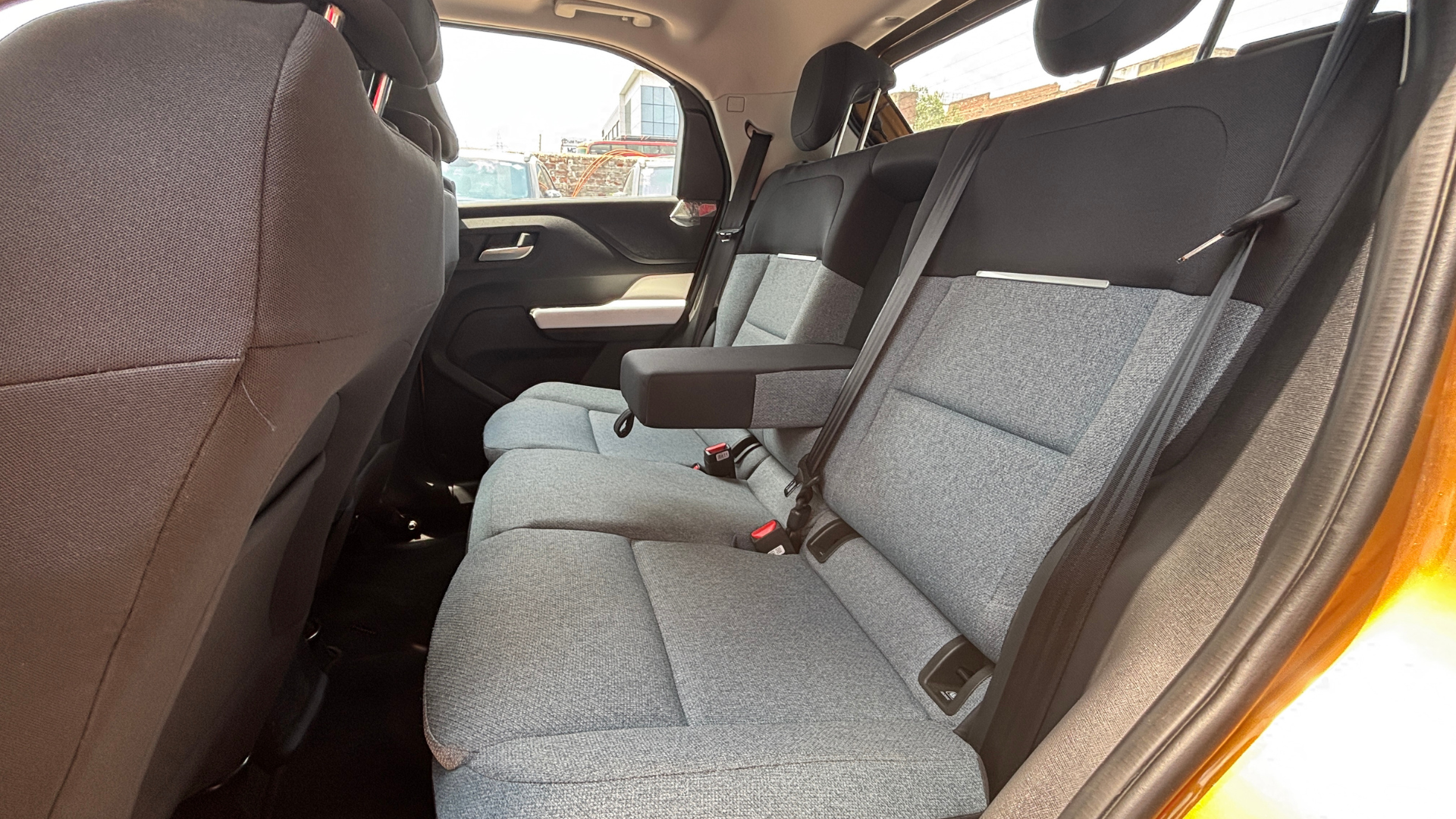
The compromises are specific and mostly honest.
Rear seat space is adequate rather than generous, with knee room that gets tight behind a six-foot driving position and a backrest angle that feels slightly upright on long journeys. Three adults fit across the bench thanks to a nearly flat floor, but the car is narrow and the middle passenger does not get an adjustable headrest.
There are also no load sensors in the rear seat, so the seatbelt warning chimes continuously, which owners find irritating and leads some to buckle the belts permanently, defeating the purpose of the system entirely.
The biggest let down is the shift to touch-based climate controls. The pre-facelift car had physical buttons that could be operated without looking, and the new panel makes you take your eyes off the road for a simple fan or temperature adjustment.
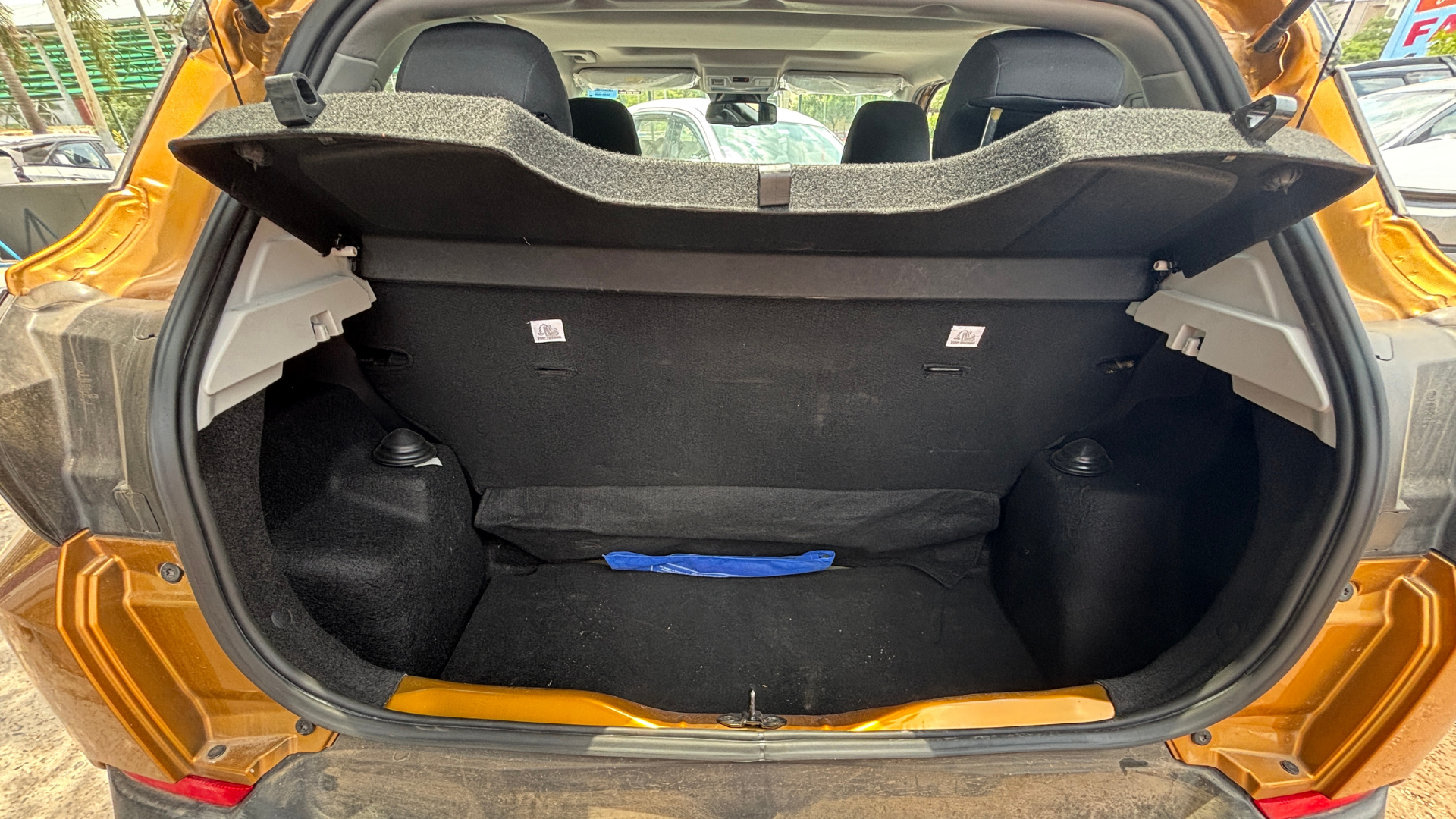
Boot space is a strong point for the petrol versions at 366 litres, competitive in this class and capable of handling a family's weekend luggage. The CNG version uses a twin-cylinder arrangement mounted under the boot floor rather than a single large tank, preserving 210 litres of usable, flat space. That is a meaningful advantage over CNG rivals who effectively lose their boots entirely.
Refinement inside is good for the class, with road and tyre noise well isolated and the cabin staying reasonably quiet at cruising speeds.
exterior
exterior
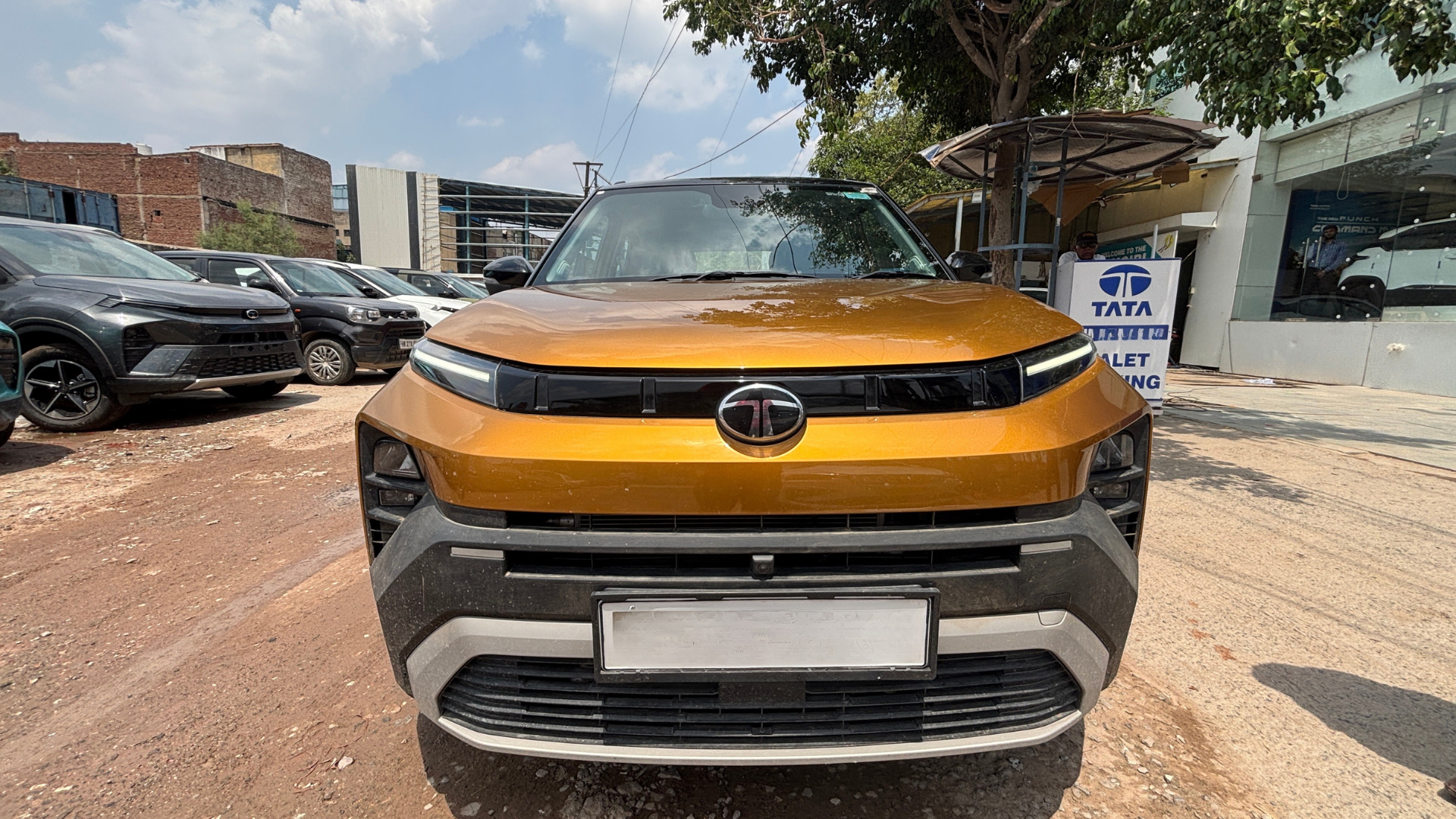
| Aspect | Details |
|---|---|
| Length | 3876 mm |
| Width | 1742 mm |
| Height | 1615 mm |
| Wheelbase | 2445 mm |
| Ground Clearance | 193 mm |
| Tyres and Wheels | 185/70 R15 (Lower trims), 195/60 R16 (higher trims) |
Tata has been designing good-looking cars for a while now and the updated Punch continues that run.
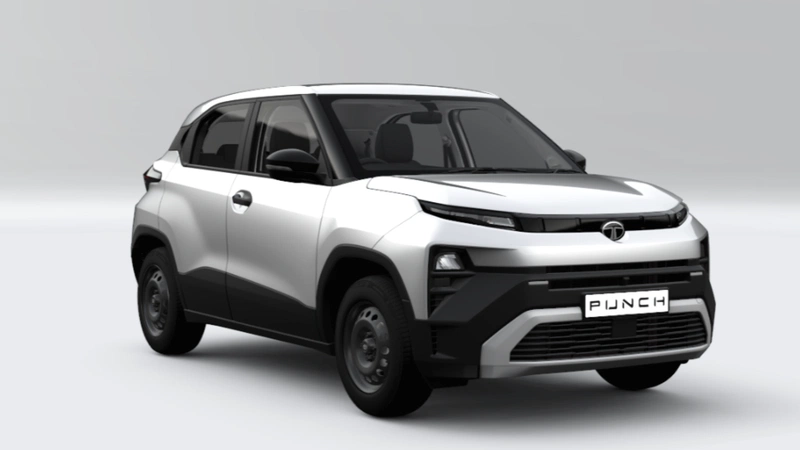
The face has been reworked comprehensively, borrowing elements from its EV sibling and from the brand's larger SUVs, with new lighting units, a revised grille section, piano black detailing across the nose and a redesigned lower bumper with a proper skid plate.
The DRLs are sharper and the overall effect is more mature than the slightly toy-like face the previous model carried, without losing the chunky, upright character that made the car appealing in the first place.
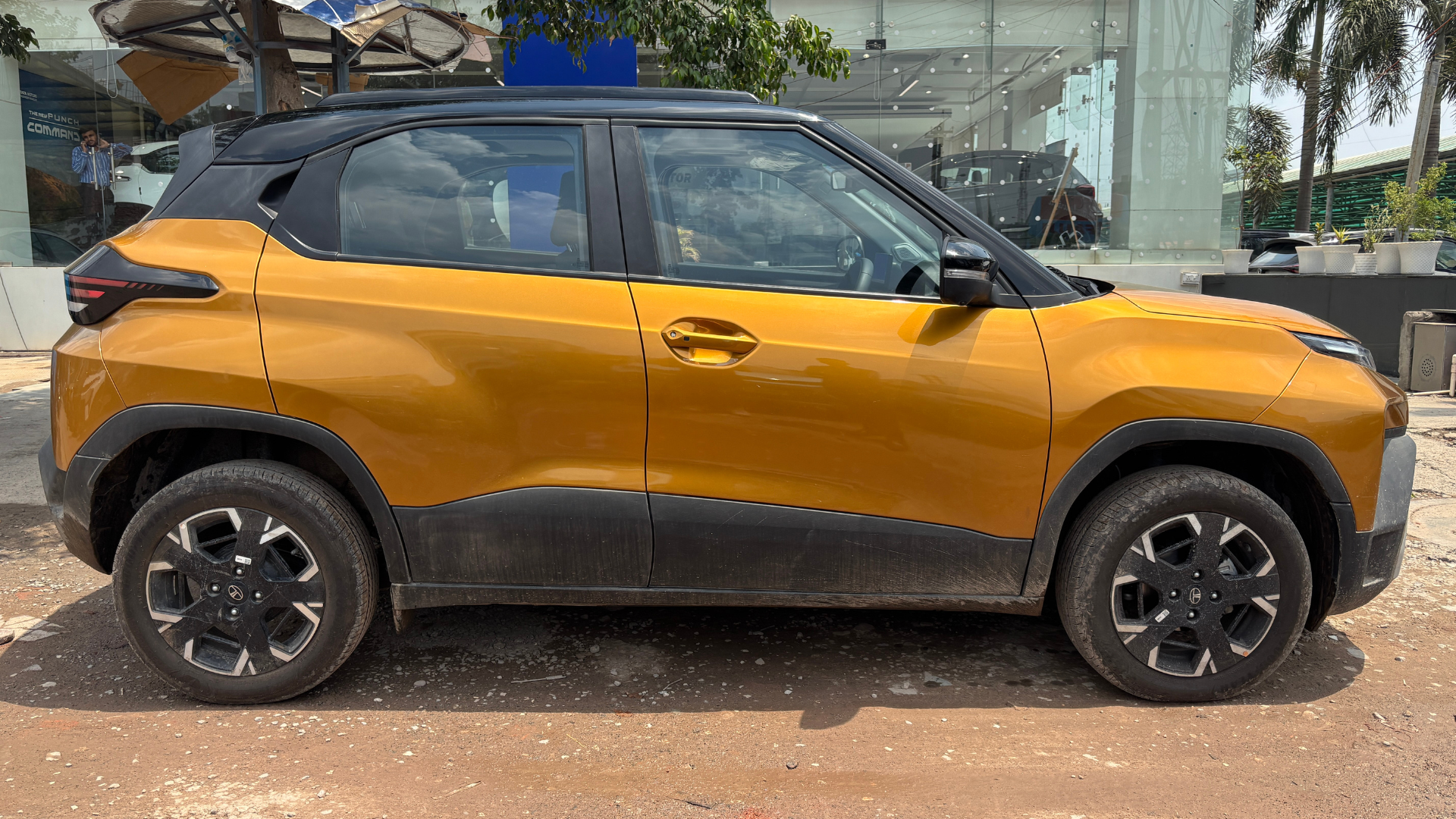
The side profile is essentially unchanged, which is fine because it never needed fixing. New 16-inch alloy wheels on the top variants are the only real difference.
Overall length has grown by a few centimetres, and ground clearance has crept up slightly to 193mm, which means rutted approaches, unmade roads and badly built speed breakers are simply not a consideration.
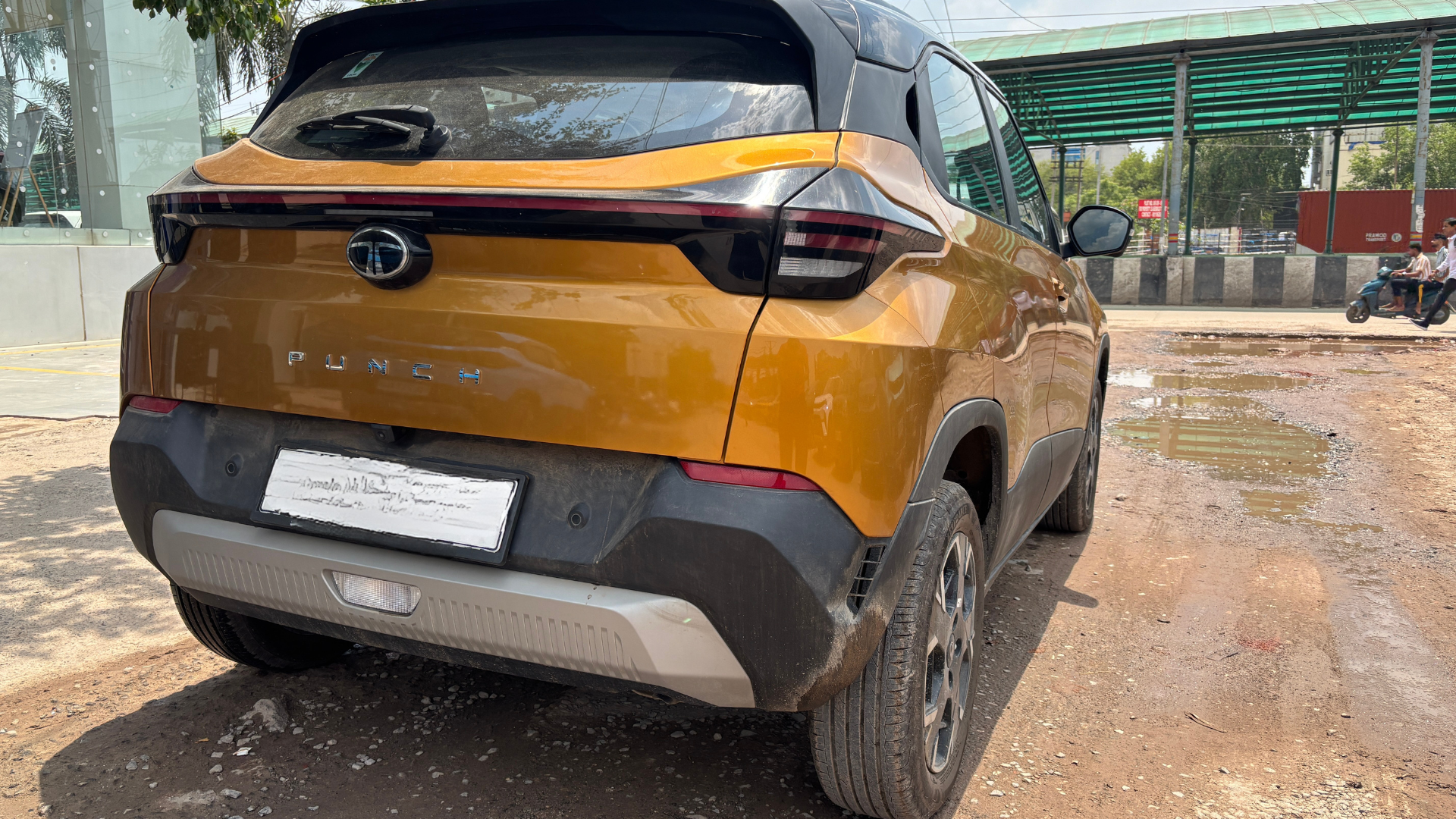
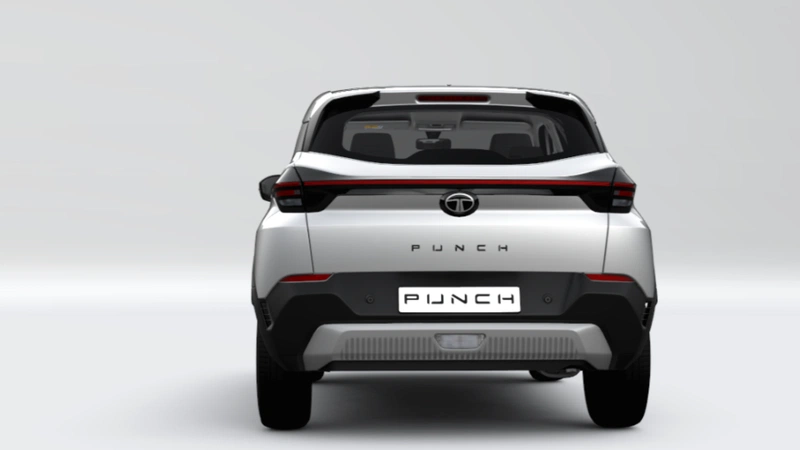
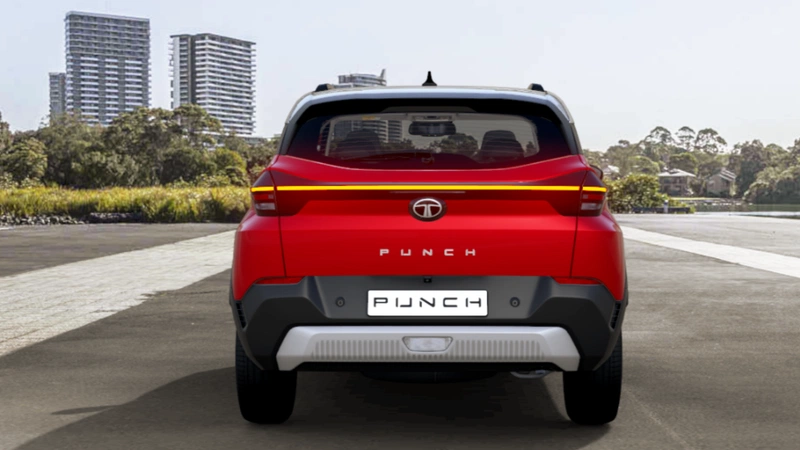
At the rear, connected LED tail lamps have been introduced, the bumper has been redesigned with silver inserts, a rear spoiler and shark fin antenna have been added, and the turbo variants carry their own badging. The reversing camera has been repositioned below the tailgate rather than sitting under the logo, which improves both the look and the camera angle.
What the Punch does better than almost anything at this price is look substantial. It has real presence for its footprint, sitting tall and square with a high bonnet line and chunky cladding. Parked next to the raised hatchbacks it competes against, it reads clearly as the more serious vehicle. Though, the cladding tends to collect dust quickly, especially visible on lighter colours.
Build quality supports that impression, with the dense, solid feel that Tata has made a competitive advantage, doors that shut with a reassuring thud and panels that do not flex under pressure.
Overall, the updated design ticks most of the right boxes.
safety
safety
| Features | Details |
|---|---|
| Standard | 6 airbags, ABS-EBD, ESP, Hill Hold & Descent Control, TPMS, ISOFIX mounts, rear parking sensors |
| Safety Rating | 5-star Bharat NCAP (Applicable across all variants) |
| Cameras | 360° camera, Blind View Monitor |
| Other | Auto headlamps, rain-sensing wipers |
This is where the Punch beats every other rival in its class, and it does so with published evidence rather than claims.
The pre-facelift Punch had received a five-star Global NCAP rating, and the current model continues being a benchmark. It achieved a five-star Bharat NCAP rating, scoring 30.58 out of 32 for adult occupant protection and 45 out of 49 for child occupant protection, which included a perfect 24 out of 24 in the child dynamic sub-test.
Standard safety equipment is impressive, with six airbags, ABS with EBD, ESC, hill hold and hill descent control, ISOFIX child seat mounts, TPMS, and three-point seatbelts for all occupants offered across the range.
Higher trims add a 360-degree camera, an auto-dimming interior mirror, and a blind view monitor that shows the adjacent lane when indicating.
Two shortcomings deserve mentioning. The centre rear passenger does not get an adjustable headrest, which is a genuine protection gap for the third person on the bench even though all three get proper three-point belts. Additionally, the blind-spot camera is mounted lower than ideal, which limits how much of the adjacent lane it actually shows.
competition
competition
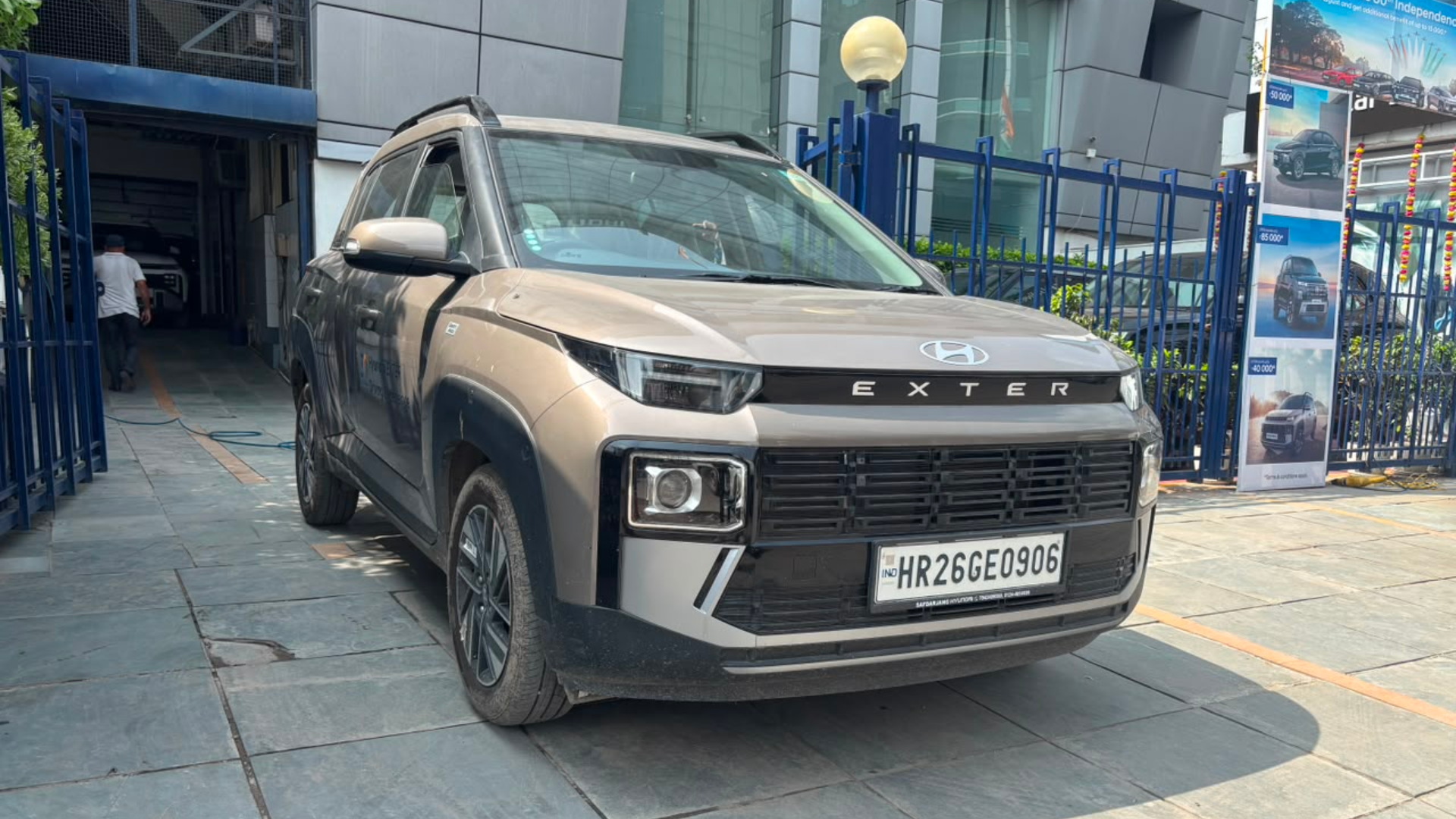
The Hyundai Exter is the Punch’s closest rival and the comparison is genuinely close.
It offers a smoother four-cylinder engine in a segment that has largely gone to three cylinders, a better-calibrated AMT, superior interior fit and finish, a larger 391-litre boot and Hyundai's more trouble-free dealer and service experience. It also has a factory CNG version with a clever dual-cylinder layout of its own.
What it lacks is a published crash rating, a turbo option, and the Punch's road presence and structural solidity.
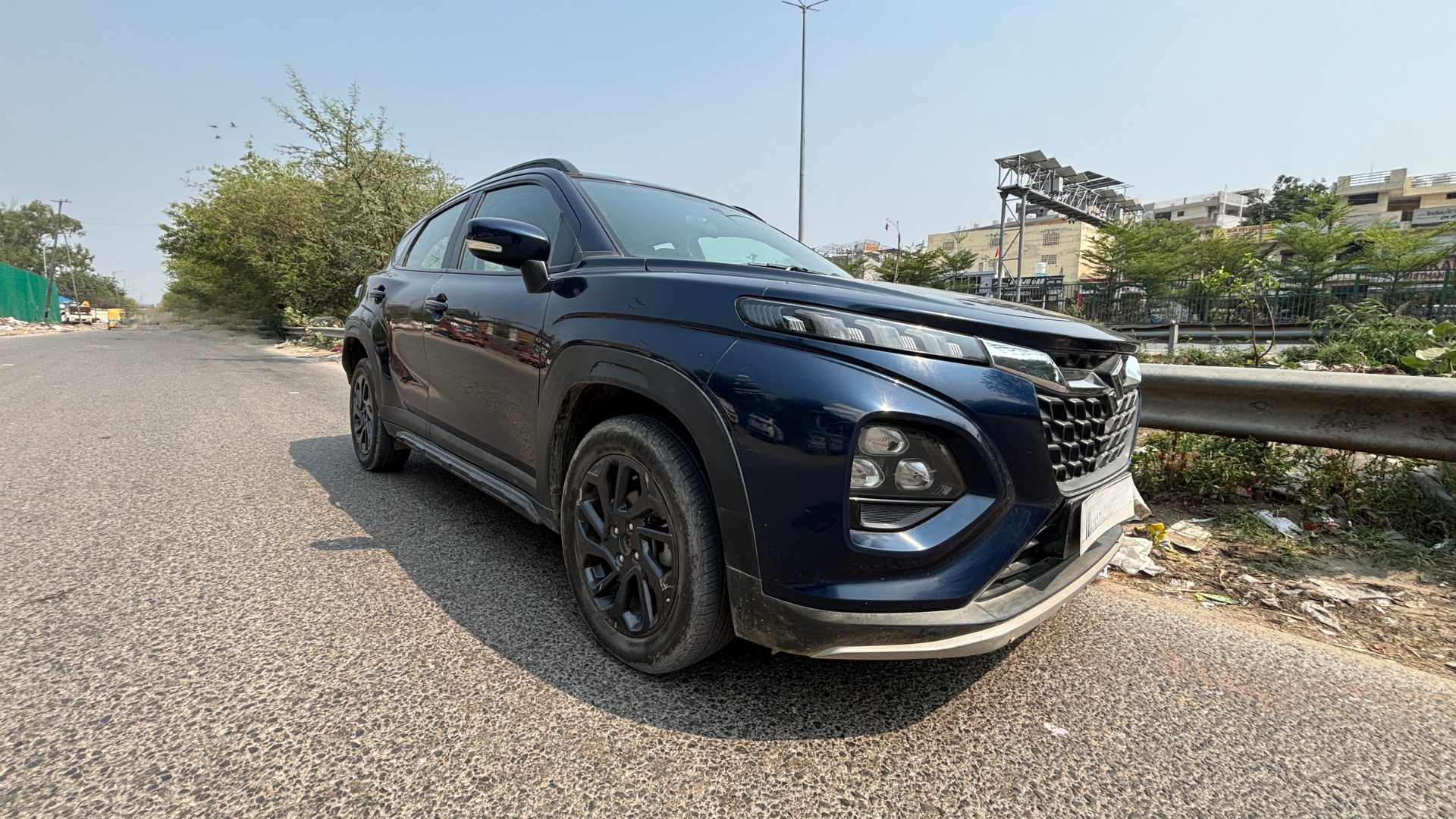
The Maruti Fronx sits a segment above on price and wins on running costs, resale values and service experience and network reach, which for many buyers is the argument that ends the discussion.
It offers its own turbo engine and a factory CNG option. Against the Punch, it is not as rugged for bad roads, offers a smaller boot, and carries no crash rating.
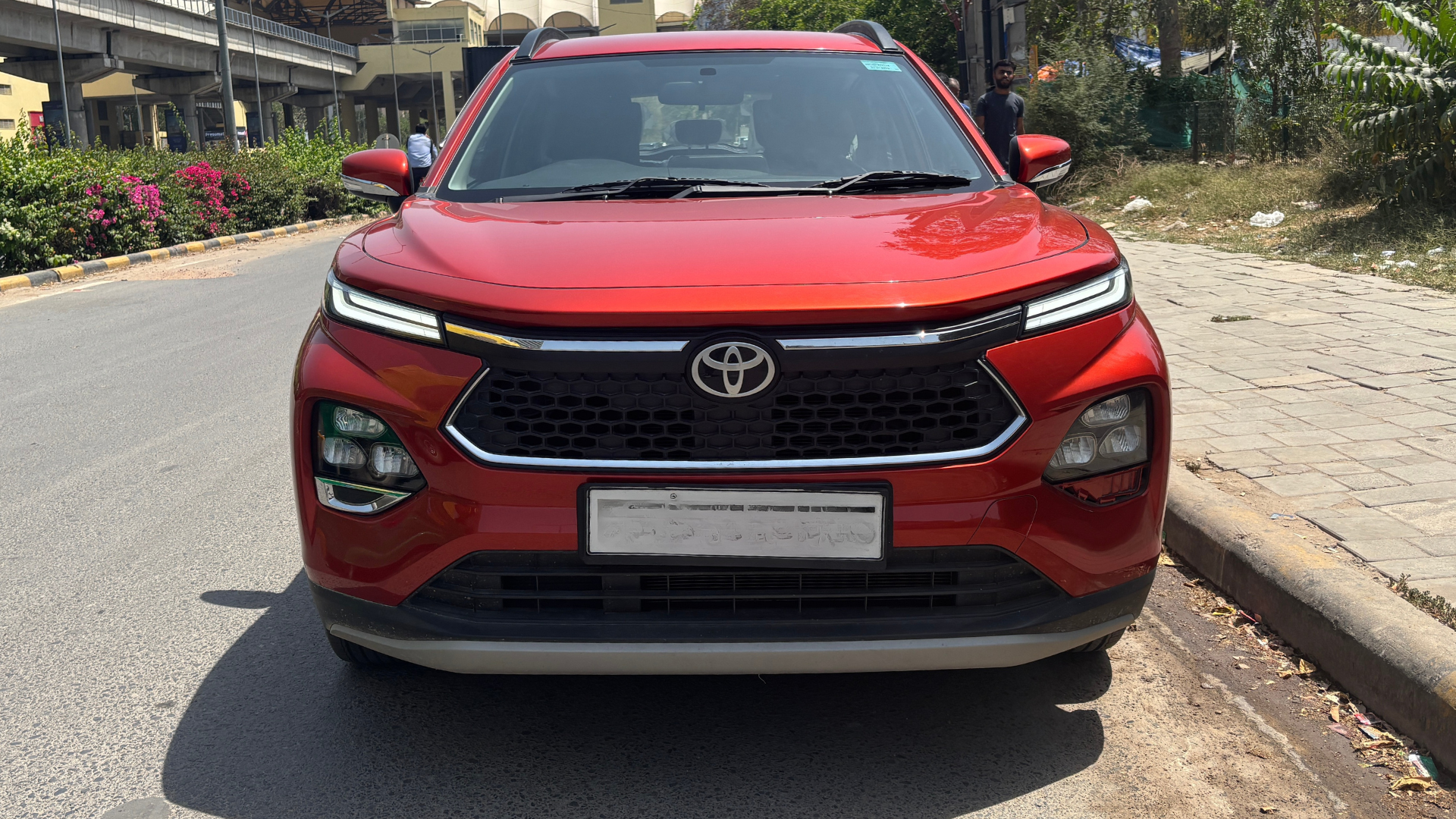
The Toyota Taisor is a rebadged version of the Fronx sold through Toyota's network with that brand's warranty and service reputation, so it is worth a look if the ownership experience matters more than the badge.
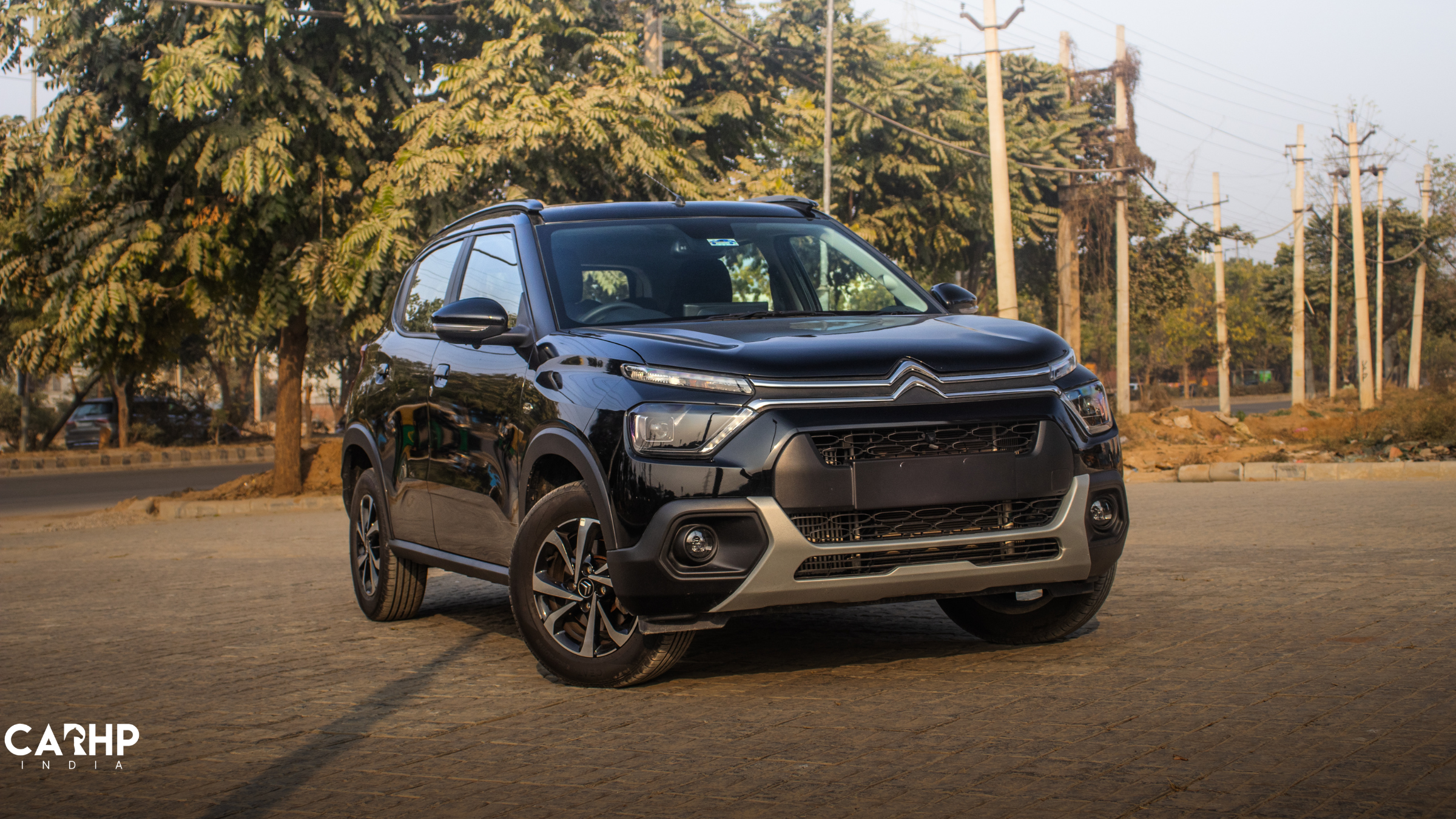
The Citroen C3 X is the enthusiast's alternative with a strong turbo-petrol and ride quality that ranks among the best at this price, arguably ahead of the Punch on low-speed absorption. It gives up equipment, interior quality, dealer network reach and resale certainty, which is a lot to give up for a first car.
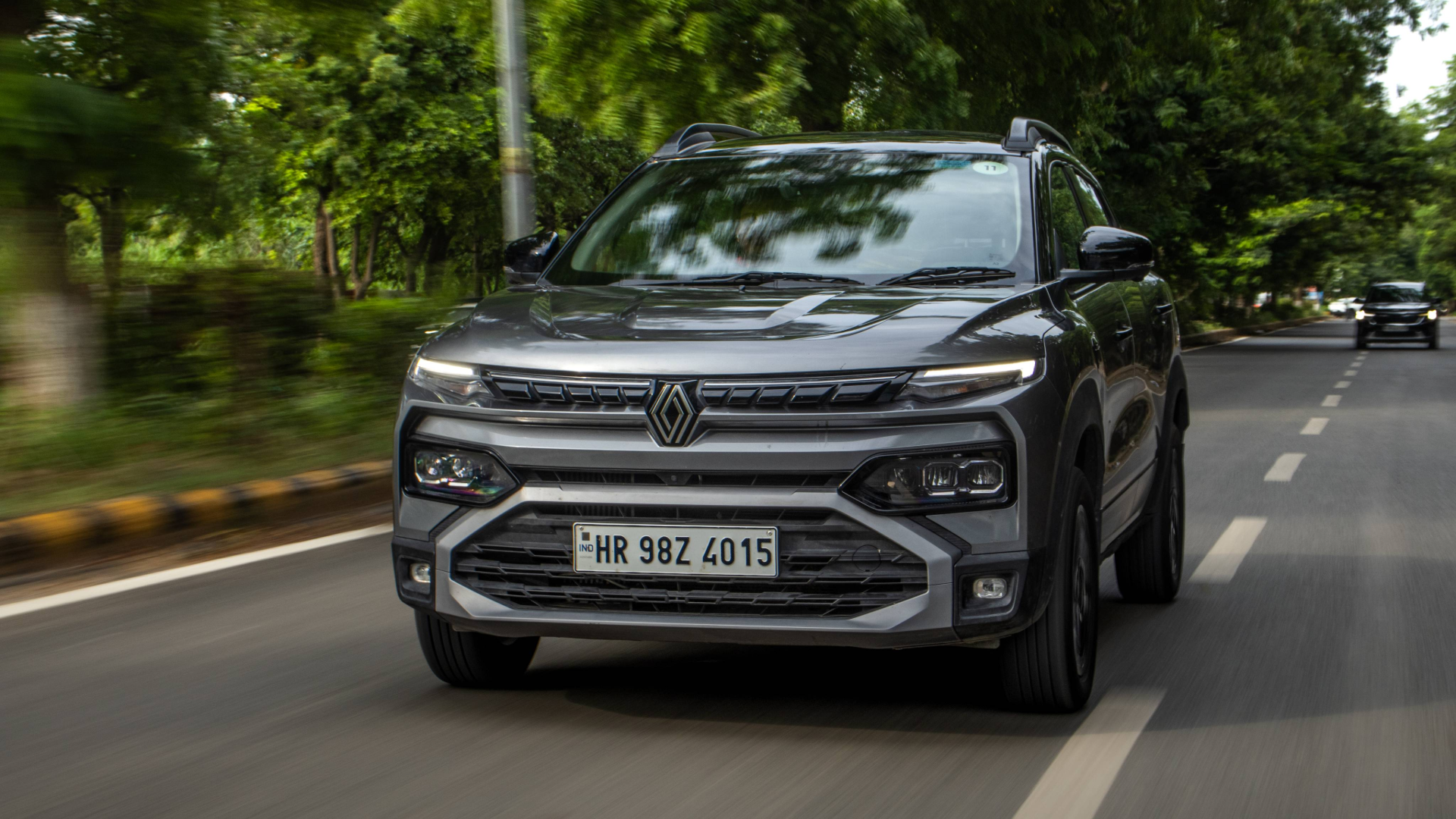
The Nissan Magnite and Renault Kiger both undercut this segment aggressively and offer turbo engines with automatic (CVT) options that the Punch cannot match, but their 1.0-litre naturally aspirated engines feel underpowered for the segment. Moreover, both cars feel a grade behind on cabin quality and structural solidity as well.
Finally, two other cars from Tata’s own showroom deserve consideration.
The Punch EV is much quicker, dramatically cheaper to run, almost equally practical, and makes real sense for an urban family with home charging and predictable daily distances.
The Nexon, one segment up, is where buyers of the top-end Punch trims should look before signing, since the price overlap is now substantial and the Nexon offers meaningfully more car for the money.
final verdict
final verdict
The updated Punch is the most complete micro SUV on sale in India, and the facelift has closed the one gap that used to give rivals an argument. The car now offers a genuinely quick engine option, a cabin that looks and feels a class above its price, a feature list that runs from a large touchscreen to a surround-view camera, a five-star safety rating, ride and handling quality that shames several larger cars, a usable boot in petrol form and a practical CNG option now with an automatic.
The weaknesses are real but mostly minor. The naturally aspirated engine remains uninspiring and is the version most people will end up buying. The turbo is offered only with a manual gearbox and in two trims, which excludes many buyers.
Tata's software and electrical niggles, along with the well-documented variability in dealer service quality, remain the standing reservation with this brand rather than a criticism of this model specifically.
The pricing at the top of the range needs thought. A fully loaded Punch now costs enough to bring lower variants of the larger Nexon into the conversation, and the Nexon offers more space, even superior ride quality, and a similar safety record.
Test drive both before deciding, because the extra money at that point is buying features rather than fundamentals.
On value, the middle of the ladder is the sweet spot. The Adventure trims carry the equipment that gets used daily without the premium the Accomplished variants demand.
For anyone who values driving, the turbo in the lower of its two trims is the enthusiast's pick and represents genuine performance value.
For a high-mileage urban buyer, the CNG AMT is the version that will save the most money over five years. The petrol AMT makes sense only if traffic dominates your week and you want the entire boot, since it costs both money and efficiency.
Buy the Punch if you want a small, safe and comfortable car that handles bad roads without complaint. Look elsewhere if you need generous rear-seat space for adults, want a smoother automatic, or if your Tata service experience (or those from your knowns) has given you reasons to doubt it.
Overall, for a first-time buyer or a family upgrading from a hatchback, the Punch remains a very hard to argue against.
Tata Punch News
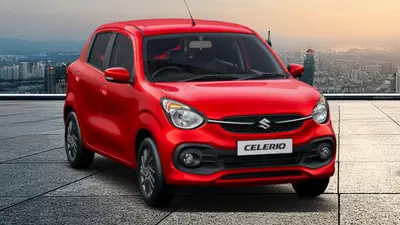
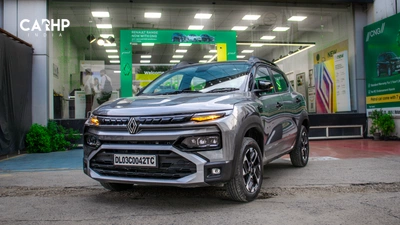
Most Affordable Cars With 360 Degree Camera Under 10 Lakhs
The 360 cam is one of the most in demand features that helps to increase your situational awareness when parking or while driving. Here is the full list of cars that offer a 360-degree camera under ₹10 lakh with variant names, prices, and what else you get alongside the camera.
Salil Kumar
October 15, 2026
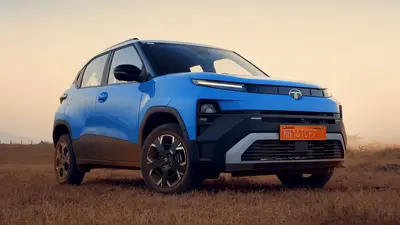
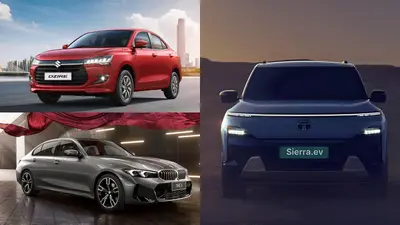
September 2026 Car Sales As Per Vahan
The car market saw an overall positive sales trend in September 2026. Mass market carmakers saw a slight increase, EV manufacturers grew significantly since the start of the year, and luxury carmakers recorded the best month out of the three.
Arjun Nair
October 1, 2026
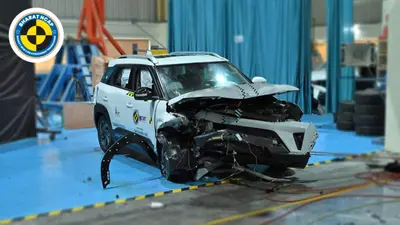
Bharat NCAP 2.0 Is Coming in October 2027 and It Will Test Far More Than Just Crash Safety
Gadkari confirmed Bharat NCAP 2.0 at the SIAM convention, kicking in October 2027. The new programme goes well beyond occupant protection, including pedestrian safety, crash avoidance, and post-crash response all come into the rating now.
Anmol Kumar
September 4, 2026
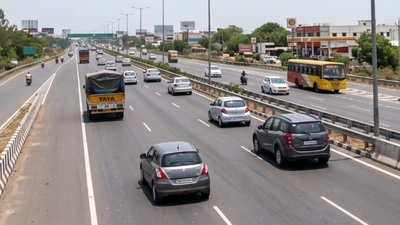
Govt Proposes 5-Year Extension in Age Limit for EV, Hydrogen and CNG Vehicles
The Centre has proposed extending the age limit for electric, hydrogen and CNG commercial vehicles by five years under draft motor vehicle rules. Read about the proposed age limits, national permits and other changes.
Salil Kumar
August 18, 2026
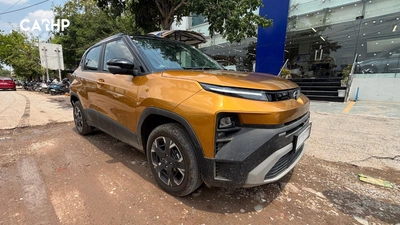
India Car Sales July 2026: Market Falls 3 Percent to 3.53 Lakh, Tata's EV Arm Posts Its Best Month of the Year
India's passenger vehicle market registered 3,53,043 units in July 2026, down 3.2 percent from June. Maruti accounted for most of the decline, while Tata's electric arm crossed 12,000 units for the first time this year. Here is the full breakdown by segment.
Anmol Kumar
August 1, 2026
Tata Punch FAQs
What are the engine specifications of the Tata Punch turbo petrol?
−The Punch's turbo petrol engine makes 118 bhp an 170 Nm of torque. It uses the same engine as the Nexon.
What is the safety rating of the Tata Punch?
+The Tata Punch achieved 5 stars in Bharat NCAP for both adult and child occupant protection.
Does Tata Punch CNG come with an automatic?
+Yes, the Punch offers an automatic (AMT) with CNG variants.
How much boot space does the Tata Punch have?
+Petrol variants of the Tata Punch offer about 366 litres of boot space, while CNG variants offer a decent 210 litres.
Does the Tata Punch get a sunroof?
+Yes, the Punch features a single-pane electric sunroof on trims with the 'S' suffix.