
Hyundai Exter
Overall Rating

Hyundai Exter
Overall Rating
EMI Loading
Hyundai Exter Key Specifications
Hyundai Exter Highlights
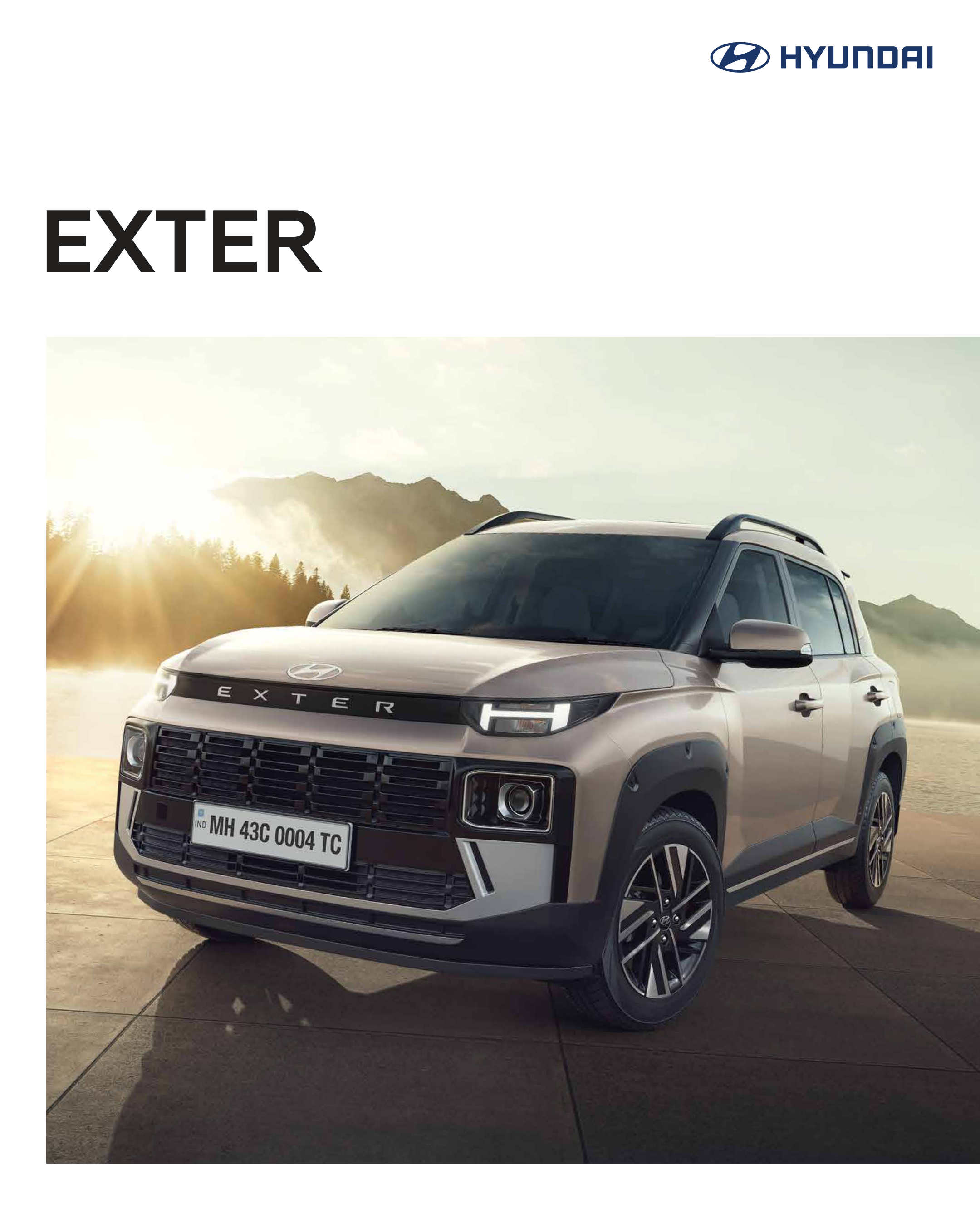
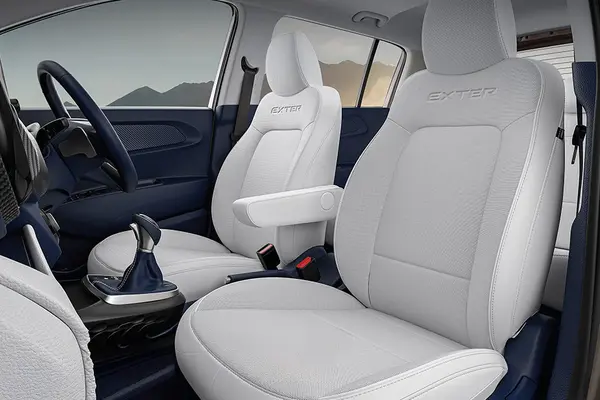
The front row now features a folding armrest for the driver.
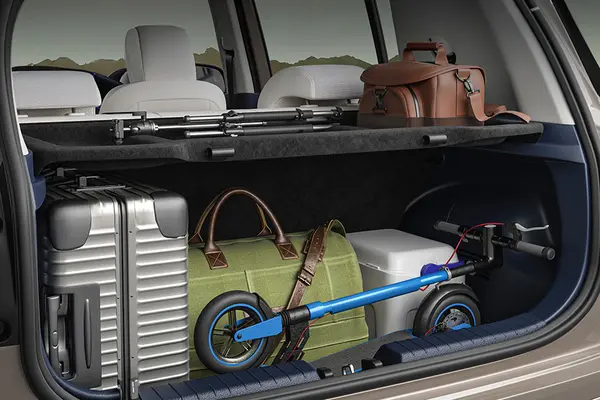
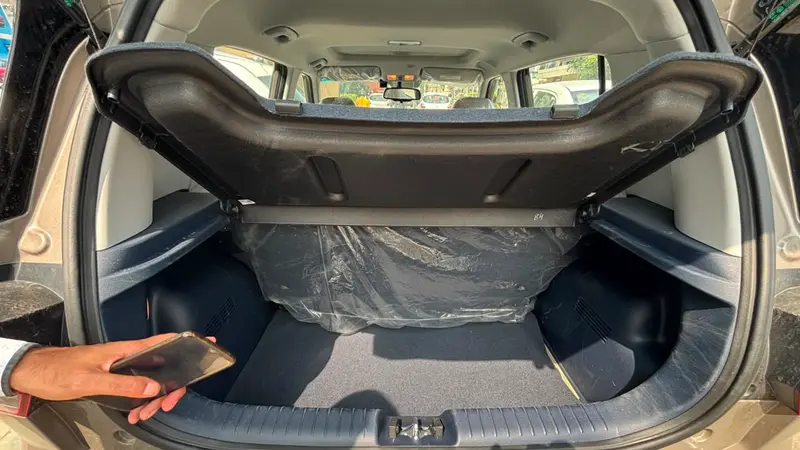
The Exter gets a boot space of 391 litres.
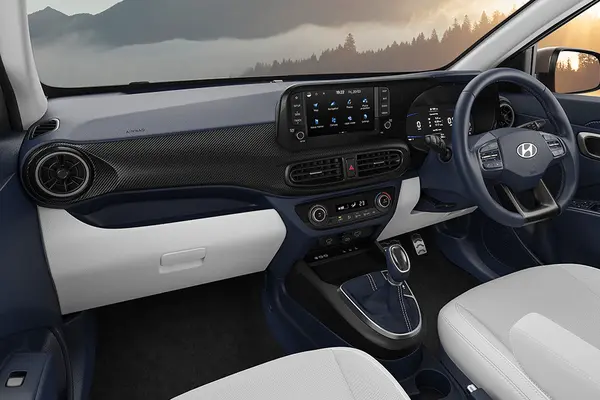
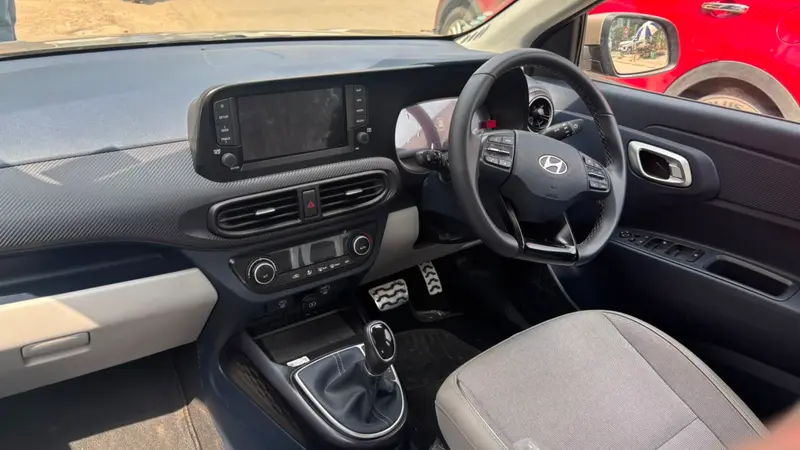
Its dashboard gets a dual-tone Navy Blue and Grey cabin theme with a 3D carbon-pattern.

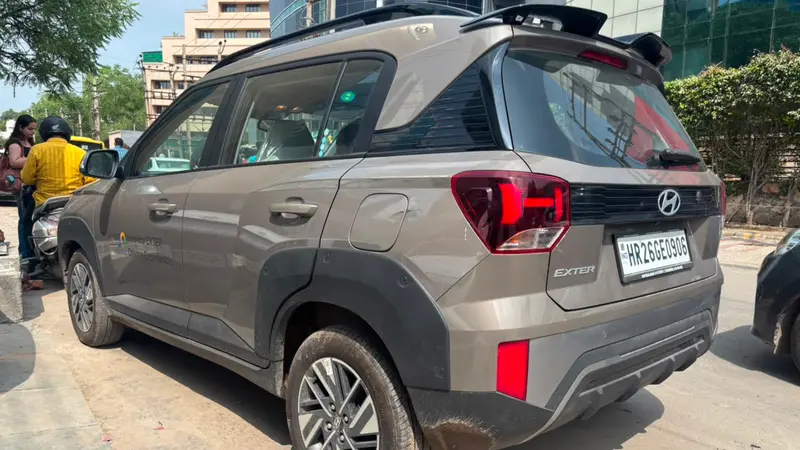
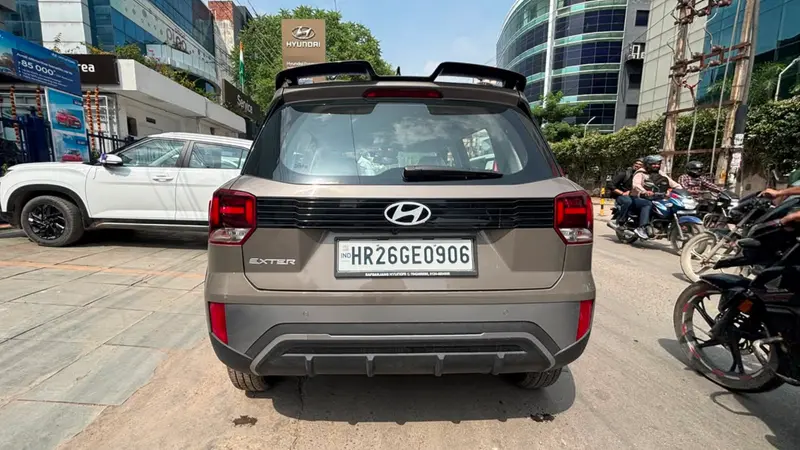
At the rear, it features a stylish new wing-type spoiler.
Hyundai Exter Overview

On paper, the Hyundai Exter, is a tall hatchback with plastic cladding and a raised ride height, sold at a price that a decade ago bought a plain small sedan.
The Exter is Hyundai's answer to those Indian families who are making their first jump from two wheels to four.
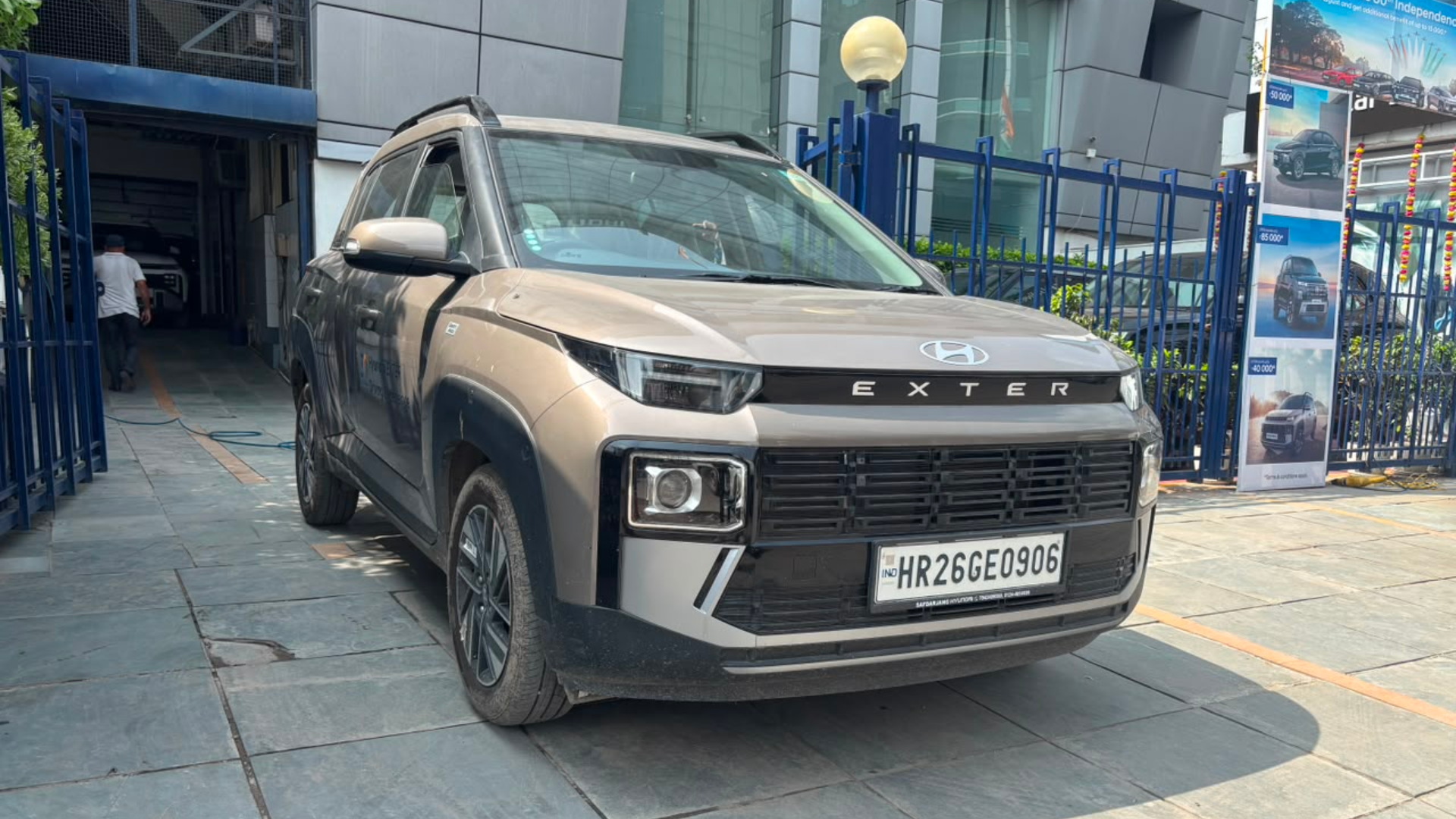
The car received a comprehensive mid-life update in the first half of 2026 and prices now start at around Rs 5.8 lakh and run to roughly Rs 9.6 lakh ex-showroom. Hyundai took the opportunity to rename the entire variant ladder, which now runs HX2, HX3, HX4, HX4 Plus, HX6, HX8 and HX10.
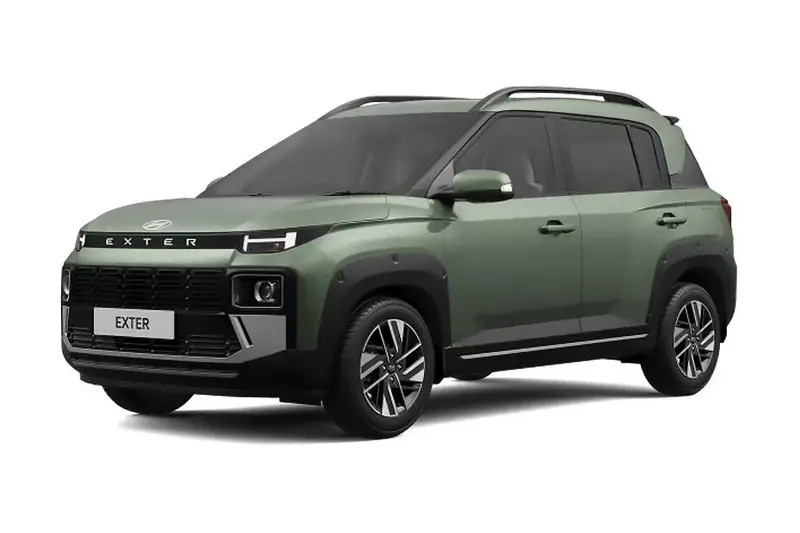
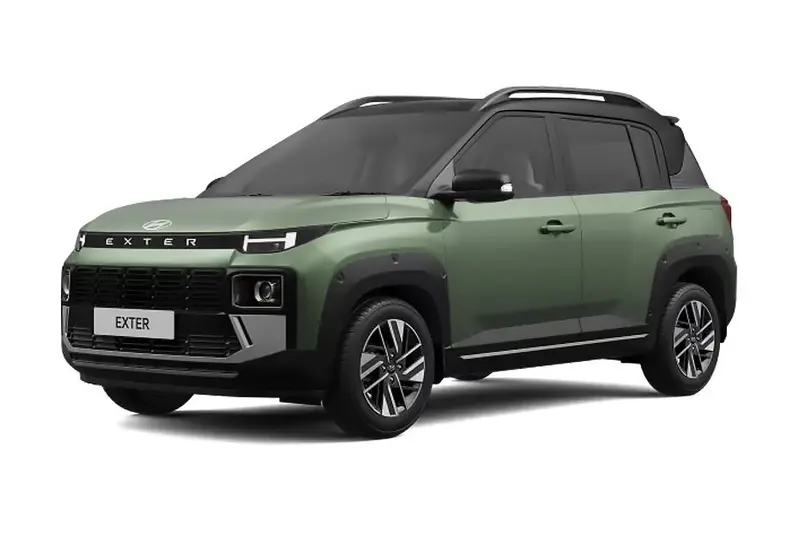
New dual-tone paint options have since been added across petrol manual, petrol automatic and CNG manual variants, widening the choice further.
Mechanically however, nothing has changed. The same 1.2-litre four-cylinder naturally aspirated petrol drives the front wheels through a five-speed manual or a five-speed automated manual with paddle shifters. A factory CNG version of the same engine is available with a dual-cylinder arrangement that preserves usable boot space, paired to the manual only.
We've also explained every Exter variant and compared it with the Tata Punch to help you make the right choice.
Engine and Performance
Engine and Performance
The 1.2-litre Kappa petrol is the quiet hero of this car as well as of Hyundai in India. Four cylinders at this price point are increasingly rare, with most rivals having moved down to three-cylinder units to save cost, and the refinement difference is obvious from the moment the engine starts.
There is no shudder at idle, no thrum through the pedals at low speeds and no coarse note when accelerating gently, and in a segment where engine noise is often the loudest reminder of what you paid, this matters more than the modest power figure suggests.
Driveability is the key word here. This is an engine that never needs to be worked hard to do ordinary things, and for a first-time driver or someone spending an hour a day in stop-start traffic, that predictability is worth more than peak output.
On the highway the picture is more honest. Performance is adequate rather than exciting, and the limitations show when the car is loaded. Two occupants and light luggage make cruising at 100kmph comfortable enough.
Add four adults and a full boot, point the car at an incline, and overtaking becomes something to plan rather than execute on impulse, with a downshift or two required to make meaningful progress.
The engine will rev willingly and does not sound strained doing it, but there is a ceiling to what a naturally aspirated 1.2 can do with a full load, and buyers who do regular highway runs with a family aboard should test drive it in exactly that condition rather than empty.
The five-speed manual is light and precise with a clutch that is easy on the left leg in traffic. The automated manual attached to the same engine is the more interesting choice and, importantly, one of the better-tuned examples of the type sold in India.
Hyundai's calibration has been smoother than most rivals managed to so far, but after the recently updated AMTs from Maruti Suzuki, the betterness-gap has shrunk down a little. It is still an automated manual, which means there is a distinct pause at each upshift and a head-nod if the throttle is held steady through the change, and the technique that fixes it is a slight lift of the accelerator as the shift happens, which becomes automatic after a few hundred kilometres. Paddle shifters allow manual control on descents and during overtakes, but do you really need paddle shifters in an entry-level machine?
Honest advice, nobody should buy this gearbox expecting torque converter smoothness. What they should expect is a clutch-free commute.
The CNG option deserves separate consideration because it changes the ownership maths entirely. Power drops noticeably in gas mode, so performance goes from adequate to modest and hill climbs with a full car require patience, but the running cost roughly halves and the dual-cylinder layout means the practicality penalty is far smaller than rivals impose.
For a high-mileage urban user doing 60+ kilometres a day, this variant pays for its premium within two years and keeps paying afterwards.
Efficiency across the range is a strong point. The petrol manual comfortably returns mid-teens in city conditions and close to twenty on a gentle highway run, the automated manual matches or slightly beats it because the gearbox shifts up earlier than most drivers would, and the CNG figures speak for themselves. The fuel tank is small, which means more frequent stops on a long drive than the efficiency numbers would suggest. Braking is one of the car's quiet strengths, with a firm, progressive pedal, good initial bite and enough stopping power to haul the car down from highway speeds without drama or fade, and owners upgrading from older small cars consistently rate the brakes as a revelation.
Ride and Handling
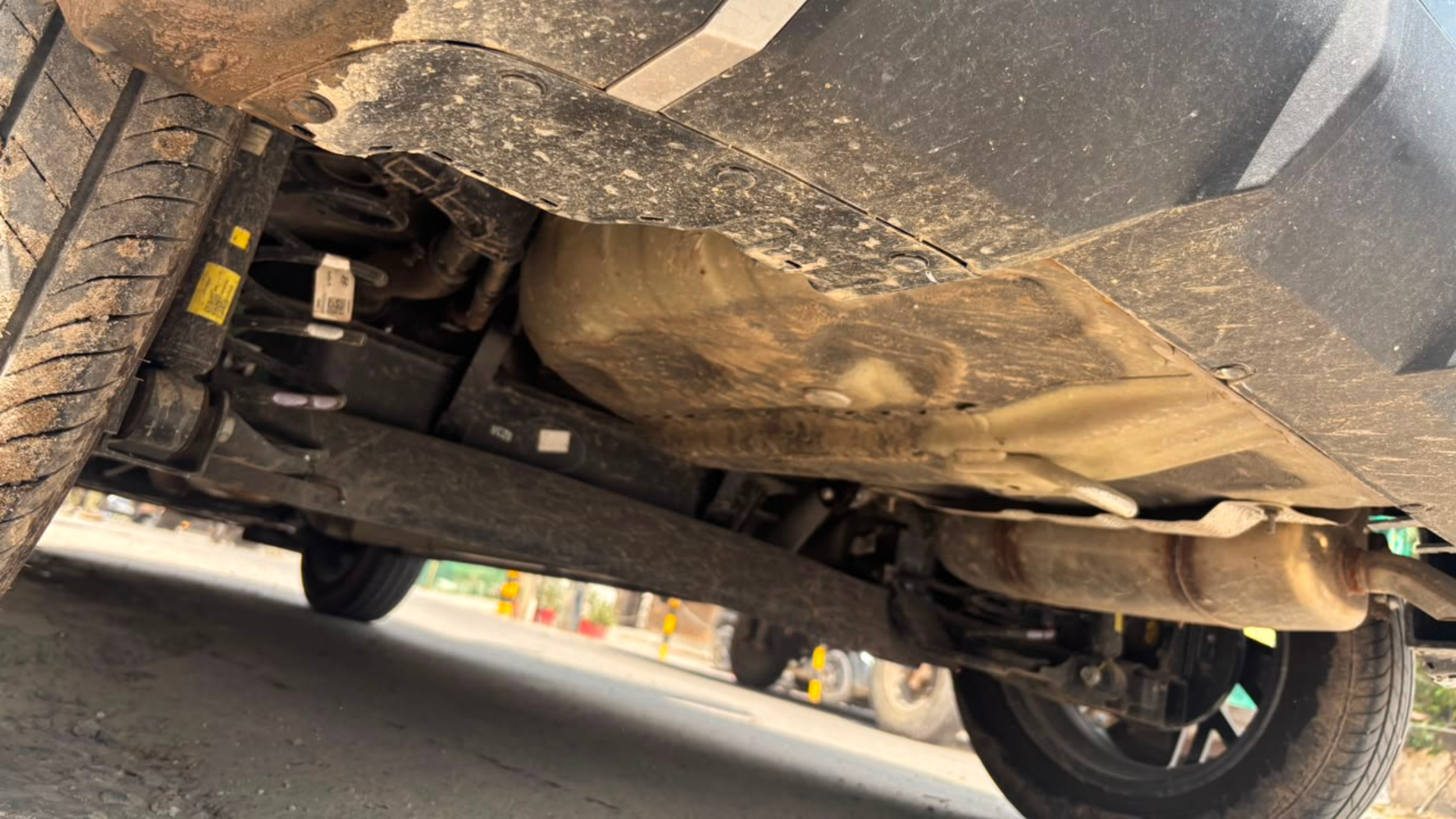
The suspension is conventional, with struts at the front and a coupled torsion beam at the rear, and Hyundai has tuned it towards absorption. For the roads this car will spend its life on, that was the correct decision.
At city speeds the ride is compliant and quiet. Small potholes, patched tarmac and the general low-grade roughness that defines most Indian roads are filtered out well, and the suspension does its work without the clonks and thuds that cheaper cars transmit into the cabin.
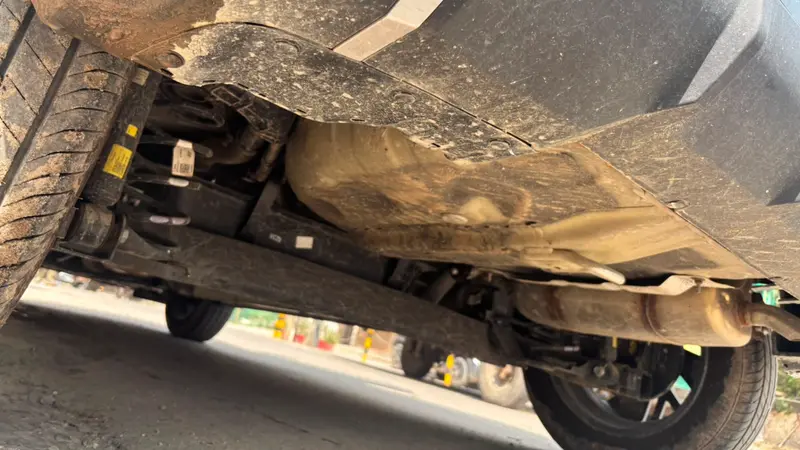
Speed breakers taken at sensible pace are absorbed cleanly, and the ride height means the underbody is never at risk on a badly built one. Sharp-edged potholes taken carelessly do register, and the relatively narrow tyres mean the impact is felt more than in a car with fatter rubber, but the car settles immediately rather than continuing to move.
High-speed stability is acceptable rather than exceptional, which is a fair description for a light, tall car with a short wheelbase. On a smooth expressway the Exter holds a line well and can cruise at three-figure speeds without feeling nervous, and owners regularly report long highway runs at high cruising speeds without complaint.
Crosswinds and the wake of passing trucks are felt inevitably more than in a heavier or lower car, and undulations produce more vertical movement than a longer-wheelbase vehicle would allow.
None of this rises to the level of a problem. It is simply the physics of the class, and the Exter manages it better than several of its direct rivals.
Handling is safe and undemanding rather than entertaining. The steering is very light at parking speeds, which is exactly what most buyers want, and it firms up modestly with speed while offering minimal feedback about what the front tyres are doing.
Body roll is present through corners and is controlled well enough for normal driving, and the narrow tyres give up grip earlier than an enthusiast would like. Pushed hard the car understeers predictably and safely, which is the correct behaviour for the buyer it serves, and nobody shopping in this segment should expect or want anything else.
Noise and vibration levels are good by class standards. The four-cylinder engine stays refined through most of its range, wind noise is acceptable at highway speeds, and tyre roar on coarse surfaces is the loudest intrusion.
fuel economy
fuel economy
The Exter facelift retains the same ARAI-certified fuel economy figures as the pre-facelift model, as there are no changes to the engine or powertrain specifications. For petrol variants, the manual transmission returns an ARAI-claimed mileage of 19.4 kmpl, while the automatic (AMT) transmission is rated at 19.2 kmpl.
Meanwhile, the factory-fitted CNG variant, equipped with a manual gearbox, delivers an ARAI-certified efficiency of 27.1 km/kg.
interior
interior
Talking about space, Hyundai's cabins have always been the brand's commercial weapon and the Exter is no exception.
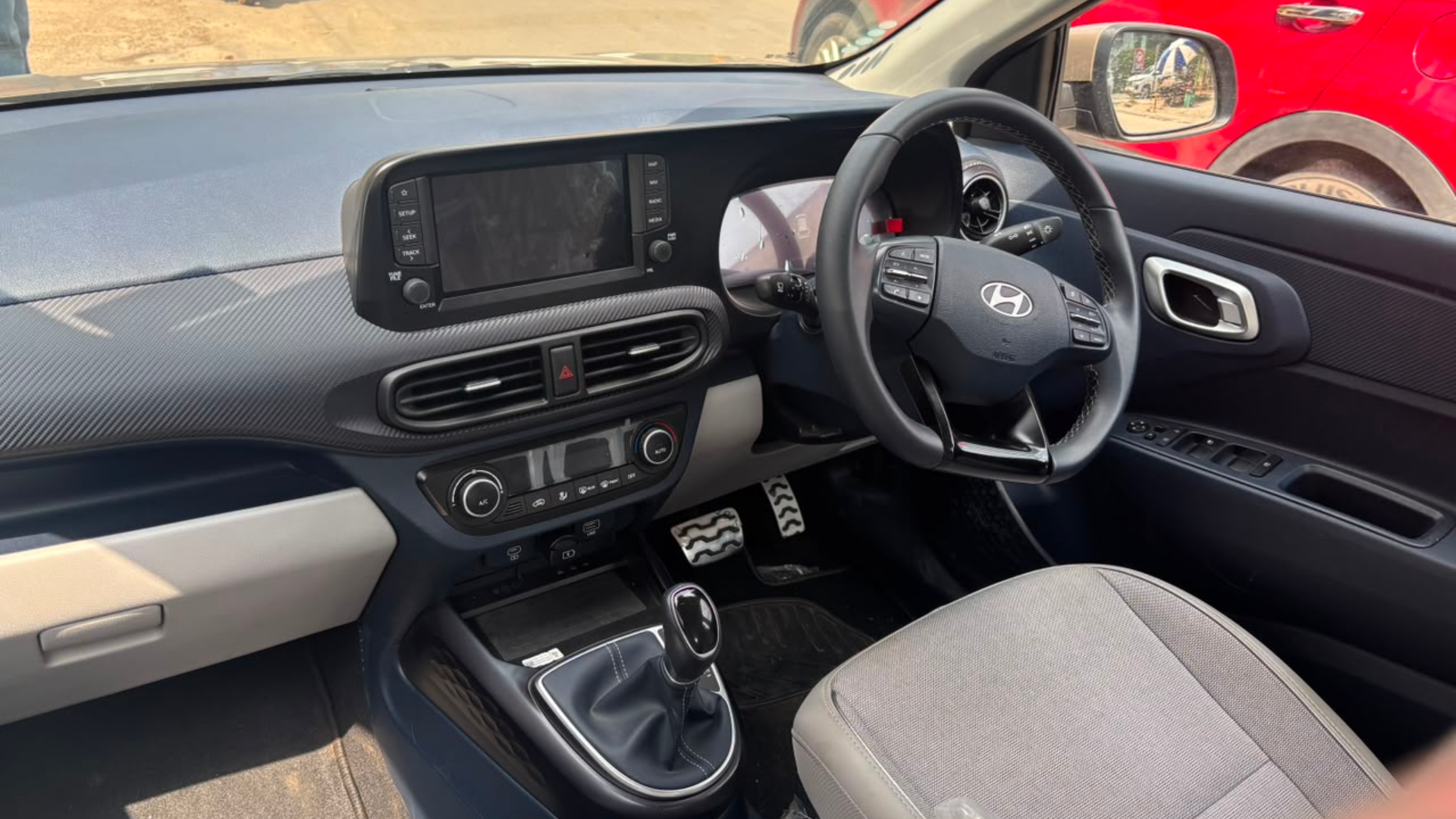
The dashboard is upright and simply organised, with a dual-screen arrangement placing the touchscreen and the instrument display side by side, slim air vents in the centre and a silver trim strip running across the passenger side.
Everything is exactly where our instinct expects it, the controls are light and precisely damped, and the ergonomics are close to faultless. A first-time car owner will be entirely comfortable in this cabin within ten minutes.
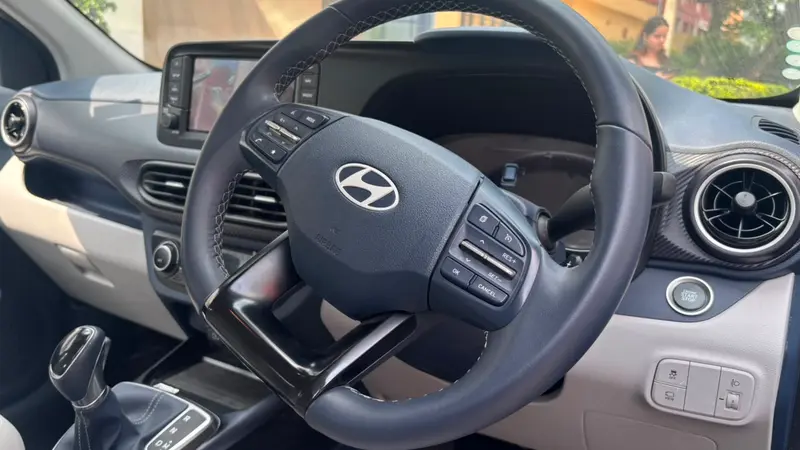
The facelift's most noticeable work happened here. The old car was available only with a dark interior, which drew consistent criticism for making a small cabin feel smaller hence, Hyundai has replaced it this time with a dual-tone navy blue and grey scheme that spreads colour across the dashboard and door panels and lifts the ambience considerably.
The three-dimensional carbon-pattern texture on the dash adds visual interest without looking cheap. The steering wheel is new, finished in blue to match, and the driver now gets a folding armrest.
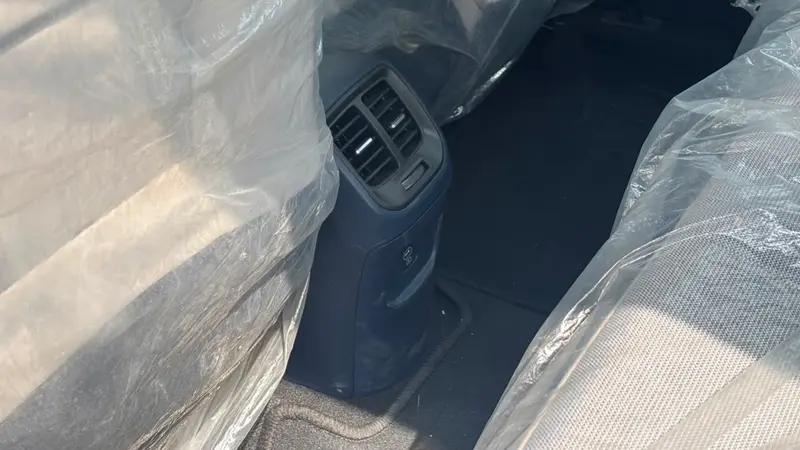
The rear passengers gain a USB-C charging point, and wireless smartphone mirroring has been added through an adapter arrangement.
The equipment list is generous for this end of the market and has been for some time. Higher variants carry a single-pane sunroof, keyless entry and go, automatic climate control, cruise control, a wireless charger, automatic headlamps, a height-adjustable driver's seat, rear air vents, connected car functions with remote operation through a phone app, multi-lingual voice commands and a factory-fitted dual-camera dashcam that records both the road ahead and the cabin.
That dashcam is unusual at any price and genuinely useful in a country where insurance disputes turn on who can prove what.
Space is where the car surprises people who judge it by its exterior dimensions. Front seat occupants have generous headroom thanks to the tallboy design, the driving position is set high enough to give a commanding view without feeling perched, and legroom is adequate for tall drivers.
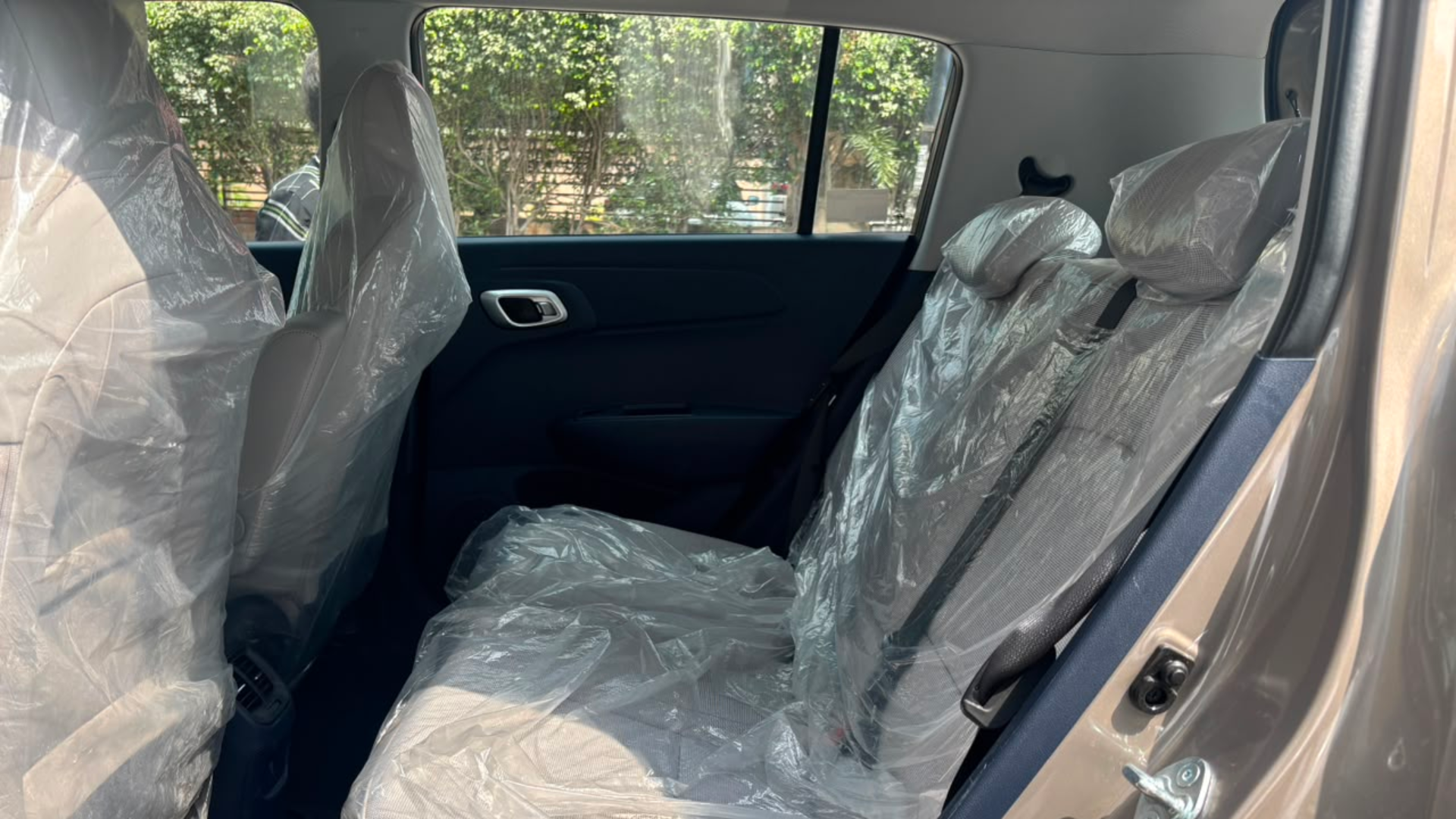
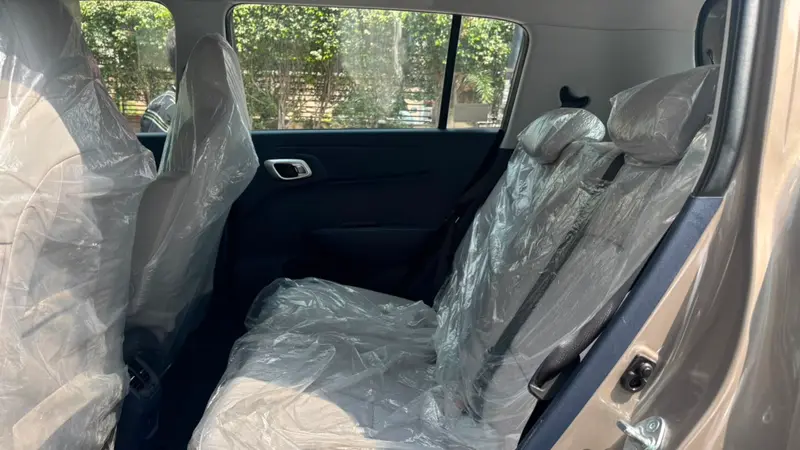
The rear bench offers legroom and headroom that feels “comfortable enough” to say the best. For two adults it is a genuinely comfortable place to spend two hours.
The 391-litre boot is among the largest in the class and swallows a small family's weekend luggage without argument, and the CNG version's dual-cylinder arrangement preserves a usable amount of that space rather than consuming it entirely with a big tank.
The rear seat cushion sits low, so under-thigh support for taller passengers is average and legs end up slightly raised on long journeys. There is no 60:40 split for the rear backrest. A rear centre armrest is absent.
The four-speaker audio system is adequate for podcasts and poor for music, and rivals at this price offer noticeably better sound. Material quality is good for the segment but the plastics are hard almost everywhere, which is normal at this price.
exterior
exterior
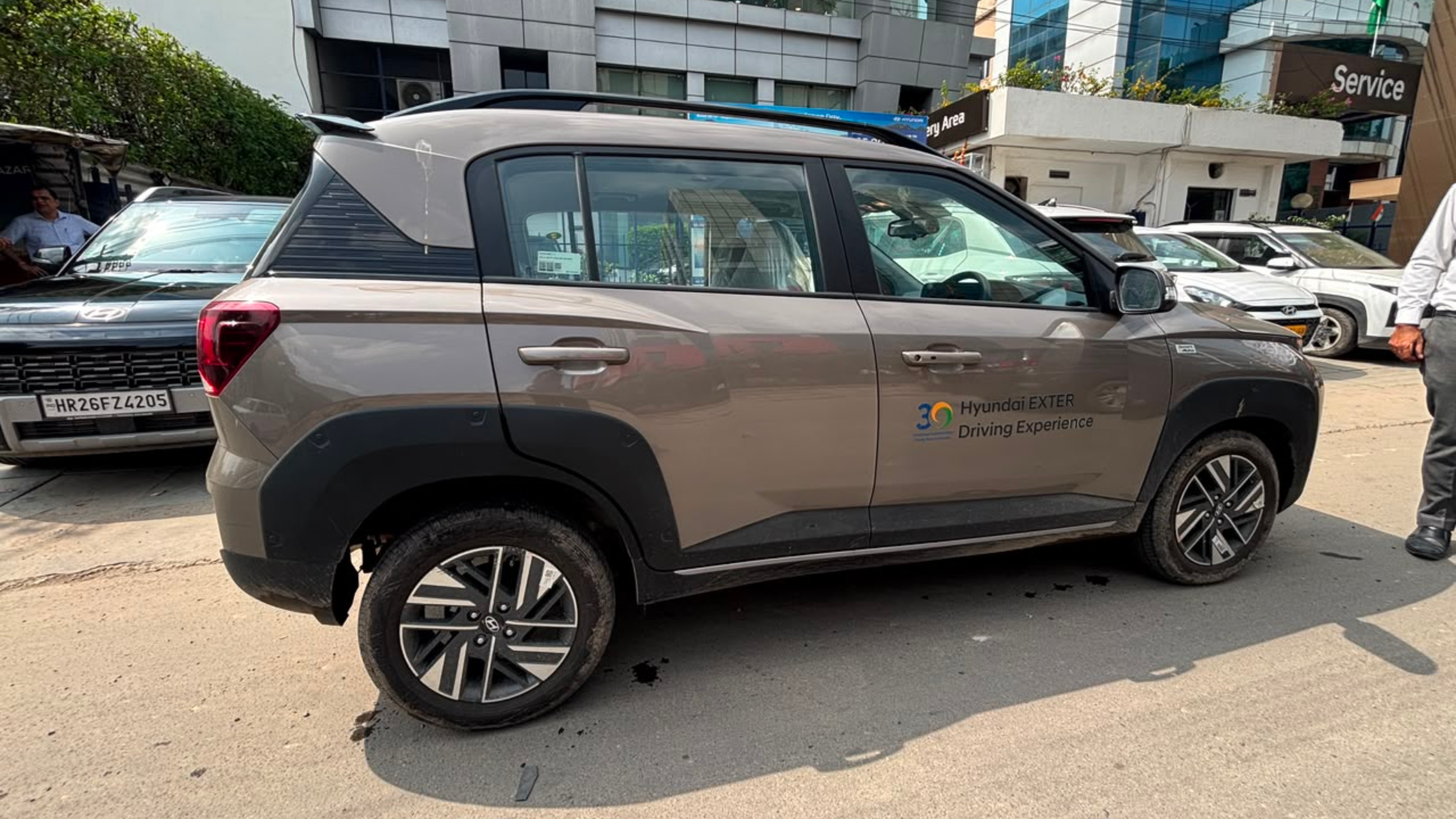
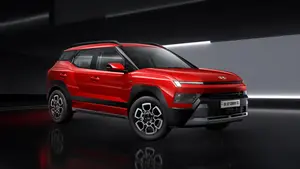
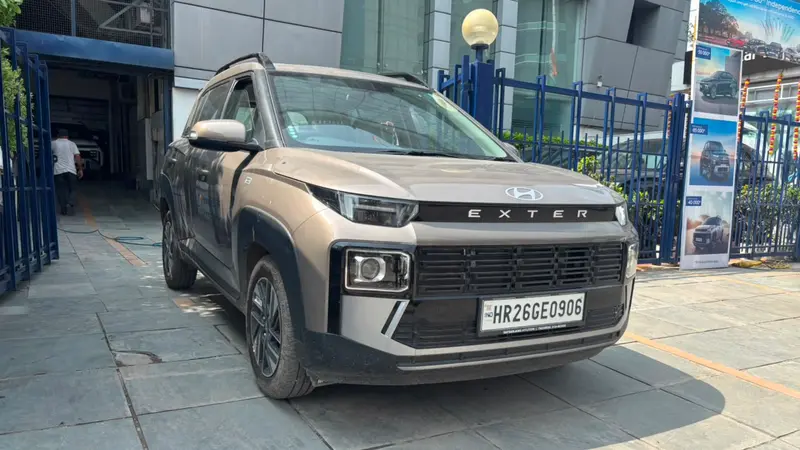
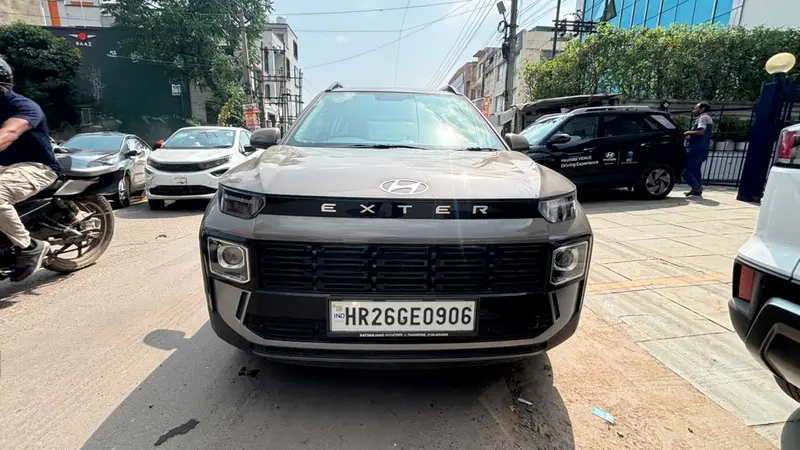
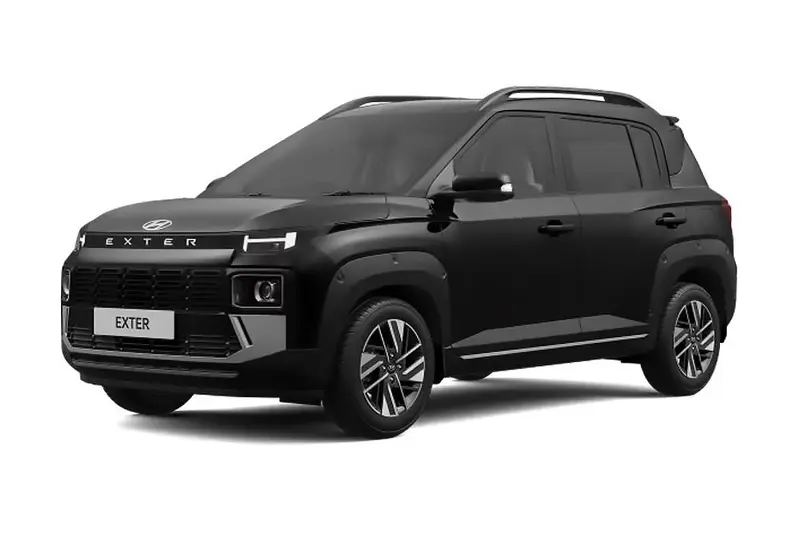
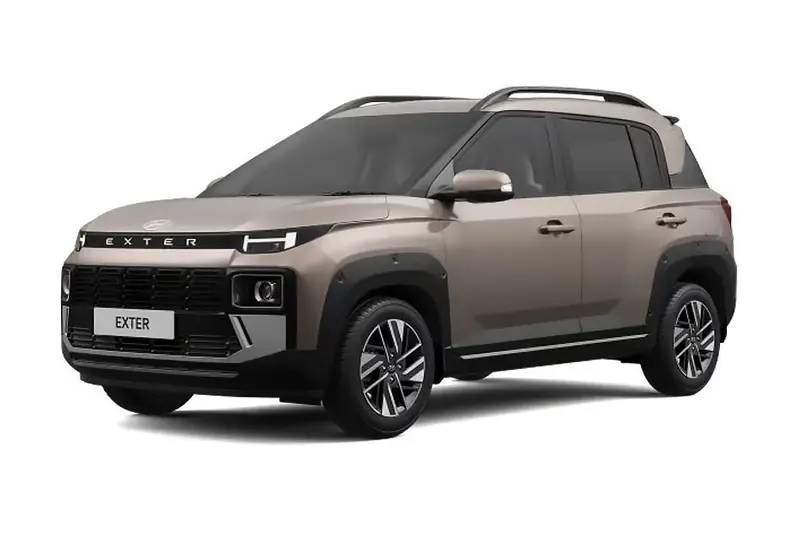
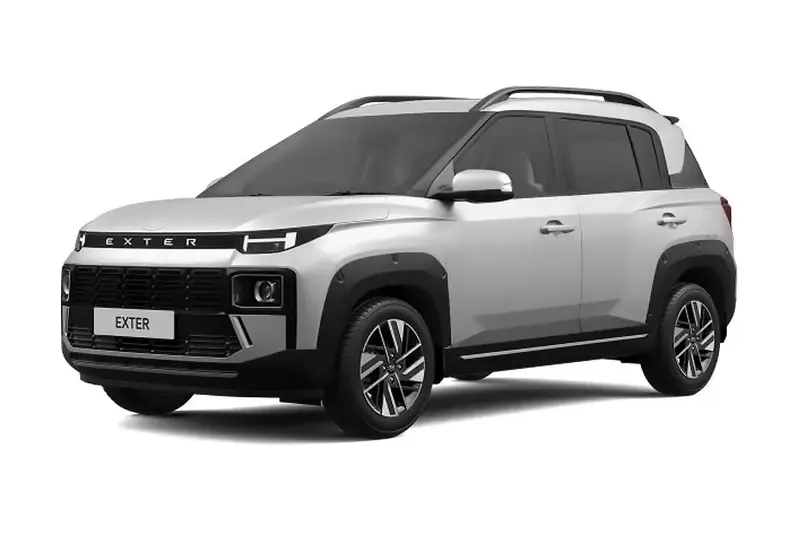
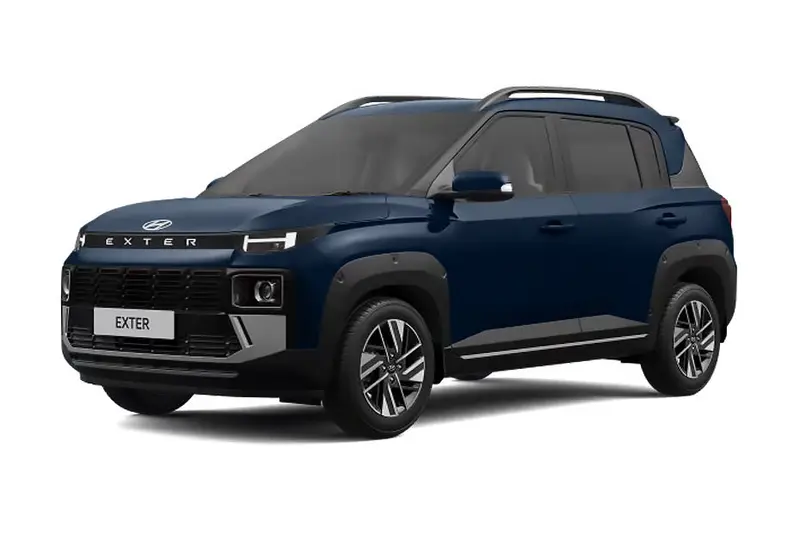
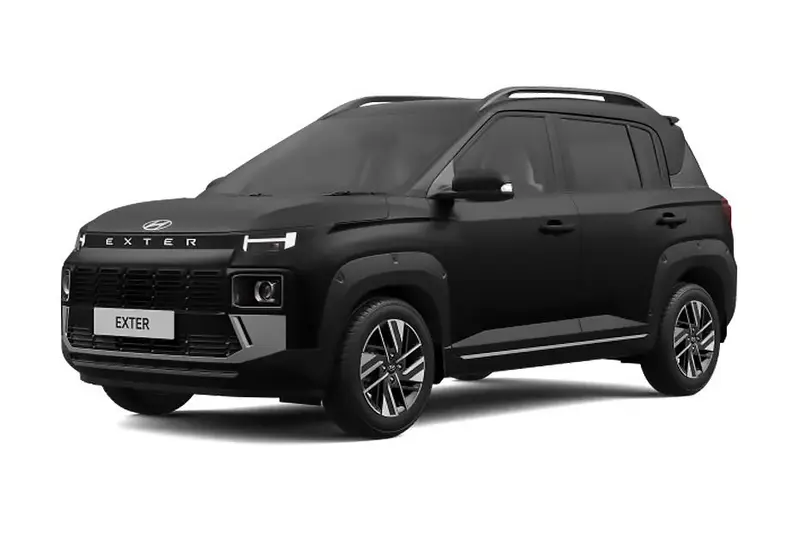
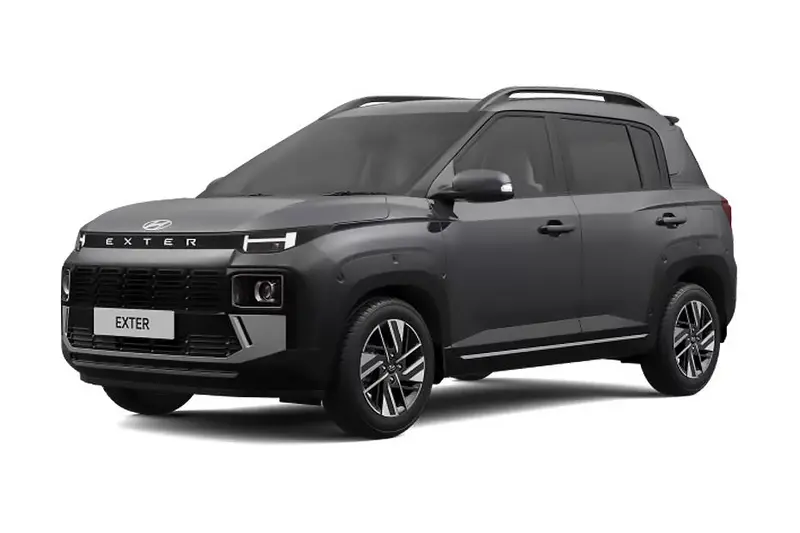
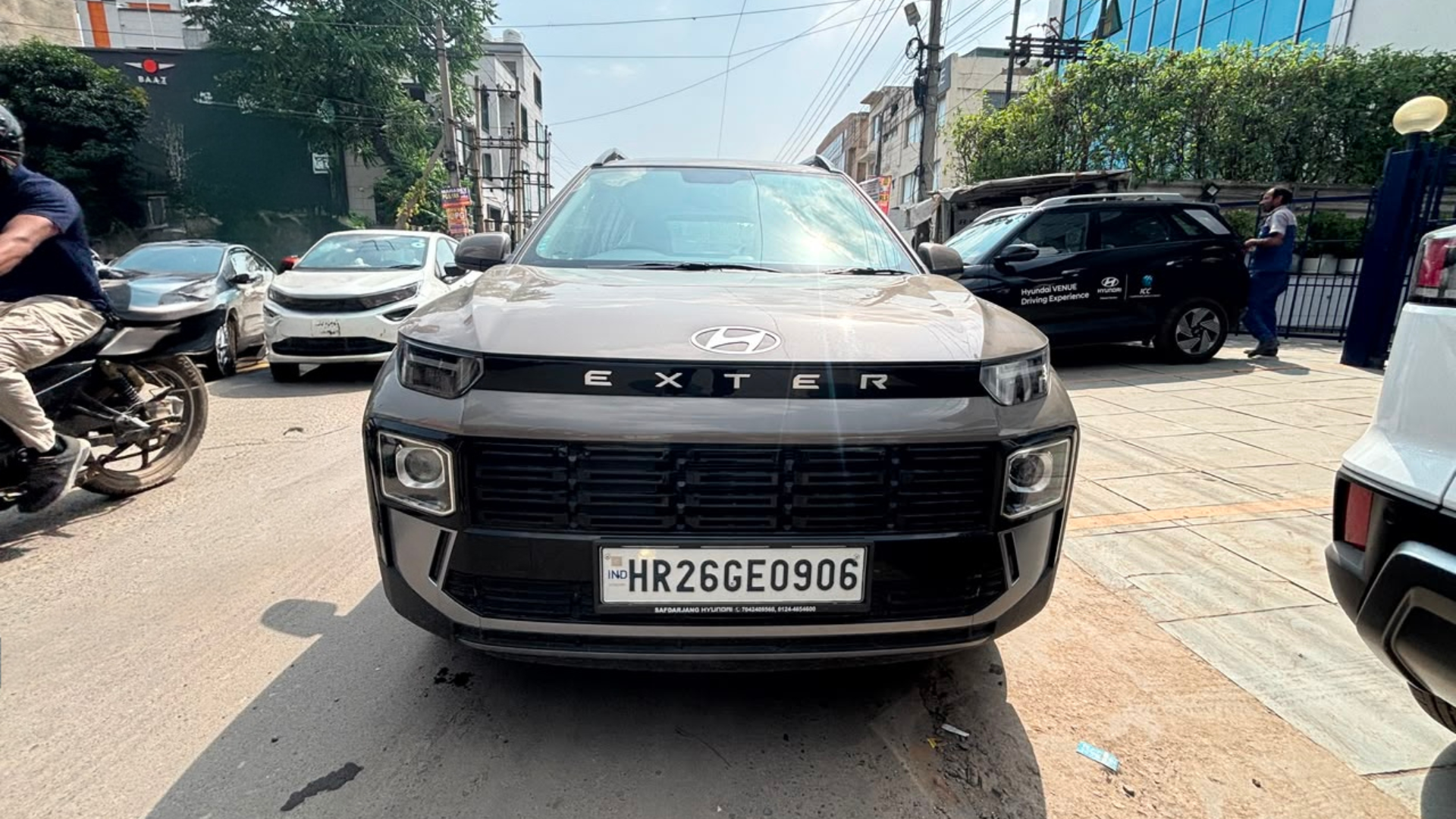
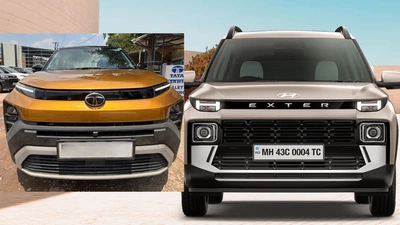
The Hyundai Exter has always looked like it was designed by people who were told to make a small car look interesting. The face is built around the signature H-shaped LED daytime running lamps stacked above the main headlamp units, connected by a black strip that now carries the model name in raised lettering.
It is a distinctive setup that reads clearly at night and from a distance, and it is the single element that makes this car identifiable from two hundred metres in a way that most cars at this price never manage.
The facelift worked on the details rather than the shape. The front bumper is new, with a slim silver accent running across it and a reworked grille carrying gloss black detailing that tightens up an area.
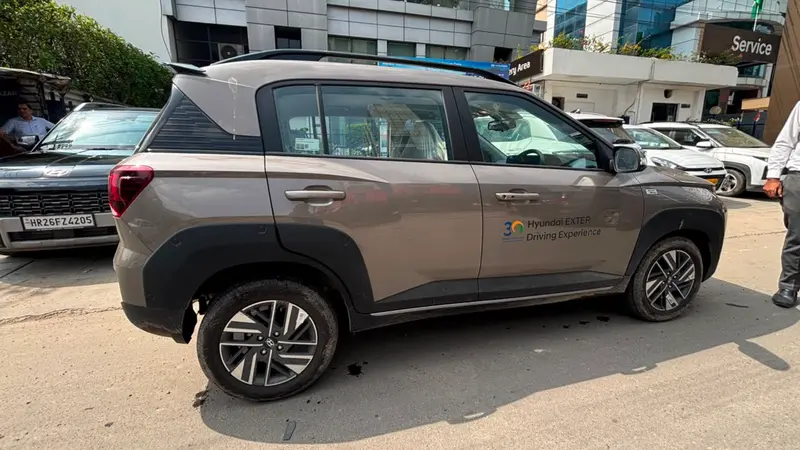
The 15-inch alloy wheels have a new design, the rear picks up a wing-type spoiler that adds a bit of visual interest to what was a flat, upright tail, and the colour palette has been refreshed with new shades including dual-tone combinations across most powertrains.
Park the old and new cars side by side and the differences take a moment to register, which is the honest assessment.
Whether the styling works is genuinely a matter of taste, and the split is real. The car is heavily creased for its size, with cuts and character lines running across almost every panel, and some of them exist because a designer wanted to fill space.
From the front three-quarters, it looks purposeful and modern. Check it from the side; it looks like a tall-boxy hatchback wearing cladding. The boxy proportions do at least deliver a genuinely upright stance, and the flat roof and squared-off tail mean it reads as an SUV shape rather than a rounded crossover, which is what most buyers want.
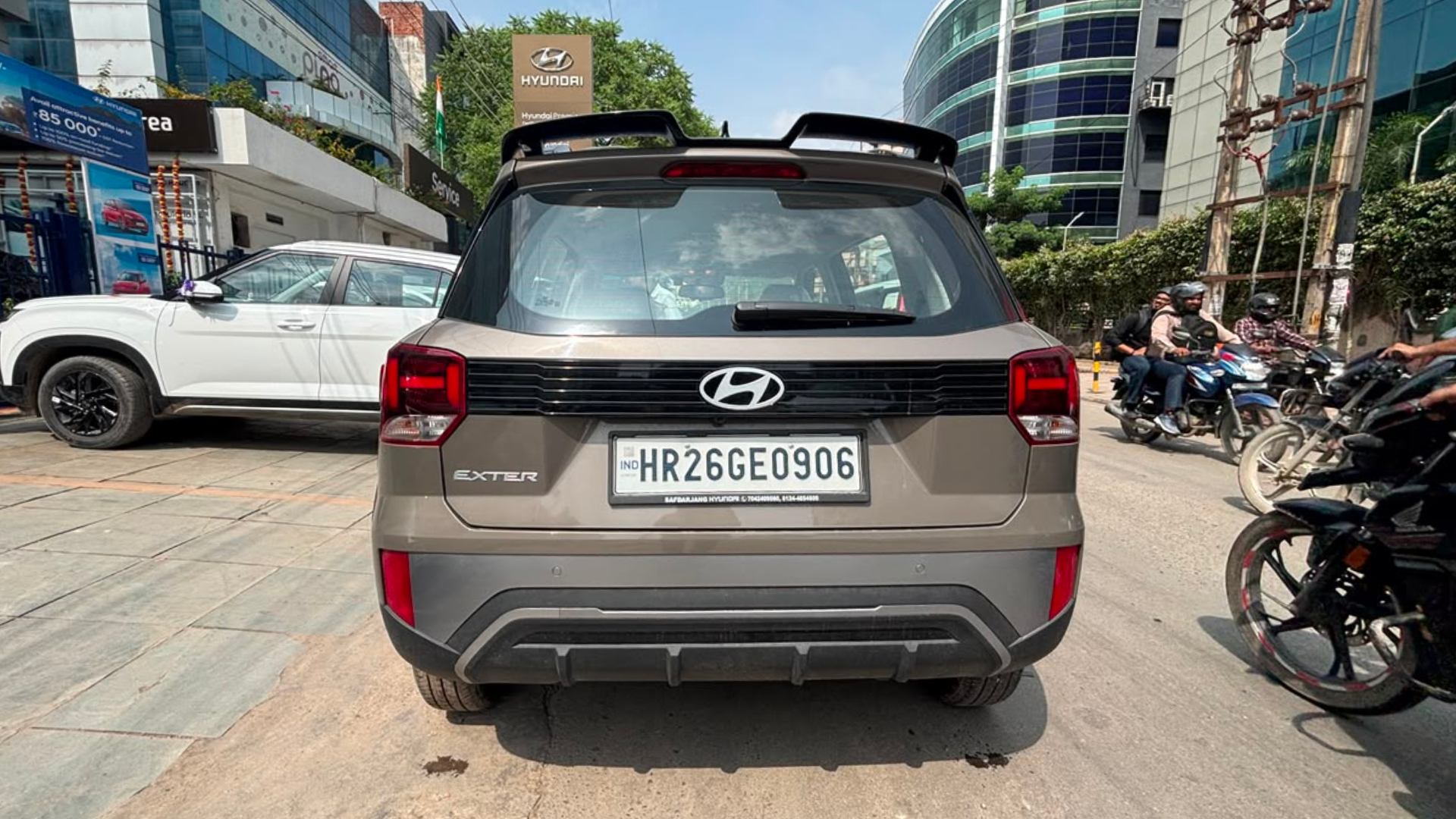
What the design cannot overcome is size. This is a small car, and no amount of clever lighting gives it the road presence of the larger sub-four-metre alternatives parked next to it in a showroom.
Build quality is a genuine strength and among the best in the segment. Panel gaps are tight and consistent, the doors shut with a solidity that undercuts the price, and the paint finish has an evenness that budget cars like these often miss.
Practically, the exterior serves its buyer well. The tall, upright body means the door apertures are large and the sill height is low, so older passengers step in rather than climb, which matters enormously in a family car that will carry parents and grandparents.
Visibility in every direction is excellent, helped by a deep glasshouse and a squared-off bonnet whose corners are easy to place, and the compact footprint makes parking in a crowded market lane genuinely stress-free.
Ground clearance is sufficient for city speed breakers and unmade approach roads. The one weakness is at the back, where the load lip is set high enough that heavy items have to be lifted over it rather than slid in.
safety
safety
6 airbags are standard on every variant. Alongside this, comes electronic stability control, vehicle stability management, hill start assist, ABS with electronic brakeforce distribution, a tyre pressure monitoring system, ISOFIX child seat mounts, three-point seatbelts for all five occupants, an emergency stop signal that flashes the hazards under hard braking, rear parking sensors with a camera, and an emergency call function through the connected car system.
The dual-camera dashcam fitted to higher variants deserves specific mention in a safety context. It records both the road ahead and the cabin, and having a verifiable record is a practical protection in a country like ours.
Similarly, the excellent all-round visibility, the strong brakes and the predictable handling all reduce the probability of an incident occurring at all, which is the part of safety that feature lists never capture.
The gap in the story is structural certification. Neither Bharat NCAP nor Global NCAP has published a crash result for this car, so buyers who treat a star rating as a hard filter have nothing official to point at.
competition
competition
Tata Punch
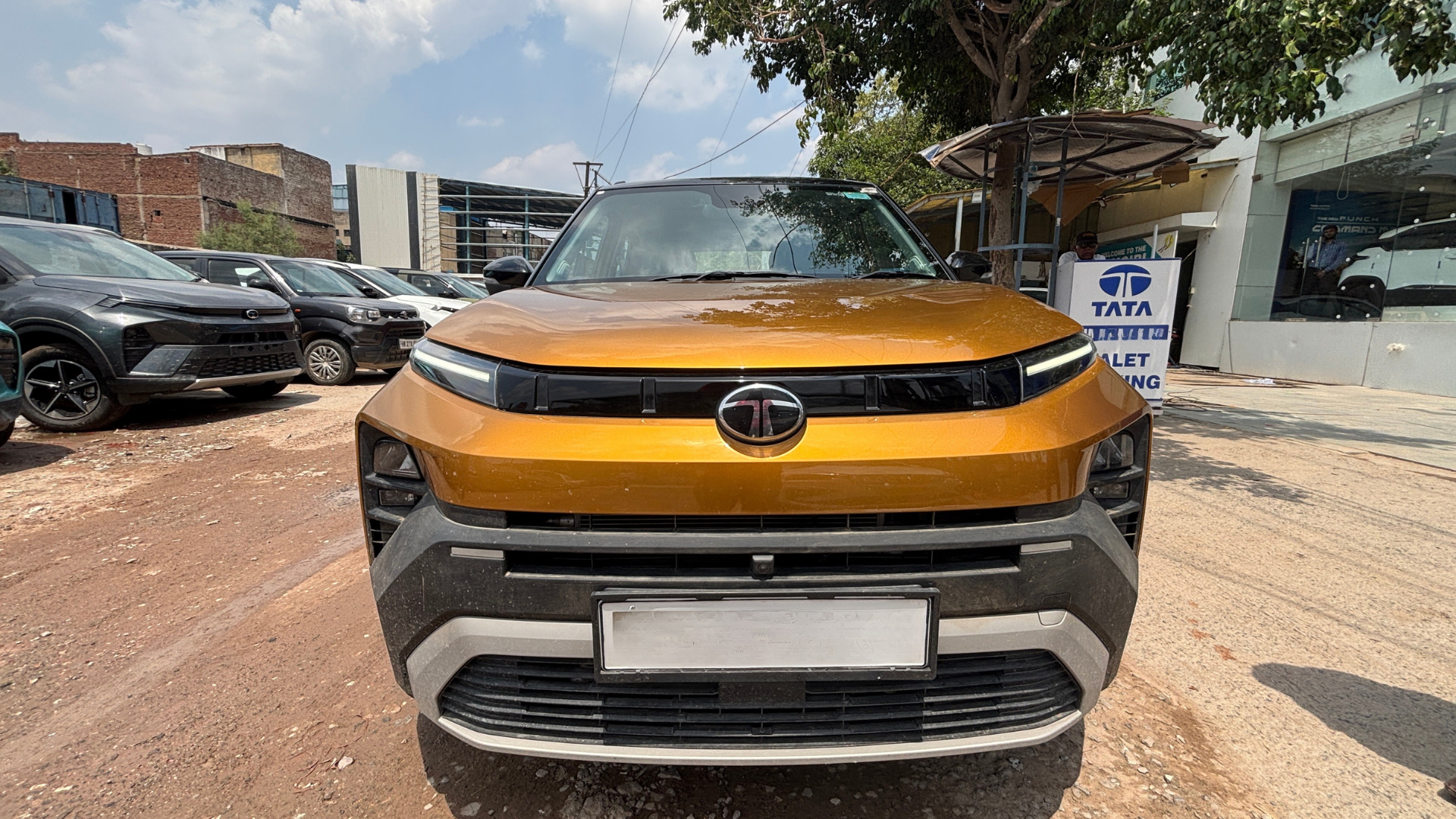
The Tata Punch is the most direct rival and the one that wins the argument this car cannot answer. It carries a published five-star Bharat NCAP result, which for safety-led buyers ends the discussion immediately. It looks more substantial, with proportions closer to a proper SUV and more visual presence in every colour. It offers a CNG version of its own, a fully electric variant for buyers with home charging, and a structure that feels dense and solid.
Where the Exter pulls ahead is refinement, because the Punch's three-cylinder engine is noticeably coarser, and in interior quality, fit and finish, ergonomics and the smoothness of the automated gearbox. Tata's service consistency and software reliability remain the standing reservation.
For a buyer whose priority is crash protection and presence, the Punch is the ideal product, but for a buyer whose priority is how the car feels to live with, it’s the Exter.
Citroen C3
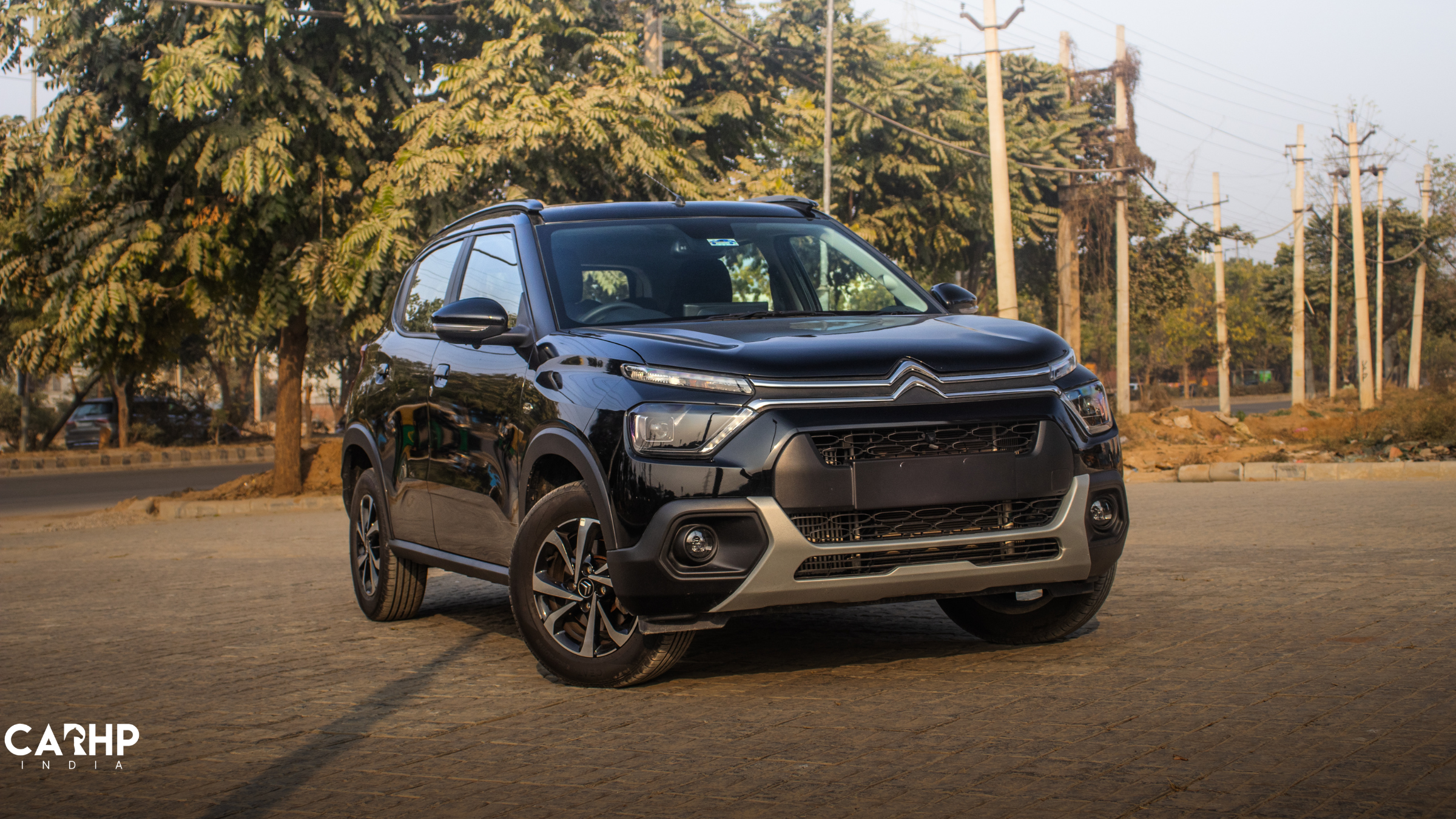
The Citroen C3 is a brilliant option for the enthusiasts in this bracket, with a turbo-petrol engine that transforms the driving experience and ride quality that ranks among the best at any price near this.
It is way more fun to drive than the Exter by a wide margin. What holds it back is a much thinner dealer network, uncertain resale values, a sparser equipment list and interior quality that does not match the Hyundai's.
It is worth a test drive for anyone who enjoys driving and can accept the ownership risk.
Below all of this sit the conventional hatchbacks, including Hyundai's own Grand i10 Nios and the Maruti Swift and WagonR, and it is worth being honest that they represent better value on pure transport terms.
What the Exter adds over them is ride height, road visibility, a bigger boot, and the SUV shape that a large majority of Indian buyers now insist on. Whether that package is worth the premium is the question every buyer in this segment is really answering, and enough of them have said yes that the Exter has become a fixture rather than an experiment.
final verdict
final verdict
The Exter succeeds because it is a genuinely well-engineered small car rather than a cheap car dressed up as an SUV. Its strengths are the ones that show up daily rather than in a specification comparison.
The four-cylinder engine is smooth and dependable in a class that has largely abandoned four cylinders. The ride is comfortable. The cabin is spacious for its footprint, particularly in headroom and rear legroom. The boot is among the biggest in the segment, and the CNG version does not sacrifice it.
The build quality is a clear step above what this money usually buys. The automated manual is the best-tuned example of its type in the class. Safety equipment is complete and standard across the range. Hyundai's dealer network is dense, the service experience is consistent, and the extended warranty options run long enough to cover an owner's realistic keeping period.
The weaknesses are equally clear. Highway performance with a full load is adequate at best, and there is no turbo option for anyone wanting more. The rear bench works for two adults rather than three, and the low cushion compromises under-thigh support for taller passengers.
Buy this car if you want a genuinely well-built, comfortable, refined small car with a big boot and complete safety equipment, and if city driving dominates your week.
Look elsewhere if you regularly carry five adults, need strong highway performance with a full load, or treat a published five-star crash rating as non-negotiable.
Hyundai Exter Expert Reviews
Hyundai Exter News
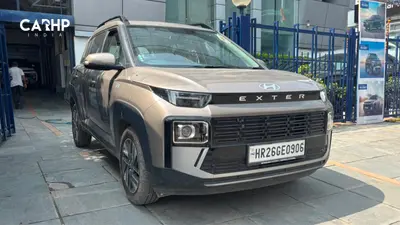
Hyundai Exter HX10 AT: First Impressions
The 2026 Hyundai Exter's top-spec HX10 AT variant is the most loaded automatic version of the micro-SUV. It packs a sunroof, connected tech, strong safety features and the familiar 1.2-litre petrol engine with a 5-speed AMT, making it a feature-rich option for city buyers.
Arjun Nair
August 31, 2026
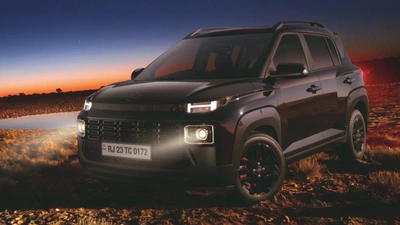
Hyundai EXTER Knight Launched at Rs 8.13 Lakh With Blacked-Out Styling
Hyundai has launched the EXTER Knight in India, priced from Rs 8.13 lakh to Rs 9.60 lakh (ex-showroom), with blacked-out exterior styling, brass-accented all-black interiors, and petrol and CNG options. Check for full details on its variants, features, and prices.
Anmol Kumar
August 12, 2026

Hyundai Exter FAQs
What are the new features added in the facelift over the older Exter?
−The facelift brings over 25 updates, including a redesigned black radiator grille, R15 diamond-cut alloy wheels, wing-type spoiler, two new colours (Golden Bronze and Titanium Black Matte), a dual-tone Navy & Grey interior with 3D carbon-pattern dashboard finish, a first-in-segment dashcam, a folding driver armrest, metal pedals, and ESC now standard across all variants.
Is the Exter facelift available with an automatic gearbox?
+Yes. Petrol variants are available with a 5-speed AMT (Automated Manual Transmission). However, CNG variants are only offered with a 5-speed manual gearbox.
How many airbags does the Exter facelift get, and are they standard across all variants?
+The Exter facelift gets 6 airbags across driver, passenger, side, and curtain and they are standard across all variants including the base trim. ESC (Electronic Stability Control) and Hill-Start Assist Control are also standard on every variant.
What is the boot space of the Exter facelift, and does the CNG variant compromise it?
+Petrol variants offer 391 litres of boot space. In CNG variants, the dual-cylinder setup reduces this to 225 litres, but Hyundai offsets this by mounting the spare wheel under the body, keeping the boot as practical as possible.
Does the Exter facelift have a sunroof?
+Yes, the Exter facelift is available with an electric sunroof. It is not offered on every variant, so it's worth confirming availability on the specific trim you're considering at your dealership.
What engine does the Exter facelift use, and is it the only 4-cylinder in its segment?
+The Exter facelift is powered by a 1.2-litre Kappa 4-cylinder petrol engine producing 83 PS and 113.8 Nm of torque. Hyundai claims it is the only 4-cylinder engine in the micro SUV segment, contributing to smoother refinement compared to rivals using 3-cylinder units.
What connected car and infotainment features does the Exter offer?
+The top variant gets Hyundai's Bluelink connected car technology with over 60 connected features and 300+ embedded voice commands that work even without internet. It also supports wireless Android Auto and Apple CarPlay, OTA updates for maps and infotainment, and Amazon Alexa integration via Home-to-Car.