India Car Sales July 2026: Market Falls 3 Percent to 3.53 Lakh, Tata's EV Arm Posts Its Best Month of the Year
By Anmol Kumar
Published August 1, 2026
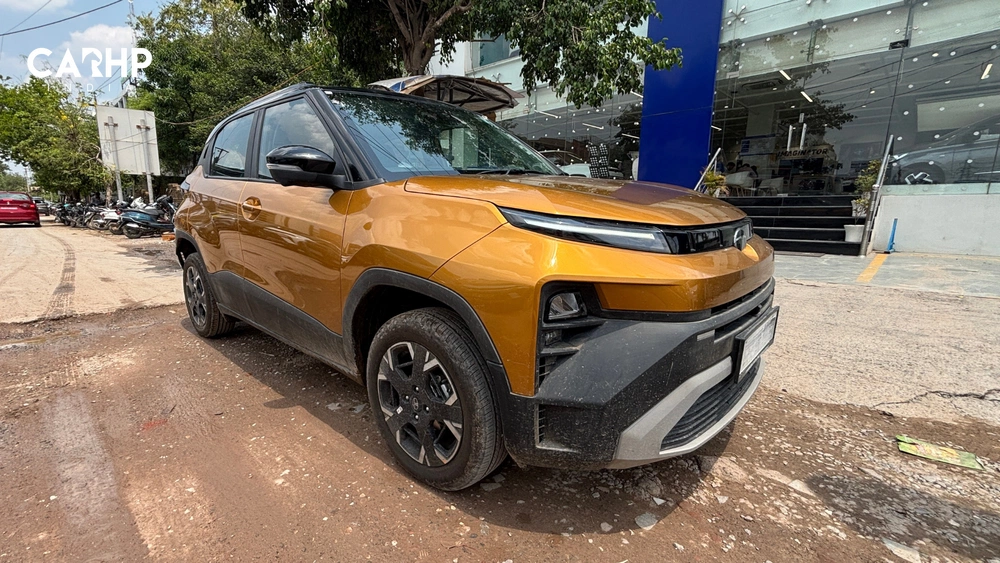
Passenger vehicle registrations in India came in at 3,53,043 units in July 2026, down 3.2 percent from June. Maruti Suzuki slipped below 1.32 lakh and gave up nearly 9,500 units month on month, which accounts for most of the decline on its own. The one line moving decisively the other way was Tata Passenger Electric Mobility, which crossed 12,000 for the first time this year.
EV Maker July 2026 Sales
| Manufacturer | July 2026 | June 2026 | MoM Change | Jan to Jul 2026 |
|---|---|---|---|---|
| Tata Passenger Electric Mobility Ltd | 12,350 | 11,802 | +4.6% | 66,008 |
| Mahindra Electric Automobile Ltd | 6,687 | 7,305 | -8.5% | 37,824 |
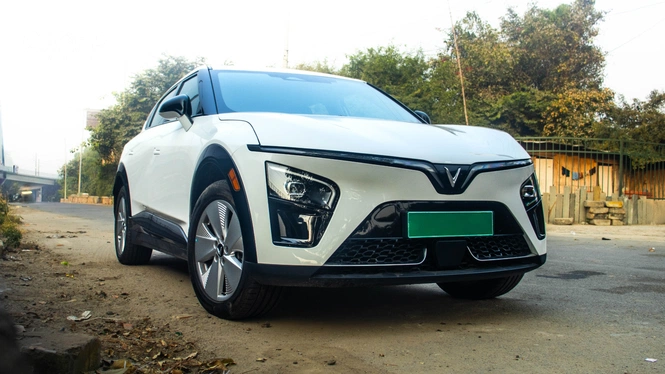
| VinFast Auto India Pvt Ltd | 836 | 1,080 | -22.6% | 5,326 |
| BYD India Private Limited | 689 | 864 | -20.3% | 3,818 |
| BYD Auto | 0 | 1 | Nil | 124 |
| Total | 20,562 | 21,052 | -2.3% | 1,13,100 |
Tata was the only name in this group to grow, and it did so in a month when the broader market shrank. Seven straight months of data now show its electric arm climbing from 8,622 in January to 12,350 in July, a run that has not once reversed for two consecutive months.
Mahindra's electric arm is the more interesting story because of how quickly it built scale and how abruptly it paused.
Also Read – Maruti Suzuki To Hike Prices By Up To ₹30,000 From August 2026
It nearly doubled between February and March, held above 5,500 for four months, peaked at 7,305 in June, then dropped 8.5 percent. A single soft month after that kind of ramp is not a collapse, but it does end the streak.
VinFast and BYD India both fell more than 20 percent, and both had set their own highs in June. For VinFast in particular, the shape of the year matters more than the July figure. It went from 445 in January to 1,080 in June, so July is a step back from a peak rather than a slide from a plateau.
Mass Market Car Sales In July 2026
| Manufacturer | July 2026 | June 2026 | MoM Change | Jan to Jul 2026 |
|---|---|---|---|---|
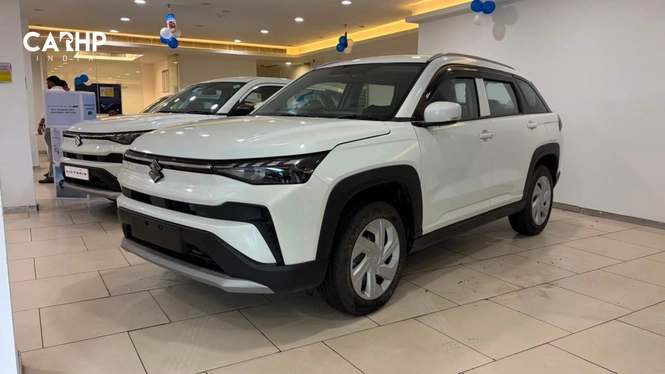
| Maruti Suzuki India Ltd | 1,31,408 | 1,40,875 | -6.7% | 10,22,583 |
| Mahindra & Mahindra Limited | 42,398 | 43,441 | -2.4% | 3,35,545 |
| Tata Motors Passenger Vehicles Ltd | 41,169 | 42,447 | -3.0% | 3,40,113 |
| Hyundai Motor India Ltd | 40,166 | 38,744 | +3.7% | 3,11,352 |
| Toyota Kirloskar Motor Pvt Ltd | 24,432 | 25,682 | -4.9% | 1,83,748 |
| Kia India Private Limited | 23,339 | 22,061 | +5.8% | 1,77,203 |
| Skoda Auto Volkswagen India Pvt Ltd | 7,732 | 8,082 | -4.3% | 60,938 |
| JSW MG Motor India Pvt Ltd | 6,326 | 6,878 | -8.0% | 43,593 |
| Honda Cars India Ltd | 5,149 | 4,536 | +13.5% | 34,780 |
| Renault India Pvt Ltd | 3,320 | 3,727 | -10.9% | 26,529 |
| Nissan Motor India Pvt Ltd | 2,574 | 2,685 | -4.1% | 18,000 |
| Stellantis Automobiles India Pvt Ltd | 867 | 700 | +23.9% | 5,677 |
| Total | 3,28,880 | 3,39,858 | -3.2% | 25,60,061 |
Maruti still holds two out of every five registrations in this group, but July was its weakest month since February. The 9,467 unit drop is larger than the entire monthly volume of every brand below Kia in this table, which is a useful way to understand how much a single soft month at Maruti moves the headline number.
Add the electric entities back in and the brand ranking shifts. Tata's combined July figure is 53,519 and Mahindra's is 49,085, which puts Tata second overall for the month rather than third. Neither brand can be judged on its ICE row alone anymore.
Also Read – Why Maruti Suzuki Isn't Betting Big on EVs Yet
Hyundai and Kia were the only large gainers, up 3.7 percent and 5.8 percent respectively. Both had spent the previous three months declining, so July reads as a stabilisation rather than a breakout. Kia's June figure of 22,061 was its lowest of the year, which flatters the July rebound slightly.
Honda's 13.5 percent gain is the strongest of any brand above 5,000 units. It comes off a shallow base, since Honda spent May at just 4,201, but it puts the brand back above 5,000 for the first time since April.
Stellantis posted the biggest percentage jump in the entire dataset at 23.9 percent, and its 867 units are its best month since January.Toyota, Skoda Auto Volkswagen and JSW MG all gave up ground.
The MG figure is worth watching because the drop of 8 percent is the steepest among established mass market players, and it comes from a brand whose registration line includes both its petrol and its electric models.
Renault fell 10.9 percent to 3,320, its weakest month since February. Nissan slipped 4.1 percent. Between them the two alliance partners now account for under 1.8 percent of the market, down from a combined 7,056 units in January to 5,894 in July.
Also Read – Why Buying a Petrol or Diesel Car Feels Risky Right Now
Luxury Car Sales 2026
| Manufacturer | July 2026 | June 2026 | MoM Change | Jan to Jul 2026 |
|---|---|---|---|---|
| BMW India Pvt Ltd | 1,633 | 1,740 | -6.1% | 11,503 |
| Mercedes-Benz India Pvt Ltd | 1,247 | 1,351 | -7.7% | 9,605 |
| Jaguar Land Rover India Limited | 563 | 601 | -6.3% | 3,467 |
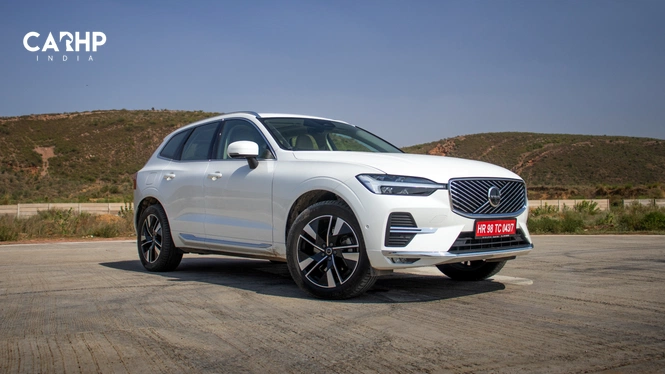
| Volvo Auto India Pvt Ltd | 124 | 143 | -13.3% | 976 |
| Audi AG (imported CBUs only) | 14 | 13 | +7.7% | 145 |
| Bentley Motors Ltd (SAVWIPL) | 8 | 6 | +33.3% | 34 |
| Ferrari SpA (Select Cars) | 4 | 3 | +33.3% | 18 |
| Automobili Lamborghini SpA | 4 | 9 | -55.6% | 41 |
| Ferrari SpA (Navnit Motors) | 3 | 4 | -25.0% | 13 |
| Maserati SpA | 1 | 6 | -83.3% | 23 |
| Lexus Motors Ltd | 0 | 1 | Nil | 31 |
| Total | 3,601 | 3,877 | -7.1% | 25,856 |
The luxury segment contracted 7.1 percent in July, more than double the rate of the overall market. BMW, Mercedes-Benz, Jaguar Land Rover and Volvo all fell, and no brand above 100 units grew. That is a cleaner directional signal than most months produce.
BMW extended its lead over Mercedes-Benz to 386 units in July, and its lead over the full seven months now stands at 1,898. Both brands are down from their January peaks, when BMW registered 2,118 and Mercedes 1,874.
Also Read – Best Luxury Diesel Car For Every Budget
Jaguar Land Rover has been the segment's steadier performer. It set a year high of 601 in June and gave back only 38 units in July, leaving it ahead of where it sat through most of the first half.
The two Ferrari importer lines combine to seven units for July, which is exactly in line with the brand's monthly average this year.
Lamborghini's fall from nine to four and Maserati's from six to one look severe as percentages, but at these volumes a delayed shipment produces the same chart as a demand problem.
Treat the Audi and Lexus lines with care. AUDI AG at 145 units across seven months is a direct import channel rather than Audi's full India business, and Lexus Motors Ltd at 31 units is similarly partial. Neither figure should be read as the brand's actual market performance.
Note on data: Source from VAHAN and accurate as of July 31.
Table of Contents
- EV Maker July 2026 Sales
- Mass Market Car Sales In July 2026
- Luxury Car Sales 2026
Join the Conversation
Trending
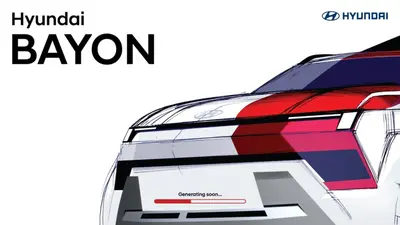
Hyundai BAYON Design Sketches Revealed Ahead of India Launch
Hyundai India has released the first design sketches of the BAYON, its upcoming mid-size SUV. The renders preview a sculpted exterior with H-Edge lighting and a tech-focused cabin ahead of what is expected to be a launch later this year.
Anmol Kumar
September 16, 2026

Safest Cars In India To Buy in 2026
A complete list of Bharat NCAP tested models, their adult and child occupant protection scores, and star ratings.
Salil Kumar
September 15, 2026
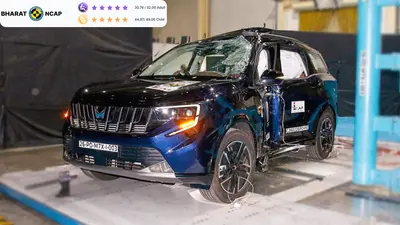
Mahindra XUV 7XO Scores 5 Stars in Bharat NCAP, Gets Near-Perfect Adult Safety Score
The Mahindra XUV 7XO has been awarded a 5-star Bharat NCAP rating, scoring 30.76 out of 32 for adult occupant protection and 44.97 out of 49 for child safety. The rating covers the full variant range, petrol and diesel both.
Arjun Nair
September 15, 2026

Maruti Wagon R Facelift Spied Testing With New Head and Tail Lights
The Wagon R facelift has been spotted testing in CNG and heavy camouflage. A fresh face, reworked rear, and a bigger touchscreen can be expected on one of India's best-selling hatchbacks.
Anmol Kumar
September 15, 2026

Maruti Suzuki Offering Up to Rs. 1.35 Lakh Benefits in September 2026
Maruti Suzuki's September 2026 Arena offers cover seven models, with the Victoris strong hybrid getting the highest benefits at Rs. 1.35 lakh. Here is the full breakdown, including fuel-type differences on the Wagon R, Alto K10, Swift, and Eeco.
Anmol Kumar
September 11, 2026
Featured
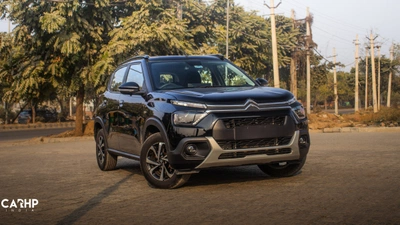
Citroen C3 Review: Who Should Consider This Car?
A few days ago, I took the Citroen C3X out for a spin in the city and on the highways. I travelled long distances and checked its fuel efficiency, features, comfort, and other factors. Today, I’ll briefly share my overall experience with the C3X and will tell you whether you should consider it or not and which is the most value-for-money variant of the lot.
Vatsal Agrawal
May 19, 2026
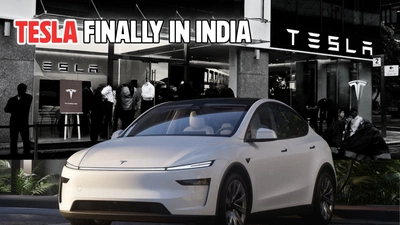
Tesla Finally In India Officially. Why Now And What Does It Mean For EVs?
The much-anticipated 2025 Tesla Model Y has officially arrived in India, marking a pivotal moment for the nation's burgeoning electric vehicle market. Launched on July 15, 2025, the Model Y Juniper facelift offers cutting-edge technology, impressive range, and signature Tesla performance. Positioned as a premium electric SUV, its entry will intensify competition and reshape consumer expectations for EVs across the subcontinent.
Charan Narain
July 17, 2025
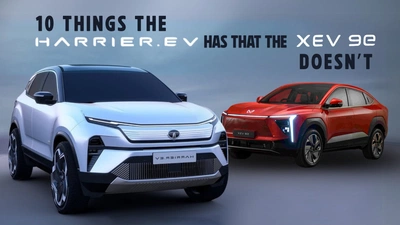
Here Are 10 Things The Harrier.EV Offers That The Mahindra XEV 9E Doesn't
The Harrier.EV is an incredible new offer from Tata. Its most popular competitor would be the Mahindra XEV 9E, priced similarly. With these two incredible offerings from home grown brands available, here is a list of everything the Harrier.EV offers that the XEV 9E doesn't.
Charan Narain
June 13, 2025
Write a comment
Comments
No comments yet. Be the first to comment!