
EMI Loading
Jawa 42 Bobber Key Specifications
Jawa 42 Bobber Variants & Prices
| Variant Details | Ex. Showroom Price | |
|---|---|---|
42 Bobber Moonstone White Base Model | ₹ 2.05 Lakh* | |
42 Bobber Mystique Copper129 kmph | 30.56 kmpl | 334 cc | ₹ 2.09 Lakh* | |
42 Bobber Jasper Red129 kmph | 30.56 kmpl | 334 cc | ₹ 2.11 Lakh* |
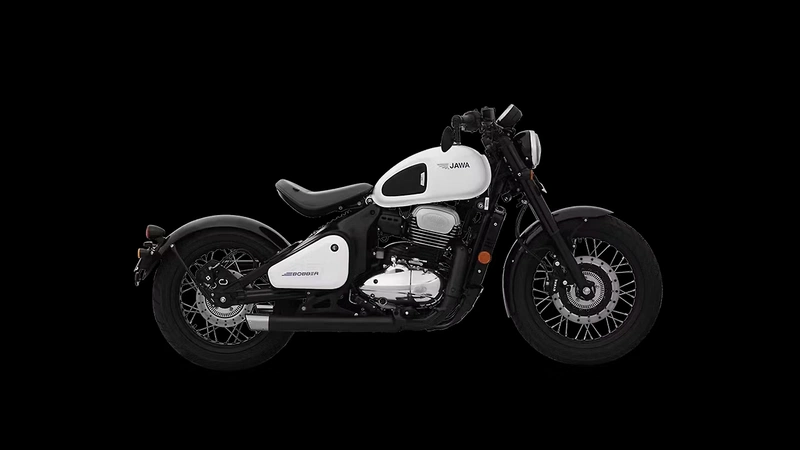
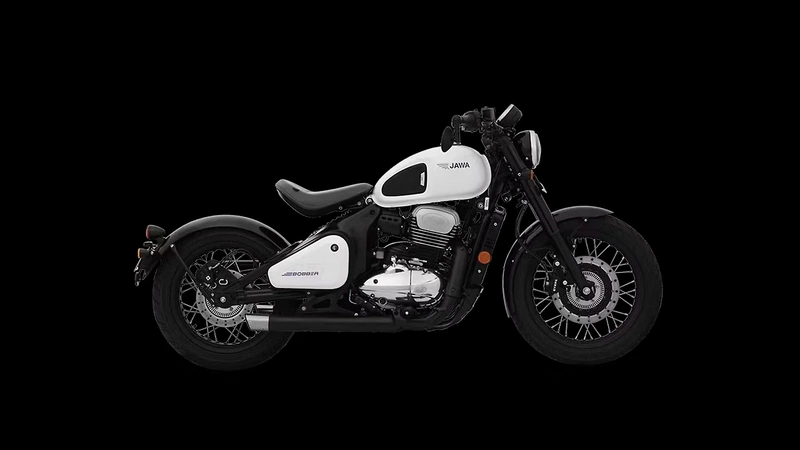
42 Bobber Moonstone White
42 Bobber Mystique Copper
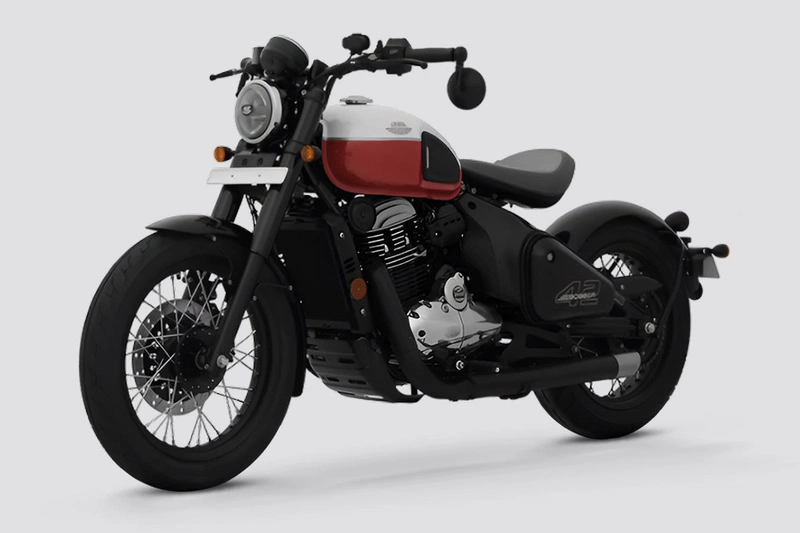
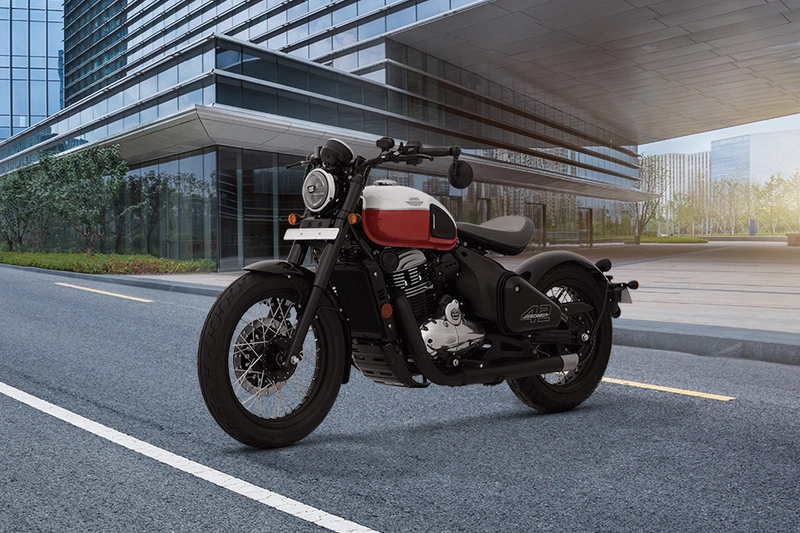
42 Bobber Jasper Red
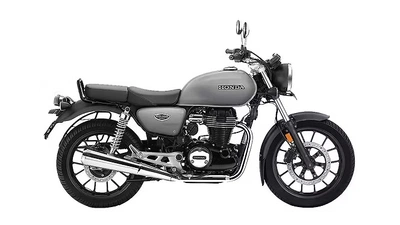
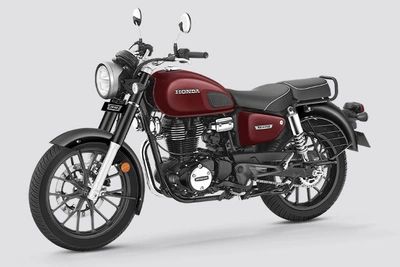
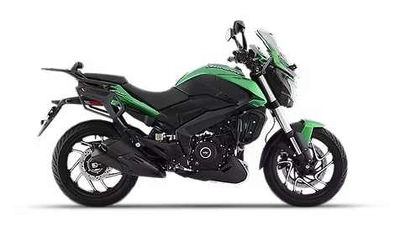
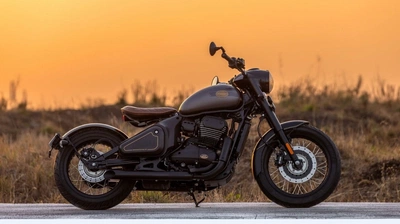
Jawa 42 Bobber Comparison with similar Bikes
Pros & Cons of Jawa 42 Bobber
Things We Like
- Strong 334cc engine with class-leading power and torque figures.
- Distinctive and authentic factory bobber design stands out visually.
Things We Don't Like
- Extremely stiff rear suspension leads to a harsh ride quality.
- Strictly a single-seater with absolutely no pillion accommodation.
Jawa 42 Bobber Overview
Engine, Performance and Mileage
Engine, Performance and Mileage
The Jawa 42 Bobber is powered by a 334cc, single-cylinder, liquid-cooled, DOHC engine, which is BS6 Phase 2 compliant. This unit produces a maximum power of 29.9 PS and a peak torque of 32.7 Nm, channelled through a 6-speed transmission equipped with a slip-and-assist clutch. These figures place it in the upper echelon of its segment, outperforming the air-cooled motors of its primary retro competitors. On the road, this translates to a character that is more eager to rev than its rivals. The throttle response is direct, and power delivery is concentrated in the mid-range and top-end. This makes highway cruising and overtakes feel effortless, with the motorcycle comfortably holding speeds of 100-110 km/h in sixth gear.
In urban environments, however, the engine's nature requires more frequent gear changes to stay in the powerband, and its low-end tractability is not as forgiving as a long-stroke thumper. The slip-and-assist clutch is a significant functional advantage, reducing clutch lever effort in dense traffic. Real-world fuel efficiency hovers between 28-32 kmpl, which is acceptable given its performance but falls short of more efficiency-focused models in the 350cc category. Refinement is adequate, though some vibrations are perceptible in the higher rev range.
posture comfort
posture comfort
Evaluating the 42 Bobber on comfort and practicality reveals the inherent compromises of its design. The motorcycle is a strict single-seater, with no provision for a pillion rider by design or law. This immediately limits its use case to solo riding. The riding posture is committed, with a low-slung handlebar and forward-set foot controls creating a "clamshell" position that can become taxing on the lower back and wrists during extended periods in the saddle. The seat itself is adequately cushioned for short city sprints, but its minimal design offers little support for long-distance touring. The low seat height of 740mm makes it accessible to a wide range of riders, allowing most to plant their feet firmly on the ground.
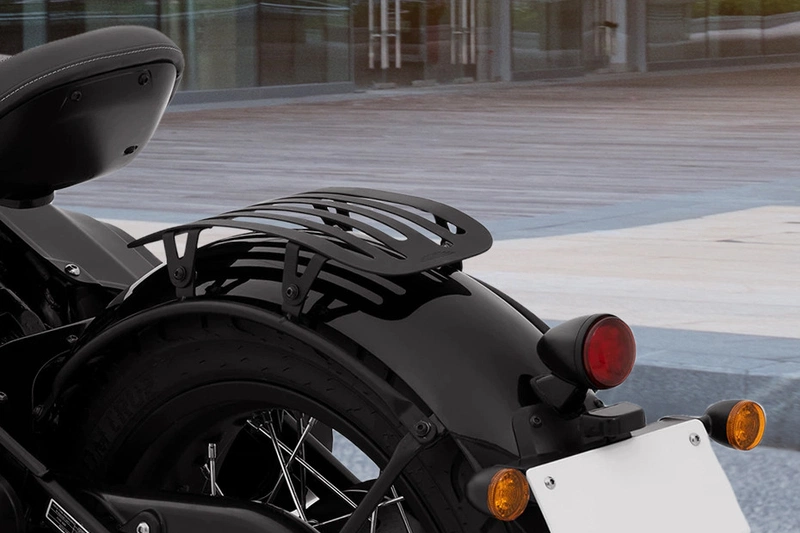
Heat management from the liquid-cooled engine is a noticeable issue in stop-and-go traffic, where significant heat can be felt on the rider's legs. Practicality is further hampered by the absence of grab rails or factory-designed luggage mounting points, making it challenging to carry anything more than a backpack. The 12.5-litre fuel tank, providing a realistic range of approximately 350 km, is adequate but not exceptional for touring aspirations.
handling ride quality
handling ride quality
The 42 Bobber is built on a double-cradle chassis, with a telescopic fork at the front and a 7-step preload-adjustable monoshock at the rear. The ride quality is decidedly firm, a direct consequence of the bobber aesthetic that necessitates a taut rear suspension with limited travel. This setup, while contributing to high-speed stability on smooth tarmac, transmits sharp imperfections like potholes and expansion joints directly to the rider. The handling dynamics are a mixed bag. With a long 1485mm wheelbase and a low centre of gravity, it is stable in a straight line. However, its cornering capability is restricted by limited lean angles, with the forward-set footpegs scraping tarmac earlier than one might expect.
In the city, its 185 kg kerb weight and a less-than-generous turning radius make it feel cumbersome during tight U-turns and filtering through congested traffic. Braking duties are managed by a 280mm front disc and a 240mm rear disc, governed by a dual-channel ABS system. The braking hardware provides sufficient stopping power with decent feedback, allowing for confident deceleration. While not exceptionally sharp, the performance is predictable and on par with segment standards.
design
design
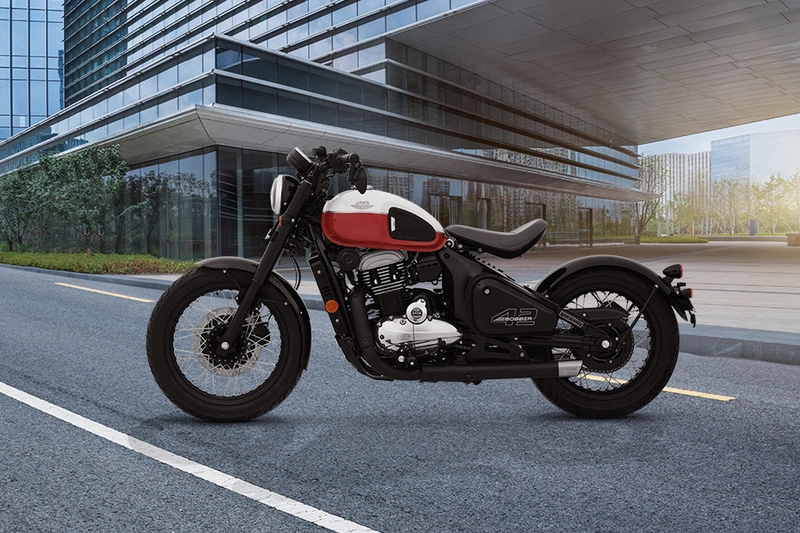
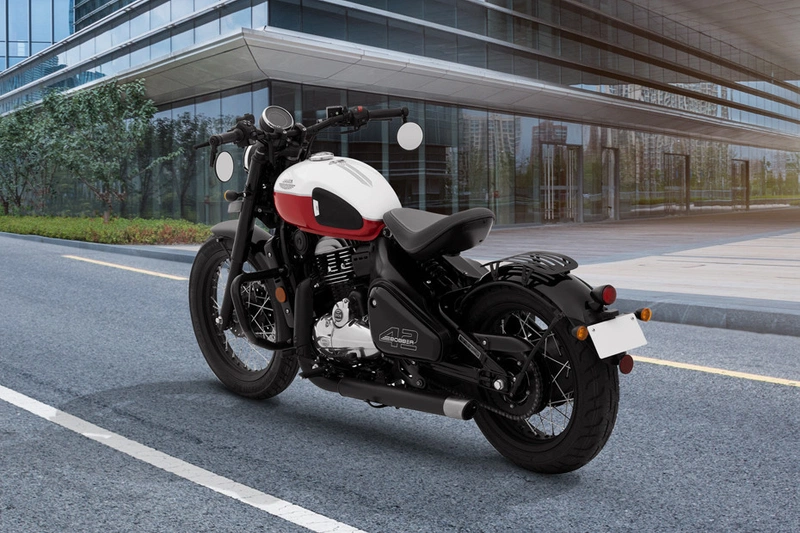
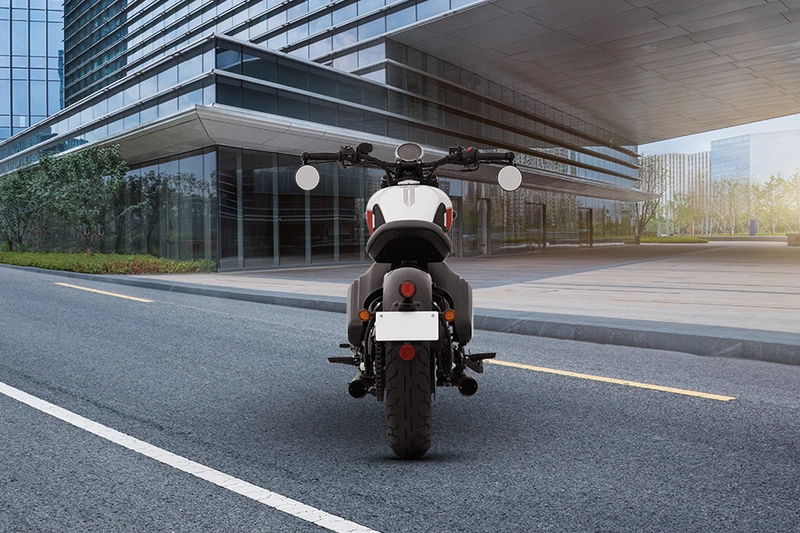
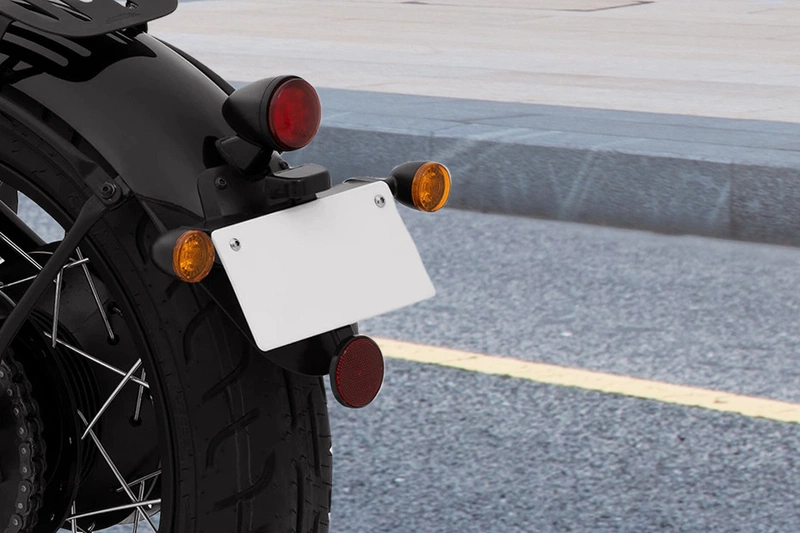
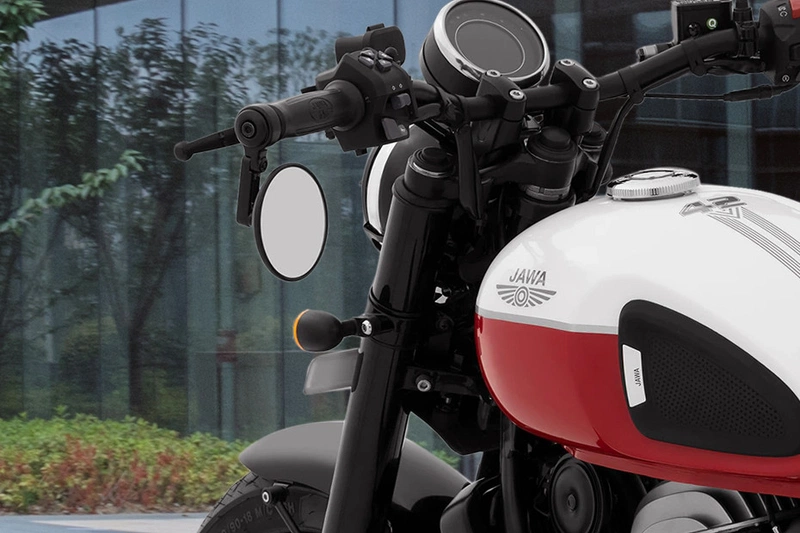
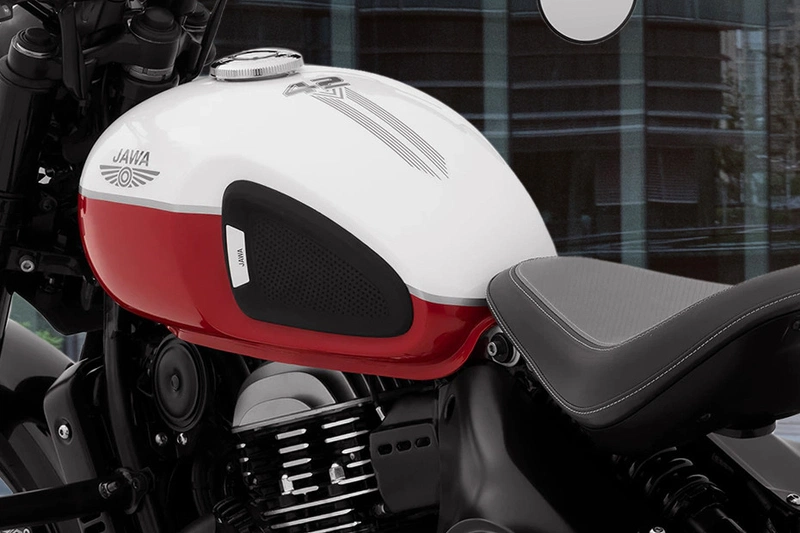
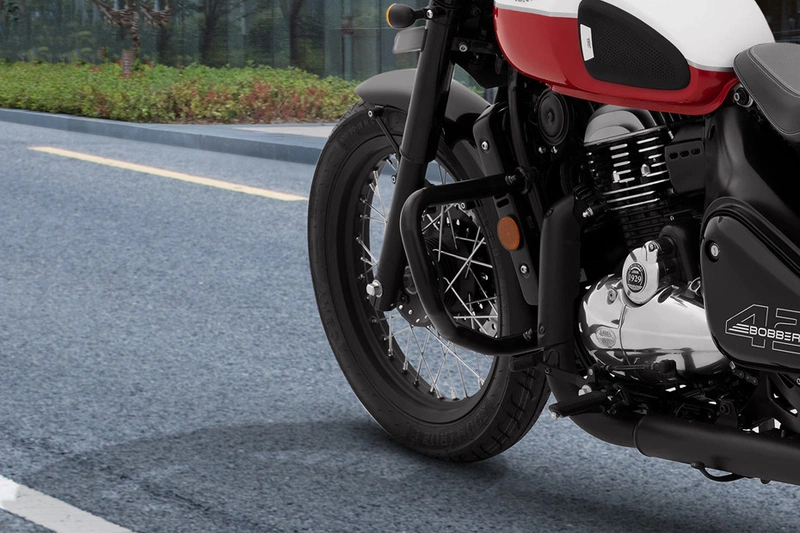
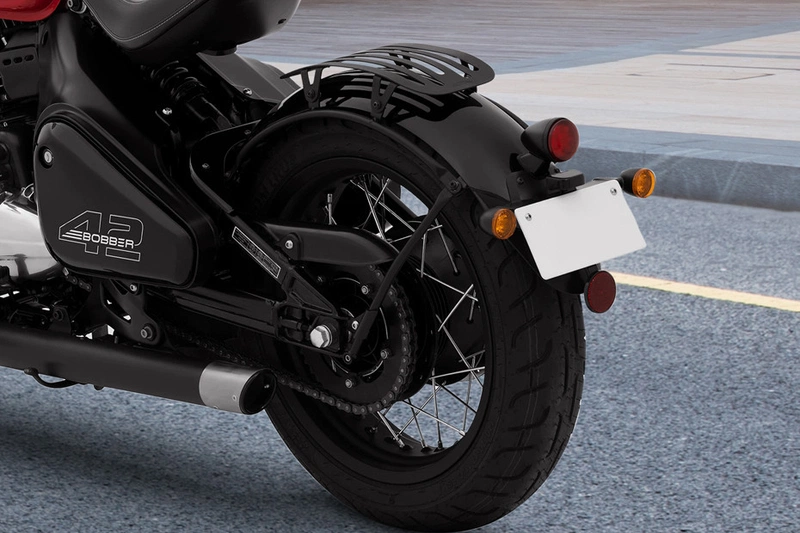
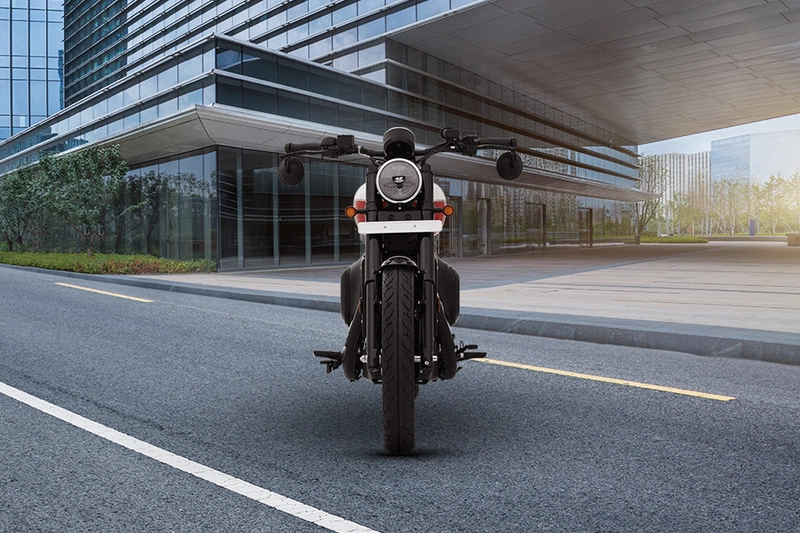
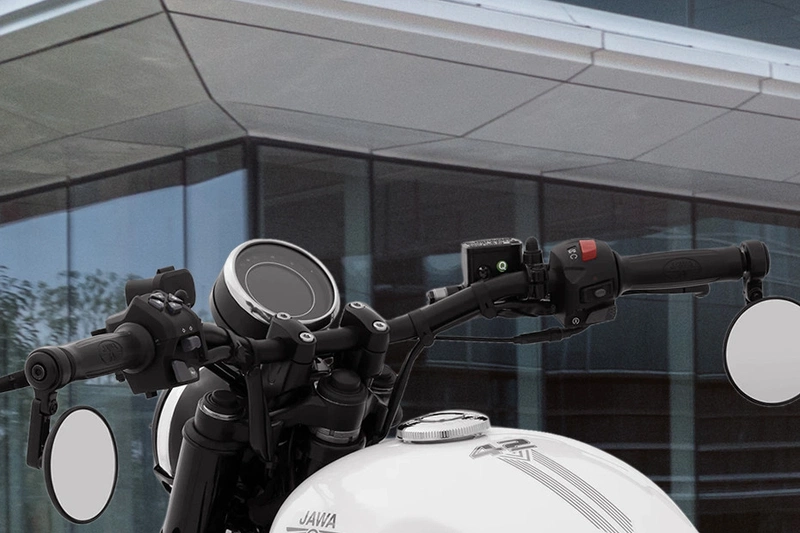
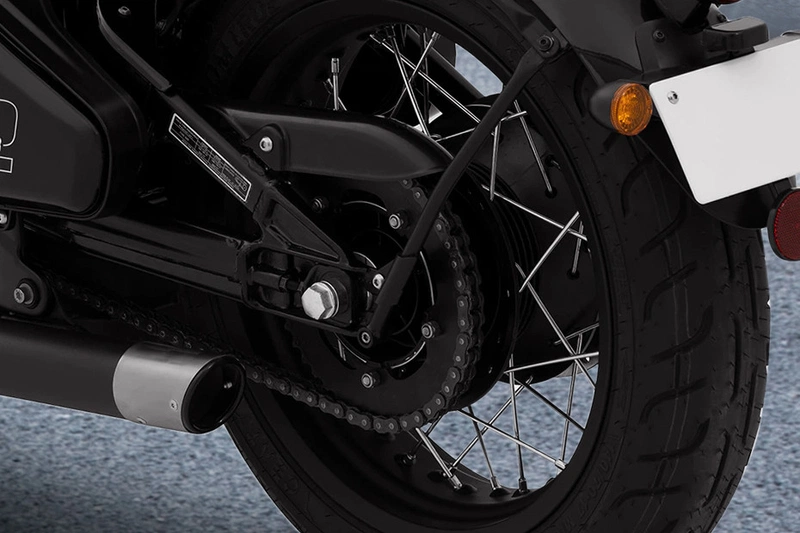
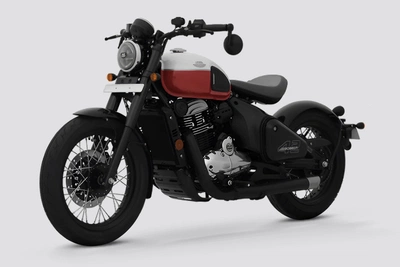
The design of the Jawa 42 Bobber is its most significant selling point. It adheres strictly to the bobber blueprint with its single floating seat, chopped fenders, bar-end mirrors, and fat-profile tyres (100/90-18 front, 140/70-17 rear). This form-over-function approach results in a visually striking machine that stands out from the crowd. The equipment list is contemporary. The motorcycle features an all-LED lighting system, including the headlamp, tail lamp, and indicators, which enhances both aesthetics and night-time visibility. The instrument cluster is a negative LCD unit that displays essential information such as a digital speedometer, tachometer, fuel gauge, trip meters, and a gear position indicator.
While comprehensive, its legibility can be compromised under direct sunlight. Several practical features are integrated thoughtfully. These include dual USB charging ports (Type-A and Type-C) for device charging on the go and a two-step adjustable seat that allows for minor ergonomic customisation. The presence of a slip-and-assist clutch is not merely a performance feature but a significant convenience for daily riding, reducing fatigue over long commutes. These features position it as a modern classic, blending retro style with necessary contemporary technology.
safety
safety
The Jawa 42 Bobber is equipped with a standard suite of safety features appropriate for its segment. The primary safety net is the dual-channel Anti-lock Braking System (ABS), which acts independently on both the front and rear wheels. This system prevents wheel lock-up during emergency braking or on low-traction surfaces, significantly reducing the risk of skids and enhancing rider control. The braking hardware itself, comprising disc brakes on both ends, provides reliable stopping power. In dry conditions, the brakes offer progressive and predictable performance. In the wet, the effectiveness is largely dependent on the grip from the stock MRF tyres, which are adequate for regular use but are not premium-spec rubber.
A crucial safety feature is the all-LED lighting package. The bright LED headlamp offers superior illumination compared to halogen units, improving visibility on unlit roads, while the LED indicators and tail lamp make the motorcycle more conspicuous to other road users. Additionally, a side-stand engine cut-off sensor is standard, preventing the motorcycle from being ridden with the side stand engaged. While it lacks advanced electronics like traction control, its safety package is comprehensive and aligns with the current standards for motorcycles in this price bracket in India.
competition
competition
The Jawa 42 Bobber operates in a competitive landscape where buyers weigh style, performance, and practicality differently.
Royal Enfield Classic 350:
The undisputed segment leader, the Classic 350 offers a contrasting experience. Its 349cc J-series engine is focused on low-end torque (27 Nm @ 4000 rpm) for a relaxed, thumping ride. Its key differentiator is its superior ride comfort and pillion-friendly ergonomics, making it a far more versatile and practical choice for daily use and two-up riding.
Keeway V302C:
As a direct competitor in the bobber/cruiser space, the Keeway V302C brings a unique proposition to the table. It is powered by a 298cc V-twin engine, offering a distinct character, sound, and power delivery. Its primary differentiator is this V-twin motor and its belt-drive system, which provides a smoother, lower-maintenance alternative to a chain drive.
Yezdi Roadster:
A sibling from the same parent company, the Roadster uses a similar 334cc engine platform but is packaged as a conventional neo-retro roadster. It offers a more upright riding posture, a standard two-person seat, and a more compliant suspension setup. Its clear differentiator is its practicality, serving as a versatile alternative for buyers who like the engine but need pillion capacity.
buying advice
buying advice
Who should buy it?
The ideal buyer is a style-conscious solo rider who values engine performance and a distinctive, factory-custom aesthetic above all else. It excels as a weekend machine or a secondary vehicle for making a statement on city streets, rather than a primary mode of transport.
Who should skip it?
Riders who require pillion capacity, prioritise long-distance touring comfort, or need a practical daily commuter should look elsewhere. The stiff ride, committed ergonomics, and lack of versatility are significant deterrents for anyone seeking an all-round motorcycle.
Jawa 42 Bobber Specifications & Features
Engine & Transmission
| Starting | Self Start Only |
| Engine Type | Single Cylinder, 4 Sroke, Liquid Cooled, DOHC |
| Displacement | 334 cc |
| Max Torque | 30 Nm |
| Number of Cylinders | 1 |
| Cooling System | Liquid Cooled |
| Fuel Supply | Electronic Injection |
| Gear Box | 6 Speed |
| Bore | 81 mm |
| Stroke | 65 mm |
| Compression Ratio | 11:01 |
| Emission Type | BS6.2 |
| Clutch | Assist And Slipper Clutch |
| Valve Per Cylinder | 4 |
| gear shifting pattern | 1 Down 5 Up |
| spark plugs per cylinder | 1 Per Cylinder |
Motor & Battery
| Drive Type | Chain Drive |
| Transmission | Manual |
| Peak Power | 29.92 PS |
Mileage & Performance
| Overall Mileage | 30.56 kmpl |
| Acceleration 0-80 Kmph | 6.36 s |
| Roll ons 30-70 Kmph | 4.27 s |
| Roll ons 40-80 Kmph | 5.98 s |
| Braking 60-0 Kmph | 15.82 s |
| Braking 80-0 Kmph | 31.47 s |
| zero to 40 kmph | 1.94 s |
| zero to 100 kmph | 10.80 s |
Performance
| Top Speed | 129 kmph |
| Acceleration 0-100 Kmph | 10.8 s |
Chassis & Suspension
| Body Type | Cruiser Bikes |
Tyres & Brakes
| Front Brake Diameter | 280 mm |
| Rear Brake Diameter | 240 mm |
| Front Tyre Pressure Rider | 23 psi |
| Front Tyre Pressure Rider Pillion | 23 |
| Rear Tyre Pressure Rider | 28 psi |
| Rear Tyre Pressure Rider Pillion | 28 |
Dimensions & Capacity
| Fuel Capacity | 12.5 L |
| Wheelbase | 1485 mm |
| Kerb Weight | 185 Kg |
| Fuel Reserve | 2.2 L |
| Seat Height | 740 mm |
| pillion grab rail | |
| pillion seat |
Electricals
| Headlight | LED |
| Taillight | LED |
| Turn Signal Lamp | LED |
| Low Battery Indicator | |
| Low Oil Indicator | |
| Low Fuel Indicator | |
| Drls |
Features & Safety
| Pass Switch | |
| Tachometer | Digital |
| Fuel Gauge | Analog |
| Engine Kill Switch | |
| Service Due Indicator | |
| hazard warning indicator | |
| hazard warning lights | |
| malfunction indicator | |
| no of tripmeters | 1 |
Features
| Instrument Console | Digital |
| Speedometer | Digital |
| Tripmeter | Digital |
| Seat Type | Single |
| Clock | |
| Odometer | Digital |
| Distance To Empty Indicator | |
| digital display type | LCD |
| engine temperature indicator | |
| gear indicator |
App Features
| Low Battery Alert |
Underpinnings
| Suspension Front | Telescopic Forks, 35 mm |
| Suspension Rear | Mono Shock Absorber, Gas Filled With 7 Step Adjustable Preload |
| Brakes Front | Disc |
| Brakes Rear | Disc |
| Tyre Size | Front :-100/90-18 Rear :-140/70-17 |
| Wheel Size | Front :-457.2 mm,Rear :-431.8 mm |
| Wheels Type | Spoke |
| ABS | Dual Channel |
| Frame | Double Cradle |
| first service | 1000 Kms/30 Days |
| second service | 6000 Kms/180 Days |
| third service | 12000 Kms/365 Days |
| fourth service | 18000 Kms |
| caliper front piston | 2 |
| caliper rear piston | 1 |
| Tyre Type | Tube |
Warranty
| Vehicle Warranty | 4 Years or 50,000 Km |
| Roadside Assistance |
Jawa 42 Bobber Price in Cities
₹ 2.43 Lakh - 2.60 Lakh
₹ 2.38 Lakh - 2.54 Lakh
₹ 2.33 Lakh - 2.50 Lakh
₹ 2.38 Lakh - 2.54 Lakh
₹ 2.30 Lakh - 2.47 Lakh
₹ 2.41 Lakh - 2.57 Lakh
₹ 2.49 Lakh - 2.66 Lakh
₹ 2.24 Lakh - 2.50 Lakh
₹ 2.36 Lakh - 2.62 Lakh
₹ 2.61 Lakh - 2.80 Lakh
Popular Brands





Jawa 42 Bobber Comparisons
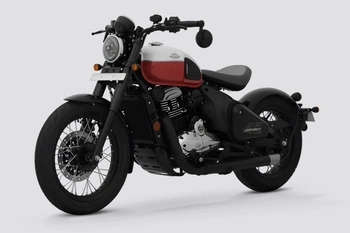
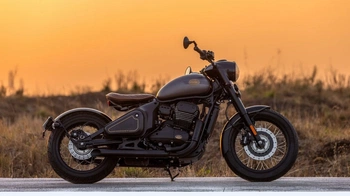
Jawa 42 Bobber
₹2.05 - 2.20 Lakh
Jawa Perak
₹2.20 Lakh
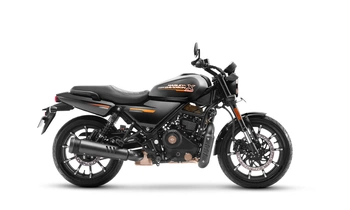
Jawa 42 Bobber
₹2.05 - 2.20 Lakh
Harley Davidson X440 T
₹2.84 Lakh
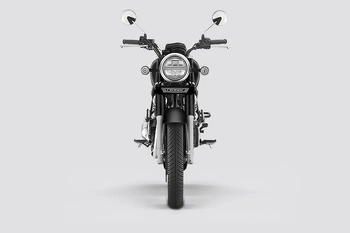
Jawa 42 Bobber
₹2.05 - 2.20 Lakh
Honda CB350C
₹1.98 - 2.02 Lakh
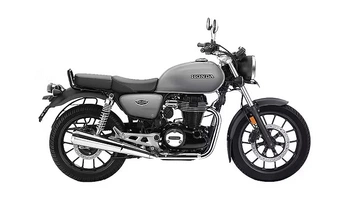
Jawa 42 Bobber
₹2.05 - 2.20 Lakh
Honda CB350 H'ness
₹1.93 - 1.98 Lakh
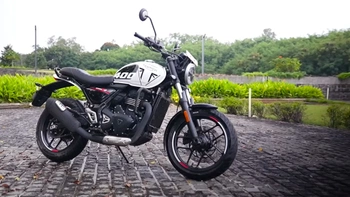
Jawa 42 Bobber
₹2.05 - 2.20 Lakh
Triumph Speed T4
₹1.99 Lakh
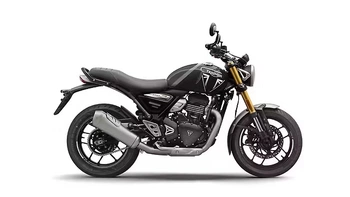
Jawa 42 Bobber
₹2.05 - 2.20 Lakh
Triumph Speed 400
₹2.34 Lakh
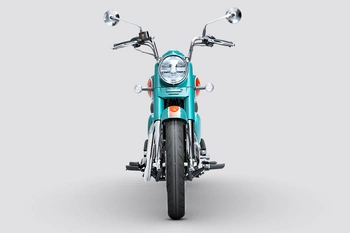
Jawa 42 Bobber
₹2.05 - 2.20 Lakh
Royal Enfield Goan Classic 350
₹2.24 - 2.26 Lakh
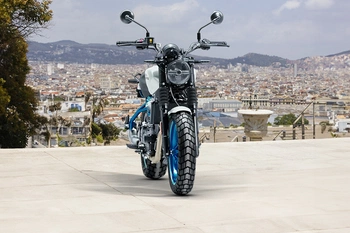
Jawa 42 Bobber
₹2.05 - 2.20 Lakh
Royal Enfield Guerrilla 450
₹2.49 - 2.72 Lakh
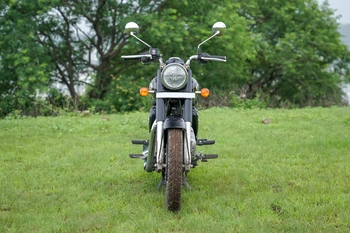
Jawa 42 Bobber
₹2.05 - 2.20 Lakh
Royal Enfield Bullet 350
₹1.64 - 2.08 Lakh
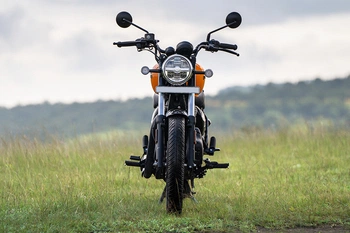
Jawa 42 Bobber
₹2.05 - 2.20 Lakh
Royal Enfield Meteor 350
₹1.99 - 2.20 Lakh