
EMI Loading
Jawa Perak Key Specifications
Jawa Perak Variants & Prices
| Variant Details | Ex. Showroom Price | |
|---|---|---|
Perak STD140 kmph | 34.05 kmpl | 334 cc | ₹ 2.20 Lakh* |
Perak STD
Jawa Perak Comparison with similar Bikes
Pros & Cons of Jawa Perak
Things We Like
- Unique and authentic factory bobber design stands out distinctly.
- Potent liquid-cooled engine offers strong class-leading performance.
Things We Don't Like
- Stiff rear suspension results in a harsh, uncomfortable ride.
- Strictly a single-seater with no provision for a pillion.
Jawa Perak Overview

Engine, Performance and Mileage
Engine, Performance and Mileage
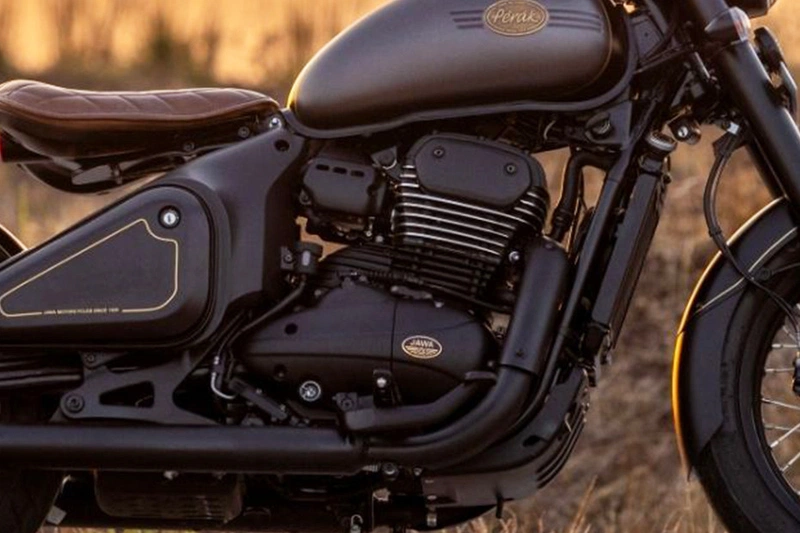
The Jawa Perak is powered by a 334cc, single-cylinder, liquid-cooled, DOHC engine, which is a significant differentiator in a segment dominated by air-cooled powerplants. This BS6 Phase 2 compliant motor produces a substantial 30.64 PS of power and 32.74 Nm of torque, transmitted via a 6-speed gearbox. These figures are not just numbers on a page; they translate into a tangible performance advantage over key rivals. For context, the Royal Enfield Classic 350 produces approximately 10 PS less power. In urban environments, the Perak’s torque is accessible from low RPMs, facilitating brisk acceleration from a standstill and requiring fewer gear changes in stop-start traffic.
On the highway, the engine feels unstressed, capable of cruising at 100-110 km/h without the vibrations typically associated with single-cylinder engines in this class. The 6-speed transmission offers well-spaced ratios, and the final gear acts as a true overdrive, aiding in relaxed cruising. Refinement is commendable for its output, though it does not match the buttery-smooth character of Honda’s CB350 engine. Real-world fuel efficiency hovers around 30 kmpl, which is acceptable given its performance but falls short of more efficiency-focused competitors.
posture comfort
posture comfort
Evaluating the Perak on comfort and practicality requires accepting its core identity as a single-seater bobber. The riding posture is defined by a low seat and forward-set footpegs, creating a relaxed but engaged stance that is comfortable for city commutes and rides up to 150-200 kilometres. However, for longer durations, the inability to shift one's position on the small, fixed seat can lead to fatigue. The seat itself is reasonably well-cushioned. The most significant practicality limitation is the complete absence of a pillion seat. This is not an optional omission; the motorcycle is homologated as a single-seater, making it unsuitable for anyone who needs to carry a passenger.
Luggage-carrying capacity is also severely restricted. There are no standard grab rails or luggage mounting points, necessitating aftermarket solutions for even minimal storage. The 13.2-litre fuel tank provides a realistic range of around 350-380 kilometres, which is adequate for touring. Heat management from the liquid-cooled engine is well-controlled in traffic, preventing discomfort to the rider’s legs. Ultimately, the Perak is an inherently impractical motorcycle designed for a specific purpose: the solo riding experience.
handling ride quality
handling ride quality
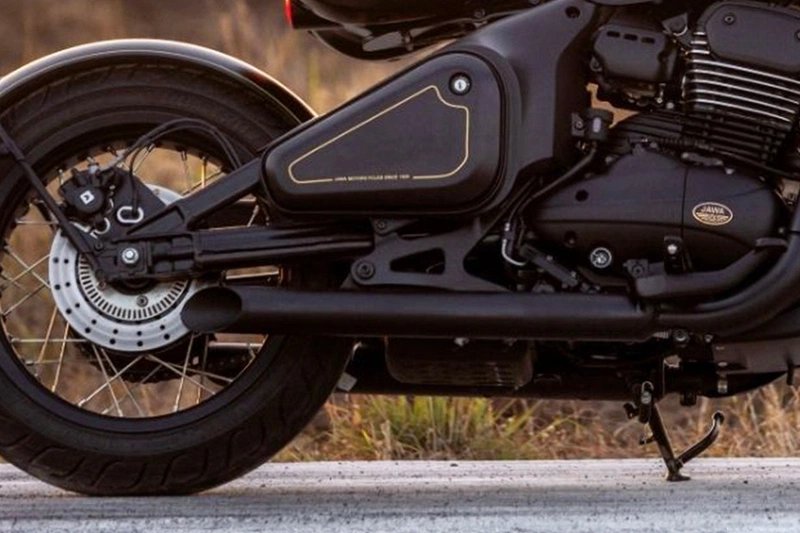
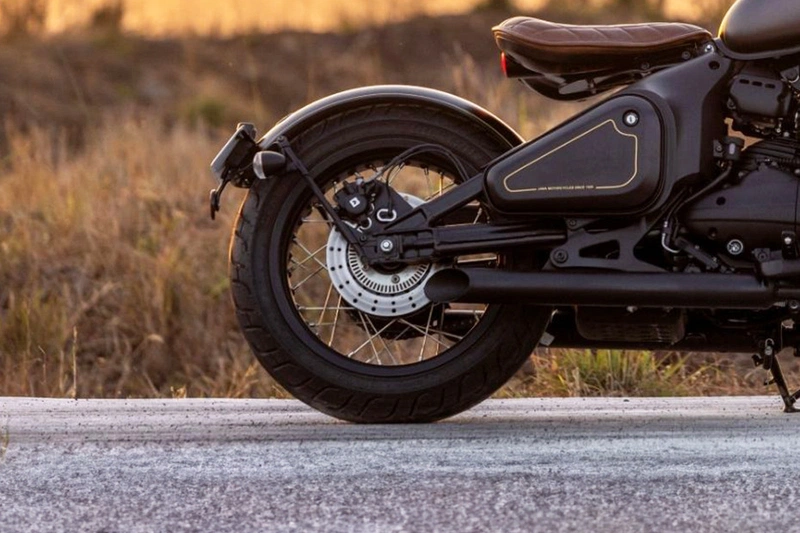
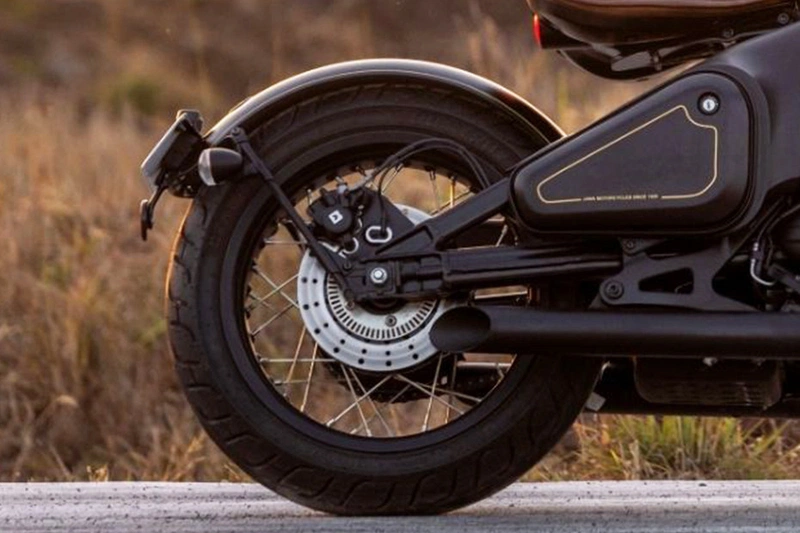
The Perak is built on a double-cradle chassis with a distinctive suspension setup: a conventional telescopic fork at the front and a cantilever monoshock at the rear, ingeniously hidden beneath the rider’s seat to create a "hardtail" bobber aesthetic. This design choice heavily influences its ride characteristics. The ride quality is firm. While the front suspension effectively absorbs minor road imperfections, the rear monoshock has limited travel and can transmit sharp jolts from potholes and broken tarmac directly to the rider. This is a clear trade-off for its unique styling.
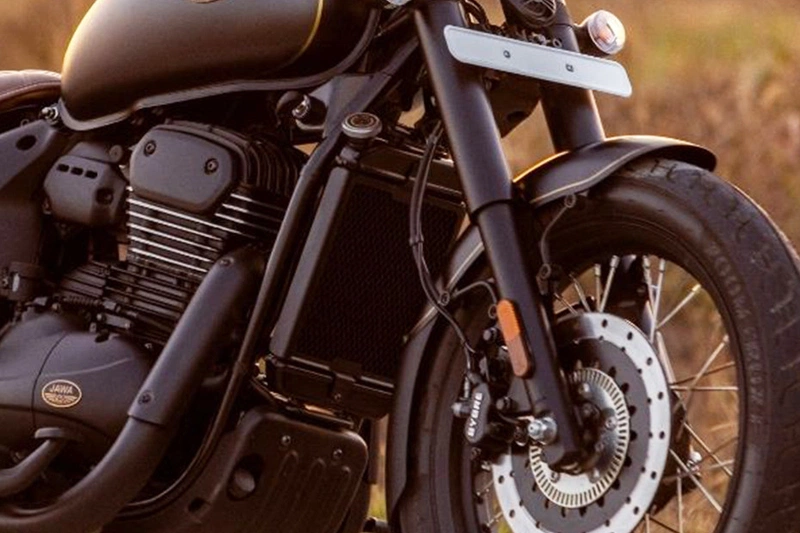
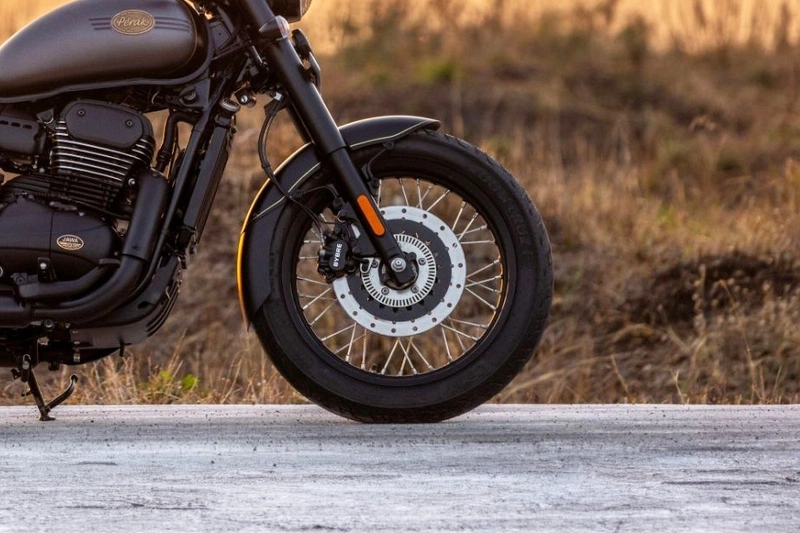
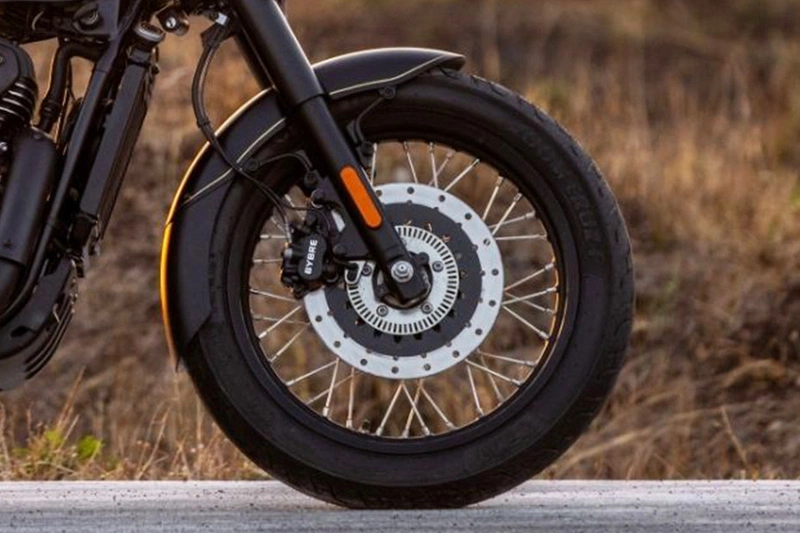
In terms of handling, the motorcycle’s long 1485mm wheelbase and low 750mm seat height contribute to excellent straight-line stability. It feels planted and confident at highway speeds. However, its kerb weight of 185 kg and long wheelbase mean it isn't the most agile machine for weaving through dense city traffic. Cornering is predictable, but it is not a motorcycle that invites aggressive lean angles. Braking is managed by a 280mm front disc and a 240mm rear disc, equipped with dual-channel ABS. The braking hardware, sourced from ByBre, offers adequate stopping power, but the initial bite could be stronger, requiring a deliberate pull on the lever for urgent stops.
design
design
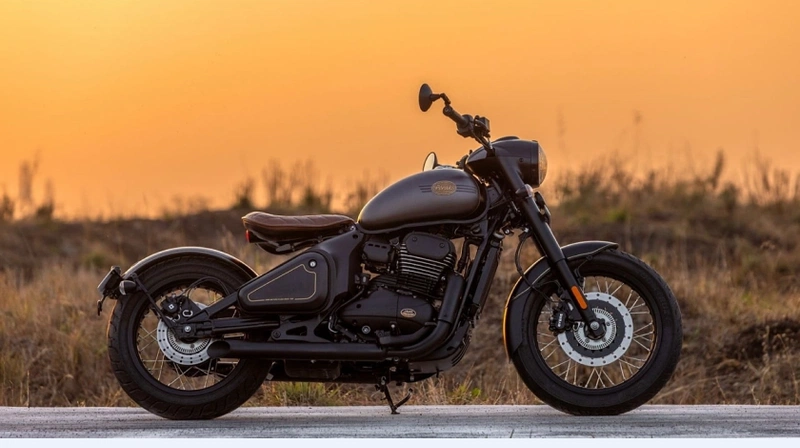
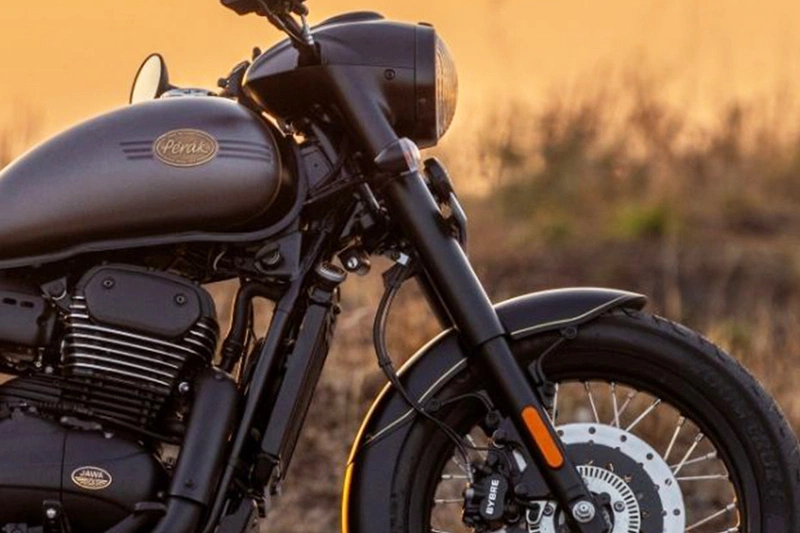
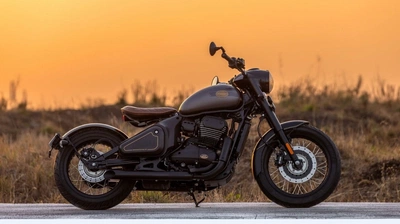
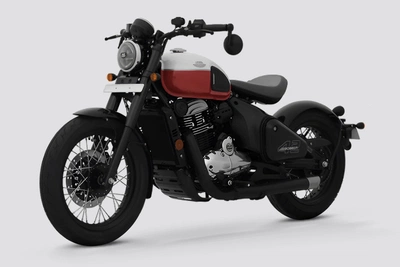
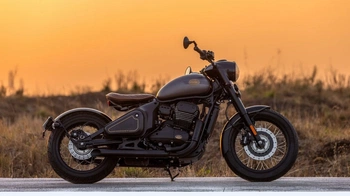
The Perak’s design is its primary selling proposition. It is India’s first factory-produced bobber, and its aesthetic is executed with commitment. The matte black paint scheme, chopped fenders, bar-end mirrors, and the iconic floating single-seat create a commanding presence that is unmatched in its price bracket. However, this unwavering focus on form has resulted in a significant deficit in functional features. The instrument cluster is a single, minimalist analogue pod with a small inverted LCD that displays only an odometer and trip meters. It critically lacks a gear position indicator and a proper fuel gauge, offering only a low-fuel warning light. In an era where competitors provide comprehensive digital displays, this feels archaic.
The lighting system is another area of compromise; the headlamp is a halogen unit, offering average illumination at best, which is a notable disadvantage compared to the full-LED setups on rivals like the Honda H'ness CB350. Furthermore, the Perak lacks any modern connectivity features such as Bluetooth, turn-by-turn navigation, or even a standard USB charging port, positioning it as a purely mechanical and stylistic machine rather than a feature-rich package.
safety
safety
The foundational safety equipment on the Jawa Perak is robust and meets the segment standard. It is equipped with a dual-channel Anti-lock Braking System (ABS) as standard. This system works independently on both the front and rear wheels, preventing wheel lock-up during emergency braking on various surfaces, from dry tarmac to wet or gravel-strewn roads. This is a critical safety net that significantly enhances rider confidence. The braking hardware, comprising disc brakes on both ends, provides reliable stopping power, though the feedback at the lever could be more progressive for nuanced control. A side-stand engine cut-off switch is also present, a mandatory feature that prevents the motorcycle from being ridden with the side stand engaged.
However, when compared to evolving segment benchmarks, the Perak’s safety suite shows gaps. It lacks a traction control system, a feature now offered by competitors like the Honda H'ness CB350. Given the Perak's healthy torque output, traction control would be a valuable addition to manage wheel slip on low-grip surfaces. Furthermore, the halogen headlamp, while functional, offers inferior night-time visibility compared to the brighter, wider spread of LED units, directly impacting rider safety after dark.
competition
competition
The Jawa Perak operates in a competitive landscape, facing off against established models that offer different value propositions.
Royal Enfield Classic 350:
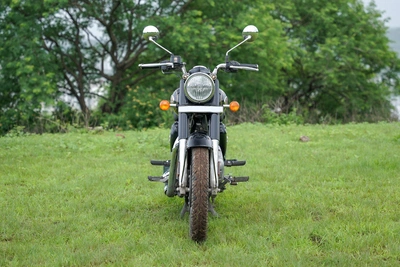
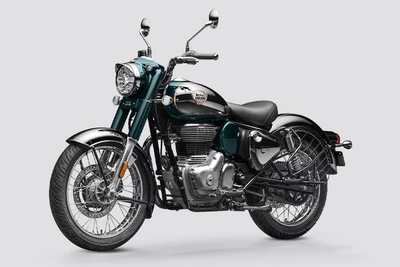
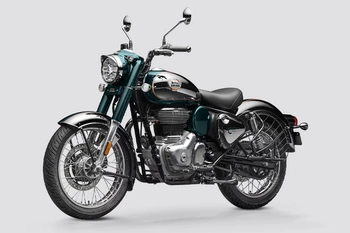
The undisputed segment leader, the Classic 350, relies on its timeless design, brand legacy, and the refined, torque-rich character of its 349cc J-series engine. Its key differentiator is its relaxed ride and an unparalleled service network, offering peace of mind and accessibility across the country.
Royal Enfield Meteor 350:
Positioned as a dedicated cruiser, the Meteor 350 offers a more comfortable, feet-forward riding posture ideal for long-distance touring. Its primary differentiator is superior ride comfort and the availability of the Tripper navigation pod, making it a more practical choice for highway journeys.
Honda H'ness CB350:
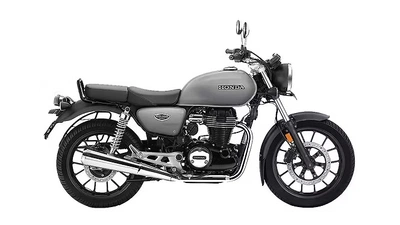
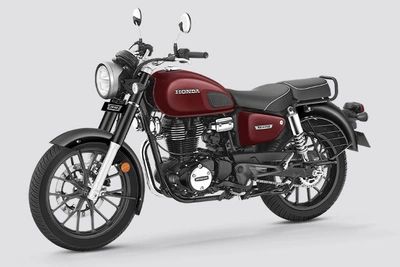
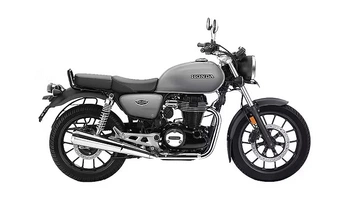
The CB350 brings Japanese refinement and engineering to the retro segment. It boasts an exceptionally smooth engine, lighter clutch action, and a superior feature list including all-LED lighting and Honda Selectable Torque Control (traction control). Its key differentiator is its advanced technology and build quality.
buying advice
buying advice
Who should buy it?
The ideal buyer is a style-conscious solo rider who values engine performance and visual uniqueness above all else. This individual seeks a weekend machine or a daily commuter that makes a strong statement and is willing to forgo practicality for a pure, unadulterated bobber experience.
Who should skip it?
Potential buyers who require a pillion seat, modern technological features like navigation and LED lighting, or a comfortable ride on poorly maintained roads should look elsewhere. Riders prioritizing fuel efficiency, long-distance touring comfort, or a vast service network will find better options in its competitors.
Jawa Perak Specifications & Features
Engine & Transmission
| Starting | Self Start Only |
| Engine Type | Single Cylinder, 4 Stroke, Liquid Cooled, DOHC |
| Displacement | 334 cc |
| Max Torque | 30.01 Nm @ 5500 rpm |
| Number of Cylinders | 1 |
| Cooling System | Liquid Cooled |
| Fuel Supply | Electronic Injection |
| Gear Box | 6 Speed |
| Bore | 81 mm |
| Stroke | 65 mm |
| Compression Ratio | 11:01 |
| Emission Type | BS6.2 |
| Clutch | Wet Multiplate |
| Valve Per Cylinder | 4 |
| gear shifting pattern | 1 Down 5 Up |
| spark plugs per cylinder | 1 Per Cylinder |
Motor & Battery
| Drive Type | Chain Drive |
| Transmission | Manual |
| Peak Power | 29.9 PS @ 7500 rpm |
Mileage & Performance
| Overall Mileage | 34.05 kmpl |
| City Mileage | 34.05 kmpl |
| Highway Mileage | 30.79 kmpl |
| Acceleration 0-80 Kmph | 6.76 s |
| Roll ons 30-70 Kmph | 4.35 s |
| Roll ons 40-80 Kmph | 5.54 s |
| Braking 60-0 Kmph | 17.24 s |
| Braking 80-0 Kmph | 31.65 s |
| Braking 100-0 Kmph | 54.04 s |
| zero to 100 kmph | 11.45 s |
Performance
| Top Speed | 140 kmph |
| Acceleration 0-100 Kmph | 11.45 s |
Chassis & Suspension
| Body Type | Cruiser Bikes |
Tyres & Brakes
| Front Brake Diameter | 280 mm |
| Rear Brake Diameter | 240 mm |
| Front Tyre Pressure Rider | 23 psi |
| Front Tyre Pressure Rider Pillion | 23 |
| Rear Tyre Pressure Rider | 28 psi |
| Rear Tyre Pressure Rider Pillion | 28 |
Dimensions & Capacity
| Fuel Capacity | 13.2 L |
| Ground Clearance | 145 mm |
| Wheelbase | 1485 mm |
| Kerb Weight | 187 Kg |
| Fuel Reserve | 2.8 L |
| Seat Height | 750 mm |
| pillion grab rail | |
| pillion seat |
Electricals
| Headlight | Halogen |
| Taillight | LED |
| Turn Signal Lamp | Bulb |
| Low Battery Indicator | |
| Low Oil Indicator | |
| Low Fuel Indicator |
Features & Safety
| Pass Switch | |
| Fuel Gauge | Analog |
| Engine Kill Switch | |
| hazard warning indicator | |
| malfunction indicator |
Features
| Instrument Console | Analogue and Digital |
| Speedometer | Analogue |
| Seat Type | Single |
| Odometer | Digital |
| engine temperature indicator |
App Features
| Low Battery Alert |
Underpinnings
| Suspension Front | Telescopic Fork , 35 mm |
| Suspension Rear | Mono Shock Absorber, Gas Filled With 7 Step Adjustable Preload |
| Brakes Front | Disc |
| Brakes Rear | Disc |
| Tyre Size | Front :-100/90-18 Rear :-140/70-17 |
| Wheel Size | Front :-457.2 mm,Rear :-431.8 mm |
| Wheels Type | Spoke |
| ABS | Dual Channel |
| Frame | Double Cradle |
| first service | 1000 Kms/30 Days |
| second service | 6000 Kms/180 Days |
| third service | 12000 Kms/365 Days |
| fourth service | 18000 Kms |
| caliper front piston | 2 |
| caliper rear piston | 1 |
| Tyre Type | Tube |
Warranty
| Vehicle Warranty | 4 Years or 50,000 Km |
| Roadside Assistance |
Jawa Perak Price in Cities
₹ 2.60 Lakh - 2.60 Lakh
₹ 2.54 Lakh - 2.54 Lakh
₹ 2.50 Lakh - 2.50 Lakh
₹ 2.54 Lakh - 2.54 Lakh
₹ 2.47 Lakh - 2.47 Lakh
₹ 2.57 Lakh - 2.57 Lakh
₹ 2.66 Lakh - 2.66 Lakh
₹ 2.50 Lakh - 2.50 Lakh
₹ 2.62 Lakh - 2.62 Lakh
₹ 2.80 Lakh - 2.80 Lakh
Popular Brands





Jawa Perak Comparisons
Jawa Perak
₹2.20 Lakh
Bajaj Dominar 400
₹2.04 Lakh
Jawa Perak
₹2.20 Lakh
Honda CB350
₹1.97 - 2 Lakh
Jawa Perak
₹2.20 Lakh
Bajaj Dominar 400
₹2.04 Lakh
Jawa Perak
₹2.20 Lakh
Royal Enfield Bullet 350
₹1.64 - 2.08 Lakh
Jawa Perak
₹2.20 Lakh
Royal Enfield Classic 350
₹1.86 - 2.21 Lakh
Jawa Perak
₹2.20 Lakh
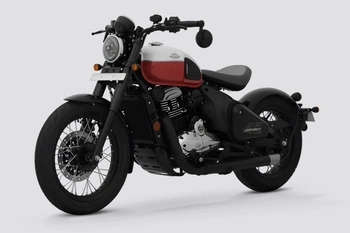
Jawa 42 Bobber
₹2.05 - 2.20 Lakh
Jawa Perak
₹2.20 Lakh
Honda CB350 H'ness
₹1.93 - 1.98 Lakh
Jawa Perak
₹2.20 Lakh
Honda CB350
₹1.97 - 2 Lakh
Jawa Perak
₹2.20 Lakh
Jawa 42 Bobber
₹2.05 - 2.20 Lakh
Jawa Perak
₹2.20 Lakh
Royal Enfield Classic 350
₹1.86 - 2.21 Lakh