Renault Kiger vs Tata Punch - Which One Should You Buy
Renault Kiger vs Tata Punch Comparison at CarHP India. Compare Renault Kiger and Tata Punch Prices, Mileage, Features, Specs, Colours and much more.
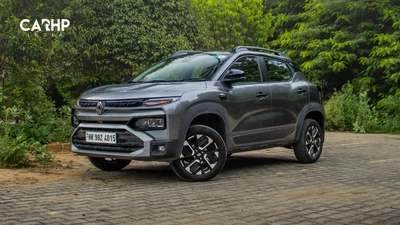
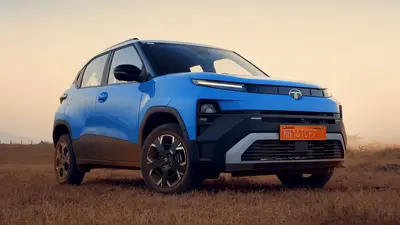
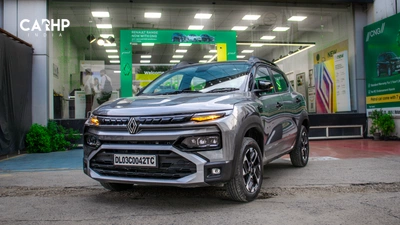
The Renault Kiger comes in 19 variants. Engine options include Petrol as per the selected variant, paired with manual or automatic transmissions. The selected variant is priced at ₹5.81 Lakh. The cheapest variant, Authentic, costs ₹5.81 Lakh, while the top-end variant, Emotion Turbo CVT, is priced at ₹10.40 Lakh. The Tata Punch comes in 26 variants. Engine options include Petrol and CNG as per the selected variant, paired with manual or automatic transmissions. The selected variant is priced at ₹5.75 Lakh. The cheapest variant, Smart, costs ₹5.75 Lakh, while the top-end variant, Accomplished Plus S CNG AMT, is priced at ₹10.77 Lakh.
₹ 5.81 Lakh
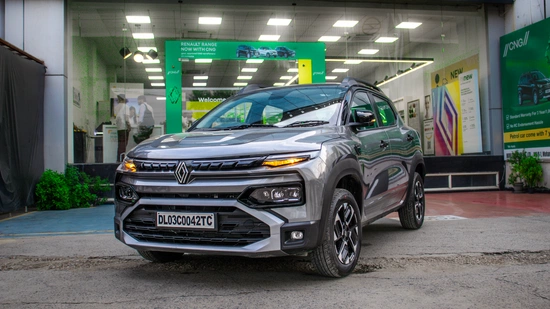
₹ 5.75 Lakh
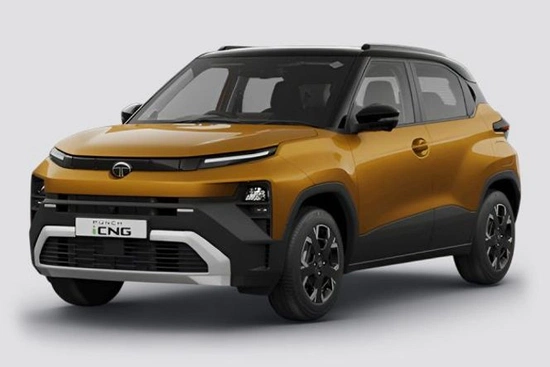


Compare Minimum 2 Cars At Once — Tap To Activate / Deactivate
Smart Summary for Car Selection
 Why Choose Renault Kiger?
Why choose the Renault Kiger
- The turbo petrol can be had with a CVT automatic, so a buyer who wants turbo performance and a clutch-free commute gets both in one car, a pairing the Punch turbo does not offer.
- Its 405-litre boot is 39 litres bigger than the Punch petrol's 366 litres, so a family of four can pack a large suitcase alongside soft bags for a weekend away.
- Ground clearance is 205mm, 12mm more than the Punch, which gives an extra margin over deep potholes and tall speed breakers when the car is fully loaded.
- It is 3,990mm long on a 2,500mm wheelbase against the Punch's 3,876mm and 2,445mm, and that extra length gives a family of five more room inside than the shorter Punch allows.
- Roof rails rated for loads up to 50kg let you carry a roof box on long family trips when the boot is already full.
- Large bottle holders and roomy central storage keep water bottles, phones and toll cash within reach on long drives.
Why not choose the Renault Kiger
- The Kiger's crash rating is four stars from Global NCAP while the Punch holds five stars from Bharat NCAP, so a safety-first buyer gets the higher tested score in the Tata.
- The naturally aspirated engine makes 72hp and 96Nm, and its AMT shifts jerkily under hard acceleration, so quick overtakes or climbs with a full load need patience and planning.
- There is no sunroof, powered driver's seat or ADAS, so long highway drives get no electronic driver assistance.
- The turbo with the CVT returns around 10 to 12kmpl in city driving, so the most convenient pairing costs more to run than its claimed figure suggests for mostly urban use.
- CNG comes only as a dealership retrofit on the base engine, so a buyer who wants gas running costs cannot combine them with the turbo engine.
Why Choose Tata Punch?Why choose the Tata Punch
- A 5-star Bharat NCAP rating with six airbags standard on every version means the entry-level Punch carries the same airbag count as the most expensive one.
- The 120hp turbo petrol is the most powerful engine in this comparison and reaches 100kph in around 11.6 seconds, so merging onto a fast highway needs less planning than in the Kiger.
- Factory CNG uses twin cylinders and can be paired with an AMT, so a heavy city user gets gas running costs and clutch-free driving while keeping 210 litres of boot usable.
- The suspension deals with broken roads far more calmly than the car's size suggests, and paired with 193mm of ground clearance this makes the Punch comfortable on poorly kept roads.
- Doors that open to 90 degrees and a high seating position make getting in and out easy, which suits older parents who struggle to lower themselves into a low car.
Why not choose the Tata Punch
- The turbo petrol comes only with a 6-speed manual, so a buyer who wants the strongest engine and an automatic cannot have both, a combination the Kiger turbo with CVT allows.
- The 88hp naturally aspirated petrol feels flat next to the turbo, so the engine most buyers pair with an automatic is also the one that struggles to keep up with fast-moving traffic.
- The AMT shifts lazily if you press the accelerator hard, so darting into gaps in traffic needs to be planned earlier.
- Boot space on petrol versions is 366 litres, 39 litres behind the Kiger, so luggage for four on a long trip needs tighter packing.
- Choosing CNG cuts the boot to 210 litres, so the version with the lowest running cost is also the one that struggles with luggage for a family trip.
- The touch-based climate panel is fiddly to use while driving, so adjusting fan speed on the move takes your eyes off the road for longer.
 Our Recommendation For Most Buyers
Who should buy the Renault Kiger
Choose the Kiger when you want turbo performance with an automatic gearbox and a bigger boot in a compact SUV. The turbo with CVT is its trump card, delivering smooth, clutch-free driving without settling for the slower base engine. The 405-litre boot, 205mm ground clearance and roof rails also make it practical for family trips.
Safety and equipment are where it concedes ground. Its four-star Global NCAP score sits below the Punch's five-star Bharat NCAP result, and there is no sunroof, powered seat or ADAS. The base engine with the AMT feels strained under a full load, and CNG is only a dealer retrofit that cannot be combined with the turbo. If an automatic turbo and more luggage space top your list, and a lower tested safety score is a compromise you can accept, the Kiger fits your needs better.
Who should buy the Tata Punch
If tested safety and ride comfort on bad roads come first, the Punch deserves the top spot on your list. Its five-star Bharat NCAP rating, six standard airbags and composed suspension reassure families, wide-opening doors and high seats help older passengers, and the factory CNG with an AMT keeps city running costs low. The lock-outs are significant, though.
The powerful turbo engine is manual only, so anyone who wants performance with two pedals has to go to the Kiger. The base engine feels slow in traffic, the AMT shifts lazily, and the boot is smaller than the Kiger's in every version, shrinking further with CNG. The touch climate controls are awkward on the move. Families on broken roads, households with elderly passengers, and buyers who want CNG without a clutch will be happier in the Punch.
Engine and Performance
Performance Specifications
Fuel Specifications
Dimensions and Design
Interior Specifications
Wheels & Tires
Suspension, Brakes & Steering
Safety Features
Interior Features
Comfort & Convenience
Infotainment Features
Exterior Features
Brochure

EMI Cost Comparison
Assuming 20% down payment, 9.5% interest, 60-month tenure
 Loan Amount
 Interest: 9.5%
 Down Payment (20%)
 Loan TenureLoan AmountInterest: 9.5%Down Payment (20%)Loan Tenure
Pros & Cons Comparison
Things We Like in Renault Kiger
- Value for money, packing more features at affordable prices than rivals.
- Standard safety features like 6 airbags, ABS-EBD, ESP, hill-hold, TPMS, and ISOFIX mounts.
Things We Like in Tata Punch
- New 118 bhp turbo engine delivers the 'Punch' this car always needed.
- Excellent safety with 5-star Bharat NCAP rating with 6 airbags standard.
Things We Don't Like in Renault Kiger
- 1.0-litre naturally aspirated petrol engine feels underpowered for this segment.
- Cabin uses many hard plastics that don't feel premium.
Things We Don't Like in Tata Punch
- Naturally aspirated petrol engine still feels underpowered for highway overtakes, hilly areas, and full loads.
- No automatic option on turbo petrol variants.
Renault Kiger Comparisons
Tata Punch Comparisons
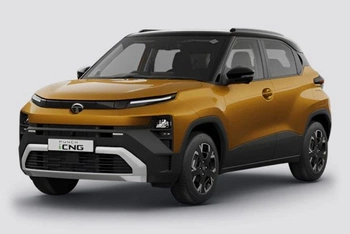
Tata Punch
₹5.70 - 10.67 Lakh
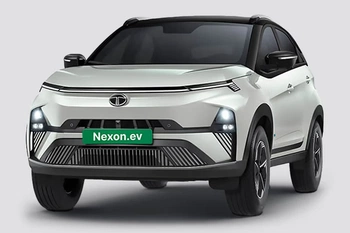
Tata Nexon EV
₹12.49 - 17.89 Lakh
Tata Punch
₹5.70 - 10.67 Lakh
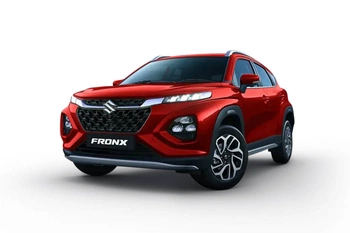
Maruti Suzuki Fronx
₹6.90 - 12.03 Lakh
Tata Punch
₹5.70 - 10.67 Lakh
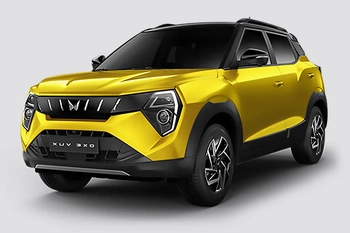
Mahindra XUV 3XO
₹7.79 - 15.04 Lakh
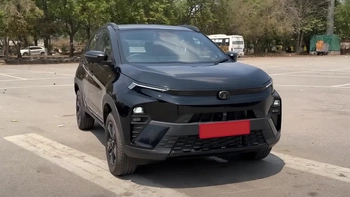
Tata Punch
₹5.70 - 10.67 Lakh
Tata Nexon
₹7.40 - 14.52 Lakh
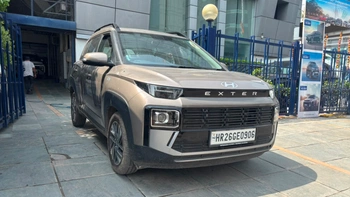
Tata Punch
₹5.70 - 10.67 Lakh
Hyundai Exter
₹5.81 - 9.61 Lakh
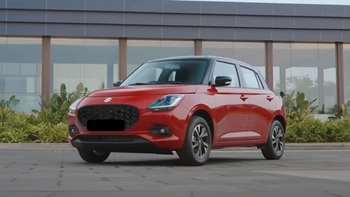
Tata Punch
₹5.70 - 10.67 Lakh
Maruti Suzuki Swift
₹5.84 - 8.89 Lakh
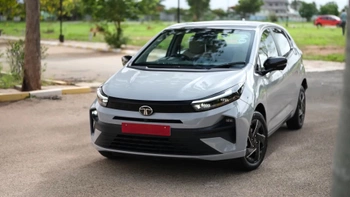
Tata Punch
₹5.70 - 10.67 Lakh
Tata Altroz
₹6 - 10.90 Lakh
Tata Punch
₹5.70 - 10.67 Lakh
Maruti Suzuki Alto K10
₹3.70 - 5.45 Lakh
SUV Comparisons
Car News

September 2026 Car Sales As Per Vahan
The car market saw an overall positive sales trend in September 2026. Mass market carmakers saw a slight increase, EV manufacturers grew significantly since the start of the year, and luxury carmakers recorded the best month out of the three.
Arjun Nair
October 1, 2026
Most Affordable Cars With 360 Degree Camera Under 10 Lakhs
The 360 cam is one of the most in demand features that helps to increase your situational awareness when parking or while driving. Here is the full list of cars that offer a 360-degree camera under ₹10 lakh with variant names, prices, and what else you get alongside the camera.
Salil Kumar
September 29, 2026