Kia Carens
Overall Rating

Kia Carens
Overall Rating
EMI Loading
Kia Carens Key Specifications
Kia Carens Highlights

Sunroof.

Roof-mounted rear AC vents.

Pop-out cup holders.
Kia Carens Overview

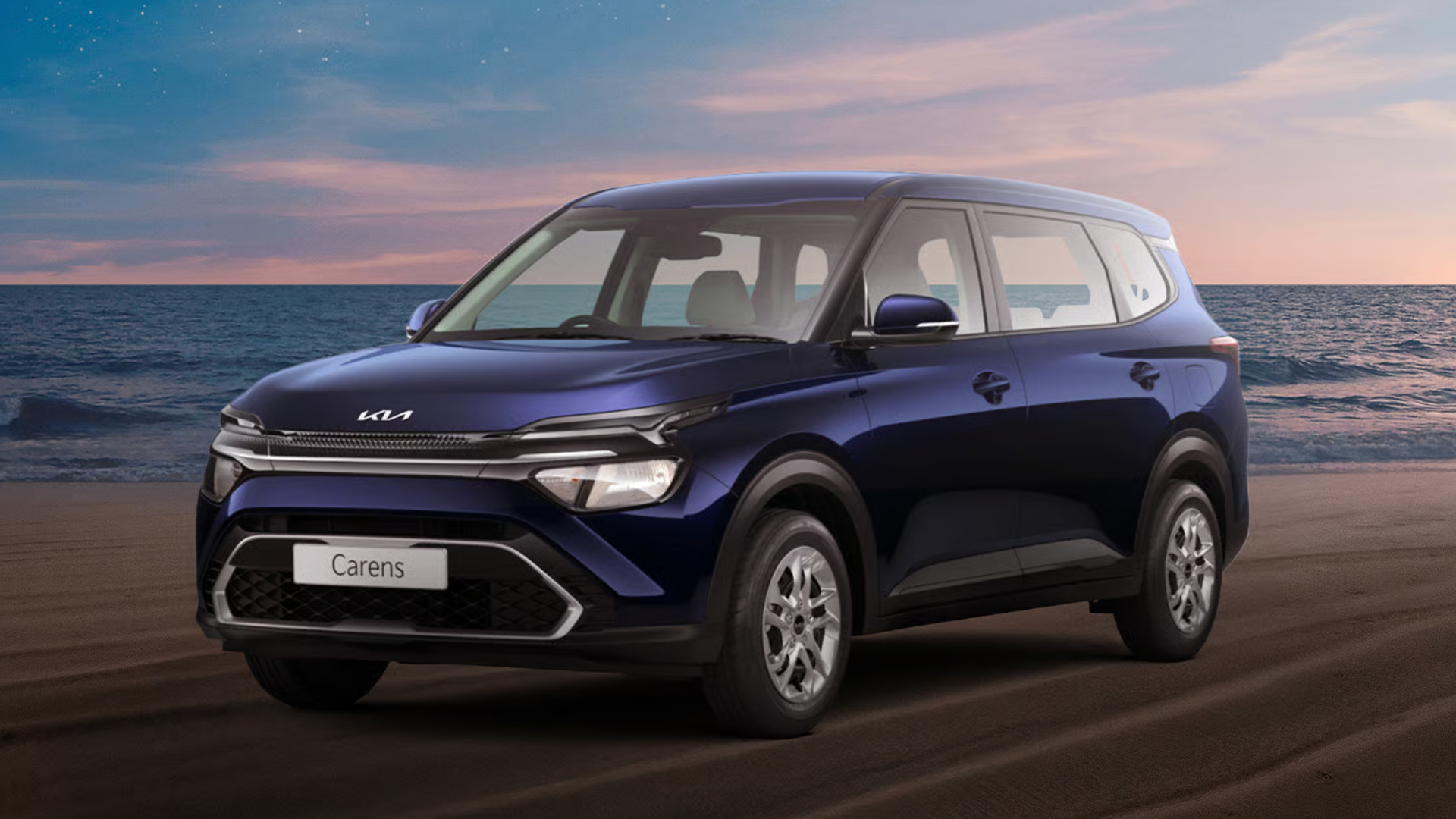
The Kia Carens launched in 2022 as one of the most feature-rich seven-seat MPVs at its price, competing with the Maruti Ertiga, Maruti XL6, and lower variants of the Toyota Innova Crysta, with a longer list of features, more cabin technology, and a design that felt a step above the segment.
It sold well enough in its early life that Kia built an entire new product around it: the Carens Clavis, launched in May 2025 with updated styling, substantially more features, and the dual-screen cabin architecture borrowed from the Kia Syros.
With the Clavis covering the premium end of the segment, the standard Carens was rationalised significantly. The turbo-petrol engine, all automatic gearbox options, and the Prestige, Gravity, and Luxury trims were removed. What remains is the Premium (O) trim, offered with the naturally aspirated petrol, the diesel, and now factory CNG, all with a 6-speed manual.
This was a deliberate product decision rather than a neglect, and standard Carens now serves buyers who want Kia's seven-seat packaging, cabin quality, six airbags, and all-disc brakes at a price more accessible than the Clavis. The three-engine lineup is the range's most practical differentiator, with the naturally aspirated petrol for budget-first buyers, the diesel for high-mileage users, and the factory CNG for city-based commuters or fleet operators who want the lowest possible running cost.
Featuring a manual AC, halogen headlamps, steel wheels, no sunroof, no ADAS, and a manual-only gearbox, this is not a feature-rich MPV. Buyers who want any of those features need to step up to the Carens Clavis. For its price though, the standard Carens is fairly well equipped.
Engine and Performance
Engine and Performance
| Specification | NA Petrol | Diesel | CNG |
|---|---|---|---|
| Engine | 1.5L Smartstream G1.5 petrol | 1.5L CRDi VGT diesel | 1.5L Smartstream G1.5 petrol-CNG |
| Displacement | 1497 cc | 1493 cc | 1497 cc |
| Power | 113 bhp at 6300 rpm | 114 bhp at 4000 rpm | 95 bhp at 6000 rpm |
| Torque | 144 Nm at 4500 rpm | 250 Nm at 1500-2750 rpm | 123 Nm at 4500 rpm |
| Fuel Tank | 45 litres | 45 litres petrol / 60 litres CNG cyl. | |
| Transmission | 6-speed manual | ||
| Drivetrain | Front-wheel drive | ||
| Suspension (F) | MacPherson struts | ||
| Suspension (R) | Coupled torsion beam | ||
| Brakes | All-wheel discs | ||
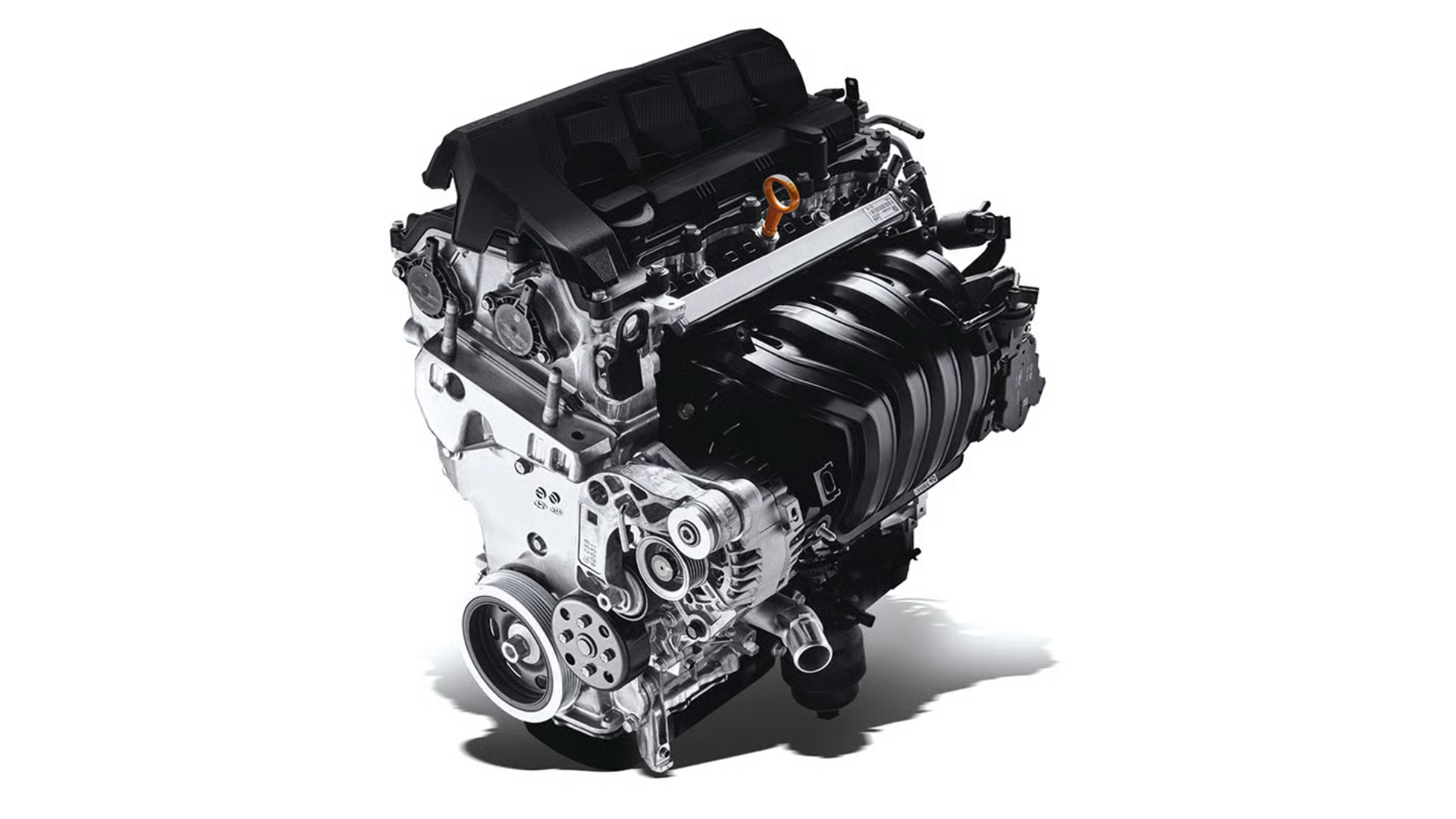
The 1.5-litre naturally aspirated petrol is the most affordable entry into the Carens and suits buyers who primarily drive in the city with moderate loads.
At 113 bhp and 144 Nm, the engine is adequately smooth at low to moderate revs and handles typical urban conditions without complaint. With five or more passengers on board, particularly on inclines or during highway overtaking, the naturally aspirated engine's limitations become apparent. The 6-speed manual's ratios suit the engine's character and the gear change itself is among the better manual actions in this price bracket.
The factory-fitted CNG option, paired with the petrol engine, makes 95 bhp and 123 Nm in CNG mode. These are modest figures for a proper three-row MPV, adequate for city runabouts and relaxed highway cruising.
The 1.5-litre CRDi diesel is the more practically useful engine for buyers who cover high mileage or travel regularly on highways.
Producing 114 bhp and 250 Nm, torque is substantially higher than the petrol and arrives lower in the rev range, making the diesel Carens noticeably more composed under load. Diesel clatter is present at idle and under light loads but settles at cruising speeds.
For families that use all seats of the Carens with luggage, the diesel's broad torque delivery offers better highway cruising ability than the naturally aspirated petrol and CNG options.
The absence of an automatic gearbox across all engines is the current Carens's most significant limitation for daily use.
Ride and Handling
The Carens's ride quality is one of the better aspects of the ownership experience.
Its long 2780 mm wheelbase contributes to a settled, stable feel at highway speeds, and the suspension soaks up typical Indian road irregularities with composure. Body roll in faster direction changes is managed adequately for an MPV.
The steering is nearly finger-light in city conditions, making parking and manoeuvring this long MPV easier. It weighs up at higher speeds for better cruising confidence, though feel and feedback is limited.
Overall, the ride and handling balance suits the vehicle's primary role as a family commuter and long-distance cruiser.
fuel economy
fuel economy
| Engine | Transmission | ARAI Claimed | Real-World (Estimate) |
|---|---|---|---|
| 1.5 Petrol | 6-speed MT | 17.9 km/l | 12 to 15 km/l |
| 1.5 Diesel | 6-speed MT | 21 km/l | 15 to 18 km/l |
| CNG | 6-speed MT | Not yet published | Est. 22 to 26 km/kg |
The diesel's 21 km/l ARAI figure is the most compelling efficiency number in the range and makes it the standout choice for buyers who cover more than 1,500 km per month. Real-world diesel returns of 15 to 18 km/l in mixed driving are consistent with owner feedback across the Carens's production life.
The naturally aspirated petrol's 17.9 km/l ARAI figure translates to 12 to 15 km/l in real-world use, which is moderate for the class but adequate for buyers who do not primarily judge an MPV on per-kilometre running cost.
The CNG's efficiency figures have not been published by Kia at the time of writing. Expect them to range between 22 to 26 km/kg. The 60-litre factory CNG tank gives it a reasonable range buffer between fills.
The 45-litre petrol and diesel fuel tank is generous for the segment.
interior
interior
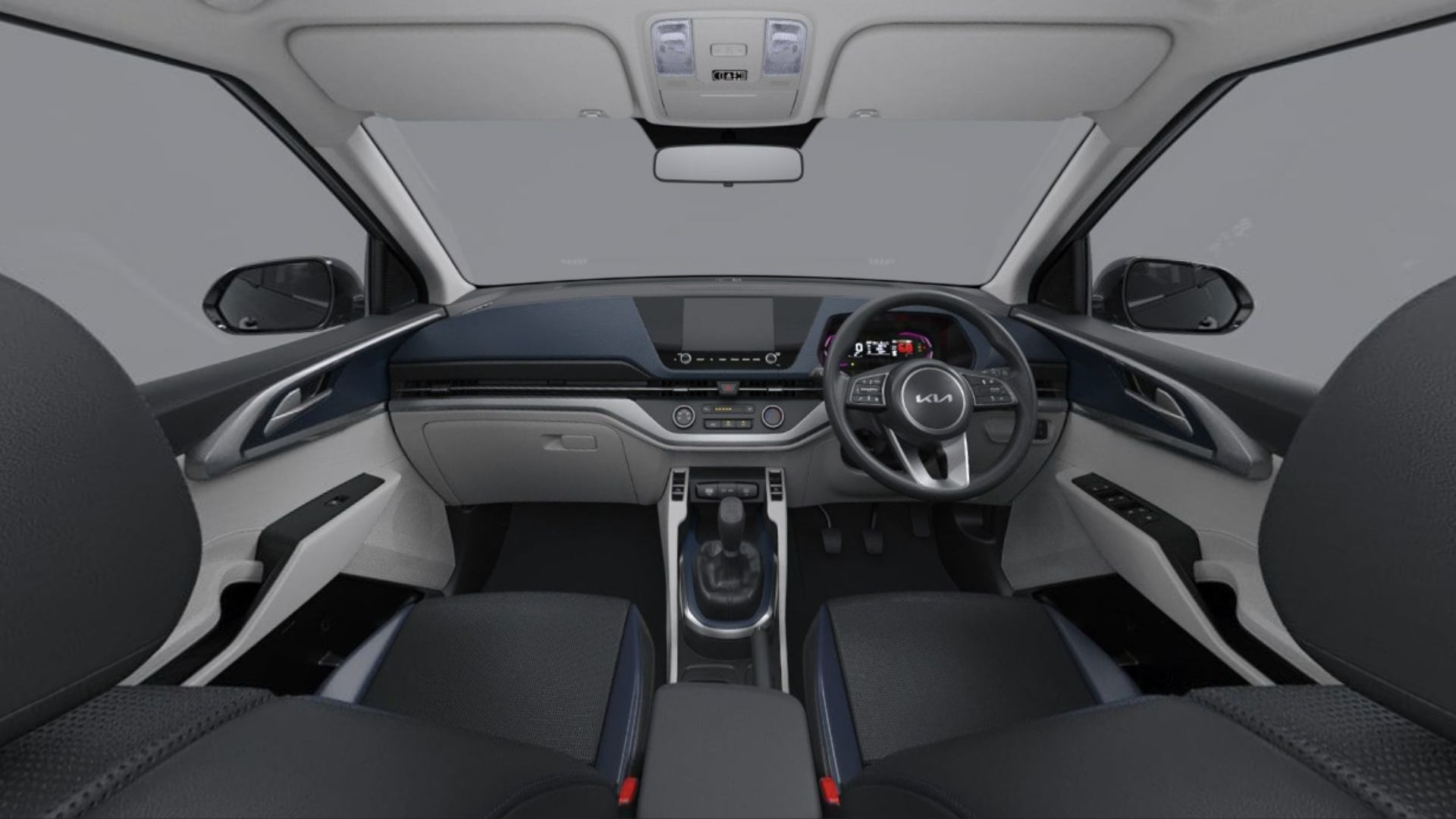
The Carens's cabin in its single Premium (O) specification retains the navy blue and beige dual-tone theme that was one of the original Carens's visual highlights.
The fabric and leatherette seat combination looks and feels noticeably more considered than what the Maruti Ertiga or Toyota Rumion offer at this price, and the overall dashboard quality, with its layered design and consistently good fit and finish, remains above the segment average.
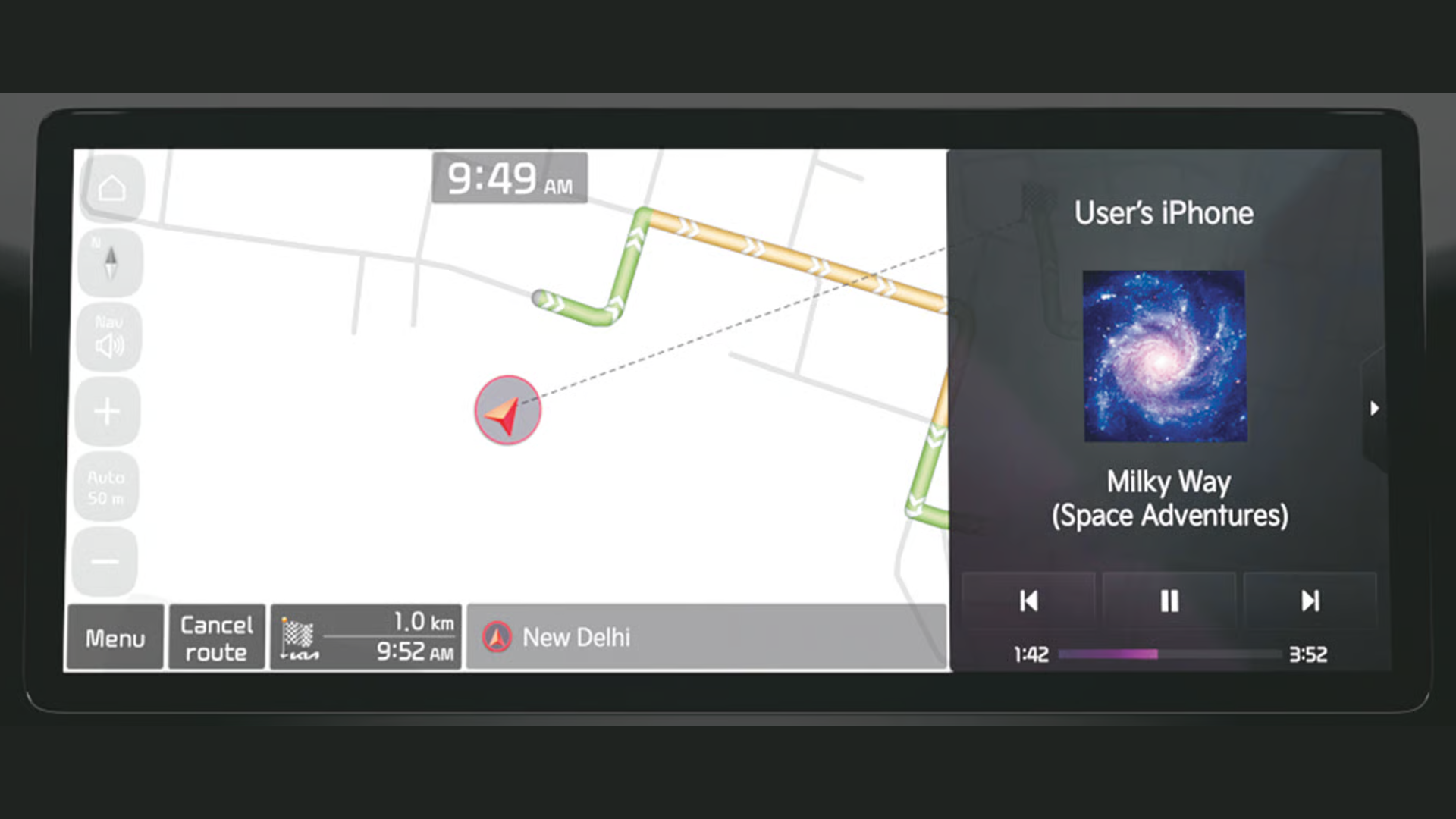
The 8-inch touchscreen supports wireless Android Auto and Apple CarPlay, which handle navigation and media effectively. The semi-digital cluster with its 4.2-inch colour MID provides useful trip information and is clear to read.
These are the same infotainment provisions that the entry variants of the original Carens launched with in 2022 and they remain functional, if not impressive by 2026 standards.

Manual AC with roof mounted vents for the second and third row is sufficient for cooling the cabin on most occasions.
The 7-seat layout across three rows continues to be the Carens's practical core. The second row offers good legroom and slides to create more space for either the first or third row as needed.
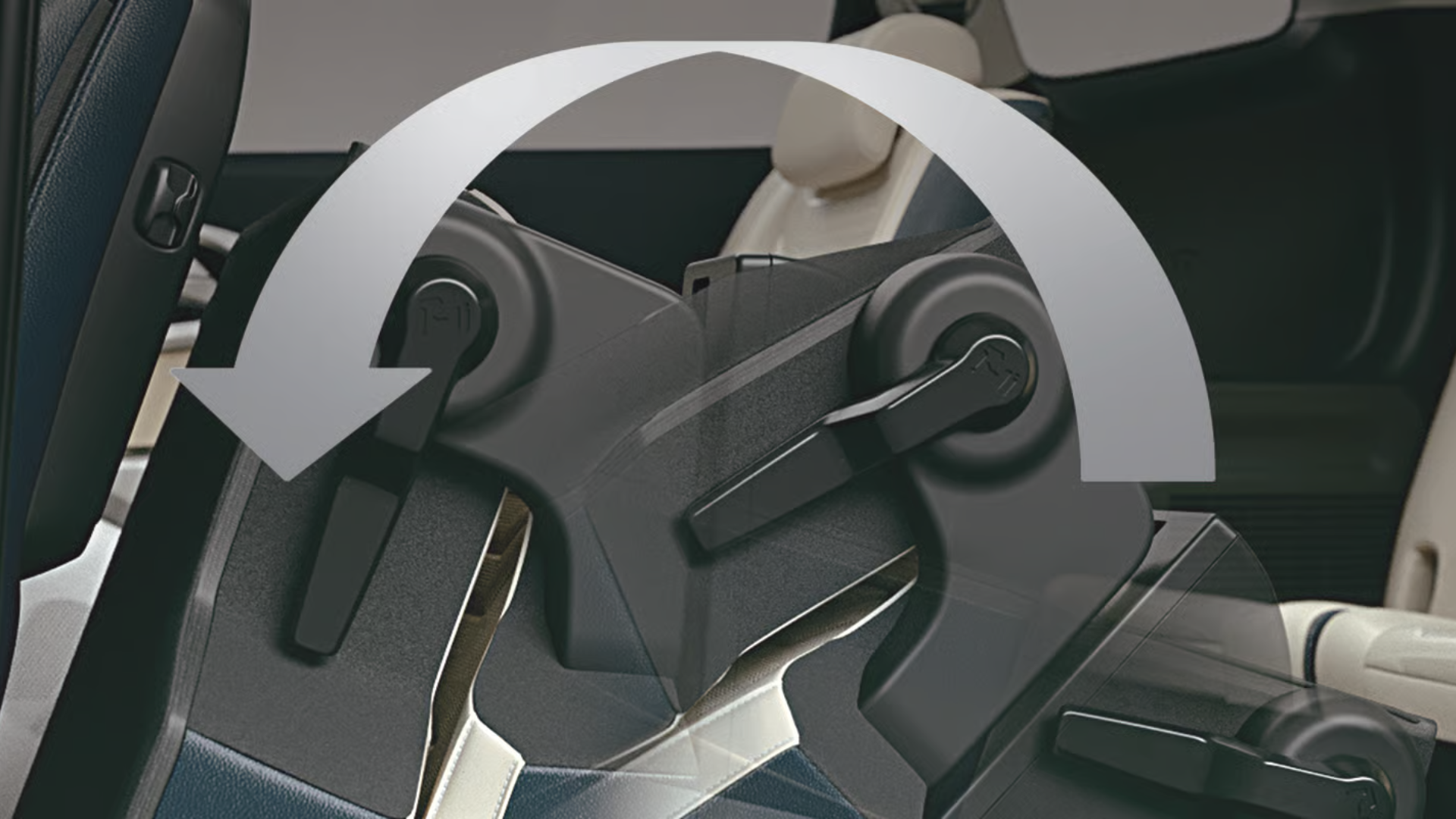
The third row is a genuine two-adult space for shorter journeys, better than most competing MPVs in this price bracket, and the one-touch tumble mechanism for third-row access remains in place.
No sunroof or ventilated seats are offered here.
The 216-litre boot with all rows in use is tight but consistent with the three-row MPV format at this size. Folding the third row dramatically expands the loading area to roughly 645 litres. In CNG variants, the boot space is significantly reduced due to the tank.
Cabin material quality remains unchanged. The standard Carens shares the same platform and interior structure as the Clavis and the build quality remains one of the strongest in its competitive set, even in this simplified Premium (O) trim.
exterior
exterior
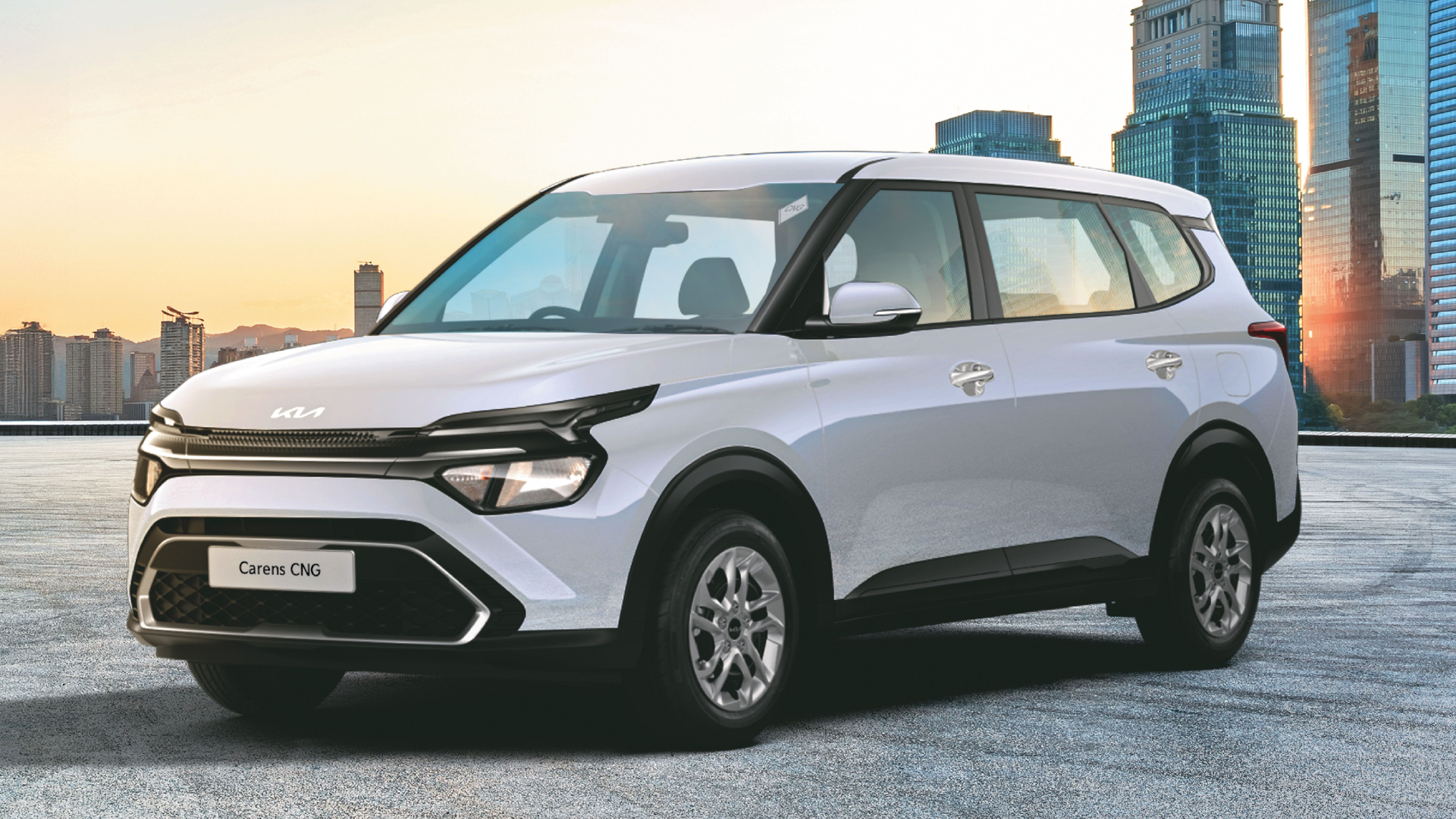
The standard Carens carries the same body as the Clavis, which means it benefits from the same overall dimensions and spacious silhouette.
| Specification | Details |
|---|---|
| Length | 4540 mm |
| Width | 1800 mm |
| Height | 1708 mm |
| Wheelbase | 2780 mm |
| Ground Clearance | 195 mm |
| Tyres | 215/60 R16 |
| Wheels | 16-inch steel with silver covers |
| Fuel Tank | 45 litres (petrol/diesel) / 60 litres CNG tank |
| Boot Space | 216 litres (all rows up), 645 litres (third row folded) |
The exterior styling of the standard Carens has remained unchanged since its launch. The front gets bumper mounted halogen headlamps connected via a sleek piano black grille, and a silver finish and black cladding surrounds the lower grille.
The side profile is simple and clean, with two creases extending from the headlamps and tail lamps, and black cladding continuing from the front. There are no roof rails, and the 16-inch steel wheels with wheel covers give it a simple, purpose built MPV look rather than something premium.
At the rear, the sharp and angular tail lamps mimic a connected look, and the bumper continues with the black cladding lower down with silver inserts.
At 4540 mm in length with a 2780 mm wheelbase, the Carens remains one of the larger vehicles in the sub-Rs. 15 lakh MPV segment, and the 195 mm ground clearance handles Indian road conditions comfortably.
The Kia Carens comes in Aurora Black Pearl, Clear White, and Imperial Blue colour options.
safety
safety
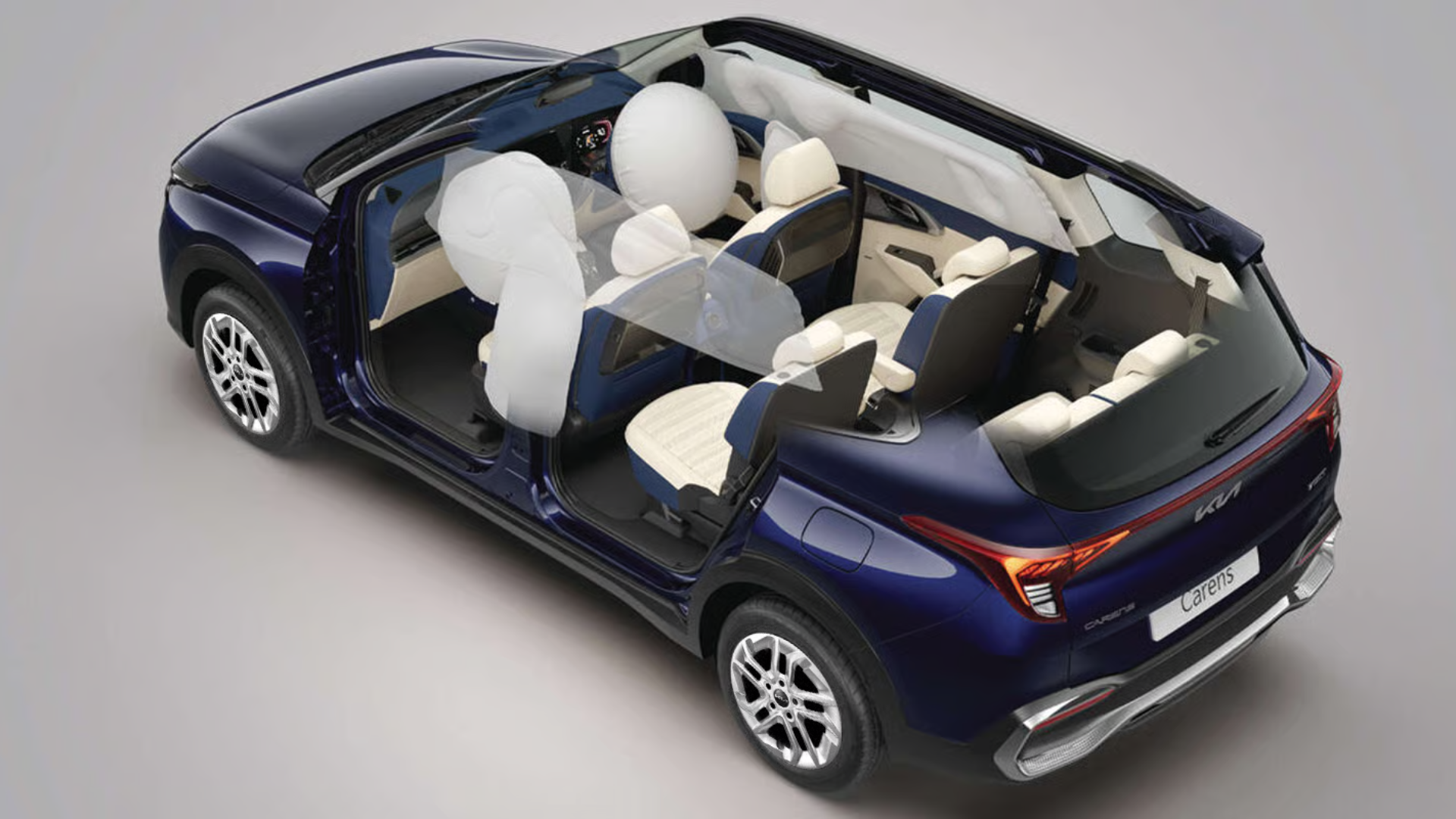
The Kia Carens offers six airbags, all-wheel disc brakes, ESC with VSM, hill hold assist, ABS with EBD, TPMS, ISOFIX, rear parking sensors, and a rear camera in its sole Premium (O) trim, which is a strong safety baseline.
Its 3-star Global NCAP rating provides an independently verified structural safety credential that several rivals at this price do not have. The 5-star rating for Child Occupant Protection remains a major highlight.
There is no ADAS of any kind.
competition
competition

The Maruti Suzuki Ertiga is the segment's volume leader and the Carens's primary rival.
It offers a mild-hybrid 1.5-litre petrol engine with a torque converter automatic gearbox option, factory CNG across multiple variants, a comprehensive safety suite including six airbags as standard, and Maruti's large nation-wide service network.
It falls behind the Carens noticeably in terms of cabin feel and quality, does not come with all-disc brakes, and misses out on a diesel option.
For buyers outside major urban centres where Maruti's service network advantage is most practical, the Ertiga is often the more sensible long-term ownership choice. Those looking for a more refined cabin experience should pick the Carens.

The Toyota Rumion is a badge-engineered Ertiga and shares its underpinnings and powertrains.
Toyota's brand assurance and service standards make it worth considering for buyers who value a hassle-free ownership experience and have convenient access to a Toyota dealership.
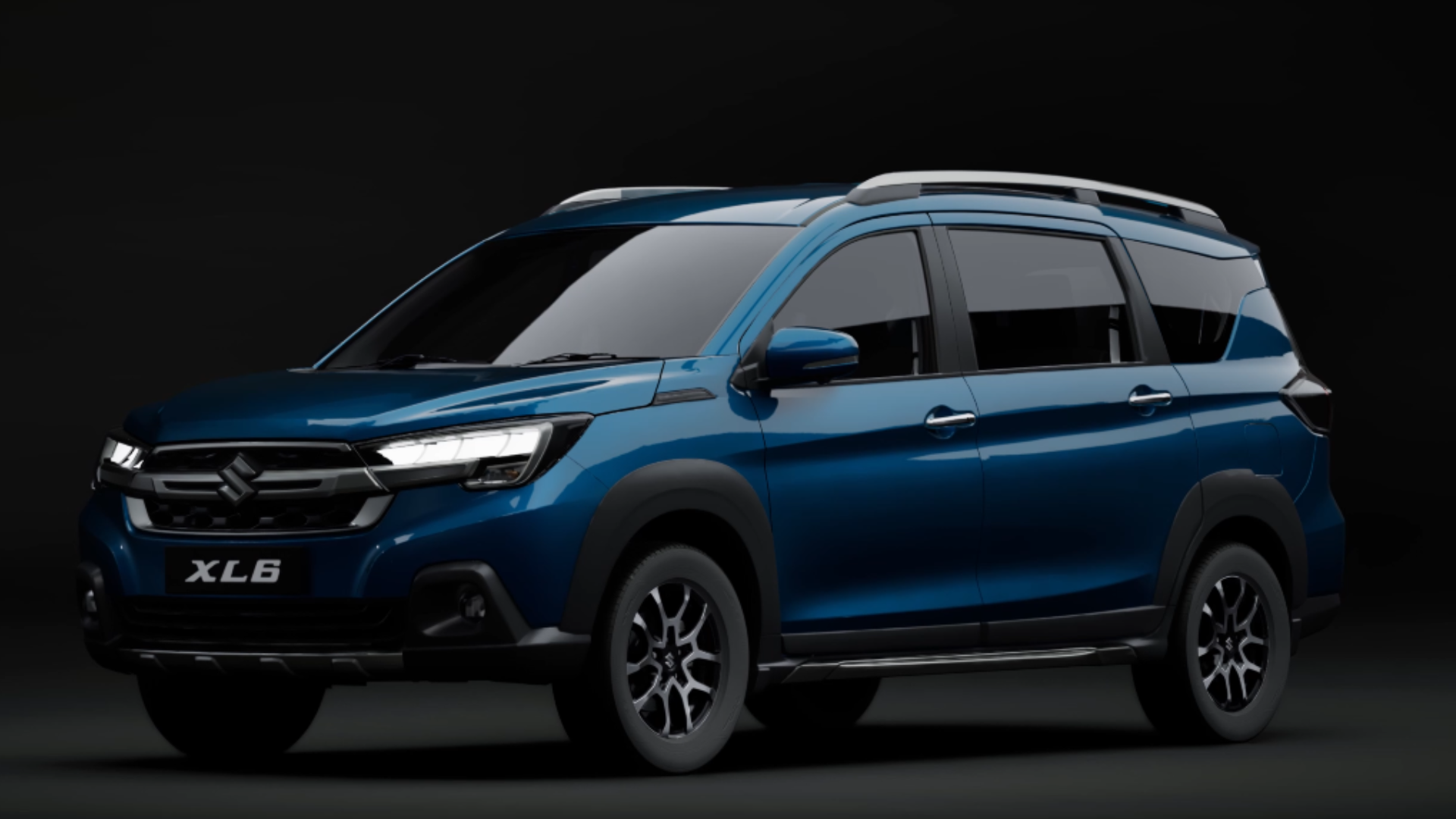
The Maruti Suzuki XL6 is a more premium Ertiga, offering the same powertrains but with second row captain seats, a sportier all-black cabin with silver inserts, and a marginally higher feature count. It is priced above the Carens in its upper variants, but below in its base, and benefits from the same large service network.
Just like the Ertiga, it does not offer a diesel engine and all-wheel disc brakes, and does not match the Carens's overall cabin quality.
For buyers who specifically want a six-seat captain chair arrangement, the XL6 is the strongest alternative now that the standard Carens no longer offers its own six-seat option.
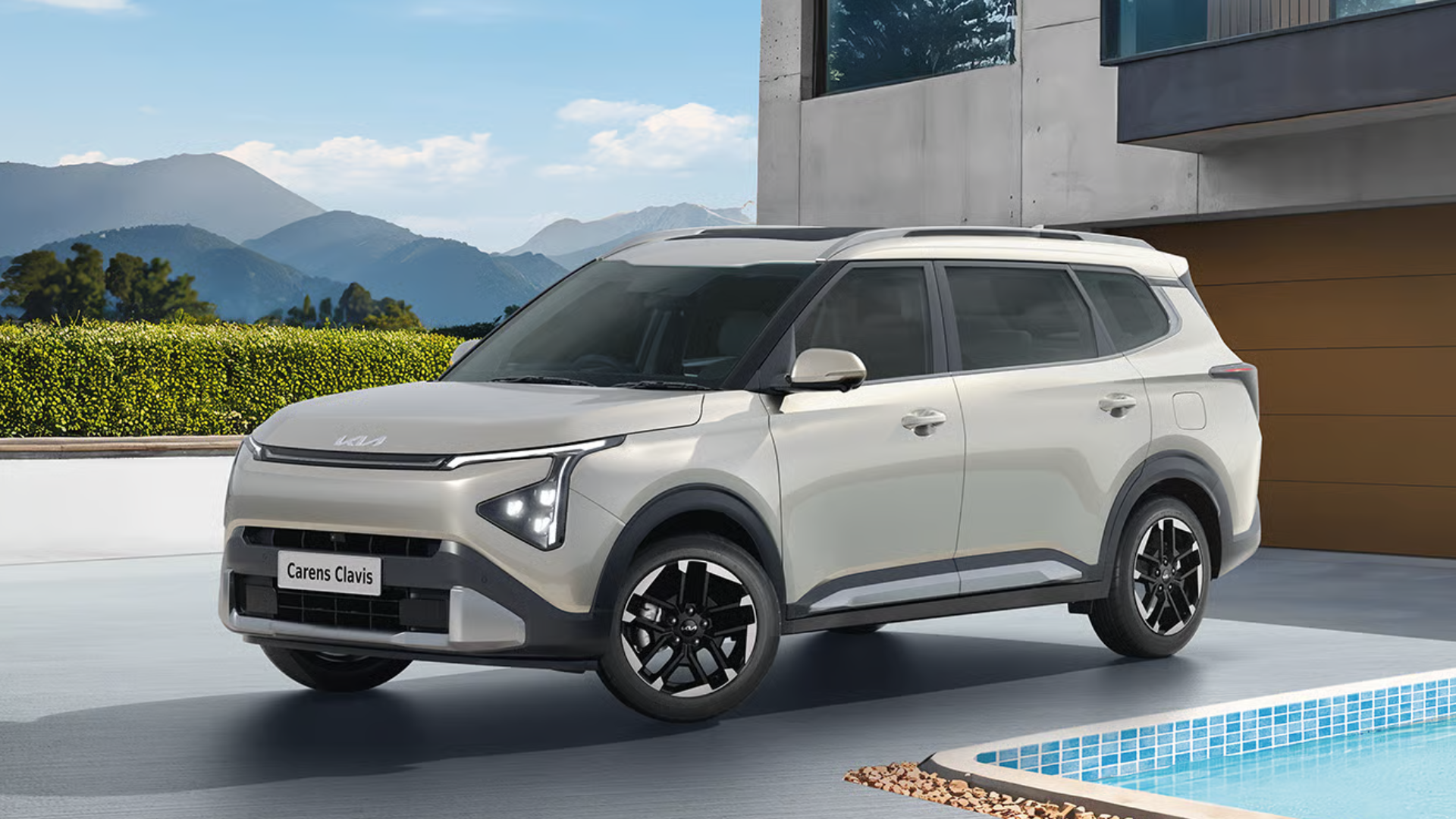
Kia's Carens Clavis is the internal alternative and the most relevant comparison for buyers who have the Carens shortlisted.
The Clavis adds the turbo-petrol DCT, diesel automatic, panoramic sunroof, ADAS, dual 12.25-inch screens, Bose audio, ventilated seats, and a six-seat captain chair option, starting from a higher price.
Buyers who can stretch to the Clavis receive a comprehensively more capable and feature-rich vehicle. The standard Carens makes sense only for buyers for whom the Clavis's price is genuinely out of reach.
final verdict
final verdict
The standard Kia Carens in its current form is a value-positioned carryover product that allows Kia to continue serving the budget end of the seven-seat MPV market without cannibalising the Clavis. In that role, it does a reasonable job.
The cabin quality, six-airbag safety package, all-disc brakes, 3-star Bharat NCAP rating, a diesel option, and factory CNG cover the essentials for a family MPV at this price, and the Carens's long-wheelbase comfort on Indian roads has not changed.
The limitations include a plain and simple exterior, the absence of an automatic gearbox, and limited features inside the cabin. These are not unreasonable omissions at the price, and are actually intentional, since buyers seeking the same stretch their budget for the Clavis instead.
Among the engine options, the diesel is the most practically useful configuration for buyers who drive long distances or carry full loads regularly, the CNG is the right choice for urban high-mileage buyers in cities with good CNG infrastructure, and the petrol manual remains the budget entry point suiting lighter, city-focused and occasional highway use best.
Kia Carens News

How 2027 Traffic Rule Changes Will Affect Drivers in India
India’s traffic rules are tightening, with repeat offenders facing possible driving licence disqualification and stricter deadlines for paying or disputing e-challans. New vehicle safety requirements will also affect specified commercial vehicles from 2027. Check the latest 2027 Indian traffic rules here.
Anmol Kumar
October 22, 2026



Kia Opens Pre-Bookings for Carens CNG, Carens Clavis CNG, and Carnival Limousine Hybrid
Kia has opened pre-bookings for the Carens CNG, Carens Clavis CNG, and Carnival Limousine Hybrid in India. Both CNG models get factory-fitted 60-litre tanks, while the Carnival gets a 1.6-litre turbo-petrol strong-hybrid system. Prices not announced yet.
Anmol Kumar
September 11, 2026

Kia Carens and Carens Clavis CNG Variants To Launch Soon
Kia India is set to launch factory-fitted CNG versions of the Carens and Carens Clavis. Powered by the 1.5-litre petrol engine, the new variants will offer better integration and warranty support compared to the earlier dealer-fitted kit on the Carens.
Arjun Nair
September 4, 2026





Kia Carens FAQs
What engine options does the Carens come with?
−A 1.5L petrol producing 113 bhp and 143.8 Nm, a 1.5L diesel producing 114 bhp and 250 Nm, and a factory-fitted CNG option paired with the petrol engine making 95 bhp and 123 Nm in CNG mode. All are paired to a 6-speed manual transmission.
What is the fuel tank capacity of the Kia Carens?
+The fuel tank capacity is 45 litres, common across both the petrol and diesel variants. CNG variants get a 60-litre water equivalent tank.
Does the Kia Carens get an automatic transmission?
+No. The standard Kia Carens only offers a 6-speed manual transmission across all engine options.
What is the Kia Carens's safety rating?
+The Kia Carens scored 3 stars for adult and 5 stars for child occupant protection in its Global NCAP crash test.
What is the mileage of the Kia Carens?
+ARAI claims 17.9 km/l for the NA petrol and 21 km/l for the diesel. CNG mileage figures have not been revealed.
Does Kia Carens come with a CNG option?
+Yes, Kia India recently added a factory-fitted CNG variant to the Carens's variant lineup.
What are the key safety features in the Carens ?
+The Carens comes with 6 airbags, ABS, EBD, ESP, hill-start assist, and disc brakes on all four wheels as standard.
What is the boot space of the Kia Carens?
+The Carens offers 216 litres of boot space with all the seats up. This expands to nearly 645 litres with the third row folded.
Does the Kia Carens have a sunroof?
+No, a sunroof is not offered on the standard Kia Carens.
Is the Kia Carens available in petrol, CNG, electric or diesel engines?
+The Carens is currently available with Petrol, CNG and Diesel engines.
What are the key safety features in the Carens ?
+The Carens comes equipped with several safety features including Anti-lock Braking System (ABS), Central Locking, Electronic Brakeforce Distribution (EBD), Electronic Stability Control (ESC) and Hill Assist.
What are the boot space and dimensions of the Kia Carens?
+The Carens offers 216 Litres of boot space. Its dimensions are 4540 mm in length, 1800 mm in width, and it has a wheelbase of 2780 mm.
What colours does the Kia Carens come in?
+The Kia Carens is available in the following colours: Glacier White Pearl, Sparkling Silver, Clear White, Pewter Olive, Intense Red, Aurora Black Pearl, Matte Graphite, Imperial Blue and Gravity Gray.