


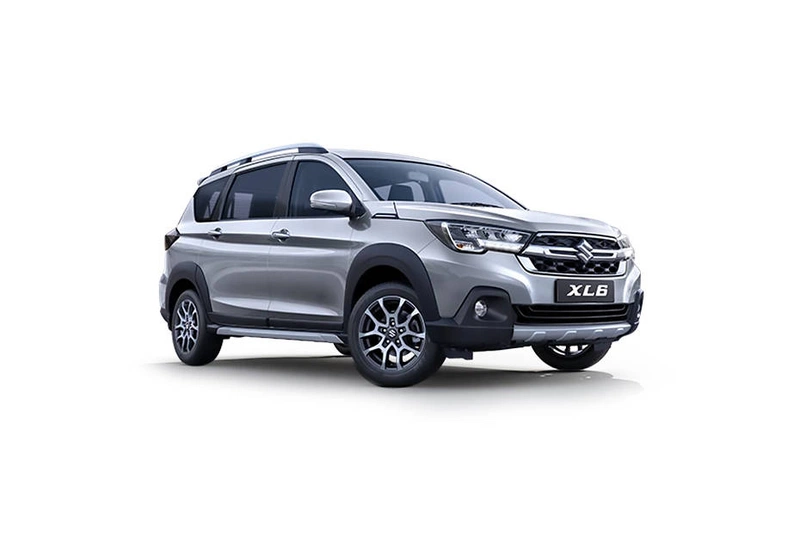
Maruti Suzuki XL6
Overall Rating

Maruti Suzuki XL6
Overall Rating
EMI Loading
Maruti Suzuki XL6 Key Specifications
Maruti Suzuki XL6 Highlights
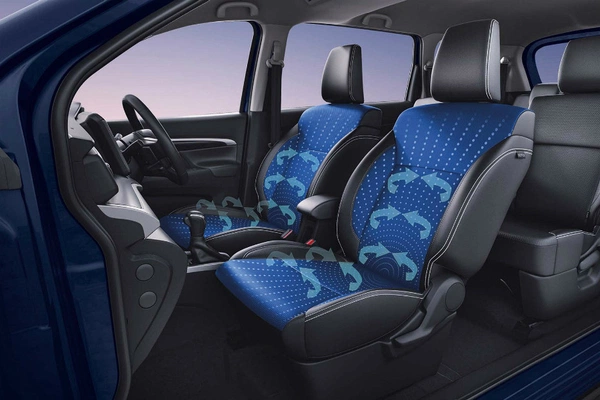
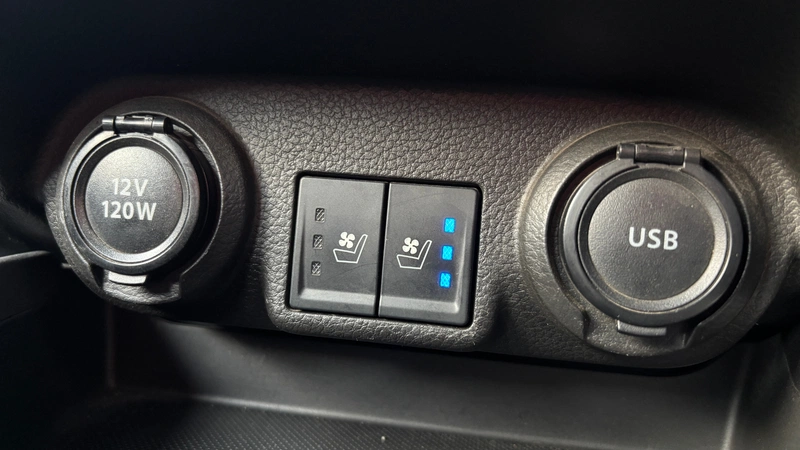
Ventilated seats are a game-changer in peak summer heat.
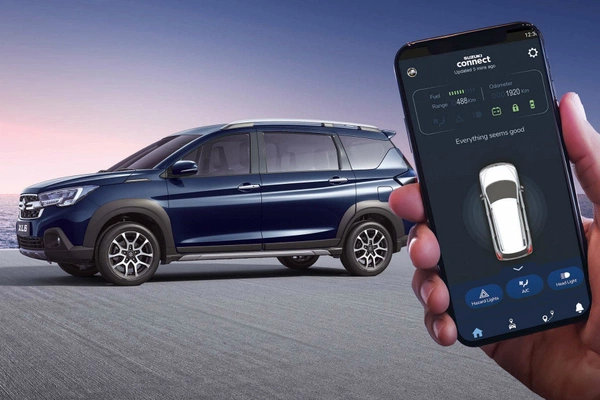
Connected-car tech brings genuine day-to-day convenience.
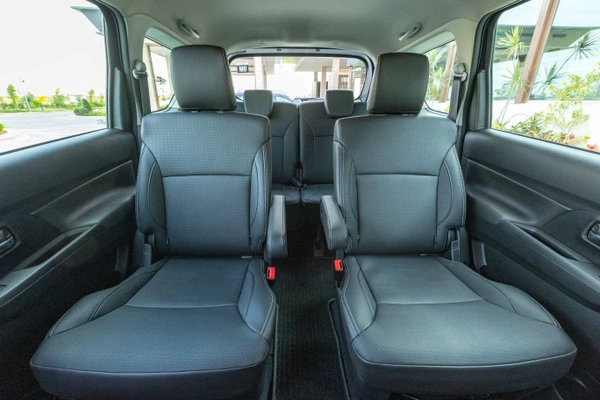
Second-row captain seats are plush and ideal for chauffeur-driven comfort.
Maruti Suzuki XL6 Overview

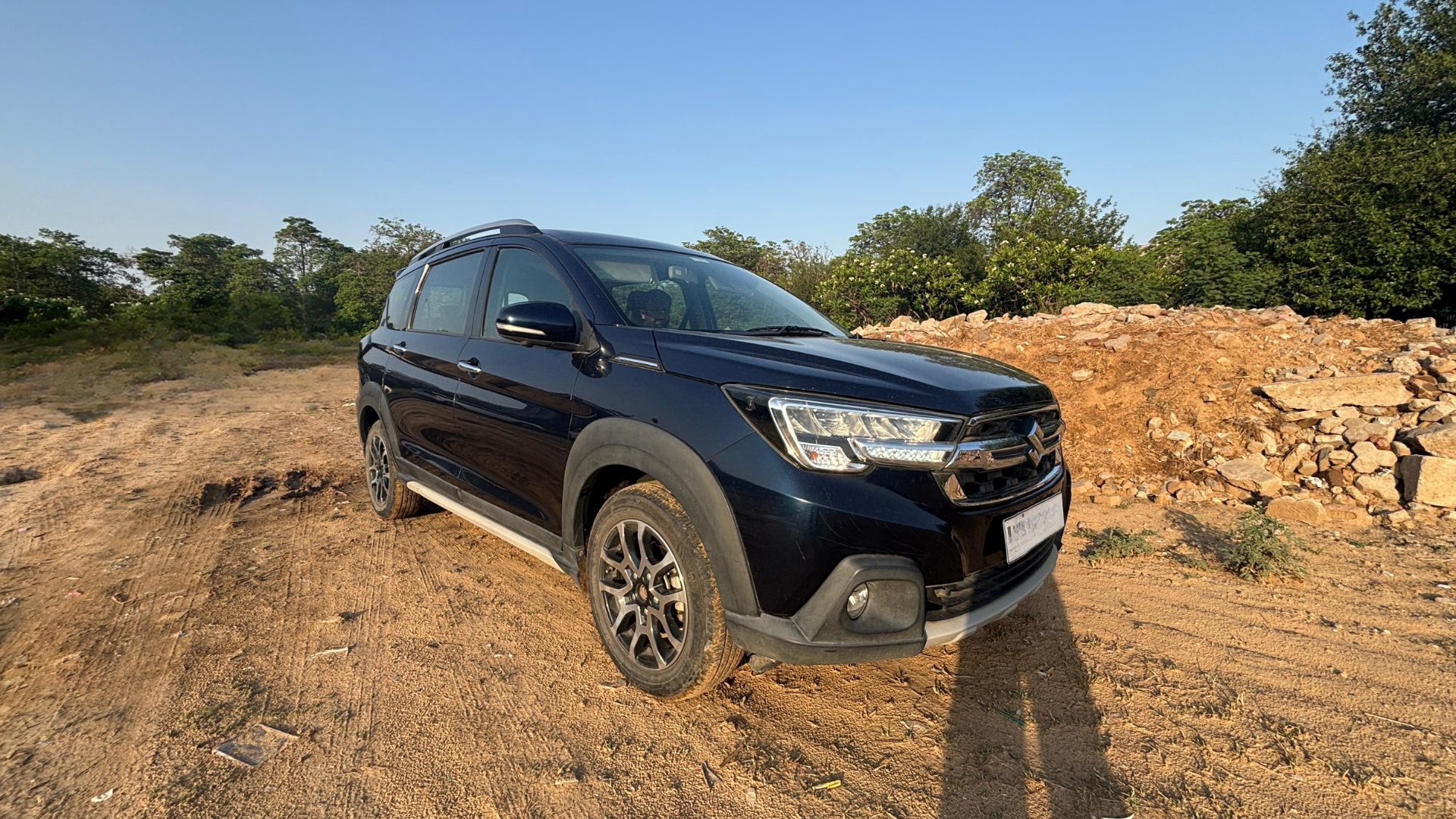
The XL6 is the Ertiga that went to finishing school. Maruti took its long-running seven-seat MPV, replaced the middle bench with a pair of captain's chairs, added cladding and a taller stance, moved it into the Nexa showroom network and charged a premium for the result. On paper that reads like badge engineering. In practice the two vehicles now serve genuinely different buyers, because six seats with a walk-through aisle and seven seats with a bench are not the same product at all, and the people who want the former will not accept the latter at any discount.
This MPV is available across nine variants built on two trim levels, Zeta and Alpha, with an Alpha Plus above them and dual-tone paint options at the top. Prices dropped meaningfully after the tax revision that swept through this part of the market and have since crept back up by a small margin, so the current window is still favourable compared with where this car sat two years ago.
A 1.5-litre four-cylinder naturally aspirated petrol makes around 102 bhp and 137 Nm, assisted by a mild hybrid system, and paired to a five-speed manual or a six-speed torque converter automatic with paddles. A factory CNG version of the same engine is offered on the base Zeta trim. Claimed efficiency sits at roughly 20 to 21 km/l on petrol and around 26 km/kg on CNG, which for a six-seater of this size is remarkable.
Suzuki has already shown the updated version of this vehicle overseas, where it is sold as the XL7, and the Indian facelift is expected before the end of this year. It brings new bumpers, a revised grille, reworked fog lamp housings, fresh alloy wheels and a rear spoiler, with the mechanical package expected to carry over unchanged.
The buyers here are specific and loyal. These include families who want captain seats for parents or in-laws, owners who spend part of their week being driven rather than driving, small businesses running airport and hotel duties, and anyone who has concluded that the running costs of a Maruti MPV are the single most important number in the ownership equation.
Engine and Performance
Engine and Performance
Maruti’s 1.5-litre four-cylinder engine is smooth, refined and efficient, and it is also the single most compromised element of this car. Understanding why requires being clear about what the engine was tuned to achieve, which was emissions compliance and fuel economy rather than performance, and the calibration reflects that priority in every part of the rev range.
In city driving, the engine is entirely pleasant. Four cylinders mean there is no thrum or shudder at idle, throttle response at low speeds is clean, and the torque available below 2,500rpm is enough to keep pace with traffic without constant gear changes. The mild hybrid system provides a brief electrical assist during acceleration and recovers energy on a trailing throttle, which makes the low-speed driving experience smoother and contributes meaningfully to the fuel figures. Around town, with four occupants, this is an easy and undemanding vehicle to drive.
The problem appears the moment more is asked of it. The mid-range is noticeably flat and the top end offers very little reward for the revs it produces, so a hard overtake on a two-lane highway produces plenty of engine noise and disappointingly little acceleration. Load it with six adults, or four, with their luggage, and inclines require patience and momentum by shifting down a gear or even two.
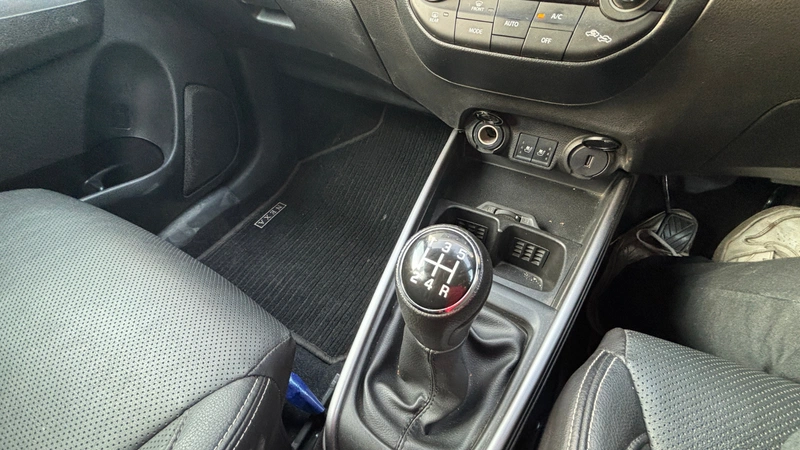
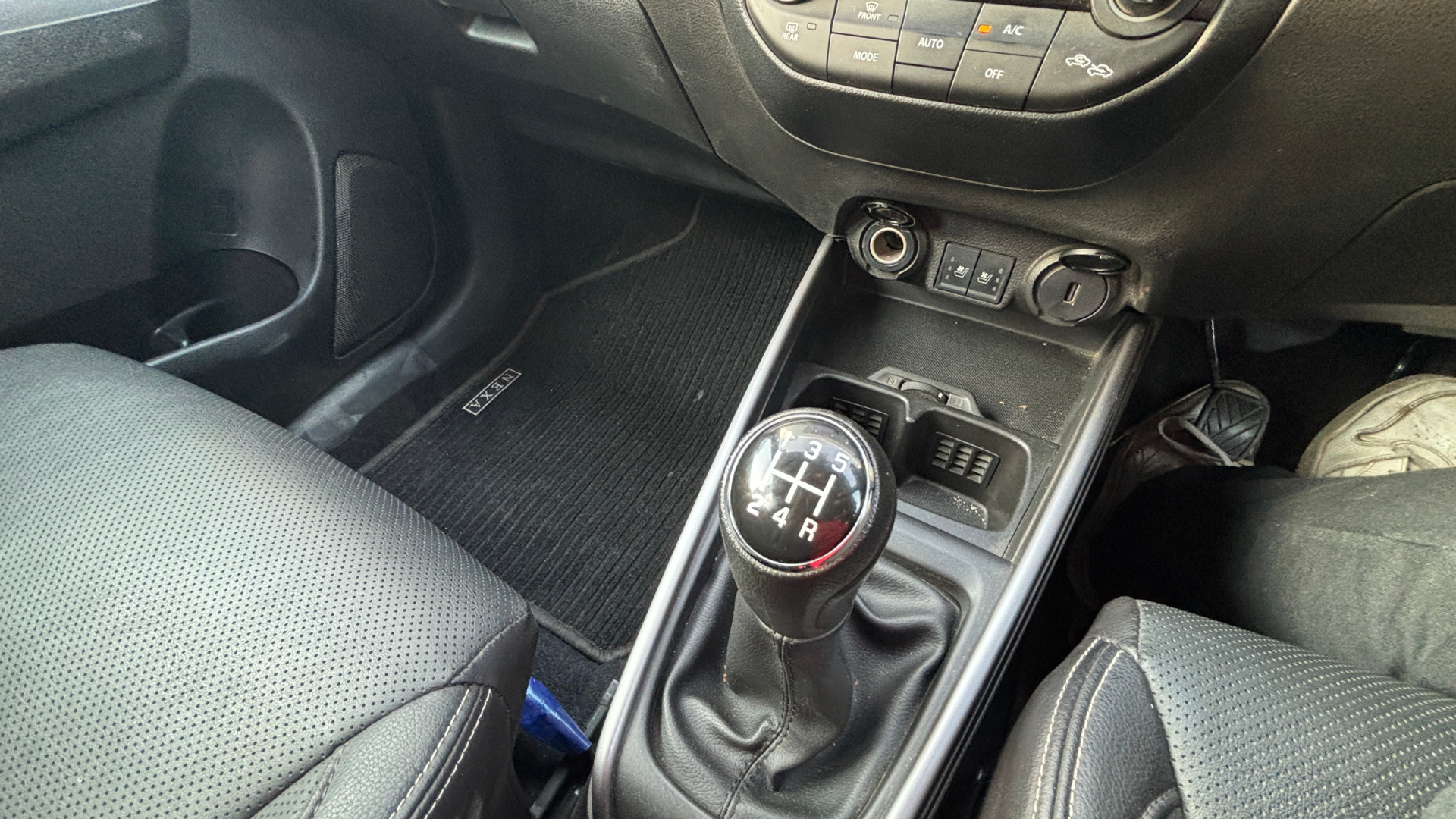
The five-speed manual is the better of the two gearboxes for anyone who drives their own car. The shift action is light and precise, the clutch is easy, and the electrical assist stays engaged longer with this transmission, giving the low and mid range a slightly more willing feel. In traffic it is easier to close gaps because the drivetrain stays connected rather than freewheeling.
The six-speed torque converter automatic sourced from Aisin is a substantial improvement over the four-speed unit this car used to carry, with smoother shifts, better spacing between ratios and paddles for manual control. It does exactly what a torque converter should do and never draws attention to itself in ordinary driving. Though, it cannot hide the engine's flat mid-range, and its habit of disengaging drive on a trailing throttle in the interests of efficiency means the vehicle occasionally feels disconnected in stop-start crawling. For a buyer who spends their commute in dense traffic, it remains the right choice despite that.
The CNG variant is where the ownership maths becomes compelling and the performance conversation becomes academic. Power drops further in CNG mode, so a full load on a hill demands real patience, but the running cost roughly halves and owners regularly report long intercity runs with six people and luggage on a single fill. For a vehicle used commercially or for high-mileage family duty, the trade is straightforward, provided the boot compromise created by the cylinder is acceptable.
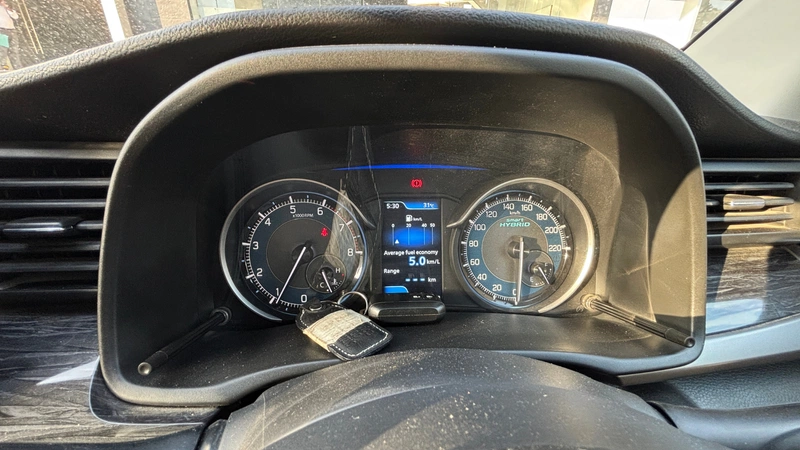
fuel economy
fuel economy
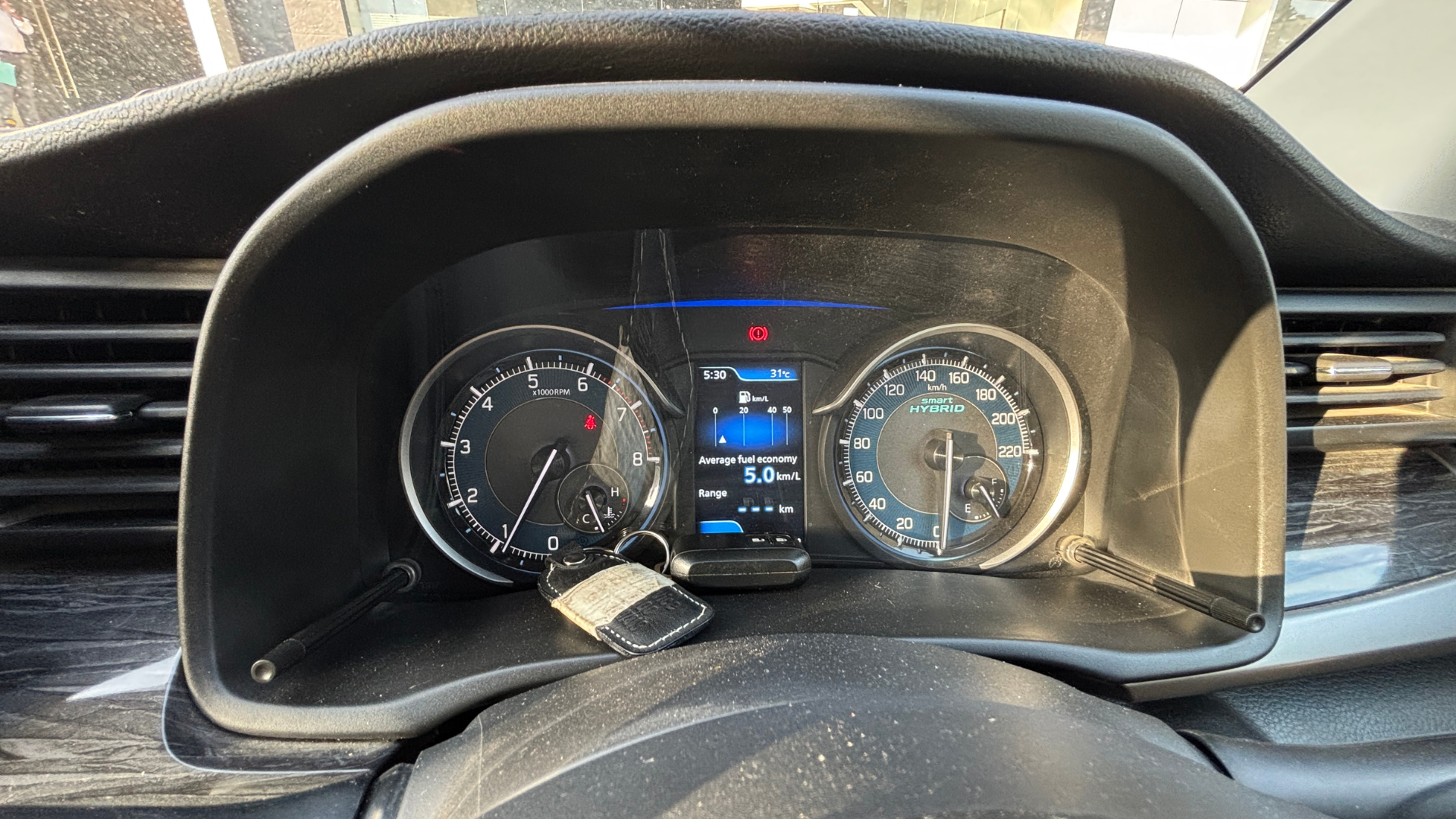
Fuel efficiency is the headline and it holds up in the real world quite well.
Owners report figures up to 15 km/l in city conditions and close to 20 km/l on the highway, which for a six-seat petrol vehicle is genuinely impressive. Figures for the automatic drop to 12-13 km/l in the city and around 16-18 km/l on the highway
The CNG version pushes running costs down to a level that no rival matches, with 20-22 km/kg in the city and up to 26 km/kg on the highway. This efficiency is what buyers are really paying for and it is the direct consequence of the engine tuning that frustrates them elsewhere, which is a trade-off worth understanding before signing rather than discovering afterwards.
interior
interior
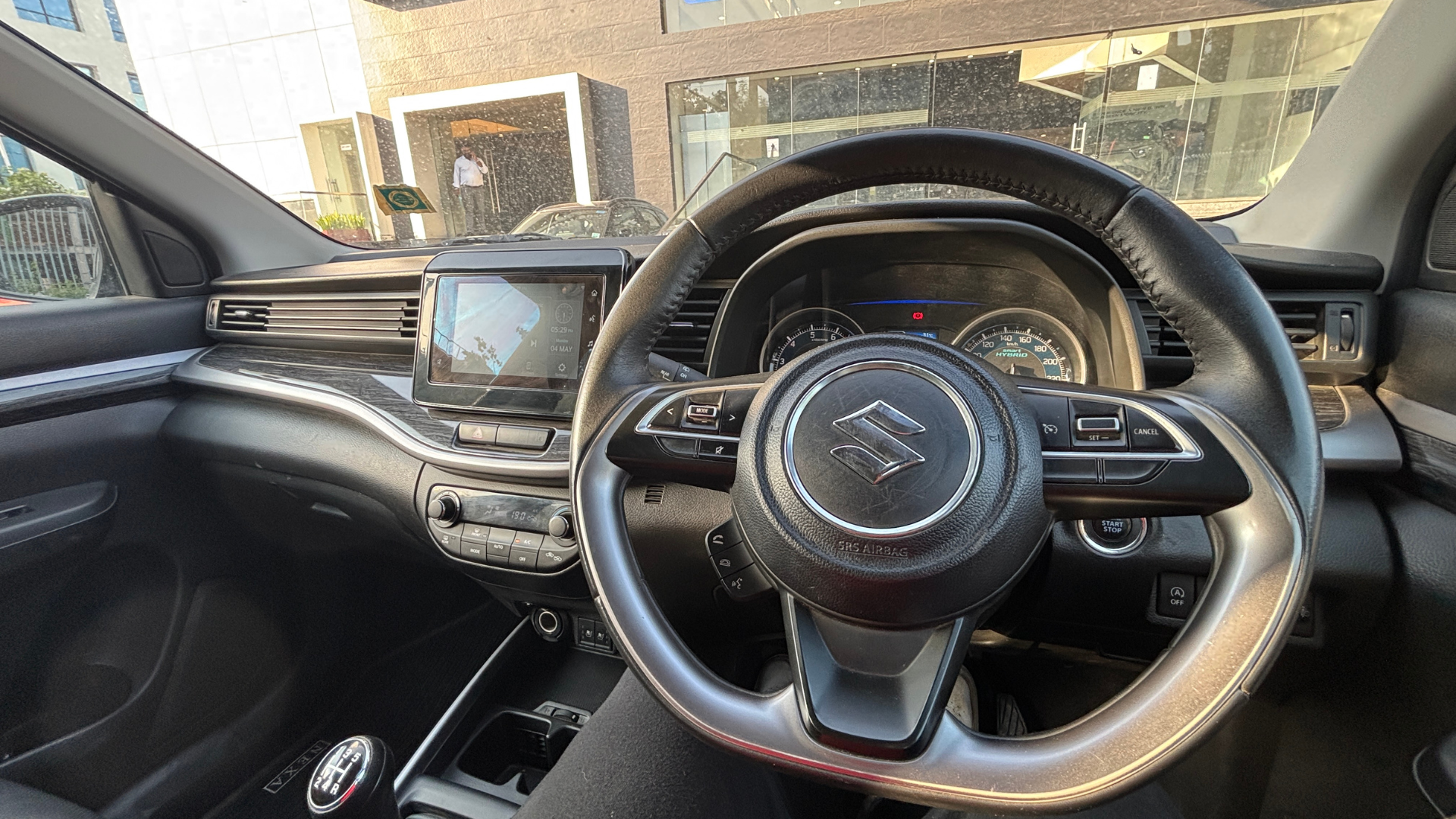
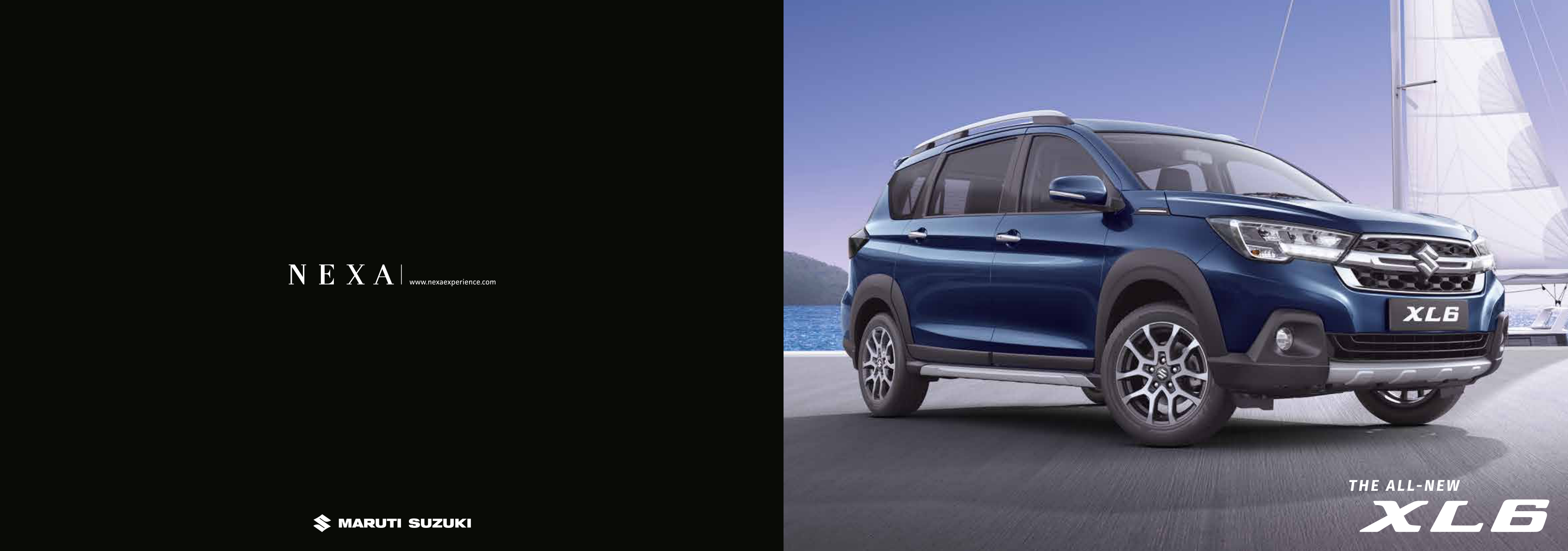
The cabin is the reason this car exists and the reason it retains a loyal following.
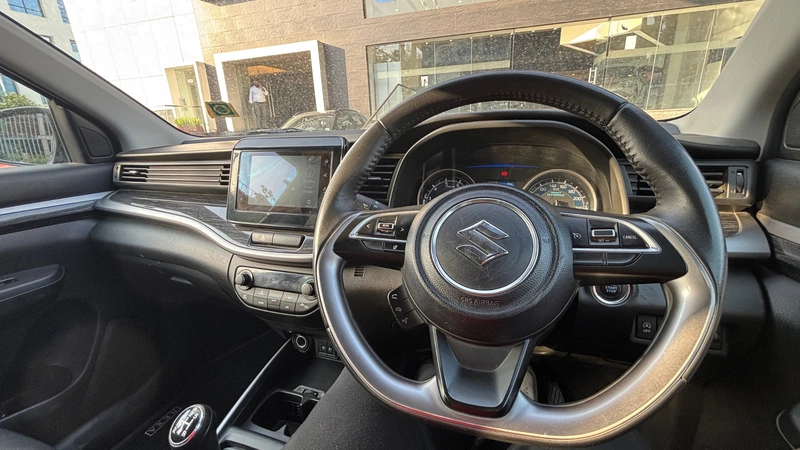
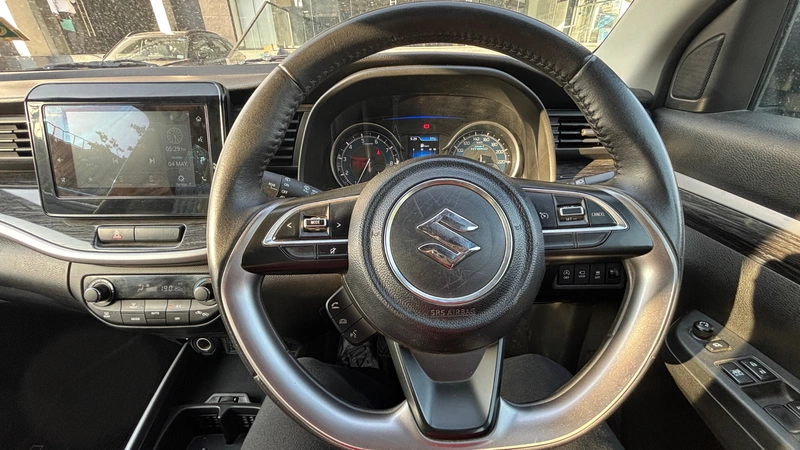
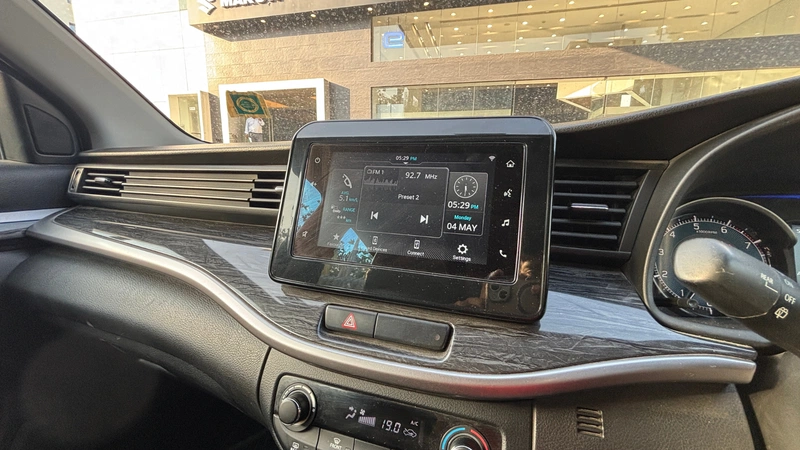
The layout is simple, horizontal and completely intuitive, with a floating touchscreen, physical rotary controls for the climate system and a faux wood panel running across the dashboard that lifts the ambience above the Ertiga's plainer treatment. Ergonomics are faultless.
The steering adjusts for both reach and rake, which is rare at this price and matters enormously on long drives, the pedals are well spaced, and every control falls where a hand expects it.
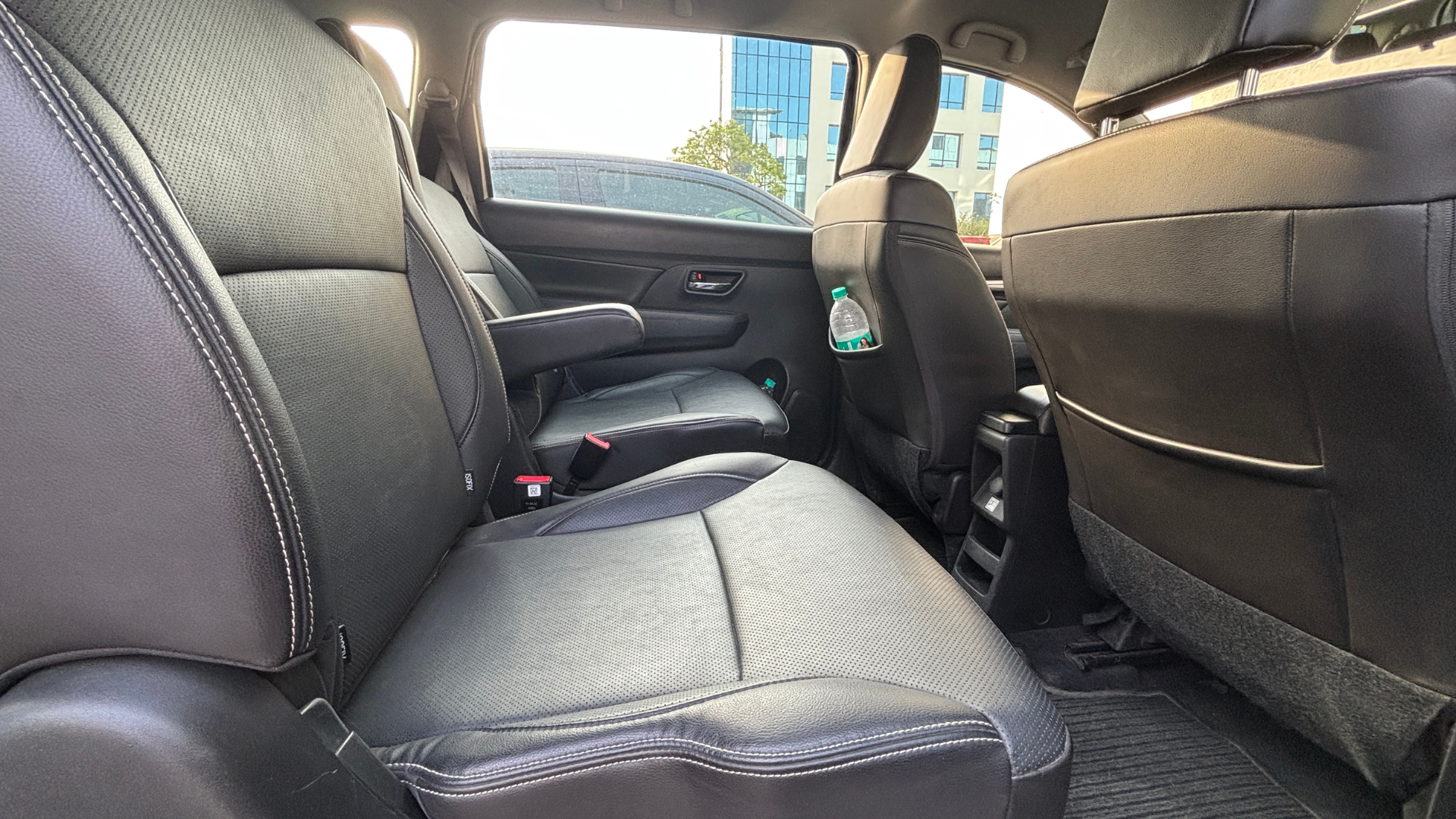
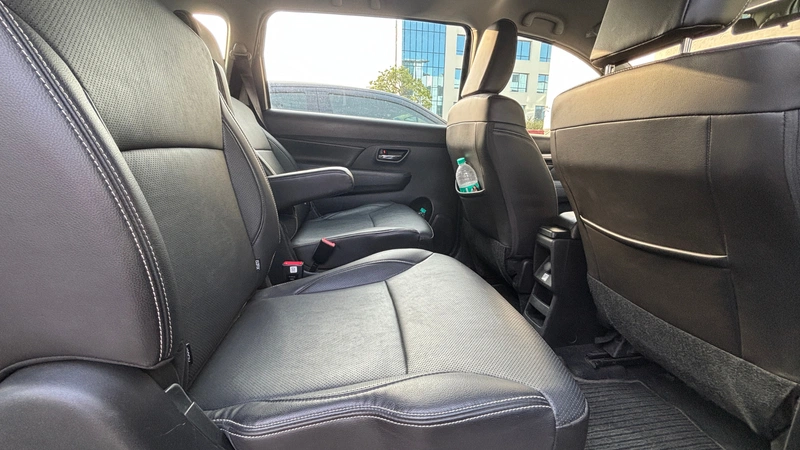
The second-row captain seats are the heart of the package.
They are wide, well cushioned and comfortable in a way that the Ertiga's bench cannot match, they recline and slide, they come with individual armrests, and the aisle between them makes access to the third row genuinely dignified rather than a scramble.
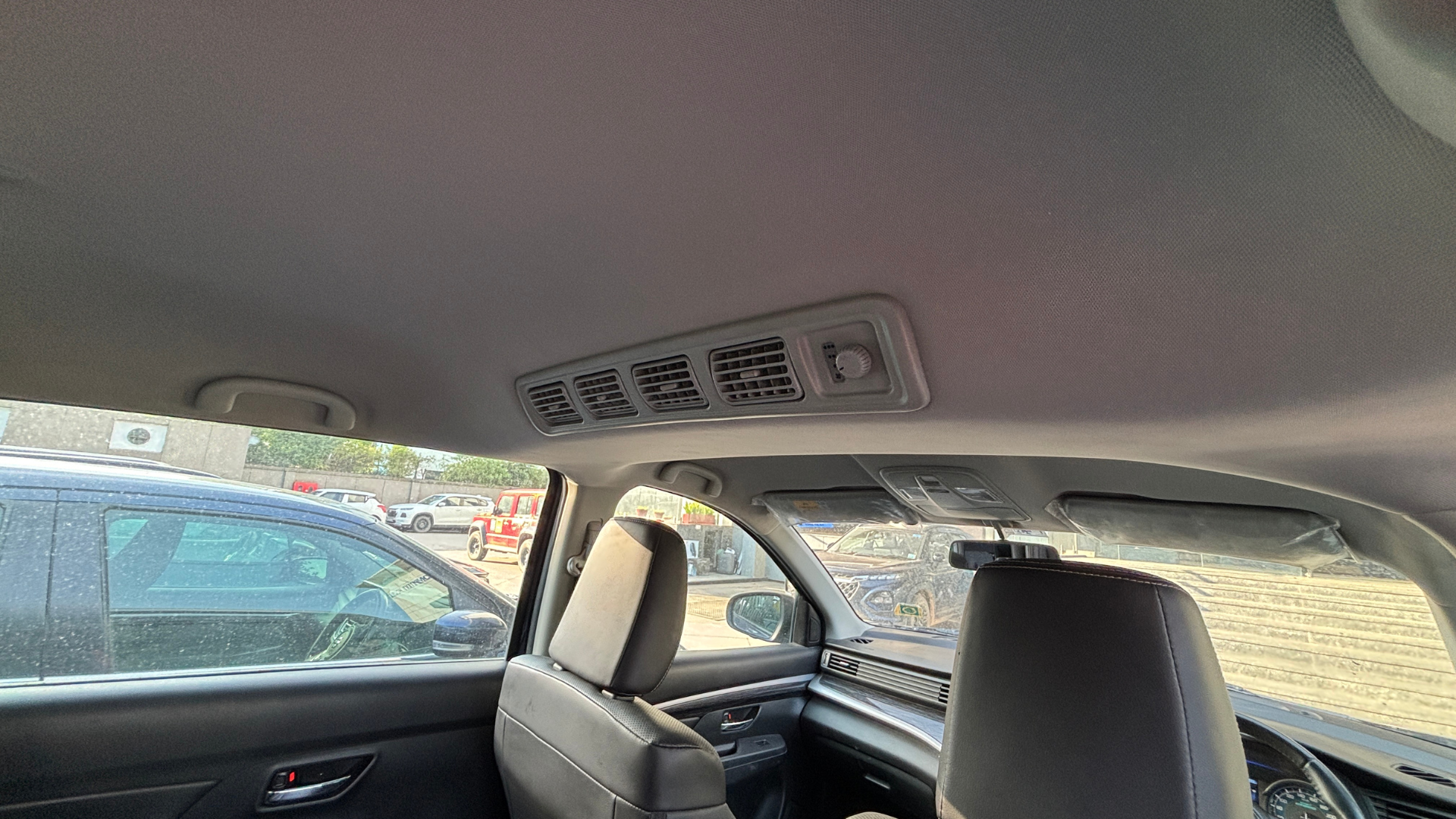
For chauffeur-driven use, or for families carrying elderly parents regularly, this arrangement transforms the ownership experience.
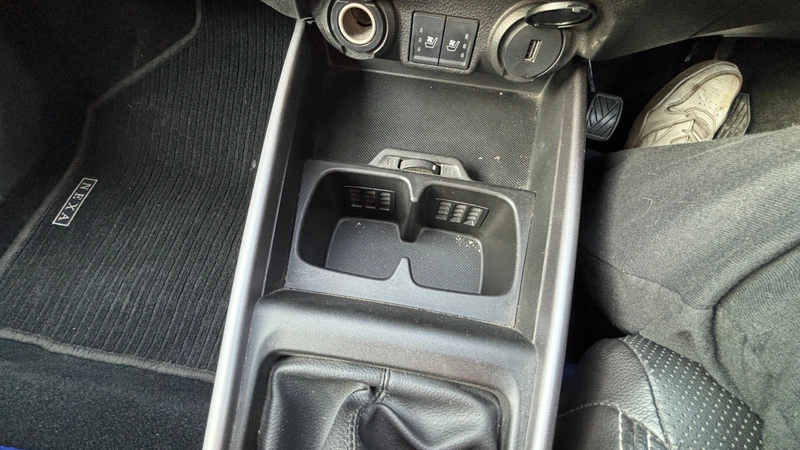
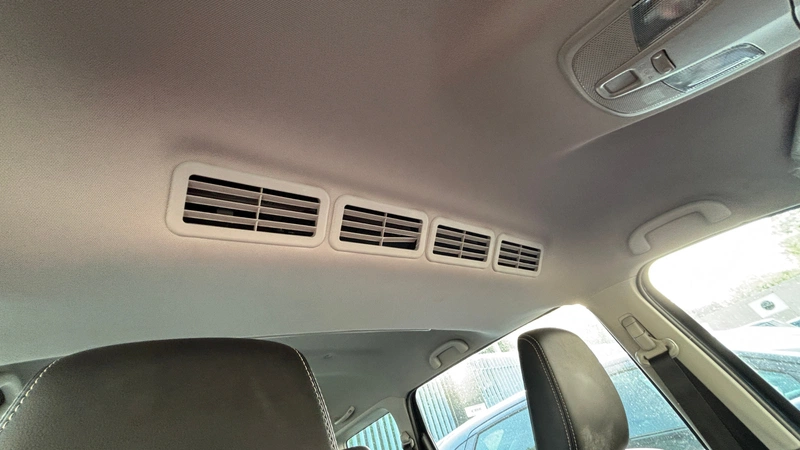
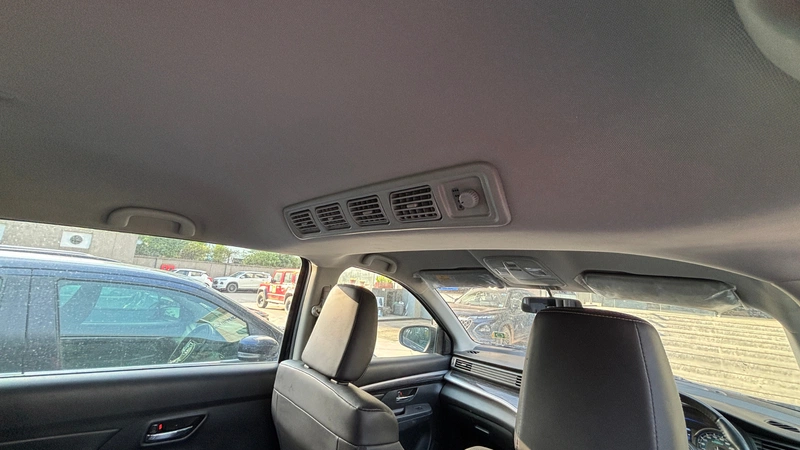
Rear passengers get their own air vents and charging points, and the vast side windows help make the all-black cabin feel airy.
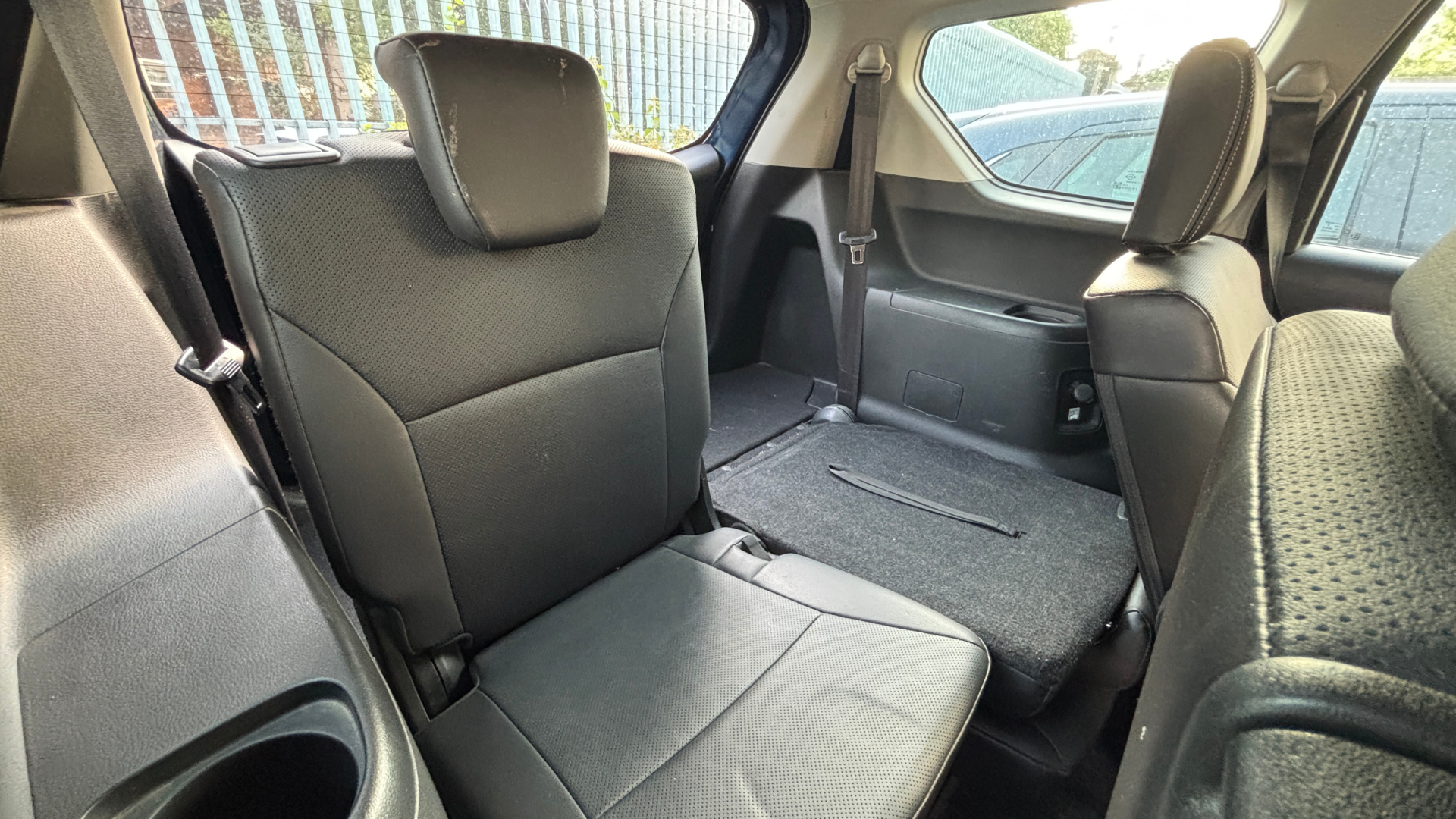
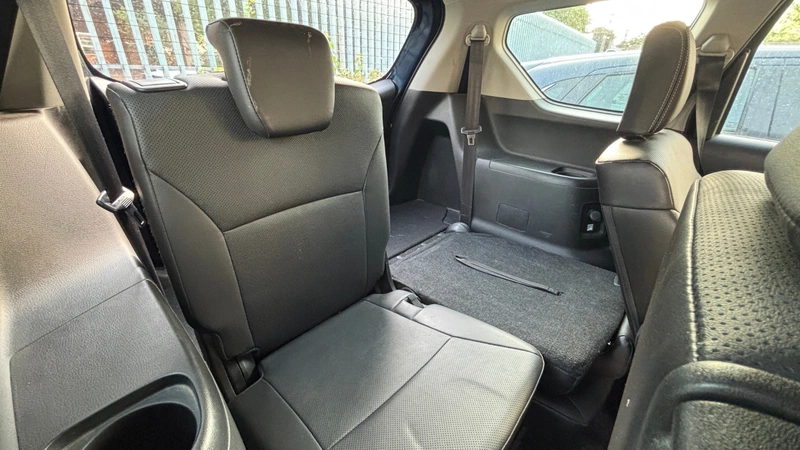
The third row is usable for adults on shorter journeys and comfortable for children on longer ones, helped by a flat floor and a sensible backrest angle. It is not a full-size row and taller adults will find knee room tight when the middle chairs are set back, but the sliding second row lets a family distribute space according to who is sitting where, which is a flexibility that fixed-bench rivals do not offer.
The glass area is big enough, with outstanding visibility in every direction, and the UV and infrared cut glass keeps the cabin cooler, which matters more in Indian summers than the specification sheet suggests.
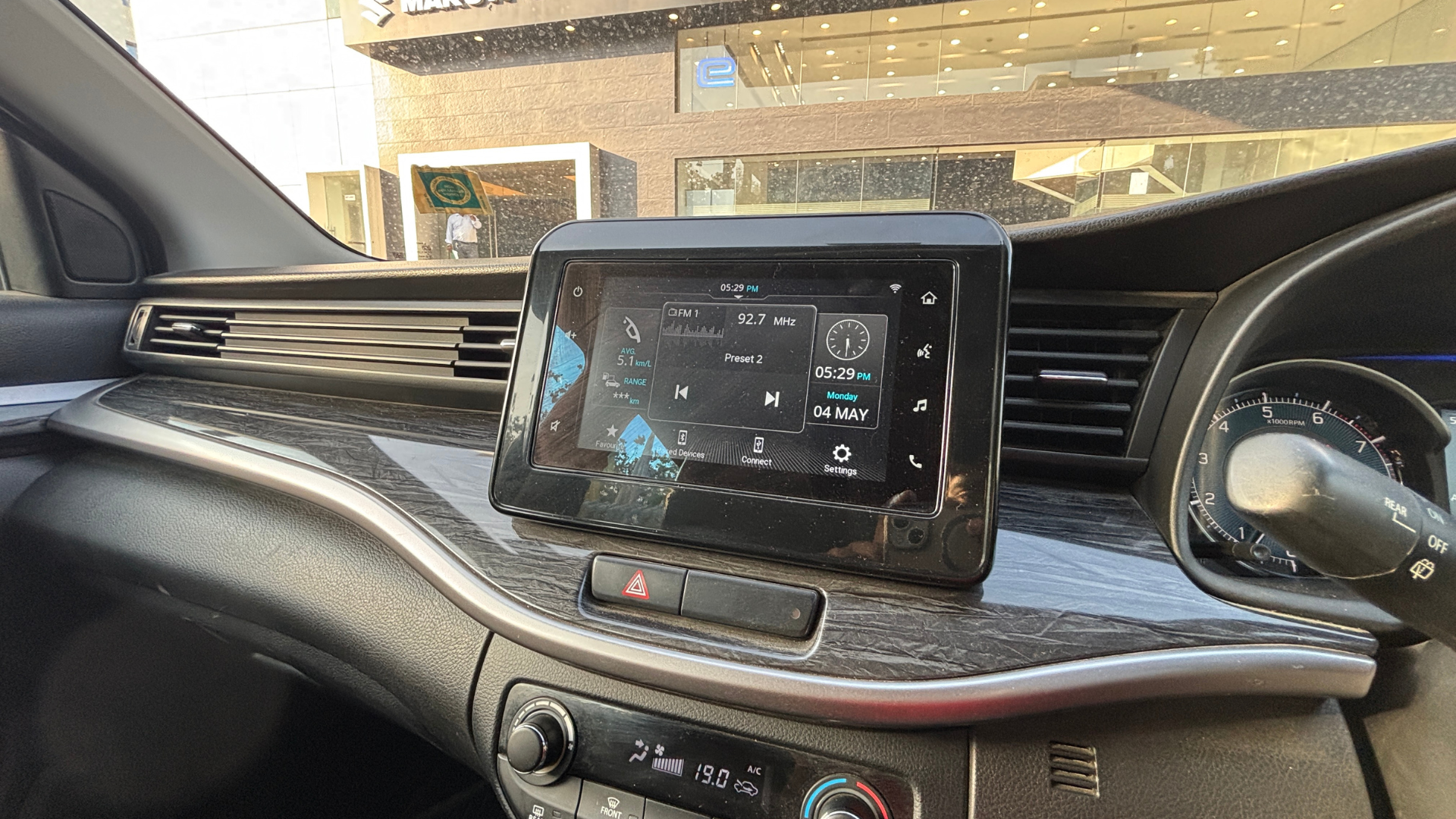
Equipment on the upper trims covers the essentials well. Alpha variants get a 7-inch touchscreen with wireless Apple CarPlay/Android Auto, a 360-degree camera, ventilated front seats, cruise control, connected car functions with remote operation, automatic climate control, a tyre pressure monitor and keyless entry. The ventilated seats work well and are genuinely useful in our climate. The camera system, by contrast, is the weakest example of the type in this price bracket, with resolution and image quality that falls well short of what its Korean rivals offer.
Material quality is the area where the price becomes hard to defend. The plastics are hard almost everywhere, the leatherette on the seats feels thin and does not match what buyers spending fourteen lakh rupees expect. The air conditioning is powerful and cools quickly, but gets noticeably noisy at high fan speeds. There is no sunroof at any price, which in the current market is a genuine competitive gap even in a category where it makes little practical sense.
Refinement is a strength and a marked improvement over the previous version. Engine noise at idle and city speeds is well suppressed, vibrations that used to intrude when revving have largely gone, and the cabin is quiet enough at cruising speeds for conversation between the first and third rows.
Boot space with all six seats occupied is modest, at a little over two hundred litres, which handles weekend shopping purposes, but nothing resembling holiday luggage. Fold the third row and it opens up 550 litres of space. The practical consequence is that this is a four-seater with a big boot or a six-seater with a small one, and families should be honest about which configuration dominates their week.
exterior
exterior
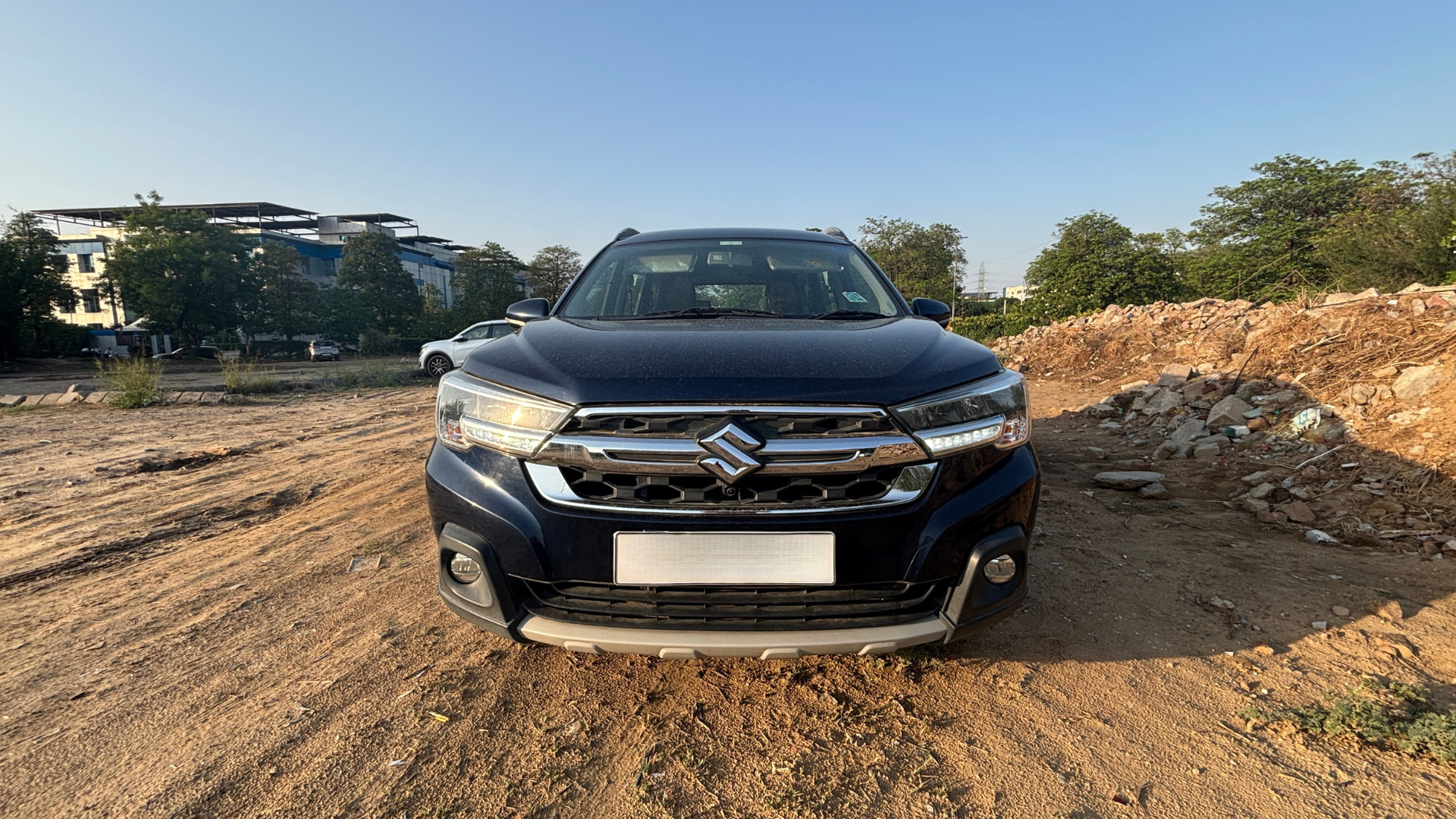
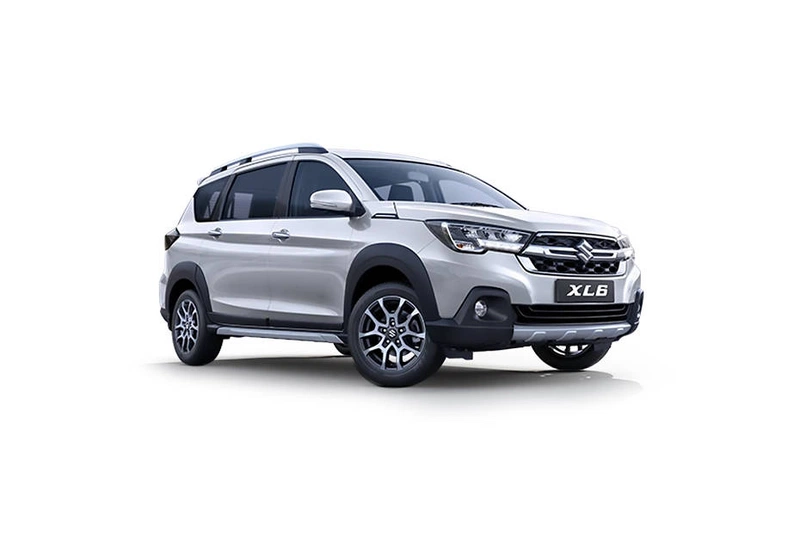
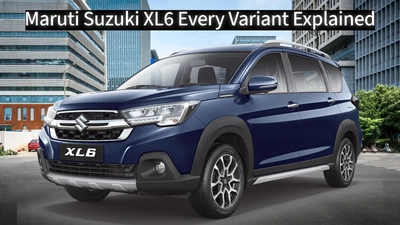
Nobody buys an MPV for its looks, and the XL6 does not pretend otherwise. What it does instead is carry itself with a kind of mature restraint that has aged better than some flashier rivals.
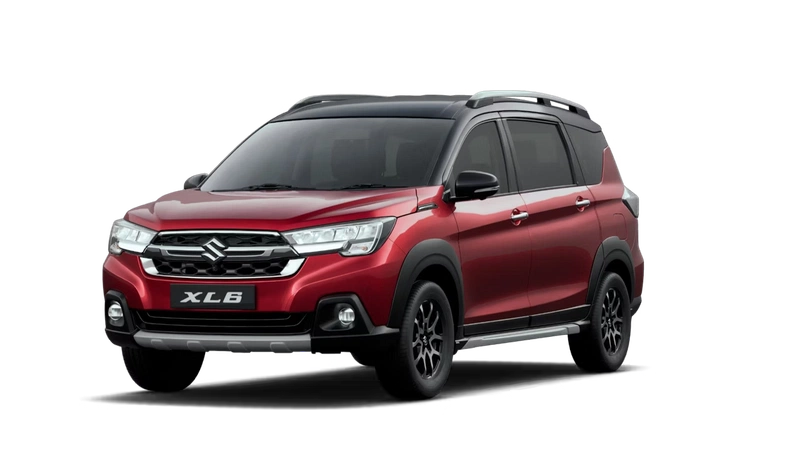
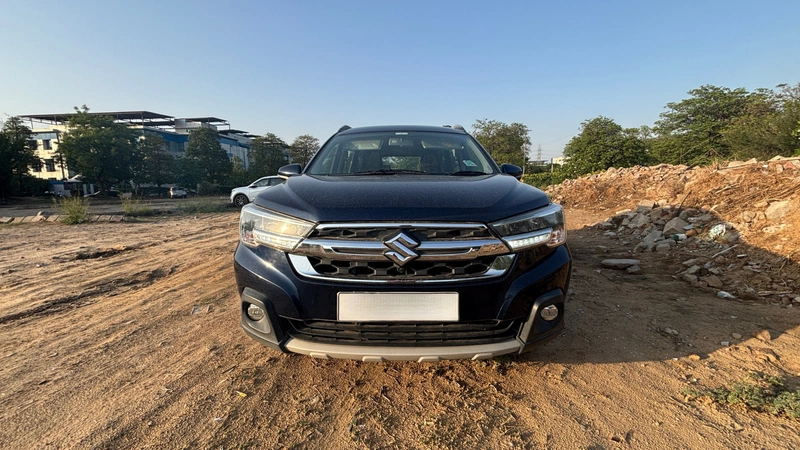
The nose is dominated by a large grille with heavy chrome detailing, which is the most divisive element on the car and the one most owners would tone down if given the option.
Around it sit projector headlamps with LED daytime running signatures, and below them a bumper with a faux skid plate that gestures at ruggedness without insisting on it.
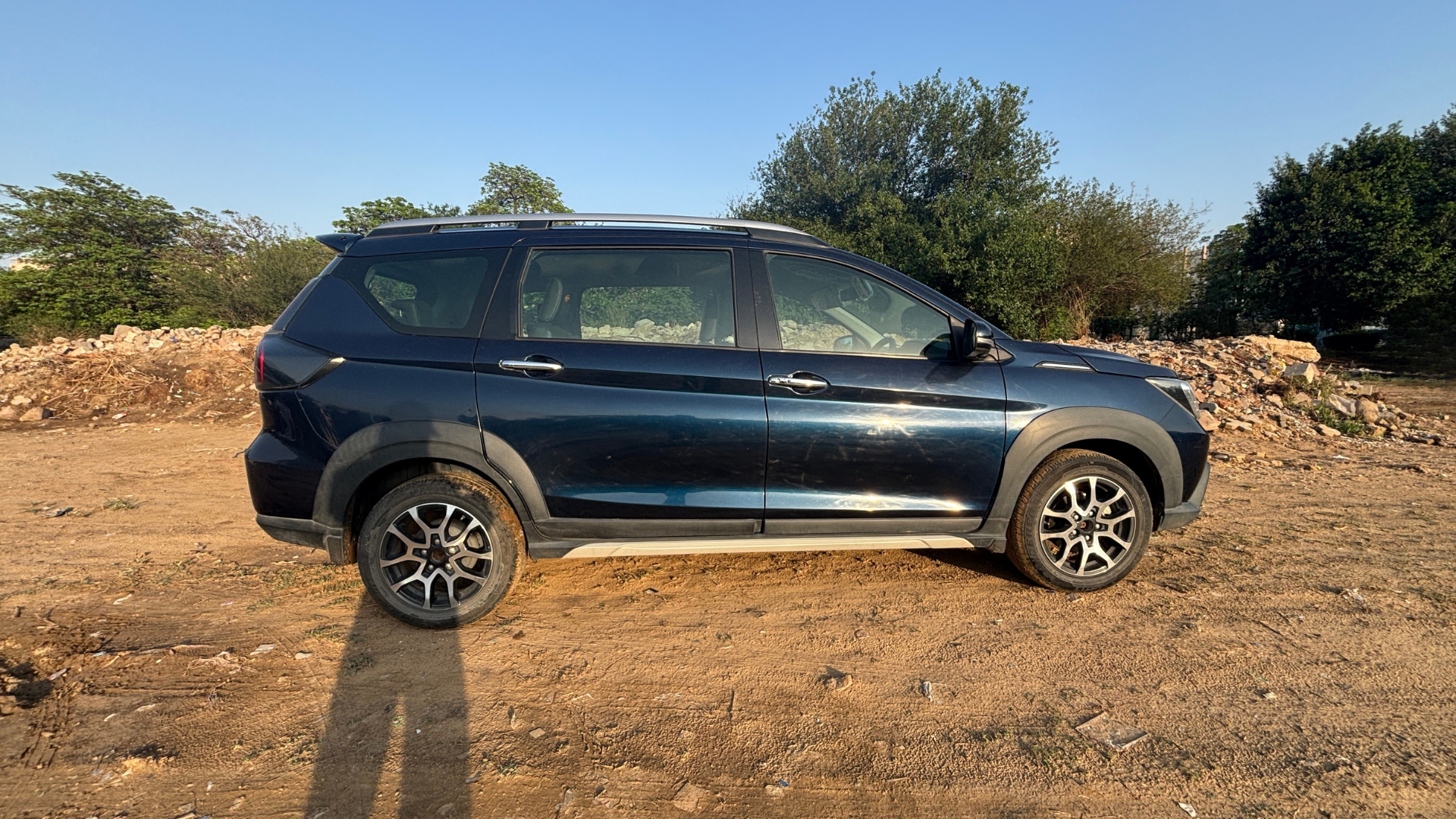
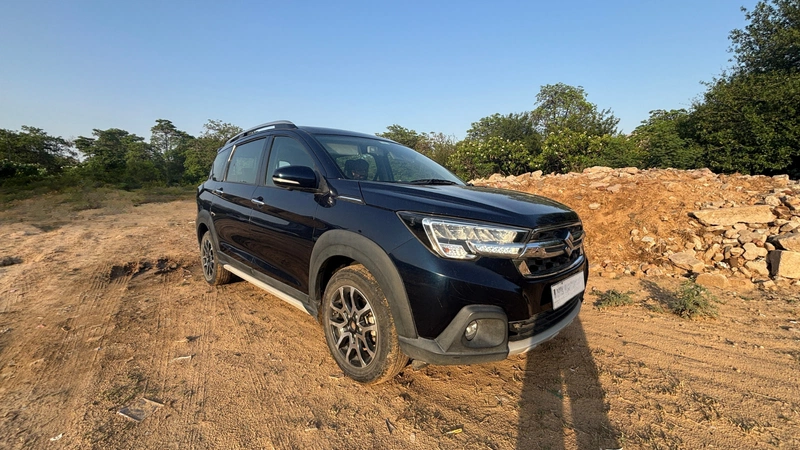
The side profile is where the honest engineering shows.
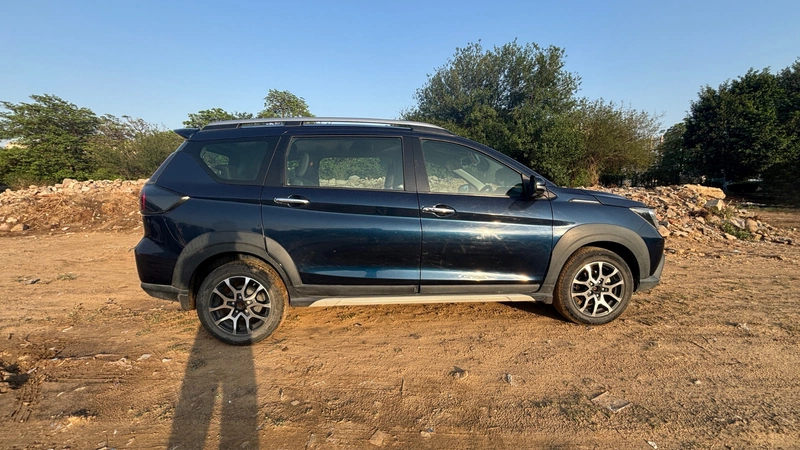
This is a tall, upright, flat-sided vehicle with an large glasshouse, because six people need windows and headroom, and no amount of styling can disguise the packaging.
Black cladding runs along the wheel arches and sills to visually lower the body, roof rails add a bit of height and utility, and the 16-inch alloy wheels fill the arches properly rather than looking undersized, which was a genuine complaint about the earlier version of this car.
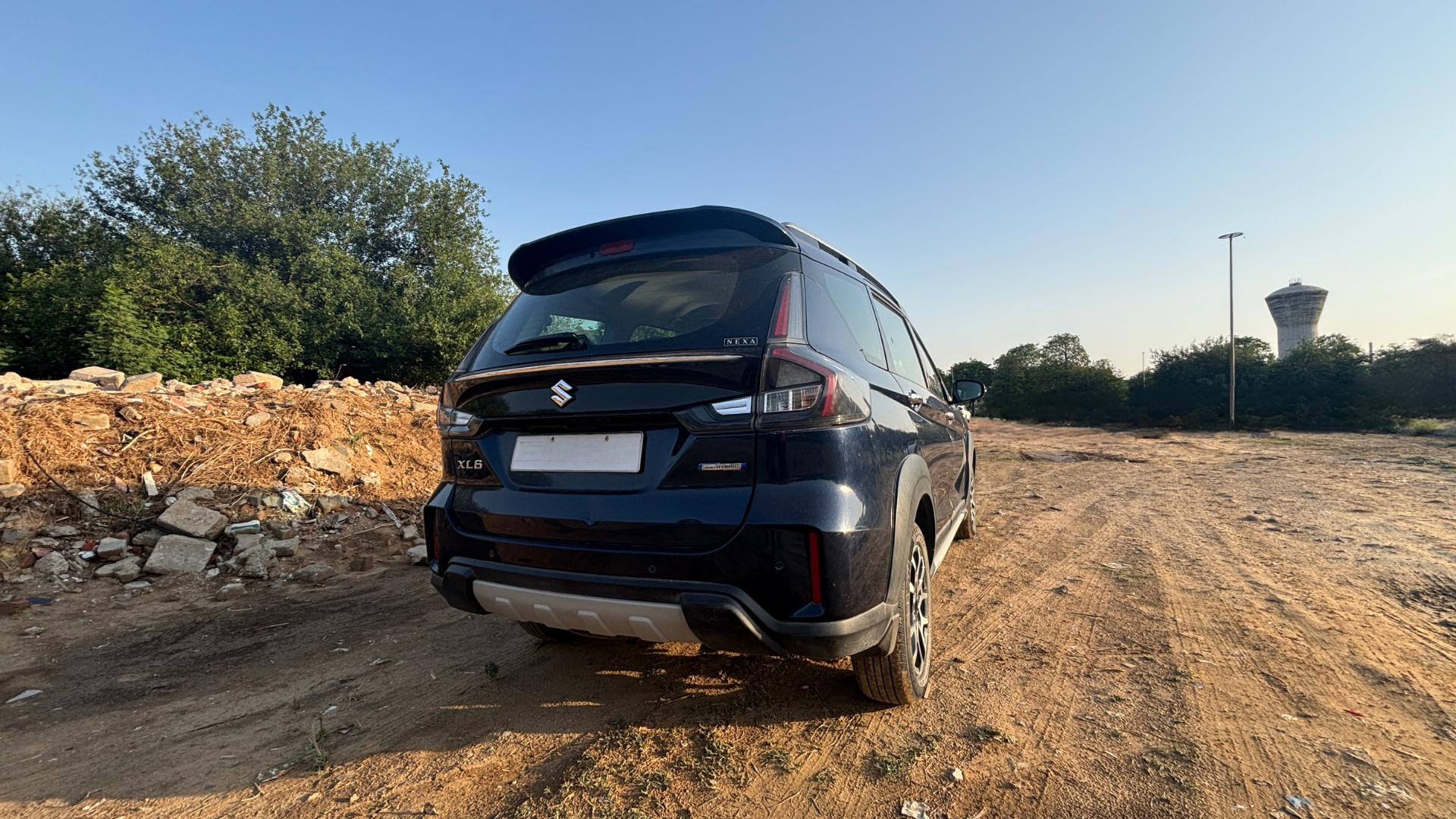
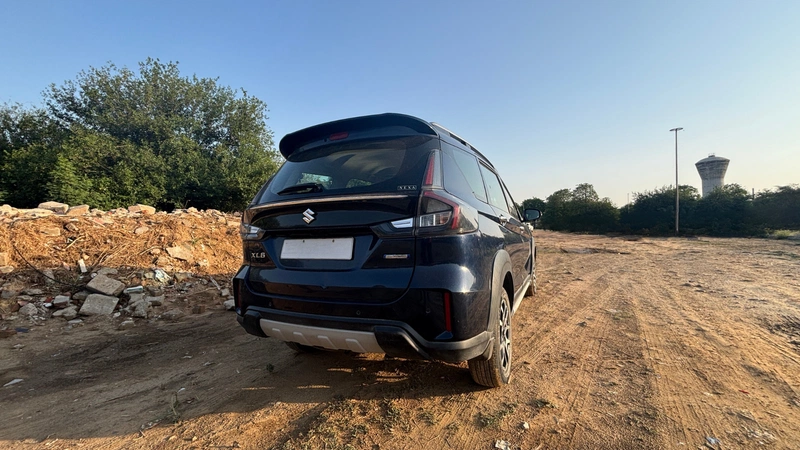
The rear is plain and functional, with a tall tailgate and a wide opening that makes loading easy.
Build quality is typical Maruti, which means adequate rather than substantial. Panel gaps are consistent and the paint finish is even, though the sheet metal feels thin under pressure and the doors close with a lighter sound than a heavier rival would make.
Ground clearance is sufficient for city and mild rural roads, and the compact overall footprint means this MPV parks far more easily than its interior space implies.
The weaknesses are cosmetic. The chrome grille is heavy-handed, the design has almost no visual drama. Park it next to a Kia Carens Clavis, and it does look like it belongs from a segment lower.
safety
safety
The standard equipment position on the XL6 has improved substantially and now stands up reasonably well.
Six airbags are fitted across the range, along with electronic stability control, hill hold assist, ABS with electronic brakeforce distribution, ISOFIX child seat mounts, a tyre pressure monitoring system, three-point seatbelts and rear parking sensors with a camera.
On the higher trims the 360-degree camera adds an overhead view, though as noted its image quality is the weakest in this price bracket and it should not be relied upon for accurate judgement.
The practical safety strengths are real. Outward visibility from the driver's seat is among the best of any vehicle sold in India, which prevents more incidents than most electronic systems do. The captain's chairs give middle-row passengers proper individual seating with full three-point belts rather than a compromised centre position. The composed handling and consistent steering mean an emergency lane change does not produce unpleasant surprises, and the factory ultraviolet and infrared cut glass reduces driver fatigue on long drives in a way that is easy to underestimate.
There is no published Bharat NCAP or Global NCAP safety rating for the XL6. The only closest reference point is the Ertiga's 3 star score by Global NCAP in 2019 under its previous, less strict protocols. Though, the Ertiga only offered dual front airbags as standard back then, and could fare better now with six airbags and other safety features as standard. However, its structure was rated borderline unstable.
Several rivals in and around this price band now carry published five-star results. That difference is real and a family buying a vehicle specifically to carry six people deserves to weigh it honestly rather than have it argued away by a long list of airbags.
There is no ADAS suite of any kind, and cruise control on the upper trims is the only kind of highway assistance.
competition
competition
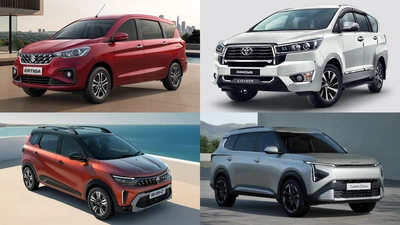
The Maruti Ertiga is the most obvious rival and it is the same vehicle underneath, sold through a different network at a significantly lower price. It offers seven seats with a bench instead of six with captain's chairs, marginally more luggage flexibility, the same engine and gearboxes, the same efficiency and the same service proposition. The honest position is that the Ertiga is the better buy for most families on rational grounds, and the XL6 justifies its premium only if the captain's chairs, the walk-through aisle, the ventilated seats and the Nexa ownership experience genuinely matter to you. For chauffeur-driven use and for carrying elderly passengers regularly, they matter a great deal. For everyone else, the price gap buys several years of fuel.
The Toyota Rumion is essentially the Ertiga, sold with Toyota's warranty and service experience attached. It is worth a look purely for the aftersales difference, which some buyers value highly, and the choice between the three comes down to dealer trust and the deal on offer rather than the product.
The Kia Carens and the more premium Carens Clavis are the most serious competition and win on almost everything except running costs. They offer far more powerful engine options including a turbo-petrol and a diesel, dramatically better equipment including a sunroof and driver assistance, a more modern cabin, a genuinely usable third row and superior refinement. They cost more to buy, run, and service, and their dual-clutch automatic carries a durability question the Maruti's torque converter does not. For a family that wants a modern vehicle and can absorb higher running costs, the Kia pair are the better products. For a family whose decision is driven by the monthly fuel bill, the XL6 remains hard to displace.
Below this segment, the Renault Triber and Nissan Gravite offer seven seats for dramatically less money and makes sense only for a buyer whose budget is the binding constraint, since it gives up performance, refinement and equipment across the board.
Above it, the Toyota Innova Crysta, Innova Hycross, and the Maruti Suzuki’s own Invicto remain the benchmarks for anyone whose vehicle carries a full load every day, with third rows that genuinely seat adults in comfort, hybrid efficiency in the newer car, and resale strength that nothing here matches. They cost substantially more, and for a large number of buyers the honest answer is that the XL6 delivers eighty percent of what an Innova does for roughly sixty percent of the money. Whether that last twenty percent is worth the difference depends entirely on how often the vehicle is full.
final verdict
final verdict
The XL6 succeeds by being extremely good at three specific things and unapologetically average at everything else.
It seats six adults in genuine comfort with captain's chairs that transform the middle row experience, returns fuel efficiency that no six-seat rival can approach, particularly in CNG, and it comes with the most extensive service network in the country, the lowest maintenance costs in its class, and resale values that recover a large share of the purchase price when the time comes.
For a family or a small operator running high annual mileage with a full vehicle, those three factors dominate every other consideration, and this car wins on all three simultaneously.
The weaknesses are equally clear.
The engine is tuned so heavily for efficiency that it feels flat exactly where a loaded six-seater needs strength, and both gearboxes are working around that limitation rather than fixing it. The lack of a diesel does not help either.
Interior materials do not match the price, particularly the seat upholstery. The boot is small with all three rows up, the 360-degree camera is poor, there is no sunroof, no driver assistance, and crucially, no published crash rating for a vehicle whose entire purpose is carrying families. A facelift is imminent, which makes buying at full price today the one clearly avoidable mistake in this range.
The updated version has already been shown overseas and is expected in India before the end of 2026, bringing new bumpers, a revised grille, new alloys and a rear spoiler with no mechanical changes.
Buyers who want the newest design and the latest features should wait, but those who do not care about cosmetics and features should negotiate hard right now, because dealers will want current stock cleared before the new car arrives, and the discount available in the coming months will likely exceed the value of the changes being introduced.
On value, the range is small enough to make the decision simple.
The Zeta is honestly equipped and, with six airbags and ESP standard, is a defensible purchase for a buyer focused on the fundamentals, and it is the only trim offered with CNG. The Alpha adds the equipment most owners will actually use daily, including the ventilated seats and the larger touchscreen, and represents the sweet spot. The Alpha Plus and its dual-tone derivatives add cosmetic value and little else.
Between gearboxes, the manual is the better choice for an owner-driver who wants what performance is available, and the automatic is the better choice for anyone spending significant time in traffic or being driven.
Buy this car if you need six seats with proper individual chairs, if running costs and service reach dominate your decision, and if you value ride comfort and visibility over performance and cabin plushness.
Look elsewhere if you want a strong engine, a premium interior, a large boot with everyone aboard, or a strong documented crash rating. For the buyer it fits, it remains one of the most rational vehicles in the Indian market, and its steady monthly sales prove that the buyer it fits is considerably larger than enthusiast opinion suggests.
Maruti Suzuki XL6 mileage
The Maruti Suzuki XL6 mileage ranges from 20.27 to 20.97 kmpl and 26.32 km/kg. The Manual Petrol variant has an ARAI mileage of 20.97 kmpl. The Automatic Petrol variant has an ARAI mileage of 20.27 kmpl. The Manual CNG variant has an ARAI mileage of 26.32 km/kg.
| Fuel Type | Transmission | ARAI Mileage | * City Mileage | * Highway Mileage |
|---|---|---|---|---|
| Petrol | Manual | 20.97 kmpl | - | - |
| Petrol | Automatic | 20.27 kmpl | - | - |
| CNG | Manual | 26.32 km/kg | - | - |
Maruti Suzuki XL6 News
Maruti Suzuki XL6 FAQs
What is the real world mileage of the Maruti XL6 petrol and CNG variants?
−Real-world mileage figures hover around 12–15 km/l in city traffic and 16–20 km/l on highways for petrol variants. The CNG variant achieves 20–22 km/kg in cities and up to 26 km/kg on highways.
What standard safety features does the Maruti XL6 get?
+The XL6 gets 6 airbags, ABS with EBD, electronic stability control, hill-hold, ISOFIX seat mounts, and rear parking sensors as standard equipment across all variants.
Does the XL6 support wireless Android Auto and Apple CarPlay?
+The base Zeta variant only gets wired Android Auto and Apple CarPlay. All Alpha variants get wireless connectivity for the same.
Is the automatic gearbox available on the CNG variant?
+No. The CNG variant is only offered with a 5-speed manual transmission. The 6-speed automatic is exclusive to the petrol engine. The XL6 currently does not offer an automatic and CNG combination.
Does the XL6 have a 360-degree camera and if so, in which variants?
+Only the base Zeta variant misses out on a 360-degree camera. All variants do come with reverse parking sensors, but the full surround-view system is exclusive to the Alpha and Alpha Plus variants..
Are ventilated seats available in the XL6?
+Ventilated seats for the driver and co-driver are available on the top-end Alpha Plus variant.
Does the Maruti XL6 get a sunroof?
+No, the XL6 does not offer a sunroof in any variant.
Is the Maruti Suzuki XL6 available in petrol, CNG, electric or diesel engines?
+The XL6 is currently available with Petrol and CNG engines.
What are the key safety features in the XL6 ?
+The XL6 comes equipped with several safety features including Anti-lock Braking System (ABS), Central Locking, Electronic Brakeforce Distribution (EBD) and Speed Alert.
What are the boot space and dimensions of the Maruti Suzuki XL6?
+The XL6 offers 209 Litres of boot space. Its dimensions are 4445 mm in length, 1775 mm in width, and it has a wheelbase of 2740 mm.
What colours does the Maruti Suzuki XL6 come in?
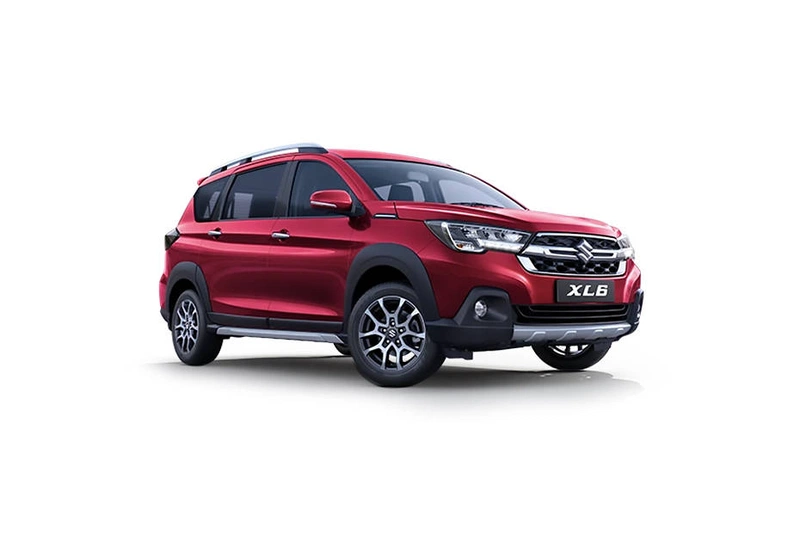
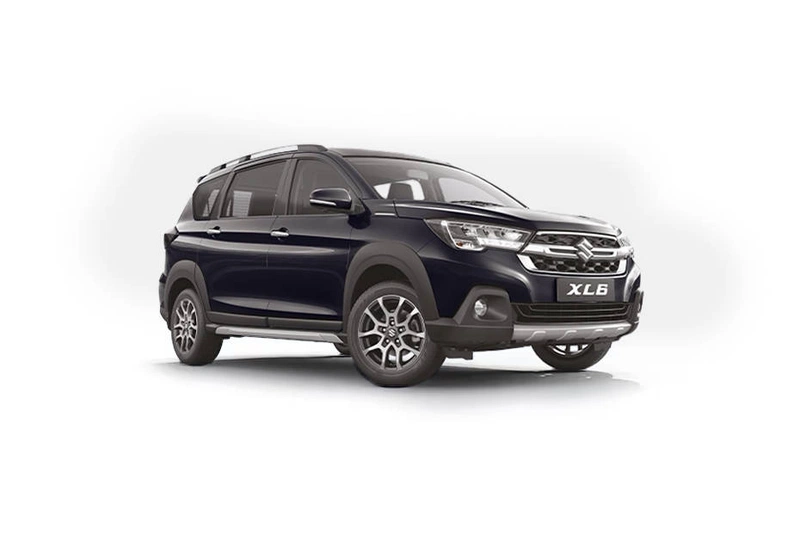
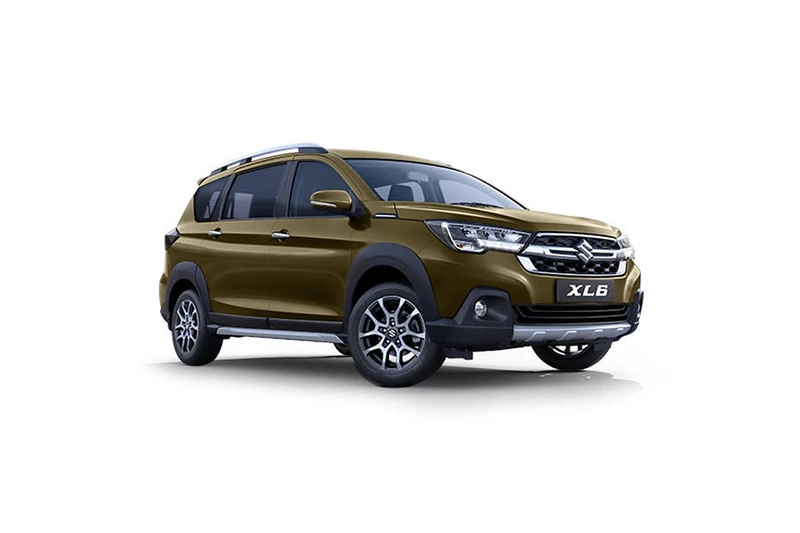
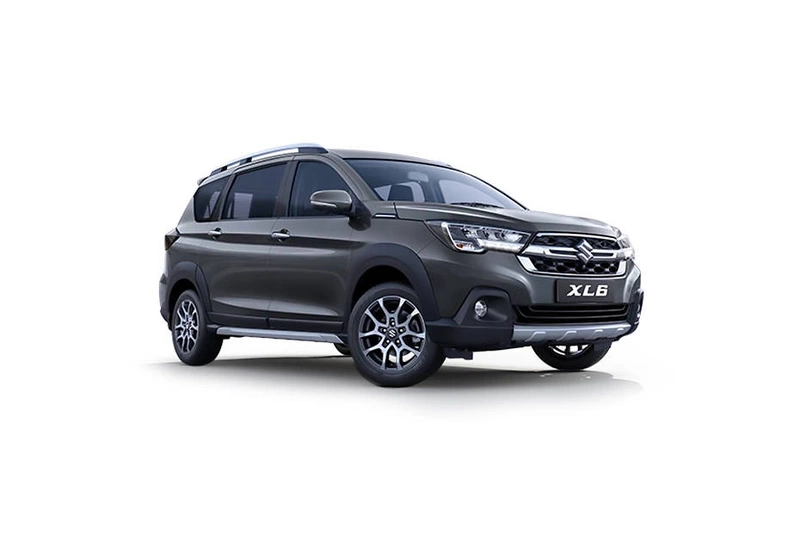
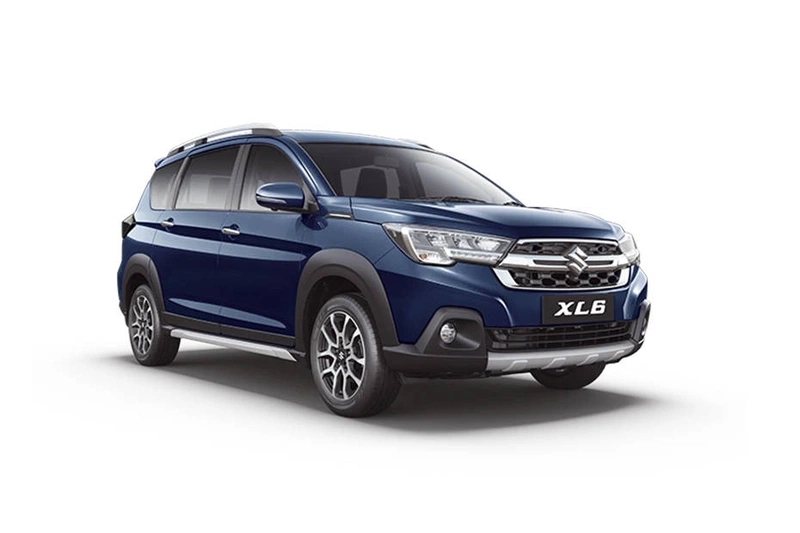
+The Maruti Suzuki XL6 is available in the following colours: Arctic White, Opulent Red, Opulent Red With Black Roof, Splendid Silver With Black Roof, Pearl Midnight Black, Brave Khaki, Grandeur Grey, Brave Khaki With Black Roof, Celestial Blue and Splendid Silver.