



EMI Loading
Honda ZR-V Key Specifications
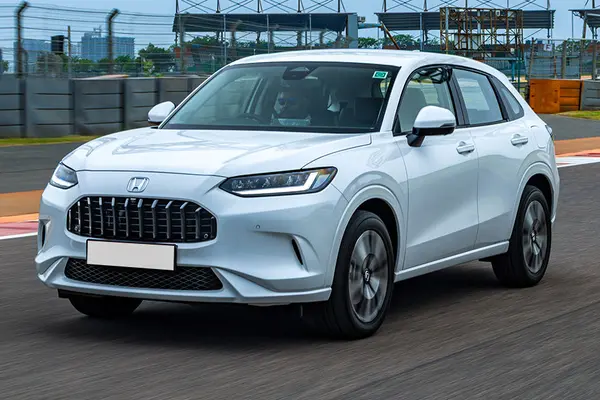
The ZR-V hybrid SUV has a mileage of 22.80kmpl.
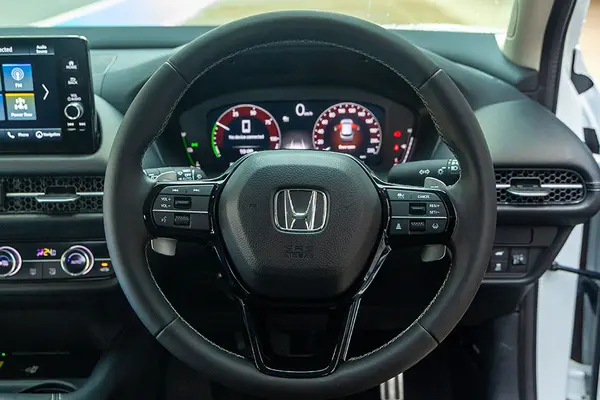
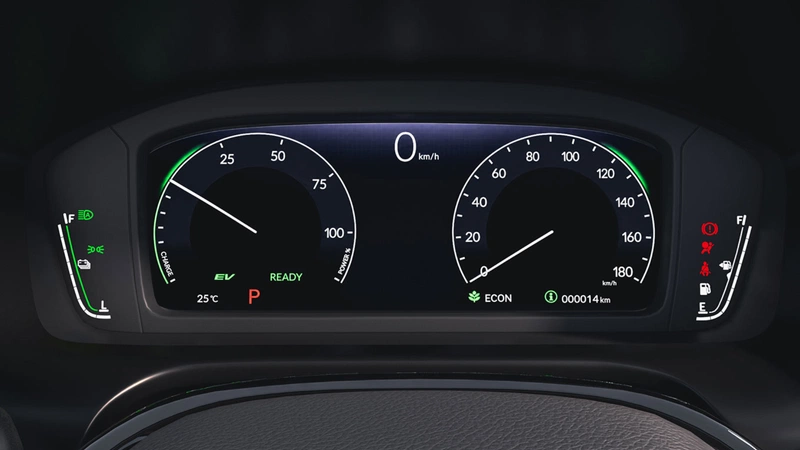
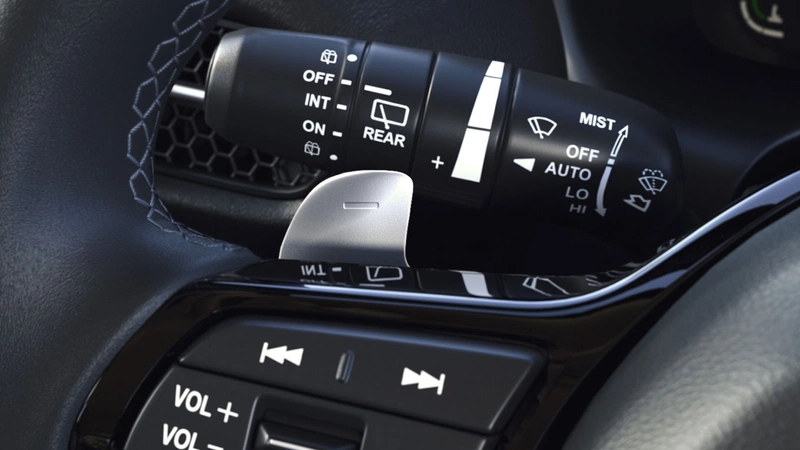
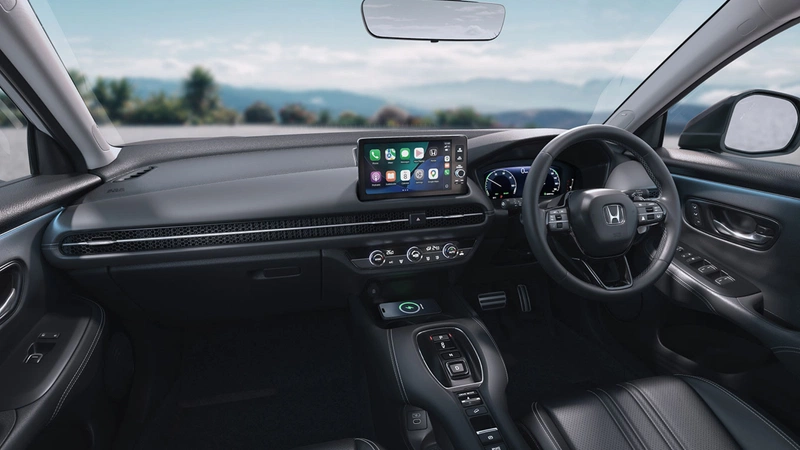
The ZR-V gets a 10.1-inch instrument cluster and steering-mounted controls.
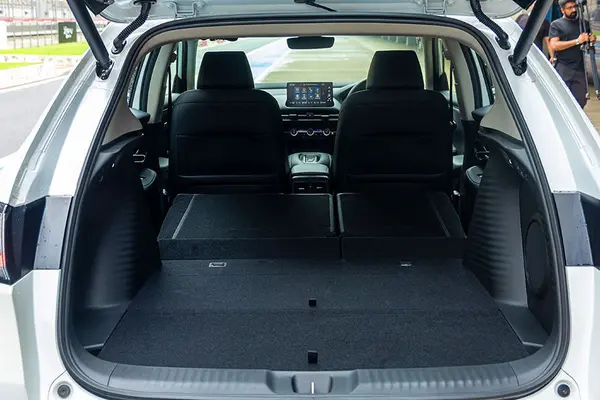
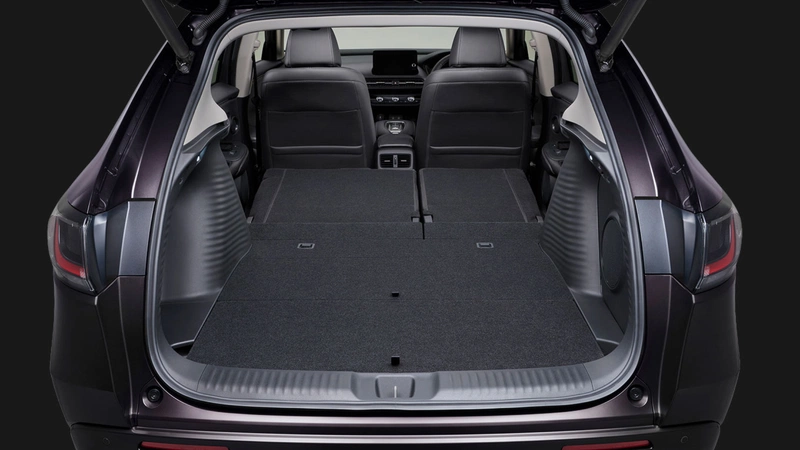
Its boot space can be expanded to 1,313 litres by folding the rear seats.
Honda ZR-V Overview

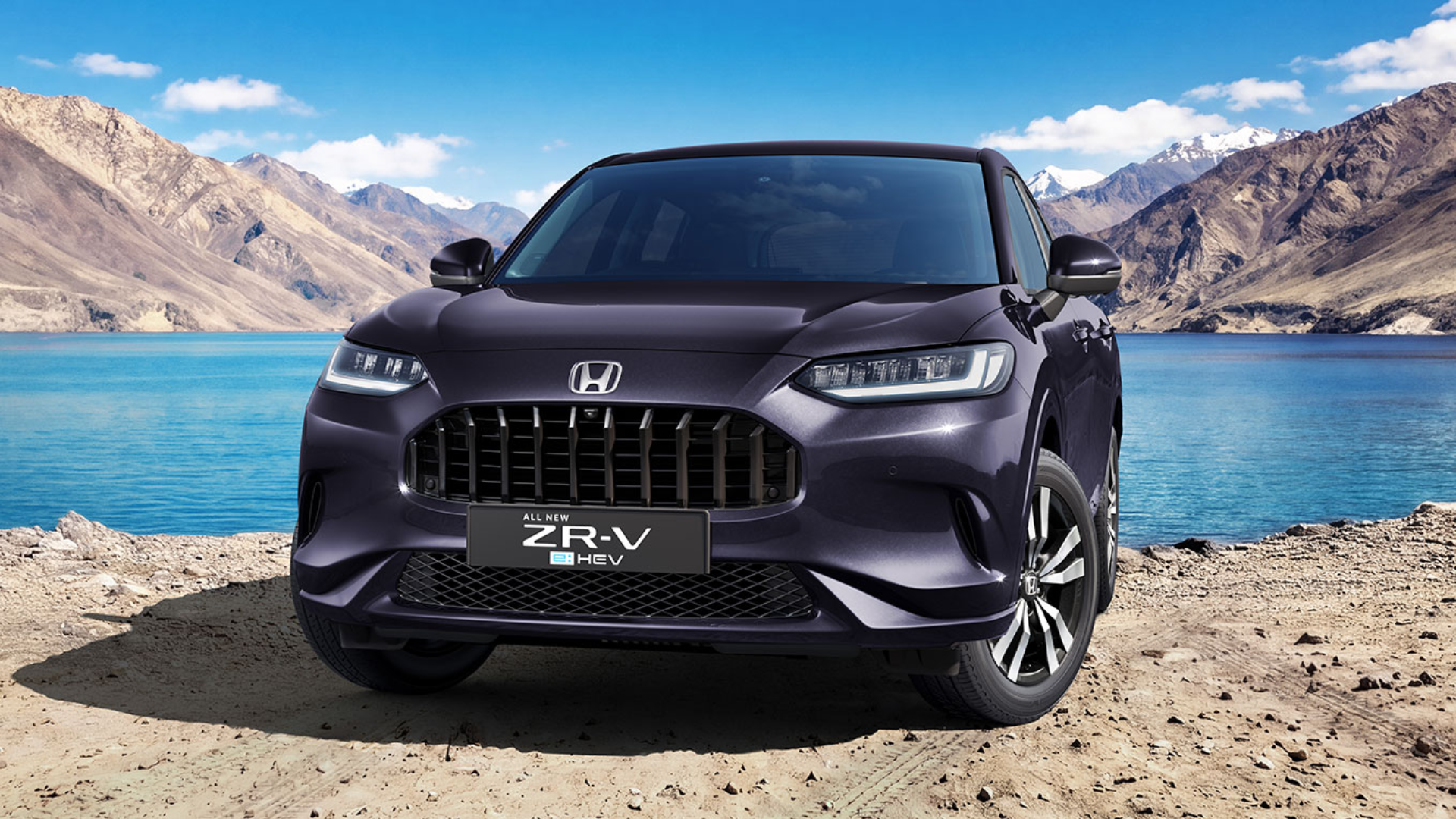
Honda's India product strategy has, for most of the past decade, been a story of conservative choices, with the City, the Amaze, and the Elevate. All being reliable, well-engineered, and carefully priced, but rarely provocative.
The ZR-V is a departure from that pattern. It is the brand's most expensive, most feature-loaded, and most visually assertive car ever launched in India, imported fully built from Japan and offered in a single, comprehensively equipped variant at a price that puts it in conversation with the Skoda Kodiaq, Volkswagen Tiguan, and Jeep Meridian.
The case for the ZR-V is built on three pillars: the e:HEV powertrain, the feature content, and Honda's engineering and reliability reputation at a price point where some rivals have historically struggled on all three. The 2.0-litre strong-hybrid system is the same architecture used in the City e:HEV and CR-V hybrid internationally, scaled up for an SUV application. It delivers 181 bhp and 315 Nm on paper, an ARAI-certified 22.8 km/l, and a claimed 0-100 km/h sprint in 7.9 seconds, a combination that no direct rival in the Rs. 45-55 lakh range can match on fuel efficiency without a plug-in powertrain.
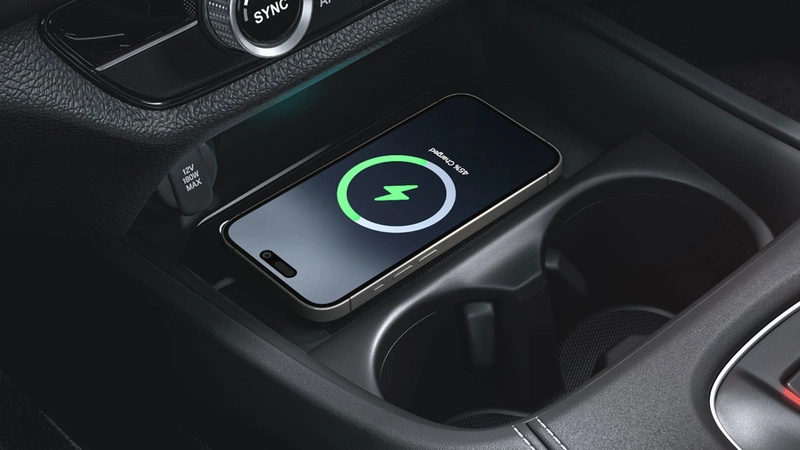
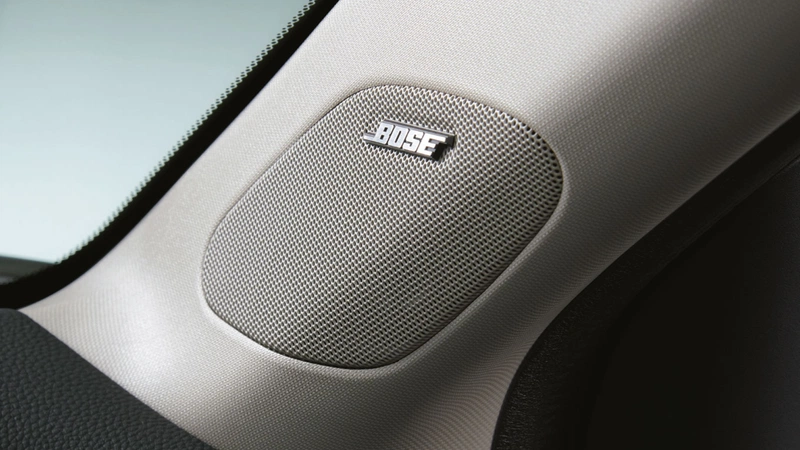
The feature list is thorough. The 12-speaker Bose audio system is among the best factory installations available in any Indian-market SUV at this price. Level 2 Honda Sensing ADAS, eight airbags, wireless connectivity, a powered tailgate with gesture control, dual-zone climate control, an 8-way powered driver seat with memory, and a 10.25-inch digital cluster make the single ZR-V variant difficult to fault on equipment.
Where the ZR-V makes specific trade-offs, made deliberately, is instructive.
There is no AWD for India, no panoramic sunroof, no ventilated seats, and the 9-inch infotainment touchscreen is smaller than what cars from even segments lower now offer, and the 380-litre boot is small for a compact premium SUV.
What limits its appeal the most is its price tag. At Rs. 48 lakh as a CBU import, with a production volume limited by the government's 2500-unit CBU import allowance per year, the ZR-V is, by definition, a niche product. Honda has not committed to local manufacturing, which would change both the pricing and the availability picture considerably, making it a much more attractive option.
For a buyer who wants Honda's hybrid efficiency, build quality, and ADAS in an SUV that looks and feels genuinely premium without the mechanical complexity of a plug-in hybrid, the ZR-V makes a confident and specific case.
Engine and Performance
Engine and Performance
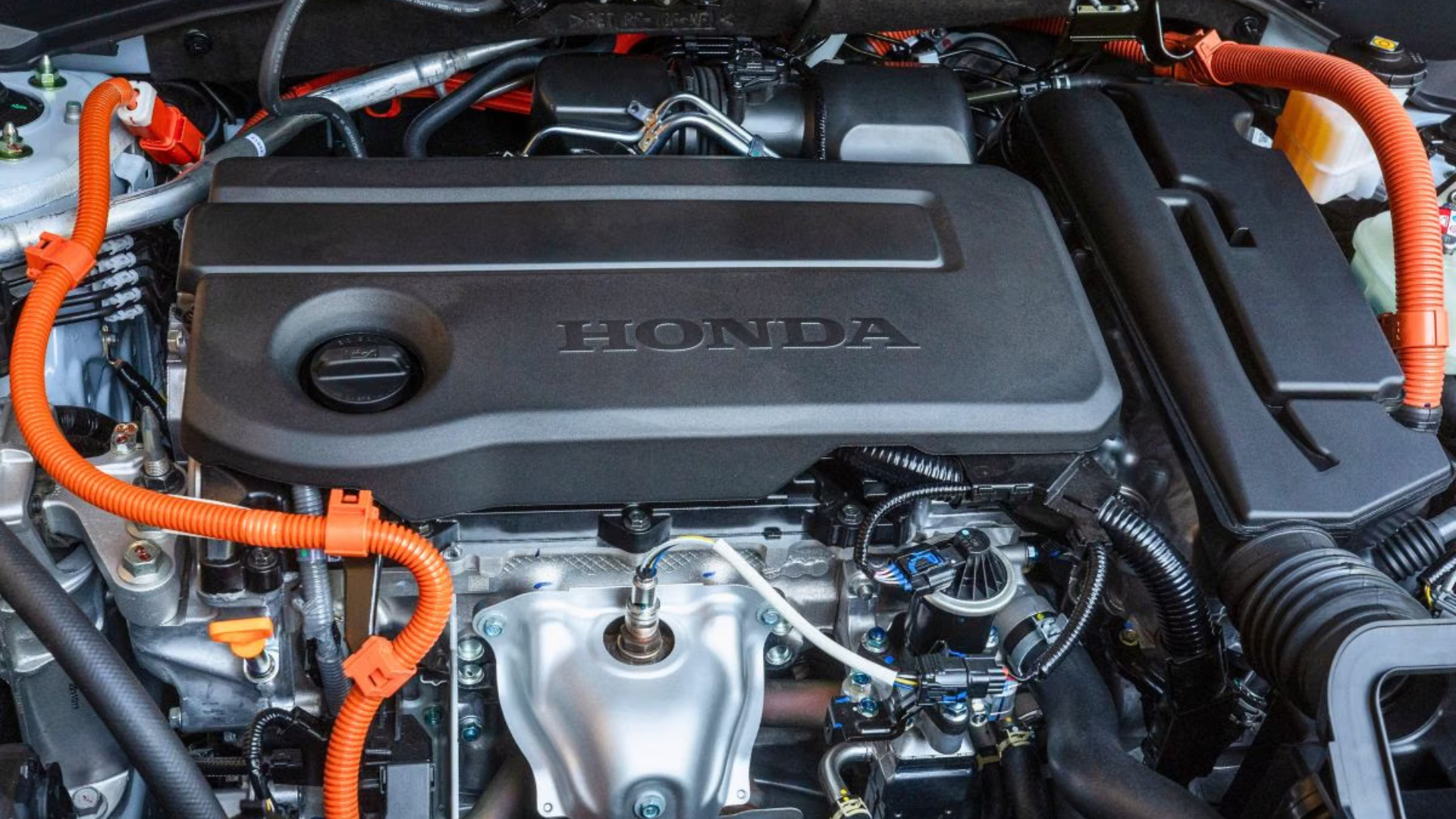
The ZR-V's e:HEV system is Honda's second-generation strong-hybrid architecture, the same fundamental design used in the City e:HEV but applied to a heavier SUV platform.
| Specification | Details |
|---|---|
| Engine | 2.0L i-MMD Atkinson-cycle four-cylinder petrol + dual-motor e:HEV |
| Displacement | 1993 cc |
| Petrol Engine Output | 141 bhp (petrol engine standalone) |
| Combined System Output | 181 bhp |
| Peak Torque | 315 Nm (electric motor) |
| Transmission | e-CVT (electronically controlled CVT) |
| Hybrid System | Self-charging strong hybrid |
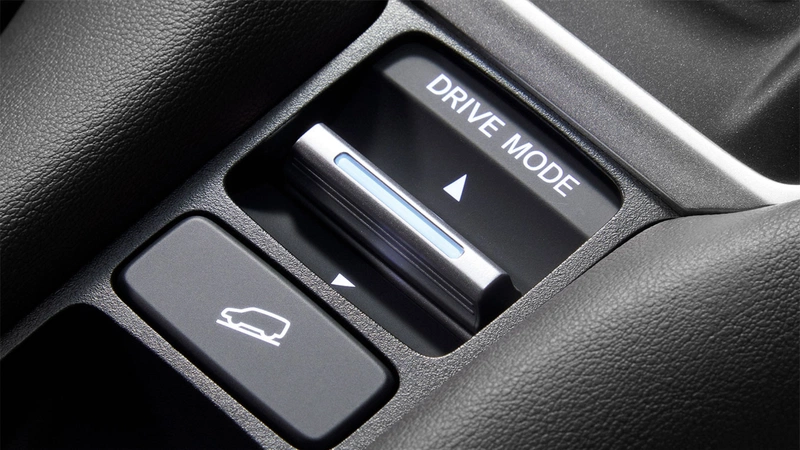
| Drive Modes | EV Drive / Hybrid Drive / Engine Drive |
| Fuel Tank | 49 litres |
| Drivetrain | Front-wheel drive |
Unlike its rivals that use turbo petrol engines, the ZR-V uses an Atkinson-cycle petrol engine, which primarily acts as a generator in most driving situations, with a dedicated traction motor driving the front wheels. A lock-up clutch engages the engine directly at sustained highway speeds for maximum efficiency. The result is a three-mode operation : EV Drive at low urban speeds, Hybrid Drive at moderate speeds, and Engine Drive on the highway, that transitions seamlessly without driver input.
In city driving, the experience is immediately distinctive. The ZR-V pulls away on electric power alone, silently and with the linear, instant-response torque that an electric motor delivers from zero rpm. There is no turbo lag, no waiting for revs to build, and no engine noise at low speeds. The transition into hybrid and engine modes is imperceptible under normal throttle inputs, which makes the ZR-V's powertrain one of the most refined in its segment regardless of price. Owners of the City e:HEV, a car that receives consistent praise for exactly this quality, will find the ZR-V's powertrain character familiar and confident.
On the highway, the Engine Drive mode engages the Atkinson-cycle petrol engine directly and delivers smooth, relaxed cruising. The 181 bhp combined output provides enough pace for brisk overtaking, and the claimed 7.9-second 0-100 km/h time is credible for the vehicle's weight. The ZR-V is not a sporty SUV in terms of driving engagement, as the e-CVT and FWD setup are calibrated for efficiency and refinement rather than driver involvement , but it is not slow, and at sustained highway speeds it feels composed and unhurried.
The suspension uses MacPherson struts up front and a multi-link independent setup at the rear, which is a more sophisticated rear arrangement than the torsion beam found in most compact SUVs. It contributes to a more settled, more controlled ride quality over undulations and lateral stability in faster cornering. The 180 mm ground clearance is adequate for urban conditions, though it is low by SUV standards in India.
The absence of AWD is a genuine gap for a vehicle at this price, especially considering all its main rivals offer it. Honda chose not to offer AWD for the India-market ZR-V, a decision that may reflect the CBU import constraints and the powertrain architecture's FWD orientation.
fuel economy
fuel economy
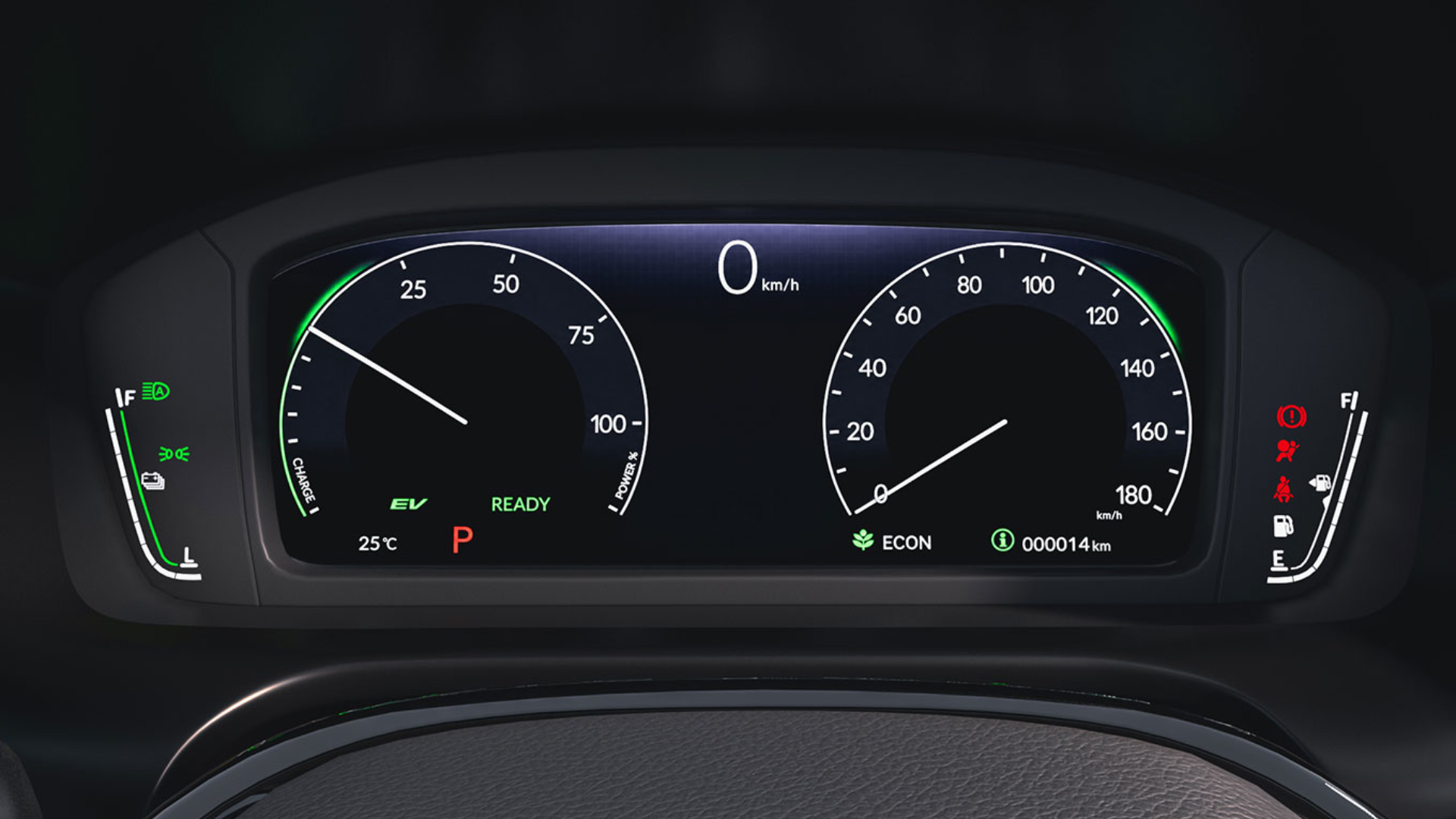
The ZR-V's ARAI-certified 22.8 km/l is the headline specification that no rival in its price bracket can match without a plug-in powertrain.
Like the City e:HEV, the strong-hybrid architecture's efficiency advantage is most pronounced in city and suburban driving conditions, where the EV Drive mode and regenerative braking reduce petrol consumption substantially. On open highway runs at sustained speed, where the engine drives the wheels directly, the advantage narrows relative to the ARAI cycle but remains competitive.
Owner-reported real-world returns for the City e:HEV, which uses the same hybrid architecture in a lighter body, range from 18 to 22 km/l in city use. The ZR-V, being heavier at 1569 kg, is expected to return broadly 16 to 20 km/l in mixed real-world driving, with urban conditions at the higher end and highway driving at the lower end of that range. These are estimates pending longer-term owner data from the Indian market.
The 49-litre fuel tank means infrequent refuelling even at the lower end of the efficiency range, and since this is not a PHEV, there is no external charging required either.
interior
interior
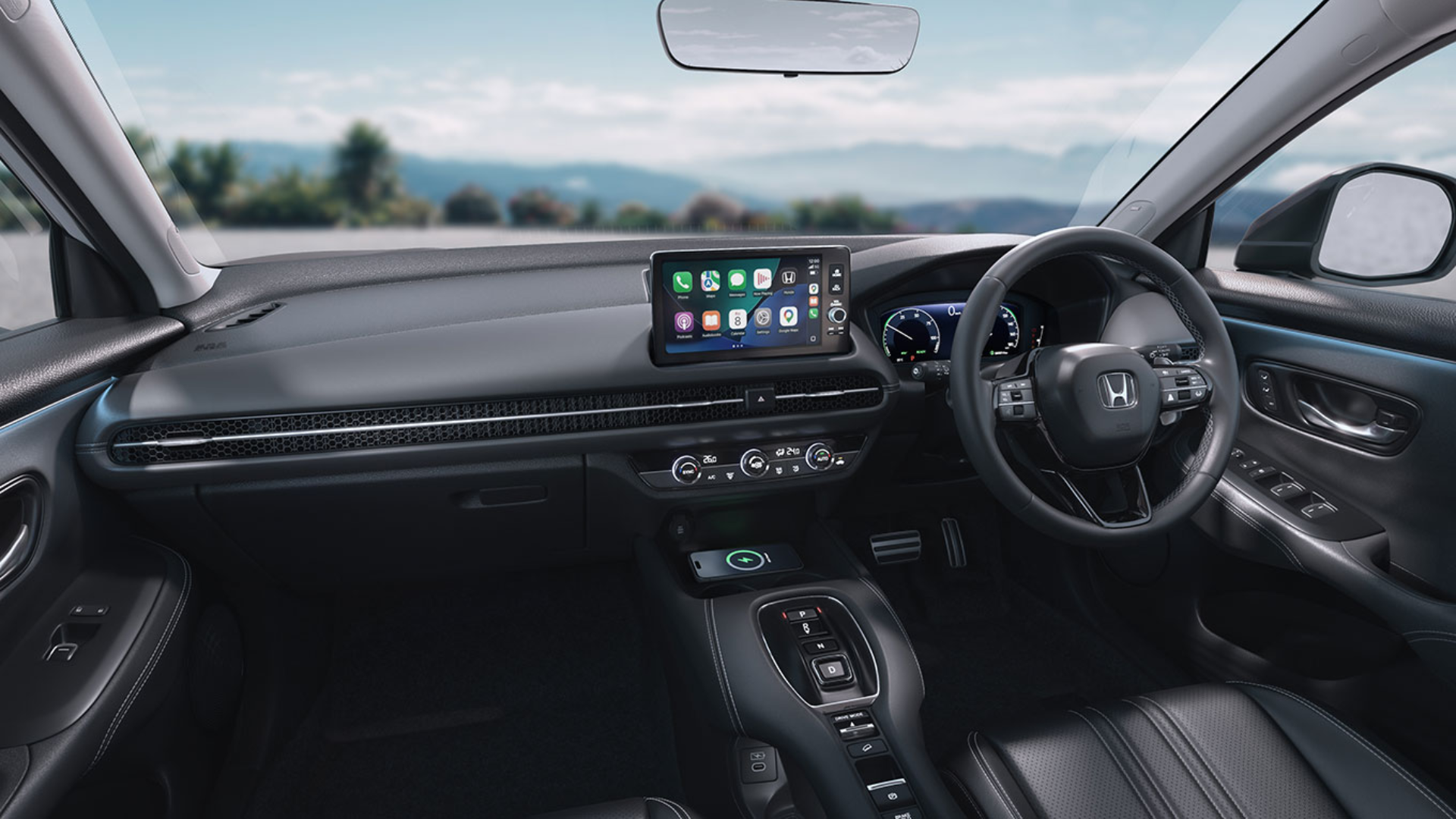
The ZR-V's interior is where Honda has invested the most conspicuously.
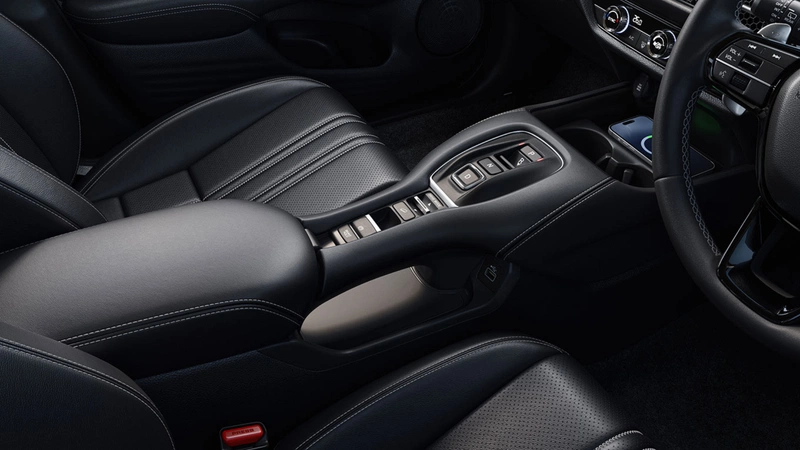
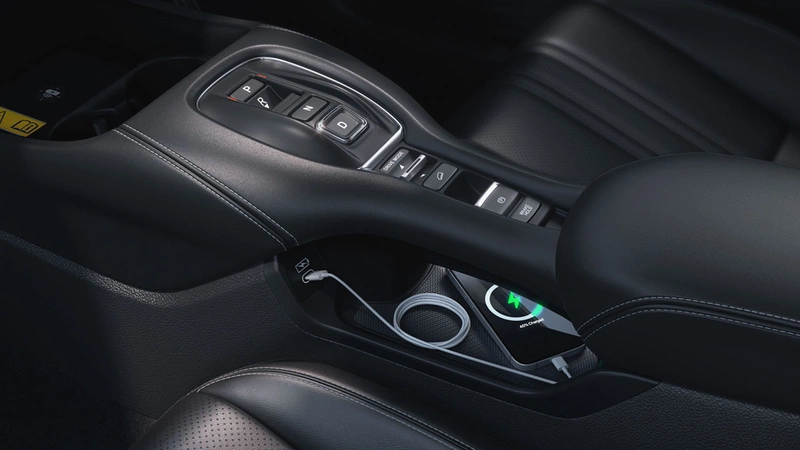
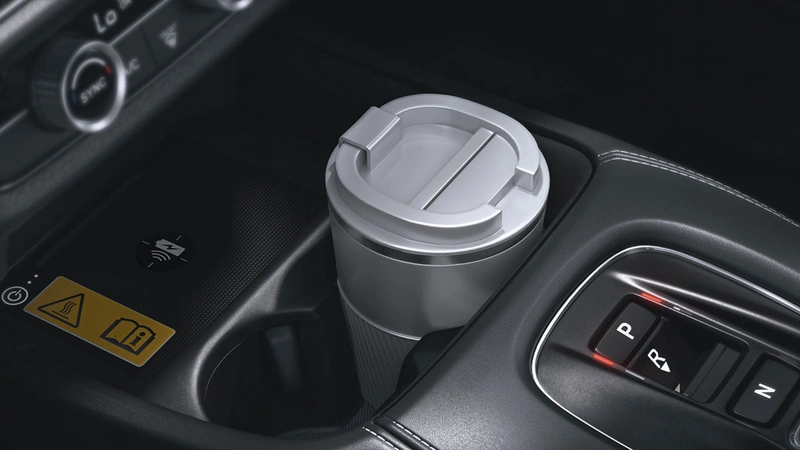
The dashboard gets an upright layout with a free-standing 9-inch infotainment screen, mesh-patterned trim running across the full width of the dashboard, slim horizontal AC vents, a minimal centre console that replaces a conventional gear selector with e-CVT mode buttons to free up storage space, and a layered design with soft-touch materials throughout.
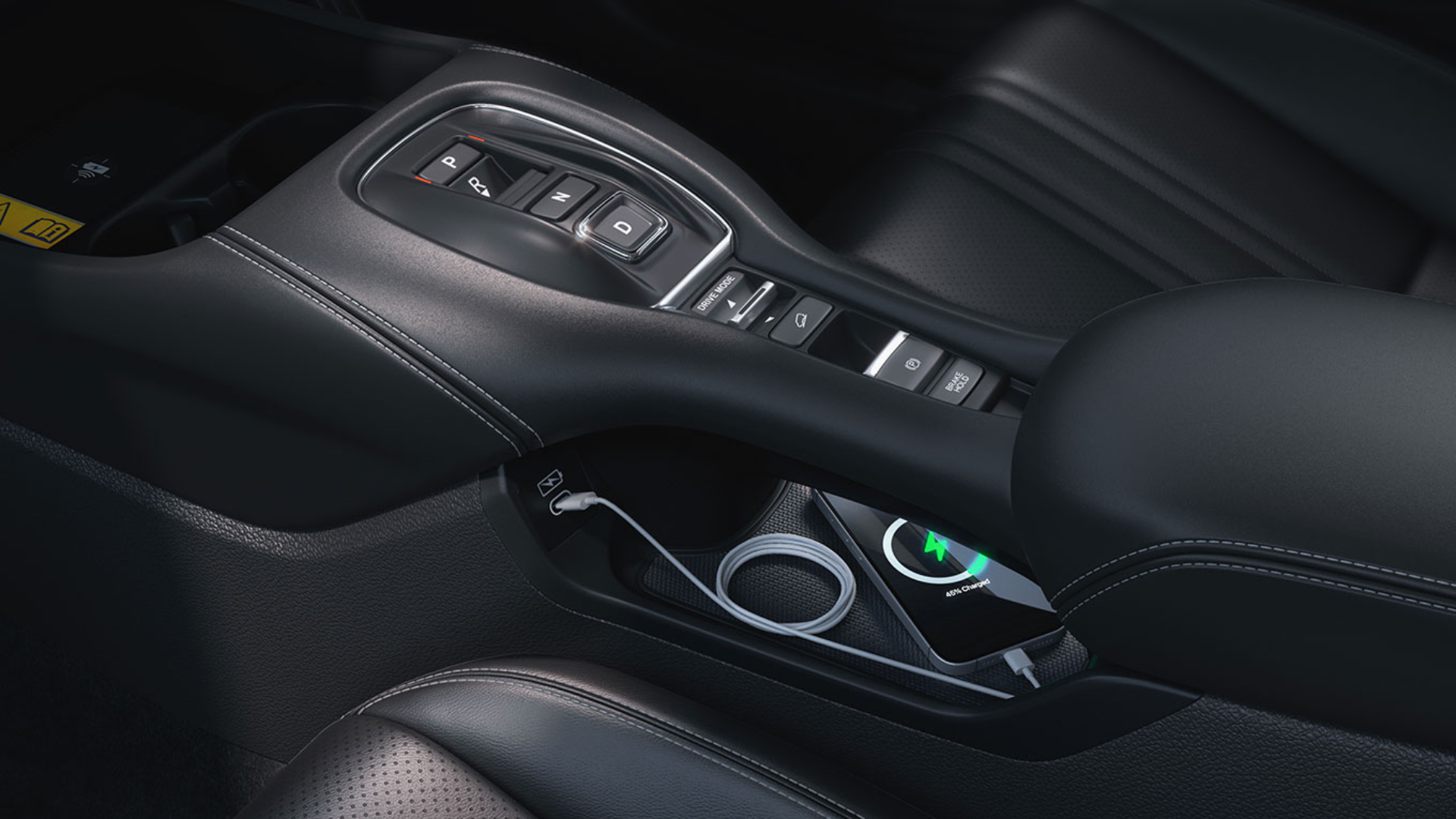
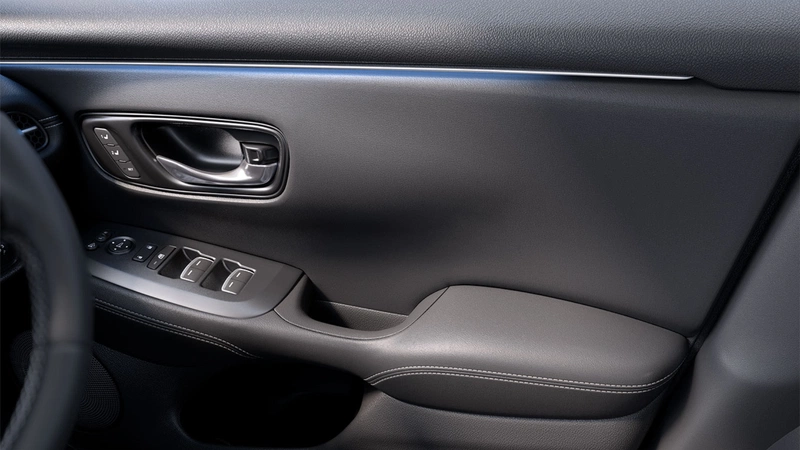
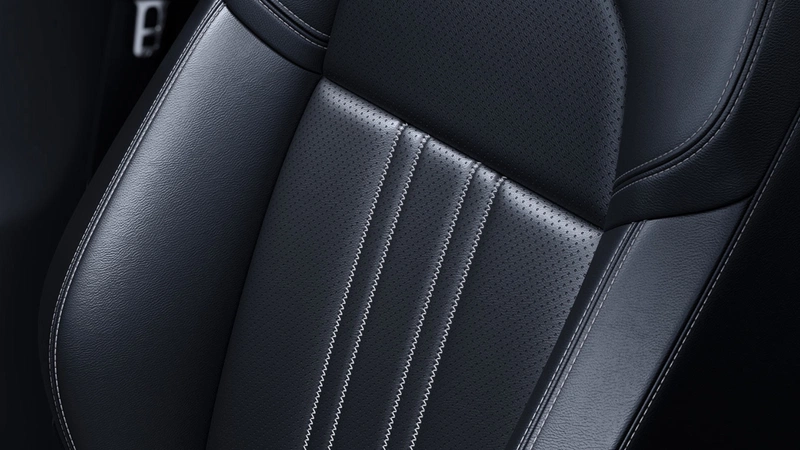
The leatherette upholstery with contrast stitching, combined with ambient lighting and the Bose audio system, creates a cabin atmosphere that compares well with European premium compact SUVs at similar or higher prices.
The 12-speaker Bose installation is a genuine standout, with sound quality, imaging, and bass reproduction superior to what any direct rival offers as standard equipment in this segment.
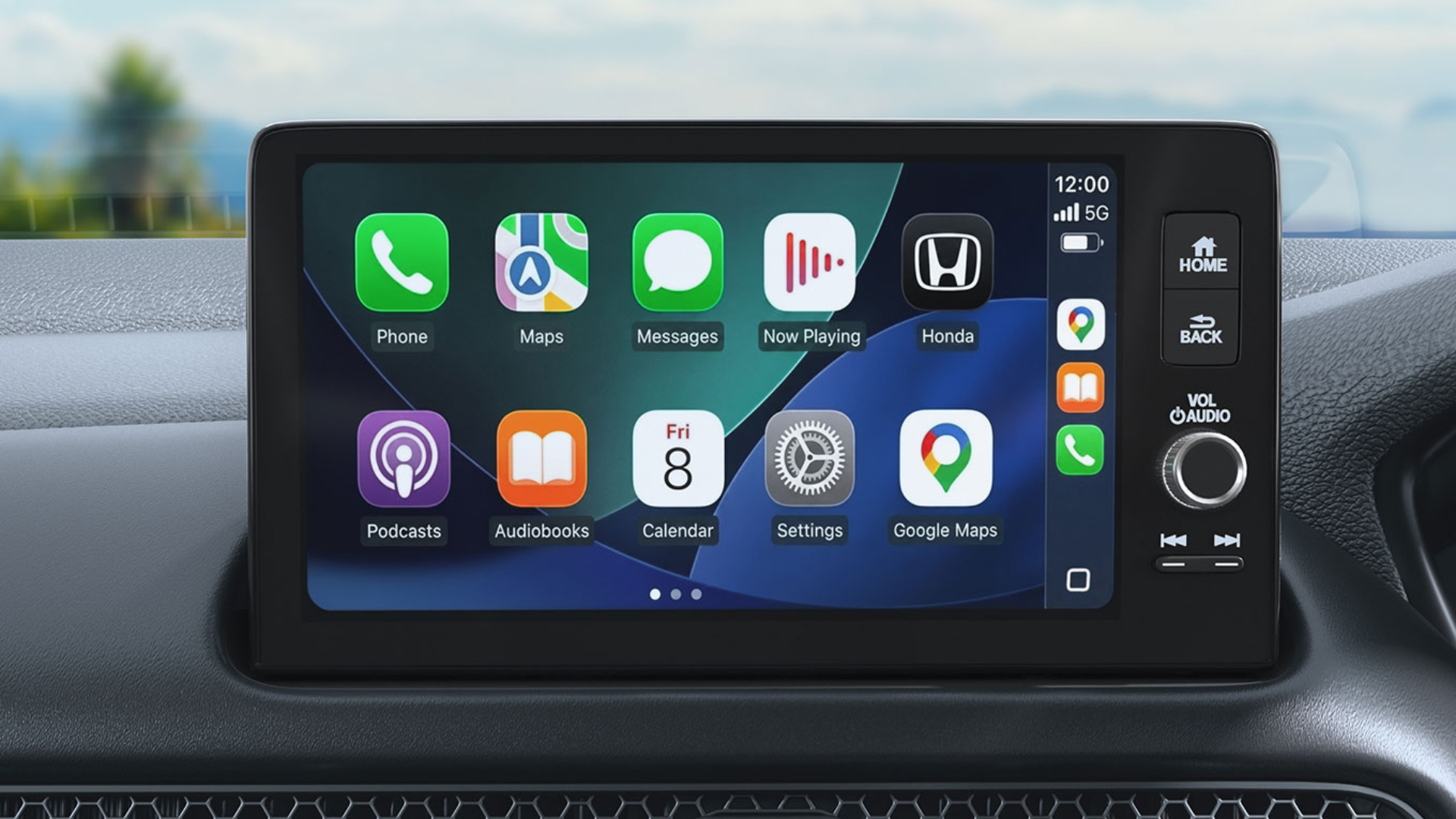
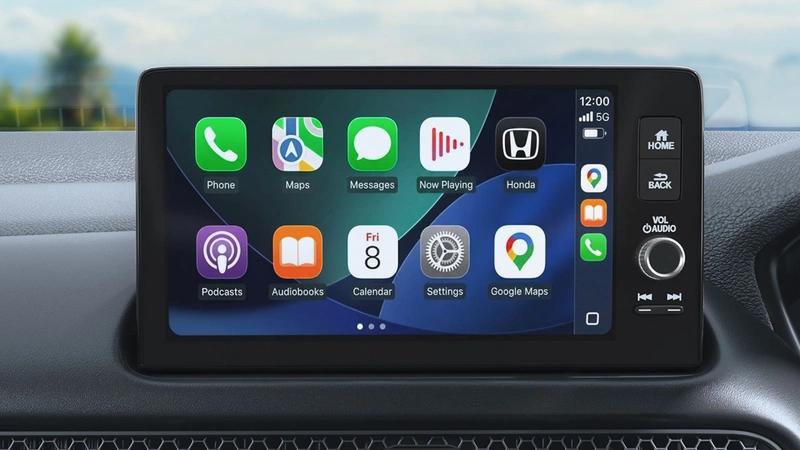
The 9-inch infotainment touchscreen is the one area where the ZR-V's specification feels below expectations for the price. Wireless Android Auto and Apple CarPlay work seamlessly, but the screen itself is smaller than what the Kodiaq and Tiguan offer at comparable pricing, and the interface graphics, while functional, do not match the visual quality of Skoda and Volkswagen's systems.
The 10.25-inch digital instrument cluster provides clear, customisable readouts including real-time hybrid power flow, ADAS status, and navigation prompts with sharp graphics.
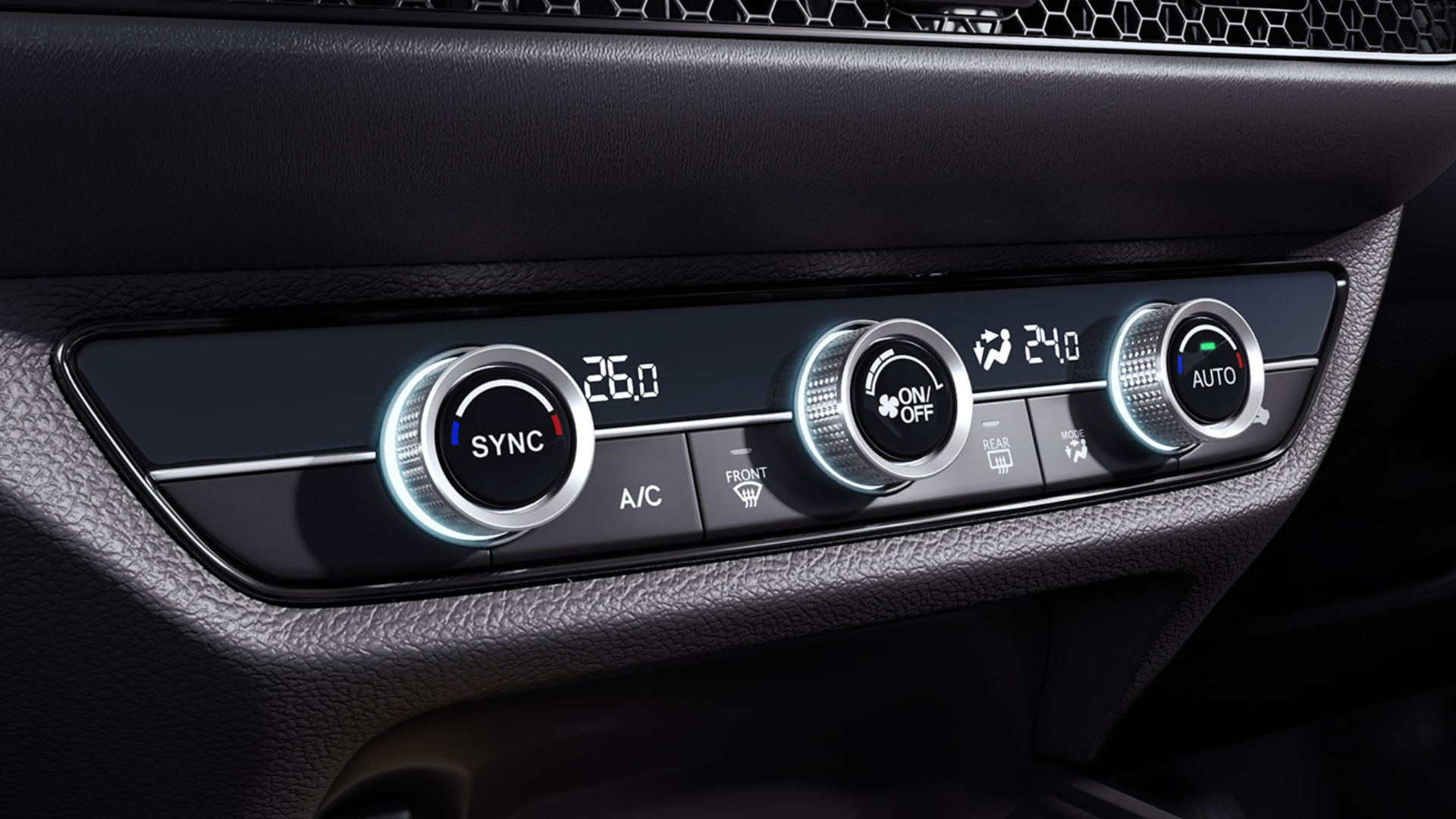
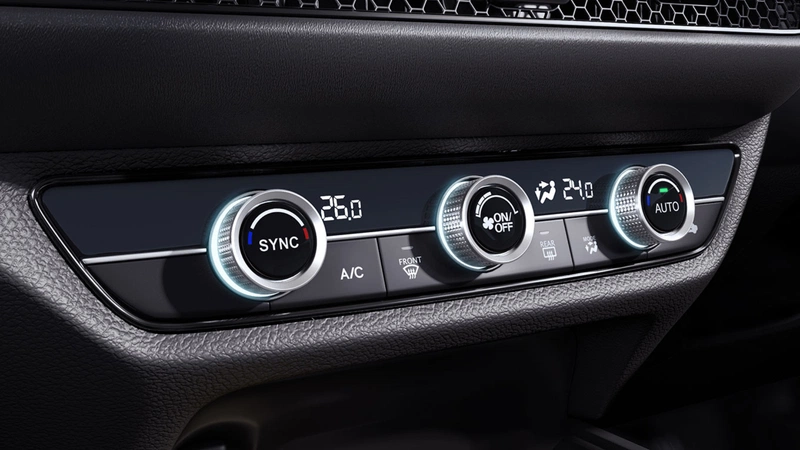
Honda has historically prioritised physical controls over large screens, and the ZR-V's dual-zone climate control retains the rotary dial arrangement from the City, that is easy to operate and looks premium.
The front seats are well-shaped and supportive, with the 8-way powered driver seat covering most occupant sizes effectively. The memory function is a practical convenience for cars shared between drivers. There is no ventilation function for the front seats, which is a noticeable omission for an SUV sold in India at this price level, where summer temperatures make cooled seats genuinely useful for most of the year.
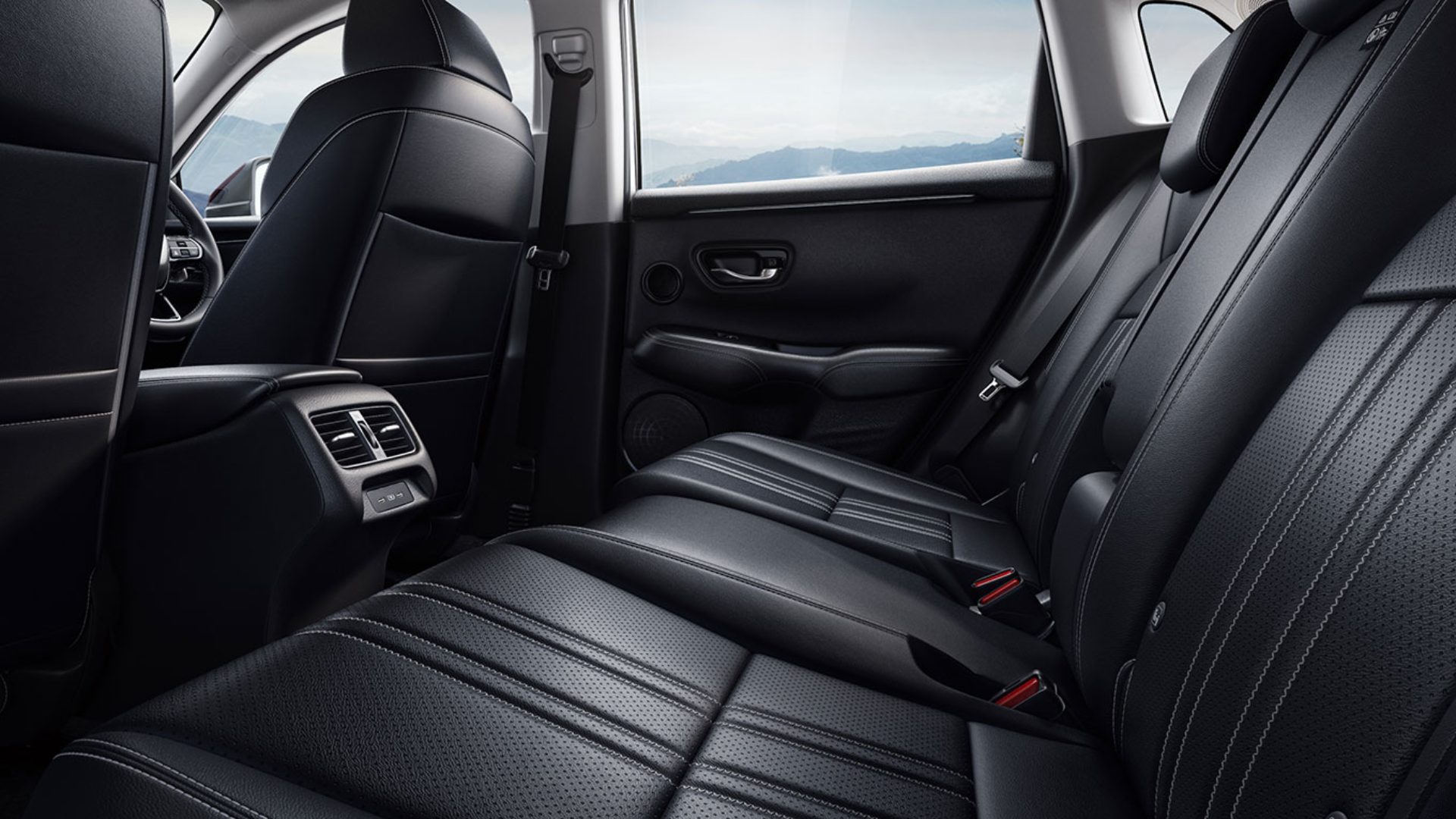
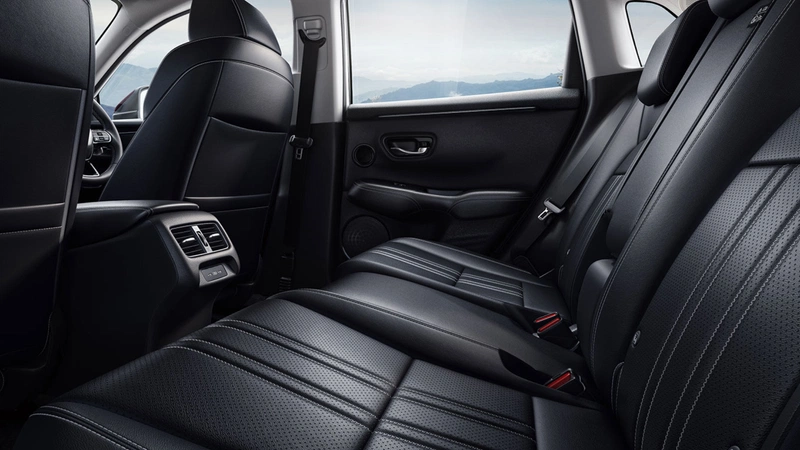
The rear seat is comfortable for two adults, with adequate legroom and the benefit of the multi-link rear suspension's packaging, which reduces intrusion into the rear footwell compared to a torsion beam setup.
Three rear passengers can sit across the bench for short trips, though shoulder room is not generous for three adults side by side.
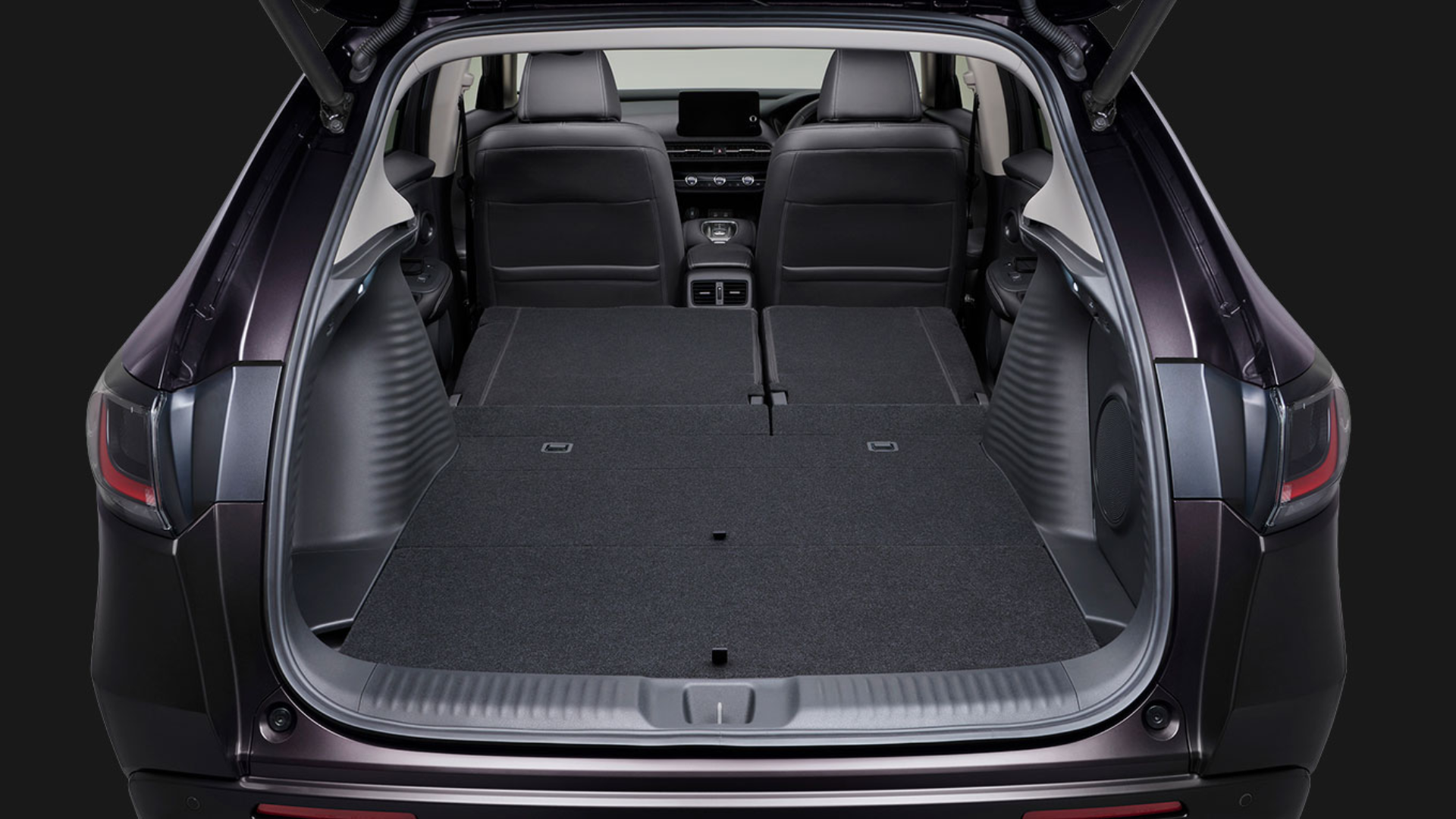
The 380-litre boot is subpar for a compact premium SUV and fits the daily luggage requirements of a family of four. It is significantly smaller than the Kodiaq's 490 litres and the Tiguan's 652 litres, which is a big practical gap for buyers who use their SUV for frequent luggage-heavy trips. The rear seats fold 60:40 and lie flat, creating 1,313 litres of cargo space.
Cabin material quality is genuinely premium. Soft-touch surfaces are present on the dashboard, door panels, and armrests, and the overall fit and finish reflects the Japan-sourced CBU origin.
exterior
exterior
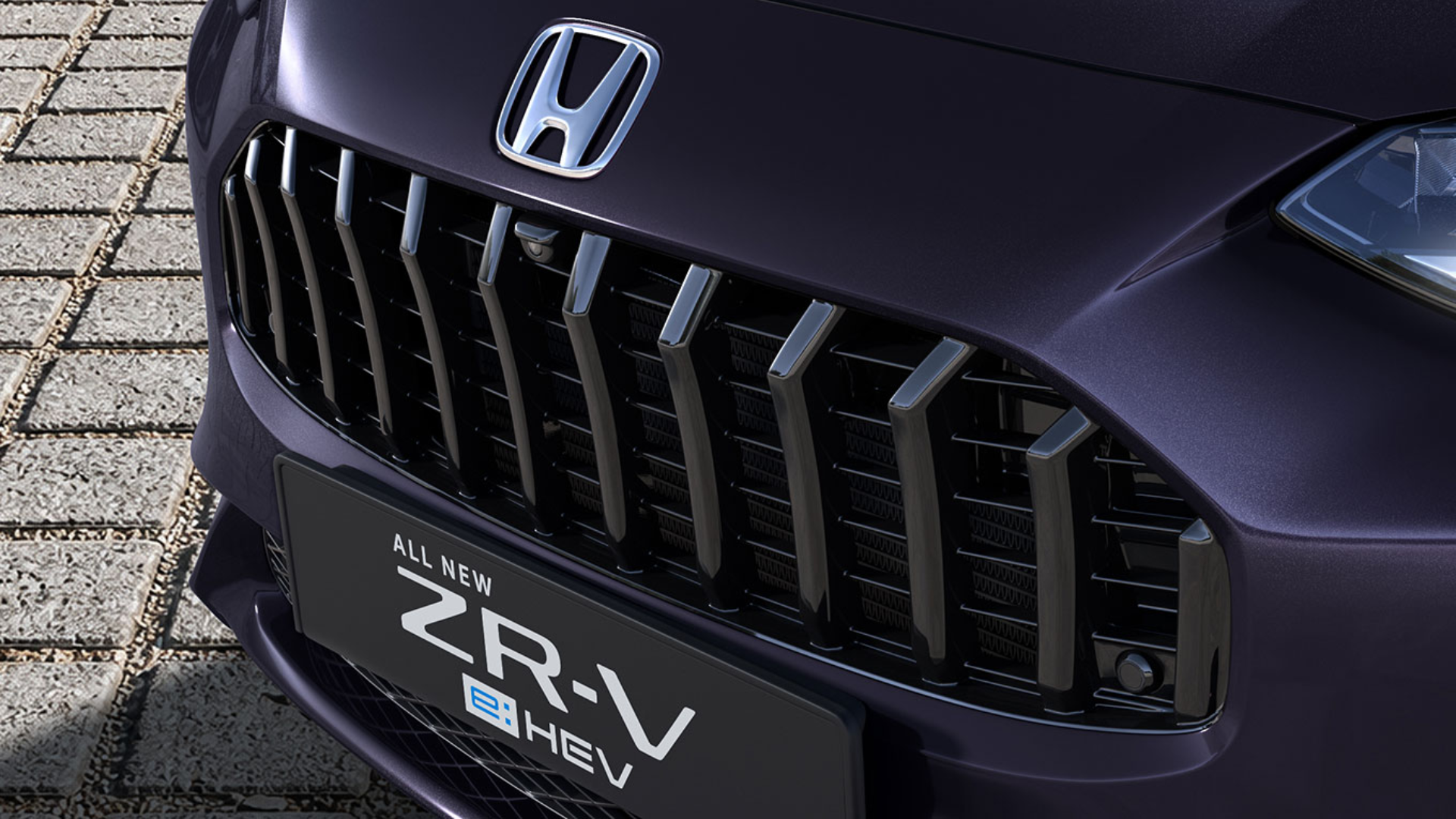
The ZR-V is the most overtly styled Honda on Indian roads.
| Specification | Details |
|---|---|
| Length | 4568 mm |
| Width | 1840 mm |
| Height | 1621 mm |
| Wheelbase | 2655 mm |
| Ground Clearance | 180 mm |
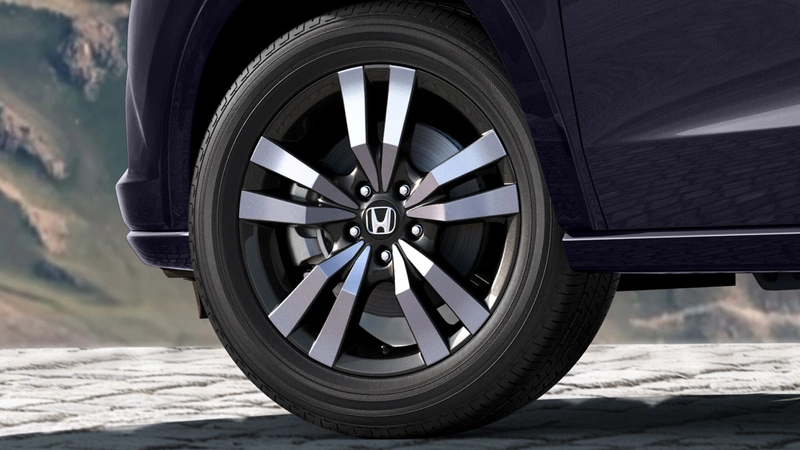
| Tyres and Wheels | 225/55 R18 Alloys |
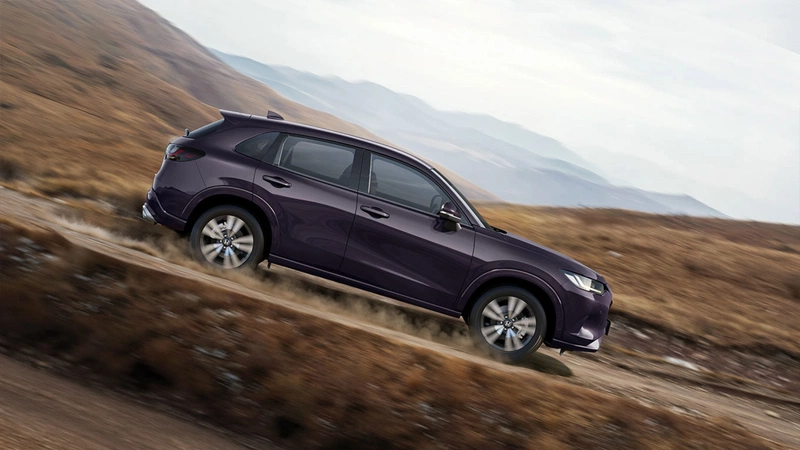
Its design concept draws on a sporty coupe-crossover character, with a long bonnet, a raked windscreen, a fastback-influenced roofline, and a short rear deck.
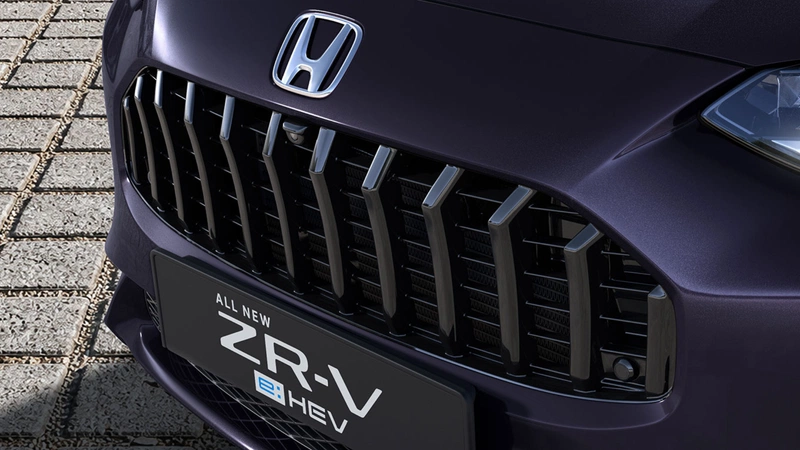
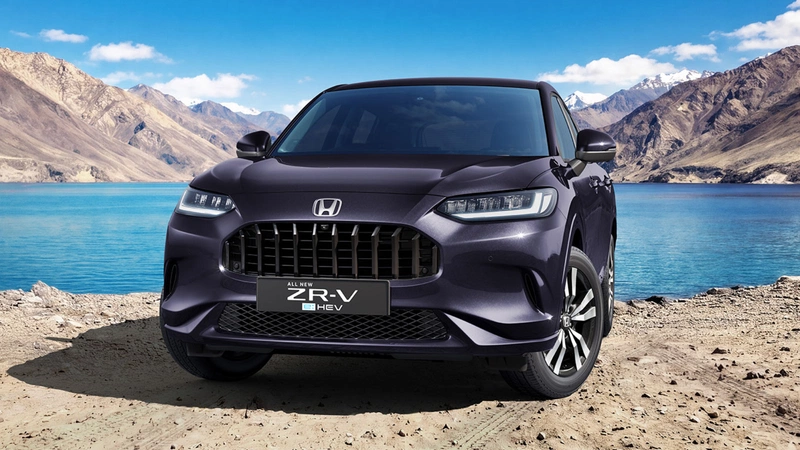
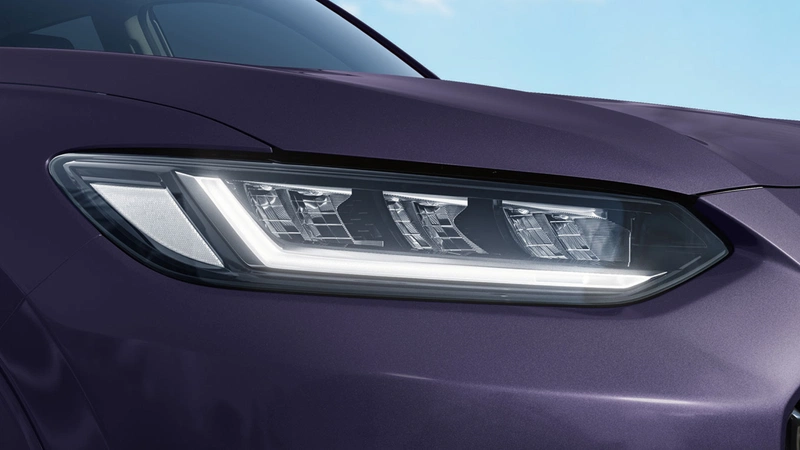
The front carries slim LED headlamps with L-shaped DRLs, an octagonal grille with vertical and horizontal slats, and a lower bumper with functional air vents and gloss-black elements. The overall effect is of a vehicle that looks wider and lower than its dimensions suggest.
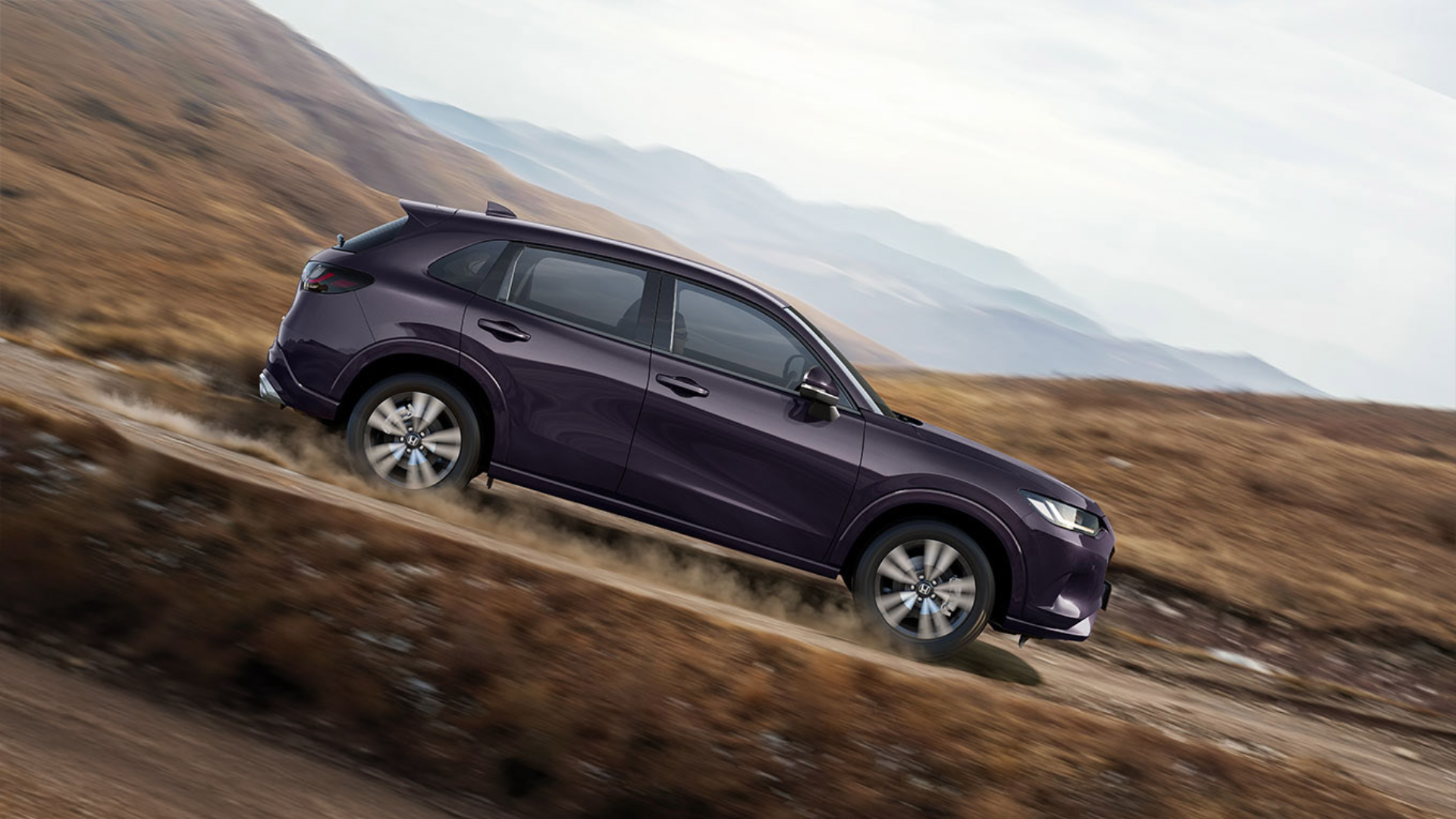
The side profile is defined by the gently sloping roofline, 18-inch dual-tone alloy wheels in 225/55 profile, and contrasting body-coloured and black wheel arch cladding that emphasises the ZR-V's width.
The glass area is relatively small for the body height, giving it a more coupe-like visual weight than an upright crossover.
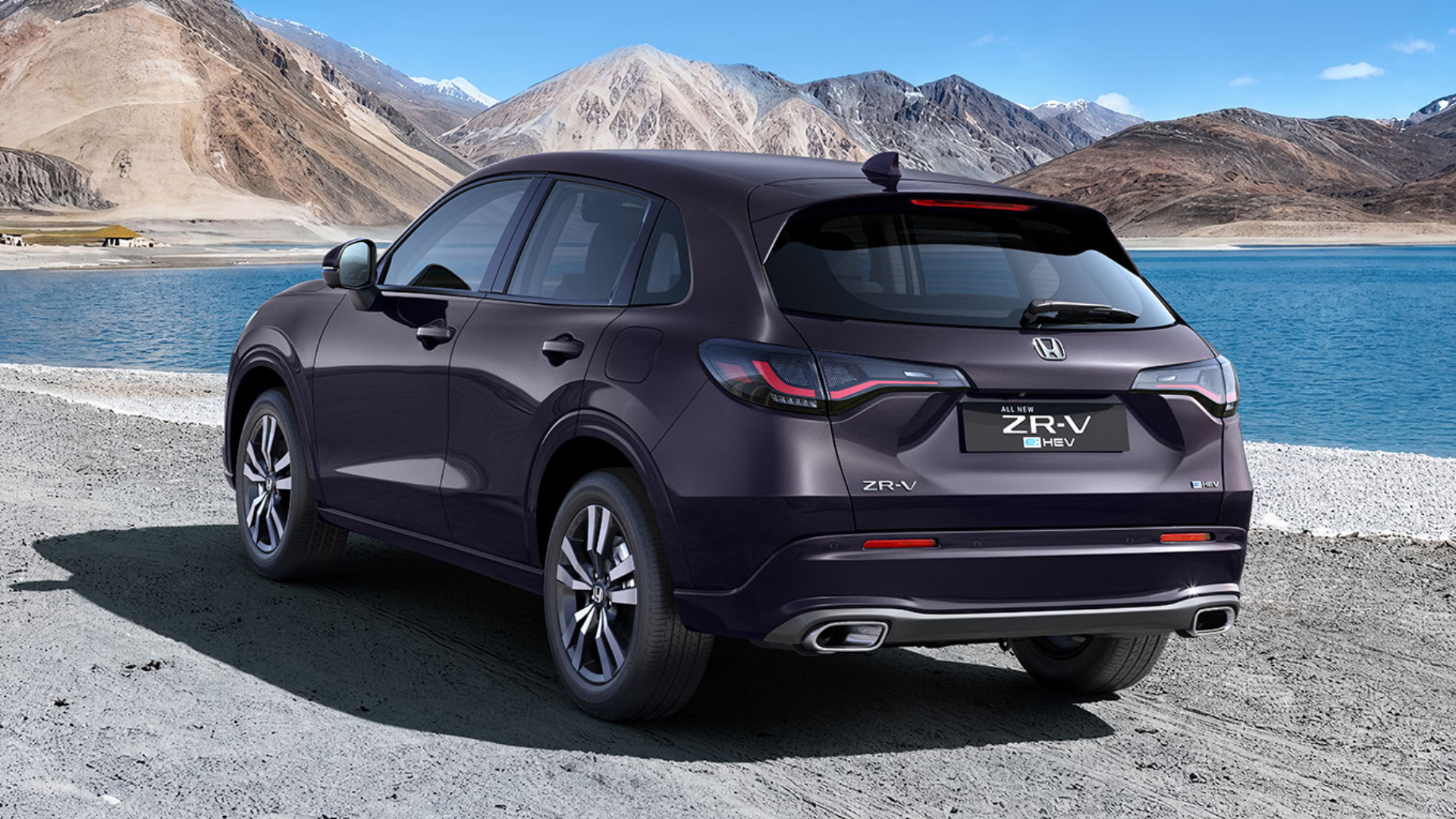
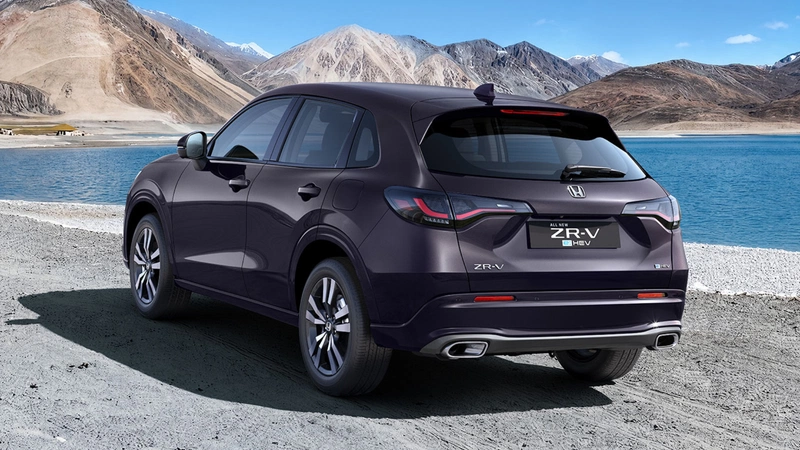
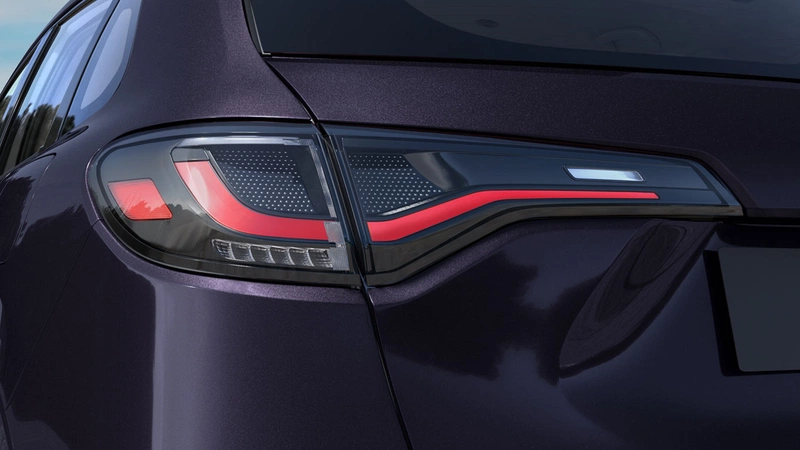
At the rear, wraparound LED tail lamps span the full width of the tailgate, connected by a gloss-black trim bar. The lower bumper section features a blacked-out treatment with a chrome strip and exhaust finisher details. The overall rear view is clean and premium without resorting to decorative elements.
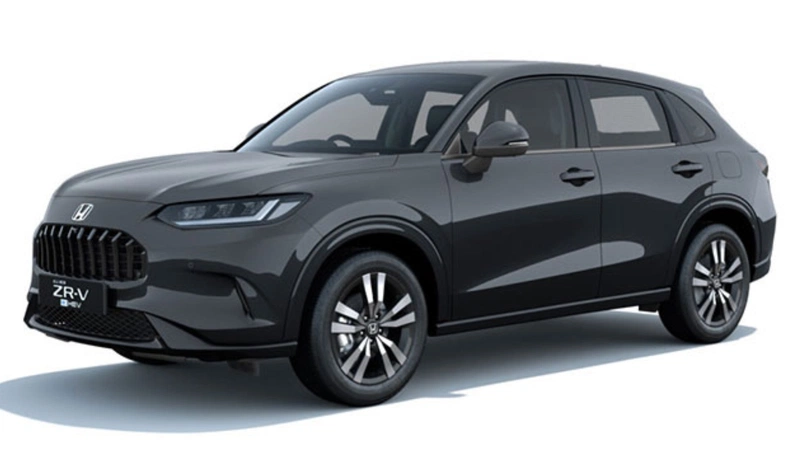
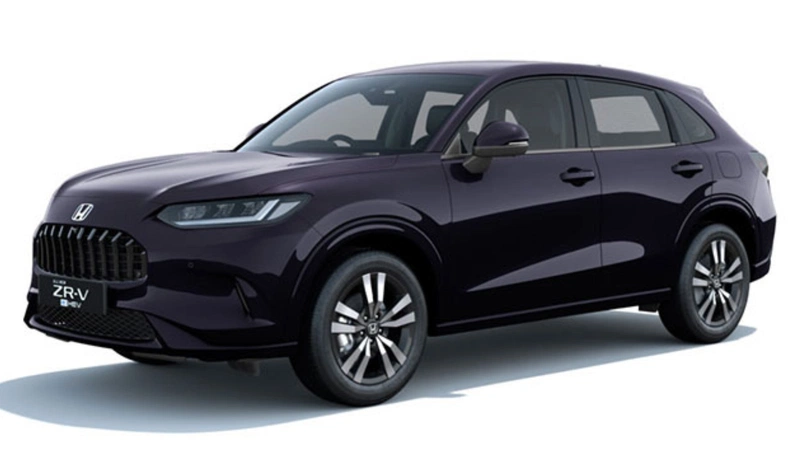
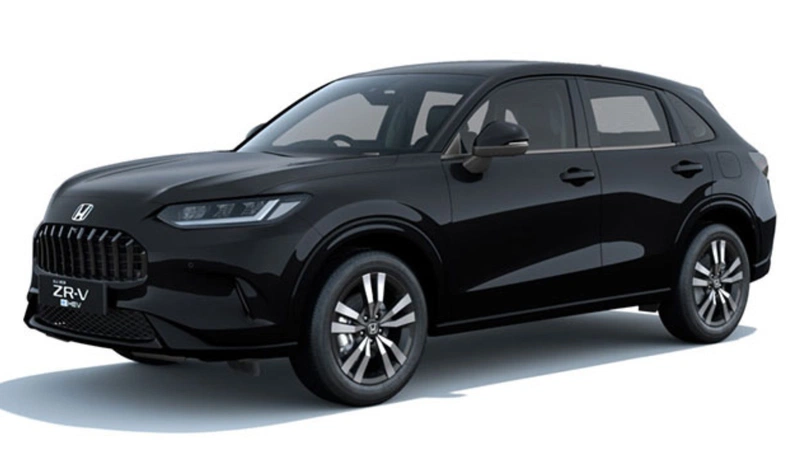
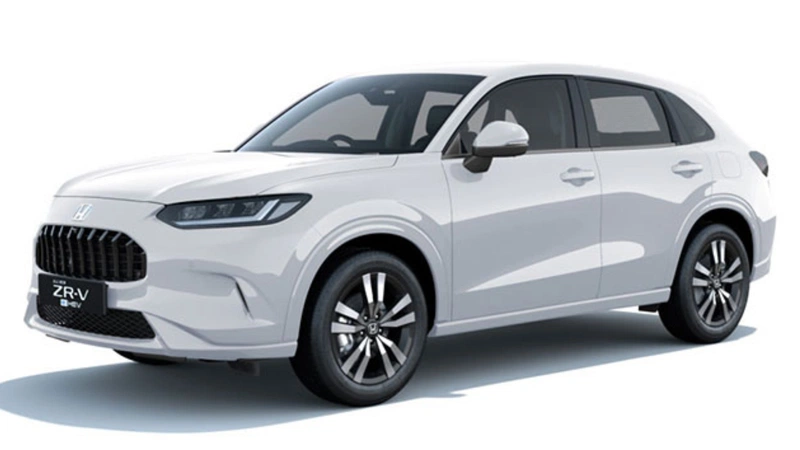
Four monotone colour options are offered. Crystal Black Pearl and Twilight Mist Black Pearl are the most distinctive choices for the ZR-V's sporty character. Platinum White Pearl and Crystal Grey Pearl serve buyers who prefer more conventional finishes. No dual-tone options are available.
safety
safety
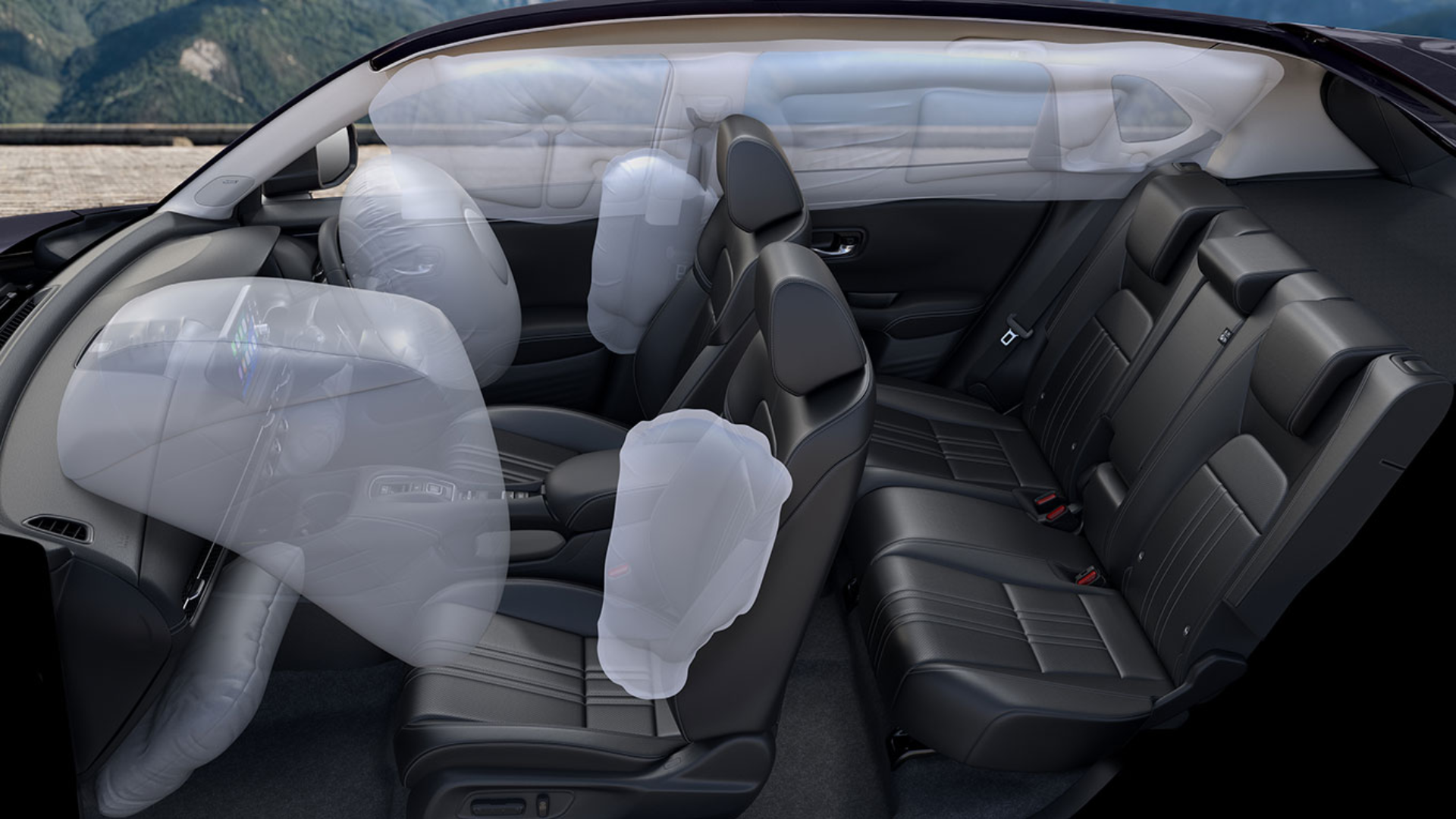
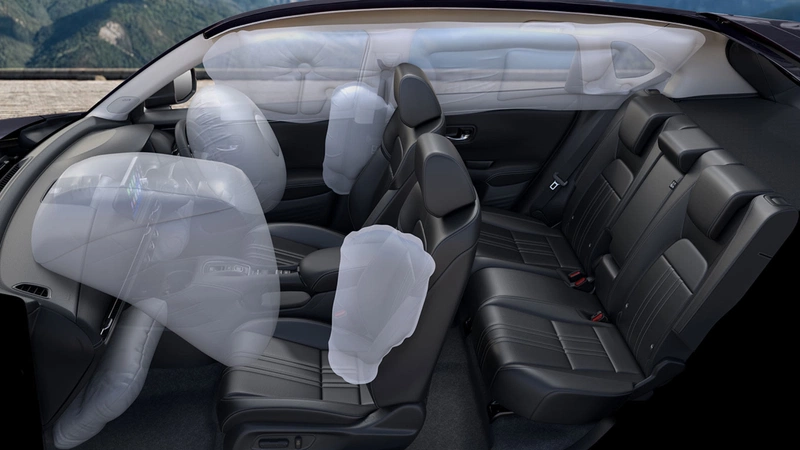
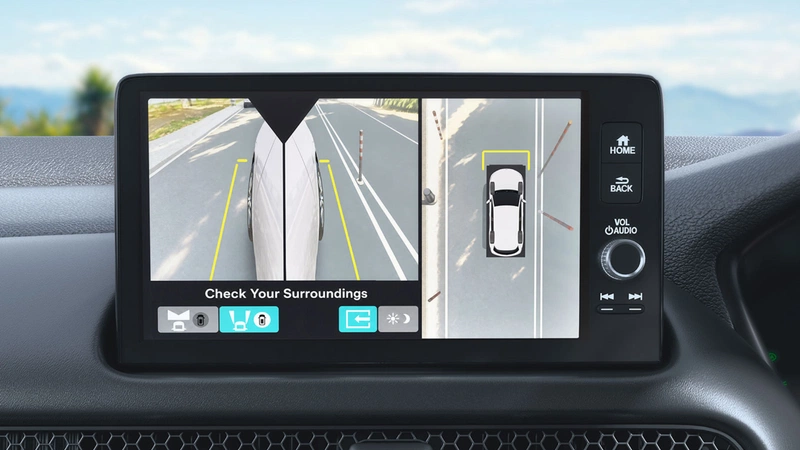
Eight airbags (including a driver's knee airbag), all-wheel disc brakes, ESP, hill hold, hill descent control, electronic parking brake with auto-hold, ISOFIX, TPMS, front and rear parking sensors, a 360-degree camera, and Honda Sensing Level 2 ADAS make the ZR-V the most comprehensively equipped car from a safety standpoint in Honda's India lineup.
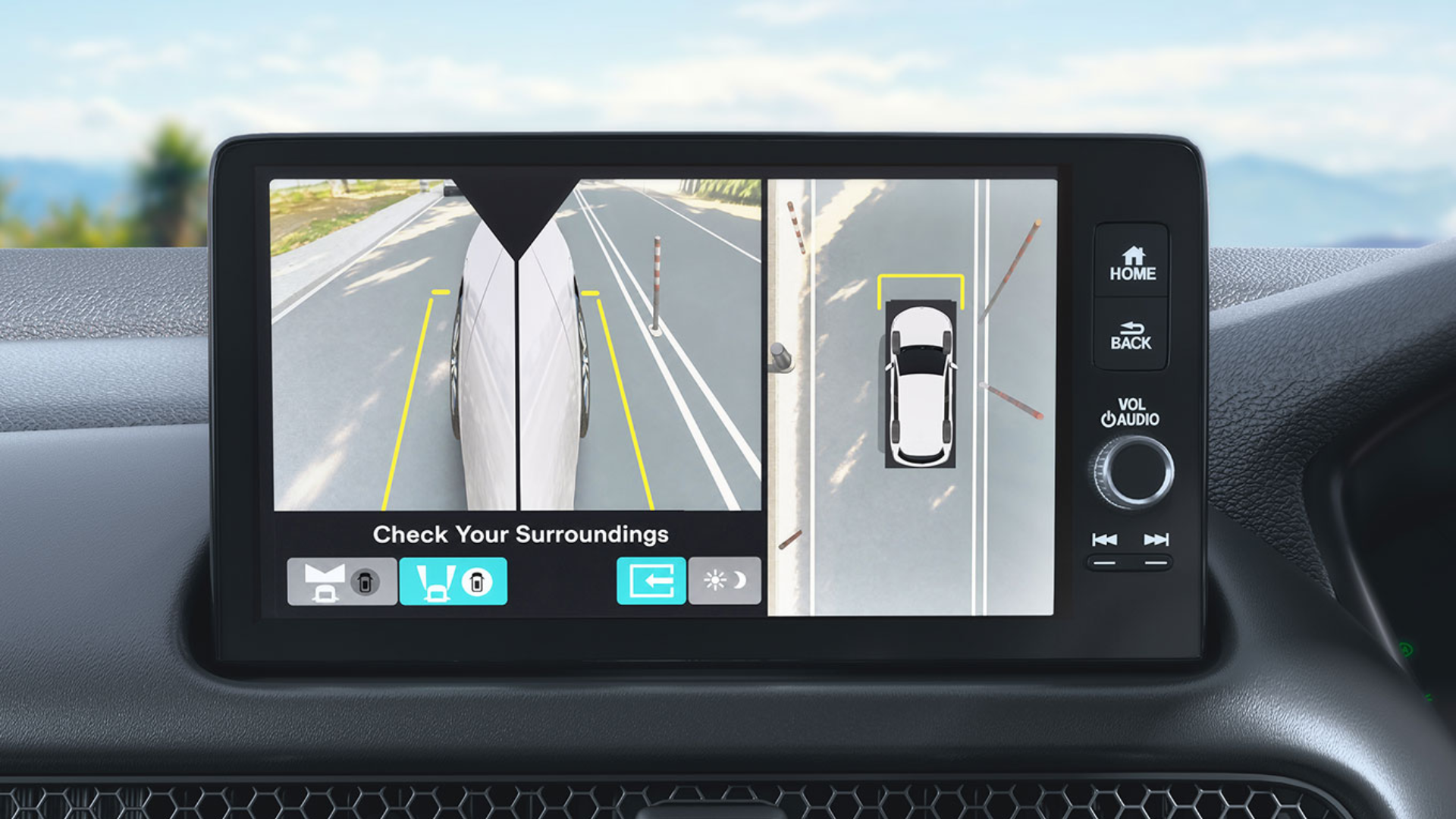
The full Honda Sensing suite operates with radar and camera inputs and handles real-world Indian highway conditions with the same caveats as any ADAS system on inconsistently marked roads: reliable on well-maintained highways, occasionally intrusive on poorly marked urban routes.
The India-spec ZR-V has not been tested by Bharat NCAP or Global NCAP. It is based on Honda's HA (Honda Architecture) platform, the same foundation used by the Civic and international CR-V.
However, the ZR-V does hold a 4-star rating from Euro NCAP and Australasian NCAP, which applies to the model sold in India as well since it is directly imported here.
competition
competition
The Honda ZR-V occupies a unique position in the Indian market as a premium CBU-imported hybrid SUV.
While it is the only strong hybrid in its price bracket, buyers shopping in this segment are also likely to consider premium petrol and diesel SUVs from European, Japanese and luxury brands. The ZR-V differentiates itself with its refined e:HEV hybrid powertrain, excellent fuel efficiency and comprehensive Honda Sensing ADAS package.
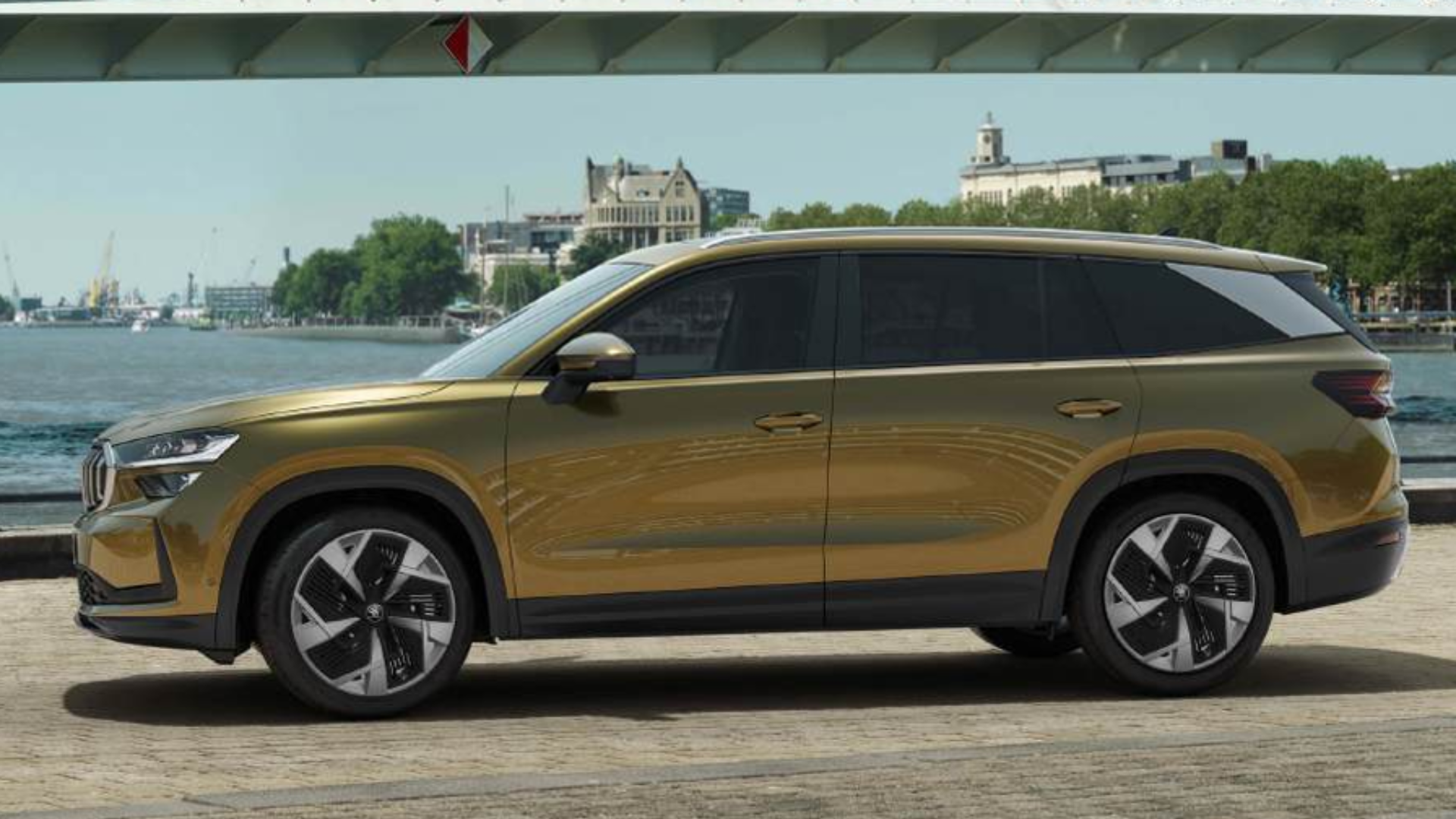
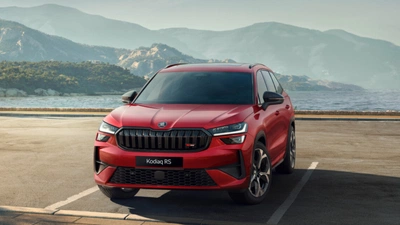
The Skoda Kodiaq is one of the ZR-V's closest competitors, offering three rows of seating, a powerful 2.0-litre TSI petrol engine, standard all-wheel drive and a premium European cabin. While the Kodiaq focuses on performance, practicality and family comfort, the ZR-V counters with significantly better fuel efficiency, smoother hybrid technology and lower running costs.
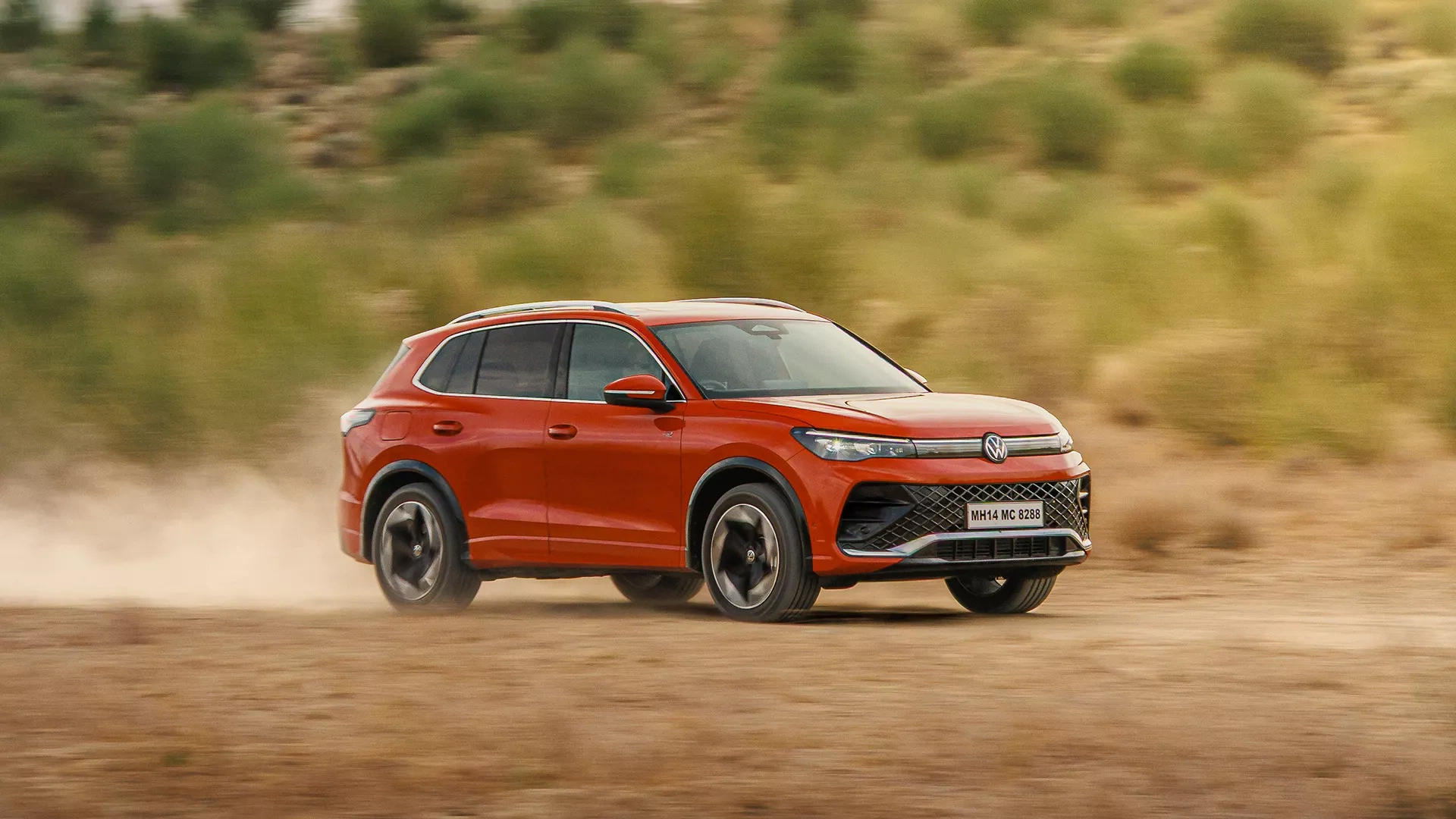
The Volkswagen Tiguan R-Line appeals to enthusiasts with its sporty styling, refined turbo-petrol engine and confident driving dynamics. It also offers all-wheel drive and premium interior quality. In comparison, the ZR-V prioritises hybrid efficiency, quieter urban driving and a richer suite of driver assistance technologies.

The Nissan X-Trail targets buyers looking for a spacious premium SUV with a comfortable ride and distinctive styling. It offers three-row practicality and a refined turbo-petrol engine, whereas the Honda ZR-V stands out with superior fuel economy, a more advanced hybrid system and a more modern technology package.
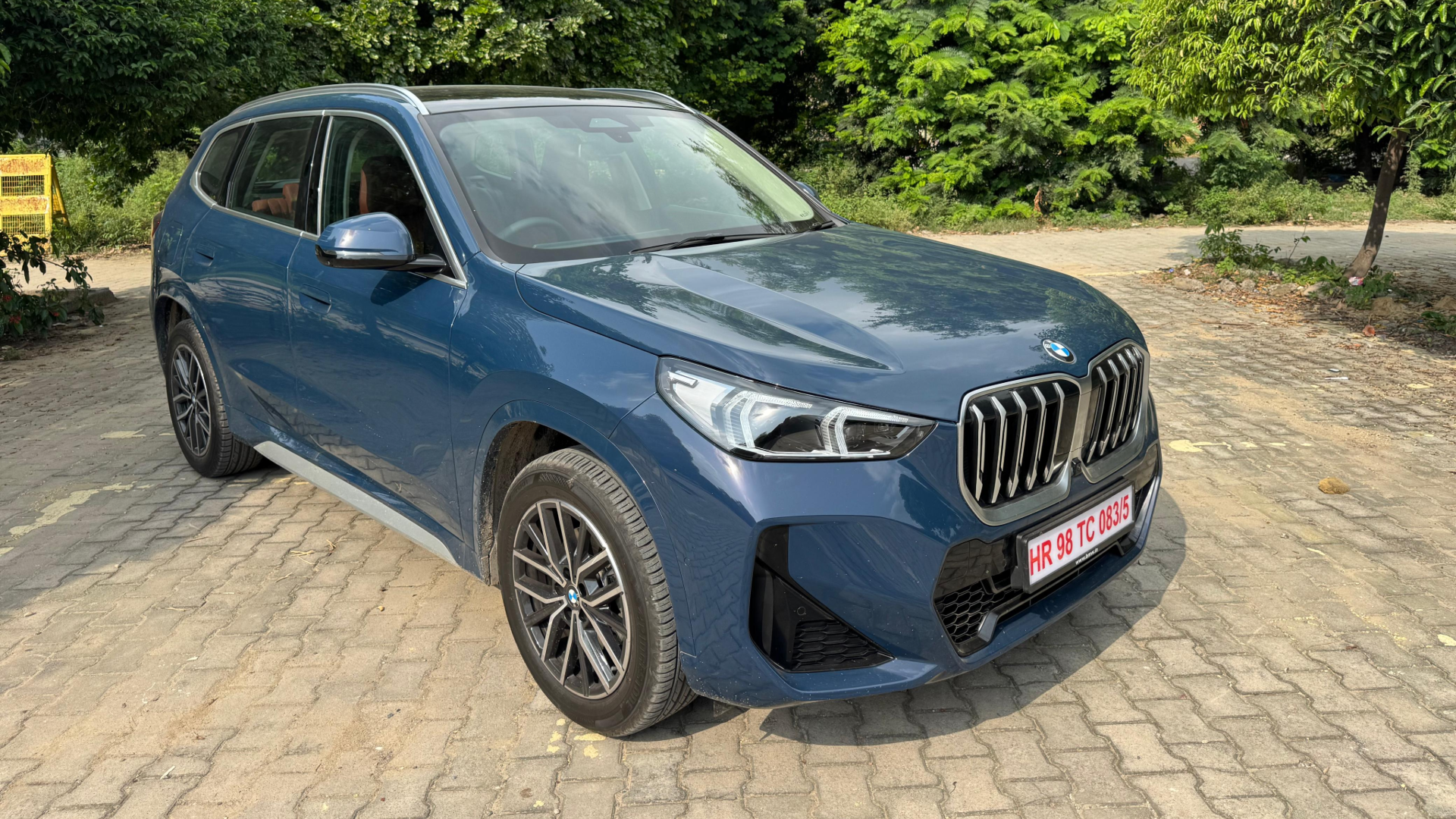
For buyers entering the luxury SUV segment, the BMW X1 remains a popular alternative thanks to its premium badge, engaging handling and feature-rich cabin.
While the X1 offers a more luxurious ownership experience, the Honda ZR-V appeals to customers prioritising long-term reliability, lower fuel bills and Honda's proven strong hybrid technology without compromising on premium features.
final verdict
final verdict
The Honda ZR-V is, in specific terms, the best strong-hybrid premium compact SUV available in India at this price.
Nothing else at its price combines the e:HEV's 22.8 km/l efficiency, 181 bhp of combined output, Level 2 ADAS, eight airbags, a 12-speaker Bose audio system, and Honda's engineering and reliability pedigree in a single package. As a statement of intent from a brand that has been playing it cautiously in India, it is the most convincing product Honda has launched here in years.
The trade-offs are equally clear, with no AWD, no panoramic sunroof, no ventilated seats, a significantly smaller boot than its rivals, a high import duty due to it being a CBU import model, with annual volume limited by import regulations.
These are not minor omissions at Rs. 48 lakh. Buyers who consider AWD important, want a sunroof, or who routinely carry three rear passengers with luggage, will find the Kodiaq or Tiguan addressing their specific needs more completely.
For those who commute extensively in urban conditions and values the lowest possible running cost alongside a genuinely premium cabin experience, Honda's proven reliability over a five to ten year horizon, and the distinctive, coupe-inspired styling of the ZR-V, the calculus is straightforward.
The single variant simplifies the buying decision, the CBU build quality reinforces the premium positioning, and the e:HEV powertrain is genuinely one of the most refined and characterful in the Indian market at any price.
Honda ZR-V News

Honda ZR-V FAQs
What engine powers the Honda ZR-V?
−The ZR-V is powered by a 2.0-litre e:HEV strong hybrid petrol powertrain paired with two electric motors and an e-CVT automatic transmission. The combined system produces 184 PS and 315 Nm.
What mileage does the Honda ZR-V offer?
+Honda claims an ARAI-certified fuel efficiency of 22.8 kmpl, making the ZR-V one of the most fuel-efficient premium SUVs currently on sale in India
Does the Honda ZR-V come with all-wheel drive?
+No. The India-spec Honda ZR-V is offered exclusively with a front-wheel-drive (FWD) layout and does not get an all-wheel-drive option.
Is the Honda ZR-V a CBU import?
+Yes. The Honda ZR-V is imported into India as a Completely Built Unit (CBU) from Japan, which is one of the reasons for its premium pricing
Does the ZR-V have a panoramic sunroof?
+No. A sunroof of any kind is not available on the India-spec ZR-V. This is among the most noted omissions given the car's price and single-variant positioning.
What safety features does the Honda ZR-V get?
+The Honda ZR-V comes with 8 airbags, ABS with EBD, ESP, hill-start assist, hill descent control, TPMS, all-wheel disc brakes, front and rear parking sensors, a 360-degree camera, and Honda Sensing Level 2 ADAS.
What are the Honda ZR-V's direct rivals in India?
+The Skoda Kodiaq, Volkswagen Tiguan R-Line, Nissan X-Trail, and Jeep Meridian are the ZR-V's primary rivals.