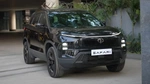
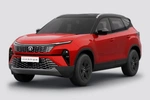
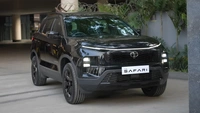
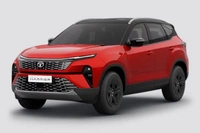
Tata Safari vs Tata Harrier - Which One Should You Buy
Tata Safari vs Tata Harrier Comparison at CarHP India. Compare Tata Safari and Tata Harrier Prices, Mileage, Features, Specs, Colours and much more.
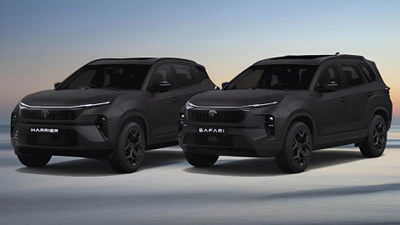
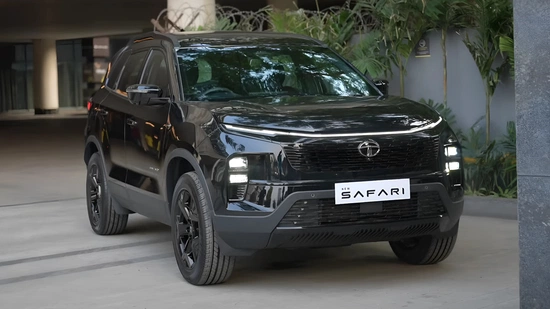
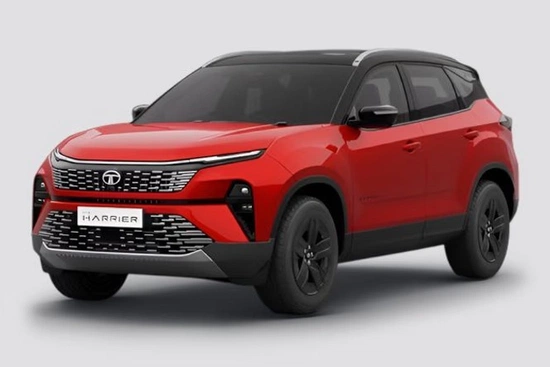
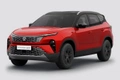
The Tata Safari is available in 53 variants, while the Tata Harrier comes in 48 variants. The Safari price range starts at ₹13.29 Lakh and goes up to ₹27.25 Lakh. The Harrier is slightly more affordable, with prices ranging from ₹12.89 Lakh to ₹26.50 Lakh. Both SUVs are powered by a 1956cc diesel engine producing 167.62bhp and 350Nm of torque. They use a 6-speed automatic transmission and a front-wheel-drive system. The Safari delivers a mileage of 14.1 kmpl, while the Harrier offers a more efficient 16.8 kmpl. These engines provide a strong and smooth driving feel, making them very capable for both city flyovers and highway runs. The Safari is designed for larger families with 6 or 7 seating options and a 420-litre boot. The Harrier is a dedicated 5-seater that offers a larger 445-litre boot for extra luggage. Both cars offer high comfort levels with power steering, automatic climate control, cruise control, and rear AC vents. The exteriors look premium with LED headlamps, projector lamps, and LED DRLs. Inside, the Safari features a leather-wrapped steering wheel, 250+ native voice commands, and Harman AudioworX with JBL audio modes. The Harrier focuses on tech with iRA 2.0 connected vehicle technology. Both SUVs support wireless Android Auto and Apple CarPlay along with digital clusters for the driver. Safety is a top priority as both vehicles carry a 5-star rating and 7 airbags. They include essential features like ABS, ESC, Hill assist, and TPMS. Advanced driver aids like Autonomous Emergency Braking and Lane Keep Assist help navigate heavy metro traffic safely. The Safari is the ideal choice for big families who need more seats. The Harrier is better for those who want better fuel economy and a larger trunk for storage. Booking a test drive through this platform before making a final decision ensures exclusive benefits, special discounts, and the best available offers.
₹ 13.40 Lakh
₹ 12.89 Lakh
Compare Minimum 2 Cars At Once — Tap To Activate / Deactivate
Smart Summary for Car Selection
 Why Choose Tata Safari?
Why choose
- Six and seven-seat layouts, with captain chairs that turn the second row into the best place in the vehicle
- Shares the Harrier's 2.0 diesel and its newer turbo-petrol, so nothing is lost mechanically
- Greater road presence than the Harrier, which matters to many buyers at this price
- The same 5-star ratings from Global NCAP and Bharat NCAP
- Level 2 driver assistance, JBL audio and ventilated seats on higher versions
- A rear cabin built for comfort on long family journeys
Why not choose
- Boot space collapses when all three rows are occupied
- Its extra length makes parking and manoeuvring harder
- Commands a premium over the Harrier for what is otherwise much the same vehicle
- Third-row access requires clambering and suits children better than adults
- Slightly worse fuel economy than the Harrier
Why Choose Tata Harrier?Why choose
- Five seats mean a large, genuinely usable boot rather than one compromised by a folded third row
- The same 170hp, 350Nm diesel with a turbo-petrol alternative
- Marginally more efficient and easier to place than the Safari
- Costs less than the Safari across comparable versions
- Identical 5-star crash credentials and equipment levels
- A slightly sharper feel from the driver's seat
Why not choose
- No third row at all, so a growing family will outgrow it
- Thick pillars and a high window line restrict rear visibility
- Still a large vehicle to park despite being the smaller of the two
- The same inconsistency in Tata's after-sales handling applies
- Less road presence than the Safari, which some buyers at this level care about
 Our Recommendation For Most Buyers
Tata Safari
The Safari's diesel automatic is the combination that matches how a seven-seater actually gets used, with enough torque to move a fully loaded car without any strain. Buyers who mainly drive in town and never wanted a diesel now have the turbo-petrol as a quieter alternative.
Give more thought to layout than to engine here: choosing captain chairs over the seven-seat bench transforms the middle row and is the right call unless you truly need that extra seatbelt. Buy the Safari only if the third row will earn its keep, because otherwise you pay more for space you fold away.
Tata Harrier
The Harrier is the smarter purchase whenever five seats genuinely suffice, since you keep a proper boot and save money while giving up nothing mechanically. Its diesel remains the reason most owners choose either vehicle, pulling a loaded car up gradients without complaint.
Take the automatic if traffic features in your routine, or the manual if you cover long open stretches and want the lowest running cost. The turbo-petrol suits city-leaning owners who never needed diesel economy. Mid-range versions carry the equipment that matters, with ventilated seats and driver assistance higher up the range.
Engine and Performance
Performance Specifications
Fuel Specifications
Dimensions and Design
Interior Specifications
Wheels & Tires
Suspension, Brakes & Steering
Safety Features
Interior Features
Comfort & Convenience
Infotainment Features
Exterior Features
Brochure

EMI Cost Comparison
Assuming 20% down payment, 9.5% interest, 60-month tenure
 Loan Amount
 Interest: 9.5%
 Down Payment (20%)
 Loan TenureLoan AmountInterest: 9.5%Down Payment (20%)Loan Tenure
Pros & Cons Comparison
Things We Like in Tata Safari
- Excellent 5-star safety ratings and comprehensive standard safety kit.
- Second row ventilated seats on higher 6-seater variants.
Things We Like in Tata Harrier
- Land Rover–derived architecture and styling
- Massive occupant and boot space
Things We Don't Like in Tata Safari
- Large size and weight make it less agile in dense city traffic
- No AWD/4WD offered even as an option
Things We Don't Like in Tata Harrier
- Feature distribution across variants is erratic
- No central locking, parcel tray, or armrest on the base Smart model, which costs around ₹17 lakh on-road
Tata Safari Comparisons
Tata Harrier Comparisons
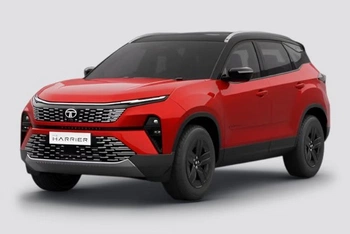
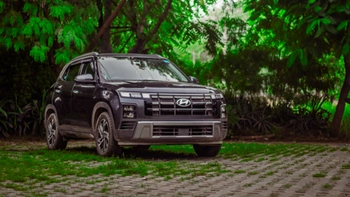
Tata Harrier
₹12.89 - 25.95 Lakh
Hyundai Creta
₹10.91 - 20.46 Lakh
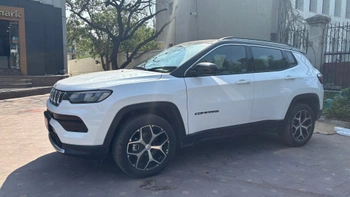
Tata Harrier
₹12.89 - 25.95 Lakh
Jeep Compass
₹17.99 - 30.70 Lakh
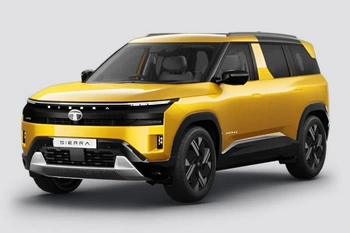
Tata Harrier
₹12.89 - 25.95 Lakh
Tata Sierra
₹11.49 - 21.29 Lakh
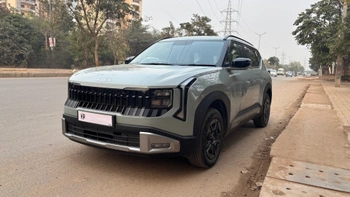
Tata Harrier
₹12.89 - 25.95 Lakh
Kia Seltos
₹11 - 21.82 Lakh
Tata Harrier
₹12.89 - 25.95 Lakh
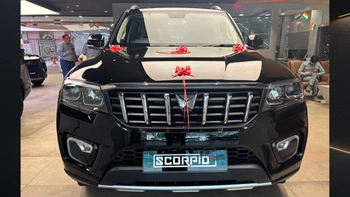
Mahindra Scorpio N
₹13.50 - 25.49 Lakh
SUV Comparisons
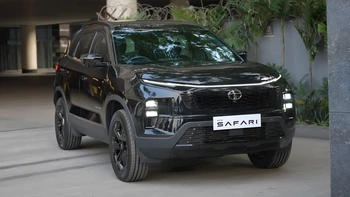
Tata Safari
₹13.40 - 26.76 Lakh
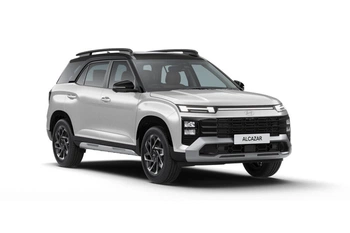
Hyundai Alcazar
₹14.51 - 21.96 Lakh
Tata Safari
₹13.40 - 26.76 Lakh
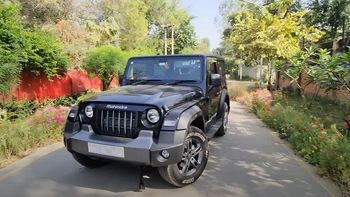
Mahindra Thar
₹10.32 - 17.80 Lakh
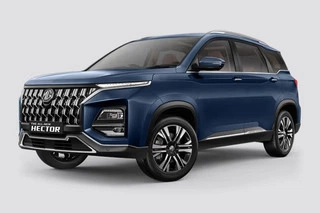
Tata Safari
₹13.40 - 26.76 Lakh
MG Hector Plus
₹17.49 - 19.69 Lakh
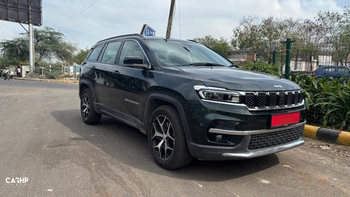
Tata Safari
₹13.40 - 26.76 Lakh
Jeep Meridian
₹23.33 - 37.82 Lakh
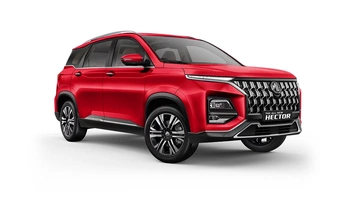
Tata Safari
₹13.40 - 26.76 Lakh
MG Hector
₹11.99 - 19.19 Lakh
Car News
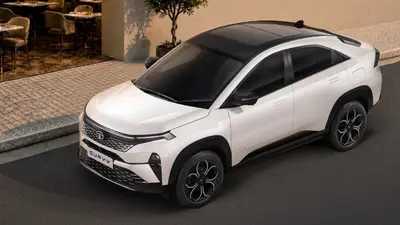
Tata Motors Offering Up to Rs. 1.25 Lakh Benefits in September 2026
Tata Motors September 2026 offers cover seven models, with the Curvv getting up to Rs. 1.25 lakh and the Nexon up to Rs. 75,000. The Punch and 2026 Tiago carry no offers, and petrol Harrier and Safari variants are also excluded.
Anmol Kumar
September 9, 2026