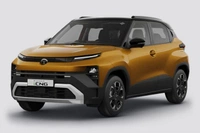
Tata Punch 2021-2025 vs Tata Punch - Which One Should You Buy
Tata Punch 2021-2025 vs Tata Punch Comparison at CarHP India. Compare Tata Punch 2021-2025 and Tata Punch Prices, Mileage, Features, Specs, Colours and much more.
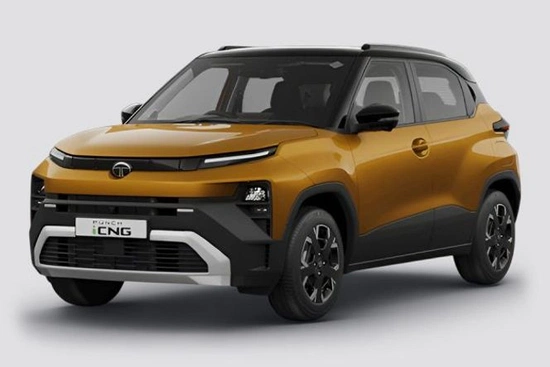
The discontinued Tata Punch 2021-2025 was previously offered in 99 variants. It came with a Petrol and CNG engine option paired with a manual or automatic setup based on the chosen trim. When it was last on sale, prices started at ₹5.50 Lakh for the lower variants and went up to ₹10.20 Lakh for the fully equipped version. The Tata Punch comes in 26 variants. Engine options include Petrol and CNG as per the selected variant, paired with manual or automatic transmissions. The selected variant is priced at ₹5.75 Lakh. The cheapest variant, Smart, costs ₹5.75 Lakh, while the top-end variant, Accomplished Plus S CNG AMT, is priced at ₹10.77 Lakh.
₹ 5.50 Lakh

₹ 5.75 Lakh


Compare Minimum 2 Cars At Once — Tap To Activate / Deactivate
Smart Summary for Car Selection
 Why Choose Tata Punch 2021-2025?
Why choose the earlier Tata Punch
- It had proper mini-SUV road presence despite its compact size, so it stood out in a parking row of ordinary hatchbacks without being any harder to place.
- Kneeroom and headroom were ample even for a six-foot passenger, so a tall family member could sit behind a tall driver without folding their legs.
- It came with a sunroof, a smooth 10.25-inch touchscreen, cruise control and automatic climate control, so the cabin covered the comforts buyers expect on a daily commute.
- Its 366-litre boot matched the current car's petrol versions, so a weekend's luggage for a small family fitted just as well in the back.
- It held a 5-star Global NCAP rating, so buyers looking at a used example still get a car with a top tested adult crash score.
- It is discontinued and can now be bought only used, so the same body and cabin space come at a lower outlay than a new Punch.
Why not choose the earlier Tata Punch
- It carried only two airbags and six were not available even in the top version, so side and curtain protection could not be had at any price.
- There was no turbo engine, so the range topped out at around 87bhp and the car felt underpowered at higher speeds and on steep inclines with a full load.
- Ground clearance was 187mm, 6mm less than the current car, so a loaded Punch needed more care over tall speed breakers.
- Rated mileage was 18.8 to 20.09kpl, below what the current car achieves, so running costs were higher for a high-mileage city driver.
- There was no factory CNG option, so a buyer who wanted the lowest running costs had to look at a different model altogether.
Why Choose Tata Punch?Why choose the current Tata Punch
- Six airbags are standard on every version, so the most affordable current Punch carries side and curtain protection that the earlier car could not offer at any price.
- A 120hp turbo petrol is available and reached 100kph in 11.56 seconds in testing, so highway merges and overtakes with a full cabin are far easier than in the older car.
- Factory CNG uses two gas cylinders and keeps 210 litres of boot usable, and can be paired with an automated manual, so gas running costs come with clutch-free driving.
- It holds a 5-star Bharat NCAP rating, so its crash protection has been confirmed under the current Indian test protocol rather than an older one.
- Ground clearance of 193mm with suspension that absorbs broken roads better than the car's size suggests means poorly kept streets stay comfortable, and doors opening to a full 90 degrees let elderly passengers step in without strain.
Why not choose the current Tata Punch
- The 120hp turbo comes only with a 6-speed manual, so a buyer who wants the strongest engine with an automatic cannot have that combination.
- The 88hp petrol feels flat next to the turbo and needs working hard to keep up with traffic, so the engine most automatic buyers get is also the least eager.
- The automated manual shifts lazily if you press the accelerator hard, so darting into a gap in traffic needs to be planned a moment earlier.
- Choosing CNG cuts the boot from 366 litres to 210, so the version with the lowest running cost is also the one that struggles with a family trip's luggage.
- The touch-based climate panel is fiddly to use while driving, so changing the fan speed on the move takes your eyes off the road for longer.
- Headlamp throw on unlit roads was found weak in long-term testing, so night drives on unlit highways give less warning of what lies ahead.
 Our Recommendation For Most Buyers
Who should buy the earlier Tata Punch
The earlier Punch suits a buyer shopping in the used market who wants mini-SUV space and presence for less money. It offered the same 366-litre boot as the current petrol versions, ample kneeroom and headroom for tall passengers, and a cabin with a sunroof, a large touchscreen, cruise control and automatic climate control. Its 5-star Global NCAP rating still stands.
The gaps against the current car are significant. Only two airbags were fitted and six were unavailable even at the top of the range, there was no turbo engine or factory CNG, and the single petrol engine ran out of breath on inclines with a full load. Ground clearance and rated mileage were both lower. For a budget-focused used buyer who drives mostly in the city, it remains usable, though the airbag count is a real compromise.
Who should buy the current Tata Punch
The current Punch is the clear choice for anyone buying new. Six standard airbags and a 5-star Bharat NCAP rating give it a level of tested protection the earlier car could not reach, the 120hp turbo transforms highway ability, and factory CNG with an automated manual keeps city running costs low without a clutch. Higher ground clearance, a 360-degree camera and 90-degree doors improve everyday use.
Its restrictions still need weighing. The turbo is manual only, so performance and two-pedal convenience cannot be combined, and the base petrol feels flat with the automated manual shifting lazily under hard acceleration. CNG cuts the boot sharply, the touch climate panel is awkward to use on the move, and headlamp throw is weak on unlit roads at night. For almost every buyer shopping new, the current car is the better Punch by a clear margin.
Engine and Performance
Performance Specifications
Fuel Specifications
Dimensions and Design
Interior Specifications
Wheels & Tires
Suspension, Brakes & Steering
Safety Features
Interior Features
Comfort & Convenience
Infotainment Features
Exterior Features
Brochure

EMI Cost Comparison
Assuming 20% down payment, 9.5% interest, 60-month tenure
 Loan Amount
 Interest: 9.5%
 Down Payment (20%)
 Loan TenureLoan AmountInterest: 9.5%Down Payment (20%)Loan Tenure
Pros & Cons Comparison
Things We Like in Tata Punch 2021-2025
- One of the most VFM cars on sale
- Cheapest and safest car in its segment
Things We Like in Tata Punch
- New 118 bhp turbo engine delivers the 'Punch' this car always needed.
- Excellent safety with 5-star Bharat NCAP rating with 6 airbags standard.
Things We Don't Like in Tata Punch 2021-2025
- Customer service feedback regarding TATA is generally poor
- Engine gearbox tuning is clunky not smooth
Things We Don't Like in Tata Punch
- Naturally aspirated petrol engine still feels underpowered for highway overtakes, hilly areas, and full loads.
- No automatic option on turbo petrol variants.
Tata Punch Comparisons
Tata Punch
₹5.70 - 10.67 Lakh
Tata Nexon EV
₹12.49 - 17.89 Lakh
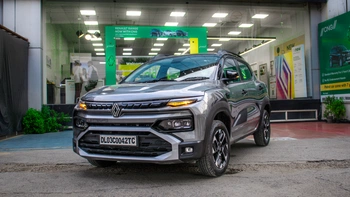
Tata Punch
₹5.70 - 10.67 Lakh
Renault Kiger
₹5.81 - 10.40 Lakh
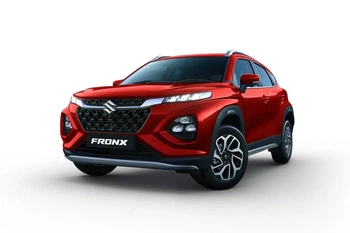
Tata Punch
₹5.70 - 10.67 Lakh
Maruti Suzuki Fronx
₹6.90 - 12.03 Lakh
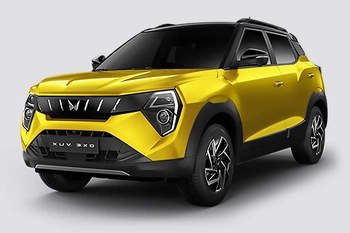
Tata Punch
₹5.70 - 10.67 Lakh
Mahindra XUV 3XO
₹7.79 - 15.04 Lakh
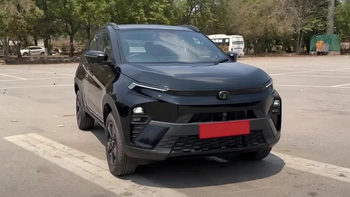
Tata Punch
₹5.70 - 10.67 Lakh
Tata Nexon
₹7.40 - 14.52 Lakh
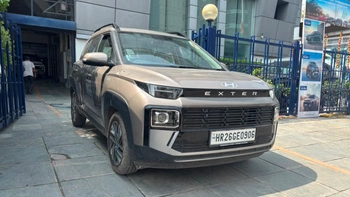
Tata Punch
₹5.70 - 10.67 Lakh
Hyundai Exter
₹5.81 - 9.61 Lakh
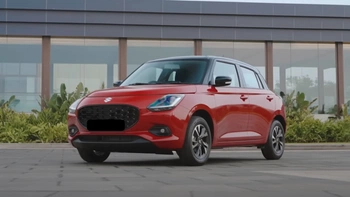
Tata Punch
₹5.70 - 10.67 Lakh
Maruti Suzuki Swift
₹5.84 - 8.89 Lakh
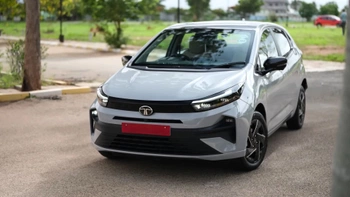
Tata Punch
₹5.70 - 10.67 Lakh
Tata Altroz
₹6 - 10.90 Lakh
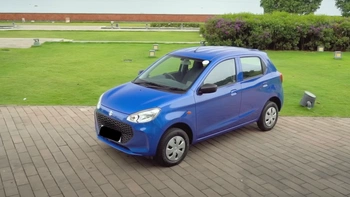
Tata Punch
₹5.70 - 10.67 Lakh
Maruti Suzuki Alto K10
₹3.70 - 5.45 Lakh
Car News
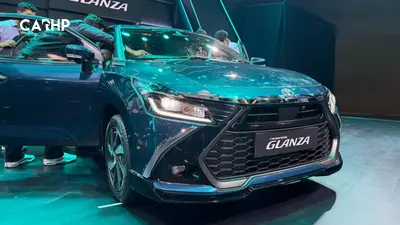
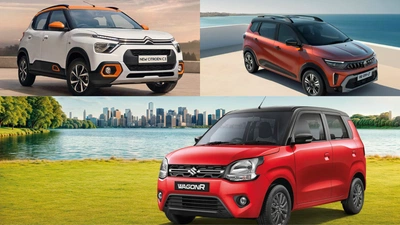
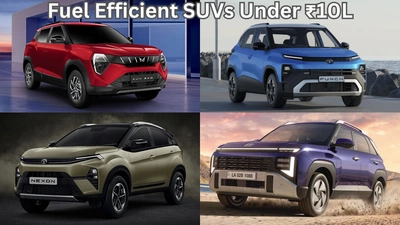
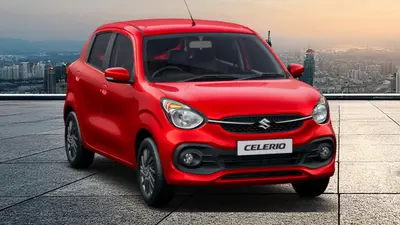
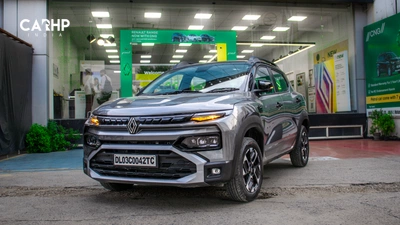
Most Affordable Cars With 360 Degree Camera Under 10 Lakhs
The 360 cam is one of the most in demand features that helps to increase your situational awareness when parking or while driving. Here is the full list of cars that offer a 360-degree camera under ₹10 lakh with variant names, prices, and what else you get alongside the camera.
Salil Kumar
October 15, 2026
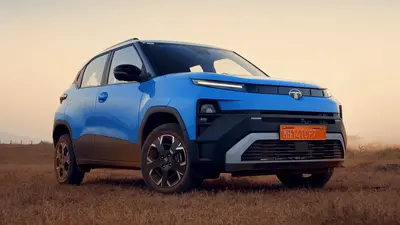

September 2026 Car Sales As Per Vahan
The car market saw an overall positive sales trend in September 2026. Mass market carmakers saw a slight increase, EV manufacturers grew significantly since the start of the year, and luxury carmakers recorded the best month out of the three.
Arjun Nair
October 1, 2026

Bharat NCAP 2.0 Is Coming in October 2027 and It Will Test Far More Than Just Crash Safety
Gadkari confirmed Bharat NCAP 2.0 at the SIAM convention, kicking in October 2027. The new programme goes well beyond occupant protection, including pedestrian safety, crash avoidance, and post-crash response all come into the rating now.
Anmol Kumar
September 4, 2026
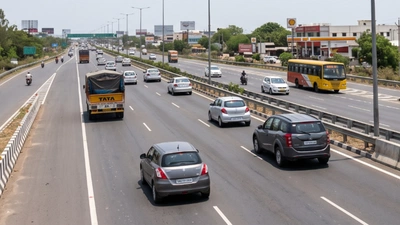
Govt Proposes 5-Year Extension in Age Limit for EV, Hydrogen and CNG Vehicles
The Centre has proposed extending the age limit for electric, hydrogen and CNG commercial vehicles by five years under draft motor vehicle rules. Read about the proposed age limits, national permits and other changes.
Salil Kumar
August 18, 2026
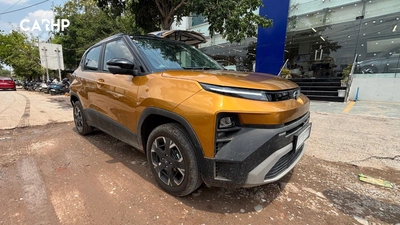
India Car Sales July 2026: Market Falls 3 Percent to 3.53 Lakh, Tata's EV Arm Posts Its Best Month of the Year
India's passenger vehicle market registered 3,53,043 units in July 2026, down 3.2 percent from June. Maruti accounted for most of the decline, while Tata's electric arm crossed 12,000 units for the first time this year. Here is the full breakdown by segment.
Anmol Kumar
August 1, 2026