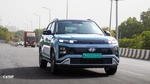
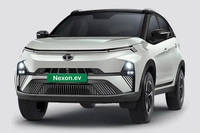
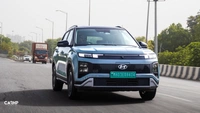
Tata Nexon EV vs Hyundai Creta Electric - Which One Should You Buy
Tata Nexon EV vs Hyundai Creta Electric Comparison at CarHP India. Compare Tata Nexon EV and Hyundai Creta Electric Prices, Mileage, Features, Specs, Colours and much more.
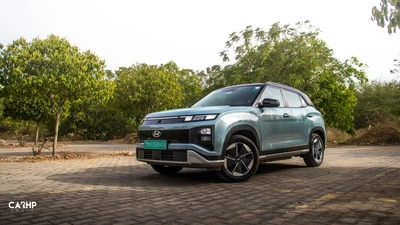
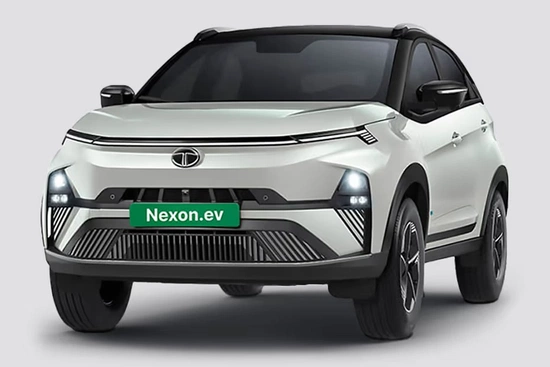
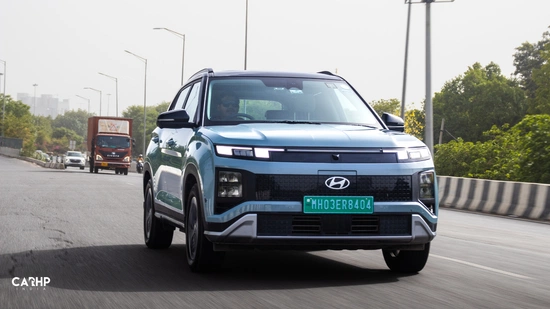
The Tata Nexon EV comes in 8 variants. The selected variant is priced at ₹12.49 Lakh. The cheapest variant, Creative Plus MR, costs ₹12.49 Lakh, while the top-end variant, Empowered Plus A 45 Dark, is priced at ₹17.89 Lakh. The Hyundai Creta Electric comes in 29 variants. The selected variant is priced at ₹18.03 Lakh. The cheapest variant, Executive, costs ₹18.03 Lakh, while the top-end variant, Excellence LR HC Lounge Edition DT, is priced at ₹25.22 Lakh.
₹ 12.49 Lakh
₹ 18.03 Lakh

Compare Minimum 2 Cars At Once — Tap To Activate / Deactivate
Smart Summary for Car Selection
 Why Choose Tata Nexon EV?
Why choose the Tata Nexon EV
- DC charging takes it from 10 to 80 percent in 40 minutes against the Creta Electric's 58 minutes, so a highway break is 18 minutes shorter.
- Two battery sizes of 30kWh and 45kWh mean a city-only buyer can pick a smaller, cheaper pack instead of paying for range they never use.
- Vehicle-to-load charging powers external devices, so the car runs a laptop at a picnic or keeps essentials going during a power cut at home.
- At 3,995mm long it is 345mm shorter than the Creta Electric, so a tight society bay or an old market kerb is far easier to take.
- It holds a 5-star Bharat NCAP rating and offers Level 2 ADAS, so a tested crash score comes alongside highway assistance.
- An 11.6-litre front storage compartment keeps the charging cable out of the 350-litre boot, so luggage space is not eaten into on a trip.
Why not choose the Tata Nexon EV
- Its 142hp motor trails the Creta Electric's 169hp, so merging onto a fast expressway with a full car takes more planning.
- Its largest battery claims 489km against the Creta Electric's 510km, so the newer rival covers slightly more distance between charges.
- The 30kWh battery is limited to lower versions, so a buyer wanting the smaller pack with top-end features cannot have both.
- Its front footwell is cramped and storage spaces are scarce, so the driver's feet and everyday items compete for the same room.
- Under-thigh support in the rear seat is compromised on the long-range version, so a passenger's legs tire on a long drive.
Why Choose Hyundai Creta Electric?Why choose the Hyundai Creta Electric
- It covers 0 to 100kph in 7.9 seconds with smooth delivery, so joining fast-moving traffic needs no run-up and brings no jolt.
- Its larger battery claims 510km, so an intercity route of around 400km sits comfortably inside one charge.
- Its Level 2 ADAS is tuned well for Indian conditions, so lane and distance aids behave sensibly in dense traffic rather than intervening awkwardly.
- Ground clearance of 200mm gives a loaded car a healthy margin over flooded dips and broken rural roads.
- Its suspension is comfortable and stays stable at highway speeds, so a four-hour drive leaves passengers settled.
Why not choose the Hyundai Creta Electric
- DC charging from 10 to 80 percent takes about 58 minutes, so a highway top-up runs nearly 20 minutes longer than the Nexon EV's.
- Its 433-litre boot is shallow and suited to cabin bags, so two large suitcases for an airport run become a stacking exercise.
- Android Auto and Apple CarPlay are wired with the bigger screen, so the phone must be plugged in each time for navigation.
- Gloss black trim inside and out gathers dust and scratches, so keeping the cabin presentable takes frequent cleaning.
- At 4,340mm long it needs a larger parking bay than the sub-four-metre Nexon EV, which tells in older apartment basements.
- There is no smaller battery option, so a buyer whose driving stays inside the city pays for range they will rarely use.
 Our Recommendation For Most Buyers
Who should buy the Tata Nexon EV
The Nexon EV is the more practical electric car for city-based buyers who charge at home and take occasional trips. It charges from 10 to 80 percent 18 minutes faster than the Creta Electric, two battery sizes let you match cost to your commute, and vehicle-to-load charging gives the car a use beyond driving. Its sub-four-metre body parks easily, a 5-star Bharat NCAP rating comes with Level 2 ADAS, and front storage keeps cables out of the boot.
The gaps are pace and range. Its motor trails the Creta Electric's by 27hp, claimed range is 21km shorter, and the smaller battery is tied to lower versions. The front footwell is cramped and rear thigh support suffers on the long-range model. For a household doing daily urban runs with home charging and the occasional weekend trip, it suits better than the Hyundai.
Who should buy the Hyundai Creta Electric
The Creta Electric is the more polished pick for buyers who drive longer distances and value ride quality. It reaches 100kph in 7.9 seconds smoothly, its larger battery claims 510km, and the ADAS suite is tuned sensibly for Indian traffic. Comfortable, stable suspension, 200mm of clearance and twin 10.25-inch screens with a 360-degree camera make it easy to live with on mixed roads. Its compromises are charging and practicality.
DC charging takes nearly 20 minutes longer than the Nexon EV's, the 433-litre boot is shallow, and phone mirroring needs a cable on the larger screen. Gloss black trim marks easily, the body needs a bigger parking bay, and there is no smaller battery for city-only buyers. For anyone covering real distance every week, the Creta Electric is the stronger electric SUV of the two.
Engine and Performance
Performance Specifications
Fuel Specifications
Dimensions and Design
Interior Specifications
Wheels & Tires
Suspension, Brakes & Steering
Safety Features
Interior Features
Comfort & Convenience
Infotainment Features
Exterior Features
Brochure

EMI Cost Comparison
Assuming 20% down payment, 9.5% interest, 60-month tenure
 Loan Amount
 Interest: 9.5%
 Down Payment (20%)
 Loan TenureLoan AmountInterest: 9.5%Down Payment (20%)Loan Tenure
Pros & Cons Comparison
Things We Like in Tata Nexon EV
- Lifetime HV battery warranty for first owners.
- IP67-rated motor and battery offer strong protection against water and dust.
Things We Like in Hyundai Creta Electric
- Fast charging from 10-80% takes 39 minutes with compatible chargers.
- Six airbags including side and curtain are standard on every single variant.
Things We Don't Like in Tata Nexon EV
- Boot space is limited at 350 litres for a car of this footprint and price.
- Home charging the 45 kWh battery at 15A takes over 17 hours end-to-end.
Things We Don't Like in Hyundai Creta Electric
- Hyundai SmartSense ADAS is absent on the entry level base variants of both battery packs.
- The 11 kW wallbox home charger remains an optional extra across all variants.
Tata Nexon EV Comparisons
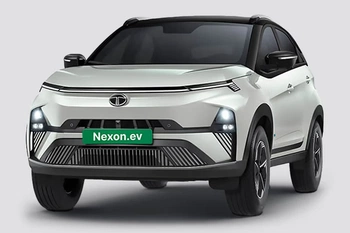
Tata Nexon EV
₹12.49 - 17.89 Lakh
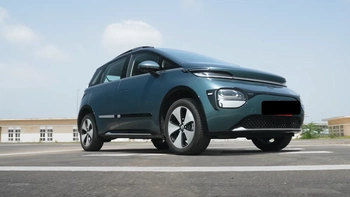
MG Windsor EV
₹14.70 - 19 Lakh

Tata Nexon EV
₹12.49 - 17.89 Lakh
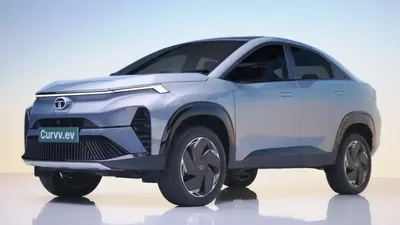
Tata Curvv EV
₹17.19 - 19.69 Lakh
Tata Nexon EV
₹12.49 - 17.89 Lakh
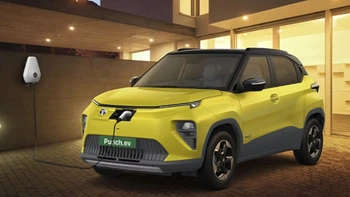
Tata Punch EV
₹9.79 - 12.99 Lakh
Tata Nexon EV
₹12.49 - 17.89 Lakh
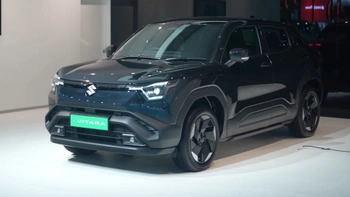
Maruti Suzuki e Vitara
₹16.19 - 20.21 Lakh
Tata Nexon EV
₹12.49 - 17.89 Lakh
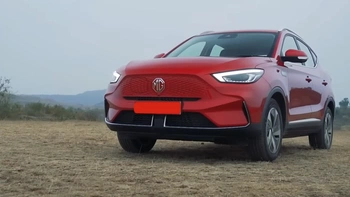
MG ZS EV
₹17.99 - 20.75 Lakh
Tata Nexon EV
₹12.49 - 17.89 Lakh
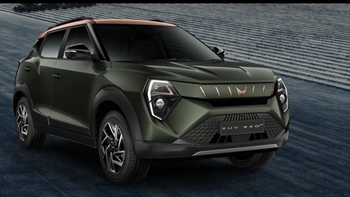
Mahindra XUV 3XO EV
₹13.89 - 14.96 Lakh
Hyundai Creta Electric Comparisons
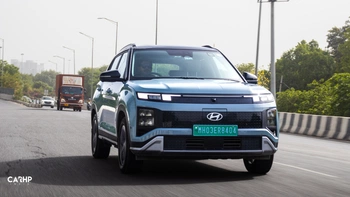
Hyundai Creta Electric
₹18.03 - 25.22 Lakh
MG Windsor EV
₹14.70 - 19 Lakh
Hyundai Creta Electric
₹18.03 - 25.22 Lakh
Tata Curvv EV
₹17.19 - 19.69 Lakh
Hyundai Creta Electric
₹18.03 - 25.22 Lakh
MG ZS EV
₹17.99 - 20.75 Lakh
Hyundai Creta Electric
₹18.03 - 25.22 Lakh
Maruti Suzuki e Vitara
₹16.19 - 20.21 Lakh
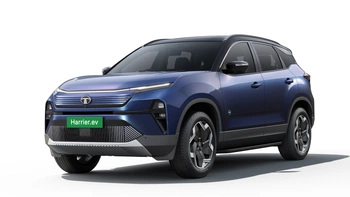
Hyundai Creta Electric
₹18.03 - 25.22 Lakh
Tata Harrier EV
₹21.79 - 30.54 Lakh
Car News

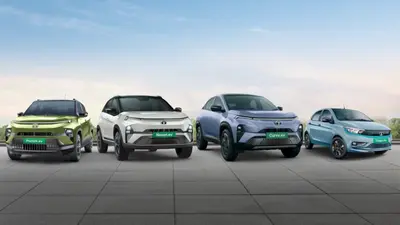
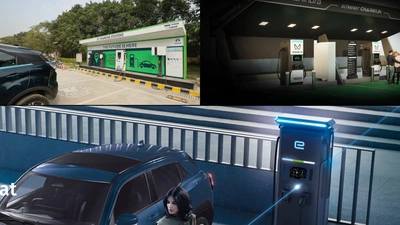
Top 5 EV Makers With Most Charging Stations
Our EV ecosystem is expanding fast, and these five automakers are leading the charge with the widest and most accessible charging networks. Here’s a look at the charging infrastructure from Tata Motors, Maruti Suzuki, Mahindra, Hyundai and MG Motor India.
Salil Kumar
September 24, 2026
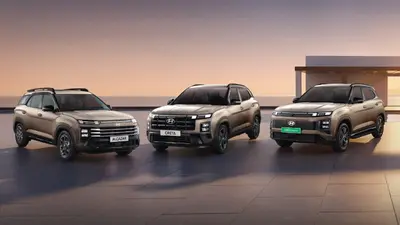
Hyundai Creta, Alcazar and Creta Electric Lounge Edition Launched, Prices Start at Rs 19.21 Lakh
Hyundai has launched the Lounge Edition across the Creta, Alcazar, and Creta Electric in India. The big addition is an 11.6-inch Rear Seat Entertainment System, along with lounge-exclusive interiors and black exterior treatment.
Anmol Kumar
September 10, 2026
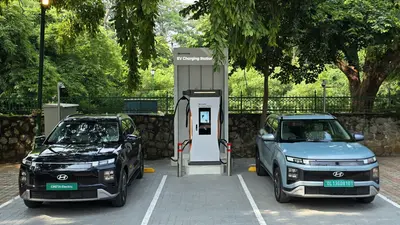
Hyundai Expands EV Charging Network With 120kW Delhi Stations, Plans to Hit 600 Stations by 2030
Hyundai Motor India has installed 120 kW DC fast chargers across New Delhi on World EV Day, in partnership with Statiq. It also plans to grow its public charging network to 600 stations by 2030 and is training thousands of dealers ahead of a new localised EV SUV.
Anmol Kumar
September 9, 2026
August 2026 Car Sales As Per VAHAN
India sold over 30.7 lakh mass-market passenger cars and 1.34 lakh electric vehicles between January and August 2026. Maruti leads by a wide margin, but Mahindra, Tata and Hyundai are fighting closely for second. Here is how the numbers actually break down.
Anmol Kumar
September 2, 2026