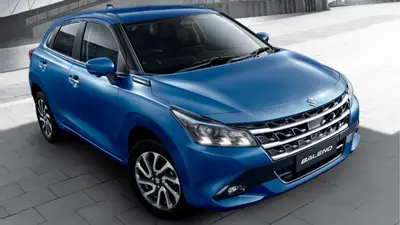
Maruti Suzuki Baleno vs Toyota Glanza - Which One Should You Buy
Maruti Suzuki Baleno vs Toyota Glanza Comparison at CarHP India. Compare Maruti Suzuki Baleno and Toyota Glanza Prices, Mileage, Features, Specs, Colours and much more.
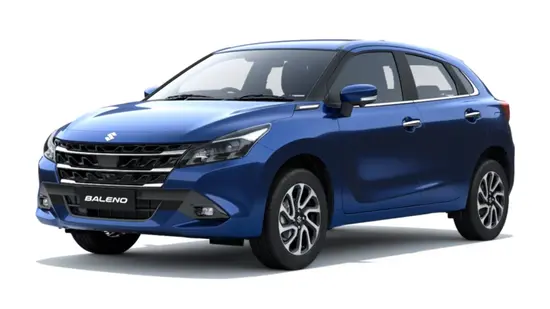
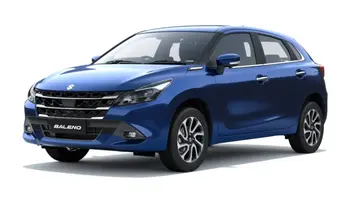
The Maruti Suzuki Baleno comes in 12 variants. Engine options include Petrol and CNG as per the selected variant, paired with manual, automatic, or auto transmissions. The selected variant is priced at ₹5.99 Lakh. The cheapest variant, Sigma, costs ₹5.99 Lakh, while the top-end variant, Alpha (O) AMT, is priced at ₹9.99 Lakh. The Toyota Glanza comes in 9 variants. Engine options include Petrol and CNG as per the selected variant, paired with manual or automatic transmissions. The selected variant is priced at ₹6.73 Lakh. The cheapest variant, E, costs ₹6.73 Lakh, while the top-end variant, V AMT, is priced at ₹9.99 Lakh.
₹ 5.99 Lakh
₹ 6.73 Lakh
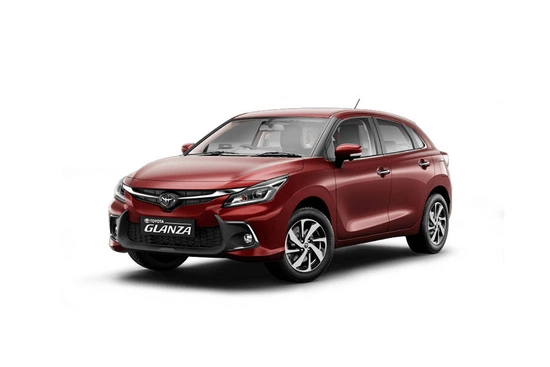


Compare Minimum 2 Cars At Once — Tap To Activate / Deactivate
Smart Summary for Car Selection
 Why Choose Maruti Suzuki Baleno?
Why choose
- CNG is available on the Baleno, a fuel option the Glanza does not offer at all
- The wider variant spread means buyers can pick a trim that matches their budget more precisely instead of jumping straight to a high one
- Owners consistently rate Maruti's spare parts and routine service costs as noticeably cheaper than the badge-engineered alternative
- The cabin fits four adults with real back-to-back space, something owners moving from smaller hatchbacks specifically call out
Why not choose
- The factory audio system is described by owners as needing better tuning even on top trims
- Interior plastics feel similar across nearly every Maruti model in this segment, and some owners find the cabin unremarkable next to rivals
- The car has bottomed out over large speed breakers when fully loaded, according to owners coming from smaller hatchbacks
Why Choose Toyota Glanza?Why choose
- Toyota's after-sales experience and standard warranty terms are the main reason most Glanza buyers pick it over the identical Baleno underneath
- The AMT gearbox comes with a manual mode, which owners say adds a useful bit of control missing on some rival automatics
- Six airbags and ABS with EBD are standard, alongside a reverse camera on select trims
Why not choose
- Spare parts have been priced dramatically higher than the identical Baleno component at Toyota's own service network, sometimes over ten times the cost for the same part
- Real-world fuel economy has fallen well short of the claimed figure in owner logs, landing closer to seventeen kilometres per litre against a claimed twenty-three on highway-heavy driving
- The AMT shows a slight lag in stop-go traffic, a trait owners note is common to this gearbox type but still noticeable daily
- It carries a real price premium over the mechanically identical Baleno for the same specification
- The reverse camera is missing on the base variant despite the price gap over the Baleno
 Our Recommendation For Most Buyers
Baleno
Buyers who care about total cost of ownership more than badge should stay with the Baleno, since it is mechanically the same car for a lower price and cheaper spare parts at every service visit. CNG availability is the practical edge here too, since the Glanza offers no CNG option at all, which decides things immediately for anyone budgeting on running costs. The AMT gearbox on both cars behaves the same way, so buyers should not expect a smoother experience just by paying more elsewhere.
The entry car covers the basics well, and the mid-range versions bring in six airbags and a competent touchscreen without needing the fully loaded version. Anyone cross-shopping the two should sit in both, confirm the price difference at their local dealer, and only pay the Toyota premium if the service network genuinely matters more than the money saved.
Glanza
The case for the Glanza comes down to one thing: Toyota's ownership experience, not anything mechanical, since underneath the badge it is the same car as the Baleno. Buyers drawn to Toyota's dealer network and warranty terms should still budget for a nasty surprise at the parts counter, where identical components have been priced many multiples higher than the Baleno equivalent, which erodes the maintenance-cost argument that draws people to Toyota in the first place.
The AMT's stop-go lag is present on both cars and is not something the Toyota badge fixes. If CNG running costs matter, the Glanza is not an option at all, so that alone should send fuel-conscious buyers back to the Baleno. The mid-range versions bring six airbags and a capable touchscreen; going further up mostly buys badge and paintwork variety rather than anything mechanical.
Engine and Performance
Fuel Specifications
Dimensions and Design
Interior Specifications
Wheels & Tires
Suspension, Brakes & Steering
Safety Features
Interior Features
Comfort & Convenience
Infotainment Features
Exterior Features
Brochure

EMI Cost Comparison
Assuming 20% down payment, 9.5% interest, 60-month tenure
 Loan Amount
 Interest: 9.5%
 Down Payment (20%)
 Loan TenureLoan AmountInterest: 9.5%Down Payment (20%)Loan Tenure
Pros & Cons Comparison
Things We Like in Maruti Suzuki Baleno
- Level 2 ADAS on the top variant is absent on every direct rival
- 6 airbags standard across all variants
Things We Like in Toyota Glanza
- E-CNG variant delivers an ARAI-certified 30.61 km/kg.
- Idle start-stop technology is standard on every variant.
Things We Don't Like in Maruti Suzuki Baleno
- New Z12E three-cylinder engine is less refined than the outgoing K12N four-cylinder at highway speeds
- No turbo-petrol or diesel option
Things We Don't Like in Toyota Glanza
- The E-CNG variant is only available with the manual gearbox.
- Base and entry trims get only 2 airbags.
Maruti Suzuki Baleno Comparisons
Maruti Suzuki Baleno
₹5.99 - 9.99 Lakh
Hyundai i20
₹6 - 10.68 Lakh
Maruti Suzuki Baleno
₹5.99 - 9.99 Lakh
Tata Altroz
₹6 - 10.90 Lakh
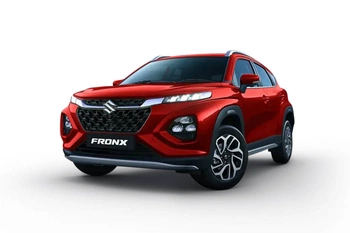
Maruti Suzuki Baleno
₹5.99 - 9.99 Lakh
Maruti Suzuki Fronx
₹6.90 - 12.03 Lakh
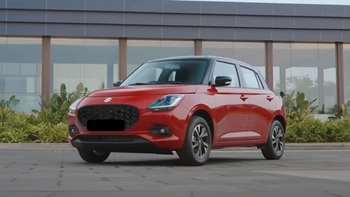
Maruti Suzuki Baleno
₹5.99 - 9.99 Lakh
Maruti Suzuki Swift
₹5.84 - 8.89 Lakh
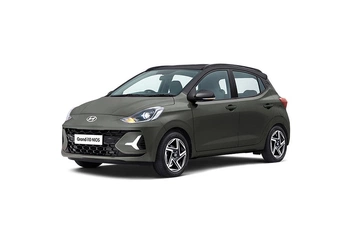
Maruti Suzuki Baleno
₹5.99 - 9.99 Lakh
Hyundai Grand i10 Nios
₹5.60 - 8.09 Lakh
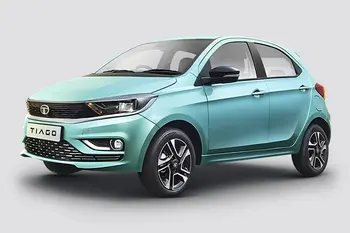
Maruti Suzuki Baleno
₹5.99 - 9.99 Lakh
Tata Tiago
₹4.77 - 8.62 Lakh
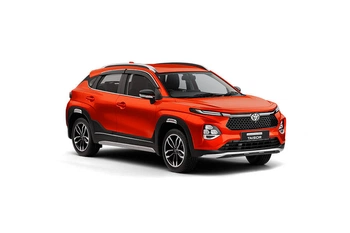
Maruti Suzuki Baleno
₹5.99 - 9.99 Lakh
Toyota Taisor
₹7.43 - 12.94 Lakh
Toyota Glanza Comparisons
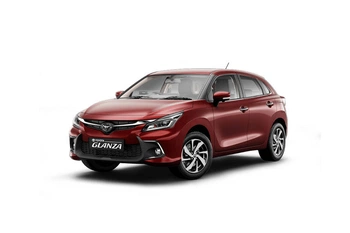
Toyota Glanza
₹6.73 - 9.99 Lakh
Toyota Taisor
₹7.43 - 12.94 Lakh
Toyota Glanza
₹6.73 - 9.99 Lakh
Maruti Suzuki Fronx
₹6.90 - 12.03 Lakh
Toyota Glanza
₹6.73 - 9.99 Lakh
Hyundai i20
₹6 - 10.68 Lakh
Toyota Glanza
₹6.73 - 9.99 Lakh
Maruti Suzuki Swift
₹5.84 - 8.89 Lakh
Toyota Glanza
₹6.73 - 9.99 Lakh
Tata Punch
₹5.70 - 10.67 Lakh
Car News
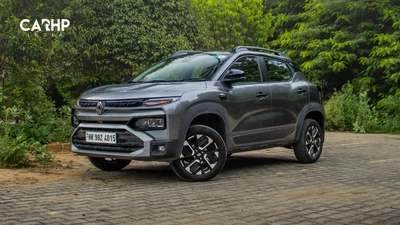
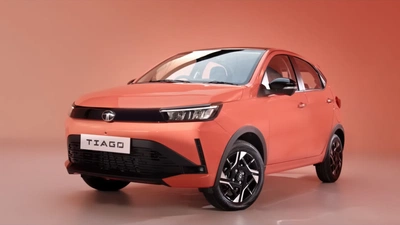
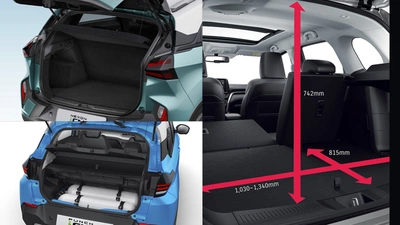

Maruti Suzuki Brings CNG-AMT Options To The Swift, Baleno and Dzire
Maruti has finally paired CNG with an automatic gearbox on the Swift, Dzire and Baleno, priced from Rs 7.92 lakh. The AMT trims share a 1.2 litre engine, a 55 litre boot-mounted tank and cost around Rs 35,000 more than the manual versions.
Anmol Kumar
October 1, 2026
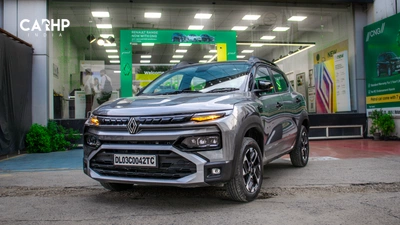
Most Affordable Cars With 360 Degree Camera Under 10 Lakhs
The 360 cam is one of the most in demand features that helps to increase your situational awareness when parking or while driving. Here is the full list of cars that offer a 360-degree camera under ₹10 lakh with variant names, prices, and what else you get alongside the camera.
Salil Kumar
September 29, 2026

Suzuki Developing New 125 bhp DITC Turbo Engine for India
Suzuki has confirmed development of a new 1.2-litre direct-injection turbocharged petrol engine for India and other growth markets. The engine targets over 125 bhp, 230 Nm and thermal efficiency of over 40 per cent, and will support petrol, CNG, CBG and E100 fuel.
Salil Kumar
September 28, 2026