Kia Seltos vs Tata Nexon - Which One Should You Buy
Kia Seltos vs Tata Nexon Comparison at CarHP India. Compare Kia Seltos and Tata Nexon Prices, Mileage, Features, Specs, Colours and much more.
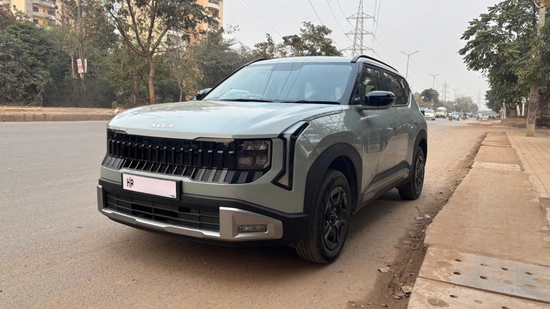
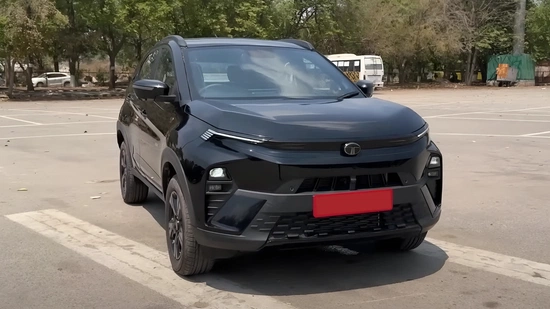
The Kia Seltos comes in 44 variants. Engine options include Petrol and Diesel as per the selected variant, paired with manual or automatic transmissions. The selected variant is priced at ₹11 Lakh. The cheapest variant, HTE, costs ₹11 Lakh, while the top-end variant, GTX (O) Diesel AT, is priced at ₹21.82 Lakh. The Tata Nexon comes in 83 variants. Engine options include Petrol, CNG and Diesel as per the selected variant, paired with manual or automatic transmissions. The selected variant is priced at ₹7.40 Lakh. The cheapest variant, Smart, costs ₹7.40 Lakh, while the top-end variant, Fearless Plus PS Dark Diesel AMT, is priced at ₹14.42 Lakh.
₹ 11 Lakh
₹ 7.40 Lakh


Compare Minimum 2 Cars At Once — Tap To Activate / Deactivate
Smart Summary for Car Selection
 Why Choose Kia Seltos?
Why choose the Kia Seltos
- Each of its three engines comes with a manual or an automatic, so a buyer picks the naturally aspirated petrol, the turbo petrol or the diesel for their running and the gearbox for their commute independently.
- The 160hp turbo petrol has far more power than anything in the Nexon range, so overtaking a line of trucks on a single-lane highway is done in one confident move.
- Its boot is at least 51 litres bigger than the Nexon's 382 litres, so a family of five packs full-size suitcases for a holiday without stacking bags on laps.
- Dual 12.3-inch displays, an 8-speaker Bose sound system and five USB Type-C ports are available, so every passenger stays charged and the cabin stays entertained on a long road trip.
- Level 2 ADAS and a 360-degree camera come on higher versions, so expressway drives get lane and distance help and a tight basement slot is easier to judge.
- It is a midsize SUV rather than a sub-four-metre one, so three adults across the rear bench have more shoulder room than the Nexon allows.
Why not choose the Kia Seltos
- The turbo petrol drops to around 7 to 10kmpl in stop-go traffic, so the quickest Seltos costs the most to run for a buyer whose driving is mostly urban.
- There is no CNG option, so a high-mileage city driver who wants gas running costs has to look at the Nexon instead.
- Its 190mm ground clearance is 18mm less than the Nexon's 208mm, so a loaded Seltos needs more care over deep potholes and flooded dips.
- The softer suspension has taken some sharpness out of the handling, so the car leans more through quick bends on ghat roads than a firmer SUV would.
- Pairing the diesel with the automatic gives up a good share of the diesel's fuel-saving advantage, so the combination that suits traffic best saves the least at the pump.
- The 360-degree camera and driver assists sit on higher versions, so a buyer who only wants parking help must move up the range and take the bundled extras.
Why Choose Tata Nexon?Why choose the Tata Nexon
- Factory CNG with two slim tanks keeps just over 300 litres of boot usable, so a heavy city user cuts fuel bills without giving up weekly shopping space.
- It holds 5-star ratings from both Global NCAP and Bharat NCAP with six airbags and stability control standard, so even the base version carries the core safety kit.
- The diesel is rated at 23.23kpl with the manual and 24.08kpl with the automated manual, so a buyer covering 100km a day spends far less on fuel than in any Seltos.
- Its 208mm ground clearance leads the segment, so broken roads and tall speed breakers are cleared without slowing to a crawl.
- At 3,995mm long it is shorter than the Seltos, so parallel parking in an old market and U-turns on narrow roads take noticeably less effort.
Why not choose the Tata Nexon
- Its 2,498mm wheelbase and sub-four-metre body leave the rear bench tighter than the Seltos's, so three adults feel the squeeze on a long journey.
- Nothing in its range approaches the Seltos's 160hp turbo, so fast highway overtakes with a full cabin need more room and more planning.
- The smoother dual-clutch automatic is limited to higher petrol versions while the diesel's automatic is an automated manual, so the most economical engine cannot have the smoothest gearbox.
- Cup holders are missing from the cabin and storage spaces are limited, so bottles and phones slide around on long drives.
- Fit and finish on some carried-over interior parts is inconsistent, which shows up as uneven panel gaps a daily driver notices.
 Our Recommendation For Most Buyers
Who should buy the Kia Seltos
Buyers who want a bigger cabin, free choice of gearbox and a long feature list should choose the Seltos. All three engines come with a manual or automatic, the 160hp turbo is the most powerful option here, and the larger boot and roomier rear bench suit families of five. Dual 12.3-inch screens, Bose audio, ADAS and a 360-degree camera make it the better-equipped car.
The trade-offs are running costs and rough-road ability. The turbo petrol is thirsty in traffic, there is no CNG, and the diesel automatic gives up efficiency. Ground clearance trails the Nexon's, the softer suspension is less sharp through bends, and parking aids sit on higher versions. For a family that wants space, power and technology and does not need gas running costs, the Seltos is the more complete SUV.
Who should buy the Tata Nexon
The Nexon makes more sense for buyers focused on running costs, tested safety and city usability. Factory CNG with twin tanks keeps the boot usable, the diesel is rated above 24kpl with the automated manual, and five-star ratings from both Global NCAP and Bharat NCAP back up six standard airbags. Segment-leading ground clearance and a sub-four-metre body suit crowded, broken roads. The compromises are space, power and refinement.
The rear bench is tighter than the Seltos's, no engine matches its 160hp turbo, and the smoother dual-clutch is limited to higher petrol versions while the diesel gets an automated manual. Cabin storage is sparse, some interior parts feel uneven, and the screens are smaller than the Seltos's. For a high-mileage family driving mainly in crowded cities that wants the safest tested option and the lowest fuel bills, the Nexon covers more everyday needs than the Kia.
Engine and Performance
Performance Specifications
Fuel Specifications
Dimensions and Design
Interior Specifications
Wheels & Tires
Suspension, Brakes & Steering
Safety Features
Interior Features
Comfort & Convenience
Infotainment Features
Exterior Features
Brochure

EMI Cost Comparison
Assuming 20% down payment, 9.5% interest, 60-month tenure
 Loan Amount
 Interest: 9.5%
 Down Payment (20%)
 Loan TenureLoan AmountInterest: 9.5%Down Payment (20%)Loan Tenure
Pros & Cons Comparison
Things We Like in Kia Seltos
- Better road presence than the previous gen model.
- Multiple engine and gearbox options on offer.
Things We Like in Tata Nexon
- Holds 5-star ratings from both Bharat NCAP (2024) and Global NCAP (2024), scoring 29.41/32 and 32.22/34 respectively for adult occupant protection.
- The 7-speed dual-clutch automatic (DCA) is a notably sophisticated transmission for this price band, featuring wet clutch technology with active cooling, machine learning adaptation, and a self-healing mechanism.
Things We Don't Like in Kia Seltos
- Polarising design, especially at the front.
- No hybrid powertrain currently available.
Things We Don't Like in Tata Nexon
- Knee airbags are not available on any variant, a gap that is flagged in the Bharat NCAP safety equipment listing.
- The CNG variant is available only with a 6-speed manual transmission system. No automatic option exists for buyers who want both CNG running costs and a gearbox-free driving experience.
Kia Seltos Comparisons
Kia Seltos
₹11 - 21.82 Lakh
Hyundai Creta
₹10.91 - 20.46 Lakh
Kia Seltos
₹11 - 21.82 Lakh
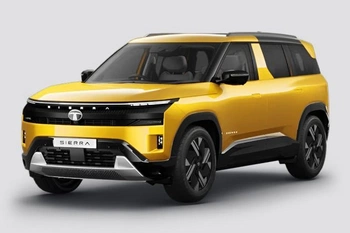
Tata Sierra
₹11.49 - 21.59 Lakh
Kia Seltos
₹11 - 21.82 Lakh
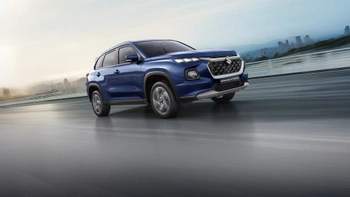
Maruti Suzuki Grand Vitara
₹10.77 - 19.77 Lakh
Kia Seltos
₹11 - 21.82 Lakh
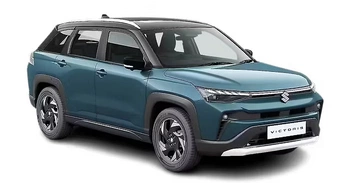
Maruti Suzuki Victoris
₹10.50 - 19.99 Lakh
Kia Seltos
₹11 - 21.82 Lakh
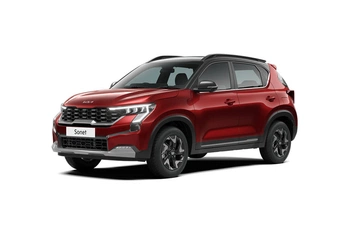
Kia Sonet
₹7.41 - 14.37 Lakh

Kia Seltos
₹11 - 21.82 Lakh
Renault Duster
₹10.49 - 19.49 Lakh
Kia Seltos
₹11 - 21.82 Lakh
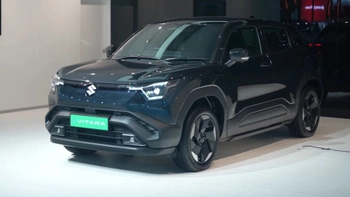
Maruti Suzuki e Vitara
₹16.19 - 20.21 Lakh

Kia Seltos
₹11 - 21.82 Lakh
Volkswagen Taigun
₹11 - 19.30 Lakh

Kia Seltos
₹11 - 21.82 Lakh
Mahindra XUV 7XO
₹13.99 - 25.79 Lakh
Tata Nexon Comparisons
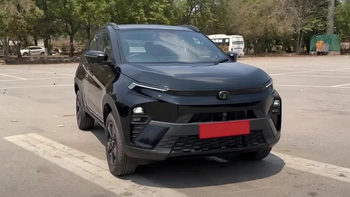

Tata Nexon
₹7.40 - 14.52 Lakh
Renault Kiger
₹5.81 - 10.40 Lakh
Tata Nexon
₹7.40 - 14.52 Lakh
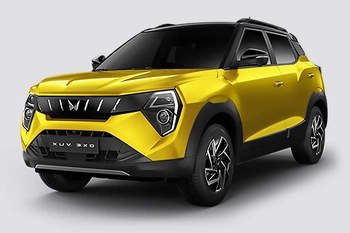
Mahindra XUV 3XO
₹7.79 - 15.04 Lakh
Tata Nexon
₹7.40 - 14.52 Lakh
Hyundai Creta
₹10.91 - 20.46 Lakh
Tata Nexon
₹7.40 - 14.52 Lakh
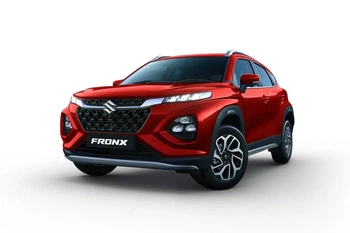
Maruti Suzuki Fronx
₹6.90 - 12.03 Lakh
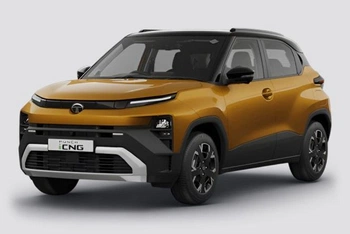
Tata Nexon
₹7.40 - 14.52 Lakh
Tata Punch
₹5.70 - 10.67 Lakh
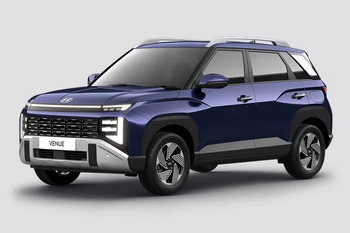
Tata Nexon
₹7.40 - 14.52 Lakh
Hyundai Venue
₹8 - 15.83 Lakh
Tata Nexon
₹7.40 - 14.52 Lakh
Kia Sonet
₹7.41 - 14.37 Lakh

Tata Nexon
₹7.40 - 14.52 Lakh
Maruti Suzuki Brezza
₹7.40 - 15.88 Lakh

Car News





Cars24 vs Spinny vs CarDekho vs CarWale: What Fees Will I Pay, and How Do I Transfer the RC?
Listing is free on Cars24, Spinny, CarDekho and CarWale, but fees, holdbacks and RC-transfer risks differ. This guide compares the real costs and risks so you can choose the safer, cheaper route.
Salil Kumar
October 14, 2026