Hyundai i20 vs Maruti Suzuki Swift - Which One Should You Buy
Hyundai i20 vs Maruti Suzuki Swift Comparison at CarHP India. Compare Hyundai i20 and Maruti Suzuki Swift Prices, Mileage, Features, Specs, Colours and much more.
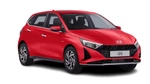
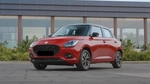
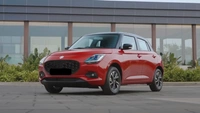
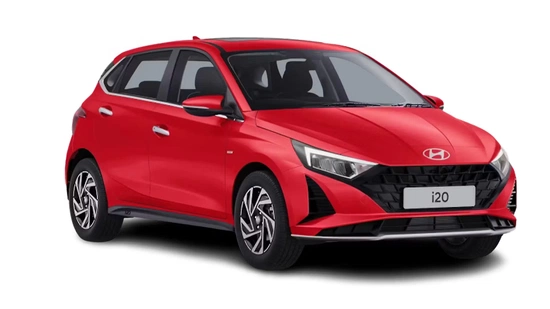
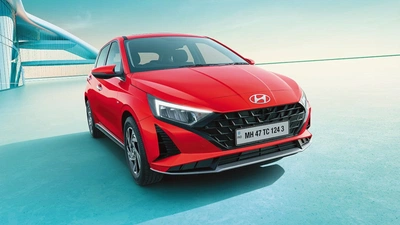
The Hyundai i20 is available in 15 variants, while the Maruti Suzuki Swift comes in 14 variants. The i20 is priced from ₹6.87 Lakh to ₹10.44 Lakh. The Swift is more budget-friendly, ranging between ₹5.79 Lakh and ₹8.80 Lakh. Both cars feature 1197cc petrol engines suited for city roads. The i20 produces 87bhp and 114.7Nm of torque, paired with a smooth IVT automatic transmission. The Swift delivers 80.46bhp and 111.7Nm using a 5-speed AMT. In heavy metro traffic, the i20 offers a more refined and effortless driving experience. Both cars seat five people, but the i20 provides a larger 311-litre boot compared to the 265 litres in the Swift. Inside the cabin, both cars offer power steering, automatic climate control, and cruise control. Keyless entry and an engine start-stop button make daily commutes very convenient. The i20 interior feels premium with a digital cluster, a leather-wrapped steering wheel, and a useful sunglass holder. The Swift focuses on entertainment with wireless Android Auto, Apple CarPlay, and an Arkamys sound system. On the outside, both have LED DRLs and LED headlamps, though the Swift also uses projector headlamps. Safety is a priority in both, featuring six airbags, ABS, ESC, and hill assist. The i20 adds a tyre pressure monitoring system, while the Swift holds a 1-star safety rating. The Hyundai i20 is the better pick for buyers seeking a premium feel and better safety for family use. The Swift remains a solid choice for those who want modern connectivity and easy parking at a lower price. For the most comfortable and secure metro driving experience, the i20 is the recommended choice. Book a test drive through this platform before making a final decision to get exclusive benefits, special discounts, and the best available offers.
₹ 6 Lakh
₹ 5.84 Lakh
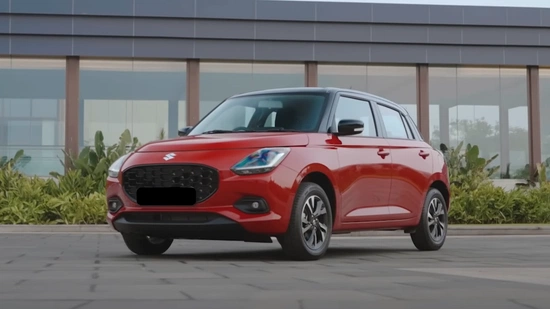
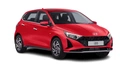

Compare Minimum 2 Cars At Once — Tap To Activate / Deactivate
Smart Summary for Car Selection
 Why Choose Hyundai i20?
Why choose
- A four-cylinder engine that is smoother and quieter than the Swift's three-cylinder, with none of the idle vibration
- The cabin feels a clear class above, with better materials and finish
- A Bose sound system and a sunroof are available, neither of which the Swift offers
- Better sound insulation makes it more restful at highway speeds
- Its IVT automatic is smoother than the Swift's automated manual
- More rear-seat space and a larger boot
Why not choose
- The Kappa engine lacks low-end pull, and owners report downshifting just to clear speed breakers cleanly
- Claimed economy trails the Swift by a wide margin
- Costs considerably more than the Swift trim for trim
- Servicing costs more and the dealer network is smaller
- Resale is weaker than the Swift's
- No CNG option
Why Choose Maruti Suzuki Swift?Why choose
- Claimed economy of nearly 25kmpl, with owners reporting 18 to 20kmpl in real city driving and the CNG rated above 32km/kg
- Light controls and a small footprint make it easy and enjoyable in congested traffic
- Six airbags, stability control and anti-lock brakes standard even on the entry version
- Considerably cheaper than the i20 and with famously strong resale
- Maruti's service network is the densest in the country and upkeep is cheap
Why not choose
- The three-cylinder engine vibrates at idle, and long-time Swift owners notice it has lost the punch the old four-cylinder had
- The automated manual is sluggish and less polished than rivals
- No published crash-test rating for the current car
- Cabin plastics are inconsistent, and CNG versions skip several comfort features
- The entry version goes without power mirrors, a touchscreen and a rear wiper
- Smaller and less comfortable in the back than the i20
 Our Recommendation For Most Buyers
Hyundai i20
The i20 is worth its premium if you value how the car feels rather than what it costs to run, because the cabin quality, the four-cylinder smoothness and the available Bose system are things you notice on every drive and cannot get on any Swift. Its engine is unhurried, so pair it with the IVT automatic if your driving is mostly urban, since that gearbox is far smoother than Maruti's automated manual.
Go in clear-eyed about the running-cost gap, because the i20 asks more for fuel, servicing and depreciation, and across five or six years that difference becomes substantial rather than marginal.
Maruti Swift
The Swift makes the stronger financial case by some margin, and for a lot of buyers that ends the discussion. It is cheaper to buy, cheaper to fuel, cheaper to service and holds its value better, while being lighter and more entertaining through city traffic than the heavier Hyundai.
Take the manual if you enjoy driving, since the automated manual is the weakest part of this car and owners find it unhurried. The CNG suits high monthly running. Step above the entry version, which omits enough basics to feel spartan, and accept the three-cylinder vibration as the known trade.
Engine and Performance
Performance Specifications
Fuel Specifications
Dimensions and Design
Interior Specifications
Wheels & Tires
Suspension, Brakes & Steering
Safety Features
Interior Features
Comfort & Convenience
Infotainment Features
Exterior Features
Brochure

EMI Cost Comparison
Assuming 20% down payment, 9.5% interest, 60-month tenure
 Loan Amount
 Interest: 9.5%
 Down Payment (20%)
 Loan TenureLoan AmountInterest: 9.5%Down Payment (20%)Loan Tenure
Pros & Cons Comparison
Things We Like in Hyundai i20
- Premium Interior & Features – Best in segment for tech & cabin feel.
- Refined & Smooth Drive – The petrol engine is silent and effortless to drive.
Things We Like in Maruti Suzuki Swift
- Six airbags, ESC, hill hold assist, ABS with EBD, ISOFIX, and rear parking sensors standard across all variants.
- Extensive powertrain options with 5-speed manual and AMT on both petrol and CNG.
Things We Don't Like in Hyundai i20
- Not the Most Fuel-Efficient – Baleno and Glanza offer better mileage.
Things We Don't Like in Maruti Suzuki Swift
- Z12E engine lacks top-end grunt of the older K12.
- NVH levels at idle and high speeds fall behind 4-cylinder rivals.
Hyundai i20 Comparisons
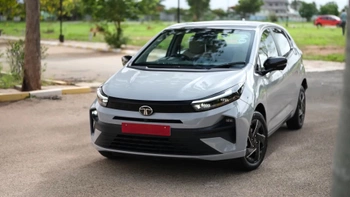
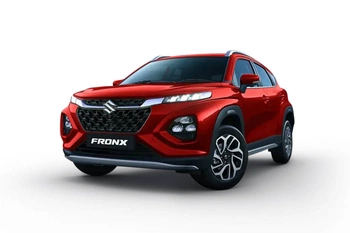
Maruti Suzuki Swift Comparisons
HATCHBACK Comparisons
Hyundai i20
₹6 - 10.68 Lakh
Maruti Suzuki Wagon R tour
₹4.99 - 5.89 Lakh
Hyundai i20
₹6 - 10.68 Lakh
Toyota Glanza
₹6.73 - 9.99 Lakh
Hyundai i20
₹6 - 10.68 Lakh
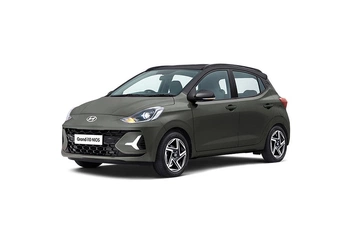
Hyundai Grand i10 Nios
₹5.60 - 8.09 Lakh
Hyundai i20
₹6 - 10.68 Lakh
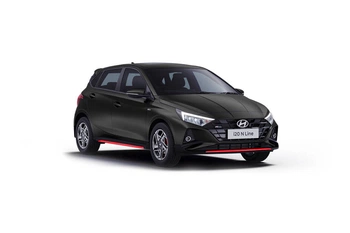
Hyundai i20 N-Line
₹9.32 - 11.79 Lakh
Hyundai i20
₹6 - 10.68 Lakh
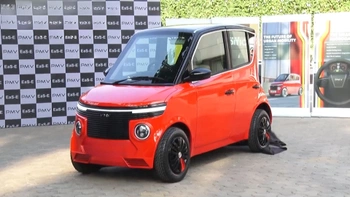
PMV EaS E
₹4.79 Lakh
Hyundai i20
₹6 - 10.68 Lakh
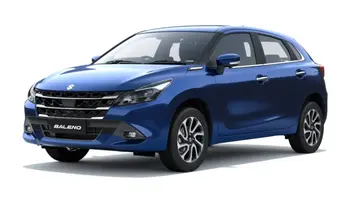
Maruti Suzuki Baleno
₹5.99 - 9.99 Lakh
Car News
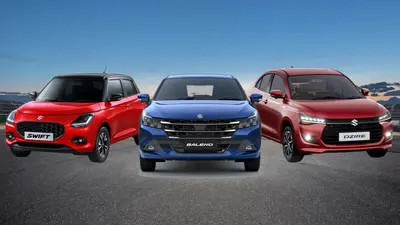
Maruti Suzuki Brings CNG-AMT Options To The Swift, Baleno and Dzire
Maruti has finally paired CNG with an automatic gearbox on the Swift, Dzire and Baleno, priced from Rs 7.92 lakh. The AMT trims share a 1.2 litre engine, a 55 litre boot-mounted tank and cost around Rs 35,000 more than the manual versions.
Anmol Kumar
October 1, 2026


BS7 Emission Norms Draft Expected in Two Months, Says MoRTH
The BS7 draft is expected within two months, MoRTH confirmed at SIAM's annual convention. Timelines remain the industry's biggest concern, but unlike the BS4-to-BS6 jump, this transition should be considerably less disruptive for carmakers and buyers.
Anmol Kumar
September 4, 2026