Hyundai Grand i10 Nios vs Maruti Suzuki Alto K10 - Which One Should You Buy
Hyundai Grand i10 Nios vs Maruti Suzuki Alto K10 Comparison at CarHP India. Compare Hyundai Grand i10 Nios and Maruti Suzuki Alto K10 Prices, Mileage, Features, Specs, Colours and much more.
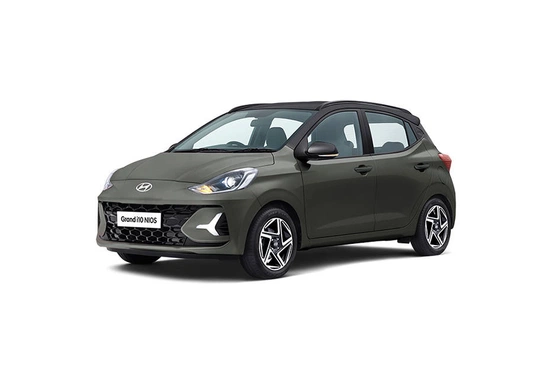
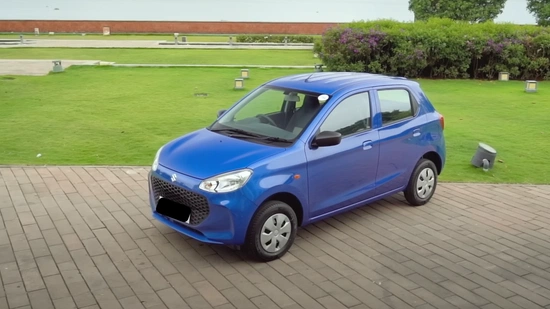
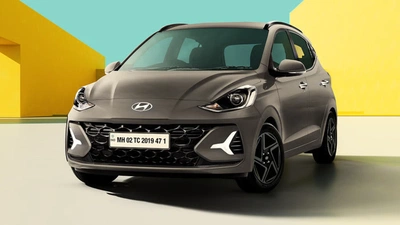
The Hyundai Grand i10 Nios is available in 15 variants, while the Maruti Suzuki Alto K10 comes in 8 variants. The Grand i10 Nios price starts at ₹5.55 Lakh and goes up to ₹7.92 Lakh for the top model. The Alto K10 is a more affordable option, ranging from ₹3.70 Lakh to ₹5.45 Lakh. Under the hood, the Nios features a 1197cc engine that produces 82bhp at 6000rpm and 113.8Nm of torque at 4000rpm. It uses a 5-speed AMT for smooth gear shifts in city traffic. The Alto K10 has a smaller 998cc engine making 65.71bhp at 5500rpm and 89Nm of torque at 3500rpm, paired with a 5-speed automatic gearbox. Both cars use a front-wheel-drive system. Inside, the Nios offers a 260-litre boot and seating for five. The K10 also seats five people but has a smaller 214-litre boot. Both models include a rear parcel tray for extra storage convenience. For daily driving in crowded metro cities, the Grand i10 Nios provides a more premium experience with automatic climate control and cruise control. It comes with an engine start-stop button and keyless entry. The exterior is modern, featuring projector headlamps and LED DRLs. The cabin feels high-end with a digital cluster and a leather-wrapped steering wheel. The Alto K10 is simpler and focuses on basics like power steering, air conditioning, and keyless entry. Safety is a major difference between the two. The Nios is equipped with 6 airbags, ABS, ESC, hill assist, and a tyre pressure monitoring system. The K10 offers 6 airbags and ABS but has a 2-star safety rating. The Alto K10 is perfect for those who need a compact car to navigate very narrow lanes and tight parking spots. The Grand i10 Nios is the better recommendation for buyers who want more power, better safety features, and a comfortable cabin for long hours in traffic. Book a test drive through this platform before making a final decision to get exclusive benefits, special discounts, and the best available offers.
₹ 5.60 Lakh
₹ 3.70 Lakh


Compare Minimum 2 Cars At Once — Tap To Activate / Deactivate
Smart Summary for Car Selection
 Why Choose Hyundai Grand i10 Nios?
Why choose
- The 1.2-litre engine makes 82bhp and 114Nm against the Alto K10's 68bhp and 91.1Nm, and that 23Nm gap is what you feel merging onto a flyover with four people aboard
- It is a meaningfully larger car than the Alto K10, so four adults fit properly rather than tolerably and the boot takes more than a weekend's luggage
- CNG is offered with a claimed 27km per kg, so the cheapest running cost is available here too
- A touchscreen with wireless smartphone mirroring, automatic climate control, cruise control and power windows are all fitted, so it does not feel like a stripped-out car
- Hyundai's cabin material quality and switchgear feel a level above the Alto K10's
- Ride comfort over broken roads is better than the Alto K10's, which the shorter, lighter car cannot match
Why not choose
- It costs substantially more than the Alto K10, and for a buyer whose use is short city runs alone the extra money buys capability they will not use
- Claimed economy trails the Alto K10 on both petrol and CNG, so the bigger car costs more to fill every time
- It is larger overall, so the tightest lanes and parking spaces are harder work than in the Alto K10
- Maruti's service costs sit below Hyundai's, and that gap repeats annually on a car most owners keep a long time
- Only a 1.2-litre engine is offered, so there is no step up to more power within the range
Why Choose Maruti Suzuki Alto K10?Why choose
- It is far cheaper than the Nios, and in this part of the market that gap is the entire point rather than a detail
- Claimed petrol economy of 24.39kmpl and CNG economy of 33.85km per kg are both ahead of the Nios, so it is the cheapest car here to both buy and run
- It is the smallest car in this comparison, which makes it the easiest to place in narrow lanes and crowded parking
- Maruti's service network reach and parts pricing are the widest and lowest in the market, which on an entry-level car is the biggest ongoing cost saved
- CNG is offered, giving the lowest per-kilometre running cost available between these two
- The lightweight body means the 68bhp engine feels more willing in city traffic than the figure suggests
Why not choose
- At 68bhp and 91.1Nm it is well down on the Nios, and with four aboard on a highway climb the difference is obvious rather than theoretical
- It is a considerably smaller car, so four adults and their luggage do not travel comfortably together
- Feature content and cabin material quality both sit below the Nios
- Ride comfort over broken roads trails the Nios, because a shorter, lighter car has less to absorb with
- There is no engine option above the 1.0-litre, so the range has no performance step at all
 Our Recommendation For Most Buyers
Grand i10 Nios
The Nios is worth the extra money for a specific buyer: someone who regularly carries four people, uses the boot, and drives on highways as well as in the city. Its 114Nm against the Alto K10's 91.1Nm changes how the car copes with a full load, and the larger body means passengers and luggage travel together rather than competing for space.
Better ride comfort and cabin quality reinforce it. Where the maths turns against it is running cost, because the Alto K10 is cheaper to buy and more frugal on both petrol and CNG, and Maruti's service pricing is lower every year. A buyer doing short solo city trips is funding capability they will never call on.
Alto K10
The Alto K10 is the right answer when the budget is the brief. It costs far less than the Nios, claims 24.39kmpl on petrol and 33.85km per kg on CNG, and Maruti's service pricing is the lowest in the market, so it wins on every cost that matters at this end. Its small footprint also makes it the easier car to park in a crowded lane. Be clear about what you give up, because it is substantial.
At 68bhp and 91.1Nm, a highway climb with four people and luggage is hard work, and the cabin is small enough that four adults travelling together is a compromise rather than a plan.
Engine and Performance
Performance Specifications
Fuel Specifications
Dimensions and Design
Interior Specifications
Wheels & Tires
Suspension, Brakes & Steering
Safety Features
Interior Features
Comfort & Convenience
Infotainment Features
Exterior Features
Brochure

EMI Cost Comparison
Assuming 20% down payment, 9.5% interest, 60-month tenure
 Loan Amount
 Interest: 9.5%
 Down Payment (20%)
 Loan TenureLoan AmountInterest: 9.5%Down Payment (20%)Loan Tenure
Pros & Cons Comparison
Things We Like in Hyundai Grand i10 Nios
- Six airbags are standard across all variants.
- 1.2-litre four-cylinder petrol engine produces up to 82 hp.
Things We Like in Maruti Suzuki Alto K10
- 6 airbags, ABS-EBD, and ESP as standard is commendable for an entry-level car.
- Very efficient petrol and CNG powertrains.
Things We Don't Like in Hyundai Grand i10 Nios
- Global NCAP rated the model 2 stars for adult protection.
- Only one petrol engine option is available in the lineup.
Things We Don't Like in Maruti Suzuki Alto K10
- 2-star GNCAP crash test score in raises structural safety questions.
- The CNG variant is a strict 4-seater.
Hyundai Grand i10 Nios Comparisons
Hyundai Grand i10 Nios
₹5.60 - 8.09 Lakh
Maruti Suzuki S-Presso
₹3.50 - 5.25 Lakh

Hyundai Grand i10 Nios
₹5.60 - 8.09 Lakh
Citroen C3 X
₹4.99 - 10.21 Lakh
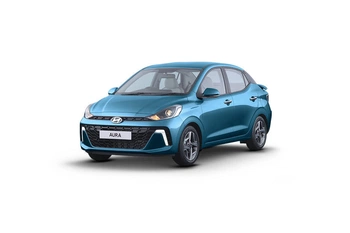
Hyundai Grand i10 Nios
₹5.60 - 8.09 Lakh
Hyundai Aura
₹6 - 8.67 Lakh
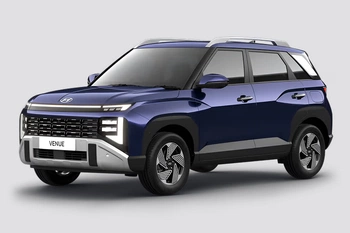
Hyundai Grand i10 Nios
₹5.60 - 8.09 Lakh
Hyundai Venue
₹8 - 15.83 Lakh
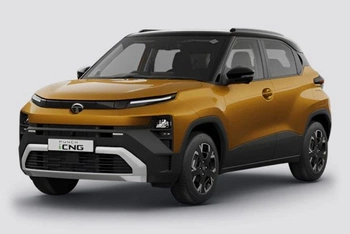
Hyundai Grand i10 Nios
₹5.60 - 8.09 Lakh
Tata Punch
₹5.70 - 10.67 Lakh
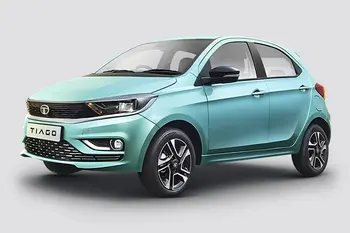
Hyundai Grand i10 Nios
₹5.60 - 8.09 Lakh
Tata Tiago
₹4.77 - 8.62 Lakh
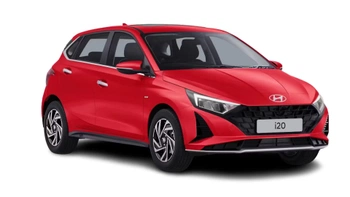
Hyundai Grand i10 Nios
₹5.60 - 8.09 Lakh
Hyundai i20
₹6 - 10.68 Lakh
Maruti Suzuki Alto K10 Comparisons

Car News


Maruti Suzuki Offering Up to Rs. 1.35 Lakh Benefits in September 2026
Maruti Suzuki's September 2026 Arena offers cover seven models, with the Victoris strong hybrid getting the highest benefits at Rs. 1.35 lakh. Here is the full breakdown, including fuel-type differences on the Wagon R, Alto K10, Swift, and Eeco.
Anmol Kumar
September 11, 2026
Maruti Suzuki Says Its Cars Have Been E20 Compatible Since 2008
Maruti Suzuki MD and CEO Hisashi Takeuchi confirmed at the 45th AGM that all Maruti cars made from 2008 onwards are E20 compatible. That covers 18 years of production and should answer the E20 worries of most current Maruti owners.
Anmol Kumar
September 1, 2026