Do Entry-Level Hatchbacks Still Make Sense To Buy in India?
By Arjun Nair
Updated July 2, 2026
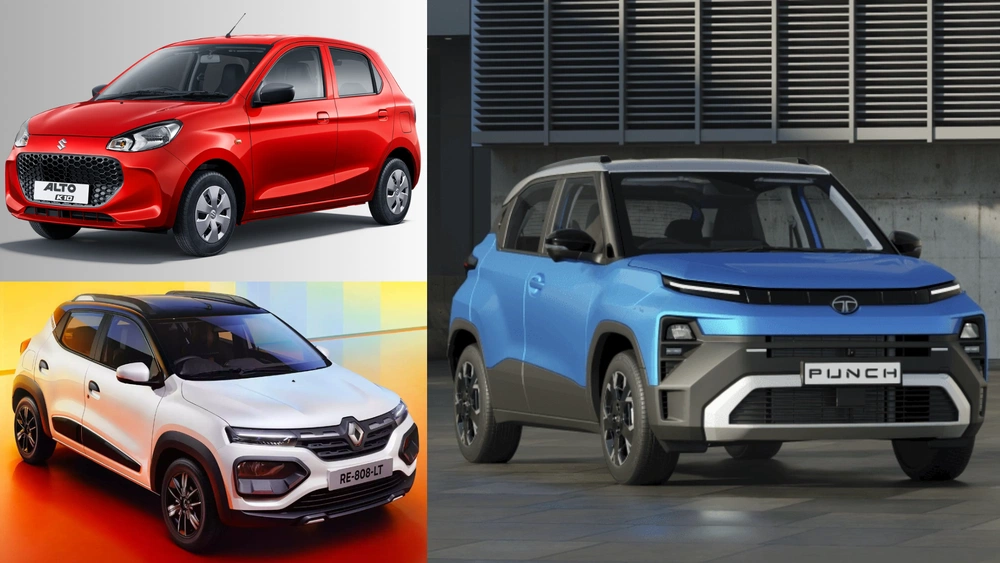
Buying a car is an exciting yet confusing decision, especially in today's market.
A few years ago, entry-level hatchbacks like the Maruti Alto, Renault Kwid, Hyundai Eon, and Datsun RediGo were the default choice for most new buyers and families stepping into car ownership. They were affordable, easy to run, and perfect for our crowded cities.
However, since carmakers ceased production of 800cc engines, which used to be the initial default pick for these cars, their sales have plummeted over the years, as 1.0-litre engines became standardised, and prices became out of reach for many first-time car buyers.
With prices climbing steadily and bigger cars gaining popularity, it is valid to think whether these small hatchbacks are still a sensible pick, or you should look for better options.
I will share my thoughts on entry-level hatchbacks, including their strengths, weaknesses, and suggest better alternatives you can consider at similar prices.
Where do Entry-Level Cars Still Stand Out?
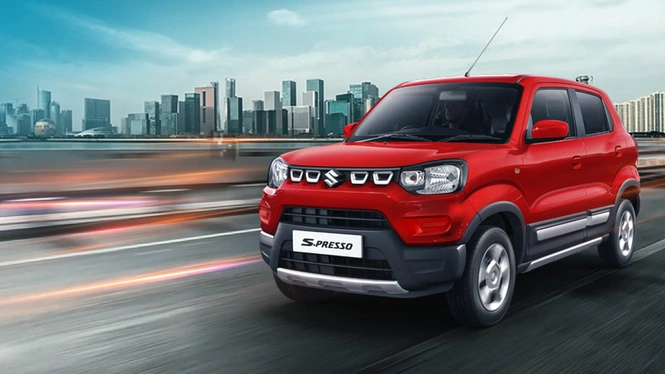
Price still remains the biggest strength for entry-level cars. You can bring home a new Maruti S-Presso or Alto K10 for around Rs 4 to 6 lakh on-road in many cities. Yes, they have become significantly more expensive than a decade ago, but they are still the most affordable new cars on sale. For a young professional or a small family on a tight budget, they make for a no-nonsense pick.
These cars are genuinely easy to drive, especially in our chaotic cities. Their compact size is a blessing when you are weaving through slow traffic, squeezing into narrow gaps, or hunting for parking in tight market or residential areas. Their light steering and small turning radius make them forgiving for new drivers and daily commuters. Opting for the automatic variant makes life even simpler, and your left leg will thank you.
Also Read - Every Car Under 5 Lakhs On-Road You Can Buy in 2026
Then, there is the running cost. These cars are light on the pocket in the long run, with their with efficient 1.0-litre petrol engines that deliver solid mileage of 20-25 kmpl. Pair that with a factory-fitted or aftermarket CNG kit, and your fuel bills drop dramatically. For someone doing 800-1000 km a month mostly in the city, this can mean saving thousands every year compared to bigger cars. Low maintenance, cheap and easily available spare parts (especially Marutis), and widespread service networks make for a worry-free ownership experience.
If your running involves mostly intercity and short highway trips, these hatchbacks still tick most of the boxes.
Drawbacks of Entry-Level Cars
One major issue with entry-level cars is that they are not as value for money as they used to be. Base models start low, but a decently loaded variant with features like a touchscreen, rear camera, and automatic transmission can easily push the on-road price to over Rs 5 lakh, even going up to nearly Rs 7 lakh. At that point, you might start wondering if you are better off going for a car from a segment above, even if it is a base variant or if you have to stretch your budget slightly more.
Their engines are another limitation. These small 1.0-litre naturally aspirated units feel peppy and responsive within city limits, but they tend to run out of breath once you hit the highways, and especially expressways. Cruising at 100 km/h or above can feel strained, with the engine revving hard and its noise filling the cabin. Overtakes require planning, and long drives can become tiring. If your routine involves inter-city travel with frequent highway/expressway runs, this could be a deal-breaker.
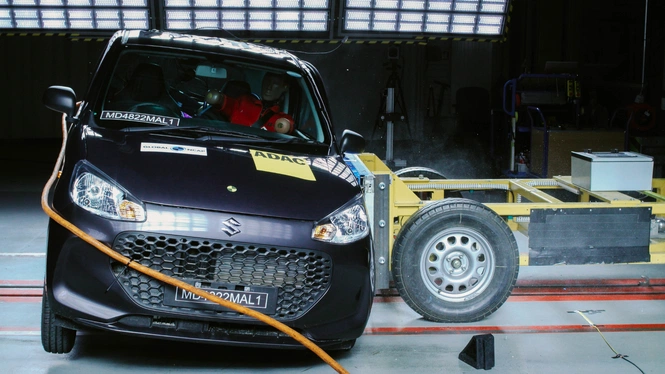
The biggest worry for those of you who are safety-conscious should be the poor safety record of most entry-level hatchbacks. Built to a strict cost target, many of these cars have disappointing crash test results, with 2 stars for adult and child occupant protection the highest any car has achieved in this segment. They often lack modern structural reinforcements and generally have a weak body shell. This makes them less ideal for highway use, where speeds as well as risks of an accident are higher.
Also Read - Unsafe Cars in India: Avoid These Models and Choose Safer Alternatives
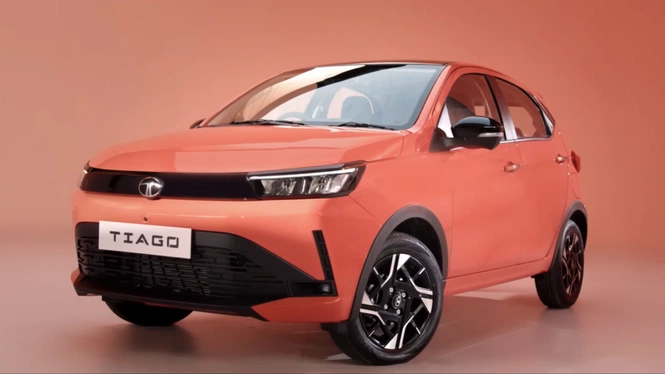
That said, I must give full credit to Tata Motors. Their entry-level offerings like the Tiago and Tigor have shown that safety does not always have to be compromised. The Tiago earned a respectable 4-star rating in older Global NCAP tests, and Tata's approach has pushed the industry forward. The Punch, which is two segments above two above pure entry-level hatchbacks but priced similarly to them in its base variant, has achieved excellent 5-star ratings in both Global and Bharat NCAP crash tests.
My Personal Suggestion
| Car Model | On-Road Price Range (₹ Lakh, approx. Delhi) | Powertrain Specs (Petrol) | Safety Ratings (GNCAP / BNCAP) |
|---|---|---|---|
| Maruti Suzuki S-Presso | 4.0 – 6.0 (ex-showroom ~3.5 – 5.25) | 1.0L, 66 bhp, 89 Nm | 1 Star (GNCAP, older test) Dual airbags only |
| Maruti Suzuki Alto K10 | 4.0 – 6.5 (ex-showroom ~3.7 – 5.45) | 1.0L K10C, 66 bhp, 89 Nm | 2 Stars Adult / 0 Child (GNCAP 2023) |
| Renault Kwid | 4.7 – 6.8 (ex-showroom ~4.3 – 5.99) | 1.0L, 67 bhp, 91 Nm | 1-2 Stars (GNCAP, older tests). |
| Tata Tiago | 5.1 – 9.5+ (ex-showroom ~4.7 – 8.55) | 1.2L, 85 bhp, 113 Nm | 4 Stars (GNCAP, older); expected strong BNCAP performance. 6 airbags now standard. |
| Tata Punch | 6.3 – 12+ (ex-showroom ~5.7 – 10.7) | 1.2L, 88 bhp, 115 Nm | 5 Stars (BNCAP 2026, adult & child). Strong structure; 6 airbags in higher variants. |
If your budget is around Rs 5 to 7 lakh on-road, think carefully before finalising a top-spec entry-level hatchback. In my opinion, it makes more sense to consider base or mid variants of cars from a segment above, that are not just bigger, but better-built too.
For example, a well-equipped mid variant of the Tata Tiago, and the base variant of the Punch offer superior safety, build quality, decent basic features and peace of mind without stretching your finances too much.
The Punch, in particular, gives you a compact SUV feel with a commanding seating position, more space, great ride quality over bad roads, and better highway manners while still being compact enough for city life.
Also Read - Tata Punch HBX Edition Teased Before Launch
The Tiago recently received a major facelift, making it an even more attractive option than before in the Rs 5 to 7 lakh range. It offers a well balanced mix of features and safety. However, if you don't mind missing out on some features and safety is your top priority, get the Punch, which costs slightly over Rs 6 lakh on-road.
So, are Entry Level Cars Still Sensible?
Entry-level hatchbacks are surely here to stay for the time being, but they are no longer the default first choice for many. If you drive mostly in the city, have a limited budget, and prioritise low running costs and easy handling, then yes, a sensible model like the Alto K10, S-Presso, or Kwid, can still serve you well for many years. They remain practical, economical, and low-stress companions for daily life.
But if safety, highway comfort, or long-term satisfaction matter more to you, I suggest exploring options one segment above. The extra investment often brings better refinement and stronger build that make ownership more enjoyable. Aesthetic exterior upgrades and features like a touchscreen and an audio system can always be installed aftermarket.
Also Read - Safest Cars Under ₹10 Lakhs
Ultimately, it boils down to your needs and priorities. Take a few test drives, calculate your monthly running costs, and think about the kind of roads and driving conditions you encounter the most.
Image Source: Maruti Suzuki, Tata Motors, Global NCAP
Table of Contents
- Where do Entry-Level Cars Still Stand Out?
- Drawbacks of Entry-Level Cars
- My Personal Suggestion
- So, are Entry Level Cars Still Sensible?
Join the Conversation
Trending

Renault Duster Strong Hybrid to Launch on October 17
Renault has locked 17 October at Fairmont Mumbai for the Duster strong hybrid, a 160hp E-Tech setup that answers the missing diesel. Prices are still under wraps, though early expectations point well above the current range.
Arjun Nair
October 8, 2026
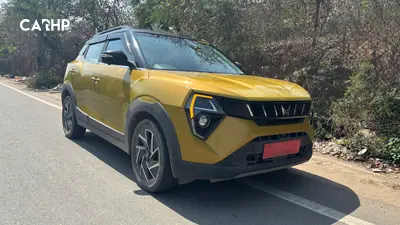
Mahindra XUV 3XO CNG Set For 15 October Debut As Its Fourth Powertrain
Mahindra has teased a CNG version of the XUV 3XO ahead of a 15 October debut. It adds a fourth powertrain to the brand's most affordable SUV and enters a segment where CNG options remain rare.
Anmol Kumar
October 8, 2026
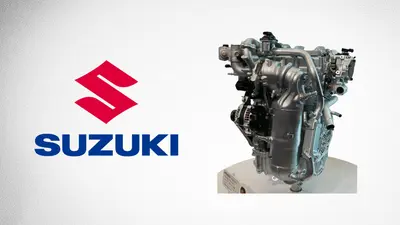
All You Need to Know About Suzuki's New Turbo Engine for India
Maruti Suzuki is developing new 1.2-litre and 1.5-litre direct injection turbo petrol engines for India, targeting up to 126hp and 160hp respectively, with the first applications expected later this decade.
Salil Kumar
October 8, 2026
Featured
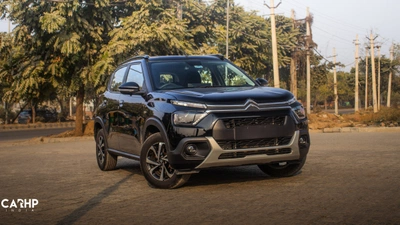
Citroen C3 Review: Who Should Consider This Car?
A few days ago, I took the Citroen C3X out for a spin in the city and on the highways. I travelled long distances and checked its fuel efficiency, features, comfort, and other factors. Today, I’ll briefly share my overall experience with the C3X and will tell you whether you should consider it or not and which is the most value-for-money variant of the lot.
Vatsal Agrawal
May 19, 2026
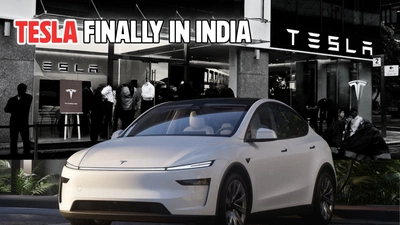
Tesla Finally In India Officially. Why Now And What Does It Mean For EVs?
The much-anticipated 2025 Tesla Model Y has officially arrived in India, marking a pivotal moment for the nation's burgeoning electric vehicle market. Launched on July 15, 2025, the Model Y Juniper facelift offers cutting-edge technology, impressive range, and signature Tesla performance. Positioned as a premium electric SUV, its entry will intensify competition and reshape consumer expectations for EVs across the subcontinent.
Author
July 17, 2025
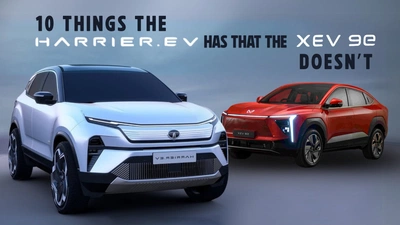
Here Are 10 Things The Harrier.EV Offers That The Mahindra XEV 9E Doesn't
The Harrier.EV is an incredible new offer from Tata. Its most popular competitor would be the Mahindra XEV 9E, priced similarly. With these two incredible offerings from home grown brands available, here is a list of everything the Harrier.EV offers that the XEV 9E doesn't.
Author
June 13, 2025
Write a comment
Comments
No comments yet. Be the first to comment!