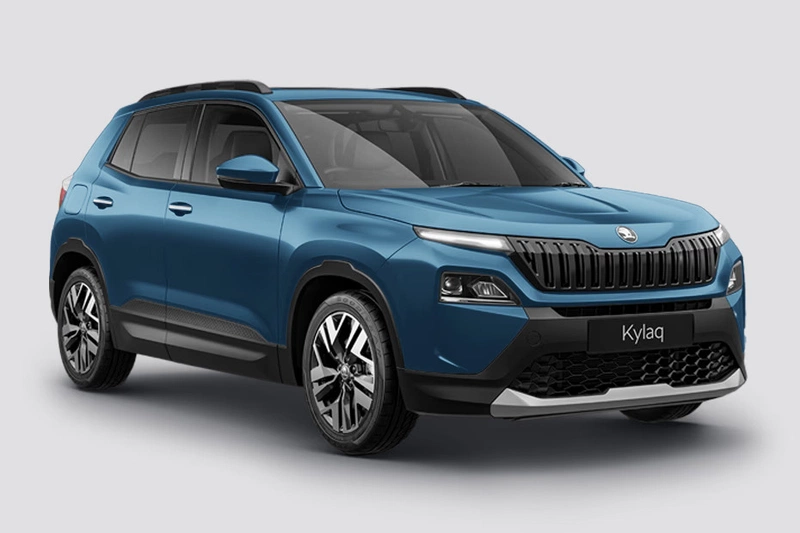



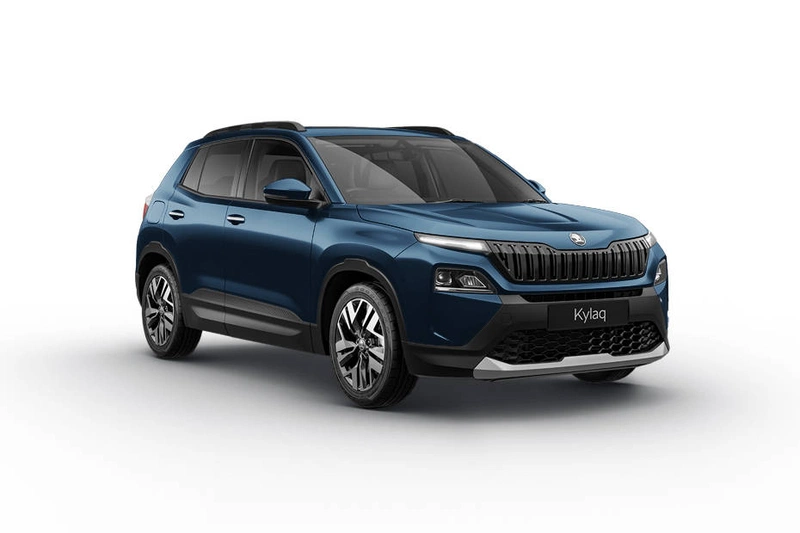
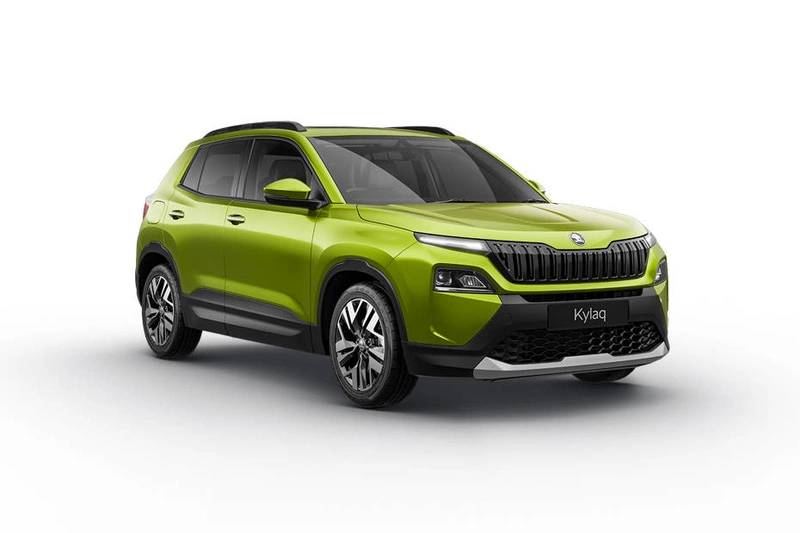
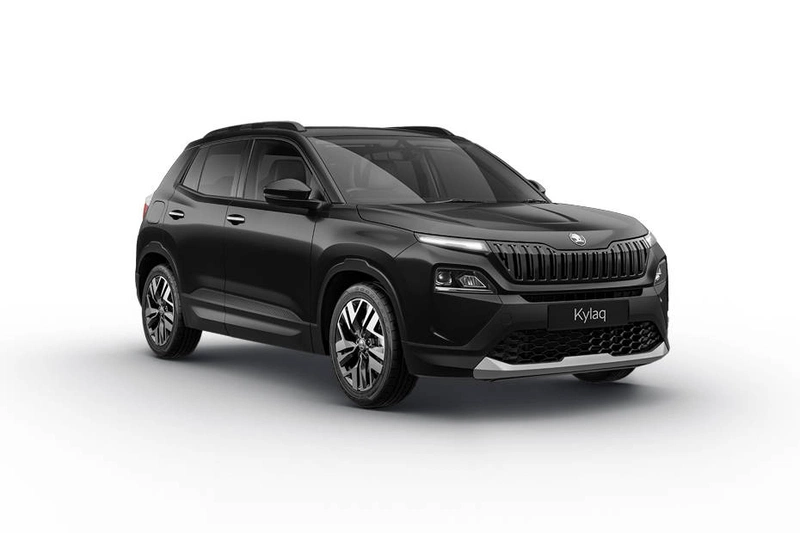
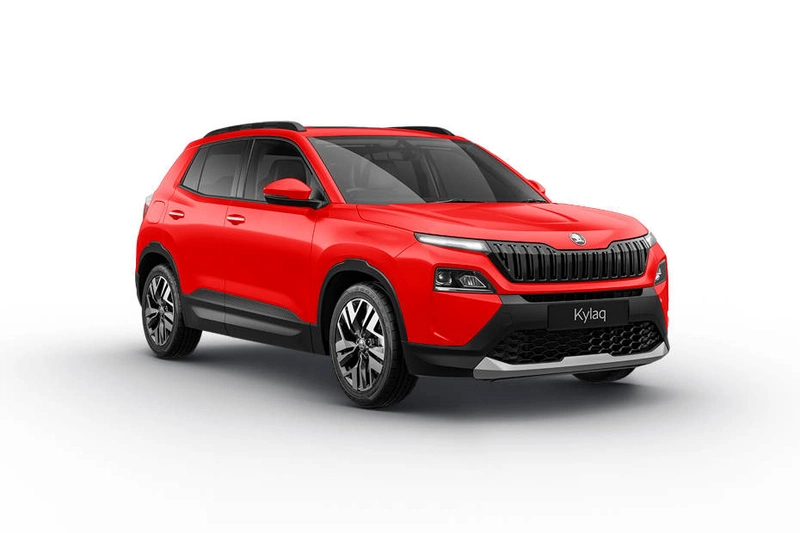
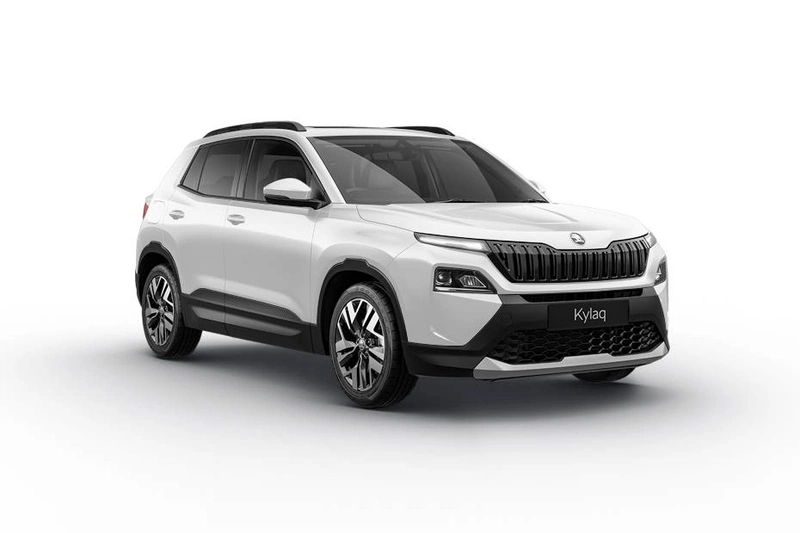
Skoda Kylaq
Overall Rating

Skoda Kylaq
Overall Rating
EMI Loading
Skoda Kylaq Key Specifications
Skoda Kylaq Highlights
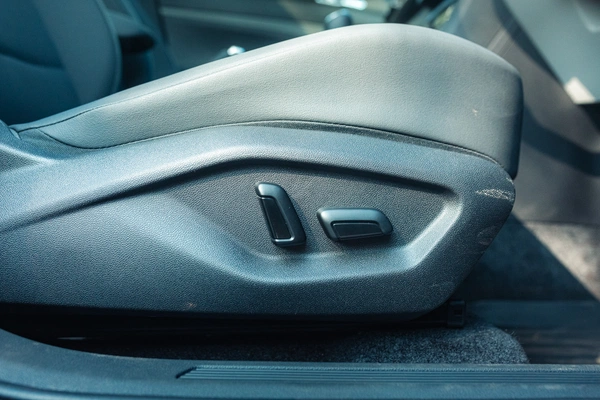
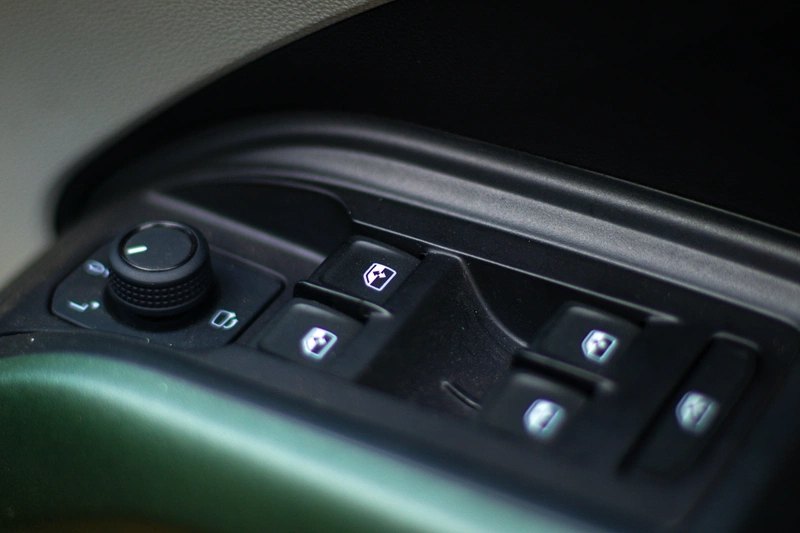
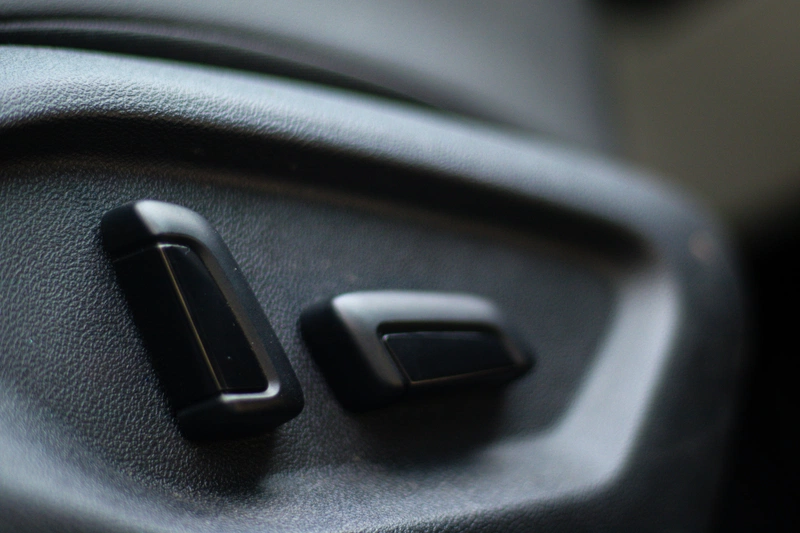
Powered driver & front passenger seats.
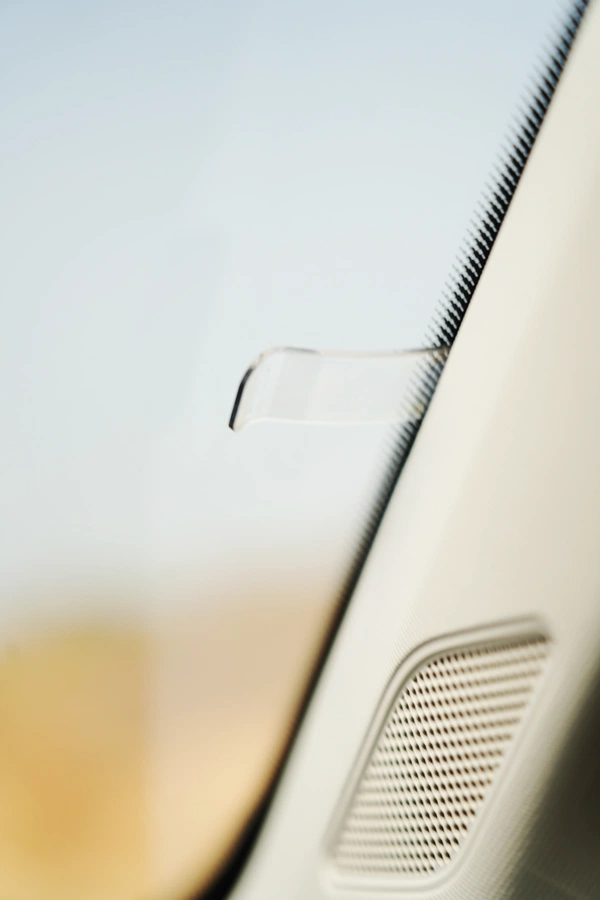
Skoda “Simply Clever” touches throughout.
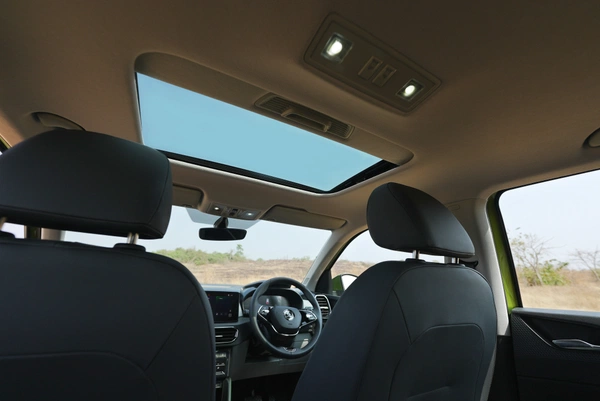
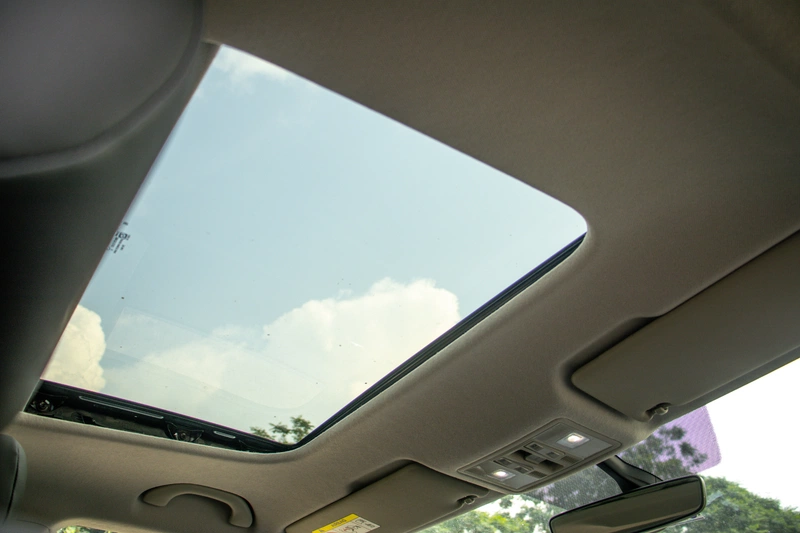
Electric sunroof.
What Real Kylaq Owners Are Saying
CarHP analysed hundreds of ownership experiences shared by Kylaq buyers across the web to surface patterns manufacturer spec sheets don't show - real mileage, real satisfaction and real recurring concerns.
Is the Skoda Kylaq Worth Buying?
Which Variant Should You Actually Buy?
The trim owners circle back to most often. It adds larger 10.1" touchscreen, sunroof and wireless charging - the features owners say make daily driving noticeably better - without paying the full premium of the top Prestige range.
Owners who chose this entry tier report satisfaction with the core safety kit (6 airbags, ESC standard across the range) but frequently mention missing the ventilated seats within months of ownership.
Owner Satisfaction, By Aspect
Real-World Mileage Reported by Owners
Owner-reported figures suggest the 1.0L TSI is tuned for performance rather than outright economy — city mileage typically runs below the ARAI figure, with steady highway driving coming much closer to it.
Is the Skoda Kylaq Expensive to Maintain?
Hundreds of ownership data points to a mixed picture. On one hand, Skoda's 15,000 km service interval means fewer visits per year than most Japanese and Korean rivals on 10,000 km cycles. On the other, individual service bills run noticeably higher, and a portion of owners report inconsistent pricing between dealerships — worth checking with your local service centre before assuming a fixed cost.
Running cost, relative to rivals
What works in its favour
Which Competitor Is Actually Better?
| Rival | Where Skoda Kylaq wins | Where the rival wins |
|---|---|---|
Tata Nexon ₹7.40–14.40L | Build quality, highway ride | More body style options, CNG/diesel choice |
Mahindra XUV 3XO ₹7.54–14.88L | Cabin refinement, ride comfort | More features for the price, punchier top-end engine |
Hyundai Venue ₹8–15.83L | Driving dynamics, safety consistency | Wider service network, more variant choice |
Kia Sonet ₹7.33–14.09L | Build solidity, resale-relevant brand trust | Diesel option, more tech features |
Maruti Suzuki Brezza ₹8.26–13.01L | Safety rating, driving feel | Lower running cost, unmatched service network |
Across ownership data, no single rival beats the Kylaq outright — each wins on a different priority. If running cost and service convenience matter most, the Brezza or Venue tend to edge ahead. If driving feel and safety are the priority, the Kylaq is consistently rated highest among this group.
Pros & Cons of Skoda Kylaq
- ✓Extremely refined engine and gearbox combination
- ✓Skoda has added some helpful "Simply Clever" bits
- ✓Strong ride and handling balance
- ✕It's a 4-seater car, not 5
- ✕Top-tier models have cheap plastics carried over from base variants
- ✕No diesel or CNG option yet
- ✓5-star safety rating with 6 airbags standard
- ✓Build quality that feels notably solid on rough roads
- ✓Confident, stable highway driving experience
- ✓Largest boot space in the segment
- ✓Ventilated seats and sunroof on higher trims
- ✕City mileage runs well below the claimed figure
- ✕Service costs noticeably higher than rival brands
- ✕Rear seat gets tight with three adults on long trips
- ✕Reverse camera quality criticised on entry variants
- ✕Engine feels sluggish at low RPM in heavy traffic
Is the Skoda Kylaq a Good Family Car?
Ownership data points to the Kylaq being a genuinely strong choice for a family of four. The combination of top-rated safety, the segment's largest boot, and comfortable front and rear seats for two passengers each comes up repeatedly in family-use ownership reports. Owners taking long road trips with the family describe the ride as stable and reassuring, even on hill routes.
The one consistent limitation: three adults in the back row is workable for short trips but described as a squeeze on longer journeys, so families that regularly travel five-up may want to test that specific seating configuration before buying.
What Owners Commonly Report
A recurring theme is how solid and reassuring the car feels on rough roads — many describe the build as noticeably more substantial than rivals in this price range.
Owners switching from other brands' test drives frequently mention choosing the Kylaq specifically for how engaging and stable it feels to drive, especially at highway speed.
So, Should You Buy the Skoda Kylaq?
Buy it if safety, driving feel and long-term build quality are what you value most in a compact SUV — ownership data consistently backs the Kylaq as a genuine step up on those fronts, for a modest price premium. Look elsewhere if your top priority is the lowest possible running cost: rivals like the Brezza or Venue will cost less to fuel and service over time, even if they don't quite match the Kylaq's driving feel or safety consistency.
What's new in Skoda Kylaq
- Kylaq is a brand‑new subcompact SUV from Skoda. It is based on VW Group's MQB-A0-IN Platform. Kushaq and Slavia are also developed on the same platform.
Skoda Kylaq Overview

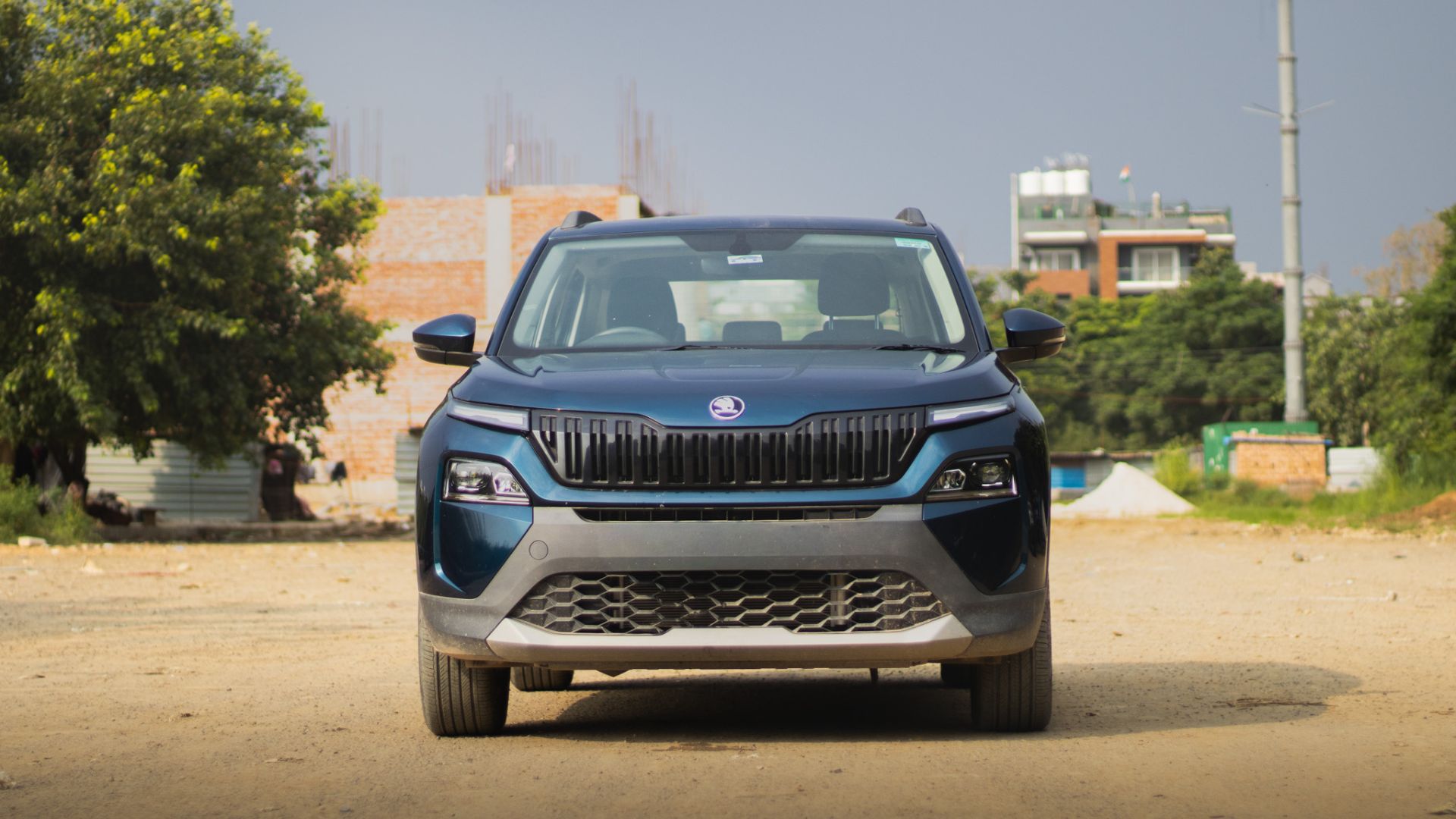
The Kylaq is built on the same India-specific platform that underpins its larger siblings. Sold at prices that start around Rs 7.6 lakh and stop around Rs 13 lakh ex-showroom, it competes in the busiest, most brutally contested car segment of the Indian market.
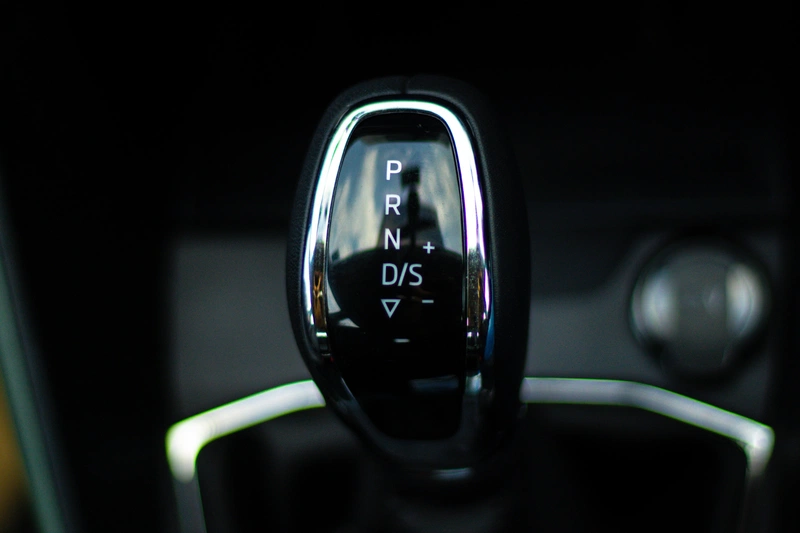
One engine does all the work. A 999cc three-cylinder direct-injection turbo-petrol makes 114bhp and 178Nm, driving the front wheels through either a six-speed manual or a six-speed torque converter automatic.
While a CNG model is hinted to be in the works and could see the light of day by the end of this year or early in 2027.
The range runs across six trim names, Classic, Classic Plus, Signature, Signature Plus, Prestige and Prestige Plus, spread over roughly eleven combinations, with a sportier variant joining the lineup later in the year. Claimed efficiency sits a shade under 20kmpl for both gearboxes.
The buyer here is easy to picture. Someone moving up from a hatchback who wants a crossover stance without a crossover's bulk, who has read enough about crash ratings to make safety a filter rather than a footnote, and who would quite like the car to be enjoyable on the drive to work rather than merely tolerable.
Whether the Kylaq delivers on that, and what it asks in return, is what the sections below work through, covering design, cabin, powertrain, chassis, safety, value and the rivals lined up against it.
Engine and Performance
Engine and Performance

The single, turbo petrol engine option turns out to be an exciting one, which is fortunate given there is no alternative. At idle and in traffic it is quiet and unfussy, and the turbo is spooling early enough that lag is barely part of the conversation.
Around town, the useful part of the powerband starts around 1,500rpm and the car pulls willingly from there, which means first and second gear cover almost all city work and the engine never feels like it is being asked for something it cannot give. Below that threshold it protests audibly, so the driving style this car rewards is one gear lower than you might instinctively choose.
Past 2,000rpm the character changes and the Kylaq becomes genuinely quick for its class. There is a real sense of urgency once the boost is fully in, helped enormously by a kerb weight of around 1170 odd kilos that undercuts most rivals and the car feels considerably faster than its 114bhp figure suggests because there is so little mass to move.
Gear ratios are well spread, with first good for roughly 50kmph and second stretching to around 95kmph, which makes the manual satisfying to work through on an empty road.
Refinement inside is good for a three-cylinder engine. Wind noise is well suppressed at highway speeds, tyre roar is the dominant sound on coarse surfaces, and the engine stays in the background through most of the rev range.
The exception is below about 1,200rpm, where the three-pot takes on a coarse, grumbly note that will send you down a gear over speed breakers and slow inclines. Drive with the windows up and most owners never notice it. Drive early on a quiet morning with the glass down and it is unmistakable.
Highway cruising is relaxed, with the engine sitting near 2,100rpm at 100kmph and around 2,500rpm at 120kmph in sixth gear. The Kylaq handles triple digit speeds effortlessly without a hint of instability.
The manual gearbox is precise and light with well-defined gates, and the shift action is one of the better ones at this price. The clutch is springy though, and travels further than expected, which takes a few hundred kilometres to calibrate to, and rev-matched downshifts are harder to execute cleanly than the rest of the drivetrain deserves.

The torque converter automatic is the smarter buy for city-heavy use, shifting smoothly and predictably, though it is noticeably softer in its responses than the manual and drinks more fuel for the privilege.
Overtaking from a cruise usually needs a downshift to fourth to get the engine back into the meat of its range, which is normal for a small-capacity turbo and easily anticipated.
Braking deserves specific praise because it is so often mediocre at this price. The pedal is calibrated with a progressive, confidence-building action, the bite arrives early enough to modulate easily in traffic, and there is more than enough stopping power for the performance available.
Repeated hard stops from highway speeds do not produce the spongy, fading feel that lets down several rivals, and the car pulls up straight without drama.
fuel economy
fuel economy

The fuel efficiency depends almost entirely on the right foot, more so than in a naturally aspirated car.
Driven gently, real-world figures in the mid-teens are achievable in mixed conditions and 14 to 16kmpl on a steady highway run is realistic. Driven the way the engine invites you to drive it, dense city traffic can pull that down towards 9 to 11kmpl, and the automatic sits at the thirstier end of both extremes.
An idle stop-start system helps in stop-go conditions. The 45-litre tank means highway range is respectable 600 to 650 km when driven sensibly. Buyers coming from a diesel will need to get used to more frequent fuel stops.
interior
interior

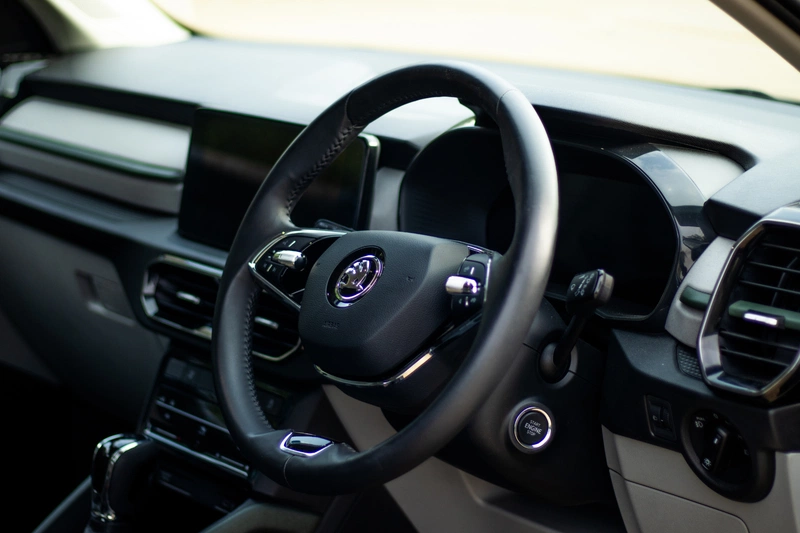
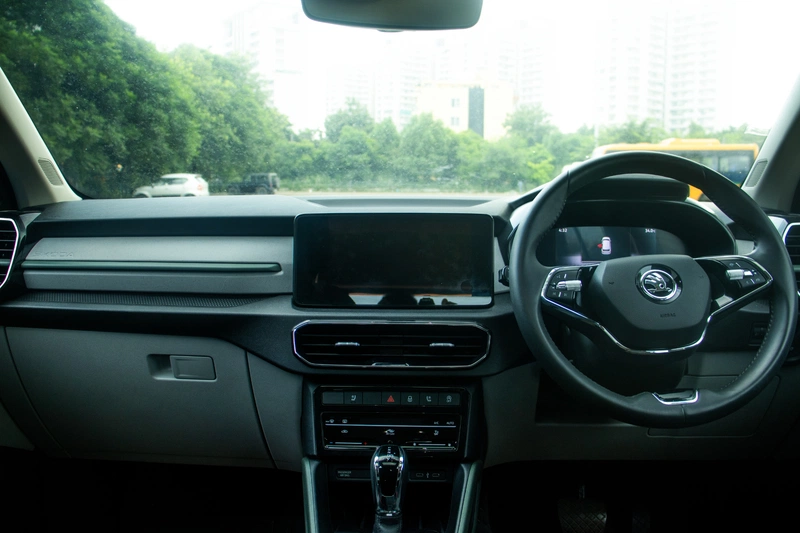
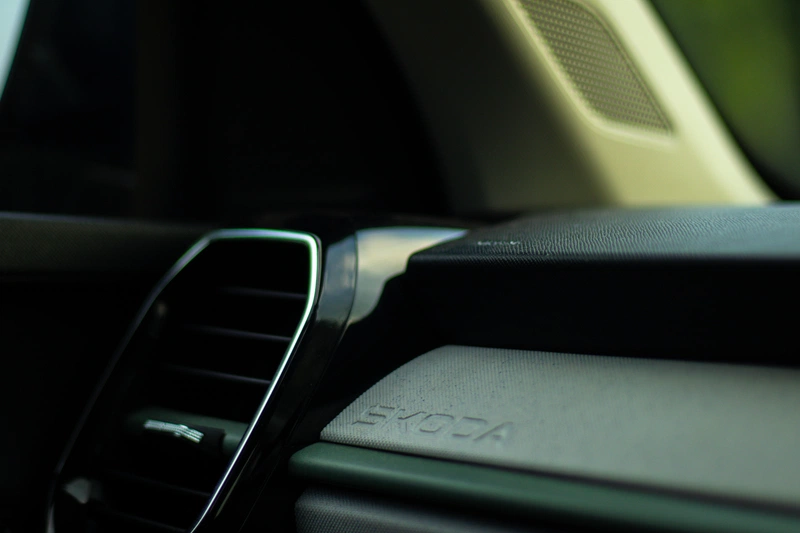
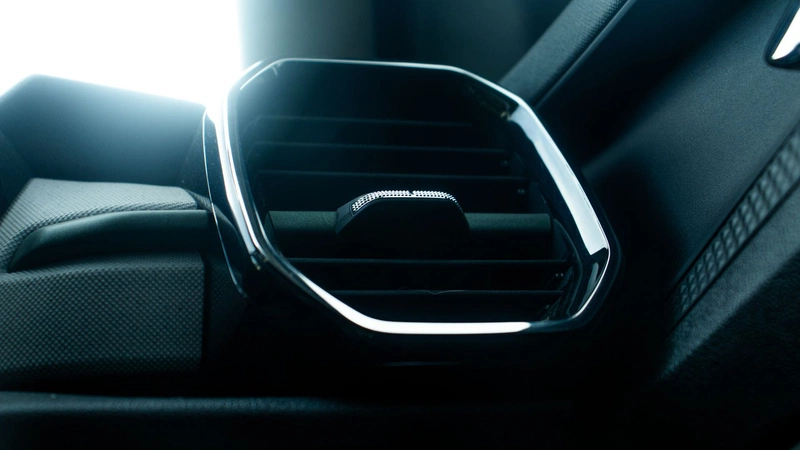
The dashboard is laid out horizontally with a clear separation between the screen, the climate controls and the storage.
Kylaq is one of the most no-brainer cars we have ever seen in terms of ergonomics.
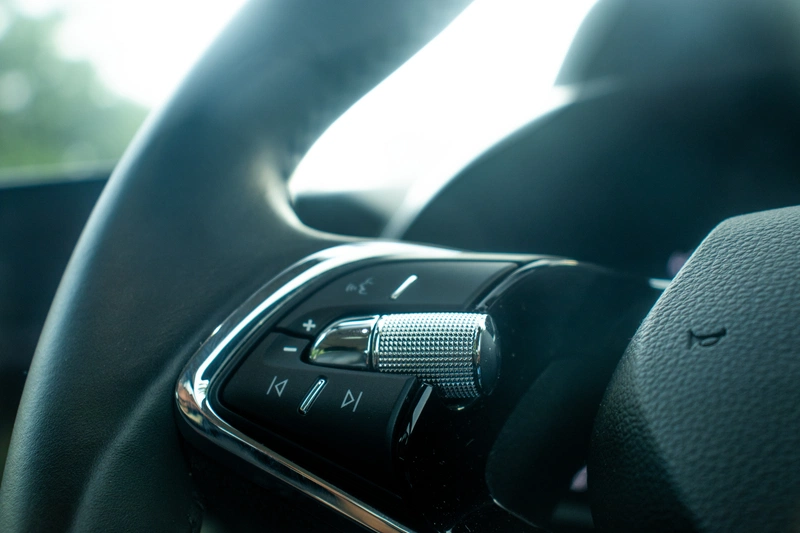
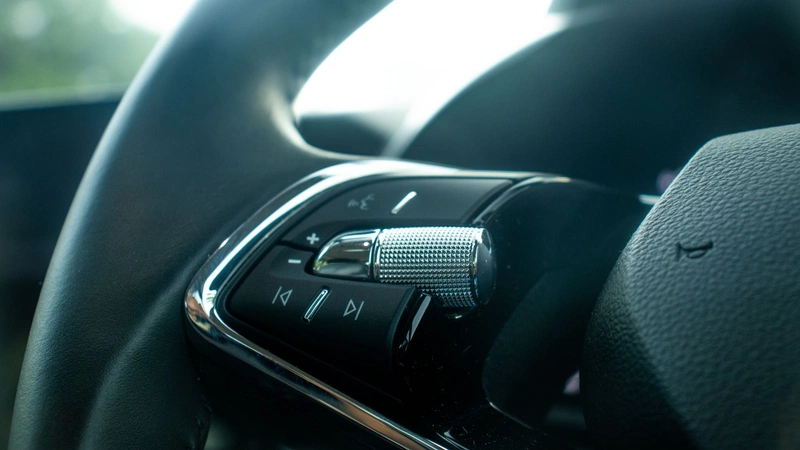
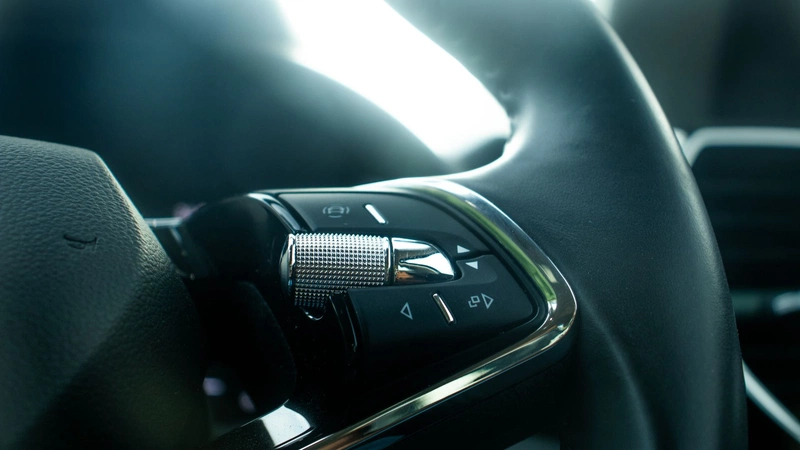
Everything is right where you expect it to be, from the AC controls and cruise control buttons to the drive mode selector. There are minimal distracting elements, while the cabin uses various shades of grey, ranging from light to dark, giving it avery gloomy look but on the upside the darker colors are easier to maintain
The ergonomics of the driving position are close to faultless, with a properly placed dead pedal, sensible pedal spacing and a steering wheel that adjusts far enough to suit tall and short drivers alike.

The front seats are firm with real side bolstering and enough under-thigh support to make a four-hour drive genuinely comfortable, and on the upper trims they gain six-way electric adjustment and ventilation.
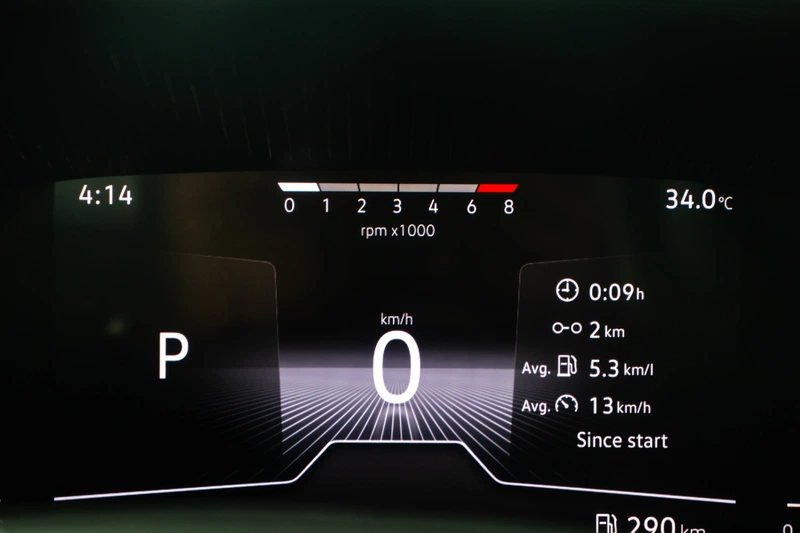
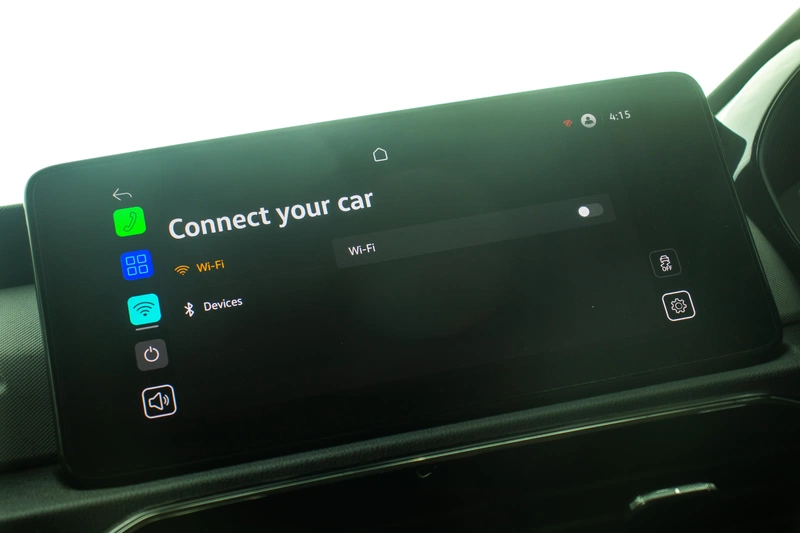
The eight-inch digital instrument cluster is one of the crispest displays in the segment, with layouts that prioritise legibility over decoration, and the ten-inch touchscreen responds quickly and pairs wirelessly with both phone ecosystems on the higher variants.
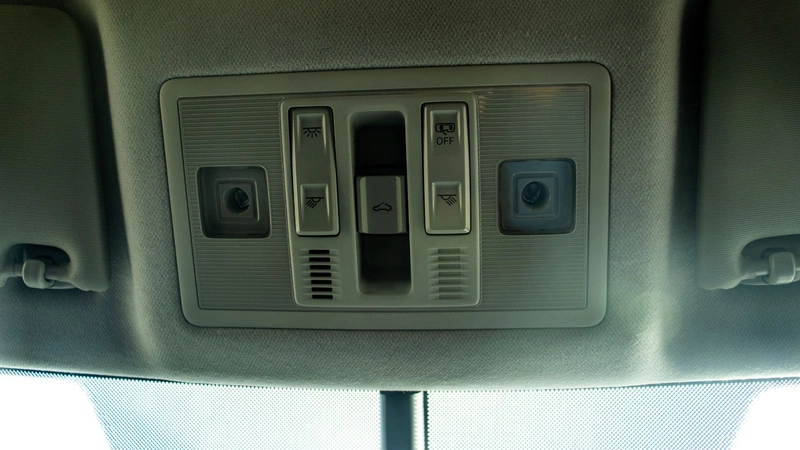
Wireless charging, an auto-dimming mirror, automatic headlamps and wipers, ambient lighting and an electric sunroof round out the top of the range.
The disappointments are specific rather than general.
Interior material quality is good for the price but does not carry the density that older Skodas set as a standard, with hard plastics in places where the brand once used softer finishes, and the all-black theme reads as dark and slightly plain on the variants that miss ambient lighting.

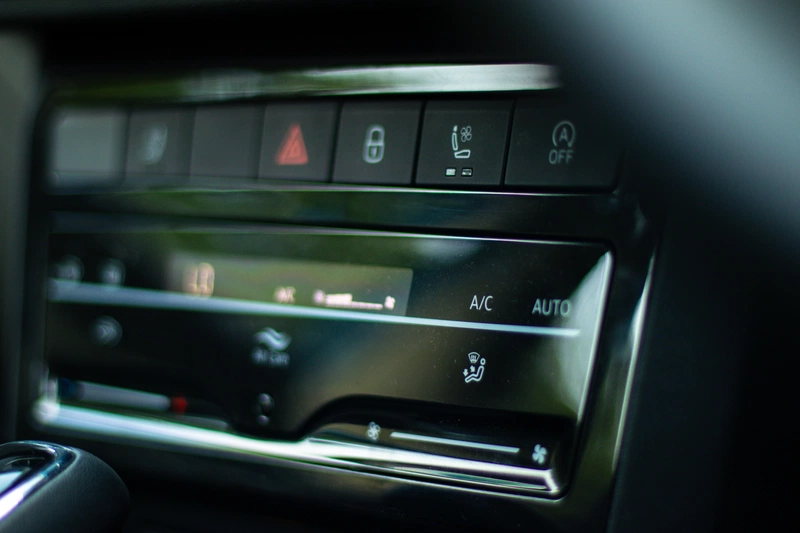
Higher variants (Signature Plus onwards) get touch based sliding controls for the auto AC, which is not ideal and could make you take your eyes off the road while driving.
The four-speaker plus two-tweeter audio system is decent but nowhere close to segment standards, and audiophiles will feel the need to upgrade.
The reverse camera with its poor, low resolution display is jarring, considering cars even from a segment lower offered much better setups a decade ago. Additionally, it misses out on features like a 360-degree surround-view camera, drive modes and any form of driver assistance suite which most rivals offer.
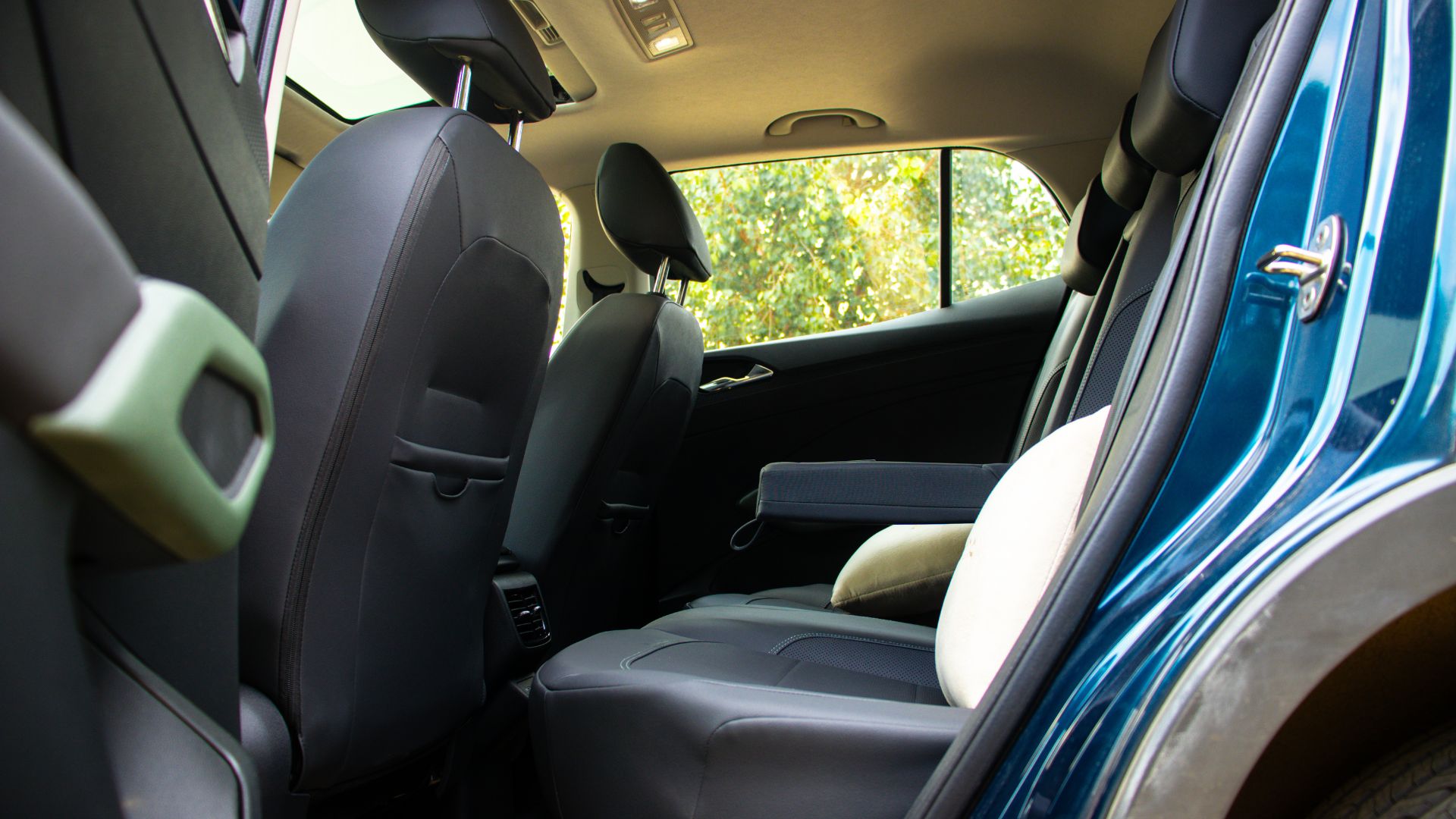
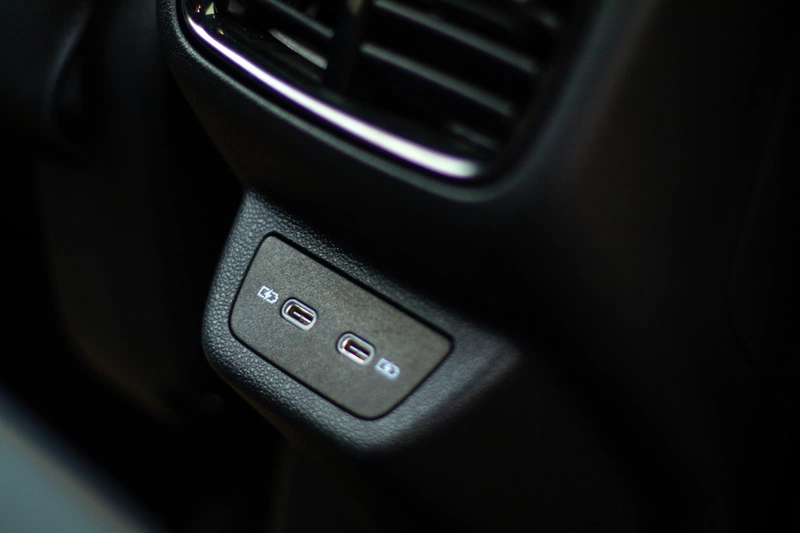
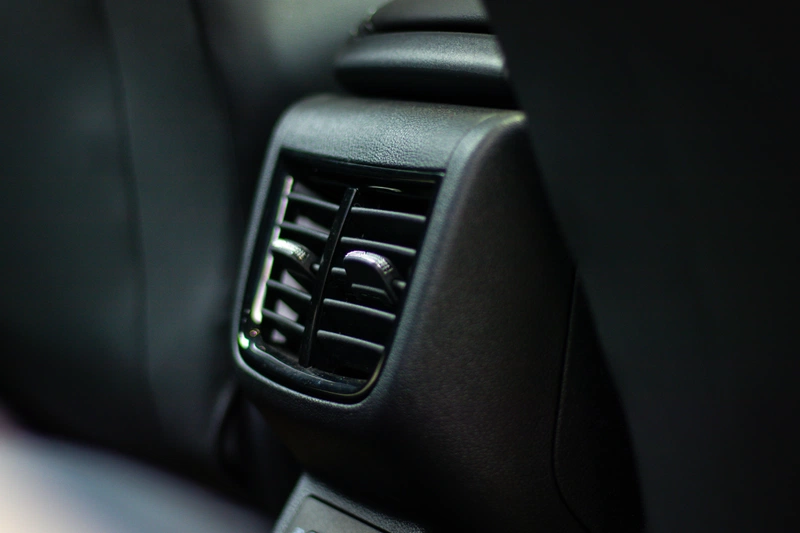
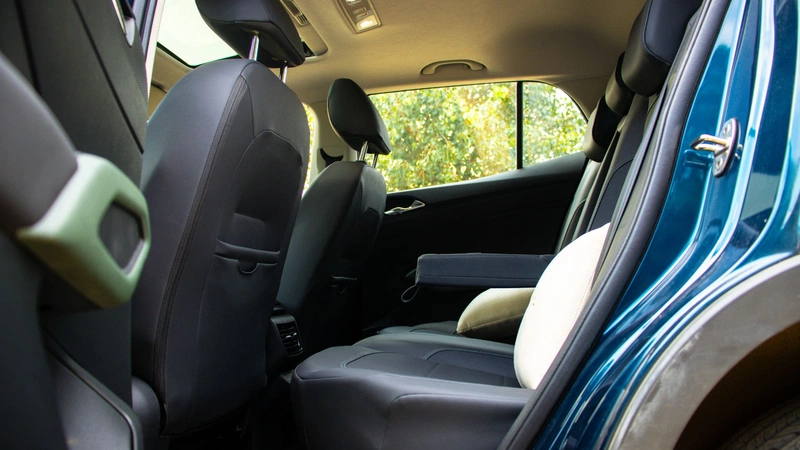
Space tells the truest story about this car. Two adults sit in the back with room to spare, with adequate knee room behind a six-foot driving position, a backrest angle that is comfortable rather than upright, rear air vents and a supportive cushion.
A third adult across that bench is not welcome, because width is where a sub-four-metre car pays its dues and the Kylaq is narrower than the numbers game demands. Families of four will be comfortable, families of five will have to adjust.
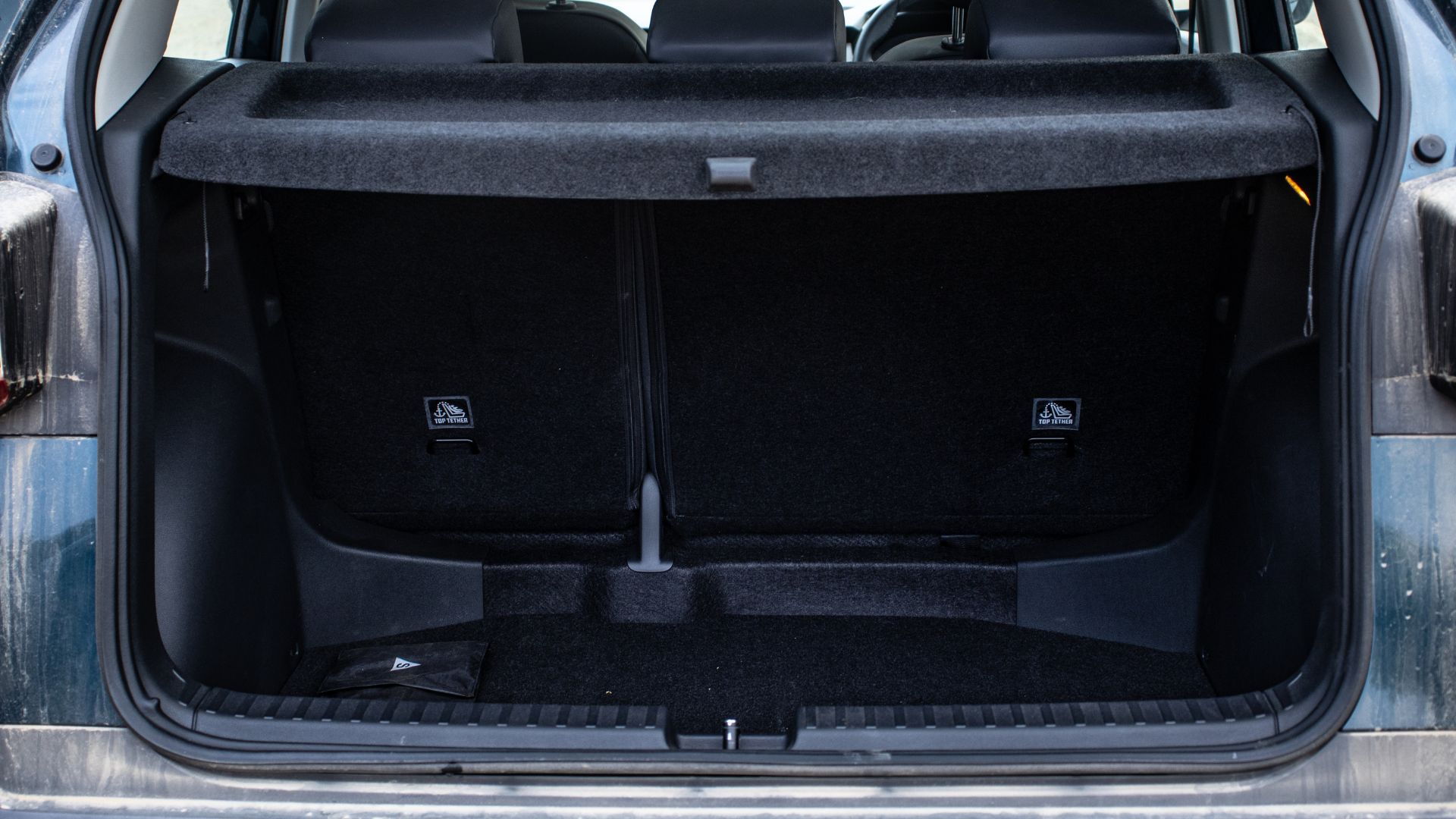
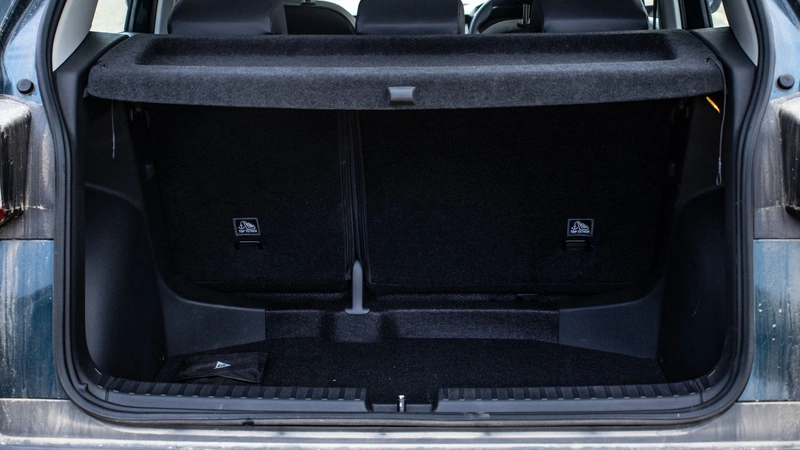
The boot is a genuine advantage, with a deep and squared-off shape, quoted at 446 litres when measured to the roof, which in practice means two large suitcases and a soft bag disappear without the parcel shelf coming out, and the rear seat folds to open up far more.
exterior
exterior
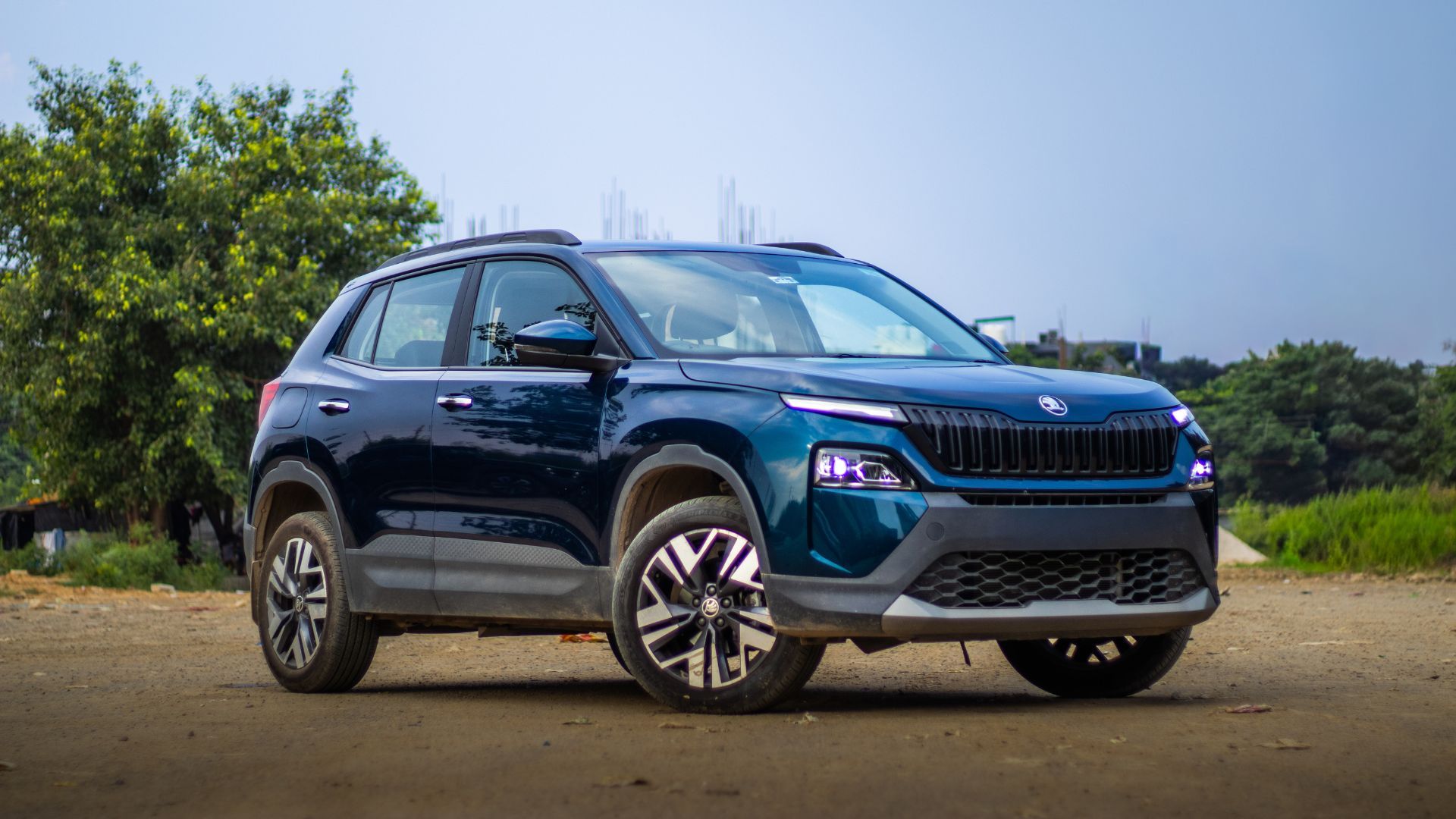
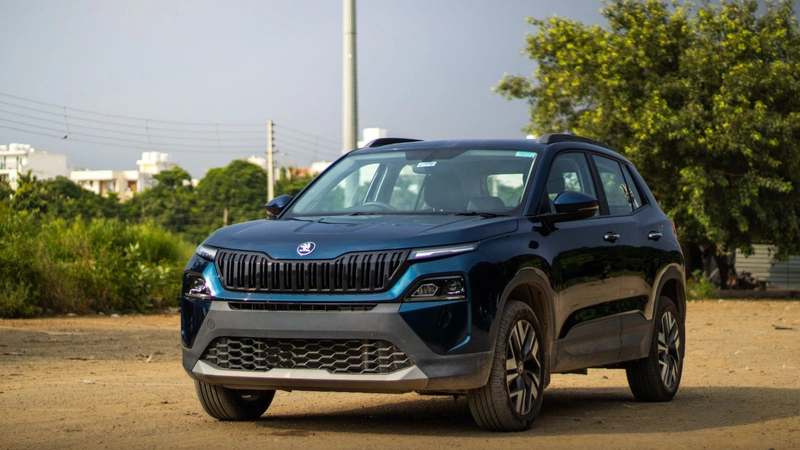
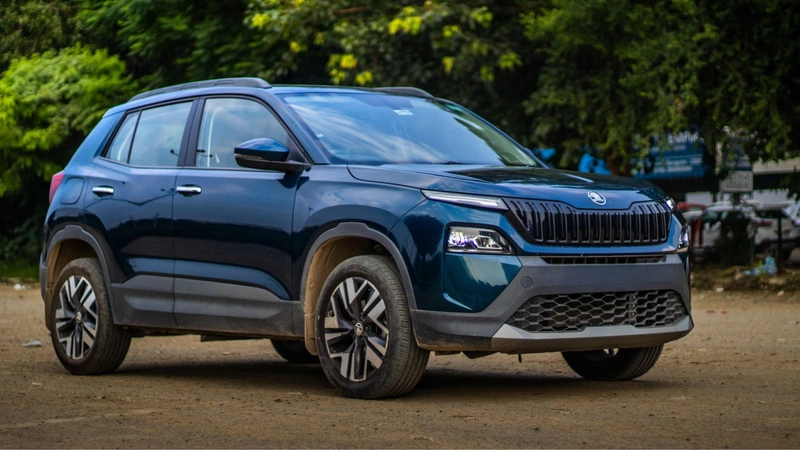
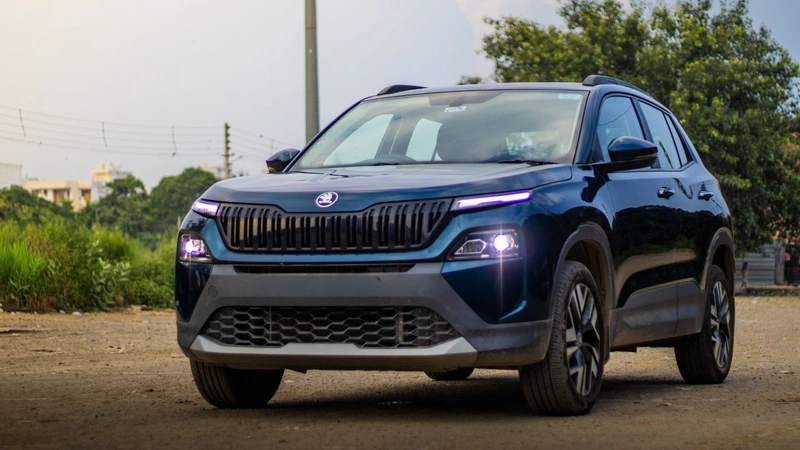
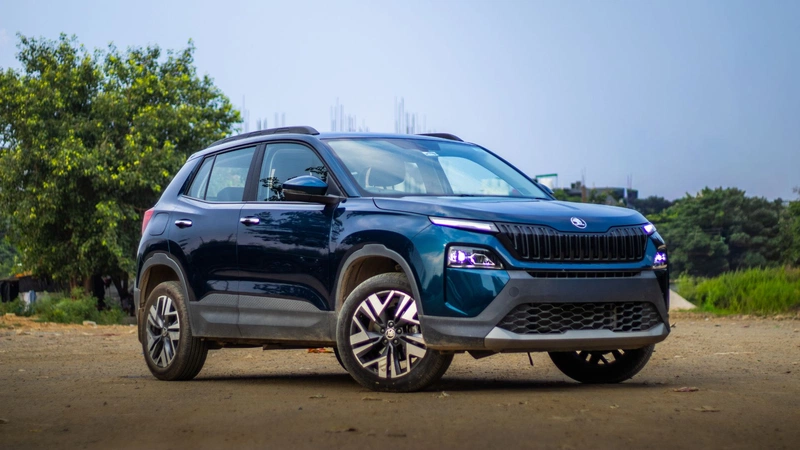
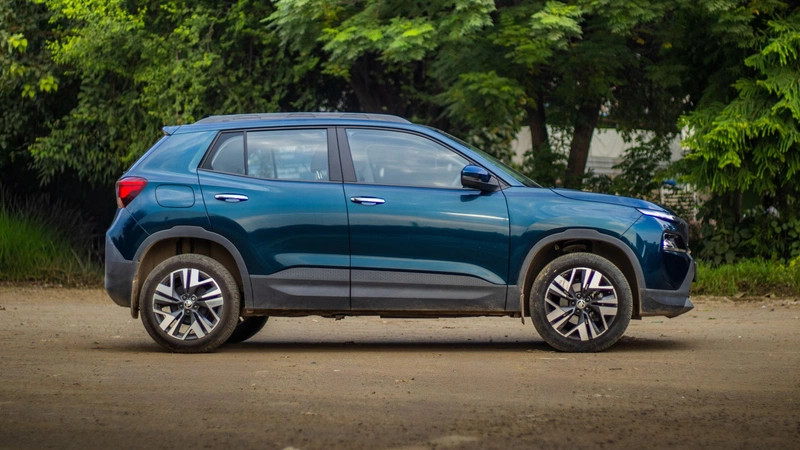
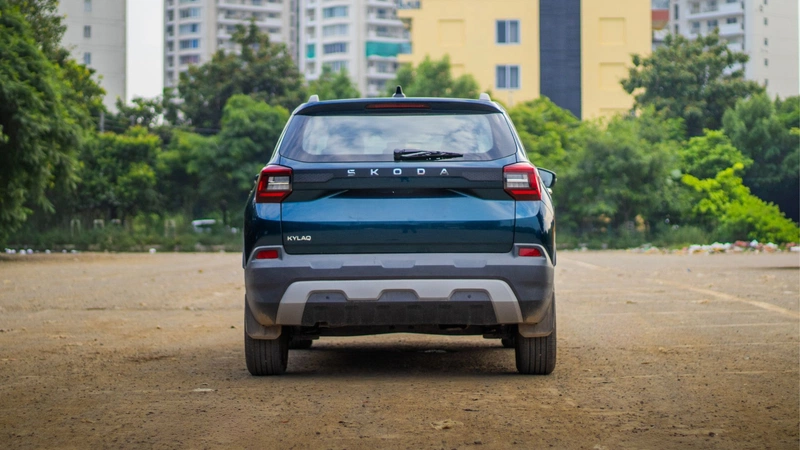
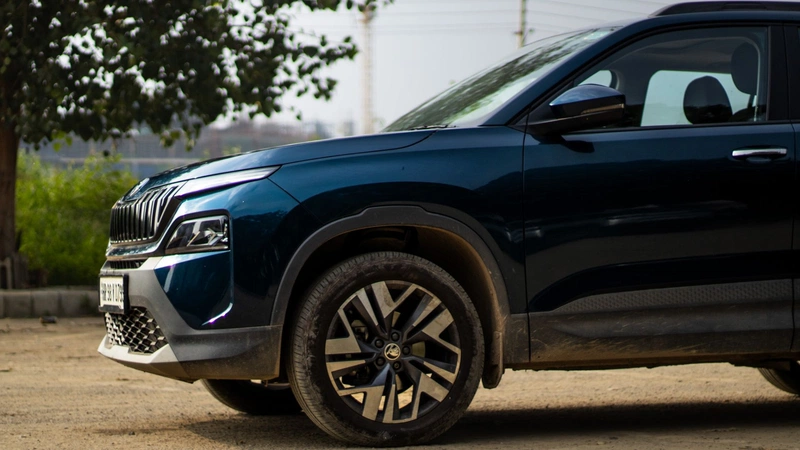
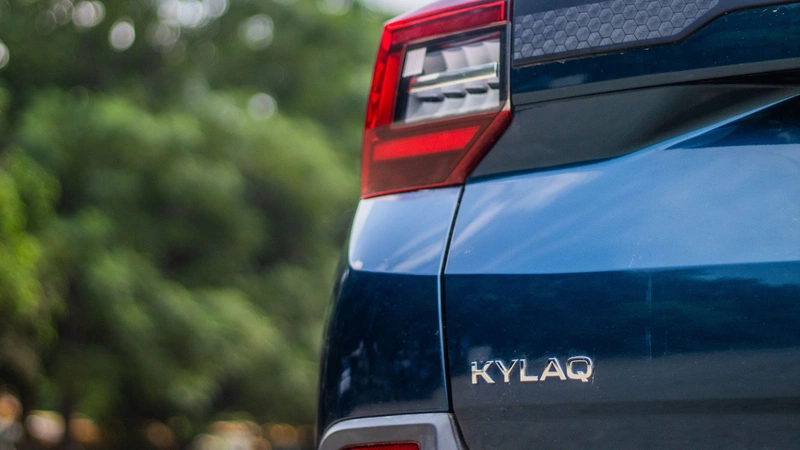
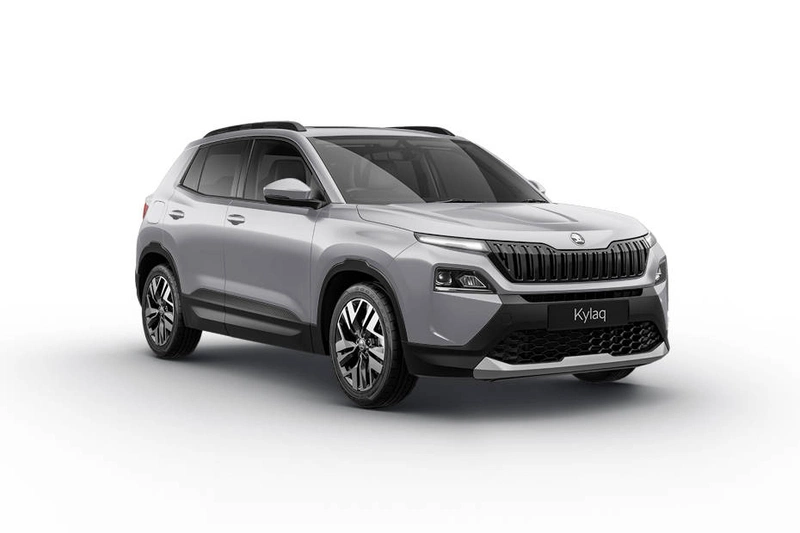
Skoda has resisted every temptation that this segment usually encourages. There are no exaggerated creases, no oversized fake vents, no chrome slathered across the tailgate. The Kylaq is clean in the proper European sense, with a flat bonnet line, a squared-off nose and surfaces that change direction only when they have a reason to.
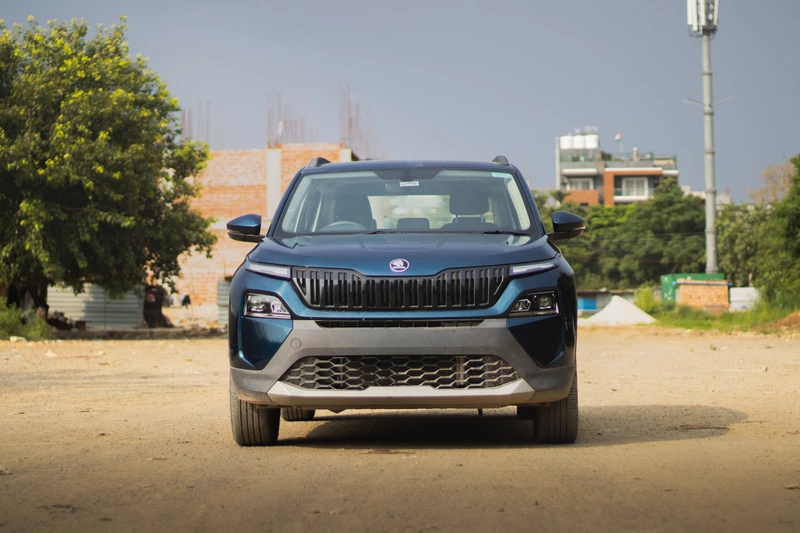
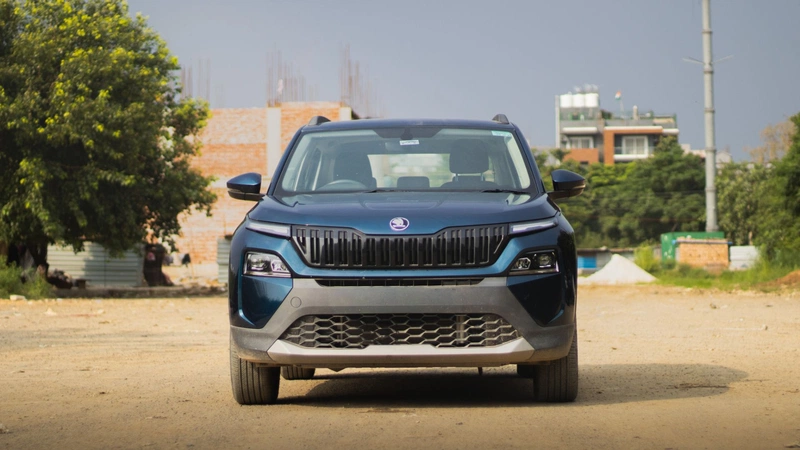
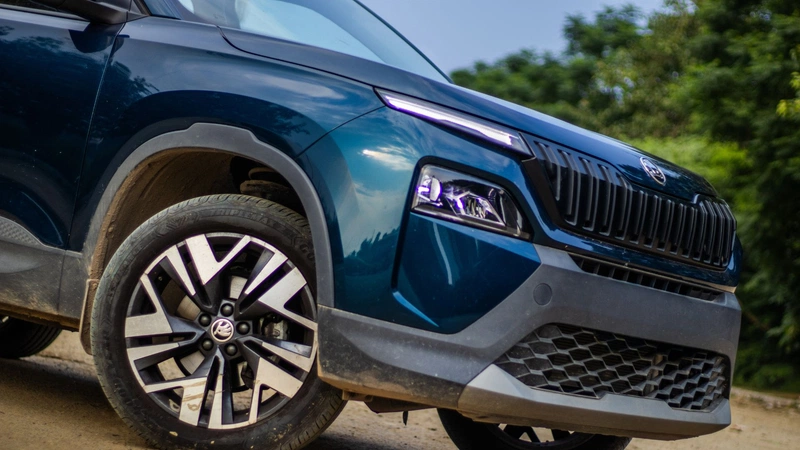
The Kylaq is the first Skoda sold here with the lighting signature inverted, so the slim LED daytime running strips sit high on the face and the headlamp units live below them, which gives the car a wider, more grounded look than its dimensions on paper suggest.
This design will still good for along time which is more than what can be said for several of its rivals.
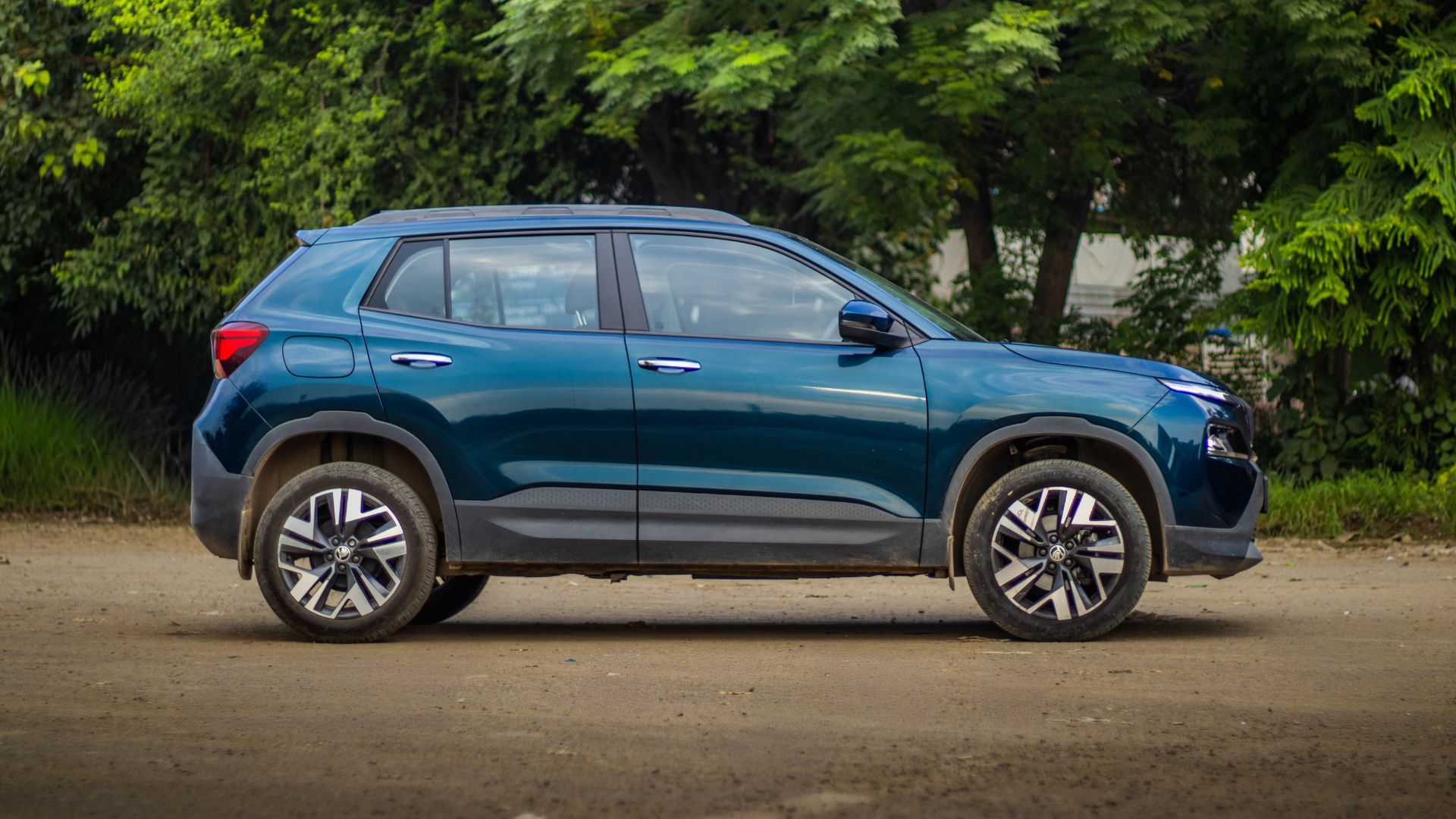
The proportions work because the details are honest about their job. Matte black cladding runs around the wheel arches and along the sills, thick enough to survive parking scrapes and shaped to visually lower the body rather than inflate it.
Faux skid plates appear front and rear without pretending to be structural. The roof rails are large and decorative rather than load-bearing, which is one of the few places where the car talks louder than it acts.
Wheel sizes climb through the range, with 16-inch rims on the low and mid trims (silver alloys from Signature onwards) running on 205/60 tyres, and 17-inch diamond cut alloys on 205/55 tyres on the Prestige and Prestige Plus. The smaller combination is arguably the better buy for Indian road surfaces because the thicker sidewall does real work.
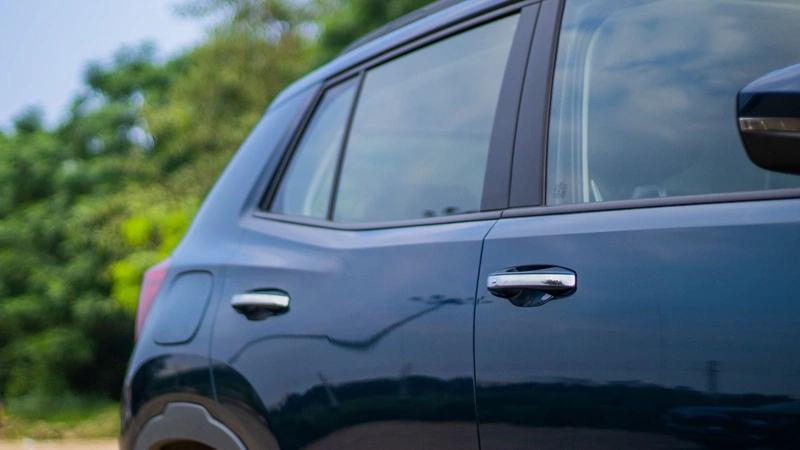
Build quality is the standout, and it is felt rather than seen. Doors shut with the dense, damped thunk that has always been a Skoda signature but has become rare at this price, panel gaps are tight and even, and the paint finish on the metallic shades has proper depth rather than the thin, powdery look budget cars often carry.
Ground clearance of 189mm is generous enough that speed breakers and rural approaches stop being an event, and the compact footprint makes tight lanes and crowded parking a non-issue.
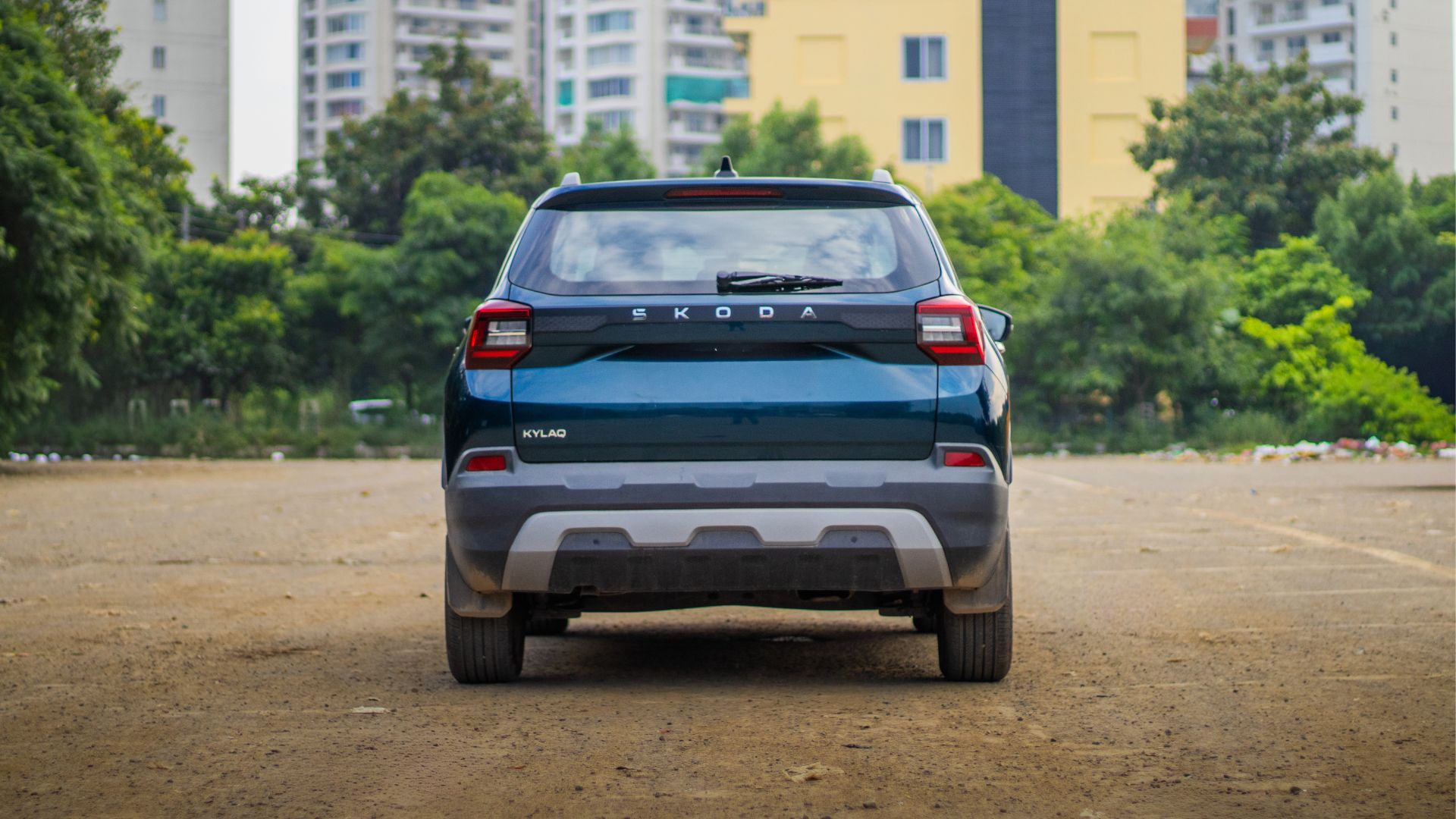
Practically, the exterior serves the driver well. Visibility out of the front and sides is excellent because the glasshouse is deep and the pillars are slim, the bonnet edges are easy to place, and the driving position sits high enough to see over traffic without feeling perched. The headlamps throw a clean, wide beam that copes with unlit roads better than the price suggests.
There are not many cons, but they are worth mentioning. The lower cladding collects road grime quickly on lighter colours, and the design's restraint means the car has less street presence than a Nexon, Sonet, or a 3XO parked beside it, which matters to a slice of buyers in this segment more than they usually admit.
safety
safety

The Kylaq's crash performance is not a claim, it is a published result, and it is a strong one.
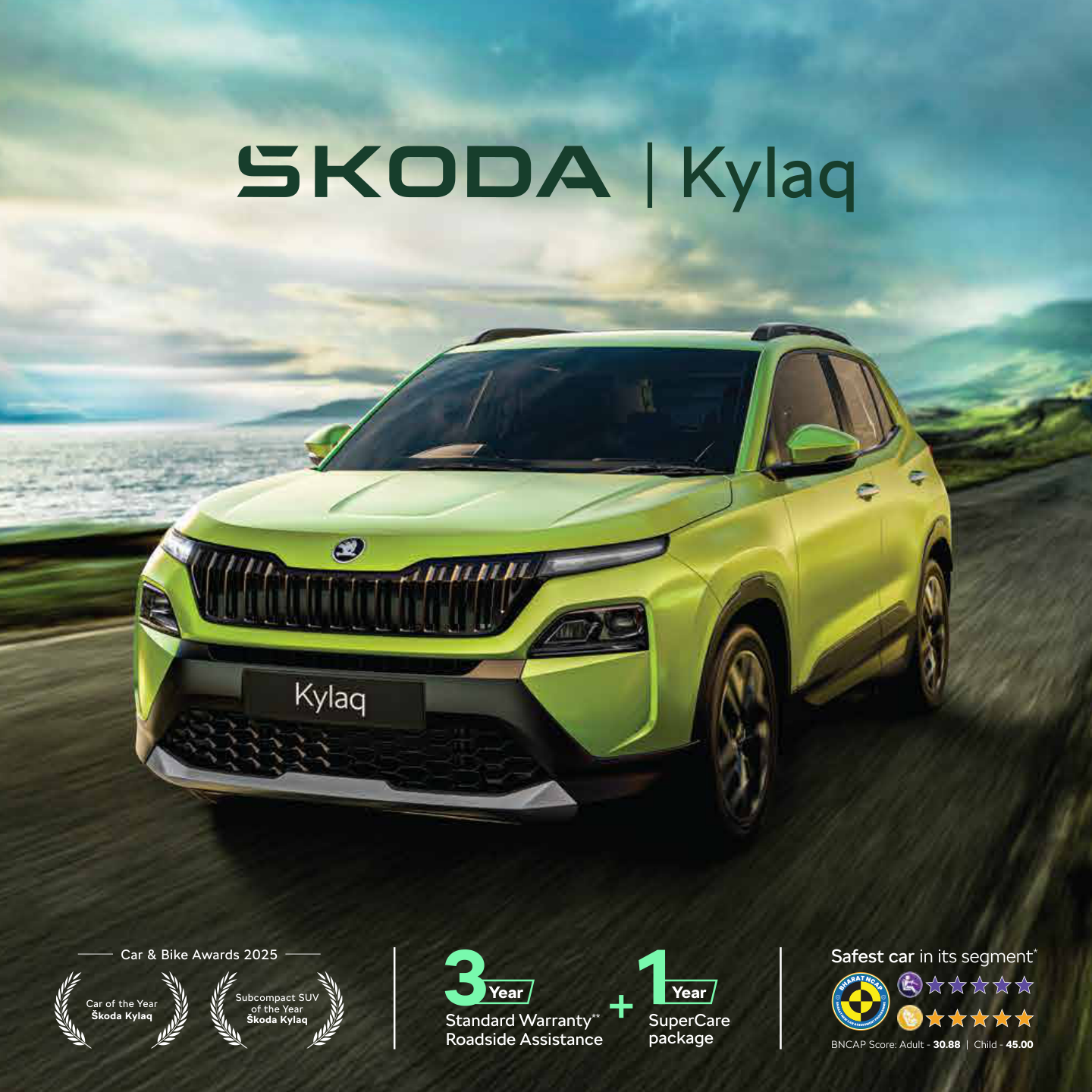
In the Bharat NCAP crash tests, it earned a full five stars, scoring 30.88 out of 32 for adult occupant protection and 45 out of 49 for child occupant protection, which made it the best performing sub-four-metre petrol SUV tested at the time and put it ahead of several established names in the segment.
The structure uses hot-stamped high-strength steel with a reworked crash management system, and the underlying platform has a track record of scoring well in independent testing across multiple body styles.
Equipment is democratic in a way that matters more than the headline. Six airbags, electronic stability control, traction control, an electronic differential lock, hill hold assist, a tyre pressure monitoring system, three-point seatbelts for all occupants, ISOFIX mounts, multi-collision braking and rollover protection are standard across the variant lineup. Brake disc wiping, which clears the water film off the discs in wet conditions before you need them, is the sort of detail that reveals engineering intent rather than marketing intent.
A buyer choosing the entry-level Kylaq is not being sold a less safe car than another buyer choosing the flagship variant, which cannot be said of every rival.
There is no ADAS suite of any kind, which will matter to a small but growing set of highway-heavy buyers and matters far less in city use than the feature lists imply. However, rear parking sensors and the compact dimensions compensate more than you would expect, and outward visibility is good enough that the car can be reversed the old-fashioned way without anxiety.
In real-world terms, the safety case is built on the fundamentals rather than the electronics. A strong structure, complete airbag coverage regardless of budget, reliable brakes with good pedal feel, stability control that intervenes smoothly rather than abruptly, and a chassis that stays composed during a sudden lane change all reduce the chances of needing the crash structure in the first place.
For families buying at the bottom of the range, that combination is worth more than a driver assistance package fitted only to a variant they cannot afford.
competition
competition
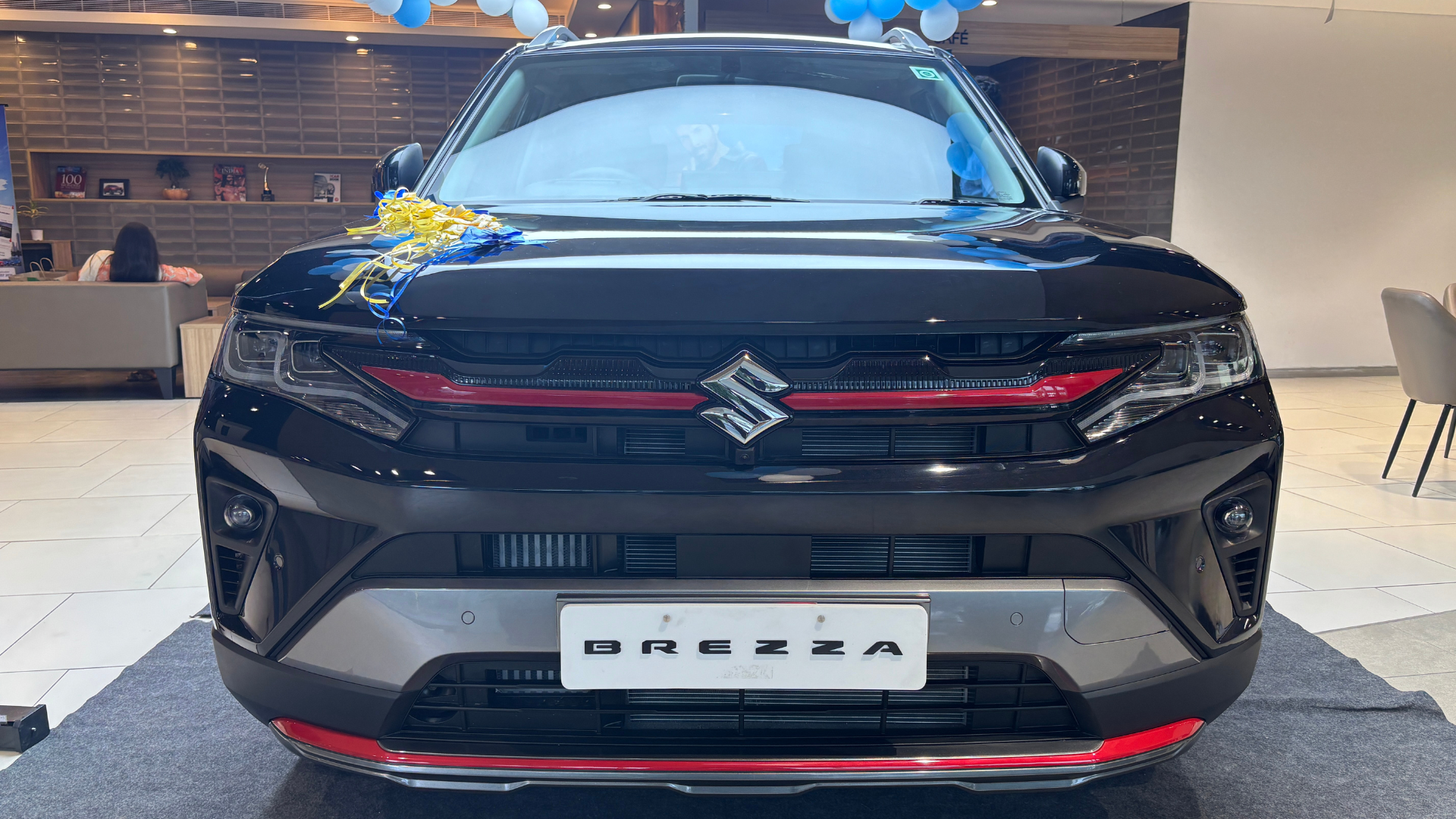
The Maruti Suzuki Brezza remains the volume benchmark and the safest choice for a buyer who wants nothing to go wrong. It offers a larger, more upright cabin that seats three across the back more willingly, a new turbo petrol engine for the enthusiasts, a naturally aspirated petrol with a CNG option, class-leading resale values and a service network that reaches places Skoda has never heard of. What it does not offer is the Kylaq's driving pleasure and planted high speed manners. If ownership convenience and running costs top your list, the Brezza wins. If you actually like driving, it does not come close.
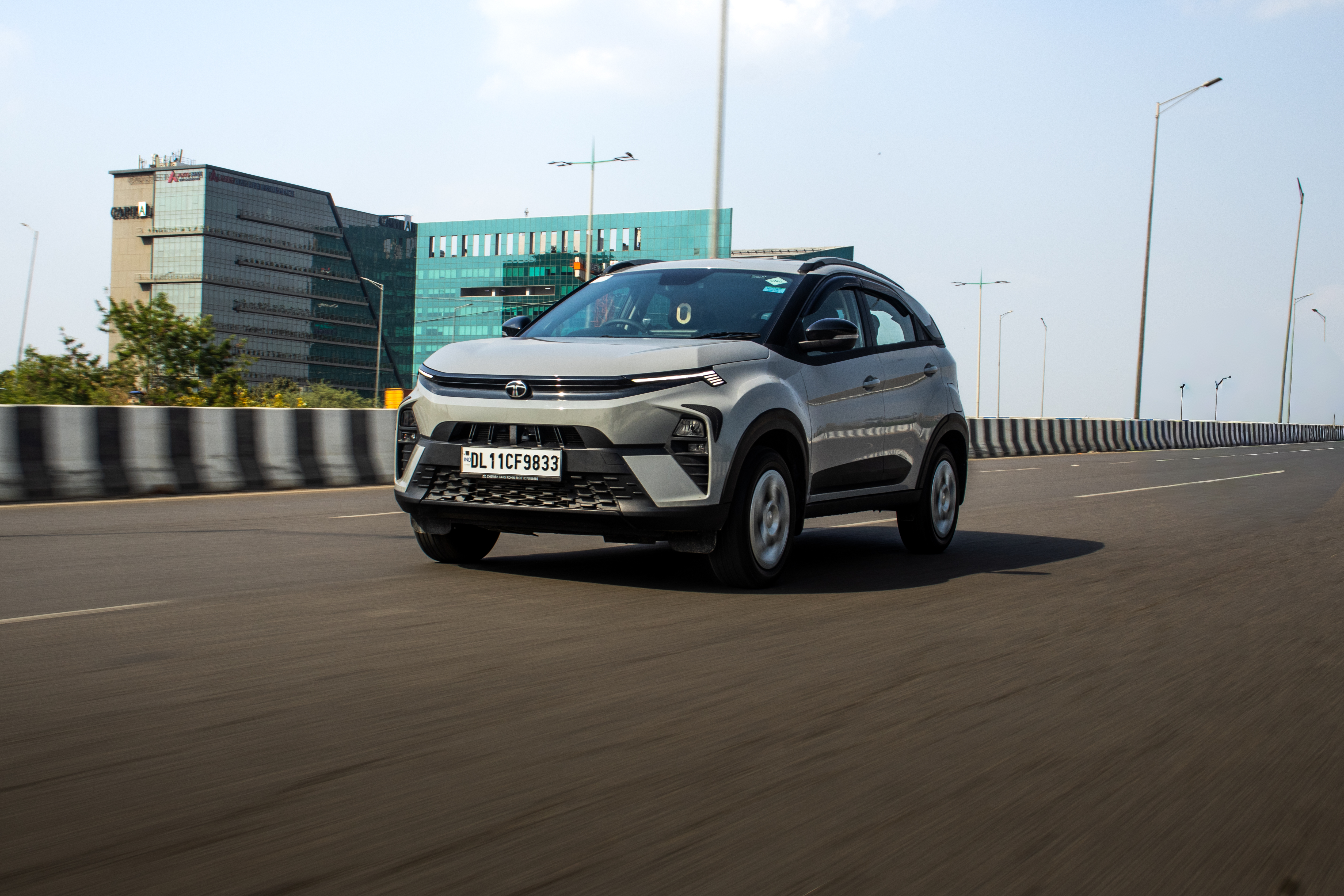
The Tata Nexon is the direct rival on safety credentials and the more emotional purchase. It offers diesel and CNG alongside petrol, a bolder design that draws more attention, a longer feature list including a surround-view camera and a bigger, brighter screen, Level 2 ADAS, and its own strong crash rating. The Kylaq answers with better ride and handling balance, superior ergonomics, more polished gearboxes, and a cabin that feels better put together. Tata's software and electrical niggles remain the weak point, as does the inconsistency between service outlets, so the choice comes down to whether you want more car for the money or a better-engineered one.
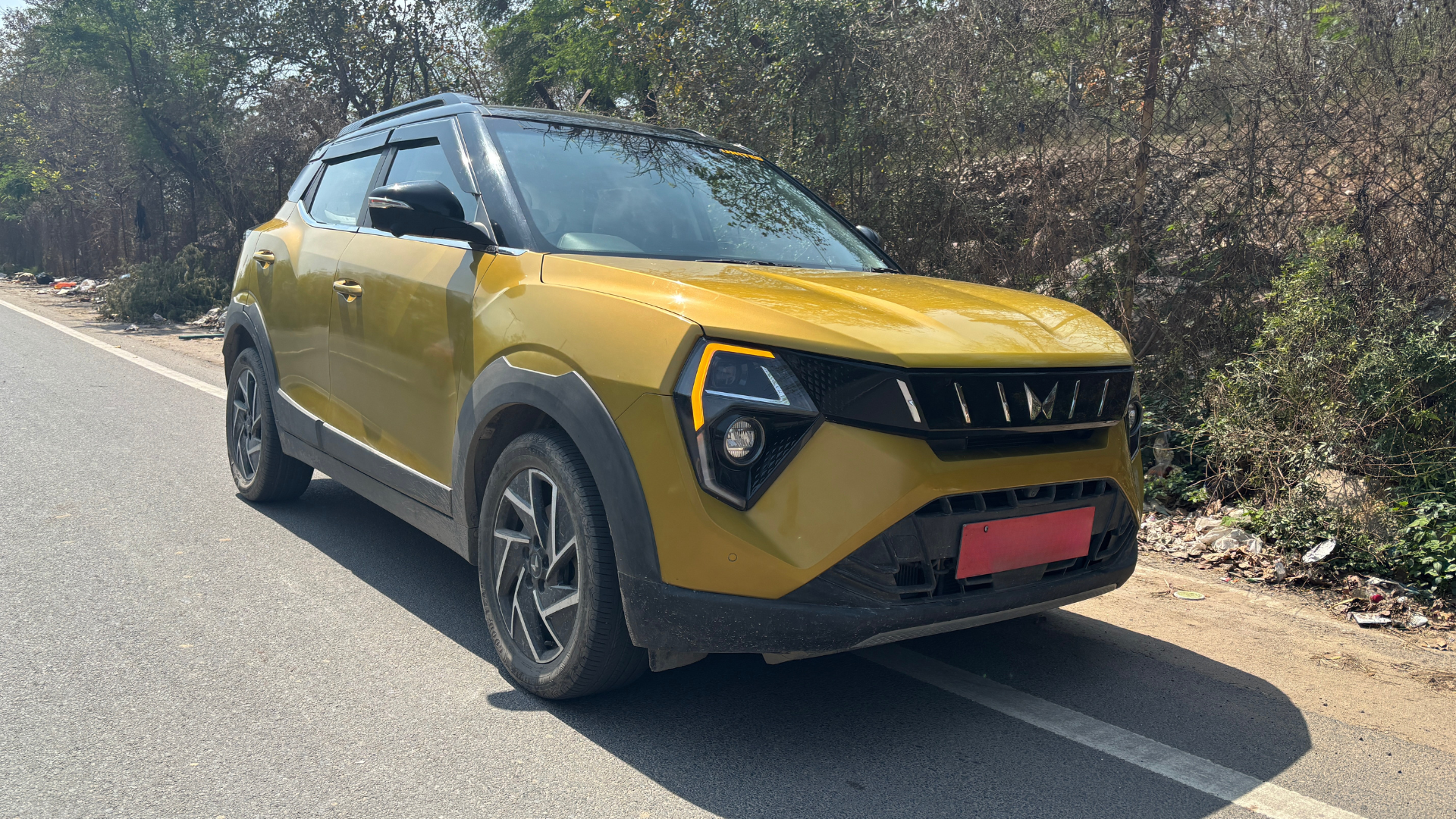
The Mahindra XUV 3XO is the closest thing in the segment to the Kylaq's dynamic ability and beats it on sheer equipment. It brings a bigger touchscreen, a panoramic sunroof, level 2 ADAS, a better audio system, a diesel option and a stronger turbo-petrol at the top of the range, all for competitive money. Its suspension is well tuned though not quite as fluid at low speeds, its cabin plastics are comparable, and Mahindra's service reach is far wider. Buyers who tick feature boxes will find the 3XO hard to argue against. Buyers who value an engaging driving experience will still lean towards the Skoda.
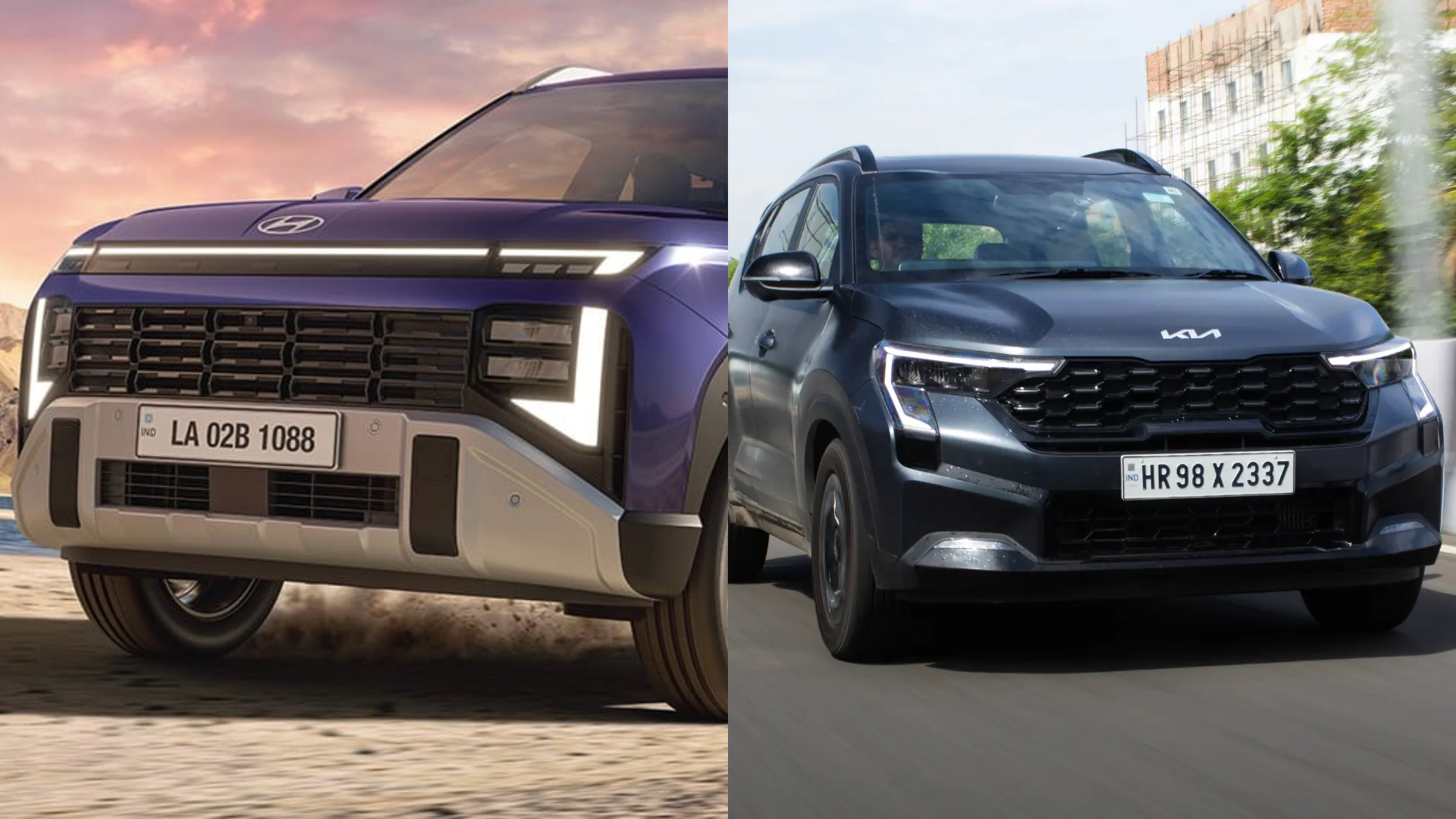
The Hyundai Venue and Kia Sonet occupy the middle ground, with better in-car technology, more consistent dealer experiences and a wider engine choice including diesel and dual-clutch automatics. Both feel more insulated and less engaging to drive, and both charge a premium for the equipment they include.
Buyers who can stretch a bit more above the sub-4 metre segment will find the Kylaq's own larger platform siblings (Kushaq, Slavia, Taigun, Virtus) waiting with the same engine, and more space, at which point the question becomes whether you need the extra metal at all. For most families of four, the answer is that you do not, unless you need the sportier 1.5-litre TSI engine.
final verdict
final verdict
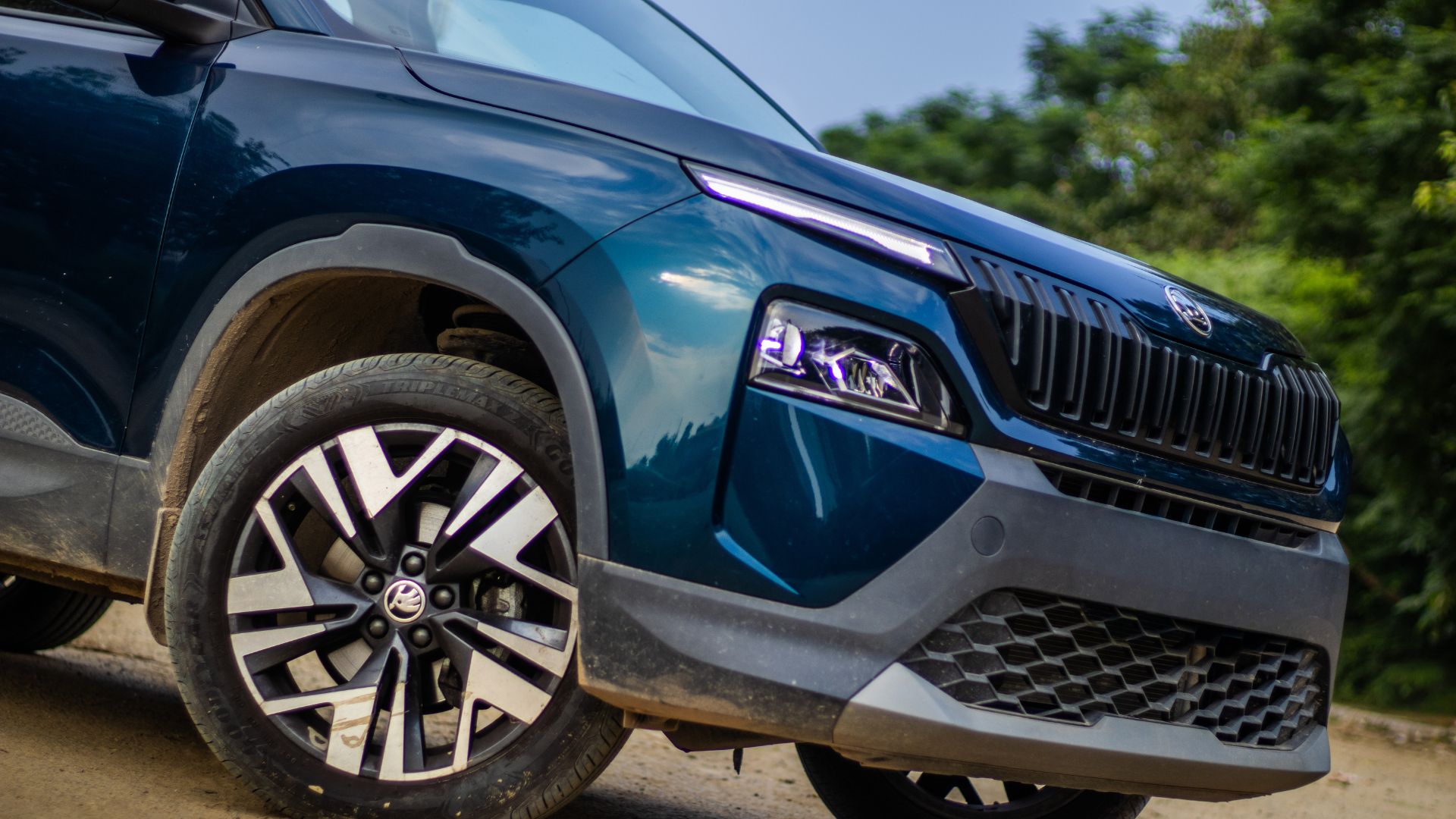
What Skoda has built here is a small, light, well-engineered crossover that drives with a maturity nothing else at this price matches, stops properly, rides comfortably, protects its occupants exceptionally well, carries a genuinely useful boot and feels solid in a way buyers can detect within thirty seconds of shutting the door.
The engine is willing and quick enough to be fun, the ergonomics are thoughtful, and there is no variant in the range where safety has been traded for margin.
The compromises are real and worth being honest about. One engine means diesel buyers, CNG buyers and anyone doing very high annual mileage should look elsewhere. The narrow cabin makes the rear bench a two-adult space rather than three. Interior plastics are good rather than special, and the audio system leaves you wanting for more.
Several equipment items that rivals treat as standard, notably a surround-view camera and any driver assistance, are simply absent.
The three-cylinder becomes coarse at low revs, and the top variants ask a price at which the segment gets crowded very quickly. Most significantly, Skoda's dealer network is thinner than the Japanese and Korean alternatives, after-sales experience varies considerably by city, and long-term reliability across the brand has been inconsistent enough that the concern is fair rather than prejudiced.
Buyers in smaller towns should check the nearest service centres before checking anything else.
buying advice
buying advice
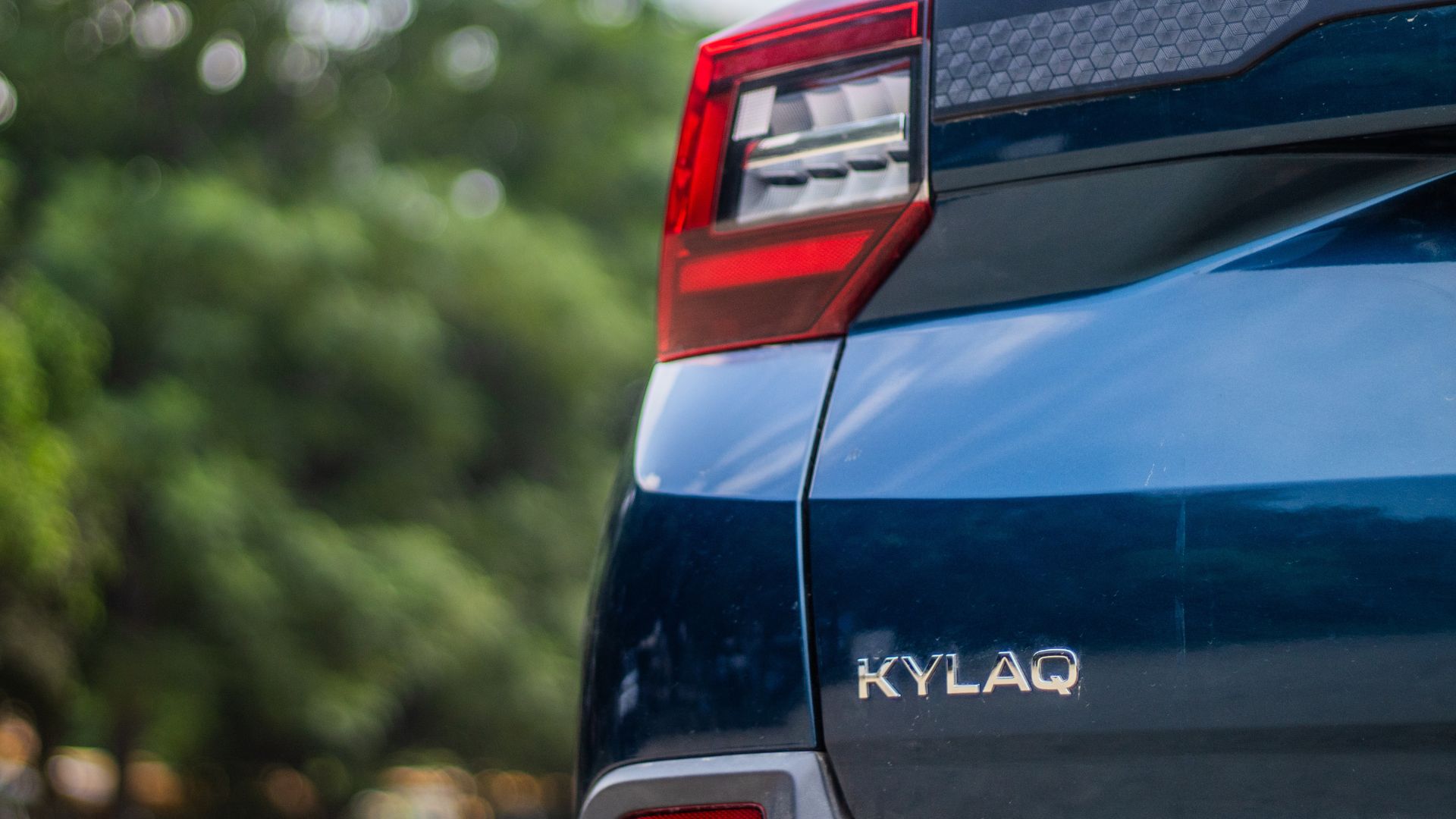
The base Classic is honestly equipped and, thanks to the elaborate standard safety tech, remains a defensible purchase for a buyer on a hard budget, with official Skoda accessories available for installation from the dealership.
On value, the middle of the range is where the sense lies. The Signature and especially the Signature Plus trims carry the equipment most owners actually need, including alloy wheels, a touchscreen with wireless smartphone mirroring and the automatic climate control, without paying the premium the Prestige variants demand for a sunroof, ventilated seats and powered adjustment.
Choose the manual if you enjoy driving and want the sharper, more economical car. Choose the automatic if your week is spent in traffic and accept the fuel penalty as the cost of a much easier commute.
Buy this car for its driving dynamics, mature high speed stability, long feature list, and safety suite.
Look elsewhere if you regularly carry five, if you need a diesel or a CNG option, if a large touchscreen and a 360-degree camera are non-negotiable, or if you live somewhere a service network gap would ruin your ownership.
Skoda Kylaq Expert Reviews
Skoda Kylaq News
Skoda Navratri and Diwali Season Offers in October 2026
Skoda is offering benefits of up to Rs. 90,000 on the Kylaq, Rs. 80,000 on the Kushaq and Rs. 30,000 on the Slavia in October 2026. The offers include dealer discounts, exchange bonuses, and corporate or loyalty benefits.
Anmol Kumar
October 17, 2026

Bharat NCAP 2.0 Is Coming in October 2027 and It Will Test Far More Than Just Crash Safety
Gadkari confirmed Bharat NCAP 2.0 at the SIAM convention, kicking in October 2027. The new programme goes well beyond occupant protection, including pedestrian safety, crash avoidance, and post-crash response all come into the rating now.
Anmol Kumar
September 4, 2026
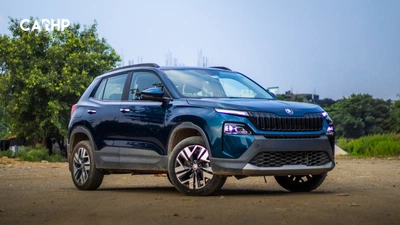
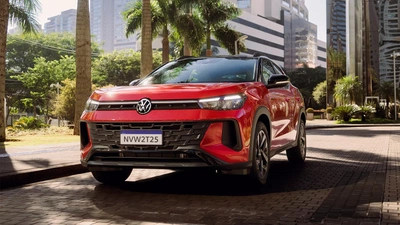
Volkswagen Confirms Sub-4-Metre SUV for India, Likely to Share Kylaq's Powertrain
Volkswagen has confirmed a sub-four-metre compact SUV for India, due in 2027. It shares the Skoda Kylaq's MQB-A0-IN platform and 1.0-litre TSI engine, but will carry distinct VW styling and positioning.
Anmol Kumar
August 21, 2026
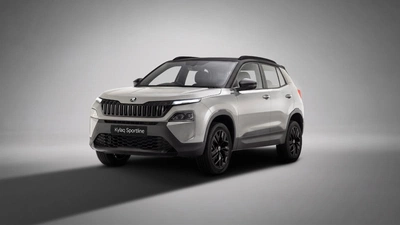
Skoda Kylaq Sportline Launched at ₹11.32 Lakh With Blacked-Out Styling and 1.0 TSI Turbo Engine
Skoda has launched the Kylaq Sportline at ₹11.32 lakh, adding a blacked-out sport-inspired variant to its bestselling SUV. The update also brings Climatronic Auto AC and rear defogger to Classic, Classic+, and Signature trims as a value addition.
Arjun Nair
August 20, 2026

Skoda Kylaq FAQs
Is the Skoda Kylaq available in petrol, CNG, electric or diesel engines?
−The Kylaq is currently available with Petrol engines.
What are the key safety features in the Kylaq ?
+The Kylaq comes equipped with several safety features including Anti-lock Braking System (ABS), Central Locking, Electronic Brakeforce Distribution (EBD), Electronic Stability Control (ESC) and Hill Assist.
What are the boot space and dimensions of the Skoda Kylaq?
+The Kylaq offers 446 Litres of boot space. Its dimensions are 3995 mm in length, 1783 mm in width, and it has a wheelbase of 2566 mm.
What colours does the Skoda Kylaq come in?
+The Skoda Kylaq is available in the following colours: Brilliant Silver, Lava Blue, Olive Gold, Carbon Steel, Deep Black Pearl, Tornado Red and Candy White.