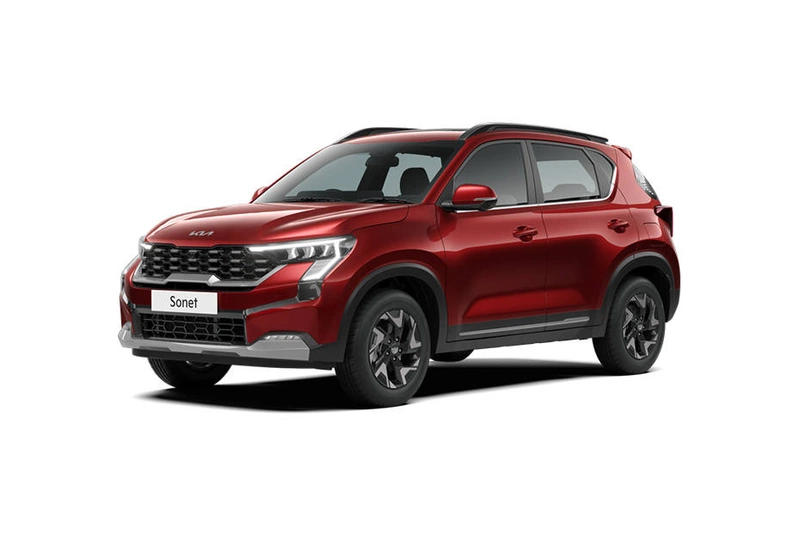
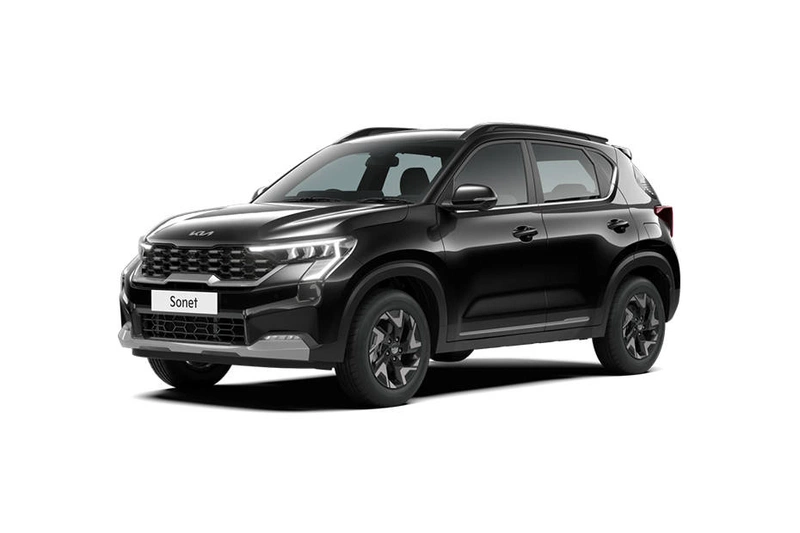
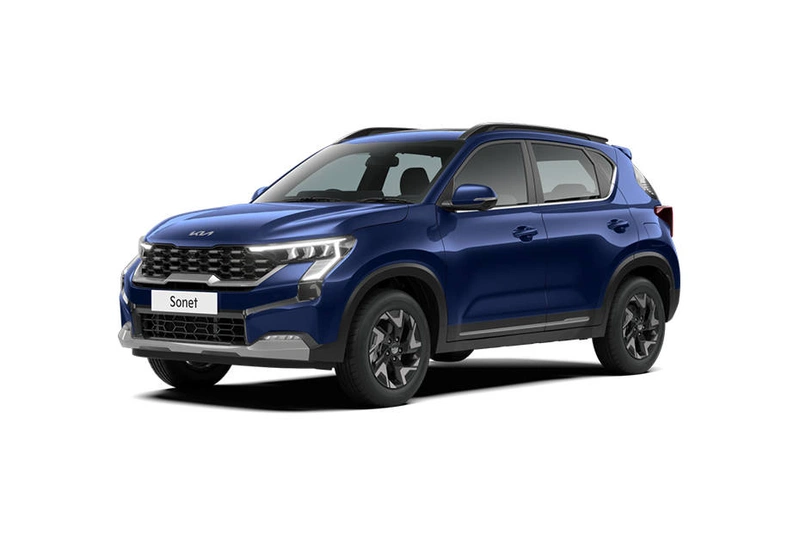
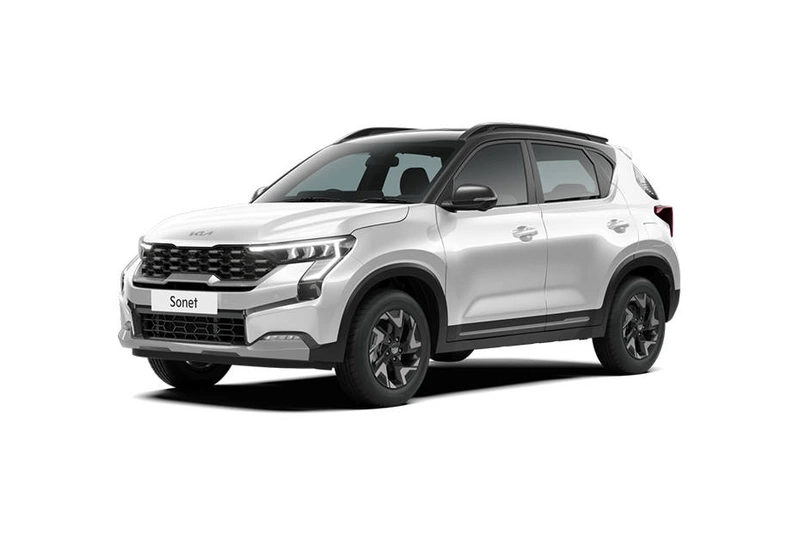
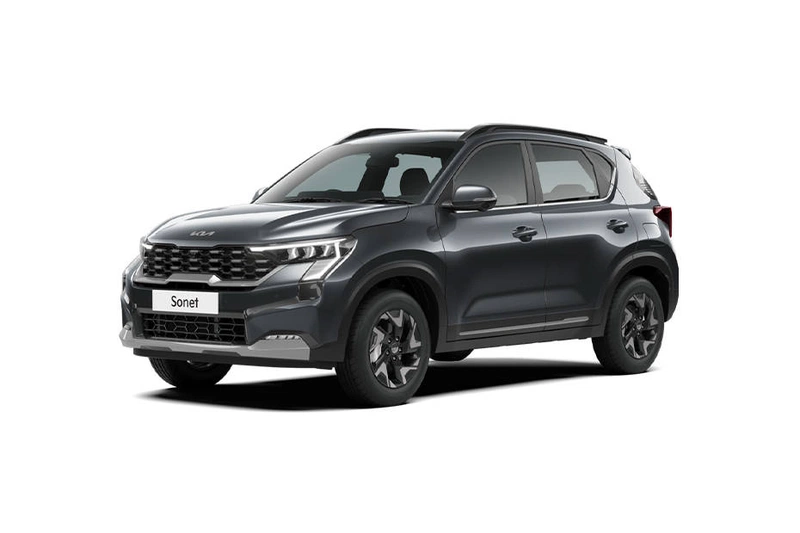
Kia Sonet
Overall Rating

Kia Sonet
Overall Rating
EMI Loading
Kia Sonet Key Specifications
Kia Sonet Highlights
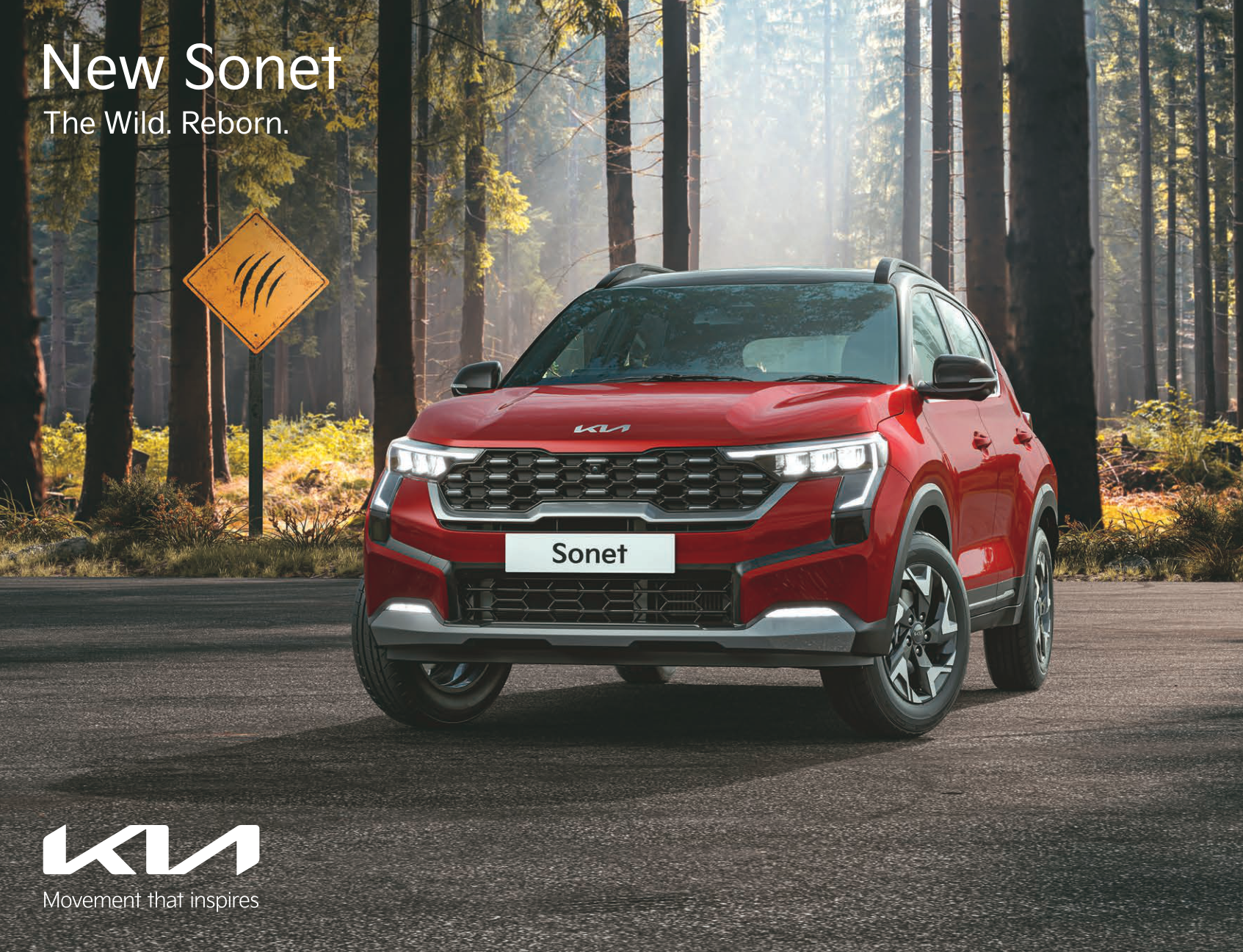
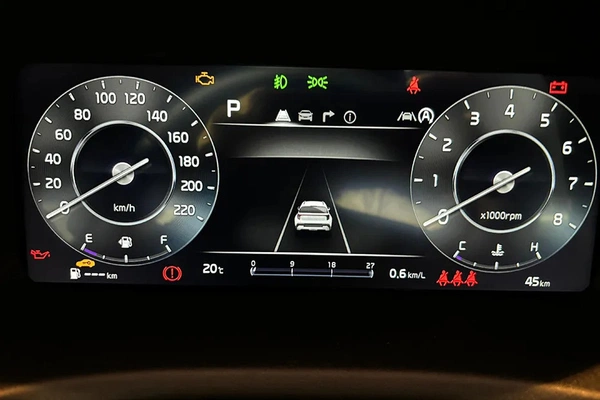
Full ADAS suite: collision warning, lane-keep, lane-departure.
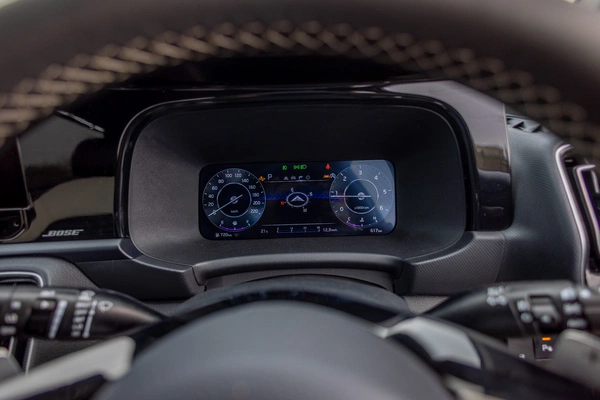
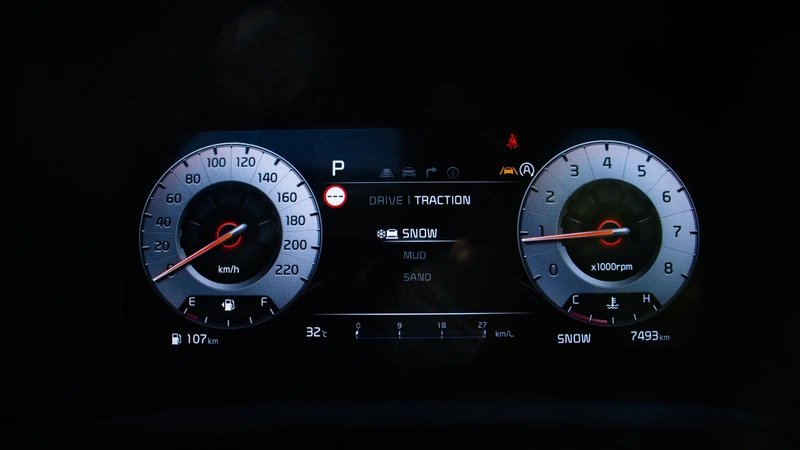
Digital driver’s display.
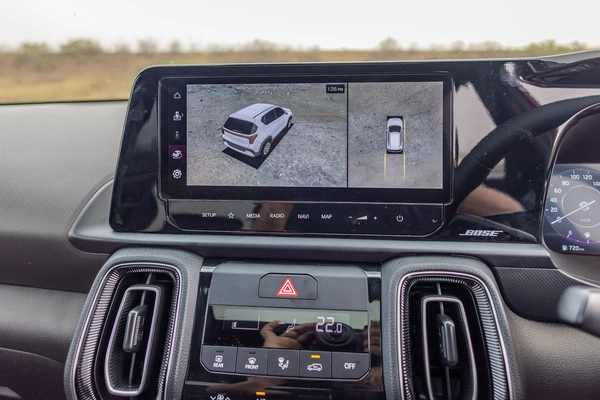
360-degree camera.
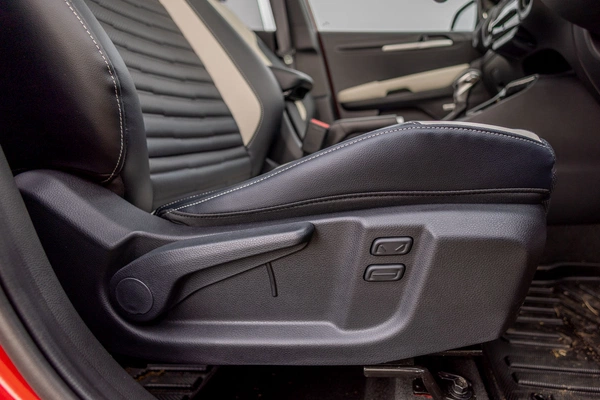
4-way power driver seat.
Kia Sonet Overview

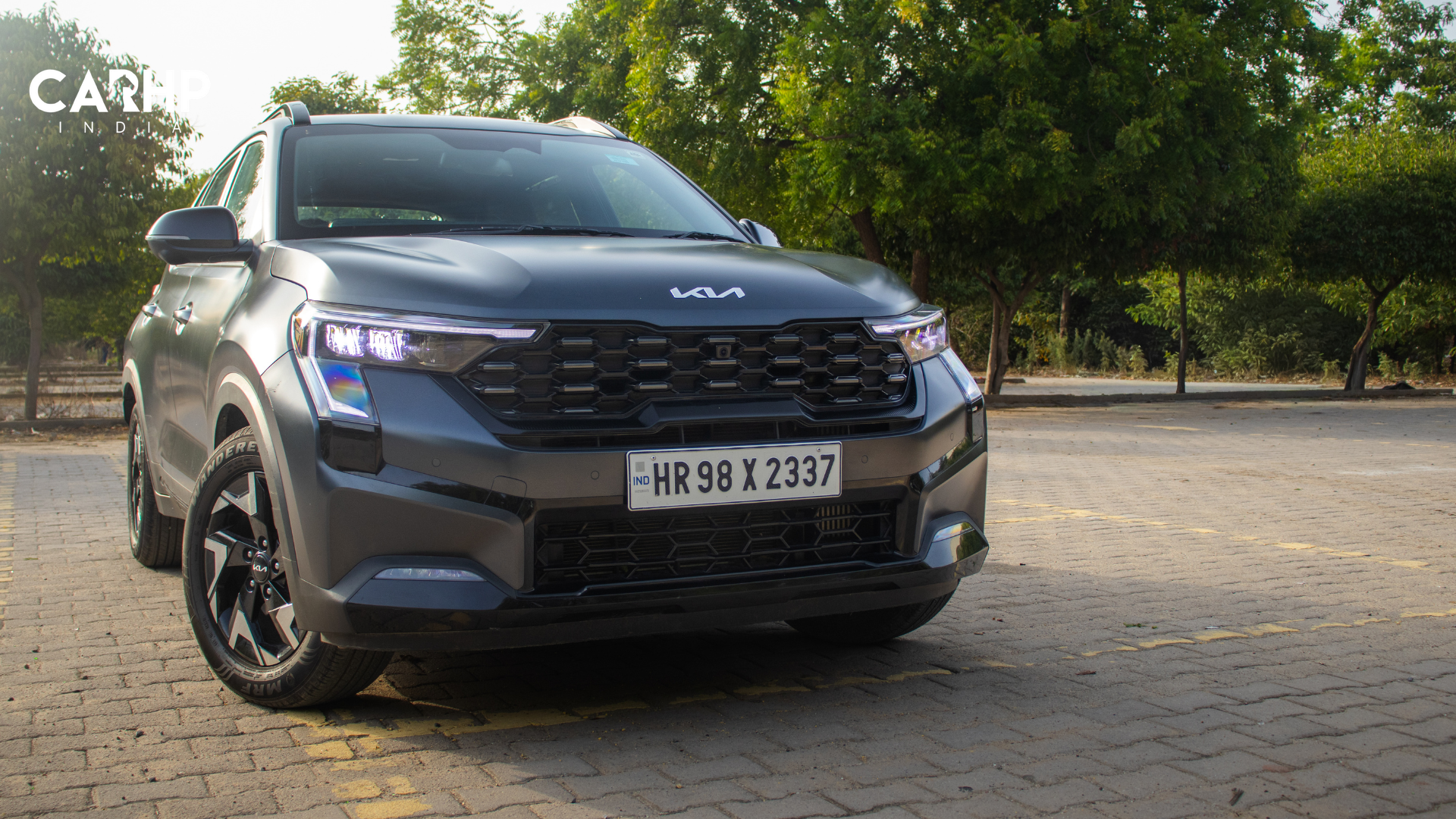
The Kia Sonet has carved out a strong place in the sub-4 metre SUV segment with its mix of features, design and powertrain choices. I got my hands on the X-Line Turbo DCT, the top-end variant alongside the GTX+ that pairs the 1.0-litre turbo-petrol with the 7-speed dual-clutch automatic.
The Turbo DCT is the powertrain most owners who want an automatic end up talking about. After spending time in city traffic, on highways and over mixed roads, the Sonet X-Line Turbo DCT feels like a compact SUV that prioritises engagement and equipment over pure space or ride plushness.
It is refined, peppy, and loaded with the kind of features that make daily driving pleasant. What it does not do is match the rear-seat space and plush ride quality of some rivals.
Engine and Performance
Engine and Performance
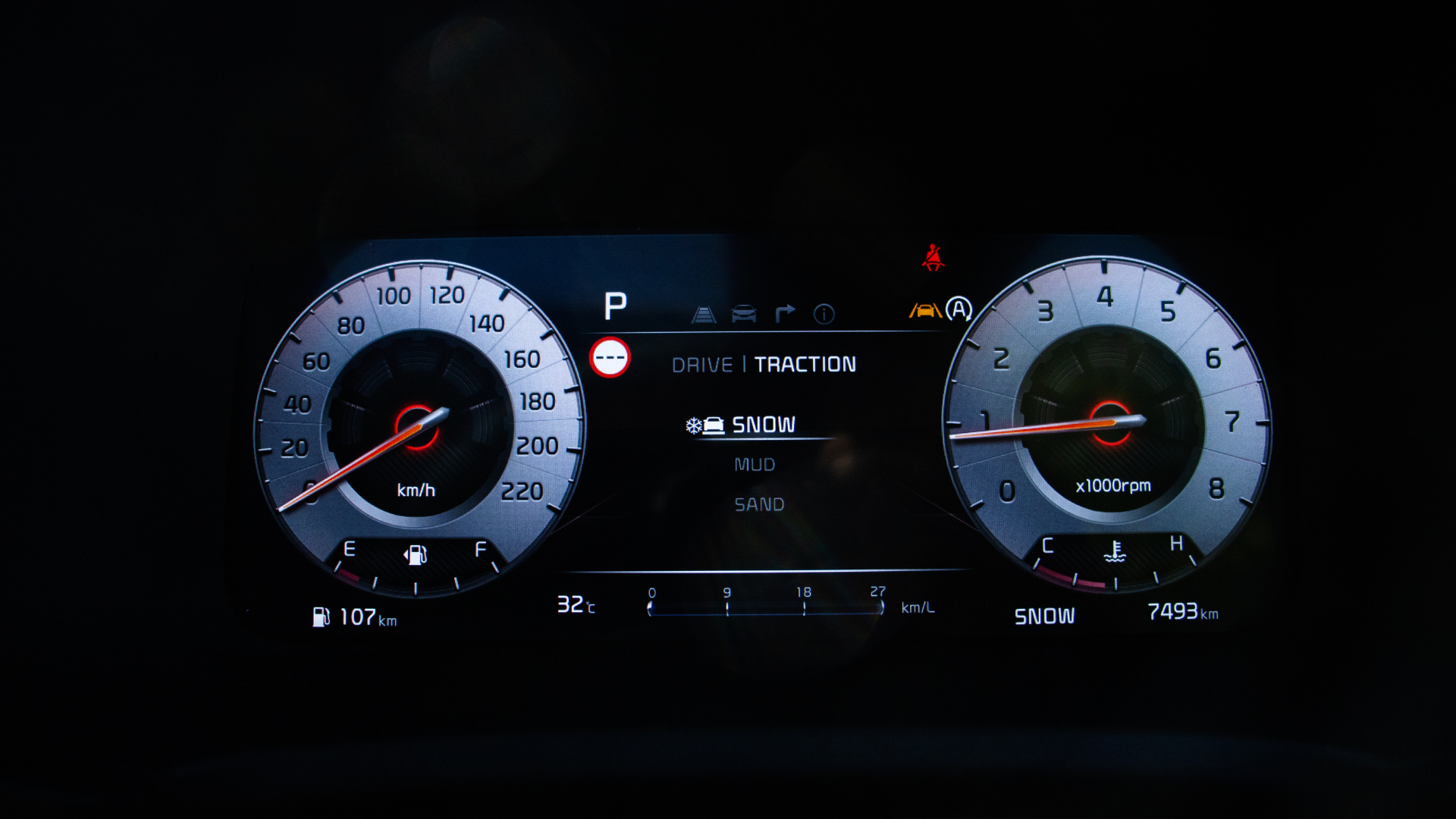
The Sonet comes with three engine options: a 1.2-litre naturally aspirated petrol, a 1.0-litre TGDI turbo petrol, and a 1.5-litre turbo diesel.
I got my hands on the X-Line Turbo DCT, the top-end variant alongside the GTX+ that pairs the 1.0-litre turbo-petrol with the 7-speed dual-clutch automatic.
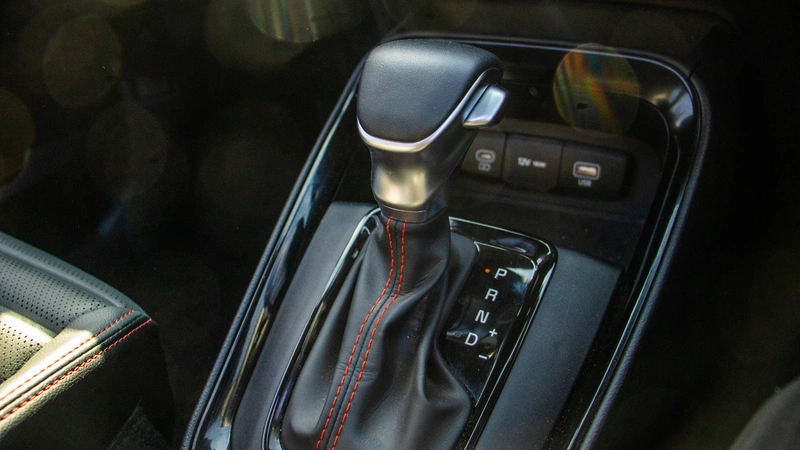
The 1.0-litre three-cylinder turbo-petrol is shared with the Hyundai Venue, and produces 118 bhp and 172 Nm, while the DCT delivers quick shifts with paddle shifters and drive modes. At idle, the engine is refined enough and the three-cylinder character is barely noticeable. There is a brief moment of lag when you first pull away if the turbo is not fully spooled, but once on the move, the response becomes progressive and usable.
In city traffic the DCT is one of the smoother dual-clutch units I have driven in this price range. Shifts are quick once the car is rolling. Light throttle inputs are enough for most commuting, and the gearbox upshifts early to keep things relaxed. There is a useful crawl function when you lift off the brake in Drive mode, which helps in stop-go traffic. I found myself leaving it in Normal mode for everyday running and switching to Sport when I wanted sharper responses. Sport holds gears longer and makes the mid-range feel stronger.
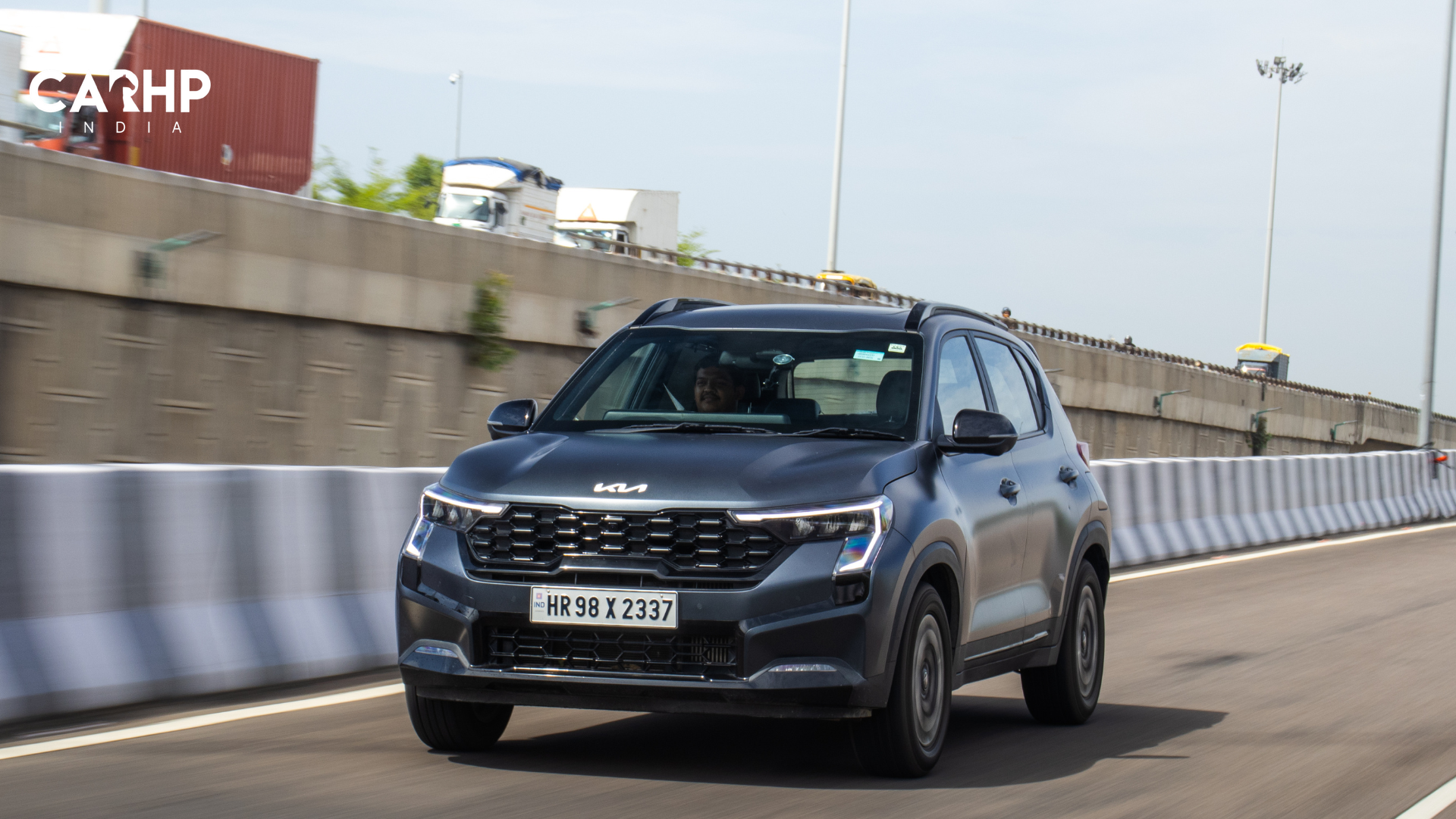
On the highway the engine comes alive. Between 2,000 and 4,000 rpm the turbo delivers a satisfying surge, and overtakes feel easy. The DCT keeps the engine in the right band without constant use of the paddle shifters, though the paddles respond well when you want more control. At steady cruise the cabin stays reasonably quiet, though wind and tyre noise become more noticeable past 100 km/h.
The ride is a mixed experience. The suspension is more on the stiffer side. It handles highway undulations and larger potholes with decent composure, but sharper edges and broken city patches will make you slow down more. Body control is acceptable for a tall compact SUV, and the light, accurate steering makes the car easy to place in traffic. It is not a sharp handler, but it never feels unsettled at normal speeds.
fuel economy
fuel economy
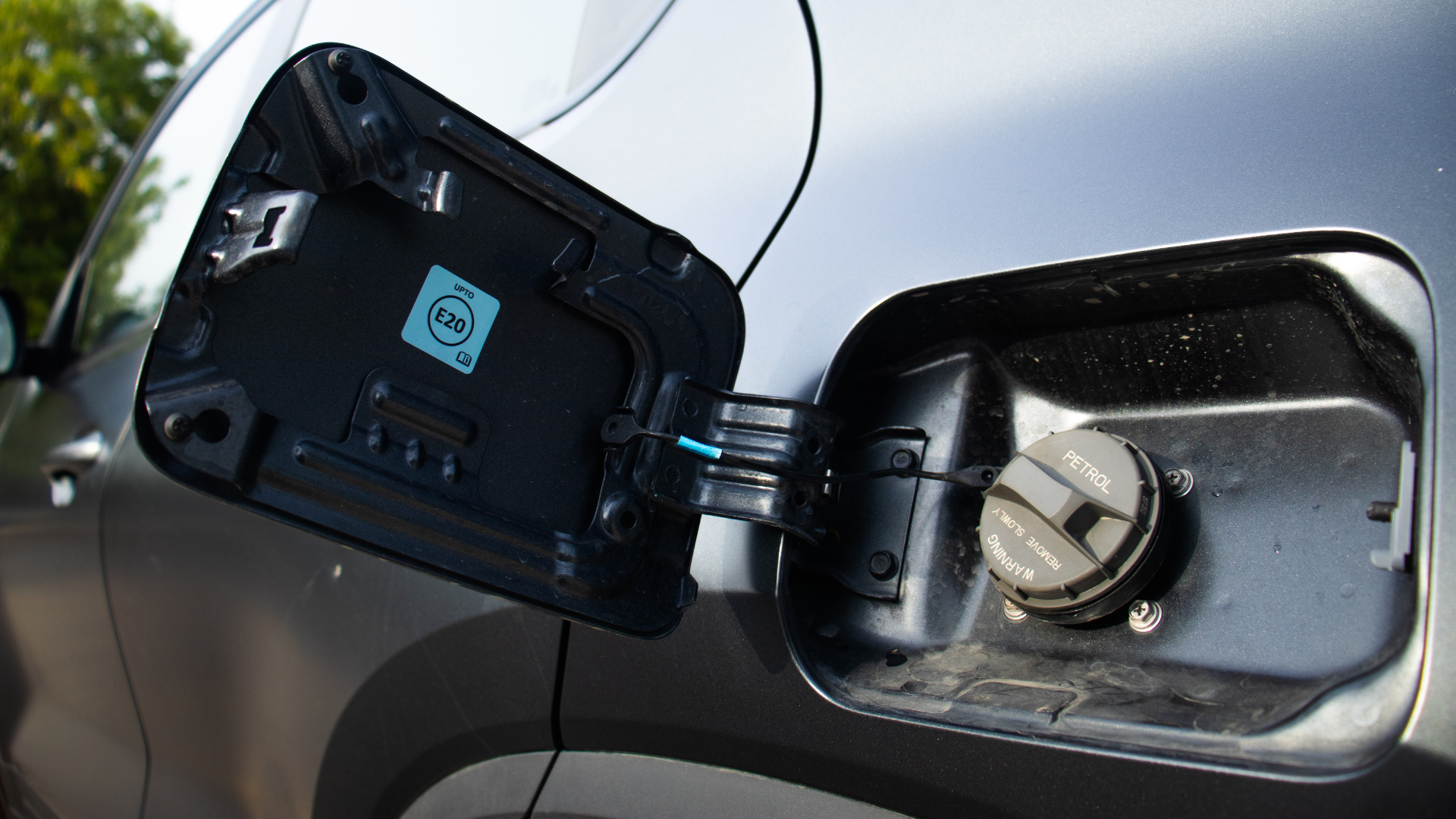
ARAI rates the Turbo DCT at around 19 kmpl. Real-world figures vary and depend heavily on how you drive.
In dense city traffic with the air-conditioning on, I was getting 9 to 12 kmpl. On slightly open urban roads, that improved to around 13-14 kmpl. Highway runs at a steady 90-100 km/h returned 16 to 18 kmpl without trying hard. Careful owners have reported figures above 20 kmpl on expressways when speeds stay moderate.
The engine rewards a light right foot. Hard acceleration or repeated bursts quickly pull the average into single digits. The idle start-stop system works without being intrusive and helps a little in traffic.
Overall the Turbo DCT is not a fuel sipper, but it stays competitive within the turbo-petrol automatic group if you drive with some restraint.
Here are the most fuel efficient compact SUVs under Rs 10 lakh.
interior
interior

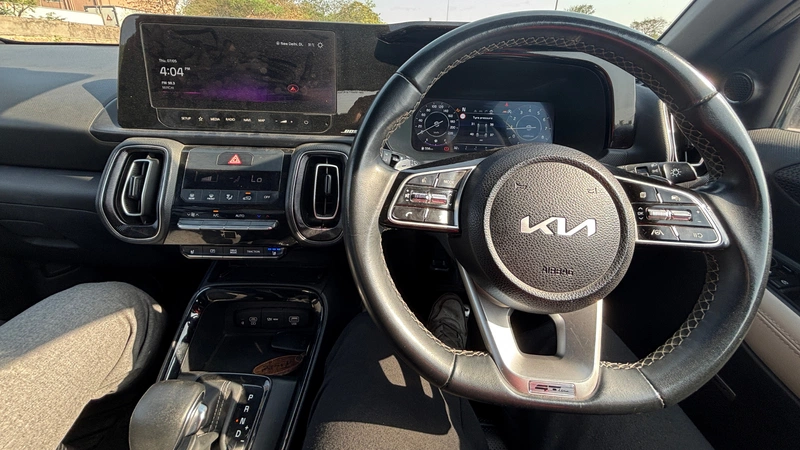
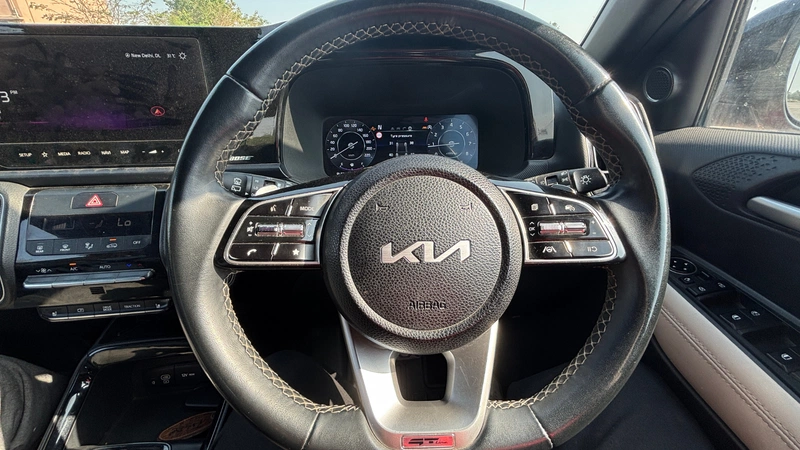
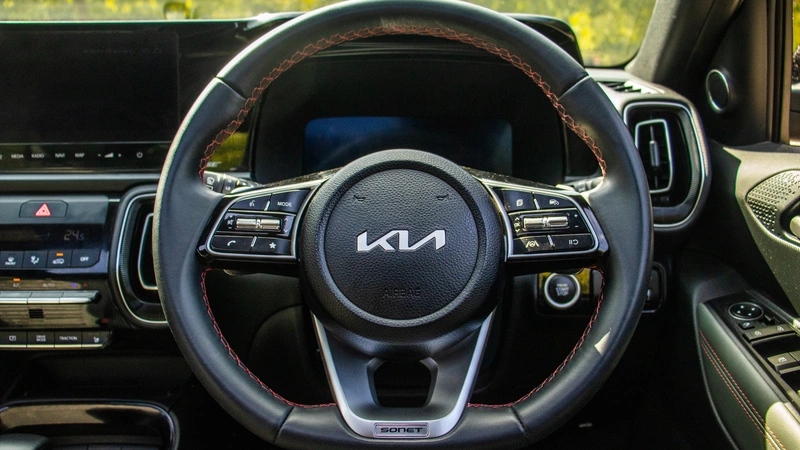
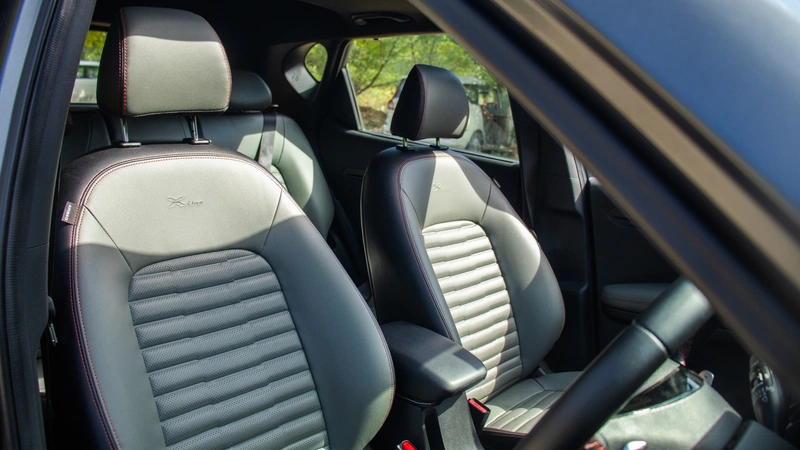
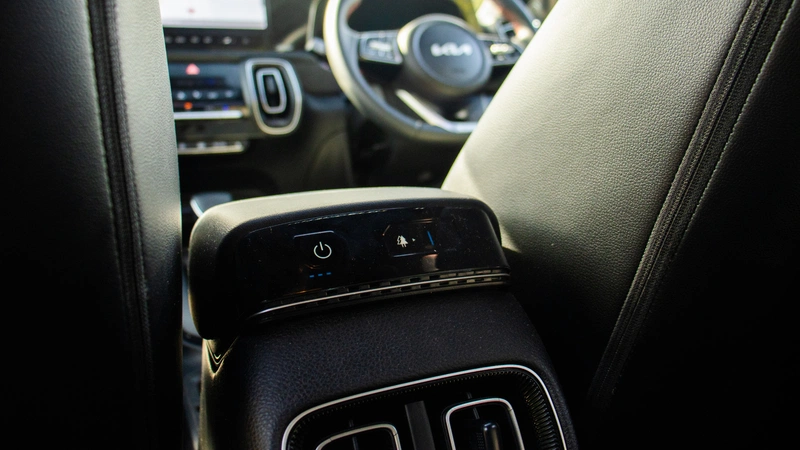
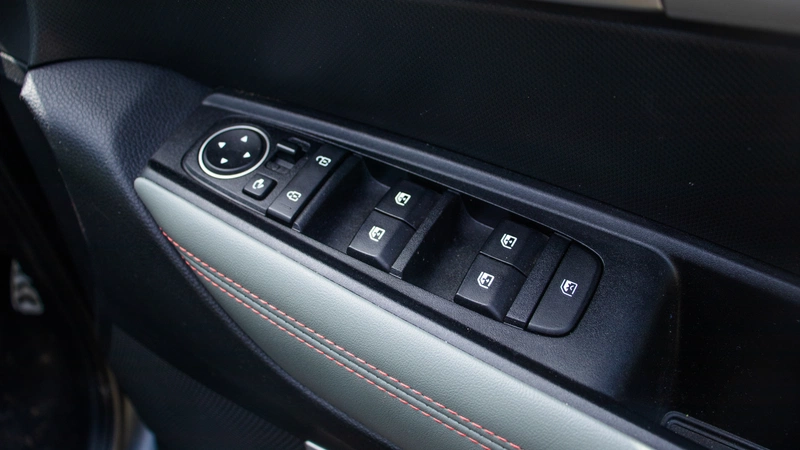
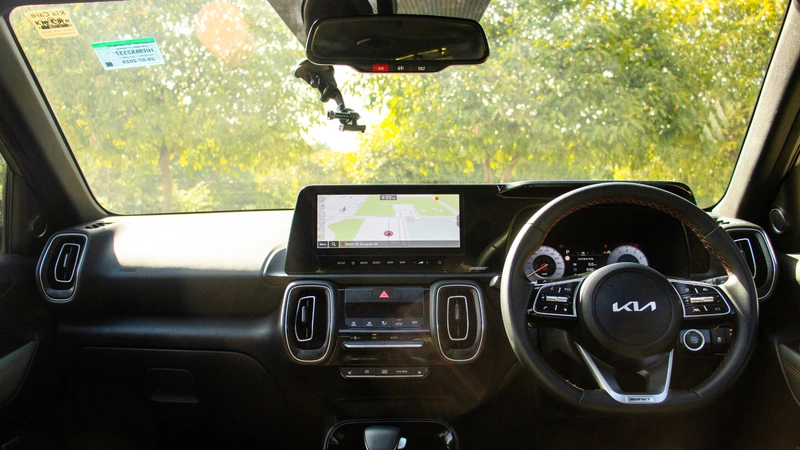
Step inside the Sonet and the cabin immediately feels a notch above many rivals. While the dashboard uses hard plastics, it is built to last and the panels fit well without any odd gaps. The steering wheel and door armrests are leatherette-wrapped with red stitching, which look quite sporty.
Soft-touch materials in key areas, an all-black theme and the overall fit and finish give the impression of a more expensive car.
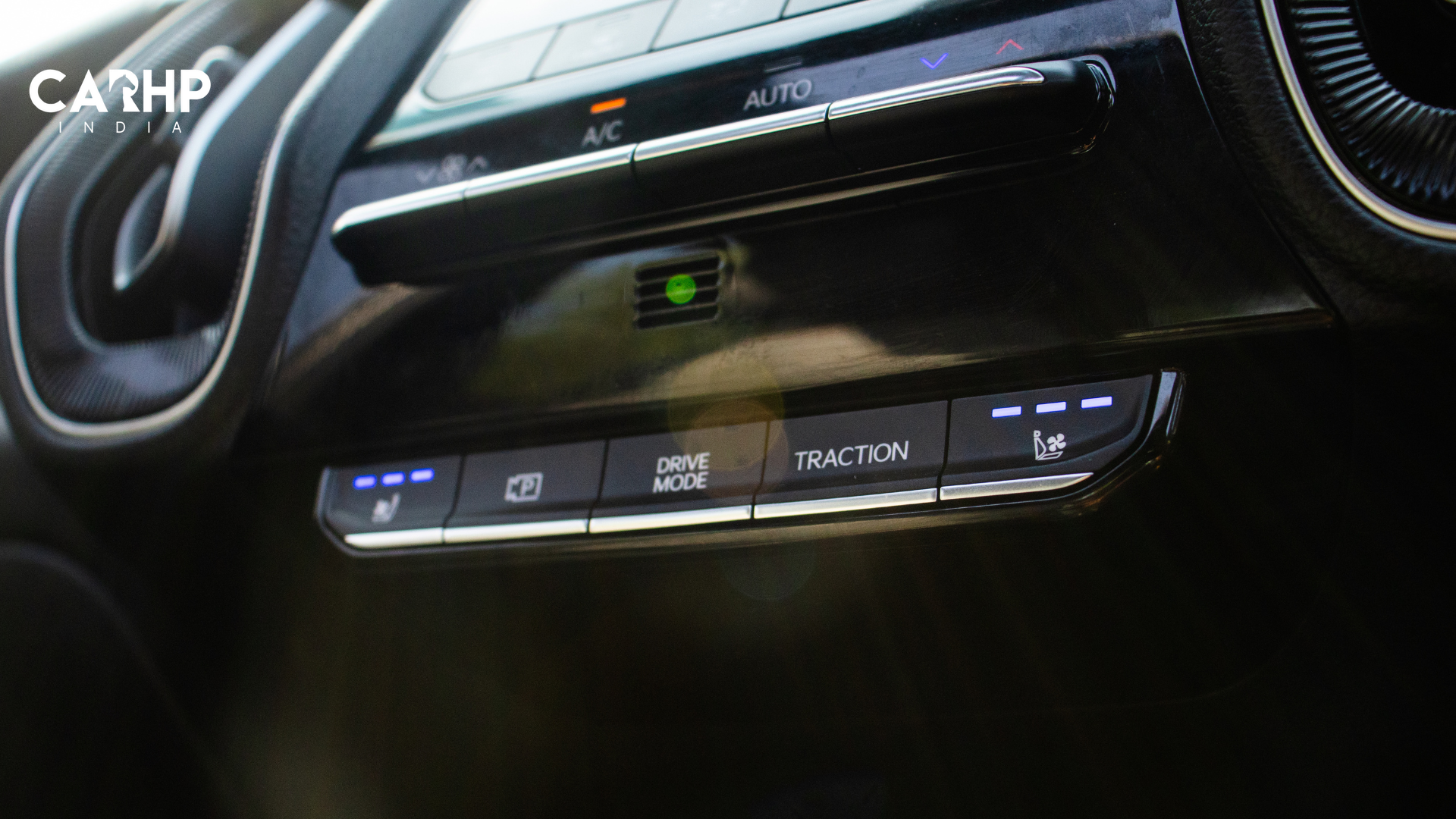
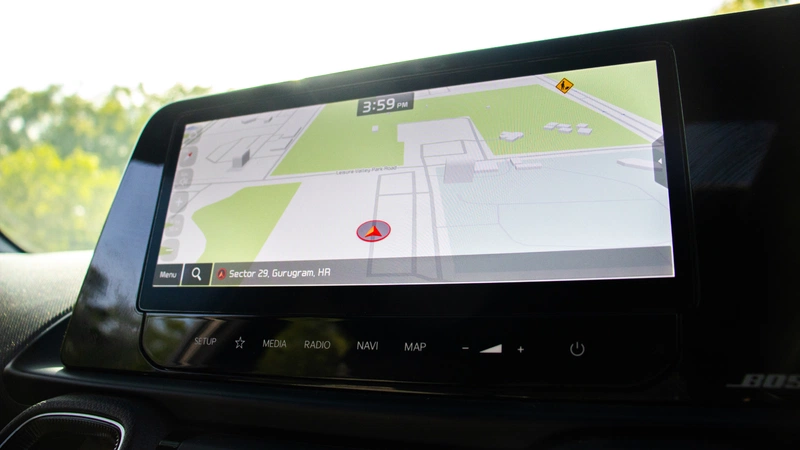
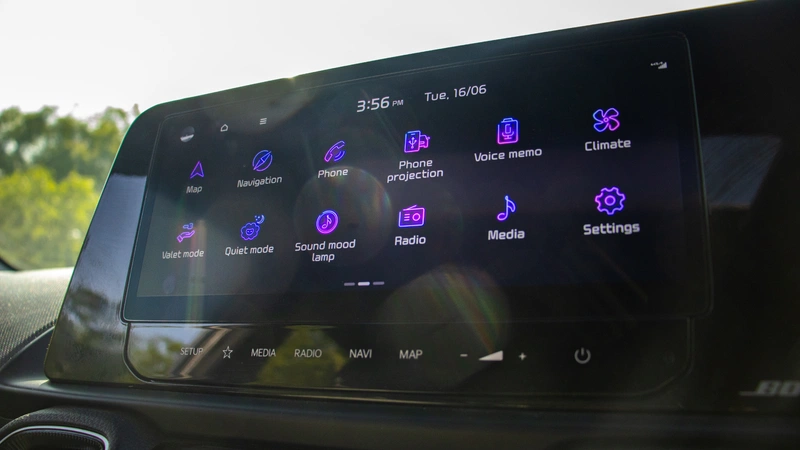
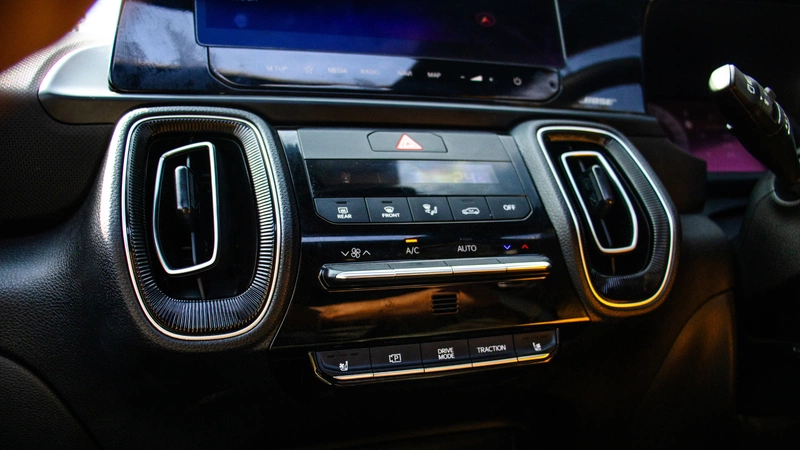
The 10.25-inch touchscreen is responsive, wireless Android Auto and Apple CarPlay work smoothly, and the interface is logical. Ventilated front seats are a genuine highlight in Indian summers, and the dual-zone climate control cools the cabin quickly.
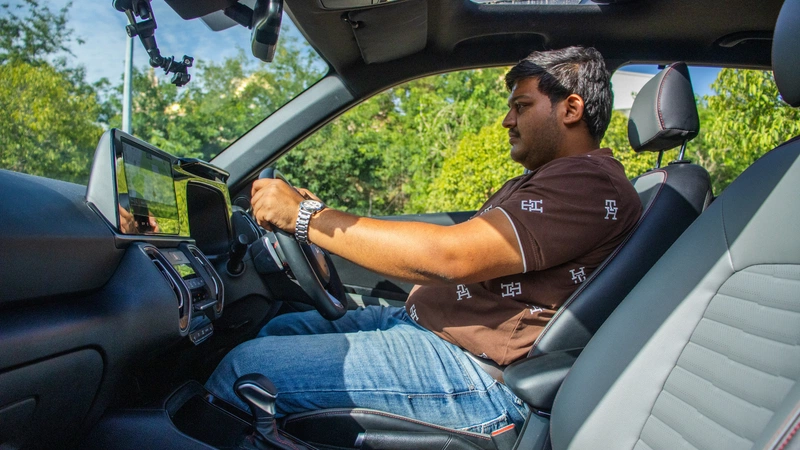
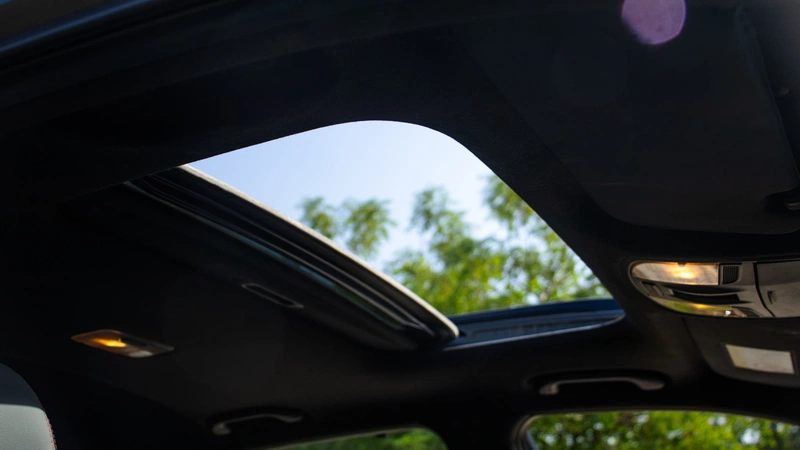
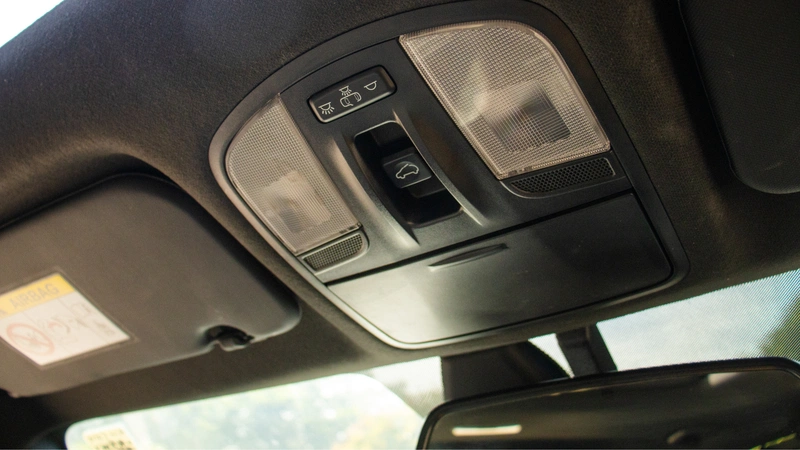
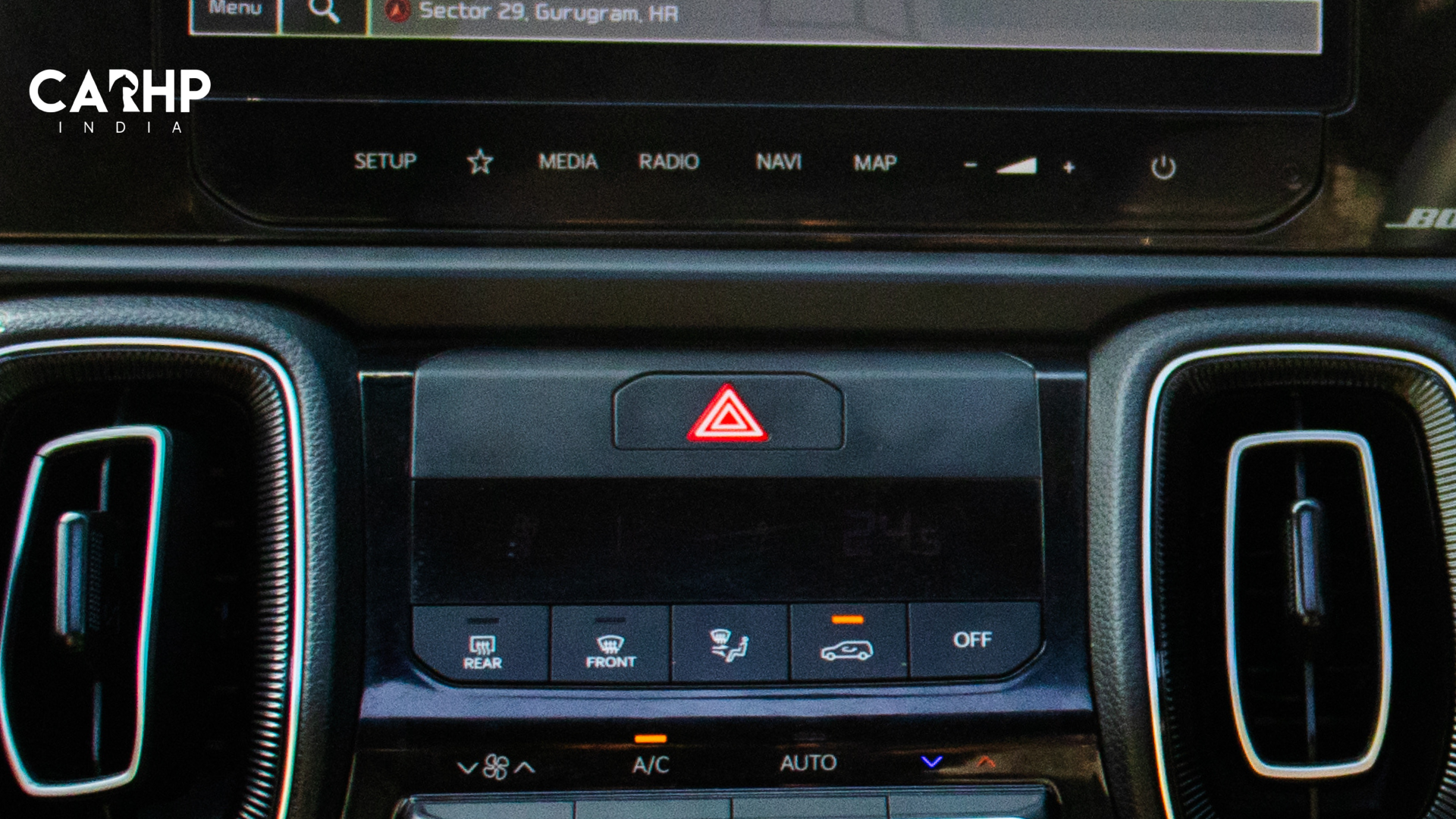
The driver’s seat offers good support and a commanding view. Visibility is excellent thanks to the large glass area and slim pillars. The single pane sunroof lets in ample light into the all-black dark cabin. The steering adjusts for tilt, though telescopic adjustment is missing. Physical buttons for key climate functions remain, which is appreciated.
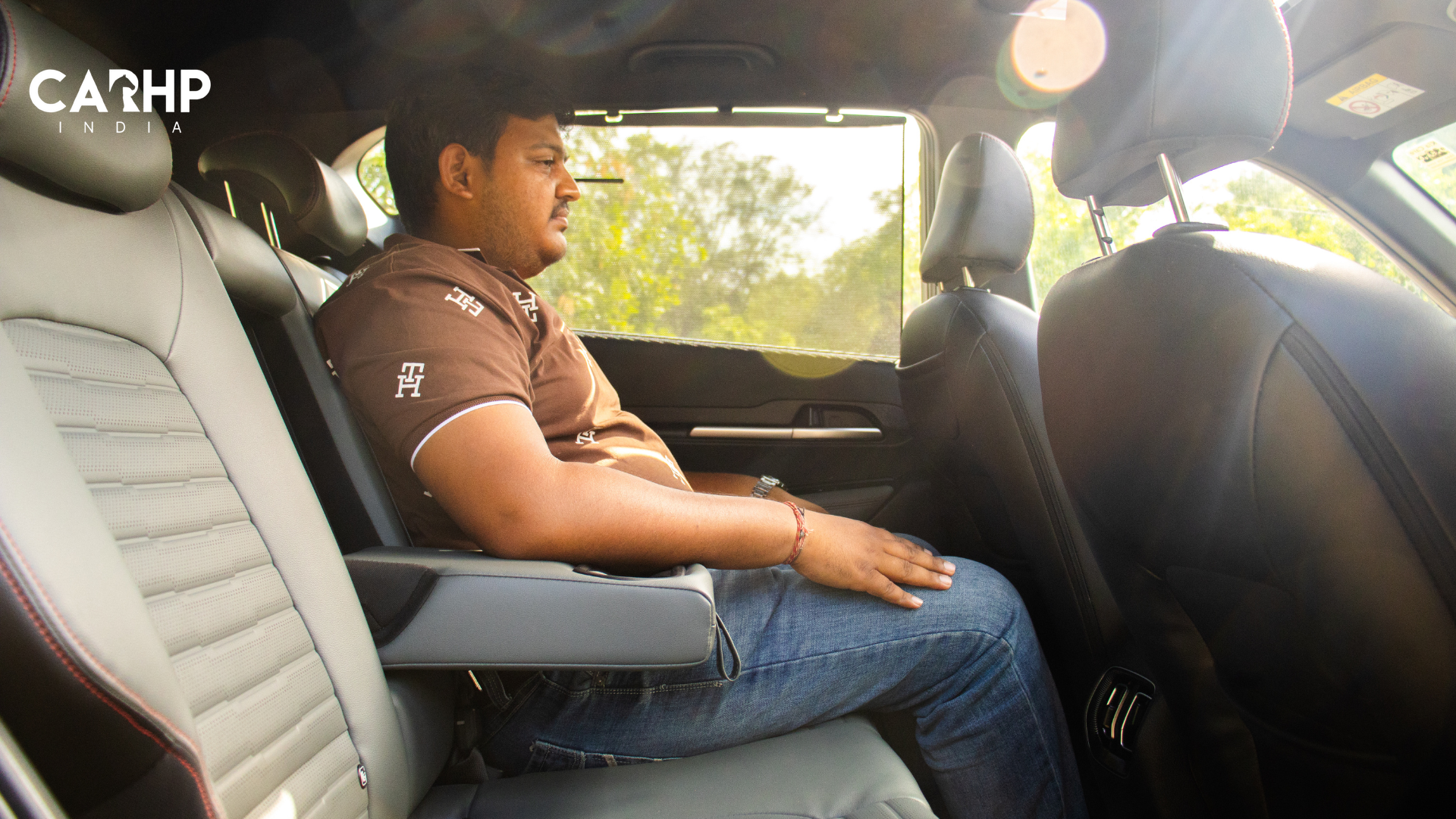
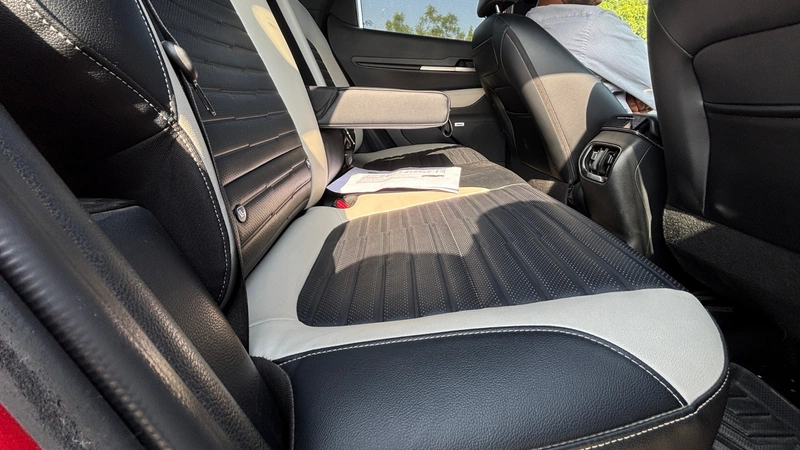
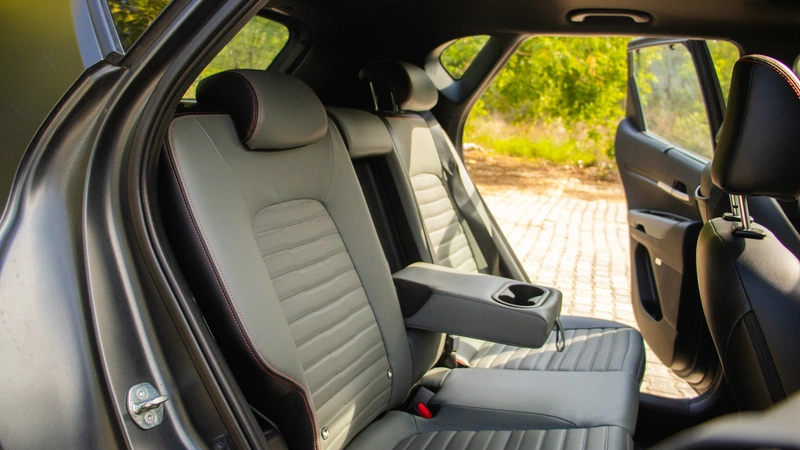
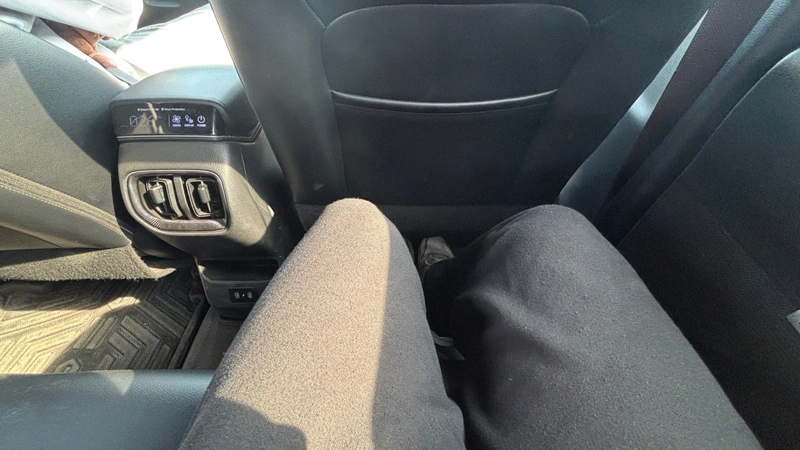
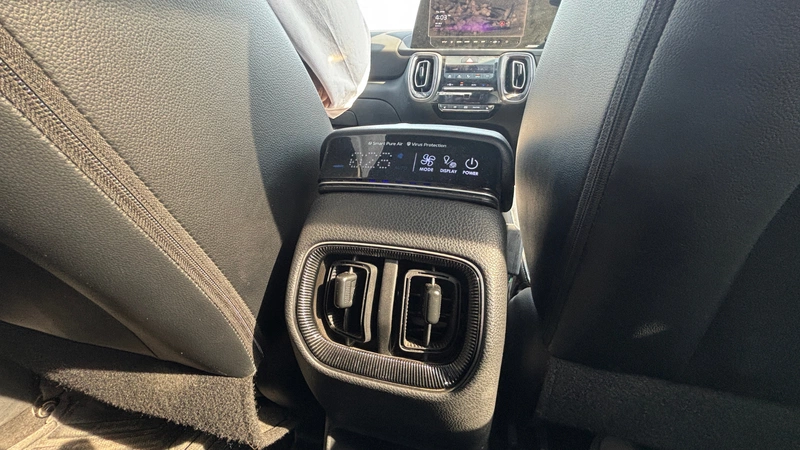
Rear seat space is adequate for two adults, but legroom and under-thigh support are not class-leading. Three abreast will only be comfortable only for short distances, unless the centre passenger is a child.
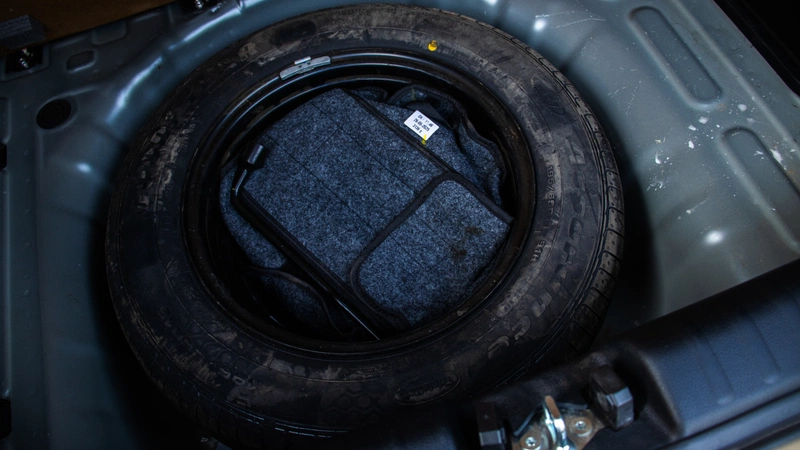
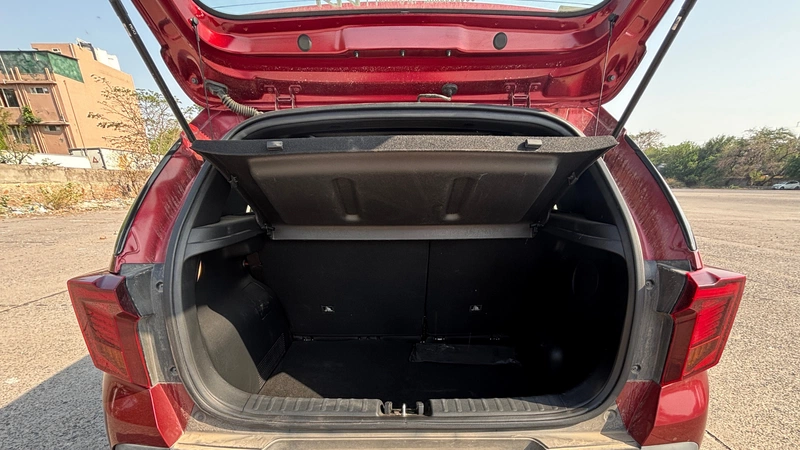
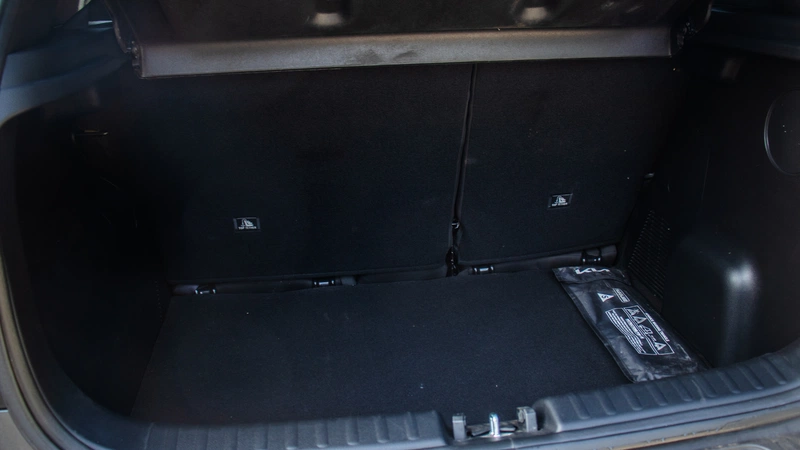
The boot is practical for weekend luggage once the rear seats are folded, and the overall packaging works well for a young family or couples.
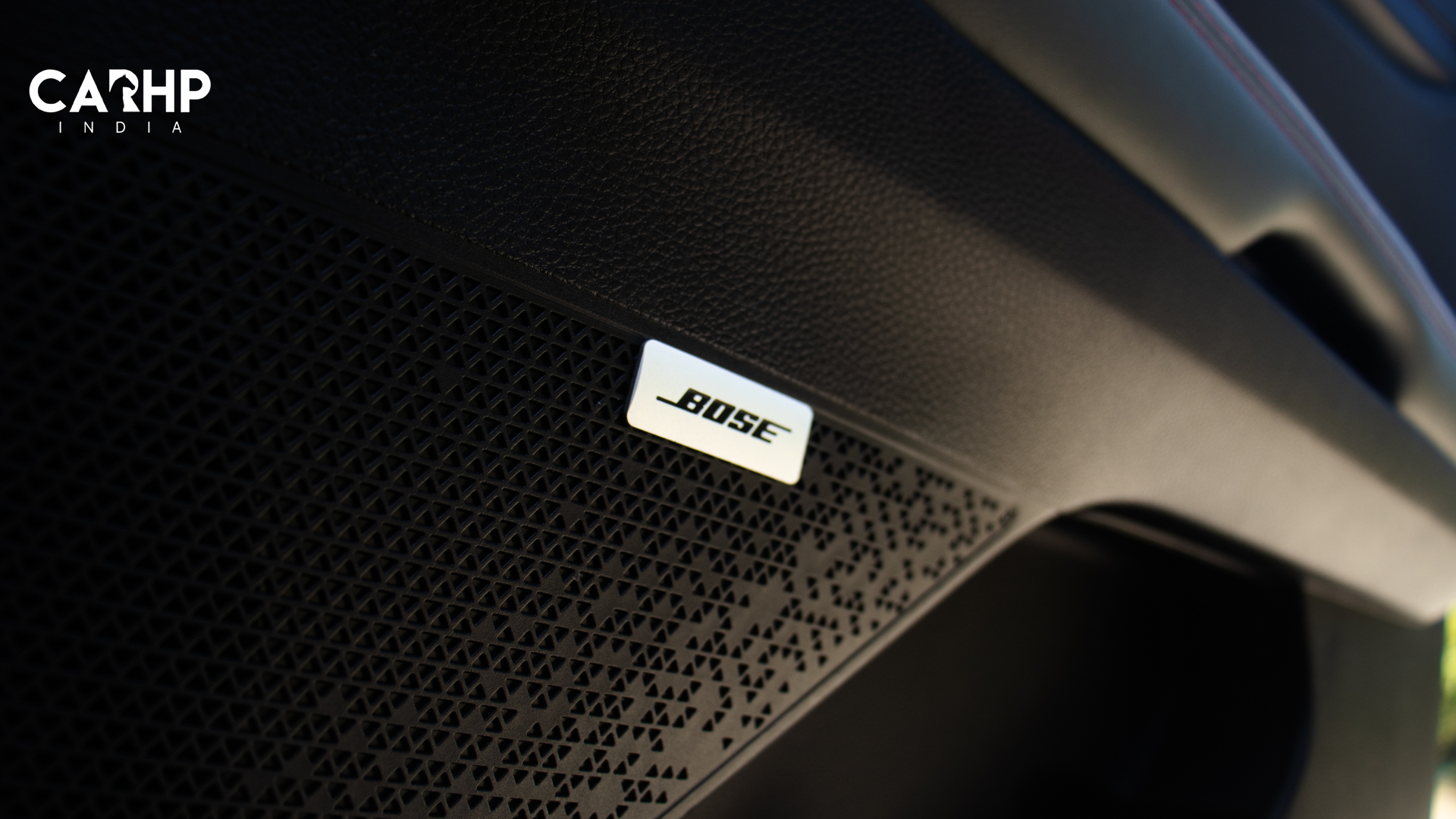
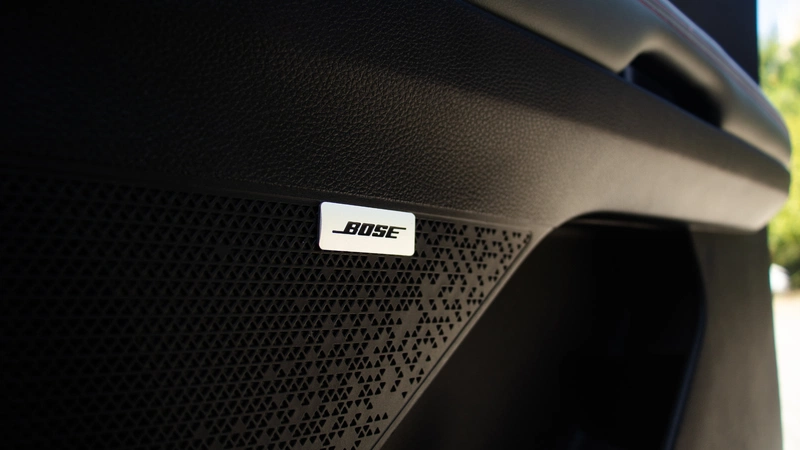
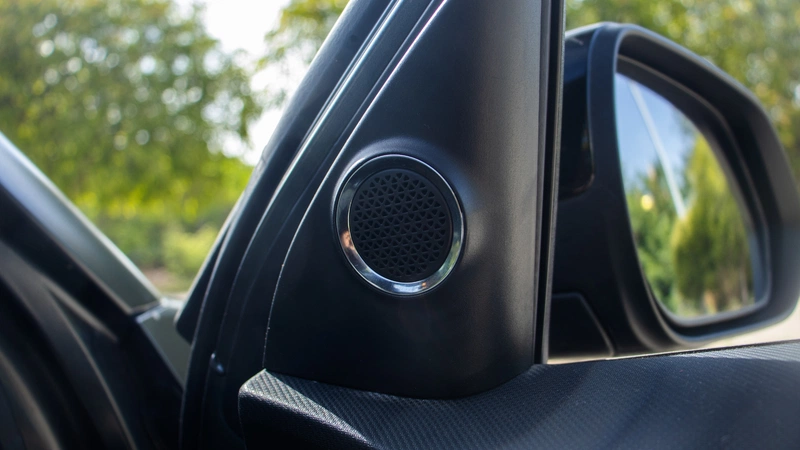
NVH levels are generally good at city speeds. At highway speeds, some road and wind noise creeps in, but it never becomes intrusive enough to hinder conversation or music. The Bose audio system in the higher trims delivers clear sound for the segment.
exterior
exterior
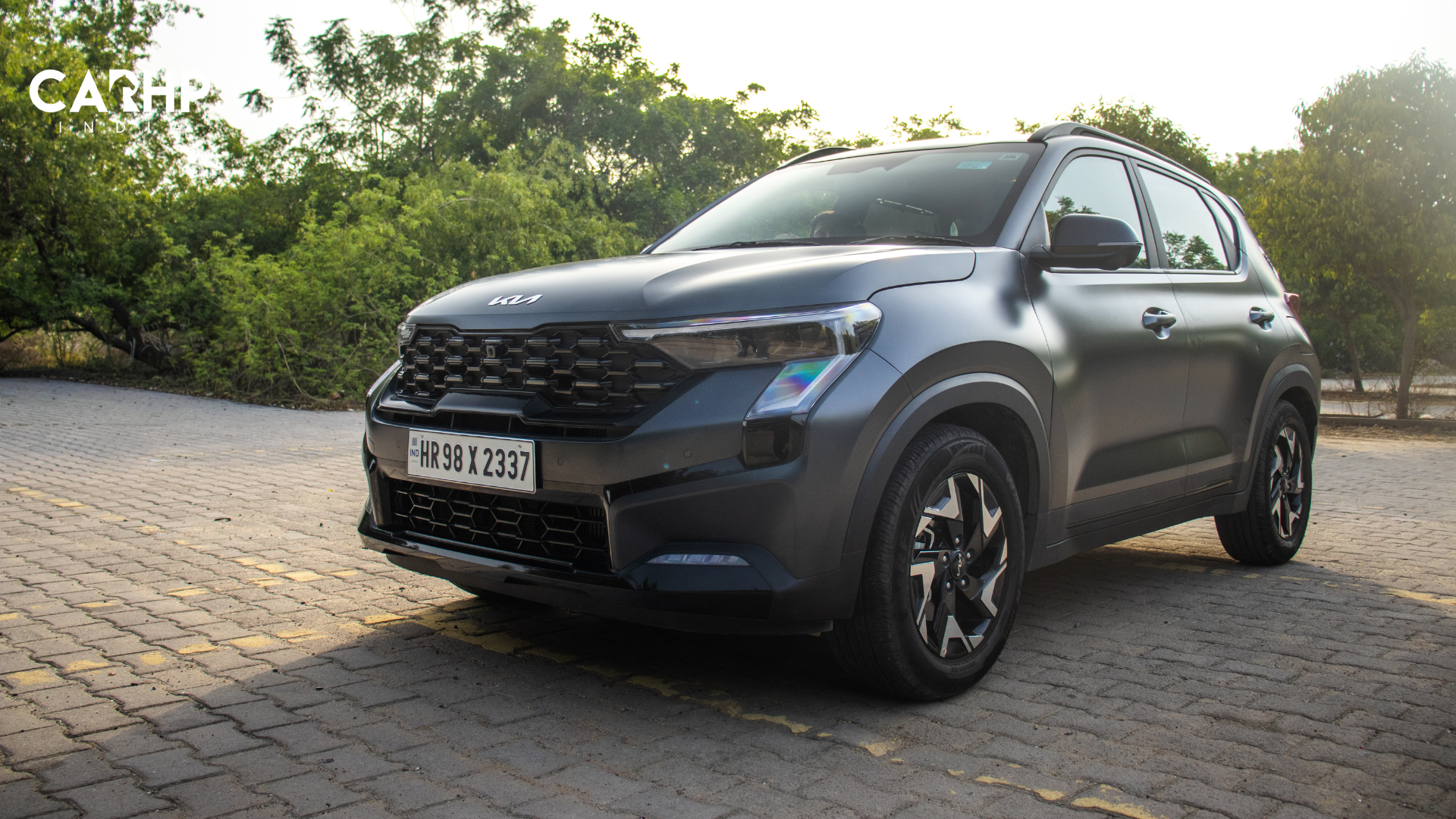
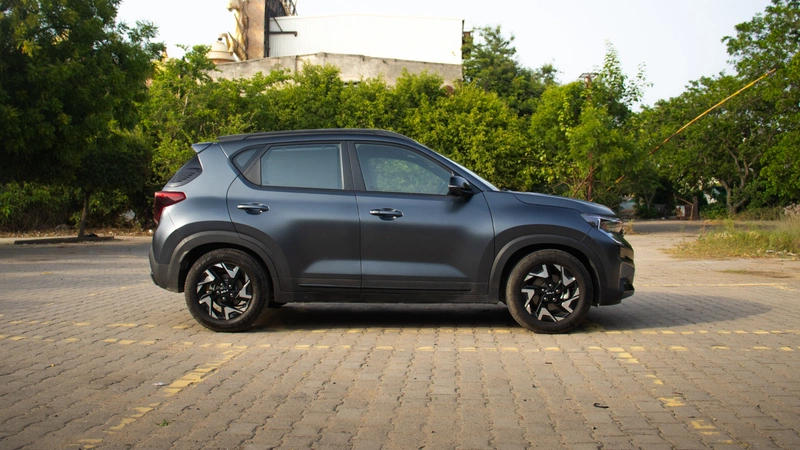
At 3,995 mm long, 1,790 mm wide, and 1,642 mm tall on a 2,500 mm wheelbase, the Sonet sits right at the top end of the sub-4-metre SUV envelope.
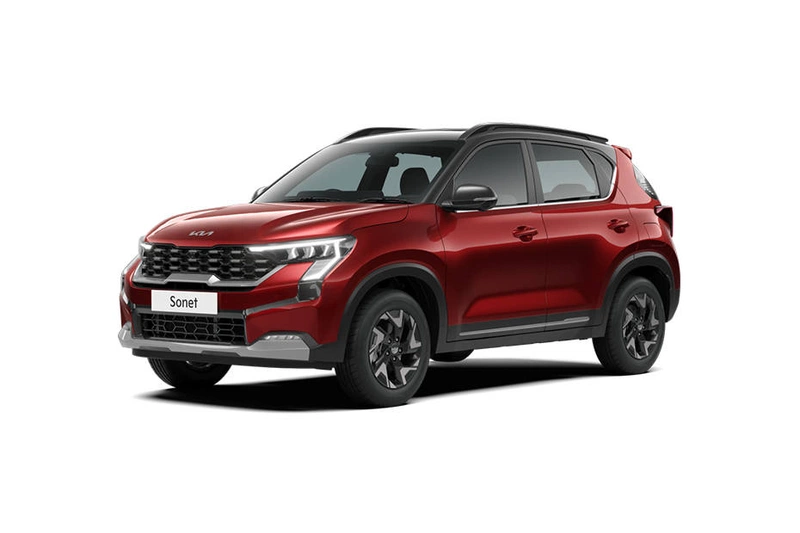
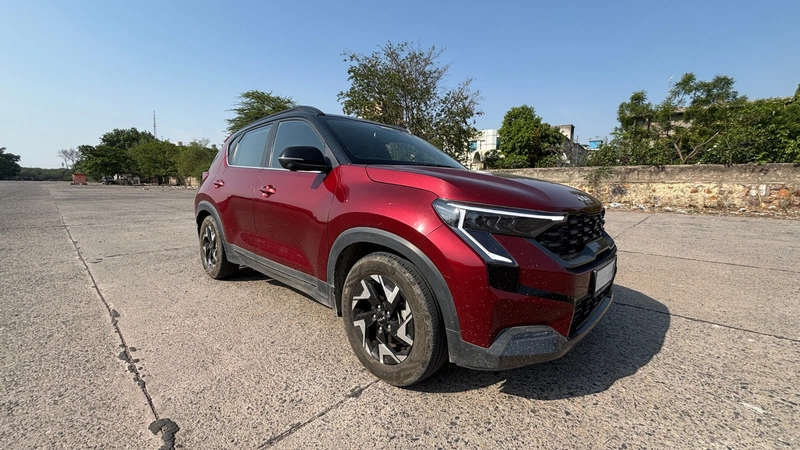
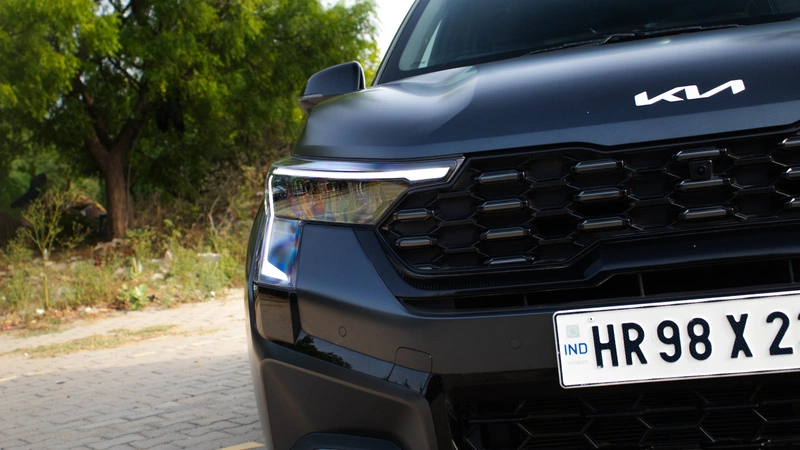
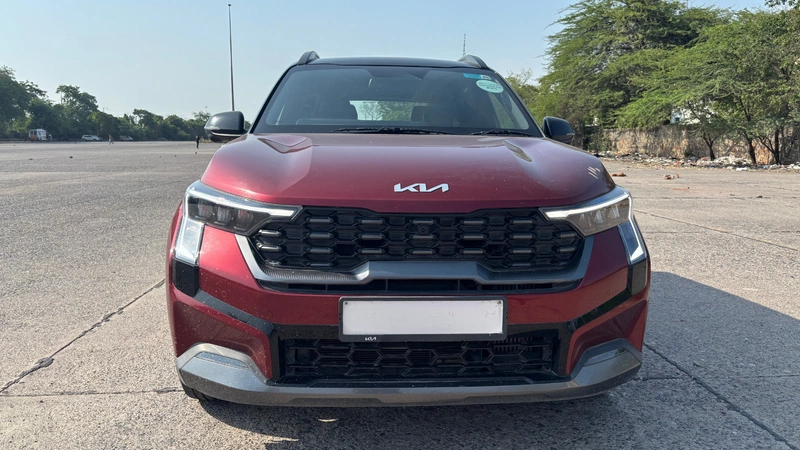
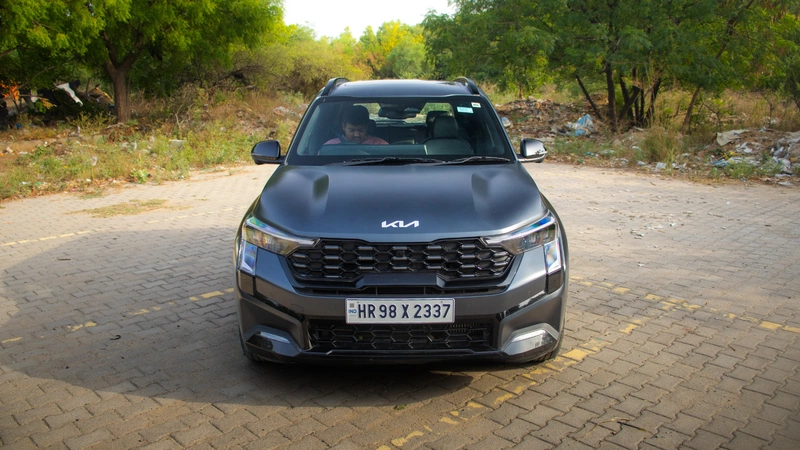
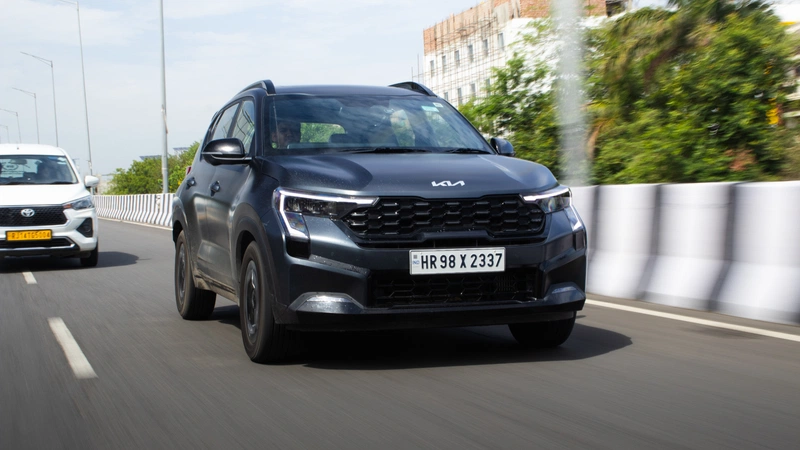
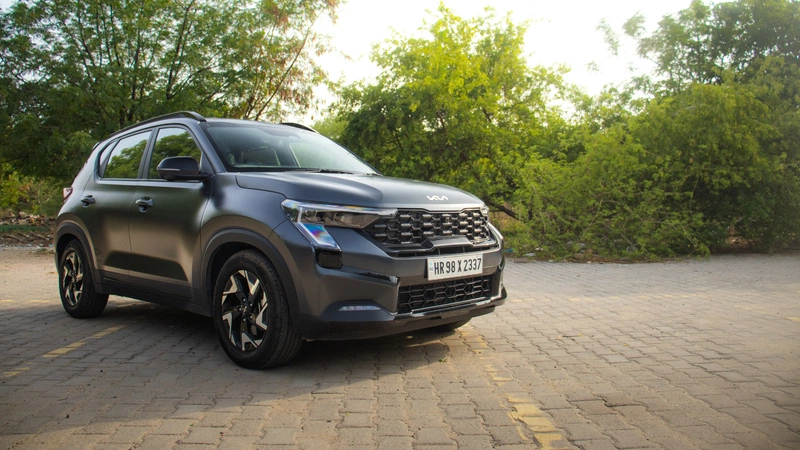
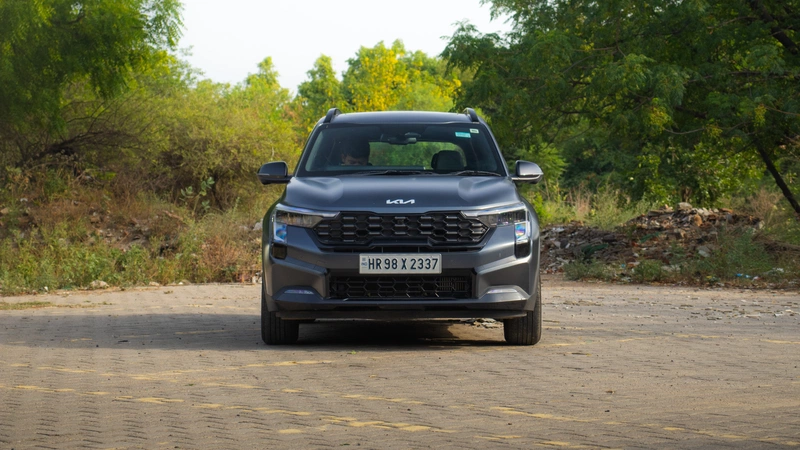
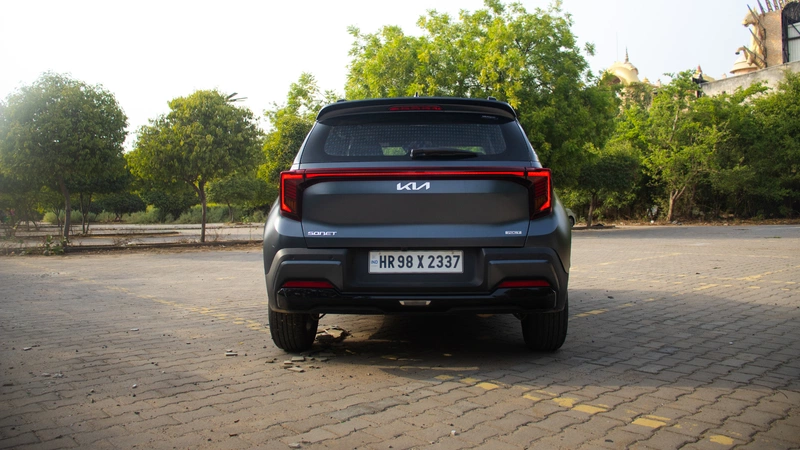
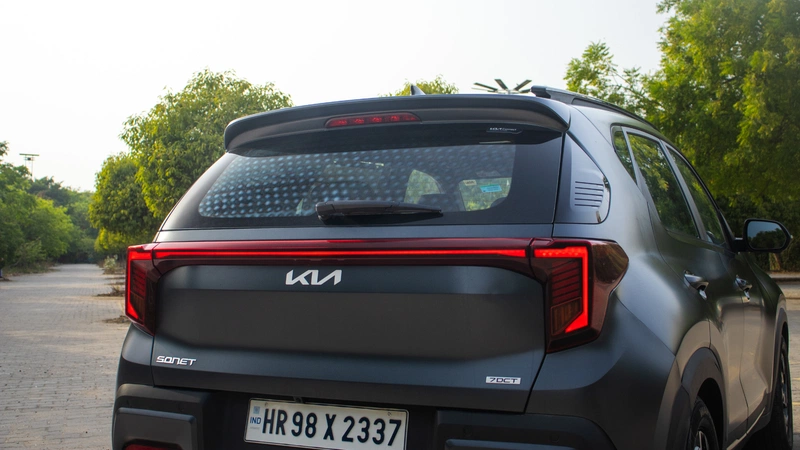
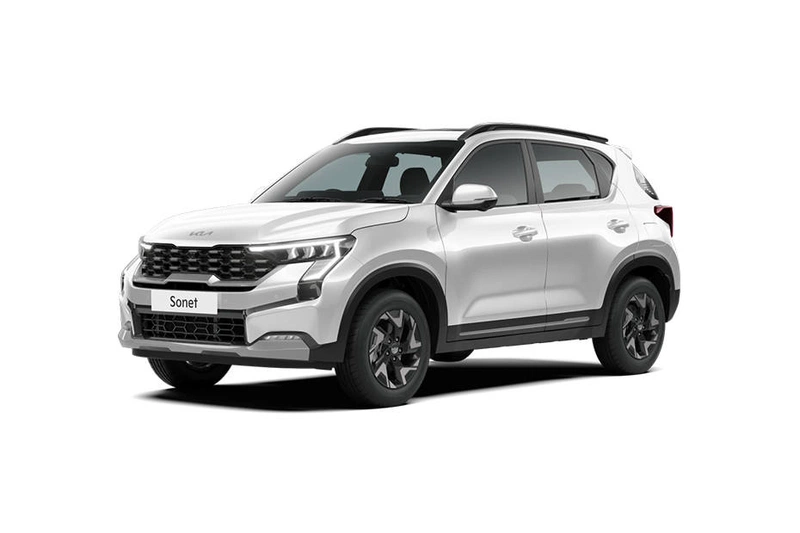
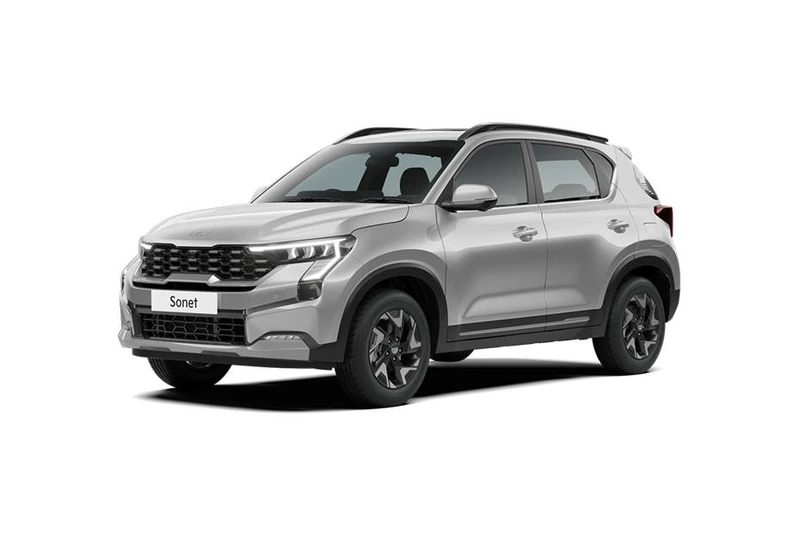
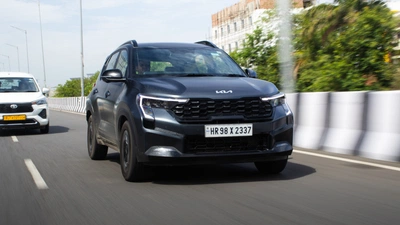
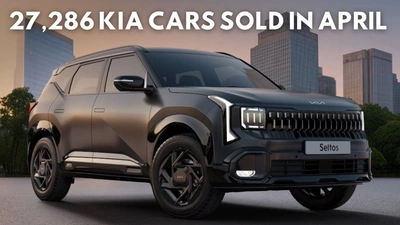
The X-Line treatment is the main reason this particular Sonet stands out, and the matte grey paint finish gives it stronger road presence than the standard colours. The front end with its tiger-nose grille and sharp LED lighting still looks contemporary, and the overall proportions work well for a sub-4 metre SUV.
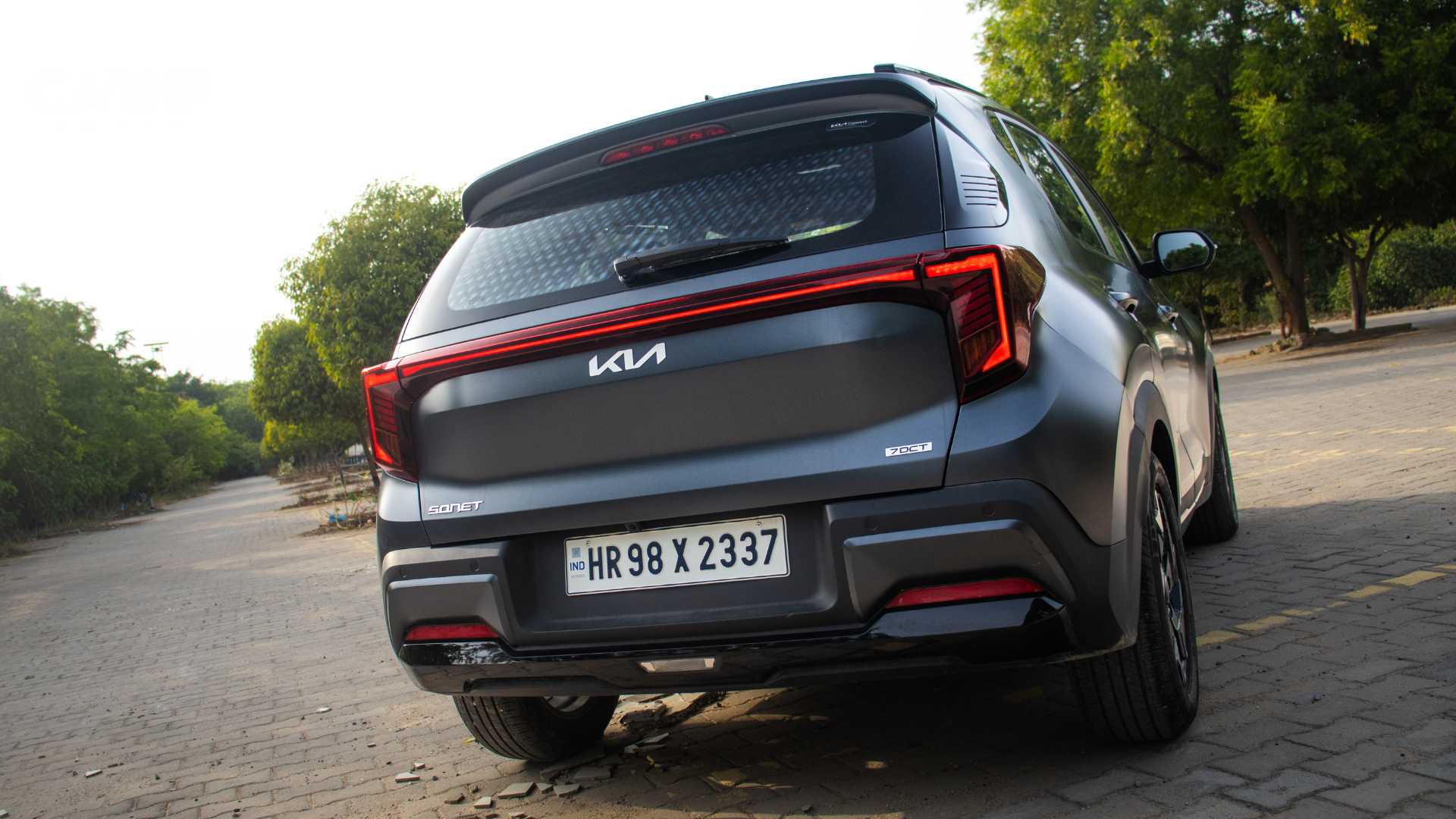
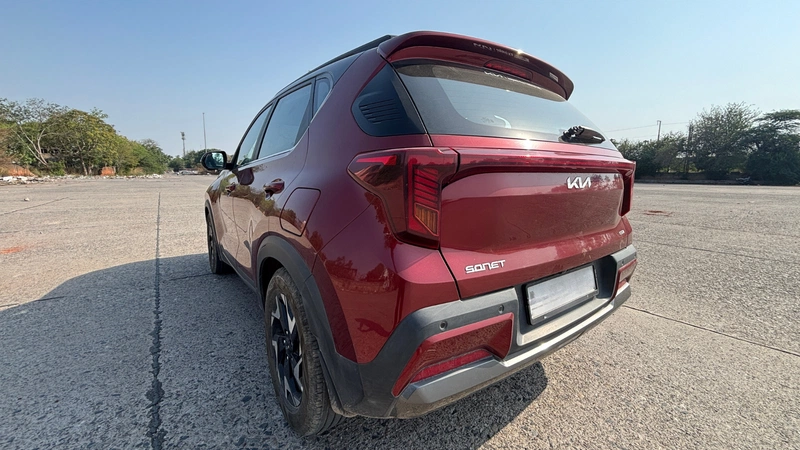
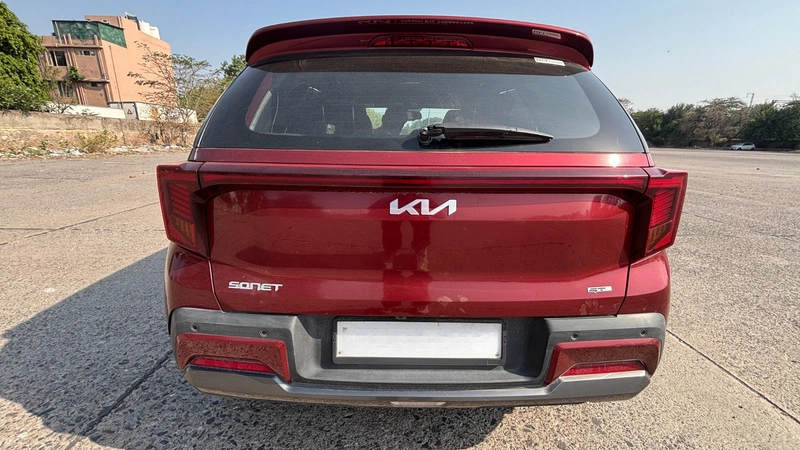
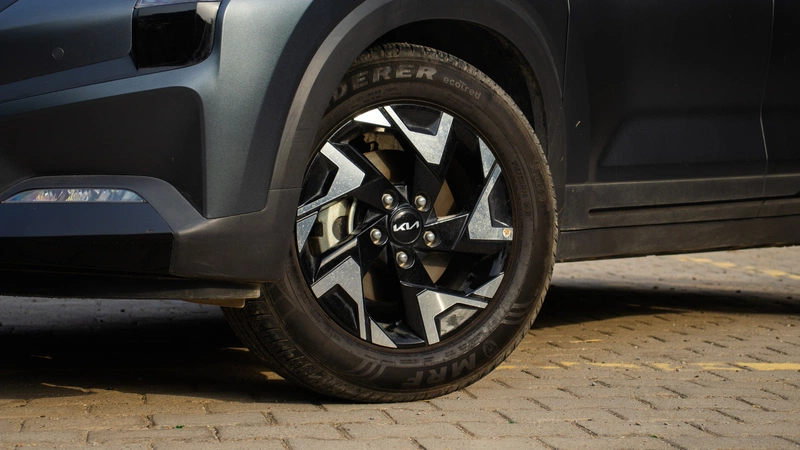
From the side the 16-inch alloys fill the arches adequately and the floating roof effect adds visual length. At the rear the LED tail lamps and clean tailgate keep things tidy.
Build quality feels solid for the segment. There are no inconsistent panel gaps, the doors close with a reassuring weight, and the paint finish on the dual-tone cars looks premium.
Ground clearance is enough for most urban obstacles, and I never felt doubtful about scraping the car’s underbody over typical speed breakers or rough patches during my drives.
safety
safety
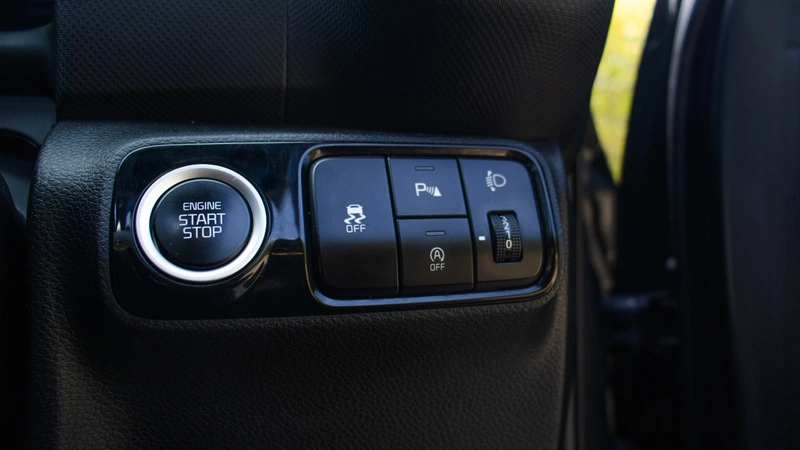
The facelifted Sonet improved its safety credentials with six airbags, ABS with EBD, ESC (electronic stability control), and hill-start assist as standard.
The X-Line Turbo DCT gets the full suite, including Level 1 ADAS, with functions such as Forward Collision-Avoidance Assist, Lane Keep Assist, Lane Following Assist, High Beam Assist, Driver Attention Warning, and Leading Vehicle Departure Alert.
Global NCAP ratings for the pre-facelift Sonet were nothing to rave about, to say the least. While the test conducted was for the African market, a 1 and 3 star rating for adult and child occupant safety respectively, is concerning.
The current model has not been re-tested under the latest protocols, though with added standard safety features that were absent on the previously tested unit, it should fare better. It is worth noting that the new Hyundai Venue, based on the new K1 platform, received a 5-star Bharat NCAP safety rating, and the upcoming facelift of the Sonet could replicate the same.
competition
competition
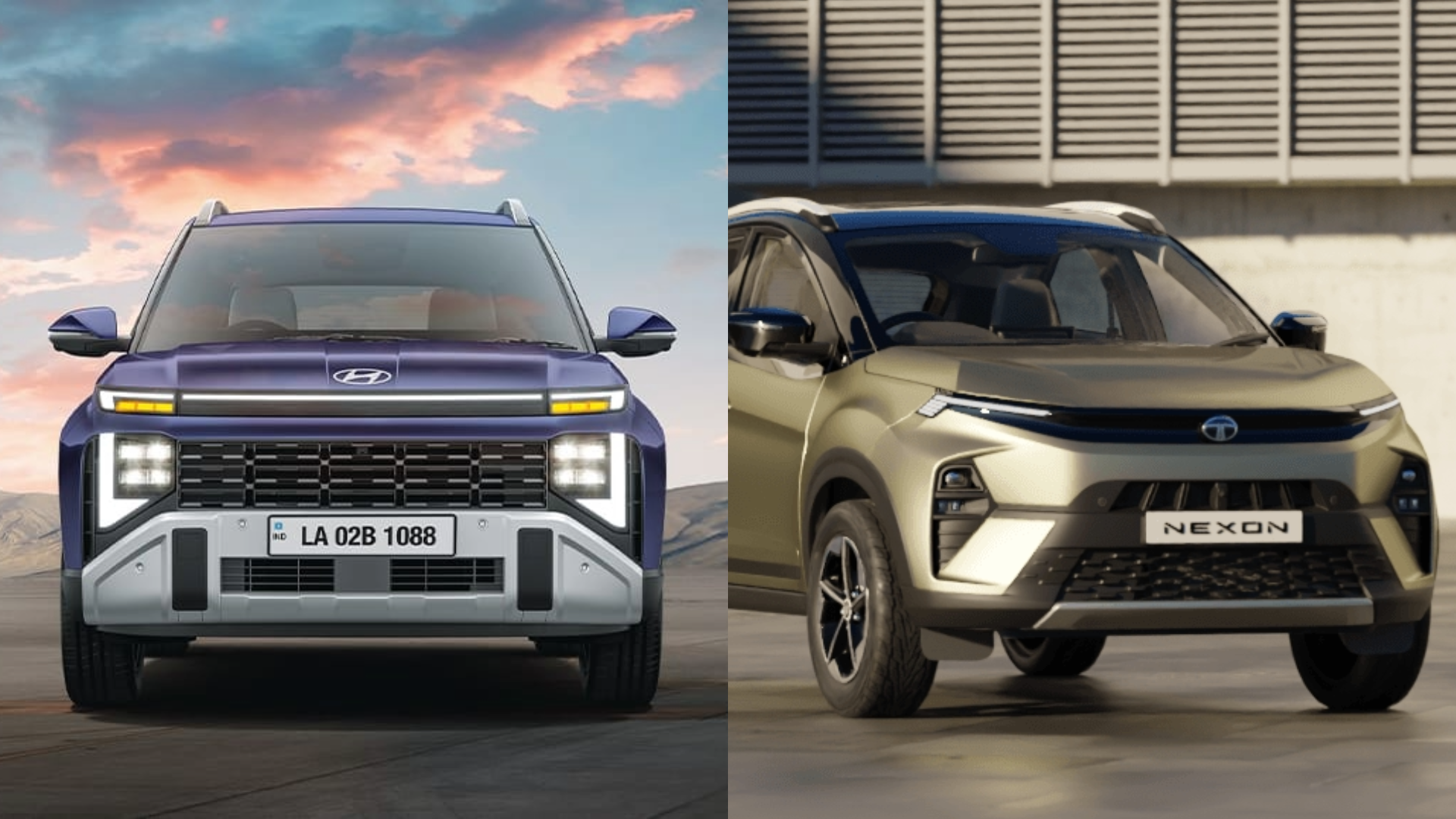
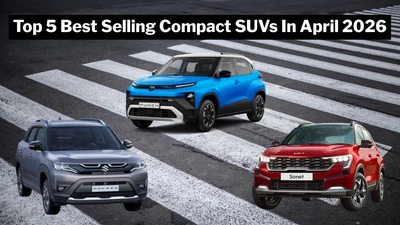
The sub-4-metre SUV segment is arguably India's most competitive, and the Sonet sits right in the middle of the storm.
The Hyundai Venue offers a nearly identical powertrain and a similar feature set, but currently holds an advantage by having the better platform, which the Sonet will receive in its next generation update.
The Tata Nexon counters with stronger safety credentials and a more absorbent ride, though its AMT and DCA automatic options are less advanced than the Kia’s torque converter and DCT.
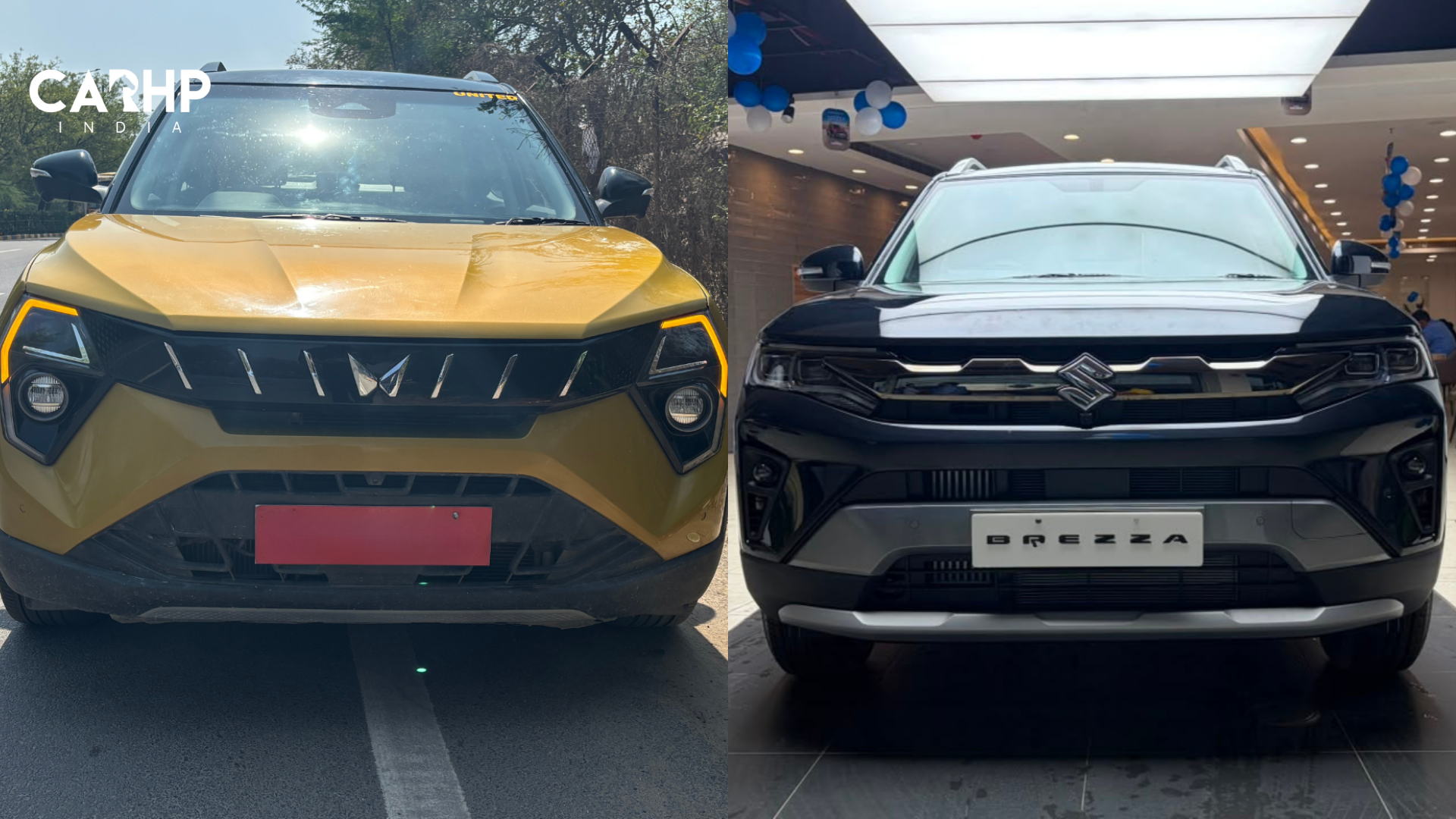
The Mahindra XUV 3XO brings more space and features in some trims, better ride quality and safety, but just like Tata, Mahindra’s after-sales service experience can be a hit or a miss.
Maruti’s Brezza remains the volume player with strong reliability and with recently added turbo punch and a 5-star BNCAP rating, it has become a lot more desirable in this segment.
Against these rivals, the Kia’s strength is the combination of a responsive turbo-DCT package, high equipment levels and a cabin that feels special. But, it loses out i terms of rear space and ride comfort over broken roads.
final verdict
final verdict
The Kia Sonet Turbo DCT is a car that prioritises fun and features over pure practicality. The 1.0 turbo and 7-speed DCT combination is genuinely enjoyable once you are on the move. City driving is effortless, highway overtakes are easy, and the cabin is one of the more pleasant places to spend time in this segment. The X-Line styling adds a special road presence as compared to the standard colours.
The Sonet is not perfect. Fuel economy demands a light foot if you want respectable numbers, the rear seats are adequate at best for long journeys, and the ride is not the best over poor surfaces.
Yet, for buyers who value a peppy automatic powertrain, strong equipment and a cabin that punches above its price, the Sonet Turbo DCT delivers.
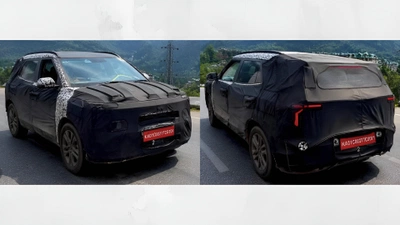
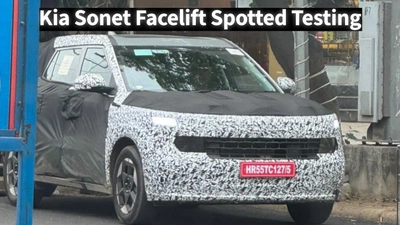
If you are not in a hurry though, wait for the next-generation Sonet, featuring a new platform with a longer wheelbase that should improve the car’s cabin space and safety credentials.
buying advice
buying advice
Among the full range of Sonet powertrains, the 1.0 Turbo DCT in HTX or higher trims is the sweet spot for most buyers who want an automatic.
The naturally aspirated 1.2-litre manual is only recommended if you are on a very tight budget, as with just 82 bhp and 115 Nm, it will feel underpowered as compared to rivals and its own turbo petrol variant.
The diesel, especially with the automatic, is the recommended pick if you have high running across both city and highway and want a decent blend of efficiency and performance.
Within the turbo-DCT range, the X-Line is only worth the premium if the matte grey paint finish appeals to you. If pure value matters more, the HTX or GTX+ Turbo DCT deliver nearly the same driving experience and most of the important features at a lower price.
If you test drive the turbo DCT, try both Normal and Sport modes, and spend time in stop-go traffic to understand the DCT behaviour.
Need the turbo petrol, but cannot stretch the budget for the DCT variants? Go for the HTK (O) IMT. Mated to a clutchless manual transmission, this is the most affordable turbo petrol variant.
Kia Sonet mileage
The Kia Sonet mileage ranges from 18.4 to 24.1 kmpl. The Manual Diesel variant has an ARAI mileage of 24.1 kmpl. The Automatic Diesel variant has an ARAI mileage of 24.1 kmpl. The Manual Petrol variant has an ARAI mileage of 18.4 kmpl. The Automatic Petrol variant has an ARAI mileage of 18.4 kmpl.
| Fuel Type | Transmission | ARAI Mileage | * City Mileage | * Highway Mileage |
|---|---|---|---|---|
| Diesel | Manual | 24.1 kmpl | - | - |
| Diesel | Automatic | 24.1 kmpl | - | - |
| Petrol | Manual | 18.4 kmpl | - | - |
| Petrol | Automatic | 18.4 kmpl | - | - |
Kia Sonet Expert Reviews
Kia Sonet X-Line Review: The Good, the Bad and Everything In Between
With the 2024 update, Kia refreshed the Sonet's design, updated the interior layout, and packed in features like dual 10.25-inch displays, level-1 ADAS, driving modes, and a 360-degree camera. Positioned at the top of the lineup, the X-Line variant brings a stealthy, premium look to complement its turbo-petrol and diesel powertrains.
Vatsal Agrawal
August 9, 2026
Kia Sonet News
Kia Plans to Bring Sonet and Carens Clavis Hybrids to India Before 2030
At Kia's 2026 CEO Investor Day, president Ho Sung Song confirmed strong hybrid powertrains for the Sonet and Carens Clavis in India by 2029, a new locally developed B-segment electric SUV, and the Carnival hybrid arriving this year.
Arjun Nair
August 21, 2026
Kia Sonet FAQs
Does the Kia Sonet come with 6 airbags as standard across all variants?
−Yes. Six airbags, dual front, front side, and side curtain, are standard on every variant without exception.
Is a diesel automatic available in the Sonet?
+Yes. The 1.5-litre CRDi diesel is offered with a 6-speed automatic transmission, available on the highest variants (except the top).
What is the boot space of the Kia Sonet?
+The Sonet offers 385 litres of boot space, which is among the better figures in the sub-4-metre SUV segment.
Does the Sonet get an electric sunroof, and from which variant?
+Yes. The electric sunroof is not available on the base variant, and on the next upper variant as an optional feature.
What is the Kia Connect subscription period, and what does it offer?
+Kia Connect comes with a 3-year free subscription and offers 70+ features including remote engine start, remote AC control, OTA updates, live vehicle tracking, and Amazon Alexa integration.
Does the Sonet support wireless Android Auto and Apple CarPlay?
+Wireless Android Auto and Apple CarPlay are available on the second and above variants. Lower variants get wired connectivity.
Is the Kia Sonet available in petrol, CNG, electric or diesel engines?
+The Sonet is currently available with Petrol and Diesel engines.
What are the key safety features in the Sonet ?
+The Sonet comes equipped with several safety features including Anti-lock Braking System (ABS), Central Locking, Electronic Brakeforce Distribution (EBD), Electronic Stability Control (ESC) and Hill Assist.
What are the boot space and dimensions of the Kia Sonet?
+The Sonet offers 385 Litres of boot space. Its dimensions are 3995 mm in length, 1790 mm in width, and it has a wheelbase of 2500 mm.
What colours does the Kia Sonet come in?
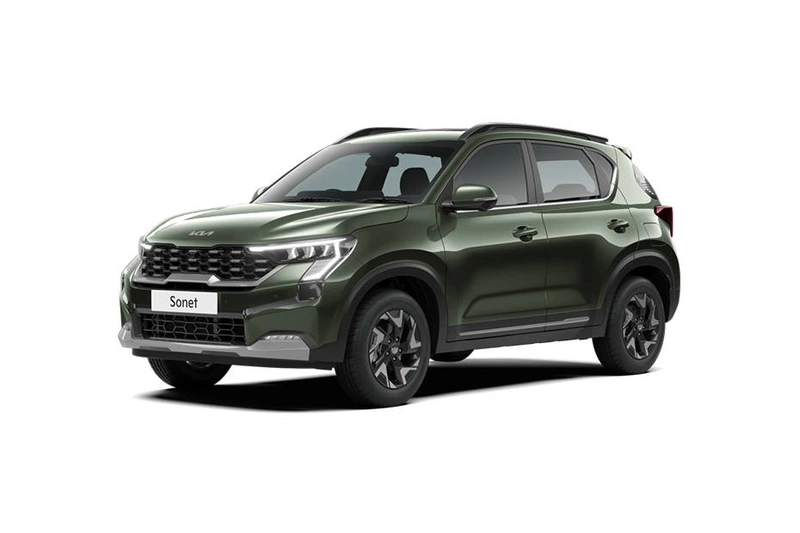
+The Kia Sonet is available in the following colours: Glacier White Pearl, Sparkling Silver, Pewter Olive, Intense Red, Aurora Black Pearl, Imperial Blue, Glacier White Pearl With Aurora Black Pearl and Gravity Gray.