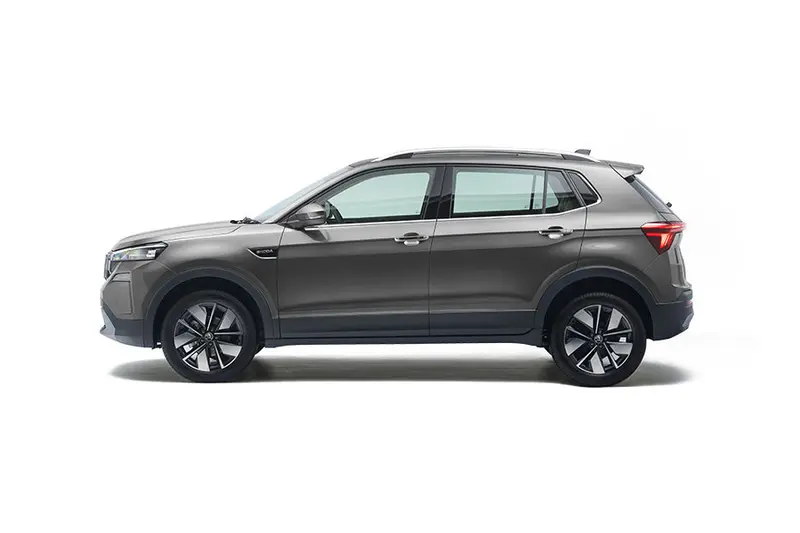
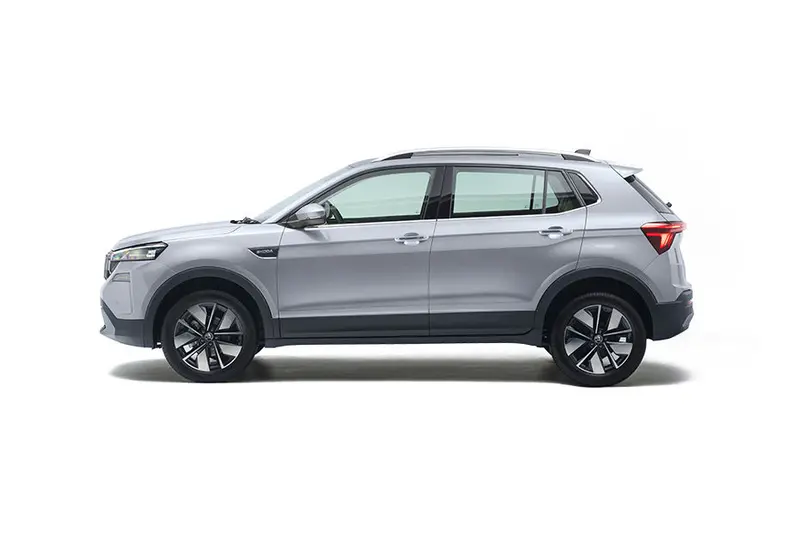
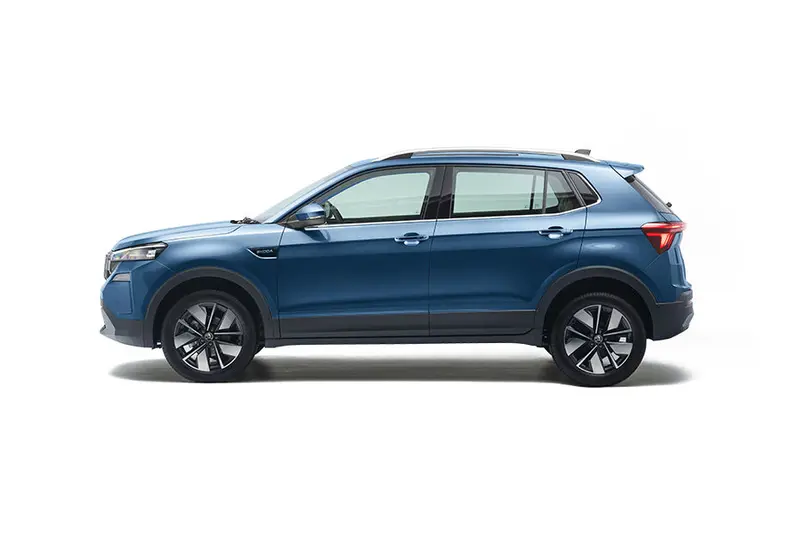
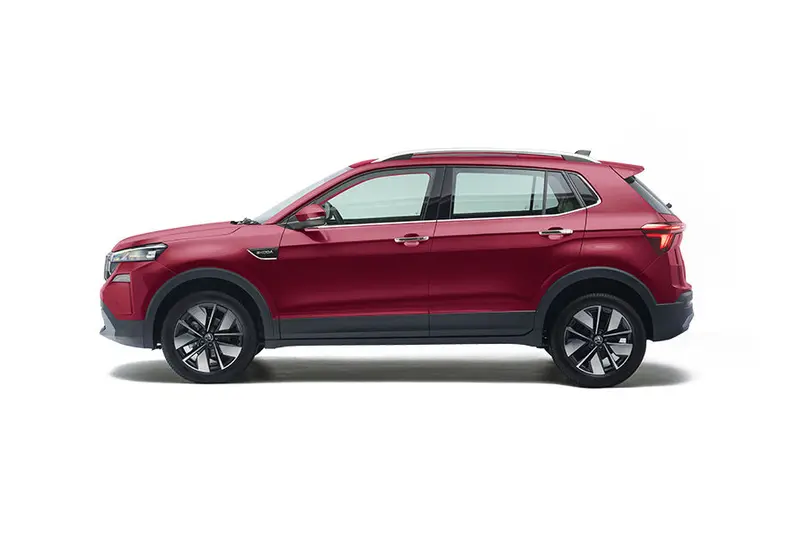
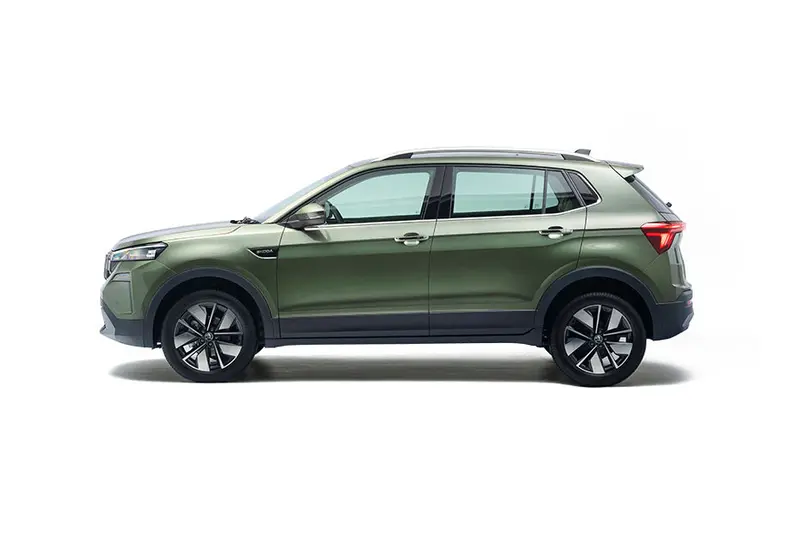
Skoda Kushaq
Overall Rating

Skoda Kushaq
Overall Rating
EMI Loading
Skoda Kushaq Key Specifications
Skoda Kushaq Highlights

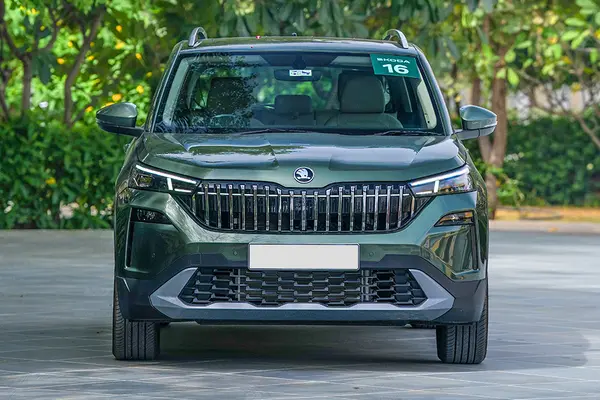
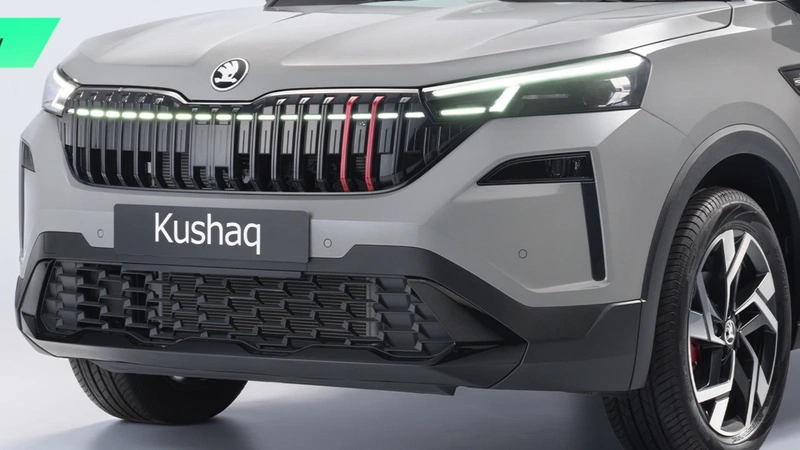
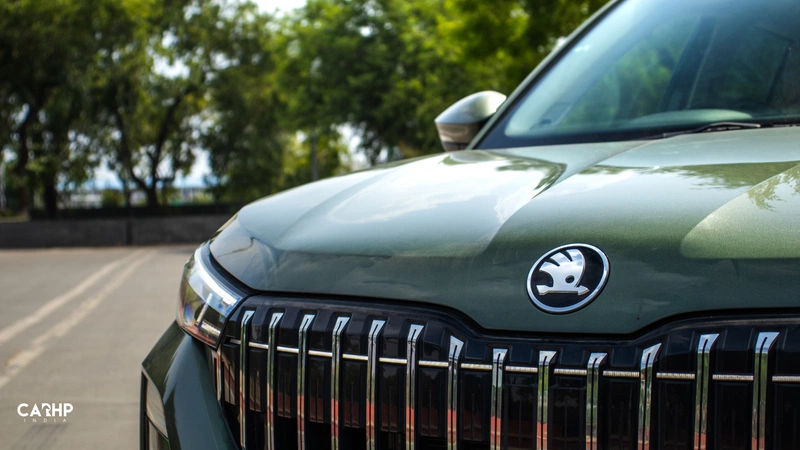
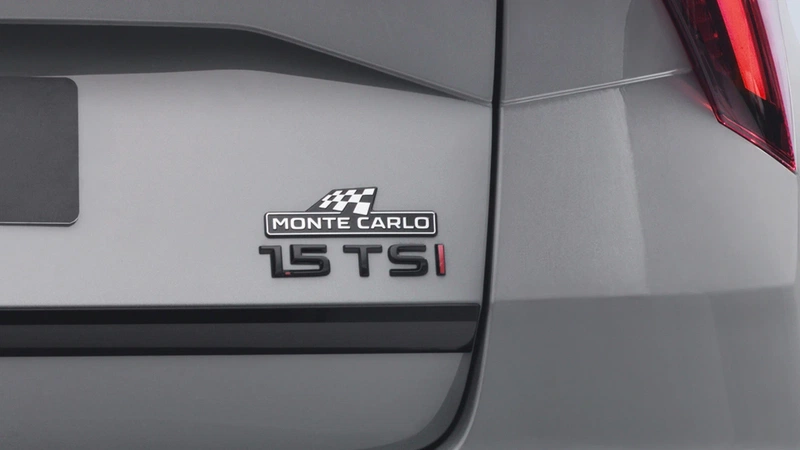
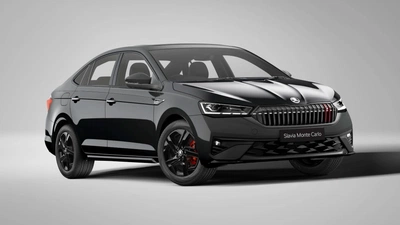
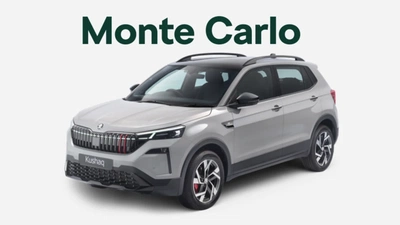
The Kushaq Monte Carlo trim gets special red accents in the grille.
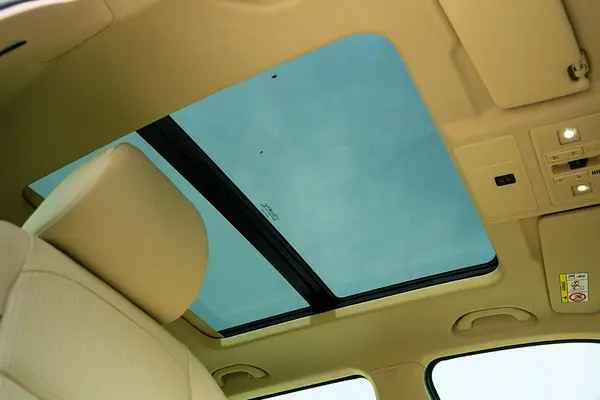
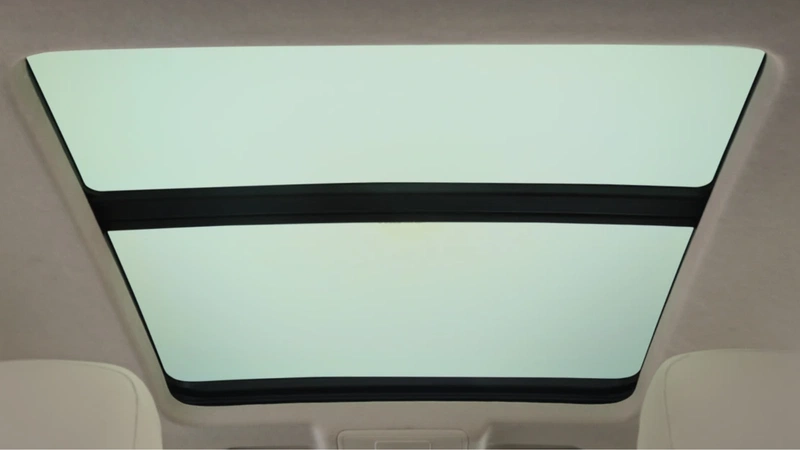
The sunroof is offered as a standard feature across the range.
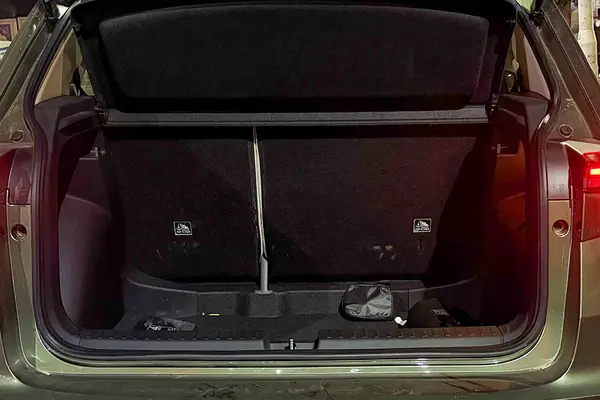
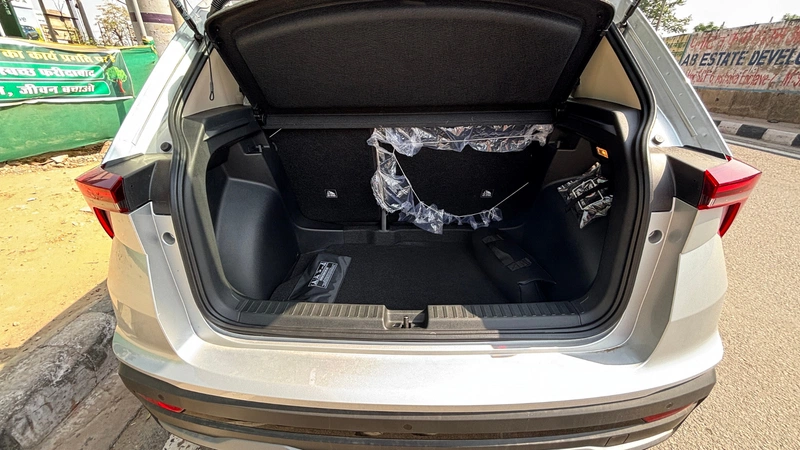
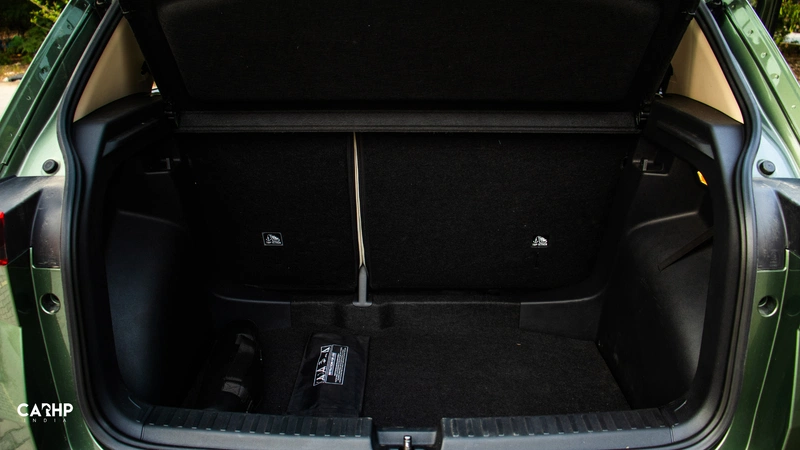
The Skoda Kushaq facelift gets a 491-litres of boot space.
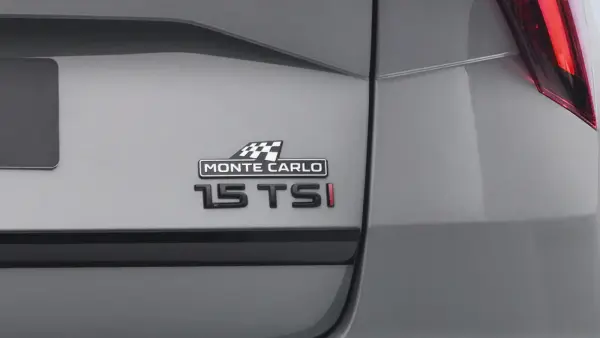
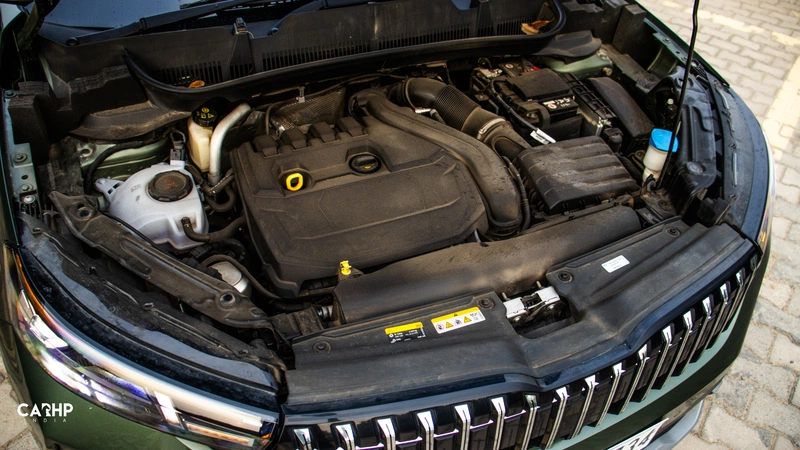
The Kushaq facelift gets two engine options, a 1.0-litre TSI and a 1.5-litre TSI.
What's new in Skoda Kushaq
- 8-speed automatic with 1.0 L across all variants, New LED lights front and rear, rear massaging seats, front parking sensor, new panoramic roof and info display, rear disc brakes for 1.5 engines

Expert Review
reviewed by Arjun Nair
After my short drive, I was left wanting more time with the Kushaq 1.5 TSI DCT. It is one of the most engaging and polished midsize SUVs currently available, of... Read More
After my short drive, I was left wanting more time with the Kushaq 1.5 TSI DCT. It is one of the mos... Read More
Exterior
Interior
Safety
Engine
Ride & Handling
Road Test Photos
Good Things
- 1.5-litre TSI engine is one of the best in its segment
- Confidence-inspiring steering and precise handling
Could Be Better
- Stiff suspension transmits more road imperfections into the cabin
- Noticeable turbo lag in busy city driving
Updated 9 days ago
Expert Review
reviewed by Arjun Nair
After my short drive, I was left wanting more time with the Kushaq 1.5 TSI DCT. It is one of the most engaging and polished midsize SUVs currently available, of... Read More
After my short drive, I was left wanting more time with the Kushaq 1.5 TSI DCT. It is one of the mos... Read More
Exterior
Interior
Safety
Engine
Ride & Handling
Exterior
Interior
Safety
Engine
Ride & Handling
Road Test Photos
Good Things
- 1.5-litre TSI engine is one of the best in its segment
- Confidence-inspiring steering and precise handling
Could Be Better
- Stiff suspension transmits more road imperfections into the cabin
- Noticeable turbo lag in busy city driving
Updated 9 days ago
Skoda Kushaq Overview

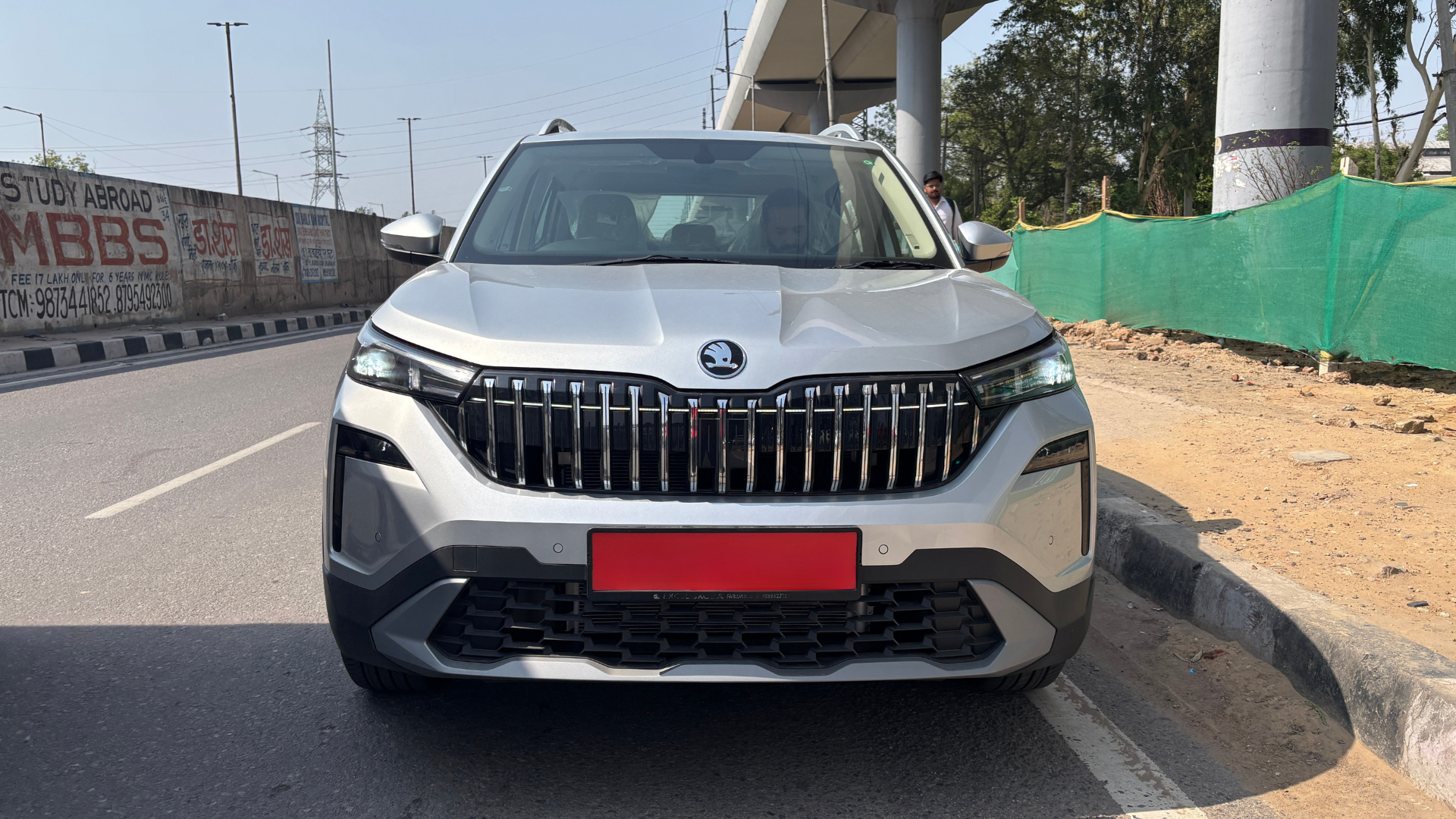
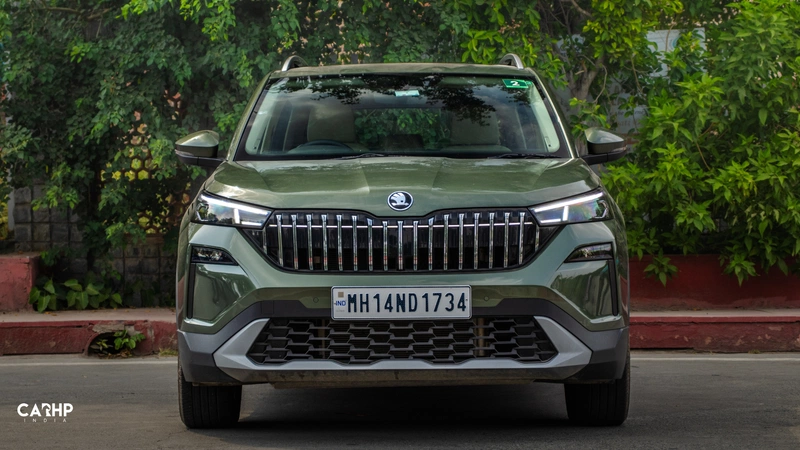
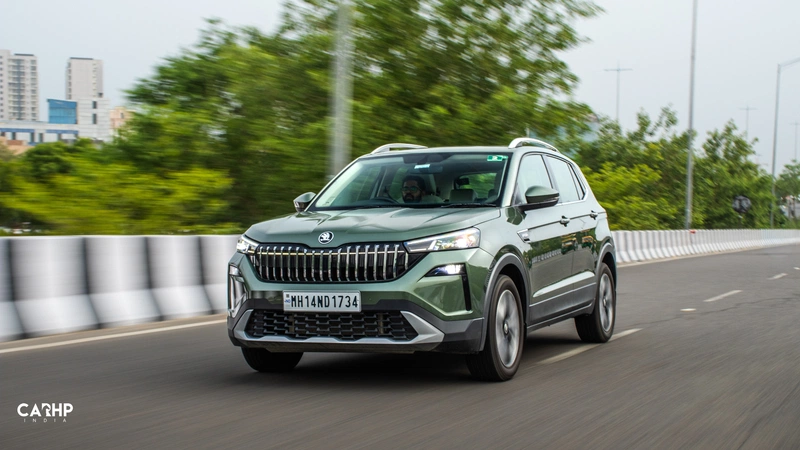
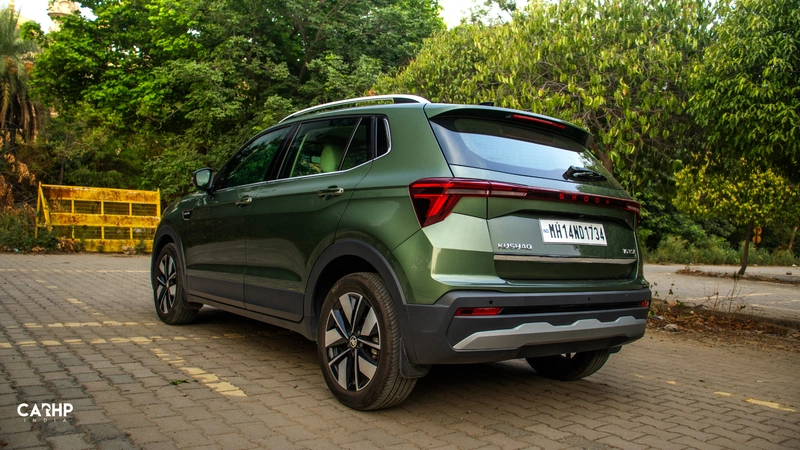
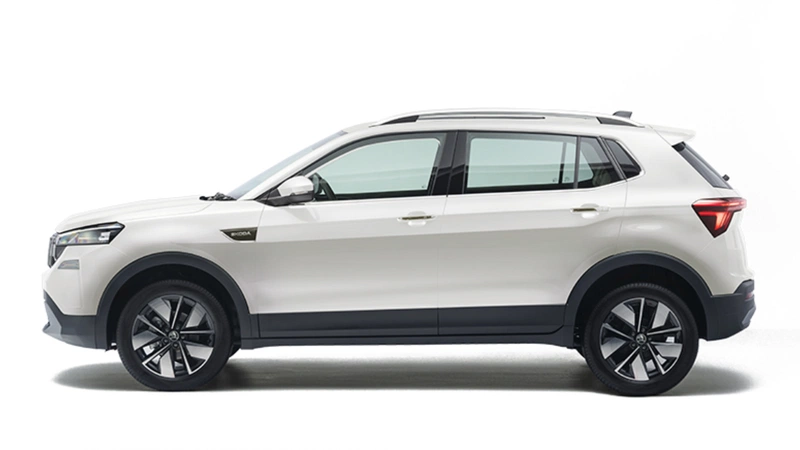
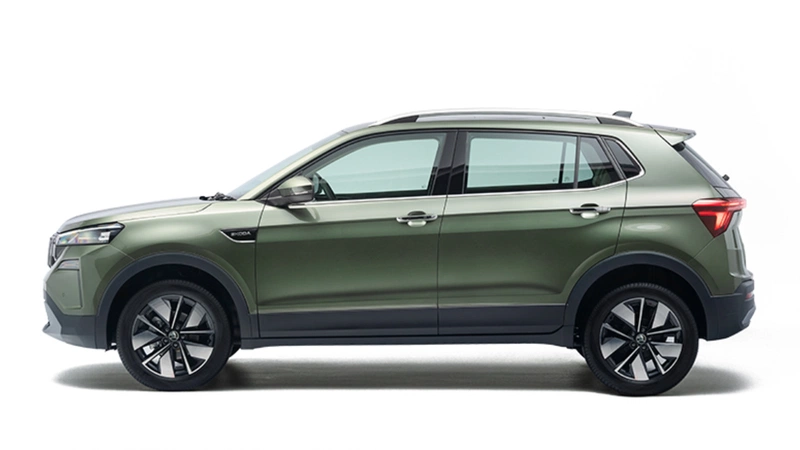
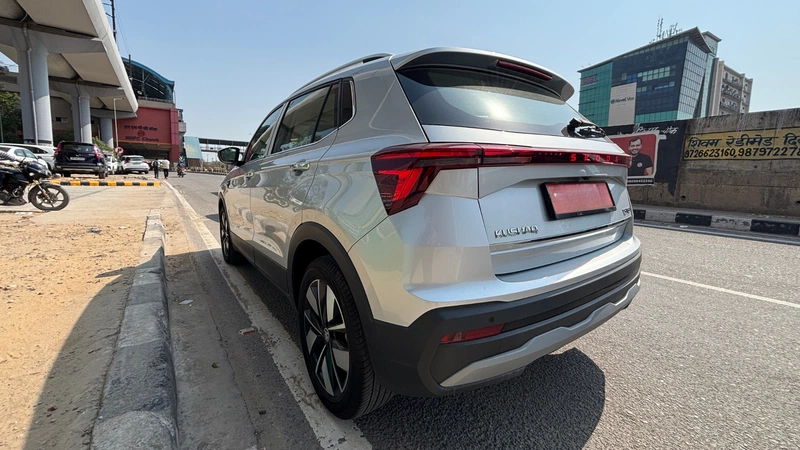
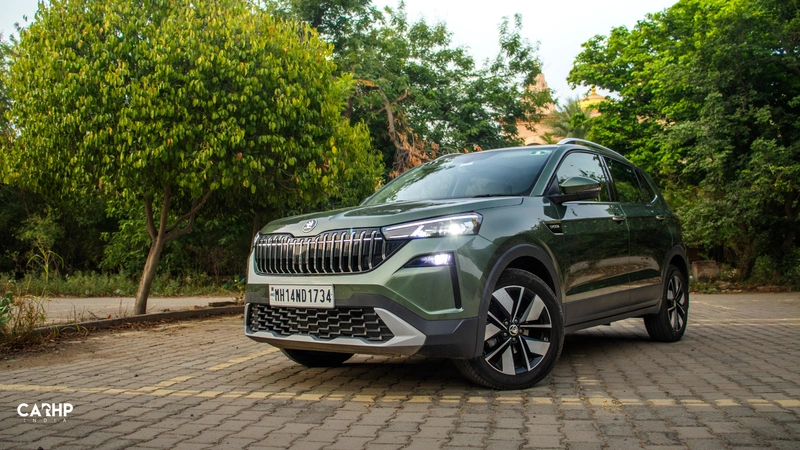
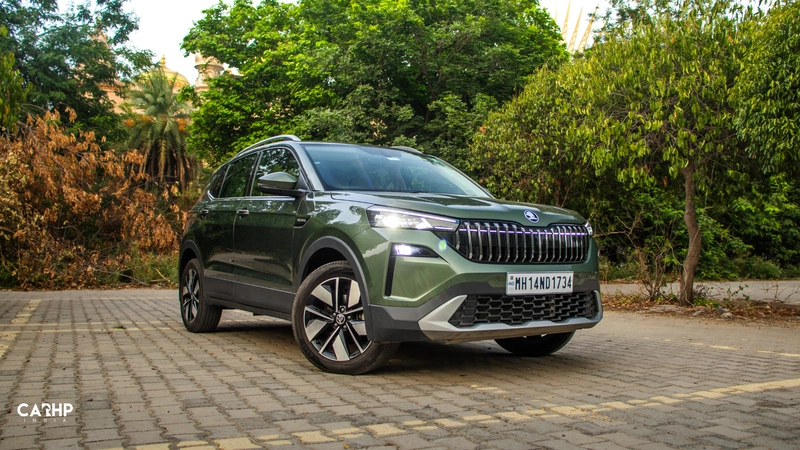
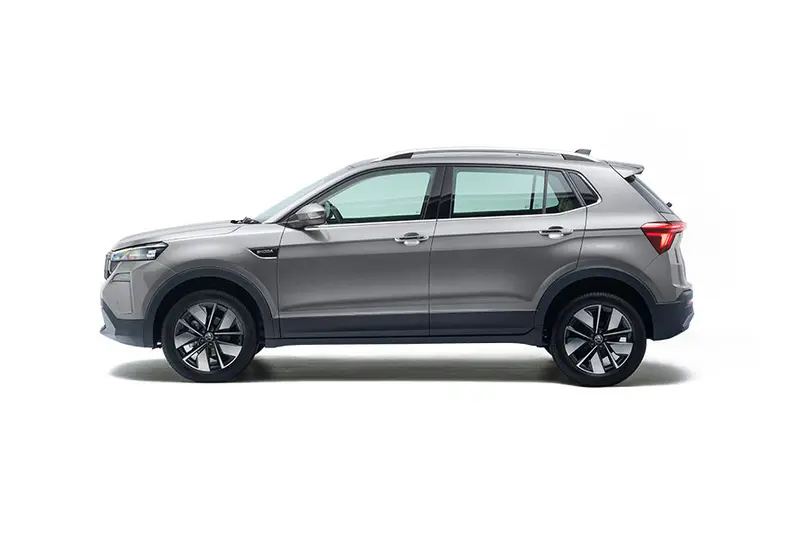
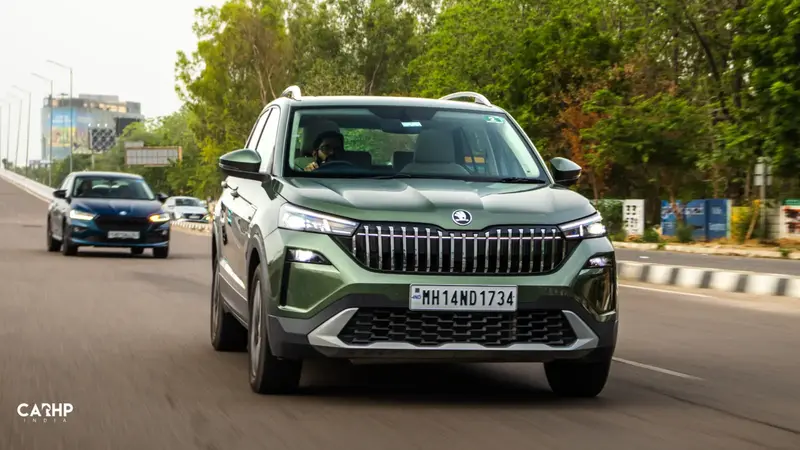
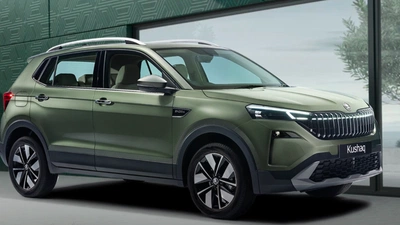
I was fortunate enough to get behind the wheel of a silver Skoda Kushaq 1.5 TSI automatic just a few days after its launch. This is actually the second updated Kushaq we've driven, with our first being the green one. If you're interested, you can read our review of that car as well.
Having spent considerable time with the pre-facelift Kushaq 1.5 TSI, I found the driving experience to be largely unchanged, and that's a good thing. The SUV was already one of the most engaging to drive in its segment, so there wasn't much that needed fixing.
The biggest mechanical update in the refreshed Kushaq is reserved for the 1.0 TSI variants, which now get an Aisin-sourced 8-speed automatic transmission in place of the much-criticised 6-speed torque converter. The silver test car, however, was equipped with the familiar 1.5 TSI engine paired with the 7-speed DSG, and here's what I think of it.
Engine and Performance
Engine and Performance
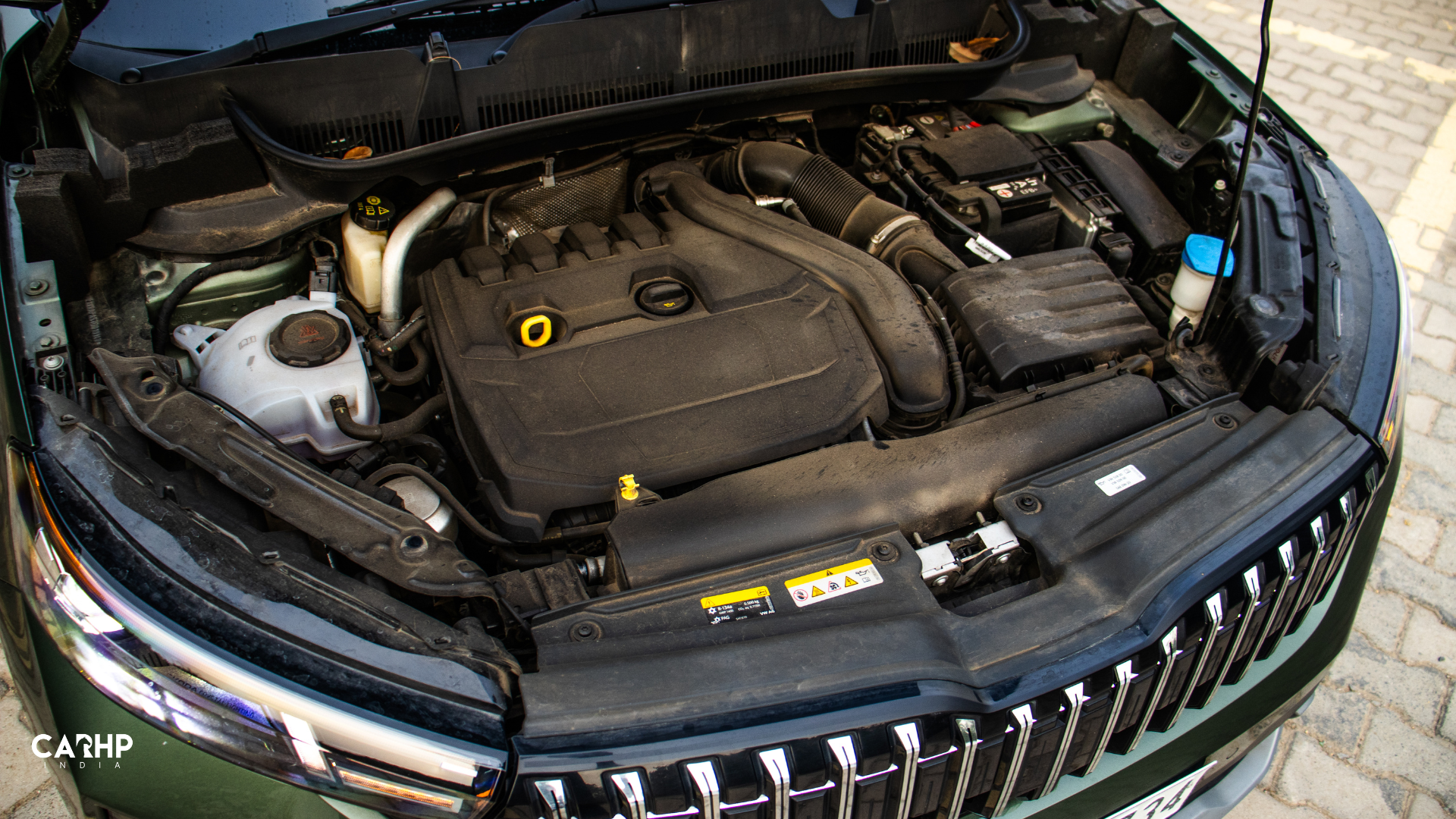
This is the reason why you would even bother looking at the 1.5 TSI Kushaq.
Let's get the usual "turbo in the city" nonsense out of the way first. By definition, a turbocharged engine has lag. The art lies in minimising it, or not, for that matter. Yes, there is turbo lag, and yes, it takes away some of the fun of driving the Kushaq in the city, but that's to be expected from almost every turbocharged engine. I still haven't driven a turbo-petrol car under ₹40 lakh with no noticeable lag, so it's not a con in my opinion, just the way turbocharged cars are.
Once you cross the 2,000 rpm mark, the 1.5 TSI comes alive with the same fierce mannerisms as before. There are no horsepower or torque changes in this facelift, and honestly, none were needed.
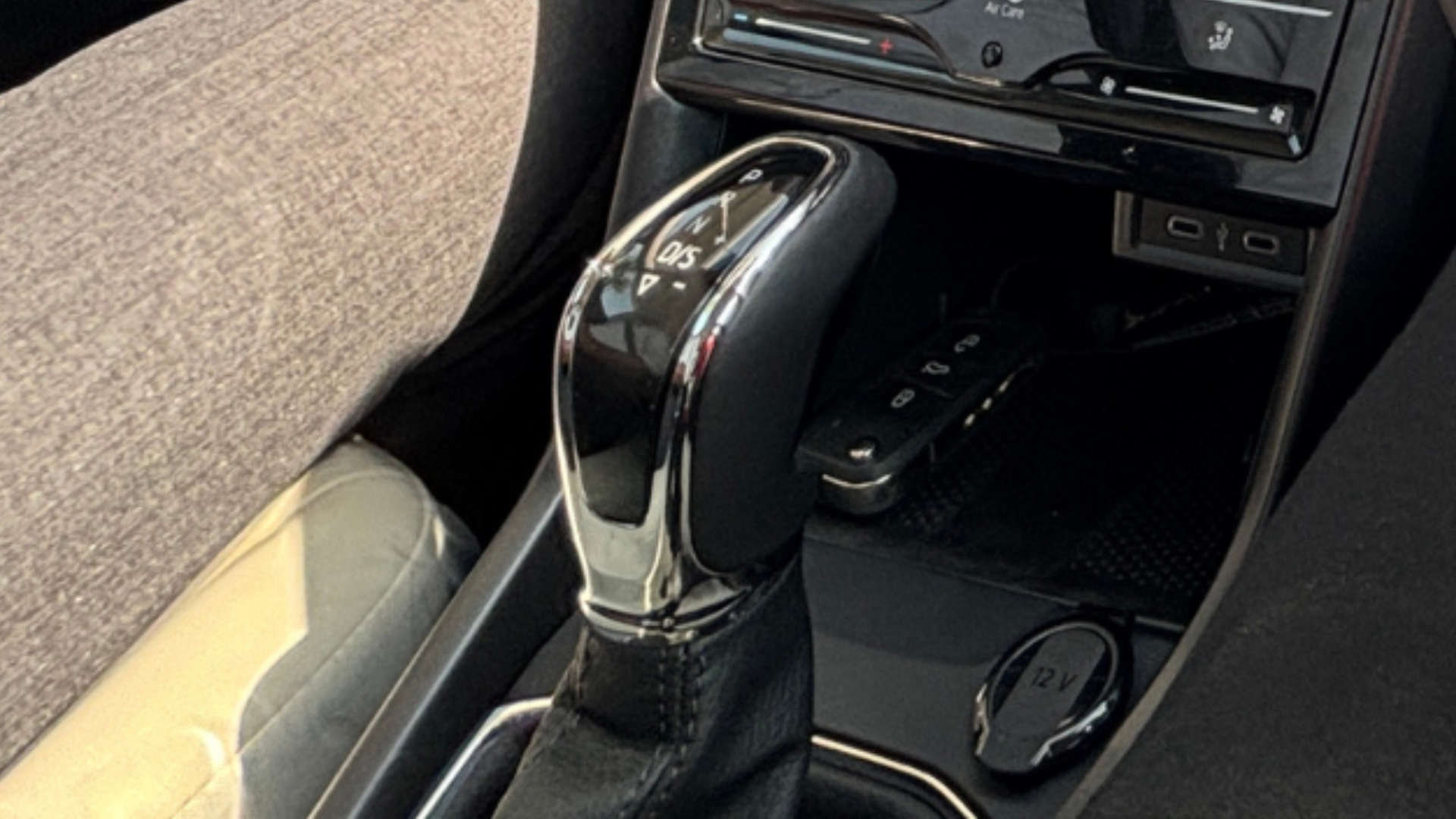
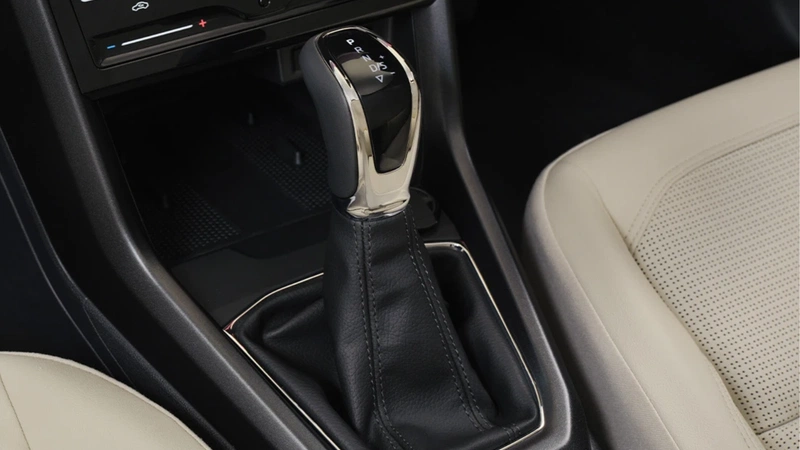
The 7-speed dry-clutch DSG is tuned exceptionally well and suits the whole sporty character of the 1.5 perfectly. I was worried Skoda might replace it with the new 8-speed torque converter, but thankfully that isn't the case.
The new 1.0 TSI with the 8-speed AT is for those who prefer laid-back driving. The DSG one is for the hustlers. It's a clear-cut difference.
The gearshifts are noticeable, but for the lack of a better word, they're smoother than before. The older DSG had owners worried because of its alleged overheating issues, which often turned out to be caused by keeping the car in Drive while stationary instead of shifting to Neutral.
Regardless, I'm glad the Volkswagen Group has traded a tiny bit of shift speed in favour of keeping temperatures under control. You wont notice this at all, I only did because my ex-manager had the DSG equipped pre-facelift one.
Another gearbox-related quirk I noticed is that, unless you're in Sport mode, it's very eager to shift into a higher gear in the interest of fuel economy.
The in-gear acceleration of Kushq is one of its highlights from 60 kmph to around 120 kmph is phenomenal. It's insanely well done.
Steering feel is absent, but then again, no SUV under ₹1 crore has great steering feel these days.
That said, it's light, responsive and does exactly what you ask of it without hesitation.
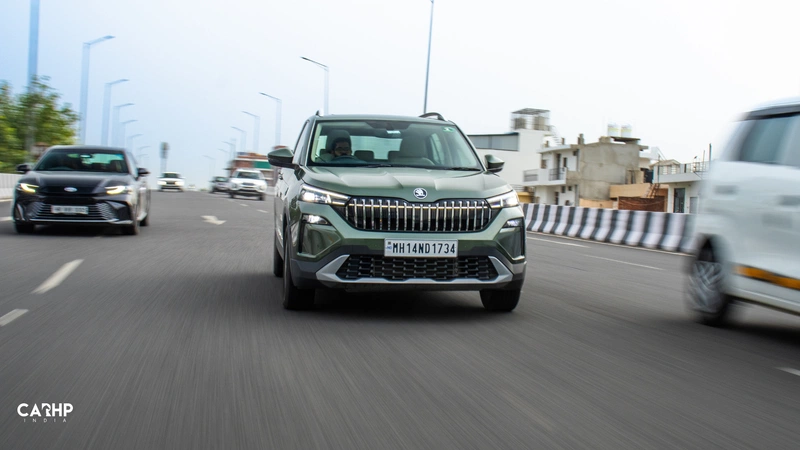
The chassis is on rails at all times and feels stable as a rock. None of the jumps, bounces or loosey-goosey body motions you get in some Maruti cars are present in the facelifted Kushaq.
It stays tight and well sorted whether you're cruising on the highway or pushing it through a set of corners. I didn't take it much beyond 100 kmph because this was a test car and the dealer was rather impatient to get it back.
One interesting thing I noticed is that, despite being a bit softer sprung than the equivalent 1.5 Taigun, the Kushaq doesn't roll forward as much under heavy braking.
I know that sounds counterintuitive, but the pitch and bounce are better controlled from Skoda's end, at least from what I could feel. And yes, I drove both cars almost exclusively in Sport mode.
Braking has received a huge upgrade with disc brakes on all four wheels. They should have been standard across the range, but only the 1.5 gets them. The brakes feel sharper, inspire much more confidence than before and have noticeably better bite.
fuel economy
fuel economy
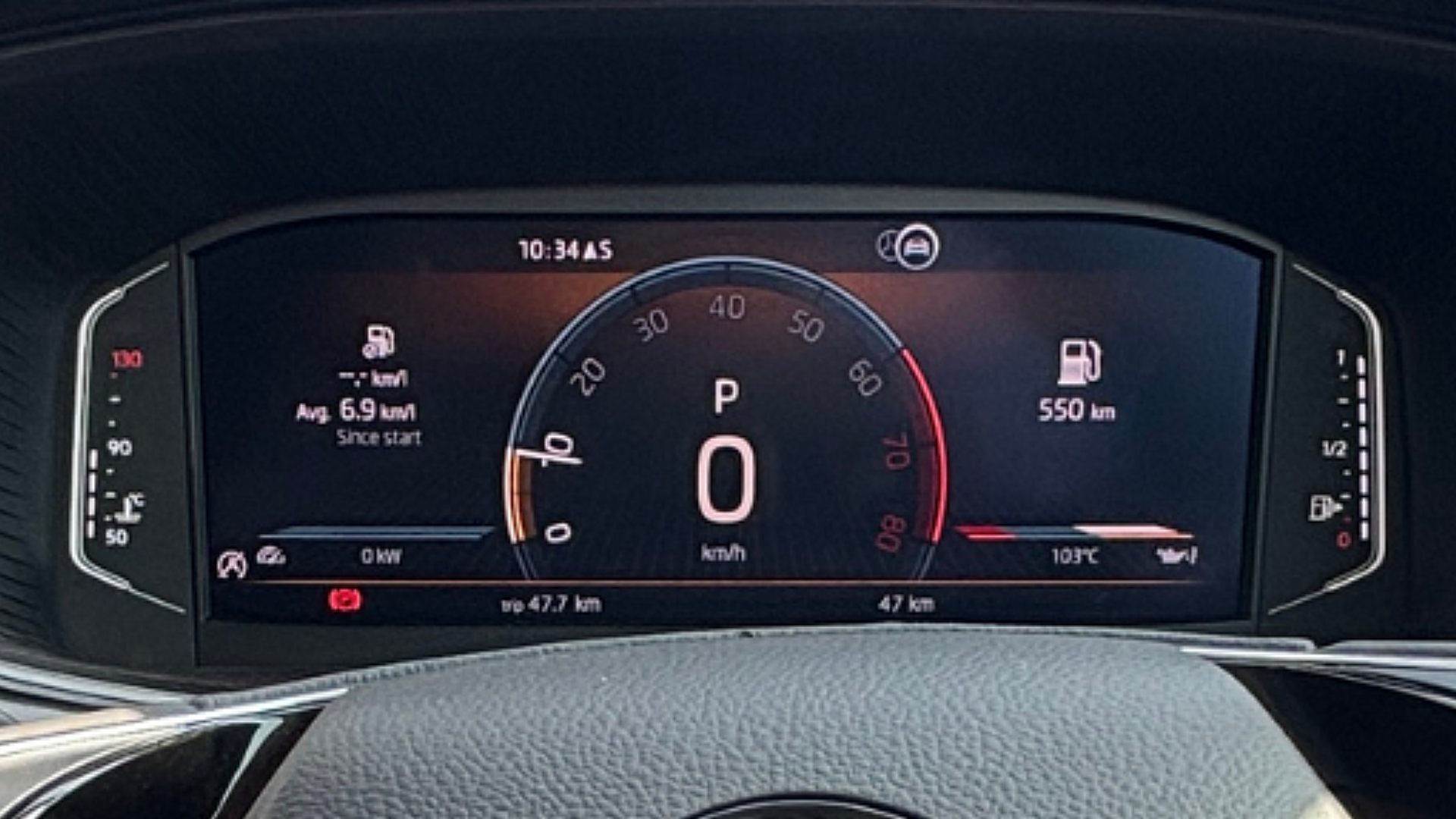
If fuel economy is your primary concern, I'd suggest staying away from the 1.5 TSI. At best, it'll return around 8 to 9 kmpl in mixed driving, with 12 kmpl being the upper limit if you're particularly careful with the throttle.
The 1.0 TSI is noticeably more efficient, averaging around 11 to 12 kmpl, while 15 kmpl or more is achievable if you drive with fuel economy in mind. The lower variants, which come with 16-inch wheels, should fare even better, offering an additional 1 to 2 kmpl over their 17-inch-equipped counterparts.
interior
interior
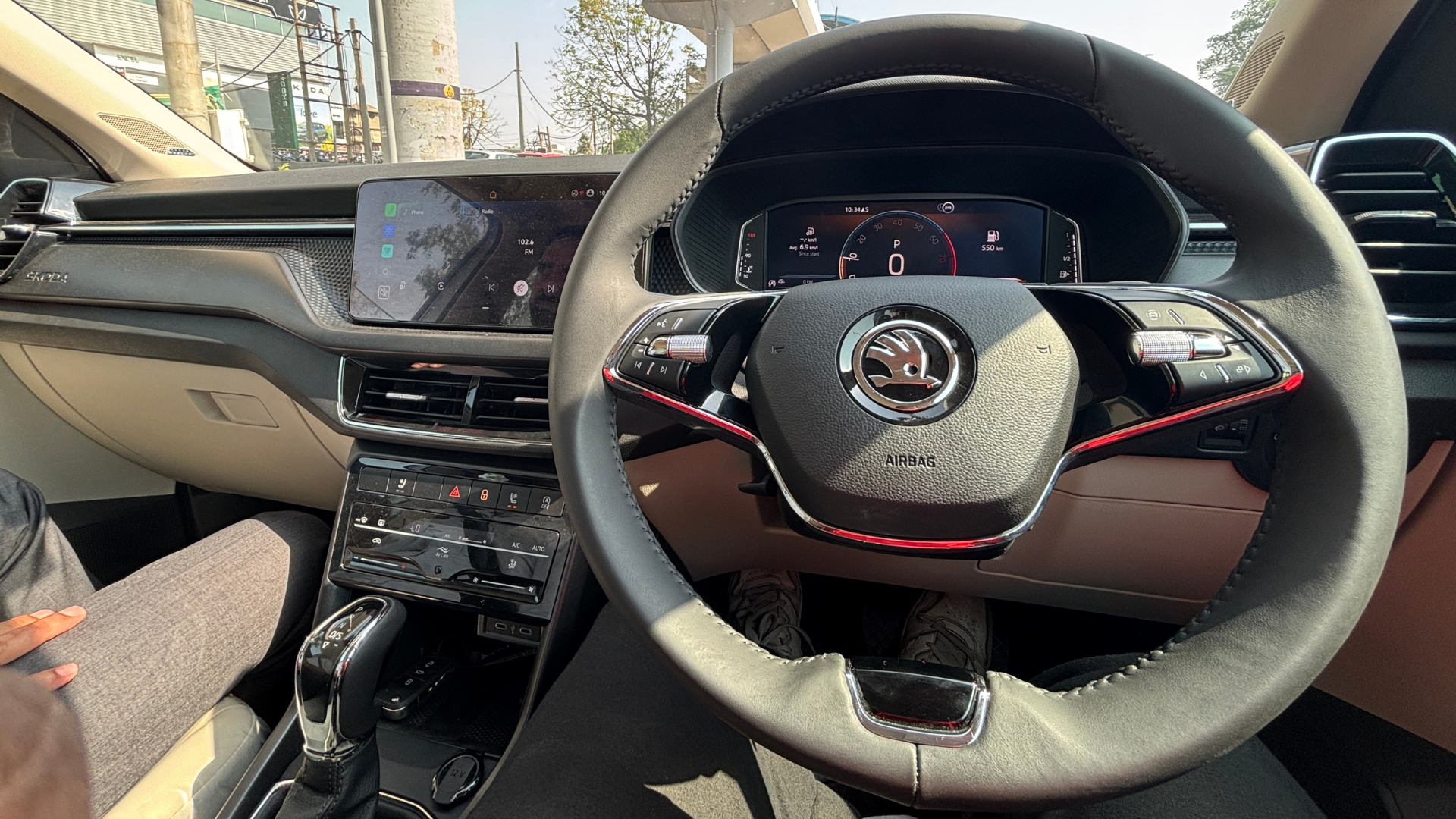
Right, the interior. Let's start with the disappointments first and then move on to some of the positives.
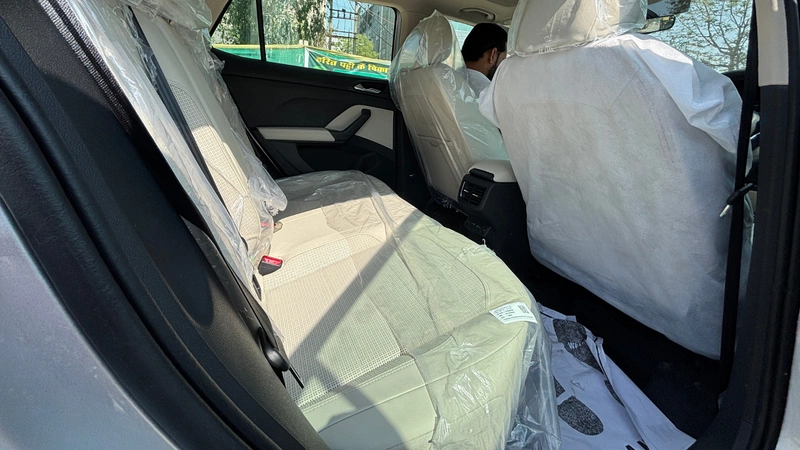
Space is just not something the designers of Volkswagen Group's MQB A0 IN platform ever spared a thought for. I have driven the Creta, Grand Vitara, Kiger, Seltos, Elevate, Hyryder and even the Virtus, but the space inside the Kushaq is the least among them. I am not tall by any measure, standing at a regular 5 ft 7 inches with a medium build, and yet I wished for a bit more freedom of movement.
If cabin space is your priority, check out our list of the best big SUVs under ₹15 lakh.
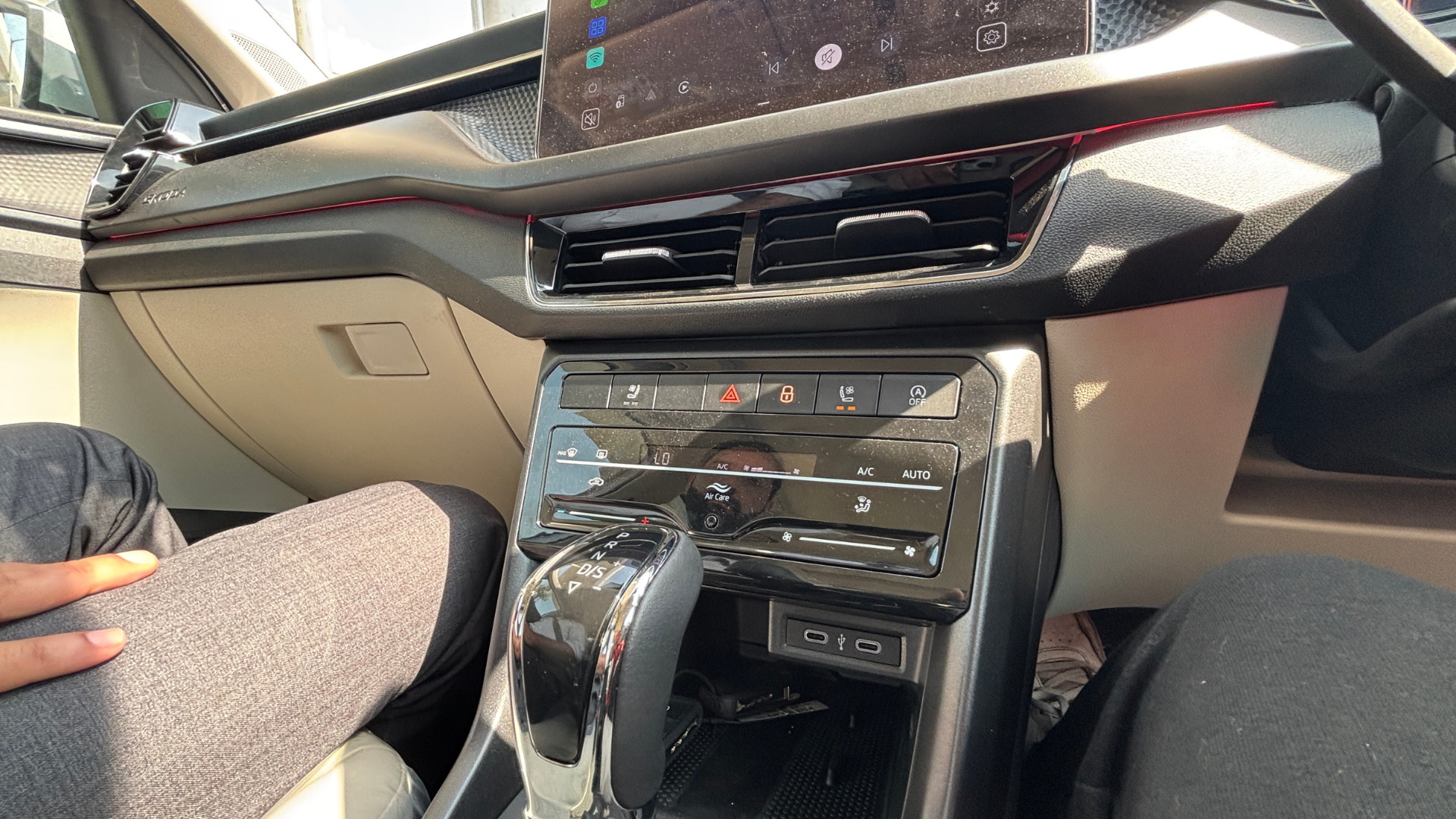
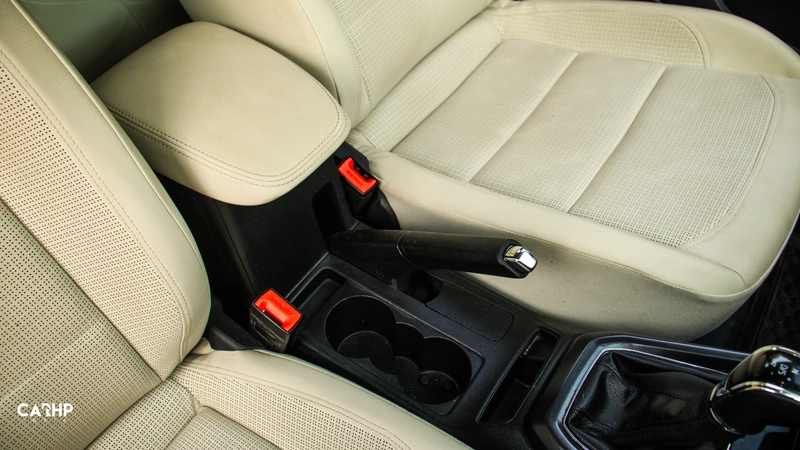
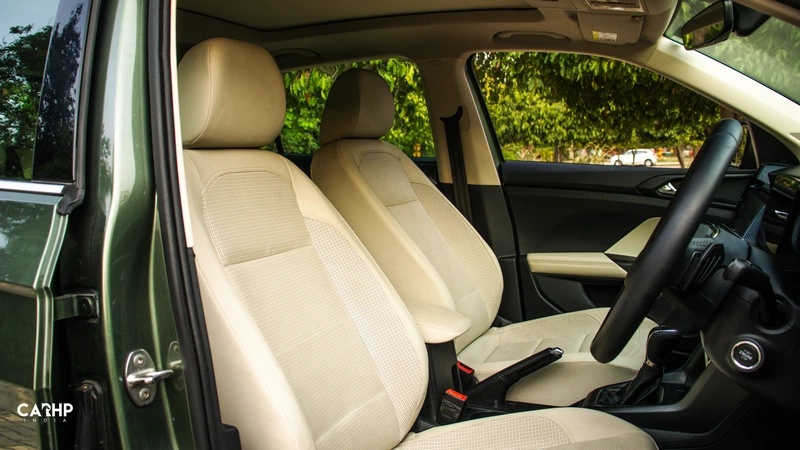
Thankfully, the beige interior makes the cabin feel a bit airier than the all-black one you get on the Monte Carlo, which makes the whole cabin feel even smaller. The recently launched Taigun has the same problem.
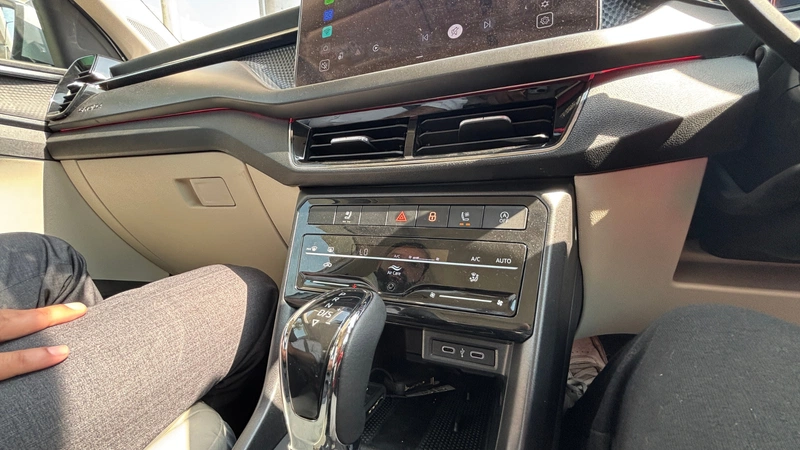
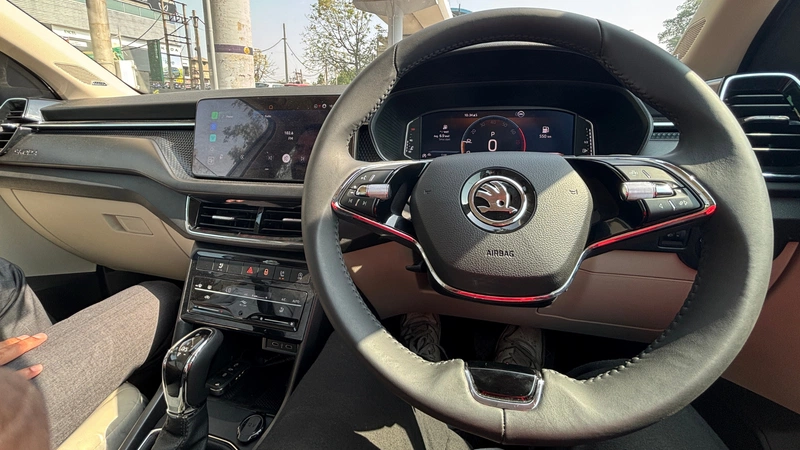
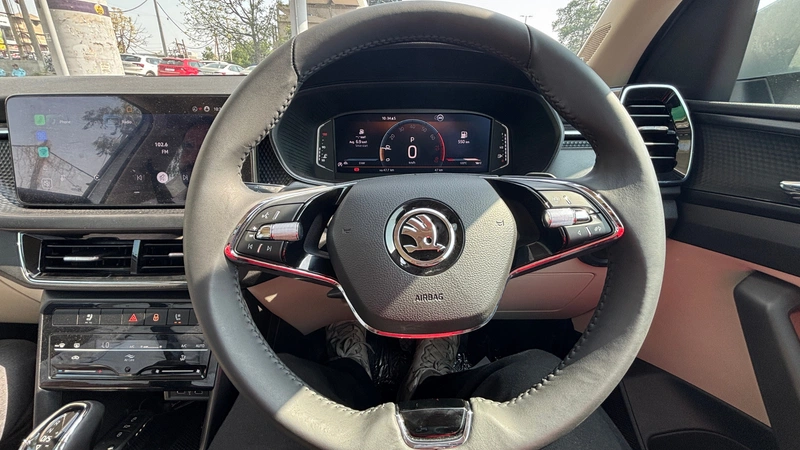
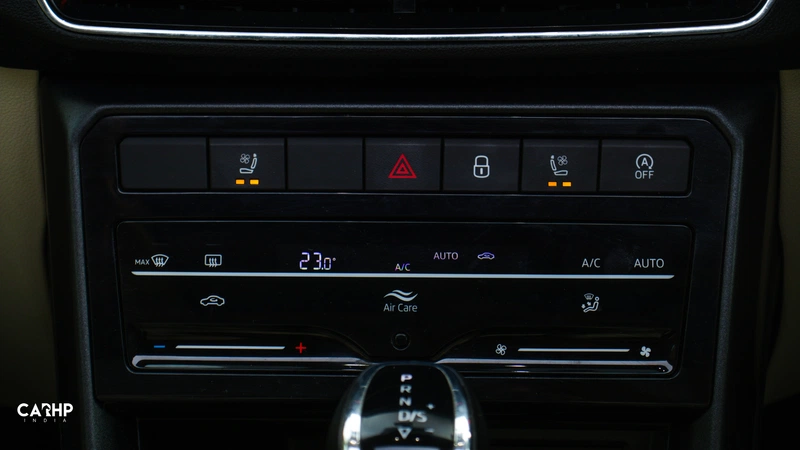
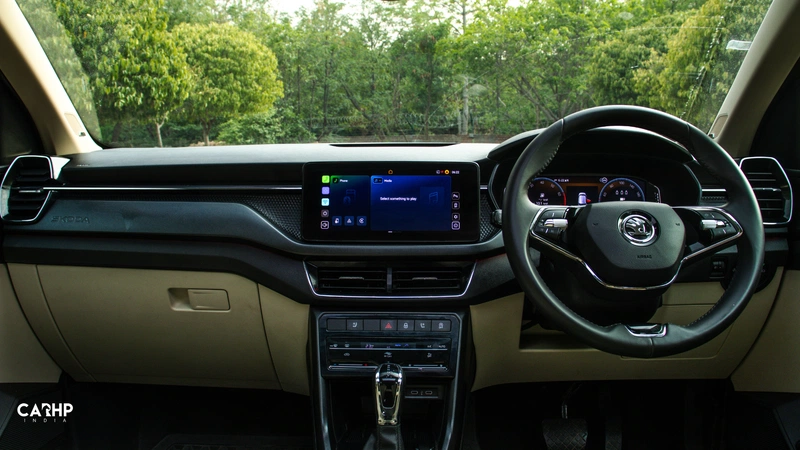
Next is the absolutely hideous piano black trim. Why? Doesn't Skoda realise it sells the Kushaq in India, a country with dust and debris almost everywhere? The gloss will wear off in no time and ruin the appeal of an otherwise solidly laid-out interior. This glossy black menace is everywhere, on the steering wheel buttons, around the cup holders, on the AC control panel, and ironically on the most frequently touched surfaces inside the car.
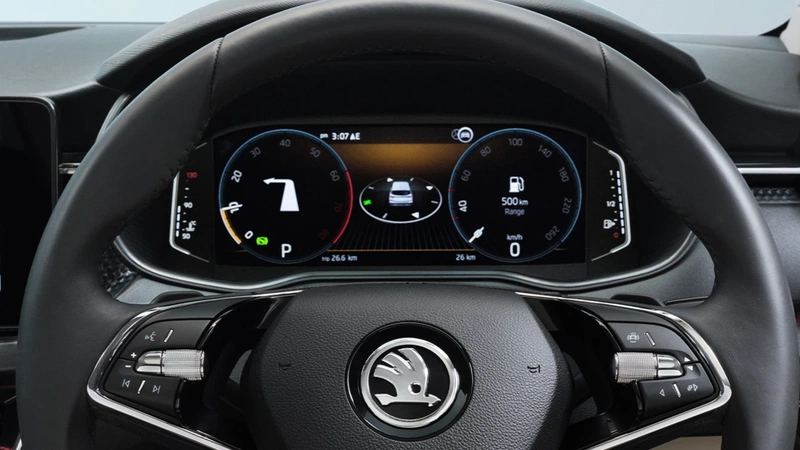
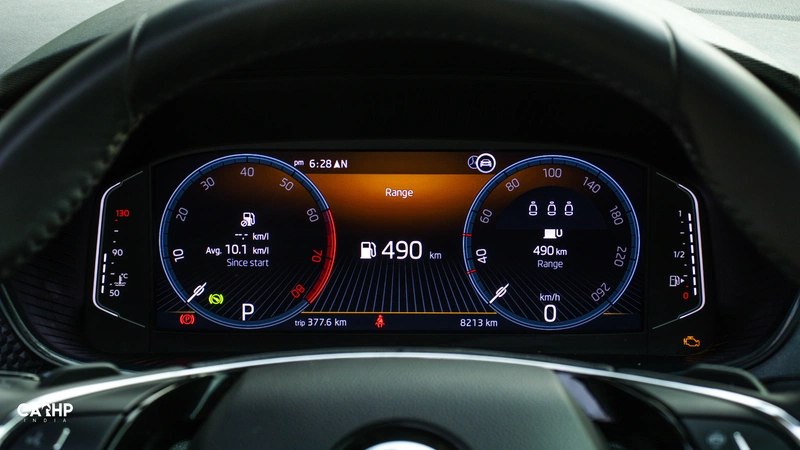
The third and final problem with the Kushaq's interior is the gauge cluster. I get it, it's new, fully digital, colourful and packed with information, but the charm of an analogue needle blasting past the rev counter isn't lost yet, especially on the enthusiast-focused 1.5-litre engine. This one is a bit personal, but I'm sure another car enthusiast somewhere would relate.
Now that we've got the Kushaq facelift's niggles out of the way, let's talk about the things I appreciated.
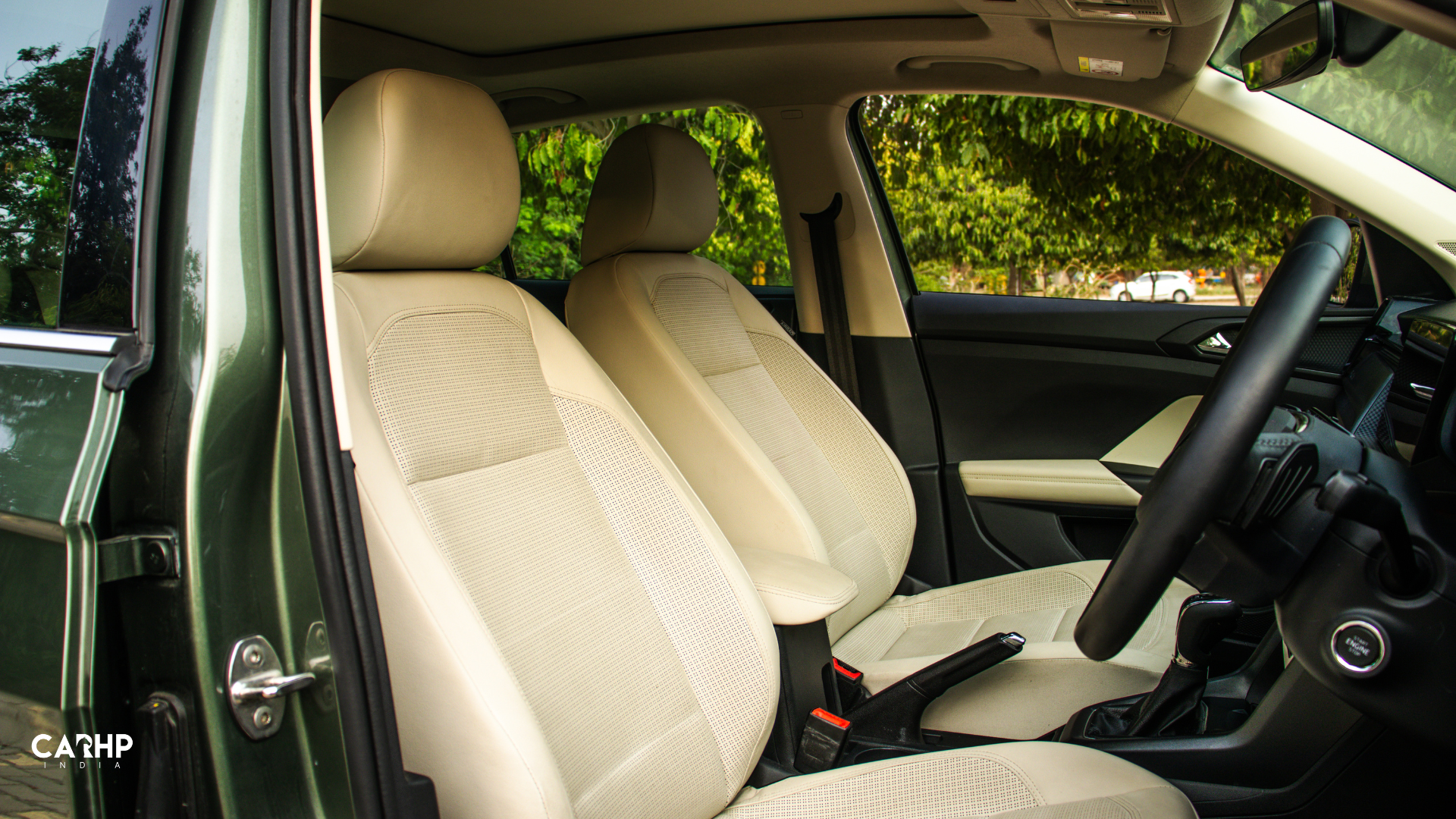
The material quality, upholstery and overall fit and finish are a bit above the Maruti Suzuki and Toyota standard, and even some top-end Hyundais. I still feel the Creta N Line and Kia's interiors are built better, but the Kushaq facelift has really closed the gap this time.
The steering wheel has just the right amount of chunkiness. The buttons are all clickable and have manual inputs, as do the AC controls. Thank you, Skoda.
The seat adjustability is excellent and makes it easy to find a comfortable driving position. Visibility is also quite good, and thanks to the shorter bonnet than most rivals, it's easier to judge where the front wheels are most of the time.
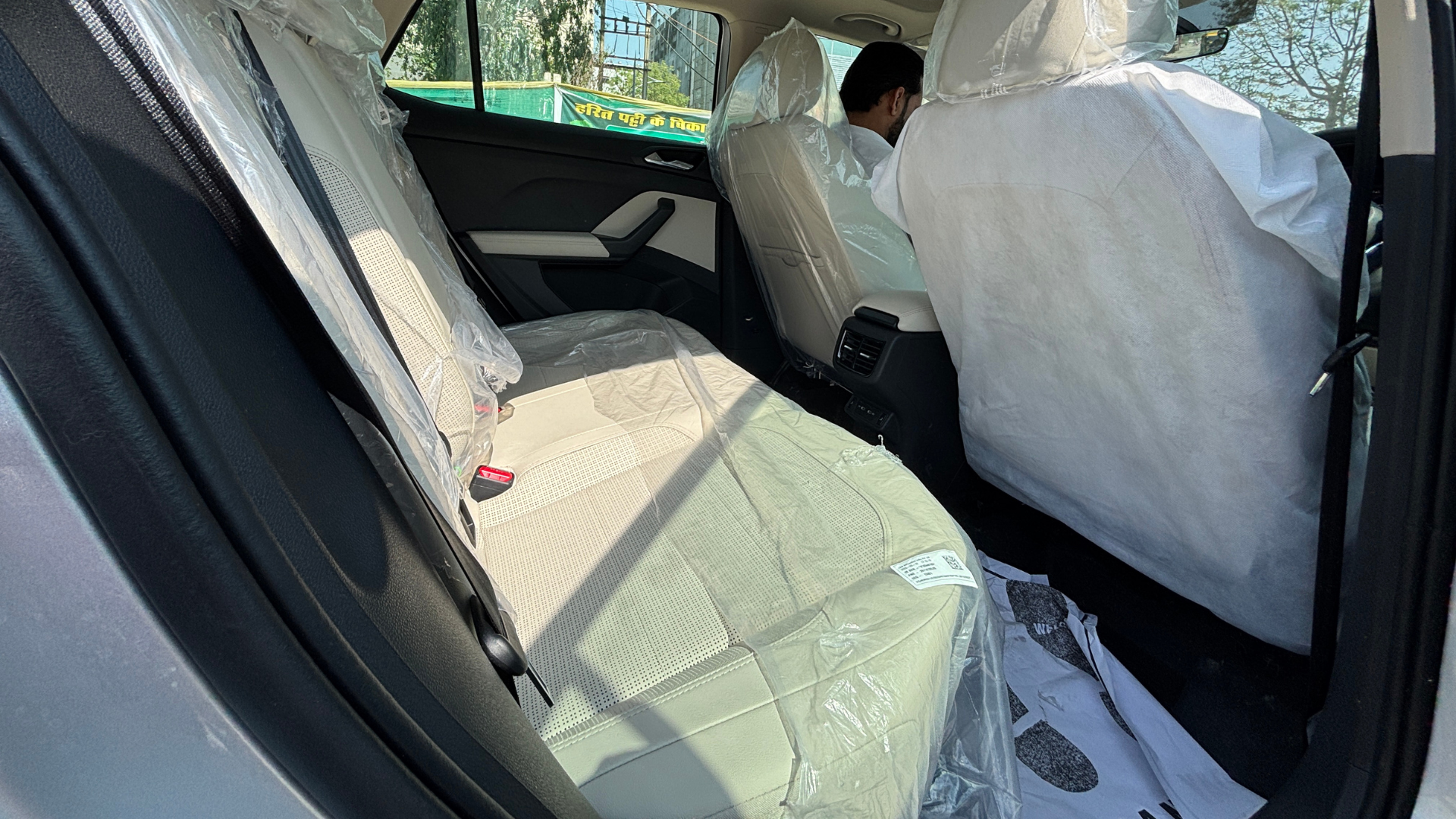
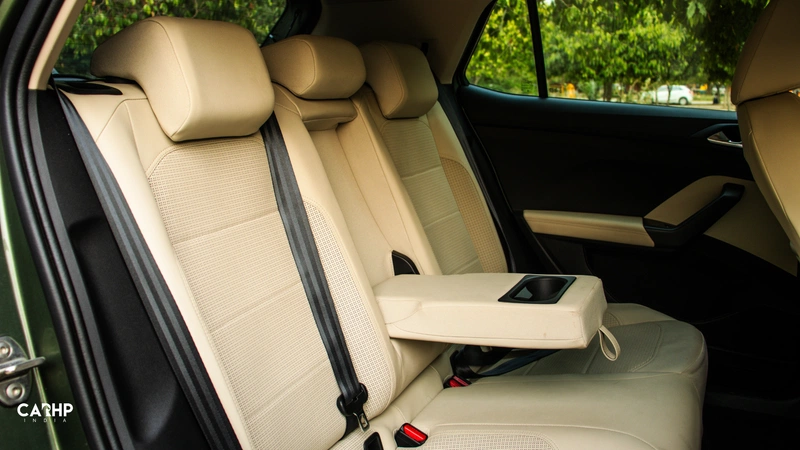
Seat comfort is better than what Renault and Nissan currently offer, and on par with Hyundai and Kia. The rear bench is wide and slightly upright, but that's okay. You can seat five people, though not five adults comfortably.
Families looking for more space can read our guide on all three-row SUVs under Rs 20 Lakh.
The contrast beige and black treatment is also there, along with rear AC vents. The airflow initially feels a bit weak, but within a few minutes they cool the rear cabin well. Apparently, Skoda has fitted a new AC unit with a variable compressor.
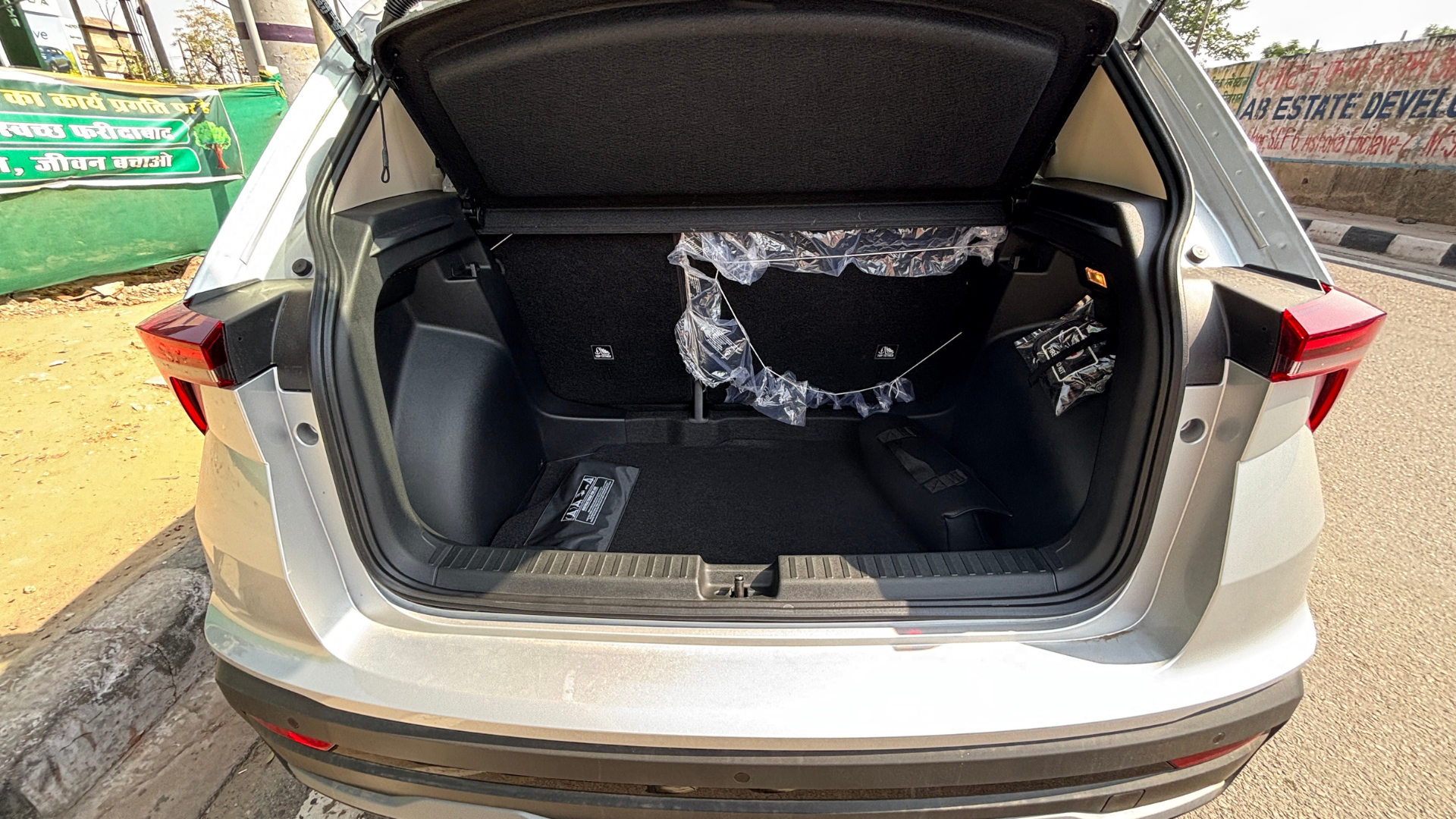
Boot space is okay for three to four large bags, but anything more than that and you'll have to fold the rear seats.
Technology
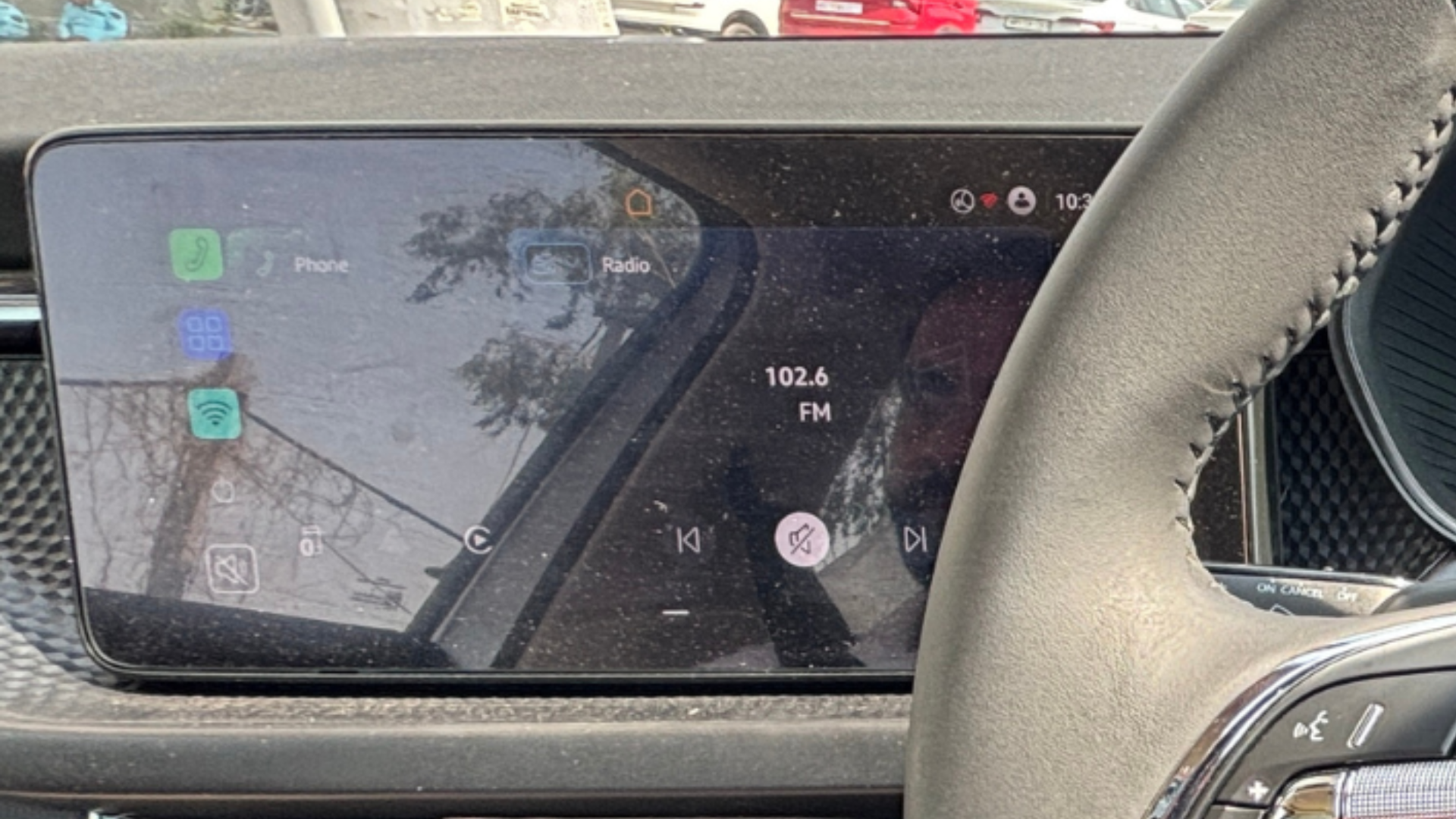
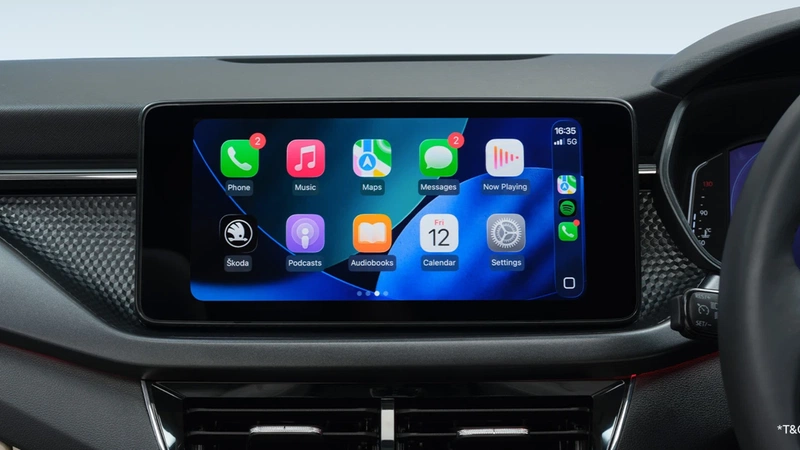
Speaking of tech, there are two large displays. Both are bright and colourful but not particularly good at handling reflections. The touchscreen works well in terms of UI and touch response but is nowhere close to full on snapdragon powered tech blast in Tata Sierra or the Mahindra 7XO.
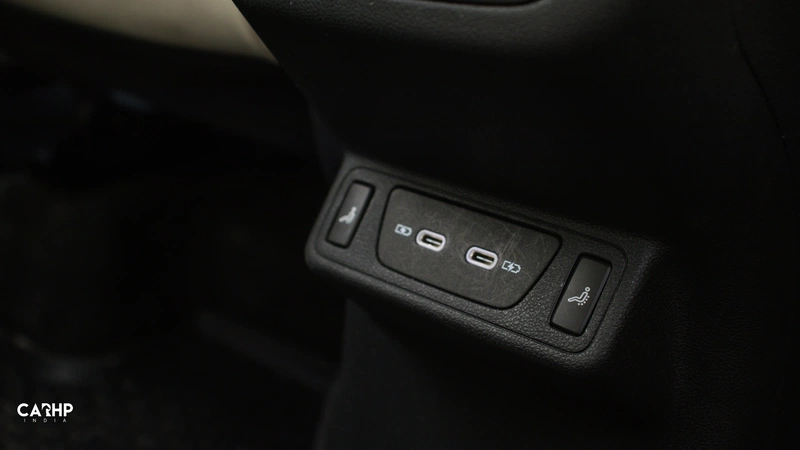
USB Type-C ports are provided for every passenger, and they're all fast-charging ports. (Honda, take note).
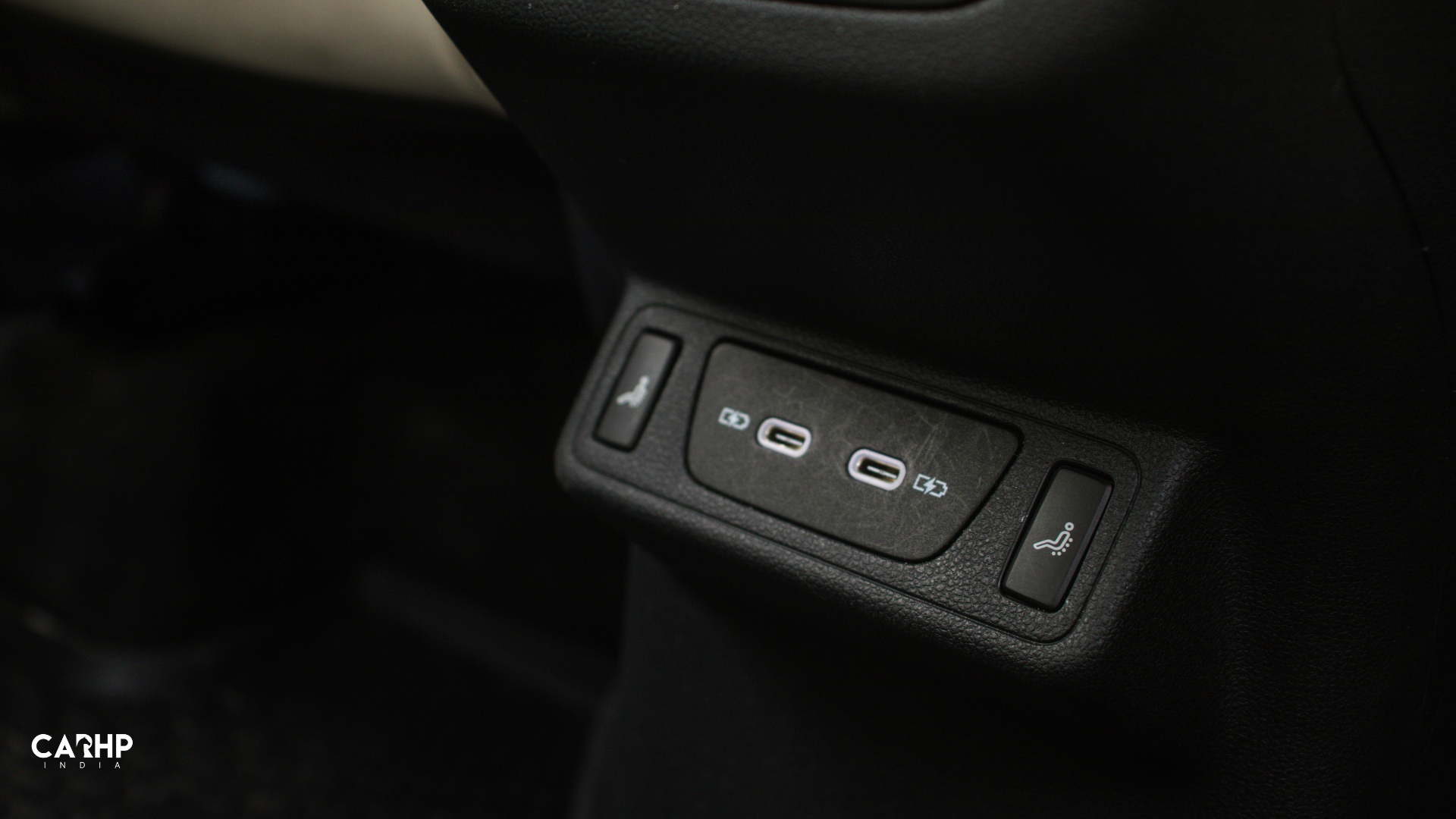
What Skoda should take note from Honda in a reverse UNO fashion is that they have an 8 speaker system while the Kushaq I drove had only 6, inexcusable!
The usual “instaworthy” feature set is there like sunroof, ventilated seats and, exclusive to the facelift, massage seats, is present, and they actually work.
This is also one of the biggest differentiators between the Taigun facelift and the Kushaq facelift: the massage seats.
Funnily enough, I wouldn't be surprised if someone made a ₹20 lakh buying decision based on this one feature alone.
exterior
exterior
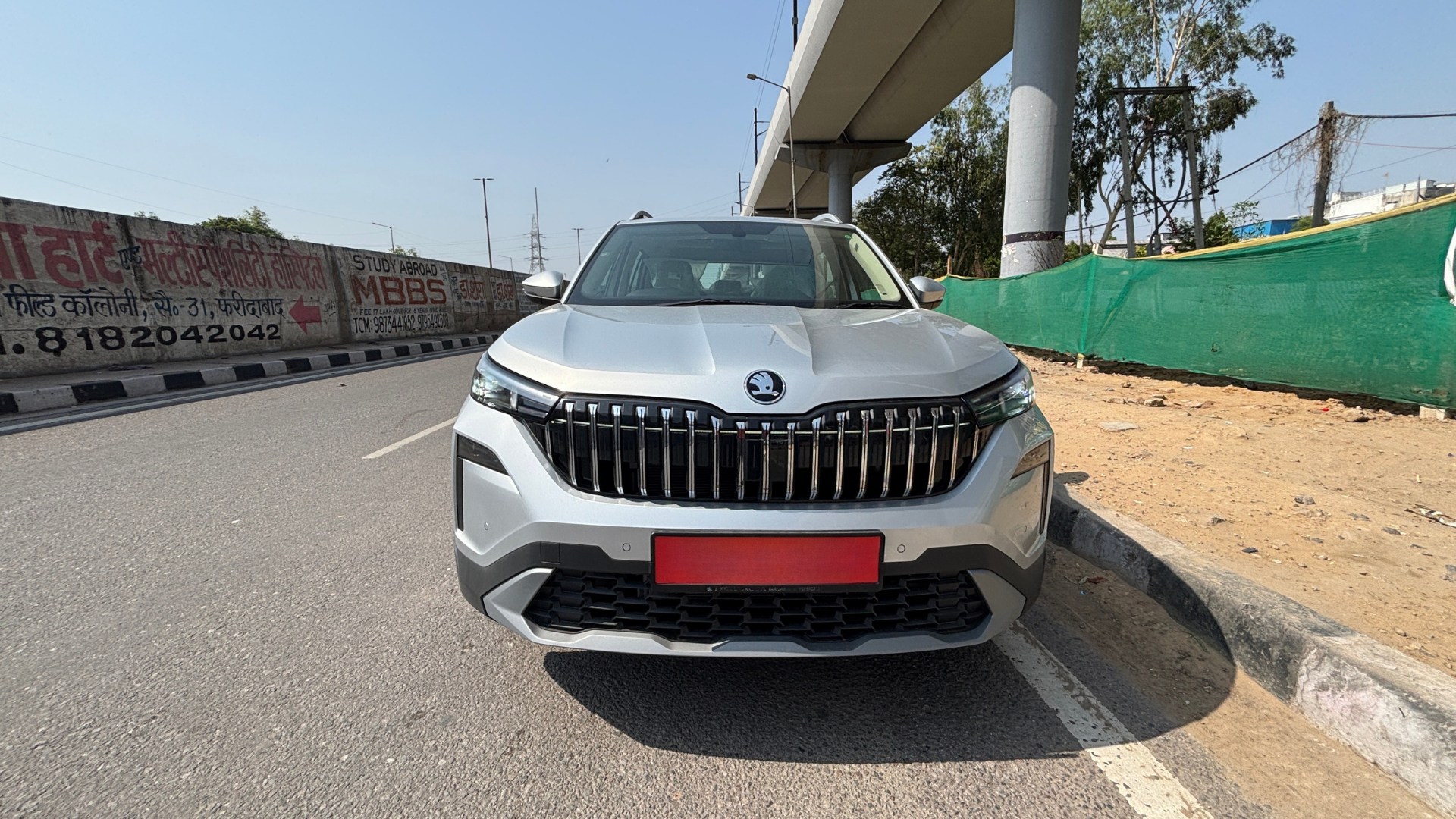
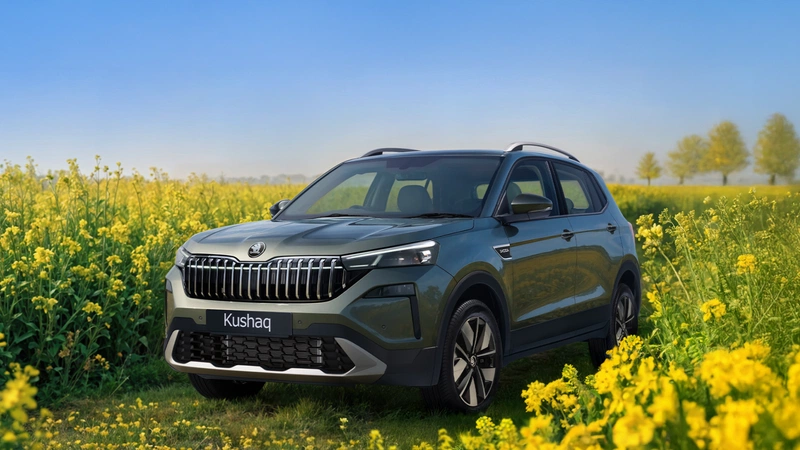
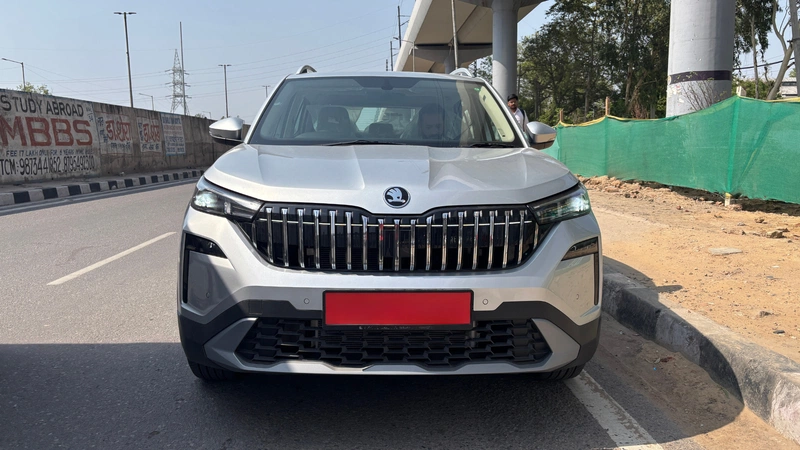
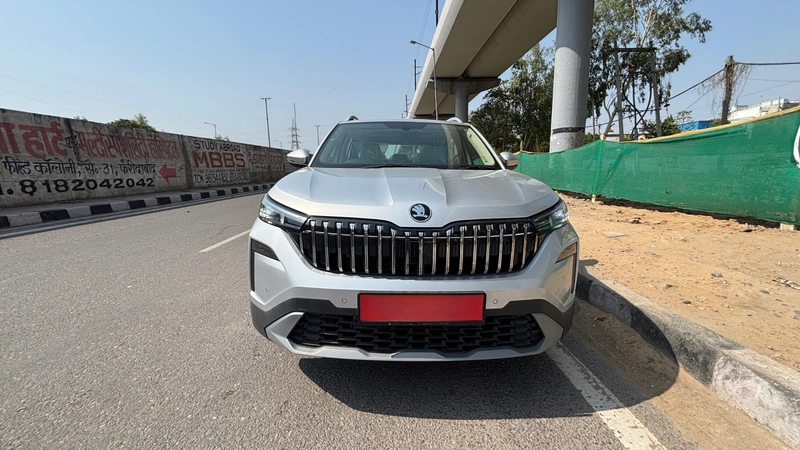
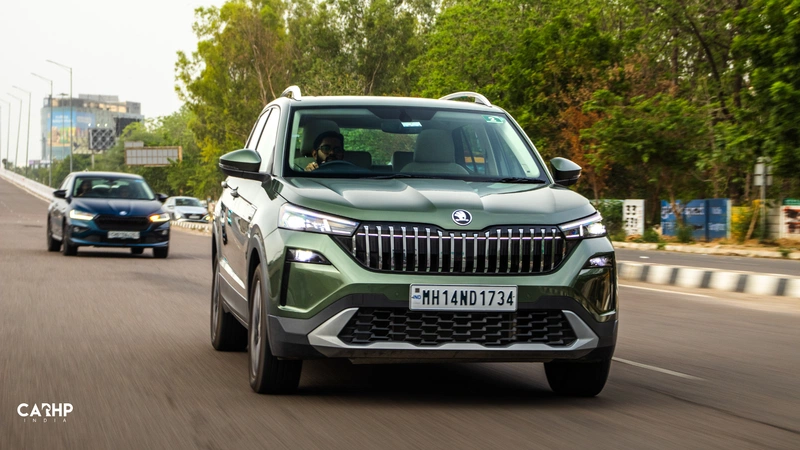
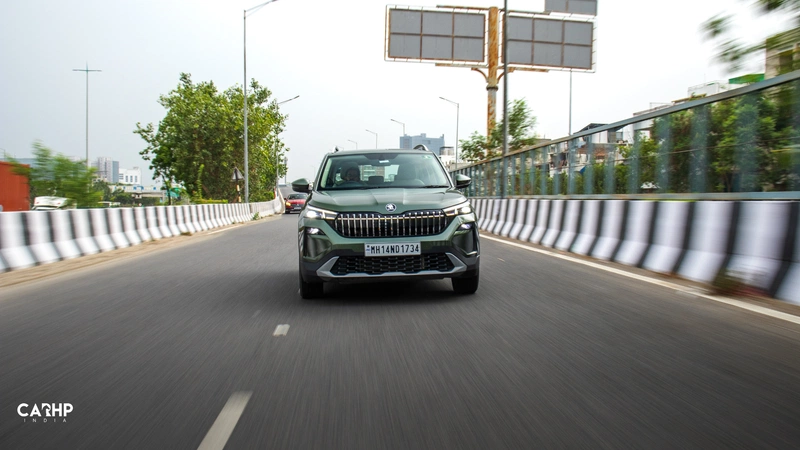
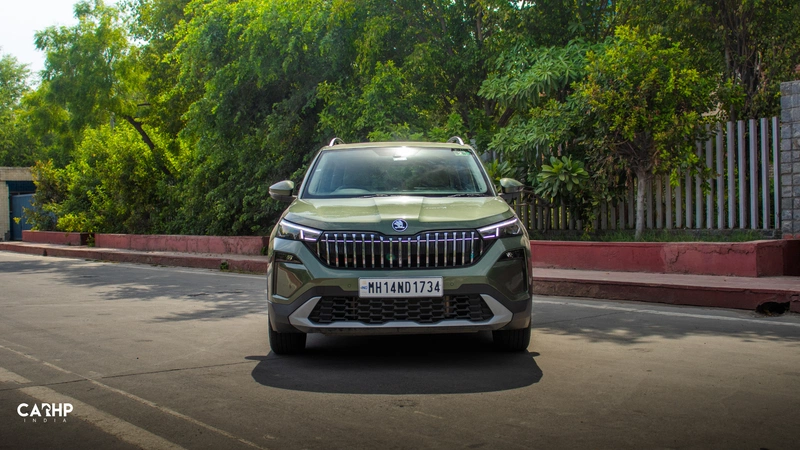
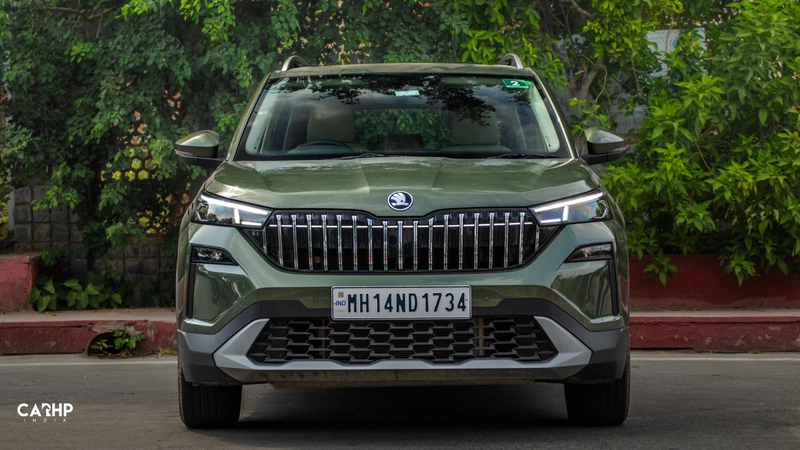
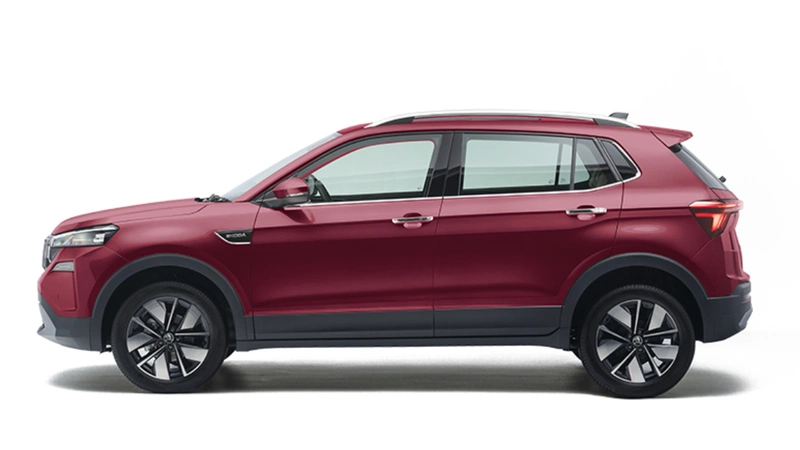
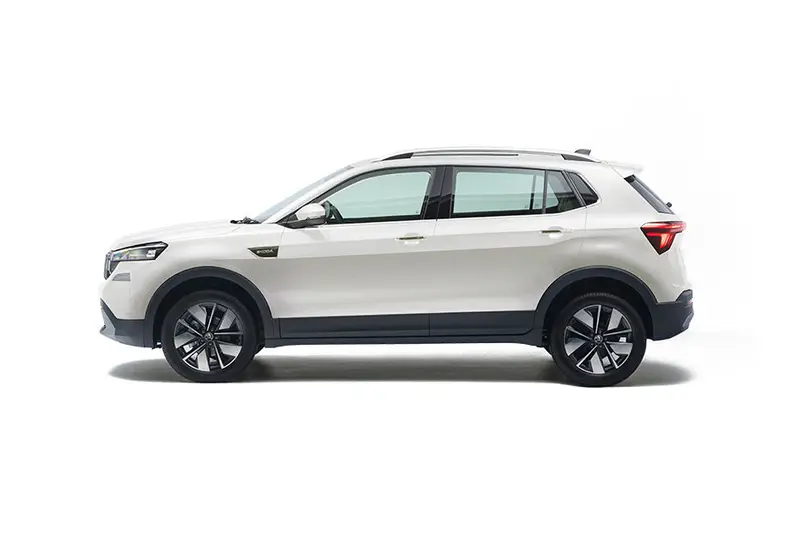
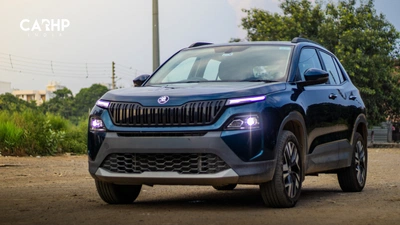
Thankfully, Skoda hasn't flipped the design on its head with the new facelift, if we can even call it that. The changes are limited to the grille, headlights, bumpers and a few trim elements. That's about it, and honestly, I'm glad they didn't try to fix what wasn't broken.
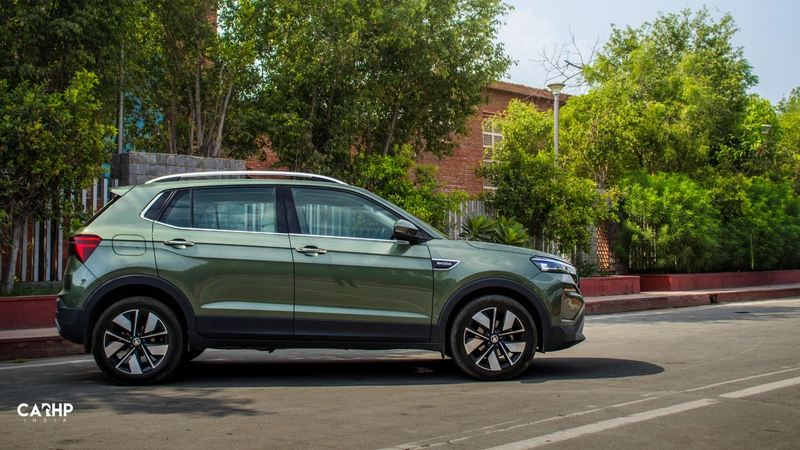
Design is subjective. You might hate it or love it, but personally, I admire it, especially when compared to eyesores like the Creta. The Kushaq still looks razor sharp, with clean lines, well-balanced proportions and elegant paint options that pair nicely with the contrasting interior. Even after all these years, it still has a timeless look that doesn't scream for attention.
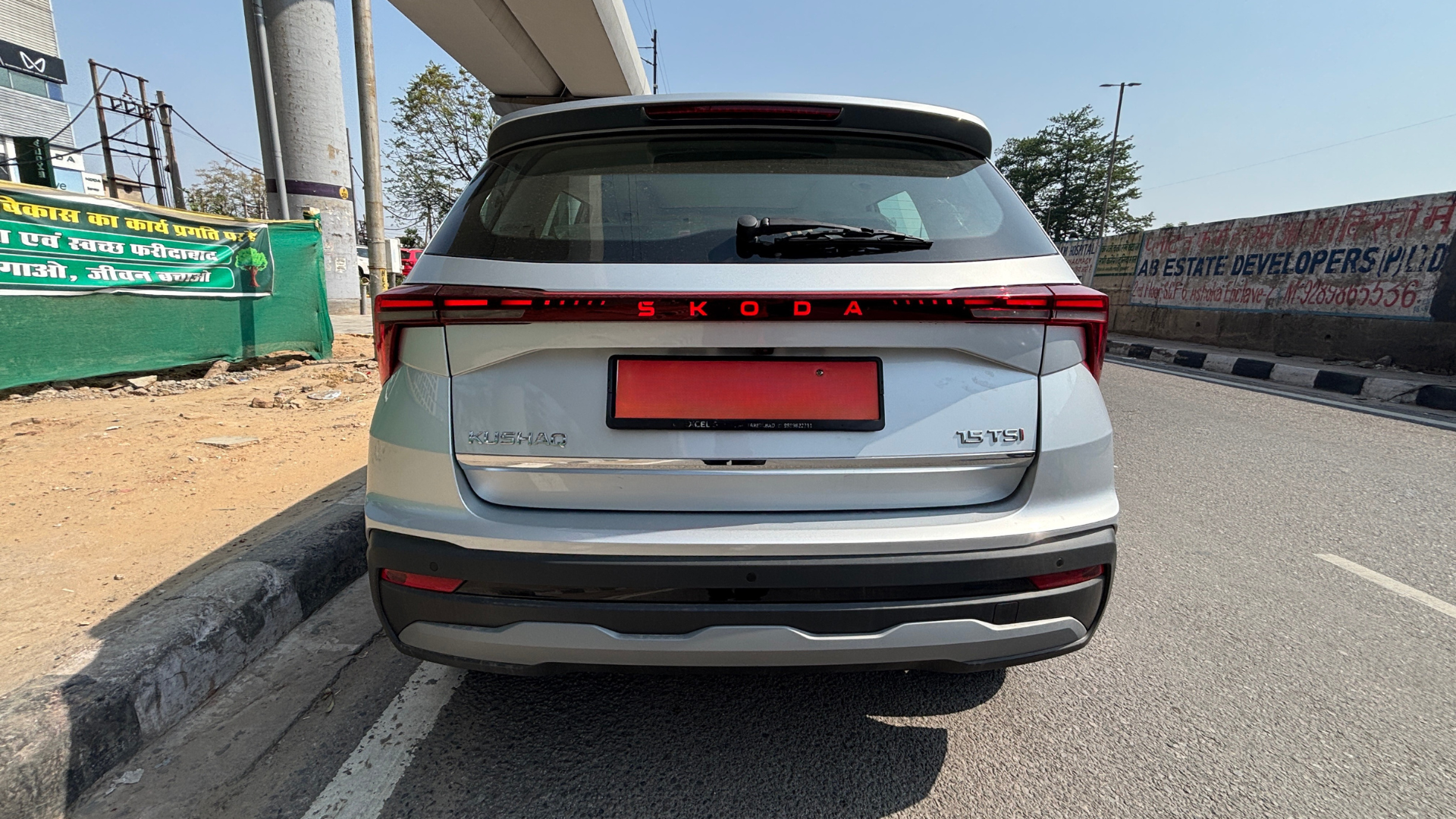
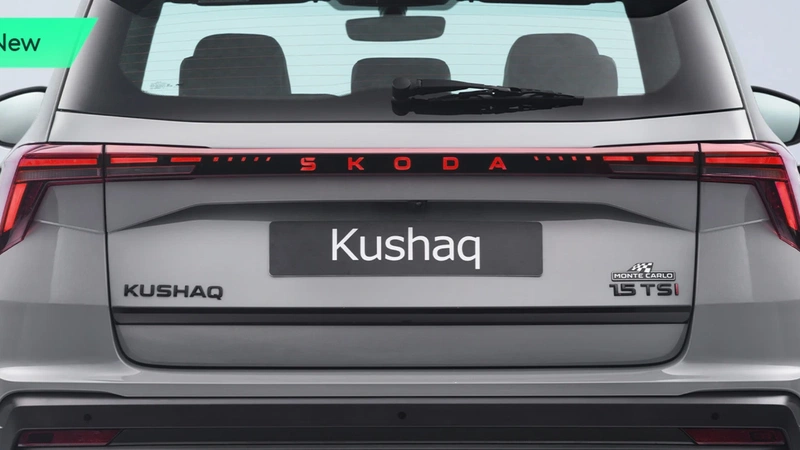
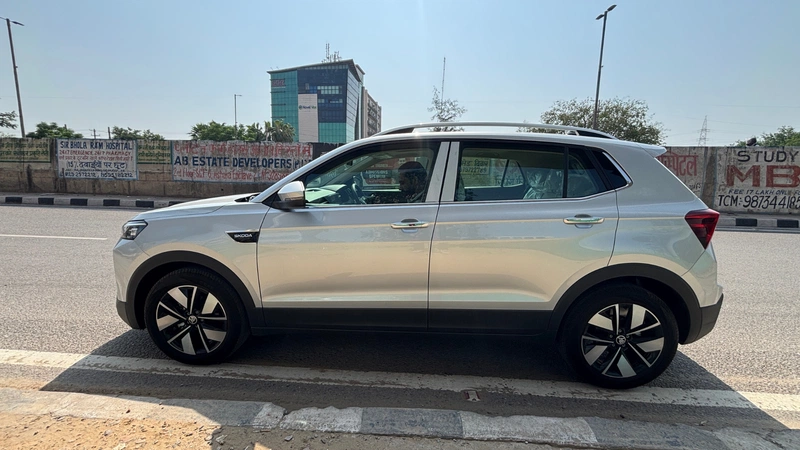
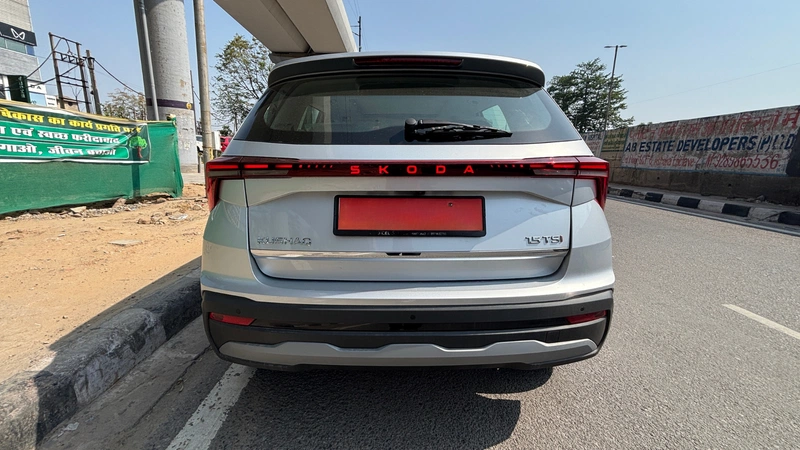
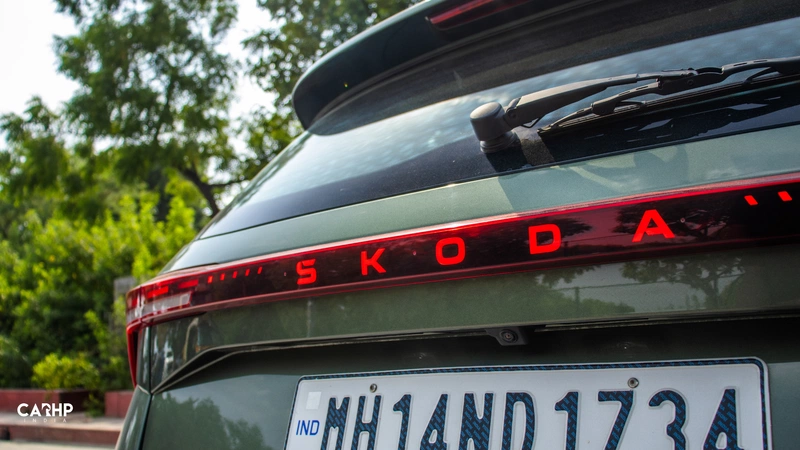
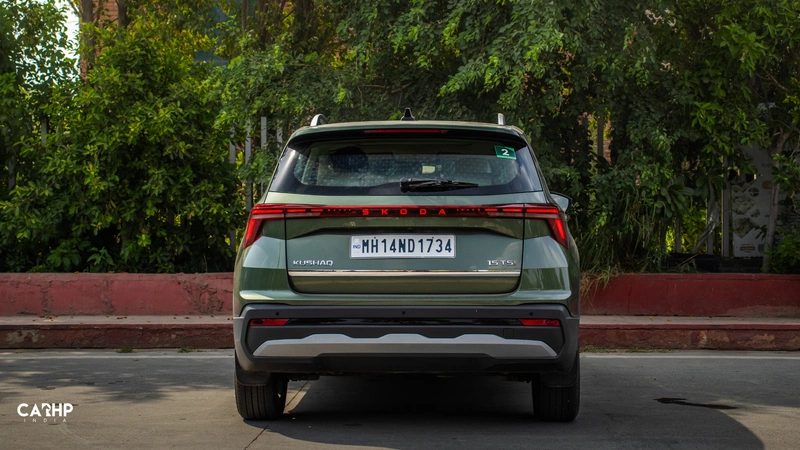
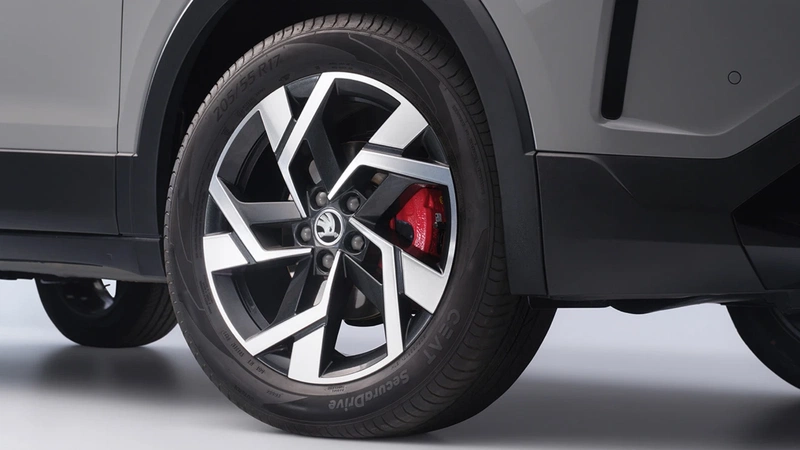
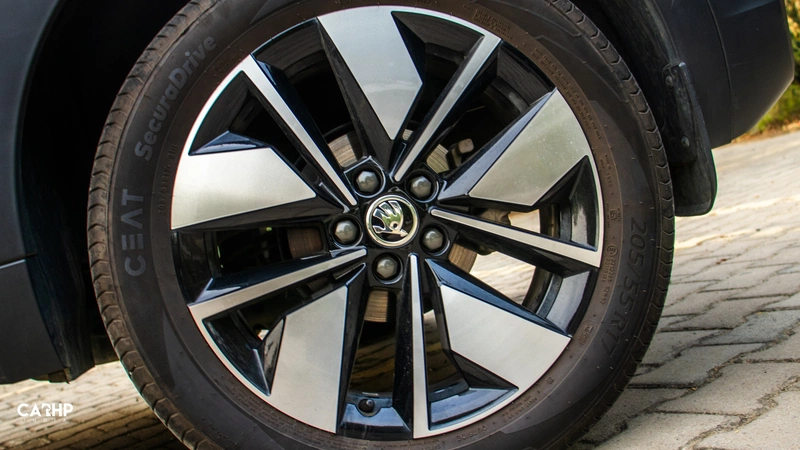
The updated alloy wheel design is available on most variants, as is the illuminated SKODA lettering at the rear.
Yes, I would have preferred the traditional Skoda badge as it looked far more prestigious, but I can understand why the company chose the lettering instead.
The silver car I drove came with 17-inch alloy wheels wrapped in CEAT tyres. Thanks to the Kushaq's tight proportions and generously flared wheel arches, the wheels look a little smaller than they actually are. It isn't a deal breaker, just an observation. More importantly, I don't think anything bigger than 17 inches belongs on this SUV.
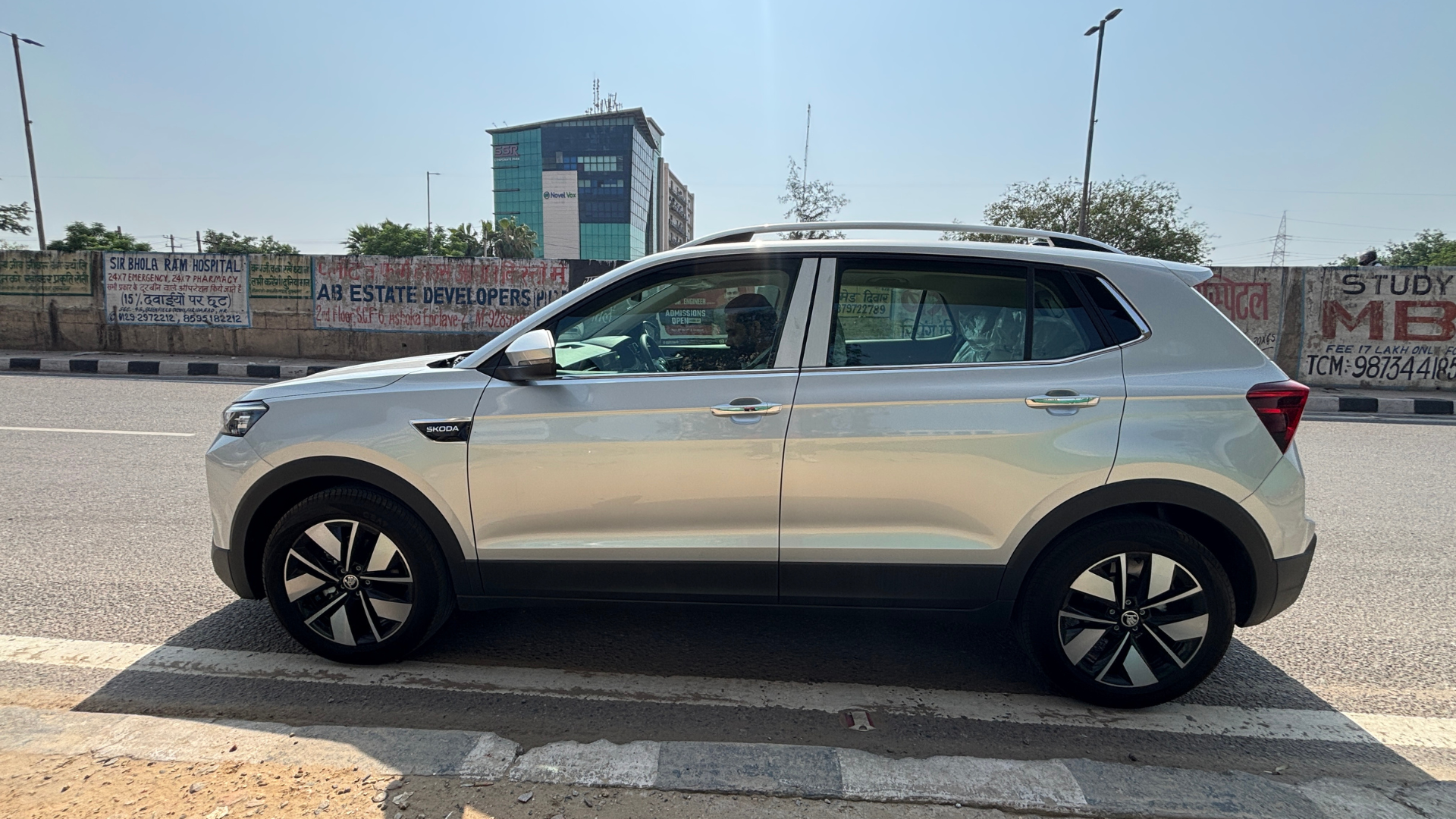
Larger wheels may look better in photographs, but they inevitably take away from the ride comfort a bit.
The Kushaq's proportions deserve special mention. It feels compact enough to slot into tight parking spaces and weave through crowded city streets without ever feeling cumbersome.
Its 188 mm ground clearance also strikes the right balance. It is low enough to do the handling justice, helping the SUV stay composed through corners without feeling excessively tall, yet it still offers enough clearance to tackle the crater-sized speed breakers you'll find on roads like MG Road without worrying about scraping the underbody.
My biggest complaint, however, isn't exclusive to the Kushaq. It's a trend across the industry. The unpainted plastic cladding around the wheel arches really needs to go. It doesn't matter whether the car costs ₹10 lakh or ₹20 lakh.
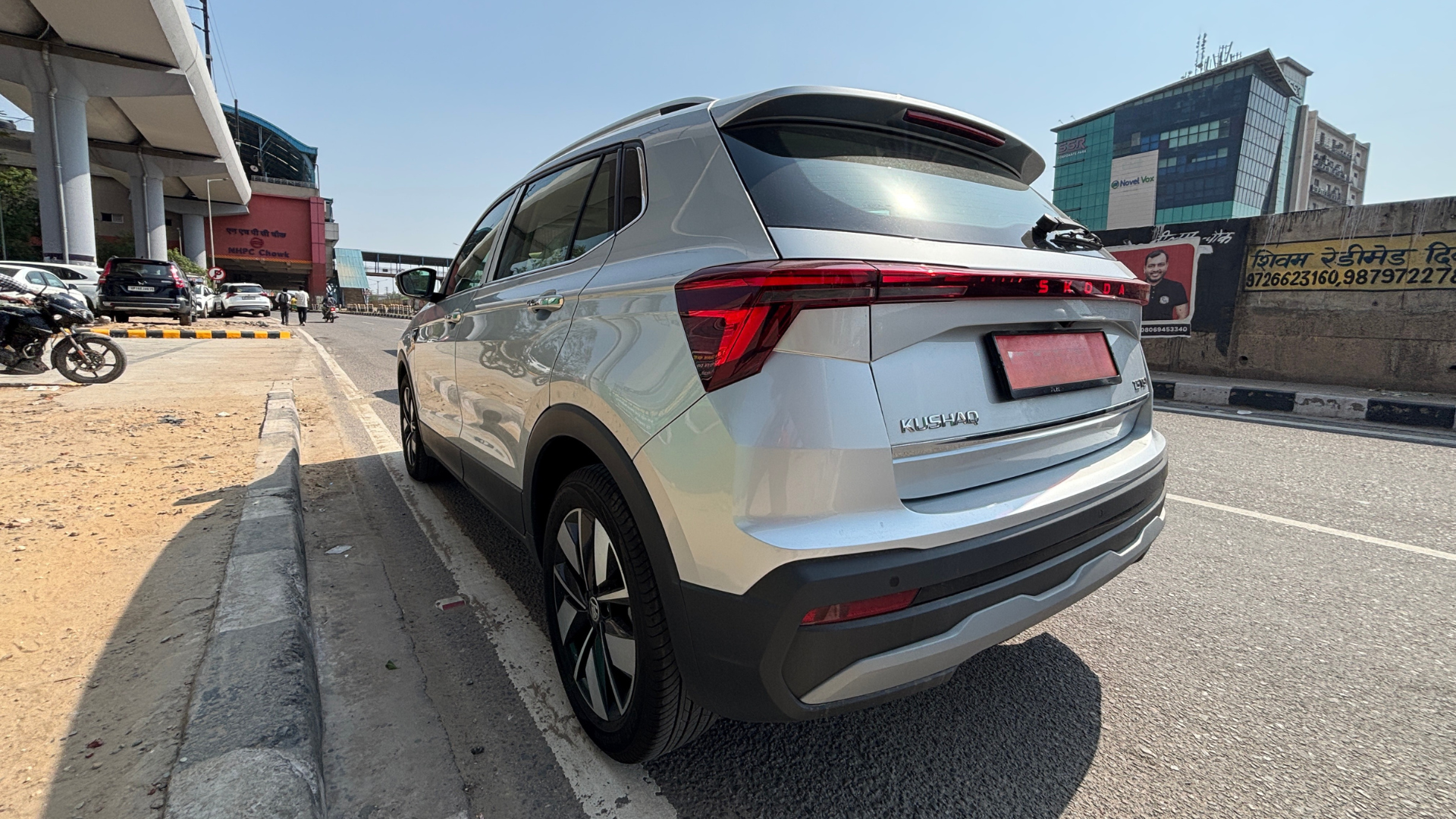
Once that textured black plastic starts fading after a few years in the sun, it cheapens the entire appearance of an otherwise premium-looking SUV. Body-coloured cladding would have looked far cleaner and aged much better.
safety
safety
Safety is something Skoda has not compromised on. The Kushaq continues to carry a full 5-star Bharat NCAP as well as 5-star Global NCAP safety rating, with excellent scores for both adult and child occupant protection.
Again, for some moronic reason, there's still no ADAS or 360-degree camera offered on any variant across the lineup. Are they saving these features for the next facelift? It certainly feels that way.
competition
competition
The midsize SUV segment in India has become so crowded that listing every competitor the Kushaq faces would reading a weekend subzi list.
So instead of running through a dozen names, the more useful exercise is to be direct about where the Kushaq fits and where it does not.
If you want a car that drives well, properly well, with steering that talks to you, a chassis that does not embarrass itself through corners, and an engine that makes you smile, the Kushaq and its twin the Taigun are still the pair to beat.
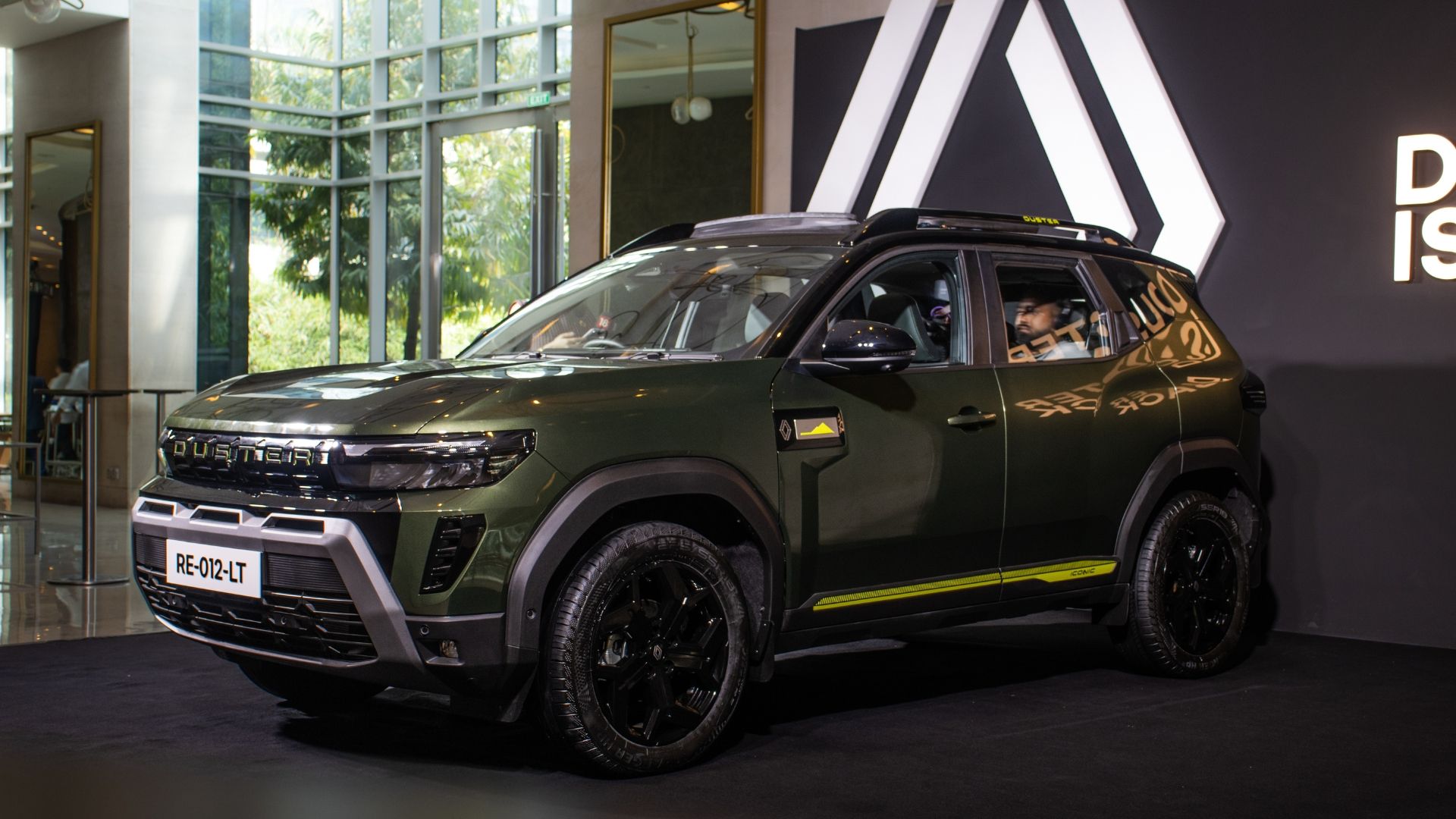
Nothing else in this price bracket offers the same level of driving involvement. The Renault Duster comes close on ride quality, but it does not have the same powertrain punch.
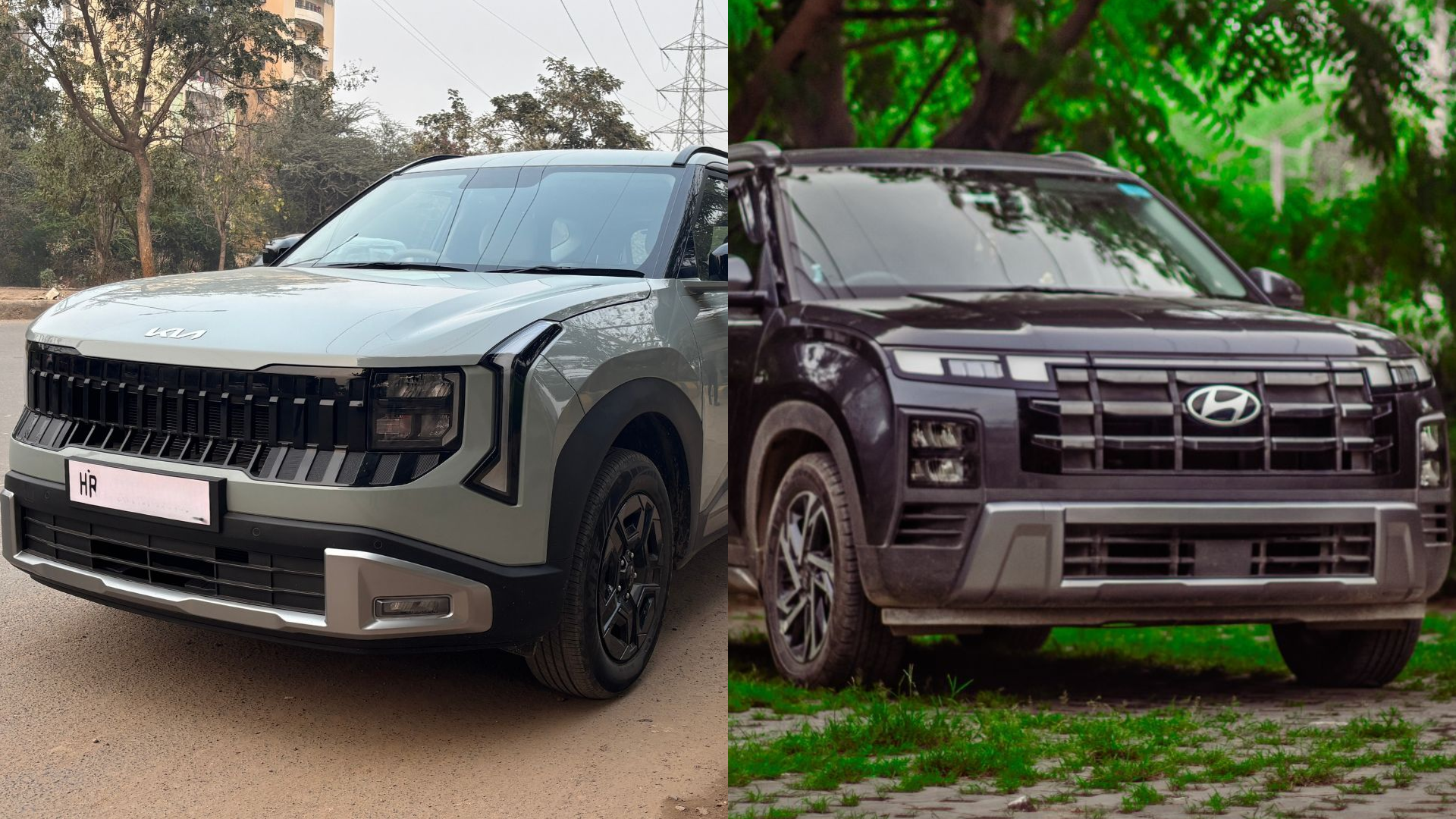
If you want maximum features per rupee, the Seltos and Creta have the Kushaq comprehensively outgunned. ADAS, panoramic sunroofs, 360-degree cameras, ventilated seats, connected car tech.
The Korean duo offers all of it, and wraps it in cabins that feel more modern and spacious. For sheer showroom dazzle, the Kushaq cannot compete.
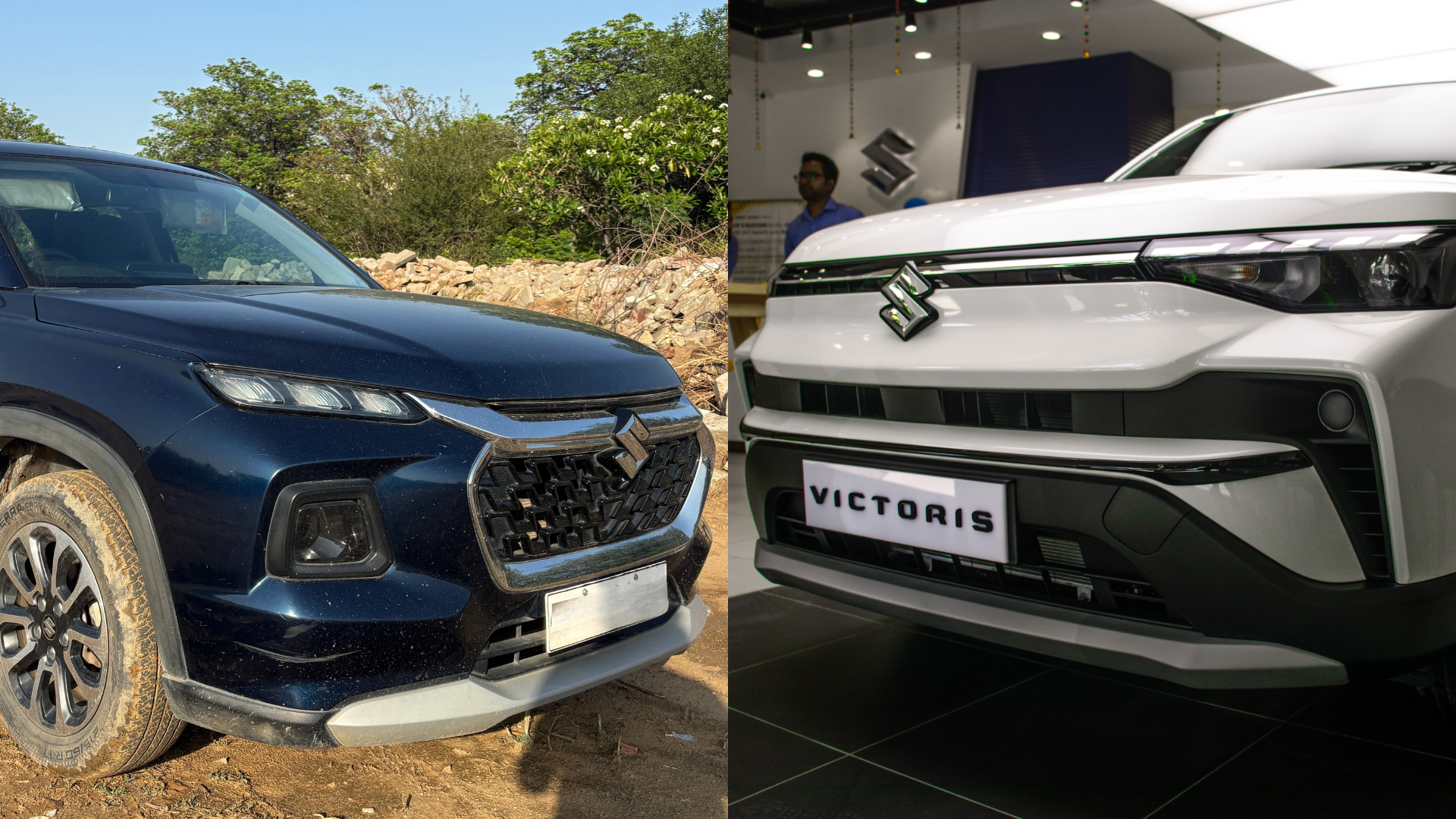
If running costs and long-term value matter above all else, the Grand Vitara and Victoris with their strong hybrid and CNG options make a stronger financial case.
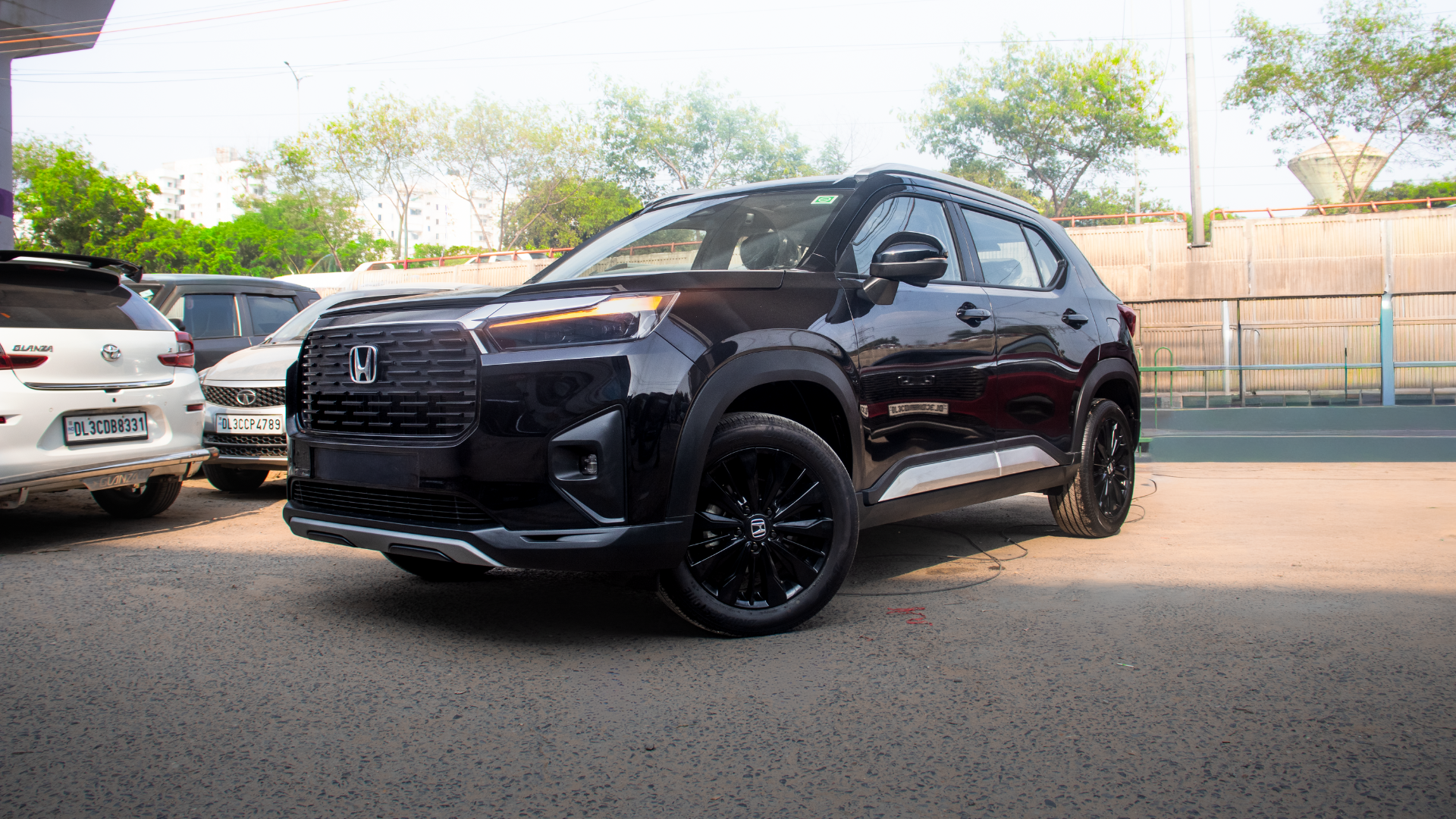
The Honda Elevate offers a bigger boot, more rear seat room, and the reassurance of a bulletproof naturally aspirated engine, though it trades away power and excitement to get there.
final verdict
final verdict
Look, frankly, anybody who's going to buy a Kushaq, or has even a slight intent of buying one, knows exactly what they're getting: a solidly built, safe SUV and something that will make you go "woah" the moment you press the pedal.
But there are genuine WTF moments when you start reading the brochure. A 6-speaker sound system, no ADAS, no 360-degree camera, etc. These are just bad business decisions.
Skoda, If you want to cut costs, lets start by NOT messing around with quality-of-life features. And this is coming from a born-and-bred Skoda fan whose ultimate dream is to own a used Octavia.
But somehow, if you can still justify the money Skoda is asking despite deliberately omitting features like these, you won't regret buying one, especially when it comes to its unrivaled and par excellent driving manners.
buying advice
buying advice
The Prestige 1.5 TSI DSG is the most expensive Kushaq variant before the Monte Carlo's cosmetic premium kicks in. You get everything the Kushaq has to offer, including a panoramic sunroof, ventilated and electrically adjustable front seats, rear massage, the full digital cockpit, and disc brakes all round.
If you're still deciding between the variants, check out our guide to what each variant has to offer.
If the rear massage seats and panoramic sunroof are not important to you, drop down to the Sportline 1.5 TSI DSG. It carries the same engine, the same gearbox, and the same driving experience, but without the Prestige-exclusive comfort features. It is worth considering if your priority is the powertrain rather than the trim.
If you are buying the Kushaq primarily for city commuting, the 1.0 TSI with its new 8-speed torque converter is the smarter choice. It is smoother at low speeds, easier on fuel, and more relaxed in traffic. The DSG on the 1.5 thrives on open roads and quick overtakes. It is not at its best in crawling traffic.
Skoda's after-sales reputation has improved significantly with the expansion of its dealer and service network, but it is still not at the level of Hyundai, Maruti, or Toyota in terms of reach. If you live in a smaller city, check the nearest authorised service point before committing.
Skoda Kushaq Expert Reviews
Skoda Kushaq News
Skoda Navratri and Diwali Season Offers in October 2026
Skoda is offering benefits of up to Rs. 90,000 on the Kylaq, Rs. 80,000 on the Kushaq and Rs. 30,000 on the Slavia in October 2026. The offers include dealer discounts, exchange bonuses, and corporate or loyalty benefits.
Anmol Kumar
October 17, 2026


Skoda Kushaq FAQs
What's new with the 2026 Kushaq facelift?
−It features a sharper "Modern Solid" face with slim LEDs and a connected light bar. Key upgrades include a panoramic sunroof, a 10.25-inch digital cockpit, and rear seat massage. A new 8-speed automatic replaces the 6-speed for the 1.0L TSI. Bookings are open; prices arrive in March.
What is the Monte Carlo edition?
+This sporty flagship trim gets a blacked-out aesthetic with red accents on the grille and brake calipers. Inside, it features a red-and-black theme with Monte Carlo badging. It’s purely a style upgrade, available for both engines, perfect for a bolder presence on Gurugram roads.
What were notable complaints with the earlier Kushaq?
+Early owners faced EPC light errors, rattling dashboards, and power window glitches. Some found the cabin narrow for three adults and the AC performance weak in peak Indian summers. While Skoda fixed most "niggles" in later batches, these issues initially impacted its reliability reputation.
What's the mileage of 1.0 and 1.5 engines?
+Expect 12-15 kmpl in city traffic and up to 20 kmpl on highways for 1.0L. The 1.5 TSI should return 11–14 kmpl and on highways (18–22 kmpl) thanks to cylinder deactivation tech.