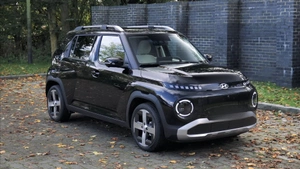
Hyundai Venue
Overall Rating

Hyundai Venue
Overall Rating
EMI Loading
Hyundai Venue Key Specifications
Hyundai Venue Highlights
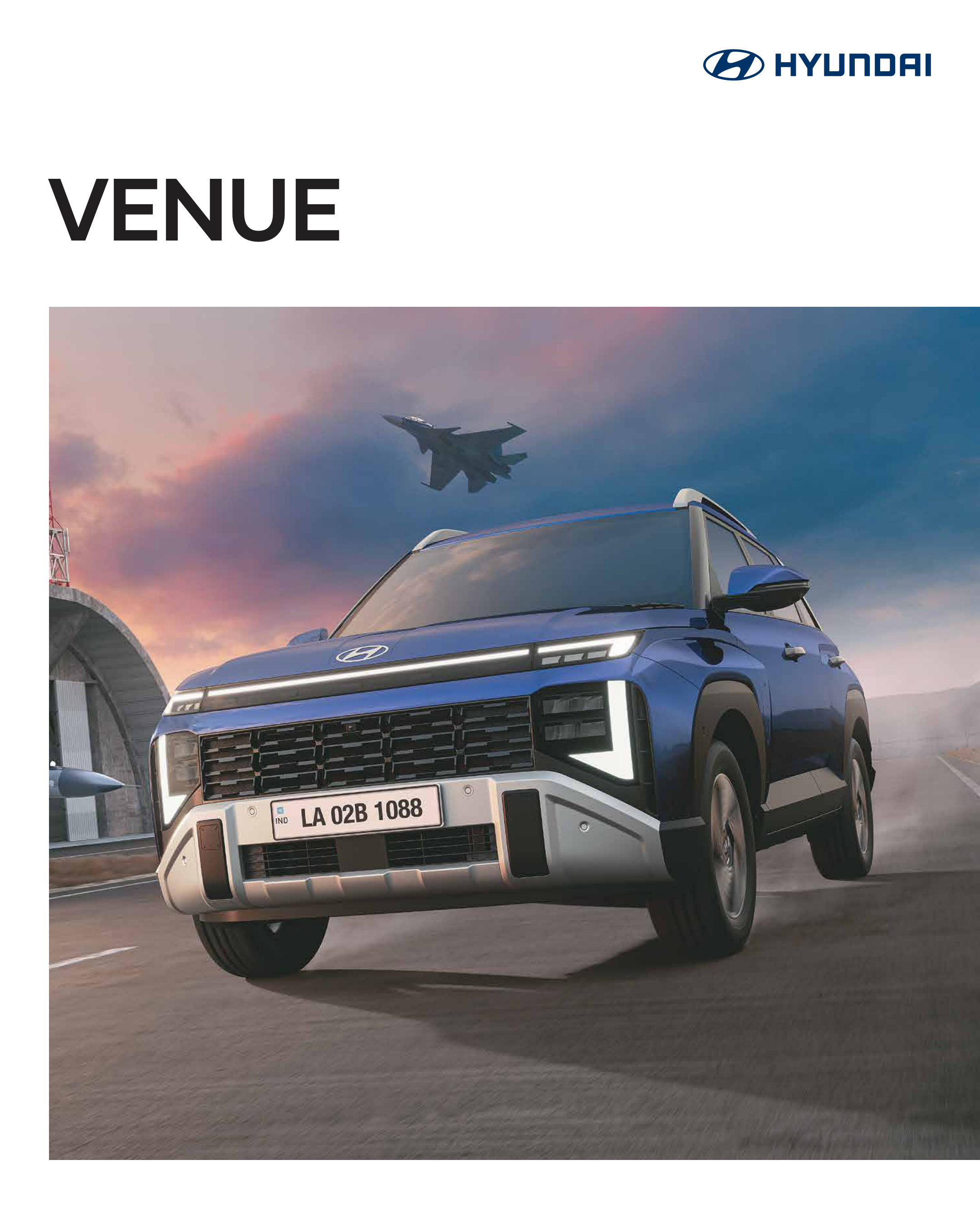

Blind view monitor that shows side camera feed while indicating for safer lane changes

Level 2 ADAS calibrated for Indian roads to make long drives safer and easier

Auto-hold function that reduces fatigue in stop-and-go traffic
What's new in Hyundai Venue
- 2025 Hyundai Venue is brand new car with solid revisions inside and out

Expert Review
reviewed by Arjun Nair
The second-generation Hyundai Venue HX8 1.0-litre Turbo Petrol Manual is a well-rounded and much-improved package. It finally looks the part, scores a proper sa... Read More
The second-generation Hyundai Venue HX8 1.0-litre Turbo Petrol Manual is a well-rounded and much-imp... Read More
Exterior
Features
Interior
Safety
Engine
Performance
Drive Experience
Ride & Handling
Comfort
Mileage
Road Test Photos
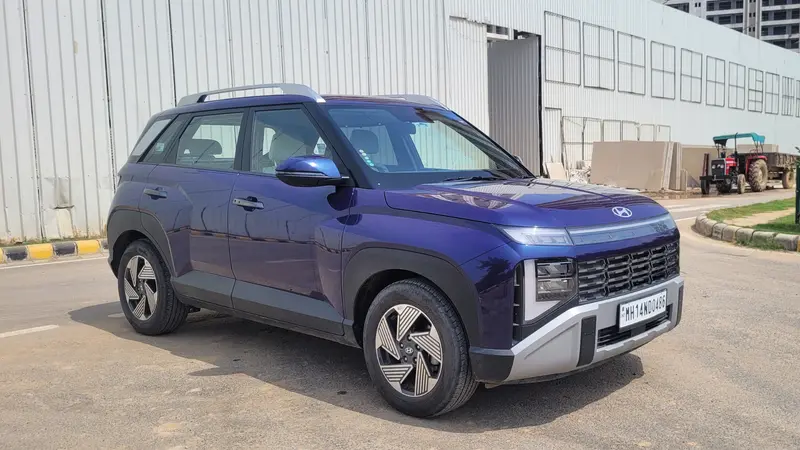
Good Things
- Significantly improved design and road presence
- Strong 5-star Bharat NCAP safety rating
Could Be Better
- Turbo lag and need for frequent downshifts in slow traffic
- Long clutch travel and lack of telescopic steering complicate driving position for shorter drivers
Updated 8 days ago
Expert Review
reviewed by Arjun Nair
The second-generation Hyundai Venue HX8 1.0-litre Turbo Petrol Manual is a well-rounded and much-improved package. It finally looks the part, scores a proper sa... Read More
The second-generation Hyundai Venue HX8 1.0-litre Turbo Petrol Manual is a well-rounded and much-imp... Read More
Exterior
Features
Interior
Safety
Engine
Performance
Drive Experience
Ride & Handling
Comfort
Mileage
Exterior
Features
Interior
Safety
Engine
Performance
Drive Experience
Ride & Handling
Comfort
Mileage
Road Test Photos
Good Things
- Significantly improved design and road presence
- Strong 5-star Bharat NCAP safety rating
Could Be Better
- Turbo lag and need for frequent downshifts in slow traffic
- Long clutch travel and lack of telescopic steering complicate driving position for shorter drivers
Updated 8 days ago
Hyundai Venue Overview


When Hyundai launched the original Venue in 2019, the sub-4-metre compact SUV segment was already competitive. The Venue succeeded by offering more feature content and a more premium cabin than its rivals at a comparable price, a formula that carried it through a refresh in 2022 and into the position of India's best-selling compact SUV in that period.
The second (and current) generation, launched in November 2025, takes that formula and updates it substantially, with a new platform, a larger and wider body, a redesigned interior anchored by dual 12.3-inch curved displays, Level 2 ADAS across upper variants, and a diesel automatic combination that the previous model never offered.
The variant structure is the Venue's most distinctive commercial characteristic. The range spans from the HX2 at under Rs. 8 lakh to the HX10 at over Rs. 15 lakh, accommodating buyers across a wide income band under a single nameplate. The range is so broad that comparing one Venue to another requires clarifying which variant is being discussed.
The three-engine lineup covers urban efficiency, performance, and fuel-cost-focused use cases. The 1.2-litre naturally aspirated petrol is the volume seller and suits buyers who primarily drive in the city. The 1.0-litre turbo petrol is the most engaging choice and suits mixed urban and highway use. The 1.5-litre diesel, now available with an automatic gearbox for the first time in the Venue lineup, is the most fuel-efficient choice and the one that makes the most economic sense for buyers who cover high monthly mileage.
A 5-star Bharat NCAP rating received in March 2026 provides the most important independent safety validation the Venue has earned, and combined with six standard airbags across the full range, it gives the Venue one of the strongest safety credentials in the sub-4-metre SUV segment.
Engine and Performance
Engine and Performance

| Specification | 1.2L NA Petrol | 1.0L Turbo Petrol | 1.5L Diesel |
|---|---|---|---|
| Engine | 1.2L Kappa naturally aspirated | 1.0L Kappa T-GDi turbo petrol | 1.5L U2 CRDi turbo diesel |
| Displacement | 1197 cc | 998 cc | 1493 cc |
| Power | 82 bhp at 6000 rpm | 118 bhp at 6000 rpm | 114 bhp at 4000 rpm |
| Torque | 114.7 Nm at 4200 rpm | 172 Nm at 1500-4000 rpm | 250 Nm at 1500-2750 rpm |
| Transmission | 5-speed MT | 6-speed MT / 7-speed DCT | 6-speed MT / 6-speed AT |
| Brakes (F) | Disc | Disc | Disc |
| Brakes (R) | Drum | Drum | Drum (MT) / Disc (AT) |
The 1.2-litre naturally aspirated Kappa petrol is the most affordable and the most city-focused engine in the Venue range.
Producing 82 bhp and 114.7 Nm of torque, it is adequately smooth at low and moderate revs and suits stop-and-go urban driving without demanding frequent gear changes. It is paired only with a 5-speed manual and is limited to the HX2, HX4, HX5, HX5+, and HX6T variants, meaning buyers who want the full feature set of the higher trims cannot use this engine. On the highway, the naturally aspirated engine requires more deliberate gear management for overtaking than the turbo alternatives, but its refinement and fuel efficiency in city conditions are its primary strengths.
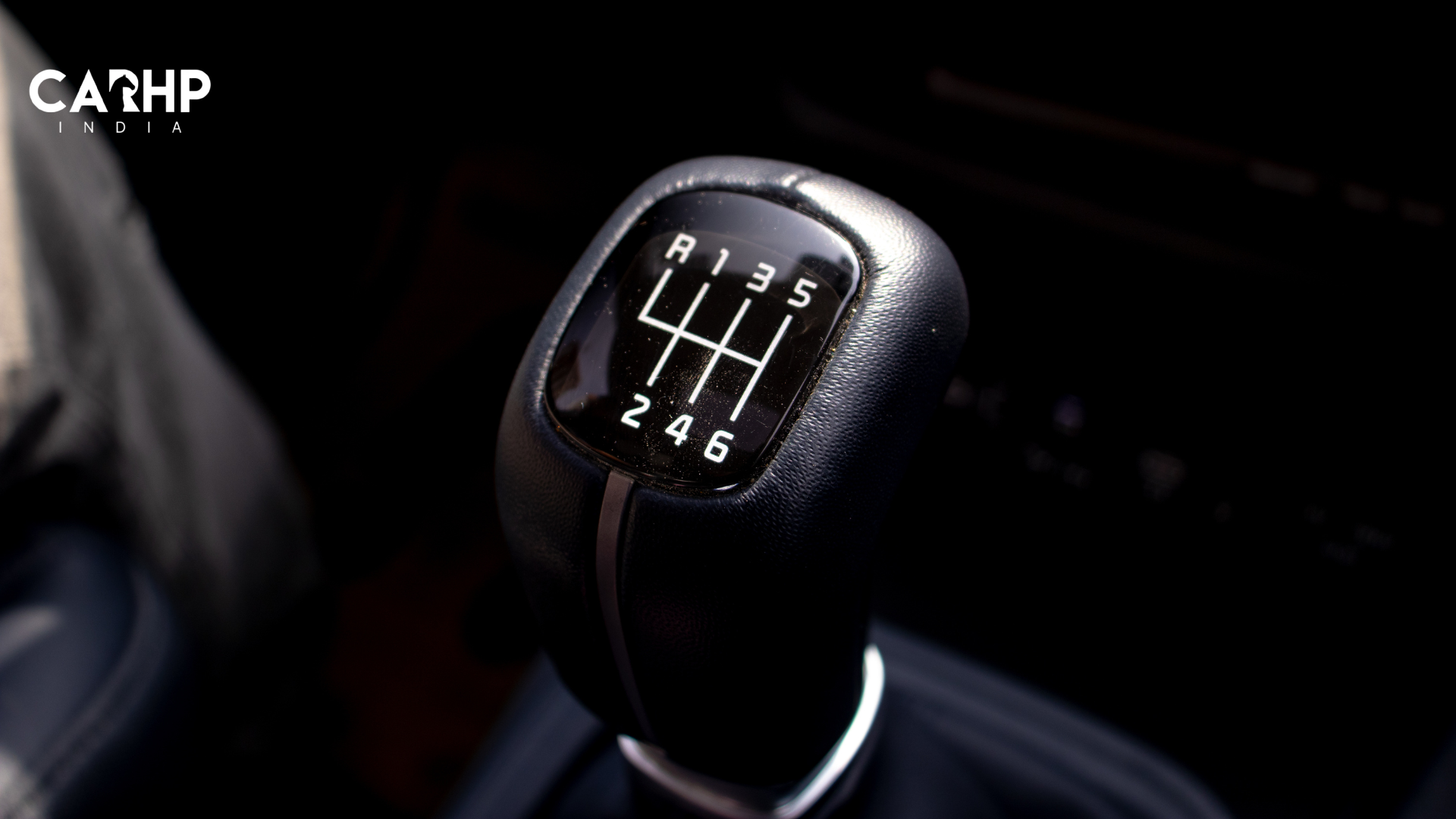
The 1.0-litre T-GDi turbo petrol produces 118 bhp, with 172 Nm of torque available from 1,500 rpm through to 4,000 rpm. The 7-speed DCT is the more capable and refined gearbox pairing with this engine. Gear changes are smooth and quick, the transmission manages the turbo's power delivery well across urban and highway conditions, and the combination gives the Venue a brisk, confident character that the naturally aspirated unit cannot match. The 6-speed manual is available at a lower price point. In city traffic, the turbo petrol's DCT can exhibit the occasional hesitation at very low speeds that is inherent to dual-clutch transmissions, though this is less pronounced than in some rivals.
The 1.5-litre U2 CRDi diesel is the standout choice for buyers who cover more than 1,500 km per month.
With 114 bhp and 250 Nm arriving from 1,500 rpm, it delivers strong, broad torque that makes the Venue feel effortlessly capable under full passenger load. The 6-speed manual diesel is the most fuel-efficient combination in the range. The 6-speed torque-converter automatic diesel, now available for the first time in the Venue lineup, is the most relaxed and refined daily commuter combination, offering smooth, unobtrusive gear changes, strong low-speed torque, and diesel running costs make the diesel AT particularly well-suited to high-mileage urban buyers who want automatic convenience. Rear disc brakes are fitted to the diesel AT, an upgrade over the drum brakes on other Venue variants.
Ride and Handling
The Global K1 platform's increased use of high-strength steel improves structural rigidity over the previous generation, and this reflects in the Venue's ride quality.
It absorbs potholes and broken surfaces composedly without transmitting excessive harshness into the cabin. Body roll in faster direction changes is modest and well-controlled.
At highway speeds, the Venue is stable and settled, and wind and road noise are well-managed across all engine options. The steering is light and accurate in urban conditions, and weighs up progressively at speed without becoming stiff.
fuel economy
fuel economy
The Venue with its 1.2-litre naturally aspirated petrol engine delivers 18.09 km/l as per ARAI claims, though real-world figures fall around 13-14 km/l in mixed driving conditions.
The turbo petrol DCT's 20 km/l ARAI claim is noteworthy for a turbocharged petrol. Though, in real-world mixed driving, 13 to 16 km/l is more typical, with city driving at the lower end, but relaxed highway cruising can come close to the ARAI figure.
The diesel manual's 20.99 km/l ARAI figure is the highest in the Venue range and one of the stronger efficiency claims in the sub-4-metre segment for a non-hybrid powertrain. Real-world diesel manual returns of 16 to 20 km/l are achievable with disciplined driving, making it a compelling choice for high-mileage buyers. The diesel automatic's ARAI figure drops to 17.9 km/l, reflecting the torque-converter's higher fuel consumption, but real-world returns remain competitive with around 15 km/l in the city and over 17 km/l on the highway.
The 45-litre fuel tank provides a reasonable range buffer across all three engines.
interior
interior
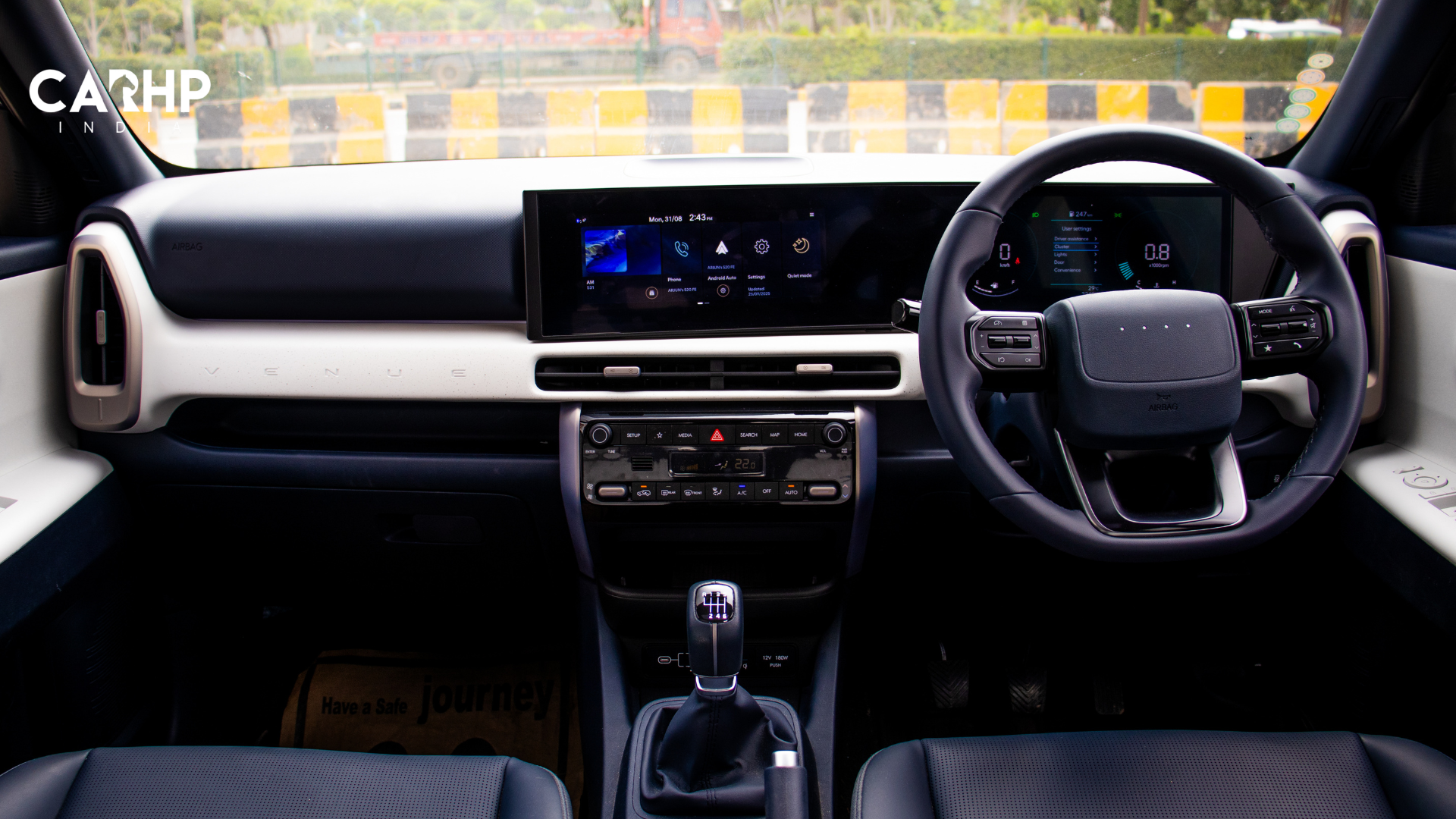
The Venue's cabin sets the standard for the sub-4-metre SUV segment on technology and feature density.
The dual 12.3-inch curved display setup from the HX6 is the most visually premium infotainment and cluster arrangement available in any compact SUV at this price, combining the navigation and media screen with the fully digital instrument cluster in a single seamless glass panel. The interface quality, animation, and Hyundai's BlueLink connected car system make the upper-variant Venue feel closer to a mid-size SUV than a sub-4-metre product.
Below the HX10, the 10.25-inch touchscreen in the HX2 through the HX8 is well-placed and responds cleanly. Even at the base HX2, wireless Android Auto and Apple CarPlay are standard, which is a meaningful provision at an entry price below Rs. 8 lakh.
The Bose 8-speaker audio system, exclusive to the HX10, is one of the better factory audio installations in the compact SUV segment, providing clear imaging, strong bass, and solid detail reproduction at moderate to high volumes. The step from the base 4-speaker system in the lower variants is substantial
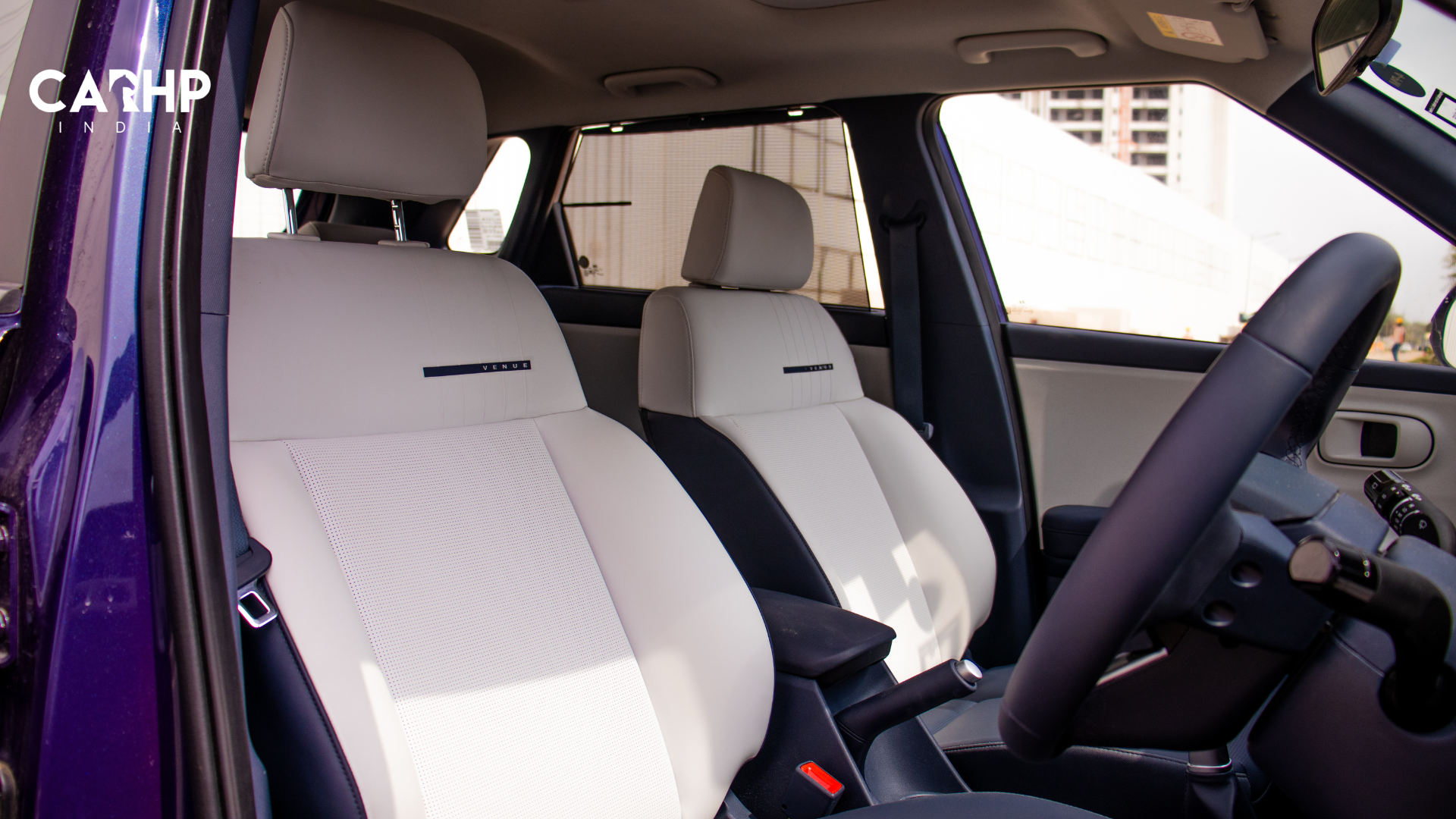
Front seat comfort is good in both standard and ventilated configurations. The electrically adjustable driver seat from the HX7 makes finding the correct position easier for drivers of different heights.
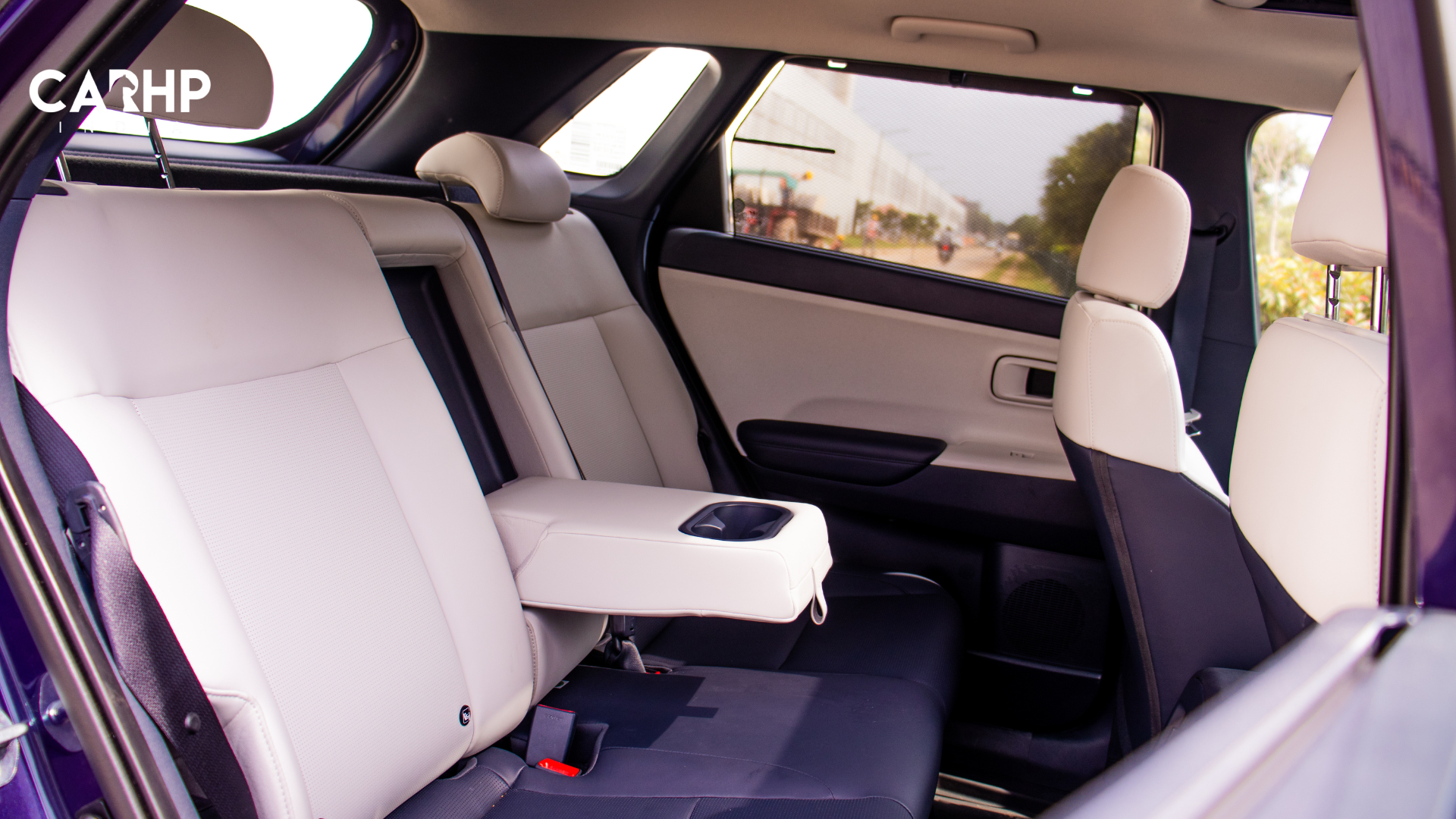
The rear seat accommodates adults of average height behind an average-sized driver with adequate legroom. A single-pane electric sunroof is introduced from the HX5 trim.
Cabin material quality is consistent with Hyundai's standards at this price: the upper dashboard and door cards use a combination of soft-touch surfaces and textured hard plastics that give a premium impression without soft-touch everywhere. Leatherette seat covers from the HX6 and the overall interior finish in the upper trims reinforce the perception of a product that punches above its price in quality terms.

The 375-litre boot is competitive within the sub-4-metre segment and fits the practical needs of a five-seat family SUV. The load floor is flat and the aperture is wide, making it easy to load larger items. Additionally, the 60:40 split-folding rear bench is standard throughout the range and adds practical flexibility when fewer than three rear passengers are being carried.
exterior
exterior

The second generation Venue's design language aligns with Hyundai's broader India lineup, with a parametric jewel LED DRL signature across the full width of the front, LED projector headlamps, and a bluff, wide front bumper that emphasises the SUV character.

The side profile is taller and more squared-off than the previous model's sloped, crossover-influenced line, and the 16-inch alloy wheels on the HX8 and above fill the arches with more visual weight. The roof spoiler, present on mid and upper variants, gives the Venue a slightly more dynamic rear appearance.

At the rear, connected LED tail lamps span the width of the tailgate, giving the Venue a premium rear signature that is among the more cohesive in the segment. The black plastic bumper treatment is straightforward and functional.
Six monotone and two dual-tone colour combinations are available. The dual-tone options, with a black contrast roof on selected body colours, are available on HX7 and HX8 variants.
safety
safety
Six airbags, ESP with vehicle stability management, hill hold, ABS with EBD, and ISOFIX are standard across the full range. The 5-star Bharat NCAP rating, awarded in March 2026, validates the Global K1 platform's structural integrity.
The Level 2 SmartSense ADAS suite on the HX10 is one of the more comprehensive active safety packages available in a sub-4-metre SUV in India.
Adaptive cruise control with stop-and-go capability, forward collision avoidance braking, and blind spot collision avoidance are the most practically useful features in highway and mixed-traffic conditions. Though, the lane keeping assist in Indian road conditions with inconsistently marked lanes requires occasional deactivation, but the collision avoidance functions work effectively regardless of lane marking quality.
Rear disc brakes are fitted only to the diesel AT. All other Venue variants use rear drum brakes, which is adequate in normal conditions but is a notable gap when comparing to all-disc setups.
competition
competition
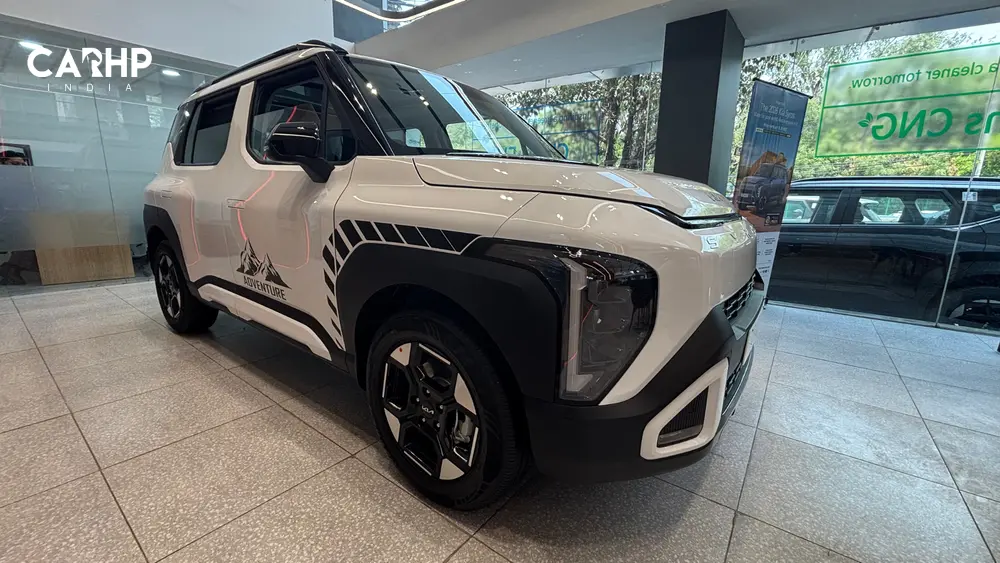
The Kia Syros is the Venue's most directly comparable rival, sharing the Global K1 platform and similar dimensions.
The Syros offers a panoramic sunroof on its higher variants, which the Venue does not, and its boxy, upright design gives it a stronger visual road presence. Feature-for-feature comparisons between the two in overlapping price brackets are close, and both carry strong safety credentials.
For buyers who specifically want a panoramic sunroof in the sub-4-metre segment, the Syros is the primary alternative. The Venue counters with a more established service network and brand track record in this segment, along with broader variant availability.
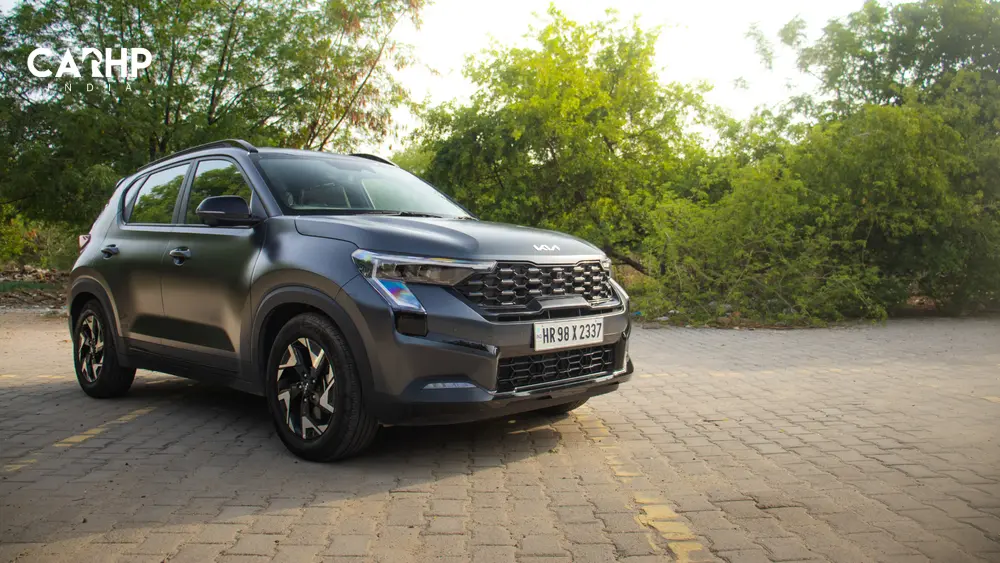
The Kia Sonet competes at a similar price range with a strong feature set including a sunroof, a diesel option, and ADAS in upper trims.
Its interior is more richly appointed in terms of features at comparable price points, though the Venue's overall safety equipment from the base variant and the 5-star NCAP result are differentiators.
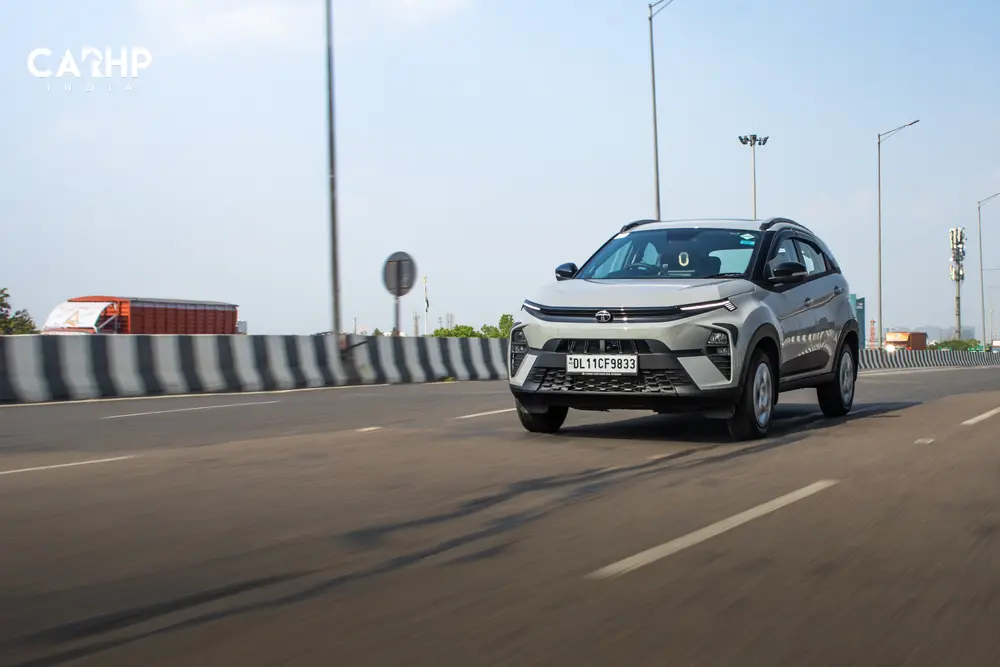
The Tata Nexon is the segment's volume leader offering a turbo petrol and diesel with both manual and automatic gearboxes, a panoramic sunroof from mid variants, strong safety credentials, and Tata's connected car ecosystem.
Boot space on the Nexon at 382 litres is marginally larger than the Venue's 375 litres.
Both cars are closely matched across most parameters, and the choice often comes down to brand preference, dealer proximity, and which specific feature combination suits the buyer.
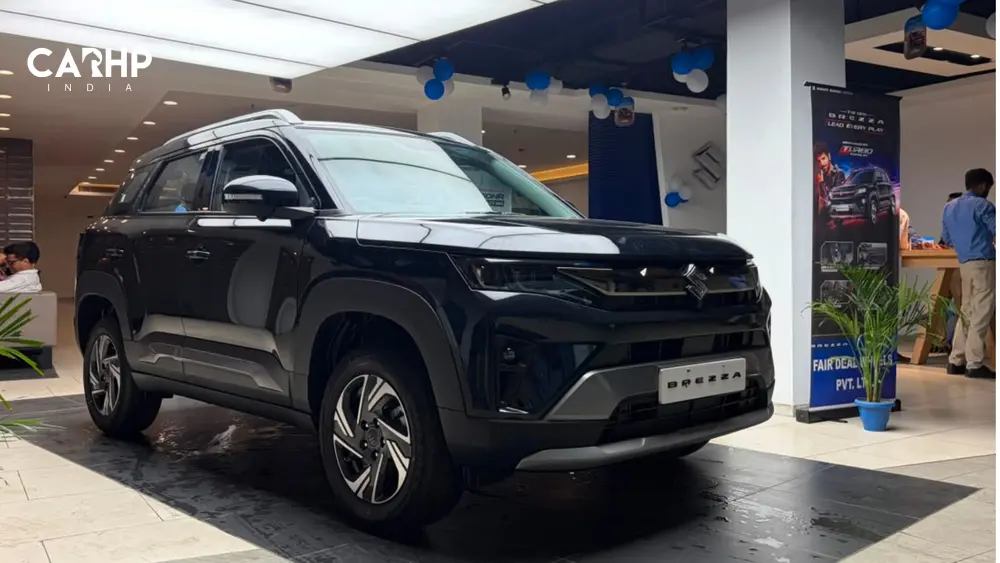
The Maruti Suzuki Brezza recently received a facelift and new turbo power under its hood, finally making it a more direct rival to other compact SUVs.
While it does not offer a diesel unlike the Venue, it attracts cost conscious buyers with an underbody mounted CNG option. Its 1.5-litre K15C naturally aspirated engine is stronger and more refined than the Venue's 1.2-litre unit, and the turbo petrol option is more accessible than in the Venue. Additionally, the Brezza too gets a five star BNCAP rating.
The Brezza trails the Venue in terms of features and interior feel, fit, and finish. While the cabin materials are solid and built to last like all Marutis, they do not feel premium enough like in the Venue. Additionally, the Venue offers a proper Level 2 ADAS suite, while the Brezza makes do with Level 1 ADAS tech with driver alerts.
For buyers who prioritise service access, resale value and running cost predictability, the Brezza remains a compelling argument. For buyers who want the best feature set and cabin quality, the Venue's top variants are a stronger offer.
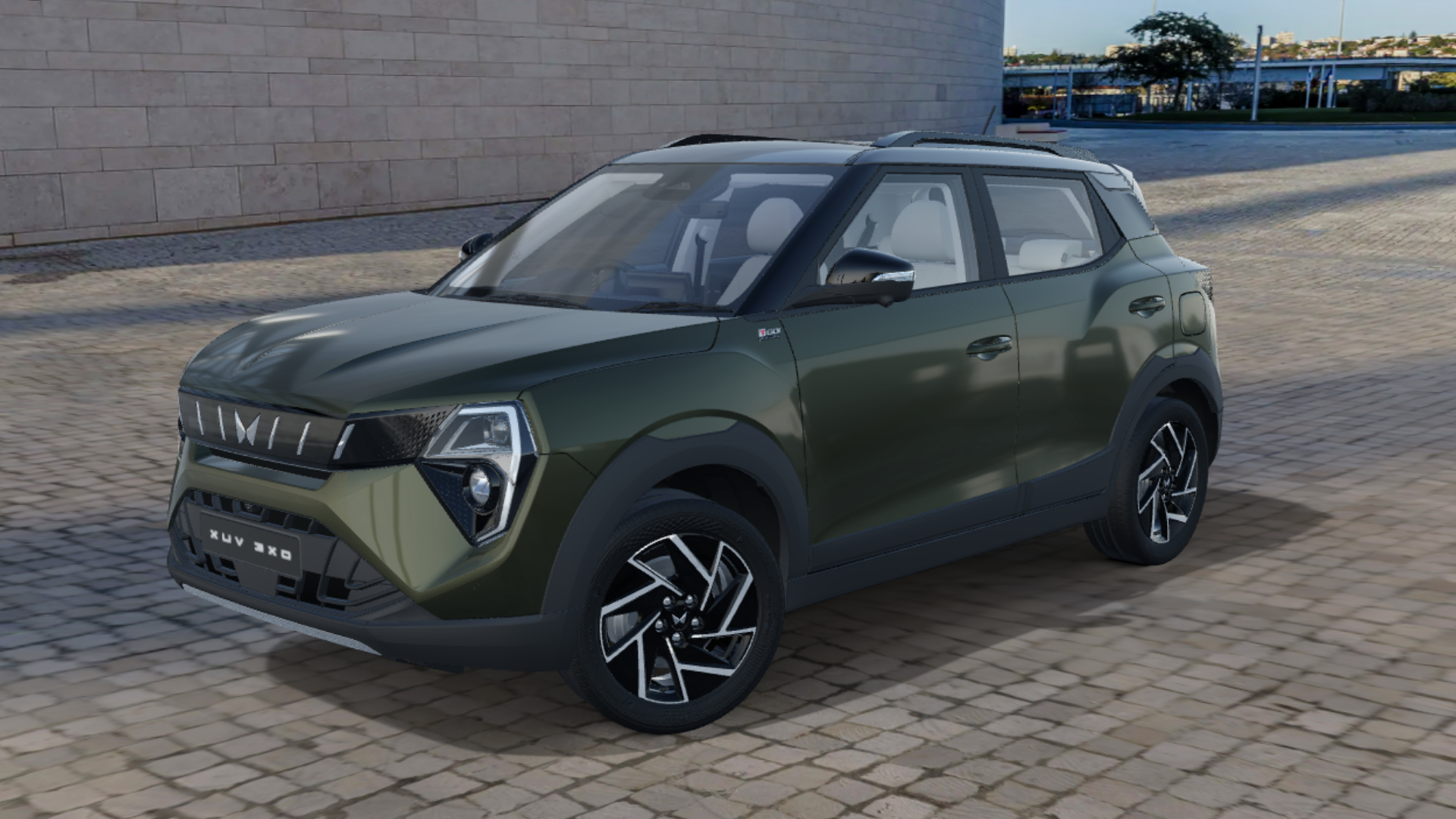
The Mahindra XUV 3XO targets the Venue's top-end variants.
It offers a panoramic sunroof, a larger footprint, a 5-star Bharat NCAP rating, two 1.2-litre turbo-petrol engine options (MPFI and TGDI), and a diesel engine producing segment-best power and torque figures.
Its starting price is higher than the Venue's, and the Venue's dual-screen interior technology is a legitimate differentiator at comparable price points, while the XUV 3XO's larger dimensions and panoramic sunroof give it the edge on the features buyers most frequently cite as priorities.
final verdict
final verdict
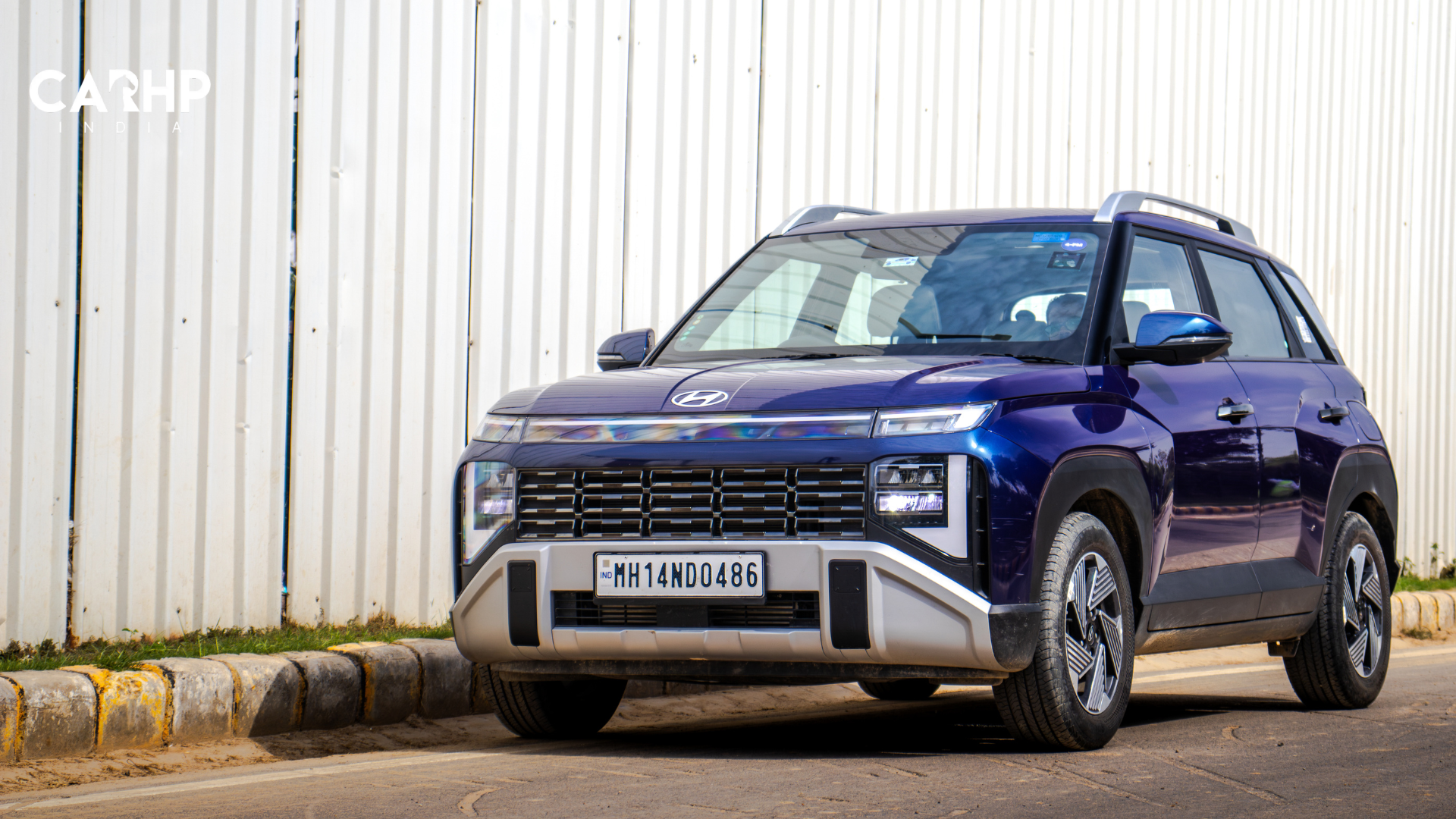
The Hyundai Venue is the most comprehensively equipped compact SUV in the sub-4-metre segment across most of its variant range.
Six airbags and ESP from the base variant, a 5-star Bharat NCAP rating, three engine options with six gearbox combinations, dual 12.3-inch screens from the HX6, ventilated seats from the HX8, and Level 2 ADAS and the Bose audio on the top-end HX10, make the Venue the benchmark for technology and safety breadth at this size and price.
The few trade-offs include the absence of a panoramic sunroof even on top trims, the turbo petrol DCT's natural hesitation at very low speeds, an adequate rear seat space that trails many rivals. The range breadth, while commercially logical, can make the buying decision complex.
The best variant for most buyers is the HX5 diesel manual. It comes with a sunroof, wireless charger, rear camera, automatic climate control, Hyundai BlueLink, and the diesel's efficiency and torque at a competitive price.
The sweet spot for most buyers lies between the HX6T (for those who want good features without the turbo premium) and the HX8 Turbo DCT (for those who want the best powertrain combination with an upgraded cabin). The HX10 is the aspirational complete package that justifies its price for buyers who want everything the Venue offers in one variant.
For buyers who want a safe, feature-rich, reliable and well-rounded compact SUV from a brand with strong service infrastructure, the Venue is a comprehensive answer with very few weaknesses that are not easily explained by its pricing.
Hyundai Venue Expert Reviews
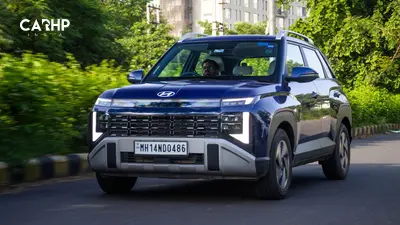
I Drove the Hyundai Venue HX8 Turbo Manual, and Can It Take on the Brezza and Nexon?
I tested the Hyundai Venue HX8 variant powered by the 1.0-litre turbo-petrol engine for over 1,500 km across Noida-Gurugram traffic and multiple expressways. We evaluated its real-world fuel economy, ride comfort, and overall drivability for daily commutes and long family road trips.
Vatsal Agrawal
September 16, 2026
Hyundai Venue News

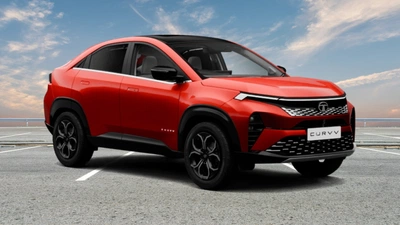
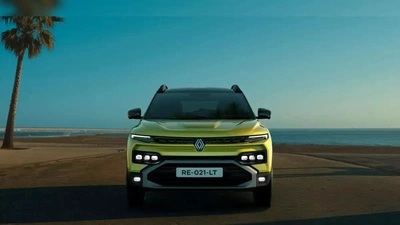
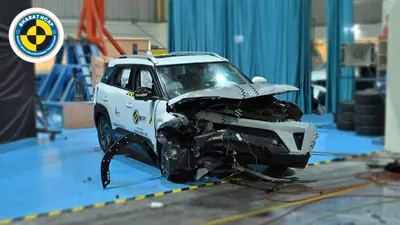
Bharat NCAP 2.0 Is Coming in October 2027 and It Will Test Far More Than Just Crash Safety
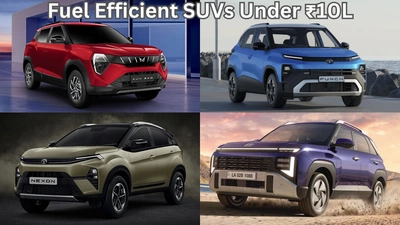
Gadkari confirmed Bharat NCAP 2.0 at the SIAM convention, kicking in October 2027. The new programme goes well beyond occupant protection, including pedestrian safety, crash avoidance, and post-crash response all come into the rating now.
Anmol Kumar
September 4, 2026



Hyundai Venue FAQs
What engine options are available in the Hyundai Venue?
−The Hyundai Venue comes with three engine choices: a 1.2-litre naturally aspirated petrol engine (82 bhp, 114 Nm), a 1.0-litre turbocharged petrol (118 bhp, 172 Nm), and a 1.5-litre diesel engine (115 bhp, 250 Nm).
What gearbox options does the Hyundai Venue offer?
+The Hyundai Venue's 1.2-litre NA engine is paired only to a 5-speed manual transmission, the 1.0-litre turbo petrol comes with a 6-speed manual or 7-speed DCT, and the 1.5-litre diesel is paired to a 6-speed manual or 6-speed torque converter automatic.
What is the mileage of the Hyundai Venue?
+The Hyundai Venue delivers impressive fuel efficiency across its range of powertrains. The standard petrol engine with a manual gearbox offers 18.05 kmpl, while the 1.0-litre turbo-petrol variant delivers 18.74 kmpl with the manual transmission and 20 kmpl with the DCT automatic. For diesel users, the Venue provides 20.99 kmpl with the manual gearbox, making it the most fuel-efficient option in the lineup, while the diesel automatic returns a respectable 17.9 kmpl. Overall, the Venue balances performance and economy well across both petrol and diesel options.
What is the safety rating of the Hyundai Venue?
+The second generation Hyundai Venue received a five star BNCAP rating, with 31.15/32 points for adult occupant protection, and 44.46/49 points for child occupant protection.
Does the Hyundai Venue have a panoramic sunroof?
+No. The Venue offers a single-pane electric sunroof from the HX5 and a voice-assisted smart sunroof on the HX7 and HX8, but no panoramic sunroof is available on any variant.
What are the Venue's dimensions?
+Length 3995 mm, width 1800 mm, height 1665 mm, wheelbase 2520 mm, and ground clearance 190 mm.
How much boot space does the Hyundai Venue offer?
+375 litres. The rear seat offers a 60:40 split-fold.
Does the Hyundai Venue offer ADAS?
+Yes, the Hyundai Venue gets Level 2 ADAS on its top-end HX10 trim. This includes forward collision avoidance with autonomous emergency braking, lane keep assist, lane departure warning, adaptive cruise control with stop-and-go, blind spot collision avoidance, rear cross traffic collision warning, and driver attention warning.