I Drove the Hyundai Venue HX8 Turbo Manual, and Can It Take on the Brezza and Nexon?
Published September 16, 2026
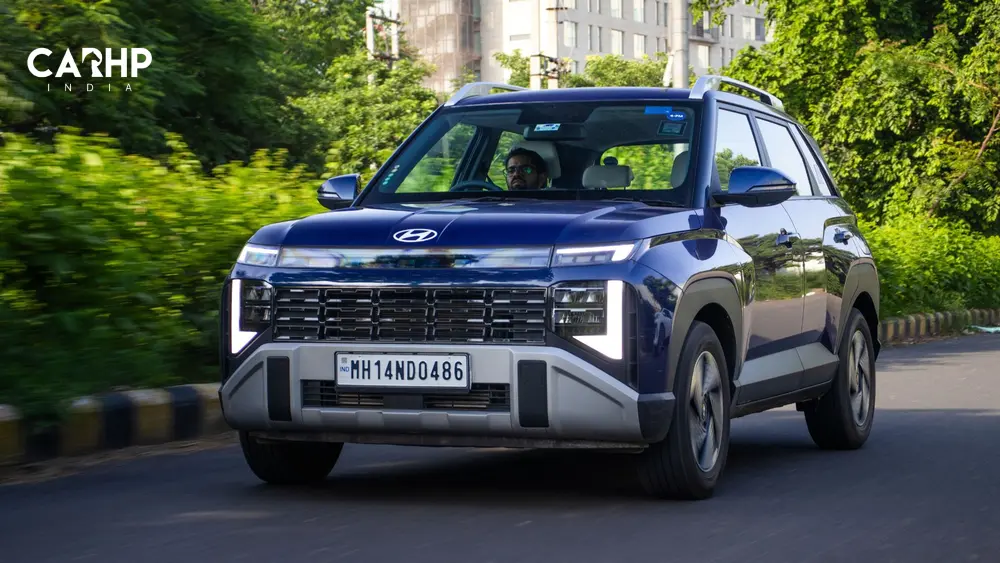
The sub-4m compact SUV segment is one of the most popular choices among Indian car buyers. It comprises various high-volume contenders that are feature-rich and economical highway cruisers. But in 2026, if you are planning to get a new sub-4m compact SUV and seeking a subtle balance of bold design, a tech-loaded cabin, and multiple powertrain choices, the Hyundai Venue continues to be a strong contender.
With the 2025 update, Hyundai not only refreshed the Venue’s exterior and interior, but the automaker also enhanced features like dual 10.25-inch displays, ADAS, and driving modes. Along with that, it scored a five-star safety rating in the Bharat NCAP. Moreover, the automaker even added a manual gearbox to the turbo petrol variant. But the question is, will these upgrades make it the most complete option in its market?
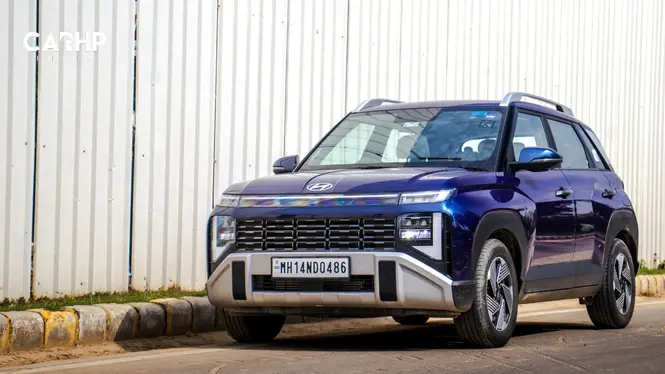
To find out, I tested the Hyundai Venue HX8 variant powered by the 1.0-litre turbo-petrol engine for over 1,500 km across Noida-Gurugram traffic and multiple expressways. We evaluated its real-world fuel economy, ride comfort, and overall drivability for daily commutes and long family road trips.
Most importantly, does the Venue’s HX8 variant justify its price tag?
Let’s get this started!!!
What’s Good
Performance
Hyundai offers three engine options: a 1.2L NA petrol engine, a 1.0L turbo petrol, and a 1.5L diesel, with either a manual or automatic gearbox; this was my first time driving the 1.0L turbo petrol with a six-speed manual gearbox in the Venue. Want to know what my experience was like?
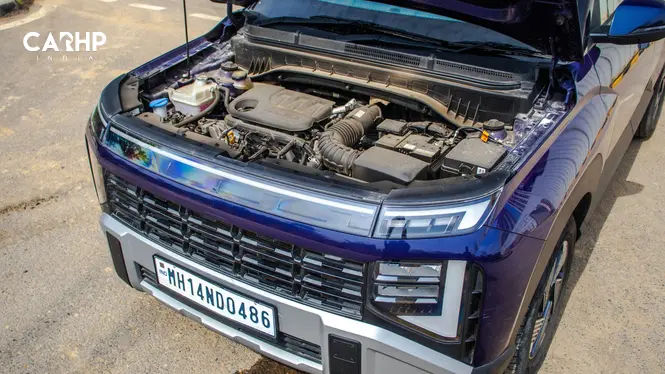
So, as I left my office, which is in Gurugram, initially in the peak bumper-to-bumper traffic, the manual gearbox started to show its characteristics. The clutch and constant upshifts and downshifts. Initially, it took some time to get used to the very light clutch compared to my daily long-term Renault Kiger, and it even stalled a few times. However, once I got the clutch bite, and boom, it became very smooth to drive. I generally kept it in second gear, as moving it into first gear gained speed instantly, and the short gearing made me upshift instantly.
Though I felt there was a bit of turbo lag, it gained pace effortlessly in the NH48 traffic. Once past 1,800-2,000 RPM, the turbo kicks in, and it redlines all the way to 4,800-5,200 RPM. As there are no driving modes on offer, which I felt should have been offered in the turbo manual, to be honest, I did not miss it that much.

Talking about the power delivery in the open stretches, it is very linear. The kick-in-the-pants feel from the turbo petrol engine has completely disappeared in the BS-6 Phase-II era. The low-end lag is there, and in any given situation, I had to downshift; but with the first gear being on the shorter side, I had to upshift to the second and third gear for maximum torque output. The mid-range is the sweet spot, and in the fifth and sixth gear, it cruises flawlessly.
However, one thing I noticed and would like to mention if you are a first-time buyer and confused whether to get the manual or the DCT option is that, with the additional seventh gear, the RPMs are slightly lower at cruising speeds of 70-90 km/h, giving it an edge in fuel efficiency. Regarding the clutch and gear shifts, the clutch is super light, and the gear throws are buttery smooth. I feel these are among the best combinations on offer in the segment.
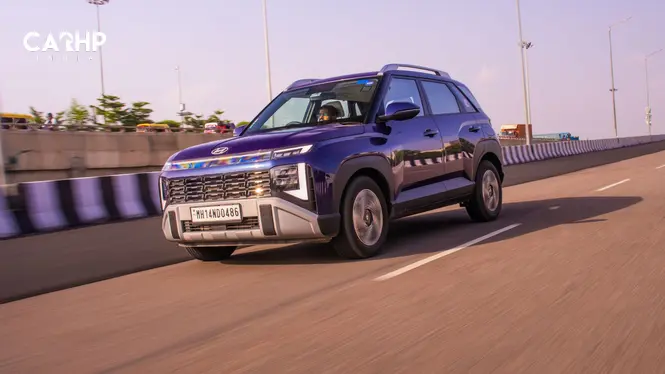
When I was travelling on the Delhi-Mumbai Expressway, the speed limit was 120 km/h, and I cruised at 115 km/h; the RPMs were over 2,000 RPM. There, I felt the additional seventh gear would have brought down the RPMs and would have increased my fuel economy. Making quick overtakes, or gaining pace in the sixth gear, was not an issue at all, but I definitely felt the charm and the feel of this engine kind of had disappeared.
Overall, what I feel is that if you are looking for turbo power, manual fun, and a light clutch, then it is a good choice and a combination in the market.
Also Read: Kia Sonet X-Line Review: The Good, the Bad and Everything In Between
Design
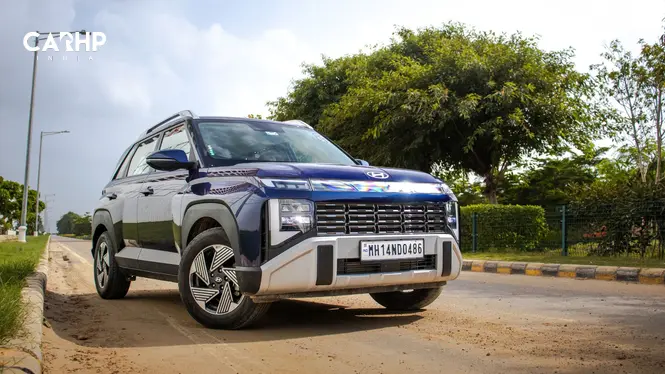
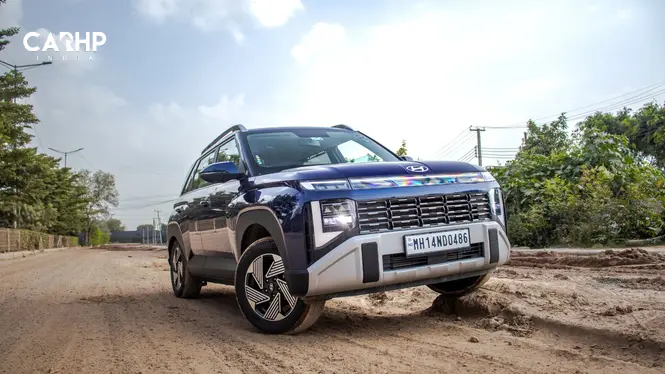
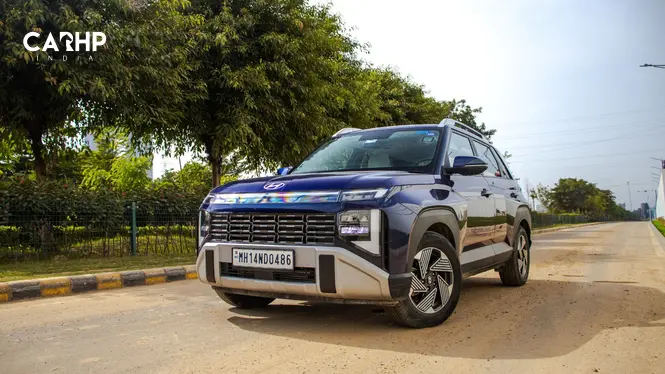
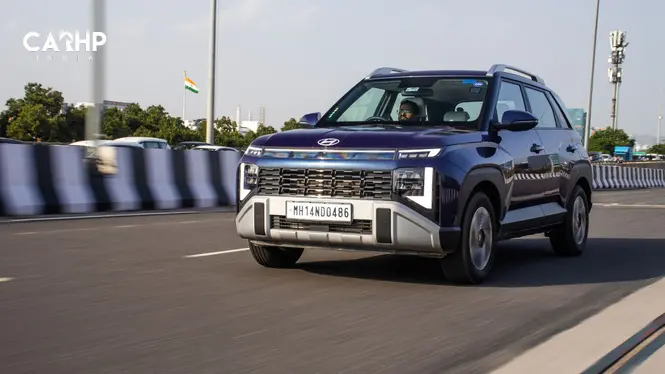
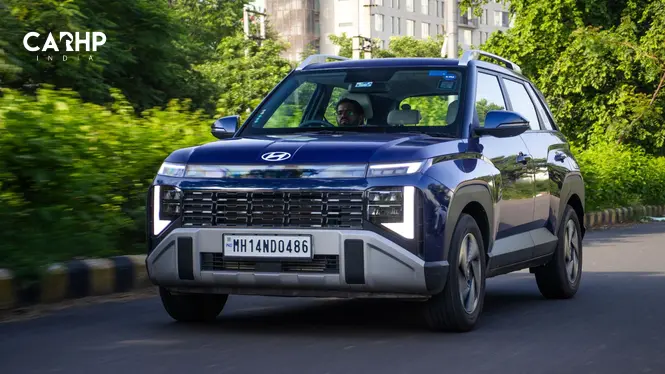
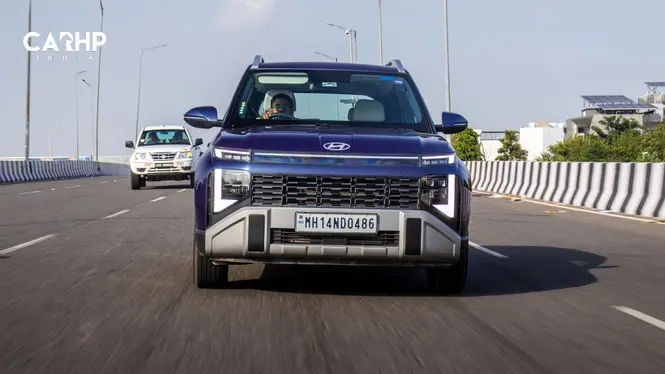
With the new design language, the Hyundai Venue stands out distinctly in the segment. The bold front fascia, sharp cuts and creases on the door panels, and subtle design for the clean tail lamps give the Venue a modern and fresh approach.
Starting with the front, the vertical LED DRL and connected treatment give it a modern aesthetic approach, with neatly integrated headlamps. As I drove the HX8 variant, it has LED headlamps; I was guessing the throw of the lights would be average enough.
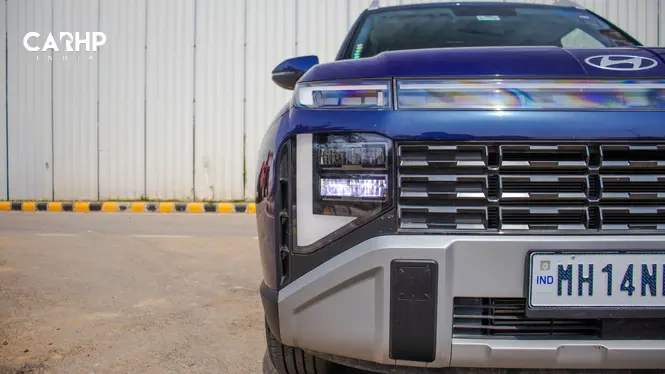
But on the contrary, while I was commuting daily at night, and even when I was on the expressway, these lights provided a good throw and the road was well lit, which I was not expecting.
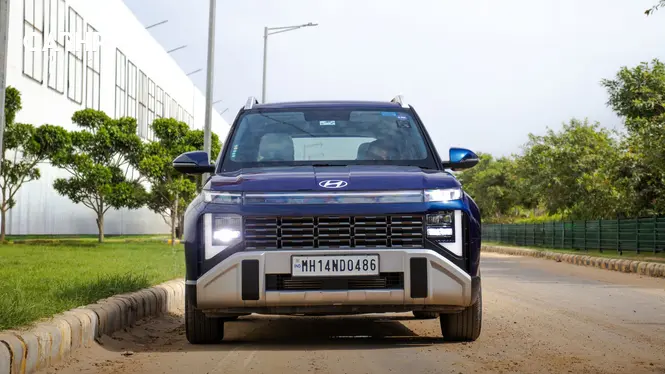
The gloss black grille and the silver bumpers gave it a contrasting appeal, and this design certainly grew on me with time. One thing I would like to mention is that Hyundai has cleverly not offered dynamic swipe turn indicators, which are available in the Venue N-Line.
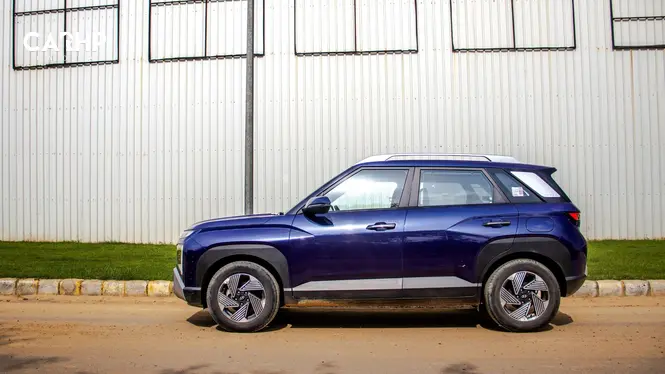
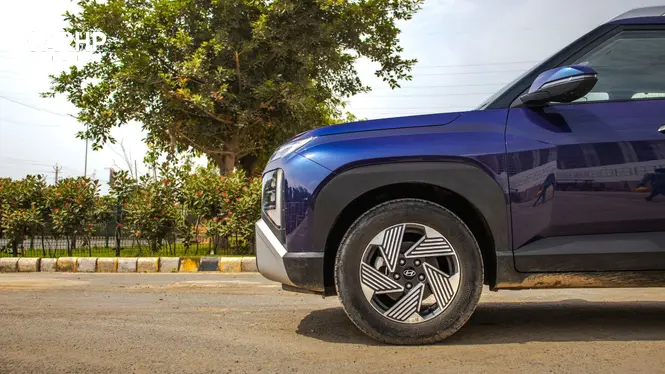
Coming to the sides, the dimensions and the silhouette remain identical to the previous one, but the sharp cuts and the overhangs on the rear end give it a muscular appearance. As I drove the HX8 variant, it ran on 16-inch alloy wheels, but the 215-section tyre gave it superior grip levels. The door handles felt premium, and the roof rails finished in a silver scheme, while the black cladding enhanced the overall sporty character of the SUV.
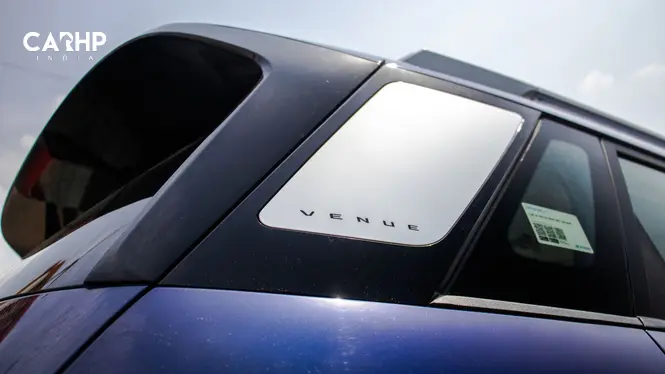
At the rear, things flatten out, and it has a similar design theme as the front profile. There is a subtle roof spoiler, a dedicated rear-wiper washer, a shark fin antenna, and bold badging of ‘VENUE’ completely safeguarded in the LED taillamp connecting case.
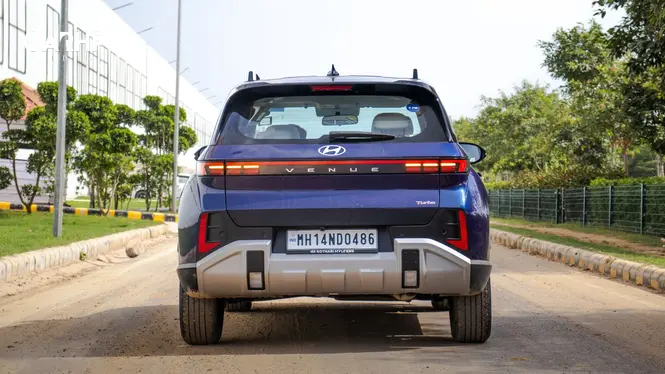
So, by no chance, I cannot get it debadged or get the rear Hyundai logo de-chromed. The bumper is finished in black to reduce the visual bulk, and the silver treatment enhances the overall appearance.
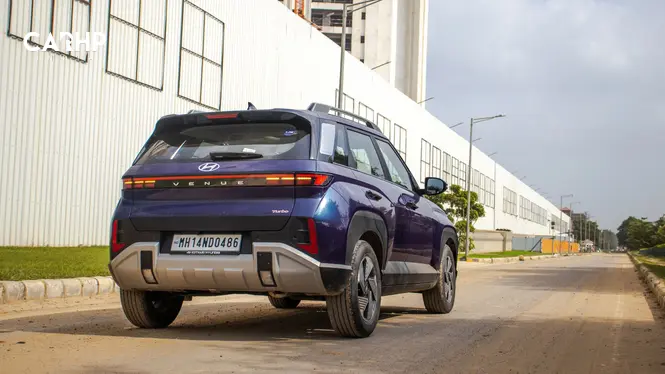
Despite Hyundai offering LED headlamps and LED taillamps, one area where the automaker cut corners is in providing halogen reverse lamps. I do not understand why this omission is made, as cars costing half its price get LED units.
Overall, the design of the new Hyundai Venue is made to appeal to the young audience and Gen-Z buyers, and the sharp cuts and multi-colour approach will take some time to grow on you.
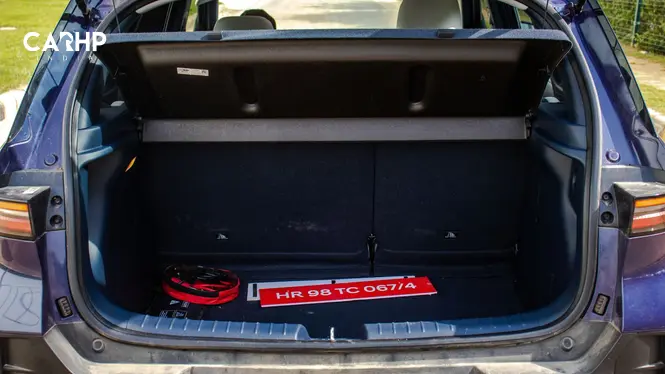
Talking about the boot space, it has decent space on offer. During my trip to Ranthambore, my cabin-sized suitcase, and a few other camera equipment items easily fit inside, and the loading lip was not too high, and it was pretty easy to stuff in and take out of the boot.
Also Read: My 700 KM Delhi-Dehradun Roadtrip With the Renault Kiger Turbo Manual: Most Underrated Highway Car?
Seating Comfort
Now, coming to the interiors, seating comfort is an important factor for any car buyer in this segment. The seats of the Hyundai Venue are always well-cushioned, and it offers a comfortable seating experience throughout your ownership.
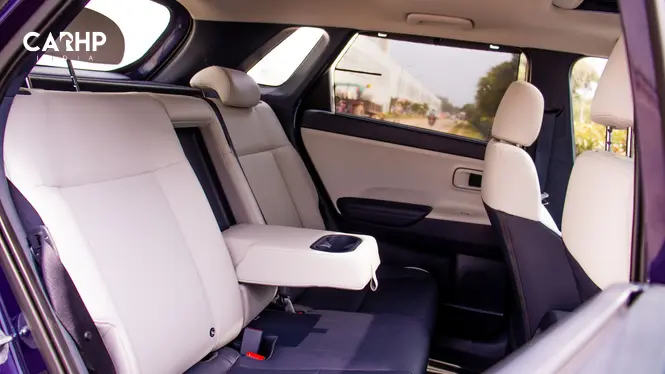
Starting with the rear seats, it is a pretty comfortable space to be in. As my height is around 5 ft 8 in, I was quite comfy inside. I had a decent amount of knee room and legroom, and the under-thigh support, I feel, could have been slightly better. There is decent headroom, but shoulder room, I feel, could have been better.
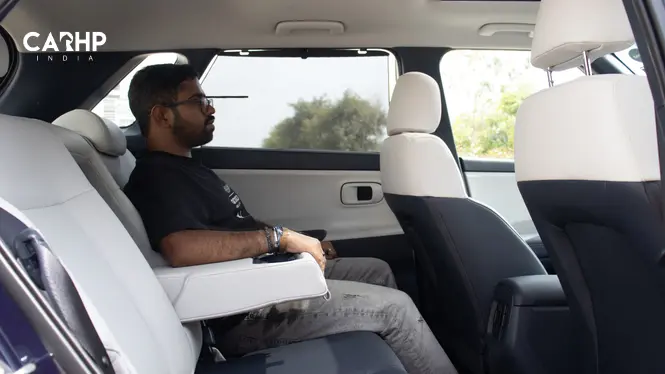
With the space inside, I can say only two adults and a small kid can be comfortable in the rear seats of the Venue. For amenities, I had a rear-window sunshade, rear AC vents, and a USB Type-C charging socket along with magazine holders. Overall, it is a comfortable place to be in, and in my daily commute, I would not say an amazing experience, but a good one in the rear seats of the Venue, given the fact that the rear-seat recline angle could be slightly better.

Now, on to the driver's seat, and things change a bit over here. Firstly, the four-way electric adjustment and manual seat height adjustment helped me get a comfortable and commanding seating position. Talking about the seating comfort, the cushioning is on point, and I wish the bolstering support could have been slightly better.

During my 1,500km overall experience, I did not feel fatigued at any point in time, and the crisp display and multiple physical controls helped in elevating my overall cabin experience.
Ride and Handling
One of the core aspects for any car buyer, after seating comfort, is the ride and handling of the vehicle. The suspension setup in the Venue is slightly inclined towards the softer side, meaning it glides over bad roads and potholes without any jerks filtering inside. During my daily office commute, I did not feel much uneasiness with the Venue, and around corners as well, it maintained its pace and line.
However, with the softer suspension setup, the body roll is quite evident, and even if you wish to push it hard, I’ll suggest getting the suspension work done. At triple-digit speeds, the suspension characteristics change, and it becomes a bit bouncy. While I was cruising at around 115-120 km/h on the expressway, the expansion joints and uneven roads were very evident. I wish for a slightly better setup, then I remembered that Hyundai offers the Venue N Line, which should have a slightly better setup compared to the regular one. Let’s see what type of ride quality that offers.
Coming to the steering wheel, though it has a new design, it still feels a bit disconnected. In my daily bumper-to-bumper traffic, cutting lanes, and maneuvering was not difficult, and the lightweight nature helped in enhancing the ease of driving.
However, that light steering did not help me on the expressways, as I felt it was a bit disconnected, and while changing lanes, I wish Hyundai could have added artificial weight; it would have made it more fun to drive.
Features
As Hyundai is known in the market for the feature list it offers even from the base variant, the Venue 2026 is still loaded to the brim. As I drove the HX8 variant, it has certain good features, which I certainly admire using in my daily life.
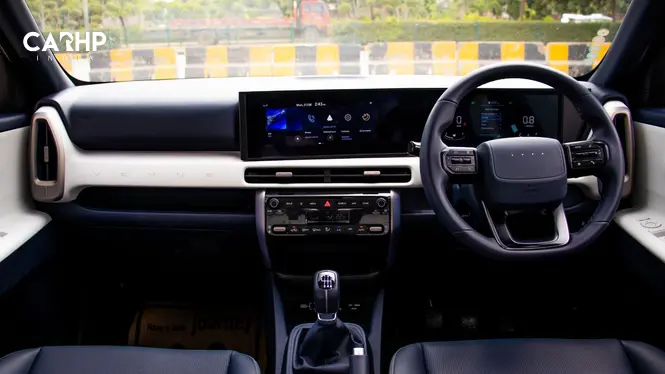
For starters, it comes with automatic climate control, front-ventilated seats, a 10.25-inch infotainment screen with wireless connectivity for Apple CarPlay and Android Auto, a digital instrument cluster, and a feature that every Indian buyer loves, is the regular sunroof.
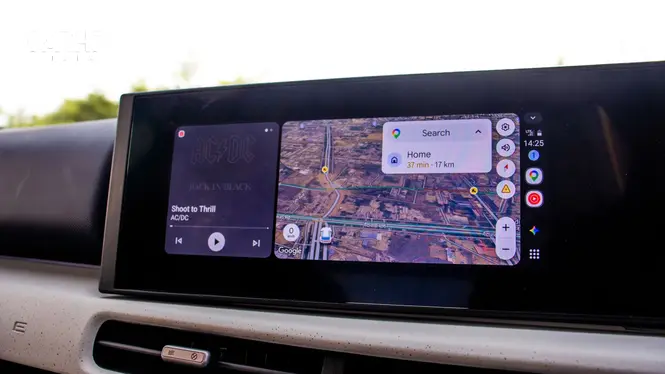
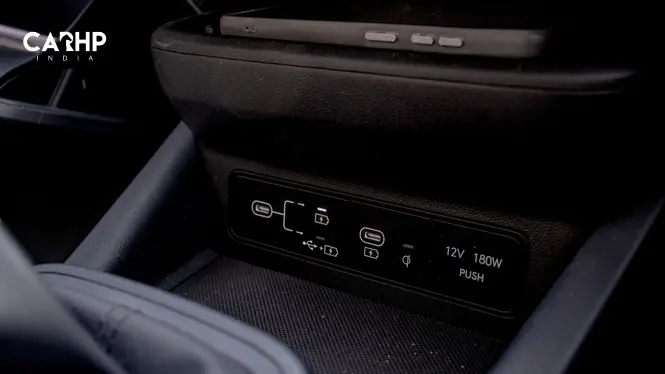
Now, coming to the connectivity and infotainment screen, it uses the new UI offered in the Hyundai and Kia cars, and it is now much slicker and easier to use. Secondly, my iPhone got instantly connected, and I can even use my cable for a better connection. The wireless charger supports decent charging speed, and in terms of practicality vise, there is ample storage space on offer.

As the display of the instrument cluster was crisp, I didn’t face any difficulties while reading it even in bright sunlight filtering in via the sunroof. As it offers the front ventilated seats and automatic climate control, the AC chilled the cabin in no time, and I mostly kept the temperature at 24 degrees Celsius. Additionally, Hyundai does offer ambient lighting, but sadly, it is in a single white shade in the regular models.

A few years ago, Hyundai uniquely started offering a remote start function for its models, and I never focused on it much, nor did I use it. Once, I parked my car in bright sunlight and had to leave for a meeting urgently. So I saw a button on my key, which said, ‘HOLD’. At first, I didn’t think what it was for. But that day, near the vehicle, I held that button for a few seconds, and my Venue got the remote started. It pre-cooled my cabin, and I realised how crucial this feature is in the peak hot climate.
Coming to the safety front, it has scored a five-star safety rating in the Bharat NCAP. Additionally, the Venue comes with six airbags, ABS with EBD, traction control, hill descent control, highline TPMS, a manual physical parking brake, and other safety features.
What’s Bad
Features
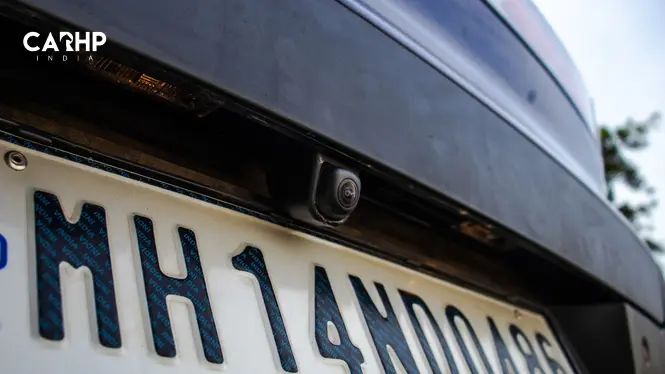
Though Hyundai attracts customers with a long list of comfort and convenience features, which are mostly helpful, I sometimes feel it cuts corners unnecessarily. For starters, it comes with only a reverse parking camera and front and reverse parking sensors, even after spending around ₹13-14 lakh on this variant.
Moreover, I listen to music a lot while I am in my car. So, in the top-spec variants, Hyundai offers a Bose audio system, but as you know, I drove the HX8 variant; it misses out on a Bose audio system, and the difference was pretty much evident when I heard the same music in the top HX10 variant. I really have to get it upgraded for a better experience.
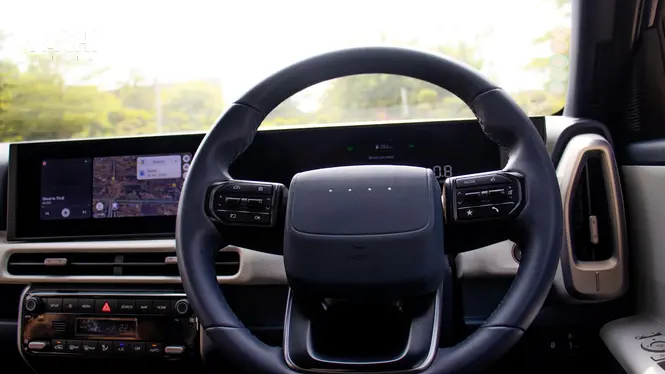
Overall, the feature list is strong in the HX8 variant, but I wish some of the key features like a 360-degree parking camera or Level-1 ADAS features could have made it a better value proposition in the market.
Fuel Efficiency
As you already know, I drove the Hyundai Venue 1.0L turbo petrol engine with a six-speed manual gearbox. During my 1,400-1,500 km run, in mixed driving conditions, with the tank-to-tank method, I got a real-world fuel efficiency of 12.7 km/L.
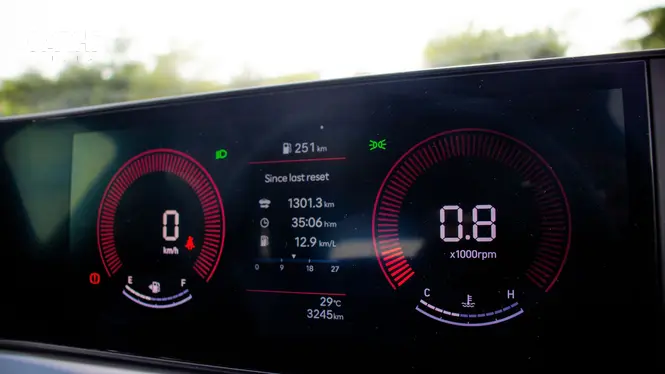
One thing I would like to mention is that since I had the manual variant, I was able to extract this much efficiency in peak traffic and including an expressway run using the regular E20 petrol. Had it been the DCT gearbox, the numbers would have been slightly less compared to the manual one. After using it extensively, one thing I will say for sure is that Hyundai has certainly missed an opportunity to get the Brezza and Nexon customers by not offering a CNG option with the 1.2L NA petrol engine.
Brakes
Another issue with the Hyundai Venue I felt is the braking power. Though it has all four-disc brakes on offer, the braking confidence was not there at all. Sometimes, even in panic braking situations, I was inches close to go inside the vehicle ahead despite not tailgating the vehicle. You’ll require some time to get used to these brakes, and I would suggest getting them upgraded.
NVH
The Hyundai Venue’s NVH levels are quite sorted, but there are some aspects to it which I feel could have been better. As it was a turbo petrol unit, the three-cylinder effect and the engine vibrations were there at the pedals and the door pads. Although most of the time it was smooth, while pushing it and under hard acceleration, the engine noise was quite evident inside the cabin.
Secondly, the road noise does not filter in, but the wind noise and tyre noise was somewhere evident on the cemented patch. While there were some no-road sections as well that I covered, in that, some of the panels were rattling, and I wondered, isn’t it too early to come in a brand-new car?
What is the price of the Hyundai Venue?
The price of the Hyundai Venue starts at ₹7.99 lakh (ex-showroom) for the base variant and goes up to ₹15.83 lakh (ex-showroom). However, I drove the HX8 variant, which is priced at ₹11.91 lakh (ex-showroom). For on-road prices, you can check at CARHP.IN.
Should You Go for It?
Now, here comes the interesting part -- should you go for the Hyundai Venue HX8 at its price or not? Our answer is yes.
The exterior design is simple and elegant, having a modern and Gen-Z approach, and the bluish-white themed interiors make it feel airy and non-claustrophobic. As you know, Hyundai offers a long feature list, but there are some omissions, which I feel can be a deal-breaker for some buyers at its price.
The ride and handling are firm and are on the comfortable side, but the fuel efficiency in city traffic conditions can go for a toss. For more mileage, I certainly expected Hyundai to offer a CNG option and gain the buyers of Maruti Suzuki Brezza CNG and Tata Nexon CNG, but I guess that opportunity is missed. Overall, it is a fun-to-drive car with the manual, and a good product in the market.
Table of Contents
- What’s Good
- Performance
- Design
- Seating Comfort
- Ride and Handling
- Features
Join the Conversation
Trending
Toyota Rumion 700km Review: Is This the Right Car for a Joint Family?
So, overall, the Toyota Rumion is a great offering in the market, priced under ₹15 lakh, giving you a comfortable and spacious cabin, decent features, and a reliable petrol engine with good fuel efficiency.
Vatsal Agrawal
August 21, 2026
Maruti Victoris LXi CNG First Drive Review
This is the cheapest Victoris CNG you can buy and it comes with 27 kmpl mileage
Sayan Paul
August 17, 2026
Nissan Tekton 1.3 Turbo DCT: First Drive Impressions
Nissan Tekton 1.3 Turbo DCT first drive review: Performance, ride quality, cabin comfort and real-world observations from city traffic to highways. Is this the best turbo petrol SUV under ₹20 lakh?
Arjun Nair
August 14, 2026
Honda Amaze Review: The Case for Buying a Compact Sedan in 2026
To answer that, I drove the new Honda Amaze through heavy city traffic and open highways. I looked at real-world mileage, daily drivability, and whether its ADAS features are actually useful in daily driving.
Vatsal Agrawal
August 9, 2026
Kia Sonet X-Line Review: The Good, the Bad and Everything In Between
With the 2024 update, Kia refreshed the Sonet's design, updated the interior layout, and packed in features like dual 10.25-inch displays, level-1 ADAS, driving modes, and a 360-degree camera. Positioned at the top of the lineup, the X-Line variant brings a stealthy, premium look to complement its turbo-petrol and diesel powertrains.
Vatsal Agrawal
August 9, 2026
Featured
Citroen C3 Review: Who Should Consider This Car?
A few days ago, I took the Citroen C3X out for a spin in the city and on the highways. I travelled long distances and checked its fuel efficiency, features, comfort, and other factors. Today, I’ll briefly share my overall experience with the C3X and will tell you whether you should consider it or not and which is the most value-for-money variant of the lot.
Vatsal Agrawal
May 19, 2026
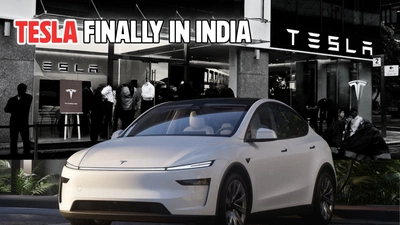
Tesla Finally In India Officially. Why Now And What Does It Mean For EVs?
The much-anticipated 2025 Tesla Model Y has officially arrived in India, marking a pivotal moment for the nation's burgeoning electric vehicle market. Launched on July 15, 2025, the Model Y Juniper facelift offers cutting-edge technology, impressive range, and signature Tesla performance. Positioned as a premium electric SUV, its entry will intensify competition and reshape consumer expectations for EVs across the subcontinent.
Charan Narain
July 17, 2025
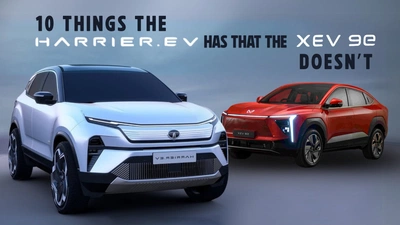
Here Are 10 Things The Harrier.EV Offers That The Mahindra XEV 9E Doesn't
The Harrier.EV is an incredible new offer from Tata. Its most popular competitor would be the Mahindra XEV 9E, priced similarly. With these two incredible offerings from home grown brands available, here is a list of everything the Harrier.EV offers that the XEV 9E doesn't.
Charan Narain
June 13, 2025
Write a comment
Comments
No comments yet. Be the first to comment!