

EMI Loading
Hyundai Bayon Key Specifications
Hyundai Bayon Overview

The Hyundai Bayon joins the brand’s Indian SUV range as a model positioned between the Venue and Creta. It is offered with a single petrol engine and a choice of manual and automatic transmissions, while a factory-fitted CNG version is planned for January 2027.
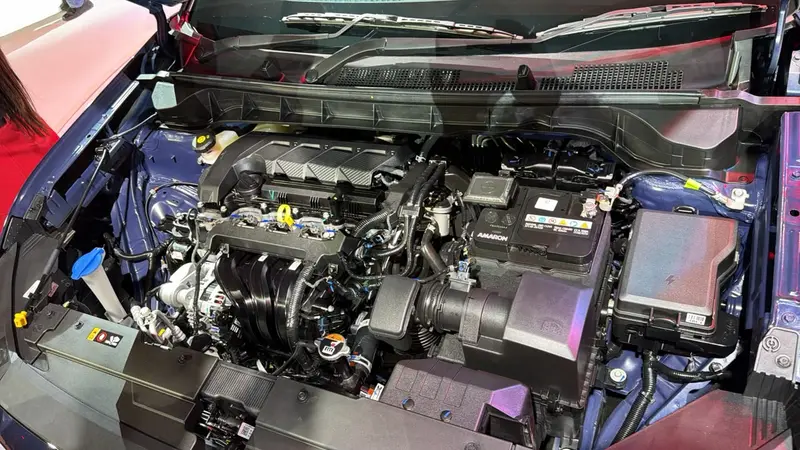
Under the bonnet is a 1.5-litre, four-cylinder naturally aspirated petrol engine producing 115 PS and 143.8 Nm. Buyers can choose a six-speed manual gearbox or Hyundai’s Intelligent Variable Transmission (iVT) automatic. The automatic version also gets paddle shifters, three drive modes and Dash Boost Mode for quicker responses during overtaking.
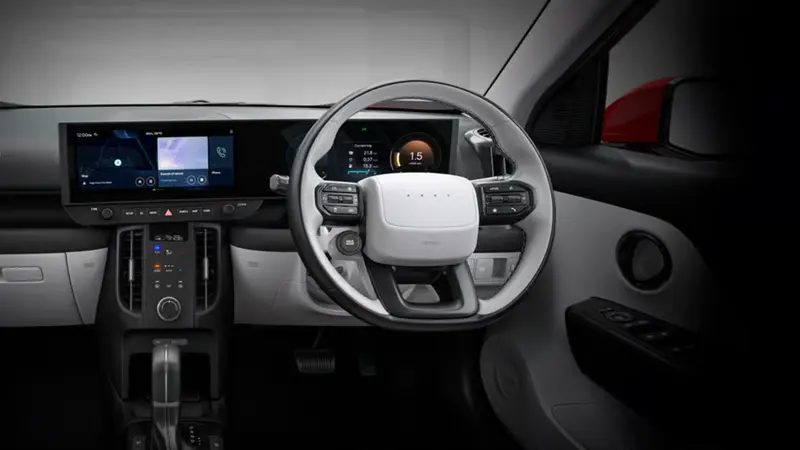
The Bayon’s cabin is dominated by two 12.3-inch displays, while other highlights include a panoramic sunroof, ventilated front seats, wireless phone charging and a powered driver’s seat on the feature list. It also gets a generative AI voice assistant, connected-car technology and over-the-air updates.
Safety equipment includes six airbags and a Level 2 Pro ADAS suite with 23 driver-assistance functions.
Engine and Performance
Engine and Performance
The Bayon is powered by a 1.5-litre, four-cylinder MPi naturally aspirated petrol engine. It produces 115 PS of power and 143.8 Nm of torque and is paired with either a six-speed manual gearbox or an Intelligent Variable Transmission automatic. Power is sent to the front wheels.
The manual version is aimed at buyers who prefer direct control over gear changes, while the iVT automatic is designed for smoother driving in traffic. Hyundai has fitted the automatic version with Dash Boost Mode, which is intended to improve throttle response when quicker acceleration is needed, such as during overtaking. Sporty Drive Tech is also included to make acceleration feel more responsive.
The automatic version also gets paddle shifters and three selectable driving modes: Eco, Normal and Sport. These allow drivers to adjust the vehicle’s response to suit everyday commuting or more spirited driving.
A factory-fitted CNG option is scheduled for January 2027, although its specifications are yet to be announced.
fuel economy
fuel economy
The 1.5-litre naturally aspirated petrol engine returns 17.20kmpl with the six-speed manual gearbox and 18.60kmpl with the CVT automatic transmission.
interior
interior
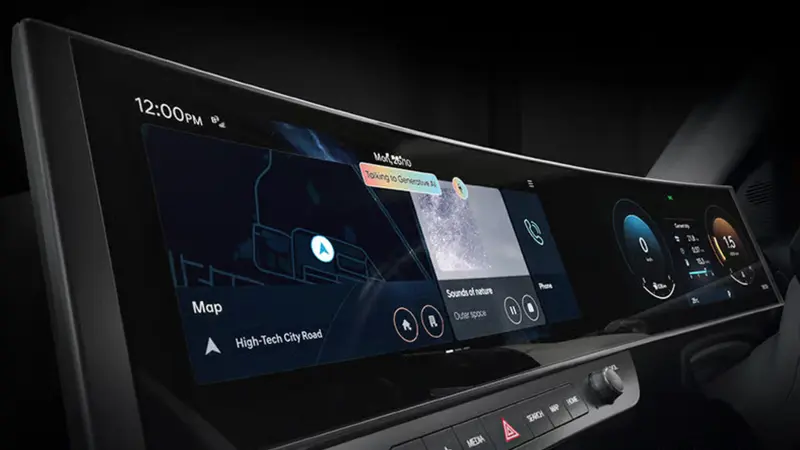
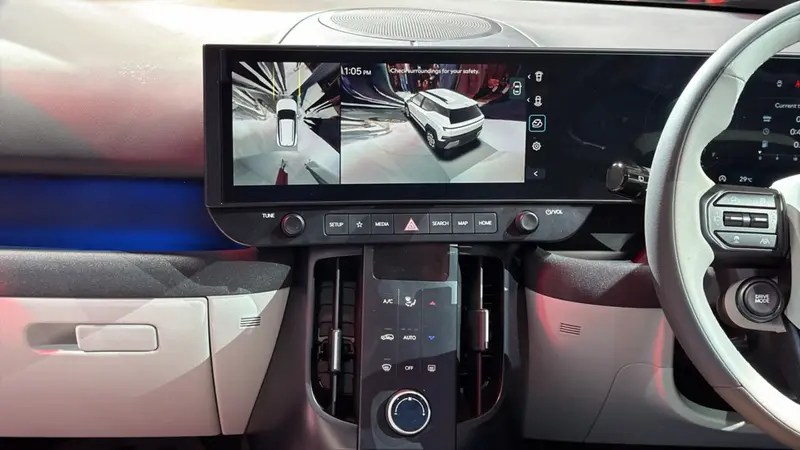
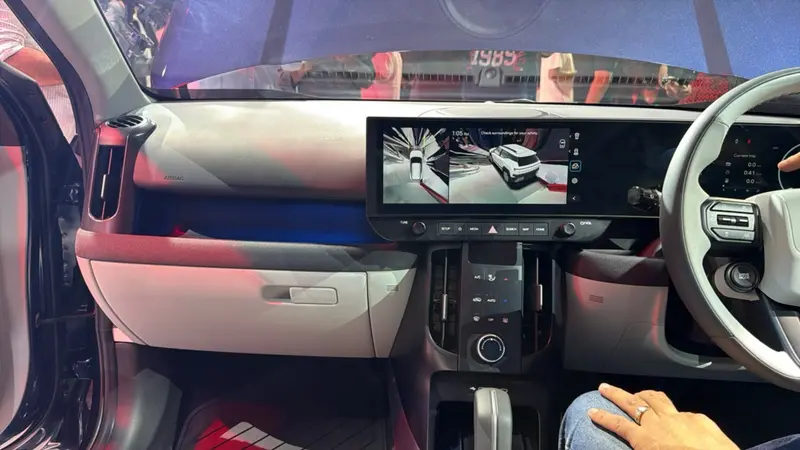
The Bayon gets a dashboard centred around two 12.3-inch displays, one for the digital instrument cluster and the other for infotainment. The screens sit together in a curved panoramic layout. The cabin also features a vertically arranged centre console with the air-conditioning controls positioned between the vents.
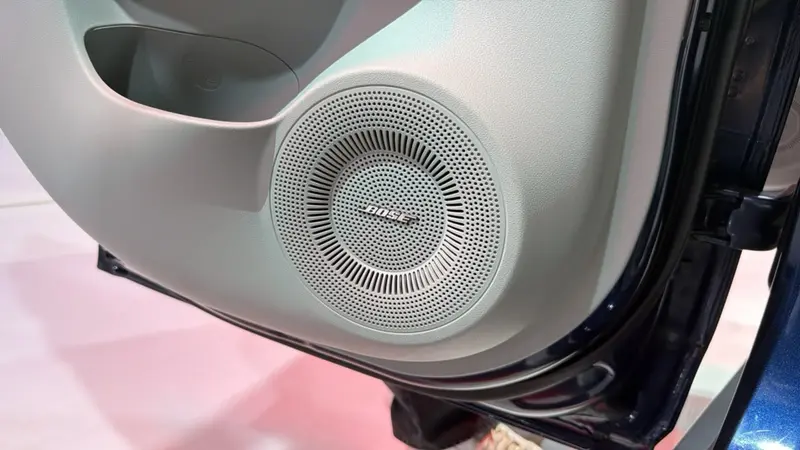
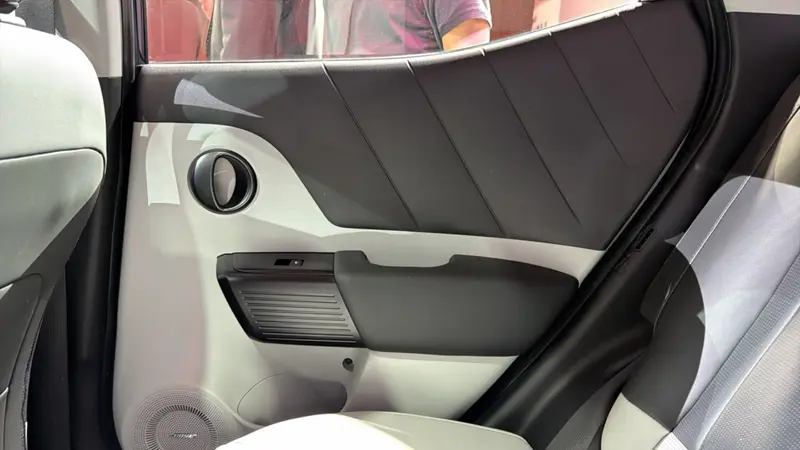
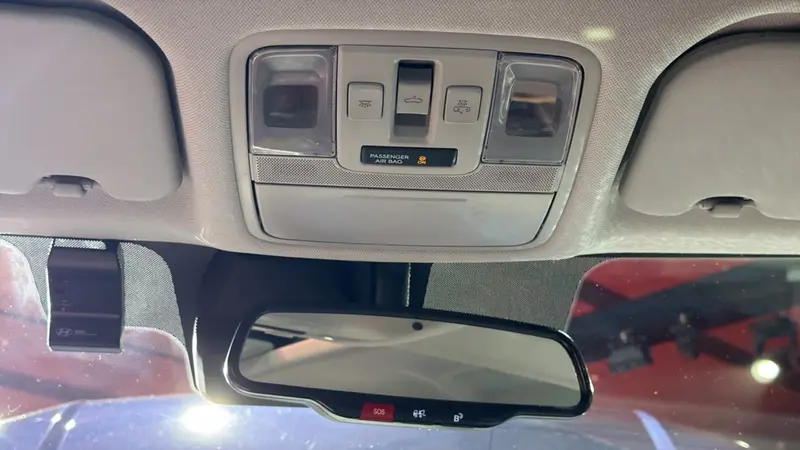
The feature list includes a panoramic sunroof, ventilated front seats, wireless phone charging, automatic climate control, ambient lighting and an eight-speaker Bose audio system. Higher-spec equipment includes an eight-way electrically adjustable driver’s seat and an auto-dimming inside rear-view mirror.
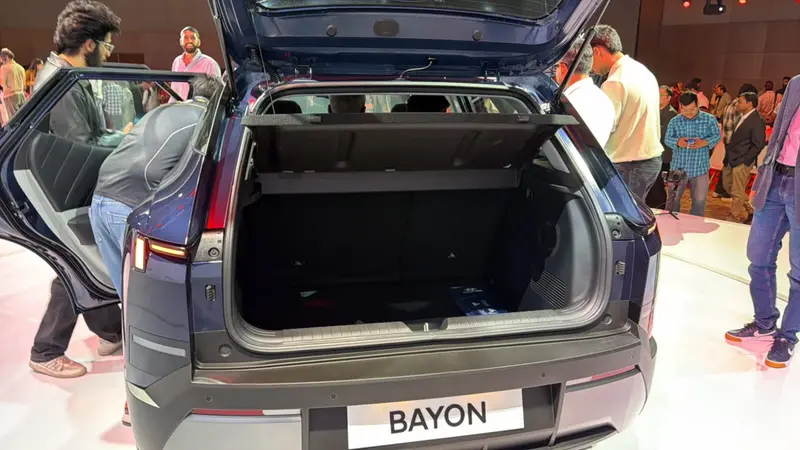
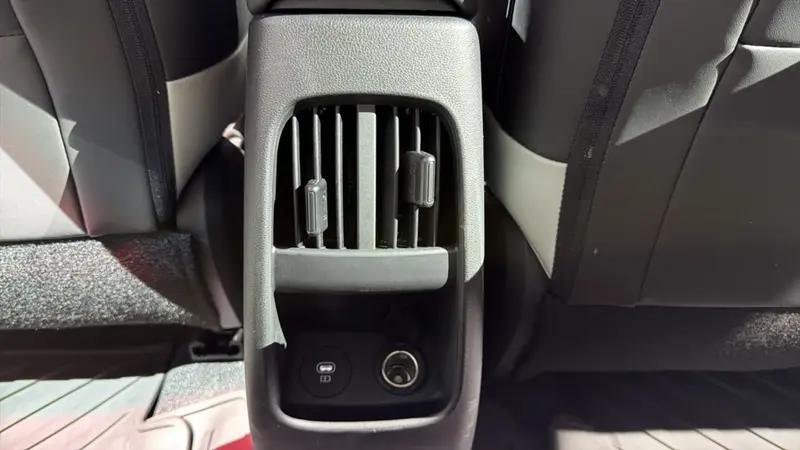
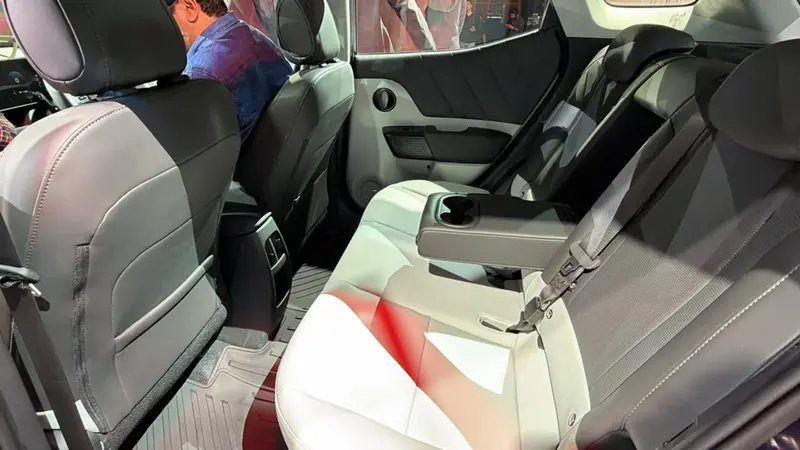
Rear passengers get air-conditioning vents, USB Type-C charging ports and a centre armrest with cupholders. The Bayon offers a 505-litre boot with the rear seats in place, while the rear backrest has a 60:40 split-folding function to help accommodate larger luggage.
The infotainment system is powered by Hyundai’s Connected Car Navigation Cockpit, or ccNC, with NVIDIA acceleration. It supports connected navigation, split-screen functionality and quick-access controls. Hyundai has also equipped the SUV with a generative AI voice assistant that uses technology from Perplexity and SoundHound AI. It is designed to understand natural-language requests, such as asking about weather, travel plans or nearby restaurants.
Hyundai Bluelink offers more than 70 connected functions, including remote vehicle controls, vehicle-status information and smartphone connectivity. The Bayon also supports over-the-air updates for up to 19 vehicle controllers, allowing compatible software updates without a dealership visit.
Its infotainment and instrument cluster interface supports 10 regional and two international languages, alongside more than 500 embedded voice commands in English, Hindi, Hinglish, Tamil, Bengali and Telugu.
exterior
exterior
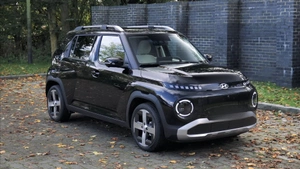
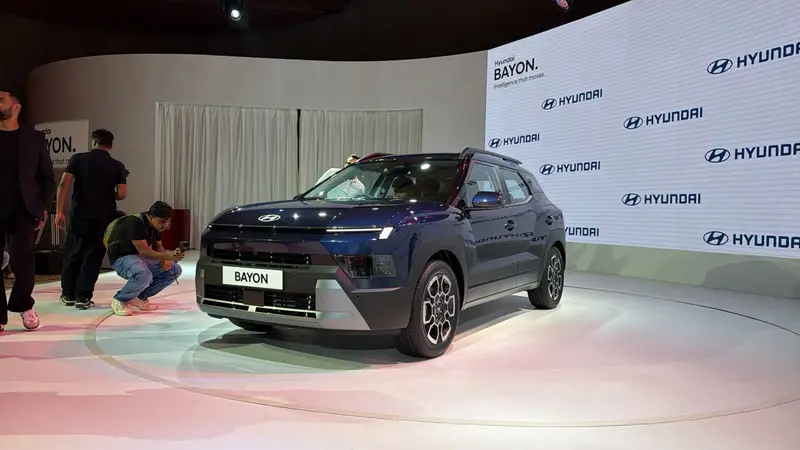
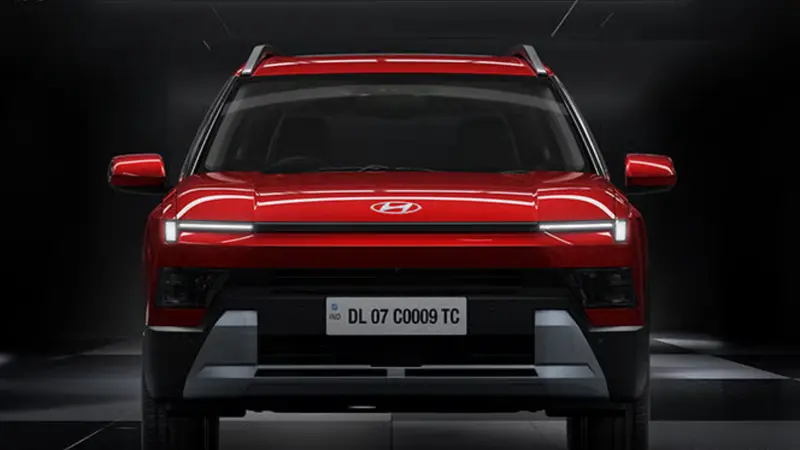
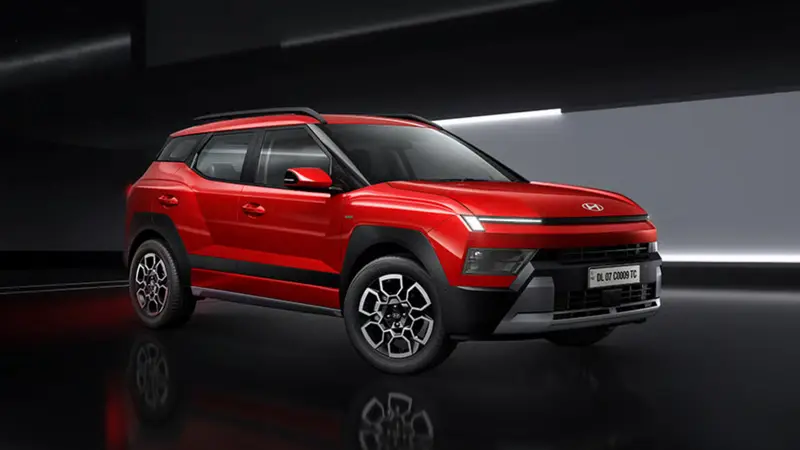
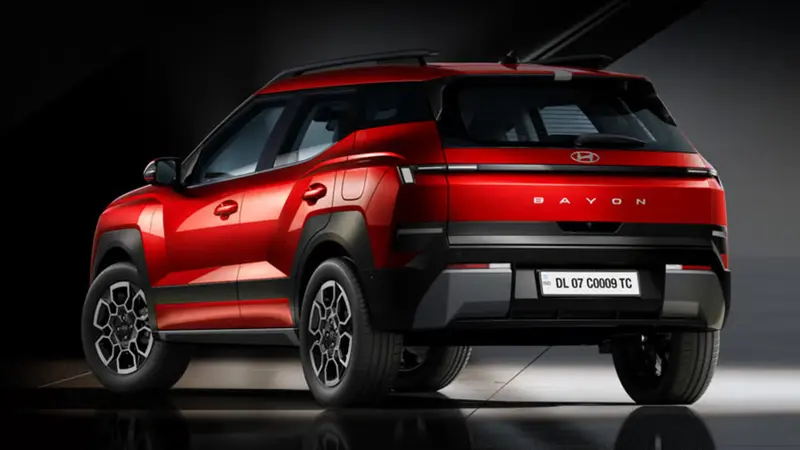
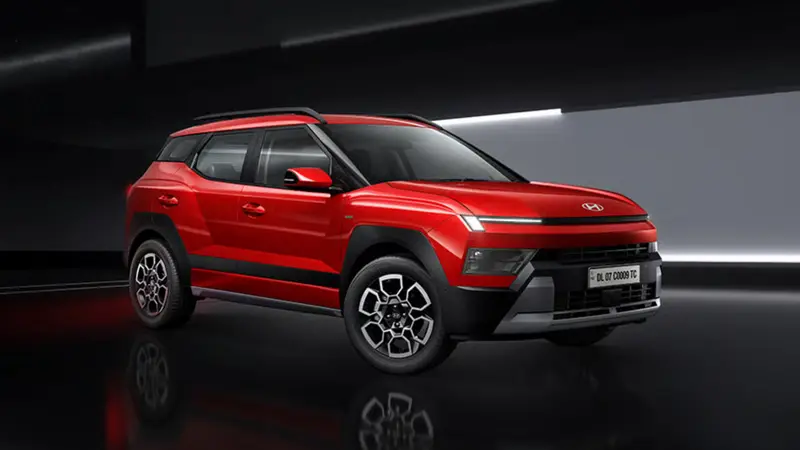
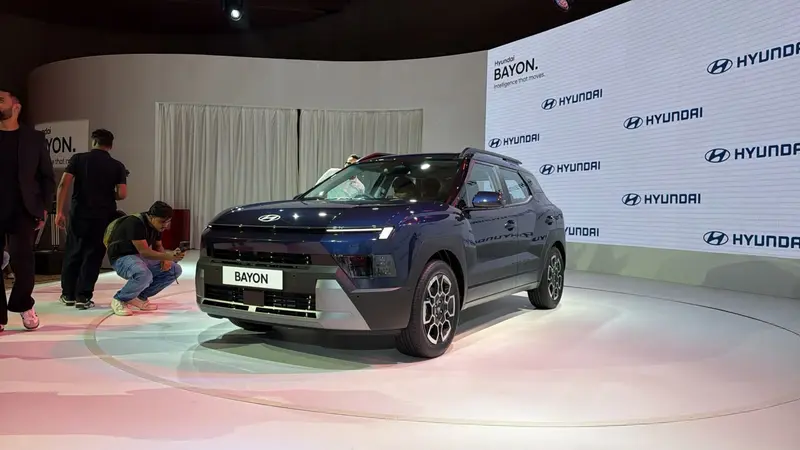
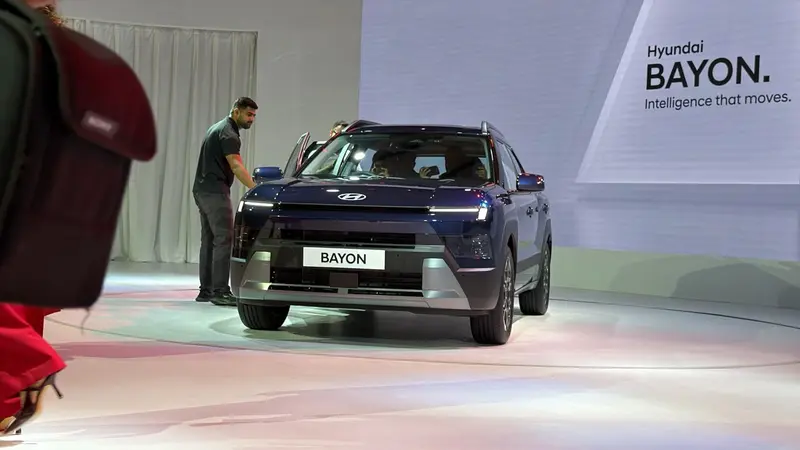
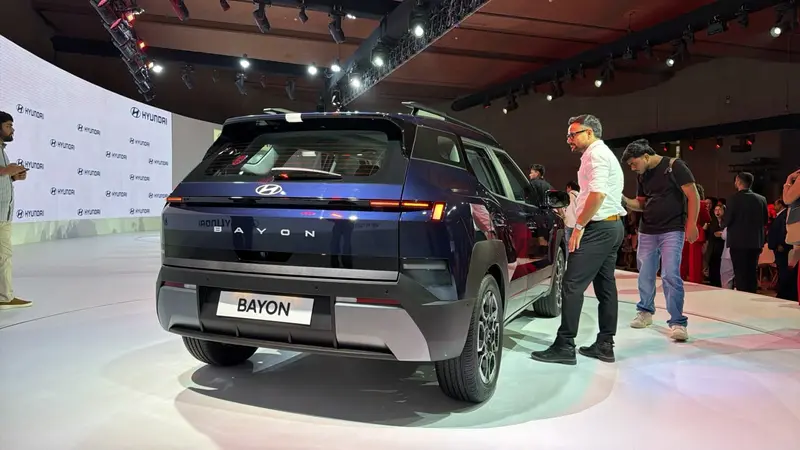
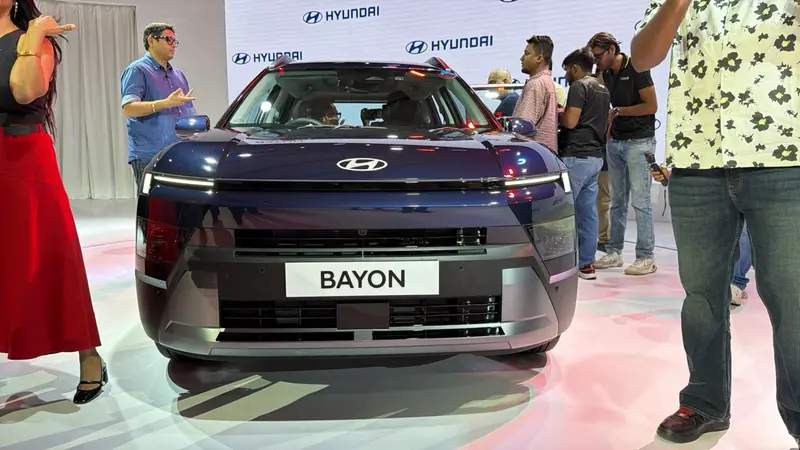
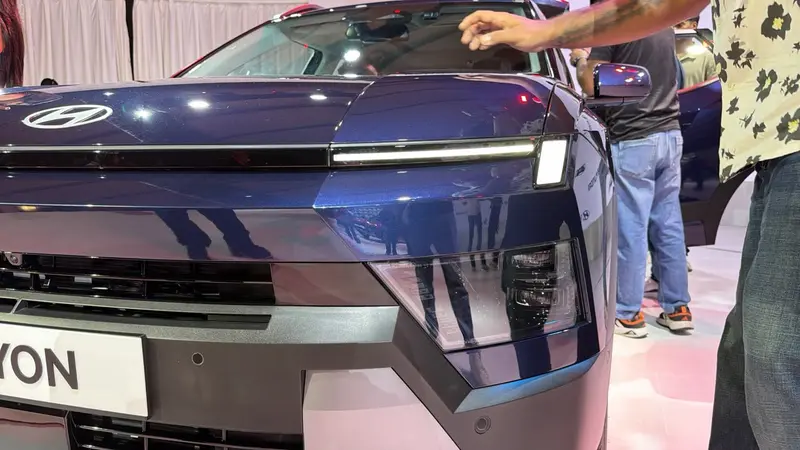
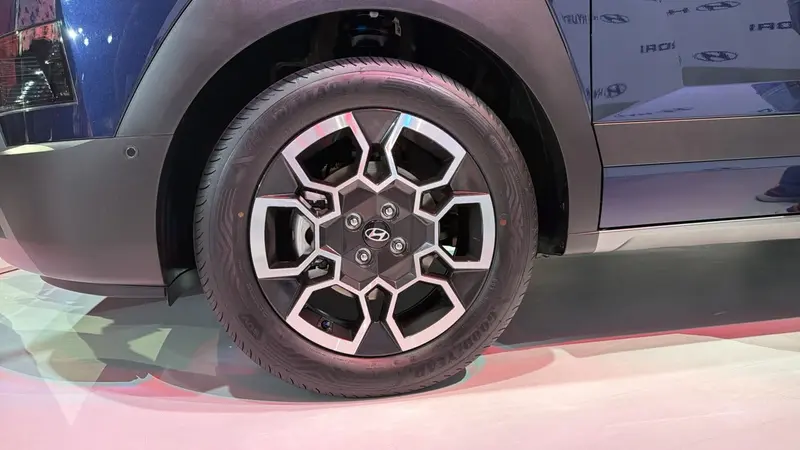
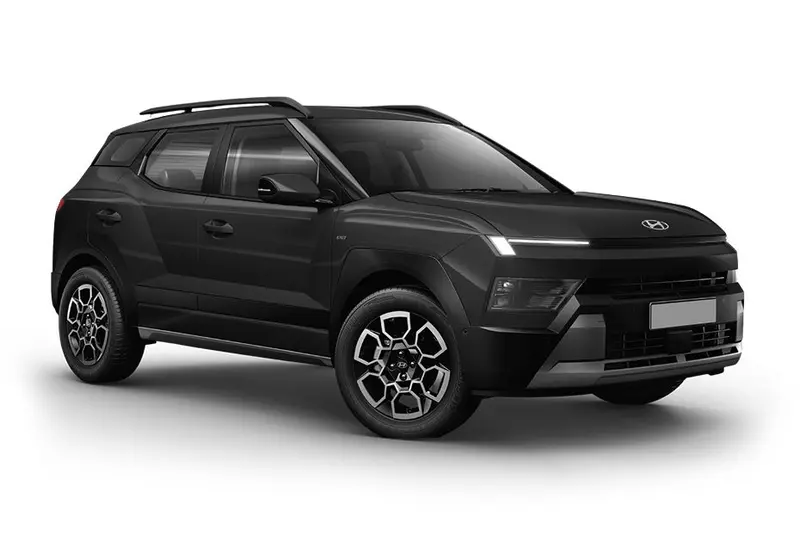
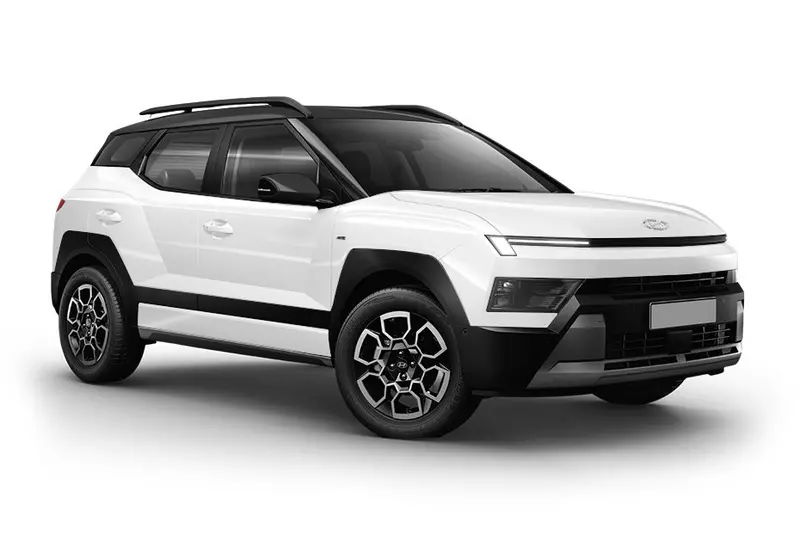
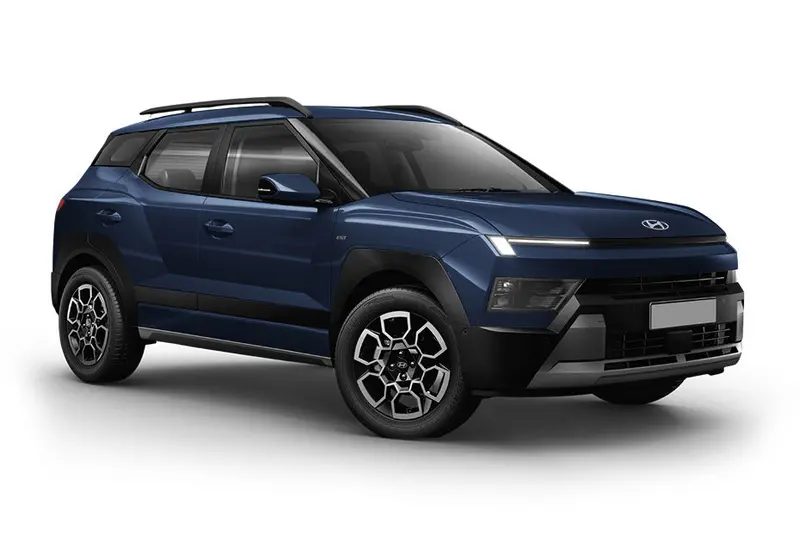
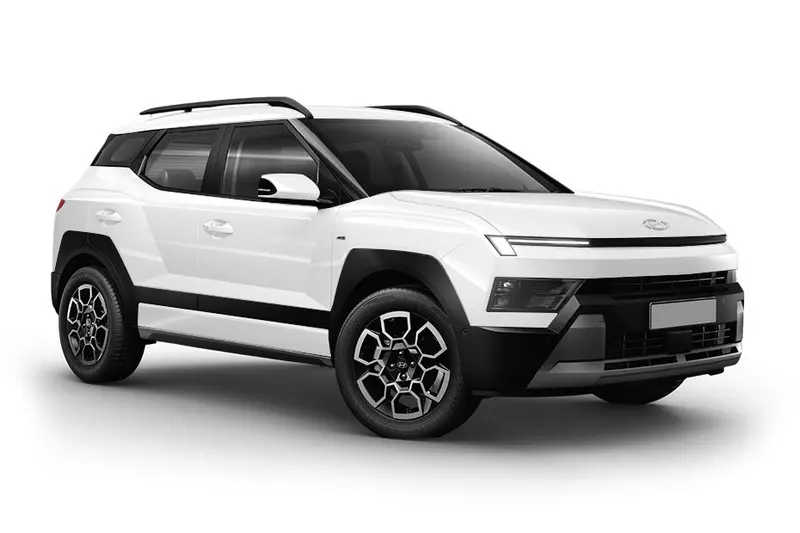
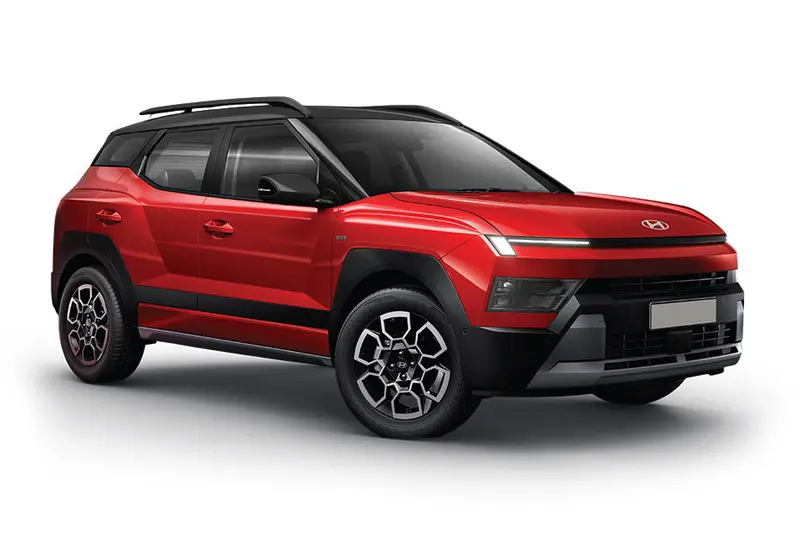
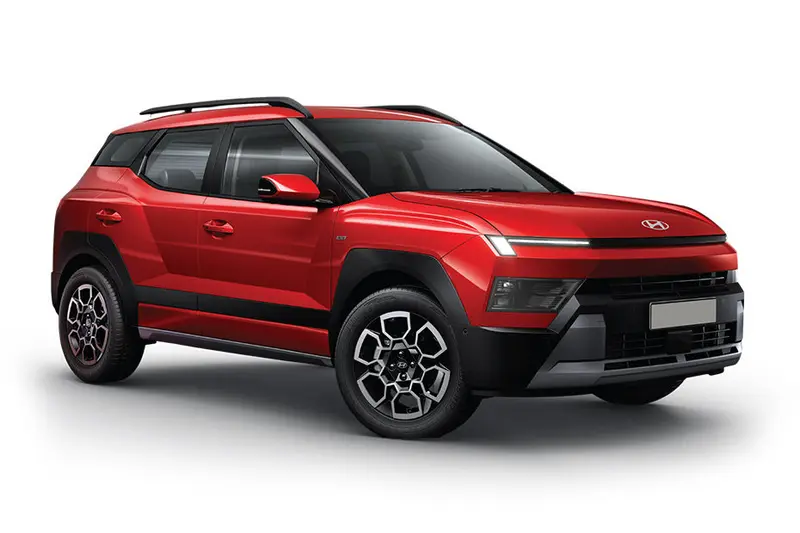
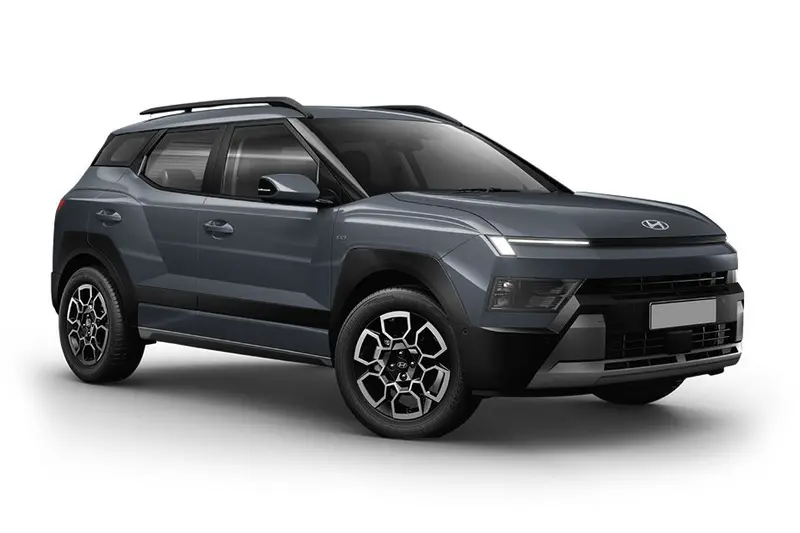
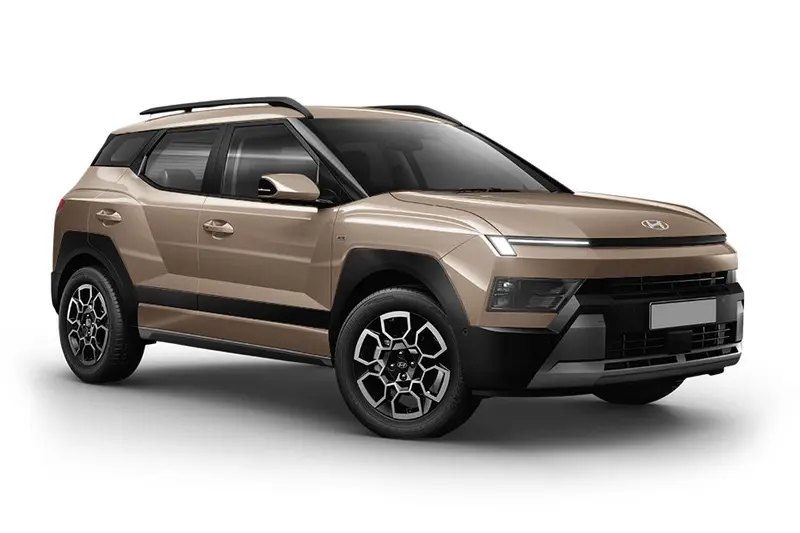
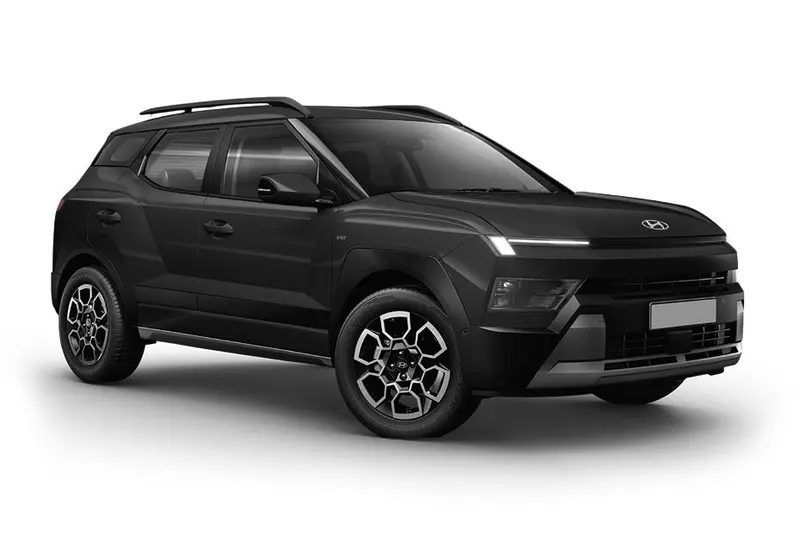
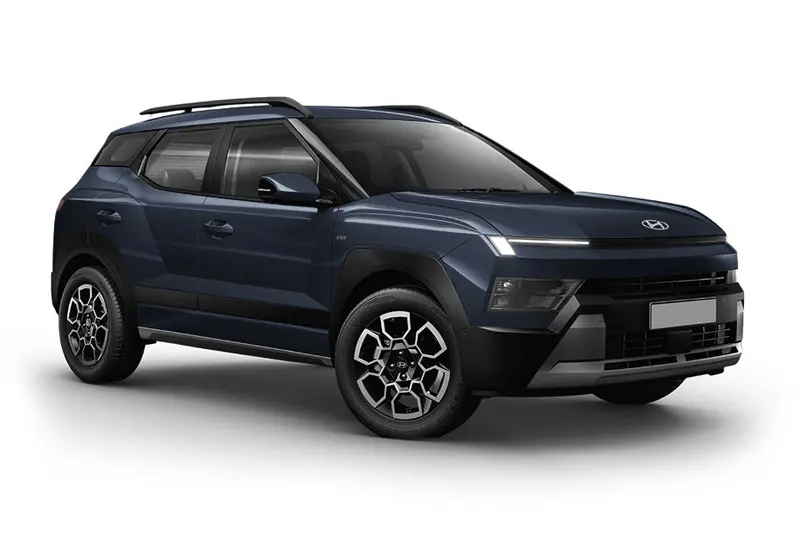
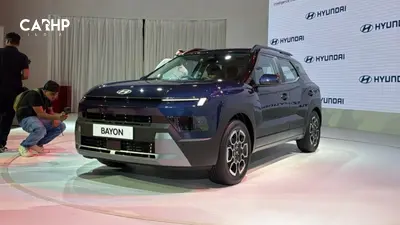
The Bayon has a crossover-style design with a relatively flat roofline, roof rails and thick cladding around the wheel arches. Its front end uses a slim lighting arrangement, with inverted L-shaped daytime running lights stretching across the front and the main LED headlamp units positioned lower down on the bumper.
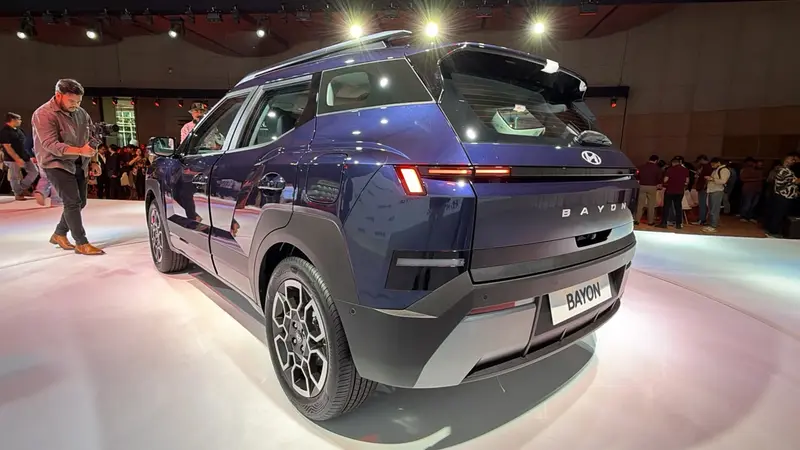
The profile features distinctive alloy wheels, pronounced wheel arches and a tall stance.
At the rear, the LED tail-lamp clusters follow a similar inverted L-shaped theme. The turn indicators are positioned lower on the bumper, while a roof spoiler with a centre-mounted stop lamp completes the rear design.
The Bayon measures 4,245 mm in length, 1,810 mm in width and 1,605 mm in height, with a 2,600 mm wheelbase.
Also, it is offered in 10 exterior colour configurations, including monotone, matte and dual-tone finishes.
safety
safety
The Bayon is built on the Global K Enhanced Platform and features a body structure made using 69% advanced multi-grade high-strength steel, including hot-stamped steel. Hyundai says this structure is engineered to provide strong occupant protection.
However, the company's claim that the SUV is engineered for 5-star Indian safety standards should not be confused with an independently awarded crash-test rating. No Bharat NCAP or Global NCAP result is available yet.
Hyundai lists more than 35 safety features as standard across the range. These include six airbags, electronic stability control, hill-start assist, a tyre-pressure monitoring system, a roll-over sensor, ISOFIX child-seat mounts, three-point seatbelts with reminders and rear parking sensors.
The SUV also features Hyundai SmartSense Level 2 Pro ADAS with 23 driver-assistance functions. The system is supported by three radars and 12 parking sensors.
competition
competition
The Bayon sits between the Venue and Creta in Hyundai’s own range, but its pricing also brings it into consideration against compact and mid-size SUVs such as the Maruti Suzuki Brezza, Maruti Suzuki Victoris, Toyota Urban Cruiser Hyryder, Kia Seltos and Honda Elevate.
The Victoris offers petrol, strong-hybrid and CNG powertrains, along with an optional all-wheel-drive system, giving it greater choice than the Bayon’s petrol-only line-up at launch.
The Brezza is a more affordable alternative with a 1.5-litre mild-hybrid petrol engine and an optional CNG version. Meanwhile, the larger Seltos offers turbo-petrol and diesel engines, appealing to buyers who want stronger performance and more powertrain options.
The Bayon counters with a 115 PS petrol engine, dual 12.3-inch displays, a generative AI voice assistant and Level 2 ADAS.
Hyundai Bayon News

2026 Hyundai Bayon Every Variant Explained
The Hyundai Bayon gets seven variants priced from ₹9.99 lakh to ₹18 lakh. The HX5 offers the best balance, while the HX8 adds ventilated seats and the HX10 gets dual 12.3-inch displays and ADAS. Here’s what each variant offers and whether it’s worth the price.
Anmol Kumar
October 27, 2026
Hyundai Bayon Launched at Rs 9.99 Lakh, With 115 PS and Level 2 ADAS
The Hyundai Bayon has launched in India at an introductory price of Rs 9.99 lakh. It is powered by a 115 PS 1.5-litre petrol engine with manual and iVT options, and gets dual 12.3-inch displays, a panoramic sunroof, ventilated front seats, a Bose sound system and 23-function Level 2 Pro ADAS.
Anmol Kumar
October 27, 2026


Hyundai Bayon Safety Features Revealed Ahead of October 26 Launch
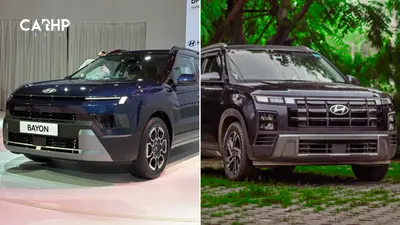
Hyundai has revealed the safety package of the upcoming Bayon ahead of its October 26 launch in India. The compact SUV gets Level 2 Pro ADAS with 23 functions, six airbags as standard and a body structure made using 69% advanced multi-grade high-strength steel.
Anmol Kumar
October 21, 2026


Hyundai Bayon FAQs
What is the Hyundai BAYON?
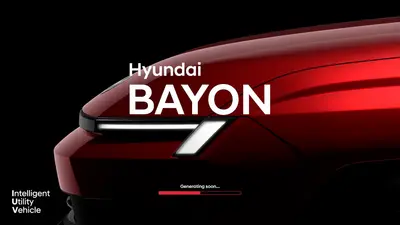
−The BAYON is a new 4.2-metre mid-size SUV by Hyundai developed for the Indian market, with a focus on technology, safety, comfort and everyday usability.
What engine and transmission setup does the Hyundai Bayon get?
+The India-spec Hyundai Bayon gets a 1.5-litre four-cylinder MPi petrol engine producing 115 PS and 144 Nm of torque, paired to either a six-speed manual gearbox and an Intelligent Variable Transmission (IVT).
What is the mileage of the Hyundai Bayon?
+The 1.5-litre naturally aspirated petrol engine returns 17.20kmpl with the six-speed manual gearbox and 18.60kmpl with the CVT automatic transmission.
Does the Hyundai Bayon get a sunroof?
+Yes. A panoramic sunroof is included in the Bayon, with availability depending on the variant.
What are the dimensions of the Hyundai Bayon?
+The Bayon's dimensions are 4,245 mm long, 1,810 mm wide and 1,605 mm tall. Its wheelbase measures 2,600 mm.
How much boot space does the Hyundai Bayon offer?
+The Bayon offers a 505 litres of boot space with the rear seats in place. The rear backrest can be split and folded in a 60:40 arrangement.
What is special about the Hyundai Bayon's generative AI voice assistant?
+The system is Hyundai Motor India's first generative AI voice assistant. It features Intelligence by Perplexity and voice AI powered by SoundHound AI, allowing drivers to make conversational requests for weather information, travel itineraries, hotels, restaurants and other information. Generative AI interactions are available in English only.
What infotainment system does the Hyundai Bayon get?
+The Bayon features dual 12.3-inch curved panoramic displays and an NVIDIA-accelerated Connected Car Navigation Cockpit (ccNC). The system supports online navigation, split-screen functionality, personalised controls and connected services.
Does the Hyundai Bayon support over-the-air updates?
+Yes. Up to 19 vehicle controllers support over-the-air updates, allowing compatible software enhancements to be delivered remotely. Update availability depends on Hyundai's rollout plans, network connectivity and other conditions.
What connected features does the Hyundai Bayon offer?
+The Bayon gets Hyundai Bluelink with more than 70 connected features. These include remote vehicle controls, vehicle information, location and navigation-related services, safety and security functions, and smartphone and smartwatch connectivity.
How safe is the Hyundai BAYON?
+The BAYON is built on Hyundai's Global K Enhanced Platform, which the company says has been engineered for 5-star Indian safety standards.
What ADAS features does the Hyundai BAYON offer?
+The BAYON gets Hyundai SmartSense Level 2 Pro ADAS with 23 driver assistance functions. These include Forward Collision Warning, Forward Collision-Avoidance Assist, Blind-spot Collision-Avoidance Assist, Lane Keeping Assist, Lane Departure Warning, Driver Attention Warning, Safe Exit Warning, Rear Cross-Traffic Collision Warning and Smart Cruise Control with Stop & Go. It also gets a Surround View Monitor, Blind-spot View Monitor and Highway Driving Assist.
Will the Hyundai Bayon get a CNG version?
+Yes. Hyundai has confirmed a factory-fitted CNG version that will debut on 27th January 2027.