All We Know About Next Generation Nexon AKA Tata Project Garud
By Salil Kumar
Updated August 26, 2026
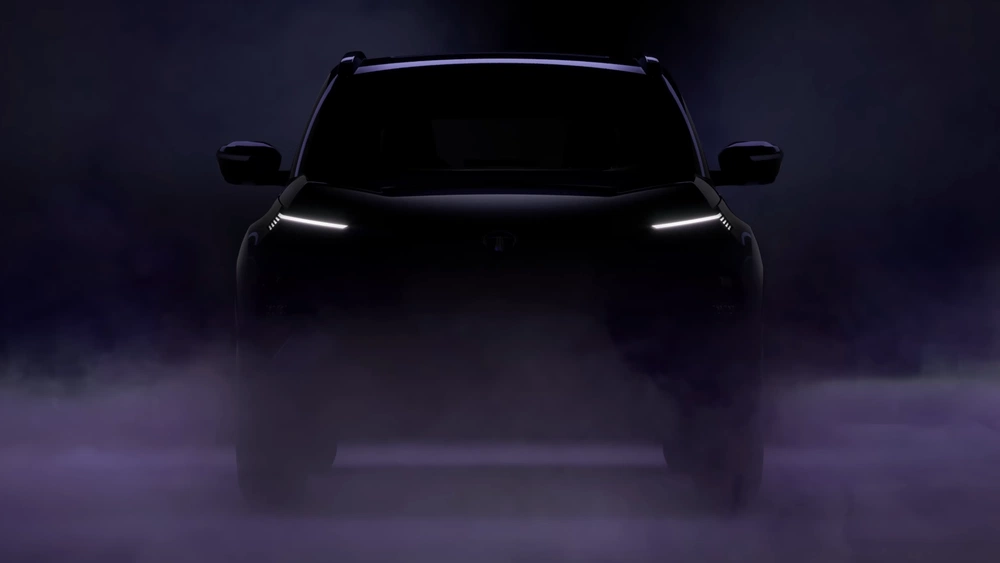
The Tata Nexon is arguably the car that changed everything for Tata Motors in the passenger vehicle space. Launched in September 2017, it became the country's best-selling compact SUV for extended stretches, consistently topping VAHAN registration numbers and giving Tata the kind of volume credibility it had never really had in cars before.
Now, Tata Motors has begun work on the next-generation Nexon compact SUV, internally codenamed "Garud," after the eagle that carries lord Vishnu, which is expected to hit showrooms in 2027.
What to Expect on the Outside, Based on Recent Spy Sighting
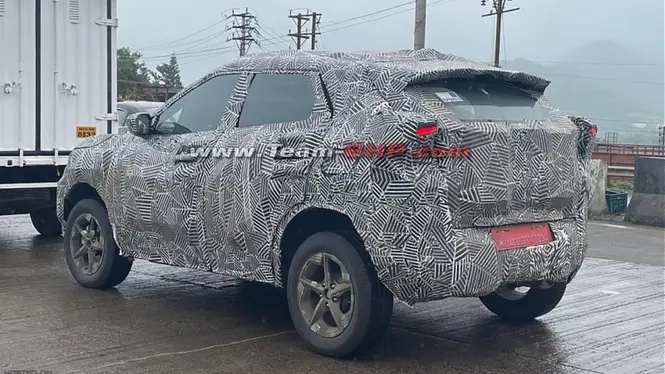
A heavily camouflaged test mule of the next generation Nexon has been spotted testing on Indian roads.
The prototype shows clear changes in the side profile, with a more upright C-pillar, redesigned rear doors, and a less sloping roofline that should improve rear headroom.
The A-pillar looks sharper and more angular, while the rear windscreen appears flatter than the current model. The overall stance is boxier.
Temporary taillights and existing alloy wheels indicate this is still an early development mule.
These sightings confirm that Tata is moving beyond a simple facelift and working on meaningful structural updates for the 2027 launch.
Cabin And Technology Upgrade
Inside, the new Nexon will feature a premium cabin, improved ergonomics, and modern tech such as a digital instrument cluster, a bigger infotainment system, and Level 2 ADAS for enhanced safety.
Level 2 ADAS is particularly significant here. The current Nexon EV just received ADAS support in late 2024, and bringing that capability to the full next-gen ICE lineup would make the Garud one of the most feature-complete cars in its segment from day one.
Also Read - Cheapest Cars With ADAS You Can Buy Right Now
Engines: Petrol And CNG Stay, Diesel Is Uncertain
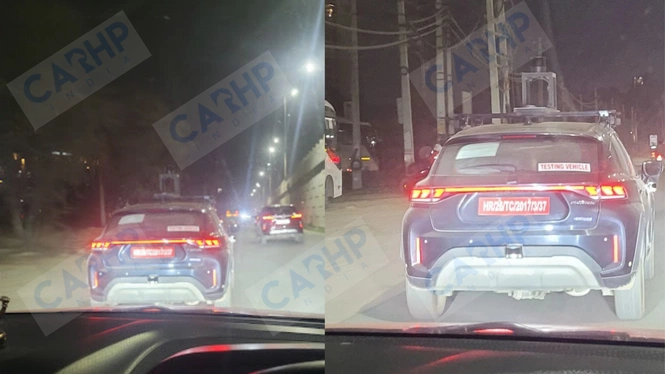
The next-generation Nexon is expected to continue with its current petrol and CNG powertrains. Whether the diesel engine continues remains to be seen given its declining share in the compact class.
Given how Maruti is working on a budget Fronx Hybrid, which was spotted testing in Gurugram earlier this year, Tata could introduce some kind of hybrid tech or at least will make sure the platform can support if Maruti’s budget hybrid bet pans out
Why A New Generation, Not Another Facelift
The Nexon was first launched in September 2017 and has received two comprehensive facelifts, the first in 2020 and the second in 2023.
A 2027 timeline for the second-generation model means the first-gen will have served for 10 years, which is quite long in automotive lifecycles.
The current X1 architecture, stretched and revised as it has been, has real limits when it comes to modern crash structures, ADAS sensor packaging, and the kind of ride refinement that newer rivals are now delivering as standard.
Also Read - Tata Is All Set to Launch 6 Different Cars Till 2027
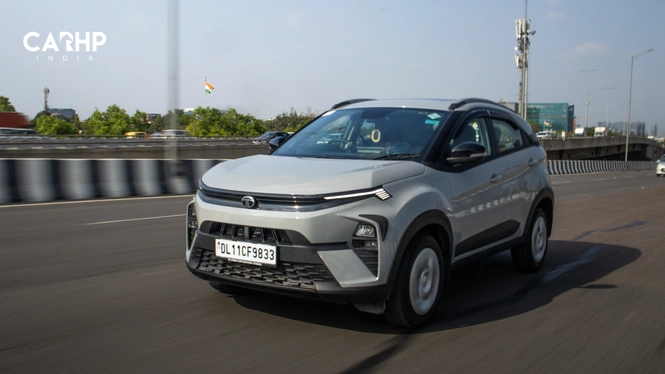
The Nexon's competition has also evolved sharply: the Hyundai Venue received a full redesign, the Kia Sonet got a significant generational update, and the Skoda Kylaq arrived as a fresh-platform contender. Standing still was no longer an option.
This is an interesting engineering decision. Tata is not building an entirely clean-sheet platform for the Garud, and that is not necessarily a bad thing.
What Tata is doing with the X1 here mirrors what Volkswagen has done with the MQB or what Maruti has done with the Heartect platform over successive generations: retain the core architecture while fundamentally altering the structural geometry, material grades, and mounting points to meet newer targets.
When Will It Launch?
Most credible sources point to 2027. The next-generation Tata Nexon is expected to make its commercial debut by mid-2027. That aligns with the 10-year lifecycle of the first-gen car if you count from the 2017 launch.
Tata has a packed FY2027 schedule already, with the Safari EV, and elements of the Avinya range all queued up, so the Garud is unlikely to arrive before the second half of 2027 at the earliest.
What This Means For The Current Nexon
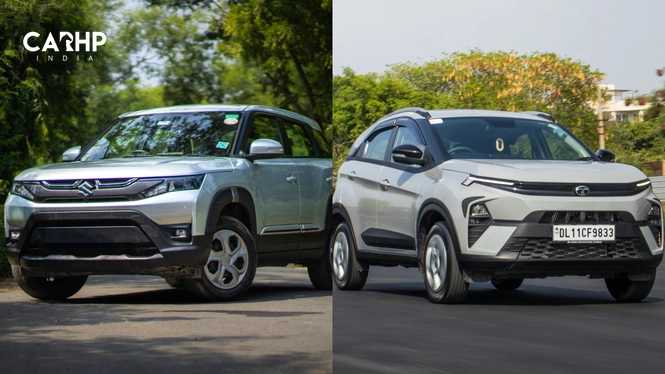
If you are considering buying the current Nexon right now, we've already covered how it compares with the 2026 Brezza, but Project Garud adds another dimension to that decision.
A car this deep into its lifecycle is about to be replaced, which means resale value will soften once the new model arrives. However, the current Nexon remains genuinely well-specced and competitively priced, and for someone whose budget starts below Rs 10 lakh, the existing car still makes strong sense.
Tata is unlikely to drop the current generation immediately, so expect a brief overlap period where both models are sold simultaneously, at different price points.
Also Read - Best Turbo Petrol Compact SUVs Under ₹10 Lakh
FAQs
Is Project Garud an official Tata Motors name?
No. "Garud" is the internal engineering codename used within Tata Motors. The car will carry the Nexon nameplate when it reaches showrooms.
Will the next-gen Nexon EV launch at the same time?
Not necessarily. Tata may stagger the ICE and EV launches. A simultaneous launch is possible but has not been confirmed.
Will the diesel engine continue in the new Nexon?
This is uncertain. Meeting BS7 norms with a diesel in the sub-4m class would require expensive SCR technology, making it commercially difficult. Petrol, CNG, and EV are the more likely powertrain choices.
How different will it be from the current Nexon?
This is a full generational shift, not a facelift. Expect structural platform changes, an entirely new design inside and out, new features, and likely a price increase from the current range of Rs 7.37 to 14.32 lakh (ex-showroom).
Image Source: Tata Motors (YT), bansal1987 on Team BHP
Table of Contents
- What to Expect on the Outside, Based on Recent Spy Sighting
- Cabin And Technology Upgrade
- Engines: Petrol And CNG Stay, Diesel Is Uncertain
- Why A New Generation, Not Another Facelift
- When Will It Launch?
- What This Means For The Current Nexon
Join the Conversation
Trending
What Is CBG? Know About Its Production, Engine Performance, Prices and Future in India
Compressed biogas (CBG) is gaining attention in India as a renewable alternative to CNG. Here's how it is produced, its impact on engine performance and mileage, current pricing factors, and its future in India's automotive sector.
Salil Kumar
October 21, 2026

How 2027 Traffic Rule Changes Will Affect Drivers in India
India’s traffic rules are tightening, with repeat offenders facing possible driving licence disqualification and stricter deadlines for paying or disputing e-challans. New vehicle safety requirements will also affect specified commercial vehicles from 2027. Check the latest 2027 Indian traffic rules here.
Anmol Kumar
October 21, 2026

Hyundai Bayon Safety Features Revealed Ahead of October 26 Launch
Hyundai has revealed the safety package of the upcoming Bayon ahead of its October 26 launch in India. The compact SUV gets Level 2 Pro ADAS with 23 functions, six airbags as standard and a body structure made using 69% advanced multi-grade high-strength steel.
Anmol Kumar
October 21, 2026
Featured
Citroen C3 Review: Who Should Consider This Car?
A few days ago, I took the Citroen C3X out for a spin in the city and on the highways. I travelled long distances and checked its fuel efficiency, features, comfort, and other factors. Today, I’ll briefly share my overall experience with the C3X and will tell you whether you should consider it or not and which is the most value-for-money variant of the lot.
Vatsal Agrawal
May 19, 2026
Tesla Finally In India Officially. Why Now And What Does It Mean For EVs?
The much-anticipated 2025 Tesla Model Y has officially arrived in India, marking a pivotal moment for the nation's burgeoning electric vehicle market. Launched on July 15, 2025, the Model Y Juniper facelift offers cutting-edge technology, impressive range, and signature Tesla performance. Positioned as a premium electric SUV, its entry will intensify competition and reshape consumer expectations for EVs across the subcontinent.
Author
July 17, 2025
Here Are 10 Things The Harrier.EV Offers That The Mahindra XEV 9E Doesn't
The Harrier.EV is an incredible new offer from Tata. Its most popular competitor would be the Mahindra XEV 9E, priced similarly. With these two incredible offerings from home grown brands available, here is a list of everything the Harrier.EV offers that the XEV 9E doesn't.
Author
June 13, 2025
Write a comment
Comments
No comments yet. Be the first to comment!