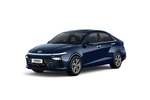
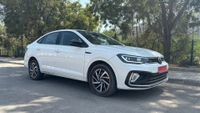
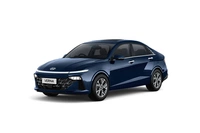
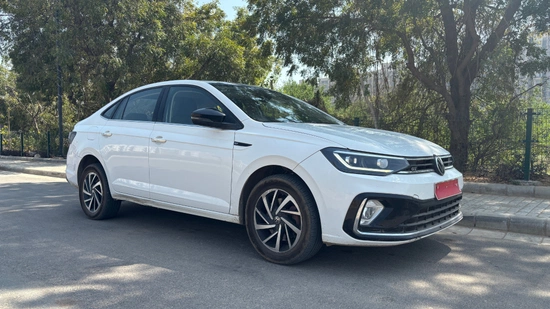
Volkswagen Virtus vs Hyundai Verna - Which One Should You Buy
Volkswagen Virtus vs Hyundai Verna Comparison at CarHP India. Compare Volkswagen Virtus and Hyundai Verna Prices, Mileage, Features, Specs, Colours and much more.
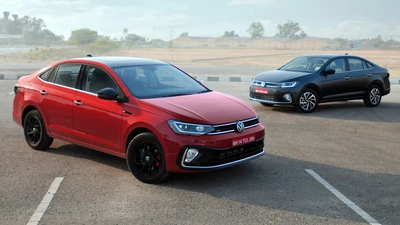
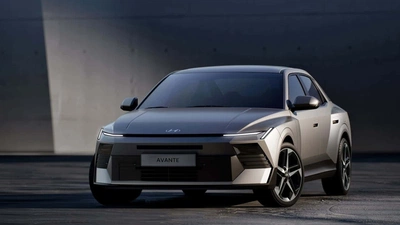
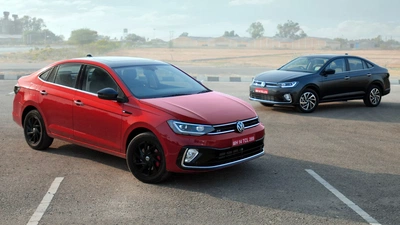
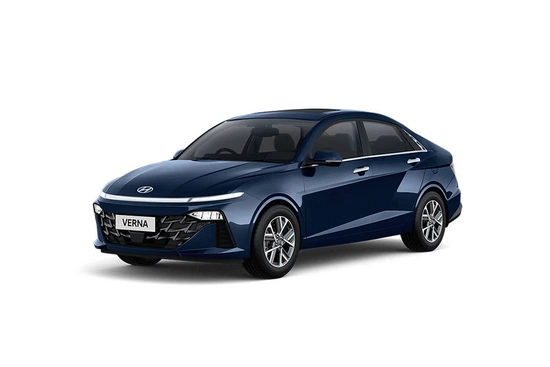
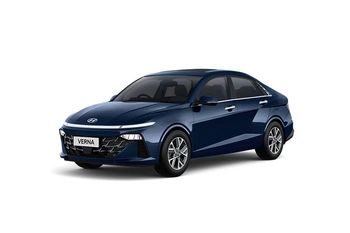
The Volkswagen Virtus is available in 11 variants, while the Hyundai Verna comes in 18 variants. The Virtus starts at ₹10.50 Lakh and goes up to ₹19.00 Lakh. The Verna ranges from ₹10.79 Lakh to ₹17.13 Lakh. Both sedans feature powerful engines and smooth automatic transmissions. The Virtus uses a 1498cc engine producing 147.51bhp and 250Nm of torque with a 7-speed DSG. It feels solid and stable on the road. The Verna has a 1482cc engine delivering 157.57bhp and 253Nm of torque with a 7-speed DCT. This engine provides quick acceleration for city overtakes. Both cars are front-wheel drive and handle daily metro traffic with ease. The interiors are loaded with modern features. Both cars offer automatic climate control, cruise control, and keyless entry. The Verna includes a leather-wrapped steering wheel and wireless connectivity for both Android Auto and Apple Carplay. The Virtus comes with a digital cluster and wireless connectivity for Android Auto. Luggage space is generous for family trips. The Verna has a 528-litre boot, while the Virtus offers 521 litres. Both seat five people comfortably. For safety, both sedans have earned a 5-star rating and come with 6 airbags, ABS, ESC, and TPMS. The Verna adds extra features like hill assist and lane keep assist for better control. For daily driving in crowded cities, the LED headlamps and automatic gearboxes make life much easier. The Verna is a great choice for those who want more technology and safety features at a lower top-end price. The Virtus is better suited for those who prefer a sturdy build and a classic driving feel. Overall, the Hyundai Verna is the more practical and feature-rich option for most buyers. Book a test drive through this platform before making a final decision to get exclusive benefits, special discounts, and the best available offers.
₹ 10.71 Lakh
₹ 10.99 Lakh

Compare Minimum 2 Cars At Once — Tap To Activate / Deactivate
Smart Summary for Car Selection
 Why Choose Volkswagen Virtus?
Why choose
- Carries a 5-star Global NCAP rating with six airbags and stability control standard
- Its 1.0 turbo pairs with a torque-converter automatic, avoiding the dual-clutch entirely
- Solid European build with handling that stays entertaining through corners
- The GT versions offer a firmer, more focused setup
- Its 150hp 1.5 turbo is close to the Verna's on power while offering cylinder deactivation for efficiency
Why not choose
- The 1.5 turbo comes only with the dry dual-clutch, which has a troubled record and has stranded owners
- Volkswagen's service network is far thinner than Hyundai's
- Rear seat width and aggressive contouring limit it to four occupants
- Interior panels and some plastics need a sturdier finish for the money
- Poor reversing camera resolution
- Far less equipment than the Verna at comparable prices
Why Choose Hyundai Verna?Why choose
- Its 160hp turbo-petrol producing 253Nm is the most powerful engine in this segment
- Substantially more equipment, including a full digital cluster, powered front seats, a Bose system and front parking sensors
- Its driver-assistance suite adds rear cross-traffic warning and collision avoidance
- More cabin space, with a longer wheelbase than the Virtus
- Hyundai's service network is the denser of the two by a wide margin
- Stronger resale than the Volkswagen
Why not choose
- Owners report dual-clutch shudder at low speeds on the turbo, usually fixed by software
- The turbo trades fuel economy for its performance
- Front strut bush wear and air-con vent rattles appear in owner reports as the car ages
- More road noise at cruising speeds than some rivals
- Firmer suspension makes it less settled at low speeds
 Our Recommendation For Most Buyers
Volkswagen Virtus
The Virtus is best bought with the 1.0 turbo and the torque-converter automatic, a combination that is smooth, quick enough for almost any use, and completely avoids the dual-clutch that causes so much anxiety among owners of this car. The 1.5 is the better engine and the more satisfying drive, but here it comes only with that dry dual-clutch, and enough owners have been left stranded by it that many budget mentally for a replacement.
That is a serious thing to accept for extra performance. Settle the service question before signing anything, since Volkswagen's network is thin and workshop distance is the practical complaint owners raise most consistently.
Hyundai Verna
The Verna is the more complete car and the easier ownership proposition, combining the segment's most powerful engine with far more equipment and a service network that actually reaches most of the country. Its 160hp turbo is comfortably quicker than anything Volkswagen offers here, and it can be had with either a manual or the dual-clutch depending on your preference.
The naturally aspirated petrol is the sensible everyday choice and sidesteps the low-speed shudder owners report on turbo versions. Where the Verna genuinely justifies its price is equipment, since powered seats, the full digital cluster and the broader driver-assistance suite are things you use every single day.
Engine and Performance
Performance Specifications
Fuel Specifications
Dimensions and Design
Interior Specifications
Wheels & Tires
Suspension, Brakes & Steering
Safety Features
Interior Features
Comfort & Convenience
Infotainment Features
Exterior Features
Brochure

EMI Cost Comparison
Assuming 20% down payment, 9.5% interest, 60-month tenure
 Loan Amount
 Interest: 9.5%
 Down Payment (20%)
 Loan TenureLoan AmountInterest: 9.5%Down Payment (20%)Loan Tenure
Pros & Cons Comparison
Things We Like in Volkswagen Virtus
- Impressive Performance: Delivers a top speed over 200 km/h and excellent fuel efficiency (20+ km/l on highways).
- Elegant Exterior Design: Features a bold and sleek design, reminiscent of the premium Jetta.
Things We Like in Hyundai Verna
- The turbo engine is the most powerful in its segment, and it never stops feeling smooth and refined while doing it.
- Ride quality strikes the best comfort balance for Indian roads that I've come across in this segment.
Things We Don't Like in Volkswagen Virtus
- Upright Rear Seat Backrest: The rear seat backrest is too upright for long journeys, reducing comfort.
- Notchy Gearbox: The gearbox can feel slightly notchy compared to competitors in the segment.
Things We Don't Like in Hyundai Verna
- Interior plastics don't quite live up to what you're paying on-road.
- Rear headroom is tight enough that it suits two adults far better than three.
Volkswagen Virtus Comparisons
Hyundai Verna Comparisons
Car News
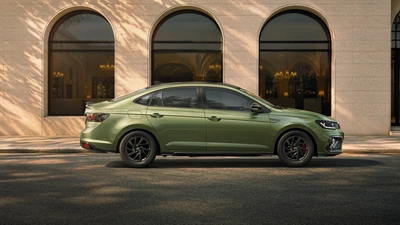
Volkswagen Launches Virtus Anniversary Edition in Avocado Pearl, Limited to 150 Units at ₹19.19 Lakh
Volkswagen India has launched the limited-run Virtus Anniversary Edition at ₹19.19 lakh, based on the GT Plus Sport, with a new Avocado Pearl paint and contrasting black roof. Just 150 units on sale.
Anmol Kumar
August 6, 2026