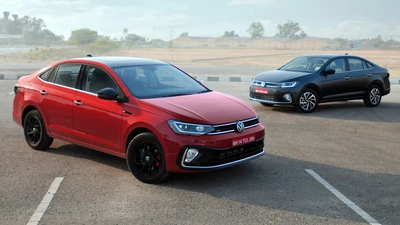
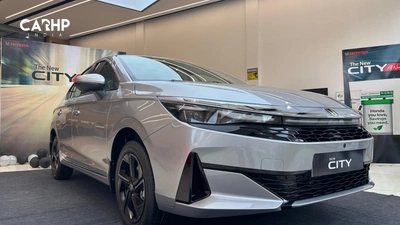
Volkswagen Virtus vs Honda City - Which One Should You Buy
Volkswagen Virtus vs Honda City Comparison at CarHP India. Compare Volkswagen Virtus and Honda City Prices, Mileage, Features, Specs, Colours and much more.
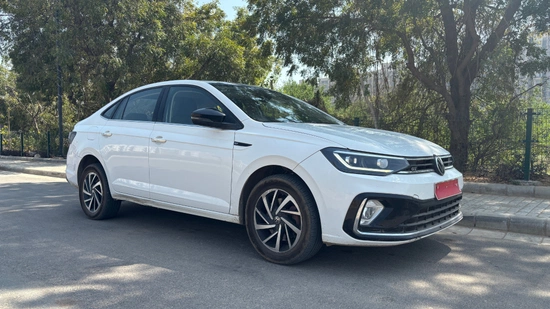
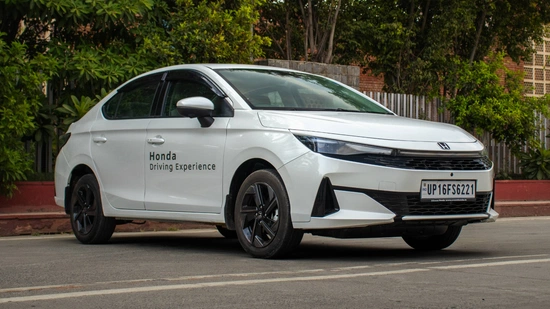
The Volkswagen Virtus comes in 12 variants. Engine options include Petrol as per the selected variant, paired with manual or automatic transmissions. The selected variant is priced at ₹10.71 Lakh. The cheapest variant, Comfortline, costs ₹10.71 Lakh, while the top-end variant, GT Plus Sport DSG, is priced at ₹19.20 Lakh. The Honda City comes in 8 variants. Engine options include Petrol as per the selected variant, paired with manual or automatic transmissions. The selected variant is priced at ₹12 Lakh. The cheapest variant, SV, costs ₹12 Lakh, while the top-end variant, ZX Plus Hybrid, is priced at ₹21.36 Lakh.
₹ 10.71 Lakh
₹ 12 Lakh


Compare Minimum 2 Cars At Once — Tap To Activate / Deactivate
Smart Summary for Car Selection
 Why Choose Volkswagen Virtus?
Why choose the Volkswagen Virtus
- Both engines are turbo petrols, and the 1.5-litre makes 150hp and 250Nm, so overtaking on a two-lane highway takes a short burst of throttle and very little planning.
- It holds a 5-star Global NCAP rating for both adult and child occupants, so a family carrying children in the back has a top tested score for both groups.
- Its 521-litre boot is bigger than the City petrol's 506 litres and well ahead of the City hybrid's 410, so a family's luggage for a week-long trip fits without using the rear seat.
- It stays planted and calm through fast corners, which gives the driver more confidence on winding ghat roads and at highway speeds.
- Ground clearance of 179mm is high for a sedan, so tall speed breakers and steep parking ramps are less likely to scrape the underside.
- Its 2,651mm wheelbase is 51mm longer than the City's, which adds rear legroom for tall passengers on long journeys.
Why not choose the Volkswagen Virtus
- The 1.5-litre turbo comes only with a 7-speed dual-clutch automatic, so a buyer who wants the most powerful engine with a manual gearbox cannot have it.
- It is thirsty in town and service bills are on the higher side, so ownership costs climb for a buyer whose driving is mostly city traffic.
- Three adults across the back is a real squeeze, so a family of five will find the middle rear seat uncomfortable on long trips.
- There is no hybrid, so the Virtus cannot come close to the City hybrid's 27.26kpl rated economy for a high-mileage commuter.
- Hard plastics fill the cabin, which becomes noticeable on long drives when your arms rest on the door and centre console.
Why Choose Honda City?Why choose the Honda City
- The strong hybrid is rated at 27.26kpl and returns around 23 to 24kpl on the highway in real use, so a buyer covering long daily distances cuts the fuel bill sharply.
- ADAS is available, so on long highway runs the car can help with lane keeping and distance control, which reduces fatigue.
- The ride is plush and stays planted at speed, so rear passengers get a settled journey on long highway drives.
- The refined petrol can be had with a manual or a CVT, so a buyer who wants a manual in a midsize sedan can still get one.
- Rear sunshades are offered, which keep the harsh afternoon sun off the faces and laps of rear passengers on long daytime highway drives, so children in the back can rest in comfort.
Why not choose the Honda City
- Choosing the hybrid cuts the boot from 506 litres to 410, so the most fuel-efficient City is also the one that carries the least luggage.
- The petrol gets loud when pushed and the CVT needs patience, so overtaking on a busy highway takes planning and brings plenty of engine noise.
- Headroom is tight front and rear for tall people, so anyone over six feet may find the roof close on long drives.
- The 360-degree camera image is grainy, so judging a tight parking gap at night relies more on your own eyes than on the screen.
- Its 121hp petrol has less pace than the Virtus's 150hp turbo, so highway overtakes need more room and time.
- The petrol's rated economy is 17.8kpl with the manual and 18.4kpl with the CVT, so the City's economy advantage belongs to the hybrid alone.
 Our Recommendation For Most Buyers
Who should buy the Volkswagen Virtus
Drivers who enjoy the road will get more from the Virtus. The 1.5-litre turbo is quick on the highway, the car stays composed through fast corners, and the 5-star Global NCAP rating covers both adults and children. Its 521-litre boot is larger than either version of the City, and the higher ground clearance helps over tall speed breakers. What it costs you is efficiency and flexibility.
The most powerful engine comes only with a dual-clutch automatic, so manual fans lose that option. There is no hybrid, city fuel economy is weak, and service costs run higher. The rear seat is also a squeeze for three adults. If you spend a lot of time on highways and ghat roads, value handling and crash protection, and accept higher fuel and service bills, the Virtus is the more engaging sedan to own.
Who should buy the Honda City
The City is for buyers who rank comfort and fuel economy above outright pace. The strong hybrid delivers exceptional mileage for a sedan of this size, the ride stays plush at highway speeds, and ADAS helps on long runs. Petrol buyers still get the option of a manual gearbox, which suits drivers who prefer shifting for themselves. Each version carries its own compromise.
The hybrid's economy comes with a smaller 410-litre boot, while the petrol keeps the bigger boot but uses noticeably more fuel. The petrol engine and CVT feel strained under hard acceleration, headroom is tight for tall occupants, and the 360-degree camera image is grainy. Someone who covers high daily mileage and wants a relaxed, comfortable sedan with the lowest possible fuel costs should head straight for the City hybrid, provided the smaller boot fits their luggage needs.
Engine and Performance
Performance Specifications
Fuel Specifications
Dimensions and Design
Interior Specifications
Wheels & Tires
Suspension, Brakes & Steering
Safety Features
Interior Features
Comfort & Convenience
Infotainment Features
Exterior Features
Brochure

EMI Cost Comparison
Assuming 20% down payment, 9.5% interest, 60-month tenure
 Loan Amount
 Interest: 9.5%
 Down Payment (20%)
 Loan TenureLoan AmountInterest: 9.5%Down Payment (20%)Loan Tenure
Pros & Cons Comparison
Things We Like in Volkswagen Virtus
- Impressive Performance: Delivers a top speed over 200 km/h and excellent fuel efficiency (20+ km/l on highways).
- Elegant Exterior Design: Features a bold and sleek design, reminiscent of the premium Jetta.
Things We Like in Honda City
- Excellent rear-seat space and comfort
- Strong hybrid efficiency and refined dual-motor system
Things We Don't Like in Volkswagen Virtus
- Upright Rear Seat Backrest: The rear seat backrest is too upright for long journeys, reducing comfort.
- Notchy Gearbox: The gearbox can feel slightly notchy compared to competitors in the segment.
Things We Don't Like in Honda City
- Top hybrid variant is priced at a premium
- Naturally aspirated petrol engine lacks the punch that turbo petrol rivals offer
Volkswagen Virtus Comparisons
Honda City Comparisons
Car News
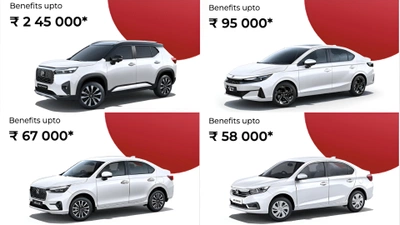
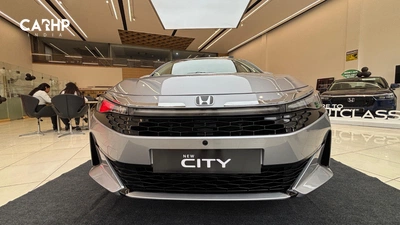
Honda Cars Available With Benefits of Up to Rs. 1.79 Lakh This September 2026
Honda India's September 2026 offers cover the Elevate, City, and Amaze, with the Elevate getting up to Rs. 1.79 lakh in benefits or up to Rs. 2.44 lakh on specific ZX variants with accessory packages. Here is the full breakdown.
Arjun Nair
September 9, 2026
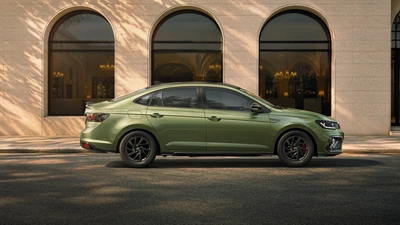
Volkswagen Launches Virtus Anniversary Edition in Avocado Pearl, Limited to 150 Units at ₹19.19 Lakh
Volkswagen India has launched the limited-run Virtus Anniversary Edition at ₹19.19 lakh, based on the GT Plus Sport, with a new Avocado Pearl paint and contrasting black roof. Just 150 units on sale.
Anmol Kumar
August 6, 2026