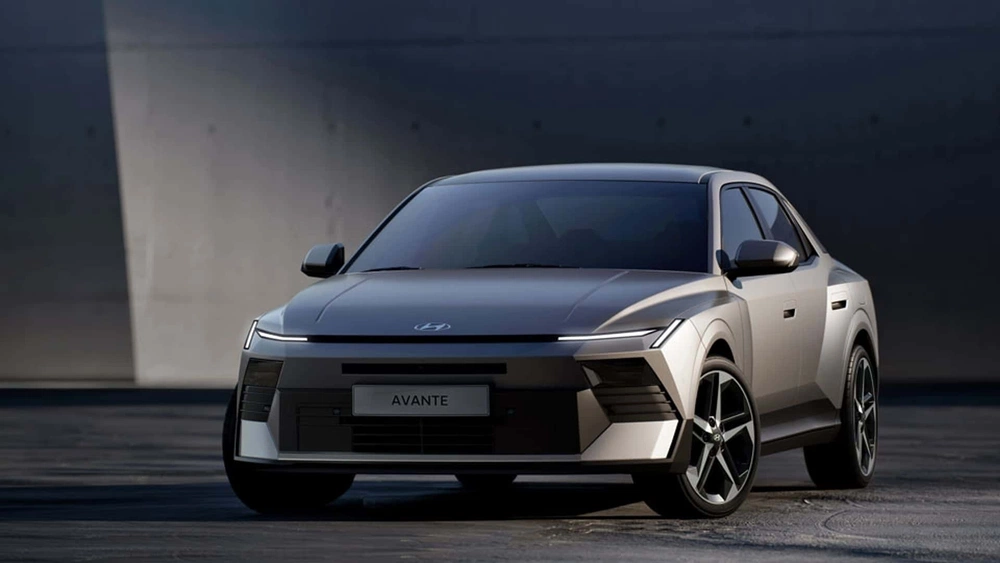
Hyundai just pulled the wraps off the eighth-generation Elantra (known as Avante In Korea) at the 2026 Busan Mobility Show with a lot of SUV-fied and oh! what is that kind of looks that we expect form every Hyundai launch
Exterior Design
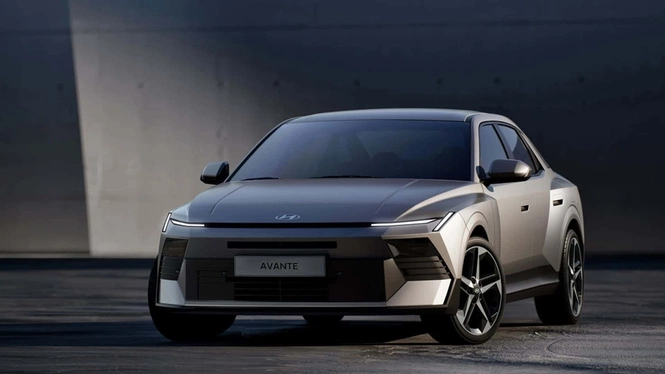
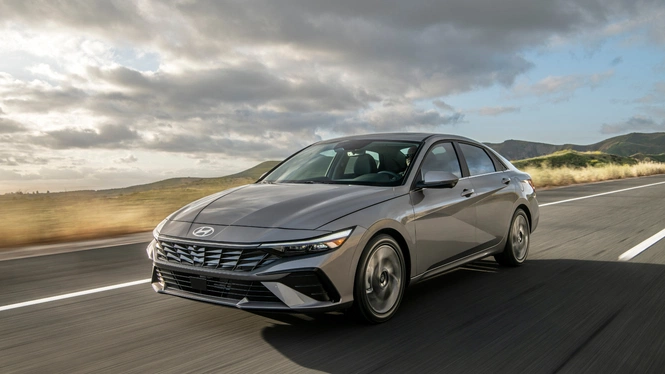
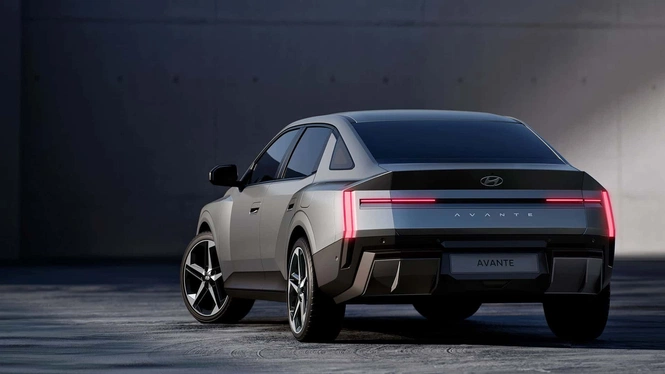
The outgoing Elantra (7th-gen, launched 2020) was sharp enough, but the 8th-gen takes a completely different direction. Hyundai calls it "Art of Steel," and you see it immediately in the flared wheel arches, flush door handles, and the triangle-shaped rear quarter glass that borrows from executive sedan thinking.
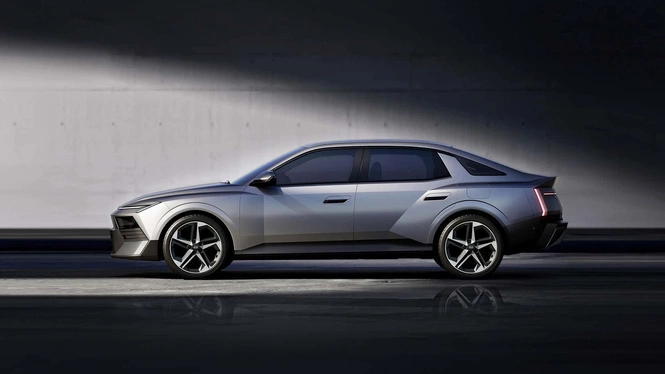
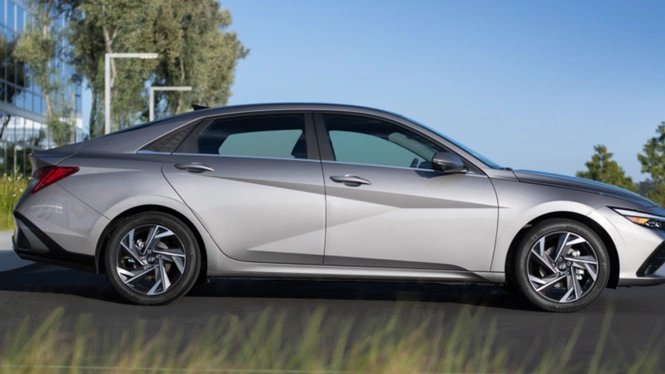
A full-width ducktail spoiler and an "H" lighting motif front and rear complete the look. The current model's parametric grille and angled lines look almost understated by comparison.
Size-wise, the new car grows meaningfully. It's 55 mm longer (now 4,765 mm total), 30 mm wider at 1,855 mm, and rides on a 30 mm longer wheelbase of 2,750 mm. The current model sits at 4,710 mm in length with a 2,720 mm wheelbase. Hyundai specifically says the 8th-gen is "nearly as spacious as a midsize sedan" -- that's a claim it couldn't have made about the outgoing version.
Interior Design
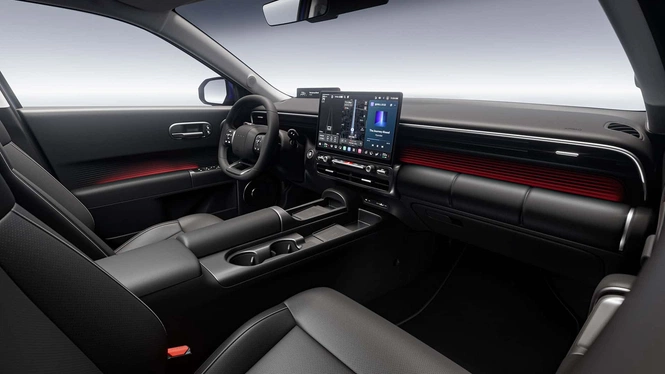
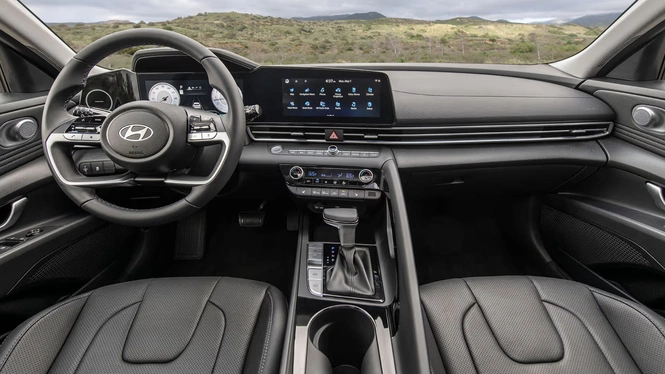
The 7th-gen Elantra gave buyers a 10.25-inch touchscreen paired with a matching digital cluster, which was class-competitive in 2020 but is starting to show its age. The 8th-gen brings Hyundai's brand-new Pleos infotainment system based on Android Automotive OS. Standard screen size jumps to 12.9 inches, with a 14.6-inch option on higher trims.
The slim instrument cluster sits at the top of the dash in the driver's sightline. The steering wheel drops the Hyundai logo in favour of four dots, the Morse code for "H," a detail already seen on newer Hyundai models globally. The gear selector shifts behind the steering wheel, freeing up center console space for dual wireless charging pads and two large cupholders. Ambient lighting in the door panels and dashboard is also new.
Engine and Performance
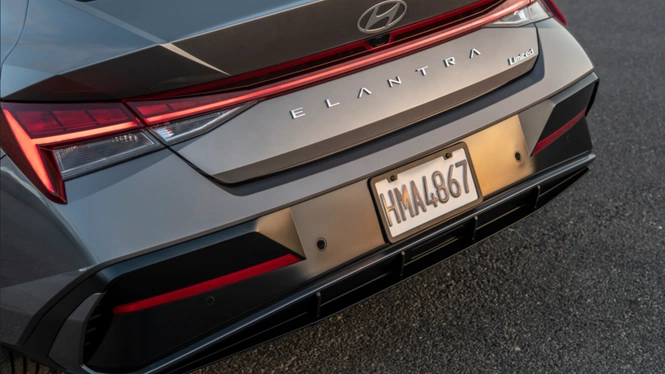
This is where the comparison is clearest. The outgoing 7th-gen comes with a 2.0-litre NA petrol (147 hp) and a 1.6-litre hybrid (139 hp combined). The 8th-gen keeps the same displacement figures but squeezes more out of both.
he 2.0-litre now makes 147 hp (up 25 hp over what the older 2.0 used to make in earlier iterations of that engine), and the hybrid bumps to 155 hp with Hyundai's new TMED-II dual-motor system. The hybrid also gains Stay Mode, which powers the cabin's AC and infotainment off the battery with the engine off essentially a feature borrowed from EVs.
| Spec | 7th-Gen Elantra (Current) | 8th-Gen Elantra (New) |
|---|---|---|
| Length | 4,710 mm | 4,765 mm |
| Wheelbase | 2,720 mm | 2,750 mm |
| Width | 1,825 mm | 1,855 mm |
| Petrol Engine | 2.0L NA, 147 hp | 2.0L NA, 147 hp |
| Hybrid Output | 139 hp (TMED-I) | 155 hp (TMED-II) |
| Infotainment | 10.25-inch | 12.9-inch / 14.6-inch (Pleos) |
| Gear Selector | Center console | Behind steering wheel |
India Launch Possibility
Hyundai India discontinued the Elantra back in 2022, and there's no confirmed plan to bring the 8th-gen here. The Korean market (Avante) goes on sale in Q3 2026, with the global Elantra rollout expected through 2027. India didn't get the 7th-gen either, so unless Hyundai decides the segment is viable again, the new model is unlikely to arrive on Indian shores in the near term.
Table of Contents
- Exterior Design
- Interior Design
- Engine and Performance
- India Launch Possibility
Join the Conversation
Trending
SUVs Under 10 Lakhs With Best Mileage In 2026
Here is every diesel, petrol, CNG compact SUV under 10 lakhs on road price with best mileage
Salil Kumar
October 16, 2026
Top 10 Cheapest CNG Cars You Can Buy
From the Kwid to the new Punch, there are a variety of options.
Arjun Nair
October 16, 2026
Hyundai Neira MPV to Debut in India in 2027 With Four Powertrain Options
The Hyundai Neira is an upcoming three-row MPV expected to arrive in India in 2027 with petrol, diesel, turbo-petrol and CNG options. It shares its basic design with the Kia Carens Clavis.
Anmol Kumar
October 16, 2026
BS7 Norms From April 1, 2029: 6 Major Changes Car Buyers Need to Know
India's proposed BS7 emission norms will tighten real-world pollution monitoring and introduce new rules for brake dust, tyre abrasion and EV battery durability. Here's what changes from 2029.
Salil Kumar
October 16, 2026
Honda 0 Alpha Electric SUV India Debut Set for December 2
Honda will unveil the production-spec 0 Alpha electric SUV in India on December 2. The locally manufactured model is expected to go on sale in 2027. Check for the expected design, features, powertrain and other key details of the SUV.
Anmol Kumar
October 15, 2026
Featured
Citroen C3 Review: Who Should Consider This Car?
A few days ago, I took the Citroen C3X out for a spin in the city and on the highways. I travelled long distances and checked its fuel efficiency, features, comfort, and other factors. Today, I’ll briefly share my overall experience with the C3X and will tell you whether you should consider it or not and which is the most value-for-money variant of the lot.
Vatsal Agrawal
May 19, 2026
Tesla Finally In India Officially. Why Now And What Does It Mean For EVs?
The much-anticipated 2025 Tesla Model Y has officially arrived in India, marking a pivotal moment for the nation's burgeoning electric vehicle market. Launched on July 15, 2025, the Model Y Juniper facelift offers cutting-edge technology, impressive range, and signature Tesla performance. Positioned as a premium electric SUV, its entry will intensify competition and reshape consumer expectations for EVs across the subcontinent.
Author
July 17, 2025
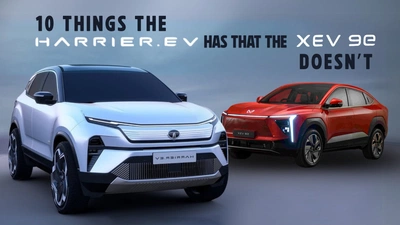
Here Are 10 Things The Harrier.EV Offers That The Mahindra XEV 9E Doesn't
The Harrier.EV is an incredible new offer from Tata. Its most popular competitor would be the Mahindra XEV 9E, priced similarly. With these two incredible offerings from home grown brands available, here is a list of everything the Harrier.EV offers that the XEV 9E doesn't.
Author
June 13, 2025
Write a comment
Comments
No comments yet. Be the first to comment!